
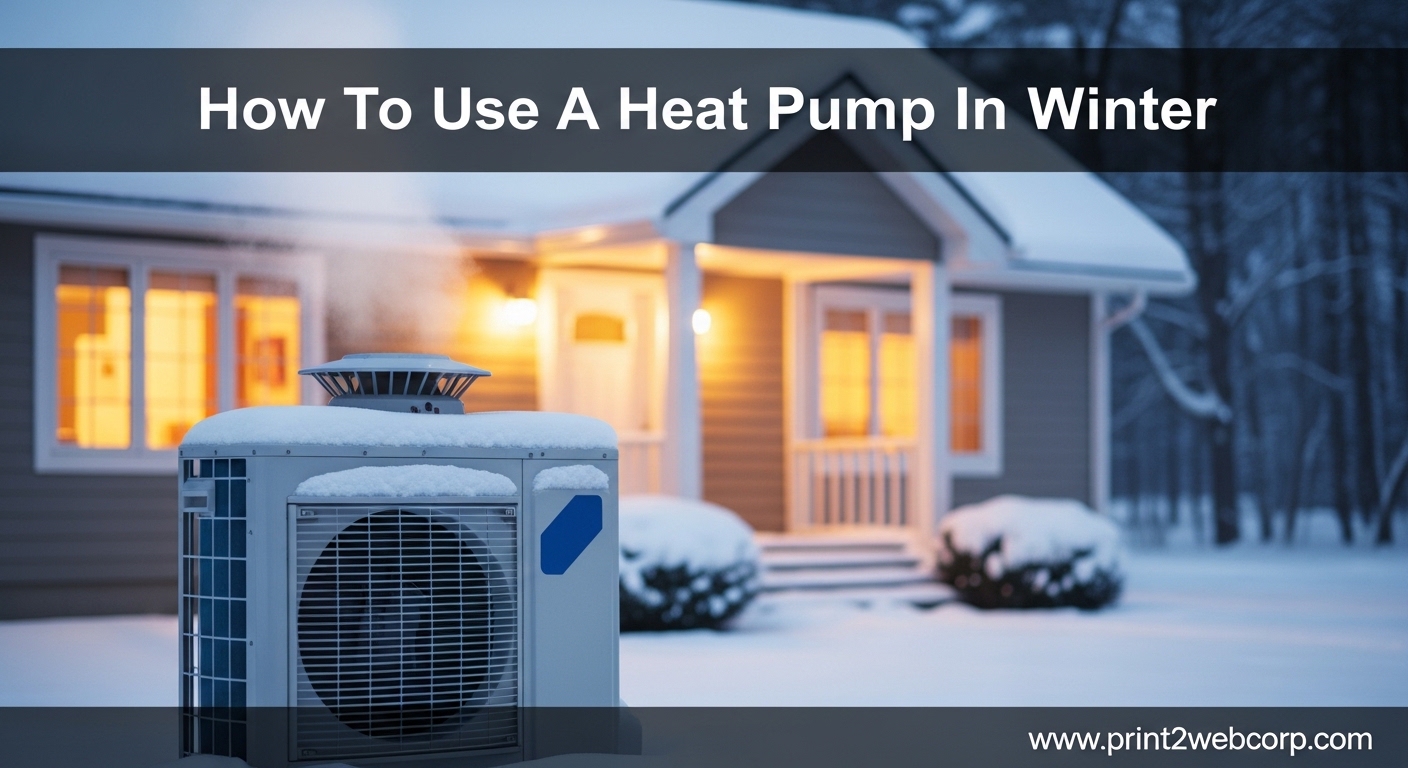
Learning how to use a heat pump in winter can feel confusing at first, especially if you are used to traditional furnaces or boilers. Heat pumps operate differently than conventional heating systems, and understanding these differences is the key to staying comfortable while keeping energy bills in check. I have spent years researching HVAC systems and talking to homeowners about their experiences, and I will share exactly what you need to know.
The most important thing to understand is that heat pumps work by moving heat rather than creating it. This makes them incredibly efficient, often 300-400% more efficient than electric resistance heating. But this efficiency comes with unique operating characteristics that can surprise first-time users. Your heat pump might run constantly, make strange noises during defrost cycles, or seem to struggle in extremely cold temperatures. These behaviors are often completely normal.
In this guide, I will walk you through everything you need to know about operating your heat pump during winter months. From optimal thermostat settings to understanding auxiliary heat, managing defrost cycles, and troubleshooting common issues, you will learn exactly how to use a heat pump in winter to maximize comfort and efficiency in 2026.
Understanding How Heat Pumps Work in Winter
Heat pumps use a refrigeration cycle to extract heat from outdoor air and move it inside your home. Even when it feels freezing outside, there is still heat energy in the air that your heat pump can capture. This process reverses during summer months to provide cooling, which is why heat pumps are often called “two-way” systems.
The refrigeration cycle has four main components: the outdoor unit (evaporator in heating mode), compressor, indoor unit (condenser), and expansion valve. Refrigerant continuously circulates between these components, absorbing heat outdoors and releasing it indoors. The compressor is the heart of the system, pressurizing the refrigerant to raise its temperature before it releases heat into your home.
Here is something that surprises many new heat pump owners: your system is designed to run for long periods, sometimes continuously. This is not a sign of problems. Heat pumps provide steady, gentle heating rather than the intense bursts of heat that furnaces produce. Constant running is actually more efficient than short cycling on and off, which is exactly what you want in winter.
Temperature does affect efficiency. In mild weather above 40F, most heat pumps operate at peak efficiency. As temperatures drop into the 20s and teens, efficiency gradually declines. Below 20F, many heat pumps struggle to extract enough heat from the outdoor air. This is when auxiliary heat typically kicks in to supplement the system. Modern cold-climate heat pumps can maintain efficiency down to -10F or lower, but older models may lose effectiveness below 25F.
How to Use a Heat Pump in Winter: Essential Settings
Getting your thermostat settings right is the most important factor in efficient heat pump operation. Here are the key settings you need to know:
- Set your thermostat to 68F – This is the sweet spot for comfort and efficiency. Every degree above 68F increases energy consumption by 3-5%. If 68F feels too cool, try adjusting gradually over a few days rather than making big changes.
- Use Heat mode, not Auto mode – Auto mode allows your system to switch between heating and cooling automatically. This wastes energy and can cause your heat pump to activate cooling mode on sunny winter days. Keep it on Heat mode throughout the winter season.
- Set it and forget it – Avoid adjusting your thermostat throughout the day. Unlike furnaces, heat pumps operate most efficiently when maintaining a steady temperature. Turning it down when you leave or sleep can actually increase energy use because the system must work harder to reheat your home later.
- Use the highest fan speed you are comfortable with – Higher fan speeds distribute heat more evenly and improve efficiency. If the air movement feels too drafty, try a medium setting rather than low.
- Programmable thermostats need special settings – If you use a programmable thermostat, set setbacks to no more than 2-3 degrees. Larger temperature drops will trigger auxiliary heat, which is expensive to operate.
These settings might feel different if you are coming from a traditional heating system. That is normal. Heat pumps provide a different kind of heating experience, and adjusting your expectations is part of learning how to use a heat pump in winter effectively.
Managing Defrost Cycles and What is Normal
One of the most alarming things for new heat pump owners is seeing the outdoor unit covered in ice or emitting steam. This is completely normal and is actually a sign that your defrost system is working correctly. Let me explain what is happening.
When your heat pump extracts heat from outdoor air, moisture in the air condenses on the outdoor coil. In cold weather, this moisture freezes into frost or ice. A thin layer of frost is normal and does not affect performance. But when ice builds up to about 1/8 inch thick, it blocks airflow and reduces efficiency. That is when the defrost cycle activates.
During defrost, your heat pump temporarily reverses into cooling mode. This sends hot refrigerant to the outdoor coil to melt the ice. You might see steam rising from the unit (this is just water vapor) and hear the compressor working harder. The indoor fan typically shuts off during defrost to prevent blowing cool air into your home. Auxiliary heat may activate to maintain indoor temperature.
Defrost cycles usually last 5-15 minutes and happen every 30-90 minutes in cold, humid conditions. In very cold or very dry conditions, defrost cycles may be less frequent. This whole process is automated and requires no action from you. If you see steam or ice, do not worry. Your system is doing exactly what it was designed to do.
However, if the entire outdoor unit becomes encased in ice or defrost cycles seem to run constantly for more than 20 minutes at a time, something might be wrong. Low refrigerant, a faulty defrost sensor, or poor airflow can cause excessive icing. These issues require professional service.
Auxiliary Heat vs Emergency Heat: Critical Differences
Understanding the difference between auxiliary heat and emergency heat is crucial for managing energy costs. Many homeowners see their electric bills spike in winter because auxiliary heat runs too frequently. Let me break down the difference.
Auxiliary heat (also called backup heat or second-stage heat) consists of electric resistance heating elements inside your indoor air handler. These automatically activate when your heat pump cannot keep up with demand. This typically happens when outdoor temperatures drop below the balance point, usually between 20-30F depending on your system and home insulation. Auxiliary heat is much more expensive to operate than your heat pump, often costing 2-3 times as much per hour of runtime.
Emergency heat uses the same electric resistance elements, but it is activated manually by switching your thermostat to Emergency mode. This bypasses the heat pump entirely and runs only the resistance heat. Emergency heat is designed for situations where your heat pump has malfunctioned and needs repair. It should never be used for normal heating because it is extremely expensive to operate.
Here is where things get expensive: if your thermostat is set too high, or if you use large setbacks (like turning it down to 60F at night and back up to 70F in the morning), auxiliary heat will run for extended periods to make up the difference. I have seen homeowners report $500+ monthly bills during cold snaps because their heat strips were running constantly. Avoiding excessive auxiliary heat activation is one of the most important aspects of learning how to use a heat pump in winter.
Some advanced thermostats offer “auxiliary heat lockout” features that prevent backup heat from activating above a certain outdoor temperature. If your thermostat has this feature, consider setting it to lock out auxiliary heat above 25-30F. This forces your heat pump to do all the work down to that temperature, which saves money because the heat pump is more efficient than resistance heat.
Winter Maintenance Checklist
Proper maintenance is essential for efficient heat pump operation. Here is your complete winter maintenance checklist:
Weekly tasks:
- Check the outdoor unit for snow, ice, or debris buildup. Clear at least 2 feet of space around all sides of the unit. Snow blocking the outdoor coil can cause serious damage and prevent your system from operating.
- Listen for unusual noises. Some sounds are normal, but loud banging, grinding, or screeching indicates a problem that needs professional attention.
- Check your air filter if you have pets or allergies. Otherwise, monthly inspection is sufficient.
Monthly tasks:
- Inspect and replace air filters as needed. A dirty filter restricts airflow, reduces efficiency, and can cause your system to work harder than necessary. This is the most common cause of heat pump problems.
- Check your vents and registers. Make sure furniture, curtains, or rugs are not blocking airflow. Vacuum register covers to remove dust buildup.
- Monitor your energy bills. A sudden spike might indicate that auxiliary heat is running too frequently, which could signal a problem with your heat pump or thermostat settings.
Seasonal tasks:
- Schedule professional maintenance before winter begins. A technician will check refrigerant levels, test electrical connections, lubricate moving parts, and ensure your defrost system is working correctly.
- Consider installing surge protectors for HVAC systems to protect your heat pump from electrical damage during winter storms.
- Inspect insulation around refrigerant lines. The foam insulation should be intact and not cracked or missing. Damaged insulation reduces efficiency and can cause ice formation.
One often-overlooked aspect of winter operation is humidity management. High humidity inside your home can make the air feel cooler than it actually is, tempting you to turn up the thermostat. In very humid climates, using home dehumidifiers for air quality can improve comfort without raising the temperature. Conversely, very dry air can feel uncomfortable and may cause static electricity or respiratory irritation. Most homes benefit from maintaining 30-50% relative humidity year-round.
Common Winter Issues and Solutions
Even well-maintained heat pumps can experience issues during winter operation. Here are the most common problems and what to do about them:
Heat pump not keeping up with demand: This is normal during extreme cold. Heat pumps are sized for moderate winter conditions, not the coldest days of the year. If your system cannot maintain your set temperature below 20F, it might be working as designed. Consider using supplemental heating in the room you use most often, or lower your expectations slightly during extreme cold snaps. However, if your heat pump cannot maintain temperature above 30F, something might be wrong with the system.
Heat pump running constantly: As I mentioned earlier, constant running is normal for heat pumps in winter. Unlike furnaces that cycle on and off, heat pumps provide steady, continuous heating. If your system runs for hours at a time and your home stays comfortable, this is exactly what should happen. Only worry if your home is getting colder despite constant running.
Unusual noises: Heat pumps make various sounds during operation. Clicking when the system starts or stops is normal. Humming from the compressor is expected. Whooshing or whistling sounds from air movement are fine. However, loud banging, grinding, screeching, or rattling indicates a problem. These sounds could signal loose components, failing bearings, or refrigerant issues. Contact a professional if you hear these noises.
High energy bills: If your winter bills are much higher than expected, auxiliary heat might be running too frequently. Check your thermostat settings and avoid large temperature adjustments. If your bill suddenly spikes without a change in usage or weather, your heat pump might be losing efficiency due to low refrigerant, dirty coils, or a failing component. A professional inspection can identify the problem.
Outdoor unit frozen solid: Light frost on the outdoor coil is normal. However, if the entire unit is encased in ice or snow has completely buried it, your system cannot operate properly. Clear snow and ice carefully, avoiding the coils and fins. If ice keeps building up excessively, you might have a defrost system problem that requires professional repair.
Heat pump turning on and off frequently (short cycling): This is not normal and indicates a problem. Possible causes include an oversized system, low refrigerant, a faulty thermostat, or restricted airflow. Short cycling wastes energy and wears out components faster. A technician can diagnose and fix the underlying cause.
When should you call a professional? If you notice any of these signs, schedule service: the heat pump cannot maintain temperature above freezing, you see refrigerant leaks (oily spots near connections), the system constantly trips circuit breakers, you smell burning or electrical odors, or ice keeps building up despite clearing it. These issues require professional diagnosis and repair.
Frequently Asked Questions
What is the best way to run a heat pump in winter?
The best way is to set your thermostat to 68F and leave it there throughout the season. Use Heat mode instead of Auto mode to prevent unnecessary cooling cycles. Avoid large temperature setbacks – keep adjustments within 2-3 degrees. Maintain at least 2 feet of clearance around your outdoor unit, and check or replace your air filter monthly. These settings maximize efficiency while keeping your home comfortable.
Is it okay for a heat pump to run continuously in winter?
Yes, continuous running is completely normal and actually indicates efficient operation. Unlike furnaces that produce intense heat in short bursts, heat pumps provide steady, gentle heating over long periods. Constant running maintains consistent temperatures and is more energy-efficient than short cycling. As long as your home stays comfortable and your energy bills are reasonable, you do not need to worry about your heat pump running all the time.
How many hours a day should a heat pump run in winter?
In cold weather, heat pumps typically run 8-12 hours per day, sometimes longer during very cold conditions. Below-freezing temperatures may cause nearly continuous operation, which is normal. Runtime depends on outdoor temperature, home insulation, thermostat settings, and system sizing. Modern variable-speed heat pumps modulate their output to match heating needs, which means they may run almost constantly but at lower power levels for maximum efficiency.
What mode should my heat pump be on in winter?
Always use Heat mode during winter months. Auto mode allows the system to switch between heating and cooling, which wastes energy and can cause uncomfortable temperature fluctuations. Emergency heat mode should only be used if your heat pump malfunctions and needs repair – it is extremely expensive to operate. For normal winter operation, keep your thermostat set to Heat mode with a steady temperature around 68F.
At what temperature do heat pumps lose efficiency?
Heat pump efficiency gradually declines as outdoor temperatures drop. Most standard heat pumps maintain good efficiency down to 30-40F. Between 20-30F, efficiency noticeably declines and auxiliary heat may activate. Below 20F, many heat pumps struggle significantly. However, modern cold-climate models can operate efficiently down to -10F or lower. If you live in a region with frequent temperatures below 20F, consider a cold-climate heat pump or supplemental heating system.
Conclusion
Learning how to use a heat pump in winter takes time, especially if you are transitioning from a traditional heating system. The key principles are simple: set your thermostat to 68F and leave it alone, use Heat mode instead of Auto, maintain proper clearance around your outdoor unit, and stay on top of filter maintenance. These practices will keep your system running efficiently and minimize those expensive auxiliary heat activations.
Remember that heat pumps operate differently than furnaces. Constant running, defrost cycles, and steam rising from the outdoor unit are all normal behaviors. What matters most is whether your home stays comfortable and your energy costs remain reasonable. If something seems off, do not hesitate to call a professional – small problems caught early are much cheaper to fix than ignored issues that cause major damage.
Heat pumps are incredibly efficient heating systems when used correctly. By following the guidelines in this article, you can stay comfortable all winter while keeping energy bills under control. The 2026 heating season will be here before you know it, so take some time now to prepare your system and review these tips. Your future self will thank you when the temperatures drop.
Leave a Reply