
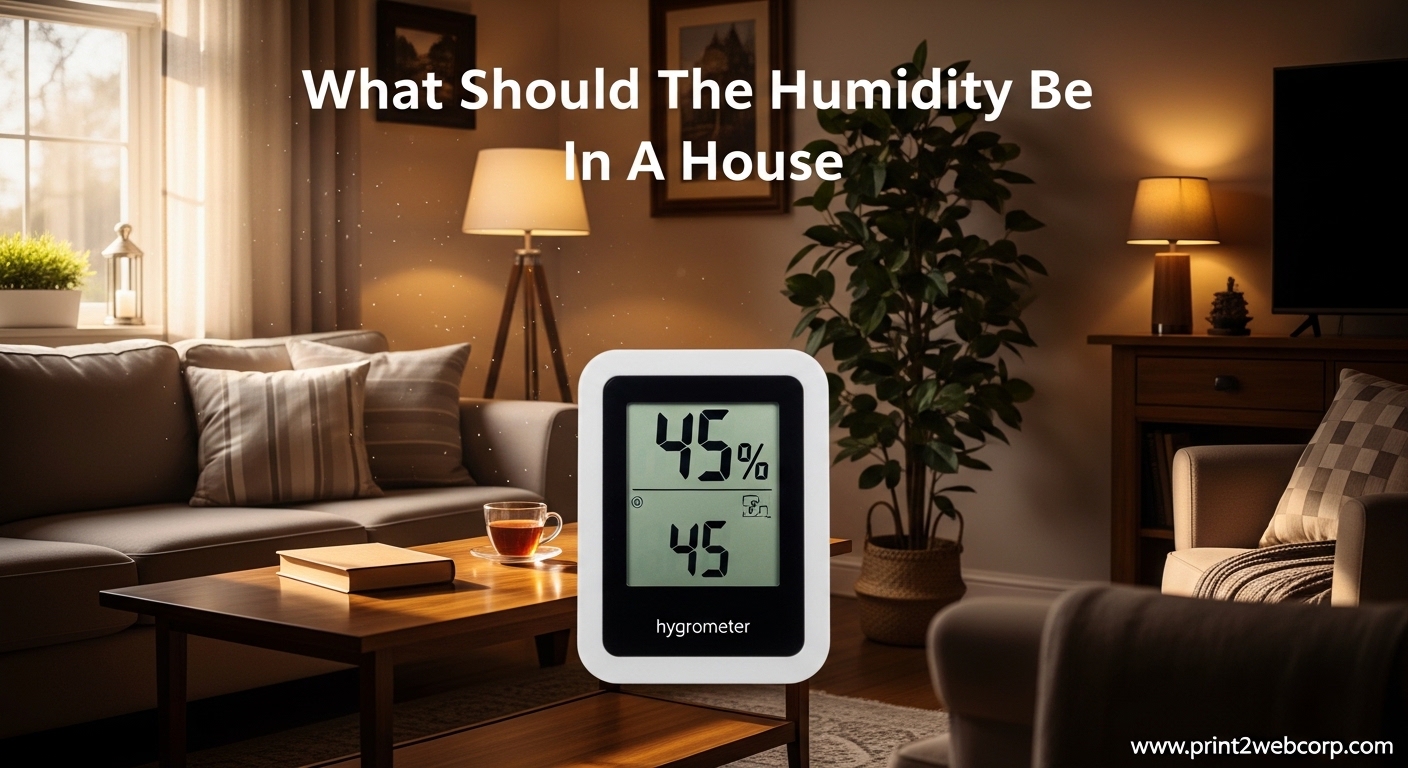
The ideal humidity level in a house should be between 30% and 50% relative humidity. This range, recommended by the EPA and ASHRAE, keeps your home comfortable while protecting both your health and your property. When humidity falls outside this sweet spot, problems start appearing. Air that’s too dry causes static shocks, cracked skin, and damaged woodwork. Air that’s too moist encourages mold growth, dust mites, and that sticky, uncomfortable feeling.
Understanding and controlling indoor humidity isn’t just about comfort. It’s about creating a healthier living environment. After years of helping homeowners troubleshoot humidity issues, I’ve seen how the right moisture levels can transform a home. Let me walk you through everything you need to know about what should the humidity be in a house and how to maintain it year-round.
What Is Indoor Humidity and Why It Matters
Indoor humidity refers to the amount of water vapor in your home’s air, measured as a percentage called relative humidity (RH). This number tells you how saturated the air is with moisture compared to its maximum capacity. When RH hits 100%, the air can’t hold any more water, which is why you see condensation on cold surfaces.
Humidity matters because it affects nearly everything in your home. Your body feels temperature differently based on moisture levels. High humidity makes hot air feel stifling and cold air feel clammy. Low humidity makes breathing uncomfortable and can damage your respiratory system. Your home’s materials also respond to moisture. Wood expands and contracts, paint can peel, and electronics may suffer from static discharge.
The EPA recommends keeping indoor relative humidity between 30% and 50%. The American Society of Heating, Refrigerating and Air-Conditioning Engineers (ASHRAE) suggests a slightly broader range of 30-60%. These guidelines exist because humidity outside these ranges creates problems for both health and home.
What Should The Humidity Be In A House
The ideal indoor humidity level for a house is between 30% and 50% relative humidity. This range provides the best balance between comfort, health, and home preservation. At 30% humidity, your air contains enough moisture to prevent dry skin and respiratory irritation. At 50%, you’re still below the threshold where mold and dust mites thrive.
Most experts agree that 40-45% is the optimal sweet spot for year-round comfort. This level keeps your home feeling pleasant without creating moisture problems. However, the perfect number for your home depends on several factors. Outdoor climate plays a major role. Homes in dry regions like the Southwest might struggle to reach 30%, while those in humid Gulf Coast areas fight to stay below 50%.
Season matters too. In winter, cooler air holds less moisture, so you might aim for 30-40% humidity. In summer, warmer air can handle more moisture, making 40-50% appropriate. The key is staying within that 30-50% band. Going below 30% causes discomfort and potential damage to your home. Exceeding 50% creates conditions where mold, mildew, and dust mites flourish. Above 60%, you’re definitely in the danger zone for mold growth and structural issues.
Your personal comfort should guide you within this range. Some people prefer slightly moister air around 45-50%, while others feel best at 35-40%. The important thing is monitoring your levels and making adjustments before problems develop.
Signs Your Home Humidity Is Too Low
Low humidity creates unmistakable symptoms throughout your home. The most obvious sign is static electricity. If you get shocked touching doorknobs, see your hair stand up, or notice small sparks when petting your dog, your air is too dry. Static becomes noticeable when humidity drops below 30% and gets worse as levels fall further.
Physical discomfort is another clear indicator. Dry, itchy skin and chapped lips are common complaints. Your throat might feel scratchy, especially in the morning. You may notice more nosebleeds or sinus irritation. Contact lens wearers often experience discomfort when humidity is low. These symptoms typically appear when humidity falls below 30% and intensify as it approaches 20%.
Your home shows signs too. Wood floors may develop gaps between planks or show cracks. Wooden furniture can split or warp. Door frames and window trim might separate from walls. Wallpaper can peel at the edges. Paint may crack. These structural issues occur because dry wood loses moisture and shrinks. Instruments like guitars and pianos can go out of tune or suffer permanent damage in overly dry conditions.
Other low humidity indicators include: houseplants drying out quickly despite regular watering, dust accumulating faster (dry air makes particles airborne more easily), and increased respiratory infections. Cold viruses survive longer in dry environments. If family members seem to catch every bug going around, low humidity might be a contributing factor.
Signs Your Home Humidity Is Too High
Excessive humidity creates different but equally obvious problems. The most visible sign is condensation on windows. If you see water droplets or fogging on glass surfaces, especially in bathrooms and kitchens, your humidity is too high. This typically happens when indoor humidity exceeds 50%, particularly during colder months when windows are cooler than the indoor air.
That sticky, clammy feeling is another dead giveaway. When air feels heavy and your skin feels damp, humidity is likely above 50-55%. You might notice that sweat doesn’t evaporate, making you feel hotter than the actual temperature. Bed sheets can feel damp, and towels might not dry completely between uses.
Mold and mildew growth is a serious concern at elevated humidity levels. You might spot fuzzy black, green, or white growth in bathrooms, basements, or around windows. A musty odor is often the first sign of mold developing, even before it’s visible. Mold can begin growing when humidity consistently exceeds 55%, and becomes a serious problem above 60%.
Dust mites thrive in humid conditions. These microscopic creatures live in bedding, carpets, and upholstery. They’re a major allergen trigger and proliferate when humidity stays above 50%. If allergy symptoms worsen indoors, especially at night, high humidity and the resulting dust mite population might be the culprit.
Other high humidity signs include: peeling paint or wallpaper, warped wood (swelling rather than shrinking), rust on metal surfaces, and increased insect activity. Many pests, including silverfish and certain spiders, prefer humid environments. If you notice these pests appearing, excess moisture might be attracting them.
How to Measure Indoor Humidity
The only accurate way to know your home’s humidity level is to measure it with a hygrometer. These devices, also called humidity sensors, are inexpensive and essential for maintaining optimal indoor conditions. Digital hygrometers cost as little as $10-15 and provide readings within 2-3% accuracy. Analog models exist but tend to be less precise and harder to read.
Placement matters when monitoring humidity. Position your hygrometer in a central living area, away from direct heat sources, vents, or windows. Kitchens and bathrooms will show artificially high readings due to cooking and showering. A spot in your living room or central hallway gives the most representative reading. For multi-story homes, consider placing one on each level as humidity can vary between floors.
Interpreting the readings is straightforward. Below 30% means your air is too dry. Between 30-50% is your target range. Above 50% indicates excessive moisture. Above 60% requires immediate action to prevent mold growth. Most digital hygrometers also show temperature, which helps you understand the relationship between temperature and humidity capacity.
How often should you check? In ideal conditions, once weekly is sufficient. However, during seasonal transitions or extreme weather, daily monitoring helps you catch problems early. Many people check their hygrometer daily during winter when heating systems dry out the air. Some HVAC systems include built-in humidity sensors that can trigger automatic adjustments.
For the most comprehensive picture, some homeowners use smart hygrometers that connect to phone apps. These devices track humidity over time, showing patterns and alerting you when levels go outside your target range. The historical data helps identify seasonal trends and the effectiveness of your humidity control efforts.
Ideal Humidity Levels by Season
Winter and summer require different humidity targets because temperature affects air’s moisture capacity. Cold air holds less water vapor than warm air. This is why you see condensation on cold windows. The warm indoor air carries moisture that condenses when it hits the cold glass surface.
In winter, aim for 30-40% humidity. Heating systems dry out air significantly. Forced-air furnaces reduce moisture with every heating cycle. Homes in cold climates can easily drop below 20% humidity during winter months. At these levels, static electricity becomes problematic and respiratory irritation increases. However, avoid exceeding 40% in winter because condensation on cold windows can lead to mold growth around frames.
Summer humidity should be maintained at 40-50%. Air conditioning naturally removes moisture from the air as it cools. Most homes maintain humidity around 50-60% during summer without additional effort. The challenge is keeping levels below 50% in humid regions. In very hot, humid climates, temporary spikes to 55% are acceptable, but sustained levels above 60% require intervention.
Spring and fall are transition periods where you might adjust between your winter and summer targets. Monitor during these seasons because outdoor humidity fluctuates dramatically. A warm spring day can bring excessive moisture, while a crisp fall day might dry out your home unexpectedly.
Regional climate affects these recommendations. Desert Southwest homes struggle to reach 30% year-round. These regions might benefit from pushing toward 50% in winter. Humid Southeast homes fight to stay below 50% even in winter. Coastal areas need year-round vigilance against excessive moisture. Adjust your targets within the 30-50% range based on your local climate and personal comfort.
Best Humidity Level for Sleeping
The ideal humidity for sleep is slightly higher than daytime recommendations, around 40-50%. This range helps maintain comfortable breathing throughout the night. Properly humidified air prevents your nasal passages and throat from drying out, reducing snoring and morning congestion.
Sleep quality improves at optimal humidity. You’re less likely to wake up with dry mouth, scratchy throat, or stuffy nose. The air feels more comfortable, allowing you to maintain consistent body temperature. Research suggests that humidity around 40-50% may reduce sleep disruptions caused by respiratory discomfort.
Temperature interacts with humidity for sleep comfort. Most sleep experts recommend bedroom temperatures between 65-68 degrees. At this temperature range, 40-50% humidity prevents the air from feeling too dry or too muggy. The combination helps your body regulate temperature effectively during sleep cycles.
For practical bedroom humidity control, avoid over-humidifying. Exceeding 50% in the bedroom can create conditions for dust mites in bedding. If you wake up congested but don’t see other allergy symptoms, your bedroom might be too humid. Conversely, if you wake with dry throat or nosebleeds, humidity is probably too low.
Health Conditions and Humidity
Humidity significantly impacts respiratory health. People with asthma generally benefit from humidity between 40-50%. Air that’s too dry can trigger asthma symptoms by irritating airways. However, humidity above 50% creates problems too, as dust mites and mold become more prevalent. Both are common asthma triggers. Finding the right balance requires monitoring your personal response to different humidity levels.
Allergy sufferers face similar considerations. Dust mites, a major allergen, thrive above 50% humidity. Keeping humidity below this threshold reduces dust mite populations. Mold spores, another allergen, proliferate when humidity exceeds 55-60%. For allergy management, staying in the 35-45% range often provides the best relief while maintaining comfort.
Eczema and skin conditions typically improve with higher humidity. The sweet spot is usually 45-50%. Adequate moisture in the air helps skin retain hydration, reducing flaking and itching. Many dermatologists recommend humidifiers during winter months for eczema patients. However, balance is key. Excessive humidity can worsen eczema in some people by increasing sweat and bacterial growth on skin.
When you’re sick with a cold or respiratory infection, higher humidity helps. Temporarily raising humidity to 50-55% can soothe irritated airways and loosen congestion. This is why steam from a hot shower provides temporary relief. The elevated humidity helps thin mucus and makes coughing more productive. Once you recover, return to normal levels to prevent mold growth.
Room-by-Room Humidity Considerations
Different rooms in your home present unique humidity challenges. Bedrooms benefit from 40-50% humidity for optimal sleep quality. Since you spend roughly one-third of your time sleeping, bedroom humidity deserves attention. A small humidifier or dehumidifier can maintain ideal conditions without affecting the whole house.
Bathrooms are the highest humidity areas in most homes. Showering can temporarily raise humidity to 70-80%. Exhaust fans are essential for removing this excess moisture. Run fans during showers and for 20-30 minutes afterward. If you notice mold on ceilings or around fixtures, your bathroom ventilation needs improvement. Aim to keep bathroom humidity below 55% most of the time.
Basements typically have higher humidity than upper floors. Ground contact keeps basement temperatures cooler, which reduces air’s moisture capacity and leads to condensation. Aim for 30-40% in basements to prevent mold and mildew. Dehumidifiers are commonly needed in basements even when the rest of the house is comfortable. A musty smell indicates humidity is too high and mold may be growing.
Kitchens generate moisture through cooking and dishwashing. Range hoods that vent to the outdoors help remove steam. Opening windows while cooking also helps. If you notice condensation on cabinets or near the sink, improve ventilation. Like bathrooms, kitchens should have humidity controlled to stay below 55%.
Tips for Maintaining Optimal Humidity
Maintaining proper humidity requires different strategies in different seasons. For increasing humidity when air is too dry, humidifiers are the most direct solution. Portable units work well for single rooms, while whole-house humidifiers integrate with your HVAC system. Simple methods help too. Houseplants release moisture through transpiration. Bowls of water near heat sources add moisture through evaporation. Air-drying laundry indoors increases humidity significantly.
For decreasing excessive humidity, ventilation is your first line of defense. exhaust fans in bathrooms and kitchens remove moisture at the source. Opening windows creates airflow that helps equalize indoor and outdoor humidity. In humid climates, dehumidifiers are often necessary. Portable units work for specific areas, while whole-house models can handle moisture throughout your home. Air conditioning also dehumidifies as it cools, which is why humidity is usually less problematic in summer if you run AC regularly.
Daily habits affect humidity more than you might realize. Shorter, cooler showers produce less moisture. Covering pots while cooking traps steam. Using bathroom fans during showers and kitchen fans while cooking prevents moisture buildup. Fixing leaky faucets and pipes eliminates constant moisture sources. Ensuring clothes dryers vent to the outside removes a significant source of indoor moisture.
HVAC maintenance plays a role too. Clean filters allow proper airflow and moisture control. Clogged filters reduce efficiency and can affect humidity levels. Having your system serviced annually ensures it’s operating optimally. Some advanced thermostats include humidity sensors and can trigger adjustments automatically. Smart home systems can integrate humidifiers, dehumidifiers, and HVAC equipment for precise control.
Frequently Asked Questions
What is the healthiest humidity level for a home?
The healthiest humidity level for a home is between 30% and 50% relative humidity. This range recommended by the EPA and ASHRAE prevents health issues associated with both dry and moist air. It minimizes respiratory irritation, reduces allergens like dust mites, and inhibits mold growth while maintaining comfort.
What are signs of too little humidity?
Signs of too little humidity include static electricity shocks, dry itchy skin, chapped lips, scratchy throat, and frequent nosebleeds. In your home, you may notice gaps in wood floors, cracking furniture, peeling wallpaper, and houseplants drying out quickly. Cold viruses also spread more easily in dry environments.
Is 70% humidity in a house high?
Yes, 70% humidity in a house is significantly too high. This level creates ideal conditions for mold growth, dust mites, and structural damage. At 70%, you’ll likely notice condensation on windows, musty odors, and that sticky uncomfortable feeling. Take immediate action to reduce humidity if levels reach this point.
Can mold grow at 55% humidity?
Yes, mold can begin growing at 55% humidity, though it thrives even more at levels above 60%. This is why experts recommend keeping indoor humidity below 50% whenever possible. If your home consistently measures 55% or higher, you’re in the danger zone for mold development and should take steps to reduce moisture.
What humidity level is too low for a house?
Humidity below 30% is too low for a house. At levels under 30%, you’ll experience increased static electricity, dry skin and respiratory irritation, and potential damage to wood furnishings and floors. In winter, many homes drop to 20% or lower without humidification, which causes significant discomfort and property damage.
Is 30% humidity too low in winter?
30% humidity is acceptable in winter, though 35-40% is more ideal. Many homes in cold climates struggle to reach even 30% during winter months. While 30% is workable, you might experience some static electricity and mild respiratory irritation. If possible, increase to 35-40% using a humidifier for better comfort.
What should humidity be when sick?
When sick with a cold or respiratory infection, temporarily increase humidity to 50-55%. The extra moisture helps soothe irritated airways and loosen congestion, making breathing easier and coughing more productive. Once you recover, return to normal 30-50% levels to prevent mold growth.
How do I know if my house has high humidity?
You’ll know your house has high humidity if you see condensation on windows, notice musty odors, feel that sticky clammy sensation, or spot mold growth. Other signs include peeling paint, warped wood, increased allergy symptoms, and more insects. If you notice these signs, measure with a hygrometer to confirm levels exceed 50%.
Conclusion
Maintaining proper indoor humidity is one of the most impactful things you can do for your home comfort and health. The 30-50% range provides a sweet spot where health risks are minimized, your home is protected, and comfort is maximized. With a simple hygrometer and attention to the signs we’ve covered, you can easily monitor and adjust your home’s humidity year-round.
Start by measuring your current levels. You might discover you’re already in the ideal range, or you might find problems you hadn’t noticed. From there, make gradual adjustments using the tips provided. Small changes in ventilation habits, the addition of a humidifier or dehumidifier, or simple daily habit modifications can make a significant difference. Your health, your home, and your comfort will all benefit from proper humidity control.
Leave a Reply