
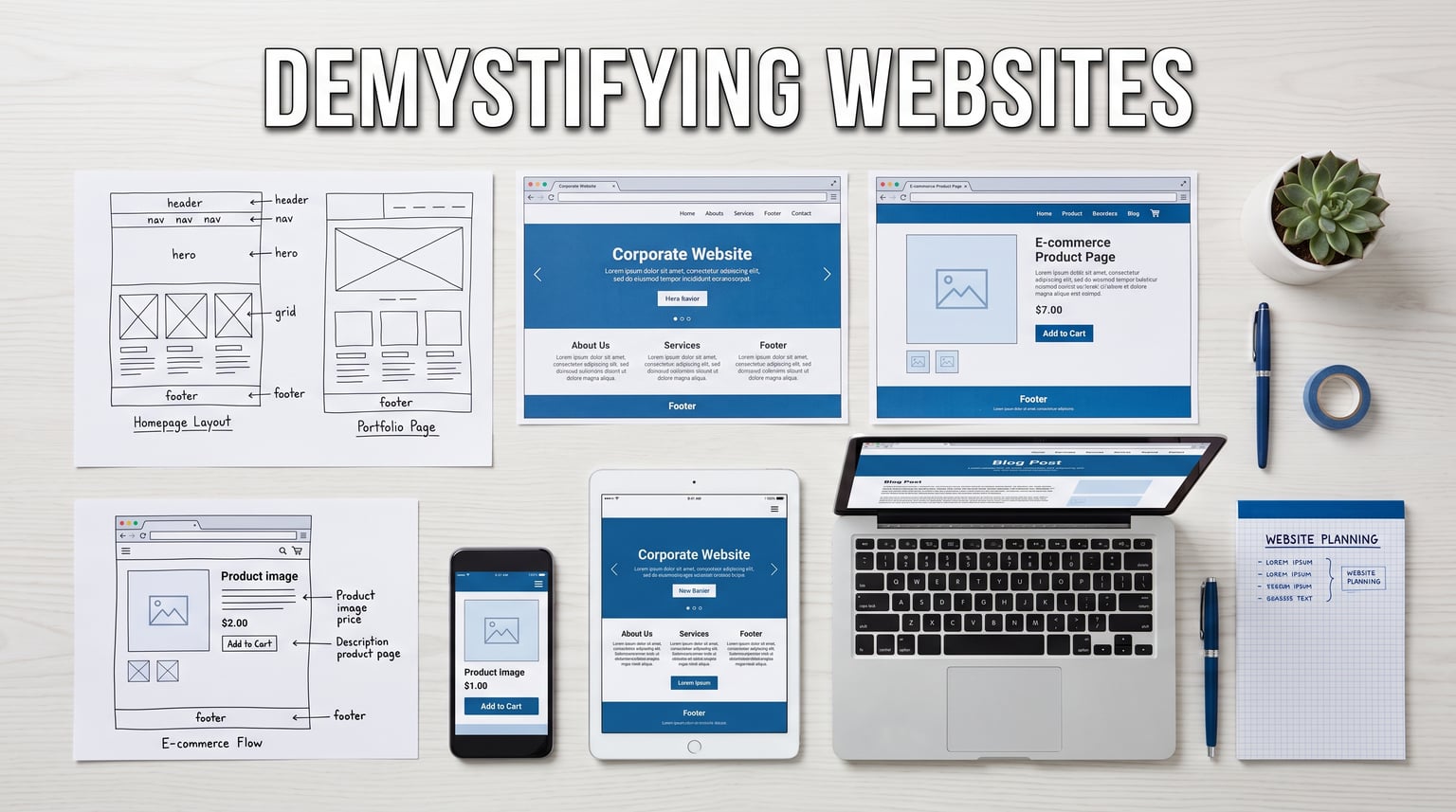
Every business faces a fundamental question in 2026: does a website still matter when social media platforms dominate online attention? The answer is a resounding yes. Research shows that 81% of shoppers research a business online before making a purchase, and 75% of consumers judge a company’s credibility based on its website design. Without one, businesses hand that first impression to competitors who showed up.
Websites remain the single most important digital asset a business can own. They function as a permanent digital storefront, a marketing engine, a sales channel, and a trust-building tool all at once. Unlike rented space on a social platform, a website is owned property that no algorithm change can take away. This guide breaks down what websites are, the structural and functional types available, how to choose the right one, and why every business regardless of size needs one in 2026.
Key Takeaways:
Websites build credibility – 75% of consumers assess legitimacy through site design
Ownership matters – no platform controls, algorithm shifts, or fee hikes can disrupt an owned site
12+ website types exist – from e-commerce to nonprofit, each serves distinct business goals
Static vs dynamic is the foundational decision before choosing any website category
Website vs social media is not an either-or choice; websites complement and protect social strategy
Why Websites Matter: Credibility, Reach, and Control
A business website is no longer a luxury reserved for large corporations. It is a baseline expectation. When potential customers search for a product or service, the businesses that appear with a professional, informative site immediately earn trust. Those with no website or only a social media profile are perceived as less established, regardless of how good their offerings might be.
The benefits of owning a website extend far beyond a simple online brochure. Here is what a well-built site delivers for business growth:
24/7 Availability: A website never closes. Customers browse, compare, and buy at any hour. Research indicates that approximately 60% of online purchases happen between midnight and 4am, meaning a significant portion of revenue is earned while the business owner sleeps.
Global Audience Reach: Physical storefronts are bounded by geography. A website dissolves those limits, letting a local business attract customers across regions, countries, and continents.
Marketing Hub: Every digital marketing effort, whether search engine optimization, email campaigns, pay-per-click ads, or content marketing, needs a destination. The website is that central hub where all traffic converges and converts.
Customer Insights: Integrated analytics tools like Google Analytics reveal visitor behavior, traffic sources, popular pages, and conversion paths. This data drives smarter business decisions that no social media dashboard can match in depth.
Enhanced Credibility: Studies show that 84% of consumers perceive businesses with a dedicated website as more credible than those relying solely on social media. A custom domain and professional design signal permanence and legitimacy.
Cost-Effective Promotion: Compared to print advertising, radio spots, or billboard rentals, website maintenance costs a fraction while reaching a larger, more targeted audience. Organic search traffic, in particular, delivers ongoing value without per-click fees.
Full Brand Control: Social media platforms restrict layout, font choices, and feature availability. A self-hosted website gives complete creative freedom to shape brand identity exactly as intended.
Lead Generation Engine: Contact forms, newsletter signups, quote requests, and downloadable resources turn passive visitors into qualified leads around the clock.
For businesses setting up their digital operations, having the right technology infrastructure is just as important as the website itself. Reliable data storage for your business website ensures customer data, product catalogs, and backups stay secure and accessible at all times.
Static vs Dynamic Websites: The Structural Foundation
Before exploring specific website categories, understanding the two structural foundations of every website is essential. Every site on the internet falls into one of two camps: static or dynamic. This distinction determines how content is delivered, how maintenance works, and what the site can actually do.
What Is a Static Website?
A static website is built using fixed HTML, CSS, and sometimes JavaScript files. Every visitor sees the exact same content on every visit unless a developer manually edits the code. The pages are pre-built and served exactly as stored on the server.
Static sites excel in simplicity. They load exceptionally fast because the server sends pre-rendered files without querying a database. They require minimal server resources, cost very little to host, and are highly secure since there is no database to exploit. Small businesses that need a simple online brochure, a landing page, or a portfolio often find static websites more than sufficient.
The trade-off is that updating content requires technical knowledge or a developer’s help. Adding a new page, changing pricing, or publishing a blog post means editing code. For businesses that need frequent content updates, a static architecture quickly becomes a bottleneck.
What Is a Dynamic Website?
A dynamic website generates pages in real time by pulling content from a database. When a visitor loads a page, the server assembles the content, images, and layout on the fly. This is how content management systems like WordPress, Shopify, and Wix operate behind the scenes.
Dynamic websites enable features that static sites cannot support: user accounts, shopping carts, booking systems, search functionality, personalized content, and automated blog publishing. A business owner can log into an admin panel and update text, images, and products without touching a single line of code.
The cost of this flexibility is added complexity. Dynamic sites require database management, regular software updates, stronger hosting resources, and ongoing security monitoring. However, for most growing businesses, the ability to manage content independently makes the dynamic approach the clear winner.
Which Foundation Is Right?
Most modern business websites use a dynamic architecture powered by a content management system. Static sites remain relevant for specific use cases: single-page promotions, documentation portals, and ultra-fast microsites. Some businesses adopt a hybrid approach, using static pages for high-speed landing experiences and dynamic functionality for interactive sections like stores or member areas.
Types of Websites for Various Business Needs
Every business has unique requirements for its online presence. Understanding the full range of website types helps owners select the format that best serves their goals. The categories below cover the most common and impactful website types available in 2026.
E-commerce Website
E-commerce websites function as digital storefronts where businesses sell products or services directly to customers online. They include shopping carts, secure payment gateways, product catalogs, inventory management, and order tracking. Platforms like Shopify, WooCommerce, and BigCommerce have made launching an online store accessible even without coding expertise.
The best e-commerce sites deliver a frictionless shopping experience with fast page loads, intuitive navigation, high-quality product imagery, and a streamlined checkout process. Security is non-negotiable: SSL certificates, PCI-compliant payment processing, and trust badges are expected by every modern shopper.
Corporate Website
A corporate website serves as the official digital headquarters for a company. It communicates the organization’s mission, values, leadership team, services, and company history. These sites build industry authority and trust with investors, partners, job seekers, and potential clients.
Effective corporate sites go beyond an “About Us” page. They incorporate thought leadership content, press releases, career portals, investor relations materials, and case studies. The design language is typically clean and professional, reinforcing the brand’s position in the market.
Blogging Website
Blogging websites focus on publishing regular articles, tutorials, opinions, or news within a specific niche. For businesses, a blog is one of the most effective SEO tools available. Each new post creates an additional indexed page, targets new keyword phrases, and provides shareable content that drives organic traffic.
Successful blogging sites combine consistent publishing schedules with deep, genuinely useful content. They incorporate internal linking, optimized meta descriptions, and compelling headlines to capture search engine results page rankings. Over time, a well-maintained blog becomes a compounding traffic asset.
Portfolio Website
Portfolio websites give creative professionals, including designers, photographers, writers, developers, and agencies, a curated platform to showcase their best work. The focus is on visual presentation, with high-resolution image galleries, case study breakdowns, and project outcomes taking center stage.
A strong portfolio site answers the potential client’s core question: can this person or team deliver the quality I need? Including client testimonials, project timelines, and measurable results transforms a gallery of images into a persuasive sales tool.
News and Media Website
News websites publish time-sensitive content covering current events, industry developments, entertainment, or niche topics. They prioritize publishing speed, content volume, and categorization. Major outlets like CNN and The New York Times operate massive news platforms, but niche industry publications can thrive with smaller, highly targeted audiences.
These sites typically feature multiple content categories, author bylines, social sharing tools, and recommendation engines. Revenue models often include advertising, subscriptions, or sponsored content.
Booking and Scheduling Website
Booking websites are purpose-built for service businesses that operate by appointment. Hair salons, dental offices, fitness trainers, consultants, spas, and home service providers use these sites to let customers reserve time slots online without phone calls or back-and-forth emails.
Integrated calendar systems sync availability in real time, send automated confirmation emails and text reminders, and process deposits. This automation reduces no-shows, frees staff from scheduling tasks, and captures bookings outside business hours. For any appointment-based business, a booking website directly increases revenue.
Membership and Community Website
Membership websites gate premium content, courses, forums, or resources behind a login. Users pay a recurring subscription or one-time fee to access exclusive material. Fitness platforms, professional associations, online learning communities, and software-as-a-service products all use this model.
These sites combine user account management, payment processing, content dripping, and community interaction features. The recurring revenue model makes membership websites one of the most financially sustainable online business structures.
Nonprofit and Charity Website
Nonprofit websites serve dual purposes: raising awareness for a cause and collecting donations online. They tell compelling stories through impact statistics, beneficiary testimonials, and visual media. Integrated donation forms, volunteer registration portals, and event signup tools drive action directly from the site.
Transparency is central to nonprofit web design. Publishing financial reports, program outcomes, and leadership information builds donor confidence. Many nonprofit sites also incorporate tax receipt generation and recurring donation options to maximize giving.
Event Website
Event websites are temporary but powerful. They promote conferences, weddings, festivals, product launches, or fundraisers with a clear focus: get visitors to register, buy tickets, or learn essential logistics. A well-designed event site includes schedules, speaker or performer profiles, venue maps, pricing tiers, and countdown timers.
These sites need to load fast and convert decisively, since the window for ticket sales is limited. Post-event, the same site can host recorded sessions, photo galleries, and next-year announcements.
One-Page and Landing Page Website
One-page websites condense an entire business story into a single scrolling experience. They are ideal for product launches, mobile app promotions, personal brands, or small service businesses that need a web presence without extensive content. Every section is designed to guide the visitor toward a single call-to-action.
Landing pages are even more focused, typically built for specific ad campaigns or email sequences. They remove navigation menus and distractions to maximize conversion rates. A well-crafted landing page can convert at 10% or higher when paired with targeted traffic.
Educational Website
Educational websites deliver learning experiences, from K-12 school portals to online course platforms and university sites. They combine structured content delivery, progress tracking, quizzes, video lessons, and sometimes live instruction. Platforms like Coursera, Khan Academy, and Teachable have proven the massive demand for online education.
For businesses, educational sites can serve as lead magnets. A free mini-course or tutorial library attracts potential customers, builds authority, and naturally leads to paid offerings.
Directory Website
Directory websites organize listings of businesses, professionals, resources, or services into searchable categories. Yelp, Angie’s List, and niche industry directories follow this model. Users search by location, category, rating, or keyword to find what they need.
Directory owners monetize through premium listings, advertising, or lead referral fees. Building a directory requires robust search functionality, user review systems, and listing management tools.
SaaS and Web Application Website
Software-as-a-service websites represent products that users access through a browser rather than installing on a computer. These sites combine marketing pages with a functional application. Examples include project management tools, CRM platforms, accounting software, and design applications.
SaaS sites require a different design approach because they serve two audiences simultaneously: prospective customers evaluating the product and existing users logging in. Clear pricing pages, feature comparison tables, and self-service signup flows are hallmarks of effective SaaS web design.
Website Type Comparison: Matching Goals to the Right Format
Choosing the right website type becomes much easier when business goals are mapped directly to website categories. The comparison below provides a quick-reference framework for matching what a business wants to achieve with the website type best suited to deliver it.
Sell Products Online – E-commerce Website – Key Features: Shopping cart, payment gateway, inventory tracking, product reviews
Build Corporate Authority – Corporate Website – Key Features: Service pages, leadership bios, case studies, press section
Attract Organic Search Traffic – Blogging Website – Key Features: Article publishing, SEO tools, categories, internal linking
Showcase Creative Work – Portfolio Website – Key Features: Image galleries, project case studies, client testimonials
Publish Time-Sensitive Content – News Website – Key Features: Article scheduling, author management, content categories
Accept Appointments Online – Booking Website – Key Features: Calendar sync, automated reminders, deposit collection
Generate Recurring Revenue – Membership Website – Key Features: User accounts, content gating, subscription billing
Collect Donations – Nonprofit Website – Key Features: Donation forms, impact stories, tax receipts, volunteer signup
Drive Single-Action Conversions – Landing Page – Key Features: Minimal navigation, focused copy, single call-to-action
Deliver Online Learning – Educational Website – Key Features: Course structure, progress tracking, video hosting, quizzes
This framework helps narrow the field quickly. A business that wants to sell physical goods knows immediately that an e-commerce architecture is required. A consultant who needs clients to book calls can see that a booking website with calendar integration is the answer.
How to Choose the Right Website Type
Selecting the right website format does not require technical expertise, but it does require honest answers to a few business questions. The decision framework below walks through the most important factors.
Step 1: Define the Primary Goal
What is the single most important action a visitor should take on the site? Is it buying a product, booking an appointment, signing up for a newsletter, or simply learning about the company? The primary goal determines the website type. A site trying to do everything at once usually excels at nothing.
Step 2: Identify the Target Audience
Who will visit the site, and what are they looking for? A B2B audience expects different design conventions than consumers shopping for gifts. Older demographics may need larger text and simpler navigation. Mobile-heavy audiences demand responsive design above all else.
Step 3: Assess Content and Maintenance Capacity
Does the business have someone who can write blog posts weekly, or is the site likely to stay static for months? A content-driven site that goes stale hurts more than it helps. If regular updates are unlikely, a simpler corporate or portfolio site is a better fit than a blog or news platform.
Step 4: Consider Budget and Technical Resources
Website costs vary widely based on type and complexity. A simple one-page site built with a drag-and-drop editor can launch for minimal investment. A custom e-commerce platform with inventory sync, CRM integration, and payment processing requires a larger budget and potentially ongoing developer support. Businesses should plan for both initial build costs and ongoing maintenance, which includes hosting, security updates, and content refreshes. Having reliable computers for managing your business website is also part of the operational investment.
Website vs Social Media: Why Businesses Need Both
One of the most common questions business owners ask is whether a website is still necessary when they already have a strong social media following. The short answer is that social media and a website serve fundamentally different purposes, and relying on only one creates significant business risk.
Ownership and Control
A social media profile is rented space. The platform owns the audience, the algorithm, the layout, and the rules. At any time, a platform can change its algorithm to reduce organic reach, suspend an account, or shut it down entirely. Multiple small business owners have reported that a single algorithm change on Instagram or Facebook decimated their traffic overnight.
A website is owned property. The domain name, the content, the email list, and the customer data all belong to the business. No external entity can change how the site performs or cut off access without warning.
Credibility Gap
Research consistently shows that consumers trust businesses with dedicated websites more than those with only social media profiles. The percentage of consumers who see websites as more credible than social-only businesses sits at 84%. A custom domain and professional design signal that a business is established, invested, and committed for the long term.
Search Engine Visibility
Social media posts rarely appear in Google search results. Website pages, by contrast, are indexed by search engines and can rank for relevant keywords for months or years. A well-optimized page can drive free organic traffic indefinitely. Social media content has a shelf life measured in hours or days.
Additionally, AI tools like ChatGPT, Gemini, and Google AI Overviews pull information from websites to answer user queries. If a business has no website, AI assistants have no source to cite, meaning the business becomes invisible in the fastest-growing search channel.
Feature Limitations
Social platforms cannot support shopping carts, appointment booking, membership portals, detailed analytics, custom forms, or email capture at the level a website can. They are marketing channels that point toward a website, not replacements for one. The most effective strategy uses social media to drive traffic to a owned website where conversions happen on the business’s terms.
Recognizing the Need to Build a Website for Your Business
Many business owners delay building a website because they are unsure whether the investment will pay off. Several clear signals indicate that the time has come to create a dedicated online presence.

Customers Are Asking for One
When potential customers routinely ask for a website address, examples of past work, or a way to learn more before contacting the business, that demand signals a clear need. Customers research before buying. In fact, 93% of consumers read reviews before making a purchase, and the journey often starts with a web search. If the business does not appear in those searches, competitors will.
Third-Party Platform Fees Are Eating Profits
Selling through marketplace platforms like Etsy, Amazon, UberEats, or third-party booking services comes with per-transaction fees that compound rapidly. As sales volume grows, so do the fees. Building a standalone website allows the business to process transactions directly, retain full margins, and offer promotions that marketplace rules prohibit.
Competitors Already Have One
If competitors in the same market have professional websites and the business does not, that gap costs customers every day. When a prospect compares two similar businesses, the one with a polished website nearly always wins the trust comparison.
The Business Wants to Scale
Growth requires infrastructure. A website provides the foundation for scaling marketing, automating sales, capturing leads, and expanding into new markets. Businesses that operate solely through social media or word-of-referral hit a ceiling that a website can break through.
Ideal Factors for Starting A Website
Starting a website is more than just having an online space; it is about creating a foundation that supports and promotes a business continuously. To get this right, several vital ingredients make up the recipe for establishing a strong brand online.
Key Company Information That Helps Boost Your Business
When people hear about a company, they want to learn more before deciding to buy or engage. Providing this information clearly and accessibly builds trust. Here are the essential details every business website should include:
Business Name and Logo: The first step in introducing the brand to new visitors, reinforced consistently across every page.
Products or Services Offered: Clear, plain-language descriptions of what the business provides and why it matters to the customer.
Contact Information: Phone number, email address, physical location, and a contact form. Customers should never have to hunt for how to reach the business.
Testimonials and Reviews: Since 93% of consumers read reviews before buying, displaying social proof directly on the site accelerates the decision process.
Certifications and Awards: Professional recognition, industry certifications, and achievements differentiate the business and validate expertise.
Privacy Policy and Terms of Service: Required by law in many jurisdictions, these documents protect both the business and its visitors.
SSL Certificate (HTTPS): The padlock icon in the browser bar is expected by default. Without it, browsers flag the site as not secure, driving visitors away instantly.
Putting this information in one accessible place shows transparency. When people trust a company, they are more likely to become customers and recommend the business to others. For companies building their full digital infrastructure, pairing the website with reliable networking hardware is worth considering. Exploring options for a dependable internet connection ensures the back office stays online when customer traffic spikes.
How Effective UI and UX Shape Visitor Experience
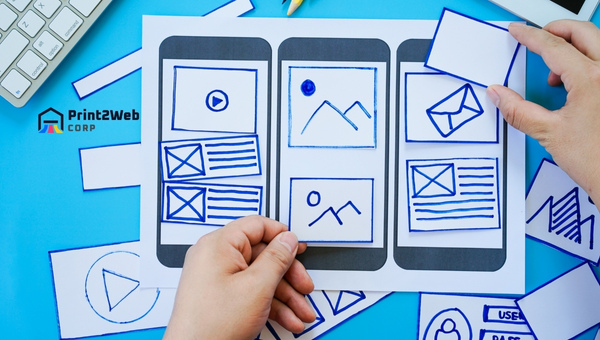
User interface (UI) and user experience (UX) design determine whether visitors stay on a website or leave within seconds. Research shows that 94% of first impressions are design-related, meaning visual and functional quality directly impacts credibility, engagement, and conversion rates.
Responsive Design and Mobile-First Thinking
Google uses mobile-first indexing, meaning the search engine evaluates the mobile version of a site before the desktop version. If a website is not mobile-friendly, it loses both rankings and visitors. Responsive design ensures the site adapts smoothly to any screen size, from phones to tablets to large monitors.
Mobile users have different needs: larger tap targets, simplified navigation, faster load times, and thumb-friendly layouts. A site that looks beautiful on a 27-inch monitor but is unusable on a phone will lose the majority of its audience.
Page Speed and Performance
Page load speed is a confirmed Google ranking factor and a critical user experience element. Studies show that a one-second delay in page response can reduce conversions by 7%. Visitors expect pages to load in under three seconds, and many abandon sites that take longer.
Optimizing images, leveraging browser caching, minimizing code, and choosing quality hosting all contribute to faster load times. Performance optimization is not a one-time task but an ongoing maintenance priority.
Navigation and Information Architecture
Visitors should find what they are looking for within two clicks. A clear, logical menu structure, breadcrumb navigation, internal search, and strategic calls-to-action guide users naturally through the site. Confusing navigation is one of the top reasons visitors abandon websites.
Accessibility and Inclusive Design
Web accessibility means designing so that people with disabilities can use the site effectively. This includes alt text for images, keyboard navigation support, sufficient color contrast, and screen reader compatibility. In many countries, accessibility is not optional. ADA compliance and WCAG guidelines are legal requirements that businesses ignore at their peril.
Aligning Design With Brand Voice
Visual consistency across the website reinforces brand identity. Color palettes, typography, imagery style, and tone of voice should match what customers experience on social media, in email communications, and in person. A disconnect between how a brand presents itself on Instagram and how its website looks creates confusion and erodes trust.
Every button, heading, and paragraph should communicate in the brand’s voice. Whether the brand is serious and professional or warm and conversational, the website is the most complete expression of that identity.
Why 24/7 Online Presence Is a Competitive Necessity
A website operates continuously, capturing opportunities that a physical storefront or social media presence alone cannot. Research from Wix indicates that approximately 60% of online purchases happen between midnight and 4am, hours when most businesses are closed. Those transactions go to companies with functioning, informative websites.

Capturing Customers Across Time Zones
An always-on website reaches customers in different geographic regions and time zones without additional staffing. A service business in New York can attract and convert clients in London, Tokyo, or Sydney. Product pages, FAQs, and automated chat tools provide answers instantly, regardless of when the visitor arrives.
Building Momentum Through Consistency
A persistent online presence compounds over time. Each blog post, product page, and service description becomes a permanent asset that search engines index and potential customers discover. Unlike a social media post that vanishes from feeds within hours, a well-optimized web page can generate traffic for years.
Managing the Always-On Expectation
Maintaining a 24/7 presence does not require staff to be available around the clock. Automated tools handle the heavy lifting. Chatbots answer common questions instantly. Contact forms capture inquiries for follow-up during business hours. Help centers and FAQ pages resolve issues without human intervention. The key is setting clear expectations about response times while ensuring the site itself is always functional and informative.
The Role of AI in the Future of Websites
Artificial intelligence is reshaping how websites are built, discovered, and experienced. AI-powered website builders can now generate complete, designed sites from a few business details. AI chatbots handle customer service inquiries with increasing sophistication. Search engines use AI to summarize website content in search results and answer engines.
This trend makes having a website more important, not less. AI search tools like Google AI Overviews, ChatGPT, and Gemini pull data from websites to construct their answers. Businesses without a website are excluded from these AI-generated responses entirely, becoming invisible in an emerging search channel that millions of people already use daily.
Frequently Asked Questions
Why is a website needed for business?
A website builds credibility, expands reach beyond local geography, captures leads 24/7, and serves as the central hub for all digital marketing efforts. Research shows 81% of shoppers research online before buying and 75% judge credibility by website design, making a professional site a baseline expectation for any serious business.
What are the main types of websites?
The most common types include e-commerce, corporate, blogging, portfolio, news, booking, membership, nonprofit, event, one-page or landing page, educational, directory, and SaaS or web application websites. Each serves distinct business goals, from selling products to collecting donations to delivering online courses.
Do I need a website if I have social media?
Yes. Social media is a rented platform where algorithm changes can reduce reach overnight. A website is owned property that no platform controls. Studies show 84% of consumers find businesses with websites more credible than social-only businesses. Social media should drive traffic to a website, not replace it.
What is the difference between a static and dynamic website?
A static website serves pre-built HTML files that look the same for every visitor and require manual code edits to update. A dynamic website pulls content from a database in real time, allowing non-technical users to update pages through a content management system. Most modern business websites are dynamic.
How much does a business website cost?
Costs vary widely based on complexity. A simple one-page site built with a drag-and-drop website builder can launch for minimal monthly cost. A custom e-commerce site with payment processing, inventory management, and professional design requires a larger investment. Businesses should budget for both initial development and ongoing costs like hosting, security updates, and content maintenance.
How long does it take to build a website?
A simple one-page or small business site can be built in a few days using a website builder. A standard corporate site with 5 to 10 pages typically takes 2 to 6 weeks. A custom e-commerce platform or web application with advanced features can take 2 to 6 months depending on scope, integrations, and content preparation.
Can a website help my small local business grow?
Absolutely. Even local businesses benefit because customers search online before visiting in person. A website with accurate hours, services, location, and contact information captures those searches. Local SEO optimization helps the business appear in map results and local queries, driving foot traffic and phone calls from nearby customers.
What is a website builder and do I need coding skills?
A website builder is a platform like Wix, Squarespace, or WordPress with visual drag-and-drop editors that let anyone create a site without writing code. Most small business websites can be built entirely with a website builder. Custom functionality, complex integrations, or unique designs may require a developer.
How often should I update my website?
Content should be updated regularly to keep the site fresh for both visitors and search engines. Blogs should publish new posts at least monthly. Product pages, pricing, and contact details need immediate updates whenever changes occur. Security updates, plugin updates, and backups should happen on a weekly or biweekly schedule at minimum.
What makes a website mobile-friendly?
A mobile-friendly website uses responsive design to adapt its layout, text size, and navigation to any screen size. Buttons are large enough to tap on touchscreens, images scale without breaking the layout, and page load times stay fast on cellular connections. Google uses mobile-first indexing, so mobile-friendliness directly affects search rankings.
Conclusion
Websites are not optional in 2026. They are the owned, controllable, credibility-building foundation that every business needs regardless of size, industry, or social media following. A well-designed site acts as a continuous sales channel, a brand authority builder, and a data-collection engine that works around the clock. With 81% of shoppers researching online first and 75% judging credibility by design, the cost of not having a website is measured in lost customers every single day.
For businesses ready to take the next step, the path is straightforward: define the primary goal, choose the website type that matches that goal, select a website builder or developer, and launch with the essential company information, SSL security, and responsive design in place. The investment pays dividends through increased visibility, customer trust, and revenue growth for years to come. Building a professional website is the single most impactful digital decision a business can make this year.
Leave a Reply