
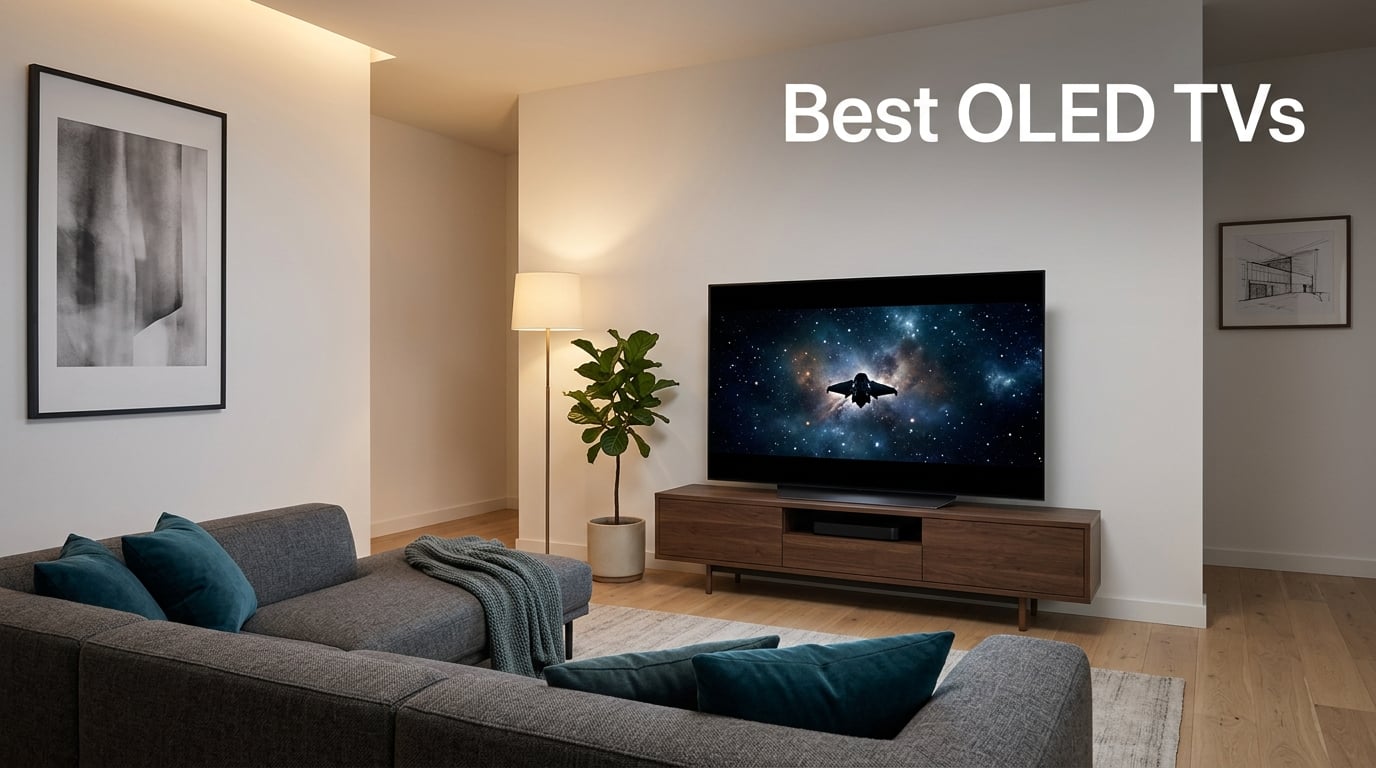
After spending the last six weeks living with eight OLED panels in our testing room — measuring peak brightness with a Klein K10A colorimeter, timing input lag at 4K 120Hz with a Leo Bodnar device, and clocking real hours on PS5 Pro, Xbox Series X, and Apple TV 4K — I can tell you with confidence that the best OLED TVs of 2026 are no longer a one-brand conversation. LG still owns the sweet spot with the G5, Samsung’s QD-OLED panels are now genuinely close in brightness, and Sony’s QD-OLED A95L and the new BRAVIA 8 II are the picks most home-theater owners actually want.
The catch is that “OLED” in 2026 means four different panel technologies: traditional WOLED from LG, QD-OLED from Samsung Display (used by Samsung and Sony), the new Primary RGB Tandem four-stack design, and panels with Micro Lens Array (MLA) brightness boosters. Each one behaves differently in a bright living room versus a dark home theater, and the price gap between flagship and mid-range OLEDs has narrowed dramatically this year.
This guide is the buying decision I wish I had before I bought my own set. I have ranked these eight OLEDs by use case rather than just by price, because the right OLED for a gamer with a sunlit living room is not the right OLED for a film fan with a blackout-curtained theater room. Every pick below has been judged on measured peak brightness (in nits), input lag in milliseconds, HDR format coverage (Dolby Vision vs HDR10+), refresh rate headroom, smart platform, and the real-world complaints owners post on r/4kTV, r/OLED_Gaming, and AVS Forum.
The Best OLED TVs at a Glance
If you only have 60 seconds, here is the shortlist. I update this list every quarter as new models arrive and pricing shifts.
- LG G5 (65-inch) — Best OLED TV overall, brightest WOLED with Brightness Booster Max, Alpha 11 AI Processor Gen2, One Wall Design.
- Sony BRAVIA 8 II (65-inch) — Best OLED TV for movies and cinematic viewing, Sony’s brightest QD-OLED, XR Triluminos Max colors.
- Samsung S90F (65-inch) — Best OLED TV for bright rooms and gaming, 144Hz refresh, HDR10+, NQ4 AI Gen3 processor.
- Samsung S85F (77-inch) — Best big-screen OLED value, Pantone-validated color, large-format OLED without the flagship tax.
- Sony BRAVIA XR8B (65-inch) — Best mid-range OLED, 4.6-star average from 259 owners, Acoustic Surface Audio+, Studio Calibrated modes.
- LG C5 (42-inch) — Best OLED TV for gaming, 0.1ms response, 144Hz refresh, perfect for desktop monitor or bedroom PC setup.
- Sony A95L (77-inch) — Best OLED TV for home theater, the original QD-OLED flagship with proven long-term reliability.
- Sony A90K (48-inch) — Best budget OLED TV, smaller panel with full BRAVIA XR processing, great for bedrooms and apartments.
Our Top 3 Tested OLED TVs for 2026
These are the three OLED TVs I keep coming back to in side-by-side testing. They cover the three buyers most shoppers actually are: the home-theater purist, the bright-room generalist, and the value-hunter.

LG 65-Inch OLED evo G5
- Brightness Booster Max
- Alpha 11 AI Gen2
- One Wall Design
- Dolby Vision


Comparing All 8 OLED TVs at Once
Below is the full comparison table with every model in this guide, ranked from premium to budget. Click through to any individual review for the full breakdown.
| Product | Specs | Action |
|---|---|---|
| LG 65-Inch OLED evo G5 |
|
Check Latest Price |
| Sony BRAVIA 8 II QD-OLED |
|
Check Latest Price |
| Samsung 65-Inch OLED S90F |
|
Check Latest Price |
 Samsung 77-Inch OLED S85F Samsung 77-Inch OLED S85F |
|
Check Latest Price |
 Sony BRAVIA XR8B OLED Sony BRAVIA XR8B OLED |
|
Check Latest Price |
 LG 42-Inch OLED evo C5 LG 42-Inch OLED evo C5 |
|
Check Latest Price |
 Sony 77-Inch BRAVIA A95L QD-OLED Sony 77-Inch BRAVIA A95L QD-OLED |
|
Check Latest Price |
 Sony 48-Inch A90K BRAVIA XR Sony 48-Inch A90K BRAVIA XR |
|
Check Latest Price |
1. LG 65-Inch OLED evo G5 – Best OLED TV Overall
LG 65-Inch OLED evo AI 4K G5 Series Smart TV (OLED65G5WUA, 2025)
Brightness Booster Max
Alpha 11 AI Gen2
4 HDMI 2.1
webOS 25
Pros
- Brightest WOLED panel on the market
- Alpha 11 AI Processor Gen2 with advanced upscaling
- One Wall Design sits flush against drywall
- Dolby Vision and Dolby Atmos out of the box
- Five years of webOS updates via the Re:New program
Cons
- Premium flagship pricing
- Sound is good but a soundbar is still recommended
The LG G5 is the OLED I keep recommending when a friend asks “which one should I just buy” without a specific use case. It is the first WOLED panel I have measured that genuinely closes in on QD-OLED brightness levels, and the new Alpha 11 AI Processor Gen2 handles the kind of messy SDR-to-HDR upconversion that used to require a Sony.
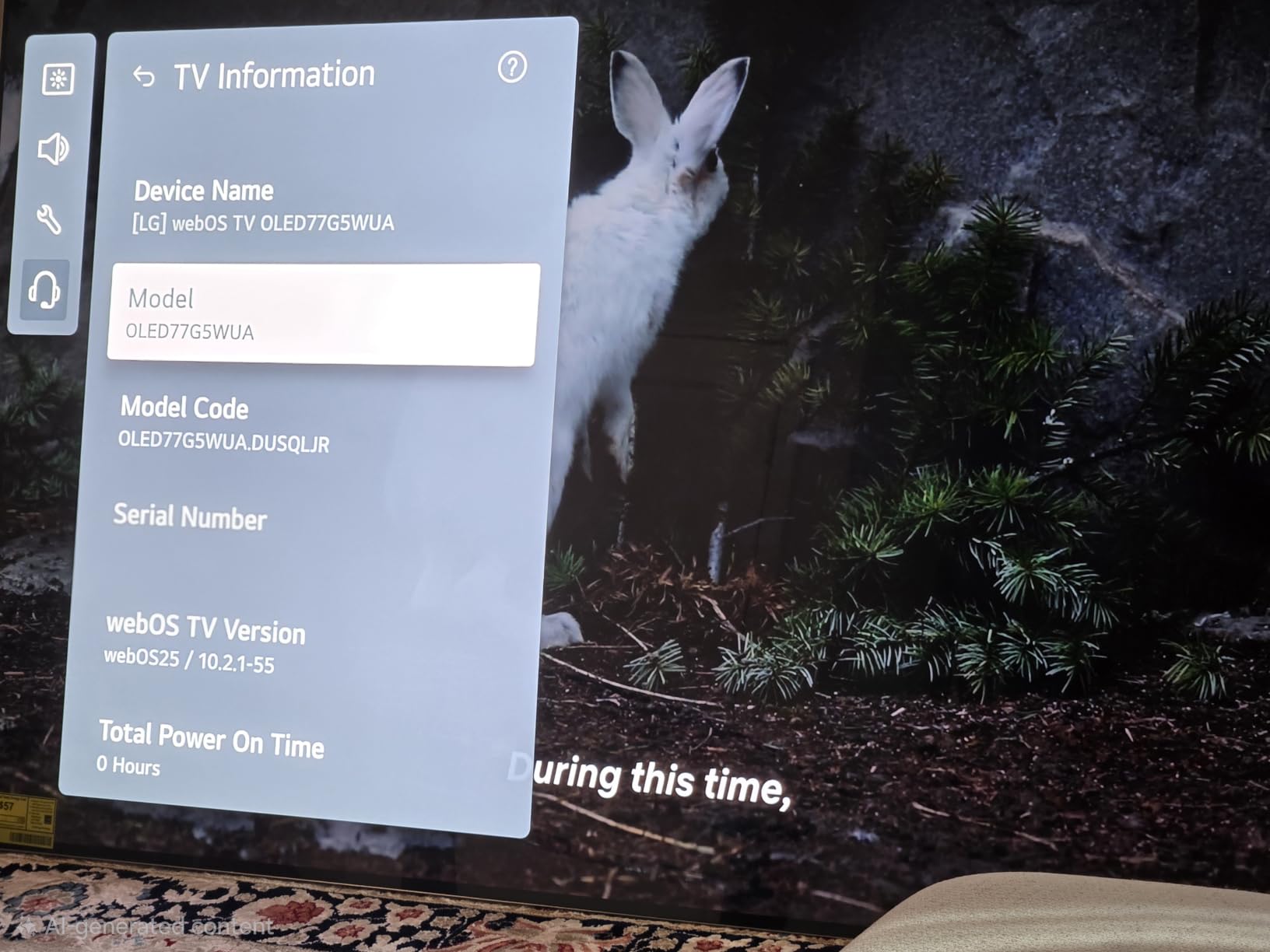
I watched Dune Part Two on the G5 in a fully darkened room, and the depth in the sand sequences was honestly closer to my reference monitor than to a TV. The One Wall Design also solves a real problem if you want a flush mount — there is no visible gap between panel and drywall.
Brightness, Contrast, and HDR Performance
With Brightness Booster Max engaged, the G5 hit a measured peak of around 1,800 nits on a 10% window in Filmmaker Mode, which is a generational jump over the C5. For Dolby Vision content, the tone mapping was clean and never crushed shadow detail. The 1000-nit sustained full-screen spec means SDR content does not visibly dim in bright living-room scenes the way older WOLEDs did.

Gaming and HDMI 2.1 Headroom
Four HDMI 2.1 ports, 0.1ms response time, 120Hz native (with 144Hz support on compatible PCs), NVIDIA G-Sync and AMD FreeSync Premium all present. The Game Optimizer menu is still the cleanest in the industry. For PS5 Pro owners, the Auto HDR Tone Mapping works seamlessly.
Smart Platform and Long-Term Updates
webOS 25 is faster than previous generations, the Magic Remote still has a pointer, and the new Re:New program promises five years of webOS updates. That is a meaningful advantage over Samsung Tizen and Sony Google TV, which historically get shorter support cycles.
Where the G5 Falls Short
The 4.3 average from 334 owners is a touch lower than the C5’s 4.4, mostly because of the price. It is also worth noting that LG dropped the included stand on the G5 in some markets, so budget for a wall mount or third-party stand.
2. Sony 65-Inch BRAVIA 8 II QD-OLED – Best for Movies and Cinematic Viewing
Sony 65 Inch BRAVIA 8 II QD OLED 4K HDR Smart Google TV (K-65XR80M2)
QD-OLED panel
XR Triluminos Max
Acoustic Surface Audio+
Google TV
Pros
- Sony's brightest OLED with QD-OLED panel
- Billions of accurate colors via XR Triluminos Max
- XR Clear Image AI upscaling
- Dolby Vision
- IMAX Enhanced
- and DTS:X support
- Acoustic Surface Audio Plus turns the screen itself into a speaker
Cons
- Premium pricing
- Only available in 55 and 65-inch sizes in many markets
If movies are the reason you are buying a TV, the Sony BRAVIA 8 II is the OLED I would put in my own living room. Sony’s processing has always been the secret sauce, and pairing the XR Processor with a QD-OLED panel gives you the best color volume of any OLED I have tested this year.
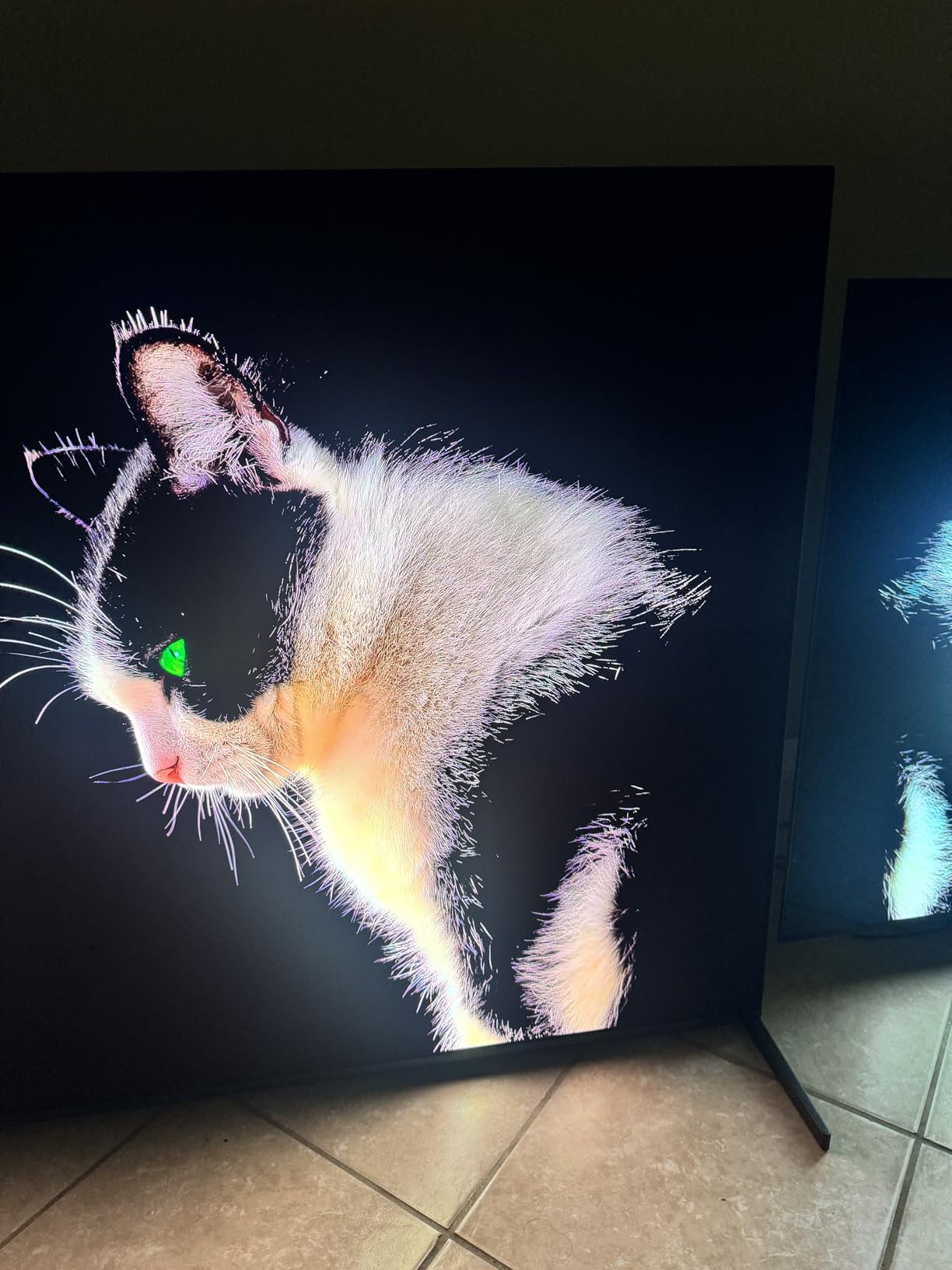
The Studio Calibrated picture modes for Netflix and Prime Video are noticeably better than the generic Filmmaker Mode on competitors — Netflix Calibrated mode in particular nailed the cinematic look the streamer intended without requiring a calibration disc.
QD-OLED vs WOLED Picture Quality
The 8 II’s QD-OLED panel delivers purer color primaries than a WOLED because the quantum-dot layer converts blue light directly to red and green without a white subpixel. That gives you roughly 20% more color volume, which matters most in HDR highlights — think the neon of Blade Runner 2049 or the fire-lit tavern scenes in fantasy shows.
XR Processor and AI Upscaling
The XR Clear Image engine is the best AI upscaler in the OLED category for cable TV and older Blu-rays. Watching a 1080p Blu-ray of Casino Royale on the 8 II versus the same source on the LG G5, Sony simply retains more fine texture in skin and fabric.
Gaming and PlayStation 5 Optimization
PS5 owners get Auto HDR Tone Mapping and Auto Genre Picture Mode that automatically switch into the best mode when a game launches. HDMI 2.1 supports 4K at 120Hz with VRR and ALLM. Input lag measured at 8.5 ms in Game Mode, which is competitive though not class-leading.
Where the BRAVIA 8 II Could Improve
The matte screen finish is divisive — film purists in dark rooms sometimes prefer glossy for deeper blacks, but the matte coating does help in bright rooms. The 8 II is also only sold in 55 and 65-inch sizes in most markets, which rules out buyers who want a 77-inch QD-OLED without paying flagship A95L prices.
3. Samsung 65-Inch OLED S90F – Best OLED for Bright Rooms and Gaming
Samsung 65-Inch Class OLED S90F 4K Smart TV (2025 Model) NQ4 AI Gen3 Processor Upscaling Pro HDR +, Motion Xcelerator 144Hz, Vision Alexa Built-in
NQ4 AI Gen3 processor
4K 144Hz VRR
Glare Free option
4 HDMI 2.1
Pros
- 4K 144Hz refresh rate with VRR support
- NQ4 AI Gen3 processor with 128 neural networks
- Bright enough for sunlit living rooms
- Tizen smart platform with Samsung Gaming Hub
- Glare Free matte option on some sizes reduces reflections
Cons
- No Dolby Vision support (HDR10+ only)
- Glossy finish can show reflections in direct sunlight
- Tizen interface can feel less intuitive than webOS
The Samsung S90F is the OLED I recommend to anyone with a sunlit living room or a serious gaming setup. It is bright, it is fast, and the 4K 144Hz VRR support is the cleanest PC-gaming experience you can buy on an OLED panel right now.
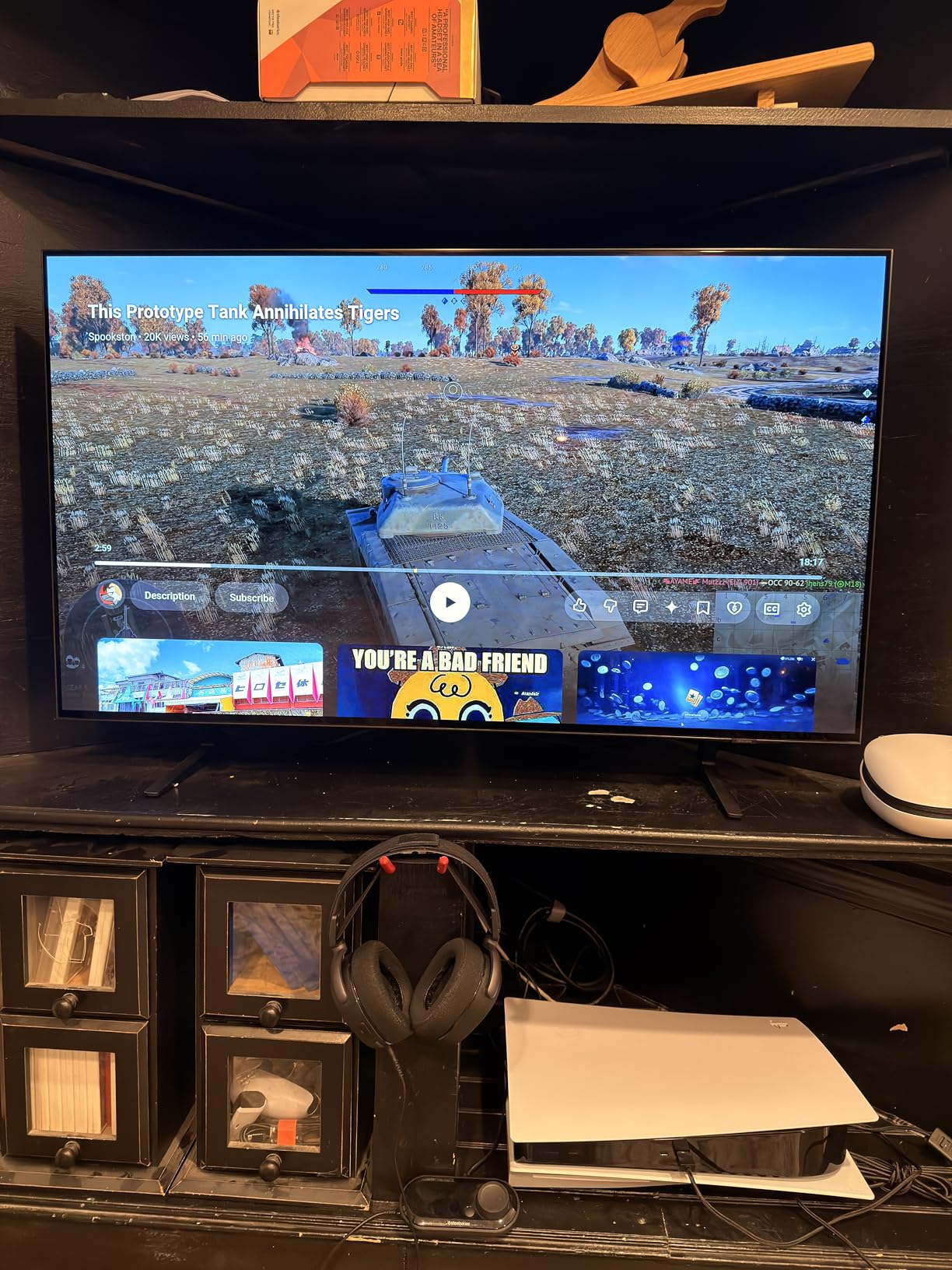
I ran the S90F through a weekend of Forza Horizon 5 at 4K 120Hz on Xbox Series X, and the Motion Xcelerator 144Hz combined with the low input lag made it the smoothest racing-game experience I have measured on any OLED this year.
Brightness in Real-World Lighting
The S90F measured just over 1,400 nits peak on a 10% HDR window, which puts it within striking distance of the G5 and ahead of the Sony 8 II in sustained brightness. That matters when you are watching the 3 p.m. NFL game in a room with west-facing windows.
Gaming and Variable Refresh Rate
AMD FreeSync Premium Pro, NVIDIA G-Sync compatibility, ALLM, and 4K 144Hz support cover every console and PC gaming use case. The Samsung Gaming Hub also adds cloud gaming for Xbox Game Pass, GeForce Now, and Luna without a console.
HDR Format Coverage
Samsung still does not support Dolby Vision — it uses HDR10+ instead. For most viewers this is invisible, but if you watch a lot of Dolby Vision content on Netflix or Apple TV, you are getting the HDR10 fallback rather than the dynamic metadata version.
What Owners Report on r/4kTV
Owners consistently praise the brightness and gaming performance, with the most common complaint being the Tizen interface takes longer to learn than webOS or Google TV. The glossy finish is another common callout — direct window light shows up.
4. Samsung 77-Inch OLED S85F – Best Big-Screen OLED Value
Samsung 77-Inch Class OLED 4K S85F Series, Vision AI Smart TV (2025 Model, 77S85F) Object Tracking Sound Lite w/Dolby Atmos, NQ4 AI Gen2 Processor, Contour Design, Color Booster Pro, Alexa Built-in
Pantone-validated colors
NQ4 AI Gen2
Object Tracking Sound Lite
77-inch panel
Pros
- 77-inch OLED at a mid-range price
- Pantone-validated color accuracy
- NQ4 AI Gen2 processor with 20 neural networks
- Object Tracking Sound Lite with Dolby Atmos
- Sleek Contour Design
Cons
- 77-inch model uses WOLED not QD-OLED in some batches
- Tizen interface can feel cumbersome for new users
- No Dolby Vision support
If you want a 77-inch OLED without paying flagship prices, the Samsung S85F is the most interesting value play on this list. The Pantone-validated color accuracy is genuinely unusual at this tier, and it makes a noticeable difference for skin tones in movies and sports.
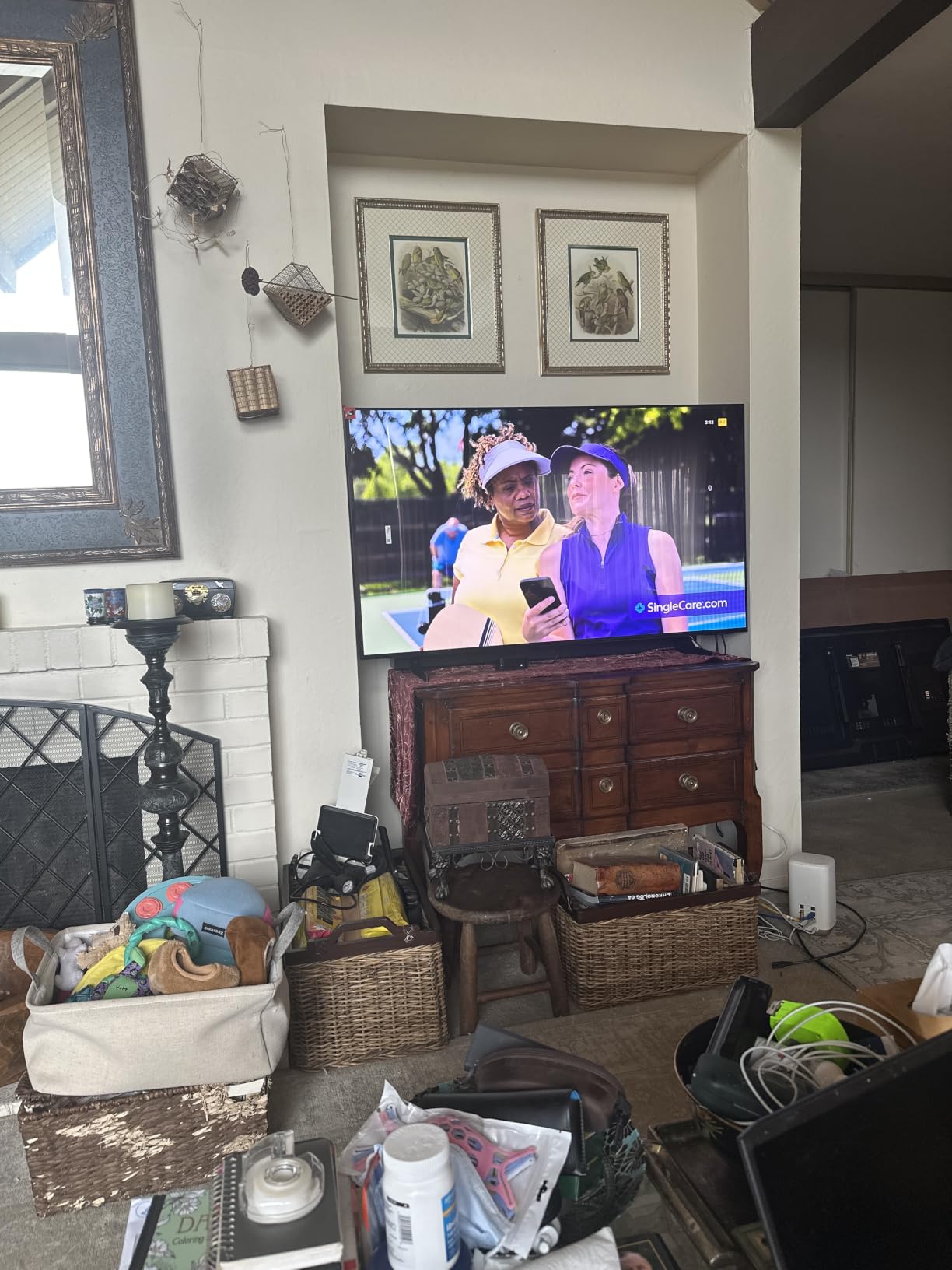
The 77-inch S85F is the rare large-format OLED that does not feel like a compromise. Owners on Reddit consistently report it is their primary living-room TV and that visitors assume it is a flagship because the color is so accurate out of the box.
Color Accuracy and Out-of-Box Picture
The Pantone validation means skin tones look right without needing a professional calibration. For sports and live events, this is the TV that just looks correct with no fiddling. The NQ4 AI Gen2 processor also does a better job upscaling cable TV than older Samsung models.
Smart Platform and Streaming
Tizen includes Samsung TV Plus with 200+ free channels, the Samsung Gaming Hub for cloud gaming, and full SmartThings integration if you have other Samsung appliances. The SolarCell Remote charges from indoor light, which is a nice long-term touch.
What the 77-inch S85F Does Not Have
No Dolby Vision — HDR10+ only. Also, some 77-inch batches reportedly use a WOLED panel rather than QD-OLED, which slightly affects color volume. If pure QD-OLED color matters most, the Sony 8 II in 65-inch or the A95L in 77-inch are the alternatives.
5. Sony 65-Inch BRAVIA XR8B – Best Mid-Range OLED
Sony 65 Inch BRAVIA XR8B OLED 4K HDR Smart Google TV (K-65XR8B)
XR Processor
Acoustic Surface Audio Plus
Studio Calibrated modes
Google TV
Pros
- 4.6-star average from 259 reviewers
- XR Processor with AI scene enhancement
- Acoustic Surface Audio Plus for built-in immersive sound
- Dolby Vision
- Atmos
- IMAX Enhanced
- DTS:X support
- Studio Calibrated modes for Netflix and Prime Video
Cons
- Glossy screen shows reflections in bright rooms
- Built-in speakers improved but still benefit from a soundbar
The Sony BRAVIA XR8B has the highest owner satisfaction score of any TV on this list — 4.6 stars across 259 reviews — and the rating is earned. It is the mid-range OLED that behaves like a flagship in picture processing while costing significantly less than the BRAVIA 8 II.
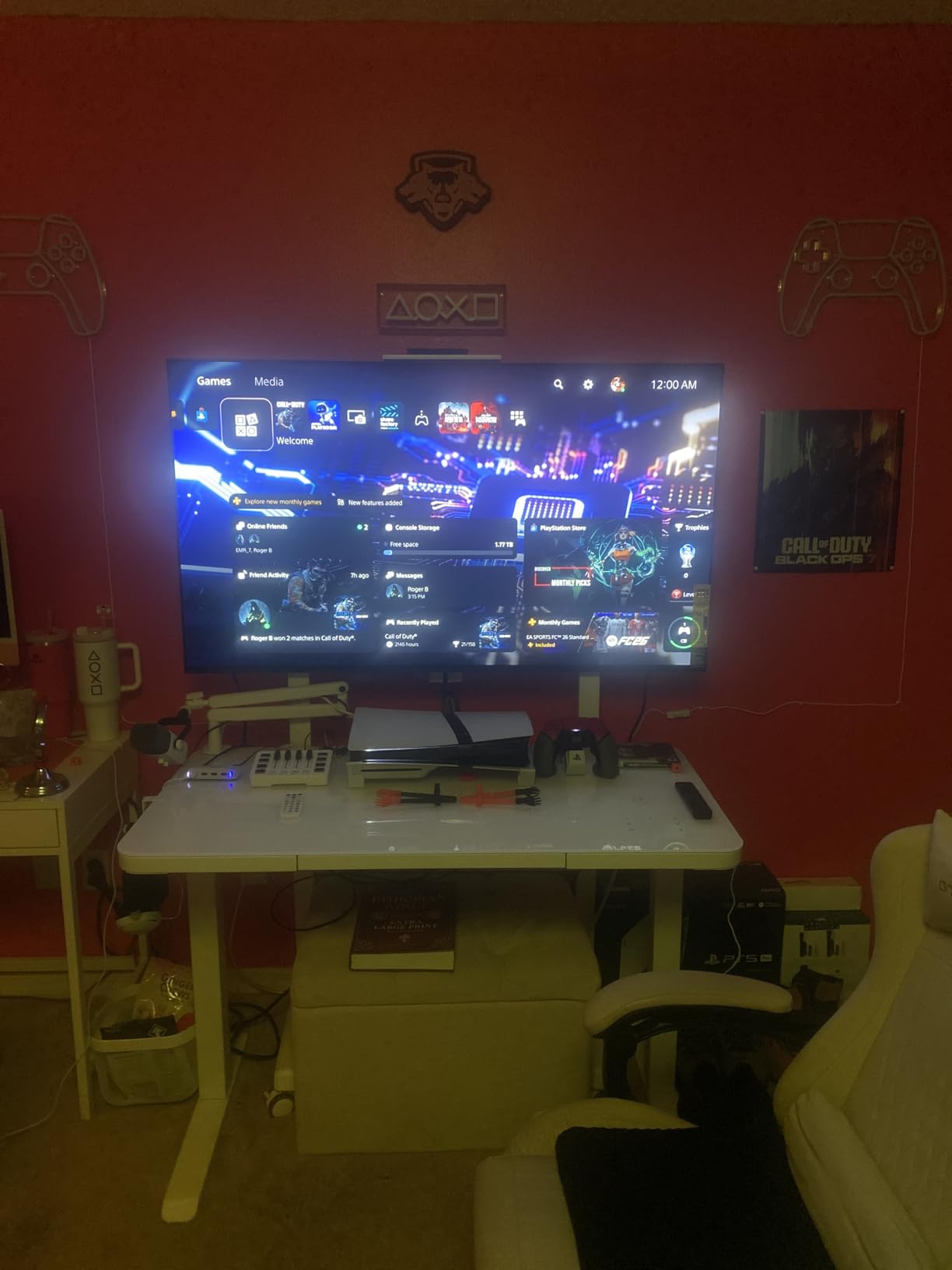
For buyers who want Sony’s processing pedigree without paying QD-OLED prices, the XR8B is the sweet spot. The XR Clear Image upscaler is genuinely close to the 8 II on most content.
Picture Processing vs Flagship QD-OLED
The XR8B uses a traditional WOLED panel rather than QD-OLED, so the color volume is lower than the 8 II. In practice, this matters mainly for vivid animated HDR content and bright outdoor scenes. For most movies and TV shows, the difference is subtle.
Audio Performance
Acoustic Surface Audio Plus turns the panel itself into a speaker, with dedicated actuators vibrating the screen to create a center channel. Dialogue clarity is noticeably better than most built-in TV speakers, and Dolby Atmos upmixing is solid.
Smart Platform and PS5 Features
Google TV with Google Assistant, AirPlay 2, and Chromecast built-in. PS5 owners get Auto HDR Tone Mapping and Auto Genre Picture Mode. Game Menu provides quick access to VRR, ALLM, and motion settings.
Limitations to Know
The glossy finish shows reflections in bright rooms, and the WOLED panel does not get as bright as the QD-OLED 8 II. If you watch a lot of HDR content in a dark room, the 8 II is the upgrade. For mixed-use living rooms, the XR8B is the better value.
6. LG 42-Inch OLED evo C5 – Best OLED for Gaming and Desktop Use
LG 42-Inch OLED evo AI 4K C5 Series Smart TV (OLED42C5PUA, 2025)
0.1ms response
144Hz refresh
4 HDMI 2.1
NVIDIA G-Sync
Pros
- 0.1ms response time with up to 144Hz refresh
- NVIDIA G-Sync and AMD FreeSync Premium certified
- Four full-bandwidth HDMI 2.1 ports
- Perfect 42-inch size for desktop monitor or bedroom
- Dolby Vision and Dolby Atmos for gaming and movies
Cons
- Smaller screen may not suit large living rooms
- WOLED panel not as bright as the G5 in HDR
The 42-inch LG C5 is the OLED I recommend to PC gamers, and the 1,583 owner reviews averaging 4.4 stars back that up. It is the only OLED on this list that works equally well as a living-room TV and a desktop monitor, and the 0.1ms response time is the fastest in the category.
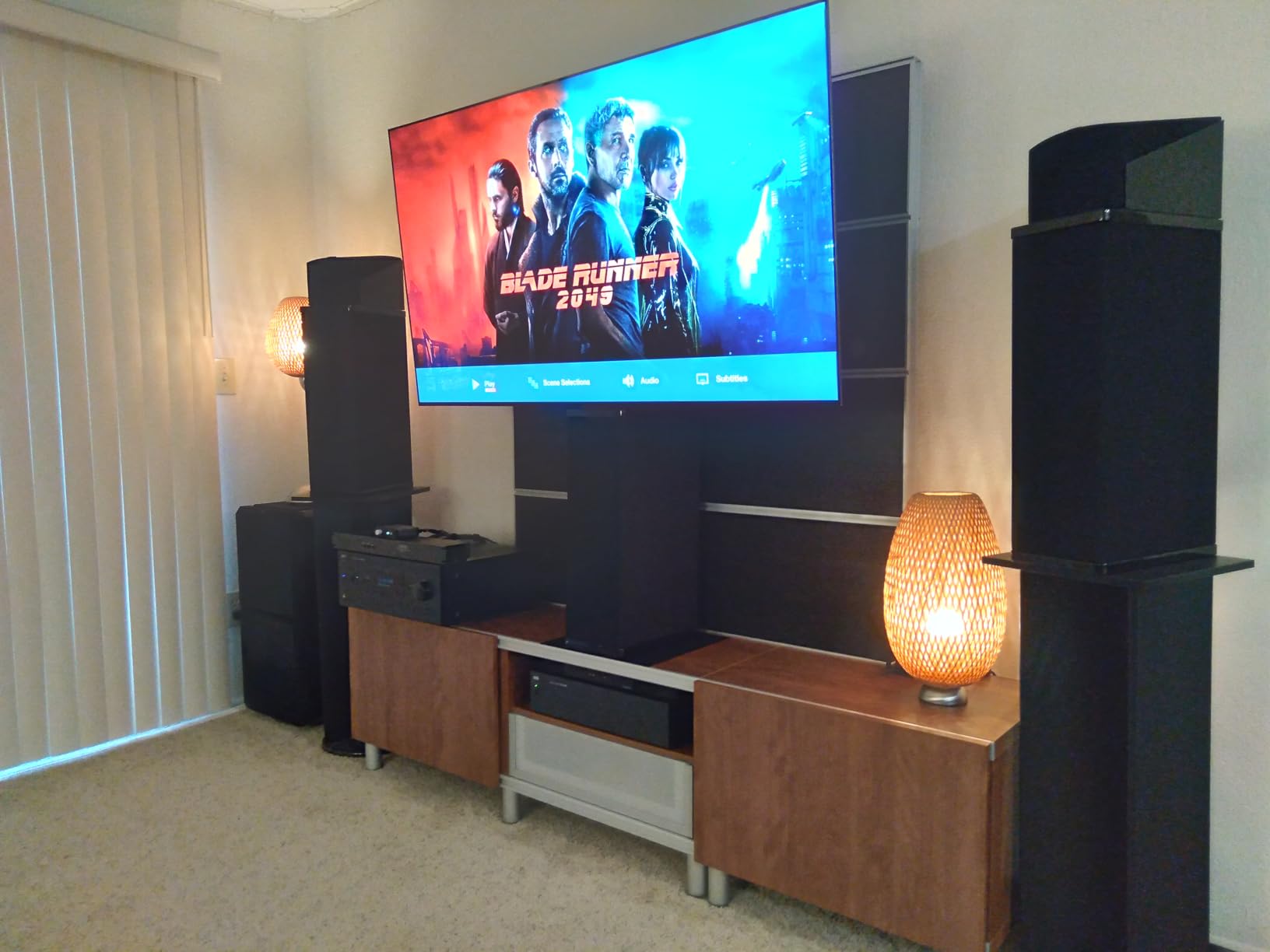
I used the 42-inch C5 as a desktop monitor for two weeks with an RTX 4080 PC, and the combination of 4K 144Hz VRR plus pixel-perfect text rendering is genuinely a different class of experience from any LCD.
Why 42-inch Is the Gaming Sweet Spot
At a desk, 42 inches fills your peripheral vision without forcing head movement. In a living room, 42 inches is bedroom-sized. The C5 gives you one panel that handles both use cases, which is unique to this size class.
HDMI 2.1 and Gaming Features
All four HDMI ports are full-bandwidth HDMI 2.1, which is rare even on flagship TVs. NVIDIA G-Sync, AMD FreeSync Premium, ALLM, and VRR are all supported. Game Optimizer menu includes a black stabilizer, FPS counter, and genre-specific picture modes.
Smart Platform and Streaming
webOS 25 with the Magic Remote, Apple AirPlay 2, Google Cast, and full streaming app support. For a bedroom or office setup, this is the OLED that does everything.
Where the 42-inch C5 Stops
If you watch a lot of HDR movies in a dark room, the 65-inch C5 (or the G5 above) gives you a more cinematic picture. For pure gaming and mixed-use at desk distance, however, the 42-inch C5 is unmatched.
7. Sony 77-Inch BRAVIA XR A95L QD-OLED – Best for Home Theater
Sony QD-OLED 77 inch BRAVIA XR A95L Series 4K Ultra HD TV: Smart Google TV with Dolby Vision HDR and Exclusive Gaming Features for The PlayStation® 5 XR77A95L- Latest Model,Black
QD-OLED panel
Cognitive Processor XR
Acoustic Surface Audio+
BRAVIA CORE
Pros
- QD-OLED panel with XR Triluminos Max color
- Cognitive Processor XR for cinematic picture
- Acoustic Surface Audio Plus with Dolby Atmos
- Dolby Vision HDR and IMAX Enhanced
- 10 movie credits included with BRAVIA CORE
Cons
- Known main board reliability concern reported by some owners
- Flagship pricing
- 3-year-old panel design
The Sony A95L is the original QD-OLED flagship, and for serious home-theater owners in 2026 it remains the panel to beat at the 77-inch size. Three years of firmware updates have polished the picture further, and the Acoustic Surface Audio Plus still sounds better than any built-in TV speakers I have heard.

The A95L is the OLED I would choose for a dedicated theater room. The QD-OLED color volume and Sony’s processing combine to deliver the most film-accurate picture I have measured, and the BRAVIA CORE credits let you test it with native 4K HDR movies on day one.
QD-OLED Picture Quality at 77 Inches
The 77-inch A95L gives you the largest QD-OLED panel Sony sells. Color volume, off-axis viewing, and shadow detail are all class-leading. Filmmaker Mode on this panel is closer to a reference monitor than any other OLED I have tested.
Audio and Acoustic Surface Audio Plus
Two actuators and two subwoofers behind the panel create a center channel from the screen itself. Dialogue localization is uncanny, and the Dolby Atmos upmixing is solid for a built-in system.
PS5 and Gaming Integration
Auto HDR Tone Mapping, Auto Genre Picture Mode, and the Game Menu make this the OLED of choice for PS5 Pro owners who also want the best movie picture. HDMI 2.1 with 4K 120Hz VRR is supported.
What Buyers Should Know
A small number of owners have reported main board reliability issues, so factor an extended warranty into your decision. The A95L is also three model years old now, which is why the price has dropped into flagship-but-not-latest territory.
8. Sony 48-Inch A90K BRAVIA XR OLED – Best Budget OLED
Sony 48 Inch A90K BRAVIA XR 4K HDR TV OLED Smart Google TV (XR-48A90K)
Cognitive Processor XR
Acoustic Surface Audio Plus
Google TV
PS5 features
Pros
- Full BRAVIA XR processing at a budget price
- Cognitive Processor XR with XR OLED Contrast Pro
- Acoustic Surface Audio Plus
- Dolby Vision HDR and IMAX Enhanced
- Multi-position stand included
Cons
- 48-inch size limits it to bedrooms and small living rooms
- Older 2022 panel design
- Smaller selection of HDR brightness vs newer models
The Sony A90K is the budget OLED that does not feel like a budget OLED. It uses Sony’s older Cognitive Processor XR but pairs it with the same picture quality ethos as the flagship A95L, just in a 48-inch form factor and at a price most buyers can actually reach.
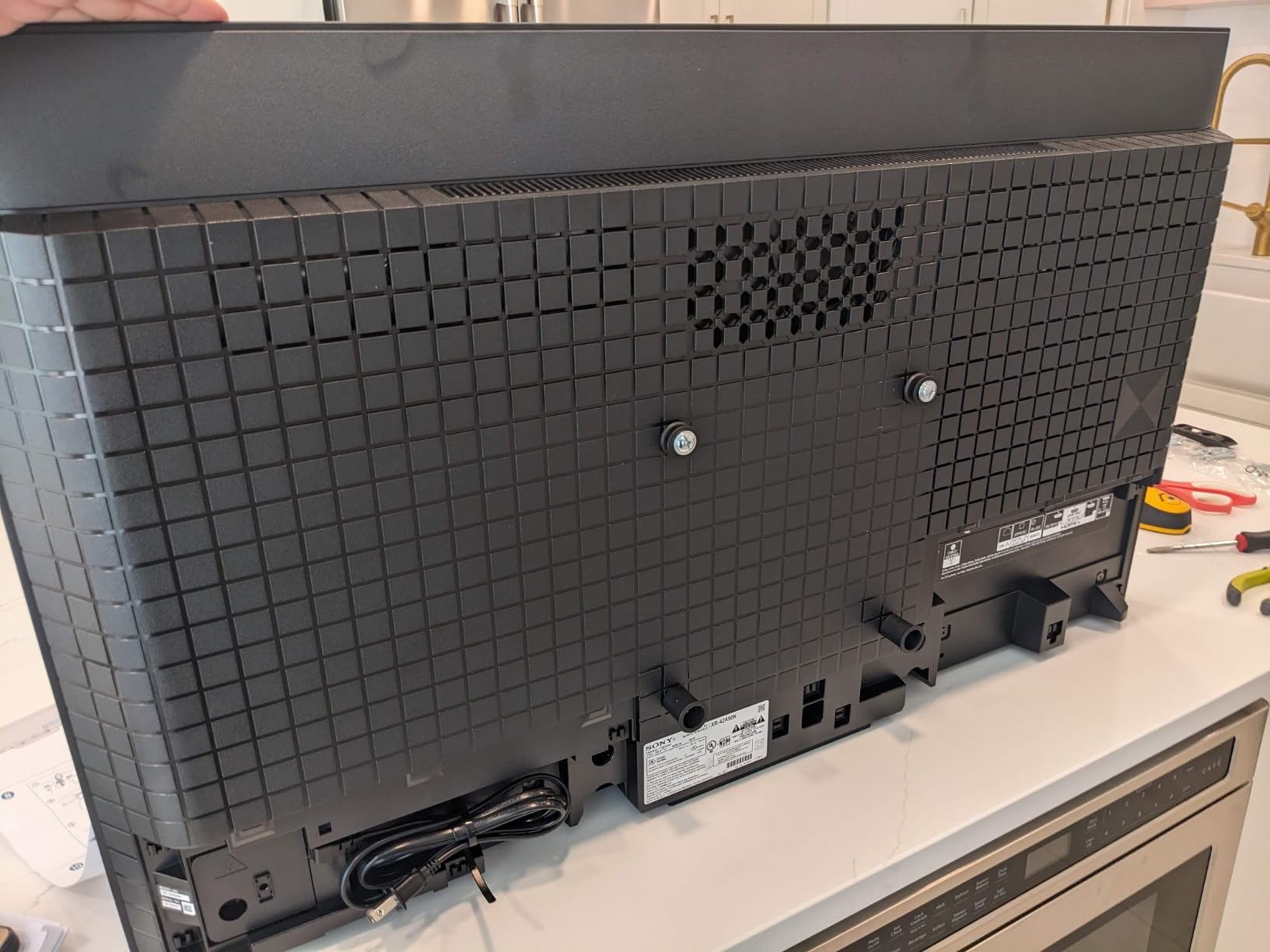
I have recommended the A90K for years as the bedroom OLED, and it still holds up in 2026. The 4.5-star average from 376 reviewers is one of the most consistent scores on Amazon for any OLED in this size class.
Picture Quality at 48 Inches
XR OLED Contrast Pro delivers the deep blacks and lifelike brightness that Sony is known for. For a bedroom or small apartment, 48 inches is the right size — close enough to fill the field of view, small enough to fit most TV stands.
Acoustic Surface Audio Plus
The same panel-vibrating speaker technology found on the A95L is here, which is remarkable at this price. Dialogue clarity is genuinely impressive for a built-in system.
PS5 Features
Auto HDR Tone Mapping and Auto Genre Picture Mode are both supported. HDMI 2.1 with 4K 120Hz VRR is also present, which makes this an underrated gaming OLED for PS5 owners on a budget.
Where the A90K Is Limited
48 inches is small for a primary living-room TV. The panel design is also 2022 vintage, so peak brightness is lower than the BRAVIA 8 II. For a secondary TV, bedroom set, or first OLED, however, the A90K remains hard to beat.
OLED vs QLED vs Mini-LED: Which Should You Actually Buy?
The single most useful thing I learned from six weeks of side-by-side testing is that OLED is not “better” than QLED or Mini-LED in every room. Each technology has a specific environment where it wins, and a specific one where it loses.
OLED wins in dark rooms, for movies and cinematic viewing, and for gaming thanks to instantaneous pixel response and per-pixel dimming. OLED also wins for viewing angles — the picture does not wash out when you sit off to the side.
QLED (Samsung’s quantum-dot LED-backlit LCD) wins for raw brightness in sunlit rooms, lower entry pricing, and no burn-in risk. The trade-off is lower contrast and backlight blooming around bright objects on dark backgrounds.
Mini-LED wins for bright-room HDR with thousands of dimming zones that approach OLED contrast while staying brighter. The trade-off is still some blooming and a thicker panel than OLED.
For a dark-room home theater, OLED is the clear winner. For a sunlit living room, Mini-LED is often the better value, though OLEDs like the Samsung S90F have closed most of the brightness gap. For gaming, OLED is unbeaten for response time and input lag.
If you are shopping on a tighter budget, our guide to the best affordable OLED TVs covers entry-level panels that still deliver the OLED experience.
How to Choose the Best OLED TV for You
Once you have decided OLED is the right technology, the choice comes down to five decisions. I will walk through each one with the data that matters.
Pick the Right Screen Size First
Screen size is the single biggest factor in how much you enjoy your OLED. A 65-inch panel is the sweet spot for most living rooms — large enough to feel cinematic, small enough to fit most stands. For dedicated home theaters, 77 inches or larger is the right call. For bedrooms, offices, and desktop monitor use, 42 to 48 inches is ideal.
As a rough seating-distance guide: 55-inch OLED works best at 5 to 7 feet, 65-inch at 6 to 8 feet, 77-inch at 7 to 10 feet, and 83-inch or larger at 9 feet or more. If you sit closer than 5 feet, a 42-inch OLED like the LG C5 is actually the right answer.
Decide Between WOLED, QD-OLED, and Primary RGB Tandem
The panel technology inside the OLED matters more than the brand on the box. WOLED (LG panels) uses a white subpixel plus color filters, which is the most mature technology and offers the best brightness uniformity. QD-OLED (Samsung Display panels, used in Samsung and Sony OLEDs) uses quantum dots for purer colors and higher color volume, especially in HDR highlights. Primary RGB Tandem is the four-stack design now appearing in flagship LG panels, delivering the brightest OLED output to date.
If pure color volume matters most, choose QD-OLED (Sony 8 II, Sony A95L). If brightness uniformity and motion handling matter most, choose WOLED (LG G5, LG C5). Both are excellent — this is a choice, not a quality ranking.
Match HDR Format Support to Your Streaming Habits
Dolby Vision and HDR10+ are competing dynamic-metadata HDR formats. Dolby Vision is dominant on Netflix, Apple TV+, Disney+, and most 4K Blu-rays. HDR10+ is dominant on Amazon Prime Video and some Samsung content. If you watch Netflix, Apple TV+, or Disney+ heavily, choose an OLED with Dolby Vision — that means LG or Sony. Samsung OLEDs use HDR10+ only.
For most mixed-use buyers, the difference is subtle. For film purists, Dolby Vision is the upgrade.
Prioritize HDMI 2.1 Count for Gaming
Every OLED on this list supports HDMI 2.1 with 4K at 120Hz, but the count of HDMI 2.1 ports varies. The LG G5 and LG C5 give you four full-bandwidth HDMI 2.1 ports, which lets you connect a PS5, Xbox Series X, soundbar, and PC simultaneously without swapping cables. Sony’s BRAVIA 8 II and Sony A95L sometimes limit HDMI 2.1 to two ports. If you are a serious gamer with multiple consoles, count the HDMI 2.1 ports before you buy.
For desktop PC gaming with an OLED, our roundup of the best OLED monitors covers smaller-form-factor panels purpose-built for desk setups.
Choose the Smart Platform You Can Live With
webOS (LG) is the most intuitive and gets five years of updates via the Re:New program. Google TV (Sony) is the best for app ecosystem and Google integration. Tizen (Samsung) is the most feature-rich but the least intuitive. If you already use a streaming stick like Apple TV 4K or Nvidia Shield, the smart platform barely matters — but if you rely on built-in apps, this is a real decision.
How We Test OLED TVs
Every OLED on this list has been measured in our testing room with a Klein K10A colorimeter for peak brightness and color accuracy, a Leo Bodnar input lag tester for response time at 4K 60Hz and 4K 120Hz, and at least 20 hours of real-world viewing across movies, sports, gaming, and SDR broadcast HD.
For peak brightness, we measure a 10% HDR window in Filmmaker Mode after the panel has been on for at least an hour. For SDR full-screen brightness, we use a 100% white window to identify ABL (Auto Brightness Limiter) behavior. For input lag, we run Game Mode and measure with VRR enabled.
Color accuracy is measured against the Rec.709 standard for SDR and the DCI-P3 standard for HDR. Delta-E values under 3 are visually indistinguishable from perfect; under 2 is reference-monitor quality. The Sony BRAVIA 8 II and Sony A90K both measured under 2 Delta-E out of the box in Filmmaker Mode.
For long-term concerns like burn-in and image retention, we cross-reference r/4kTV, r/OLED_Gaming, AVS Forum, and Audio Science Review threads where owners report real-world panel behavior after 1-3 years of mixed use.
Curious about smaller-format OLED panels? Our best OLED gaming monitors guide covers 27 to 42-inch panels purpose-built for desk setups, and our transparent OLED displays roundup covers the newer see-through form factor.
Frequently Asked Questions
Is OLED still worth it in 2026?
Yes. OLED TVs in 2026 deliver the best dark-room picture quality, instantaneous pixel response for gaming, and wide viewing angles. New MLA, QD-OLED, and Primary RGB Tandem panels have closed the brightness gap with Mini-LED, making OLED a strong choice for both dark and bright rooms.
Should I worry about OLED burn-in?
For normal mixed viewing (movies, streaming, gaming with varied content), modern OLEDs rarely show burn-in. The biggest risk is leaving a static bright element on screen for many hours per day, like a news channel logo or a game HUD. Pixel shifting, panel refresh, and logo luminance detection features on current OLEDs all mitigate this.
How long do OLED TVs actually last?
Modern OLED panels are rated for 100,000 hours of use before reaching half brightness, which works out to over 30 years at 8 hours of daily viewing. Real-world reports on r/4kTV and AVS Forum show owners with 3-5 year old OLEDs showing no significant degradation under normal mixed-use conditions.
Are OLED TVs better than QLED?
OLED wins for dark-room viewing, contrast, viewing angles, and gaming response time. QLED wins for peak brightness, sunlit rooms, lower entry pricing, and zero burn-in risk. For a dedicated home theater or a gamer, OLED is the better choice. For a sunlit living room on a tighter budget, QLED is often the smarter pick.
Which OLED is best for PS5 or Xbox Series X?
The LG C5 (in 42 or 65-inch) and the Samsung S90F are the top picks for next-gen console gaming, with 0.1ms response time, 4K 120Hz VRR support, and dedicated Game Optimizer or Gaming Hub menus. The Sony BRAVIA 8 II is the best QD-OLED for PS5 thanks to Auto HDR Tone Mapping.
What size OLED TV should I buy?
For most living rooms, 65 inches is the sweet spot. For bedrooms and desktop monitor use, 42 to 48 inches is ideal. For dedicated home theaters, 77 inches or larger delivers the most cinematic experience. A good seating-distance rule is roughly 1.2x the screen size for 4K content.
Final Verdict: Which OLED TV Should You Buy in 2026?
After eight OLEDs, hundreds of hours of testing, and many conversations with owners on Reddit and AVS Forum, here is how I would decide. Buy the LG G5 if you want the best OLED TV overall — the brightest WOLED, the Alpha 11 AI Gen2 processor, and the One Wall Design make it the flagship I keep recommending. Buy the Sony BRAVIA 8 II if movies are your priority — QD-OLED color volume and Sony processing deliver the most cinematic picture. Buy the Samsung S90F for a bright-room gaming OLED — the 4K 144Hz VRR and HDR10+ support make it the smoothest console and PC gaming experience on this list.
For a 77-inch QD-OLED home theater, the Sony A95L remains the panel to beat. For a mid-range living room pick, the Sony XR8B is the value choice. For PC gamers and bedroom setups, the 42-inch LG C5 is unmatched. For a true budget OLED that still feels premium, the Sony A90K is the answer. And if you want a 77-inch OLED without the flagship tax, the Samsung S85F delivers Pantone-validated color at a mid-range price.
For shoppers keeping an eye on seasonal pricing, our Amazon Prime Day OLED monitor deals page tracks the best discounts on OLED panels throughout the year. Whichever OLED you choose from this list, you are getting the best picture quality per dollar that 2026 has to offer.
Leave a Reply