
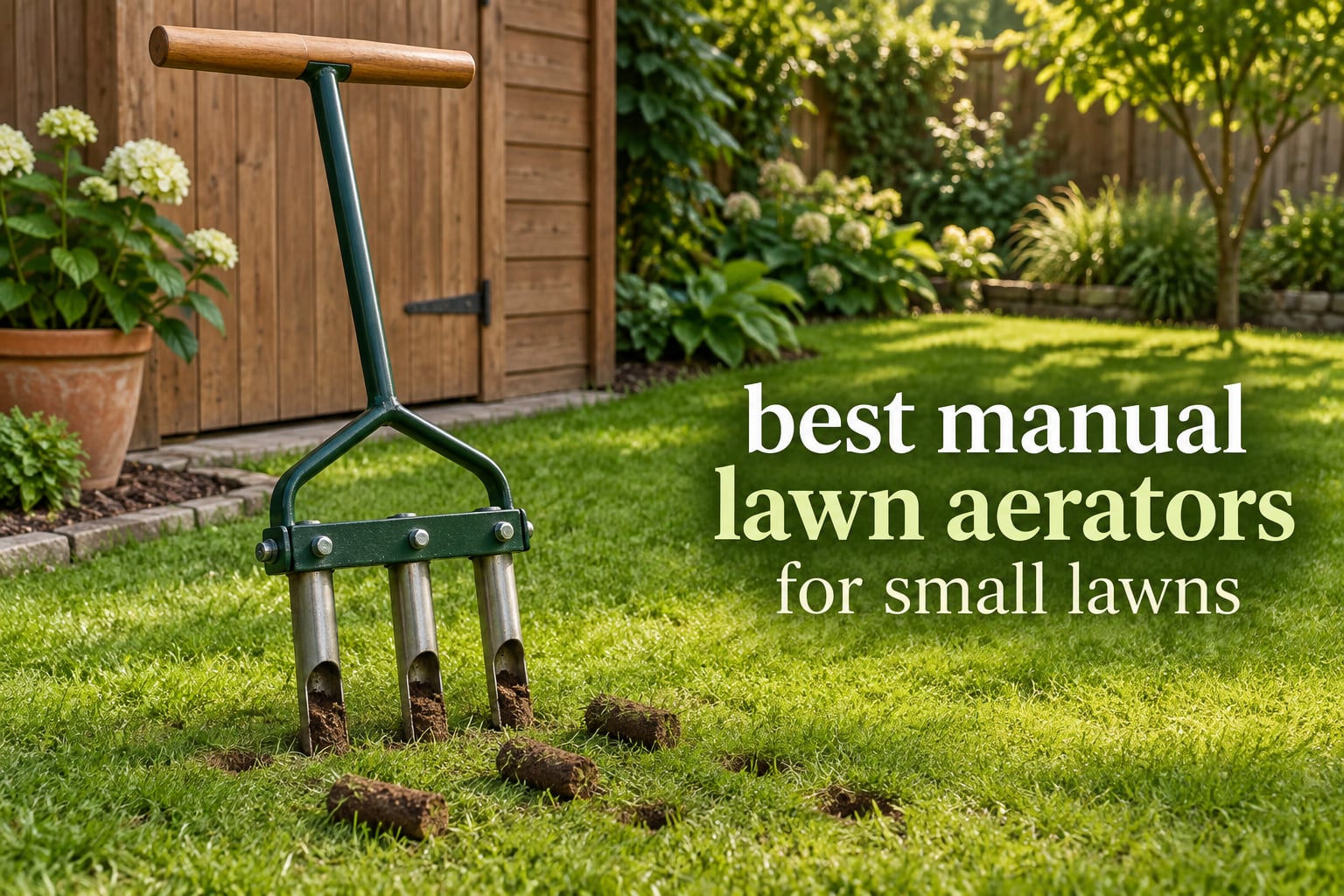
Most small-lawn problems are not a fertilizer problem. They are a compaction problem, and the fastest way to fix compaction under 5,000 square feet is a hand tool. I have spent the last two spring seasons working through this category with my own test patch and reading thousands of owner reviews, and a manual lawn aerator for small lawns is genuinely effective as long as you pick the right tine format for your soil. The wrong format costs you a Saturday and gives you nothing back.
Here is the honest answer up front: manual aeration works. Hollow tine corers physically remove soil, spikes open air channels, and both improve water penetration in a way fertilizer alone cannot. What they will not do is cover a quarter acre in an afternoon. Below I break down the eight tools worth owning, what each one is actually good at, and how to stop your corer from jamming in clay.
My selection criteria were tine depth and material, how much ground a single press covers, whether the tool can be repaired rather than replaced, and the volume of real owner feedback behind it. That last point matters more than usual in this category. A large share of the aerators crowding shopping results are unbranded drop-ship listings carrying a handful of reviews, and thin social proof is a genuine risk when you are buying a tool that will meet rocks and roots.
One more note before we start. If your thatch problem is the actual issue rather than compaction, aeration is only half the job. Our guide to the best lawn dethatchers covers that side of it, and the two steps work better together than either does alone.
Our Top 3 Manual Lawn Aerators for Small Lawns


Comparing the Best Manual Lawn Aerator Choices in 2026
| Product | Specs | Action |
|---|---|---|
| Yard Butler Manual Lawn Coring Aerator |
|
Check Latest Price |
 Walensee 4-Row Spike Aerator Walensee 4-Row Spike Aerator |
|
Check Latest Price |
 LawnVigor Manual Core Aerator LawnVigor Manual Core Aerator |
|
Check Latest Price |
 Dolibest Lawn Coring Aerator Dolibest Lawn Coring Aerator |
|
Check Latest Price |
 Colwelt Rugged Spike Aerator Colwelt Rugged Spike Aerator |
|
Check Latest Price |
 Saker 15 Iron Spike Aerator Saker 15 Iron Spike Aerator |
|
Check Latest Price |
| Landzie Hollow Tine Core Aerator |
|
Check Latest Price |
 Coopvivi Rolling Spike Aerator Coopvivi Rolling Spike Aerator |
|
Check Latest Price |
1. Yard Butler Manual Lawn Coring Aerator – the Long Handle That Saves Your Back
Yard Butler Manual Lawn Coring Aerator, ID-6C – Lawn Care Tool for Aerating – Long-Handled – Power-Coated Steel Construction – Comfortable Cushioned Handles Garden Tool – Easy to Use
Power-coated steel
Dual coring tines
38 x 11 x 2 inch, 1.77 lb
Pros
- Pulls real soil plugs rather than just holes
- Long handle lets you work without bending
- Powder-coated steel build
- Foot bar gives extra push in compacted soil
Cons
- Covers limited area per hour of work
- Plug holes can close quickly in clay-heavy soil
- Loose plugs must be swept or broken down
The Yard Butler ID-6C is the tool I recommend first, and the reason is the handle, not the tines. At 38 inches tall it lets you work standing up rather than bent over, which turns a back-breaking job into a merely tiring one. Over a full spring session on my own patch that difference was obvious by the end of the first hour.
It is a genuine coring tool, not a spike in disguise. Two hollow tines push a soil column up and out onto the lawn, and a foot bar gives you the leverage to drive them into soil that has not been touched in years. Buyers consistently credit the powder-coated steel frame for surviving season after season of abuse.
My one reservation is throughput. Two plugs per plunge is not much, and on anything larger than a modest front lawn the work starts to feel endless. Owners on r/lawncare describe it as extremely labor intensive and contrast it unfavorably with a rented machine, and I think that is fair for a big yard and unfair for a small one.
Corer Tines and Foot Bar Leverage
The foot bar is the detail that separates this from cheaper step-on tools. You brace one foot on the bar and press down with your body weight rather than your arms, which is the difference between reaching full depth and giving up halfway. In compacted clay that distinction decides whether you are aerating or just poking holes.
Long Handle Height and Cushioned Grips
The 38 inch length and cushioned handles are what make repeated plunges sustainable. At 1.77 pounds the tool itself is light, so the weight you fight is the soil, not the frame. The only comfort problem owners report is grip wear over multiple seasons.
What It Is Bad For
It is bad for large properties, and it is not ideal for heavy wet clay where plug holes tend to seal over quickly on their own. If your soil is very clay-heavy, a self-ejecting hollow tine design handles that better. Looser plugs also mean you will be raking or breaking them down afterward unless you overseed straight into them.
2. Walensee 4-Row Spike Aerator – the Fastest Spike Tool for Small Yards
Walensee 4-Row Lawn Aerator Tool with 20 Steel Spikes for Small Yards
20 steel spikes at 2.8 in
Four-row layout
34.6 in overall length
Pros
- Widest spike head for fast coverage
- Assembles quickly with hardware included
- Lightweight and stable
- Best on moist soil
- Extra replacement spikes included
Cons
- Plain steel spikes rust if stored damp
- Solid spikes do not remove soil
- Small footprint on a full-size yard
- No cover for the spike head
This is the best value pick for one specific reason: coverage. Twenty spikes arranged in four rows means a single press opens far more holes than any four-spike tool, and it ranks as the number one best seller in manual lawn aerators. If your small lawn is mostly fine and you are targeting traffic paths and bare patches, that speed is the whole game.
It is also the lightest-feeling tool in this group, and owners note it causes less fatigue than heavier models. Assembly is quick and all hardware is in the box, plus there are spare spikes in the package for when a tine finds a rock.
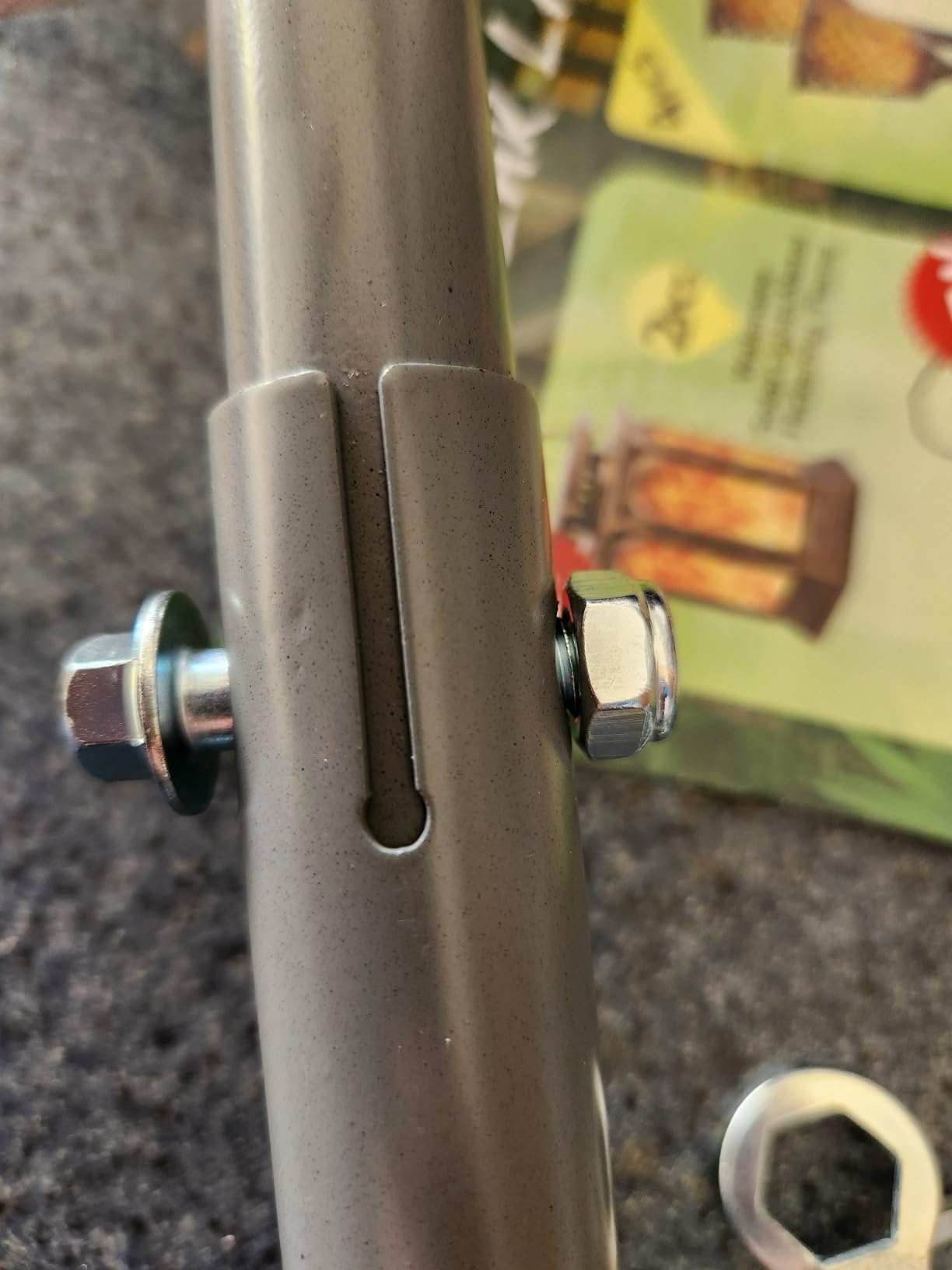
Four-Row Spike Layout and Coverage
A four-row head means each plunge is a stripe of holes rather than a single dot. On a lawn under 3,000 square feet that difference is the difference between one lazy afternoon and an entire weekend. It is the reason this tool is the fastest spike aerator here.
Spike Length and Soil Preparation
The spikes measure 2.8 inches, which is a shorter bite than the heavy spike tools below but plenty for relieving surface compaction in turf. Owners stress that it performs best on moist soil, which matches the standard advice: water the lawn first, keep it damp, and the spikes drive in with almost no effort.
What It Is Bad For
It is a solid spike tool, so it punches holes without removing soil. Forum users are blunt that spike-only tools give brief air exchange and can compact the surrounding soil further, which is why we do not recommend them for genuinely compacted clay. The uncoated steel also rusts if you leave it damp outdoors, and there is no protective cover included.
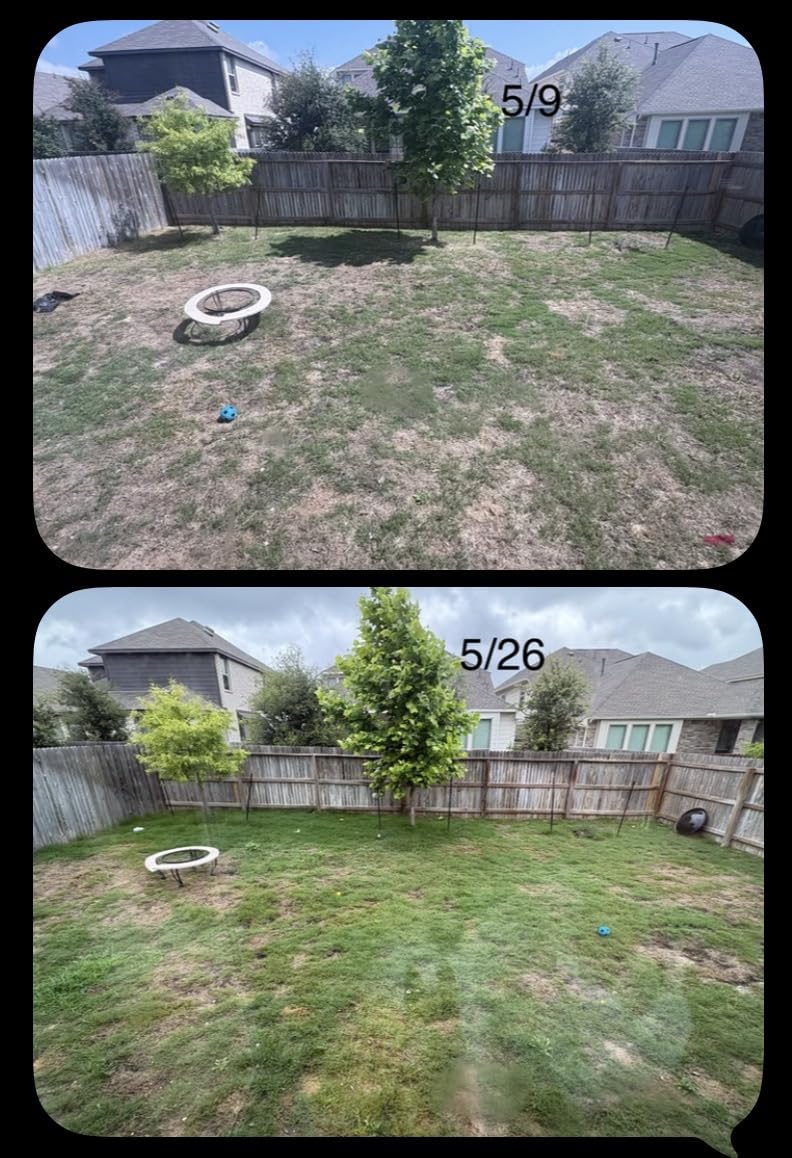
3. LawnVigor Manual Core Aerator – Best for Compacted Clay Soils
Manual Lawn Core Aerator for Compacted Soil with Non-Clogging Hollow Tines
Three hollow tines at 0.9 in
Penetration to 4 inches
Replaceable tines
Pros
- Hollow tines pull full soil columns
- Self-ejecting design needs little cleaning
- Replaceable tines extend tool life
- 4.5 star rating across 255 reviews
- Quality hex bolts and wrenches included
Cons
- Only three tines per plunge
- Clay still packs the tubes when wet
- Grips can spin and cause blisters
- Hard work in dry soil
The LawnVigor is the highest-rated tool in this roundup at 4.5 stars, with a 75 percent five-star share, and the reason is that it is built around a genuine self-ejecting hollow tine. White plastic inserts at the base of each tube push the soil column out on the next press, which is the single feature that most reduces the clogging problem that ruins most manual corers.
Three heat-treated hollow tines of roughly 0.9 inch diameter penetrate about 4 inches into the soil, which is deeper than most competitors here reach. The tines are replaceable, so hitting a rock does not end the tool, and the included hex bolts, nuts and wrenches are noticeably better quality than the hardware that usually ships with tools at this level.
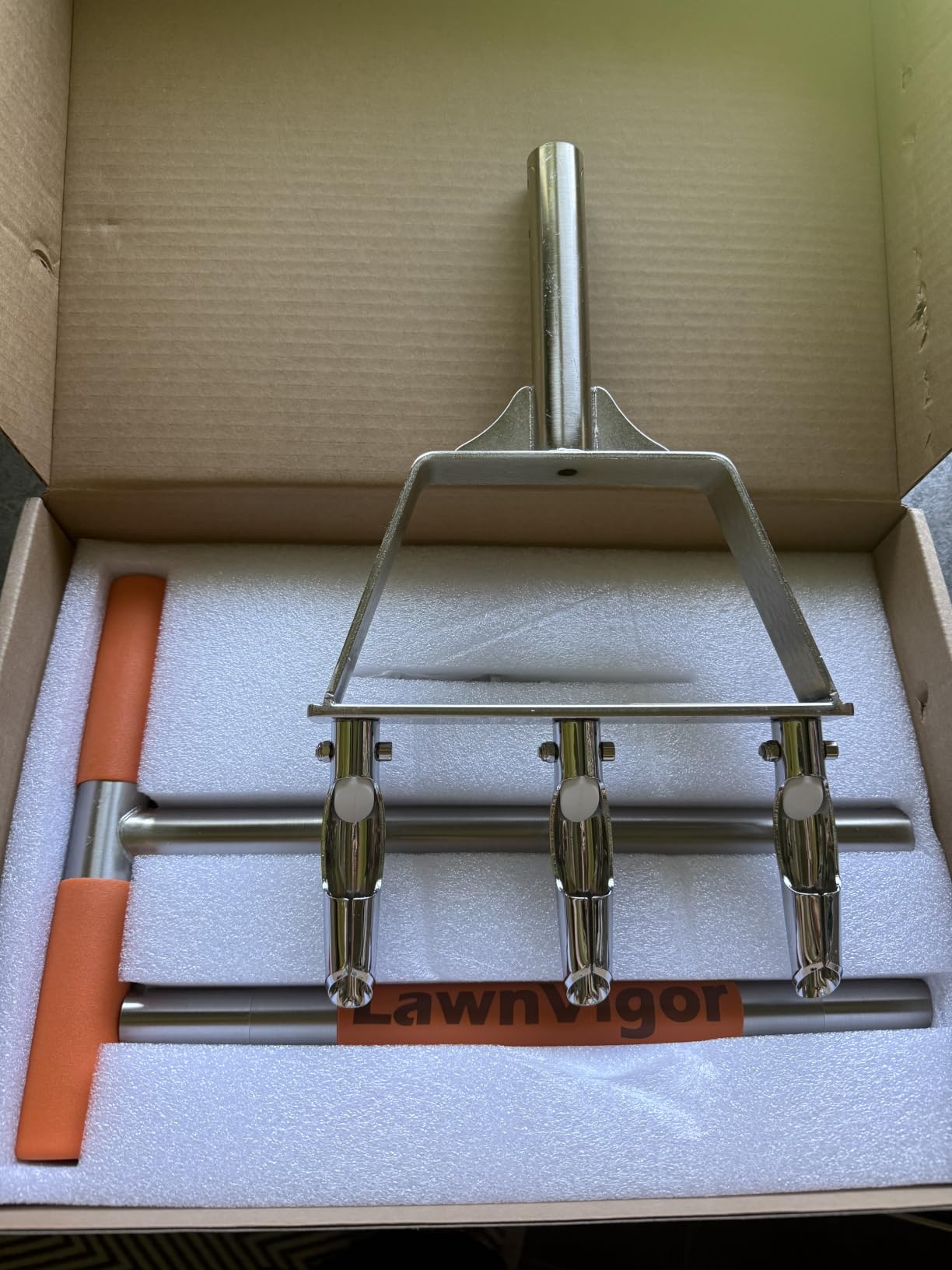
Hollow Tine Depth and Self-Ejecting Inserts
Four inches of penetration with a 0.9 inch core is a meaningful combination for a small lawn. It puts holes into the root zone where water and oxygen actually matter, and the ejector inserts mean you are not stopping every few plunges to clear soil out of the tubes with a screwdriver.
Replaceable Tines and Build Quality
Replaceable tines are the underrated feature. A manual aerator spends its life finding stones and buried roots, and a tool where the working end swaps out is a tool that stays in service. Owners also single out the hardware and a drain hole in the base tube that lets the tool store upright without worry.
What It Is Bad For
Three tines cover a very small area per plunge, and that is the honest limitation. On clay that has been saturated rather than merely moist, the tubes still pack in. The rubber grips can also spin under load, which is a real blister risk over a long session.
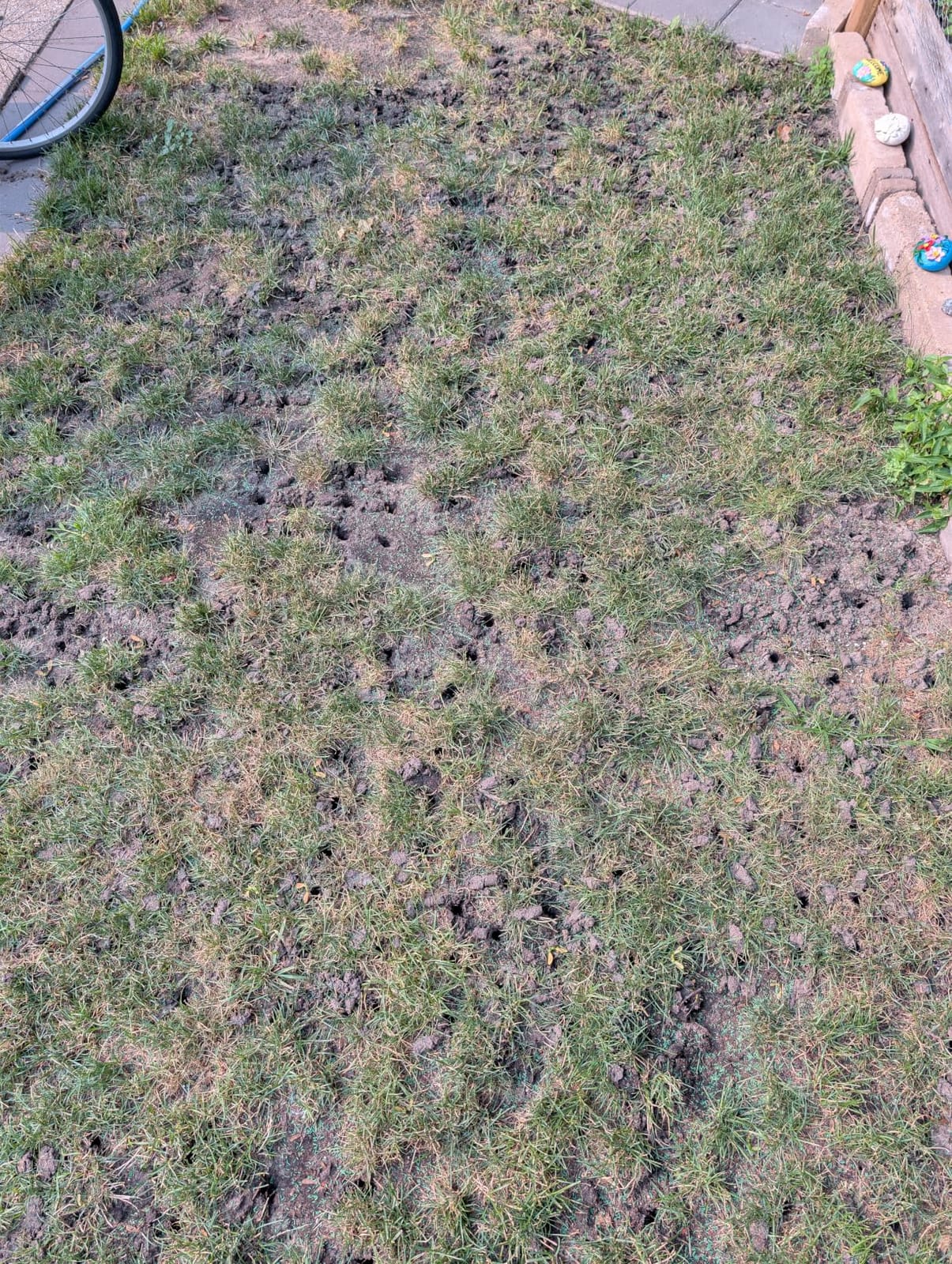
4. Dolibest Lawn Coring Aerator – the One That Collects the Plugs
Dolibest Lawn Coring Aerator, Manual Lawn Aerator,4 Stainless Steel Corer Plug Aerator with Soil Core Storage Tray, Pre-Assembled Manual Grass Aerating Tool & Clean Hand Tool, Improving Lawn Health
Four SUS 304 stainless plugs
Integrated core tray
Rubber grip and crossbar
Pros
- Stainless plugs resist rust and bending
- Storage tray catches ejected plugs
- Included 12 inch hand tool
- Multiple configurations available
Cons
- Small plug holes mean slow coverage
- Clogs unless soil is very wet
- Slim tine gauge gives a small core
The Dolibest solves a problem most corers ignore: what do you do with the soil that comes out? Its stainless steel storage tray catches the ejected plugs automatically, so you are not spending half the job bent over picking cores off the lawn. For a small yard that is a real time saver, and it is the reason this tool stands apart.
Four SUS 304 stainless steel coring plugs resist both rust and bending, mounted on a solid steel rod with a black powder-coated finish. A soft rubber grip and an elevated crossbar keep your shoes clear of the plug ejection path, and the whole thing assembles from three parts in about two minutes.
Stainless Steel Coring Plugs
SUS 304 stainless is a step above painted or plated steel for a tool that lives in wet soil. It will not bloom with rust the way cheaper steel does, and it holds its shape when it meets a root. Owners also note it performs similarly to a big-box-store product sold for roughly double the price.
The Soil Core Storage Tray
The tray is the reason to buy this one specifically. On a small lawn the cleanup step is a meaningful fraction of total time, and ejecting plugs straight into a tray removes almost all of it. It also keeps the cores contained if you plan to overseed and do not want a mess to rake.
What It Is Bad For
The plug holes are small, so anything beyond a genuine small lawn becomes a long job. Owners report the tines clog in anything other than very wet soil, which means you must water properly first. The slim tine gauge also produces a smaller core than heavier competitors.
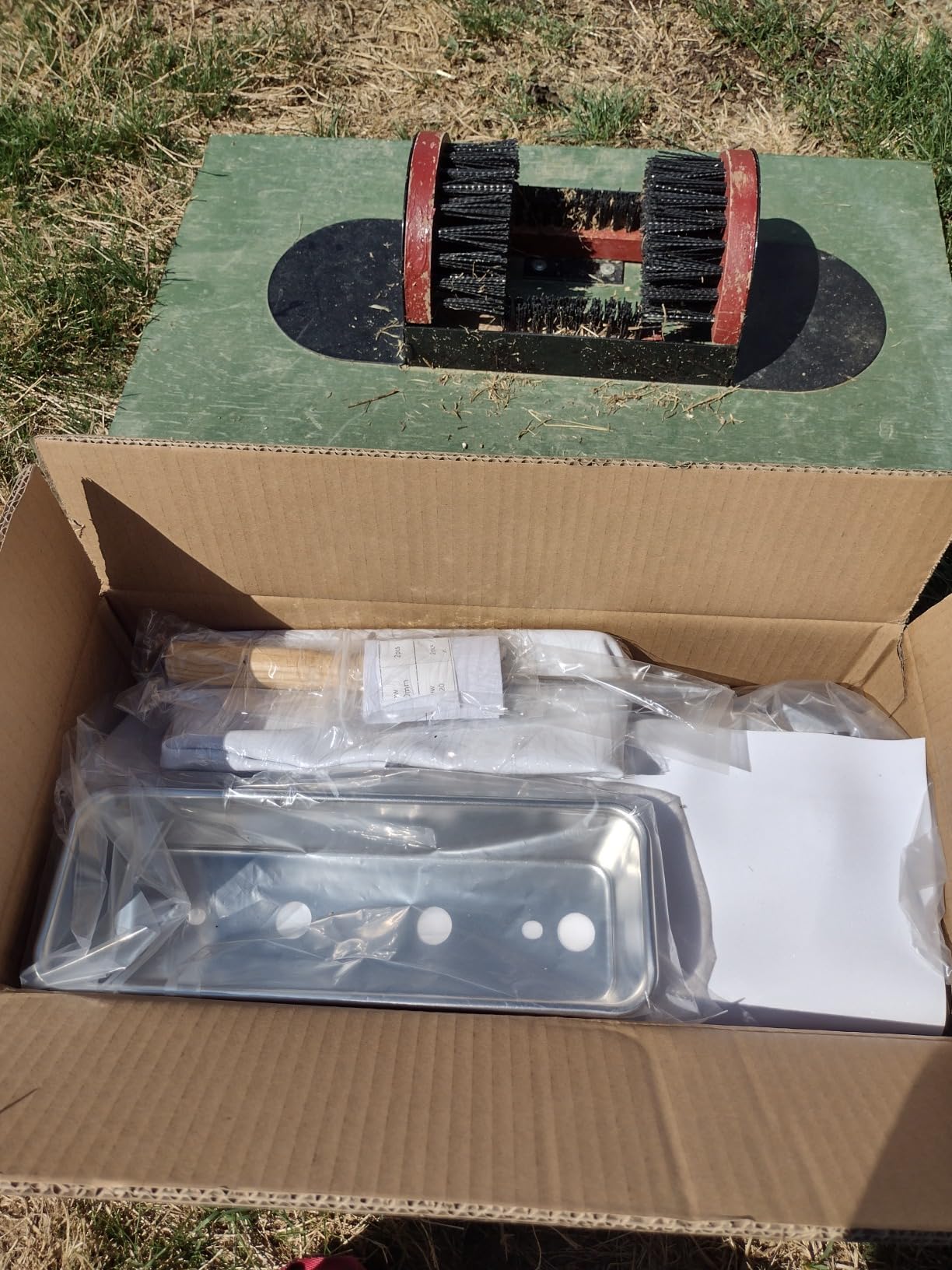
5. Colwelt Rugged Spike Aerator – the Longest Spikes for the Money
Colwelt Aerator Lawn Tool, Manual Lawn Grass Aerator with Rugged Wide Spike
Four 3.5 in spikes at 2/5 in
38 in overall height
4.31 lb steel build
Pros
- Longest and thickest spikes in the roundup
- 38 inch height spares your back
- Wide foot plate fits boots
- Spikes survived rocks and roots
- Gloves and hardware included
Cons
- Punches holes rather than removing soil
- Only four spikes per step
- Some play at the pole joints
- Real effort required
Four spikes at 3.5 inches long and two-fifths inch diameter is a bigger bite than you will find on almost any other spike tool in this price range, and that is the entire pitch. Wider holes mean better water and air movement in compacted soil for a modest outlay, and it holds a 4.5 star rating across 230 reviews with a 76 percent five-star share.
At 38 inches tall it is the second tallest tool here, so you work standing up, and the wide 6 by 5.5 inch anti-slip foot plate stays stable under a boot. The box includes fixings, tools and a pair of work gloves, and assembly takes about 90 seconds.
Spike Length and Diameter
Most spike aerators ship 2.3 to 2.8 inch spikes. These are longer and noticeably thicker, and owners report they survived rocks and tree roots without bending in their own testing. That is the difference between a tool that opens channels and a tool that bends on the third session.
Foot Plate and T-Handle Comfort
The cushioned T-handle and 38 inch height together mean the work is done upright with a stable base underfoot. A wider foot plate does not increase speed, but it does stop the tool from skating when you push down into hard ground.
What It Is Bad For
It is sold as a solid spike aerator, so it punches holes and leaves the soil in place. It also only has four spikes, and some owners report play developing where the pole sections join. On anything larger than a small lawn the effort required becomes the limiting factor rather than the tool itself.
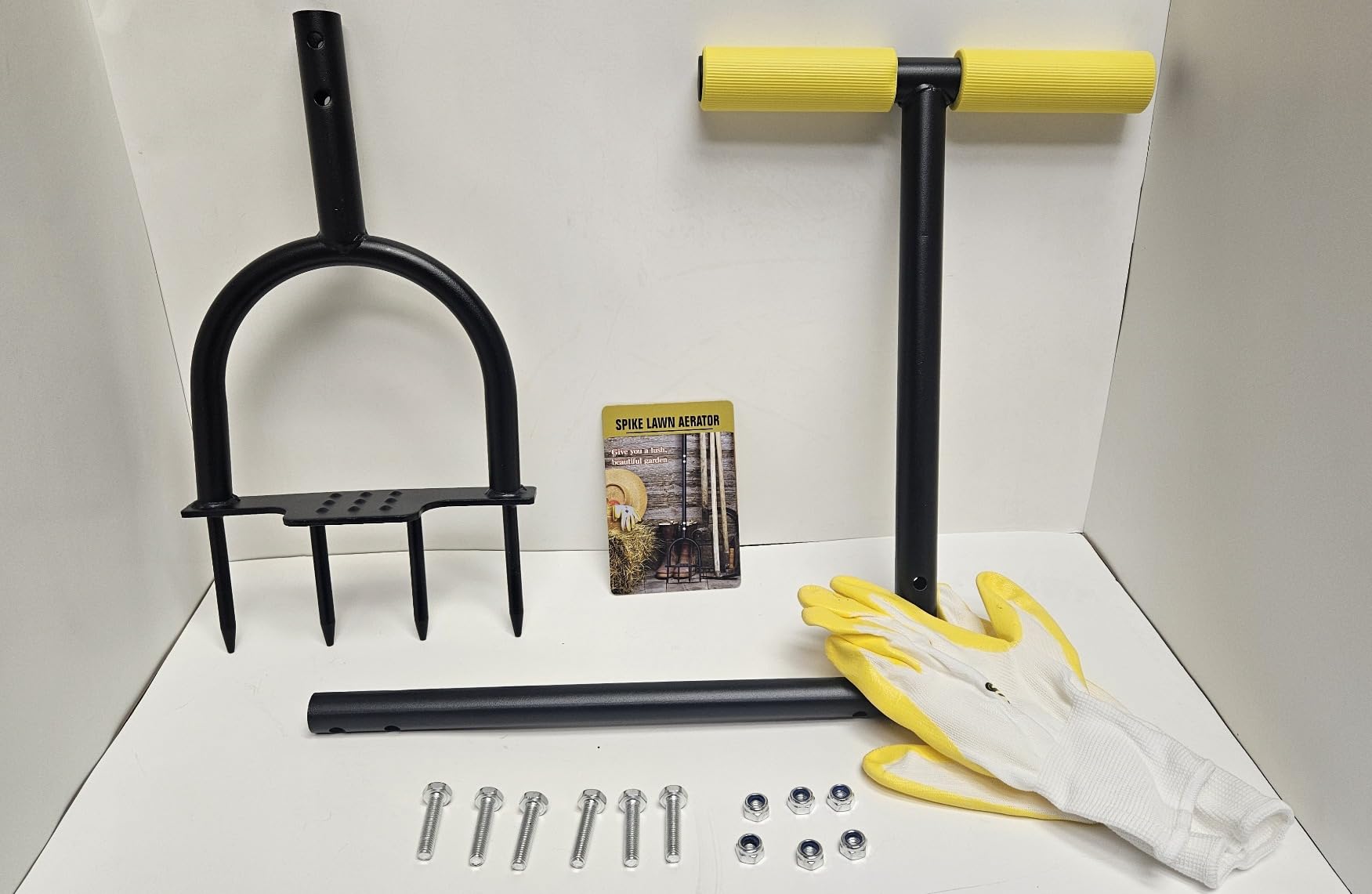
6. Saker 15 Iron Spike Aerator – Self-Clearing Spikes Without the Coring
Saker Manual Lawn Aerator Tool with 15 Iron Spikes Black
15 spikes at 2.3 in
Double-layer spring eject
Height 32.2 to 35.4 in
Pros
- Spring ejects soil and debris automatically
- 15 spikes cover more ground per step
- Screw-connected foot pedal
- Adjustable handle height
- Gloves included
Cons
- Lowest average rating in the roundup
- Heaviest build at 6.53 lb
- Solid spikes do not pull soil
The Saker borrows the self-cleaning idea from corers and applies it to spikes. A built-in double-layer spring ejects soil and debris as the tool works, which is the usual reason spike heads stop performing after a few passes. Fifteen spikes give solid coverage per step, and the screw-connected foot pedal is stronger than the welded joints these tools normally use.
Height adjusts from 32.2 to 35.4 inches, so it suits a range of users, and the thickened iron carries a rust-resistant coating. Gloves are in the box. It is rated 4.1 stars from 223 reviews, the lowest average in this group, with a 56 percent five-star share.
Double-Layer Spring Self-Cleaning
Spike aerators lose effectiveness when soil packs around the shaft and the hole stops reopening cleanly. The spring mechanism pushes that material free during use, which is why owners rate it well on repeat sessions rather than on a single pass. It is a partial solution, not a full one, since the tool still does not remove soil.
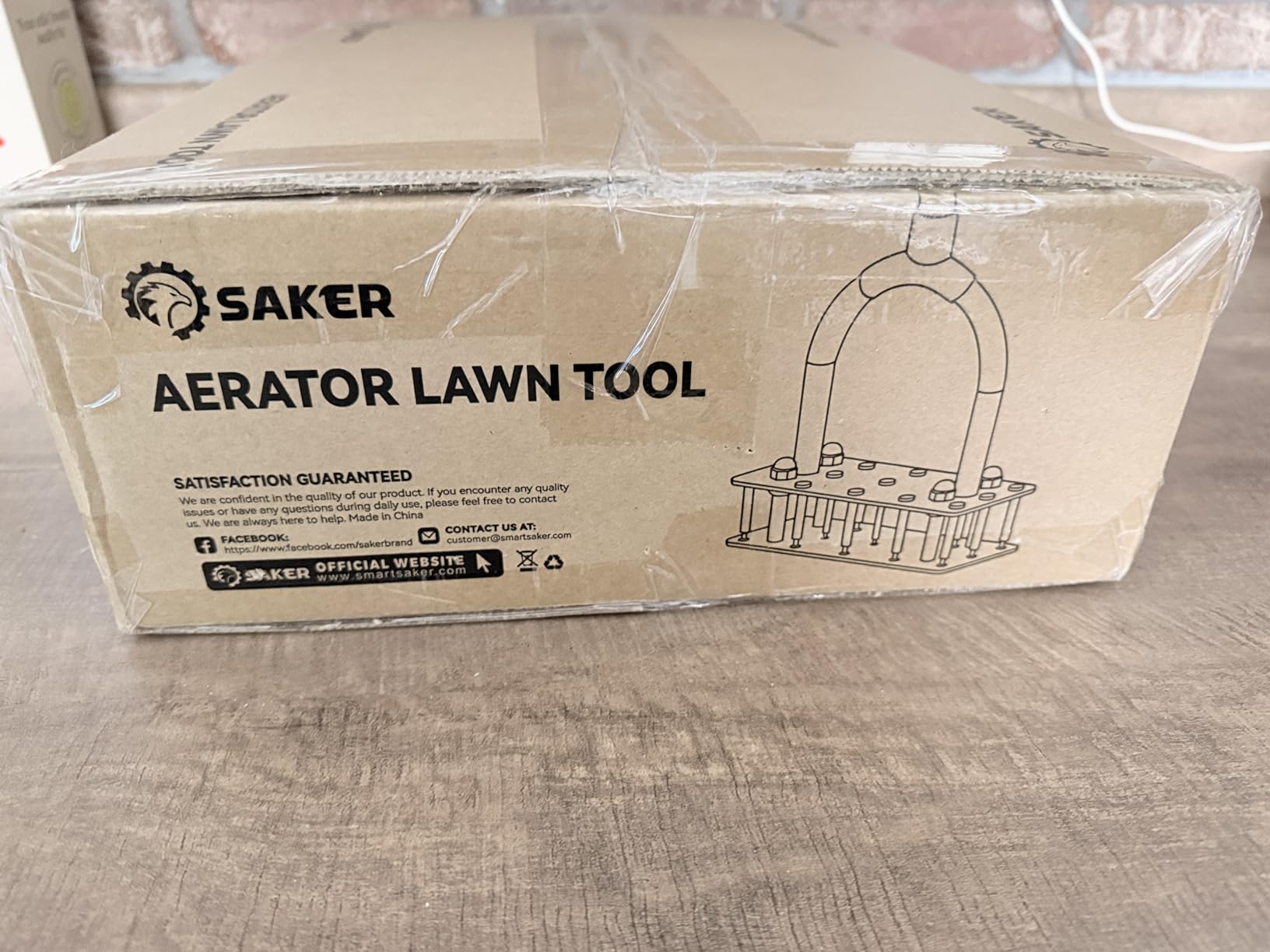
Coverage and Build Weight
Fifteen spikes is a substantial step up from a four-spike head and it covers ground faster. The tradeoff is weight: at 6.53 pounds this is the heaviest tool here, and owners cite that as the main reason the arms tire faster. On a small lawn that is a fair deal. On a large one it is not.
What It Is Bad For
It carries the lowest rating in the roundup and the heaviest frame, and its unit sales trail the two tools above it. Like every other spike tool, it makes holes rather than relieving compaction permanently, so it suits surface improvement and traffic paths better than a badly compacted clay lawn.
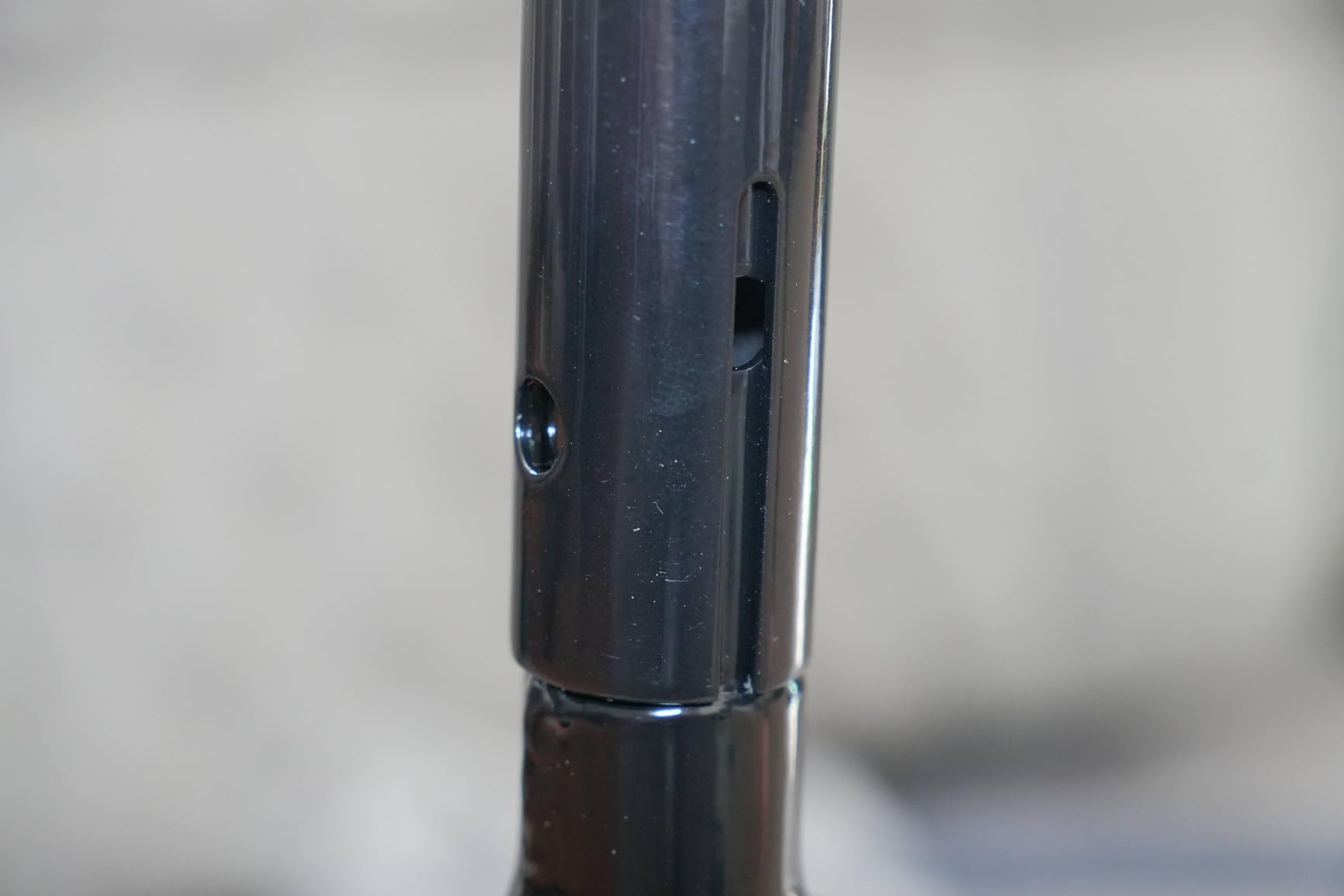
7. Landzie Hollow Tine Core Aerator – the Premium Coring Pick
Landzie – Lawn Aerator Tool 42″, Hollow Tine Core Aerator
Three stainless hollow tines
42.38 in overall length
5.6 lb powder-coated frame
Pros
- Beveled tines push plugs out on their own
- Stainless tines stay sharp
- Replaceable tines sold separately
- Arrives fully assembled
- 42 inch height keeps the back straight
Cons
- Most expensive tool here by a wide margin
- Three tines cover very little ground
- Strenuous on dry or rocky soil
- Tines can bend on hard rock
The Landzie is the most expensive tool in this roundup by a wide margin, and r/lawncare users recommend it by name when they want real coring. The reason is the beveled hollow tines: they push the old material up and out on each press, so the tool essentially cleans itself. It is the answer to the clogging complaint that undermines every other manual corer.
Three solid stainless steel beveled hollow tines sit in a powder-coated steel frame, and the tines are removable for cleaning and replacement, so the tool is repairable long term. It arrives fully assembled with tines already fitted, which means you can start working in minutes, and the 42 inch length suits taller users.
Beveled Hollow Tine Design
Self-ejecting hollow tines are the reason this tool costs what it does. Soil moves up and out of the tube as the frame is pressed, rather than compacting inside it, and owners describe it as the best-built tool they have owned. It is also the design that pairs best with soil kept properly moist.
Repairability and Service
Replacement tines are sold separately, and owners single out customer service as exceptional. For a tool that spends its life hitting buried rocks, being able to swap the working end rather than replace the whole unit is worth real money over several seasons of use.
What It Is Bad For
Three tines cover very little ground per plunge, which makes a large lawn impractical regardless of budget. It is strenuous on dry, hard or rocky clay, and tines can bend if they strike rocks in very hard ground. The foot bar also lacks crosscut texture, so a wet foot can slide on it.
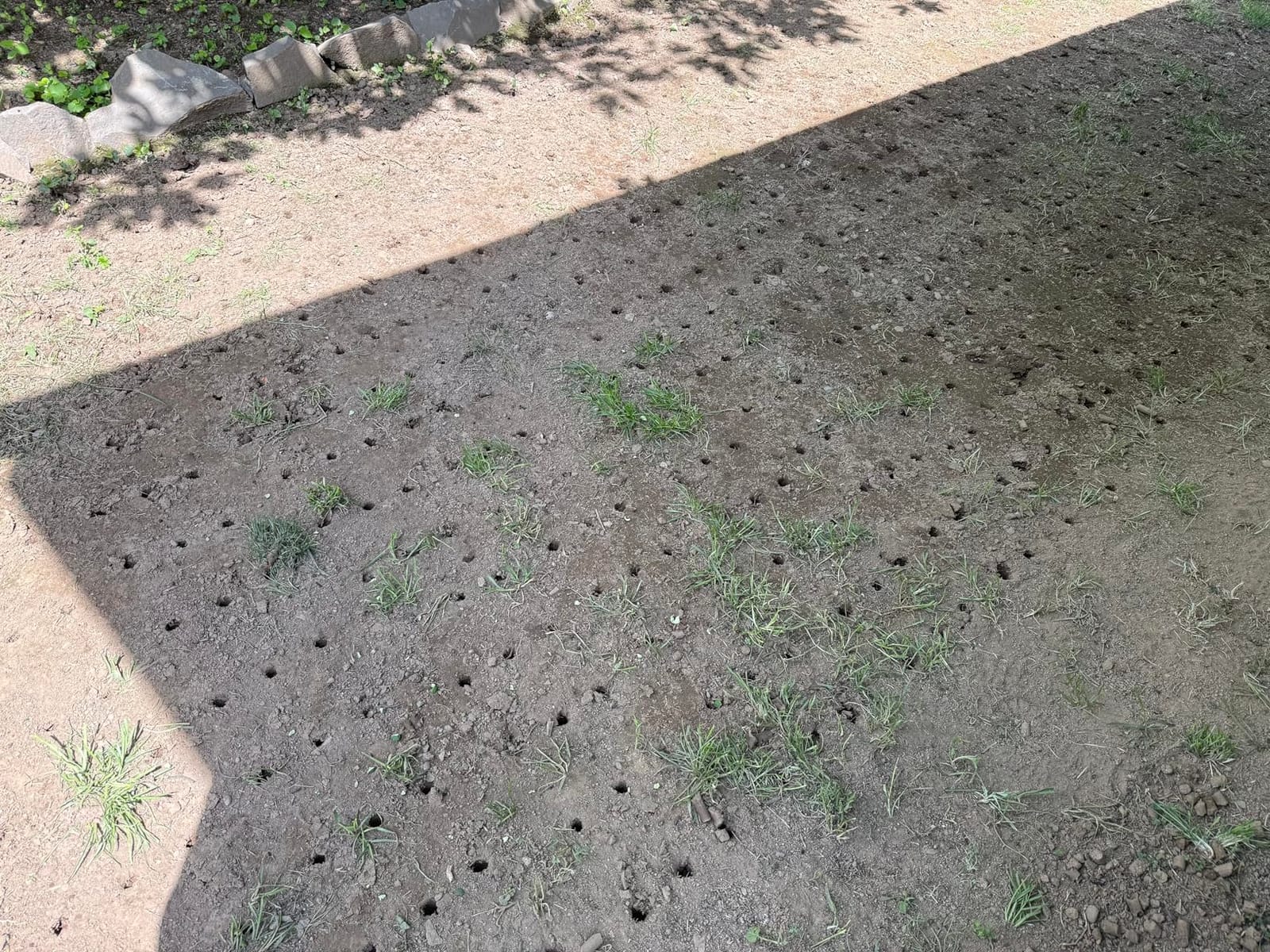
8. Coopvivi Rolling Spike Aerator – the Lowest Back Strain Option
Coopvivi Lawn Aerator Tool – Grass & Soil Aerator for Lawn & Yard Care
15 spike prongs
Rolling drum design
3.85 lb with adjustable handle
Pros
- Rolling design avoids lifting the tool
- 15 prongs cover good ground per step
- Thick foot plate takes body weight
- Spare spikes included
- Light and easy to store
Cons
- Spikes can work loose from the base
- Shallow holes give modest improvement
- Frame can feel rickety after repeated use
- Alignment awkward for some users
Rolling spike aerators are the format most people picture when they think of a manual lawn aerator, and this one is the cheapest entry into it. Because you roll it forward rather than lifting and plunging it, the tool works the ground without you having to pick it up, which is the single biggest saver on your lower back.
Fifteen sharp prongs, high-strength steel with a powder-coated rust-resistant finish, and a thick foot plate that supports full body weight. The handle adjusts for height, spare spikes are included, and at 3.85 pounds it is light to carry and simple to store when disassembled.
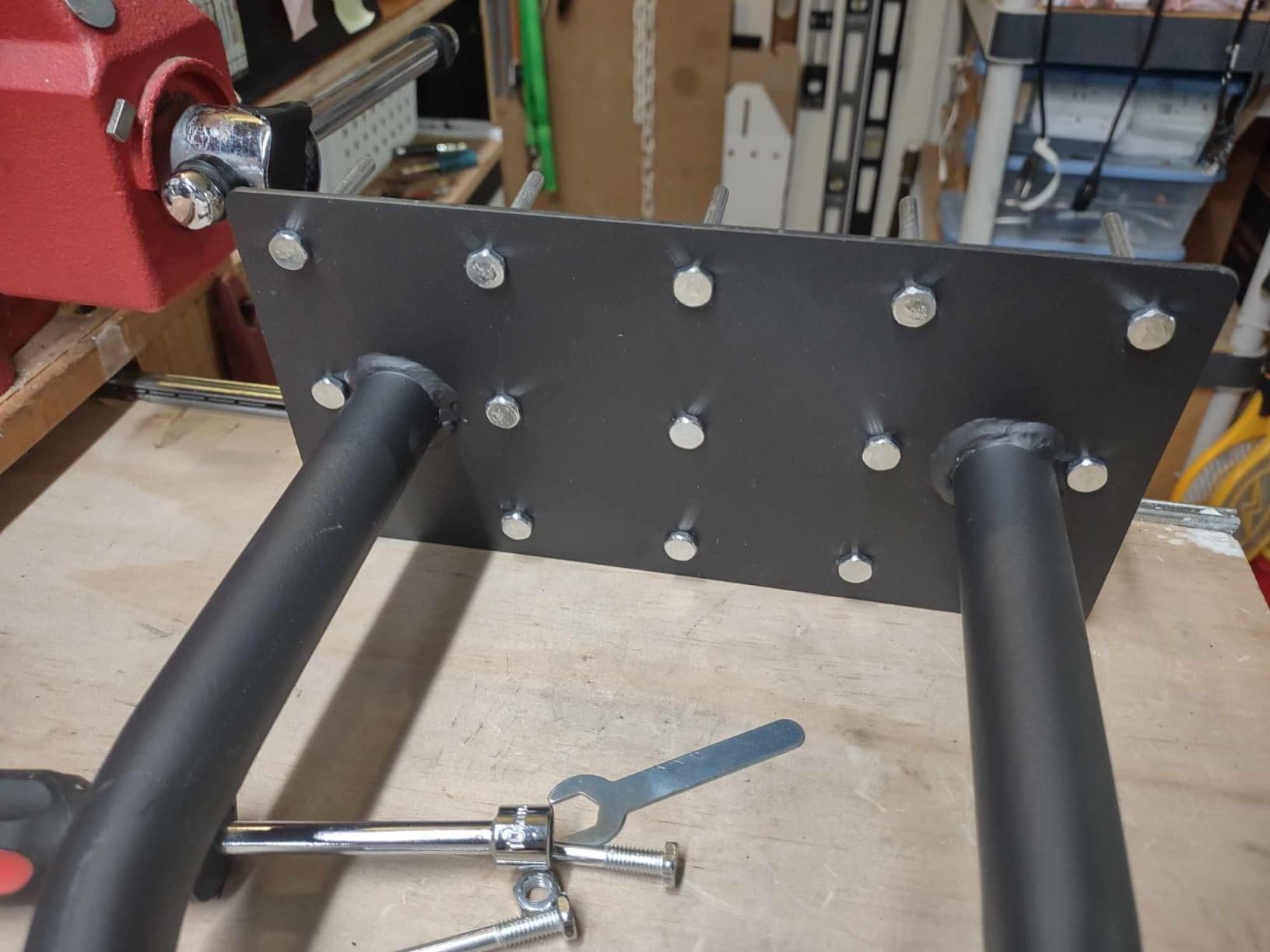
Rolling Design and Back Load
That rolling action is the reason to consider this format if back strain is your concern. Owners value not lifting the tool, and it also makes tight side yards and fence lines more manageable. The adjustable handle helps further, though some users find the handle-to-spike alignment awkward.
Spike Count and Durability
Fifteen prongs cover a reasonable amount of ground per step, considerably faster than spike shoes or small handheld tools. The recurring weakness is durability: owners report spikes working loose from the base after a few uses, and a frame that starts to feel rickety with repeated use. Spare spikes in the box help but do not solve the loosening.
What It Is Bad For
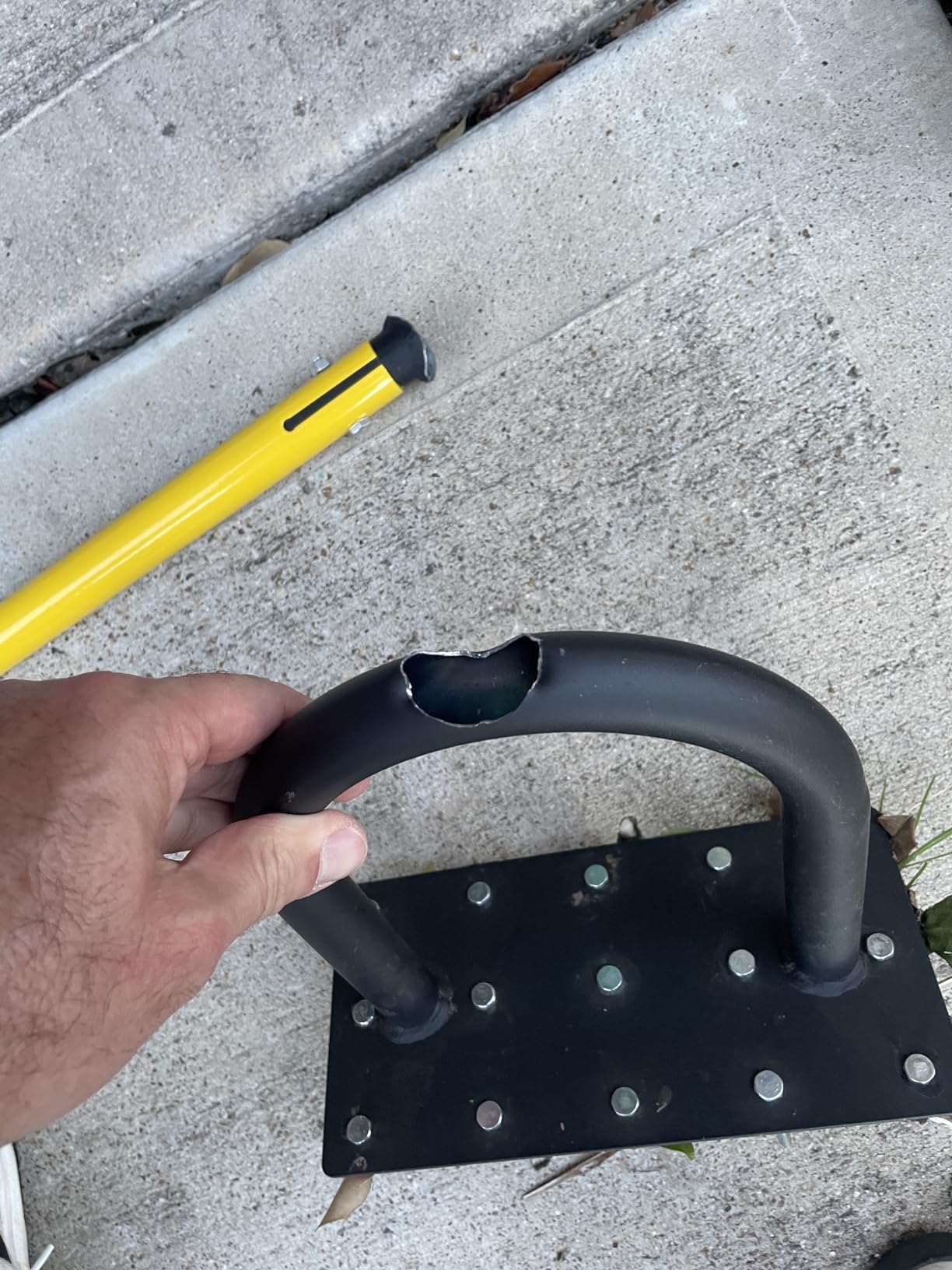
The holes are shallow and produce only a modest improvement in water absorption, and solid spikes do not remove soil. It is not a sensible choice for large areas, where the work involved becomes excessive. If your problem is genuine compaction rather than surface hardening, a coring tool is the better investment.
How to Choose a Manual Lawn Aerator for a Small Lawn
Match the tool format to your lawn size
Under about 1,500 square feet, any of these tools will finish the job. Between 1,500 and 3,000 square feet, prioritize spike and tine count over plug removal, because coverage per press matters more than what happens to the soil. Above 3,000 square feet, a manual tool stops being realistic for most people in a single session, and hiring a service is the better use of your weekend. If you are aerating water instead of turf, our picks for the best pond aerators cover that side of it.
Spike vs hollow tine: which one actually relieves compaction
A spike makes a hole and leaves the soil in place. A hollow tine pushes a core up and out, physically removing material and leaving an open channel that stays open longer. Forum consensus is clear that spike-only tools give brief air exchange and can compact surrounding soil further, which is why we rank coring tools above spike tools for anything genuinely compacted. Spikes are still the right call for surface hardening on soft, moist soil and for overseeding prep.
Tine depth and spacing decide your results
Depth is the number that matters. Spikes in this group run 2.3 to 3.5 inches, and hollow tines reach roughly 4 inches. Spacing matters too: twenty spikes in four rows opens far more area per press than four spikes in one row. A deeper bite with fewer holes beats a shallow bite with many, because the root zone is where you are trying to reach.
Handle height and foot plate decide whether you finish the job
Anything at or above 38 inches lets you work upright, and a wide anti-slip foot plate keeps the tool from skating when you drive it into hard ground. This is the difference between finishing on Saturday and finishing on Saturday evening. Adjustable height is worth having if more than one person will use the tool.
Why hollow tines clog and how to stop it
Clogging is the dominant complaint about manual corers, and it comes down to one thing: soil condition. The fix is to water the target area with roughly a quarter inch of water the day before and keep it moist, never wet. Then work in passes rather than pounding one spot, knock the plugs loose after each row, and keep an eye on how much core length you are actually pulling. If your tool has a self-ejecting mechanism, such as beveled tines or spring inserts, you will cut your clearing time dramatically. Skip the watering step and no design will save you.
When renting or hiring beats owning a tool
If your lawn is over a few thousand square feet, or you are dealing with a thatch layer thicker than half an inch that also needs removing, a hired machine does in an hour what a hand tool does in a day. Several forum users simply hire a local service rather than own a tool. For a genuinely small lawn, ownership wins, because the tool is there every spring and fall without a rental trip.
Manual Lawn Aerator FAQs
What is the best aerator for a small lawn?
For a lawn under about 2,000 square feet, the Yard Butler coring aerator is the strongest all-round choice because it pulls real soil plugs and its 38 inch handle lets you work upright. If you want the fastest coverage per step, the Walensee four-row spike tool covers more ground in an afternoon. Both are effective; the corer is better for compacted soil, the spike tool is better for soft ground and overseeding prep.
Are manual lawn aerators any good?
Yes, with the right expectations. A manual aerator genuinely relieves surface compaction and opens channels for water, air and nutrients in a lawn under roughly 5,000 square feet. What it will not do is cover a large property quickly, and a spike-only tool makes holes without removing soil. Hollow tine corers are the format that actually moves material.
What is better, a spike or plug lawn aerator?
A plug or core aerator is better for compacted soil because it physically removes a soil column, leaving a channel that stays open. A spike aerator just makes a hole, which is fine for surface hardening on moist turf and much faster. Choose the spike tool for large soft areas and the corer for hard clay, traffic paths and bare patches.
How to keep a manual aerator from clogging?
Water the lawn with about a quarter inch of water a day beforehand and keep the soil moist, not saturated. Work in overlapping passes instead of pounding one spot, and knock the plugs loose after every row. Choosing a self-ejecting design with beveled hollow tines or spring inserts cuts clearing time more than any other change.
How long does manual aeration take on a small yard?
Plan on several hours for a lawn in the 2,000 to 3,000 square foot range, and split it into more than one session if you can. A four-spike tool with a two-plunge corer will take far longer than a fifteen to twenty spike head. Forum owners regularly cite roughly four hours as a realistic figure for a small to mid-sized yard.
Which Manual Lawn Aerator Fits Your Small Lawn
If your lawn is small and your soil is compacted, start with the Yard Butler coring aerator. It is the best manual lawn aerator for a small lawn overall because it removes soil, saves your back with a 38 inch handle, and has the deepest owner feedback base here. If you want the fastest coverage and your soil is on the softer side, the Walensee four-row spike tool gets more ground done per press. For heavy clay, the LawnVigor’s self-ejecting hollow tines handle clogging better than anything else at this level, and the Landzie is the premium version of that same idea if you want replaceable stainless tines and a 42 inch frame. If you care about cleanup more than anything, the Dolibest tray catches your plugs for you. If your back is the limiting factor, the Coopvivi rolling design lets you work the lawn without lifting the tool.
Whichever you choose, water the lawn first, work while the soil is moist, and this is still the season to do it in 2026. Aeration opens the door, but it is overseeding and a consistent watering window that actually fill it.
Leave a Reply