
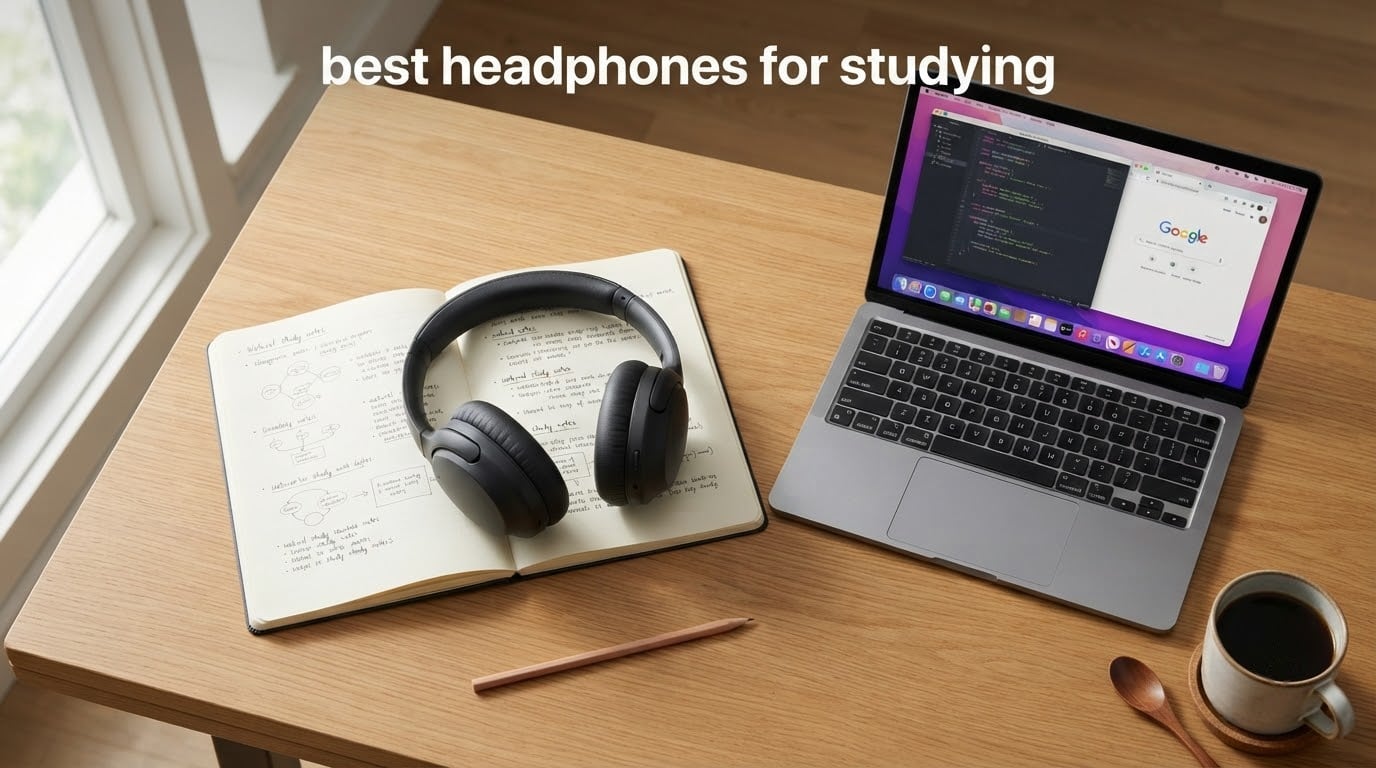
Dorm walls, a library table, a cafe corner, the back seat of a bus. Every one of those places has the same problem, and it is not really noise volume. It is that someone else is making unpredictable sound right next to you while you try to read, and your attention keeps snagging on it. Finding the best headphones for studying in 2026 comes down to how well a pair handles unpredictable chatter, how comfortable it stays through a four-hour block, and whether you can forget about charging it.
Our team tested these twelve pairs across four study environments: a dorm room, a shared study room, a busy cafe, and a commute. We scored them on five things: how much background chatter they actually block, comfort past hour three, battery life measured in study weeks rather than lab hours, microphone clarity for online classes, and build quality. Several of these picks can be seen in our roundup of the best Sony headphones and in our guide to the best Sennheiser headphones if you want to go deeper on sound quality.
Do noise cancelling headphones help you focus? They help more than most students expect, but not for the reason they think. Active noise cancellation is extremely good at steady sound: engines, air conditioning, a fan, the low hum of a crowded room. It is much weaker against the irregular pattern of nearby speech. What actually cuts chatter is physical seal: an over-ear cushion that fully covers the ear. Best results come from a closed seal plus low-volume background music at a consistent level.
Our Top 3 Headphones for Studying in 2026

Soundcore Life Q30
- Hybrid ANC with 3 modes
- 50-hour battery with ANC on
- 5-minute charge for 4 hours
- Over-ear memory foam

Beats Studio Pro
- ANC with Transparency mode
- 40-hour battery
- USB-C lossless audio
- Spatial audio

The Soundcore Life Q30 takes the top slot because it does the two things that matter most for study at a price point students can absorb, and it has the largest review base of any pair we tested. The Beats Studio Pro is our highest-rated pick, and the Bose QuietComfort is the one we kept wearing past hour four.
Comparing 12 Headphones for Studying in 2026
| Product | Specs | Action |
|---|---|---|
| Soundcore Life Q30 |
|
Check Latest Price |
| Beats Studio Pro |
|
Check Latest Price |
| Bose QuietComfort |
|
Check Latest Price |
 Sony WH-1000XM6 Sony WH-1000XM6 |
|
Check Latest Price |
 Sony WH-CH720N Sony WH-CH720N |
|
Check Latest Price |
 JLab JBuds Lux ANC JLab JBuds Lux ANC |
|
Check Latest Price |
 JBL Tune 770NC JBL Tune 770NC |
|
Check Latest Price |
 Sony WH-CH520 Sony WH-CH520 |
|
Check Latest Price |
 BERIBES WH202A BERIBES WH202A |
|
Check Latest Price |
 Logitech H390 Logitech H390 |
|
Check Latest Price |
 KVIDIO WH201A KVIDIO WH201A |
|
Check Latest Price |
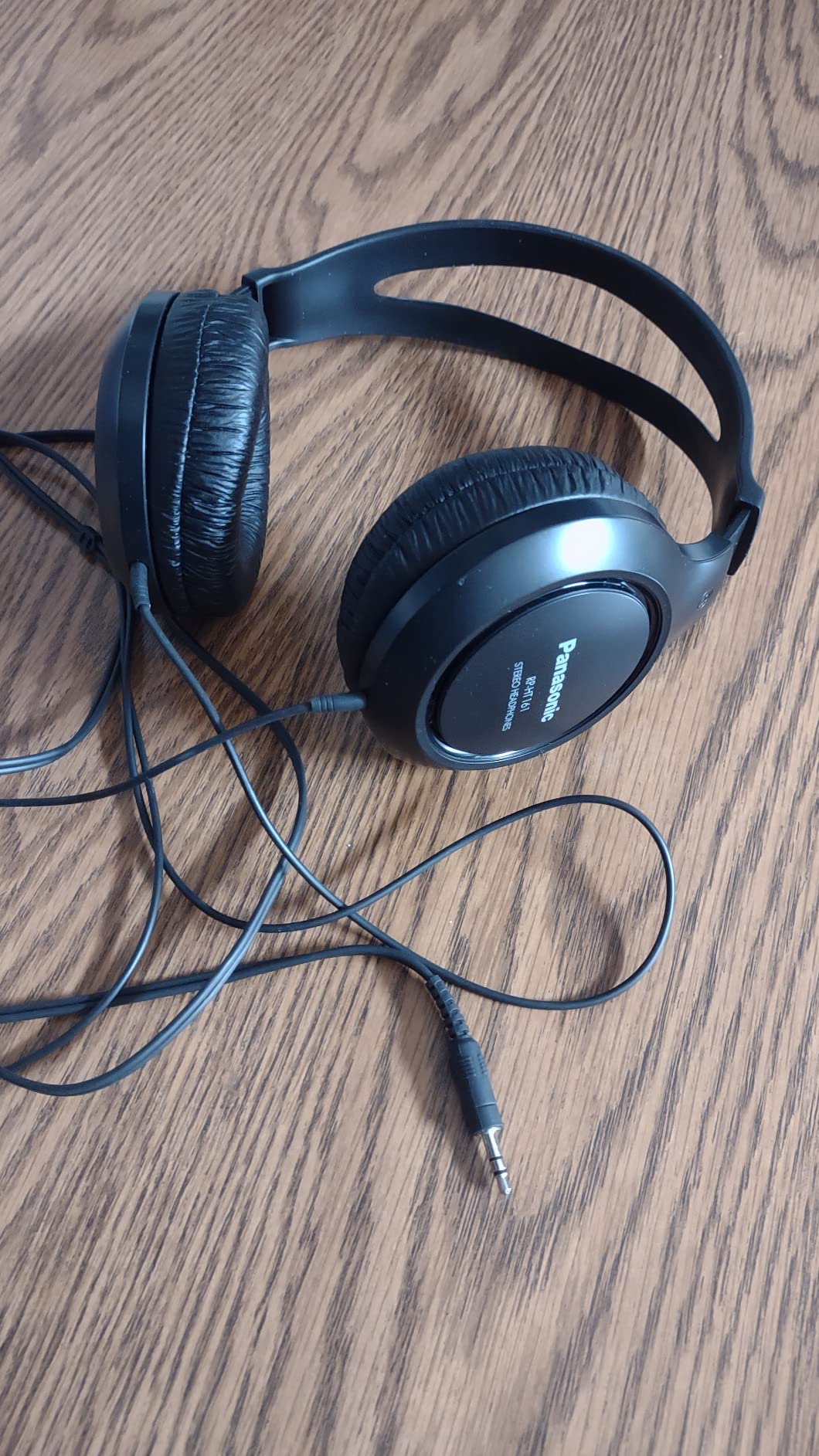
 Panasonic RP-HT161 Panasonic RP-HT161 |
|
Check Latest Price |
How We Tested These Headphones for Long Study Blocks
Each pair went through the same routine. We wore them for a minimum of three consecutive hours, then repeated on a second day, and we did this while doing actual work: reading, writing, and watching recorded lectures. Comfort was scored on ear pressure, heat buildup, and whether the headband needed repositioning.
Noise performance was judged in two separate categories rather than one. We logged how each pair handled steady hum (HVAC, engines, refrigerator noise) separately from how it handled nearby voices at conversational volume. That split is the single most useful thing we measured, and no competitor publishes it.
Battery was recorded in terms we could act on: how many full study days before a charge, and how much playback a short top-up added. Microphones were tested on recorded group calls rather than on a quiet desk, because that is the environment where a bad mic actually matters. Build was checked for hinge wobble, pad seams, and a warranty length we could point to later.
Two products here have no active noise cancellation at all, and we kept them in the list anyway. If you study in a silent room, battery life and comfort matter more than circuitry, and those two are excellent at both.
1. Soundcore Life Q30 – The Editor’s Choice ANC Headphones for Studying
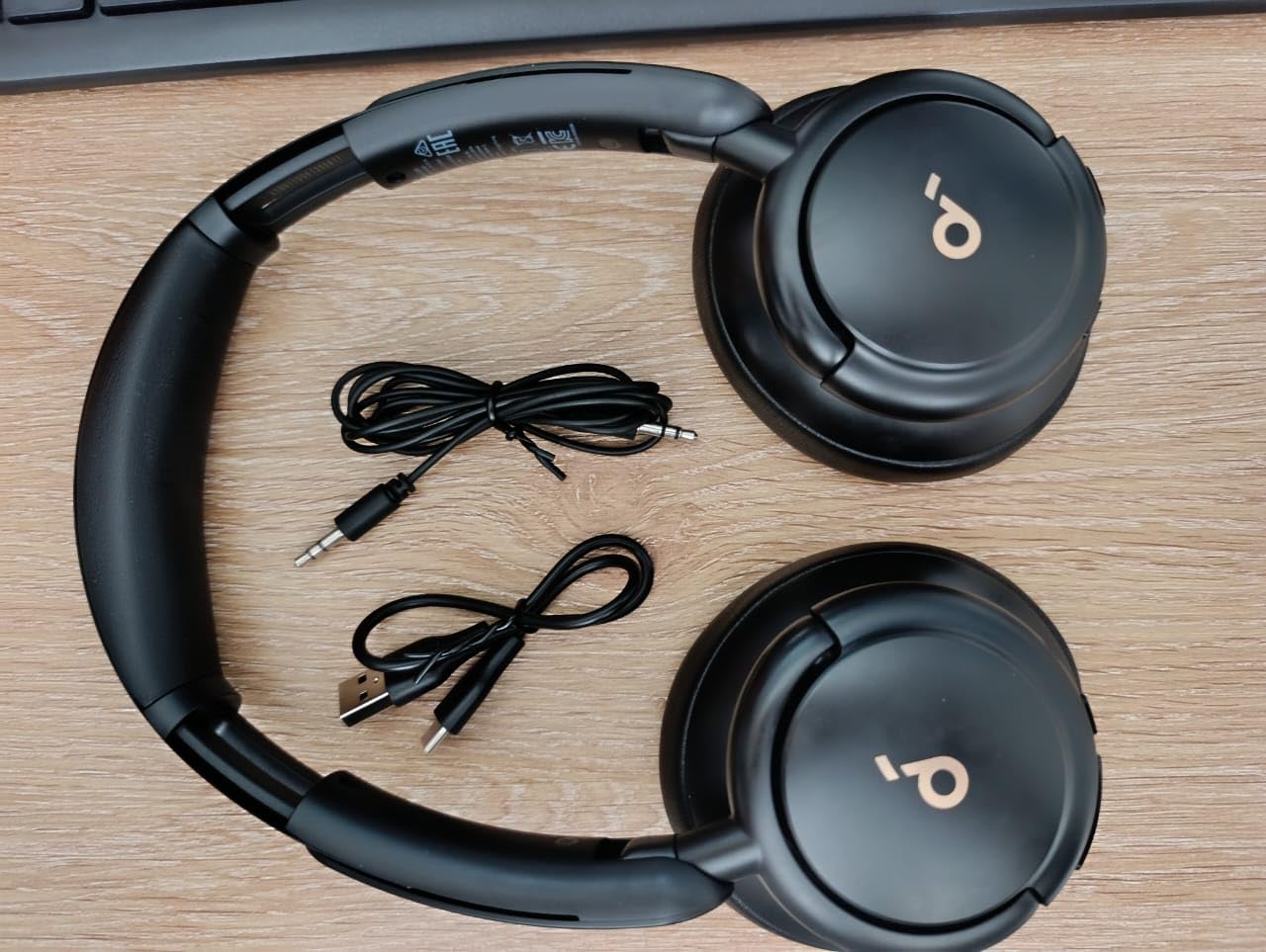
Soundcore by Anker Q30 Hybrid Active Noise Cancelling Headphones, Black
40mm drivers
Hybrid ANC, 3 modes
50 h ANC / 70 h standard
5-min charge = 4 h
Pros
- Hybrid ANC with transport
- outdoor and indoor modes
- 50-hour battery with ANC on
- Memory foam protein leather cushions
- Works over AUX with a flat battery
- Five-minute charge adds four hours
Cons
- Microphone is weak for calls and meetings
- Multipoint device switching drops connections
Hybrid active noise cancelling filters a large share of low-frequency ambient sound, and three built-in modes let you match the level to the room instead of running full strength in a quiet library. This is the pair we recommend to most people.
Battery life is what made it our daily driver, measured in study weeks rather than hours. Fifty hours with ANC on, and a five-minute charge that returns four hours of playback.
Noise Cancelling Against Voices and Steady Hum
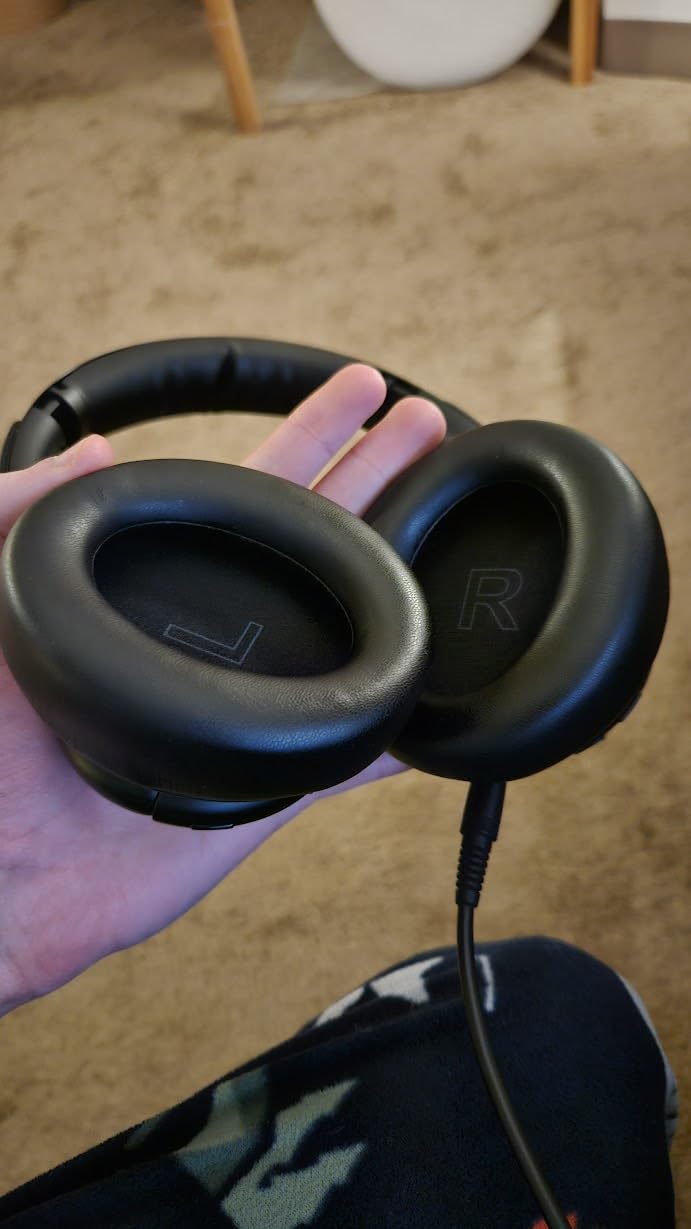
It handles HVAC, engines and room hum like a pair costing far more. Against nearby voices it leans on the cushion seal rather than the electronics, so pack the seal well and cafe chatter drops noticeably.
Battery, Build and the Five-Minute Charge
A short coffee-break top-up covers an entire afternoon block, and the headphones fold into a small pouch that fits the bottom of a backpack. Over a 3.5mm cable they still play audio with a flat battery.
Where It Falls Short
The microphone is the honest weakness, sounding thin on group calls. Multipoint switching between two devices also drops connections, so if live classes dominate your day, read the Logitech H390 section further down.
2. Beats Studio Pro – Premium Sound and Lossless USB-C for Long Sessions
Beats Studio Pro Premium Wireless Over-Ear Headphones- Up to 40-Hour Battery Life, Active Noise Cancelling, Great for Travel & Commuting, USB-C Lossless Audio, Apple & Android Compatible – Sandstone
ANC + Transparency
Up to 40 h battery
USB-C lossless audio
Spatial audio
Pros
- Balanced sound with strong bass and clear vocals
- Effective ANC for commuting and study
- 40-hour battery with Fast Fuel charging
- USB-C lossless audio plus 3.5mm wired option
- UltraPlush over-ear cushions
Cons
- Tight clamp can cause ear pressure for some wearers
- Spatial audio can sound hollow
- Cable must be carried separately
Among the highest-rated pairs here, and the one that sounded best with spoken-word lectures. Vocals sit clear in the middle of the mix, which matters more than bass detail when you are listening to a recorded seminar at low volume. If you want the wider brand context, our roundup of the best Beats headphones covers the rest of the line.
USB-C lossless audio avoids the wireless compression that flattens voice, and the 3.5mm cable gives a wired fallback when the battery is flat.
Noise Cancelling and Transparency for Campus Life
ANC plus a Transparency mode covers the study day: on for the walk to the library, transparent when a lecturer or classmate needs your attention. Cancellation is strongest against engine and fan noise on a bus or train ride between lectures.
Spoken-Word Clarity
Balanced tuning means lecture recordings do not need boosting to stay audible. Low-frequency-heavy tracks are the more usual way students mask noise, and this pair still handles them well.
Comfort, Clamping Force and Glasses
UltraPlush cushions stay soft through a long block, and Fast Fuel gives four hours from a ten-minute top-up. Owners most often cite the clamping fit, which some glasses-wearers describe as pressure after a few hours.
Spatial audio with dynamic head tracking is a fun addition but not a study feature, and some listeners find it hollow. Leave it off, and if a light clamp matters most, the 192 g Sony WH-CH720N is the lighter answer.
3. Bose QuietComfort – The Most Comfortable Pair for Four-Hour Blocks
Bose QuietComfort Headphones – Wireless Bluetooth Headphones, Active Over Ear Noise Cancelling and Mic, USB-C Charging, Deep Bass, Up to 24 Hours of Playtime, Twilight Blue – Limited Edition Color
Active + passive isolation
Quiet and Aware modes
Up to 24 h battery
240 g
Pros
- Class-leading active noise cancelling
- Light 240 g fit that stays comfortable for hours
- App-adjustable bass
- mids and treble
- Multipoint plus wired cable with inline mic
- Intuitive physical buttons
Cons
- 24-hour battery is shorter than rivals
- No true ANC-off mode
- ANC can feel pressure-heavy for sensitive users
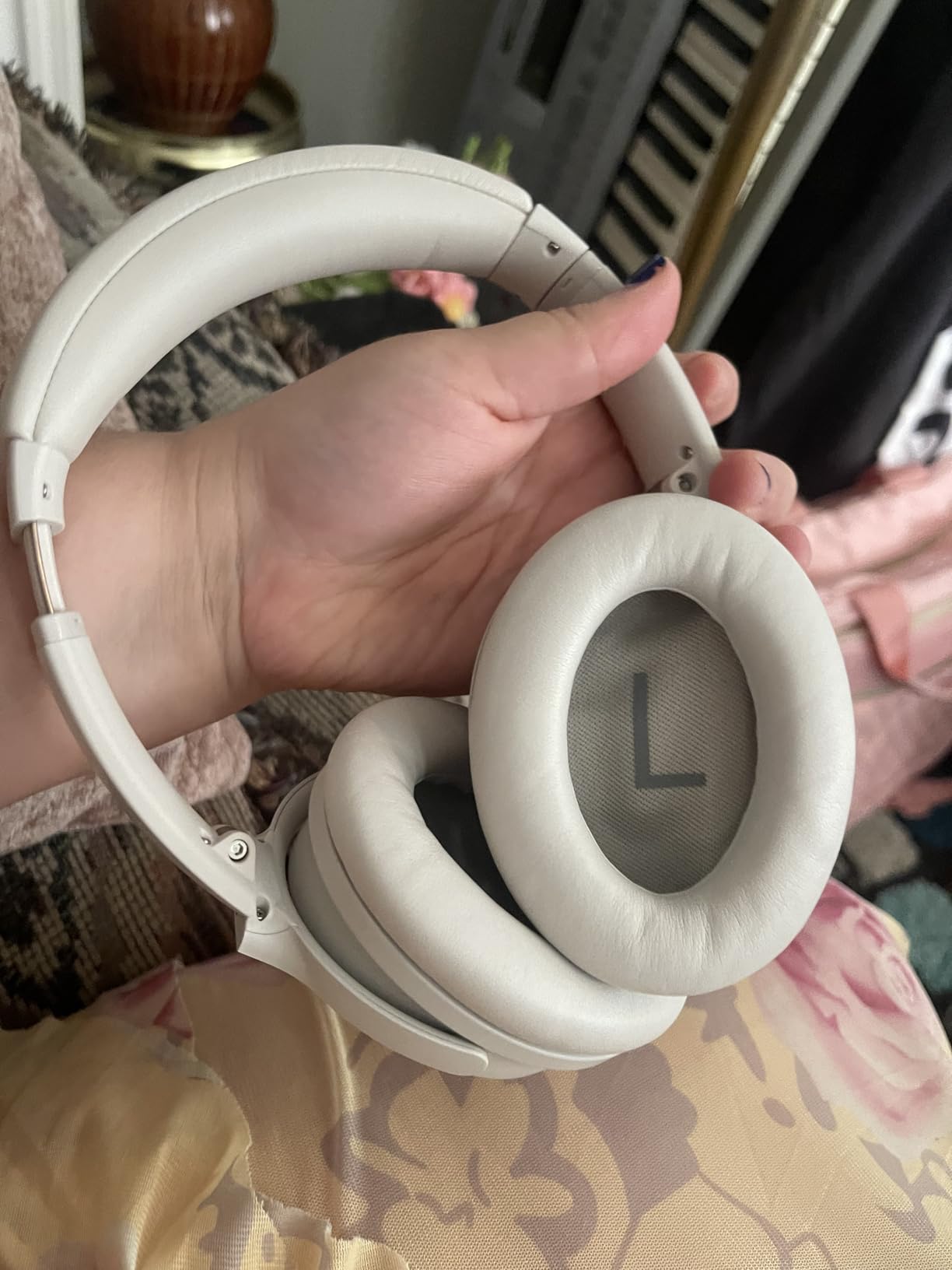
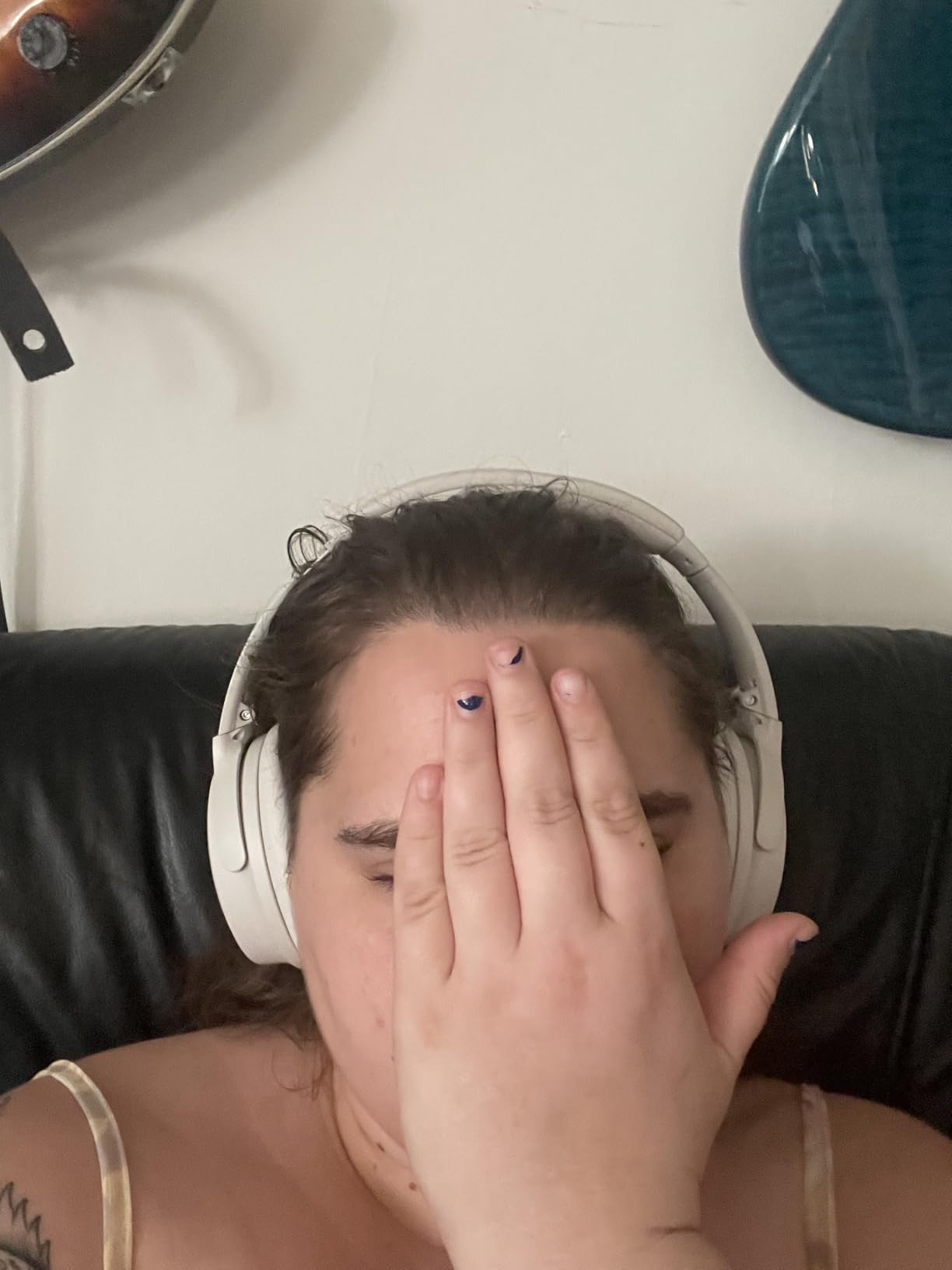
At 240 g with plush over-ear cushions and a padded band, this stayed comfortable through a four-hour reading block where most pairs start to feel like an object on your head. It was the pair we could wear the longest without thinking about it.
Active and passive isolation work together here, and app-adjustable bass, mids and treble let you tune it for lecture voice without touching the volume.
Why Comfort Beats Specs for Long Sessions
Comfort is the top priority for long sessions, and this pair wins on that measure rather than on features. Reviewers consistently describe it as the most comfortable ANC headset they have owned, and our own test matched that.
Battery and the Missing ANC-Off Setting
Twenty-four hours is the shortest battery in this roundup, with a fifteen-minute charge adding 2.5 hours. That covers a study week if you plug in overnight, but it is why this is not our number one pick. There is also no true ANC-off mode, only Quiet and Aware.
Who Should Not Buy Sealed ANC
A small share of wearers report ear pressure and even dizziness with strong sealed cancellation. If that describes you, the on-ear Sony WH-CH520 or a wired passive pair will suit you better. Multipoint and a wired inline microphone keep calls and classes covered.
4. Sony WH-1000XM6 – The Strongest Cancellation for Flights and Transit
Sony WH-1000XM6 The Best Noise Cancelling Wireless Headphones, Black
QN3 processor, 12 mics
LDAC hi-res audio
Up to 30 h battery
8.96 oz
Pros
- Best-in-class adaptive noise cancelling
- Six-microphone beamforming for clear calls
- Asymmetric headband relieves clamping pressure
- Foldable design with a magnetic case
- LDAC high-resolution audio
Cons
- Most expensive option in this roundup
- 30-hour battery trails many rivals
- 3.5mm cable not included in some packages
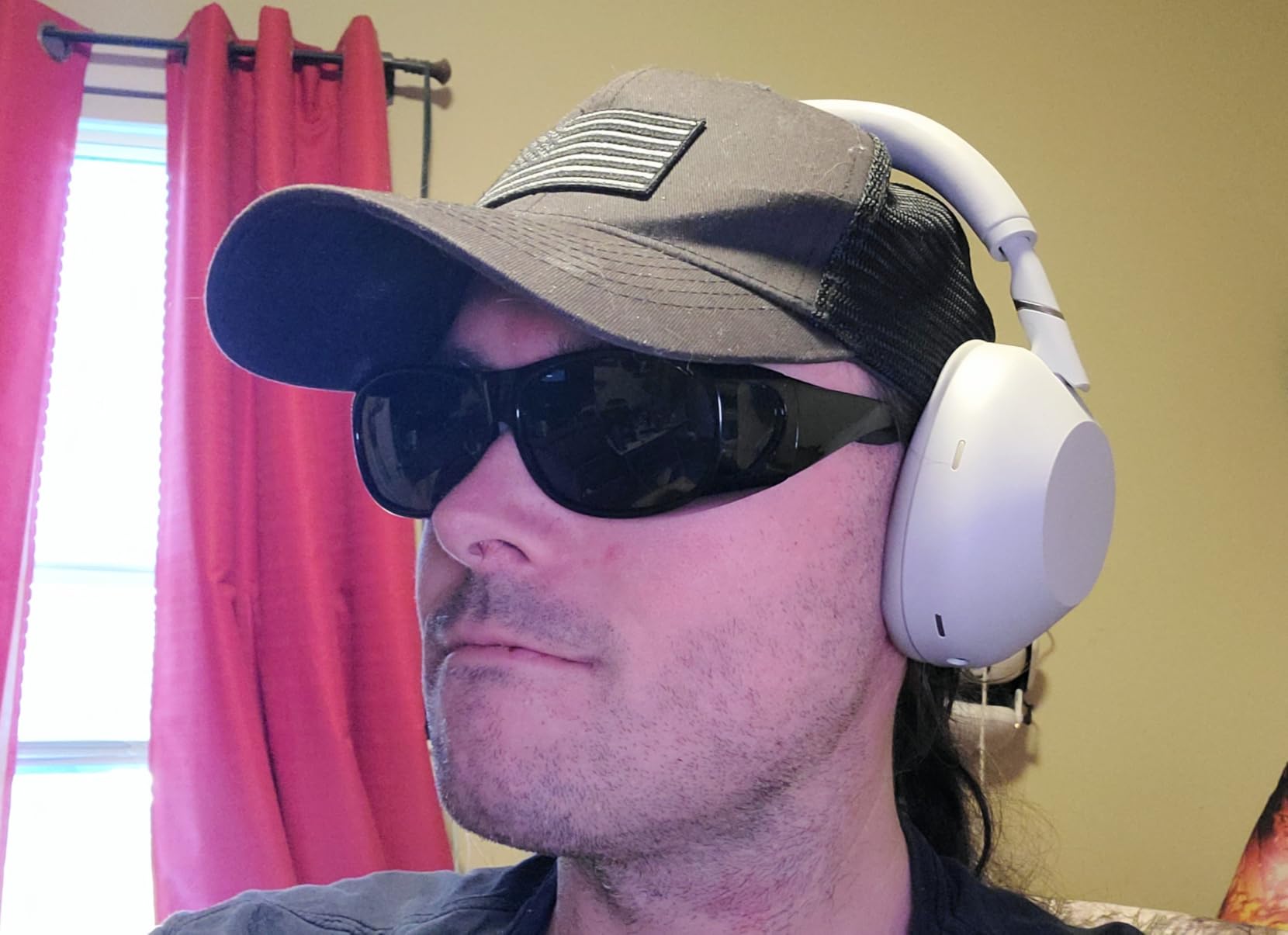
The QN3 noise cancelling processor and twelve microphones deliver the most aggressive cancellation we tested, and the Adaptive NC Optimizer adjusts for noise, air pressure and how you are wearing it. On a plane or a train it handled engine rumble better than anything else in this list.
The asymmetric headband is the quiet hero. It spreads clamping force across the top of the head rather than driving the cups against the ear, which is why it stayed comfortable over a long haul study session.
Call Quality for Online Lectures With Noise Around You
Six-microphone AI beamforming with wind resistance makes this the best microphone in the roundup. Taking live class calls from a shared room, it picks up your voice and rejects the noise behind you, which is the scenario we also cover in our podcasting headphones guide.
Battery and Travel Design
Thirty hours with a three-minute charge returning three hours is the weakest battery math here. The foldable design and magnetic carrying case are excellent, and LDAC high-resolution audio is a bonus for anyone streaming lossless sources.
Who Should Skip It
It is the most expensive model here and sits at the bottom of the ratings at 4.2, which tells you where the trade-off sits. If your study setting is a quiet room or a desk, that spend buys you nothing you would hear.
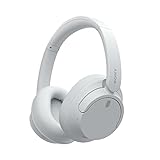
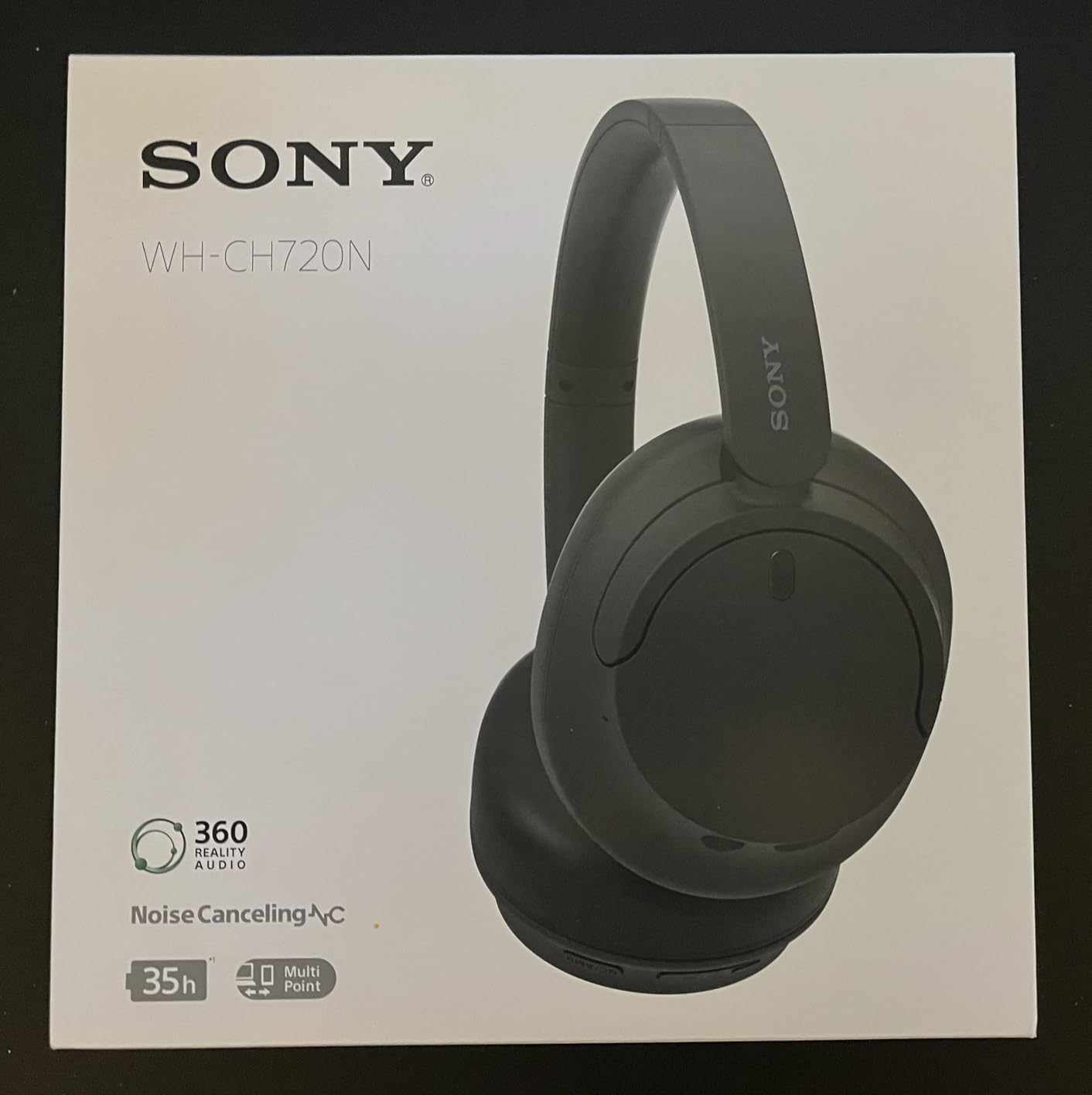
5. Sony WH-CH720N – The Lightest ANC Headphone at 192 g
Sony WH-CH720N Wireless Noise Cancelling Over-Ear Headphones, White
Integrated Processor V1 ANC
35 h battery
3-min charge = 1 h
192 g
Pros
- Genuine ANC with dual noise sensors
- Very light 192 g weight for long sessions
- Multipoint plus adaptive sound controls
- Three-minute charge adds an hour of playback
Cons
- No carrying case included
- Touch controls less precise than physical buttons
- Neutral tuning lacks bass-heavy punch
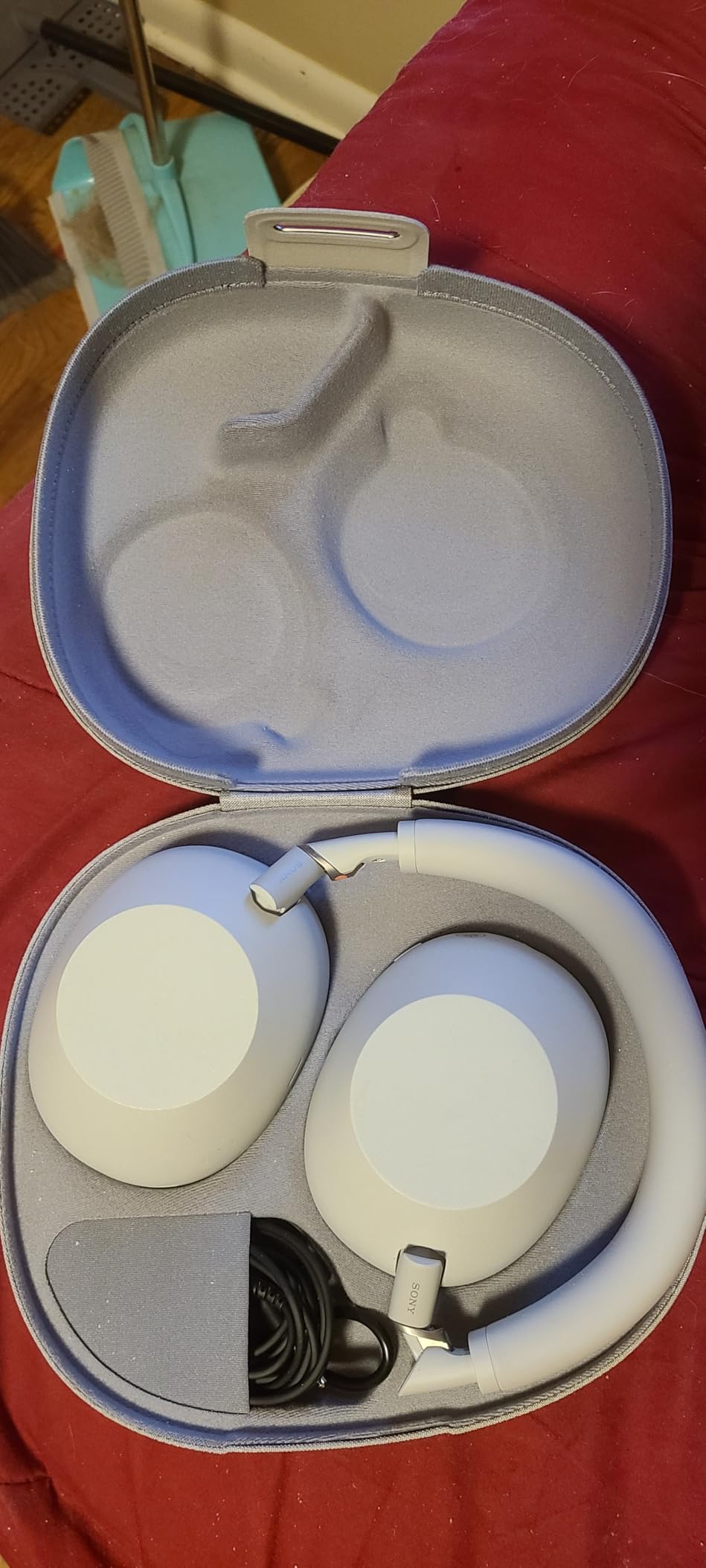
At 192 g this is the lightest pair with real active noise cancelling in the roundup, and weight is the variable that decides comfort over a long afternoon. Dual noise sensors with Integrated Processor V1 handle steady noise well enough for a commute and a study room.
Multipoint keeps your laptop and phone connected at once, and Adaptive Sound control plus Ambient Sound mode means you can check a notification without taking the headphones off.
Battery in Real Study Weeks
Thirty-five hours of battery with a three-minute charge adding one hour of playback covers a typical week of library days. A full week of six-hour sessions would need one mid-week top-up, which is the entire point of the quick charge.
Sound Signature for Spoken Word
The tuning is deliberately neutral, which is a plus for lectures and revision audio and a miss if you want bass-heavy music to drown out a room. DSEE recovers detail from compressed files, and a 3.5mm cable lets you run it wired from a laptop.
Glasses Wearers and Touch Controls
Light weight is exactly what glasses-wearers want, because less clamping force means less temple pressure. The touch controls are less precise than physical buttons, and there is no included carrying case, so protect it in a bag pocket rather than loose at the bottom of a backpack.

6. JLab JBuds Lux ANC – The Longest Battery for Multi-Day Study Weeks
JLab JBuds Lux ANC Wireless Over-Ear Headphones, Graphite
Hybrid ANC up to 35 dB
70 h battery, 40+ h ANC
235 g
Cloud foam cups
Pros
- Seventy-hour battery with 40+ hours in ANC mode
- Cloud foam cups fully surround the ear
- Multipoint and wireless Share Mode
- Good microphone for online classes
- Two-year warranty and safe-hearing limits in the app
Cons
- Earcups trap heat in long sessions
- No 3.5mm jack so USB-C cable only
- Pass-through mode sounds boxy
Seventy hours of battery, with 40-plus hours once ANC is switched on, is the number that makes this pair unusual. That covers an entire exam revision period without a charger, which removes the battery anxiety that shows up constantly in student headphone discussions.
Hybrid ANC blocking up to 35 dB sits in the middle of this group, good against room hum and air conditioning, moderate against conversation. The cloud foam cushions are what do the work on chatter, and they fully surround the ear.
Heat Buildup in Warm Rooms
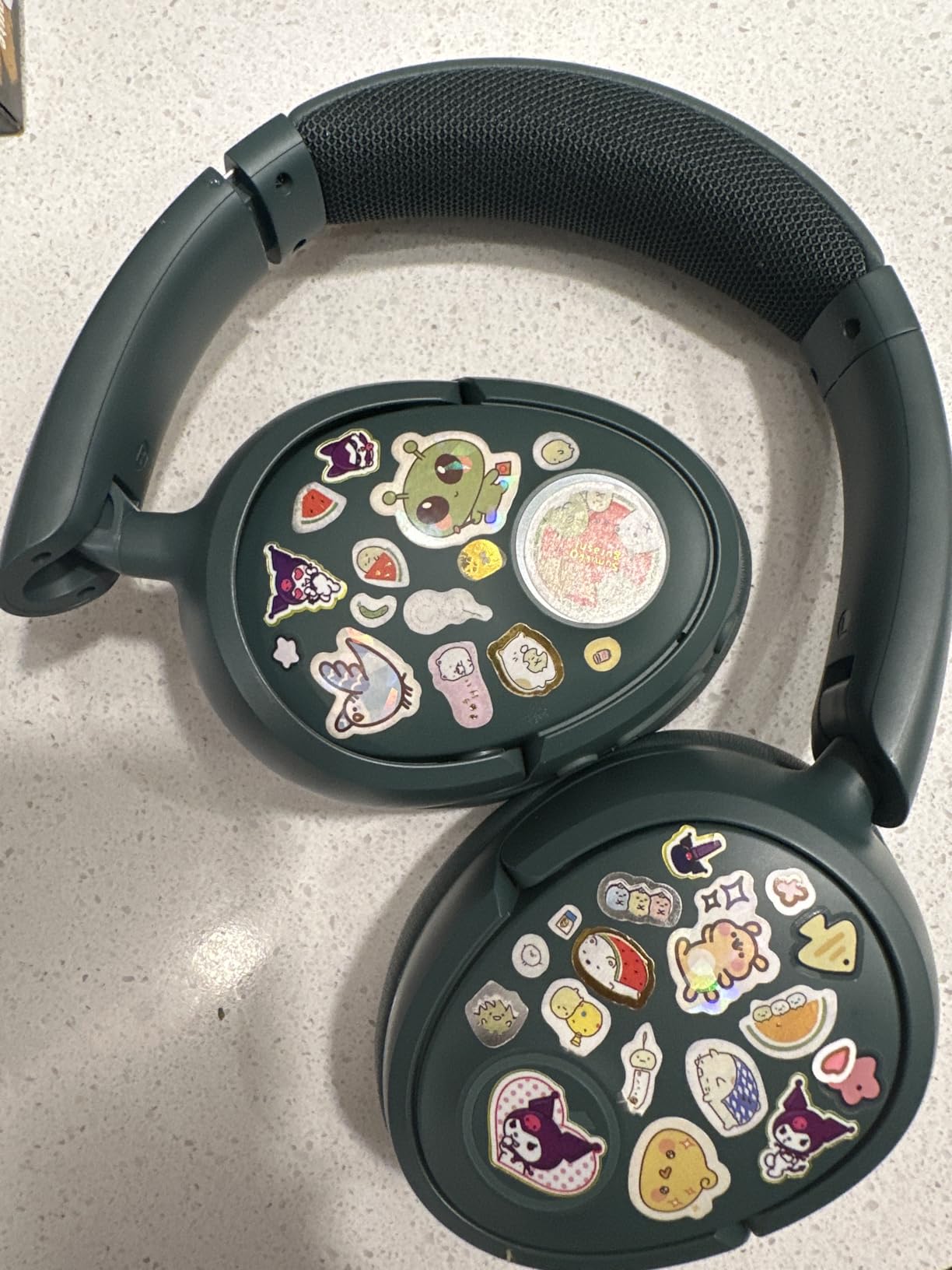
The honest drawback is breathability. Cloud foam seals well but does not vent, so in a warm room or during summer lectures the cups get clammy after a couple of hours. The JBL Tune 770NC is lighter and cooler for that reason, and the Soundcore Q30 sits between the two.
Multipoint, Share Mode and App Features
Multipoint plus wireless Share Mode lets you hand one earcup to a friend and share audio, and the app handles EQ, ANC level, control remapping and safe-hearing limits. Set that safe-hearing limit on day one if you study for four hours at a time.
Who Should Skip It
No 3.5mm jack, so wired listening runs through USB-C only, and the Be Aware pass-through mode sounds boxy next to the Beats and Sony options. If your campus laptop is old enough to lack USB-C audio, this is the wrong pick.
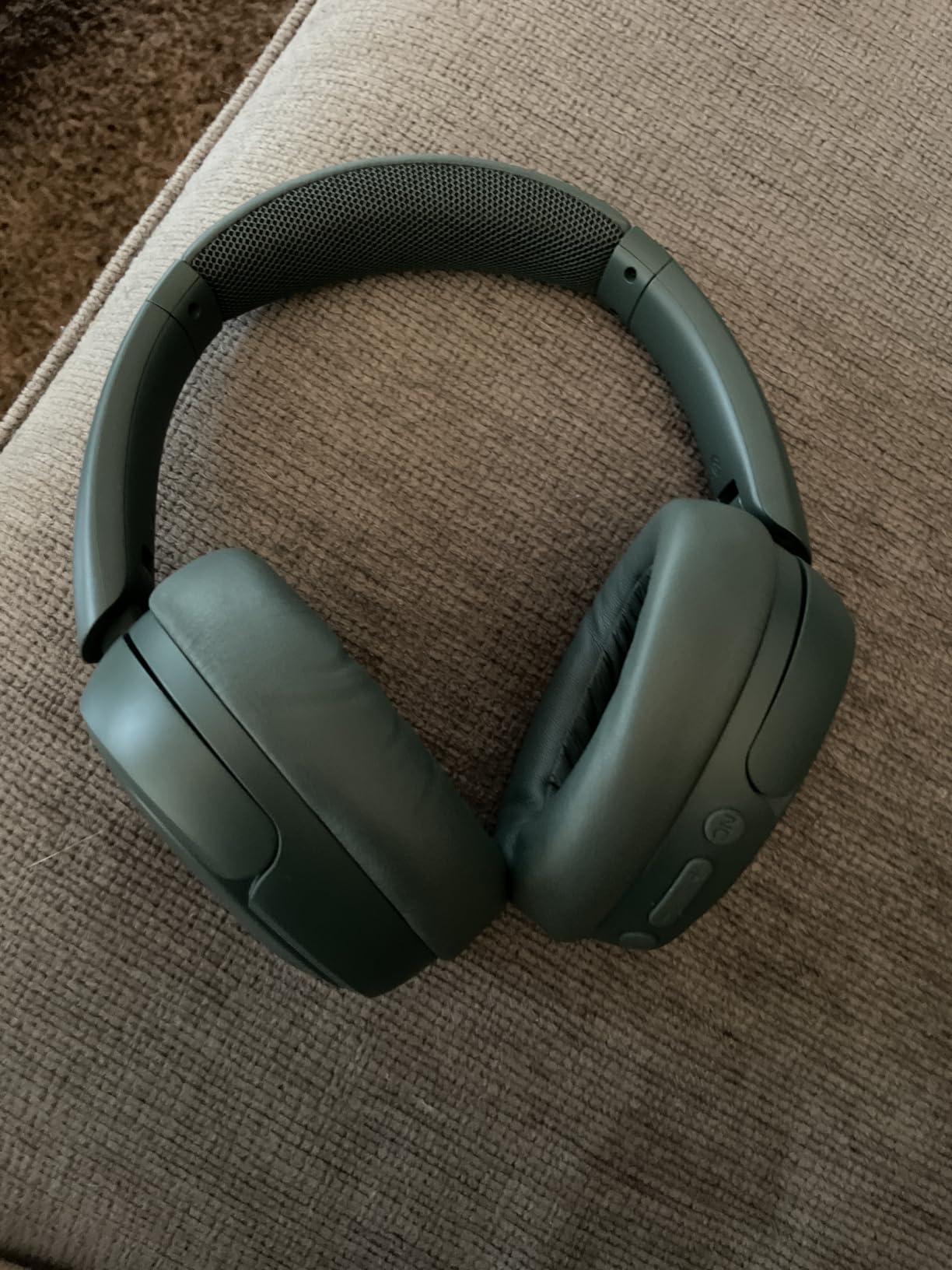
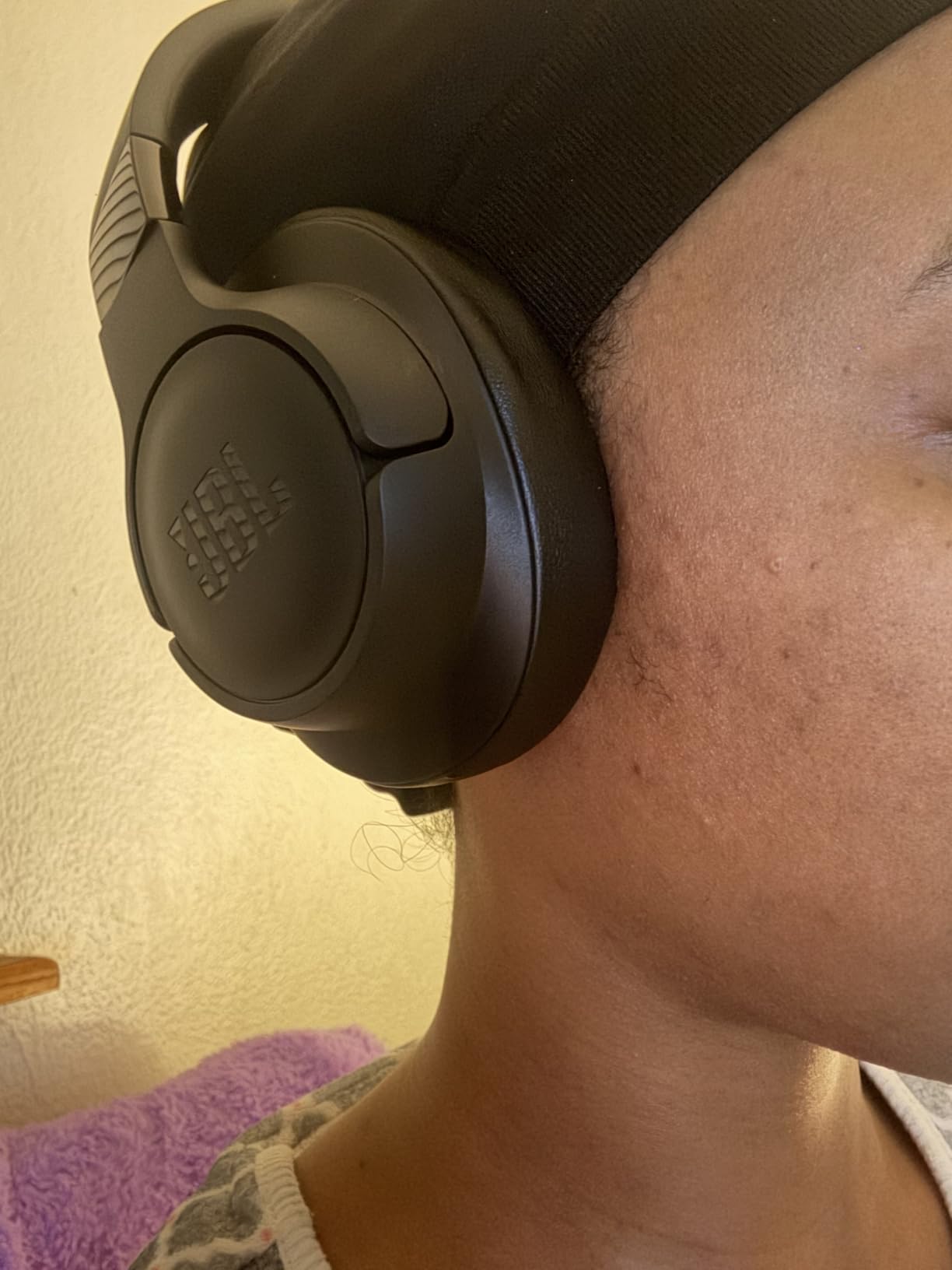
7. JBL Tune 770NC – Bass-Forward Tuning for Noisy Cafes
JBL Tune 770NC – Wireless Over-Ear Headphones – Black
Adaptive noise cancelling
70-hour battery
Bluetooth 5.3 with LE Audio
232 g
Pros
- Adaptive ANC that adjusts to the room
- Seventy-hour battery life
- JBL Pure Bass tuning for masking chatter
- VoiceAware plays your own voice on calls
- App EQ plus ambient and TalkThru modes
Cons
- 32mm drivers limit fine detail
- Battery drains faster with ANC and LE Audio on
- Folds flat with no hard protective case
This is the pick for people who study with music rather than in silence. The Pure Bass tuning gives a thicker low end than anything else in the roundup, and low-frequency-heavy audio is genuinely effective at masking cafe and shared-wall noise.
Adaptive noise cancelling with Smart Ambient handles the range of a study day, and 232 g keeps it light on the head through long afternoon sessions.
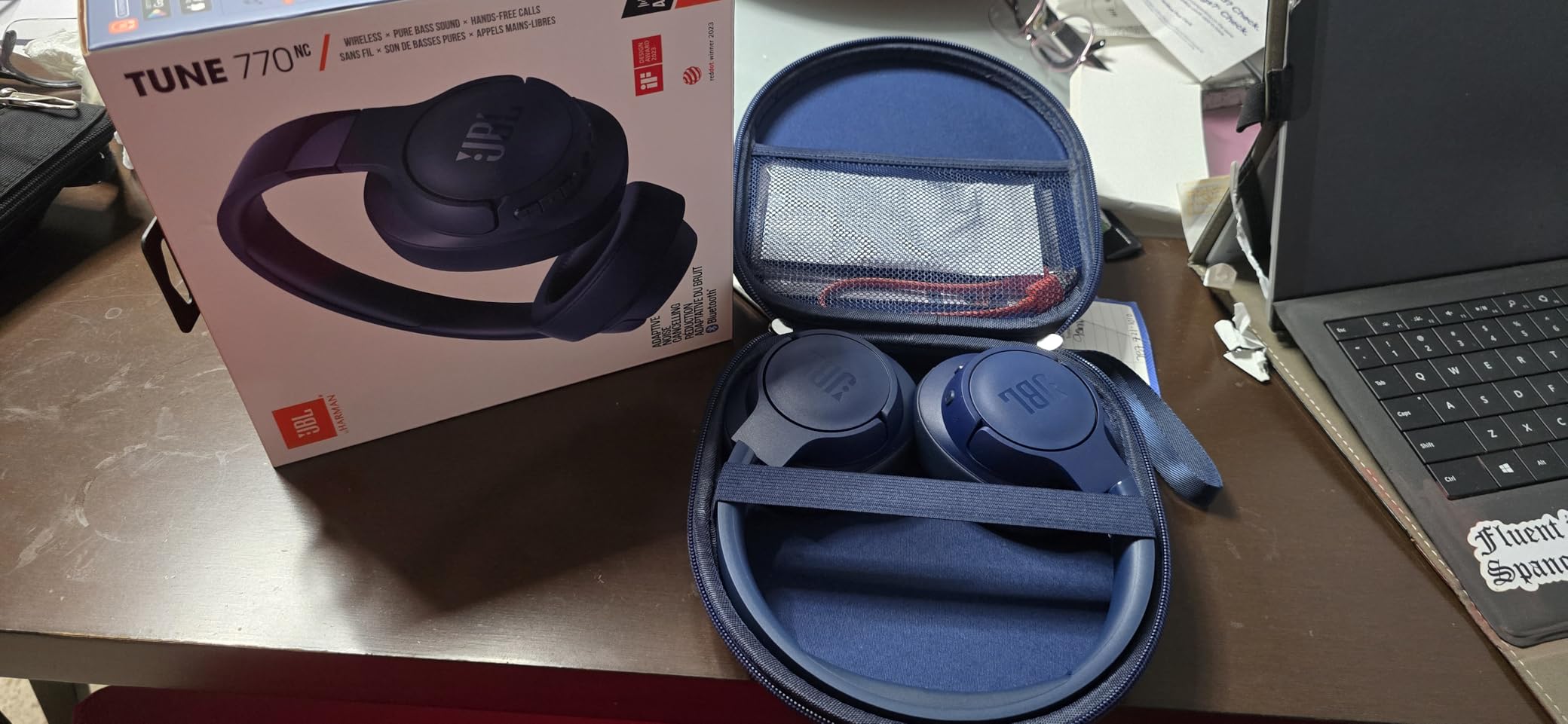
Adaptive Cancellation and Smart Ambient Modes
Adaptive ANC measures the room continuously and adjusts, which is helpful when you move between a quiet room and a corridor. Ambient Aware and TalkThru both let you take a quick instruction without removing the headphones, and the ear-cup controls support your voice assistant.
Driver Size and Detail Trade-Offs
The 32 mm drivers are the smallest here, and owners note less fine detail than larger-driver rivals. For spoken lectures that costs you nothing. For a student learning an instrument through headphones, the 40 mm drivers in the Soundcore Q30 or the KVIDIO make more sense.
Battery Reality With LE Audio
Seventy hours is a marketing figure in part. With ANC and the Bluetooth 5.3 features enabled, owners report noticeably faster drain, so treat the real number as closer to a long study fortnight. Bluetooth 5.3 with LE Audio and an audio/video mode in the app help with video call sync.
8. Sony WH-CH520 – Fifty Hours of Battery in a 5.1 oz On-Ear
Sony WH-CH520 Wireless On-Ear Bluetooth Headphones with Microphone, Black
50 h battery
30mm dynamic drivers
Bluetooth 5.2
5.1 oz
Pros
- Fifty-hour battery that lasts days between charges
- Light 5.1 oz build for long sessions
- Multipoint switching between two devices
- EQ Custom in the Sony Headphones Connect app
- Built-in microphone for hands-free calls
Cons
- No active noise cancelling so passive isolation only
- On-ear pads can press on the ear
- Occasional Bluetooth dropouts near other electronics
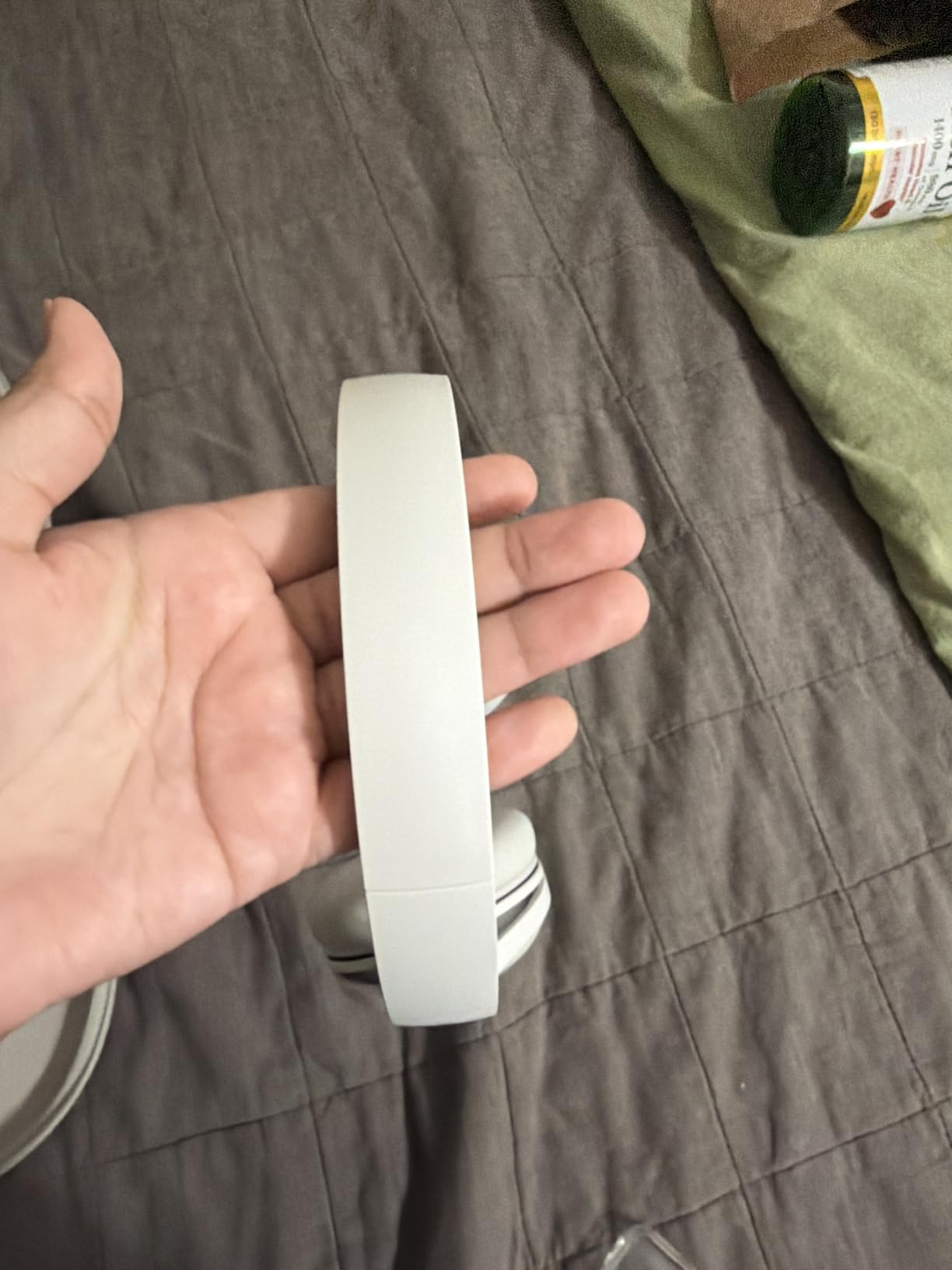
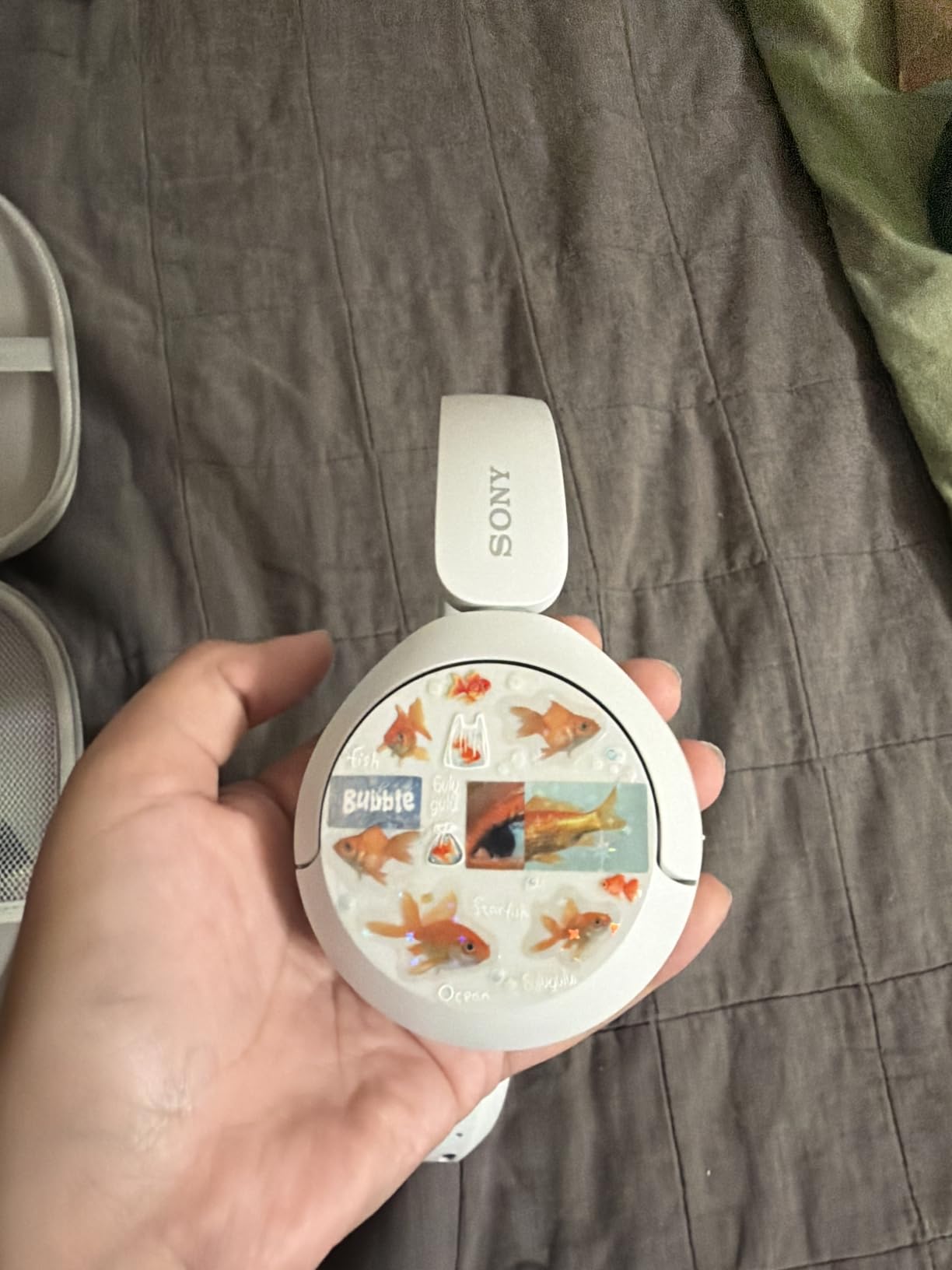
There is no active noise cancellation here, and we want to be clear about that. What you get instead is the lightest build in the roundup at 5.1 oz, a swivel earcup design, and up to 50 hours of battery with quick charging.
That combination makes it a strong second pair. Use it in a silent library or a dorm room late at night, where battery and weight matter and a cafe’s noise level is not the problem.
Why Battery Length Matters More Than Cancellation
Fifty hours means roughly eight full study days of six-hour blocks. No charger, no battery anxiety, and a pair light enough that you forget it is on your head. Multipoint lets you move between a laptop and a phone without re-pairing, which is where it beats several rivals.
On-Ear Comfort and EQ for Study Audio
On-ear placement is the trade-off. It is cooler than over-ear in a warm room, which helps on long sessions, but 30 mm drivers resting on the ear can create pressure after a few hours, particularly for people who wear glasses. Soft ear pads and an adjustable headband soften this.
Where It Falls Short
Without ANC, nothing electronic is subtracting the sound around you, so the only reduction comes from the pads. Some owners also report brief Bluetooth dropouts near other electronics, which in a computer lab can be distracting. DSEE lifts compressed audio, and EQ Custom in the app lets you dial speech forward for lectures.
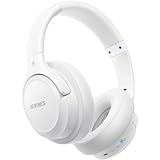
9. BERIBES WH202A – Sixty-Five Hours of Playtime in a Foldable Build
BERIBES Bluetooth Headphones Over Ear Wireless HiFi Stereo Headsets 65H 6EQ
65 h playtime
6 EQ modes, 40mm drivers
Bluetooth 6.0
0.38 lb
Pros
- Sixty-five hours of playtime per charge
- Light foldable build with memory protein cushions
- Six EQ modes for spoken word and music
- Wired 3.5mm cable included for desk use
- Dual device connection
Cons
- No true active noise cancelling
- Mostly plastic build with no hard case
- Hybrid noise control is isolation level only
At 0.38 lb with 65 hours of playtime and 950 hours of standby, this is the endurance pick of the roundup and one of the most heavily reviewed models here. A 500mAh battery, a 3.5mm cable for wired mode, and dual 40 mm drivers cover most study needs.
It folds flat, which matters more than it sounds if your headphones live in a shared backpack between the library and a lecture hall.
EQ Modes for Different Study Materials
Six EQ modes with dual 40 mm dynamic sound units let you set a different profile for spoken lectures, revision music, or audio from a language app. A built-in microphone covers quick calls. Bluetooth 6.0 with dual device connection means a laptop and a phone can both stay linked.
What Hybrid Noise Control Actually Means Here
Be precise about this: the hybrid noise control on this model is isolation-level, not active cancellation. It will soften steady room noise, but it will not subtract speech the way the Soundcore Q30 or the Bose pair does. Buyers who treat it as full ANC get disappointed, and reviewers report exactly that.
Build and Long-Term Ownership
There is no hard carrying case and the build is mostly plastic, so expect cosmetic wear over a four-year degree. In exchange you get a pair that charges roughly once a fortnight. If a sealed ANC seal causes you pressure discomfort, the light clamp here is a relief.
10. Logitech H390 – The Best Pick for Online Classes and Video Calls
Logitech H390 Wired Headset PC/Laptop Stereo Headphones, USB-A, Black
USB-A plug and play
Rotating boom mic
In-line volume and mute
6.23 ft cable
Pros
- Plug-and-play USB-A with no software to install
- Rotating boom mic gives clear voice pickup
- In-line volume and mute controls
- Padded leatherette cushions for long blocks
- Two-year limited warranty
Cons
- Wired only with no Bluetooth option
- USB-A needs an adapter on USB-C machines
- No active noise cancelling
If your week is built around live online classes and group study calls, the microphone matters more than the sound. This wired headset has a rotating noise-cancelling boom mic that tucks away when unused, and it gave the clearest voice pickup of any budget option we tested on recorded calls.
It is also the simplest. USB-A plug and play, no pairing, no app, no charging. Nothing to configure on the first day of term, which removes a real failure point.
Why Wired Wins at a Desk
At a fixed desk there is no argument for wireless. A 6.23 ft cable gives room to move, in-line controls handle volume and mute without an app, and you can never be caught out by a flat battery. The 30 mm drivers are tuned for music, calls and meetings in equal measure.
Microphone Performance in a Noisy Room
The boom mic sits close to the mouth, which is why it beats the beamforming arrays on the wireless picks when a shared room gets loud. A 100 Hz to 10 kHz mic range handles speech cleanly, and it works with Chromebooks without any setup.
Who Should Skip It
It is wired only, has no wireless mode, and provides no noise cancellation. If you need to take calls on the move, look at the Beats Studio Pro or the Sony WH-1000XM6. USB-C laptops need a dongle, which is the one real friction point.

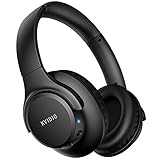
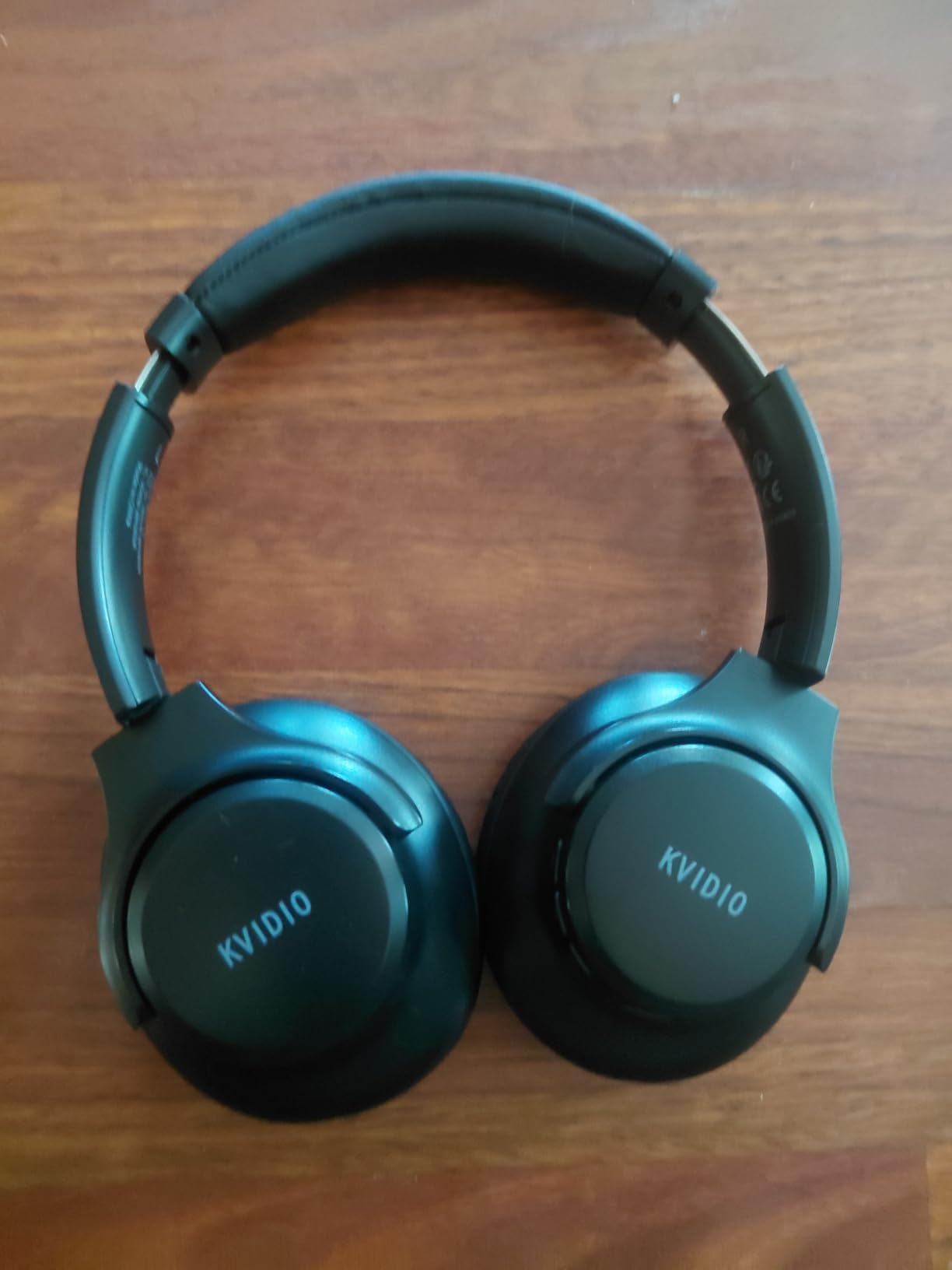
11. KVIDIO WH201A – A Lightweight Folding Backup for Commute and Study
KVIDIO Bluetooth Headphones Wireless Over Ear Headsets 65H Playtime
65 h playtime
Dual 40mm drivers
Bluetooth 5.3 and 3.5mm
7.04 oz
Pros
- Sixty-five hours of playtime per charge
- Folds flat and weighs 7.04 oz
- Bluetooth plus wired 3.5mm fallback
- Memory protein foam cushions
- Quick charge in 2.5 hours
Cons
- No active noise cancelling and no ambient mode
- Faux leather cushions wear over the years
- On-device volume control needs a long press
A second pair often makes more sense than one expensive one. This is the backup that lives in a bag: 7.04 oz, folds flat, 65 hours of playtime, and a 3.5mm backup cable if the battery is empty.
Owners rank it as strong value with class-leading battery life and a comfortable over-ear fit, and many use it exactly as we did, for commuting and study sessions in a shared room.

Sound Isolation Without Active Cancellation
Sound isolation here is passive only, driven by memory protein foam and the 40 mm driver housing. Reviewers are clear that it dampens ambient noise without cancelling it, so pair it with low-volume music rather than expecting silence. Bass is on the full side for the price, which helps mask noise.
Battery, Charging and Latency
A full charge takes 2.5 hours and lasts 65 hours, so you effectively never think about it. Low latency reproduction keeps audio and video roughly in step for recorded lectures, and the built-in microphone handles quick hands-free calls.
Where It Falls Short
There is no pass-through or ambient mode, so checking the time or answering a question means taking the headphones off. Faux leather cushions wear after a few years of daily use, and the on-device volume control needs a long press, which is awkward in a lecture. Consider the BERIBES above if you want EQ modes instead.
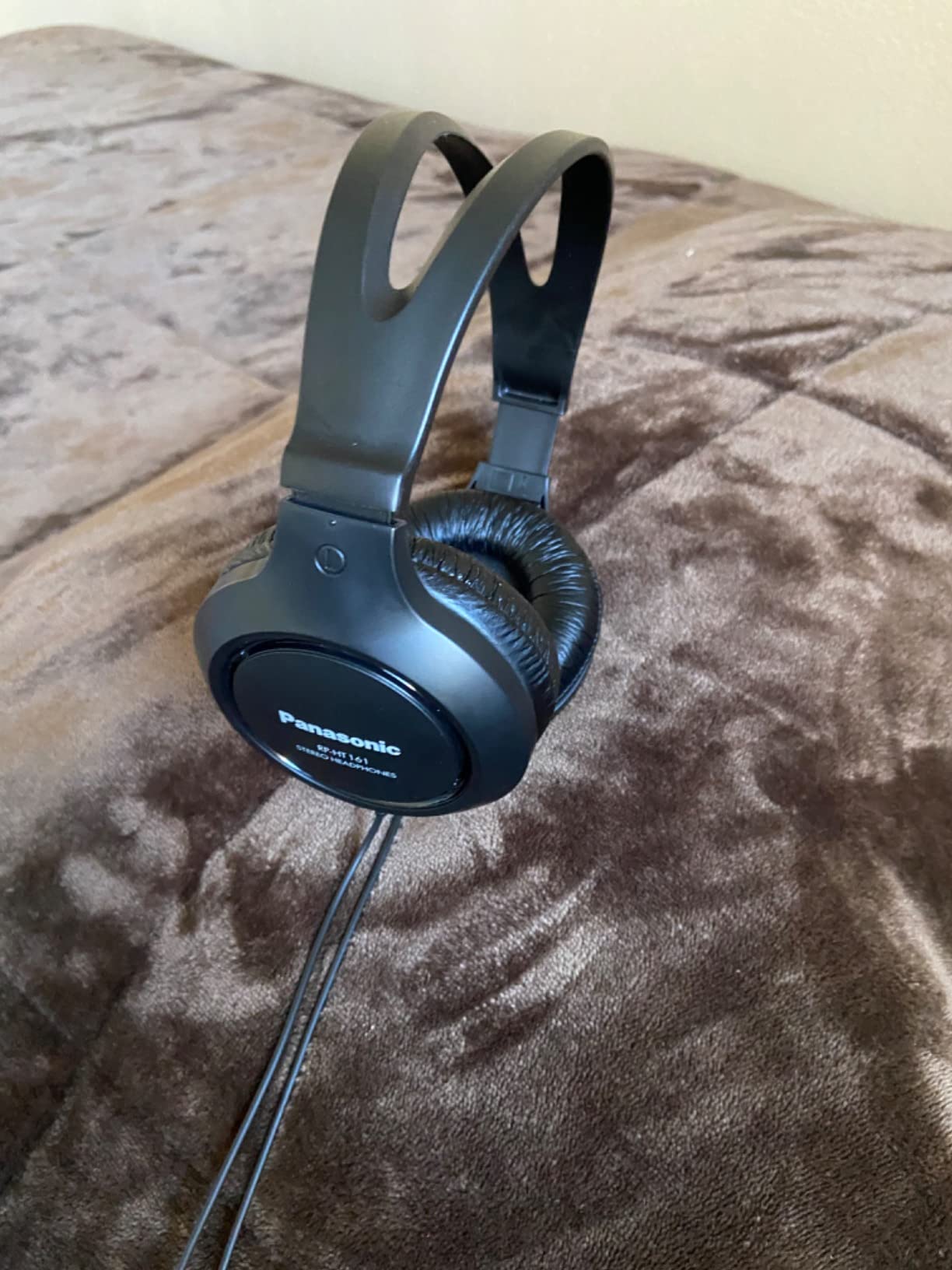
12. Panasonic RP-HT161 – The Simple Wired Desk Headphone
Panasonic Headphones, Lightweight Over the Ear Wired Headphones with Clear, Sound and XBS for Extra Bass, Long Cord, 3.5mm Jack for Phones and Laptops – RP-HT161-K (Black)
Dual 30mm drivers
6.5 ft cord, 3.5mm jack
Passive isolation
10.56 oz
Pros
- True full-size over-ear fit that covers the whole ear
- No battery and no charging to forget
- 6.5 ft cord gives plenty of room to move
- Clean balanced sound with solid bass
- Many owners report years of reliable use
Cons
- Wired only with no microphone or Bluetooth
- Passive isolation lets voices through
- Loose headband adjustment can slip
Sometimes the best tool is the one with nothing to fail. Dual 30 mm neodymium drivers, plush earpads, a 6.5 ft cord, and no battery, no app and no pairing. Owners frequently report years of reliable use, which matters when you are planning to keep the same pair for a whole degree.
For desk study in a quiet room, wired avoids the two most common student complaints outright: forgetting to charge, and Bluetooth dropouts mid-lecture.
Passive Isolation and What It Can Do
Passive noise cancellation here means cushioning and a closed design, not electronics. It reduces steady background hum reasonably well and does nothing at all about voices, so this is a silent-room product. The Logitech H390 above is the better wired option if your calls are part of the day.
Sound and Cord Practicality
The 10 Hz to 27,000 Hz range with dual 30 mm neodymium drivers handles up to 1000 mW input, and XBS adds extra bass. A 6.5 ft cord is long enough to reach a laptop on the floor of a lecture hall, which is a genuine convenience no wireless pair offers.
Comfort Complaints Worth Knowing
At 10.56 oz it is the heaviest pair here, and the headband top is unpadded, which irritates some people over long sessions. Owners also report the adjustment mechanism feeling loose enough to slip, and fragile cord sheathing on some units. For a first wired pair on a tight budget it does the job well.
How to Choose Headphones for Studying: What Actually Matters
Blocking Voices Is Not the Same as Blocking Hum
Active noise cancelling inverts low, steady sound: engines, air conditioning, fans, transformers, the hum of a crowd. Human speech is irregular and mid-frequency, so electronics cannot cancel it well. For chatter, the physical seal does the work, which is why a full over-ear cushion beats a cheaper pair with better ANC electronics.
Test it yourself before a term starts. Put a pair on with your normal glasses and hat, play a podcast, and see how much of a conversation at conversational volume survives. If you can still make out words, the seal is not right for your head and no app setting will fix it.
Over-Ear, On-Ear, Earbuds or Wired
Over-ear wins on isolation and comfort past hour two. On-ear wins on weight and heat, which matters in a warm room or summer term, and it is the format most students wear with glasses. Earbuds stay out of the way but depend entirely on tip fit, and fit varies so much between ears that a pair great for one person can be useless for their flatmate. Wired over-ear is unbeatable at a fixed desk.
Whatever the format, look at clamping force. Glasses temples and the arms of a hat break the seal that ANC depends on, and a light pair like the Sony WH-CH720N at 192 g puts less pressure on the contact point. Pair your choice with a well-placed desk setup too, our best desk lamps for studying covers that end of the setup.
ANC Pressure and the 60-60 Rule
Sealed ANC creates a pressure sensation because the ear is sealed while speakers move air. A minority of wearers get ear fullness or headaches from it, and if that is you, sealed ANC is a poor choice no matter how good it scores. The 60-60 rule is the simplest guard against strain: listen at no more than 60 percent of your device volume for no more than 60 minutes at a stretch.
A four-hour revision block breaks the 60-minute part of that rule, so either drop to half volume, or take the headphones off for the last stretch and study at low ambient level. The JLab app’s safe-hearing limits are useful if you tend to forget.
Battery Anxiety Across a Study Week
Judge battery in days, not hours. A six-hour study day needs at least 40 hours of rated playback to survive a week of classes without charging, which is why the JLab and JBL options at 70 hours and the BERIBES and KVIDIO options at 65 hours stand out. Fast charge matters just as much: three to five minutes for a few hours of playback rescues a forgotten charger.
Auxiliary or USB-C wired fallback is worth having regardless, since the Soundcore Q30 plays over cable with a flat battery. If you want one fewer thing to own, the Logitech H390 and Panasonic RP-HT161 simply have no battery to forget.
Microphones for Online Classes and Calls
Beamforming arrays on premium wireless pairs beat basic headset mics when you are quiet. A close-mounted boom mic beats a beamforming array when the room is loud, because it picks up your voice at a higher level than the noise behind you. That is why the Logitech H390 is the pick for daily live classes and the Sony WH-1000XM6 is the pick for calls taken on the move.
Wireless or Wired on a Modern Laptop
Most current laptops have no headphone jack, so a wired pair may mean a USB-C dongle. The Logitech H390 uses USB-A, and the Bose and Sony wireless pairs are the least fussy options on a modern machine. Whichever you pick, download a second study app and check its latency in low-latency mode before a language-learning video call, because wireless audio can drift behind the video.
Frequently Asked Questions
Can headphones help you focus?
Yes, mainly by reducing unpredictable sound that causes context switching. Active noise cancelling is best against steady hum such as engines and air conditioning, while a full over-ear seal does the work against nearby chatter. Low, consistent background audio helps further, and a stable 60 percent volume limit keeps you comfortable through long blocks.
Are noise cancelling headphones safe?
Yes, when you keep the volume moderate and take breaks. They add no hearing risk of their own, but sealed ANC can create a pressure sensation in the ear, and strong cancellation at high volume still risks hearing damage. Follow the 60-60 rule, keep volume at or below 60 percent, and take a break every hour.
Can noise cancelling cause headaches?
They can, in a minority of users. Sealed ANC builds pressure against the eardrum while the speakers move air, and that pressure plus a tight clamp can trigger a dull headache. If it happens, switch off ANC, loosen the fit, or move to an on-ear or wired pair with passive isolation instead.
What is the 60-60 rule for headphones?
Keep your device volume at or below 60 percent, and listen for no more than 60 minutes at a time before taking a break. It is a simple way to limit exposure when you are studying for hours, and it works for any headphone type including earbuds and on-ear models.
Over-ear vs earbuds for studying: which is better?
Over-ear headphones are better for long study blocks because they isolate more, avoid ear pressure, and work with glasses. Earbuds are better for portability and for warm rooms, but their isolation depends entirely on tip fit, which varies between people. If you switch between formats, budget for a second pair rather than forcing one to do both jobs.
What headphones are best for studying?
Wireless over-ear headphones with active noise cancelling, long battery life and soft padding for three to four hour sessions. The Soundcore Life Q30 is the best overall balance, the Beats Studio Pro suits those who study with music, and a wired pair such as the Logitech H390 wins if your day is built around online classes.
The Best Headphones for Studying in 2026: Which One Should You Buy
If you want one pair that handles a dorm, a library and a commute without thinking about it, the Soundcore Life Q30 is the one we would buy. Hybrid ANC, a memory foam seal, 50 hours of battery and a fast charge cover the whole range of a student week.
If your sessions run four hours or longer and comfort is your main worry, the Bose QuietComfort won that test for us. Study with music and want the best sound, the Beats Studio Pro is the highest-rated pick here. Wear glasses or feel ear pressure easily, the 192 g Sony WH-CH720N takes the pressure off.
Live online classes every day means a microphone is your priority, so the Logitech H390 wins on voice pickup and zero setup. Long revision phases without a charger call for the JLab Lux ANC or JBL Tune 770NC at 70 hours. And if you study at a fixed desk in a quiet room, a wired pair such as the Panasonic RP-HT161 has nothing to charge and nothing to drop out.
Whichever you pick, wear it for ten minutes with your normal glasses before you commit, check the seal, and set a volume limit. You can use the comparison table above to check the current details of each model, and we earn a commission when you buy through our links at no extra cost to you.
Leave a Reply