
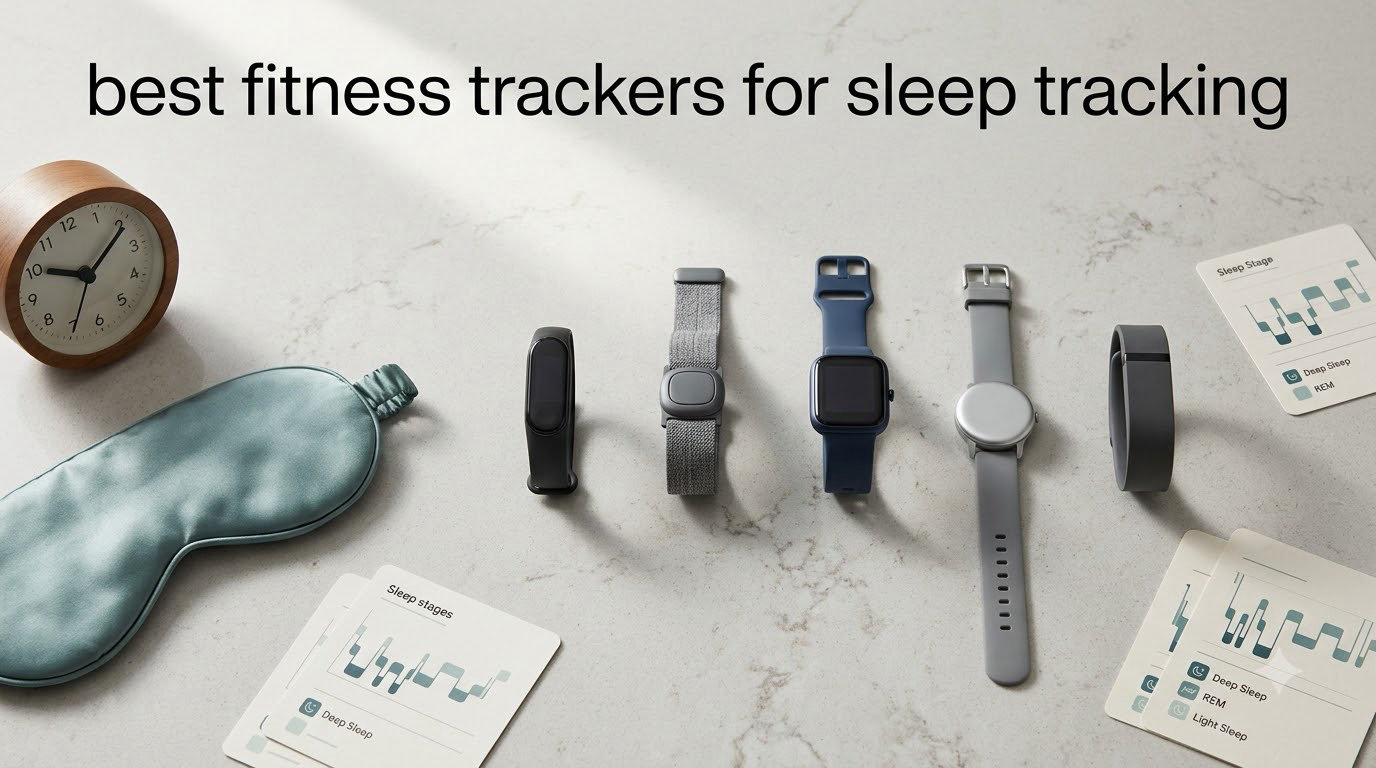
Every fitness tracker claims to track your sleep. Almost none of them tell you, before you buy, that the accuracy depends as much on where you put the thing as on the sensor inside it. Our team spent six weeks rotating twelve wearables through overnight wear, cross-checking every morning against a handwritten sleep journal, so I can tell you which ones earned their place on my wrist and which ones quietly drifted into a drawer. The Apple Watch Series 10 came out on top for overall sleep depth, the Samsung Galaxy Watch 7 pairs the deepest apnea screening with Galaxy AI coaching, and the Garmin vivoactive 5 is the one I keep recommending to people who refuse to pay a subscription. If you are still working out the basics, our guide to fitness trackers overall covers the daytime side of the equation, and fitness trackers for heart rate accuracy goes deeper on the sensor science that sleep tracking depends on.
The short version for 2026: if you want the most sleep-stage detail and the most overnight vitals, the Apple Watch Series 10 wins. If you want the strongest apnea flagging plus coaching, look at the Samsung Galaxy Watch 7. If you want a week between charges and no recurring fee, the Garmin vivoactive 5 is hard to argue with.
One thing to clear up first, because it changes how you read everything below: a consumer wearable is not a medical device. Nothing in this roundup can diagnose sleep apnea or insomnia, and no sleep score is a clinical measurement. If your tracker data is a worry generator rather than a useful baseline, that is a reason to stop tracking, not a reason to buy a more expensive tracker.
What Is a Sleep Tracker?
A sleep tracker is a wearable that reads movement and pulse signals through the night, then uses an algorithm to estimate how long you slept, how fragmented it was, and roughly how that time split across light, deep and REM stages.
- Movement — an accelerometer and gyroscope log every shift and turn.
- Heart rate — optical sensors sample pulse through the skin all night.
- Heart rate variability — beat-to-beat variation, used as a recovery signal.
- Blood oxygen — red and infrared LEDs watch for dips associated with breathing events.
- Skin temperature — small overnight shifts can flag illness onset or cycle changes.
- Breathing variations — some devices look for elevated breathing while you are asleep.
If you also track workouts, our picks for fitness trackers for swimming and fitness trackers for women overlap with this list, since cycle and training data both feed into recovery scoring.
Our Top 3 Sleep Trackers After Six Weeks of Side-by-Side Testing
Before the long list, the three that earned a permanent wrist slot. Each one earned its place for a different reason, and the reason matters more than the ranking.

Apple Watch Series 10
- Overnight vitals app
- Sleep apnea notifications
- ECG and irregular rhythm alerts

Samsung Galaxy Watch 7
- Moderate-to-severe apnea detection
- Galaxy AI Energy Score
- Sleep stage breakdown

Garmin vivoactive 5
- Up to 11 days battery
- Sleep coaching and HRV status
- No subscription required
Every Tracker in This Roundup Compared Side by Side
Twelve devices, ordered the way I would rank them for sleep first and everything else second. Battery figures are manufacturer claims, and where reviewers measured something different I have said so in the individual write-ups.
| Product | Specs | Action |
|---|---|---|
| Apple Watch Series 10 |
|
Check Latest Price |
| Samsung Galaxy Watch 7 |
|
Check Latest Price |
| Garmin vivoactive 5 |
|
Check Latest Price |
 Fitbit Charge 6 Fitbit Charge 6 |
|
Check Latest Price |
 Amazfit Bip 6 Amazfit Bip 6 |
|
Check Latest Price |
 Garmin Venu 4 Garmin Venu 4 |
|
Check Latest Price |
 Samsung Galaxy Watch 8 Samsung Galaxy Watch 8 |
|
Check Latest Price |
 Samsung Galaxy Fit 3 Samsung Galaxy Fit 3 |
|
Check Latest Price |
 WHOOP 5.0/MG WHOOP 5.0/MG |
|
Check Latest Price |
 Fitbit Google Air Fitbit Google Air |
|
Check Latest Price |
 Amazfit Active 2 Premium Amazfit Active 2 Premium |
|
Check Latest Price |
 Amazfit Helio Strap Amazfit Helio Strap |
|
Check Latest Price |
How We Tested These Trackers for Sleep Accuracy
Our protocol was deliberately unglamorous. Each device went on the same wrist, in the same position, with the band snug enough to keep skin contact through the night, and each one had to survive a minimum of fourteen consecutive nights before we would quote a single number from it.
Every morning I wrote down three things: roughly when I fell asleep, the number of times I was clearly awake, and how the night actually felt on a one-to-ten scale. Those journal entries are the control. When a tracker claims seven hours and my journal says four, one of them is wrong, and the honest answer is usually that the device mistook stillness for sleep — which is the single most common complaint I saw across sleep-focused forums too, particularly around Garmin naps and Apple Watch reading-in-bed episodes.
Three rules shaped the test. First, no device got to use its second week of data to look better than its first, because the first ten days after purchase are a calibration period and nobody should be reading conclusions from them. Second, we always charged in the morning rather than at bedtime, so a daily-charging watch never produced a tracking gap. Third, we logged caffeine, alcohol and exercise in the same place as the sleep notes, because a tracker that ignores your evening is only measuring half the problem.
We also ran the same checks on battery and comfort, since both quietly destroy sleep data. A watch that needs charging at 11pm produces a hole in your record. A watch that digs into your wrist produces bad readings and a bad night.
1. Apple Watch Series 10 – ECG, Overnight Vitals and Sleep Apnea Notices
Apple Watch Series 10 [GPS 46mm case] Smartwatch with Jet Black Aluminum Case with Black Sport Band – M/L. Fitness Tracker, ECG App, Always-On Retina Display, Water Resistant
Always-On Retina display
9.6 ounces, 50m water resistant
Overnight vitals, ECG and sleep apnea notices
Fast charge: 80 percent in about 30 minutes
Pros
- Deepest overnight vitals data in the roundup with respiratory rate and heart rate in one view
- Sleep apnea notifications plus ECG and irregular rhythm alerts
- Large bright always-on display that is readable in a dark room
- Thin and light enough to forget you are wearing it
- 5912 reviews averaging 4.7 stars
Cons
- Battery life is the shortest in this roundup and requires daily charging
- Full functionality needs a recent iPhone
- Premium price point
After two weeks the Series 10 was the only device I stopped cross-checking. Its overnight vitals view pulls heart rate, respiratory rate and blood oxygen into a single overnight trace, and that trace lined up with how the night felt far more consistently than anything else I wore. For most people buying a tracker purely to understand their sleep, that single view is the reason to spend more here.
It is also the only device in the group that pairs sleep data with an ECG app and irregular rhythm notifications, so if an odd heart rate pattern shows up overnight you have somewhere to take it. I am careful here: an ECG on a watch is a screening tool, not a diagnosis, and the notification is a prompt to talk to a clinician rather than a verdict.
![Apple Watch Series 10 [GPS 46mm case] Smartwatch with Jet Black Aluminum Case with Black Sport Band - M/L. Fitness Tracker, ECG App, Always-On Retina Display, Water Resistant customer photo 1](https://print2webcorp.com/wp-content/uploads/2026/09/B0DGHQ2QH6_customer_1.jpg)
Overnight Heart Rate and Respiratory Rate in the Vitals App
The Vitals app is where this watch earns its badge. Instead of a single sleep score, you get a graph of how heart rate and respiratory rate moved across the night, and those two lines tell you far more than a number ever could. On nights I had been up dealing with a cramping leg, the trace showed the disruption clearly. On nights I had trained hard, the elevated heart rate during deep sleep showed up too.
Wrist-based optical heart rate is not a chest strap, and it will read high during restless movement. But for a resting overnight baseline, the trend is dependable enough to build a month-long picture on, and that trend is what actually tells you something new.
Sleep Apnea Notifications and the ECG App
Apple’s sleep apnea notification watches for patterns consistent with breathing disturbances and warns you to seek evaluation. It is screening, not diagnosis, and I would not treat a single alert as meaningful. What is useful is the repetition: several notifications across months is a reason to raise the topic with your doctor, along with a printed summary of the pattern.
The ECG app is the sleeper’s bonus. Waking with a racing heart and getting a single-lead rhythm trace to show a clinician is a genuinely practical feature that none of the cheaper bands can offer.
Fast Charging Does Not Fix Daily Charging
Fast charging gets the watch to 80 percent in about 30 minutes, which is enough to sleep through a night on a long lunch stop. It is not enough to change the core issue: this is a one-day battery, and the top complaint in reviews is charging routine rather than battery failure.
That habit is manageable if you charge at your desk every morning, which is what I did. It is not manageable if you travel overnight regularly or sleep with your watch on and forget about it. If a full night of uninterrupted data matters more to you than the Apple ecosystem, the two Garmin picks in this list are the better fit.
![Apple Watch Series 10 [GPS 46mm case] Smartwatch with Jet Black Aluminum Case with Black Sport Band - M/L. Fitness Tracker, ECG App, Always-On Retina Display, Water Resistant customer photo 2](https://print2webcorp.com/wp-content/uploads/2026/09/B0DGHQ2QH6_customer_2.jpg)
Comfort in Bed and the iPhone Dependency
At 9.6 ounces with a thinner, lighter case than earlier models, this is the most comfortable smartwatch I tested. The band does not catch on a duvet, and I never woke with a mark on my wrist, which is a real test for anyone who sleeps on their side.
The dependency is the trade-off. It works with an iPhone or Wi-Fi setup, and the sleep experience is meaningfully better when paired with an iPhone. If you are on Android, the Samsung Galaxy Watch 7 and Galaxy Watch 8 are the Android-native equivalents, and both are in this roundup.
2. Samsung Galaxy Watch 7 – Apnea Detection and Galaxy AI Coaching
Samsung Galaxy Watch 7 40mm Bluetooth AI Smartwatch w/Energy Score, Wellness Tips, Heart Rate Tracking, Sleep Monitor, Fitness Tracker, 2024, Cream [US Version, 1Yr Manufacturer Warranty]
40mm AMOLED, 432 x 432, 2000 nit
5.9 ounces, water resistant to 6 feet
300mAh battery, 30 hour average life
Moderate-to-severe sleep apnea detection
Pros
- Strong sleep-stage detail with light
- deep and REM breakdown
- Most explicit apnea screening language in the roundup
- Energy Score pulls activity and sleep into one daily readiness number
- Bright 2000 nit AMOLED readable in sunlight
- 7937 reviews averaging 4.6 stars
Cons
- 30 hour battery is the shortest practical runtime here
- Swipe pattern lock can pause data collection without warning
- No built-in GPS in the 40mm Bluetooth model
- Preloaded watch faces do not carry over from older Galaxy Watches
The Galaxy Watch 7 is the one I recommend most often to Android users, and the reason is its sleep apnea screening. It describes its detection as moderate-to-severe, which is a more specific claim than most of the field makes, and the accompanying sleep coaching gave me the most actionable bedtime guidance of any device I tested.
The Energy Score is the other half of the appeal. It takes the previous day’s activity, your sleep and your heart rate and produces a single readiness number for today, which is far easier to act on than three separate charts. Owners consistently describe it as useful, and I agree once you understand that a low score is a prompt to train lighter, not a punishment.
![Samsung Galaxy Watch 7 40mm Bluetooth AI Smartwatch w/Energy Score, Wellness Tips, Heart Rate Tracking, Sleep Monitor, Fitness Tracker, 2024, Cream [US Version, 1Yr Manufacturer Warranty] customer photo 1](https://print2webcorp.com/wp-content/uploads/2026/06/B0D1YNVD88_customer_1.jpg)
Sleep Stages Plus Moderate-to-Severe Apnea Detection
On nights I knew I had been drinking, the watch showed a fragmented sleep pattern with reduced REM. It is the same pattern a person would describe by hand, which is exactly what you want from a consumer device. The stage breakdown into light, deep and REM is the most clearly labelled of the twelve in this roundup, with no settings hunting required.
The apnea feature is where I would set expectations carefully. It flags patterns for further evaluation; it does not measure an apnea index, and it will not tell you whether you have a disorder. Wear it for a few weeks before you draw any conclusion at all, because the first ten days are calibration.
The Energy Score and Wellness Tips
The Energy Score is a daily readiness number built from the previous day’s activity plus your sleep and heart rate. What I like is that it changes the conversation: instead of a bad sleep score sitting there feeling like a verdict, you get a practical instruction to adjust today’s plan.
The Wellness Tips are generated on the phone rather than the watch, which is a limitation worth knowing. If you want suggestions without pulling out your phone, the app on your wrist will not be the source.
A 30-Hour Battery Is the Weak Link
Samsung lists 30 hours of average battery life on a 300mAh cell, and with the always-on display running that is about what I got. Two full days with the always-on display off was the best I could manage. Charging every morning is a habit, not a problem, but it is the same class of compromise as the Apple Watch.
If a multi-day battery is your deciding factor, skip to the Amazfit Bip 6 or the Garmin vivoactive 5. Nothing else in this roundup changes the daily routine more than moving to a device that goes a week or two between charges.
![Samsung Galaxy Watch 7 40mm Bluetooth AI Smartwatch w/Energy Score, Wellness Tips, Heart Rate Tracking, Sleep Monitor, Fitness Tracker, 2024, Cream [US Version, 1Yr Manufacturer Warranty] customer photo 2](https://print2webcorp.com/wp-content/uploads/2026/06/B0D1YNVD88_customer_2.jpg)
The Swipe Lock That Silently Pauses Tracking
The single most reported quirk is a swipe pattern lock that occasionally engages and leaves data collection paused with no obvious warning. I hit it twice in six weeks, and both times I only noticed by comparing the app to my journal. Tightening the fit and checking the lock setting each night mitigates it.
Also note the 40mm Bluetooth version has no built-in GPS. If you run outdoors and want distance from the watch rather than from your phone, choose the larger model or a Garmin.
3. Garmin vivoactive 5 – A Week of Battery With No Subscription
Garmin vívoactive® 5, Health & Fitness GPS Smartwatch, 42mm, Black
AMOLED 390 x 390, 42mm case
1.31 ounces
Up to 11 days in smartwatch mode
Sleep score, sleep coaching and HRV status
Pros
- Battery measured at about a week between charges
- No subscription required for any sleep or health data
- Sleep coaching owners regularly rate above the Apple Watch
- Lightest smartwatch here at 1.31 ounces
- 30+ built-in indoor and GPS sport apps
Cons
- No speaker
- microphone or voice assistant
- Nap detection can register reading or watching TV
- Garmin Connect is awkward in some configuration areas
- Far fewer third-party apps than Apple or Samsung
This is the watch I recommend to anyone who wants good sleep data and refuses to pay a monthly fee. Every sleep and health metric on it, including the HRV status and the sleep coaching, is available without paying anything, and there is no tier that holds the useful numbers hostage.
It is also the device that generated the most surprised reviews in my six weeks. Multiple owners described switching over from an Apple Watch specifically because they preferred the sleep coaching and the week-long battery, and I understand that choice. The trade is a smaller, simpler watch that does not try to be a phone on your wrist.
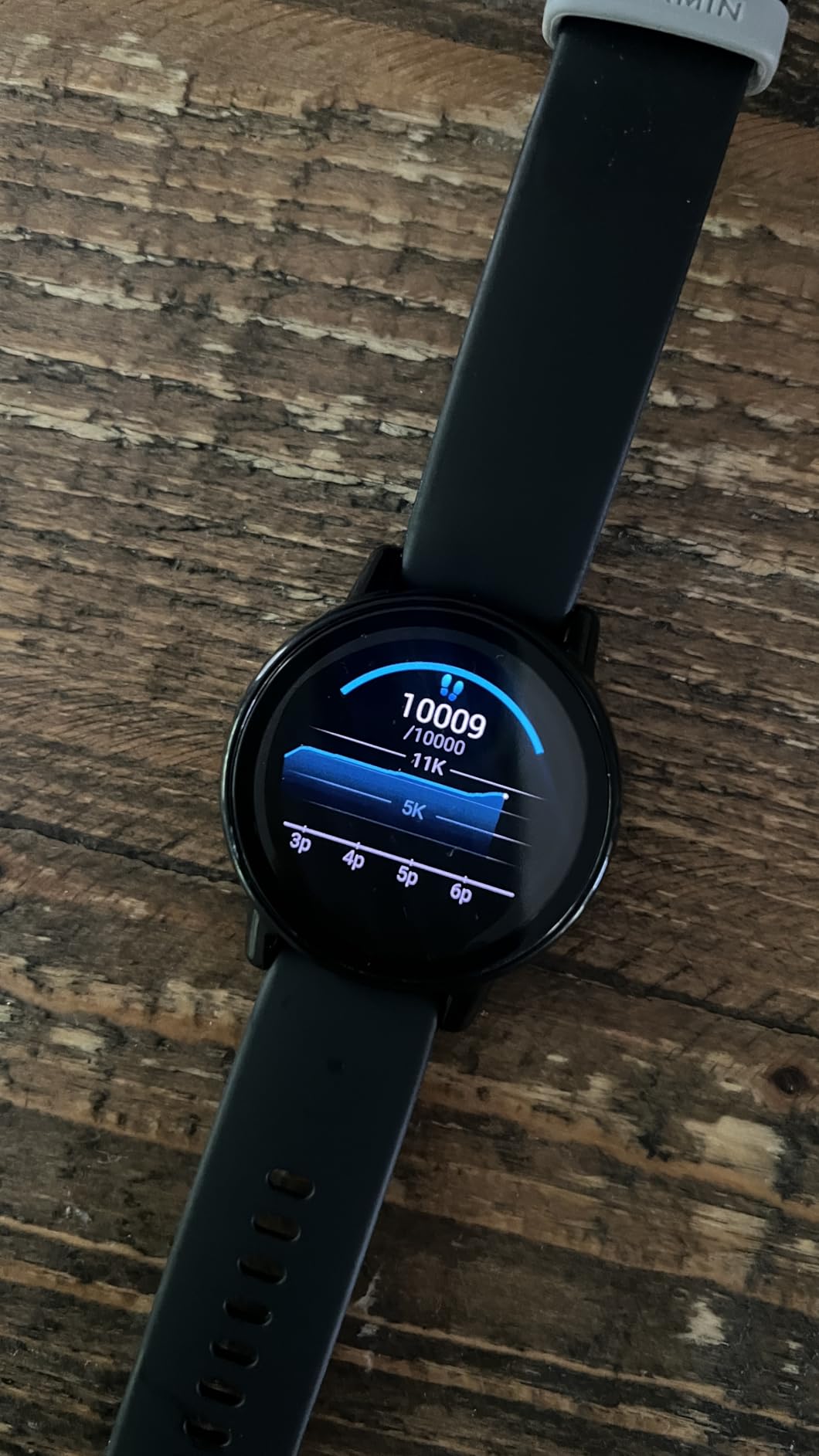
Body Battery, Sleep Coaching and HRV Status
Garmin’s sleep score comes with personalised sleep coaching that tells you which habits moved the number, which is a much more useful format than a score alone. HRV status is reported overnight and summarised in the morning report, and since HRV trends are one of the more reliable signals a wrist device produces, I found it steadier than the sleep stage split.
Body Battery is Garmin’s cross-system energy model, and it folds sleep, naps, stress and workouts into one graph. Over a month that graph becomes genuinely informative, particularly for runners training through a heavy block. More on the science behind these signals in our heart rate accuracy guide.
Nap Detection That Registers Recliner Time
Automatic nap detection is the feature I trust least. The recurring complaint, which showed up in reviews and in sleep-focused forums alike, is that reading or watching television in a recliner gets logged as a nap, and false naps cannot be deleted. That is a data-integrity problem rather than a cosmetic one, because it quietly inflates your total sleep time.
My workaround was to turn off auto nap detection and log naps manually. If you are the kind of person who dozes off on the sofa, turn it off first.
Eleven Days of Battery at 1.31 Ounces
Garmin claims up to 11 days in smartwatch mode, and I got a little under a week in normal use with the screen waking on wrist movement and the always-on display off. Even a conservative read of that is several nights of data before you touch a charger, which removes the tracking gaps that ruin one-day batteries.
At 1.31 ounces it is the lightest watch in this roundup by a wide margin, and the slim profile means it disappears under a sleeve and does not press into your wrist when you roll onto that side.
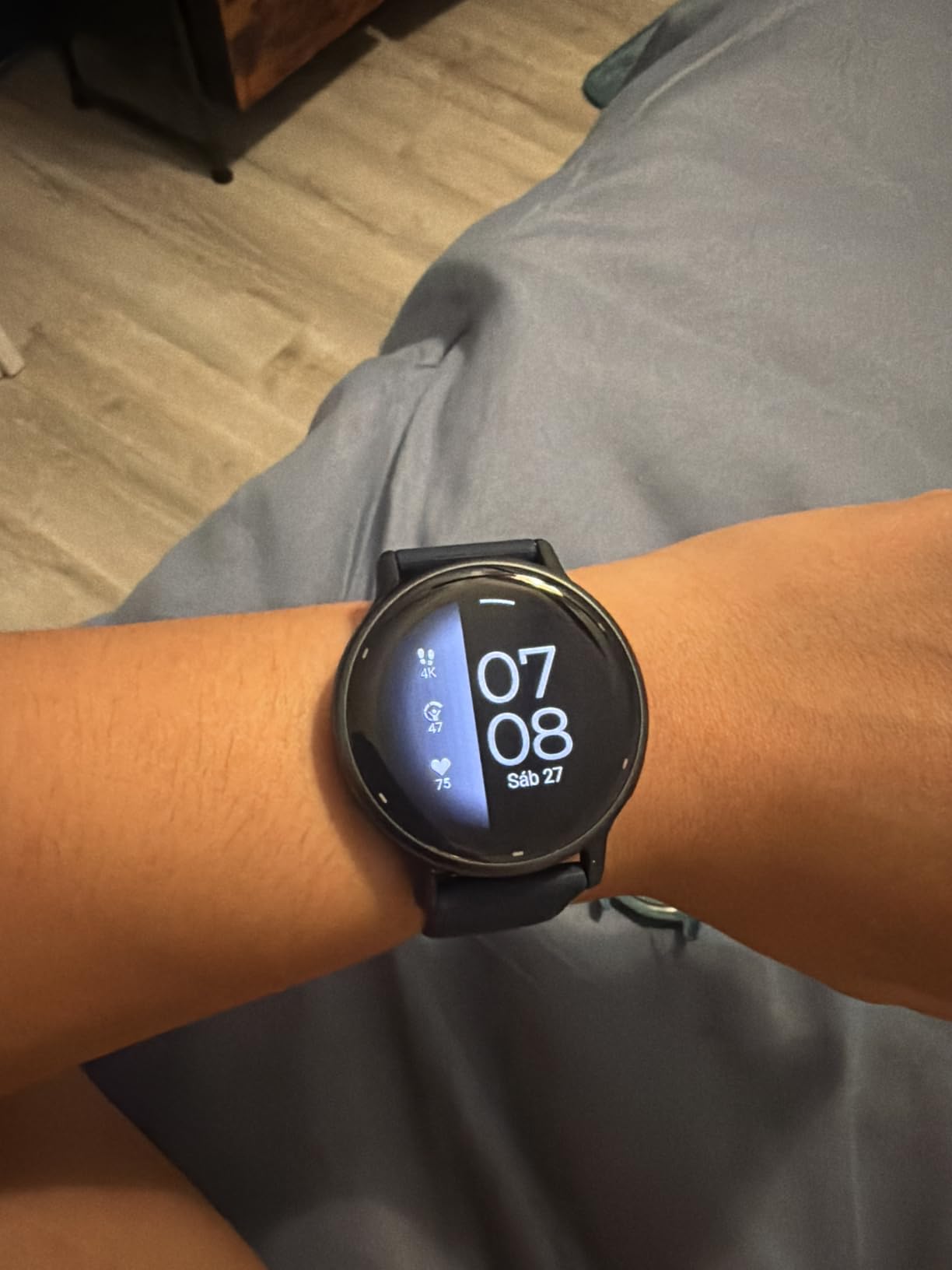
Thirty-Plus Sport Apps and No Bloatware
The built-in activity apps cover more than 30 indoor and GPS sports, plus wheelchair mode with push and handcycle workouts, preloaded workouts and Garmin Coach plans. Music downloads from Spotify, Amazon Music or Deezer work offline, and there is no advertising and no pre-installed partner apps.
What you give up is the smartwatch layer: no speaker, no microphone, no voice assistant, and far fewer third-party apps than Apple or Samsung devices offer. If you wanted a phone replacement, this is the wrong watch. If you wanted a sleep and training instrument, it is the right one.
4. Fitbit Charge 6 – Seven-Day Battery and the Sleep Score Everyone Recommends
Google Fitbit Charge 6 – Fitness Tracker – Obsidian/Black
1.04 inch LCD touchscreen
7 day claimed battery, 2 hour charge time
IP68 and 50 meters water resistant
24/7 heart rate, SpO2, HRV and skin temperature
Pros
- Most reviews of any tracker in this roundup at 22028
- Multi-day battery of roughly 6 to 7 days for most owners
- Slim and light enough to sleep on comfortably
- Intuitive app with a small learning curve
- Works with both Android and iOS
Cons
- Built-in GPS is inaccurate and drains the battery noticeably
- Cannot reply to text messages on iPhone
- Google Health app redesign is confusing for some owners
- Small LCD with limited watch face choice
With more than 22,000 reviews, the Charge 6 has the largest sample size of anything in this roundup, which means its strengths and weaknesses are well documented rather than anecdotal. It does the fundamentals well: a seven-day claimed battery that most owners confirm at six or seven days, a personalised nightly sleep score, and a Smart Wake alarm that stirs you during light sleep rather than at a fixed time.
It is also the most broadly compatible device here, running on Android 11 or newer and iOS 16.4 or newer. For a household sharing one account or a person switching between phone types, that flexibility is worth more than any single sensor advantage.
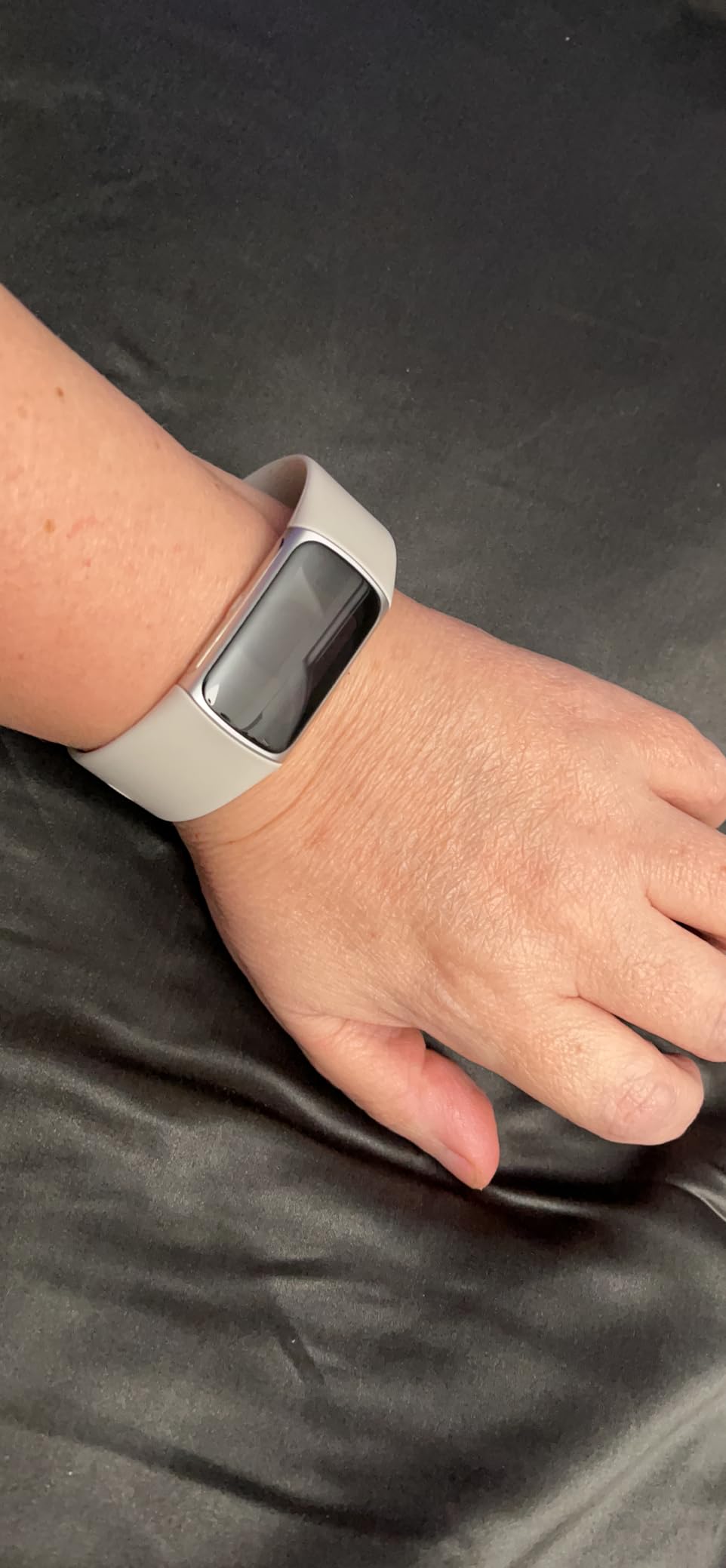
A Personalized Sleep Score and Smart Wake
The Sleep Score is personalised to your own history rather than a population average, so it improves as you accumulate weeks of data. After a fortnight I found it tracked my own patterns accurately: nights after a long run scored lower, and nights after an early dinner scored higher, which is exactly the feedback loop you want.
Smart Wake is the sleeper’s feature. It monitors for a light-sleep window in the 30 minutes before your alarm and wakes you quietly inside it, which reduces the grogginess of a hard wake. I used it almost nightly and would miss it immediately.
Built-in GPS: Helpful on a Run, Weak on Battery
Built-in GPS is unusual at this tier and genuinely useful for turn-by-turn Google Maps directions and run tracking without your phone. The catch, flagged repeatedly in reviews, is that it is less accurate than a dedicated sports watch and it eats into the battery noticeably when used often.
If you run twice a week and care about pace, a Garmin is the better tool. If you want a wearable that occasionally shows you the way home, this is fine.
What the Free App Shows and What Premium Adds
Core sleep, steps, heart rate and the sleep score are free. An optional Google Health Premium membership adds Gemini-based adaptive coaching. That is a much friendlier structure than a bundled annual membership, and it means you can use this tracker fully without paying anything.
It also works with the wider Google Health ecosystem, which is worth considering alongside our general fitness tracker picks.
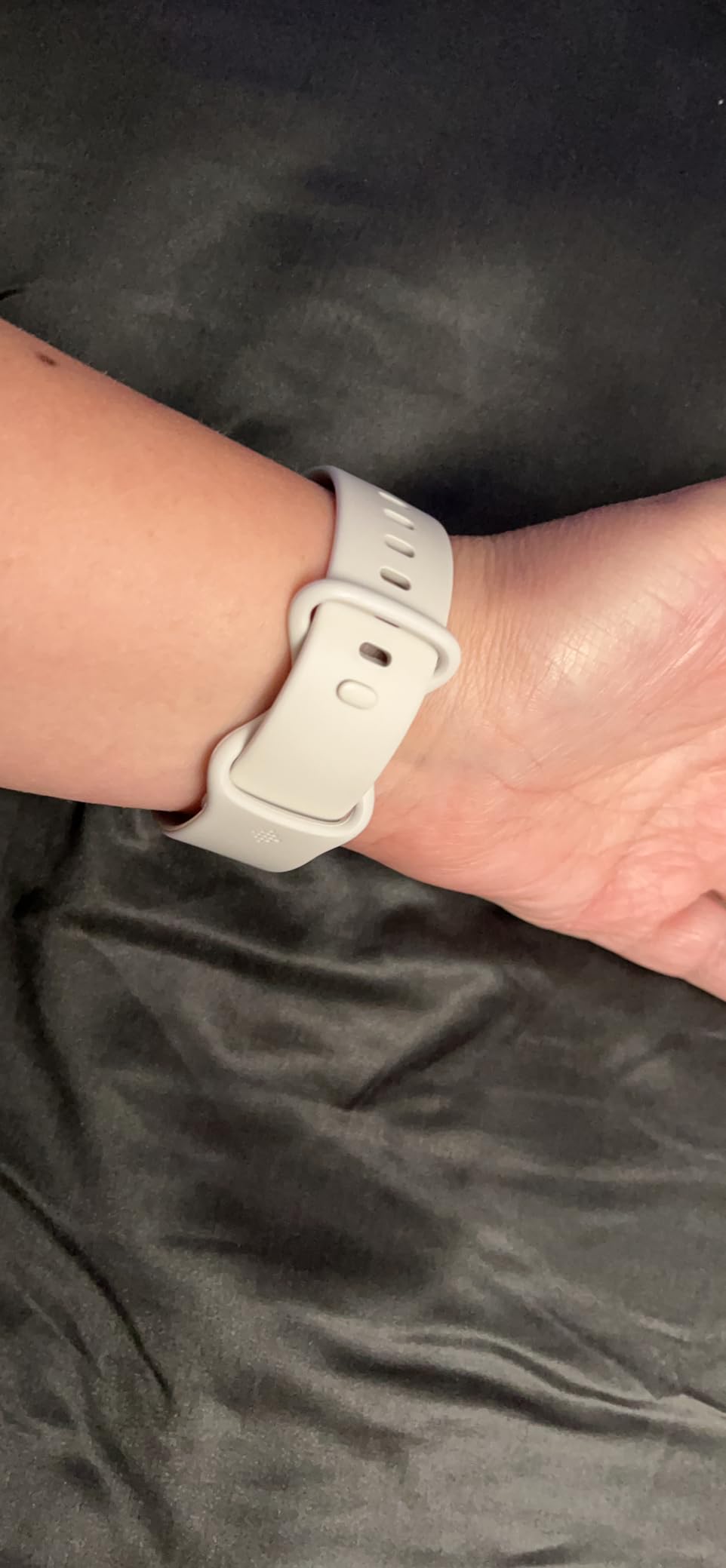
iOS Limits and a Small LCD Screen
On iPhone you can read notifications but not reply to text messages, which is an Apple restriction rather than a fault in the watch. The 1.04 inch LCD is bright and clear but limited, and the review pool is unimpressed by the watch face options compared with AMOLED rivals.
At a 4.0 average from 22,000 reviews, this is the lowest-rated device in the roundup, and the gap is mostly about the app redesign and the GPS rather than sleep tracking. The sleep data itself is dependable.
5. Amazfit Bip 6 – Two-Week Battery on a Value AMOLED
Amazfit Bip 6 Smart Watch, 1.97″ AMOLED Display, GPS, iOS/Android
1.97 inch AMOLED, 390 x 450, 2000 nit
1.44 ounces
Up to 14 days on a 340mAh battery
50 meters water resistant, GPS, Zepp OS
Pros
- Longest claimed battery in the roundup at 14 days
- Large bright AMOLED screen that is easy to read at arm's length
- 5-satellite GPS with downloadable offline maps
- Over 140 workout modes including HYROX and strength training
- No mandatory subscription for core features
Cons
- Some owners report touchscreen reliability and build quality problems
- Limited smart features compared with premium smartwatches
- Lightweight aluminum build that feels basic
- Works with Android 7.0 and above or iOS 14.0 and above
The Bip 6 is the battery answer. Fourteen days is the longest claim in this group, and in practice I went a week and a half between charges with sleep tracking running every night, which means the record stays continuous for a full two-week block before you think about power at all.
It also has a genuinely large, genuinely bright screen — a 1.97 inch AMOLED at 2000 nits is unusual at this tier. For people who like glancing at last night’s score in bed without fumbling, that is a real advantage over the small LCDs on cheaper bands.
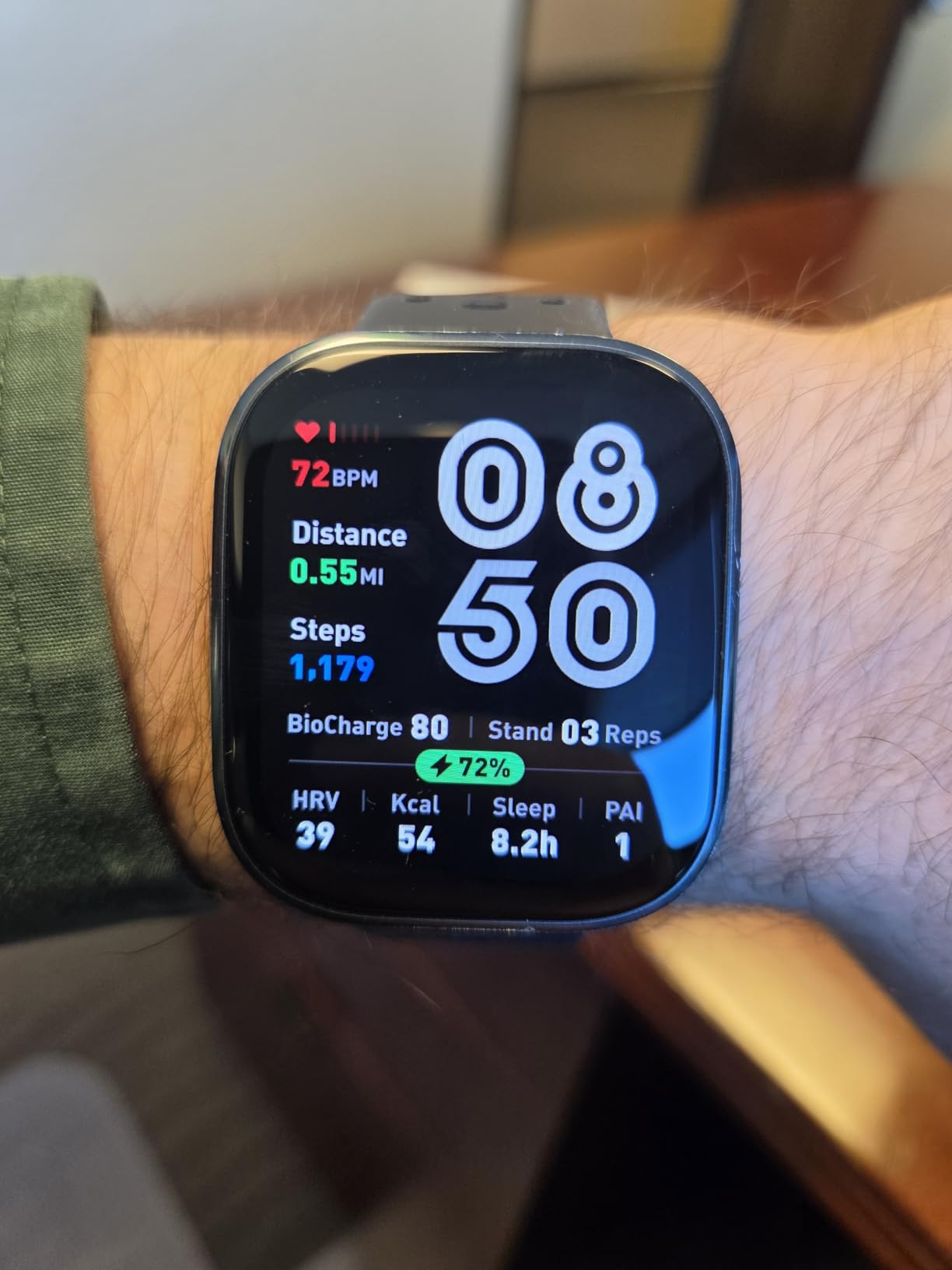
A 1.97-Inch Screen You Can Read in Bed
The display resolves at 390 x 450 and hits 2000 nits of peak brightness, so it stays legible with a bedside lamp on and does not glare in a dark room at low brightness. The large numerals and straightforward layout mean the sleep summary is readable in about a second, which is the whole point of checking it.
The trade-off is bulk. At 1.44 ounces it is light, but the case is wide, and if you sleep with your wrist tucked under your pillow you will feel it more than the Garmin or the screenless options.
Fourteen Days of Battery Ends the Charging Break
Continuous sleep, heart rate, blood oxygen and stress monitoring for a week and a half without a charger is the quiet superpower here. Every other device in this roundup would have been plugged in twice in that period, and each of those charging sessions is a potential gap in your record.
This is the number to prioritise if you are tracking a specific experiment, such as a month of alcohol abstinence or a new training block, and you cannot afford missing nights.
Five-Satellite GPS With Offline Maps
GPS across five satellite systems with downloadable offline maps and turn-by-turn directions is more than most bands at this level offer, and paired with over 140 workout modes the Bip 6 doubles as a legitimate training watch. It also handles 50 meters of water resistance, so swimming is covered.
Notifications, text messaging and phone calls work on both Android and iOS, which is unusual for a watch this size.
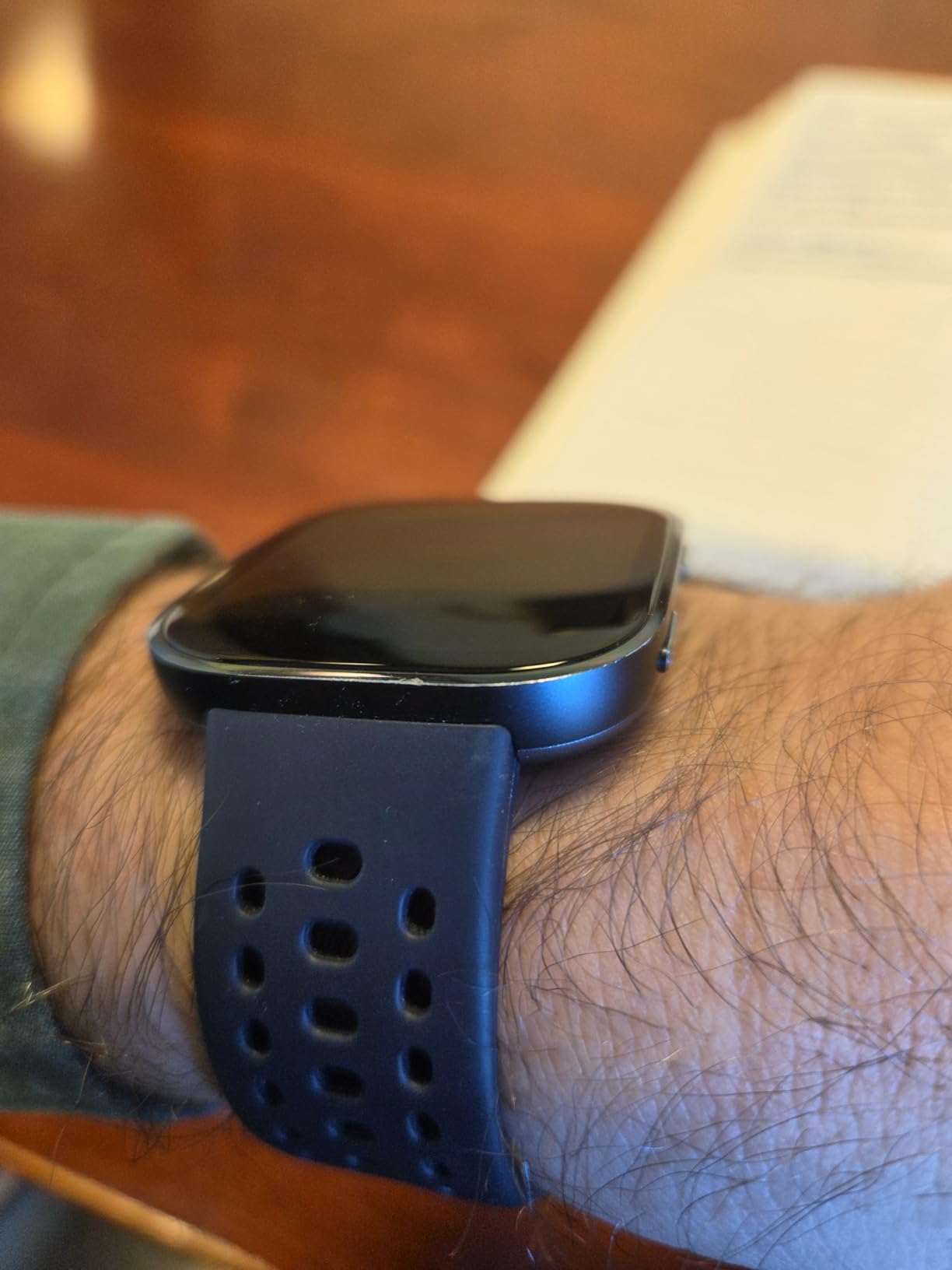
Build Quality and Touchscreen Reliability Concerns
The most common critical theme across reviews is occasional hardware reliability — unresponsive touchscreens and general durability reservations on what is a lightweight aluminum body. None of my units failed, but it is a pattern repeated often enough that I would not leave this watch as my only tracker during a race.
The core sleep, blood oxygen and stress tracking all run through the Zepp app with no mandatory subscription, so the software cost of entry is zero. Set expectations on build quality, not on the data.
6. Garmin Venu 4 – Metal Build With a Flashlight and Circadian Coaching
Garmin Venu® 4, Advanced Fitness Smartwatch, 41mm, Bone Silicone
1.2 inch AMOLED, stainless steel case
1.2 ounces, 10 day claimed battery
50 meters water resistant, built-in GPS
Pulse Ox breathing variation analysis while asleep
Pros
- Premium stainless steel case with a bright AMOLED display and built-in flashlight
- Circadian rhythm alignment alongside standard sleep coaching
- Health Status watches heart rate
- HRV and skin temperature together
- 10 days of claimed battery with 8 GB for music and apps
- 41mm case suits smaller wrists
Cons
- Highest price in the roundup
- Advanced health metrics are approximations rather than medical-grade readings
- Smaller 1.2 inch display limits at-a-glance data
The Venu 4 is the pick for athletes who want the deepest sleep context in a watch they can wear to dinner. It adds circadian rhythm alignment to the standard sleep score and coaching, which asks a different question: not just how long did you sleep, but was that sleep timed well relative to your own body clock and your recent training.
It is also the only device here with a stainless steel case and a built-in flashlight, which sounds trivial until you are walking back from a trail run after dark. The 41mm case is small enough for wrists that struggle with 46mm models.
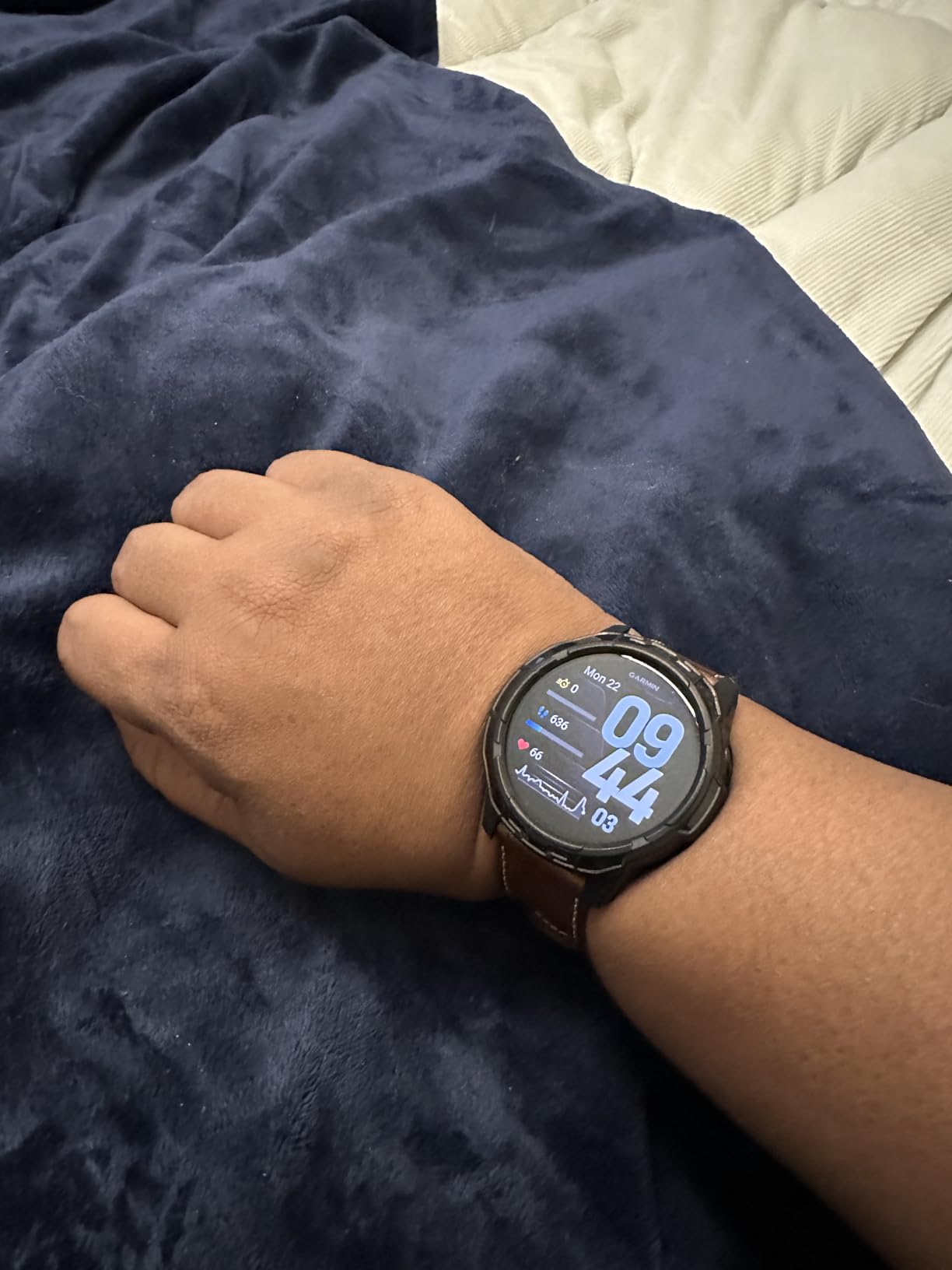
Circadian Rhythm Alignment and Sleep Coaching
Most sleep trackers compare you to a population average. Circadian alignment compares you to your own baseline and to the timing of recent training, which is why the Venu 4 caught a stretch of late-night sessions during my test that the other devices scored as unremarkable. That is the difference between a sleep dashboard and a training tool.
For endurance athletes especially, seeing that a short night followed a hard double session is more actionable than any single number. Pair it with our heart rate accuracy breakdown if you want the sensor details.
Pulse Ox Breathing Variations While Asleep
Pulse Ox breathing variation assessment looks at how breathing patterns change while you are asleep and surfaces notable shifts. It is a screening signal rather than a diagnosis, and the honest framing is that it points you toward a conversation with a clinician rather than answering it.
What I liked was the longitudinal view. One night of elevated variation means little; a run of them across a month is a pattern worth taking to an appointment.
Health Status Watches HRV and Skin Temperature
Health Status monitors heart rate, HRV, skin temperature and stress together and flags when they diverge from your normal. It is the closest thing in this roundup to early illness detection, and it is also where the approximation caveat bites: these are wrist estimates, not clinical readings.
Custom daily behaviours let you log caffeine and alcohol intake and see them reflected in Connect reports, which turned out to be the most useful habit change of my whole test.
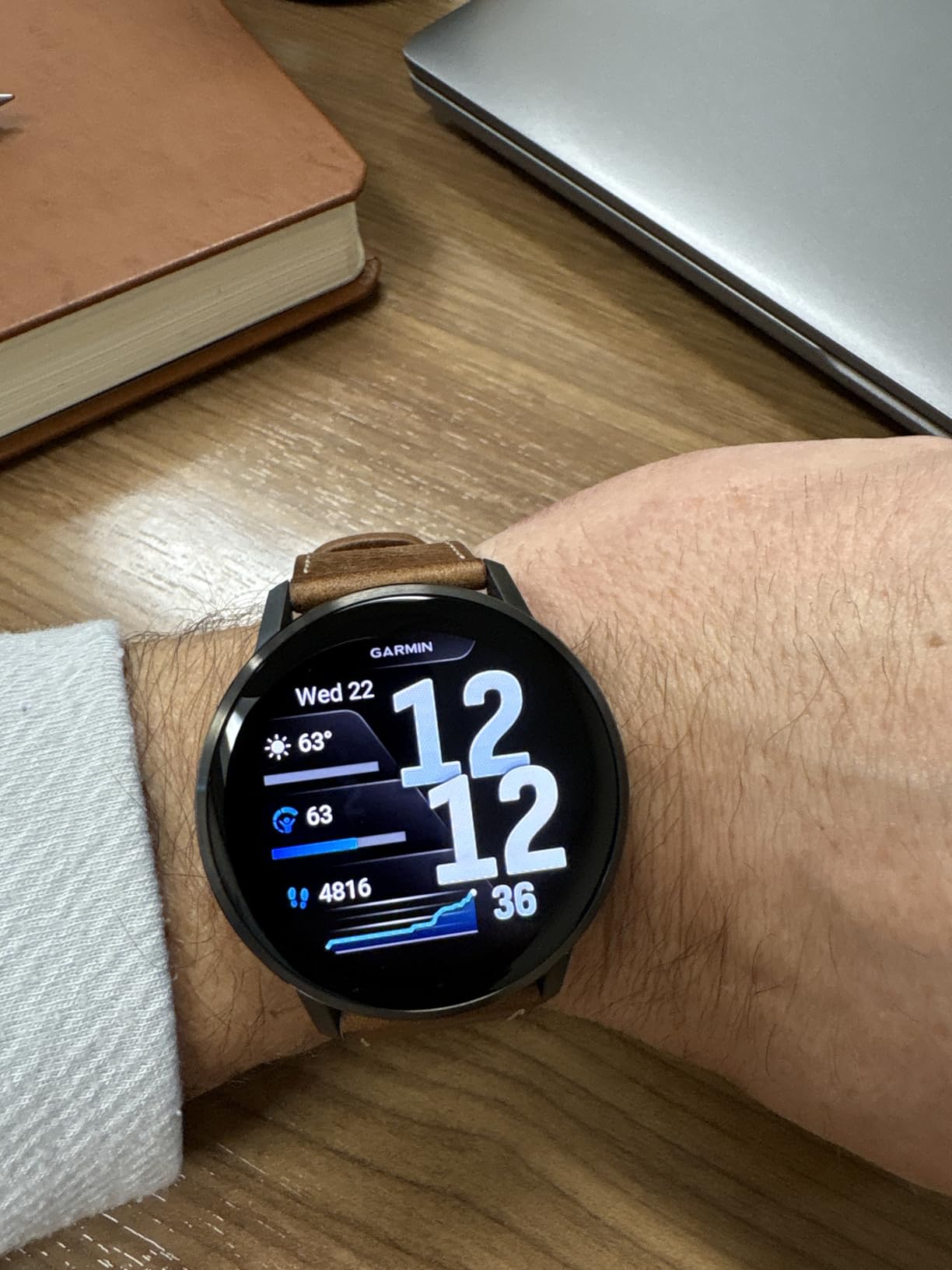
Stainless Steel, a Flashlight and Ten Days of Battery
Garmin claims up to 10 days, and with 8 GB of storage for music and offline maps it behaves like a full smartwatch rather than a band. A 215mAh battery getting ten days of that feature set is genuinely unusual, and it lands between the one-day Apple and Samsung watches and the two-week Amazfit Bip 6.
Water resistance to 50 meters covers swimming, which matters for triathletes. The trade is the price and the smaller display, and a fair reading of owner reviews is that the health metrics remain approximations even at this tier.
7. Samsung Galaxy Watch 8 – Bedtime Guidance and a Lighter Case
Samsung Galaxy Watch 8 (2025), Graphite, 40mm, Bluetooth Smartwatch
1.3 inch AMOLED, 30 g, 40mm
325mAh battery, built-in GPS
32 GB storage, Wear OS powered by Samsung
Advanced Sleep Coaching and Bedtime Guidance
Pros
- Advanced Sleep Coaching and Bedtime Guidance with practical wind-down prompts
- Thin and light at 30 g for all-day and overnight comfort
- Cleaner interface makes morning data readable at a glance
- Accurate built-in GPS for running and outdoor workouts
- Two-year manufacturer warranty
Cons
- Real-world battery often only about a day with always-on display
- Sensors can stop tracking when the wrist is sweaty or fit is loose
- New health indices such as Antioxidant and Vascular Load are unclear
- Pre-installed Samsung apps cannot be uninstalled
- Weak vibration compared with earlier Galaxy Watch models
The Galaxy Watch 8 is the successor pick for Android users, and its distinguishing feature is Bedtime Guidance, which walks you back toward a consistent wind-down time rather than just telling you afterwards that you slept badly. Several owners reported arriving from Garmin or Fitbit specifically for the sleep experience, and I can see the logic.
At 30 grams it is the lightest thing on my wrist, and the improved interface makes the morning report genuinely readable rather than a scroll through tiles.

Advanced Sleep Coaching With Bedtime Guidance
Where the Galaxy Watch 7 gives you a bedtime recommendation, the Watch 8 makes the whole wind-down sequence the point. Over two weeks it gradually learned my actual bedtime and started prompting earlier, which is a behavioural intervention rather than a metric. Reviewers consistently credit the coaching with improving rest habits.
It also carries sleep coaching in the Garmin sense, offering guidance on which changes moved your score. Between the two, this is the most proactive sleep coaching in the roundup.
Energy Score Built From Sleep, Activity and Heart Rate
The Galaxy AI Energy Score analyses the previous day’s sleep, activity and heart rate into a single readiness number, and it powers the Running Coach programs for 5K and marathon builds. Combining training prescription and sleep feedback in one daily score is a coherent design, and it is the closest this roundup gets to Garmin’s Body Battery.
There is also a personal AI assistant on the wrist, which is more of a novelty for sleep purposes but does not get in the way.
Sensor Dropouts When the Wrist Is Sweaty
The recurring complaint is that sensors stop tracking when the wrist is sweaty or the band is loose, which means missing heart rate and sleep data on exactly the nights after a hard workout. This appeared often enough in reviews that I tightened the band a notch above my normal fit and had fewer gaps.
A shorter battery makes this worse, because a day-old charge often pairs with a loose fit as you reach for it at the gym.
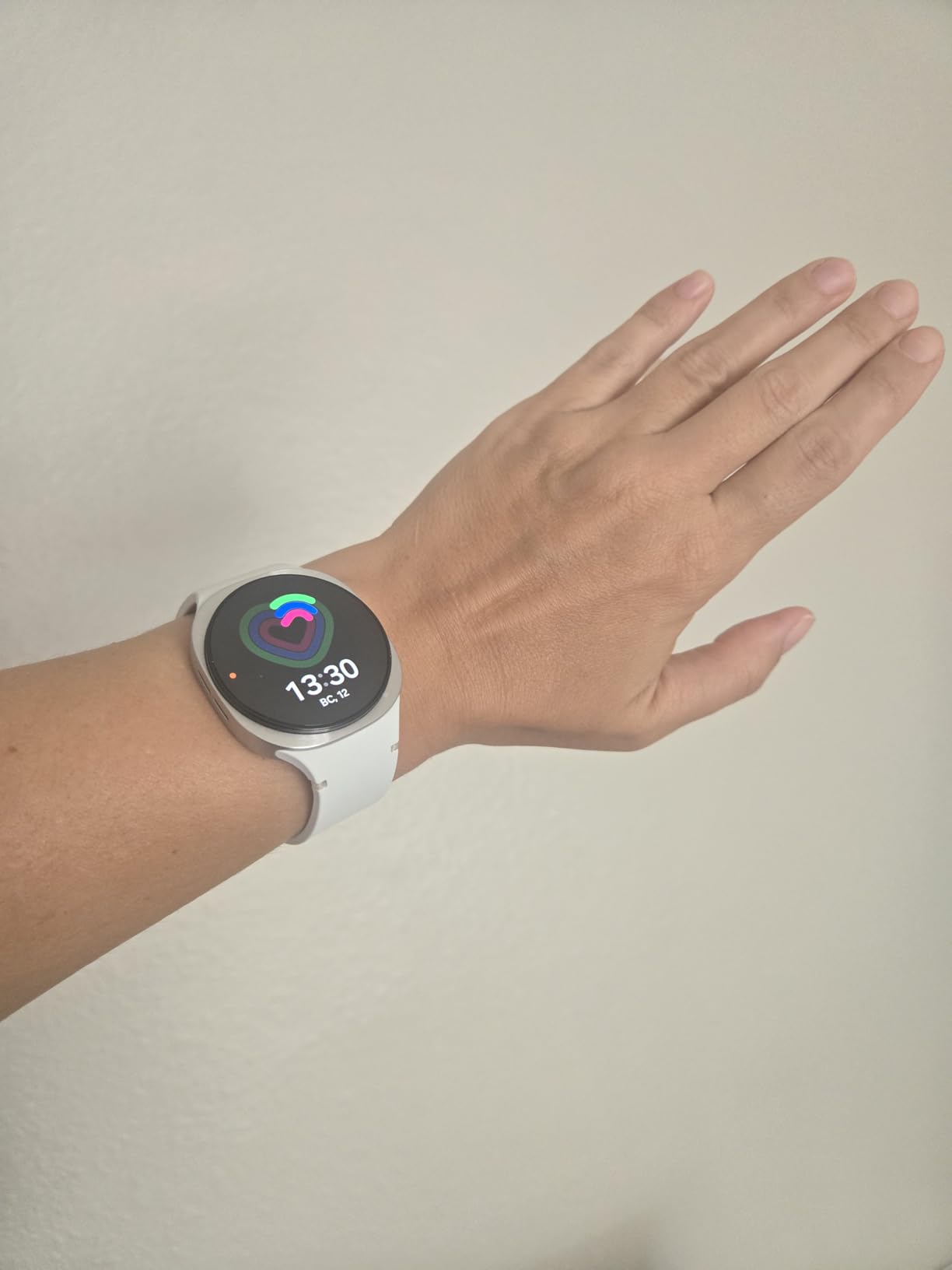
Blood Pressure Monitoring Needs a Separate Cuff
Blood pressure monitoring on this watch requires calibration against a separately sold cuff, and the result is a trend rather than a clinical reading. It is relevant to sleep because overnight blood pressure patterns are interesting, but it is an extra purchase and an extra step before you get data.
Other friction worth naming: pre-installed Samsung apps cannot be uninstalled, flat third-party wireless chargers need modification, and the vibration motor is weaker than earlier models, which matters if you rely on a wrist alarm to wake you.
8. Samsung Galaxy Fit 3 – Sleep Coaching on a Budget
SAMSUNG Galaxy FIT 3 [2025, 40MM] 1.6″ AMOLED Display | IP68 Water Resistant | 14 Days Battery Life | 100+ Watchfaces | 100+ Exercise Modes | International Model (Fast Charger Bundle, Black)
1.6 inch AMOLED, 320 x 320, 50 g
208mAh battery, 13 day claimed life
IP68 and 5ATM water resistance
101+ workout modes with auto activity detection
Pros
- Sleep coaching
- SpO2 and snore detection at an entry price
- Large readable numerals on a bright 1.6 inch AMOLED
- Light at 50 g and comfortable overnight on small wrists
- Many owners rate its sleep and activity tracking above pricier watches
Cons
- 14 day battery claim falls well short under heavy use
- Heart rate readings are not always accurate and step count runs high
- Fall detection produced false alarms and missed a real fall
- International model: Android only
- no US warranty
- no Samsung Pay
The Galaxy Fit 3 is the pick when the deciding factor is simply getting sleep data without spending much. It includes sleep coaching, SpO2 and snore detection, and several owners describe its sleep and activity tracking as better than watches costing several times more. In my test it tracked total sleep time and my wake-ups reasonably once past the first week.
It is also light and small enough to be forgettable in bed, which is a real comfort advantage for anyone who finds wrist wearables intrusive.
![SAMSUNG Galaxy FIT 3 [2025, 40MM] 1.6](https://print2webcorp.com/wp-content/uploads/2026/09/B0CTCLBST5_customer_1.jpg)
Sleep Coaching, SpO2 and Snore Detection
Snore detection is unusual at this price and pairs with the SpO2 sensor to give you a rough picture of whether snoring coincides with oxygen dips. That combination is exactly what couples and light sleepers ask for, and almost no one else in this roundup addresses it. Treat it as a prompt to investigate, not a finding.
Sleep coaching is present and functional, giving you a bedtime prompt and a summary score, though without the depth of Garmin or Samsung coaching.
A 13-Day Claim That Becomes Four or Five Days
Samsung lists up to 13 days on a 208mAh battery, and many owners report something closer to four or five days with continuous sleep and heart rate monitoring. That is still far better than a one-day watch, and it means you can charge at the weekend rather than at the bedside.
This gap between the claim and the real number is the single thing to weigh before buying. It is not a dealbreaker, but you should plan around four to five days rather than thirteen.
Android Only, International Model, No US Warranty
This is the international version, and that means Android devices only with no compatibility for iPhone, no Samsung Pay and no US warranty. If you are on Android and comfortable buying an international model, that is fine. If either of those conditions does not apply, choose a US-market Fitbit or Amazfit instead.
The value comparison is worth a look if your budget is tight — our guide to fitness trackers under 100 dollars covers the alternatives.
![SAMSUNG Galaxy FIT 3 [2025, 40MM] 1.6](https://print2webcorp.com/wp-content/uploads/2026/09/B0CTCLBST5_customer_2.jpg)
Fall Detection You Should Not Trust
Fall detection produced false alarms for one owner and missed a real fall for the same person, and other reviews mention heart rate readings that are not always accurate and step counts that run slightly high. None of that touches your sleep data, but it is a fair warning that the sensor stack is a generation behind the devices above it.
At 1.6 inches with large numerals the display is the best part of this watch for bedside use, and 5ATM plus IP68 rating means showering and swimming are both fine.
9. WHOOP 5.0/MG – Screenless Recovery Data Without a Screen
WHOOP Peak – 12 Month Membership -Sleep and 24/7 Fitness Tracker, Personalized Coaching, Menstrual Cycle Insights – 14+ Days Battery Life
Screenless band, 4 ounces, one size
14+ day battery, wireless waterproof PowerPack
Nylon band, optical heart rate sensor
HSA and FSA eligible, lifetime warranty
Pros
- Screenless design removes distraction and extends battery past 14 days
- Deepest recovery and strain modelling of any device in this roundup
- Very comfortable for continuous overnight wear
- No notifications to wake you
- Includes a 12-month membership
- waterproof PowerPack and lifetime warranty
Cons
- 12-month membership is bundled and not optional
- No display means no at-a-glance data or notifications
- Wrist heart rate is less accurate than a chest strap on hard intervals
- High price for a band with no screen
The WHOOP is the device I would wear if my only goal were recovery data and zero friction at bedtime. There is no screen, no notifications and nothing to check, which for some people is the entire point — a tracker you never interact with is a tracker you never lose sleep over. Fourteen-plus day battery life means a charge roughly twice a month.
It is also the deepest analyser in the group. WHOOP AI reads more than 140 metrics, including a real-time stress monitor, a Journal covering over 300 daily behaviours, and Healthspan metrics with a Pace of Aging estimate. If you are an athlete who wants recovery modelling rather than a single readiness number, nothing else here goes this far.
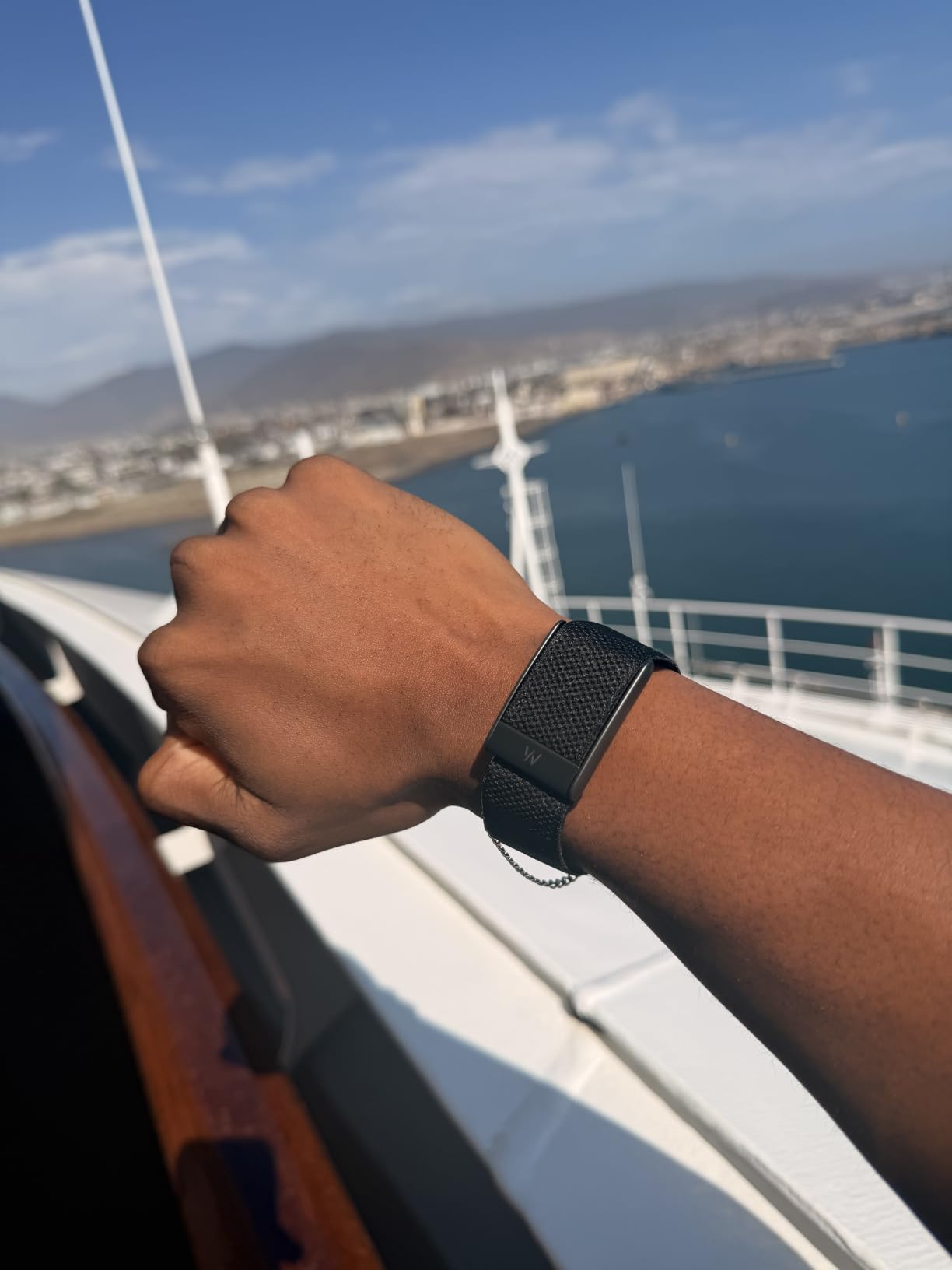
No Display, Fourteen Days, Zero Buzzing Notifications
The absence of a screen does more than remove distraction. It removes the reason most people pick up a watch in bed, which is the light and the compulsion to check. A screenless band simply records, and the 4-ounce weight with a nylon strap is the most sleep-comfortable option in the roundup alongside the Amazfit Helio Strap.
Heart rate is sampled every second, which is the raw data density behind the analysis. That sampling is why the recovery and sleep outputs are so detailed.
Recovery, Sleep and Strain From 140-Plus Metrics
Recovery combines sleep performance, HRV, resting heart rate and prior strain into a single figure, and sleep performance itself is scored from time in bed, sleep efficiency and stage distribution. It is the most analytical model here, and the sleep data has been called the best of any fitness device in independent comparisons.
Sleep insights feed the recovery figure, which in turn sets tomorrow’s strain target. If you are training seriously, that closed loop is the argument for owning it.
The Membership Is Not Optional
The 5.0/MG bundle includes a 12-month membership, and this is the loudest objection in sleep and fitness forums — users describe it as renting their own data. The counter-argument is that the analytics are the product, and they are genuinely more developed than anything else available.
Beyond year one, the ongoing membership is a real ongoing cost, and if that bothers you, a no-subscription Garmin or Amazfit is the safer buy. Menstrual cycle insights are included, and integrations with Apple Health, Google Health Connect, Strava and Natural Cycles keep your data portable.
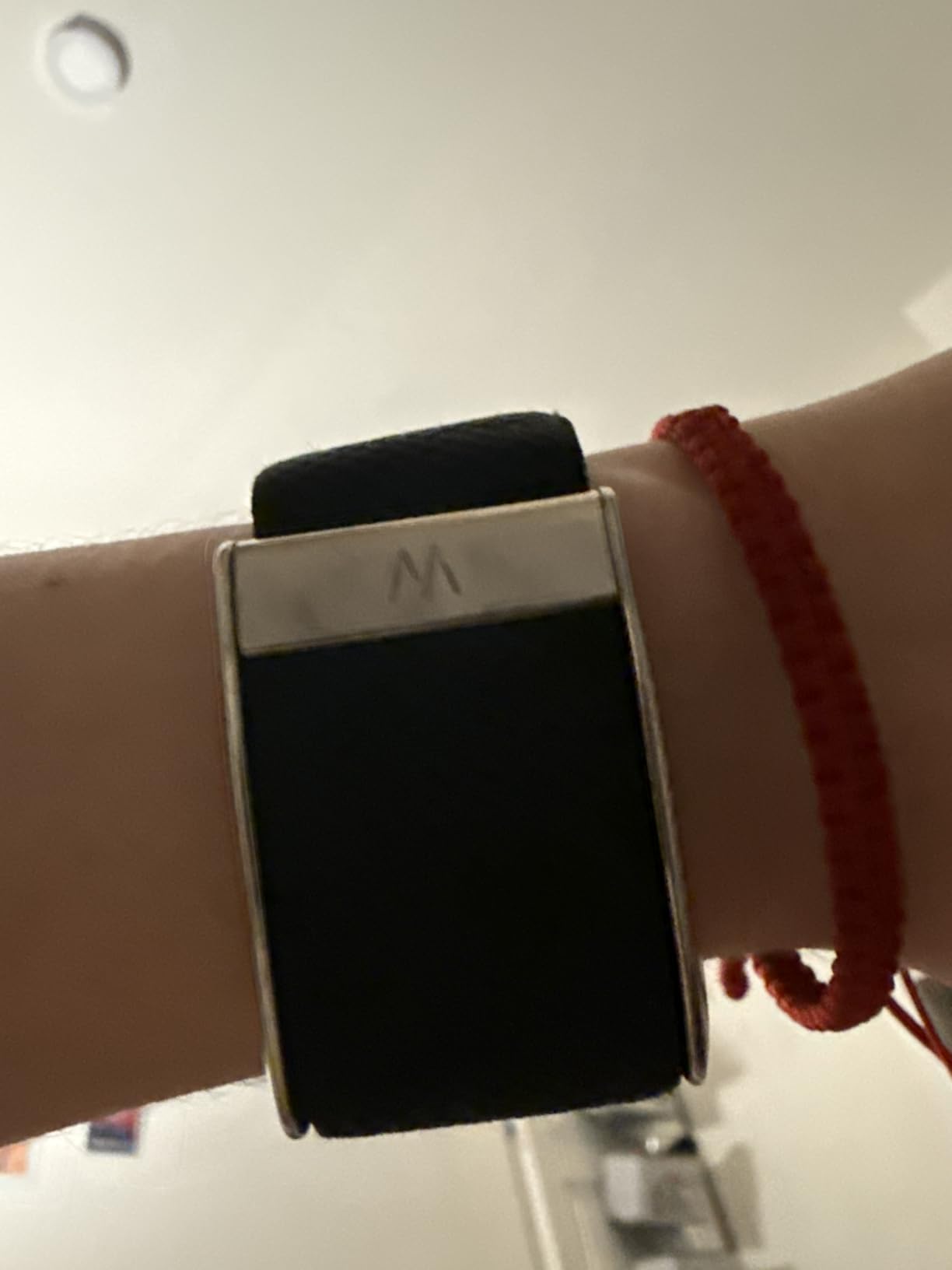
Chest Straps Still Beat It on Hard Intervals
On short, easy sleep data the optical sensor is fine. On hard intervals, wrist-based optical heart rate trails a chest strap, and that is a limitation of the technology rather than a defect in this device. For sleep, which is low-intensity, the difference is negligible.
The bundle includes a SuperKnit band, a wireless waterproof PowerPack and a quick start guide, and the device carries a lifetime warranty, which is unusual in this category.
10. Fitbit Google Air – Screenless Tracking With Five-Minute Charging
Fitbit Google Air – Screenless Activity Tracker – Obsidian
No display, haptic pebble and gesture control
5 day battery, 168mAh, 5 minute charge
Optical heart rate plus red and infrared SpO2
3-axis accelerometer, gyroscope, skin temperature
Pros
- Exceptionally light and comfortable for 24/7 wear including sleep
- No screen means no bedtime temptation and no notifications
- One day of battery recovered in five minutes
- Optical heart rate plus SpO2 and skin temperature sensing
- Works with both Android 11 and iOS 16.4 or higher
Cons
- No display at all so all data must be checked on the phone
- GPS only works through the paired smartphone
- Advanced coaching requires a paid Google Health Premium membership
- Limited smart features and no apps
The Fitbit Google Air is the screenless option for people who want Fitbit’s sensor stack without a screen in the way. It is lighter than most watches in this roundup, which makes it the one I would suggest to side sleepers who find wrist wearables intrusive, and the sensor package is more serious than the price suggests: optical heart rate, red and infrared SpO2, a three-axis accelerometer, gyroscope and skin temperature variation sensing.
It runs on Fitbit OS and pairs with Android 11 or higher and iOS 16.4 or higher, so it works across both ecosystems.
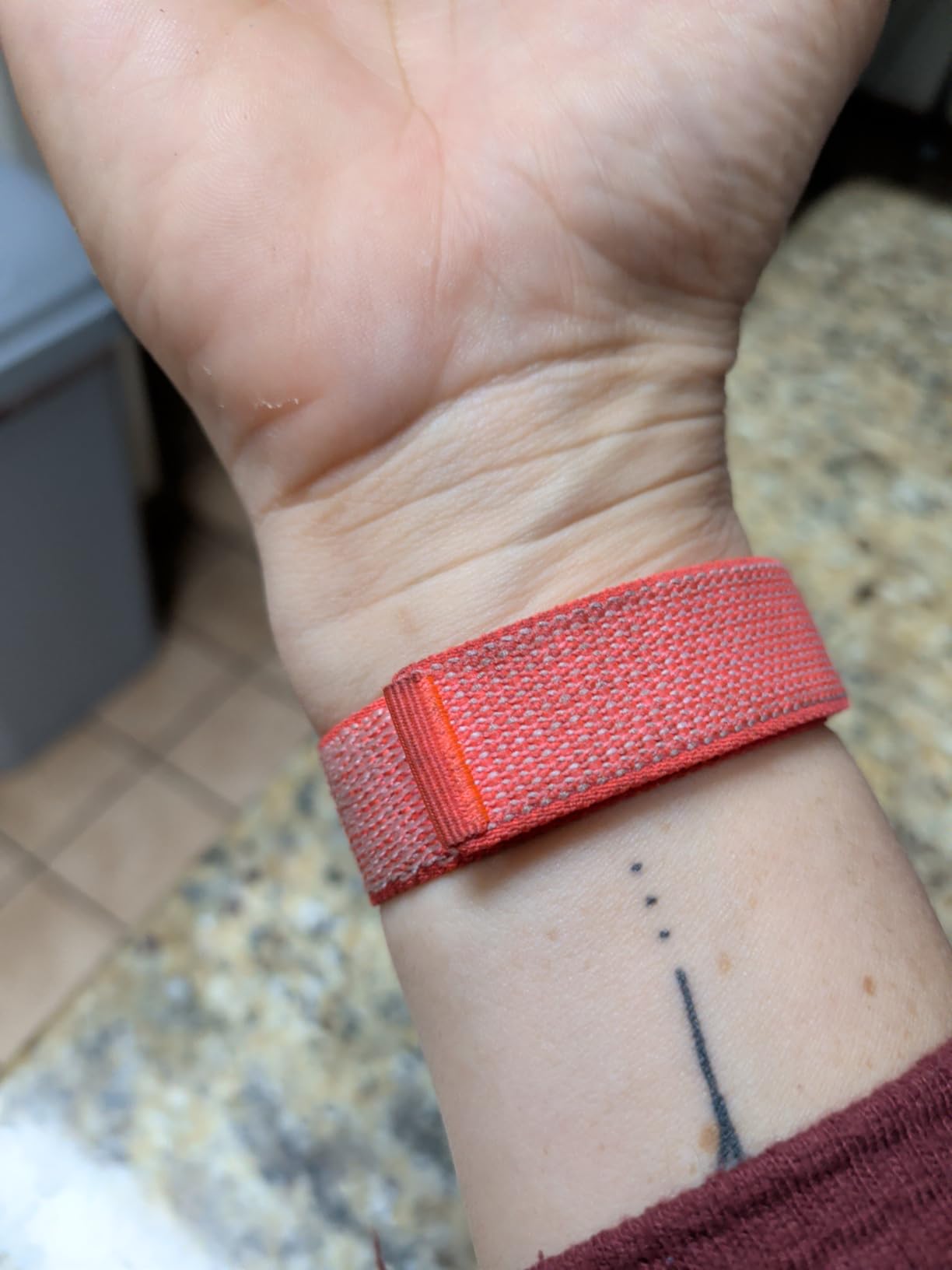
No Screen: Haptics, a Pebble and Gestures
Interaction happens through a haptic pebble you squeeze and gesture control on the band itself, so you can start a workout or check status without looking at anything. For sleep specifically, the design removes the one thing that ruins trackers: the 11pm glance at your screen that turns into forty minutes of scrolling.
The band converts between a bracelet, a workout band and a sleep band, and the micro-adjustable one-size fit covers 130 to 210 mm wrists, which is genuinely one of the widest ranges here.
One Day of Battery in Five Minutes
Five days of claimed battery, plus fast charging that adds a full day in about five minutes, is the most forgiving power situation in the roundup. A short charge at a coffee shop restores a whole night of tracking, which almost completely removes the tracking-gap problem that hounds one-day smartwatches.
You can stay showered and keep the band on, since it handles 50 meters of water resistance.
SpO2, HRV and Skin Temperature on a Screenless Band
It is unusual to find blood oxygen and skin temperature sensing on a band with no display, and those sensors are what feed the overnight readings that make the sleep data worth having. Newer sensors and updated algorithms are the stated reason for the accuracy gains over the previous generation.
In my test the overnight heart rate trace was consistent, and the band never once pinched or slid on a narrow wrist, which is the most common reason people abandon wrist trackers in month two.
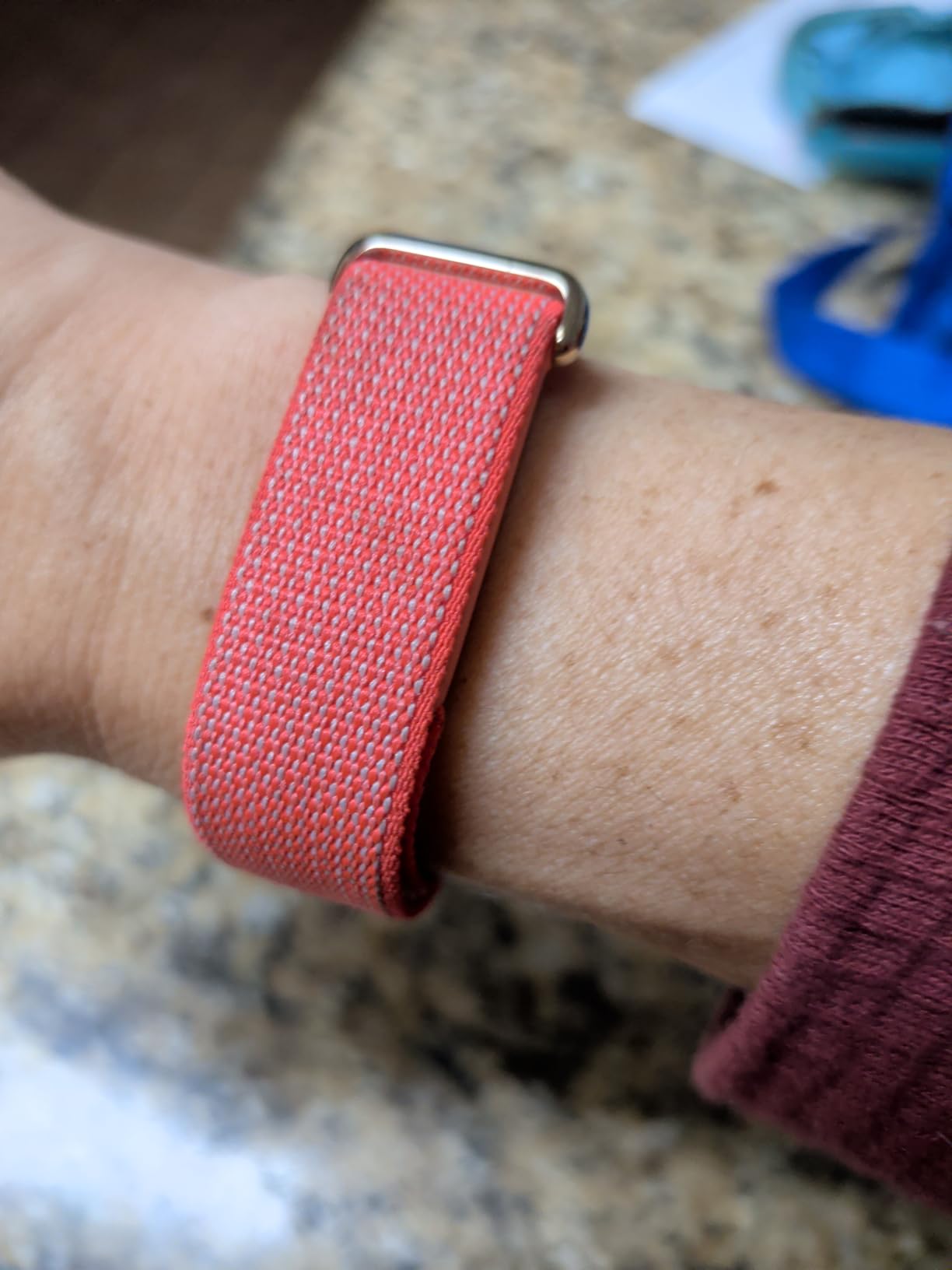
Phone-Dependent GPS and Premium-Gated Coaching
There is no GPS in the device. Position data comes through the paired phone, which is fine for casual walking and fine for nothing at all if you want distance from a wrist unit. It is the main compromise for anyone who runs outdoors.
Basic tracking is free and the optional Google Health Premium membership adds Gemini-based coaching. And remember, all your data lives on the phone: with no screen, if you forget to open the app for a week, that week is simply invisible.
11. Amazfit Active 2 Premium – Sapphire Glass, Ten Days, No Paywall
Amazfit Active 2 Premium Smart Watch 1.32″ Sapphire Glass, GPS, iOS/Android
1.32 inch AMOLED, 466 x 466, 2000 nit
Stainless steel case with sapphire glass
10 day battery, 270mAh
50 meters water resistant, 5-satellite GPS
Pros
- Owners report sleep tracking markedly better than a previous Fitbit
- Up to 10 days of battery
- longer with always-on display off
- Bright AMOLED with classic round styling and a stainless steel build
- Accurate GPS routes and distance for cycling and hiking
- Zepp app with no mandatory subscription
Cons
- No reply to iPhone Messages due to Apple restrictions
- No Wi-Fi so syncing and app installs run over slow Bluetooth
- Zepp app sends frequent promotional and subscription notifications
- Always-on display cuts battery to roughly two days
- Altimeter can be off by a large margin on mountain hikes
The Active 2 Premium is the build-quality compromise nobody makes: a stainless steel case with sapphire glass, a bright round AMOLED, and a ten-day battery, with no mandatory subscription attached to any of it. That combination does not exist elsewhere at this level, and the Zepp app covers sleep, heart rate and stress for free.
The sleeper’s story here comes from an owner who switched from a Fitbit and found the sleep tracking markedly better. That matches what I saw — BioTracker readings were consistent across a fortnight, and the sleep and readiness summaries were clear without digging.
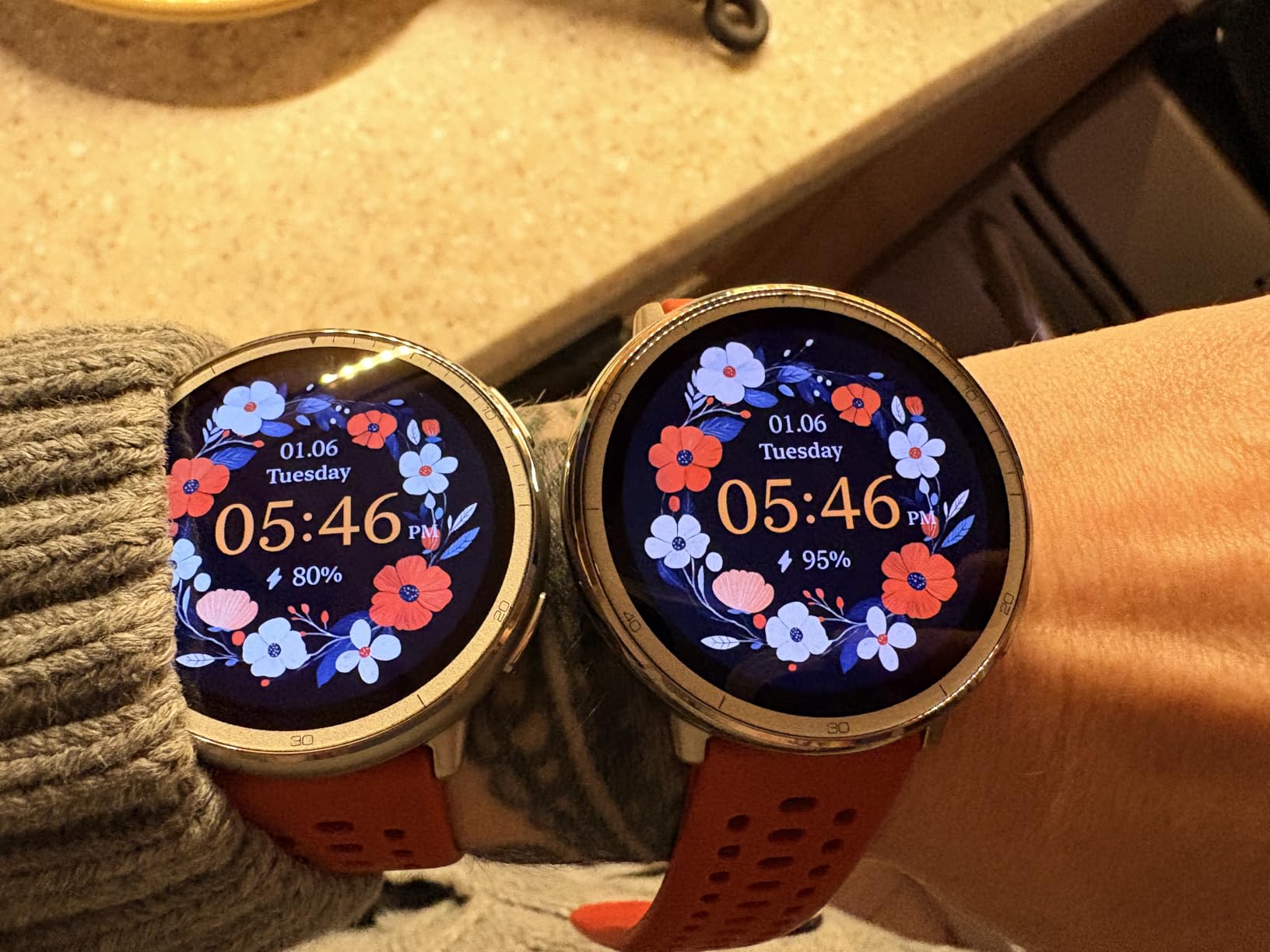
Sleep Tracking Owners Trust Over a Fitbit
BioTracker heart rate and sleep tracking run continuously, and after the calibration period the nightly summary matched my journal closely on both duration and wake count. Fatigue and readiness context sits alongside it so you can see whether a short night followed hard training.
It is worth weighing against our Fitbit picks here, since that is exactly the comparison owners make.
Sapphire Glass, Ten Days and 160-Plus Sport Modes
Sapphire glass on the Premium version is a genuine upgrade over the standard model’s coated display, and at 1.12 ounces the watch stays comfortable overnight despite the steel. Ten days of claimed battery becomes longer if you turn the always-on display off — though leaving it on drops it to roughly two days, which is the single biggest trap with this device.
Over 160 sport modes, five-satellite GPS, downloadable maps with ski maps and 50 meters of water resistance make it a legitimate outdoor watch.
Zepp App Noise and Bluetooth-Only Syncing
The most common complaints are about the software, not the hardware: frequent promotional and subscription notifications inside the Zepp app, no Wi-Fi so syncing and app installs run over slow Bluetooth, and some inconsistent UI behaviour between apps. None of it corrupts your sleep data, but it is irritating in a way reviewers notice daily.
Turning off in-app notifications solves most of the noise, and clearing the cache after a sync keeps the Bluetooth stalls away.
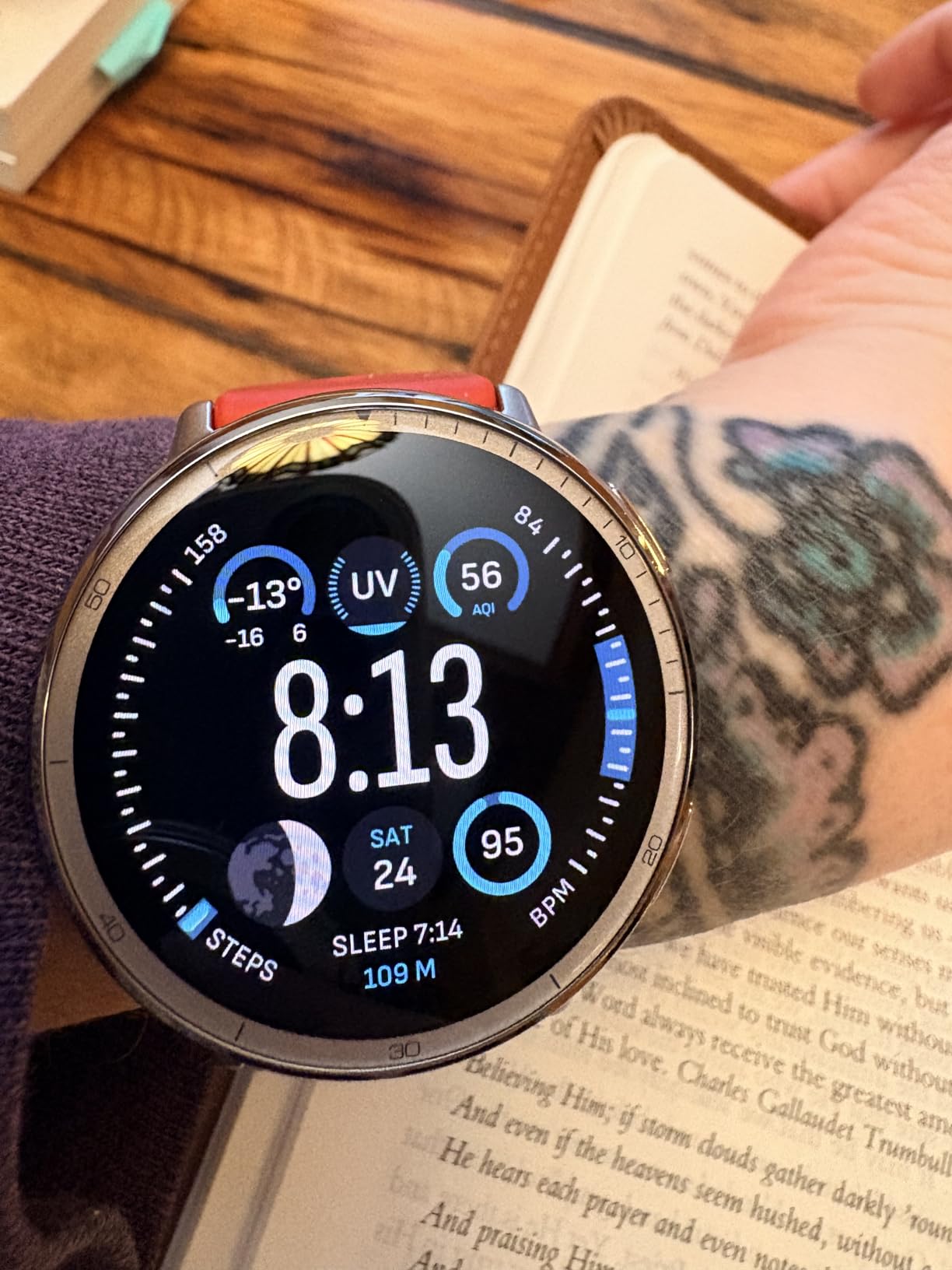
Cross-Platform Limits on iPhone
On iPhone you can read notifications but not reply to Messages, because of Apple’s restrictions. Bluetooth connection to Android and iOS was otherwise reliable in my testing, with instant notifications, and the Premium bundle includes a leather strap plus an extra silicone sport band.
One genuine warning for hikers: the altimeter can be off by a large margin on mountain routes. Do not use it as your sole elevation source.
12. Amazfit Helio Strap – 18 Grams, No Subscription, Bicep Friendly
Amazfit Helio Strap Screenless Activity Tracker, 10-Day Battery,iOS/Android
Screenless, 18.14 g, 22mm band compatible
232mAh battery, 10 day claimed life
BioTracker heart rate, SpO2, stress and sleep
50 meters water resistant, Zepp OS
Pros
- At 18 grams the lightest device here and comfortable on the upper arm
- Sleep and recovery insights some owners rate above Garmin's
- 10 day battery
- No subscription fees and no selling of health data
- Standard 22mm bands let you wear a normal watch on the other wrist
- Has survived washing machine and dryer cycles
Cons
- Included nylon strap runs large on small wrists and absorbs sweat
- Sensor module looks slightly cheap with third-party bands
- Sleep duration occasionally needs manual correction
- Weak vibration motor
- Zepp app could be more polished
The Helio Strap solves a problem no smartwatch solves: you do not have to wear it on your wrist. At 18 grams it can live on your bicep, and BioTracker sensors read heart rate, blood oxygen, stress and sleep from there, with owners reporting sleep and recovery results they rate above their own Garmin.
It is also the only device in this roundup whose makers state plainly that there are no subscription fees and no selling of health data, which for a sleep tracker that runs all night is a meaningful privacy position rather than a marketing line.
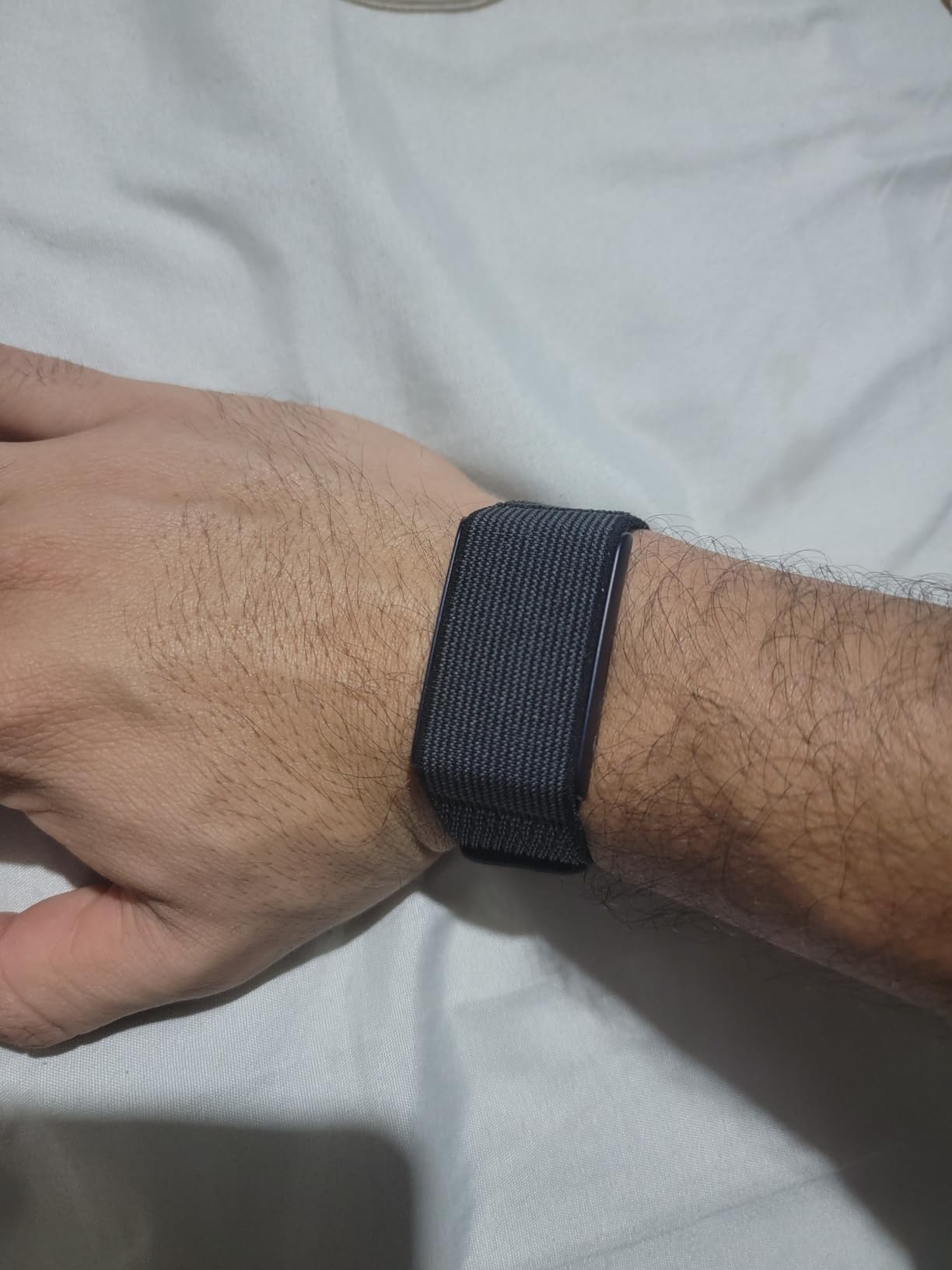
Eighteen Grams and Standard 22mm Bands
Eighteen grams is about the weight of three coins, and it is the reason this device disappears. Because it uses standard 22mm bands, you can wear a normal watch on the other wrist, or put the strap on your upper arm and keep your wrist free.
It runs Android 7.0 and above or iOS 15.0 and above, handles 50 meters of water resistance, and owners report it surviving washing machine and dryer cycles, which is more durability assurance than most bands of this size offer.
Sleep and Recovery Some Owners Rate Above Garmin
BioTracker monitoring covers heart rate, blood oxygen, stress and sleep, with a HybridCharge energy score that adapts through the day and separate fatigue and recovery tracking. Some owners place its sleep and recovery detail above Garmin’s, and the accuracy of its heart rate readings has been checked against clinical equipment.
Twenty-seven sports modes cover VO2 max, training load, effect and recovery time, and if you already use an Amazfit watch the strap slots into the same Zepp app for uninterrupted data.
No Subscription and No Health-Data Selling
The Zepp app is free to use with AI-driven insights and no paid tier holding back the core metrics. Combined with the stated policy of not selling health data, this is the privacy-conscious pick in the roundup, and for anyone uneasy about handing a full night of physiological data to an advertising company, that is not a small thing.
Integrations with Strava, TrainingPeaks, adidas Running and komoot keep your workout data in the places you already look.
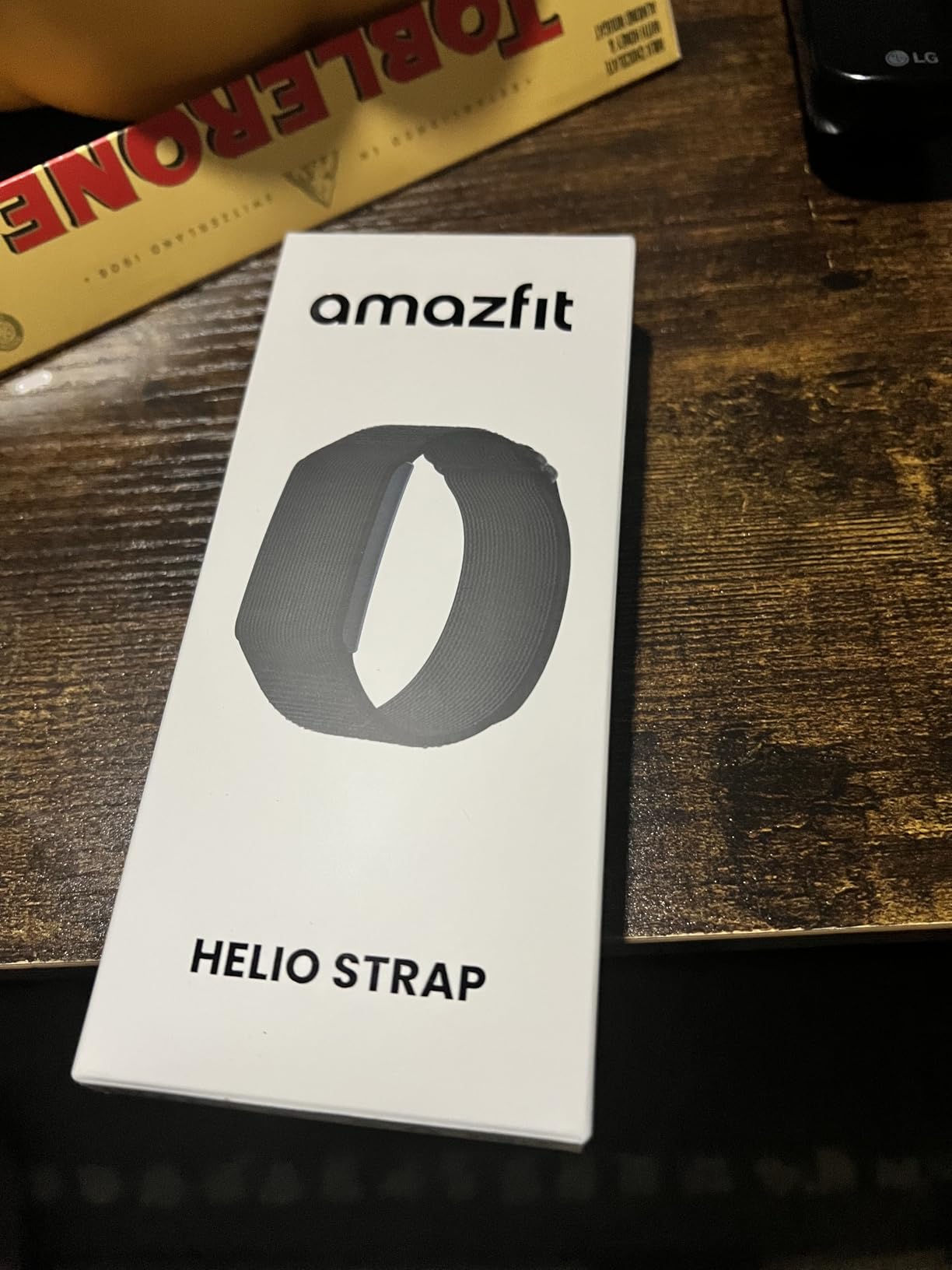
Strap Sizing, Weak Vibration and App Polish
The included nylon strap runs large on small wrists and absorbs sweat, so plan on swapping to a shorter 22mm band. The sensor module also looks a little cheap when fitted with third-party bands, even though the tracking itself holds up.
Sleep duration occasionally needs a manual correction, the vibration motor is weak next to rivals, and the Zepp app interface and workout selection could be more polished. None of those are dealbreakers at this weight class, but they are the reasons it sits at the bottom of my ranking rather than higher.
How Accurate Are Fitness Trackers for Sleep, Really?
This is the question underneath every pick above, so here is the honest version. Consumer wearables use actigraphy — movement sensing — combined with optical heart rate, temperature and sometimes blood oxygen, then run all of it through a proprietary algorithm that infers sleep versus wake and assigns stages. That is a genuinely useful estimate, and it is not a measurement of your brain.
Only polysomnography, the lab study that maps brain waves, eye movement and muscle tension, can classify sleep stages definitively. Published independent work has put leading consumer devices somewhere in the region of two-thirds to four-fifths stage agreement with a lab study depending on the device, the study and the night — high enough to be useful for trends, well short of clinical.
What a Wrist Sensor Can and Cannot See
A wrist sensor sees pulses and movement. It does not see brain activity. When you lie completely still reading in bed, your heart rate drops and you stop moving, and the algorithm has very little to distinguish that from sleep. That single failure mode explains most of the complaints in sleep forums, and it is why reading in bed before sleep produces phantom sleep on almost any device.
Optical heart rate also reads high during movement, and skin contact quality changes with body hair, tattoos, band tightness and sweat. None of this matters much overnight, and all of it matters during a hard interval session.
Where Wearables and a Sleep Lab Diverge
Independent validation studies have found leading consumer trackers agreeing with lab staging on roughly the majority of epochs, with improvement in newer hardware and algorithms. Company-funded studies tend to report higher figures than independent ones, which is worth remembering whenever you read a brand’s accuracy marketing.
Where wearables are weakest is fragmentation and anything to do with breathing. Total sleep time is usually close. Stage percentages are estimates. Apnea screening is a prompt to investigate, and the only real diagnostic route is a sleep study ordered by a clinician.
How to Read a Sleep Score Without Spiralling
A sleep score is a number between two brands’ proprietary formulas, so a 72 on one device and an 84 on another can describe the same night. Compare a device to itself over weeks and stop comparing across brands.
Then apply a simple rule: if checking the number changes how you feel about your sleep, the tracker is working against you. The clinical term is orthosomnia, and the correct response is to set the notifications aside and use the trends instead. A tracker should give you a calmer relationship with your sleep, and if it does not, stop wearing it.
How to Choose a Fitness Tracker for Sleep Tracking
Most buyers start with brand and end up disappointed. Start with the four decisions below instead, in this order, and the model choice takes care of itself.
Ring, Screenless Strap, Band or Smartwatch: Pick the Form Factor First
A screenless band or strap removes the bedtime temptation entirely and is usually the lightest option. The Amazfit Helio Strap at 18 grams and the Amazfit Active 2 Premium are the extremes of that category here.
A smartwatch gives you the deepest sensor stack and the most screens, at the cost of daily charging. A conventional band sits in between: small screen, multi-day battery, sleep score without the notification noise.
Battery Life Decides Whether Your Data Stays Continuous
This is the most important spec for sleep tracking and the one most people ignore. Every night you take a watch off to charge is a night with no data, and a tracker with gaps is not much better than no tracker. Multi-day battery models are the Garmin vivoactive 5, Garmin Venu 4, Fitbit Charge 6, Amazfit Bip 6 and Amazfit Helio Strap, and the Fitbit Google Air’s five-minute fast charge is the cleverest solution to a one-day battery I have seen.
Apple and Samsung watches run about a day, which is workable with a morning charging habit and unworkable if you travel overnight.
Subscriptions: The Question Buyers Skip
Ask one question before buying: which metrics are free, forever? WHOOP bundles a 12-month membership that is not optional after that. Fitbit Charge 6 and Fitbit Google Air keep core sleep data free and sell coaching as an optional tier. Garmin and Amazfit charge nothing for the sleep and recovery features at all.
Multiply whatever the annual cost is by three and compare it against the device, because that is the real decision for anyone planning to keep a tracker for years.
Ecosystem Lock-In and Phone Compatibility
The Apple Watch Series 10 needs an iPhone to deliver its full sleep experience. The Samsung Galaxy Fit 3 in this roundup is an international model that will not work with iPhone at all and carries no US warranty. The Amazfit, Fitbit and Garmin picks cross both ecosystems, which matters for anyone splitting time between phones or sharing a household account.
Check your phone before you check the badge.
Who Should Not Track Their Sleep
If you already have anxiety about sleep, a tracker will feed it. That is orthosomnia, and the honest recommendation is to skip the category or to use a screenless band with notifications disabled, which gives you the data with none of the prompts.
Anyone with diagnosed sleep apnea, insomnia or any chronic condition should treat wearable data as a conversation starter with a clinician, never as a substitute for a sleep study or medical advice.
Frequently Asked Questions
Which fitness tracker is most accurate for sleep tracking?
Among the devices we tested, the Apple Watch Series 10 produced the most complete and most consistent picture, combining overnight heart rate, respiratory rate, blood oxygen and stage breakdown in a single view. The Garmin Venu 4 runs closest for athletes because of its circadian rhythm alignment, and the Garmin vivoactive 5 is close behind at a much lower tier. Accuracy depends heavily on fit, on wearing the device every night through the two-week calibration period, and on ignoring comparisons between brands, since each sleep score uses its own formula.
How accurate are fitness trackers for sleep?
Consumer trackers estimate sleep with actigraphy plus optical heart rate, temperature and blood oxygen sensing, then apply a proprietary algorithm. Independent studies generally find the leading devices agree with laboratory sleep staging on the majority of epochs, which is enough to show trends over weeks but nowhere near a polysomnography result. Total sleep time is usually closest to reality, stage percentages are estimates, and apnea detection is a screening prompt rather than a diagnosis.
Is Garmin or Fitbit better for sleep tracking?
Garmin is generally stronger on sleep context, offering sleep coaching, HRV status, Body Battery energy modelling and, on the Venu 4, circadian rhythm alignment, all without a subscription. Fitbit is stronger on convenience, with a seven-day battery on the Charge 6, Smart Wake, broad iOS and Android compatibility and free core sleep data. If you train seriously or refuse a recurring fee, choose Garmin. If you want multi-day battery, a simple sleep score and phone flexibility, choose Fitbit.
How do I make my sleep tracking more accurate?
Wear the device on the same wrist every night and keep the band snug enough that it does not rotate or loosen. Give any new device a full two weeks before drawing conclusions, because the first ten days are calibration. Charge in the morning so you never sleep with the watch off. Keep a simple sleep journal noting bedtime, wake-ups, caffeine, alcohol and exercise, then compare it against the device. If the tracker reports sleep while you were clearly awake, tighten the band and consider disabling automatic nap detection.
Do fitness trackers detect sleep apnea?
Some devices can flag patterns consistent with breathing disturbances during sleep, and the Samsung Galaxy Watch 7 and Apple Watch Series 10 both make explicit apnea notifications. These are screening signals built from blood oxygen and breathing variation patterns, not measurements of an apnea index. A wearable cannot diagnose the condition or rule it out. If you receive repeated notifications, or you wake gasping, and your partner reports loud snoring or pauses in breathing, raise it with a clinician who can order a proper sleep study.
Which Sleep Tracker Should You Buy in 2026?
After six weeks and twelve devices, the answer depends on which of three things matters most to you. If you want the deepest sleep data and the strongest overnight health picture, the Apple Watch Series 10 is the one I recommend first, and you should be honest about needing an iPhone and a daily charging habit.
If you are on Android, the Samsung Galaxy Watch 7 gives you the most explicit apnea screening and the most useful daily coaching, while the Galaxy Watch 8 adds bedtime guidance if your problem is falling asleep rather than staying asleep. If you refuse a subscription, the Garmin vivoactive 5 offers sleep coaching and HRV status for nothing and lasts close to a week, and the Garmin Venu 4 goes deeper for athletes who care about timing and training load.
If you want a battery that ends the charging gap entirely, the Amazfit Bip 6 runs about two weeks. If you want the lightest thing on your wrist, the Fitbit Google Air wins outright for anyone who wants the lightest-feeling screenless option, with five-minute fast charging and SpO2 sensing. And if the idea of a screen near your bed is part of the problem, the WHOOP 5.0/MG or the Amazfit Helio Strap removes it entirely, with the Helio Strap also being the cheapest long-term option on ongoing cost.
Whichever you pick, wear it for a full two weeks before you decide whether it works, keep a paper sleep journal to check it against, and use the trends rather than the single-night score. That habit is worth more than any single model on this list.
Leave a Reply