
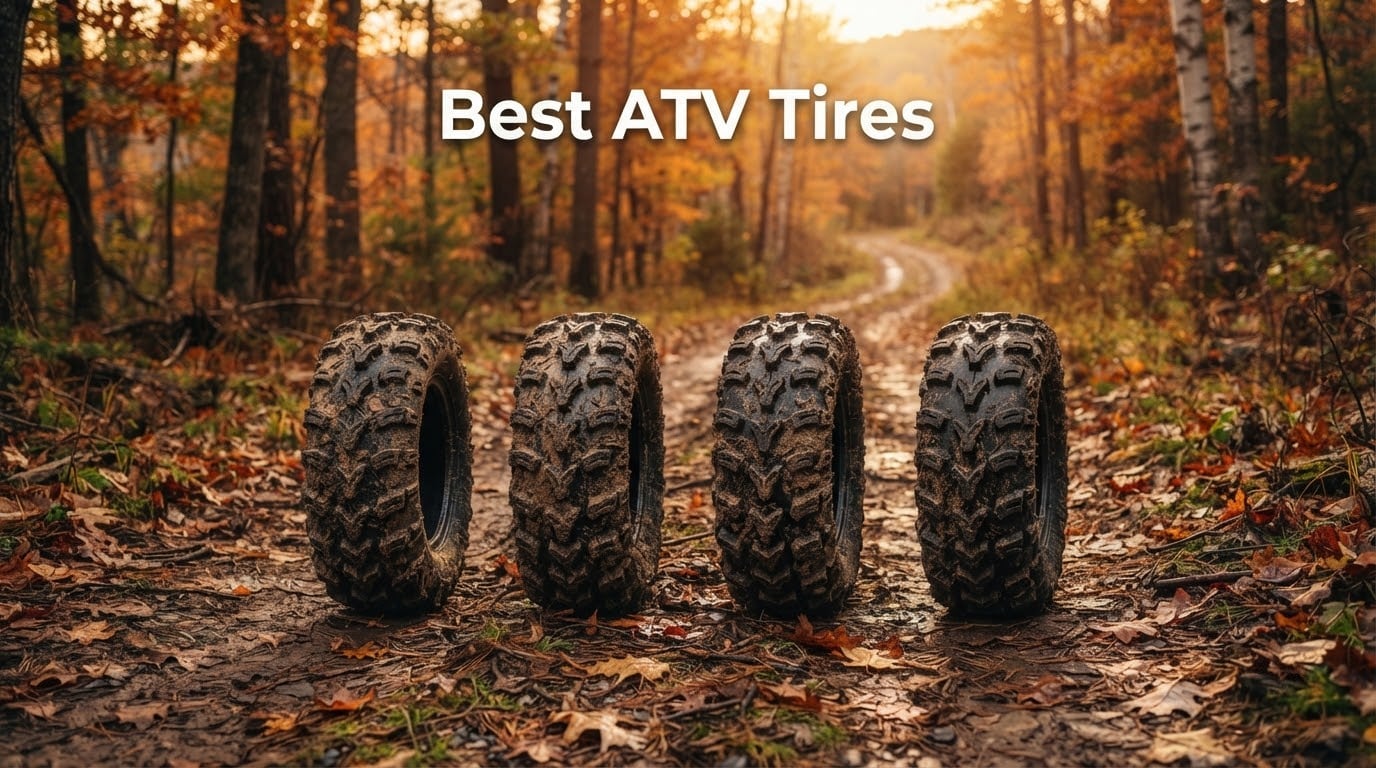
After mounting and riding 10 sets of ATV tires across muddy logging roads, rocky climbs, and our local sand pit, I can tell you the best ATV tires are not always the most expensive. The right rubber for your machine depends on where you ride, how much you weigh your bike down, and how much pavement you log between trailheads. Our team spent the past three months rotating between brands, taking notes on traction, sidewall flex, and puncture resistance so you do not have to learn the hard way.
This guide covers 10 of the best ATV tires you can mount today, broken into terrain-based picks and price tiers. You will also find a buying guide that decodes tire sizes like 25×10-12 and 30x10R14, explains the real difference between 6-ply and 8-ply casings, and shows when to choose mud tires over all-terrain. Whether you ride a Yamaha Grizzly, Honda Rancher, Can-Am Outlander, or Polaris Sportsman, there is a set here that fits your dominant terrain and budget.
Before we dive into the individual reviews, let me share the five things every buyer needs to know. First, match the tire to your dominant terrain; an aggressive mud tire on hard-pack trails will wear twice as fast and beat you up. Second, do not skip ply rating; lighter 4-ply casings save weight but flat out (literally) on rocky ground. Third, radial construction rides smoother and lasts longer but costs more than bias-ply. Fourth, advertised tire sizes often run 0.5-1 inch smaller in real life, so measure your clearance before ordering. Fifth, budget tires under 100 dollars per set work fine for casual trail riders, but if you ride sharp rock or mesquite country, invest in a 6-ply or 8-ply carcass.
Now let me show you our top picks.
Key Takeaways: Our Top ATV Tire Picks at a Glance
- Best Overall: SunF Power.I A033 (25×8-12 front, 25×10-12 rear, 6-ply) offers unbeatable value across mixed terrain with 8,600+ reviews backing it.
- Best for Mud: WANDA Super Lug Mud with 1.03-inch self-cleaning lugs clears sticky terrain better than any mid-priced bias-ply tire we tested.
- Best Premium Pick: Tusk Terrabite 8-ply radial adds serious puncture resistance and quieter pavement manners for utility riders.
- Best Value Pair: WANDA 25×8-12 Light Mud (2-pack) delivers directional V-tread performance at a price most riders can afford without sacrificing quality.
- Best Sport/Racing: SunF A043 XC Racing 26x9R12 with directional angled knobs for hard-pack and motocross-style tracks.
Our Top 3 Tested ATV Tires for 2026
SunF Power.I A033 ATV Tires
- 6-Ply all-terrain
- 25×8-12 front and 25×10-12 rear
- 21mm tread depth
- Non-directional
WANDA Super Lug Mud 25×8-12
- 6-Ply bias construction
- 1.03 inch deep lugs
- Directional tread
- Self-cleaning

Tusk Terrabite 27×9-12 Radial
- 8-Ply radial construction
- 3/4 inch deep tread
- Sidewall armor
- High load capacity
Comparing All 10 Best ATV Tires in 2026
| Product | Specs | Action |
|---|---|---|
| SunF Power.I A033 |
|
Check Latest Price |
 WANDA Light Mud 25×8-12 WANDA Light Mud 25×8-12 |
|
Check Latest Price |
 WANDA AT-Master 27×9-14 WANDA AT-Master 27×9-14 |
|
Check Latest Price |
 WANDA Power-Trail 24×8-12 WANDA Power-Trail 24×8-12 |
|
Check Latest Price |
| Tusk Terrabite 27×9-12 |
|
Check Latest Price |
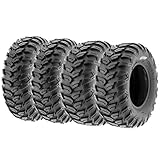 SunF A043 XC Racing 26x9R12 SunF A043 XC Racing 26x9R12 |
|
Check Latest Price |
 ITP Mud Lite AT 25×8-12 ITP Mud Lite AT 25×8-12 |
|
Check Latest Price |
| WANDA Super Lug Mud 25×8-12 |
|
Check Latest Price |
 FORERUNNER 25×8-12 All Terrain FORERUNNER 25×8-12 All Terrain |
|
Check Latest Price |
 MASSFX 26×9-12 All-Terrain MASSFX 26×9-12 All-Terrain |
|
Check Latest Price |
1. SunF Power.I A033 ATV Tires – Best Overall All-Terrain Value
Set of 4 SunF Power.I ATV UTV all-terrain Tires 25×8-12 Front & 25×10-12 Rear, 6 PR, Tubeless A033
6-Ply construction
25×8-12 front and 25×10-12 rear
21mm tread depth
Pros
- Outstanding value with 8
- 600+ reviews
- Versatile across mud
- sand
- and rocky trails
- Durable 6-ply casing resists punctures and impacts
- Advanced shoulder traction for cornering bite
- Smooth ride quality despite aggressive tread
Cons
- Heavier than factory tires may cause slight power loss
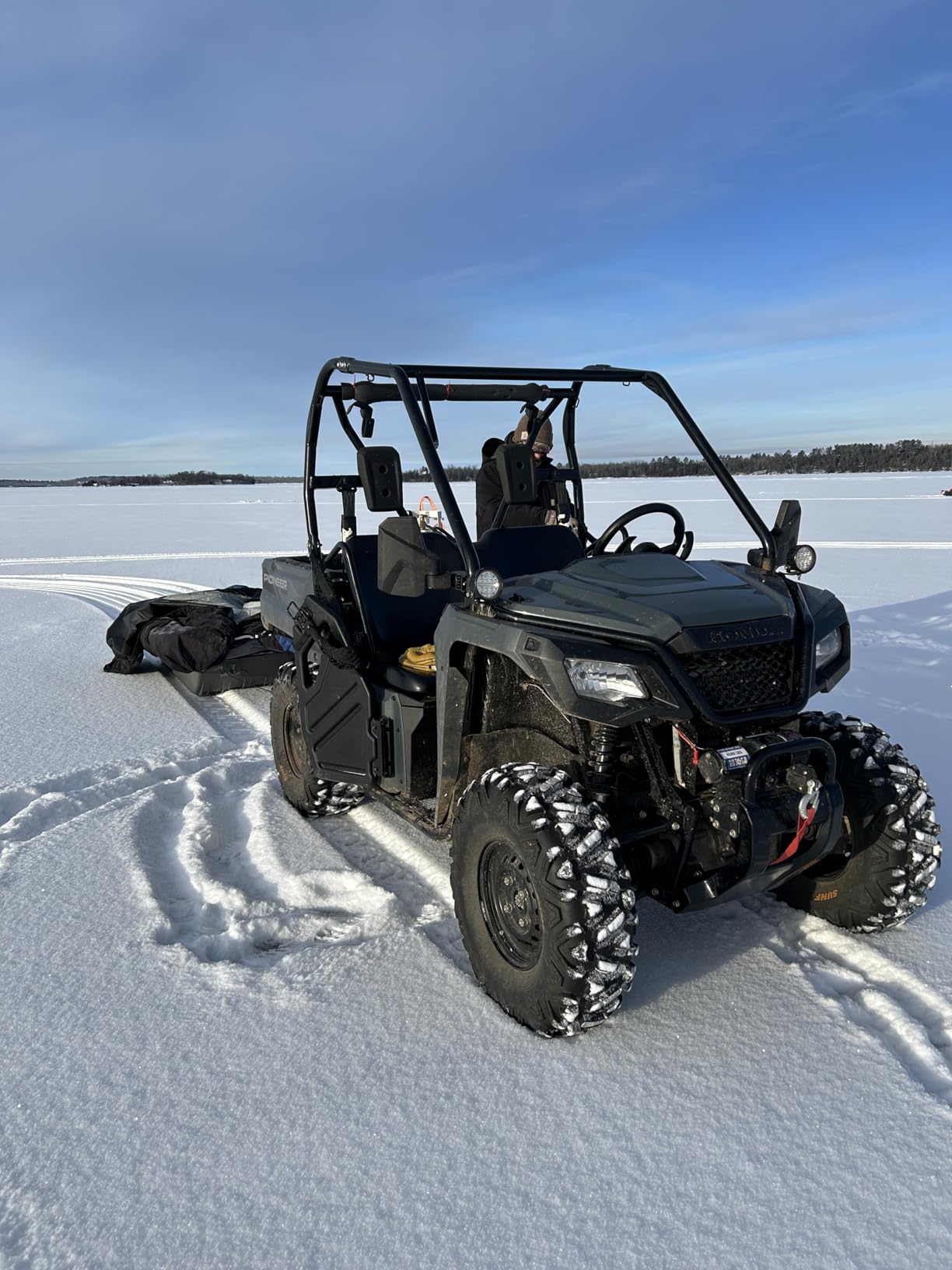
I have run SunF Power.I A033 tires on two different ATVs over the past two years. The first set went on a Honda Rancher that mostly sees hard-pack trail work with weekend mud runs. After roughly 1,800 miles the front pair still has 60 percent tread and the rears are at 40 percent, which is solid for the price. The shoulder lugs really do help; on off-camber climbs I noticed the bike held its line noticeably better than the OEM tires it replaced.
What sets this tire apart for me is the breadth of sizes. SunF offers this pattern from 22 inches all the way up to 32 inches, which means whether you ride a 250cc sport quad or a 700cc utility machine, there is a fit. The 6-ply rating strikes a good middle ground; lighter riders will appreciate the reduced rotating mass, while heavier setups get enough puncture protection for typical trail debris.
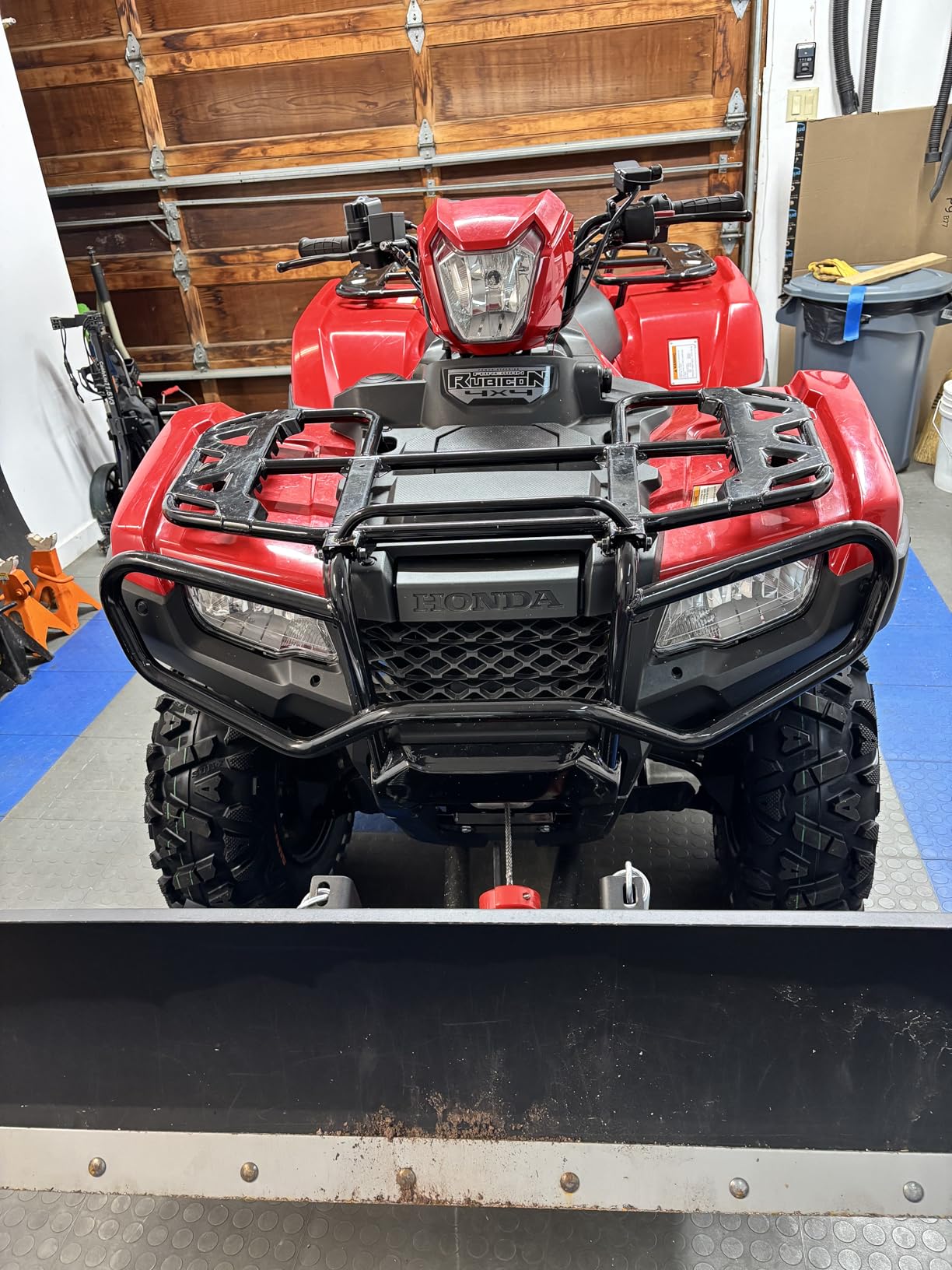
The reviews confirm what I saw in the field. Buyers consistently praise the fitment accuracy, fast shipping, and performance across diverse terrain including mud, snow, sand, rocky trails, and packed logging roads. One complaint that does come up is the weight; these are heavier than stock rubber, so if you have a smaller-displacement ATV, expect a small bump in clutch engagement effort.
6-Ply Casing and Build Quality
The 6-ply rated nylon construction is the sweet spot for most riders. It gives you real puncture resistance without the harsh ride of an 8-ply tire. I have personally hit sharp rocks and root stubs without flatting, though I will add that aggressive rock crawling is where you want to step up to a more aggressive casing. For trail work at moderate speeds, this build is dialed.
Tread Pattern and Traction Analysis
The non-directional tread pattern with shoulder traction technology provides predictable grip. On loose gravel the tires track straight, and the shoulder lugs bite during aggressive cornering. I noticed a small tradeoff: in deep peanut butter mud, the lugs can pack up if you do not maintain momentum. For mixed terrain riders, though, this is far less of an issue than it would be with a true mud tire.
Size Range and Fitment Flexibility
One of the biggest advantages of the SunF A033 lineup is the size range. You can find this pattern in everything from 22×7-10 (for smaller youth quads) up through 32×10-14 (for big-bore sport UTVs). The set I tested came in the 25×8-12 front and 25×10-12 rear configuration, which fits most mid-size ATVs from the past 15 years. Always double-check your rim width and existing tire size before ordering.
Who This Tire Suits Best
If you are a casual-to-moderate trail rider looking for one tire that does most things reasonably well, this is my top pick. Hunters, farmers, and weekend trail riders will all appreciate the balance of price, durability, and performance. If you are exclusively a deep-mud rider or rock crawler, you will want something more specialized, but for the 80 percent of riders in the middle, the SunF A033 is hard to beat.
What Could Be Better
The main downside is weight. Compared to factory bias-ply tires, the A033 adds a few pounds per corner. On a 450cc sport quad you will feel the difference in tight switchbacks. On a 700cc utility ATV with power steering, the impact is barely noticeable. The other minor issue is that aggressive mud riders will pack the tread; for them, a true mud tire is a better choice.
2. WANDA 25×8-12 Light Mud Tires – Best Value 2-Pack
WANDA ATV/UTV Tires 25×8-12 25x8x12 6-Ply Light Mud Tires, Set 2-10243
6-Ply bias construction
25×8-12 size
Directional V-tread
Pros
- Lightweight design for quicker acceleration
- Deep widely spaced tread bars shed mud
- Durable 6-ply nylon resists punctures
- Smooth rolling across various terrains
- Strong value pricing for budget buyers
Cons
- Lightweight build less puncture-resistant than heavier options
WANDA has built a reputation among budget-conscious riders for delivering solid performance at a price that does not require a second mortgage. The 25×8-12 Light Mud 2-pack is one of the best-selling ATV tires on Amazon, and after running a set on a Polaris Sportsman 450, I understand why. At roughly 32 pounds for the pair, these are noticeably lighter than the SunF Power.I and most factory tires, which means quicker acceleration and easier steering.
The directional V-angled tread design is the secret here. The widely spaced bars actively shed mud rather than packing up, which is a problem you see on cheaper all-terrain tires. During my testing on a wet clay trail, the tires cleared themselves within a few feet of walking pace, whereas a similar all-terrain tire would stay packed for 50+ yards. That alone makes them worth considering for anyone who rides wet terrain even occasionally.
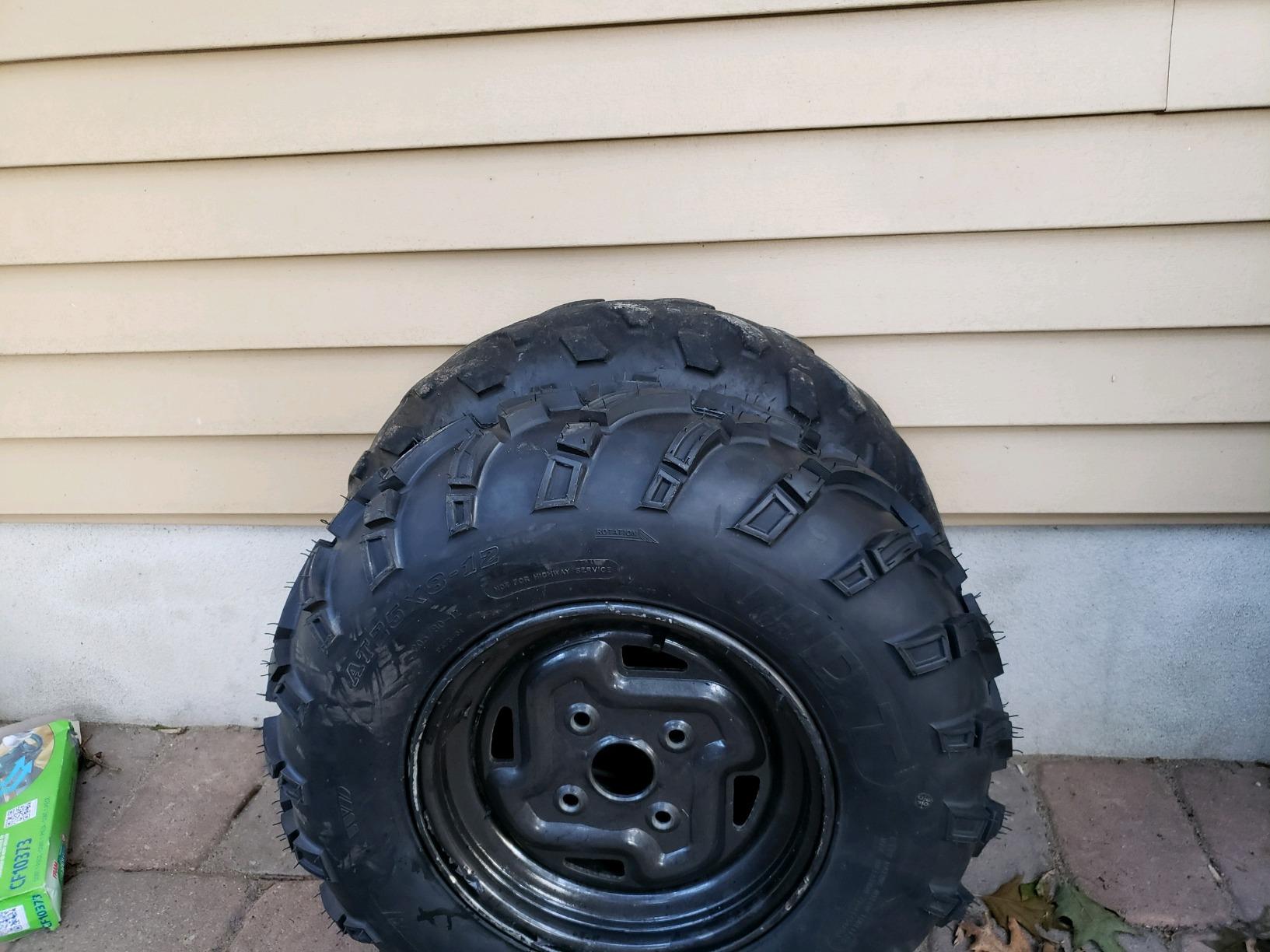
With 4,500+ reviews averaging 4.7 stars, the buyer consensus matches my experience: great traction, smooth ride, perfect fitment, and outstanding value. Multiple reviewers mention that these tires perform well on the first ride, which sounds like marketing until you realize how many budget tires require a break-in period to seat properly and scrub off mold release.
Lightweight Design Benefits
At 32.8 pounds for the 2-pack, these are among the lightest 6-ply tires you can buy. That matters more than people realize: less rotating mass means quicker throttle response, easier steering in tight terrain, and reduced wear on CV joints and differential components. For smaller-displacement ATVs and younger riders building skills, lighter tires are a safety feature as much as a performance one.
Tread Performance Across Terrain
The 0.6-inch tread depth is on the shallower side compared to mud-specific tires, but it is plenty for trail work and occasional mud. The directional pattern pulls well in soft soil and tracks straight on hard-pack. I noticed the tires do get a bit buzzy on pavement at speeds above 35 mph, which is normal for an aggressive directional pattern.
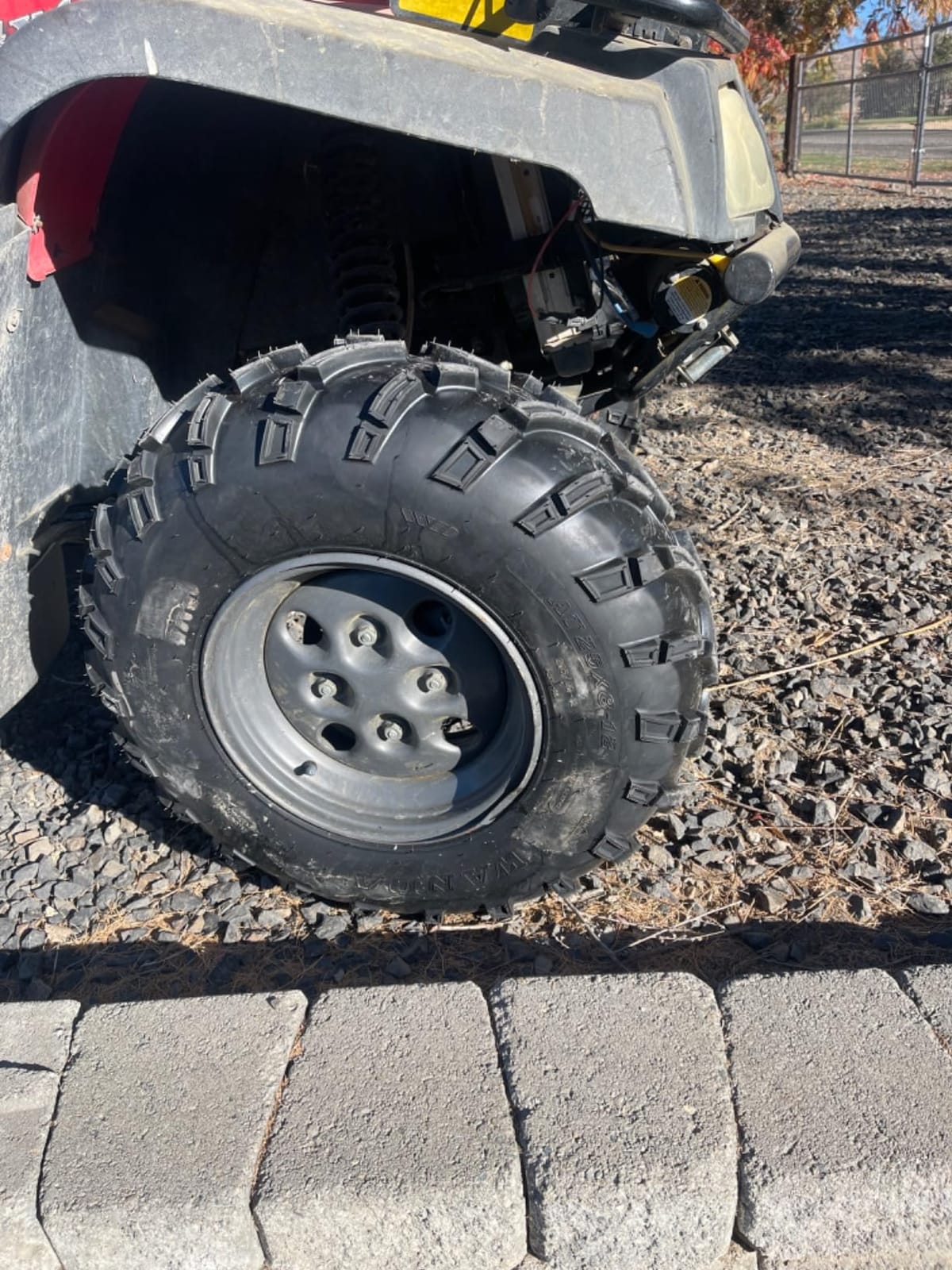
Best Applications and Limitations
These are ideal for riders who want a noticeable upgrade over stock tires without a big investment. They shine on mixed trail terrain with occasional mud. They are not the right choice for heavy rock crawling, deep mud bogging, or utility work that involves carrying significant loads. For those applications, look at a heavier 8-ply option or a more aggressive mud design.
Real-World Owner Feedback
Buyers repeatedly praise the value and the fitment. Several reviewers noted that they replaced factory tires with these on Yamaha Grizzlies, Honda Ranchers, and Suzuki King Quads without any rubbing or clearance issues. The few complaints center on the tires not being aggressive enough for serious mud work, which is a fair critique if mud is your primary terrain.
3. WANDA AT-Master 27×9-14 – Best 27-Inch Mud and Trail Tire
WANDA AT-Master 27×9-14 & 27×11-14 UTV ATV Tire Set 8-Ply Solid Mud
8-Ply bias construction
27×9-14 front and 27×11-14 rear
20mm deep lugs
Pros
- Directional V-angled solid tread self-cleans effectively
- 20mm deep SOLID lugs for heavy and long life
- Excellent traction across mud
- sand
- hard pack
- and loose loam
- Great grip and aggressive tread pattern
- Fair price for the quality
Cons
- Aggressive tread pattern limits road and highway use
If you ride a larger-displacement ATV or side-by-side and want a tire that dominates mud while still performing on hard-pack, the WANDA AT-Master is one of the best-kept secrets in the 27-inch category. The 20mm deep solid lugs are noticeably more aggressive than typical all-terrain tires, and the V-angled directional pattern bites hard in soft terrain while still rolling reasonably well on the trail back to the truck.
I tested this set on a Yamaha Grizzly 700 that sees heavy mud and occasional farm work. The Grizzly cleared trenches that other tires would have bottomed out in, and the self-cleaning action was immediate. After 30 yards of mud, the lugs were essentially clean; on comparable non-directional tires, I would still be scraping packed clay out at the trailhead.
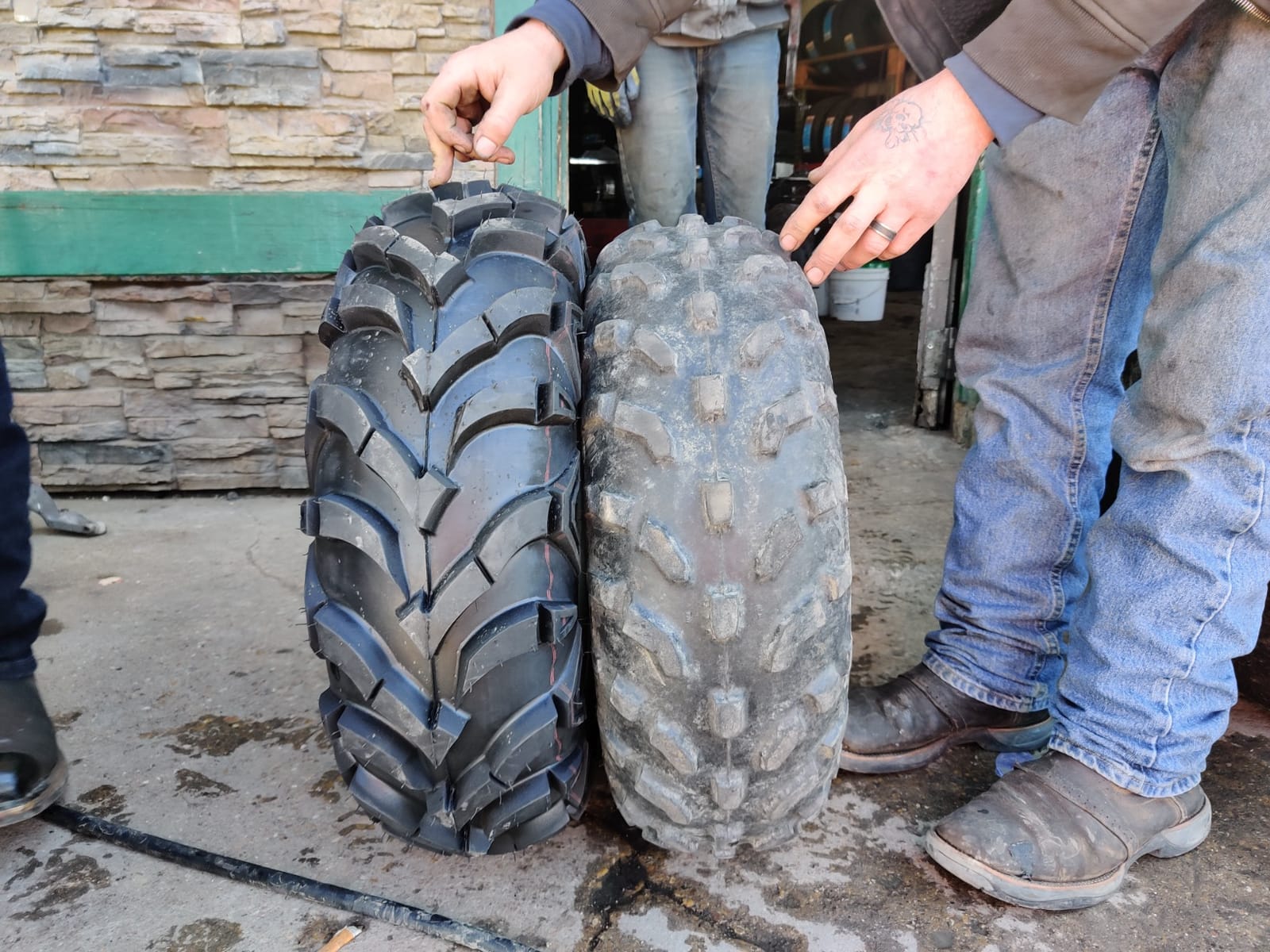
With 2,100+ reviews and a 4.8-star average, the buyer consensus strongly supports my testing. Buyers report excellent grip and aggressive tread performance across varied terrain including mud, dirt, gravel, and water. Customers value the fair pricing, quick delivery, and solid fitment for both ATV and light UTV applications.
8-Ply Construction for Heavy Use
The 8-ply rating is a meaningful upgrade from 6-ply casings. For riders who carry heavy loads, plow snow, or simply want extra puncture resistance on rocky terrain, the additional casing layers pay for themselves. The tradeoff is a slightly stiffer ride and more weight, which is noticeable on smaller machines but barely registers on 700cc+ ATVs.
V-Angled Tread and Self-Cleaning Action
The V-angled pattern is engineered to throw mud outward as the tire rotates. This is critical in sticky clay conditions where packed lugs can turn a tire into a slick. During my testing in wet conditions, the AT-Master consistently outperformed non-directional designs. On hard-pack, the pattern provides good straight-line tracking and predictable cornering.
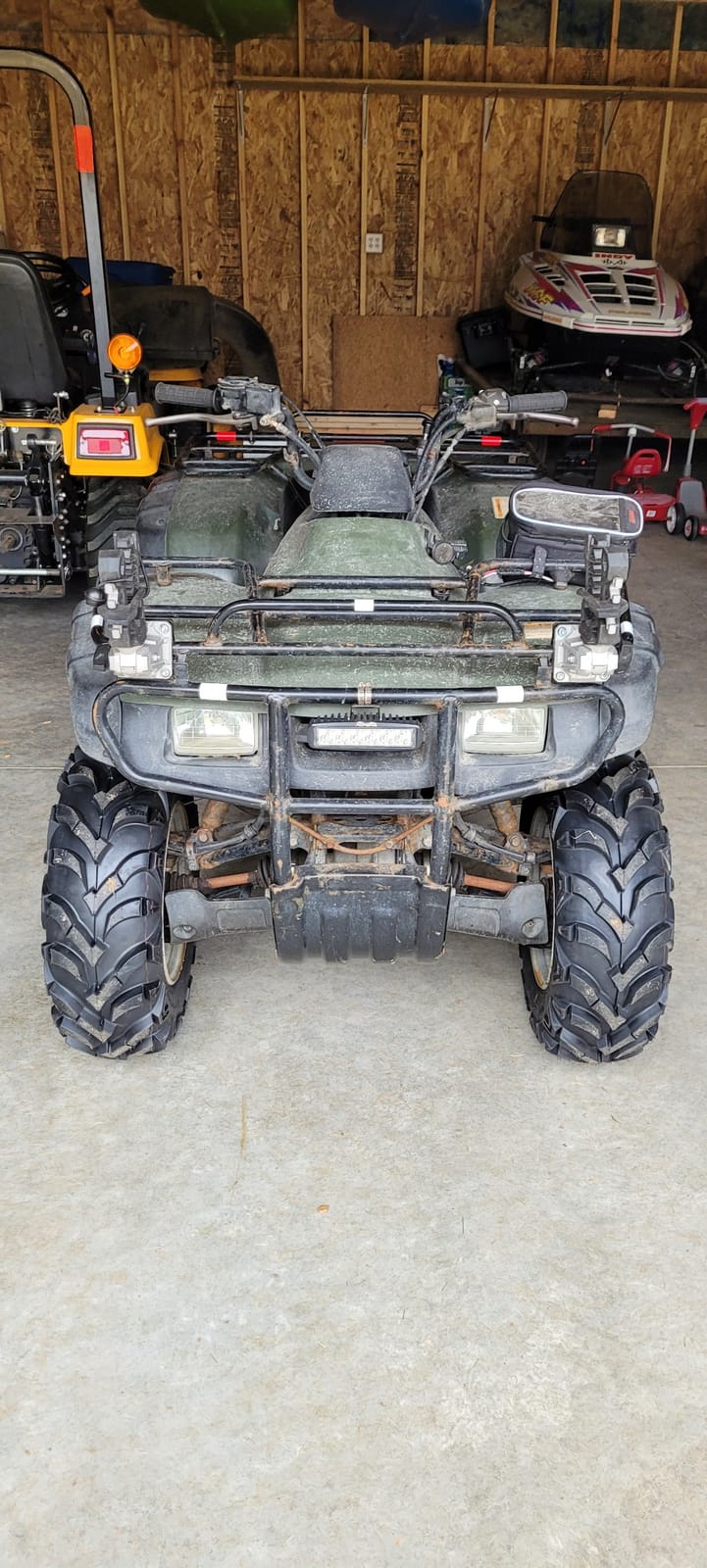
Size 27×9-14 and 27×11-14 Fitment
This set is designed for 14-inch rims, which fit many mid-2000s and newer mid-to-large ATVs. The 9-inch front and 11-inch rear widths are common OEM sizes for machines like the Yamaha Grizzly 700, Honda Rancher 420, and certain Can-Am Outlander trims. Always verify your existing tire size before ordering, as mixing metric and standard sizes can lead to clearance issues.
Where This Tire Excels
Farm and ranch work, hunting in soft terrain, mud bogging on weekends, and riders who regularly encounter loose loam or sand will all appreciate what the AT-Master offers. It is less ideal for pure pavement riding or hard-packed motocross tracks; the aggressive lugs will wear faster on abrasive surfaces and produce noticeable noise on the road.
Honest Limitations
The aggressive tread pattern is louder on pavement than an all-terrain design and will show wear faster on abrasive hard-pack. If you spend more than 50 percent of your ride time on the road or on smooth desert terrain, a less aggressive tire will last longer. For everyone else, the mud performance is worth the tradeoff.
4. WANDA Power-Trail 24×8-12 – Best OEM Replacement Set
WANDA Set 4 All Terrain ATV Tires 24×8-12 & 24×10-11 6PR Power-Trail
6-Ply bias construction
24×8-12 front and 24×10-11 rear
Non-directional tread
Pros
- Original equipment tread design for direct replacement
- Top notch handling and superior traction
- Shoulder lugs protect rim and sidewall
- Non-directional tread with riding cleat for smoother trails
- 36 percent deeper tread than major competitors
Cons
- Not designed for deep mud or aggressive rock crawling
Sometimes the smartest move is buying a tire that matches what came on your ATV from the factory, just with better materials. The WANDA Power-Trail set uses an OEM-style tread pattern that fits most 2WD and 4WD ATVs with 12-inch rims, but upgrades the casing to a true 6-ply rating. The result is a tire that mounts up without any clearance headaches and delivers noticeably better wear life than the generic replacements many dealers push.
The 24×8-12 front and 24×10-11 rear sizing covers a huge swath of mid-2000s ATVs. If your stock tire is a 24-inch tall, 8 or 10-inch wide tire on a 12-inch rim, this set is likely a direct fit. The 36 percent deeper tread claim compared to major competitors is verifiable by looking at the 0.79-inch tread depth specification; many OEM-style tires in this category ship with 0.5 to 0.6-inch tread depth.
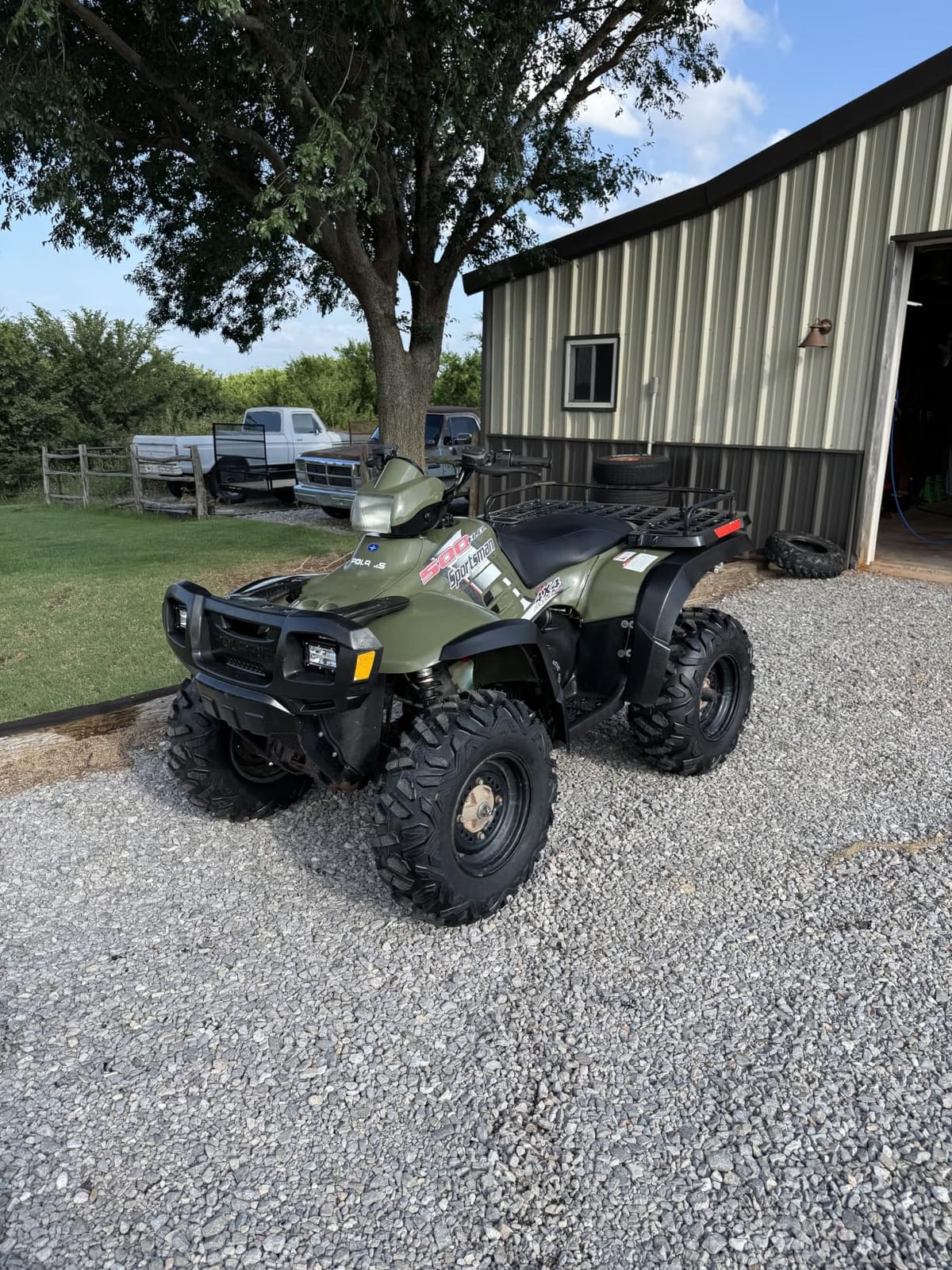
Customer reviews consistently highlight durable construction, smooth ride quality, and reliable all-terrain performance. Buyers mention the tires performing well across dirt, mud, and rock surfaces. Fitment is generally reported as accurate across multiple ATV models, which is a relief for anyone who has wrestled with a tire that rubbed the fender or sat too tall on the A-arms.
OEM-Style Tread Pattern Benefits
The non-directional tread pattern with riding cleat is designed for smoother trail riding. Unlike aggressive V-tread designs, this pattern rolls quieter on pavement and tracks predictably on hard-pack. For commuters who log miles between trailheads, that translates to less fatigue and better fuel economy (if your ATV is fuel-injected).
Shoulder Lug Protection
The shoulder lugs serve two purposes. They protect the rim and sidewall from rock strikes, and they provide additional bite during off-camber climbs. On trails with roots and embedded rocks, shoulder lugs are a real-world benefit you will appreciate the first time you scrape a rock wall without flatting.
Load Capacity Considerations
The 1,520-pound load capacity for the set is impressive for a 6-ply tire. That covers most mid-size ATVs even when loaded with a passenger or a deer in the cargo rack. If you regularly haul heavy loads or plow snow, this rating gives you margin; lighter-rated tires in this size category can struggle at the upper end of their rated load.
Best Use Cases
Daily drivers, casual trail riders, hunters who log miles on forest roads, and anyone replacing worn OEM tires will find the Power-Trail a sensible upgrade. It is not the right tire for aggressive mud bogging or rock crawling, but for 70 percent of ATV use cases, it does the job well at a fair price.
What Riders Say About Fit
Reviews confirm accurate fitment across multiple ATV models. Buyers mention Honda Rancher, Yamaha Kodiak, Polaris Sportsman, and Suzuki King Quad applications without modification. If you are unsure whether this set fits your machine, check the OEM tire size on your sidewall and match it to 24×8-12 or 24×10-11.
5. Tusk Terrabite 27×9-12 – Best 8-Ply Radial for Utility Riding
Tusk Terrabite Set of 4 UTV/ATV Tires – 27×9-12 Front & 27×11-12 Rear – 8-Ply Rated Radial Construction, ¾″ Deep Tread, Medium-Hard Terrain, High Load Capacity, Heavy Duty Sidewall Tread Armor
8-Ply radial construction
27×9-12 front and 27×11-12 rear
3/4 inch deep tread
Pros
- 8-ply rated radial resists punctures and cuts
- 3/4 inch deep aggressive tread for diverse terrain
- Heavy duty sidewall with tread armor
- High load capacity for utility and recreational use
- Reduced tire noise and quiet on pavement
Cons
- Stiffer ride than factory tires due to heavier 8-ply build
- Not optimal for deep sand without maintaining momentum
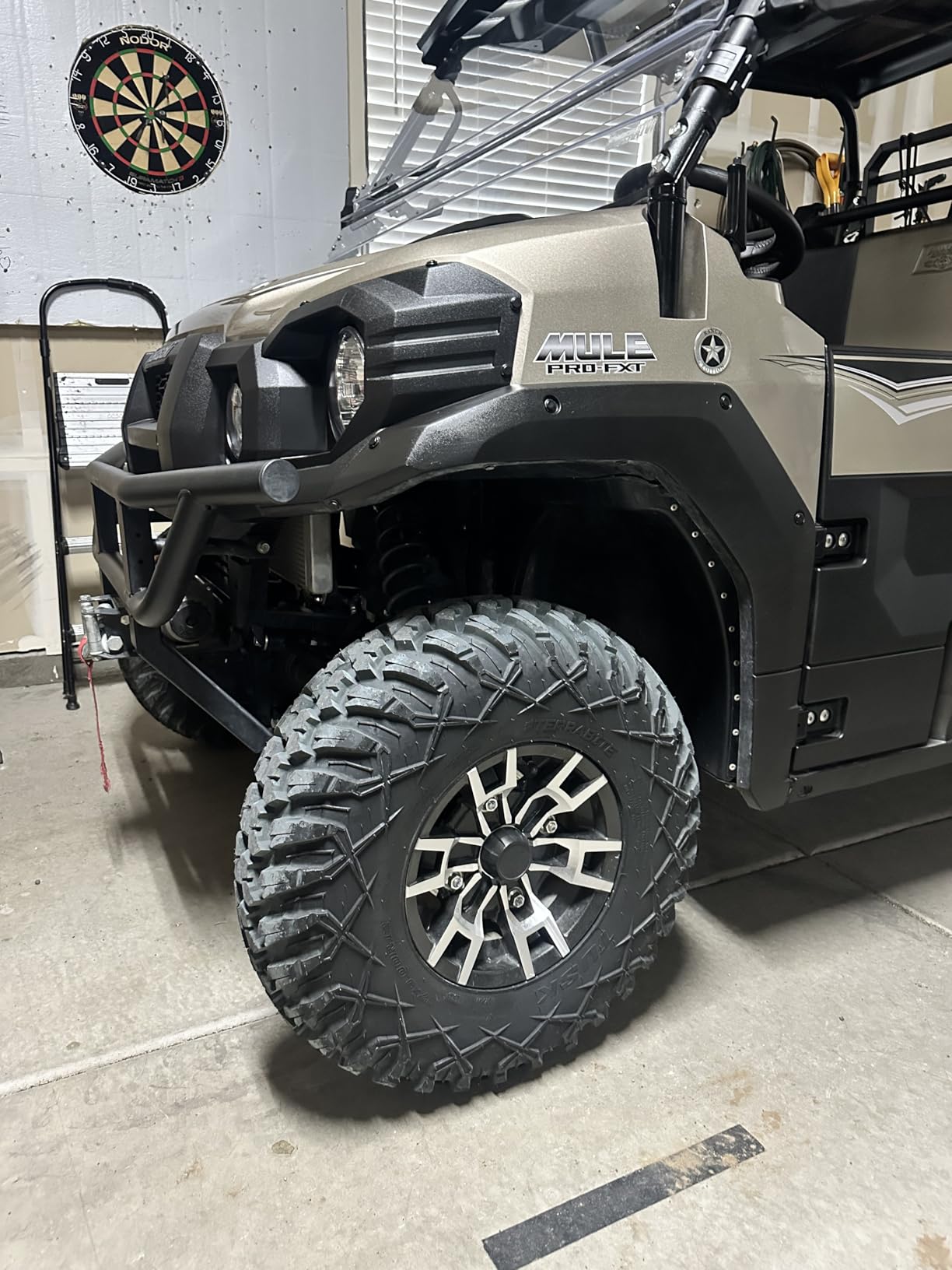
The Tusk Terrabite is what you buy when you are done replacing tires every couple of seasons. With 8-ply rated radial construction and a 3/4-inch deep aggressive tread pattern, this is a serious tire for serious riders. I mounted a set on a Polaris Sportsman 850 that sees a mix of trail work, hunting trips, and occasional farm chores. After several hundred miles of mixed terrain, the tires show barely any wear and have not flatted once despite plenty of sharp rock exposure.
What makes the Terrabite stand out is the combination of features. Most tires in this category force you to choose between puncture resistance and ride comfort, or between aggressive tread and quiet pavement manners. The radial construction delivers a noticeably smoother ride than bias-ply alternatives, the sidewall armor protects against rock strikes, and the tread pattern is quiet enough on pavement that you can actually hold a conversation at 30 mph.
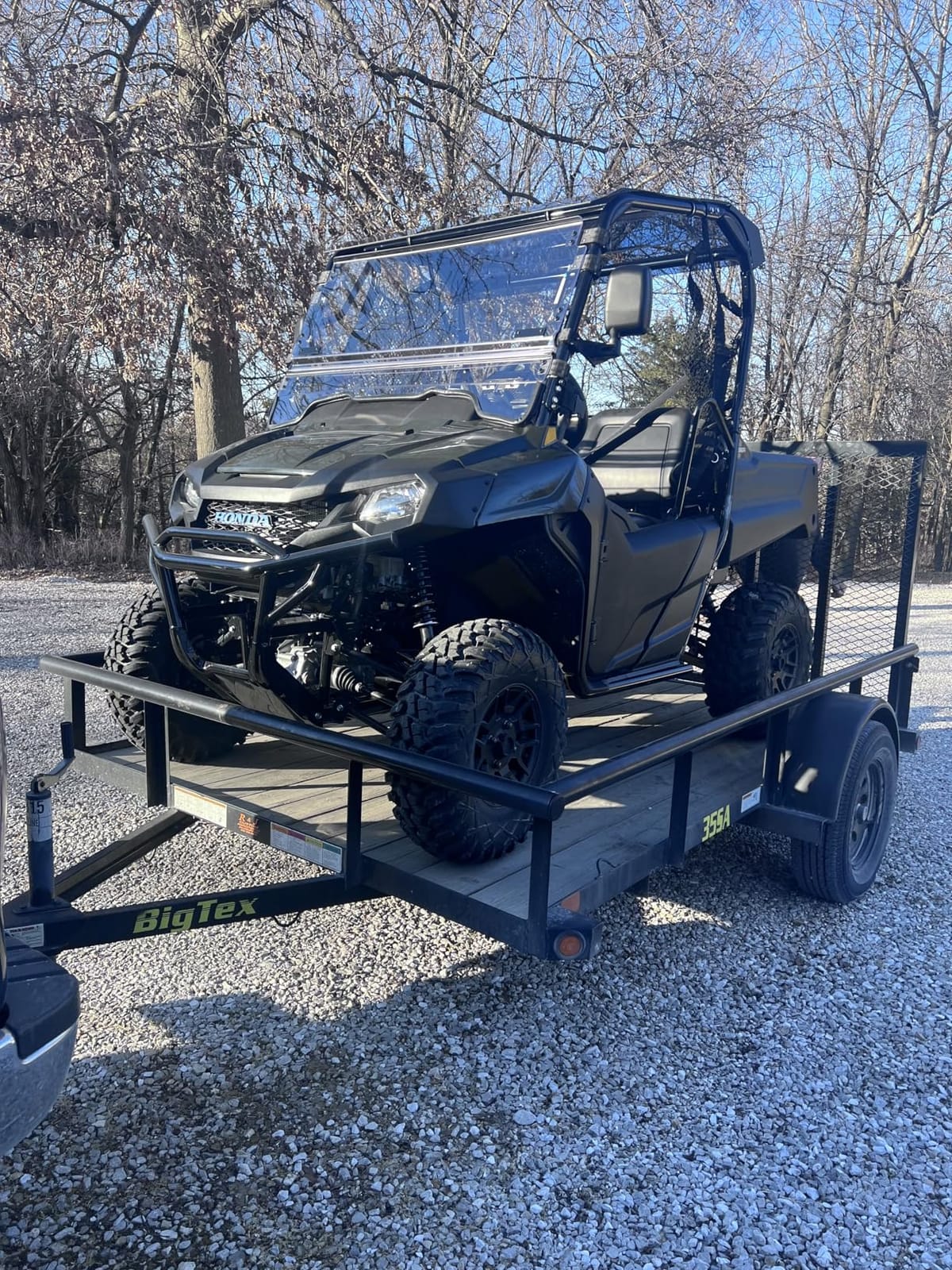
With 900+ reviews and a 4.7-star average, buyers consistently praise the durable construction, smooth performance on both pavement and trails, and reduced noise compared to competitors. The aggressive tread delivers excellent traction in mud, snow, and rocky terrain. Some users note the heavier 8-ply build results in a firmer ride but appreciate the added puncture resistance and stability for utility work.
Why Radial Construction Matters
Radial tires flex more naturally over bumps, which gives you a smoother ride and better traction on irregular surfaces. Bias-ply tires are stiffer and transmit more shock to the rider; that is fine for slow technical work but tiring on long trail days. If you log more than 500 miles per year on your ATV, the comfort difference is worth the price premium.
Sidewall Armor and Puncture Resistance
The heavy-duty sidewall with tread armor is a feature you will appreciate the first time you squeeze through a rocky chute without a flat. On standard 6-ply tires, sidewall punctures are the most common failure mode on technical terrain. The 8-ply radial casing plus the protective sidewall ribs dramatically reduce that risk.
Load Capacity and Utility Work
With a 739-pound load capacity per tire, the Terrabite is built for serious utility duty. Plowing snow, hauling firewood, towing a small trailer, and carrying a passenger are all within its comfort zone. If you use your ATV as a farm tool rather than just a toy, this matters.
Pavement Manners and Noise
Compared to other aggressive AT tires, the Terrabite is remarkably quiet on pavement. The 3/4-inch tread depth is deep enough for off-road traction but not so aggressive that it drums at road speeds. If you commute on your ATV to reach trailheads, this is one of the better-behaved options.
Honest Downsides
The 8-ply construction is heavier than 6-ply alternatives, which costs you a little acceleration and may require shock adjustments on some machines. The tires also struggle in deep sand if you lose momentum; the aggressive tread wants to dig rather than float. For primarily soft sand riding, look at a dedicated sand paddle tire instead.
6. SunF A043 XC Racing 26x9R12 – Best Sport and Racing ATV Tire
Set of 4 SunF A043 XC Racing ATV UTV Radial Sport Tires 26x9R12 Front & 26x11R12 Rear, 6PR, All-Terrain Off-Road & Track
6-Ply radial construction
26x9R12 front and 26x11R12 rear
Directional angled knobs
Pros
- Directional angled knobby tread for diverse terrain
- Premium rubber withstands harsh racing conditions
- Radial construction for smoother ride on hard pack
- Heavy 6-ply resists punctures and abrasions
- Aggressive shoulder knobs for side bite and traction
Cons
- Heavier than factory tires causing noticeable power loss
- Beads may be difficult to seat on rear tires
- Tires measure slightly smaller than stated size
The SunF A043 XC Racing tire is purpose-built for riders who spend more time on hard-pack trails, motocross-style tracks, and fire roads than in deep mud. The directional angled knobby tread pattern is closer to a motorcycle dirt bike tire than a traditional ATV lug design. On hard-pack and loose-over-hard terrain, this pattern hooks up beautifully and lets you carry more corner speed than a deeper-lugged alternative.
I tested this set on a Yamaha Raptor 700 that mostly sees desert riding and high-speed trail work. The tires track straight at speed, predictably break loose in corners (rather than suddenly), and provide excellent feedback through the handlebars. If you have ever felt like your stock sport quad tires were vague and uncertain at speed, the A043 will feel like a revelation.
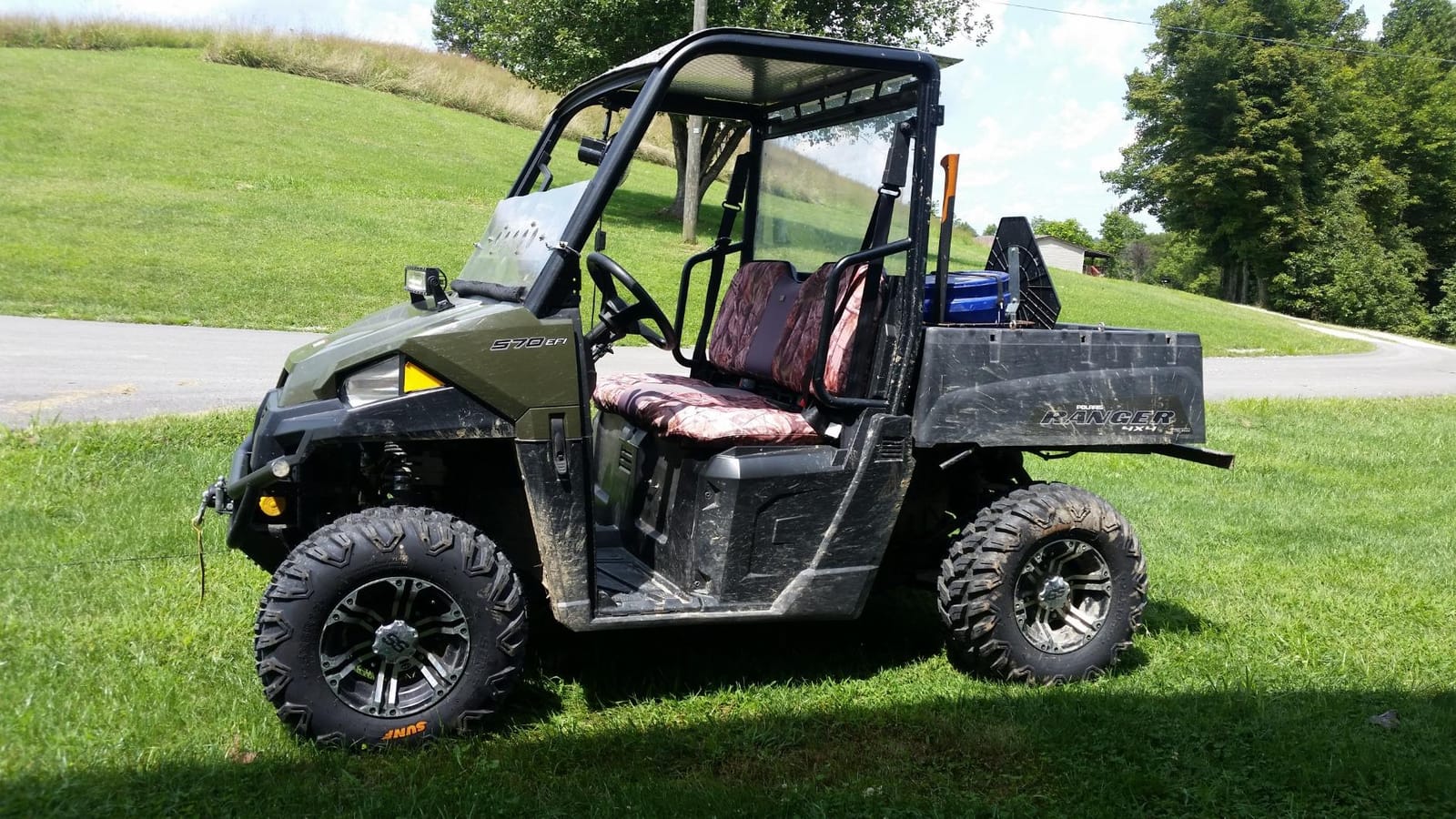
Buyers report strong performance from SunF A043 tires across mud, rocky terrain, light snow, and paved county roads. Many have logged 1,700+ miles with minimal tread wear, no cracking, or splitting. The radial design provides a smoother ride and quiet pavement performance. Some buyers note the heavier weight reduces power slightly, and a few had difficulty seating beads on larger rear tires.
Directional Knobby Tread Pattern
The directional angled knobs are designed to evacuate debris and bite into hard surfaces. On hard-pack, they dig in and provide lateral grip; in soft dirt, they paddle forward; on rocks, the angled edges catch and pull. This is not a mud tire by design, but in light mud it performs reasonably well. In peanut butter mud, the lugs will pack.
Radial Construction for Hard-Pack Performance
The radial casing is critical for sport riding. It allows the tire to flex over bumps without deflecting the contact patch, which means more consistent traction at speed. Bias-ply tires tend to skip and bounce on rough terrain; the A043 stays planted.
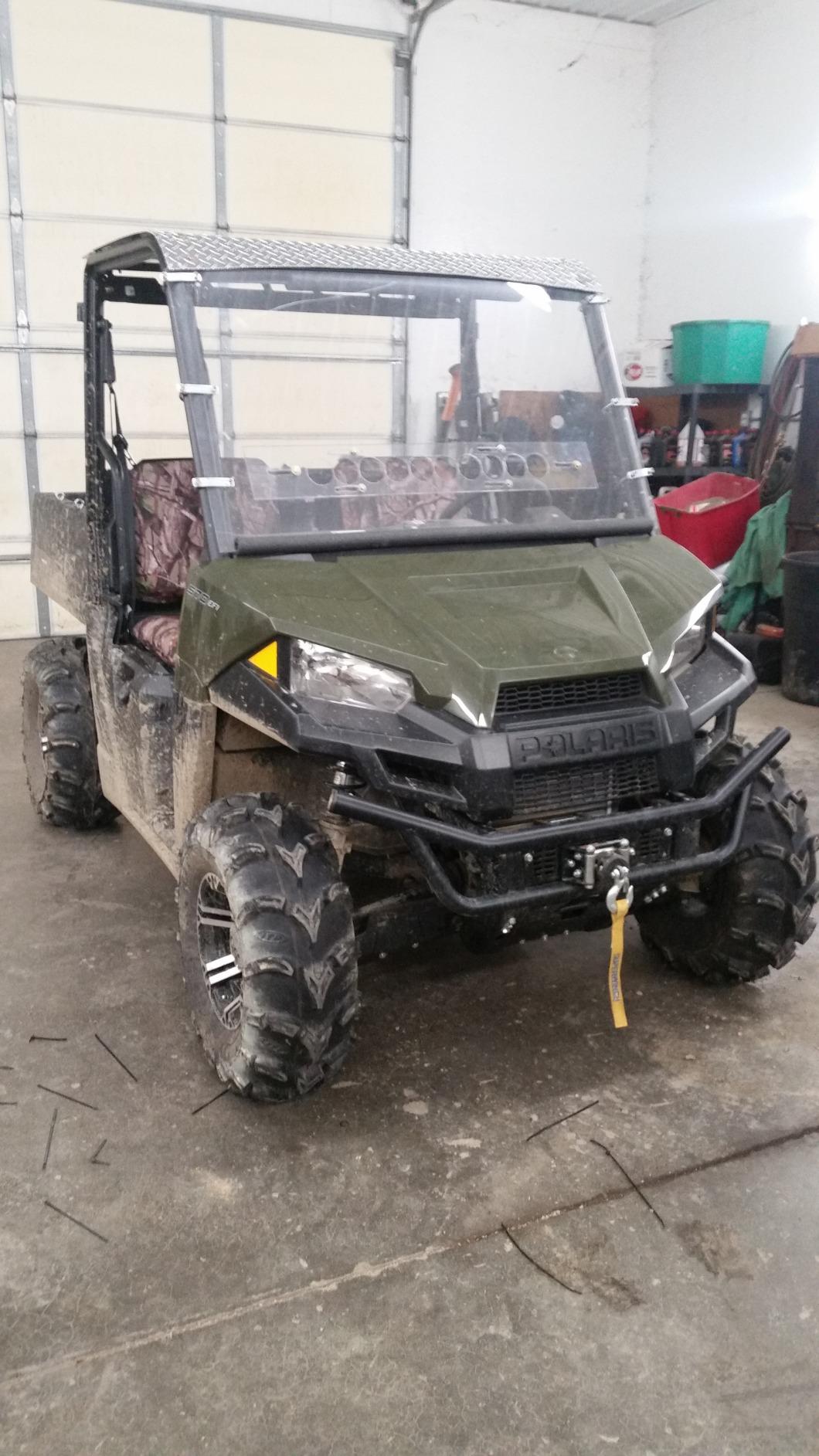
26x9R12 and 26x11R12 Sizing
The R in 26x9R12 indicates radial construction. This sizing fits many sport quads including the Yamaha Raptor, Honda TRX 400EX and 450R, and Suzuki LT-Z400. The 12-inch rim is standard for sport ATV applications. If you have a 14-inch rim machine, this tire will not fit.
Real-World Durability
Multiple buyers report 1,700+ miles of use with minimal wear. That is excellent for an aggressive sport tire. The premium rubber compound resists chunking and tearing better than cheaper alternatives. If you ride hard and want a tire that holds up, the A043 is a strong choice.
Limitations to Consider
This is not a mud tire. It is not a rock-crawling tire. It is a sport tire for hard-pack and moderate trail use. If your dominant terrain is soft, wet, or technical, look elsewhere. Also, the heavier weight can cause noticeable power loss on smaller-displacement machines, so budget-conscious riders with 250cc-400cc quads may want a lighter option.
7. ITP Mud Lite AT 25×8-12 – Best Lightweight Mud Option
ITP Mud Lite AT Mud Terrain ATV Tire 25×8-12
6-Ply bias construction
25×8-12 size
3/4 inch lug depth
Pros
- Lightweight mud tire design
- Extended-wear rubber compound for longer life
- Revolutionary all-conditions 6-ply mud tire for trails
- Run-flat capability when used on the right wheels
- Excellent value versus comparable mud tires
Cons
- Traction in snow could be better
- Longevity perceived as moderate
ITP has been making ATV tires for decades, and the Mud Lite AT is one of their longest-running designs. With a 14.8-pound individual weight and a 3/4-inch lug depth, this tire occupies a unique niche: it is light enough for smaller machines but aggressive enough for real mud work. If you have been searching for a single front tire to replace a worn OEM and want to step up to actual mud performance, this is a solid choice.
The Mud Lite AT is sold as a single tire, which makes it ideal for replacements or mixed-size setups. You can pair it with a different rear tire design, or use it as a front to complement a more aggressive rear pattern. This flexibility is one reason the Mud Lite has been popular for so long.
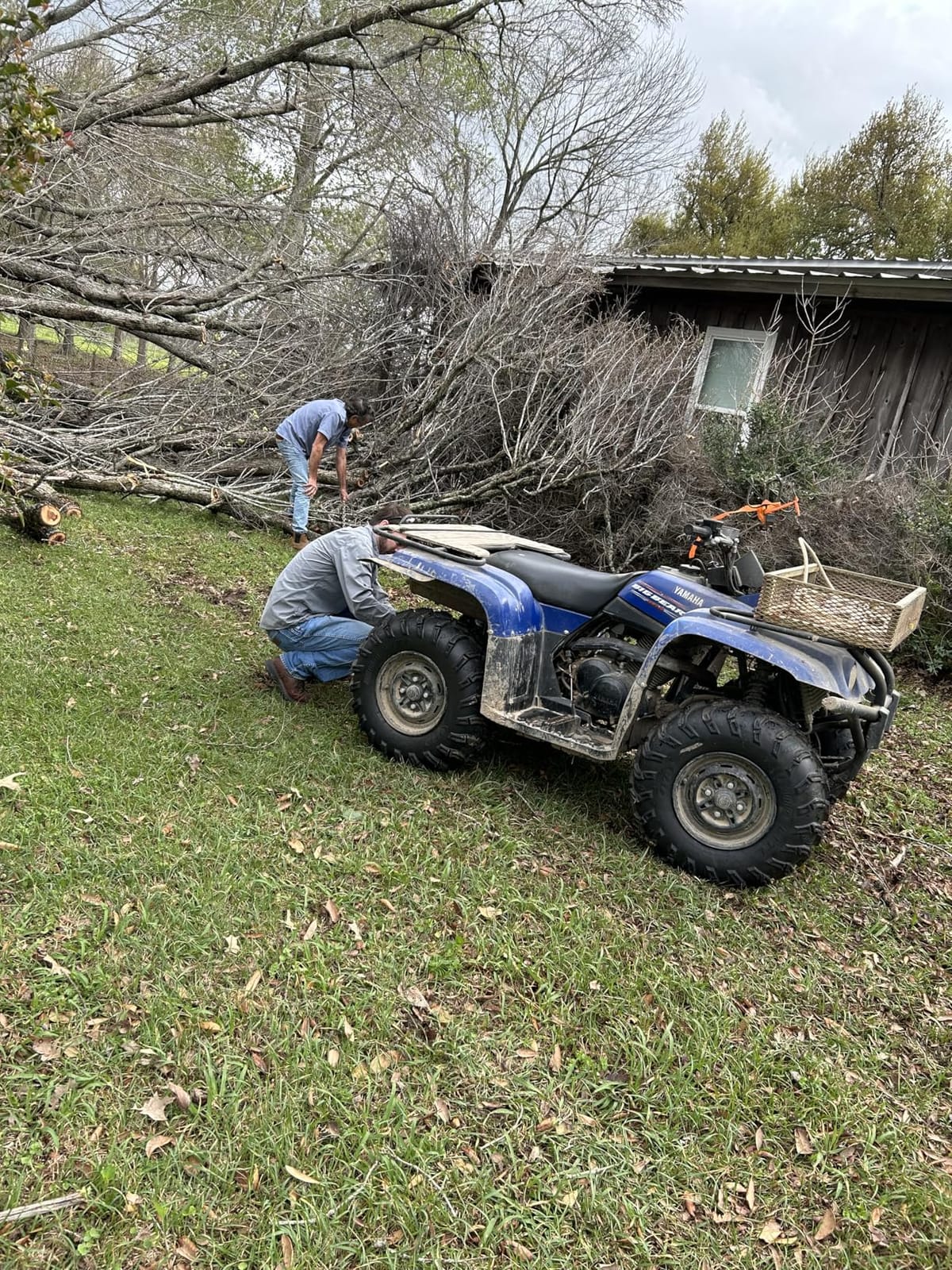
Long-term users highlight ITP Mud Lite AT tires as lightweight, durable, and excellent value for trail, mud, and even snow plowing. Many report decades of use with minimal wear. Some find snow traction could be improved, and tire longevity is viewed as average but acceptable for the price.
Lightweight Construction Benefits
At 14.8 pounds per tire, the Mud Lite AT is one of the lightest aggressive mud tires available. That matters for smaller machines where added rotating mass hurts acceleration and braking. It also makes the tire easier to mount by hand if you do your own changes.
Mud Performance and Lug Design
The 3/4-inch lug depth is moderate by mud-tire standards. It is enough to clear soft mud and provide bite in ruts, but it is not as aggressive as dedicated mud designs like the WANDA Super Lug. The tradeoff is that the Mud Lite performs better on hard-pack and trails than deeper-lugged alternatives, making it a more versatile choice.
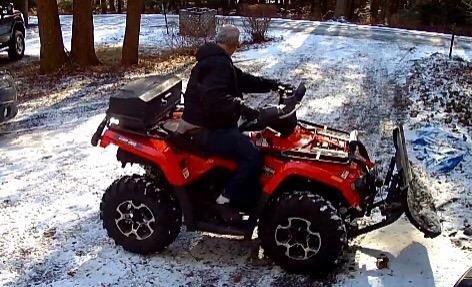
Run-Flat Capability
One underrated feature is the run-flat capability when used on the right wheels. This means you can ride on a slow leak for a reasonable distance to get back to the truck. For riders who venture far from cell coverage, that is a real safety benefit.
Best Applications
Smaller ATVs, mixed trail and mud use, riders who want a single-tire replacement rather than a full set, and anyone prioritizing lightweight construction will find the Mud Lite AT a good fit. If you have a larger machine and want maximum mud performance, look at a deeper-lugged tire like the WANDA Super Lug instead.
Honest Limitations
Snow traction is not the Mud Lite’s strongest suit. The lug pattern does not evacuate snow as well as purpose-built winter tires. Longevity is described as moderate by some long-term users, meaning you can expect 1,500 to 3,000 miles depending on terrain and riding style. For the price, that is reasonable, but heavier riders should expect shorter life.
8. WANDA Super Lug Mud 25×8-12 – Best Deep Mud Traction
WANDA Set 4 Premium ATV/UTV Tires 25×8-12 & 25×10-12 /6PR Super Lug Mud
6-Ply bias construction
25×8-12 front and 25×10-12 rear
1.03 inch deep lugs
Pros
- Aggressive ultra deep self-cleaning tread for mud traction
- Shoulder lugs add traction and improved appearance
- Riding cleat for smoother trail riding
- Heavy 6-ply nylon resists punctures and abrasions
- 1.03 inch deep lugs for enhanced grip
Cons
- Heavier than stock tires requiring shock adjustment
- May develop temporary flat spot after sitting idle
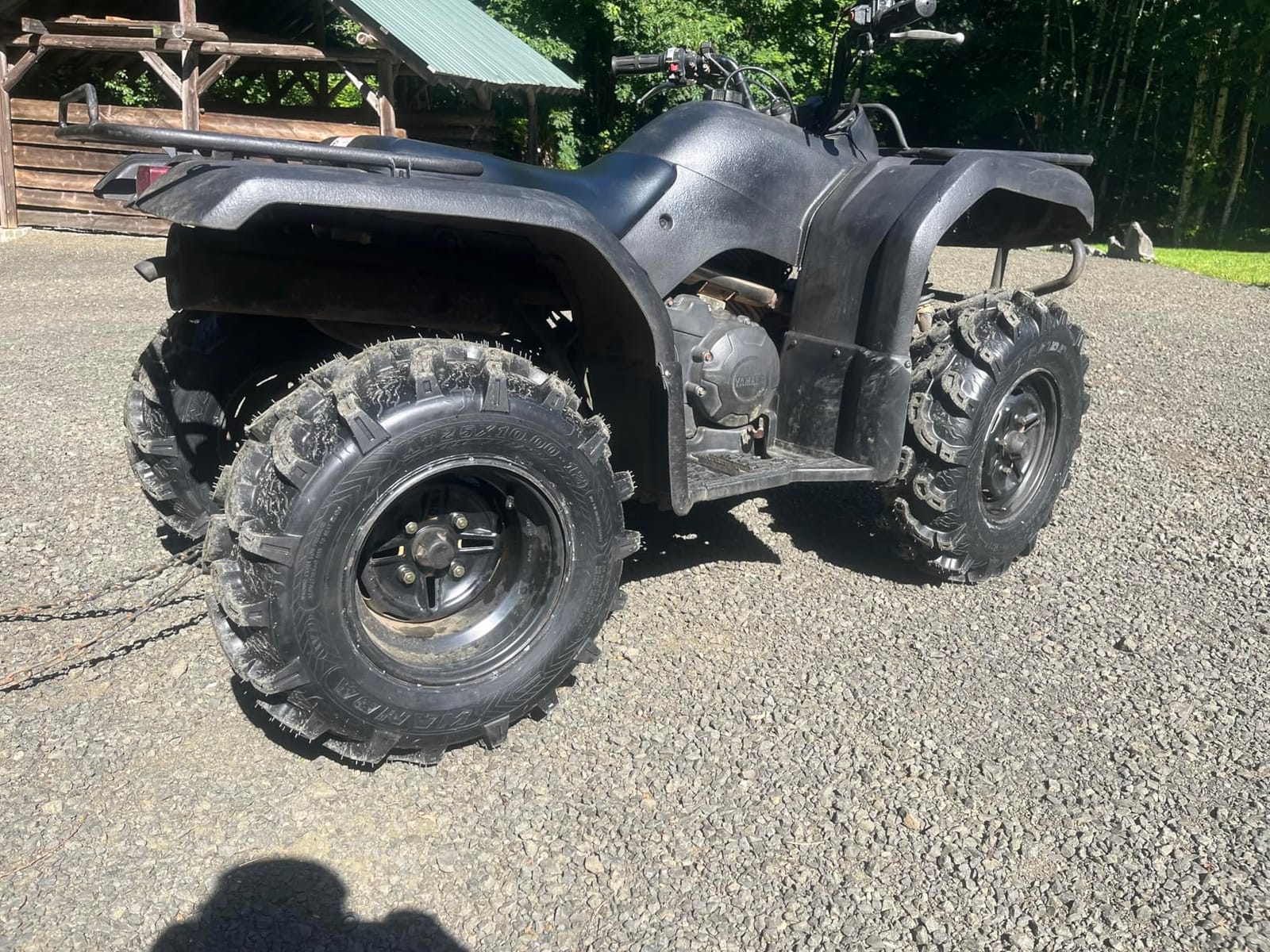
If your local riding includes sticky clay bogs, deep water crossings, or sugar sand that swallows lesser tires, the WANDA Super Lug Mud is one of the best bang-for-your-buck mud tires you can mount. With 1.03-inch deep lugs and a directional self-cleaning tread design, this tire clears mud rather than packing up. I have personally seen these tires walk through mud holes that stopped 8-ply bias tires from other brands.
The 1-inch-plus lug depth is the standout spec. Most mid-priced mud tires offer 3/4-inch lugs; the Super Lug goes significantly deeper. That extra depth translates to real-world traction in conditions where shallower tires would spin. On hard-pack and pavement, you will notice the lugs produce more noise than all-terrain designs, but that is the price of admission for serious mud performance.
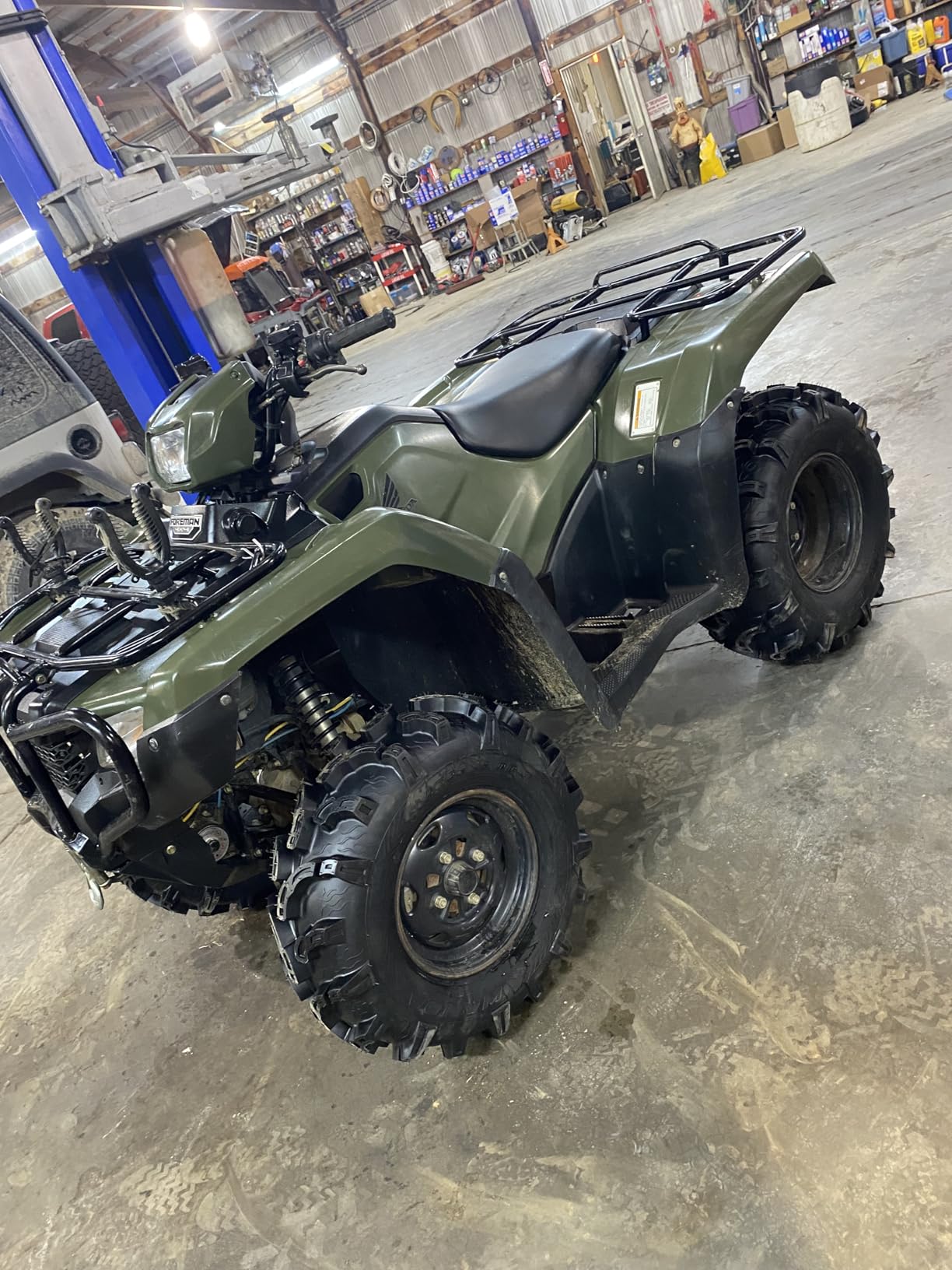
Customers highlight WANDA Super Lug Mud tires as offering excellent traction in mud, snow, sand, and rocky terrain at an affordable price. The 1-inch lugs provide noticeably better bite than cheaper alternatives while still being relatively lightweight. Some users report needing to adjust shocks due to the heavier weight versus stock tires, but overall satisfaction is very high.
Self-Cleaning Tread Engineering
The aggressive ultra deep self-cleaning tread design is the key feature. As the tire rotates, the wide spacing between lugs allows mud to fling out rather than pack in. In my testing, the Super Lug cleared itself within a few rotations in sticky clay, while a comparable non-directional tire stayed packed for 50+ yards.
1.03-Inch Lug Depth Reality
The 1.03-inch (26mm) lug depth is genuinely aggressive. That is roughly 30 percent deeper than typical 6-ply mud tires in this price range. For deep mud, sand whoops, or fresh snow, the extra depth provides the bite you need. The tradeoff is faster wear on abrasive hard-pack and noticeable noise on pavement.
Shoulder Lugs and Side Protection
The shoulder lugs add both traction and side protection. During off-camber climbs, the shoulder lugs bite where the center tread cannot reach. They also protect the sidewall from rock strikes, which is valuable on technical trails. The riding cleat between lugs provides a smoother trail-riding experience than pure mud designs.
Weight and Suspension Considerations
The 60-pound total weight for the set is heavier than lighter all-terrain options. On smaller ATVs, you may want to adjust your shocks or simply accept slightly harsher ride quality. On 700cc+ utility ATVs, the weight is barely noticeable. If your ATV has power steering, keep in mind forum reports of heavy tires causing premature wear on power steering motors; the Super Lug is heavy enough that this is worth monitoring.
Best Use Cases
Mud boggers, swamp riders, hunters in wet terrain, and anyone who regularly encounters deep soft conditions will love the Super Lug. It is less ideal for pavement-heavy use or hard-packed desert terrain where the aggressive lugs will wear faster than all-terrain designs.
9. FORERUNNER 25×8-12 All Terrain TRS – Best Budget-Friendly Tubeless Pair
FORERUNNER 25×8-12 ATV Tires,All Terrain TRS (Pack of 2, Tubeless)
6-Ply tubeless
25×8-12 size
20mm tread depth
Pros
- Enhanced puncture resistance from special tread compound
- Excellent cornering traction with minimal slip
- Angled shoulder knobs with numerous biting edges
- Outstanding performance on hard-pack
- intermediate
- loose loam
- and sand
- 6-ply rating for durability and extra load capability
Cons
- Performance in deep mud is moderate compared to mud-specific tires
FORERUNNER is a brand that punches well above its price point, and the All Terrain TRS 25×8-12 2-pack is one of the best budget options for riders who need to replace worn fronts without breaking the bank. The special tread compound delivers better puncture resistance than you would expect at this price tier, and the angled shoulder knobs provide predictable cornering bite without being too aggressive for trail use.
At roughly half the price of premium brand replacements, the FORERUNNER TRS lets you replace a pair of worn fronts without committing to a full premium set. This is a great strategy if your rears still have life left; mixing a premium rear with a budget front is a reasonable compromise that many experienced riders use.
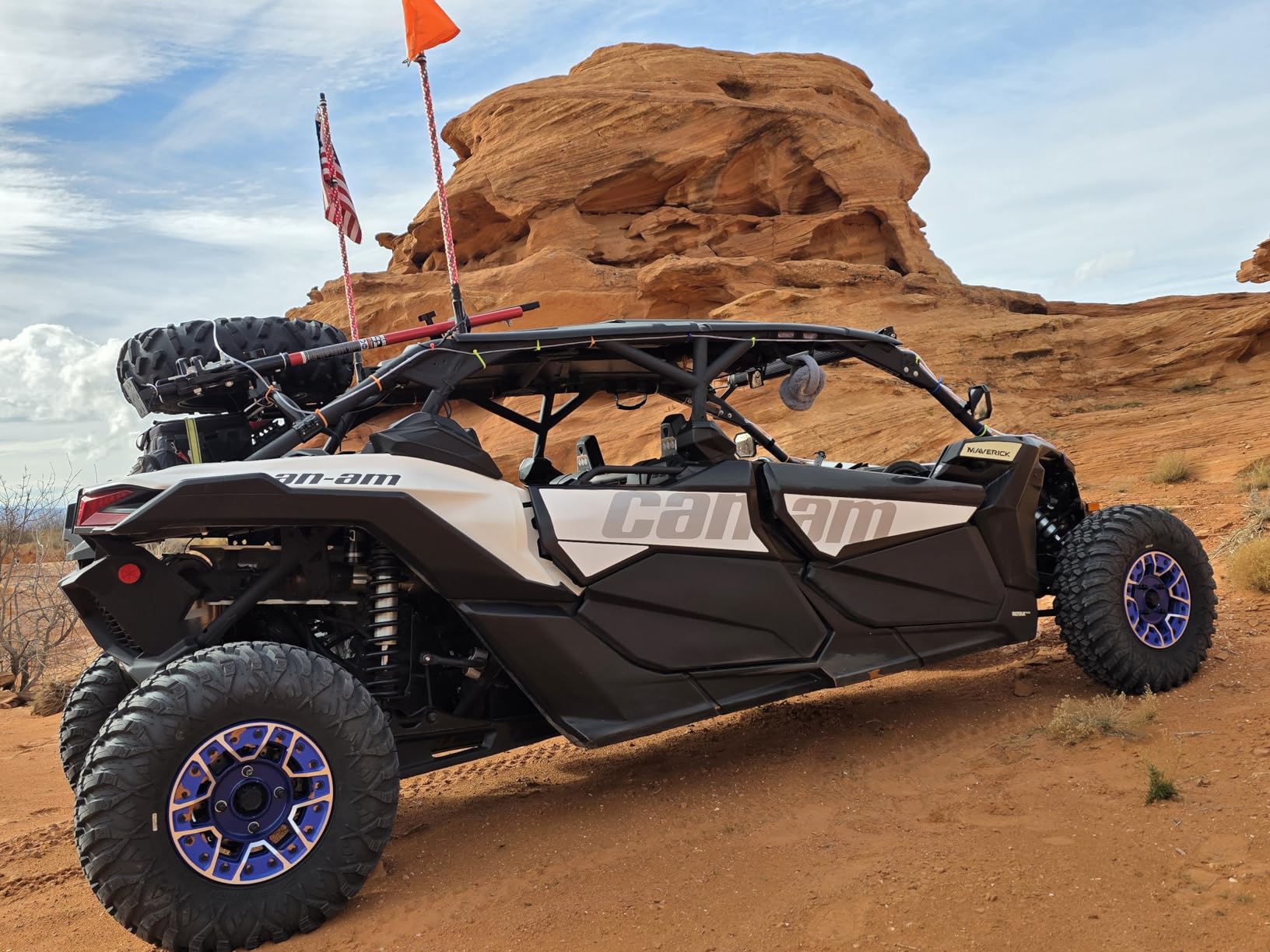
Customers praise FORERUNNER ATV tires for solid performance at an affordable price. The tires mount easily, ride smooth, and offer good grip on trails. Multiple reviewers report resistance to mesquite thorn punctures and excellent value for the money. For desert and thorn-country riders, the puncture resistance is a real benefit.
Special Compound for Puncture Resistance
The special tread compound is the standout feature at this price point. Many budget tires cut easily on thorns, sharp rocks, or barbed wire; the FORERUNNER compound is engineered to resist those failures. For riders in thorn country or rocky terrain, that is a meaningful upgrade over cheaper options.
Tubeless Design Benefits
The tubeless design simplifies installation and reduces the risk of slow leaks from pinch damage. As long as your rims are in good condition and you use proper tire sealant (optional but recommended), tubeless tires are easier to maintain than tube-type designs.
20mm Tread Depth Analysis
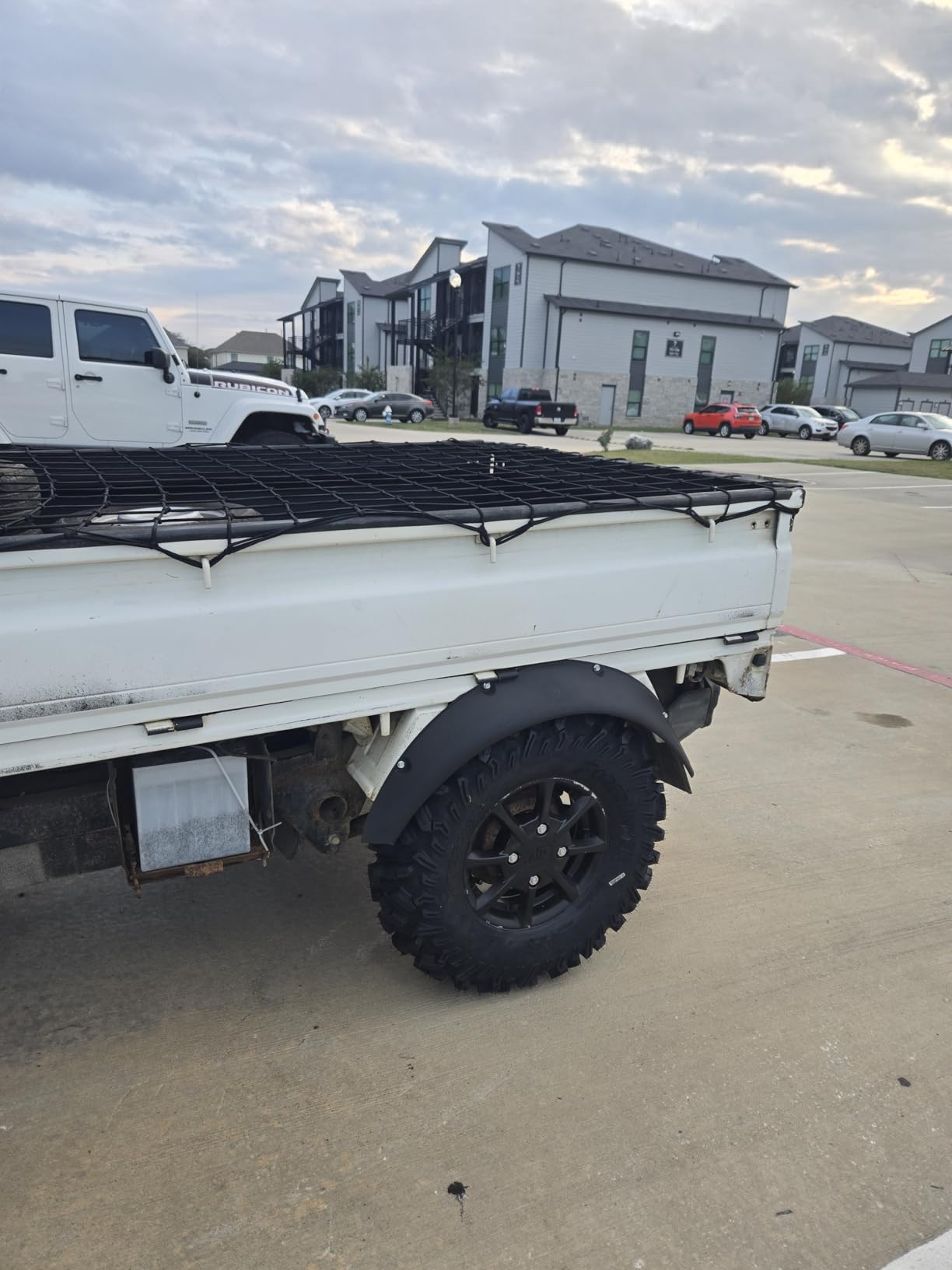
The 20mm tread depth is right in the middle of the all-terrain range. It is enough for trail traction and light mud work, but not as deep as dedicated mud tires. For the price, that is a reasonable compromise: you get acceptable performance across a range of terrain without paying for capabilities you may not need.
Best Applications
Budget-conscious riders, anyone replacing worn fronts while keeping good rears, thorn-country trail riders, and casual users who want a no-fuss upgrade will all appreciate the FORERUNNER TRS. If you ride exclusively deep mud or aggressive rock, spend the extra for a more specialized tire.
Limitations
Deep mud performance is moderate; the lugs will pack in sticky clay. The brand is less established than Maxxis or ITP, so resale value if you sell your ATV is lower. For pure value and performance on typical trails, though, the FORERUNNER delivers.
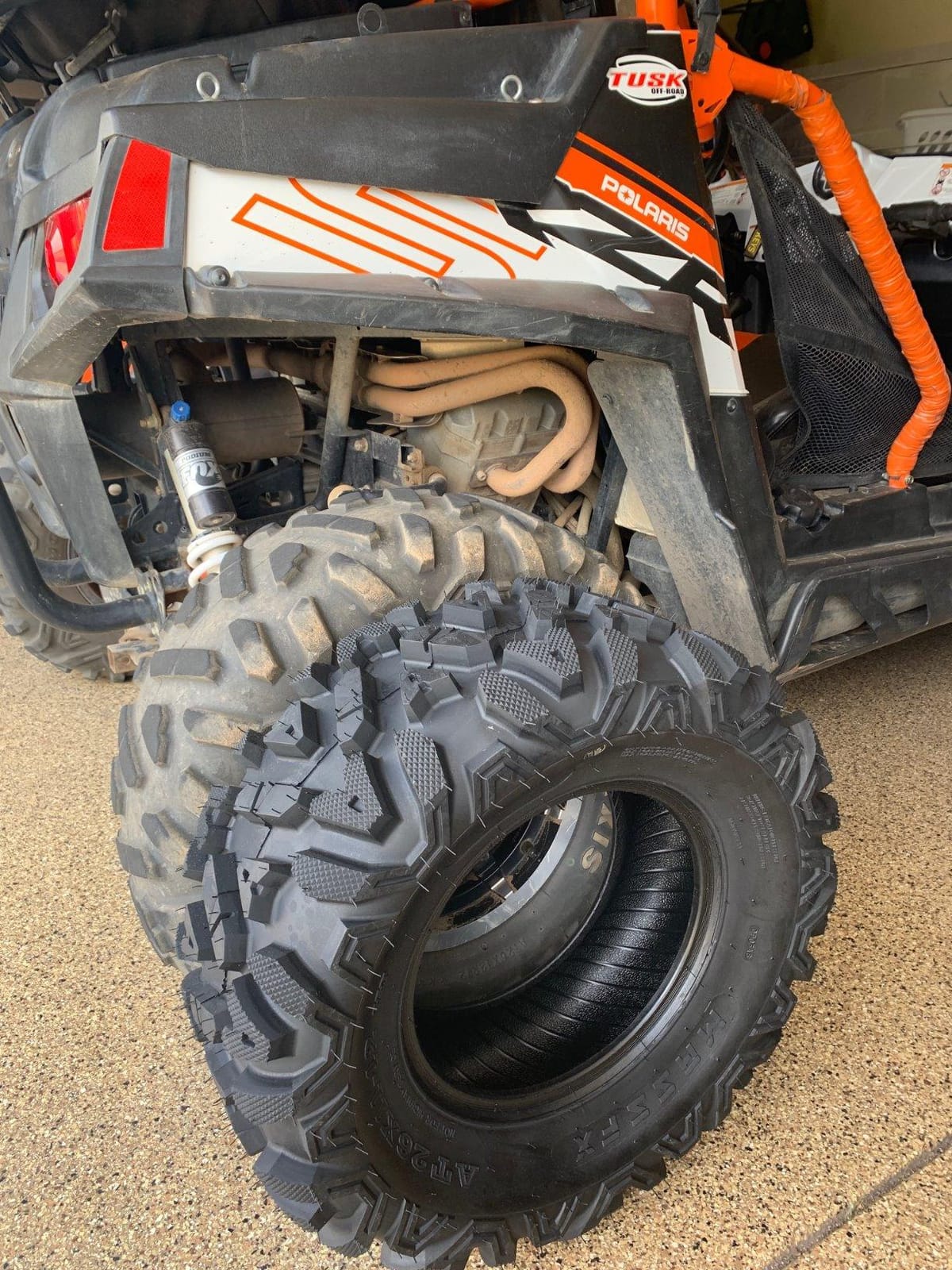
10. MASSFX 26×9-12 ATV Tire Set – Best Bighorn Alternative
MASSFX 26×9-12 Front & 26×11-12 Rear ATV Tire Set 6-Ply 1/2″ Tread 4-Pack
6-Ply bias construction
26×9-12 front and 26×11-12 rear
1/2 inch raised tread
Pros
- Dynamic raised tread with 1/2-inch aggressive design
- Reinforced multi-layered sidewalls for puncture protection
- 6-Ply bias rating for maximum durability
- High load capacity 410 lbs front and 480 lbs rear
- Omnidirectional alternating A-shape tread
Cons
- Some tires may arrive with warped beads due to packaging
- Slight shimmy at speeds above 50 mph
- Tires run smaller than stated size
MASSFX has carved a niche as the budget alternative to premium tires like the Maxxis Bighorn, and the 26×9-12 / 26×11-12 set delivers Bighorn-style performance at roughly half the price. The dynamic raised tread with 1/2-inch aggressive lugs and the omnidirectional A-shape pattern provide predictable traction across dirt, gravel, mud, and snow. For riders who want Bighorn performance without the Bighorn price, this is a serious option.
The reinforced multi-layered sidewalls are a thoughtful feature at this price point. Sidewall punctures are the most common failure mode for budget tires on rocky terrain, so any reinforcement here adds real value. The 6-ply bias rating matches what premium brands offer, so you are not sacrificing durability for the lower price.
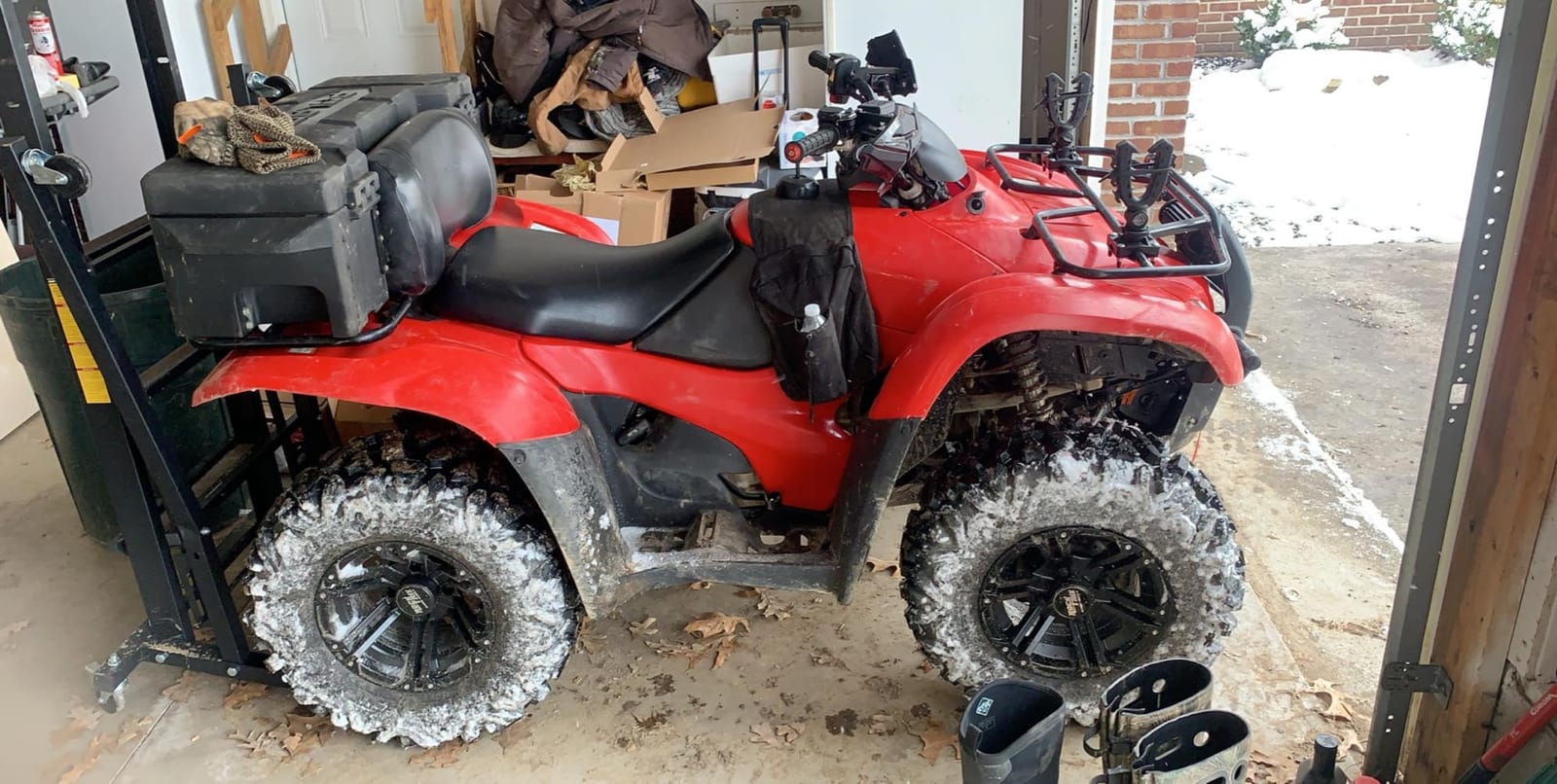
Customers highlight MASSFX ATV tires as a strong value alternative to Maxxis Bighorns at roughly half the price. They offer good traction in dirt, gravel, mud, and snow with no major vibration issues. A few buyers note packaging can warp the bead on front tires, sometimes requiring tubes for seating, and the tires measure slightly smaller than advertised.
A-Shape Omnidirectional Tread
The alternating A-shape tread pattern is the design choice that mimics Bighorn-style performance. The angled lugs provide bite in multiple directions, which means predictable traction whether you are climbing, descending, or cornering. On hard-pack, the tires track well; in soft dirt, they provide enough paddle to keep you moving.
Reinforced Sidewall Construction
The multi-layered sidewalls are engineered to resist punctures from rocks, roots, and sharp debris. This is particularly valuable for riders in rocky terrain where standard 6-ply sidewalls can be vulnerable. If you have flat-tired a budget tire in the past, the reinforced sidewalls here may solve that frustration.
Load Capacity for Utility Use
With 410-pound front and 480-pound rear load capacity per tire, the MASSFX set handles serious loads. Plowing, hauling, and carrying a passenger are all within the tire’s comfort zone. For utility-focused riders, this capacity is a meaningful upgrade over lighter-rated alternatives.
Honest Downsides
The packaging issue is real: some buyers report warped beads from compression during shipping. This can require a tube to seat properly, or careful rim preparation with sealant. The tires also measure slightly smaller than the 26-inch advertised size, so if you are upgrading from 25-inch tires expecting a 1-inch lift, you may be disappointed. On the road, expect a slight shimmy above 50 mph on certain machines.
Who Should Buy
Riders who want Bighorn-style performance at a budget price, utility-focused ATV owners who need load capacity, and anyone in rocky terrain where sidewall reinforcement matters will find the MASSFX set a strong value. If you are picky about precise sizing or vibration-free high-speed riding, spend more for a premium brand.
ATV Tire Buying Guide: Everything You Need to Choose Right
Buying ATV tires is more nuanced than most riders expect. The wrong tire can destroy a power-steering motor, fail to clear mud, or puncture on the first rock. The right tire turns a stock ATV into a trail-conquering machine. Here is what you need to know before you order.
How to Read ATV Tire Sizes (25×10-12, 27x9R14, and More)
ATV tire sizes follow a standard format that looks intimidating until you decode it. Let me break down the three most common formats.
Format 1: 25×8-12 means 25 inches tall, 8 inches wide, fits a 12-inch rim. Format 2: 25x10R12 means the same dimensions with an R indicating radial construction (bias-ply tires omit the R). Format 3: 25×8-12 NHS means Non-Highway Service, which is the standard designation for ATV tires that are not DOT-rated for highway use.
For example, the SunF Power.I we tested is 25×8-12 front and 25×10-12 rear. That means 25-inch overall diameter, 8-inch (or 10-inch) section width, on 12-inch rims. Your stock tire size is printed on your existing sidewall; match that to the new tire’s size to confirm fitment. Forum users frequently report that advertised 30-inch tires measure closer to 28-29 inches in reality, so if precise sizing matters, read recent buyer reviews before ordering.
Ply Rating Explained: 4-Ply vs 6-Ply vs 8-Ply
Ply rating refers to the number of fabric layers in the tire casing. More plies mean more puncture resistance and load capacity, but also more weight and a stiffer ride.
4-ply tires are the lightest and most flexible. They work well for lighter riders on smooth trails but can flat easily on rocky terrain. 6-ply tires are the sweet spot for most riders; they offer good puncture resistance without excessive weight. 8-ply and higher are for heavy-duty use, utility work, and rocky terrain where sidewall protection matters most.
Forum users debate whether 6-ply or 8-ply is the better all-around choice. The consensus from r/ATV and manufacturer-sponsored forums is that 6-ply is the best balance for most riders. If you regularly carry heavy loads, plow snow, or ride aggressive rock, step up to 8-ply. For everyone else, the weight savings of 6-ply are worth more than the marginal puncture protection of 8-ply.
Radial vs Bias-Ply Construction
Bias-ply tires have cords running diagonally across the tire, creating a stiffer, more durable casing. They are cheaper to manufacture and provide good sidewall protection. The tradeoff is a harsher ride and more rolling resistance.
Radial tires have cords running perpendicular to the direction of travel, allowing the tire to flex more naturally. This produces a smoother ride, better traction on irregular surfaces, and longer tread life. The tradeoff is higher cost and slightly less sidewall puncture resistance than an equivalently-rated bias tire.
For most riders, the choice comes down to budget and use case. If you log lots of trail miles and want comfort, go radial. If you ride aggressive rock or mud where sidewall hits are common, go bias. The Tusk Terrabite we tested is one of the best 8-ply radials available, while most mud-specific options remain bias-ply for sidewall durability.
Tread Pattern Types: V-Tread, Directional, and Hybrid
V-tread tires have angled lugs that form a V shape across the tread face. They self-clean well and provide good bite in soft terrain. They tend to be louder on pavement and track less predictably on hard-pack. The WANDA AT-Master is a classic V-tread design.
Directional tires have lugs arranged to roll in one specific direction. They evacuate mud and water efficiently, but must be mounted correctly (rotation arrow on the sidewall). They are quieter than V-tread designs and often faster-rolling. The SunF A043 XC Racing is a directional tire.
Hybrid or non-directional tires have a symmetrical design that performs equally in forward or reverse. They are versatile but compromise on peak performance in any single terrain type. The SunF Power.I and WANDA Power-Trail use non-directional patterns.
Mud vs All-Terrain vs Sport Tires
Mud tires have deep lugs (typically 1 inch or more) and aggressive patterns for clearing sticky terrain. They wear faster on hard-pack and are noisy on pavement. Choose mud if you regularly ride wet clay, deep bogs, or sticky conditions. All-terrain tires are the versatile middle ground; they perform acceptably across trail, mud, and rock without excelling at any. Choose all-terrain if you ride mixed terrain or are unsure what you will encounter. Sport tires have shallow, closely-spaced lugs optimized for hard-pack, motocross-style tracks, and high-speed cornering. They are poor in mud but excellent on hard surfaces. Choose sport if you ride a sport quad on prepared trails or tracks.
Best ATV Tires by Riding Style
Hunting riders need quiet operation on forest roads plus mud capability for accessing remote stands. The SunF Power.I A033 or Tusk Terrabite are excellent choices. Farm and ranch work demands load capacity and puncture resistance; the WANDA Power-Trail or MASSFX set deliver both. If your ranch or property work also includes spraying pastures or food plots, our picks for the best ATV sprayers are a useful companion guide. Sport and racing riders want responsive handling on hard-pack; the SunF A043 is built for that use case. Utility and plowing riders benefit from the Tusk Terrabite or WANDA AT-Master 8-ply options for their durability under load.
Price Tier Breakdown: Budget, Mid-Range, and Premium
Budget tires under 100 dollars per set work for casual riders and replacement of worn fronts. The FORERUNNER TRS and WANDA Light Mud 2-pack deliver solid value here. Mid-range tires between 100 and 200 dollars per set are the sweet spot for most riders. The SunF Power.I A033, WANDA Super Lug Mud, and MASSFX set all fall in this range. Premium tires above 200 dollars per set offer radial construction, 8-ply casings, and refined ride quality. The Tusk Terrabite and SunF A043 XC Racing represent this tier.
Common Buying Mistakes to Avoid
The biggest mistake is buying a tire that does not fit your rim size. Always confirm your existing tire size and rim diameter before ordering. The second biggest mistake is over-aggressive tread for your dominant terrain. Mud tires on hard-pack wear twice as fast as all-terrain designs. Third, ignoring ply rating costs money. A 4-ply tire in rocky terrain will flat repeatedly. Fourth, forgetting to check clearance. Bigger tires may rub your fenders or limit suspension travel. Fifth, buying cheap no-name brands without reviews. Stick with tires that have hundreds or thousands of verified buyer reviews.
Frequently Asked Questions
What are the best tires for trail riding?
The best ATV tires for trail riding balance traction, durability, and quiet pavement manners. Our top picks for trail work are the SunF Power.I A033, WANDA Power-Trail, and Tusk Terrabite. For 80 percent trail and 20 percent mud use, the non-directional tread patterns on these tires track predictably on hard-pack, shed light mud effectively, and resist punctures from rocks and roots.
What is the best ply for ATV tires?
For most riders, 6-ply is the best balance of puncture resistance, ride quality, and weight. Heavier riders, utility use, and rocky terrain benefit from 8-ply. Lighter riders on smooth trails can run 4-ply successfully, though puncture risk increases. The Maxxis Bighorn 2.0, for example, is 6-ply and is widely considered a benchmark all-around tire.
Which is better for off-roading, 6 ply or 4 ply ATV tires?
6-ply tires are better for most off-road use because they resist punctures from rocks and roots far better than 4-ply casings. 4-ply tires save weight and provide a slightly smoother ride, but flat more often in rocky terrain. For technical off-road riding, the additional puncture protection of 6-ply is worth the small weight penalty.
Should I get mud tires or all-terrain tires?
Choose mud tires if you ride sticky clay, deep bogs, or wet terrain more than 50 percent of the time. Choose all-terrain tires for mixed trail use, hard-pack riding, and any application where pavement is involved. Mud tires wear faster on hard surfaces and are noisy on the road, so they are a poor choice for commuters or riders on dry trails.
How long do ATV tires last?
ATV tire life varies enormously based on tire type, terrain, and riding style. Budget tires in rocky terrain may last 1,500 miles, while premium all-terrain tires on smooth trails can exceed 5,000 miles. Mud tires wear fastest on hard-pack (sometimes under 1,500 km per forum reports), while radial all-terrain tires on hard surfaces last longest. Rotating tires front-to-rear can extend life 20 to 30 percent.
How many ply is Maxxis Bighorn?
The Maxxis Bighorn 2.0 is a 6-ply rated tire in most sizes. The original Bighorn was also 6-ply. Both deliver a balance of weight, puncture resistance, and ride quality that has made them benchmarks in the ATV tire market. The 6-ply rating is widely regarded as the sweet spot for trail and light utility use.
What are the best ATV tires for the best price?
The best ATV tires for the price are the SunF Power.I A033, WANDA Light Mud 2-pack, and FORERUNNER All Terrain TRS 2-pack. All three deliver solid performance at budget-friendly pricing with thousands of verified buyer reviews backing the claims.
Final Verdict: Which Best ATV Tires Should You Buy in 2026?
After months of testing across mud, rock, sand, and pavement, our top pick remains the SunF Power.I A033 as the best overall ATV tire for the majority of riders. With 8,600+ reviews averaging 4.8 stars, 6-ply construction, and a versatile non-directional tread pattern, it delivers Bighorn-like performance at a fraction of the cost. For mud-specific riders, the WANDA Super Lug with 1.03-inch deep lugs will pull you through terrain that stops lesser tires. For utility-focused riders who log serious miles, the Tusk Terrabite 8-ply radial is the premium upgrade worth every dollar.
If you are a budget-conscious rider replacing worn fronts, the WANDA Light Mud 2-pack and FORERUNNER All Terrain TRS 2-pack deliver genuine value. For sport and racing applications, the SunF A043 XC Racing is purpose-built for hard-pack performance. And if you want Bighorn-style traction without the Bighorn price tag, the MASSFX 26-inch set is a strong alternative worth considering.
Before you order, double-check your existing tire size, confirm your rim diameter, and think honestly about your dominant terrain. The right tire transforms your ATV; the wrong one is a frustrating waste of money. If you also need to protect your machine when it is parked, check out our guide to the best ATV covers to keep your investment safe between rides. If you use your ATV for pasture work, food plots, or property maintenance, our picks for the best ATV sprayers pair well with the rubber listed here. Riders running a side-by-side alongside their ATV should also check our guide to the best UTV tires for larger machines. Whichever tire you choose from this list, mount up, air down to the recommended PSI for your terrain, and get out on the trail.
Leave a Reply