
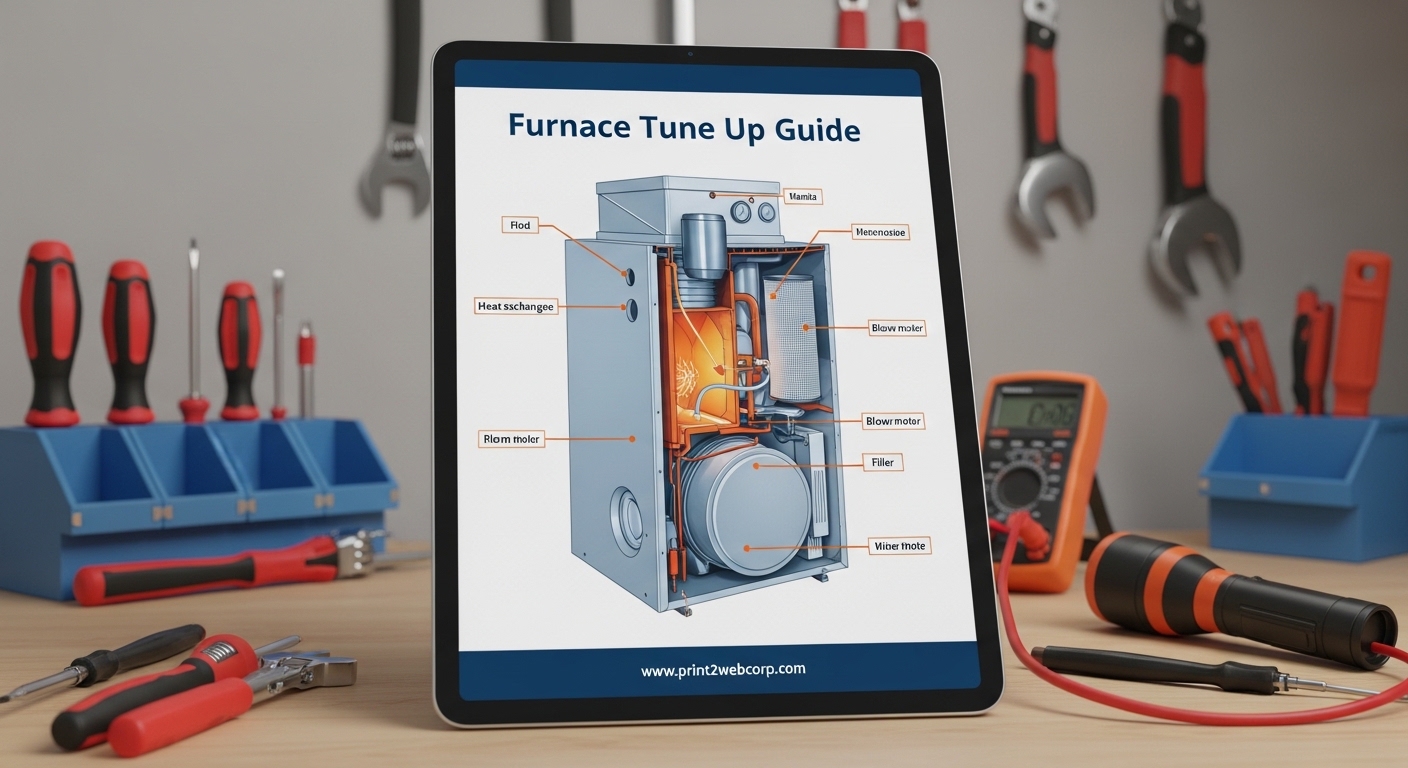
)_A furnace tune up is a preventative maintenance service performed by HVAC technicians to ensure your heating system operates safely and efficiently. During a furnace tune up, a certified technician systematically inspects all components, cleans dirt and debris, tests combustion and airflow, calibrates the thermostat, checks safety controls, and verifies proper venting to prevent carbon monoxide hazards. This annual service typically includes cleaning the blower assembly, inspecting the heat exchanger for cracks, checking gas pressure, testing the ignition system, and replacing or cleaning the air filter.
Regular furnace maintenance is one of the most important investments you can make in your home. Your furnace works hard throughout the winter months, often running for hours daily to keep your family comfortable. Just like your car needs regular oil changes, your heating system needs annual attention to perform at its best. A well-maintained furnace operates more efficiently, lasts longer, and most importantly, keeps your family safe from potential hazards like carbon monoxide leaks.
In this comprehensive guide, I’ll walk you through exactly what happens during a professional furnace tune up, why it matters, how much it costs, and what you can do yourself to keep your heating system running smoothly. I’ll also share red flags to watch out for when hiring a service provider, based on real insights from HVAC professionals and homeowners.
What Is a Furnace Tune Up?
A furnace tune up is a thorough inspection, cleaning, and testing service performed by a certified HVAC technician. The purpose is to ensure your heating system is operating at peak efficiency while identifying any potential problems before they become costly breakdowns. Think of it as a physical exam for your furnace – the technician checks all vital signs, makes necessary adjustments, and catches small issues before they escalate.
During a professional furnace tune up, the technician will typically spend 1-2 hours on your system. This isn’t a quick visual inspection – it involves detailed testing using specialized equipment like combustion analyzers, digital manometers, and amp meters. The technician will measure carbon monoxide levels, check temperature rise across the heat exchanger, test gas pressure, and verify that all safety controls are functioning properly.
What sets apart a quality furnace tune up from a basic inspection is the depth of testing and cleaning. A comprehensive service includes removing and cleaning the blower assembly, inspecting the heat exchanger for cracks using specialized cameras, testing combustion efficiency, and providing you with a written report of all findings. This documentation is valuable for tracking your system’s health over time and maintaining warranty requirements.
5 Key Benefits of Regular Furnace Maintenance
1. Improved Energy Efficiency
A well-maintained furnace operates more efficiently, which directly impacts your energy bills. When components are clean and properly calibrated, your system doesn’t have to work as hard to heat your home. The U.S. Department of Energy estimates that proper maintenance can improve efficiency by 5-15%. For the average homeowner, that translates to noticeable savings on monthly heating bills throughout winter.
Dirty burners, clogged air filters, and uncalibrated thermostats all force your furnace to work harder and longer to achieve the same temperature. During a tune up, the technician addresses these efficiency drains, ensuring your system burns fuel cleanly and transfers heat effectively into your living space.
2. Extended Equipment Lifespan
Furnaces are significant investments, typically costing between $3,000 and $7,000 installed. Regular tune ups help protect that investment by reducing wear and tear on components. When parts are clean, lubricated, and properly adjusted, they experience less stress during operation. This can extend the lifespan of your furnace by several years.
Most furnaces last 15-20 years with proper maintenance. Without regular tune ups, that lifespan can drop significantly as accumulated dirt causes motors to overheat, heat exchangers to crack prematurely, and electrical connections to deteriorate. The cost of annual maintenance is far less than the cost of early replacement.
3. Enhanced Safety Through Carbon Monoxide Prevention
Perhaps the most critical benefit of regular furnace maintenance is safety. Gas furnaces produce carbon monoxide as a byproduct of combustion, which should be safely vented outside your home. However, cracked heat exchangers, blocked flues, or improper combustion can cause this deadly gas to leak into your living space.
During a professional tune up, the technician performs a comprehensive safety inspection including carbon monoxide testing, heat exchanger inspection, and flue verification. They check that all safety controls are functioning properly and that combustion gases are venting correctly. This annual safety check provides peace of mind that your family is protected from carbon monoxide hazards.
4. Fewer Breakdowns and Costly Repairs
There’s never a convenient time for your furnace to break down, but mid-winter failures are especially disruptive. Regular tune ups help prevent unexpected breakdowns by identifying worn parts and potential failures before they leave you in the cold. Small issues like a failing capacitor or worn bearing can be addressed during routine service rather than requiring an emergency repair call.
HVAC professionals often find that furnaces receiving annual maintenance experience significantly fewer emergency calls. The technician can spot warning signs like unusual amp draw, elevated temperatures, or abnormal combustion patterns that indicate a component is approaching failure. Addressing these issues proactively is far less expensive and inconvenient than emergency repairs.
5. Warranty Compliance
Many furnace manufacturers require proof of annual maintenance to honor warranty claims. If your furnace fails prematurely and you haven’t kept up with regular tune ups, the manufacturer may deny your warranty claim. This could leave you responsible for the full cost of repairs or replacement that would otherwise be covered.
Most HVAC service providers provide documentation after each tune up, including a checklist of services performed and any recommendations. Keep these records in a safe place along with your furnace’s warranty information. If you ever need to file a warranty claim, you’ll need to prove that the system received proper annual maintenance.
Furnace Tune Up Checklist: 17 Steps a Professional Technician Performs
Not all furnace tune ups are created equal. When hiring a service provider, it’s important to understand what should be included in a comprehensive service. Based on industry standards and manufacturer recommendations, here’s a detailed checklist of what a thorough furnace tune up should include:
- Replace or clean air filter – The technician will check your air filter and replace it if dirty, or clean it if it’s a reusable type. A clogged filter restricts airflow, reducing efficiency and potentially causing the system to overheat.
- Inspect thermostat and calibration – The thermostat is tested to ensure it’s accurately reading temperatures and properly communicating with the furnace. Calibration adjustments are made if needed to maintain consistent comfort levels.
- Check electrical connections – All electrical connections are inspected for tightness, signs of corrosion, or heat damage. Loose connections can cause components to fail or create fire hazards.
- Lubricate moving parts – Motors, bearings, and other moving components are lubricated to reduce friction and wear. This step extends component life and reduces energy consumption.
- Inspect heat exchanger for cracks – Using specialized equipment and visual inspection, the technician examines the heat exchanger for any cracks or damage. Cracked heat exchangers can leak carbon monoxide and must be replaced immediately.
- Clean burner assembly – The burners are removed and cleaned to remove dirt, rust, or debris that can affect combustion. Dirty burners can cause incomplete combustion, reducing efficiency and creating safety hazards.
- Check gas pressure – Using a manometer, the technician measures gas pressure to ensure it’s within the manufacturer’s specifications. Incorrect gas pressure affects efficiency and safety.
- Test ignition system – Whether your furnace has a pilot light or electronic ignition, the technician verifies it’s functioning reliably. Ignition problems are a common cause of no-heat calls.
- Verify flame sensor operation – The flame sensor is cleaned and tested to ensure it’s properly detecting the burner flame. A dirty or faulty flame sensor can cause the furnace to shut down repeatedly.
- Inspect flue and venting – The entire venting system is checked for blockages, corrosion, or proper slope. Proper venting is essential for safely removing combustion gases from your home.
- Test safety controls – All limit switches, roll-out switches, and other safety controls are tested to ensure they would properly shut down the furnace if a dangerous condition occurs.
- Perform combustion analysis – Using a combustion analyzer, the technician measures carbon monoxide levels, combustion efficiency, and other parameters to ensure safe and efficient operation.
- Check blower motor and fan – The blower assembly is inspected, cleaned if necessary, and tested for proper operation. The fan belt (if equipped) is checked for wear and proper tension.
- Measure temperature split – The temperature difference between supply and return air is measured to verify the furnace is producing the correct heat output. Abnormal readings can indicate airflow or combustion issues.
- Test carbon monoxide levels – Carbon monoxide levels are measured in the flue and near the furnace to ensure no CO is leaking into your home. This critical safety test should never be skipped.
- Inspect condensate drain – For high-efficiency furnaces, the condensate drain and trap are checked for blockages and proper flow. Clogged drains can cause the furnace to shut down.
- Provide written service report – A quality tune up includes documentation of all tests performed, measurements taken, and any recommendations. This report is your record of service and helps track your system’s condition over time.
A thorough furnace tune up following this comprehensive checklist typically takes 1-2 hours per system. Be skeptical of services claiming to complete a full tune up in 30-45 minutes – there simply isn’t enough time to perform all these steps properly.
5 Signs Your Furnace Needs a Tune Up
While annual maintenance is recommended, there are specific warning signs that indicate your furnace needs attention sooner. Watch for these symptoms and schedule service promptly if you notice any of them:
1. Higher Energy Bills
If your heating costs have increased significantly without a change in usage patterns, your furnace may be losing efficiency. Dirty components, improper calibration, or failing parts can all cause your system to use more fuel to produce the same amount of heat. A tune up can often restore lost efficiency.
2. Uneven Heating
Are some rooms in your home too hot while others remain cold? Uneven heating can indicate airflow problems, thermostat issues, or ductwork problems that a tune up can help diagnose. Don’t assume this is normal – it’s often a sign that your system needs attention.
3. Strange Noises
Your furnace should run relatively quietly. Bangs, squeals, rattles, or grinding noises are not normal and typically indicate a problem that needs professional attention. These sounds often signal failing components that should be addressed before they cause a complete breakdown.
4. Frequent Cycling
If your furnace turns on and off frequently (short cycling), it may be overheating due to restricted airflow or a malfunctioning component. This not only reduces efficiency but also causes excessive wear on the system. A tune up can identify and correct the underlying cause.
5. Yellow Burner Flame
The burner flame should be blue and steady. A yellow or flickering flame indicates improper combustion, which can produce dangerous carbon monoxide. If you notice this through your furnace’s inspection window, turn off the furnace immediately and call a professional – this is a serious safety concern.
Furnace Tune Up Cost: What to Expect in 2026
Understanding the cost of furnace maintenance helps you budget appropriately and identify when a price seems too good to be true. In 2026, the average cost of a professional furnace tune up ranges from $100 to $200, with most quality services falling in the $130-$170 range.
Several factors affect the price you’ll pay. Geographic location plays a role – services in urban areas with higher costs of living typically charge more. The type of furnace matters too – oil furnaces require more extensive cleaning and testing than gas models, which is reflected in the price. High-efficiency condensing furnaces have additional components that need inspection, potentially increasing the cost.
Be cautious about tune up offers under $80. While these low prices might seem attractive, they’re often loss leaders designed to get technicians in your home for upselling. Reddit’s HVAC community is filled with stories from homeowners who initially paid $50-69 for a tune up, only to be told they need thousands of dollars in “urgent” repairs. Quality service takes time and expertise – both of which have a cost.
The $5000 rule is worth understanding when considering repair costs. This guideline suggests that if the cost of repairs exceeds $5000, or if the repair costs more than half the cost of a new furnace, replacement may be the better option. However, regular tune ups can help you avoid reaching this decision point by catching problems early when they’re still affordable to fix.
How Often Should You Schedule a Furnace Tune Up?
Most HVAC manufacturers and industry professionals recommend annual furnace tune ups. This yearly maintenance should be performed in the fall, before the heating season begins. Scheduling in early fall gives you time to address any issues found before cold weather arrives, and you’ll often have better scheduling flexibility than during peak winter months.
The annual recommendation is particularly important for gas and oil furnaces due to safety considerations. These fuel-burning systems produce combustion byproducts that must be properly vented, and annual safety inspections are crucial. Electric furnaces require less frequent maintenance, though annual service is still beneficial for optimal performance.
Certain situations may warrant more frequent service. If your furnace is over 15 years old, semi-annual inspections can help catch age-related problems early. Homes with pets, smokers, or particularly dusty environments may benefit from more frequent filter changes and inspections. Similarly, if you use your furnace heavily (perhaps you live in a particularly cold climate), more frequent maintenance can help ensure reliability through the long heating season.
Many HVAC companies offer maintenance plans that include annual tune ups. These plans typically provide priority scheduling, discounts on repairs, and reminders when it’s time for service. While not required, these plans can be cost-effective if you plan to stay in your home for several years.
DIY vs Professional Furnace Maintenance: What You Can Do Yourself
While a comprehensive furnace tune up requires professional training and equipment, there are several maintenance tasks homeowners can safely perform themselves. These DIY tasks complement professional service and help maintain efficiency between annual visits.
What You Can Do Yourself
Replacing air filters monthly (or at minimum every three months) is the single most important DIY maintenance task. Clean filters ensure proper airflow and protect your system from dirt buildup. Check your filter monthly during heating season and replace it when you can see visible dirt accumulation.
Keep your furnace area clean and unobstructed. Store items at least three feet away from the unit to ensure proper airflow and prevent fire hazards. Vacuum around and under the furnace regularly to prevent dust from being drawn into the system.
Check your thermostat batteries annually and replace them as needed. A thermostat with dead batteries can cause your furnace to stop working, leaving you in the cold. Most thermostats display a low-battery warning, but replacing batteries proactively prevents problems.
Ensure all supply and return vents are open and unobstructed by furniture, curtains, or rugs. Blocked vents disrupt airflow throughout your home and can cause your furnace to work harder than necessary. Take a walkthrough of your home annually and verify that vents are clear in each room.
When to Call a Professional
Safety-related tasks should always be left to trained professionals. Gas line inspections, combustion analysis, and carbon monoxide testing require specialized equipment and expertise. Similarly, electrical work beyond basic thermostat battery replacement should be handled by a licensed technician to avoid safety hazards and warranty issues.
If you notice any of the warning signs mentioned earlier – strange noises, uneven heating, higher bills, or yellow flames – contact a professional rather than attempting DIY repairs. These symptoms often indicate problems that require professional diagnosis and repair.
Red Flags: How to Avoid Furnace Tune Up Scams
Unfortunately, the HVAC industry has its share of unethical operators. Based on insights from homeowners and HVAC professionals, here are red flags to watch for when hiring a furnace tune up service:
Too-Good-To-Be-True Pricing
Be skeptical of tune up offers under $80. Quality service takes 1-2 hours and includes specialized testing. Extremely low prices are often bait-and-switch tactics designed to get technicians in your home for upselling. As one HVAC professional noted on Reddit, “The average tune up takes 3 hours and we charge $69. Obviously we lose money every time” – this business model depends on selling expensive repairs to recoup the loss.
Rushed Service
If a technician completes your tune up in 30-45 minutes, they’re not performing a comprehensive service. Proper testing and inspection take time. Ask for a detailed checklist of what was performed, and be suspicious if they can’t provide specifics.
Vague Findings Without Evidence
Quality technicians will show you what they find. They’ll take photos of cracked components, show you test readings, and explain problems in terms you can understand. Be wary of technicians who claim you need expensive repairs but can’t clearly show you the evidence or explain the problem.
High-Pressure Sales Tactics
Reputable technicians provide recommendations and let you decide. Unethical operators use fear and urgency to pressure you into immediate decisions. Phrases like “this is dangerous” or “this could fail any day” without proper explanation are red flags. Get a second opinion before authorizing expensive repairs.
No Written Report
A professional tune up should include a written report detailing what was checked, measurements taken, and any recommendations. If a technician can’t provide documentation of the service performed, question whether the work was actually done.
Frequently Asked Questions
What is the $5000 rule for furnace repairs?
The $5000 rule is a guideline for deciding whether to repair or replace a furnace. If repair costs exceed $5000, or if repairs cost more than half the price of a new furnace, replacement is typically the better financial decision. This rule helps homeowners avoid throwing good money after bad on aging systems.
Do you really need a furnace tune-up every year?
Annual tune ups are recommended by manufacturers and HVAC professionals, especially for gas and oil furnaces. Annual maintenance ensures safety, maintains warranty coverage, and prevents breakdowns. However, some homeowners with newer electric furnaces in mild climates may find biennial service sufficient. The key is consistency – skipping maintenance for years increases breakdown risk.
What is the average cost of a furnace tune-up?
The average furnace tune up costs between $100 and $200, with most quality services falling in the $130-$170 range. Oil furnaces typically cost more due to additional cleaning requirements. Geographic location, furnace type, and service provider all affect pricing. Be cautious of services under $80, as they may be loss leaders for upselling.
How often should you tune-up a gas furnace?
Gas furnaces should be tuned up annually due to safety considerations. Annual service includes combustion analysis, carbon monoxide testing, and heat exchanger inspection – all critical for safe operation. Manufacturer warranties also typically require annual maintenance to remain valid. Schedule tune ups in fall before heating season begins.
How long should a furnace tune-up take?
A comprehensive furnace tune up should take 1-2 hours per system. This allows time for proper inspection, cleaning, testing, and documentation. Services completed in 30-45 minutes likely aren’t thorough. Quality technicians perform 15-20 specific checks and tests during a tune up, and rushing through these steps defeats the purpose of preventive maintenance.
The Bottom Line on Furnace Tune Ups
Regular furnace tune ups are one of the best investments you can make in your home’s comfort and safety. For $100-200 annually, you get improved efficiency, fewer breakdowns, extended equipment life, and most importantly, peace of mind that your family is protected from carbon monoxide hazards. The cost of annual maintenance is far less than emergency repairs or early replacement.
When hiring a service provider, look for certified technicians who spend adequate time on the job (1-2 hours per system), provide written documentation of their work, and don’t use high-pressure sales tactics. Be willing to pay a fair price for quality service – the cheapest option often ends up costing more in the long run.
Whether you’re scheduling your first furnace tune up or looking for a more reputable service provider, use this guide as your checklist for what to expect. A well-maintained furnace will keep your family warm and safe for years to come. For more information on protecting your HVAC system, check out our guide to AC surge protector for HVAC systems.
Leave a Reply