
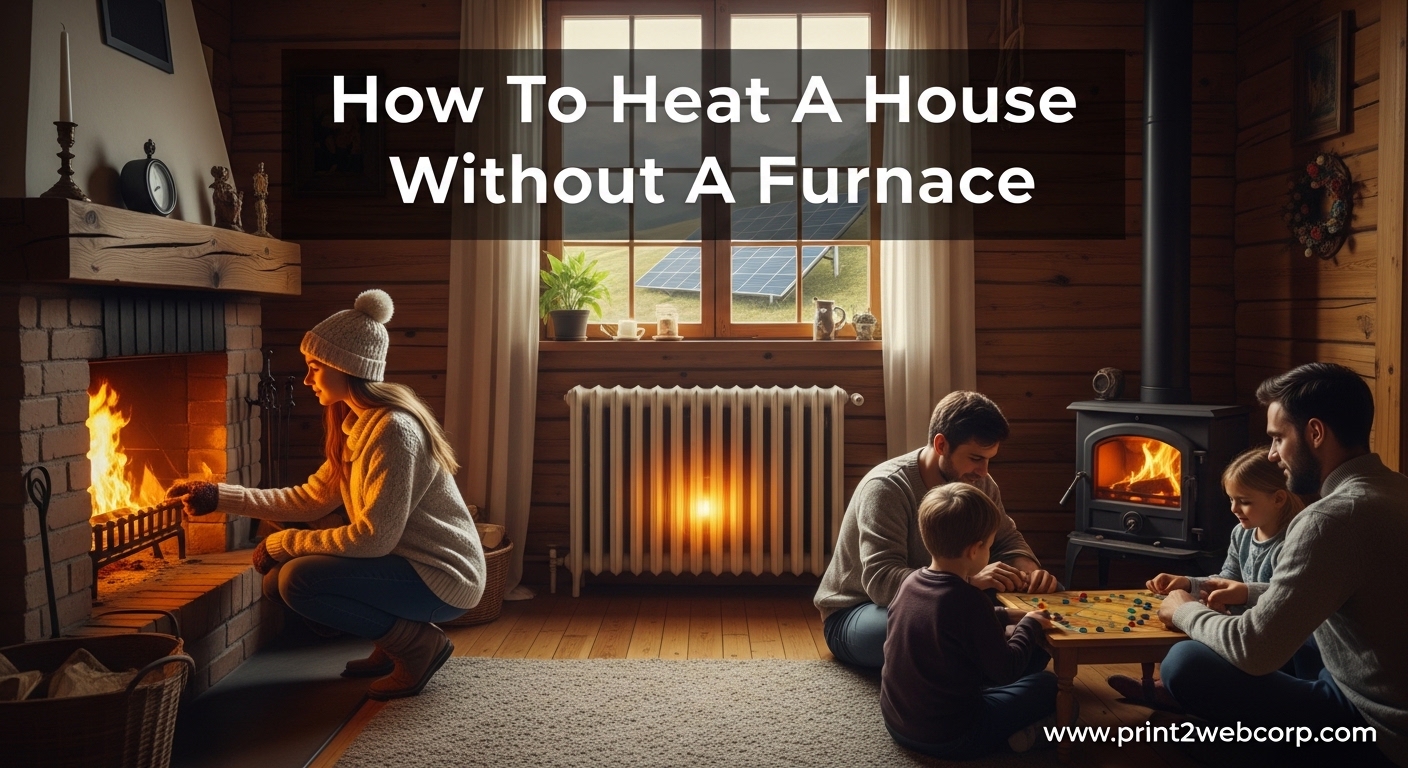
When your furnace breaks down in the middle of winter or you face an extended power outage, the question becomes urgent: how do you keep your family warm? I have researched and tested multiple methods to heat a house without a furnace, and the good news is that several effective alternatives exist. Whether your central heating system has failed, you live in an older home without ductwork, or you simply want to reduce your reliance on traditional heating, this guide covers proven strategies that work.
You can absolutely heat a house without a furnace using a combination of active heating sources and passive heat retention techniques. Our team spoke with homeowners who have survived weeks without central heat, reviewed forum discussions from off-grid communities, and analyzed safety data from fire departments to bring you practical solutions. The methods range from immediate emergency fixes to long-term lifestyle adjustments.
In 2026, energy costs continue rising and extreme weather events are becoming more common, making backup heating knowledge essential for every homeowner. This article explores primary heating alternatives, heat retention strategies, emergency solutions, and critical safety considerations that could save both your comfort and your property.
Primary Heating Methods to Heat a House Without a Furnace
When you need immediate warmth, these active heating sources provide the BTU output necessary to maintain comfortable temperatures. Zone heating becomes essential here, focusing warmth on occupied spaces rather than attempting to heat your entire home uniformly.
Fireplaces and Wood Stoves
A wood-burning stove remains one of the most reliable ways to heat a house without a furnace, especially during power outages. Modern EPA-certified stoves can achieve efficiency ratings of 70% or higher, compared to traditional open fireplaces at just 10% efficiency. During our research, one homeowner reported heating their 1,200-square-foot home solely with a wood stove for an entire winter after their furnace failed.
If you have an existing fireplace, install a fireplace insert to dramatically improve efficiency. These metal boxes fit inside your existing masonry fireplace and can increase heat output by up to five times. Always ensure your chimney is clean and properly vented to prevent creosote buildup and fire hazards.
Space Heaters
Portable electric space heaters offer convenience and immediate warmth for individual rooms. Look for units with safety features like tip-over switches and overheat protection. Ceramic heaters and oil-filled radiators provide steady, radiant heat suitable for bedrooms and home offices.
For larger spaces, consider infrared space heaters which warm objects rather than air, making them more efficient in drafty areas. One Reddit user shared that using two 1,500-watt space heaters in their living room and bedroom kept them comfortable during a three-week furnace repair delay, though their electric bill increased by $127 that month.
Pellet Stoves and Gas Inserts
Pellet stoves burn compressed wood pellets and can provide 24 to 72 hours of continuous heat with automatic feeding systems. They require electricity to operate the auger and blower, so they fail during power outages unless paired with a generator.
Gas fireplace inserts connected to propane or natural gas lines offer convenience and cleanliness. Direct-vent models draw combustion air from outside and exhaust fumes outdoors, making them safer than vent-free options. A 30,000 BTU gas insert can effectively heat 1,000 to 1,500 square feet.
Kerosene and Propane Heaters
Portable kerosene heaters generate significant warmth, with units producing up to 23,000 BTU capable of heating large rooms or small homes. However, they require strict ventilation protocols and carbon monoxide monitoring. Never use kerosene heaters in confined spaces without opening windows or doors.
Propane heaters designed for indoor use with proper safety certifications offer another fuel-based option. Catalytic propane heaters burn fuel without an open flame, making them safer for indoor use, though ventilation remains essential.
Heat Retention Strategies That Work
Generating heat is only half the battle. Retaining that warmth through proper insulation and draft prevention can reduce your heating needs by 30% or more. These passive strategies cost little but deliver significant comfort improvements.
Seal Air Leaks and Drafts
Weatherstripping around doors and windows prevents warm air from escaping and cold air from entering. Install door sweeps at the bottom of exterior doors to block drafts. One simple test: hold a lit candle near door and window frames on a windy day. If the flame flickers, you have air leaks to seal.
Apply caulk around window frames, electrical outlets, and where pipes enter walls. Expanding foam works well for larger gaps around plumbing and ductwork penetrations. A homeowner in the Facebook Off-Grid Living Survival group reported that sealing their 1950s home’s gaps reduced their heating fuel consumption by 40%.
Insulated Curtains and Window Treatments
Thermal curtains with insulated backing create a barrier between cold glass and your living space. Close them at night to trap heat, then open them during sunny days to allow passive solar warming. For a budget option, bubble wrap sprayed with water adheres to windows and provides surprising insulation value.
Window insulation film applied with a hair dryer creates an airtight seal that reduces heat loss through glass by up to 70%. This inexpensive solution works particularly well for older single-pane windows common in homes without modern furnaces.
Floor Coverings and Thermal Mass
Hard floors bleed heat. Adding thick area rugs and carpet remnants creates an insulating layer between your feet and cold surfaces. Pay special attention to rooms above unheated basements or crawl spaces where floors stay perpetually cold.
Thermal mass materials like stone, brick, and concrete absorb heat during the day and release it slowly at night. Place these materials near your heat source to maximize this effect. A soapstone heater or even a collection of bricks near a wood stove can extend warmth for hours after the fire dies down.
Passive Heating Techniques Using Sunlight and Thermal Mass
Passive solar heating costs nothing and works automatically when the sun shines. Strategic use of sunlight combined with thermal mass can raise indoor temperatures by 10 to 20 degrees on clear winter days.
Maximize Sunlight Exposure
Open south-facing curtains during daylight hours to allow solar energy to warm your floors and walls. Trim tree branches that block winter sun from reaching windows. Dark-colored furniture and flooring absorb more solar heat than light colors.
Consider installing a solar air heater, sometimes called a solar furnace, which mounts on a south-facing wall and uses the greenhouse effect to heat air that circulates into your home. DIY versions can be built for under $50 using black-painted aluminum cans and a small fan.
Cooking and Daily Activities for Heat
Your oven, stove, and even appliances generate waste heat that can contribute to warming your home. After baking, leave the oven door open (with the oven off) to release residual heat into the kitchen. Cook warm meals like soups and stews that require extended stove time.
Showering with the bathroom door open allows warm, humid air to circulate through adjacent spaces. Running a load of laundry in the dryer (with proper venting) also generates heat. These activities will not replace a heating system but provide supplemental warmth during cold periods.
Emergency Heating Solutions When Your Furnace Stops Working
When your furnace suddenly fails during extreme cold, immediate action prevents both discomfort and property damage. These emergency solutions can keep you safe while you arrange repairs or wait for service.
Immediate Actions
First, close off unused rooms to concentrate heat in occupied spaces. Hang blankets over doorways to create thermal zones. Dress in layers, including hats and warm socks, as losing heat through your head and feet makes you feel colder regardless of room temperature.
Move activities to your warmest room, typically an interior room with minimal exterior wall exposure. Camp in your living room if it has a fireplace or is closest to your alternative heat source. Body heat from multiple people and pets in a smaller space raises the effective temperature significantly.
DIY Emergency Heaters
Candle heaters, sometimes called flower pot heaters, provide minimal but measurable warmth using tea light candles and terracotta pots. While they will not heat a room, they can raise the temperature in a small enclosed space enough to prevent freezing. Always place these on fireproof surfaces and never leave them unattended.
For power outages, consider a camping cooking bag or thermal cooker that retains heat from boiling water for hours. These work for emergency cooking and can provide localized warmth. Some preppers recommend keeping emergency candles, matches, and hand warmers in a designated cold-weather kit.
Using Your Oven for Heat
Many homeowners wonder if they can use their oven to heat their house. The answer requires caution. Electric ovens can provide temporary heat if you leave the door open after cooking, but running an oven continuously as a heater is inefficient and potentially dangerous.
Never use a gas oven to heat your home. Gas ovens are not designed for continuous operation and can produce dangerous levels of carbon monoxide without proper ventilation. The risk outweighs any benefit.
How to Keep Pipes From Freezing Without Furnace Heat
One of the most serious risks when heating a house without a furnace is frozen pipes, which can burst and cause thousands of dollars in water damage. Taking preventive action is essential.
Let faucets drip slowly. Moving water freezes more slowly than standing water. Focus on pipes along exterior walls and in unheated spaces like basements, attics, and crawl spaces. Open cabinet doors under sinks to allow warm air to circulate around plumbing.
Insulate exposed pipes with foam pipe insulation or even newspaper and duct tape in an emergency. Heat tape, which wraps around pipes and plugs into electrical outlets, provides active warming for vulnerable sections. Keep your thermostat or alternative heat source running even at minimal levels during extreme cold, as pipes can freeze when indoor temperatures drop below 55 degrees Fahrenheit.
If you have a wood stove or space heater, position it strategically to warm areas where pipes run. One homeowner shared that placing a small space heater in their crawl space prevented pipe freezing during a week-long furnace outage in sub-zero temperatures.
Safety Considerations for Alternative Heating
Heating without a furnace introduces risks that require awareness and preparation. Carbon monoxide poisoning, fire hazards, and oxygen depletion pose real dangers when using combustion-based heating sources.
Carbon Monoxide Safety
Install carbon monoxide detectors on every level of your home, especially near sleeping areas. Test them monthly and replace batteries annually. Any fuel-burning heater produces carbon monoxide, an odorless, colorless gas that can be lethal.
Never use outdoor heaters, grills, or generators indoors. These produce massive amounts of carbon monoxide and can kill occupants within minutes. Ensure adequate ventilation when using kerosene heaters, propane heaters, or unvented gas appliances by opening windows slightly to allow fresh air exchange.
Fire Prevention
Keep all flammable materials at least three feet away from heaters, fireplaces, and stoves. Use fireplace screens to prevent sparks from escaping. Never leave candles or open flames unattended.
Check that your smoke detectors work properly. Space heaters cause approximately 1,700 house fires annually according to fire department data, often due to improper placement or overloaded electrical circuits. Plug electric heaters directly into wall outlets rather than extension cords or power strips.
Frequently Asked Questions
How can I keep my house warm without a furnace?
You can keep your house warm without a furnace by using alternative heat sources like wood stoves, fireplaces with inserts, space heaters, and pellet stoves. Combine active heating with heat retention strategies including weatherstripping doors and windows, using thermal curtains, adding area rugs, and maximizing sunlight exposure during the day. Zone heating, which focuses warmth on occupied rooms while closing off unused spaces, makes alternative methods more effective and efficient.
How to heat a home when the furnace is out?
When your furnace stops working, immediately close off unused rooms and focus heat in one central area. Use space heaters, fireplaces, or wood stoves if available. Dress in warm layers and use blankets. Let faucets drip to prevent pipes from freezing. Open cabinet doors under sinks to warm pipes. If you have no heat source, consider staying with friends or family, or contact local emergency services about warming centers in your area.
How do the Amish heat their homes?
The Amish typically heat their homes using wood-burning stoves and coal stoves as primary heat sources. These communities generally avoid electricity and modern heating systems, relying instead on traditional methods. They use passive solar heating by positioning homes to capture sunlight, and their well-insulated construction helps retain heat. Many Amish homes also use kerosene lamps and heaters for supplemental warmth and lighting.
Can you heat a house without a furnace?
Yes, you can heat a house without a furnace. Many homes, especially older homes and mobile homes, have successfully used alternative heating methods for generations. Wood stoves, pellet stoves, gas inserts, space heaters, and radiant heating systems can provide adequate warmth. Success depends on proper insulation, sealing air leaks, and using appropriate heating capacity for your square footage. Some homeowners choose to go furnace-free permanently for cost savings or off-grid living.
How do I heat my house if my furnace is not working?
If your furnace stops working, first check the thermostat and circuit breaker. If the system truly failed, implement emergency heating by using space heaters in occupied rooms, lighting your fireplace if available, and closing off unused areas. Prevent pipe freezing by letting faucets drip and opening cabinet doors. Check for available repair services or rental heaters. In extreme situations, relocate to a heated location until repairs are completed.
Which room heater is best for asthma patients?
For asthma patients, choose heaters that do not dry the air or produce fumes. Oil-filled radiant heaters are ideal because they do not have a fan to circulate dust and allergens. Infrared heaters are also suitable as they do not reduce humidity levels. Avoid kerosene heaters, unvented gas heaters, and wood stoves which can produce particulates and irritants. Use an electric heater with a humidifier to maintain comfortable moisture levels, and ensure any heating device is kept clean to prevent dust burning.
Conclusion
Learning how to heat a house without a furnace provides valuable peace of mind during emergencies and opens options for permanent lifestyle changes. The most successful approach combines active heat sources like wood stoves or space heaters with aggressive heat retention through insulation and draft sealing.
Remember that safety must remain your top priority. Carbon monoxide detectors, proper ventilation, and fire prevention measures are non-negotiable when using alternative heating methods. Prepare your emergency heating plan before you need it, keeping backup supplies like candles, hand warmers, and extra blankets readily available.
In 2026, whether you face a temporary furnace failure or choose to live without central heating long-term, these strategies will keep you warm, safe, and comfortable throughout the coldest months.
Leave a Reply