
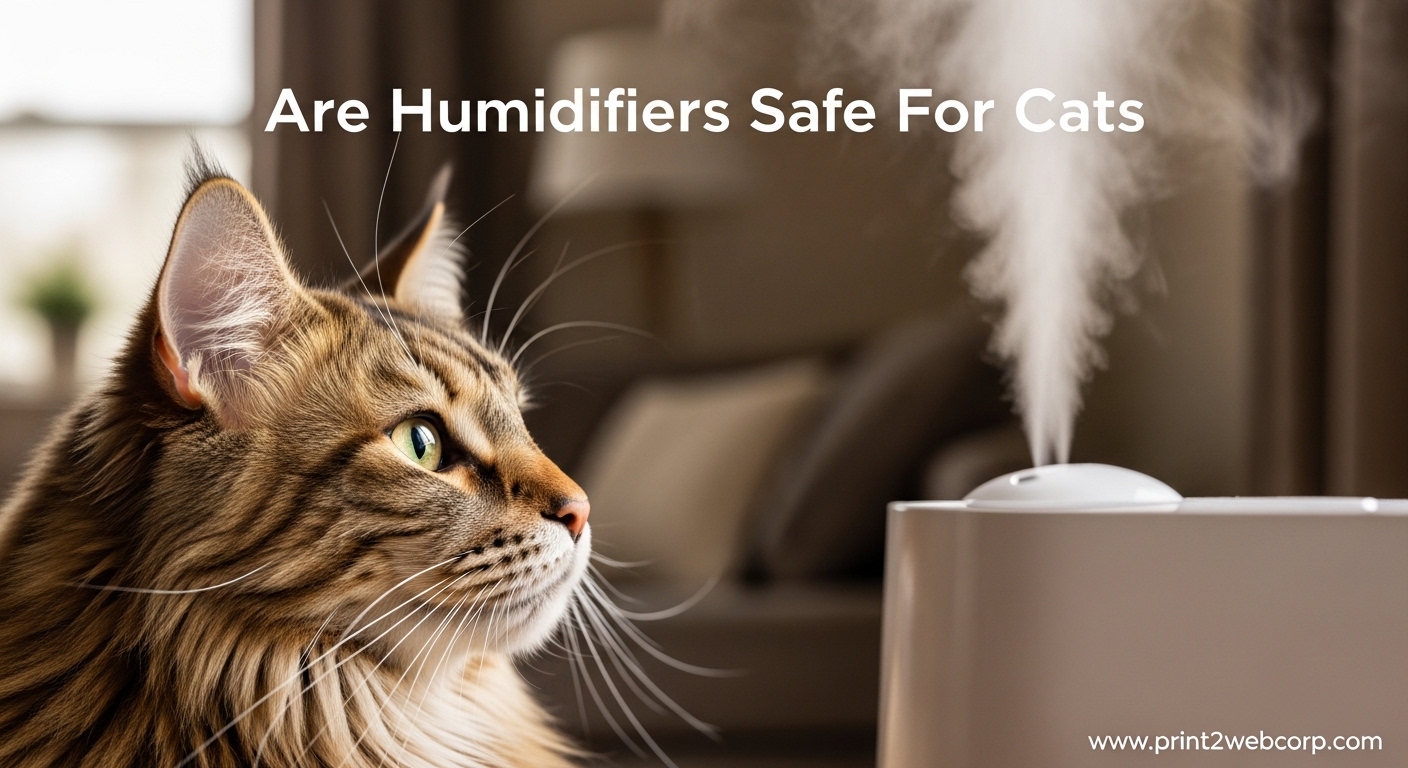
Yes, humidifiers are generally safe for cats when used properly with cool mist, distilled water, no essential oils, and proper placement. The device itself poses no harm to your feline companion. However, what you put in the humidifier and how you maintain it can make all the difference between a helpful home remedy and a potential health hazard.
As a cat owner, you want to create the safest possible environment for your furry friend. When winter arrives or you live in a dry climate, running a humidifier can benefit both you and your cat. But before you plug one in, it’s important to understand the safety considerations.
This guide covers everything you need to know about using humidifiers safely around cats in 2026, including the critical essential oils warning, which type of humidifier is safest, and practical tips to protect your pet.
What Are Humidifiers and How Do They Work
A humidifier is a household appliance designed to increase moisture levels in the air. When indoor air becomes dry, especially during winter months when heating systems run constantly, a humidifier releases water vapor to maintain comfortable humidity levels between 30-50%.
Different types of humidifiers work in various ways. Cool mist humidifiers use a fan to evaporate water or ultrasonic technology to create a fine mist without heat. Warm mist humidifiers boil water to produce steam, while evaporative models blow air through a wet wick or filter. Understanding these differences matters for cat safety.
For cat owners, the choice between cool mist and warm mist isn’t just about preference. It’s about preventing burns and avoiding respiratory irritation. Let’s explore how humidifiers can benefit your cat and what precautions you need to take.
Benefits of Humidifiers for Cats
Humidifiers offer genuine health benefits for cats, especially those prone to respiratory issues or living in dry environments. Proper humidity can make a significant difference in your cat’s comfort and wellbeing.
Respiratory Relief for Asthma and Congestion
Cats with feline asthma often struggle with dry air. The moisture from a humidifier helps soothe inflamed airways and reduces asthma symptoms. I’ve seen cats with chronic breathing issues show marked improvement when their environment maintains proper humidity levels.
The moist air helps thin mucus secretions, making it easier for your cat to breathe and clear their airways. This natural approach works alongside veterinary treatments to provide relief from congestion and wheezing.
Help With Cat Flu and Upper Respiratory Infections
When cats suffer from upper respiratory infections, often caused by feline herpesvirus or calicivirus, humidified air can speed recovery. The moisture helps loosen congestion and reduces nasal irritation.
If your cat is sneezing, has a runny nose, or shows signs of respiratory infection, a humidifier can provide comfort similar to how steam helps humans with colds. The gentle mist keeps nasal passages moist and supports your cat’s natural healing process.
Dry Skin and Coat Improvement
Just like humans, cats can experience dry, itchy skin in low-humidity environments. You might notice excessive dandruff, dull coat, or your cat scratching more than usual. A humidifier returns moisture to the air, which benefits your cat’s skin and coat health.
Cat owners often report their pets’ coats becoming shinier and softer after consistent humidifier use. The added moisture prevents skin from becoming dry and flaky, reducing discomfort and those annoying white flakes you might find on your dark furniture.
Allergy Symptom Reduction
While humidifiers don’t eliminate allergens, they can help manage allergy symptoms. Proper humidity levels keep nasal passages moist, making them more effective at trapping allergens before they enter your cat’s respiratory system.
Cats with environmental allergies may experience less sneezing and irritation when humidity levels are balanced. The moist air also helps settle dust and dander, preventing these particles from becoming airborne and triggering allergic reactions.
Cool Mist vs Warm Mist: Which Is Safer for Cats
When choosing a humidifier for your home with cats, cool mist models are the clear winner. Here’s why the type matters for your pet’s safety.
Cool mist humidifiers release room-temperature water vapor into the air. They use either ultrasonic technology to vibrate water into a fine mist or evaporative methods with a fan. These models operate without heat, eliminating burn risks entirely.
Warm mist humidifiers, also called steam vaporizers, boil water to create steam. While effective for humidifying, they pose significant dangers to curious cats. The boiling water inside can cause severe burns if the unit is tipped over or investigated too closely by an inquisitive feline.
Cats are naturally drawn to warm spots and the gentle hum of appliances. A warm mist humidifier might attract your cat’s attention, putting them at risk of scalding from hot water or steam. The risk simply isn’t worth it when safer cool mist alternatives are readily available.
Additionally, warm mist units can make a room feel uncomfortably warm, which cats dislike. Cool mist humidifiers add moisture without affecting room temperature, making them more comfortable for your cat’s environment.
The Essential Oils Danger: Critical Warning
This is the most important safety information in this entire guide. Never use essential oils in a humidifier around cats. Even small amounts can cause serious illness or death.
Many cat owners don’t realize that cats lack a specific liver enzyme called glucuronyl transferase. This enzyme helps break down certain compounds found in essential oils. Without it, toxins accumulate in your cat’s system, causing liver damage, respiratory failure, neurological problems, and potentially death.
Reddit users in cat communities consistently emphasize this point: “Humidifiers themselves are fine, it’s what you put in it that can be dangerous to them. Most of the stuff they put in tends to be eucalyptus based.”
Essential Oils Toxic to Cats
These essential oils are known to be toxic to cats and should never be used in humidifiers or diffusers in your home:
- Eucalyptus – causes drooling, vomiting, seizures
- Tea tree – leads to tremors, weakness, coma
- Peppermint – can cause liver damage and breathing difficulties
- Lavender – causes nausea and respiratory distress
- Citrus oils (lemon, orange, lime) – result in vomiting and photosensitivity
- Pine – causes central nervous system depression
- Cinnamon – leads to liver failure and low blood sugar
- Clove – causes liver damage and seizures
- Sweet birch – toxic even in small amounts
- Wintergreen – can be fatal if ingested or inhaled
- Pennyroyal – causes organ failure
- Ylang ylang – results in respiratory distress
Scented Humidifiers Are Not Safe
Avoid humidifiers with built-in scent compartments or scented water treatments. What smells pleasant to you can be toxic to your cat. Even products labeled “natural” or “pet-safe” may contain ingredients that harm cats.
If you’re currently using scented products in your humidifier and have cats, stop immediately. Clean the unit thoroughly to remove any residue before running it again. Your cat’s health is more important than a pleasant aroma.
Other Potential Risks to Consider
Beyond essential oils and burn hazards, a few other risks deserve your attention when using humidifiers around cats.
Bacterial Growth and Mold
Humidifiers that aren’t cleaned regularly can become breeding grounds for bacteria and mold. When released into the air, these microorganisms can cause respiratory infections in both humans and cats. The warm, moist environment inside a neglected humidifier is ideal for fungal and bacterial growth.
Dirty humidifiers can actually worsen the very respiratory issues you’re trying to help. This condition, sometimes called “humidifier lung,” causes inflammation and coughing. For cats already prone to respiratory problems, contaminated mist poses a serious health risk.
Humidifier Fever Risks
Excessive humidity creates its own problems. When indoor air becomes too moist (above 60% humidity), it promotes mold growth throughout your home. Dust mites thrive in humid conditions, potentially worsening allergies rather than helping them.
Using a hygrometer to monitor humidity levels prevents over-humidification. This small, inexpensive device shows you exactly when to turn off the humidifier, maintaining a safe range between 30-50% humidity.
Electrical Safety
Like any electrical appliance, humidifiers pose risks if cords are chewed or units are knocked into water. Cats, especially kittens, may find the power cord tempting to chew. Damaged cords create shock hazards and fire risks.
Additionally, a curious cat might knock a humidifier off a table or shelf, causing water damage to electrical components or creating slipping hazards. Proper placement and cord management prevent these accidents.
Knock-Over Hazards
Cats explore by jumping on surfaces and investigating new objects. A humidifier placed on an unstable surface might be knocked over, spilling water and potentially damaging electrical components. Water near electrical outlets creates dangerous situations.
Some cats are fascinated by the mist output and may paw at it or try to “catch” the water vapor. While this behavior is generally harmless, it increases the chance of tipping the unit over or splashing water.
10 Safety Tips for Using Humidifiers Around Cats
Follow these guidelines to ensure your cat stays safe while benefiting from properly humidified air.
1. Choose Cool Mist Only
Always select cool mist or ultrasonic humidifiers for homes with cats. Avoid warm mist, steam vaporizers, or any unit that boils water. The burn risk from warm mist units is simply too high for curious cats who might investigate the appliance or knock it over.
2. Never Add Essential Oils or Scents
Keep your humidifier water pure. No essential oils, no scent additives, no Vicks pads, no aromatic treatments. Even oils marketed as “pet-safe” can harm cats due to their unique liver metabolism. Plain water is the only safe option for feline household members.
3. Use Distilled or Filtered Water
Distilled water prevents mineral buildup in your humidifier and reduces white dust from settling on surfaces. This white dust can irritate your cat’s respiratory system when inhaled. Filtered water is a good alternative if distilled isn’t available. Avoid tap water if possible, as it contains minerals that create deposits and may contain contaminants.
4. Clean Every Three Days
Empty, rinse, and dry your humidifier tank every three days at minimum. Follow the manufacturer’s cleaning instructions, typically involving vinegar or bleach solutions to remove bacterial growth. Set a phone reminder if needed. Regular cleaning prevents mold and bacteria from becoming airborne where your cat breathes them in.
5. Monitor Humidity Levels
Buy a hygrometer to measure humidity levels in your home. Aim for 30-50% humidity. Levels above 60% promote mold growth and dust mites, which worsen respiratory issues. If you notice condensation on windows or walls, the humidity is too high. Turn off the humidifier and ventilate the room.
6. Place on Stable, Elevated Surfaces
Position your humidifier on a sturdy, stable surface where your cat can’t easily knock it over. A dresser, shelf, or dedicated table works well. Avoid placing it near edges where a jumping cat might dislodge it. The elevated position also helps distribute moisture more evenly throughout the room.
7. Protect Cords From Chewing
Hide or secure the power cord to prevent your cat from chewing it. Cord covers, cable management solutions, or tucking cords behind furniture all work. If your cat is a known cord chewer, consider battery-operated humidifiers or units with chew-resistant cords. Damaged cords create shock and fire hazards.
8. Keep Away From Food and Litter Areas
Don’t place your humidifier near your cat’s food bowls, water dishes, or litter box. Excess moisture near food promotes bacterial growth, and humidity near the litter box can increase odors and create an unsanitary environment. Maintain at least six feet of distance between the humidifier and these areas.
9. Observe Your Cat’s Behavior
Watch how your cat reacts to the humidifier. Some cats are fascinated by the mist and may stare at it for hours or try to play with it. Others might avoid the room entirely. If your cat seems stressed by the device, try moving it to a different location or running it only when your cat is in another room.
10. Consult Your Vet for Respiratory Issues
While humidifiers help with mild respiratory discomfort, they’re not a substitute for veterinary care. If your cat has persistent breathing problems, coughing, wheezing, or nasal discharge, see your veterinarian. Your vet can diagnose underlying conditions and recommend appropriate treatments, which may include humidifier use as part of a comprehensive care plan.
How to Help Your Cat Breathe Better at Home
Beyond using a humidifier, several home remedies can help your cat with respiratory issues. Always combine these approaches with veterinary guidance for serious conditions.
Steam therapy is effective for congestion. Bring your cat into the bathroom while you shower, allowing them to breathe the steam naturally. The moist air helps loosen mucus just like a humidifier, but more concentrated. Stay in the bathroom for 10-15 minutes with your cat.
Keep your cat’s sleeping area clean and free from dust, pollen, and other allergens. Wash bedding regularly and vacuum to remove dander and dust that might trigger respiratory issues. Air purifiers with HEPA filters can complement humidifier use by removing allergens from the air.
Ensure proper ventilation in your home. Open windows when weather permits to exchange stale indoor air for fresh outdoor air. Good ventilation reduces the concentration of irritants that might affect your cat’s breathing.
Encourage hydration. Well-hydrated cats have thinner mucus secretions, making breathing easier. Provide fresh water daily and consider a water fountain to encourage drinking. Wet food also contributes to overall hydration.
Know when to seek veterinary care. If your cat is breathing with an open mouth, has blue-tinged gums, is lethargic, refuses to eat, or shows labored breathing, seek immediate veterinary attention. These symptoms indicate serious respiratory distress that requires professional treatment.
Frequently Asked Questions
Can my cat be in the same room as a humidifier?
Yes, cats can safely be in the same room as a humidifier when proper precautions are followed. Use a cool mist model with plain water only (no essential oils), keep the unit on a stable surface out of reach, and maintain humidity between 30-50%. Monitor your cat to ensure they’re not stressed by the device.
Will a humidifier help my cat breathe?
Humidifiers can help cats breathe easier by adding moisture to dry air, which soothes irritated airways and thins mucus secretions. They’re particularly beneficial for cats with asthma, respiratory infections, allergies, or congestion. The moist air reduces inflammation and makes breathing more comfortable, though they’re not a substitute for veterinary treatment of serious conditions.
Are scented humidifiers safe for cats?
No, scented humidifiers are not safe for cats. Essential oils and fragrances can be toxic to cats, who lack the liver enzymes to metabolize certain compounds. Even small amounts of oils like eucalyptus, tea tree, peppermint, lavender, or citrus can cause serious illness including liver damage, respiratory failure, and neurological problems. Always use plain water only.
Is cool mist or warm mist better for cats?
Cool mist humidifiers are safer for cats because they don’t use boiling water. Warm mist humidifiers pose burn hazards if knocked over or investigated by curious cats. Cool mist models add moisture without heat, eliminating scalding risks. Additionally, cool mist units don’t raise room temperature, making them more comfortable for your cat’s environment.
How close can my cat be to the humidifier?
There’s no minimum safe distance required, but place the humidifier where your cat can’t knock it over. Most cats show no interest in sitting right next to the unit, though some may be fascinated by the mist output. If your cat seems overly interested or stressed by the device, try moving it to a less accessible location or running it only when your cat is in another room.
Conclusion
Humidifiers safe for cats are absolutely possible when you follow the right guidelines. The device itself poses no threat to your feline companion. The key is choosing a cool mist model, using only plain water, maintaining proper humidity levels, and cleaning the unit regularly.
Remember the critical rule: never add essential oils or scents to a humidifier in a home with cats. What seems harmless to humans can be deadly to your pet due to their unique liver metabolism. Stick with distilled water and proper maintenance, and your cat can enjoy the benefits of properly humidified air without risk.
By following these safety tips in 2026, you can create a comfortable environment that helps your cat breathe easier while keeping them completely safe. When in doubt, consult your veterinarian about using a humidifier for your cat’s specific health needs.
Leave a Reply