
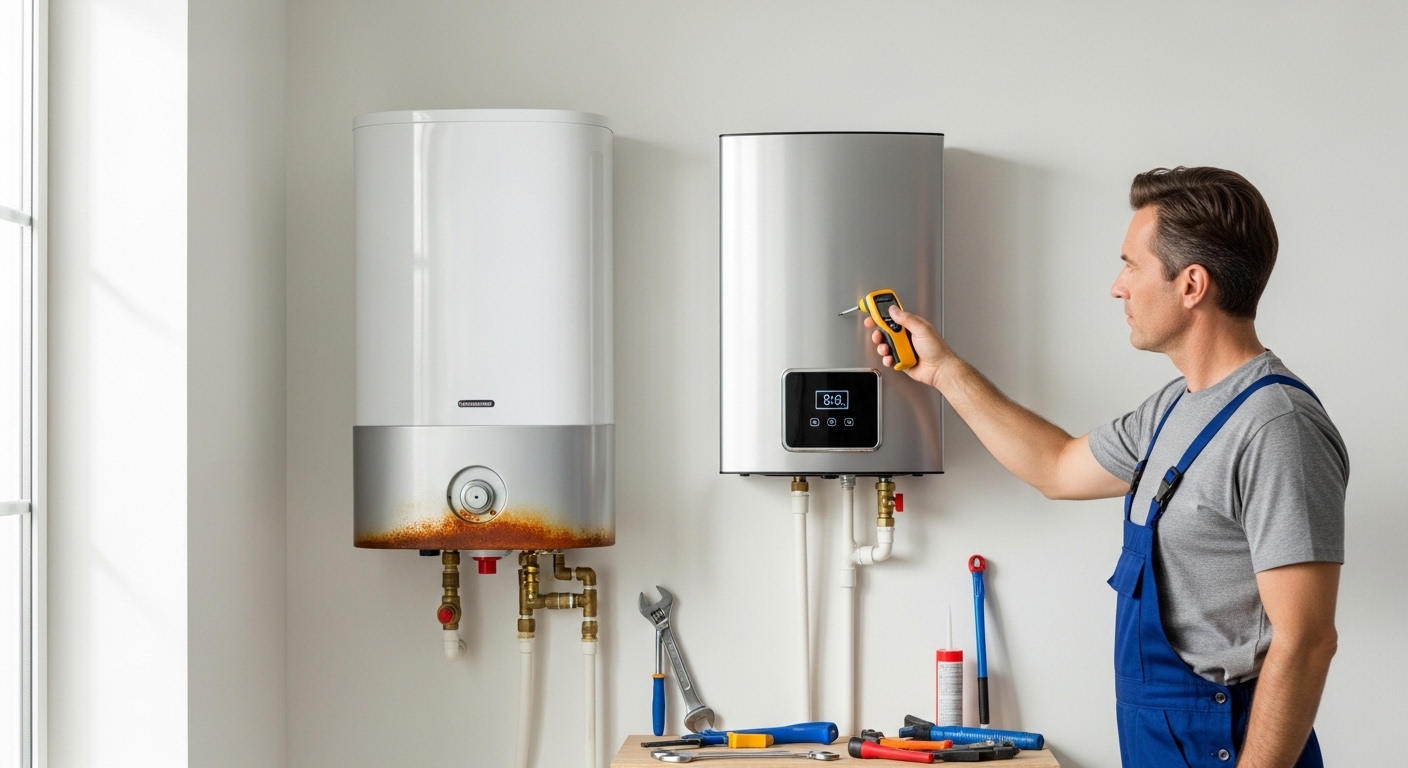
Traditional tank water heaters last 8-12 years on average, while tankless models can operate efficiently for 15-20 years or more with proper care. Your water heater’s lifespan depends heavily on maintenance habits, water quality, and usage patterns. Understanding these factors helps you plan for replacement before a catastrophic failure occurs.
After 20 years in the plumbing industry, I’ve seen water heaters fail at 6 years and others still running strong at 18. The difference almost always comes down to maintenance and environmental conditions. Let me walk you through exactly what affects your water heater’s longevity and how to maximize its lifespan.
How Long Do Water Heaters Last by Type?
Not all water heaters are built the same. The type you have significantly impacts its expected service life. Here’s what the data shows across different water heater categories.
Tank Water Heaters (8-12 years)
Traditional storage tank water heaters are the most common type found in homes. These units hold 30-80 gallons of hot water and keep it heated until needed. The constant heating cycle, combined with standing water, creates the perfect environment for corrosion and sediment buildup. Most tank models reach the end of their service life around the 10-year mark, though some make it to 12-13 years with exceptional maintenance.
Tankless Water Heaters (15-20+ years)
Tankless or on-demand water heaters heat water only when you need it, without storing it in a tank. This design eliminates standing water corrosion and significantly extends lifespan. Well-maintained tankless units commonly last 20 years or more. The heating elements may need replacement during this time, but the core unit remains functional much longer than tank models.
Electric vs Gas Water Heaters
Gas water heaters typically last 8-12 years, similar to their electric counterparts. However, gas models have more moving parts (pilot light, thermocouple, gas valve) that can fail earlier. Electric units have fewer components but are more susceptible to sediment buildup on heating elements. In hard water areas, electric water heaters may fail 1-2 years sooner than gas models due to element corrosion.
| Water Heater Type | Average Lifespan | Maximum with Excellent Care |
|---|---|---|
| Conventional Tank (Gas) | 8-12 years | 15 years |
| Conventional Tank (Electric) | 8-12 years | 14 years |
| Tankless (Gas) | 15-20 years | 25+ years |
| Tankless (Electric) | 15-20 years | 25+ years |
| Heat Pump Hybrid | 10-15 years | 18 years |
7 Key Factors That Affect Water Heater Lifespan
Understanding what kills water heaters helps you prevent premature failure. Based on service records and homeowner experiences, these seven factors determine whether your unit lasts 8 years or 18.
1. Water Quality (The #1 Killer)
Hard water contains high mineral content that accelerates corrosion and sediment buildup. In areas with hard water (above 7 grains per gallon), water heaters typically fail 2-3 years earlier than in soft water areas. The minerals coat heating elements, create hot spots that damage tank lining, and accelerate anode rod consumption. Installing a water softener can add 3-5 years to your water heater’s life.
2. Maintenance Frequency
Annually flushed water heaters last significantly longer than neglected units. Flushing removes sediment that accumulates at the tank bottom, preventing overheating and corrosion. Homeowners who flush their tanks yearly report 30-40% longer lifespan compared to those who never perform maintenance. The anode rod should also be inspected every 2-3 years and replaced when 50% depleted.
3. Usage Patterns
Households with higher hot water demand experience more frequent heating cycles, accelerating wear. Large families (5+ people) typically see water heater failure 1-2 years earlier than single occupants or couples. However, moderate use is actually better than letting a water heater sit unused for extended periods, which can cause stagnation and accelerated corrosion.
4. Installation Quality
Proper installation affects longevity more than most homeowners realize. Units installed with incorrect venting, improper gas pressure, or inadequate clearance fail prematurely. Poor installation can reduce lifespan by 30-40%. Always use licensed plumbers who follow manufacturer specifications exactly.
5. Anode Rod Condition
The anode rod is your water heater’s sacrificial component—it corrodes so the tank doesn’t. Once depleted, the tank itself begins rusting. Replacing the anode rod every 3-5 years is the single most effective maintenance task for extending tank life. Many homeowners don’t know this component exists until it’s too late.
6. Temperature Settings
Higher temperatures accelerate corrosion and increase stress on tank components. Setting your thermostat above 140°F significantly shortens lifespan. The ideal setting is 120-130°F—hot enough to prevent bacterial growth but gentle enough to minimize wear. Each 10°F increase above 130°F can reduce lifespan by 5-10%.
7. Climate and Installation Location
Water heaters in unconditioned spaces (garages, attics, crawl spaces) work harder to maintain temperature, especially in extreme climates. Units in cold climates may last 1-2 years less than those in moderate climates. Installing your water heater in a temperature-controlled space can extend its life by 15-20%.
8 Signs Your Water Heater Needs Replacement
Don’t wait for catastrophic failure. These warning signs give you time to plan replacement on your schedule rather than during an emergency. If you notice any of these issues, schedule a professional inspection immediately.
1. Rusty or Discolored Water
Reddish-brown water from hot taps indicates internal tank corrosion. Once the tank lining fails, rust spreads quickly. This is typically a sign that replacement is needed within 3-6 months. Flushing may temporarily improve water appearance, but the underlying corrosion continues progressing.
2. Rumbling or Popping Noises
Loud rumbling, popping, or banging sounds during heating cycles indicate significant sediment buildup. The hardened sediment layer causes water to boil beneath it, creating the noise. While flushing can help in early stages, advanced sediment buildup usually means the tank has suffered permanent damage.
3. Water Leaks Around the Tank
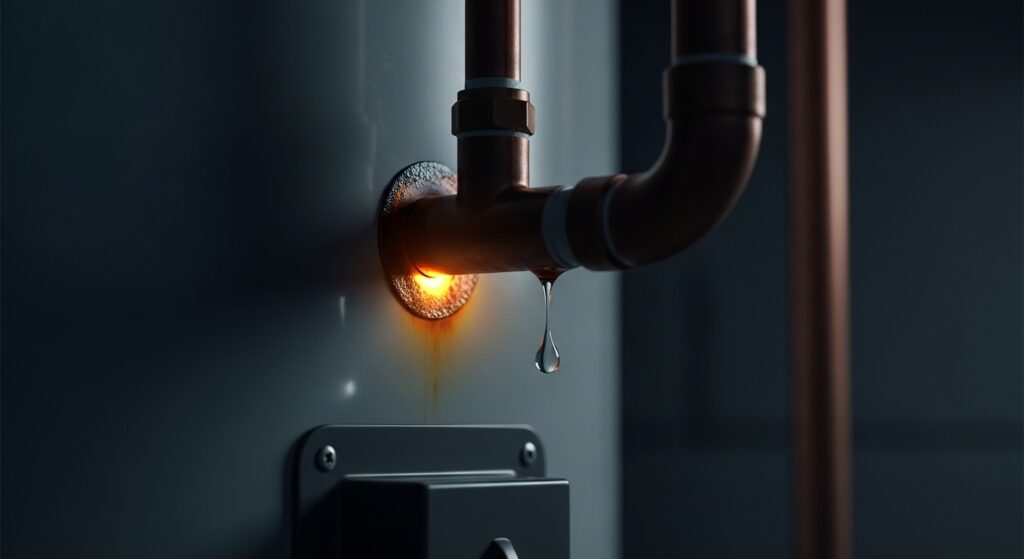
Any visible moisture around your water heater demands immediate attention. Small leaks from fittings may be repairable, but leaks from the tank itself indicate irreparable failure. Once a tank begins leaking, replacement is the only option—continued operation risks catastrophic tank rupture.
4. Inconsistent Water Temperature
Fluctuating water temperature, running out of hot water faster than normal, or waiting excessively long for hot water all indicate failing components. While some issues (thermostat, heating element) are repairable, temperature problems in units over 10 years old often signal impending total failure.
5. Higher Energy Bills
A sudden unexplained increase in energy costs can indicate declining water heater efficiency. As units age, sediment buildup and component wear reduce efficiency, requiring more energy to produce the same amount of hot water. If your energy bill rises 15-20% without other explanations, your water heater may be failing.
6. Visible Corrosion on Tank Exterior
Rust or corrosion on the tank’s exterior, especially around pipe connections or the tank bottom, indicates advanced deterioration. External corrosion means internal corrosion is likely severe. Units showing external corrosion typically require immediate replacement.
7. Age Over 10 Years
Even if operating fine, water heaters over 10 years old are living on borrowed time. Most manufacturers recommend proactive replacement at this age. The cost of emergency replacement (water damage cleanup, after-hours service) far exceeds planned replacement costs.
8. Pilot Light Issues (Gas Units)
Frequent pilot light outages or difficulty relighting the pilot indicate component failure. While thermocouples are replaceable, repeated pilot problems in units over 8 years old often signal more serious issues. Consider replacement if pilot problems persist after thermocouple replacement.
How to Tell Your Water Heater’s Age?
Determining your water heater’s age helps you plan for replacement and make repair vs. replace decisions. Most homeowners don’t know their unit’s age until problems develop. Here’s how to find out.
Reading the Serial Number
Every water heater has a serial number that encodes the manufacture date. Look for a data label on the tank’s upper portion (usually near the gas valve or electrical connections). The serial number format varies by manufacturer but typically includes a letter for the month and numbers for the year.
For example, a Rheem serial number might read “J12D12345” where J=October (10th month), 12=2012. Bradford White uses a different format: “1289A12345” where 12=2012 and 89=August (8th month). Search “[brand name] water heater serial number decoder” for your specific manufacturer’s code.
Manufacturer Date Codes
Some manufacturers print the manufacture date directly on the data label. Look for phrases like “Mfg Date,” “Built On,” or “Date of Manufacture.” This date tells you exactly when your unit left the factory, which closely matches its installation date in most cases.
When to Replace by Age
Use these age-based guidelines for replacement planning:
- Under 8 years: Repair is almost always the right choice
- 8-10 years: Evaluate repair cost vs. replacement cost
- 10-12 years: Replace rather than repair for major issues
- Over 12 years: Replace regardless of condition (proactive)
Maintenance Tips to Extend Water Heater Life
Proper maintenance can add 3-5 years to your water heater’s lifespan. Most homeowners neglect these simple tasks, then wonder why their unit fails prematurely. Here’s what I recommend doing annually.
Annual Tank Flushing
Flush your tank annually to remove sediment. Turn off the power or gas, connect a hose to the drain valve, and drain 3-5 gallons of water until it runs clear. This simple 15-minute task removes accumulated sediment before it hardens and causes damage. If you’ve never flushed your tank and it’s over 5 years old, consider professional flushing—the first flush can release stubborn sediment that clogs drain valves.
Anode Rod Inspection
Check your anode rod every 2-3 years and replace it when 50% depleted. This $30-50 part prevents tank corrosion and is the single most important maintenance task. Most homeowners don’t know this component exists until their tank fails. If you’re not comfortable checking it yourself, any plumber can inspect it during annual service.
Optimal Temperature Settings
Set your thermostat to 120-130°F. This temperature prevents bacterial growth (including Legionella) while minimizing corrosion and stress on tank components. Each 10°F increase above 130°F significantly accelerates wear and wastes energy.
Pressure Relief Valve Testing
Test the temperature and pressure relief (T&P) valve annually by lifting the test lever. Water should flow freely and stop when released. If the valve sticks or doesn’t fully close, replace it immediately. A malfunctioning T&P valve can cause dangerous pressure buildup or tank rupture.
Professional Inspections
Schedule professional inspections every 3-5 years, or annually for units over 8 years old. A plumber can identify issues you might miss: venting problems, gas pressure issues, corrosion in hard-to-see areas, and failing components before they cause complete failure. The $100-150 inspection cost is cheap insurance against emergency replacement.
Repair vs Replace: Making the Right Decision
When problems develop, deciding whether to repair or replace can be difficult. Use these guidelines to make the right choice based on your unit’s age, the repair cost, and the specific issue.
The 50% Rule
If the repair cost exceeds 50% of replacement cost, choose replacement. For example, if a new water heater costs $1,200 installed and your repair quote is $700, replacement makes more financial sense. This rule especially applies to units over 8 years old.
Age-Based Decision Tree
For units under 8 years old, repair is almost always the right choice unless the tank itself is leaking. Between 8-10 years, evaluate based on repair cost and overall condition. For units over 10 years, replace rather than repair unless the repair is minor (under $150). Over 12 years, replace regardless of the issue.
Consider Replacement If:
- Your unit is over 10 years old and needs any repair over $150
- The tank is leaking (irreparable)
- You’ve repaired the same issue twice within 2 years
- Your energy bills have increased 15%+ without other explanation
- The warranty has expired and major components fail
Frequently Asked Questions About Water Heater Lifespan
How do you know when a hot water heater needs to be replaced?
Replace your water heater if you see rusty water, hear rumbling noises, notice leaks around the tank, experience inconsistent temperature, see visible corrosion, or if the unit is over 10 years old. These signs indicate impending failure that often leads to emergency replacement.
Can a water heater last 20 years?
Yes, tankless water heaters commonly last 20-25 years with proper maintenance. Traditional tank water heaters rarely reach 20 years, but some exceptional cases exist with excellent maintenance, soft water, and ideal conditions. The realistic maximum for tank units is 15-16 years.
What are the signs that your water heater is going out?
Warning signs include rusty or discolored hot water, loud rumbling or popping during heating cycles, moisture around the tank base, inconsistent water temperature, reduced hot water supply, higher energy bills, and difficulty keeping the pilot light lit.
Should I flush a 7 year old water heater?
Yes, flush your water heater annually regardless of age. At 7 years, flushing is especially important to remove accumulated sediment that could cause failure in the near future. Even if never flushed before, starting now can extend remaining lifespan by 1-2 years.
Conclusion
How long do water heaters last? The answer depends on maintenance, water quality, and usage. Tank models typically last 8-12 years, while tankless units can reach 20+ years. By flushing annually, inspecting the anode rod, and addressing problems early, you can maximize your water heater’s lifespan and avoid emergency failures.
If your water heater is over 10 years old or showing failure signs, schedule a professional inspection. Proactive replacement costs far less than emergency service plus water damage cleanup. A small investment in maintenance and timely replacement ensures reliable hot water and protects your home from catastrophic failure.
Leave a Reply