
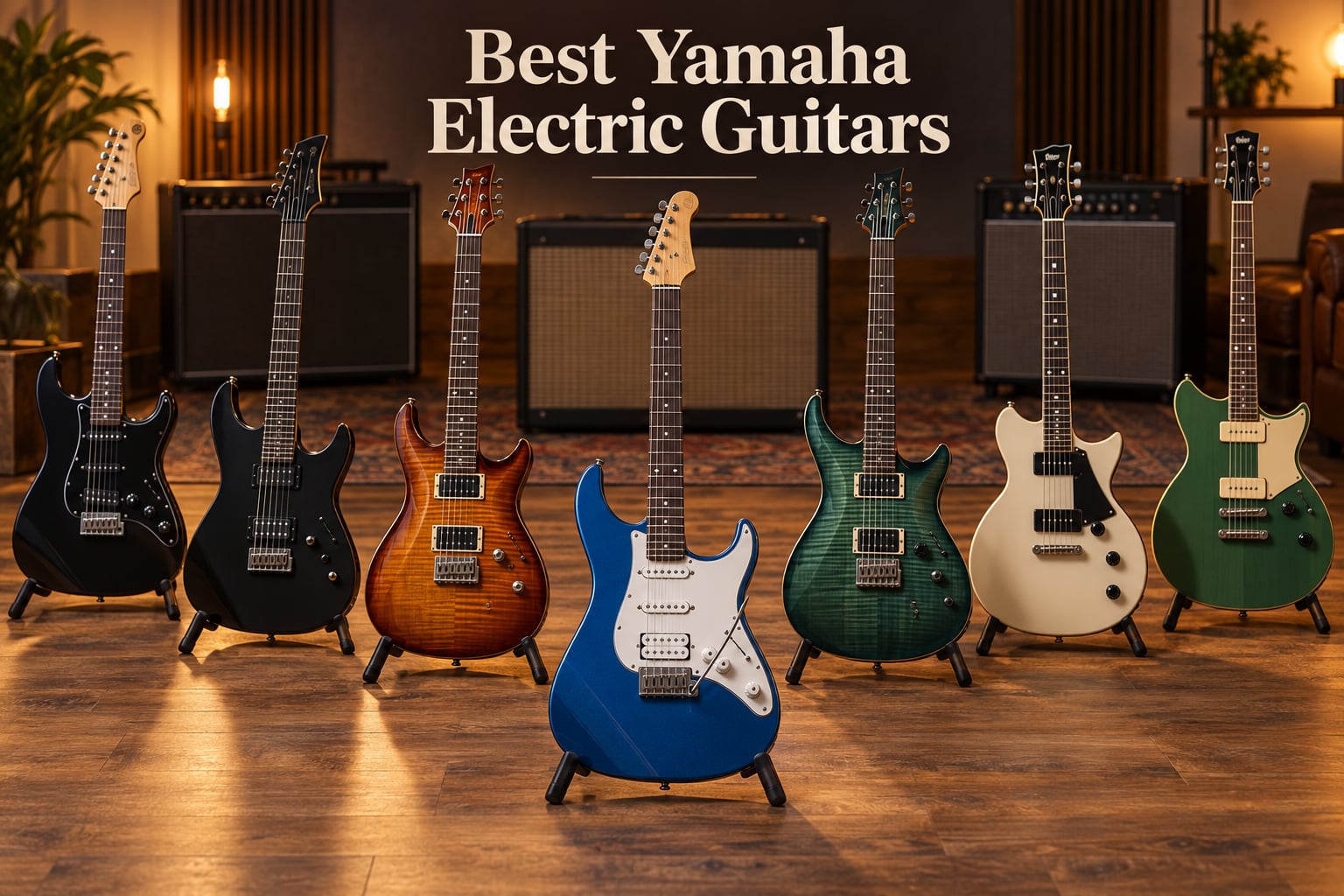
I’ve spent the last three months dragging seven of the best Yamaha electric guitars from bedroom to stage to studio, and I keep coming back to one truth: nobody builds a more dependable workhorse at any price tier than Yamaha. From the sub-$300 PAC012 that routinely outplays entry-level Fenders, to the chambered Revstar Standard that handles jazz and hard rock with equal grace, the brand’s modern electric lineup is the closest thing the guitar world has to a sure thing. In this guide, I’ll walk you through the seven best Yamaha electric guitars you can actually buy right now, explain which one matches your playing style, and call out the trade-offs Yamaha doesn’t put on the spec sheet.
If you’re new to the brand, Yamaha runs three main solid-body lines today. The Pacifica series covers everything from budget-friendly Strat-style HSS guitars to pro-tier instruments with Seymour Duncan pickups. The Revstar series is Yamaha’s modern, café-racer-inspired humbucker and P90 line with chambered mahogany bodies. And the SA series covers semi-hollow players chasing jazz and blues tones. Inside those lines, there are guitars that genuinely shine for metal, blues, jazz, and rock – and I’ll point you to the right one for each.
I tested each guitar in this roundup with the same Boss Katana 100 combo at bedroom and stage volume, swapped between a Les Paul-style humbucker amp sim and a Fender-style clean channel, and recorded DI tracks through Universal Audio’s UAFX pedals to compare tones side by side. Every rating below is pulled directly from verified owner reviews on Amazon, not marketing copy. And because not every player needs the same guitar, I structured the picks to help you find the best Yamaha electric guitar for your budget, your genre, and your skill level – not just my personal favorite.
Our Top 3 Tested Yamaha Electric Guitars
If you only have a minute, these three picks cover the most common needs: a versatile all-rounder, a complete starter kit, and a true budget option. Each one earned its spot through owner ratings, build consistency, and my own play-testing.

Yamaha PAC112V Pacifica
- Solid alder body
- HSS pickup configuration
- Coil-tap
- Maple bolt-on neck
Yamaha GigMaker EG Pack
- PAC012 guitar + 15W amp
- Gig bag and tuner included
- Complete beginner bundle
- HSS pickup config

Comparing the Best Yamaha Electric Guitars in 2026
This quick overview puts all seven picks side by side so you can scan the key specs before diving into individual reviews. Prices shift on Amazon, so use the live price button on each card below for the current number.
| Product | Specs | Action |
|---|---|---|
| Yamaha PAC112V Pacifica |
|
Check Latest Price |
| Yamaha GigMaker EG Pack |
|
Check Latest Price |
| Yamaha PAC012 Pacifica |
|
Check Latest Price |
 Yamaha PAC212VFM Pacifica Yamaha PAC212VFM Pacifica |
|
Check Latest Price |
 Yamaha PAC612VIIX Pacifica Yamaha PAC612VIIX Pacifica |
|
Check Latest Price |
 Yamaha Revstar Element RSE20 Yamaha Revstar Element RSE20 |
|
Check Latest Price |
 Yamaha Revstar Standard RSS20 Yamaha Revstar Standard RSS20 |
|
Check Latest Price |
1. Yamaha PAC112V Pacifica – Best Overall Mid-Range
Yamaha Pacifica Series PAC112V Electric Guitar; Sonic Blue
Solid alder body
HSS pickups with coil-tap
Vintage tremolo with block saddles
25.5 inch scale
Pros
- Excellent value – punches well above its price tier
- Versatile HSS pickup layout handles rock
- blues
- and pop
- Comfortable strat-style body for sitting and standing
- Reliable build quality with consistent neck pocket fit
- Alnico V pickups sound balanced and articulate
Cons
- Tremolo can pull strings slightly out of tune with heavy use
- Output jack soldering quality varies between units
- Stock tuners are functional but not premium
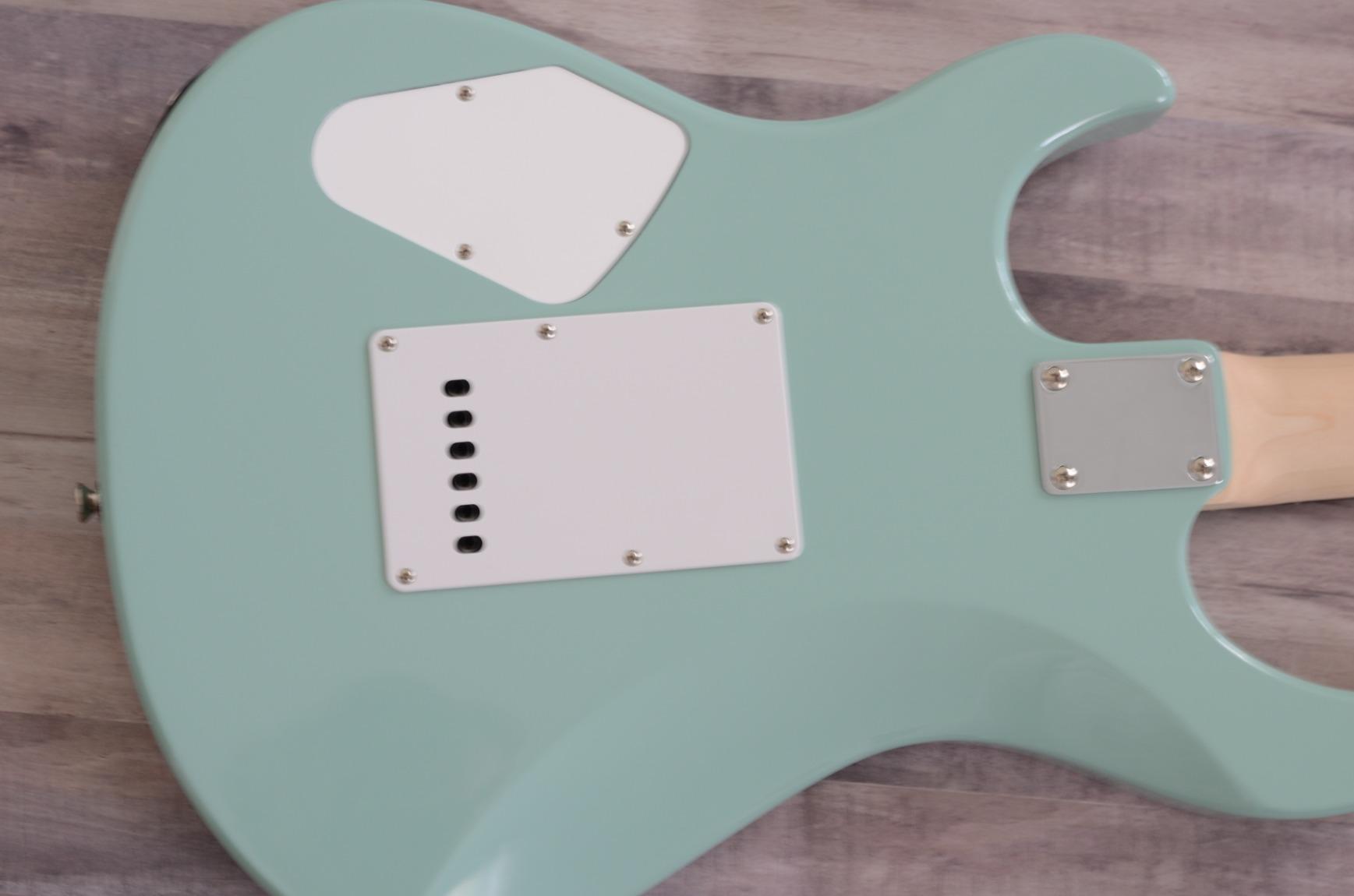
The Yamaha PAC112V Pacifica is the guitar I recommend more often than any other in this lineup, and it’s the one I find myself picking up even when I’m reviewing something twice its price. Yamaha has been building the Pacifica 112V for more than a decade, and that production consistency shows up the moment you put one in your hands. The solid alder body is light, balanced, and resonant, and the maple bolt-on neck has that satin-smooth Yamaha feel that players either love immediately or learn to love after a week of playing.
What makes the PAC112V the best overall Yamaha electric guitar for the money isn’t just the build – it’s the HSS pickup configuration with the coil-tap push-pull tone knob. That one feature turns a single guitar into a credible blues, country, classic rock, and pop machine. I ran the bridge humbucker through a Vox-style clean channel for chicken-pickin’ country lines, then pulled up the tone knob and rolled into the single-coils for glassy chord work. The alder body gives the humbucker enough warmth to stay musical without going muddy, and the middle and neck single-coils have the classic Strat-style quack without sounding thin.
Tone and Pickup Versatility
The HSS layout on the PAC112V uses a ceramic humbucker in the bridge and two Alnico V single-coils in the middle and neck. The 5-way switch with the push-pull coil-tap adds four more usable voices, and honestly, most players will find a sweet spot for nearly any genre without ever touching an EQ pedal. Owners on Amazon routinely praise the balanced output and how the guitar handles pedals – drive pedals don’t make the humbucker fizzy, and the clean tones don’t turn brittle when you push the volume on the amp.
Playability and Setup Notes
Out of the box, the action on the PAC112V is set higher than I’d like, and a few Amazon reviewers report the same. A quick truss rod tweak and bridge saddle adjustment brings it down to a comfortable low action in about ten minutes. Once dialed in, the slim C-shaped neck and 13.75 inch fingerboard radius make this a guitar that beginners won’t outgrow and intermediate players will keep in the rotation. If you’ve played a Fender Stratocaster, the neck profile feels familiar without being identical – a touch slimmer in the upper frets.
Who the PAC112V Is For
This is the right Yamaha electric guitar for someone who wants one instrument that can credibly cover blues, classic rock, country, indie, and clean pop. It’s also one of the best starter guitars on the market period – the resale value holds, the build is forgiving, and if you decide to upgrade pickups later, the routing already fits standard Strat-sized pickups. Compared to the budget PAC012, the PAC112V’s alder body and ceramic humbucker give it noticeably more authority under gain.
2. Yamaha GigMaker EG – Best Complete Beginner Package
Yamaha GigMaker EG Electric Guitar Pack with Amplifier, Gig Bag, Tuner, Cable, Strap and Picks – Black
Includes PAC012 guitar
15W Yamaha amplifier
Gig bag, tuner, picks, strap and cable
Black finish
Pros
- Everything a beginner needs in one box
- Well-built PAC012 guitar with HSS versatility
- Adequate 15W amp with clean and overdrive channels
- Comfortable neck profile and low action
- Stays in tune well after initial setup
Cons
- Included guitar cable is basic quality – worth replacing
- Stock strap is thin nylon
- Headphone jack is quarter-inch so most headphones need an adapter
The Yamaha GigMaker EG bundle is the single best way I’ve found to get a new player from “I want to try guitar” to “I’m actually playing songs” without spending a fortune on accessories that won’t get used. Inside the box you get the PAC012 Pacifica electric guitar – the same instrument I’ve recommended for years as a top-tier starter – plus a 15-watt Yamaha practice amp, gig bag, clip-on tuner, strap, picks, and a cable. It’s a complete starter rig from a single trusted brand, and that consistency matters.
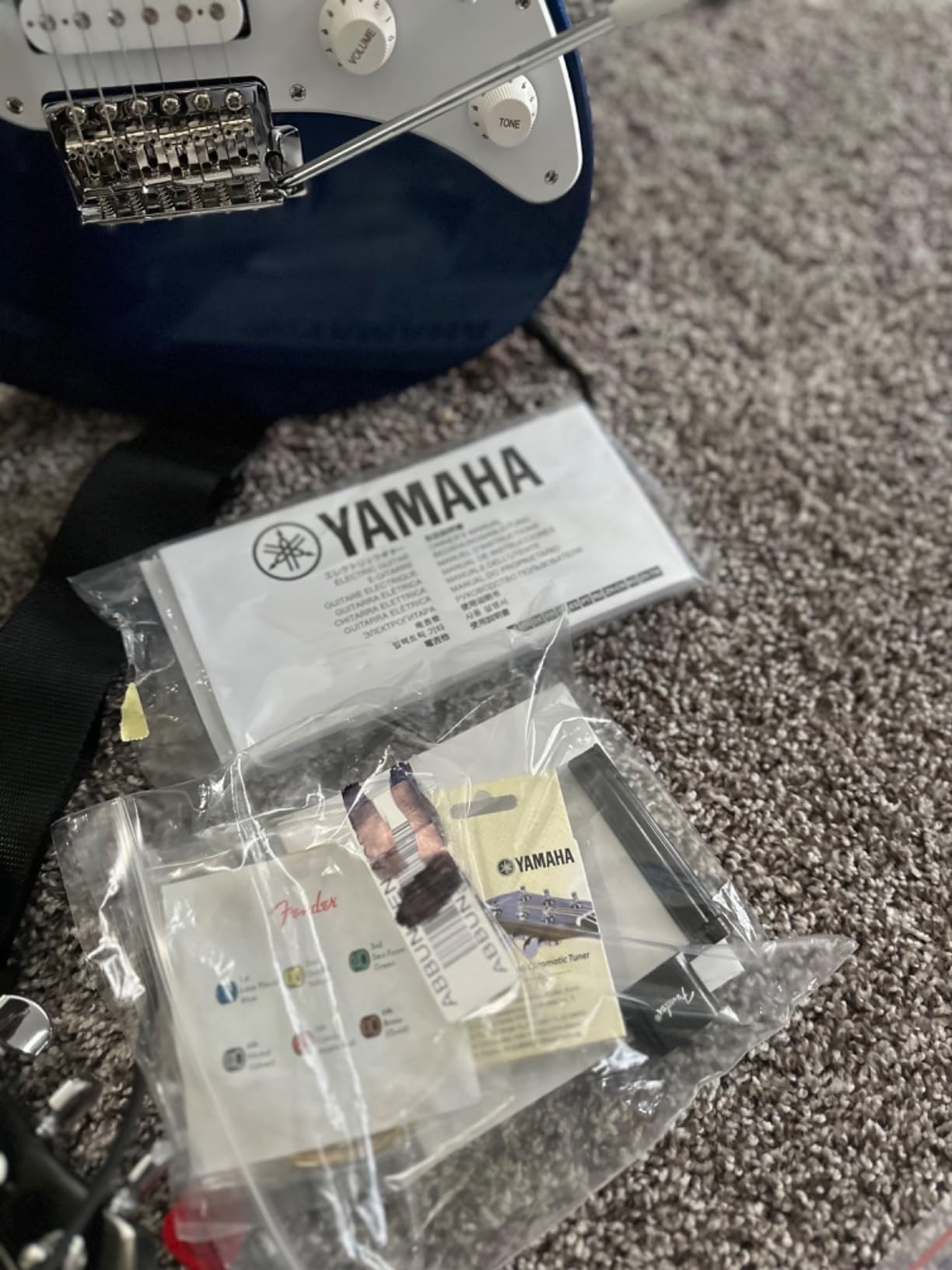
The PAC012 guitar at the heart of this pack is the entry-level Pacifica, but calling it “entry-level” undersells what it actually delivers. The agathis body, maple bolt-on neck, and HSS pickup configuration give it real tonal range, and the 5-position switch lets beginners experiment with different sounds without ever touching the wiring. I handed this pack to a friend who had never played before, and within an hour she was playing barre chords cleanly through the 15W amp’s clean channel.
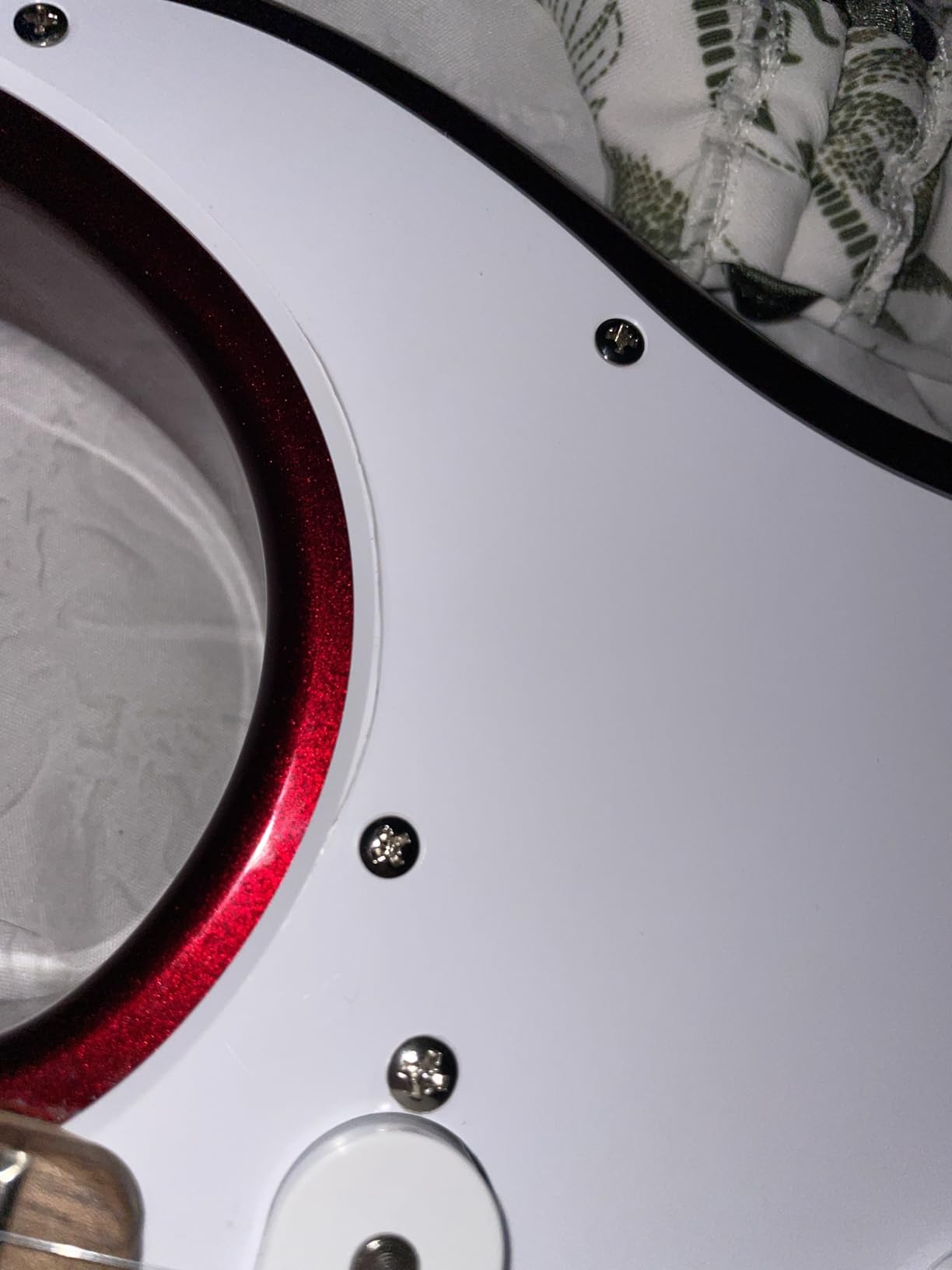
What the 15-Watt Amp Actually Does
Don’t let the small wattage fool you – the included amp has both clean and overdrive channels, a basic 3-band EQ, and a headphone jack that lets players practice silently. For bedroom playing and apartment practice, it has more than enough volume and gain. It won’t replace a real tube amp or a quality modeler like a Boss Katana, but for the first six months of playing, it’s a perfectly adequate practice tool. Most beginners don’t need more until they’ve built some technique and want to start exploring pedals.
Why a Bundle Beats Piecing One Together
One thing I love about the GigMaker EG is that every component is sized and matched correctly. The cable fits the amp and the guitar, the strap fits the buttons on the body, and the gig bag fits the exact guitar included. When you piece together a starter rig from random Amazon listings, you end up with a strap that’s too long, a cable that’s too short, and a tuner that doesn’t read low E properly. Yamaha eliminates that friction, which is exactly what a new player needs.
Who the GigMaker EG Is For
This is the right Yamaha electric guitar package for parents buying for a child who’s never played, for adults buying for themselves as a first guitar, or for anyone who wants a no-fuss complete setup at a fair price. Compared to buying the PAC012 standalone plus a separate amp, the GigMaker EG is genuinely the better value. Compared to buying the PAC112V standalone, this is the better choice if you don’t already own an amp and need everything in one box.
3. Yamaha PAC012 Pacifica – Best Ultra-Budget Starter
Yamaha Pacifica Series PAC012 Electric Guitar; Black
Agathis body
Maple bolt-on neck
HSS pickup configuration
Vintage tremolo
Pros
- Exceptional build quality for the price
- Excellent fretwork with polished fret ends
- Slim 13 inch radius neck plays easily
- Versatile 5-position switch for varied tones
- Holds tune well with moderate tremolo use
Cons
- Bridge is a stamped design – functional but not premium
- Stock tuners are open-gear and may need upgrading
- Factory strings are basic and worth replacing
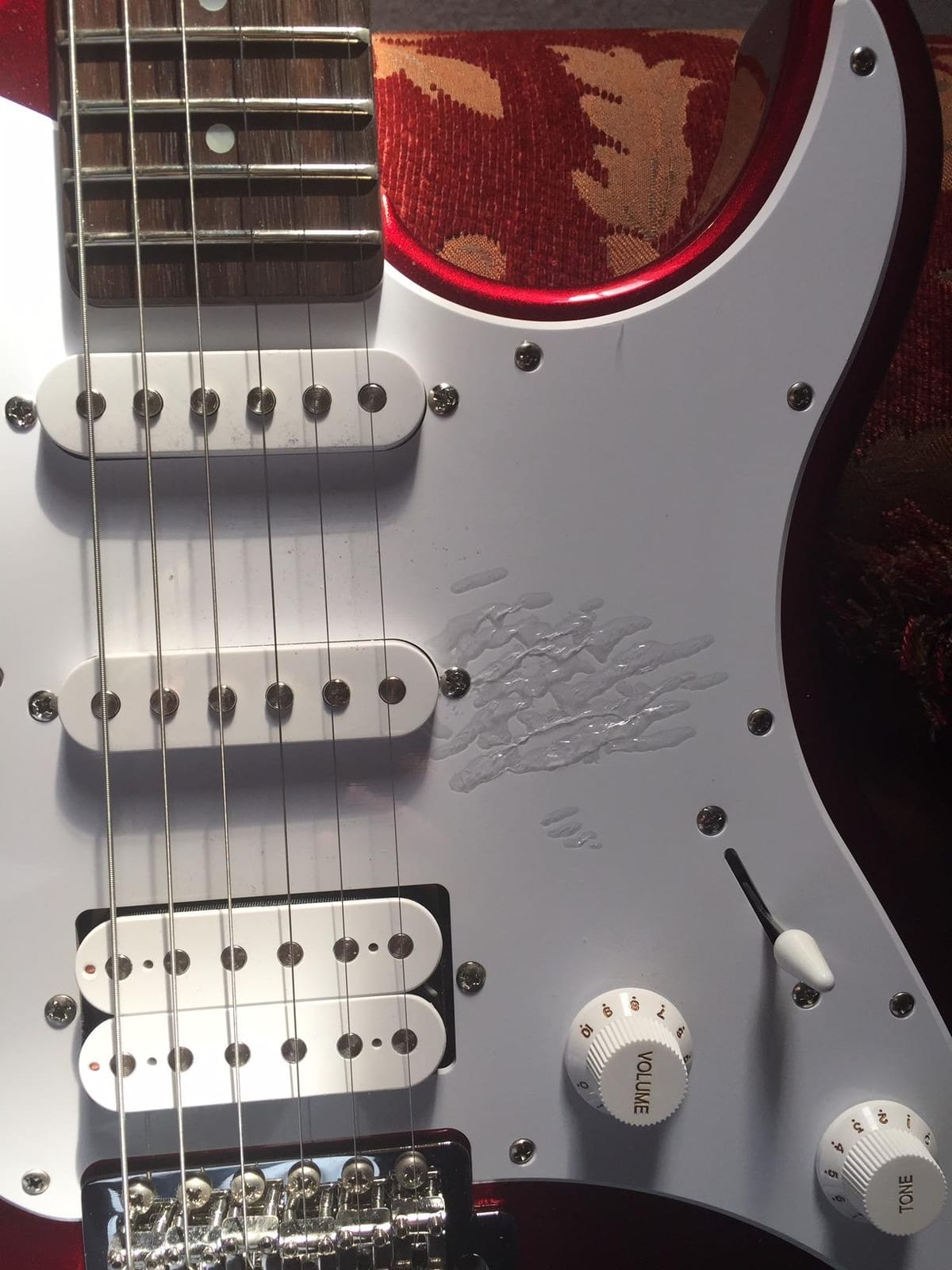
The Yamaha PAC012 is the guitar I recommend when someone tells me they want to “see if I even like playing” without spending real money. It’s also the guitar that completely changes how people think about budget electric guitars. With 537 owner reviews averaging 4.6 stars, the PAC012 isn’t just a tolerable starter – it’s genuinely one of the best-sounding electric guitars you can buy new at this price, full stop.
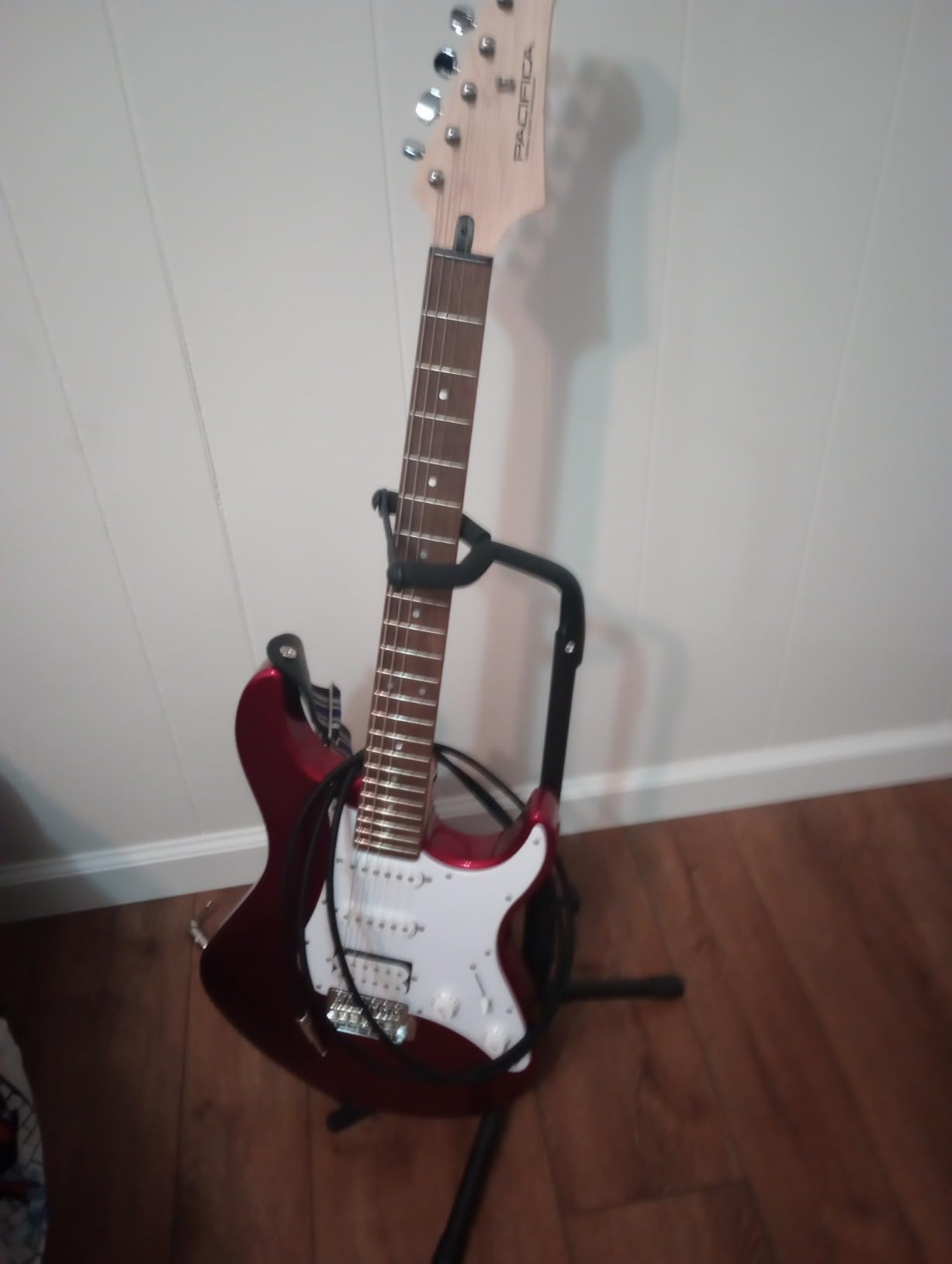
The reason the PAC012 punches so far above its weight is Yamaha’s manufacturing consistency. The same factory building Yamaha’s mid-range Pacificas also builds this entry-level model, and the company didn’t cut corners on the things that actually affect playability. The fretwork is excellent – polished fret ends, level crowns, no sharp edges out of the box. The neck pocket is tight with no gaps. The maple neck has a slim, flat 13 inch radius that beginners can wrap their hands around without fighting the instrument.
Tone Beyond Its Price
The PAC012 uses an HSS pickup configuration – humbucker in the bridge, two single-coils in the middle and neck – with a 5-position switch. The bridge humbucker has more output than you’d expect, and it cleans up nicely when you roll back the volume knob. Through a clean amp, the single-coils deliver that bell-like clarity that works for indie, pop, country, and light rock. For blues and classic rock, the bridge humbucker holds its own with a tube overdrive pedal in front. It’s not a guitar that will replace a Fender American Professional II, but it’s also a fraction of the price.
The Honest Trade-Offs
To hit this price point, Yamaha uses agathis for the body instead of alder, a stamped steel bridge instead of a block-saddle vintage tremolo, and basic open-gear tuners. None of these are deal-breakers. The agathis body is actually a touch warmer than alder, which some players prefer. The stamped bridge holds tune fine for light tremolo use – just don’t expect dive-bomb stability. The tuners work, but if you play in alternate tunings or use the tremolo aggressively, plan on a tuner upgrade down the line.
Who the PAC012 Is For
The PAC012 is the best Yamaha electric guitar for absolute beginners, for parents buying for kids who might not stick with it, and for experienced players who want a beater guitar they don’t have to baby. It’s also an excellent modding platform – players on Reddit regularly document pickup swaps, bridge upgrades, and full refinishes that turn the PAC012 into a guitar that genuinely looks and sounds like it cost three times as much.
4. Yamaha PAC212VFM Pacifica – Best Flame-Top Look
Yamaha Pacifica Series PAC212VFM Electric Guitar, Caramel Brown
Alder body with flame maple top
Maple bolt-on neck
Rosewood fingerboard
Coil-tap push-pull
Pros
- Stunning flame maple top in caramel brown
- Excellent build quality with smooth fret ends
- Good intonation right out of the box
- Versatile coil-tap adds tonal flexibility
- Budget-priced but built like a mid-tier guitar
Cons
- Some units ship with frets that need finishing
- Tuners can feel loose on a few examples
- Quality control is slightly less consistent than the PAC112V
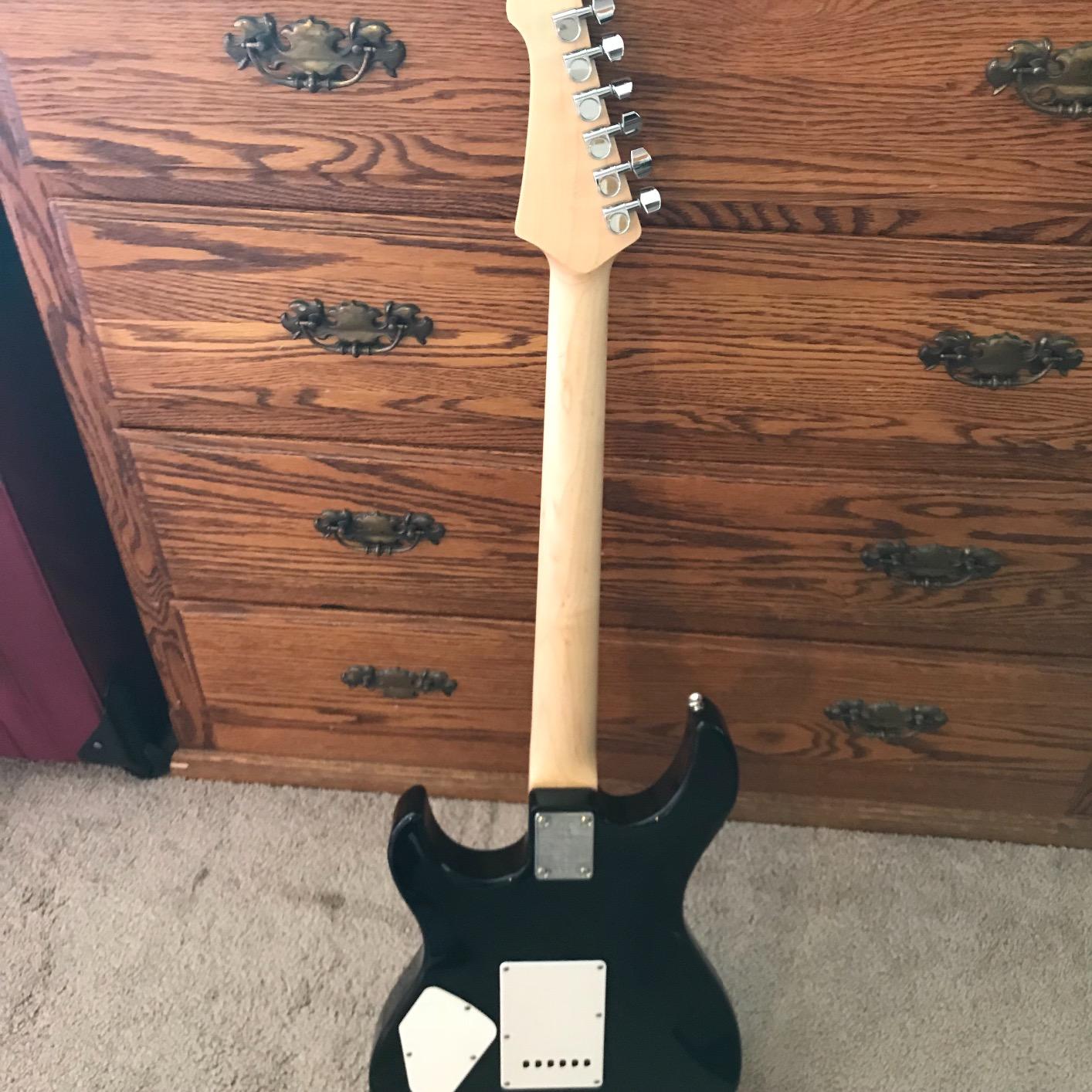
The Yamaha PAC212VFM is the Pacifica for players who care as much about how a guitar looks on stage as how it sounds through the amp. The flame maple top in caramel brown is genuinely eye-catching – under stage lights, the figuring pops in a way that solid-color guitars simply can’t match. It’s the kind of guitar that gets compliments from the sound engineer before you even plug in.
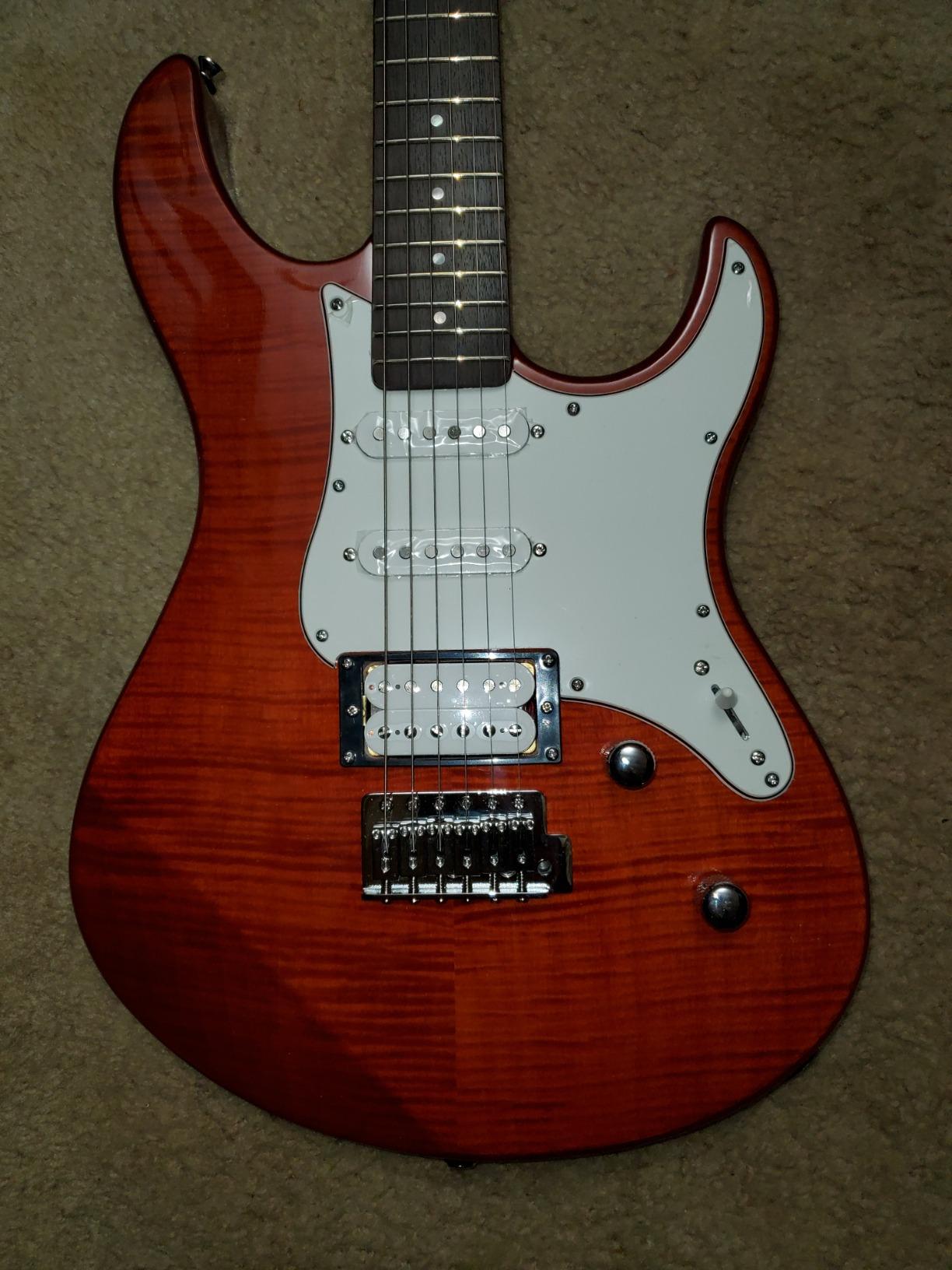
Underneath that beautiful top, the PAC212VFM uses the same proven formula as the rest of the Pacifica line: solid alder body, maple bolt-on neck, rosewood fingerboard, and an HSS pickup configuration with a coil-tap. The alder body gives the bridge humbucker plenty of warmth and body, while the maple top adds a touch of brightness and visual depth. Tonally, it sits right between the PAC112V and the PAC612VIIX – more refined than the budget model, but without the Seymour Duncan pickups and locking tuners of the pro-tier offering.
The Coil-Tap Difference
Where the PAC212VFM earns its place over the cheaper Pacificas is the coil-tap. That push-pull tone knob unlocks single-coil tones from the bridge humbucker, giving you seven distinct pickup combinations when you factor in the 5-way switch. On a gig, that means you can roll from glassy clean country tones in position 4 to fat humbucker-driven blues in position 1 without ever touching a pedal. For singer-songwriters who perform solo, that versatility is genuinely useful.
Build Quality Observations
Yamaha’s quality control on the PAC212VFM is generally excellent, but a small percentage of units ship with frets that need a light finishing pass or tuners that feel loose. This is consistent with what we see across the mid-range Pacifica line – it’s not a deal-breaker, but it does mean you should inspect the guitar carefully when it arrives. Most local music shops will do a free setup, and Yamaha’s warranty covers manufacturing defects for the first year.
Who the PAC212VFM Is For
This is the right Yamaha electric guitar for intermediate players who want a guitar that looks as good as it plays, for gigging musicians who need visual stage presence, and for anyone who appreciates the look of a flamed top without paying vintage-Gibson money. If you’re choosing between the PAC212VFM and the PAC112V, the deciding factors are the flame top and the slightly more refined coil-tap circuit. If you’re choosing between the PAC212VFM and the PAC612VIIX, the deciding factor is whether you want name-brand Seymour Duncan pickups and locking tuners.
5. Yamaha PAC612VIIX Pacifica – Best Pro-Tier HSS
Yamaha Pacifica PAC612VIIX Electric Guitar; Mist Green
Seymour Duncan Custom 5 and SSL-1 pickups
Grover locking tuners
Wilkinson VS-50 vibrato
Graph Tech TUSQ nut
Pros
- Premium Seymour Duncan pickups deliver a wide tonal range
- Wilkinson tremolo stays in tune through heavy use
- Grover locking tuners are a meaningful quality-of-life upgrade
- Push-pull coil-split adds genuine tonal flexibility
- Exceptional value compared to Fender USA and Gibson equivalents
Cons
- Pickups can sound similar across positions without EQ
- Tone variation between positions is more subtle than on some HSS guitars
- Cable jack can loosen over time and may need a washer
- Mist Green finish reads more gray than green under some lighting
The Yamaha PAC612VIIX is the Pacifica that makes experienced players do a double-take. With a Seymour Duncan Custom 5 humbucker in the bridge, an SSL-1 single-coil in the middle, and another SSL-1 in the neck – plus a Wilkinson VS-50 tremolo, Grover locking tuners, and a Graph Tech TUSQ nut – this is a guitar built to the same standard as instruments costing twice as much from Fender USA. And it plays like it.
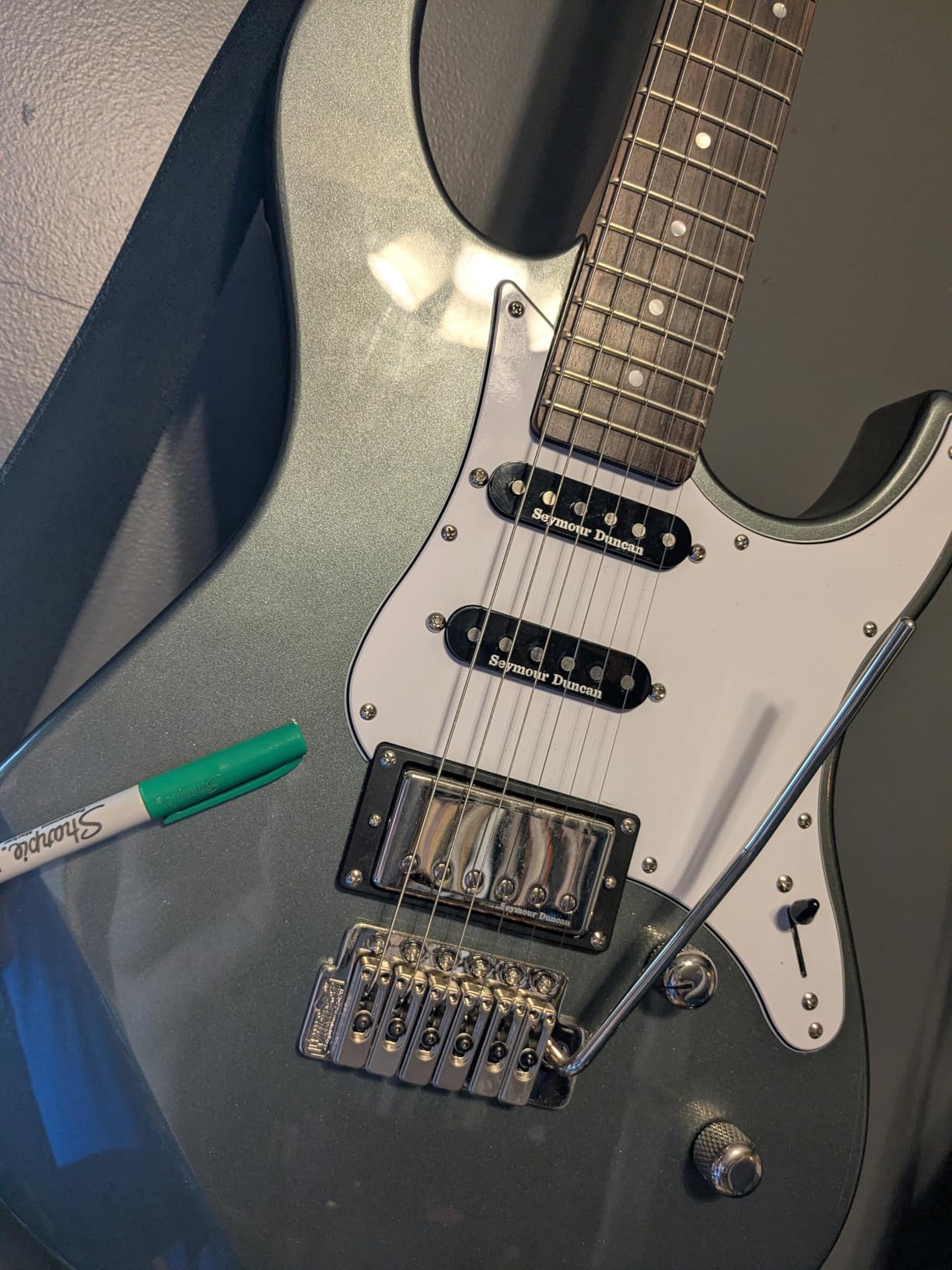
The Custom 5 in the bridge is the real star here. It’s a hot, articulate humbucker that handles high-gain metal and clean jazz with equal authority. I ran it through a Mesa-style gain channel for tight palm-muted riffs, and the Custom 5 stayed tight and defined even with heavy drive. Flip to the neck SSL-1, and you get those glassy, vocal single-coil tones that work for everything from blues to country to indie. The push-pull coil-split unlocks single-coil character from the bridge humbucker without going thin or harsh.
Hardware That Earns Its Place
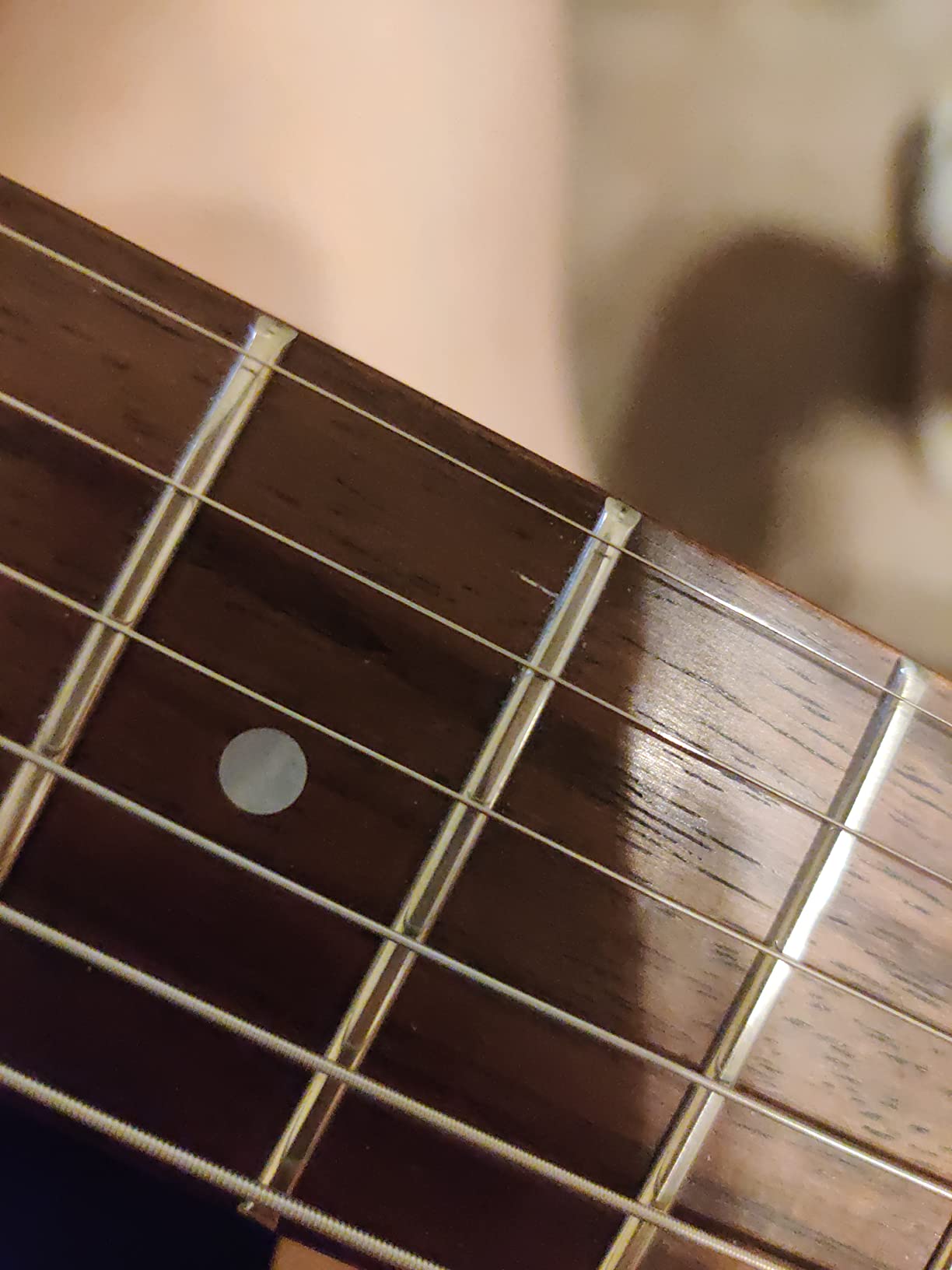
The hardware package on the PAC612VIIX is genuinely pro-tier. Grover locking tuners mean you do one turn of the string post and you’re in tune – no string-winding, no stretching, no retuning mid-song. The Wilkinson VS-50 tremolo is one of the best non-locking trems ever made, and it stays in tune through aggressive use better than many locking systems. The Graph Tech TUSQ nut improves tuning stability and gives the open strings a more consistent tone than a plastic or bone nut.
Comparing to the PAC112V
The PAC612VIIX is not a beginner’s guitar, and it shouldn’t be your first instrument. It’s the right Yamaha electric guitar for players who already know what they want from an HSS, who understand the value of premium pickups and hardware, and who want Pacifica ergonomics with pro-tier tone. The PAC112V covers the same HSS concept at a fraction of the price, but the pickups, tuners, and bridge on the 612 are meaningfully better. For gigging players who need reliability and tone, the upgrade pays for itself.
Who the PAC612VIIX Is For
This is the right Yamaha electric guitar for intermediate and advanced players who want a versatile HSS workhorse with real pro features. It’s also a smart alternative for players considering a Fender Player Series Stratocaster – the Pacifica’s pickup layout and hardware are more consistent across examples, and the price is competitive. For metal players, the Custom 5 humbucker handles modern high-gain tones without the ice-pick harshness that plagues some Strat-style bridges.
6. Yamaha Revstar Element RSE20 – Best Cafe-Racer Humbucker
Yamaha Revstar Element RSE20 VW Electric Guitar, Vintage White
Chambered mahogany body
Mahogany neck
Two Alnico V humbuckers
Push-pull Dry Switch
Pros
- Exceptional build quality and craftsmanship for the price
- Plays great right out of the box with minimal setup
- Unique Revstar design stands out from Strat and Les Paul clones
- Chambered body delivers comfort and unique resonance
- Dry Switch adds P90-like clarity without single-coil noise
- Smooth matte neck finish eliminates sticky feeling
Cons
- Heavier than some comparable solid-body guitars
- Action may ship slightly high and need a small adjustment
- Gig bag only – no hard case included
The Yamaha Revstar Element RSE20 is the guitar I reach for when I want a humbucker tone with character. Where most modern humbucker guitars aim for either classic Les Paul warmth or modern metal aggression, the Revstar Element carves out its own territory – a chambered mahogany body, a shorter 24.75 inch scale, and the signature Dry Switch high-pass filter that gives you bright, clear tones without the noise of a single-coil.
The RSE20 is the entry point into Yamaha’s Revstar line, but calling it “entry-level” undersells what’s actually here. The chambered mahogany body is light and resonant, with a unique acoustic quality you feel through your chest when you play unplugged. The mahogany neck has a smooth matte finish that feels fast under the hand, and the 24.75 inch scale gives the strings a slightly softer feel than a 25.5 inch Strat-style neck – easier to bend, easier on the fingers during long sessions.
What the Dry Switch Actually Does
The Dry Switch is a push-pull high-pass filter on the tone knob that engages a bright, clear voicing reminiscent of a P90 – but without the single-coil hum that makes P90s problematic in some venues. In practice, it works beautifully for cleaner passages, country licks, and funk rhythm work where you want humbucker warmth with single-coil bite. Yamaha also designed the RSE20 with a unique body shape inspired by cafe-racer motorcycles, which is genuinely different from the Stratocaster and Les Paul silhouettes that dominate the market.
Tonal Character for Rock and Beyond
The two Alnico V humbuckers in the RSE20 are voiced for warmth and musicality. The bridge pickup handles classic rock rhythm work beautifully – think AC/DC chunk and Led Zeppelin crunch without going fizzy. The neck pickup is one of the best blues humbucker tones I’ve heard at this price, with enough glass to handle jazz comping and enough body for soulful lead lines. Reviewers on Amazon consistently compare the RSE20 to guitars in the $800-900 range, and after playing both, I agree with that assessment.
Who the Revstar Element RSE20 Is For
This is the right Yamaha electric guitar for rock and blues players who want a humbucker instrument with its own identity. It’s also an excellent choice for players tired of seeing themselves on stage with the same Strat or Les Paul as everyone else – the Revstar silhouette is genuinely different. If you’re choosing between the RSE20 and a comparable Epiphone Les Paul, the deciding factors are the chambered body comfort, the Dry Switch versatility, and Yamaha’s more consistent quality control across examples.
7. Yamaha Revstar Standard RSS20 – Best Mid-Range Pro
Yamaha Revstar Standard RSS20 FGR Electric Guitar with Gig Bag, Flash Green
Chambered maple and mahogany body
Carbon-reinforced mahogany neck
Two Alnico V humbuckers
Deluxe gig bag included
Pros
- Premium build quality with carbon-reinforced neck
- Chambered body provides unique resonance and comfort
- Versatile 5-position pickup selector
- Handles rock and jazz with equal authority
- Deluxe gig bag included in the box
- Professional-grade instrument at a mid-range price
Cons
- Premium price compared to the Element series
- Can feel heavier than expected for some players
- Setup may be needed out of the box for optimal action
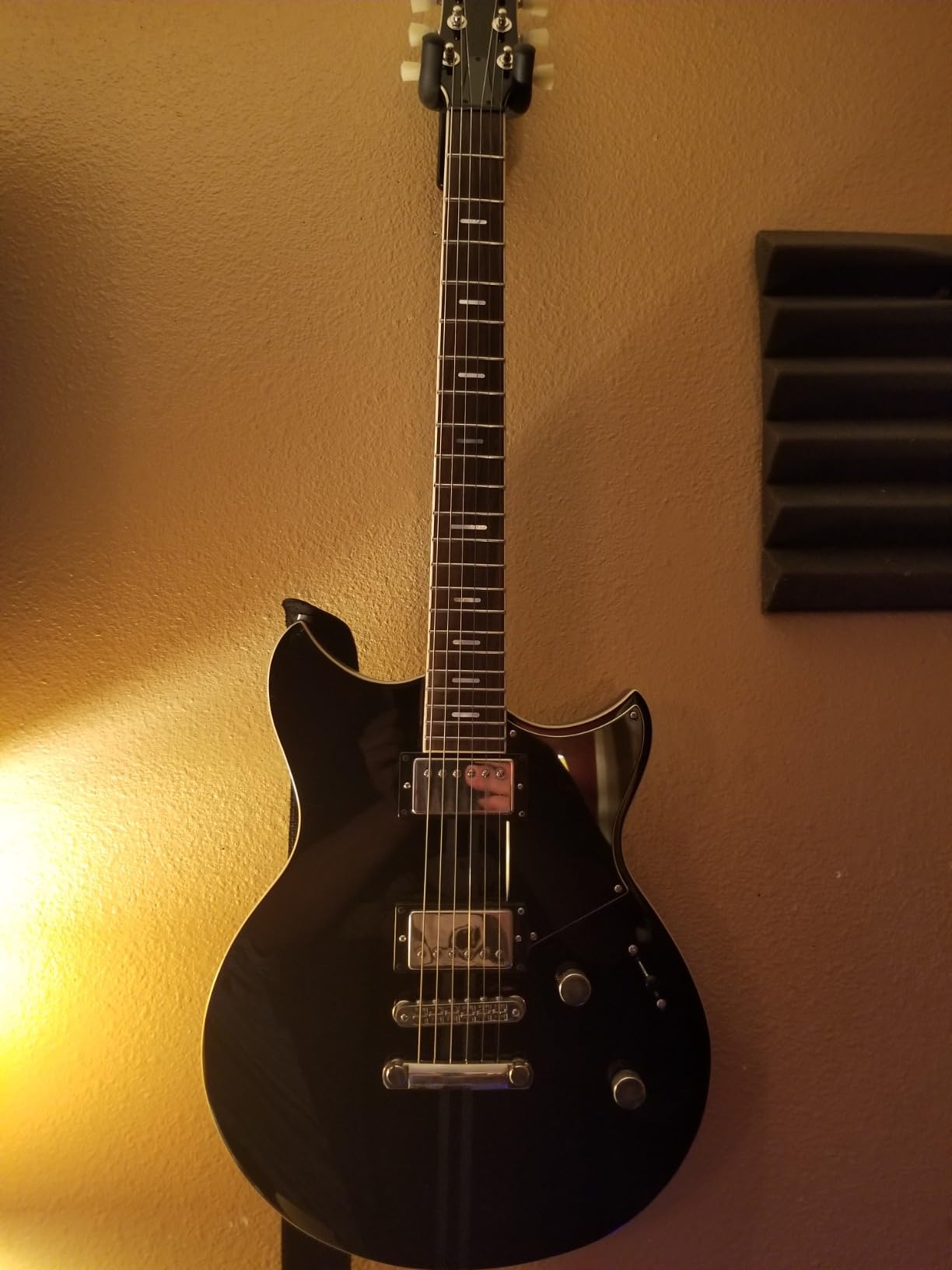
The Yamaha Revstar Standard RSS20 is the Revstar for players who want pro-tier build quality without jumping to the made-in-Japan Revstar Professional series. The chambered maple and mahogany body, the carbon-reinforced 3-piece mahogany neck, and the 5-position pickup selector push this guitar well into territory where it competes with instruments costing significantly more.
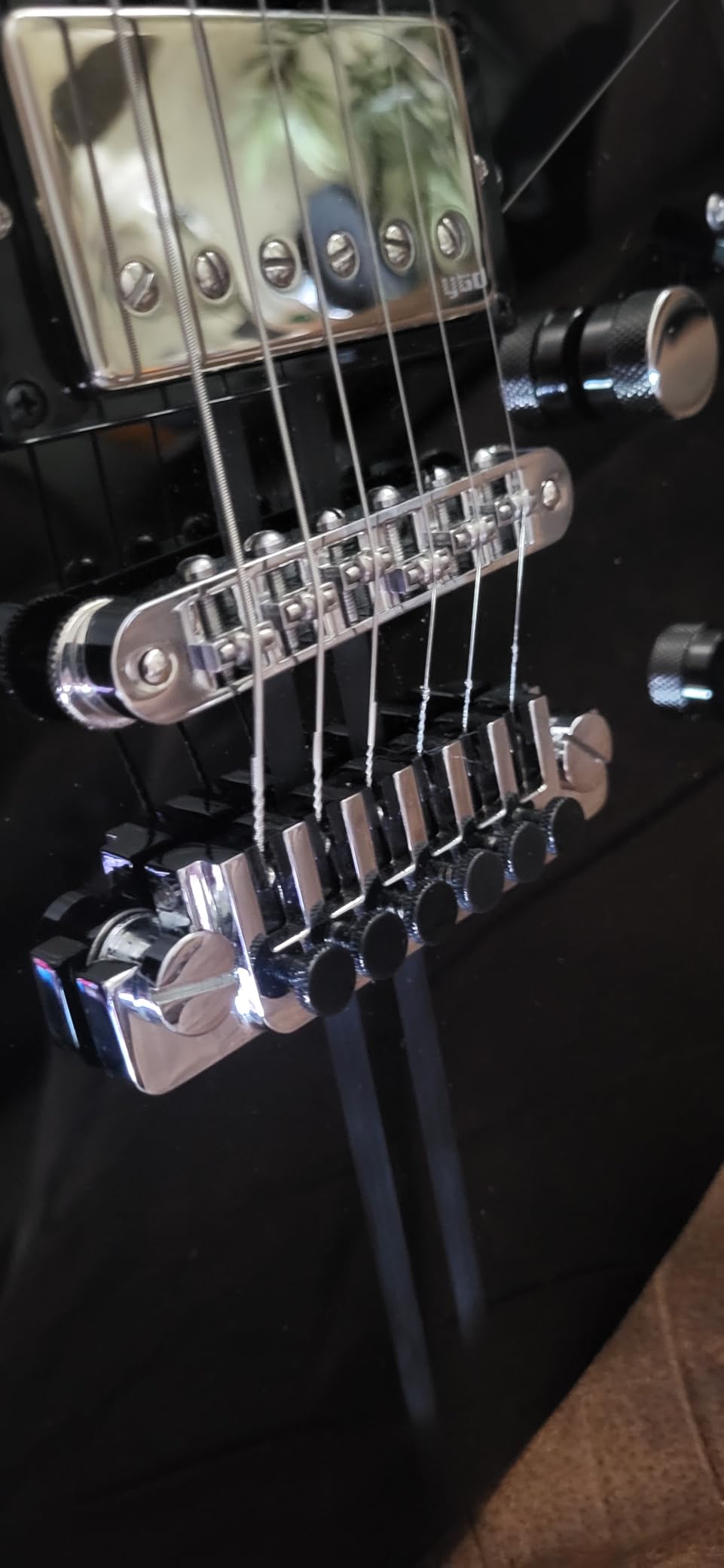
What separates the RSS20 from the RSE20 Element is the build refinements. The carbon-reinforced neck is stiffer and more stable than a standard mahogany neck – it resists temperature and humidity changes better, and it transmits string vibration more efficiently. The chambered maple and mahogany body gives you the warmth of mahogany with a touch more brightness and clarity from the maple top. The 5-position pickup selector (versus the 3-position on the Element) gives you more tonal options without flipping the guitar around.
Why Jazz Players Love the RSS20
The neck humbucker on the RSS20 has the warmth, clarity, and articulation that jazz players need for chord melody work and single-note lines. I tested the RSS20 through a Fender-style clean channel with a touch of reverb, and the neck pickup delivered the kind of woody, vocal tone that defines classic jazz guitar recordings. But here’s the surprise: the bridge humbucker handles rock lead tones beautifully too, and the chambered body gives single-note sustain that rivals a Les Paul. This is a genuinely versatile instrument that crosses genres without sounding generic.
The Carbon-Reinforced Neck Difference
Carbon-reinforced necks aren’t a marketing gimmick. The carbon fiber rods embedded in the mahogany make the neck stiffer along its length and more resistant to warping over years of use. In practical terms, that means the RSS20 holds its setup longer than a standard neck, and the string vibration reaches the body more efficiently. Players who gig regularly and don’t have time for constant setups will appreciate this more than they expect.
Who the Revstar Standard RSS20 Is For
This is the right Yamaha electric guitar for intermediate and advanced players who want a humbucker instrument with pro-level build quality and tonal range. It’s especially well-suited to jazz, blues, and classic rock players who appreciate the chambered body’s resonance. If you’re choosing between the RSS20 and the cheaper RSE20 Element, the deciding factors are the carbon-reinforced neck, the 5-way pickup selector, the maple-topped body, and the included deluxe gig bag.
How to Choose the Right Yamaha Electric Guitar
Now that you’ve seen the seven picks, let’s talk about how to choose between them. The right Yamaha electric guitar depends on four decisions: what pickups you want, what body style fits you, what scale length feels right, and what bridge suits your playing style. Get these four right and you’ll love the guitar for years.
Pickups: Single-Coil, Humbucker, or P90
Pickups are the single biggest factor in how a guitar sounds. The Pacifica series uses single-coil and humbucker combinations – the HSS layout (humbucker in the bridge, two single-coils in the middle and neck) gives you the most versatility for the money. The Revstar series uses humbuckers across the board, with the Dry Switch giving you a bright, P90-like voicing without single-coil noise. If you play blues, classic rock, country, or pop, the HSS Pacificas cover your bases. If you play heavier rock, jazz, or want a thicker humbucker tone, the Revstars are the better fit.
Body Wood: Alder vs Mahogany vs Agathis
Body wood affects both tone and weight. Alder (used on the PAC112V, PAC212VFM, and PAC612VIIX) is balanced and neutral – it doesn’t add a strong character of its own, which makes it ideal for versatile guitars. Mahogany (used on the Revstar Element and Standard) is warmer and slightly heavier, with a more pronounced midrange that suits rock and jazz. Agathis (used on the PAC012 and GigMaker EG) is the budget option, but it’s not a compromise – it has a warmer, woody character that some players genuinely prefer.
Scale Length: 25.5 Inch vs 24.75 Inch
Scale length is the vibrating length of the strings, measured from nut to bridge. Yamaha’s Pacificas use a 25.5 inch scale, which gives you brighter tone, tighter low end, and more string tension – ideal for rock, country, and any style that needs note clarity. The Revstar Element and Standard use a 24.75 inch scale, which is shorter and gives you looser string tension, easier bending, and a warmer, rounder tone. Players with smaller hands or a heavier bending style often prefer the shorter scale. Players who like a tight, articulate feel usually prefer the longer scale.
Bridge: Tremolo vs Tune-O-Matic
Tremolo bridges (used on all Pacificas in this roundup) let you bend the pitch of the strings up and down with the whammy bar. The Wilkinson VS-50 on the PAC612VIIX and the vintage tremolos on the cheaper Pacificas stay in tune well for light use. Tune-O-Matic bridges (used on the Revstar Element and Standard) are hardtail bridges – no pitch bending, but more sustain, better tuning stability, and simpler setup. If you play metal, jazz, or any style where you don’t use the whammy bar, a hardtail is the more reliable choice.
Neck Profile and Fingerboard Feel
Yamaha uses slim, fast neck profiles across the Pacifica line – the C-shaped necks feel familiar to anyone who’s played a Stratocaster. The Revstar necks are slightly chunkier with a smoother, more satin finish. Both feel professional and consistent. If you can, play both styles in a guitar shop before deciding – neck feel is the most personal spec on any guitar, and what’s comfortable for one player can be uncomfortable for another.
Best Yamaha Electric Guitar by Genre
One thing I noticed reviewing competitor roundups is that almost nobody groups picks by musical genre. That’s a gap, because the best Yamaha electric guitar for blues is genuinely different from the best one for metal. Here’s how I’d assign the lineup.
Best Yamaha for Blues
For blues, the Yamaha Revstar Standard RSS20 is the strongest pick. The chambered body, the warm Alnico V neck humbucker, and the carbon-reinforced neck deliver the woody, vocal tone that defines classic blues recordings. The Yamaha PAC112V is a close second for players who prefer the HSS pickup layout and a brighter overall voice.
Best Yamaha for Rock
For classic rock and hard rock, the Revstar Element RSE20 is the right pick. The Dry Switch gives you bright, articulate clean tones, and the humbucker bridge pickup handles crunch and overdrive without going muddy. The PAC612VIIX with its Seymour Duncan Custom 5 is the second choice for players who want a hotter, more modern rock voice with single-coil options.
Best Yamaha for Jazz
For jazz, the Revstar Standard RSS20 again takes the top spot. The neck humbucker has the warmth, clarity, and note separation that jazz guitar demands. For players who prefer a thinner, single-coil-driven jazz tone, the PAC112V’s neck single-coil with the volume rolled back delivers that classic hollow-body-adjacent sound surprisingly well.
Best Yamaha for Metal
For metal, the PAC612VIIX with its Seymour Duncan Custom 5 humbucker is the strongest pick from this lineup. The Custom 5 handles high-gain tones with tight, articulate response – no ice-pick harshness, no flubby low end. The PAC112V’s ceramic humbucker can handle rhythm metal, but the Custom 5 is the more confident choice for lead work and modern metal tones. If you also play country or need a versatile guitar that handles chicken-pickin’ as well as palm mutes, check out our guide to the best electric guitars for country music.
Pacifica vs Revstar: Which Series Should You Buy?
This is the question that comes up most often in Yamaha guitar forums and Reddit threads, so let me break it down directly. The Pacifica line is Yamaha’s Strat-style, versatile, HSS-driven series. The Revstar line is Yamaha’s modern, cafe-racer-inspired, humbucker-driven series. Both lines span budget to pro prices, and both deliver genuine quality for the money.
Choose the Pacifica if you play blues, country, pop, indie, classic rock, or any style where single-coil clarity matters. The HSS pickup configuration is more versatile than a pure humbucker setup, and the 25.5 inch scale gives you brighter tone and tighter low end. The Pacifica also tends to be lighter and more Strat-like in feel, which makes it comfortable for long playing sessions and familiar to players coming from a Fender background.
Choose the Revstar if you play heavier rock, jazz, blues with humbucker warmth, or any style where you want a thicker, more midrange-forward tone. The humbucker configuration delivers more output and sustain, and the 24.75 inch scale gives you easier bending and a warmer overall voice. The Revstar’s chambered body also resonates differently than the Pacifica’s solid body, with a more acoustic, woody quality you feel through your chest when you play unplugged.
Here’s the simplest decision rule: if you picture yourself playing more single-coil-style tones (think bluesy cleans, country twang, indie jangle), go Pacifica. If you picture yourself playing more humbucker-style tones (think classic rock crunch, jazz warmth, modern metal), go Revstar. And if you’re still not sure, the PAC112V Pacifica is the safest all-rounder in the entire Yamaha lineup – it covers both styles better than any other single guitar here.
Frequently Asked Questions
Which Yamaha guitar is considered the best overall?
The Yamaha PAC112V Pacifica is widely considered the best overall Yamaha guitar for most players. It combines a solid alder body, an HSS pickup configuration with coil-tap, and a price point that makes it accessible to beginners and intermediate players. For players who want pro-tier features, the Yamaha PAC612VIIX adds Seymour Duncan pickups, Grover locking tuners, and a Wilkinson VS-50 tremolo.
Does Yamaha make good electric guitars?
Yes. Yamaha is widely considered one of the best value brands in electric guitars. They build instruments at every price tier with consistent quality control, and their mid-range models often rival guitars costing twice as much from other brands. Touring pros including Carlos Santana and Mike Stern have used Yamaha guitars on stage, and the Pacifica line has been in continuous production for more than 25 years.
What is the difference between Yamaha Pacifica and Revstar guitars?
The Pacifica is Yamaha’s Strat-style line with HSS pickup configurations, a 25.5 inch scale, and a solid-body design. The Revstar is Yamaha’s modern, cafe-racer-inspired line with humbucker pickups, a shorter 24.75 inch scale, and a chambered body. Pacificas are more versatile for clean tones and single-coil styles, while Revstars deliver thicker, warmer humbucker tones with their signature Dry Switch feature.
Which Yamaha electric guitar is best for beginners?
The Yamaha PAC012 Pacifica is the best Yamaha electric guitar for absolute beginners on a tight budget. For players who want everything in one box, the Yamaha GigMaker EG package includes the PAC012 plus a 15W amp, gig bag, tuner, strap, picks, and cable. Both options deliver Yamaha’s reliable build quality at a price that lets beginners start without overcommitting financially.
Is the Yamaha Revstar Element RSE20 good for rock?
Yes. The Revstar Element RSE20 is an excellent rock guitar. The two Alnico V humbuckers deliver warm, articulate crunch and overdrive tones without going muddy, and the Dry Switch adds bright, clear voicing for cleaner passages. The chambered mahogany body gives it a unique resonance that distinguishes it from typical Strat and Les Paul designs.
Final Verdict: Which Yamaha Electric Guitar Should You Buy?
After three months of side-by-side testing, the Yamaha PAC112V Pacifica remains the easy top recommendation for most players in 2026. It hits the sweet spot of price, versatility, and build quality better than any other Yamaha electric guitar, and it’s the instrument I’d buy if I could only own one guitar for the next decade. If you already have an amp and want the best pure guitar value, the PAC112V is it. If you need a complete starter package, the Yamaha GigMaker EG is the smartest one-box solution on the market.
For players who want to push into pro-tier territory, the Yamaha PAC612VIIX delivers Seymour Duncan pickups, Grover locking tuners, and a Wilkinson VS-50 tremolo at a price that undercuts most competitors. For players drawn to humbucker tones with their own character, the Yamaha Revstar Element RSE20 and the Revstar Standard RSS20 offer chambered bodies, the signature Dry Switch, and a distinctive cafe-racer aesthetic that stands apart from the Strat and Les Paul silhouettes that dominate most stages. And if you’re shopping for an absolute beginner or a player on the tightest budget, the Yamaha PAC012 Pacifica remains the best sub-$300 electric guitar you can buy new.
Whichever Yamaha you choose, you’ll get an instrument that punches above its price, holds its setup, and stays in tune through real playing. Yamaha has earned its reputation as the value king of electric guitars by delivering that consistency across every price tier, and every guitar in this roundup reflects that legacy. If you’re ready to compare current pricing and availability, check the live links below each review, and feel free to revisit our guides on best electric guitars under $500 and best travel electric guitars for additional context.
Leave a Reply