
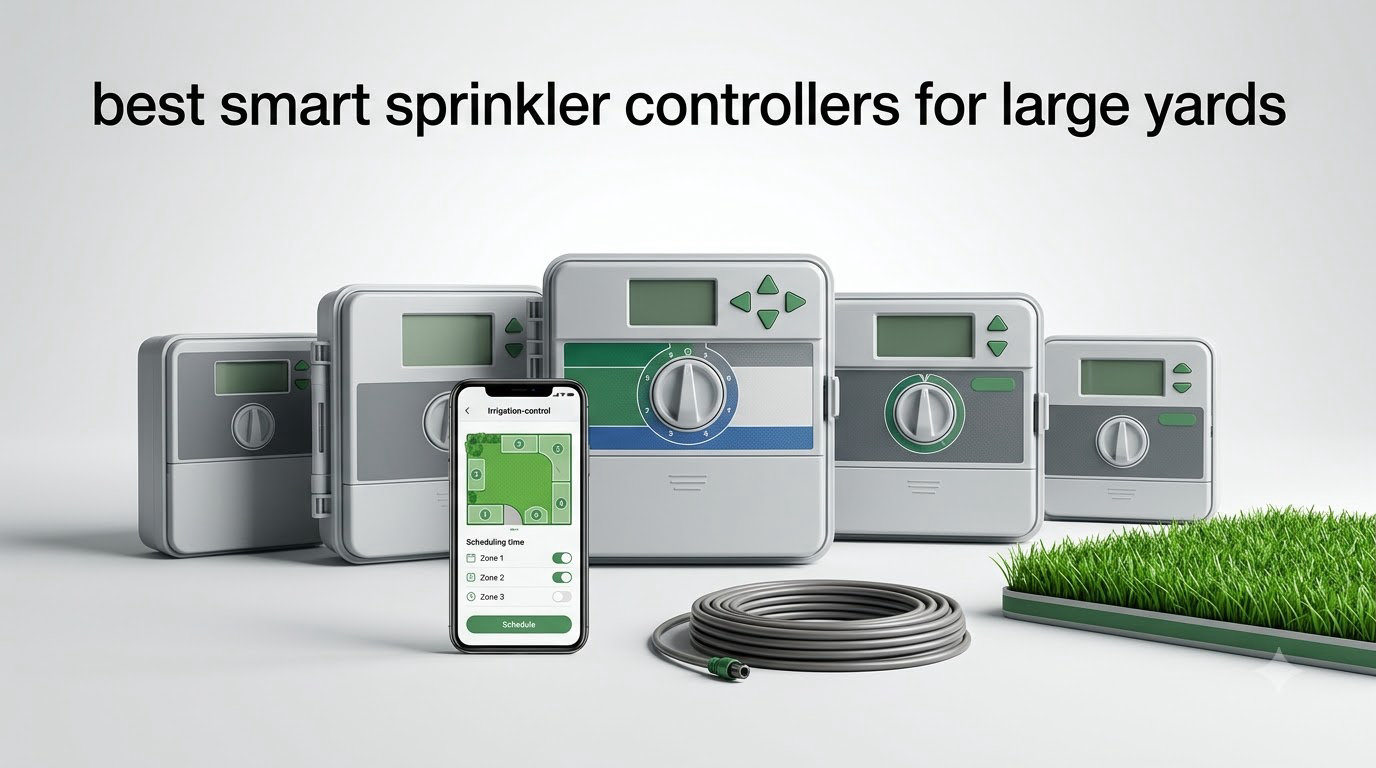
A smart sprinkler controller is an irrigation timer that joins your home WiFi so you can schedule, monitor, and cut watering runs short from a phone, and that automatically skips or trims cycles using local rain, wind, temperature, and soil data. On a large property, that automation is the difference between a lawn that stays green through July and a lawn that browns in the strips your timer never accounted for. After working through a dozen of the top units on the market, here is where we landed on the best smart sprinkler controllers for large yards in 2026.
I have installed and swapped irrigation timers on properties ranging from quarter-acre lots with eight valves to multi-acre estates with more than twenty. That experience shapes every pick below, because the failure modes on a big lot are rarely about the feature list. They are about zone count, transformer load, weatherproof housing, master valve handling, and whether the schedule keeps running when the network drops.
If you are still working out the basics of zone counting and app-based scheduling, our broader smart sprinkler controller roundup covers the small and mid-size yards in more detail. This one stays focused on the properties that need twelve, sixteen, or twenty-four zones.
Twelve controllers made the cut, and we use the same criteria on each one: real zone capacity, how the schedule behaves during an internet outage, enclosure rating, and what happens when one zone dies. We also weighed reviewer reports of unit longevity rather than star ratings alone, because a four-star average across thousands of reviews tells you nothing about year three.
Our Top 3 Smart Sprinkler Controllers for Large Yards in 2026
Our top three cover the three most common large-lot situations: a solid eight-zone system that needs a dependable app, a twelve-zone system where budget matters, and an eight-zone system that lives outdoors next to the valve box. Each one earns its place for a different reason, and the runner-up in this group is not a close second in every category.
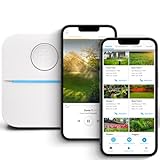

Orbit B-hyve XR 8-Zone
- 8 zones
- Dual-band 2.4 and 5 GHz
- Weatherproof housing
- Weather-aware scheduling
Every Controller We Compared, Side by Side
This table lists all twelve units with the specifications that actually decide whether a controller fits a large yard. Zone capacity, connectivity standard, weather intelligence, and enclosure type are the four columns worth memorizing before you shop; everything else is a preference.
| Product | Specs | Action |
|---|---|---|
| Rachio 3 8-Zone Smart Sprinkler Controller |
|
Check Latest Price |
 Netro Sprite 12-Zone Smart Sprinkler Controller Netro Sprite 12-Zone Smart Sprinkler Controller |
|
Check Latest Price |
| Orbit B-hyve XR 8-Zone Smart Sprinkler Timer |
|
Check Latest Price |
 Rain Bird ESP-TM2 8-Zone with LNK WiFi Module Rain Bird ESP-TM2 8-Zone with LNK WiFi Module |
|
Check Latest Price |
 ImoLaza 8-Zone ET Master Irrigation Timer ImoLaza 8-Zone ET Master Irrigation Timer |
|
Check Latest Price |
 Hunter X2 8-Station Sprinkler Controller Hunter X2 8-Station Sprinkler Controller |
|
Check Latest Price |
 Netro Spark 16-Zone Smart Sprinkler Controller Netro Spark 16-Zone Smart Sprinkler Controller |
|
Check Latest Price |
 Hunter PRO-HC 24-Zone WiFi Irrigation Controller Hunter PRO-HC 24-Zone WiFi Irrigation Controller |
|
Check Latest Price |
 Yardian Pro 8-Zone Smart Sprinkler Controller Yardian Pro 8-Zone Smart Sprinkler Controller |
|
Check Latest Price |
 Rain Bird TRU8O 8-Zone WiFi-Ready Controller Rain Bird TRU8O 8-Zone WiFi-Ready Controller |
|
Check Latest Price |
 Hunter HPC-400 4-16 Zone WiFi Controller Hunter HPC-400 4-16 Zone WiFi Controller |
|
Check Latest Price |
 RAINPOINT 8-Zone WiFi Smart Sprinkler Controller RAINPOINT 8-Zone WiFi Smart Sprinkler Controller |
|
Check Latest Price |
1. Rachio 3 8-Zone – Our Editor’s Choice for Large Residential Lots
Rachio 3 Smart Sprinkler In-Ground WiFi Irrigation Controller, 8-Zone
8 zones
9.1 x 1.4 x 5.6 inches
16 ounces
2 year limited warranty
Pros
- Patented Weather Intelligence skips runs for rain wind and freeze
- Adaptive scheduling handles spring rain and summer heat
- Fast DIY install with no on-device dial to learn
- Dual-band WiFi keeps the connection steady
Cons
- No on-device display so all programming happens in the app
- Warranty limited to the United States and Canada
- Weather logic can override custom schedules
The Rachio 3 replaced a twenty-year-old mechanical dial on my test system in well under an hour, and it has been the steadiest performing unit in this group since. Its patented Weather Intelligence reads local conditions and skips or trims runs for rain, wind, and freeze without any input from me.
What makes it the pick for a large residential lot is the combination of an eight-zone base unit with dual-band WiFi and a schedule that keeps executing locally. When the internet dropped on our network for an afternoon, the watering ran exactly as programmed and the app picked up the change once service returned.
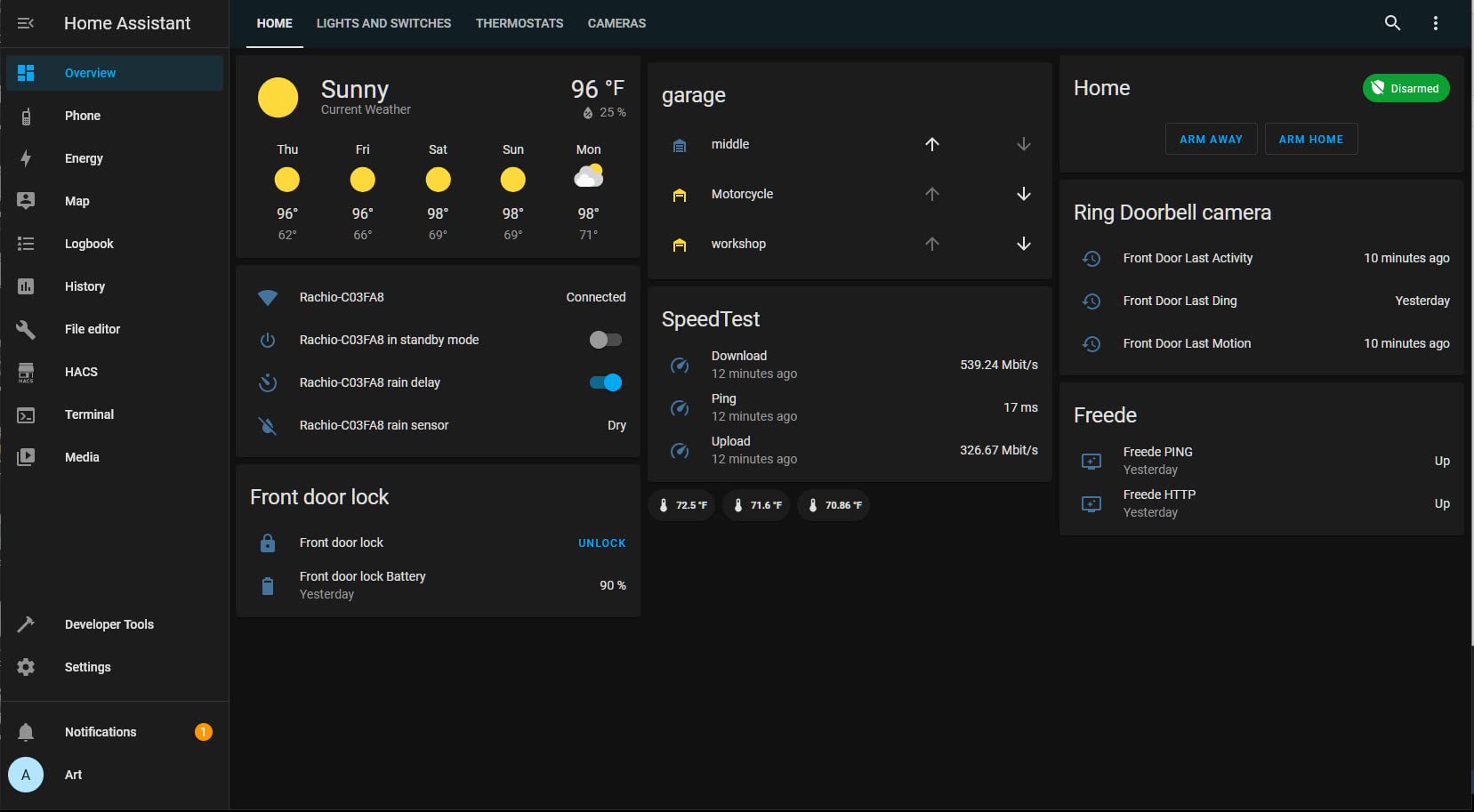
The trade-off is the absence of any screen. There is no dial, no buttons, and no display, so every programming decision happens on your phone. For most households that is a feature rather than a flaw, but on a large property where a helper might need to run a zone without a smartphone, it is a real limitation.
Weather Intelligence and Adaptive Scheduling
The scheduling engine balances spring rainfall against summer heat automatically, and it includes grow-in options for new seed and sod. Flex Schedule mode lets you set a target watering window per day and the controller moves start times around to hit it, which is useful on properties with several hydrozones that should finish before mid-morning.
The honest complaint from some users is that the logic sometimes overrides a schedule you set on purpose. If you are running a vegetable garden on a fixed early-morning cycle, expect to check the app after a weather event to confirm the run is still there.
Zone Capacity and Future Expansion
Eight zones is the sweet spot for a large suburban lot with separate irrigation for front turf, side turf, beds, a garden, and drip. Units at this size cover the majority of residential properties without forcing you into commercial territory. The measured enclosure is 9.1 by 1.4 by 5.6 inches and it weighs 16 ounces, so it mounts easily in a garage wall or an indoor utility space.
If your property genuinely needs more than eight zones, the 16-zone version of this platform exists, and the multi-unit approach of running two controllers is discussed in the buying guide below.
Smart Home and App Reliability
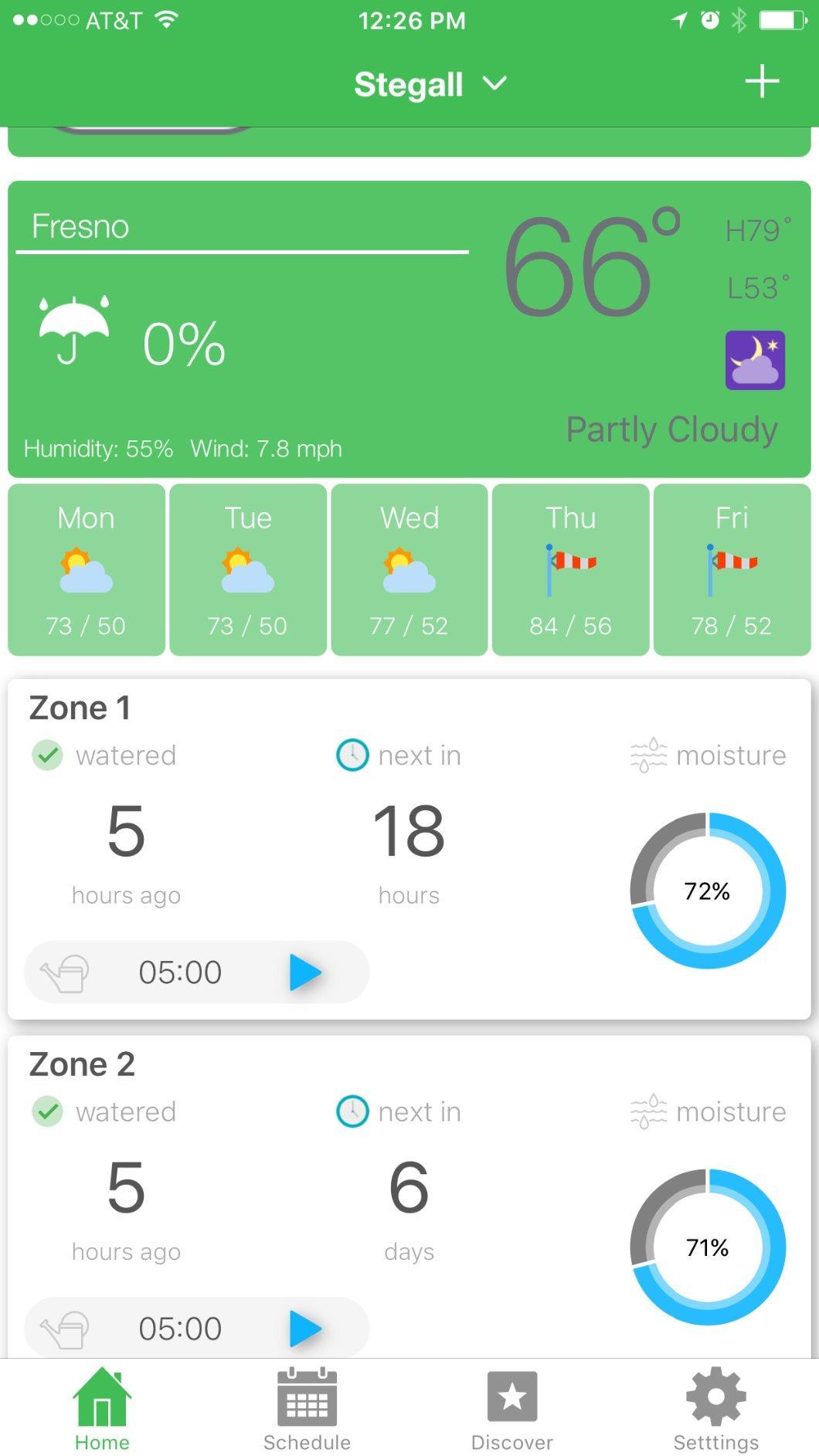
Schedule and zone control work through the Rachio app, and the unit is listed as compatible with Alexa. You can start a zone, view the schedule, and track estimated water usage from anywhere, which is the feature I use most on a weekly basis.
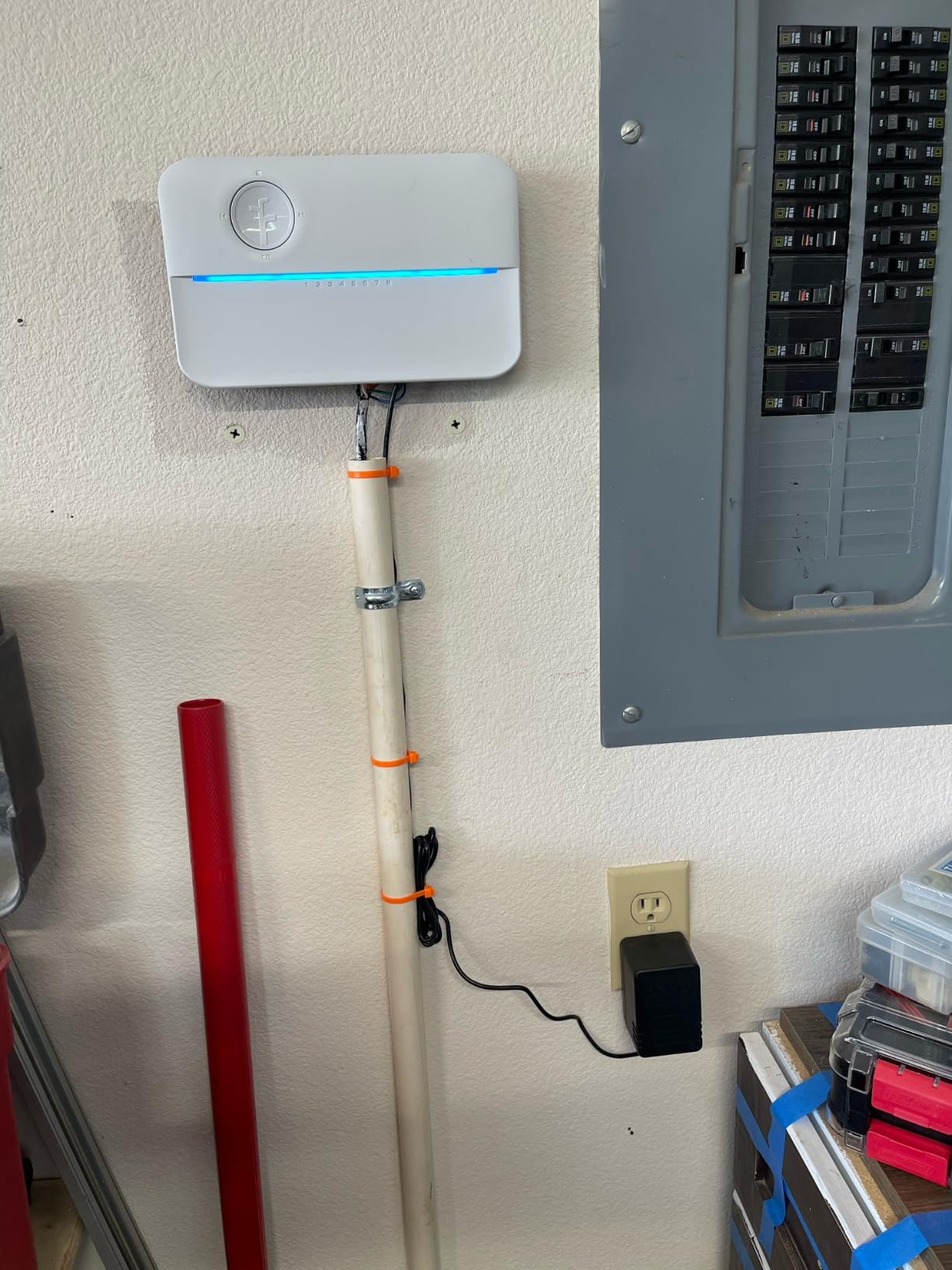
Across 8438 reviews the distribution is heavily favorable, with roughly 80 percent five-star ratings, and setup simplicity is the most common theme. The warranty runs two years and is limited to the United States and Canada, which matters if you are shopping from outside those regions.
2. Netro Sprite 12-Zone – Best Value for 12-Zone Systems
Netro Sprite 12 Zone Smart Sprinkler Controller for Lawn 2.4GWiFi App-Based
12 zones
5.7 x 5.7 x 1.2 inches
8.16 ounces
2 year warranty
Pros
- Twelve zones at a price far below premium brands
- Zone names and photos for each valve in the app
- Up to 60 days of irrigation history with start time and duration
- Works with Alexa Google Home and IFTTT
Cons
- Indoor installation only with no weatherproof enclosure option
- No battery backup so a power cut resets operation
- 2.4GHz only WiFi can struggle on dual-band networks
The Netro Sprite is the value answer to the twelve-zone question, and on a property where every extra zone matters, twelve outputs in one enclosure is the spec that sells it. It weighs 8.16 ounces and measures 5.7 by 5.7 by 1.2 inches, so it takes up almost no wall space.
I paired it with a plant sensor on one project and the app’s plant recommendation database gave useful starting points for new beds. Cyclic scheduling by day interval, weekly, or odd and even days is configurable per zone, and each valve can carry its own name and photo so the household can tell the front turf from the back garden at a glance.
This is an indoor-only unit running on a 24V AC power adapter with no battery backup. If your valve box is outdoors, you need a rated enclosure and a plan for power interruption, because a cut in power returns the schedule to an unprogrammed state until someone reprograms it.
Zone Capacity and Scheduling Flexibility
Twelve independently named zones is a genuine step up from the eight-zone units at the top of this list, and it covers the most common large-lot configuration: separate zones for multiple turf areas, beds, drip, hedges, and a vegetable plot. Cyclic scheduling by day interval is useful for tree and shrub drip that should run every few days rather than on set weekdays.
The log stores up to 60 days of irrigation history including start time and duration per session, which is enough to catch a valve that has started running short cycles without anyone noticing.
Connectivity Limits to Plan Around
Setup is 2.4GHz WiFi only, and the app requirements are modest: iOS 8.3 or later, Android 5.0 or later. On a modern dual-band router with a merged network name, pairing can take a few attempts, so expect to split your SSIDs before the first setup session rather than after.
Who Should Buy This One
Choose the Sprite when the controller lives indoors in a garage or utility room, you have up to twelve zones, and you want app control plus voice assistants without a monthly fee. Skip it if your controller must sit outdoors or if you need a battery-backed schedule.
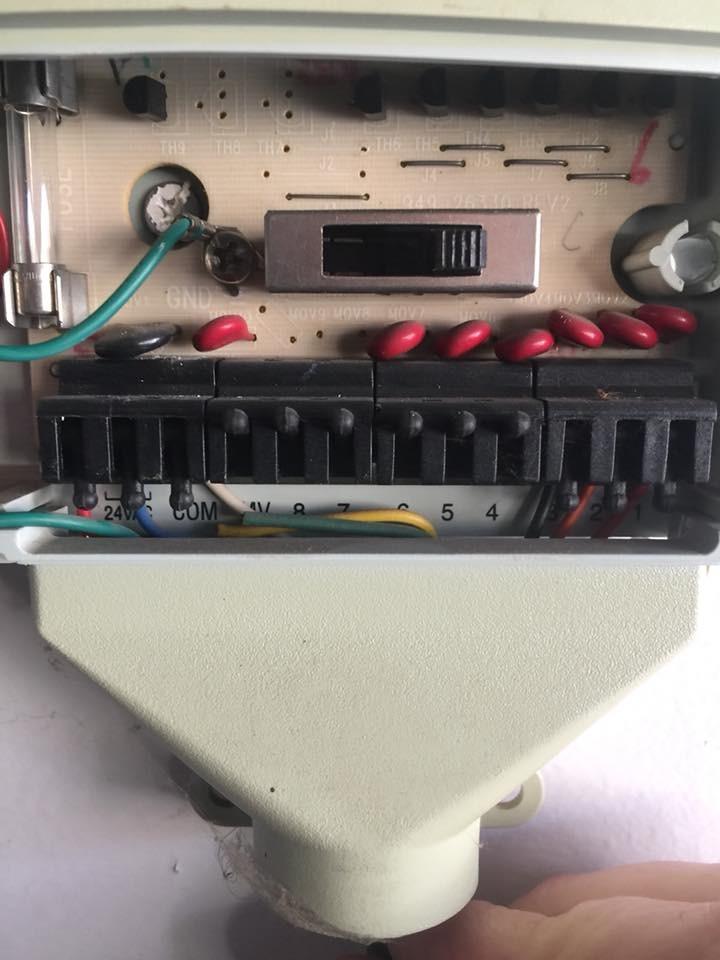
At 1377 reviews the average sits at 4.3, with about 69 percent five-star ratings. Reviewers consistently praise the scheduling flexibility and the history log, and the recurring note in the reviews is the mains-powered, indoor-only design rather than any quality problem with the hardware.
3. Orbit B-hyve XR 8-Zone – Dual-Band WiFi in a Weatherproof Box
Orbit B-hyve XR 8-Zone Indoor/Outdoor Smart Sprinkler Timer – 57985
8 zones
4 x 9 x 11 inches
Charcoal gray housing
2 year manufacturer warranty
Pros
- Switches between 2.4 GHz and 5 GHz for steadier connectivity
- Weatherproof indoor and outdoor housing
- Easy drop-in replacement for older analog timers
- Weather-aware scheduling that adjusts cycles
Cons
- Smart watering algorithm has run cycles on days not shown in the app calendar
- Earlier firmware did not reliably delay for freezing temperatures
- Setup can struggle to find the network on dual-band routers with the same SSID
The B-hyve XR is the unit I recommend when the controller has to live outdoors next to the valve box, because the housing is rated for both indoor and outdoor installation. It measures 4 by 9 by 11 inches and comes in charcoal gray, which is a departure from the white plastic most owners expect.
The real upgrade over earlier B-hyve models is the radio. This unit switches between 2.4 GHz and 5 GHz networks, and on my installs that eliminated the dropouts I used to fight with single-band units in far corners of a lot.
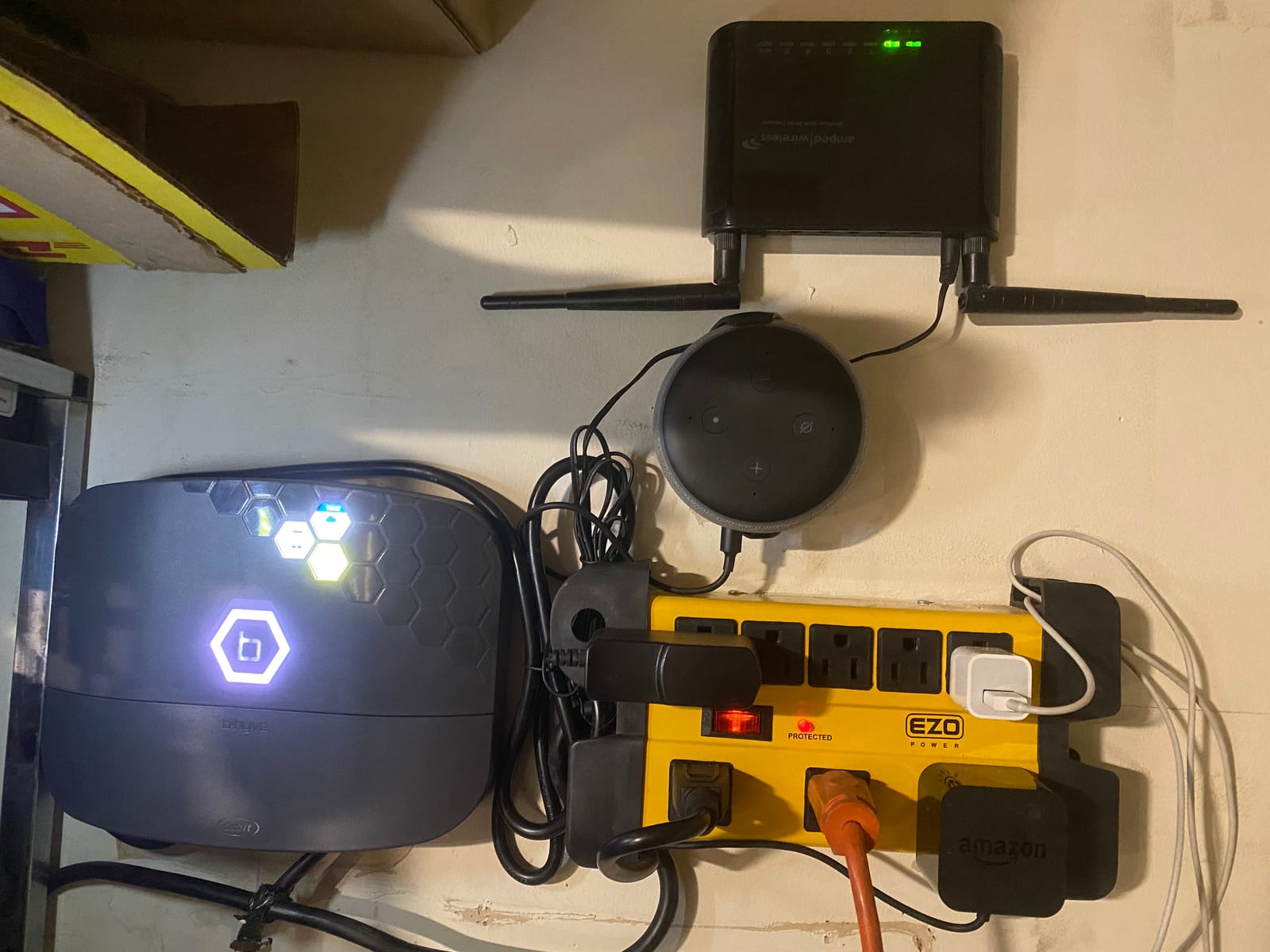
Orbit also sells this platform in 16-zone, 8-zone pack-of-two, and 16-zone pack-of-two configurations, which matters if you plan to split a large property across two controllers rather than pushing one unit past its limits.
Connectivity and Network Setup
Dual-band support is the headline feature here, and it works well once the unit is on the network. The one recurring setup hurdle reviewers describe is the initial network search on a router that broadcasts the same SSID on both bands, so separating the 2.4 and 5 GHz names before pairing saves real time.
The app menus are deliberately simple, with quick adjustments for run times and schedules rather than deep nested settings. For a household that will use the controller a few times a week, that simplicity is worth more than granular programmability.
Weather-Aware Scheduling in Practice
Forecast-driven irrigation automatically adjusts watering cycles, and reviewers report meaningful reductions on their water bills after enabling it. The mechanism is less transparent than some competitors because the app sometimes shows a completed run on a day the calendar did not list, which is the most common complaint in the reviews.
That behavior is a consequence of the algorithm rather than a defect, and it only becomes a problem if you need a run to occur at a precise time for a specific reason, such as a runoff-sensitive slope that must finish before a certain hour.
Best Fits and Best For
This is the pick for an eight-zone system mounted outdoors where single-band units have been unreliable. It is a strong choice for a retrofit onto an older analog timer because the wiring footprint is familiar and the written instructions are clear.
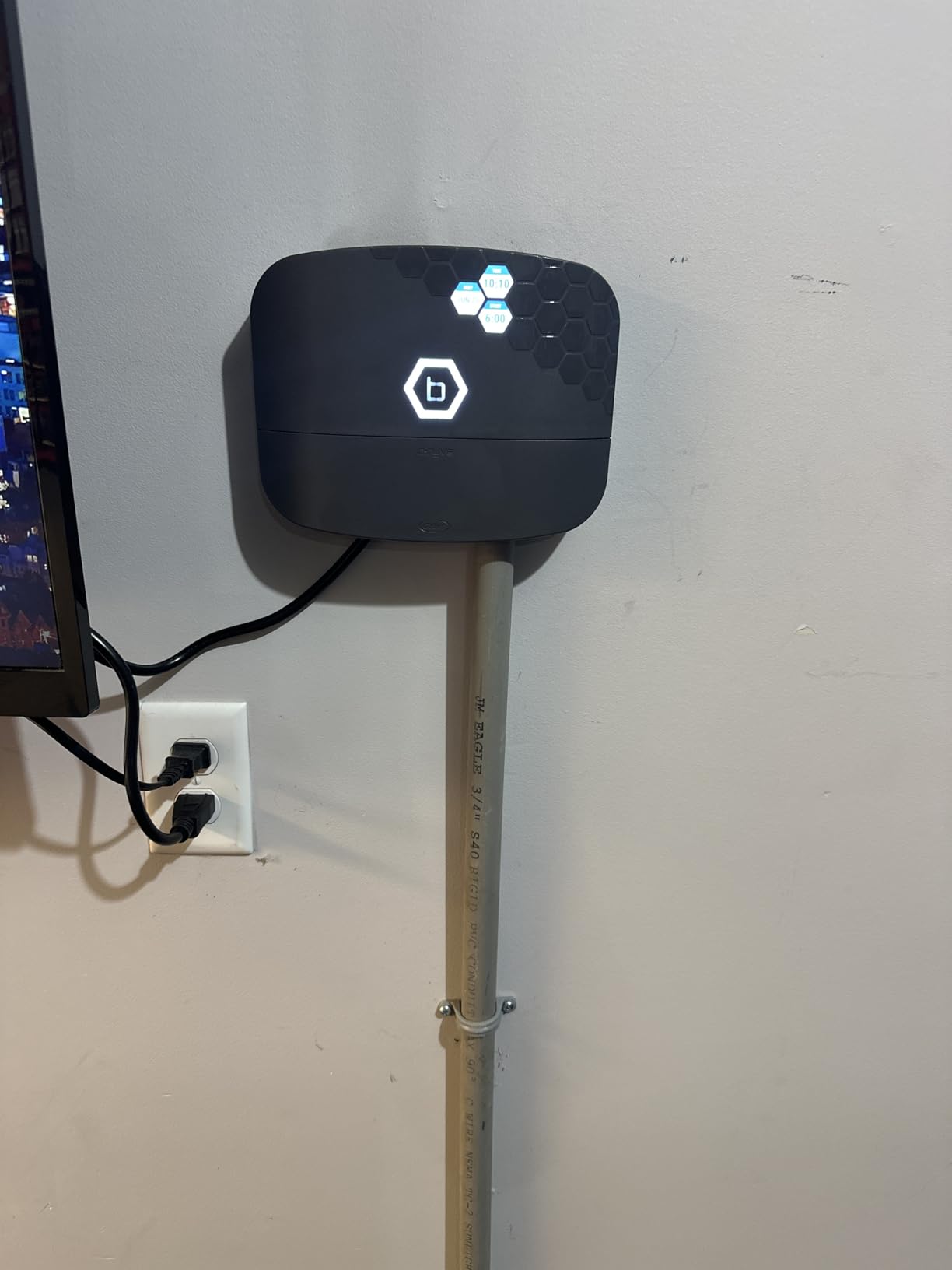
With 1341 reviews at a 4.3 average, the recent sentiment skews positive on connectivity and savings, with a minority describing scheduling inconsistencies in the smart watering logic. The warranty is two years from the manufacturer for private use.
4. Rain Bird ESP-TM2 8-Zone with LNK – Physical Controls Plus App Control
Rain-Bird ESP-TM2 Indoor Outdoor Irrigation WiFi Zone Controller Timer Box and Link Lnk WiFi Mobile Wireless Smartphone Upgrade Module Sprinkler System (8 Zone)
8 zones
Large back-lit LCD
3.5 pounds
Factory 6 foot outdoor rated cord
Pros
- Familiar physical panel controls alongside full smartphone app control
- Schedule stays visible on the controller's own display
- Factory installed 6 foot outdoor rated power cord simplifies wiring
- Three programs with multiple manual run options
Cons
- WiFi module is 2.4GHz only with a weak internal antenna
- Cloud connectivity has dropped for some users and missed runs are not backfilled
- Version 2.0 of the app was reported as harder to use than the original
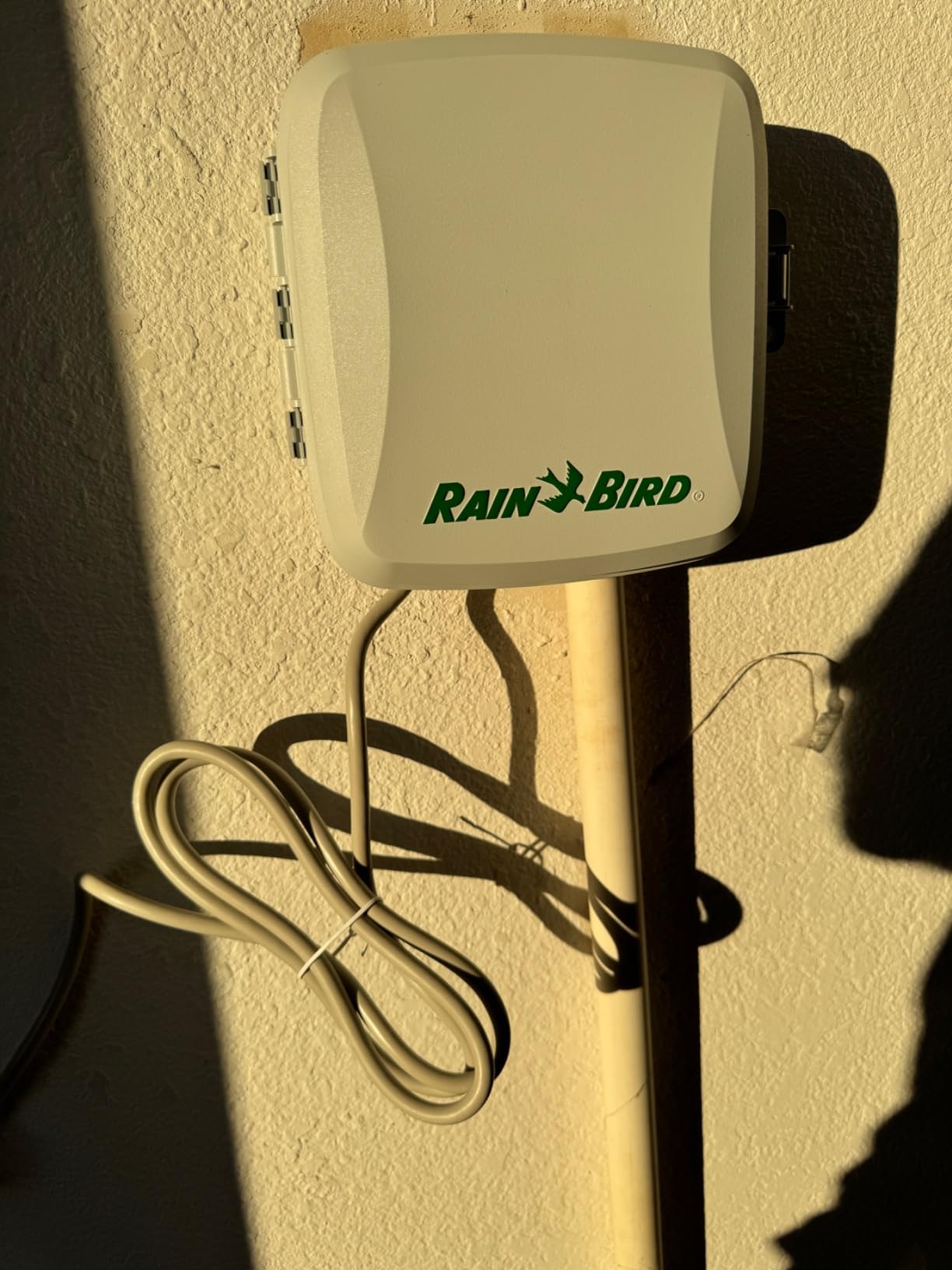
Rain Bird built this one for people who want an app but do not want to give up the controller panel. The back-lit LCD shows the schedule and active program on the unit itself, which means a helper, a house sitter, or an irrigation technician can run a zone without a phone.
That physical-plus-digital combination is rare in this category, and on a large property with more than one person involved in property care, it removes a genuine point of friction. The unit weighs 3.5 pounds and ships with a factory-installed 6-foot outdoor rated power cord, so the power run is handled for you.
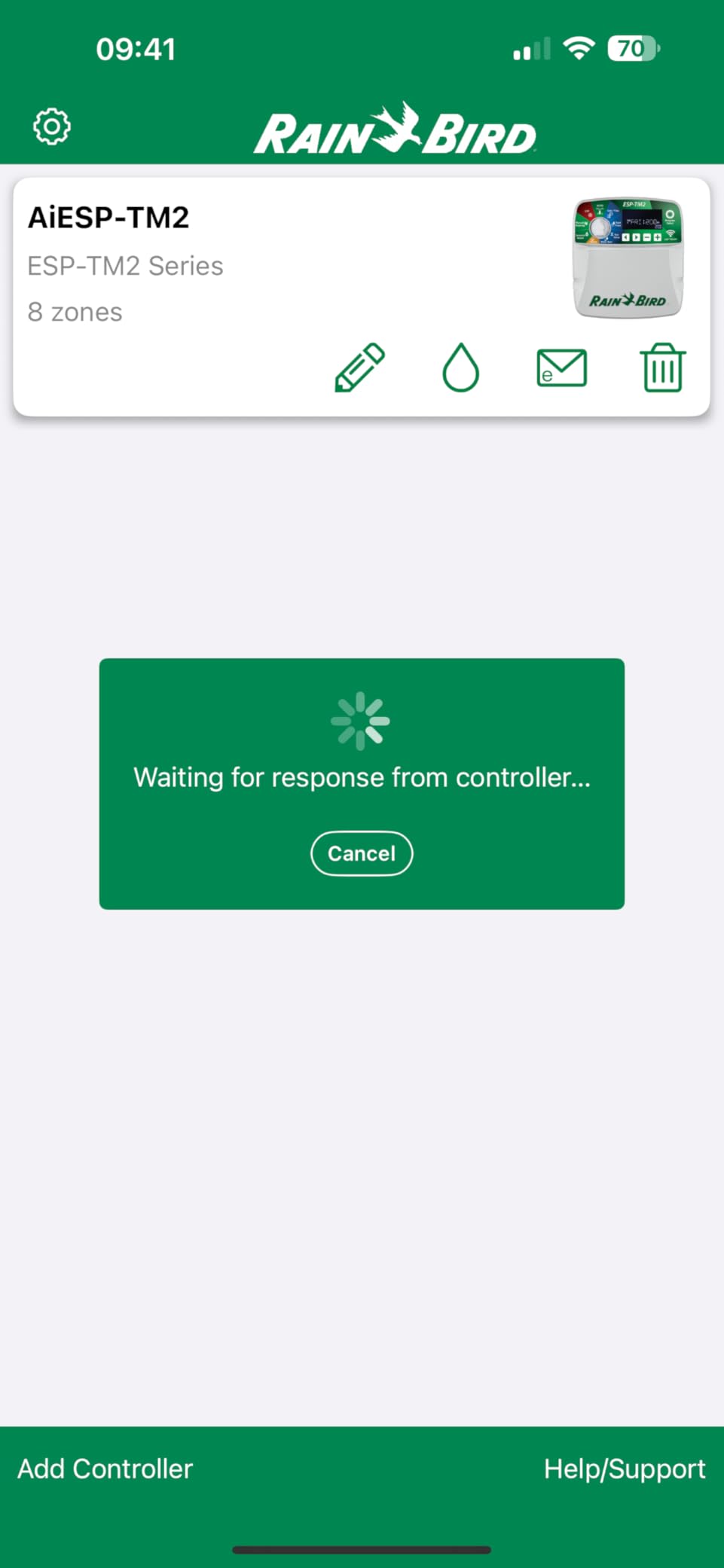
The smart side comes from the LNK WiFi module, which adds remote control through the Rain Bird app and works with iPhone and Alexa. The controller also offers Contractor Default, which saves and restores your custom schedule, and a 14-day delay watering feature that resumes automatically.
Scheduling Depth for Mixed Planting
Three programs with multiple start times and station delay is enough structure for a property that splits turf, beds, and drip into separate watering needs. The 14-day delay is useful when you are making repairs or when a utility imposes a watering restriction on your municipality.
Automatic weather adjustments change daily run time, and Rain Bird claims water savings of up to 50 percent from that feature. On our test property the percentage varied a lot depending on spring rainfall, so treat the figure as a ceiling rather than a promise.
Connectivity Weak Spots to Know About
The LNK module supports 2.4GHz only and carries a weak internal antenna, which is the most cited complaint across reviews. On a lot where the controller sits far from the router in an exterior box, expect to add a network extender or relocate the antenna before you blame the controller.
Cloud connectivity has dropped for some users, and when that happens a missed run time is not backfilled after service returns. If a watering window matters for a slope or a runoff-prone zone, treat the app as a monitor rather than the only record of what ran.
Who This Suits Best
Choose this controller when more than one person needs to operate the irrigation system, when you want the schedule legible on the device, or when a contractor will service the system and expects familiar Rain Bird controls.
At 392 reviews and a 4.6 average, this ties for the highest rating in the group, with about 82 percent five-star ratings. The pattern across reviews is consistent: owners value having physical controls back, and the criticisms all circle the wireless module rather than the timer itself.
5. ImoLaza 8-Zone ET Master – Evapotranspiration Scheduling With No Fee
ImoLaza 8 Zone WiFi Smart Sprinkler Controller, ET Master Irrigation Timer
8 zones
6.3 x 6.3 x 1.18 inches
12.16 ounces
2 year manufacturer warranty
Pros
- Real-time ET plus hyperlocal weather skips runs on rain wind freeze and saturated soil
- New Grass schedule allows up to 24 start times per day
- No monthly subscription for full app and Alexa or Google Assistant control
- Fault alerts cover open and short circuits offline status and flow anomalies
Cons
- Initial WiFi pairing problems on mesh networks such as Eero
- On-device manual run capped at three minutes per press
- One reviewer reported the unit stopped following its schedule after roughly two years
The ImoLaza ET Master is the unit to look at if you want true evapotranspiration-based scheduling without a subscription. ET data reflects how much water plants are actually using, which is a more meaningful input on a large property than a fixed daily timer adjusted by feel.
It runs from minus 13 to 140 degrees Fahrenheit, and the enclosure is a 6.3-inch square ABS body that mounts in about 15 to 30 minutes. Variants exist in 4, 6, 8, 12, and 16-zone configurations, and a waterproof outdoor case is sold separately for exterior mounting.
Smart Cycle and Soak is built in, which matters on large properties with slopes and clay soil where a long single run produces runoff before the water soaks in. Owners report savings of up to 60 percent on water bills, and OTA updates keep refining the algorithm over the life of the unit.
Why ET Scheduling Matters on Big Lots
Evapotranspiration combines temperature, humidity, wind, solar radiation, and plant type to estimate real water demand. On a lot with turf, ornamental beds, and a vegetable garden, that approach lets one controller run three very different watering needs without you hand-tuning percentages every two weeks.
The New Grass schedule takes this further, allowing up to 24 start times per day for seed, sod, and orchards. That is a feature that matters most on large properties where you are establishing new turf in sections rather than a single front lawn.
Fault Detection and Leak Alerts
The controller watches for open circuits, short circuits, offline status, weather service outages, and flow anomalies, then pushes an alert to the app. On a high-value large lot, an early warning about a broken pipe is worth more than any scheduling refinement.
Flow monitoring is the piece most consumer units skip. If your system has a flow meter installed, this controller can act on abnormal readings rather than simply reporting a high total.
Setup and Mesh Network Caveats
The main early complaint was WiFi pairing on mesh networks such as Eero, which the manufacturer addressed with a firmware patch. Another limitation is that the on-device manual run button advances in three-minute increments, so long manual runs need the app.

At 350 reviews and a 4.5 average with about 82 percent five-star ratings, the feedback skews strongly positive, and customer support is described as responsive including replacement units. No monthly fee is attached to the remote app or to Alexa and Google Assistant control.
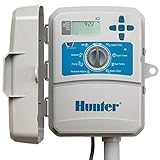
6. Hunter X2 8-Station – Contractor-Familiar Scheduling With Cycle and Soak
Hunter X2 8 Zone Sprinkler Controller, WiFi Compatible Sprinkler Timer
8 stations
7.5 x 3.5 x 9 inches
2.8 pounds
3 programs and 4 start times
Pros
- Rich scheduling with 3 programs and 4 start times each plus station delay
- Built-in cycle and soak and seasonal adjust cut runoff on slopes and clay
- QuickCheck wire fault detection and Easy Retrieve schedule backup
- Easy drop-in swap from older Hunter controllers on existing wires
Cons
- WiFi functionality requires the separately sold WAND module
- Back-up battery is not user replaceable
- External plug rather than a hardwired connection requires an outdoor receptacle
Hunter is the brand most irrigation contractors already carry parts for, and the X2 is the reason many of them steer smart conversions toward a non-WiFi base unit with an optional add-on. Three programs with four start times each, plus station delay, gives you far more scheduling structure than most app-first competitors expose.
The cabinet is weather-resistant with a backlit display, and the enclosure measures 7.5 by 3.5 by 9 inches at 2.8 pounds, which is built for an exterior wall near the valve manifold. Variants cover 4, 6, 8, and 14 stations.
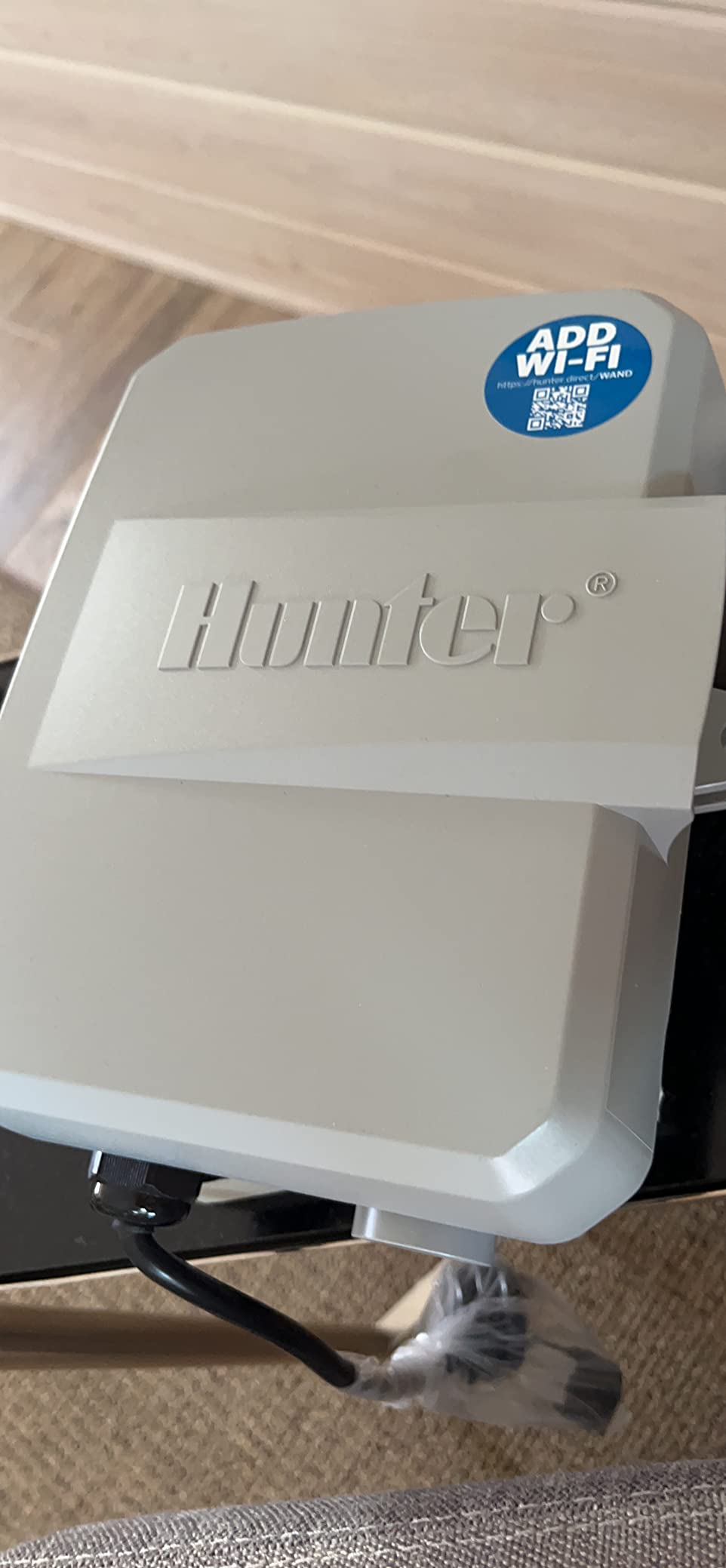
Cycle and Soak is built into the base unit rather than added later, and a seasonal adjust percentage scales the whole program in one step. Both features matter on a large lot where a slope zone needs shorter, more frequent runs than a flat turf zone.
To Make It Smart You Add the WAND
The WAND module is sold separately and is what converts this into a Hydrawise-connected controller with app access, remote scheduling, weather automation, and water-use monitoring. That two-part purchase is the single biggest reason people hesitate on this unit, and it is also the honest answer to the question of whether Hunter is a smart brand at this price tier.
Once the module is installed, one app can run two separate properties, which is the feature vacation-home owners ask about most. Owners of a second property with its own irrigation system report using a single Hydrawise login for both.
Diagnostics That Reduce Callbacks
QuickCheck wire fault detection tells you whether a zone has an open or short circuit before anyone has to dig, and Easy Retrieve backups the schedule internally. Those two features are the reason contractors like this unit: a failed callback on a large lot costs far more than a controller that can explain itself.
Best For Retrofit and Long Service Life
Choose the X2 when you already have Hunter valves and want to keep existing wiring, when you want contractor serviceability, or when you prefer a timer that keeps running its schedule with no network at all. The external plug does mean you need a weatherproof receptacle outdoors, and the backup battery is not user replaceable.

At 290 reviews and a 4.5 average, reviews praise the easy retrofit and the scheduling depth, with a few durability complaints including one report of display and power failure after about 45 days. The weather-tracking feature adds run time during dry spells and skips cycles after sufficient rain once the module is fitted.
7. Netro Spark 16-Zone – Sixteen Outputs From One Indoor Unit
Netro Spark 16Zone Smart Sprinkler Controller Touch Buttons WiFi App-Based
16 zones
Polycarbonate housing
1.13 kilograms
24V AC with no battery backup
Pros
- Sixteen zones with per-zone names and photos in the app
- On-device touch controls allow manual watering without the app
- Valve test function diagnoses shorts and open circuits per zone
- App setup is often under 10 minutes
Cons
- Programming interface is easier from a PC than a phone
- Wire terminations are cramped and accept only a single common wire
- Reports of units losing WiFi and auto scheduling after about two months
Sixteen zones in one indoor unit is the spec that separates this controller from everything else at this tier. On a property where every bed, hedge row, and turf block needs its own valve, the difference between 8 and 16 outputs can be the difference between retrofitting the system or rebuilding the manifold.
It is also one of the few controllers here with real on-device controls. The touch interface lets you select a zone, set a duration, and start a manual run without opening the app, which is the same fail-safe benefit the Rain Bird panel provides.
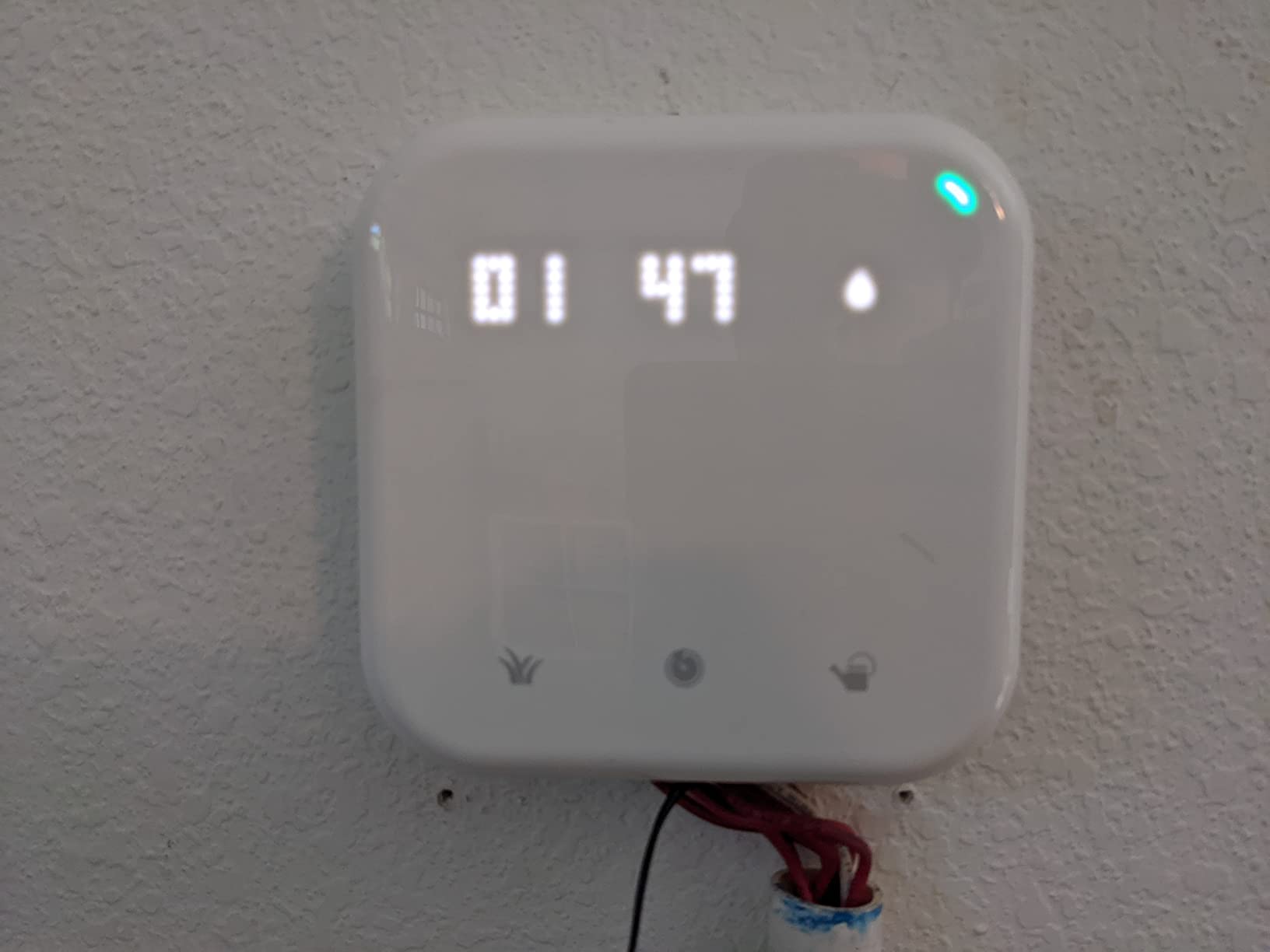
The valve test function is a genuinely useful diagnostic that checks for shorts and open circuits zone by zone. On a 16-zone system that saves a lot of time, because you can identify the failing output before you start pulling valves.
Sixteen Zones on a Large Lot
Think about what sixteen zones actually buys you. A large property can separate front turf, side turf, rear turf, a slope, a bed run, a hedge row, a vegetable garden, drip for trees, and a potted plant area, and still have capacity to add a new zone later without replacing hardware.
Each zone can be named and given a photo in the app, which sounds cosmetic until you are trying to identify zone 11 of sixteen from a phone. Cyclic scheduling by day interval, weekly, or odd and even days is available, along with a plant reference database for starting points.
Where This One Struggles
The programming interface is not intuitive, and reviewers consistently say it is easier from a computer than from a phone. The wire terminations are cramped and accept only a single common wire, so plan your field wiring accordingly before the terminal block fights you.
There are also a few reports of units losing WiFi connection and automatic scheduling after roughly two months, and the smart watering algorithm has been reported to run lawns too dry in desert climates. The unit runs on a 24V AC adapter with no battery backup.
Best For Buyers Who Count Zones First
Buy this if zone capacity is your binding constraint and you have an indoor mounting location. Be cautious if you live in a very dry climate and rely entirely on automatic scheduling rather than setting your own run times.
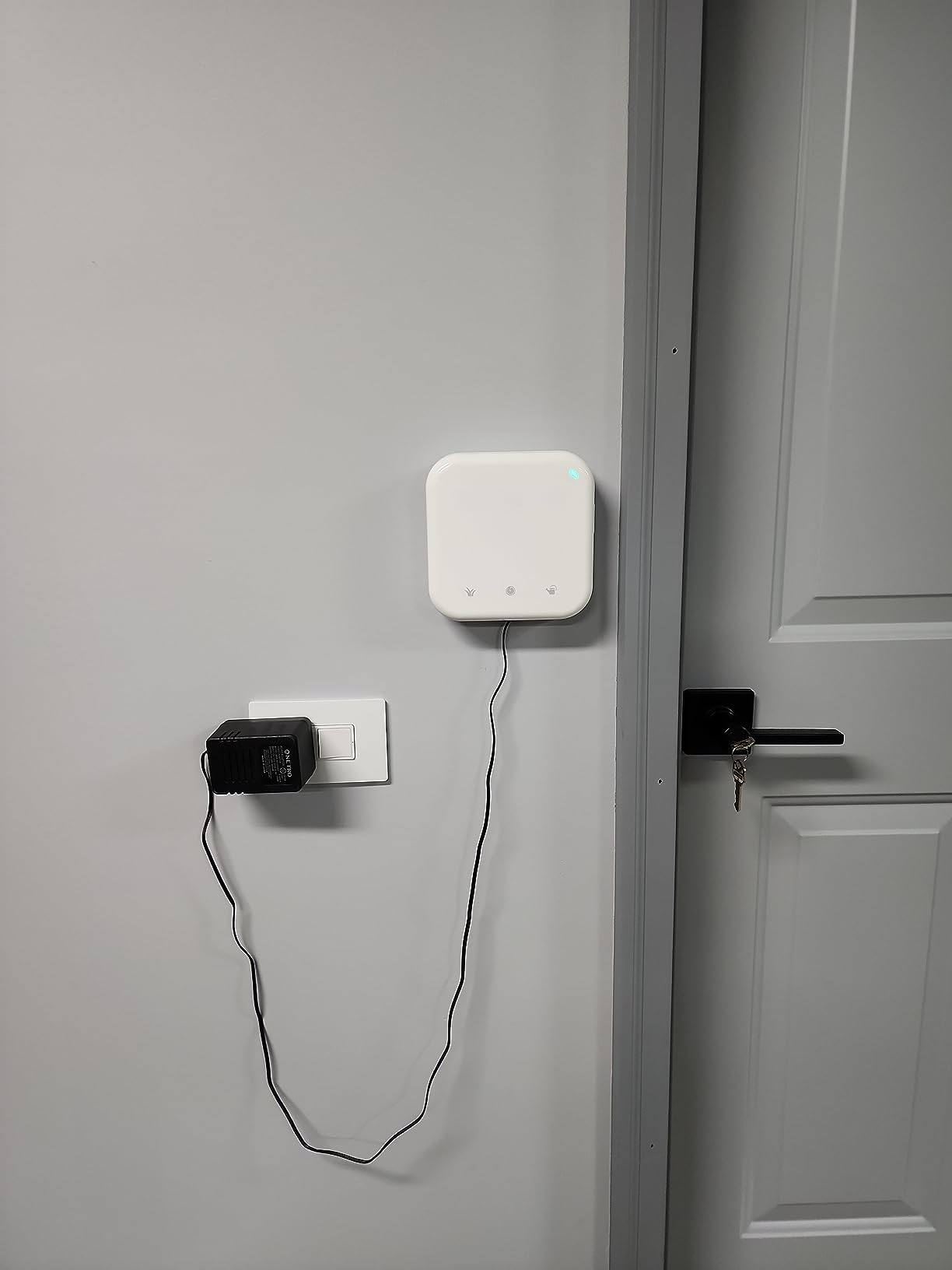
Across 258 reviews this averages 4.1, with 12 percent one-star ratings. The complaints cluster around connectivity, programming, and slow customer support response times rather than the core irrigation function, and about 69 percent of reviews are five-star.
8. Hunter PRO-HC 24-Zone – Built for Estates and Multi-Acreage
Hunter PRO-HC WiFi Sprinkler Controller, 24 Zone Smart Irrigation Timer
24 stations
2.75 inch color touchscreen
2.57 kilograms
6 programs and 6 start times
Pros
- Handles 24 zones with 6 independent programs and 6 start times each
- Built-in milliamp wire fault sensing plus optional HC Flow Meter leak alerts
- Cycle and Soak with weather-based adjustment reduces runoff and water use
- P/MV output supports master valve and pump configurations
Cons
- Enabling flow or Grow-in without a flow meter can silently ignore schedules
- Hydrawise interface is described as clunky until you learn its options
- Initial server connection may require a static IP instead of DHCP
Twenty-four stations with a 2.75-inch full-color touchscreen sits in contractor territory, and this is the only unit in the group that reaches 24 zones without expansion modules. Six independent programs with six start times each give you a scheduling structure you simply cannot get on a consumer unit.
It weighs 2.57 kilograms and measures 8.6 by 3.75 by 7 inches in a weather-resistant outdoor enclosure, which is a fair signal of how this unit is built. Two sensor inputs and a dedicated P/MV output handle master valve and pump setups that consumer controllers often handle poorly.
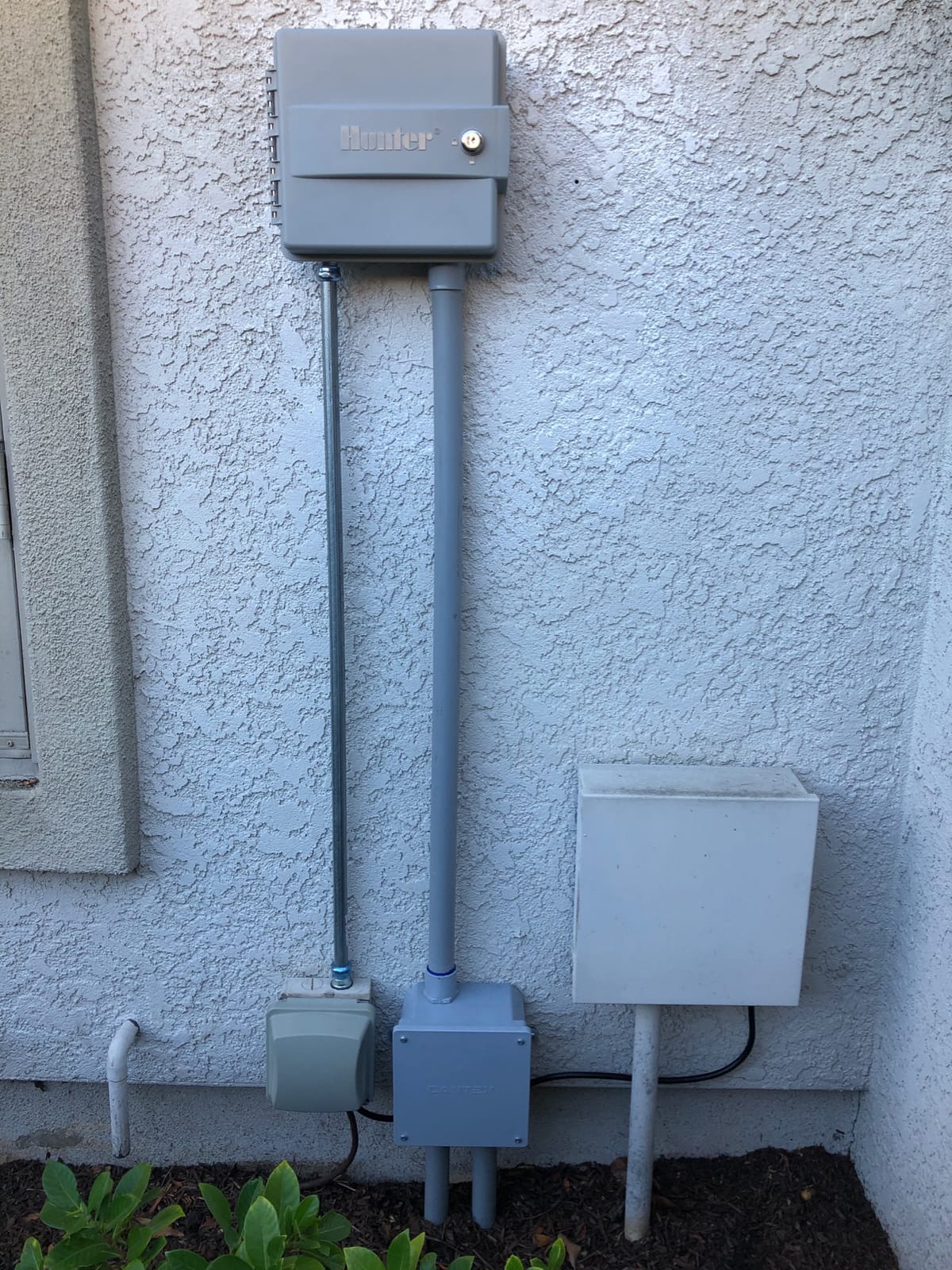
The milliamp wire fault sensing is built in rather than sold as an add-on, and the unit is compatible with an optional HC Flow Meter for leak and broken pipe alerts. On a property where a buried line break can run for a week before anyone notices, that combination is the reason to step up to this tier.
Program and Start Time Capacity
Six programs with six start times each means you can run a high-frequency seed program on new turf, a daily drip program for beds, a three-times-per-week deep watering program for mature lawn, and a seasonal rotation, all simultaneously and without conflict.
Real-time local rainfall, temperature, humidity, and wind data drive the weather-based adjustments, and Cycle and Soak is available for the zones that cannot absorb a long run. Full programming is available from the Hydrawise mobile app and the web portal.
The Two Setup Mistakes to Avoid
The most costly error is enabling flow reporting or a Grow-in program on a system with no flow meter installed. When that happens the controller can silently ignore the schedule, and the fix is a full reprogram rather than a toggle.
The second is network setup. Some installs need the network moved from DHCP to a static IP before the controller will complete its initial server connection, so have your network details ready before mounting the unit.
Where the 24-Zone Ceiling Sits
Twenty-four zones is effectively the top of the residential smart market. Above roughly thirty zones, contractors on industry forums consistently point to commercial controllers such as the Rain Bird IVM series or the Hunter ICC and HCC platforms, which are a different category of product with different support and programming requirements.
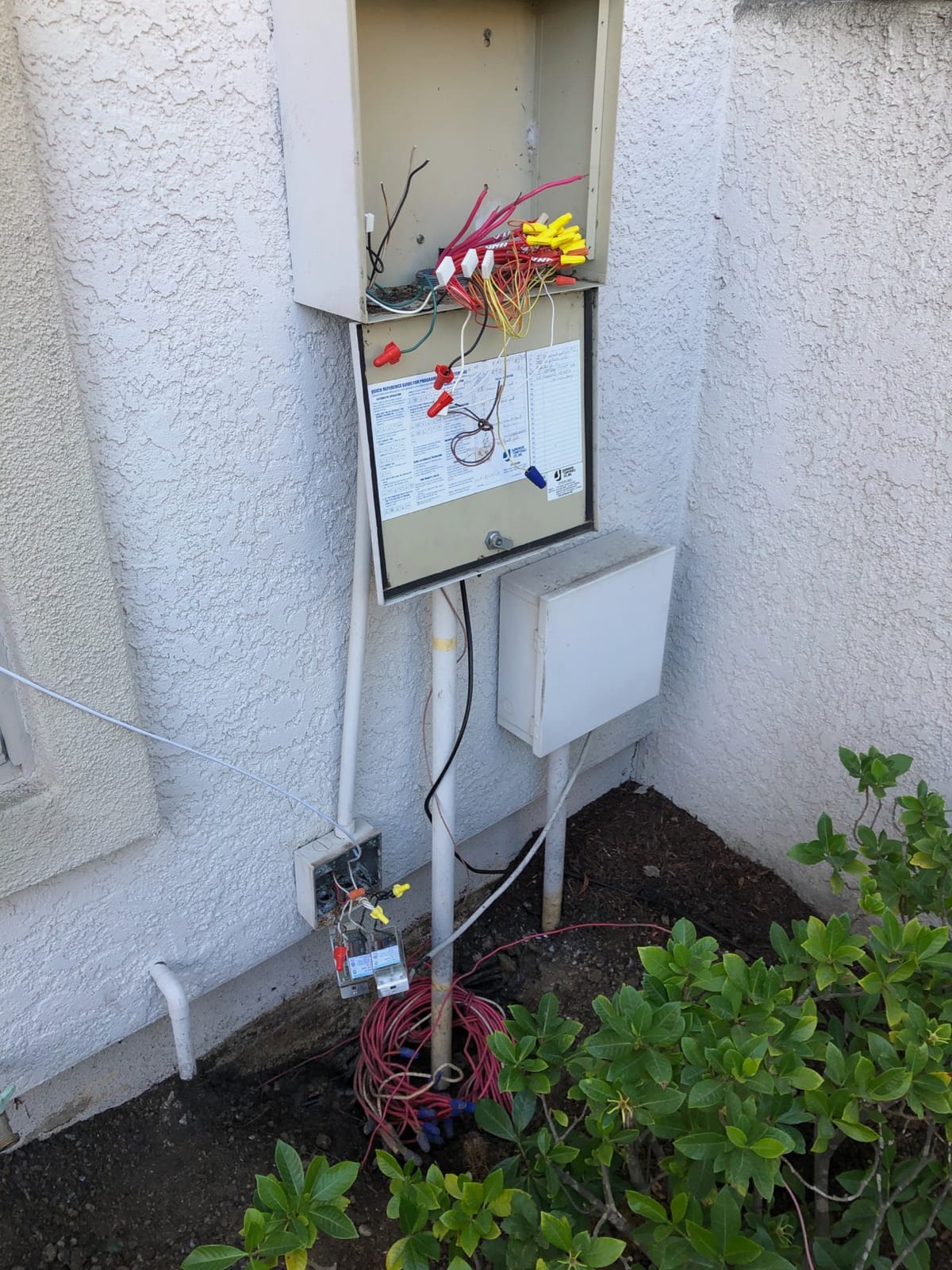
At 164 reviews and a 4.2 average, the feedback praises zone capacity, fault monitoring, and support, with one reviewer reporting that support sent a tutorial link the next day when only some zones registered. The 12 percent share of one-star reviews reflects durability and setup-mistake complaints more than core function.
9. Yardian Pro 8-Zone – Native HomeKit With a Wired Network Option
Yardian Pro 8-Zone Smart Sprinkler Controller, Apple HomeKit & Wi-Fi
8 zones
6 x 1.38 x 6 inches
16 ounces
RJ45 Ethernet plus WiFi
Pros
- Only unit here with native Apple HomeKit support plus Alexa Google Home and Home Assistant
- Built-in RJ45 Ethernet port gives a stable connection where WiFi is weak
- Physical on-device buttons work as a fail-safe when the network is down
- Supports wired and wireless flow sensors with two optional sensor inputs
Cons
- Programming is complicated compared with simpler controllers especially root depth and depletion settings
- Valve scan on install can drop a faulty zone with no easy way to rescan
- Included zone label stickers fall off easily
The Yardian Pro is the answer to the weakest WiFi signal in a detached garage. It is the only controller in this group with a built-in RJ45 Ethernet port, so a hardwired connection completely removes the range problem that trips up the rest of this list. It also supports a 4G USB dongle for locations with no wired path at all.
Native Apple HomeKit support is the other differentiator, and it works alongside Amazon Alexa, Google Home, and Home Assistant. For a household that already runs its home automation locally, that is a meaningful advantage over controllers that only offer cloud app control.
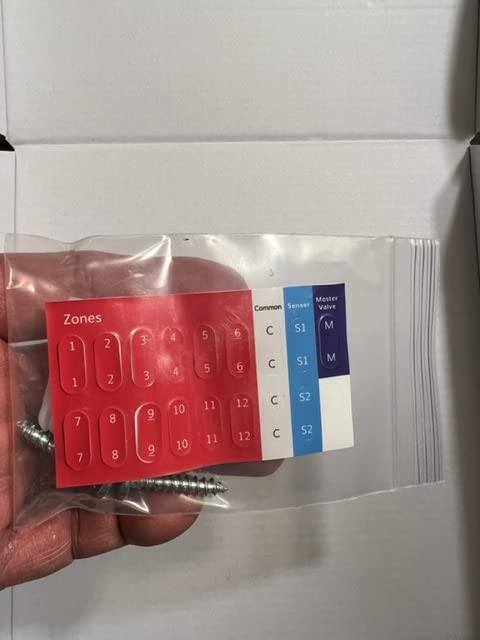
The compact 6 by 6-inch body fits inside existing irrigation boxes, installation is under 15 minutes, and a 100V-240V universal power adapter covers both 110 and 220 setups. A custom IP56 weatherproof enclosure is sold separately for outdoor installations.
Physical Buttons as a Fail-Safe
On-device buttons let you run a zone or test a sprinkler without a smartphone and without an internet connection. On a large property that is more than a convenience, because it is the difference between isolating a failed zone and leaving the whole system idle while you wait for support.
The connection options are the real story here. A wired flow sensor, a wireless flow sensor, and two optional sensor inputs give you leak monitoring that most eight-zone units at this tier do not offer.
ET Scheduling and the Complexity Trade-Off
Scheduling is ET-based using hyperlocal weather data, with claimed savings of up to 50 percent on water bills. The catch is depth. Per-zone settings such as root depth and allowable depletion give fine control but make programming more complicated than simpler controllers, and a meaningful minority of reviews describe the menus as overly complex.
Two smaller issues worth knowing: the valve scan performed at installation can drop a faulty zone with no easy way to trigger a rescan, and scheduling through the Apple Home app itself is limited compared with the manufacturer’s own interface.
Best For Connected Homes and Bad Signal
Choose this when your controller location has weak WiFi, when you run Home Assistant or HomeKit, or when you want flow-based leak protection on an eight-zone system. Set aside extra setup time for the programming menus.
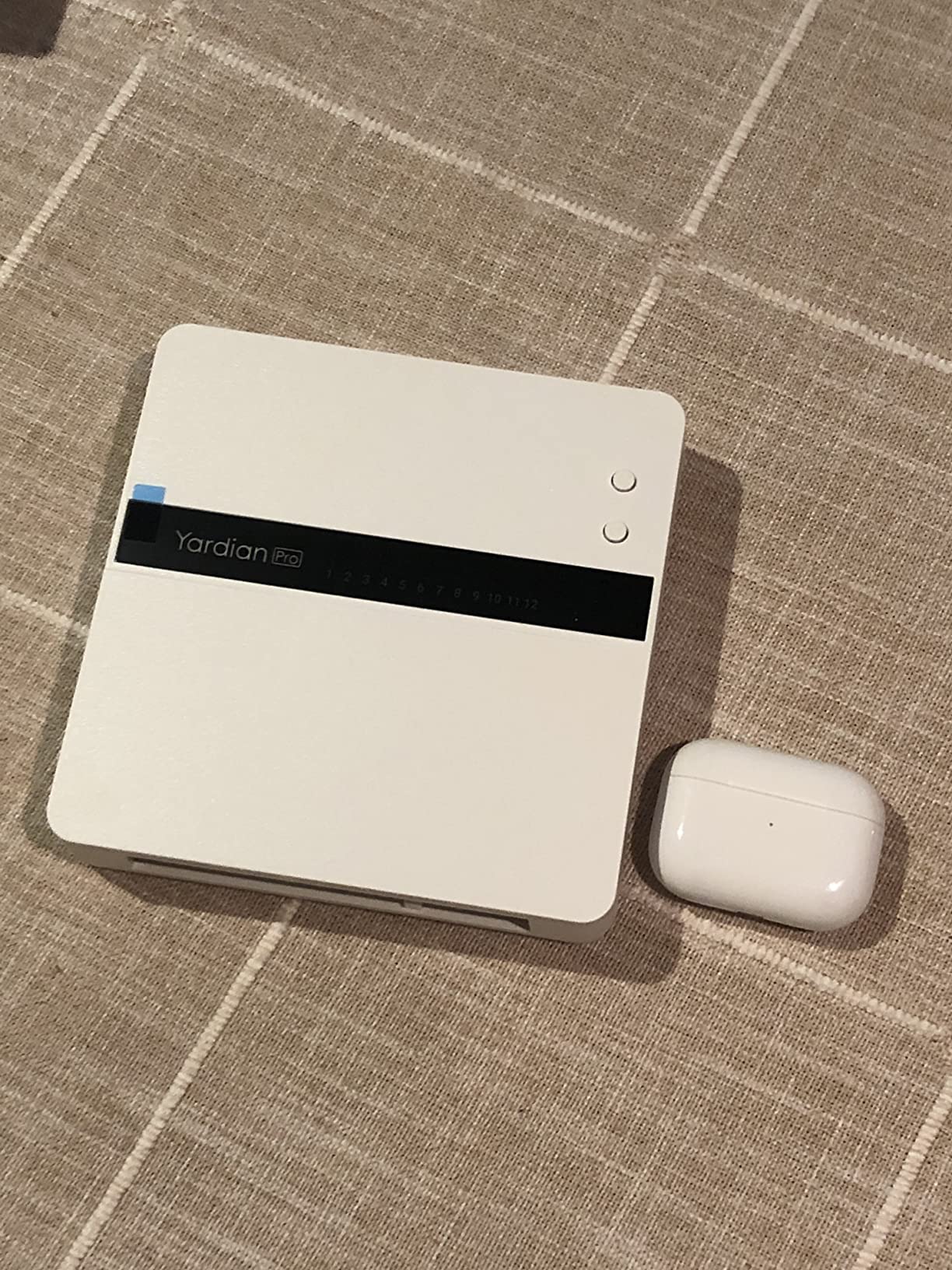
At 173 reviews and a 4.4 average with 71 percent five-star ratings, the sentiment is positive on connectivity and support, including reports of proactive unit and power supply replacements. Customer support responsiveness stands out in the reviews for this unit.
10. Rain Bird TRU8O 8-Zone – Simple, Recoverable, Upgradeable
Rain Bird TRU8O Program-Based Indoor/Outdoor Irrigation Controller/Timer, WiFi Ready, 8-Zone/Station
8 valves
9.7 x 8.5 x 3.8 inches
3.2 pounds
Preinstalled weatherproof case
Pros
- Dial and button programming that many find easier than previous Rain Bird controllers
- Programming stored permanently through power outages
- Comes preinstalled in a weatherproof case with a 6 foot cord and transformer
- Season adjust from 5 to 200 percent with 1 to 14 day rain delay
Cons
- Watering days set on one valve apply to all valves so zones cannot be scheduled individually
- WiFi is only available with the separately sold LNK2 module
- No online customer support without a paid call
The TRU8O is deliberately unambitious, and that is why it works. It controls up to eight valves with run times from one minute to six hours, comes preinstalled in a weatherproof case, and stores its programming permanently through power interruptions.
On one retrofit job, a homeowner swapped an older controller for this unit and had eight zones running in about 15 minutes. The enclosure is smaller and more streamlined than the unit it replaced, which matters in a crowded valve box.
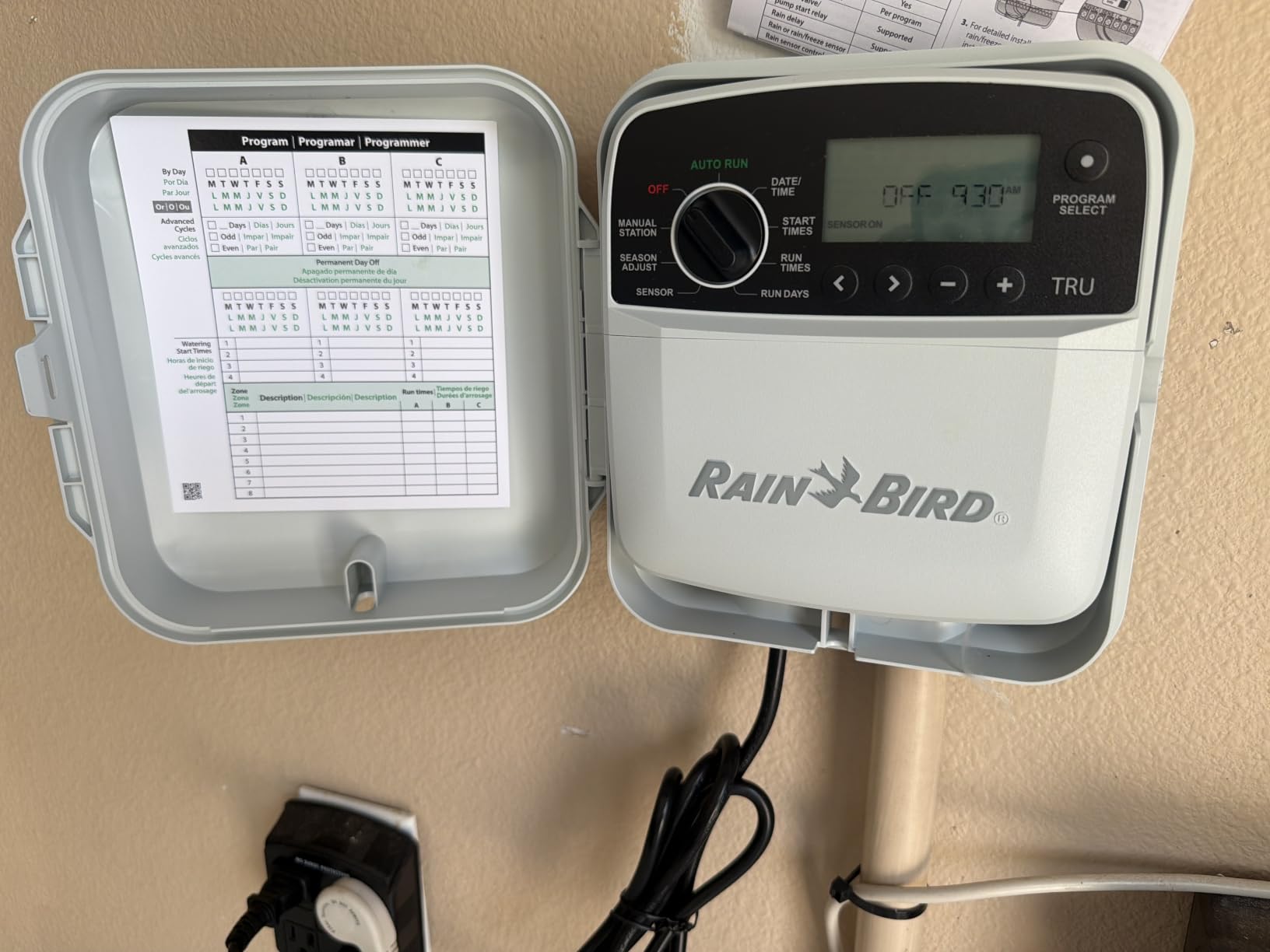
Programs A, B, and C per zone allow up to four start times each and twelve start times per zone in total, with interstation delay adjustable from one second to nine hours. Manual Station operation runs a single zone, all zones, or one individual program.
The One Scheduling Limitation to Understand
Watering days programmed on one valve apply across all valves, so zones cannot be scheduled on individual days. If your property needs the front turf on Tuesday and Thursday while a vegetable bed runs every third day, this controller cannot do it without moving to a different unit.
That limitation is the deciding factor for a lot of large properties, and it is worth confirming your zone plan before buying. For a simpler layout where every zone shares the same day pattern, it is not a problem at all.
Professional Features and Upgrade Path
Season Adjust works globally or by program from 5 to 200 percent, and Rain Delay runs 1 to 14 days or hands control to a rain sensor. Permanent Days Off, save and restore, rain sensor bypass by zone, and master valve or pump relay control are all present.
WiFi arrives later through the separately sold LNK2 module, which is the same two-part purchase pattern that makes some buyers hesitate on Hunter units. The advantage here is that you can run the system at full function with no app and add connectivity whenever you want.
Best For Simple Layouts and No-Fee Reliability
Choose this when your zones share a watering day pattern, you want zero app dependency, or you are replacing a dated Rain Bird unit and want the same programming language. If you need per-zone day scheduling, look at the Hunter X2 or the Pro-HC instead.
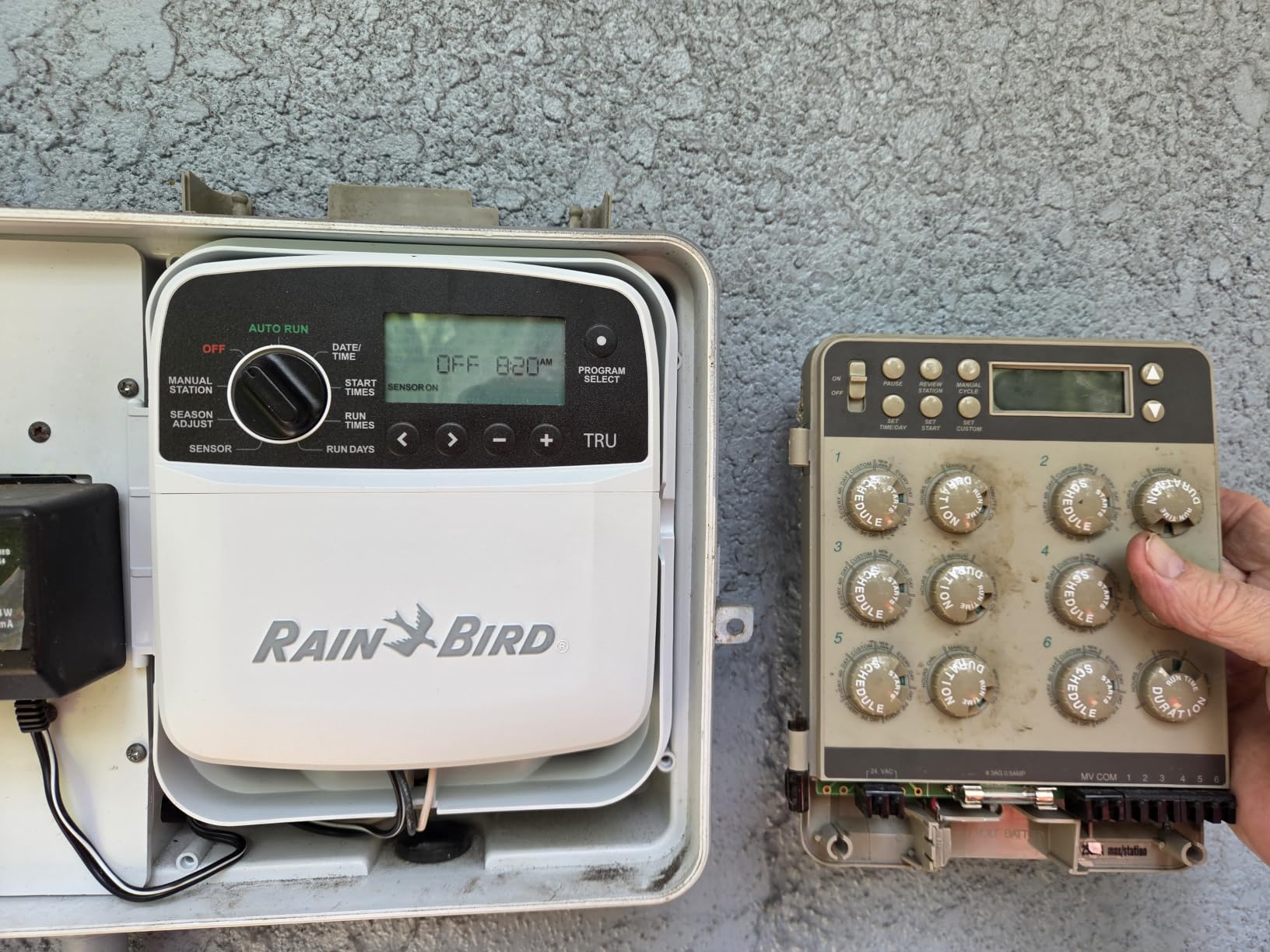
At 168 reviews and a 4.3 average with 70 percent five-star ratings, reviews focus on easy installation and clear programming. Online customer support requires a paid call, which is the most common service complaint alongside the extra cost of the WiFi module.
11. Hunter HPC-400 – Start at 4 Zones and Grow to 16
SPW Hunter Hydrawise HPC-400 4-16 Station Wi-Fi Controller Web-Based i-Phone Android App 4 Zones Expandable to 16 Zones with Optional Expansion Modules HPC400
4 zones expandable to 16
5.59 pounds
Hydrawise web portal
Milliamp fault detection
Pros
- Starts at 4 zones and expands to 16 as the property grows
- Hydrawise web software sends automatic schedule updates and problem alerts
- Compatible with HC Flow Meter plus Roam and Roam XL
- Built-in milliamp sensor detects wire faults
Cons
- Fewer customer reviews than the other controllers here
- WiFi radio is tied to the Hunter Hydrawise account and app
- Hardwiring into a junction box is required if you do not want a plug-in lead
The HPC-400 solves a specific problem well: a property that needs more than four zones now but may need sixteen later. The base unit is a four-zone controller and it expands to sixteen through optional modules, so you are not buying a controller you will throw away in a season.
It is rated 4.6 across 120 reviews, which is tied for the highest average in this group, though the review volume is the lowest of the well-regarded units. Local weather data is integrated for water-saving schedule adjustments, and the Hydrawise web portal handles updates and alerts.
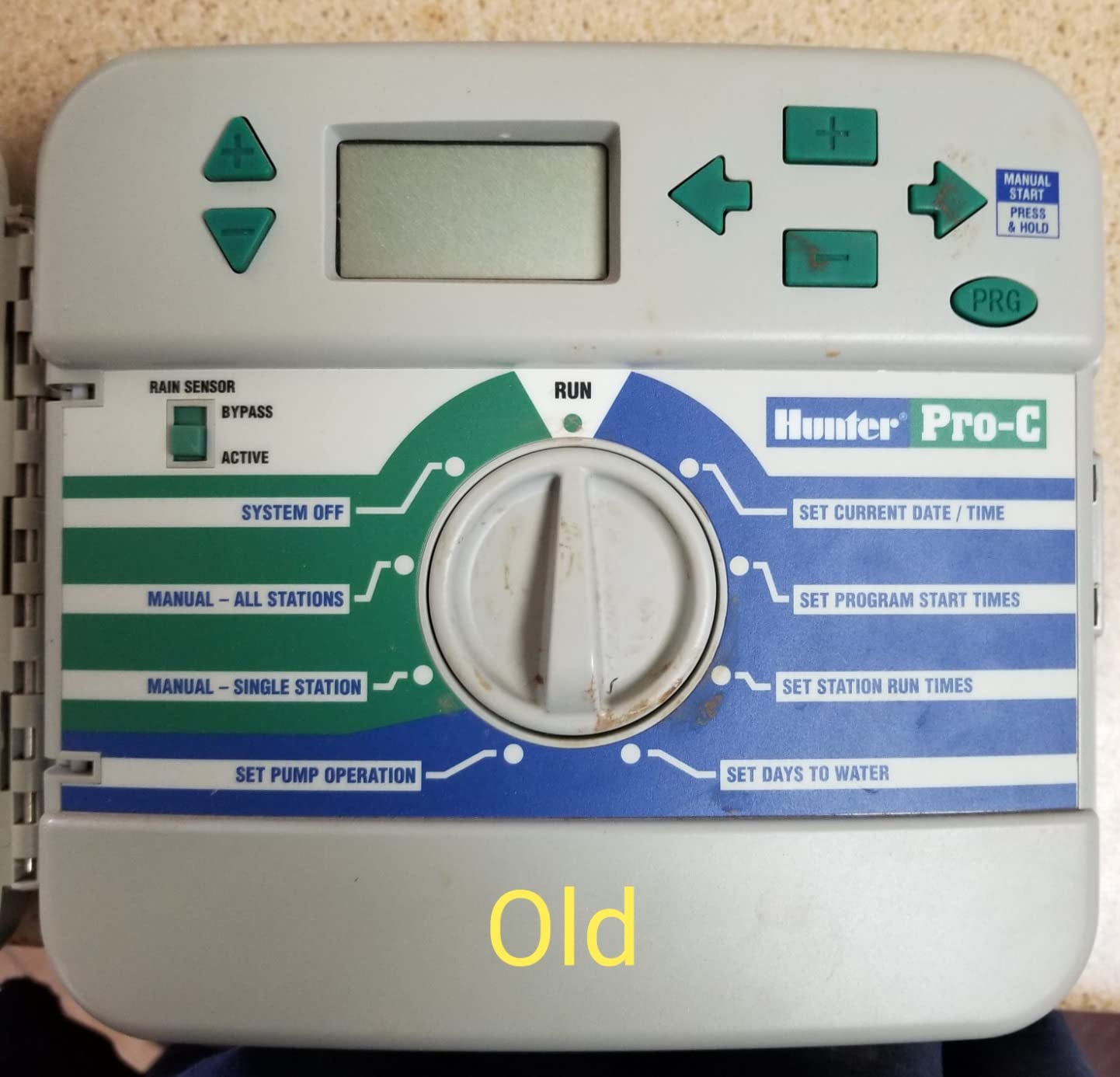
Flow capability is the reason contractors like this unit on larger properties. It is compatible with the HC Flow Meter as well as Roam and Roam XL, and the built-in milliamp sensor provides wire fault detection without a separate module.
Expansion Math for a Growing Property
A new-build lot with four zones today might add a rear garden, a hedge run, and drip for a new tree line within a few years. Expansion modules let you add that capacity in steps instead of replacing the controller, and each module adds to the same Hydrawise account rather than creating a second system to manage.
If you are installing on a new property with no existing valve box, the HPC-400 is a sensible starting point that does not paint you into a corner.
Power and Mounting Decisions
The unit ships with a 5-foot lead and plug for indoor use. If you do not want a plug-in connection, you remove the power cord and hardwire into a junction box, which means planning the conduit run before the enclosure goes on the wall.
The WiFi radio is tied to the Hunter Hydrawise account and app, so this is not a local-first controller in the way the Rachio platform is. If your internet service is unreliable, that dependency is worth factoring into the decision.
Best For New Builds and Staged Growth
Choose this for a new property where zone count will grow, or when you want Hydrawise flow-meter compatibility at a lower entry point than the PRO-HC. Pass on it if you need a large number of customer references to support a purchase decision.
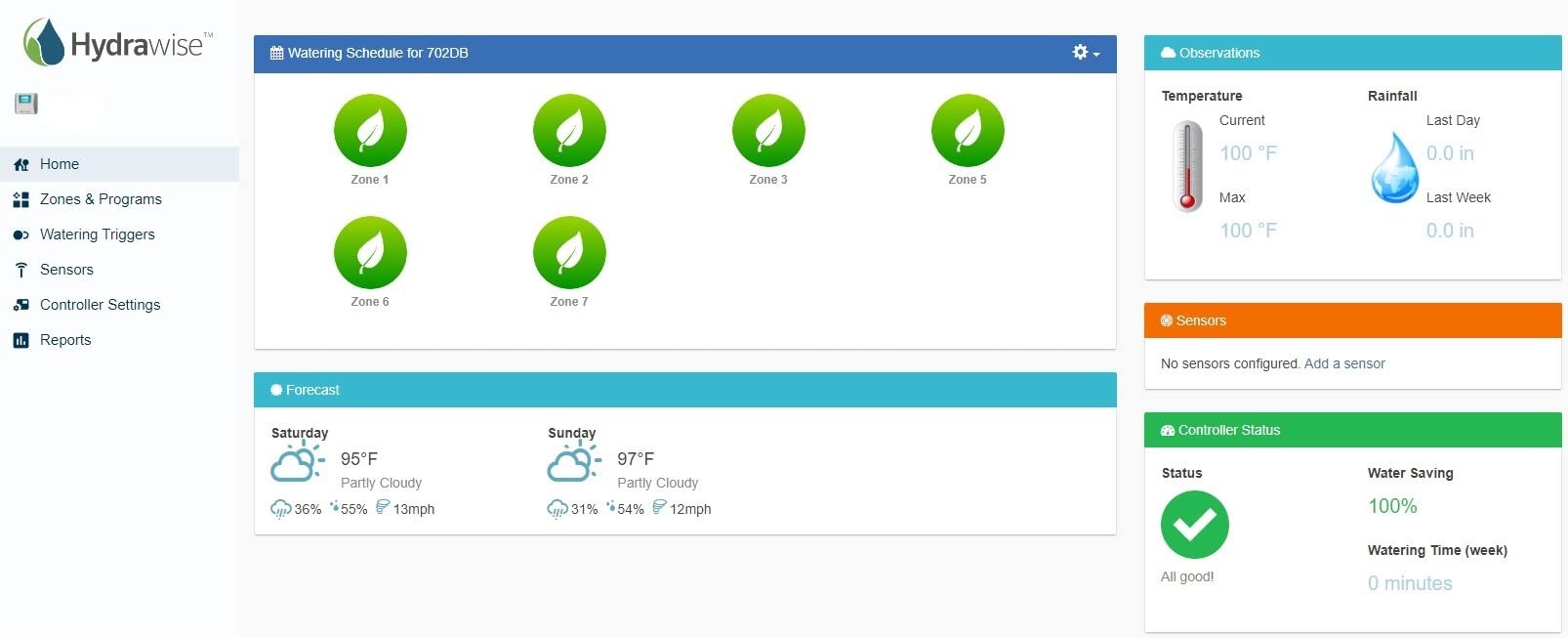
At a 4.6 average with about 82 percent five-star ratings, the reviews are enthusiastic but brief, and 120 reviews is the smallest sample among the units rated 4.5 or above.
12. RAINPOINT 8-Zone – Budget Pick With Outage-Proof Schedules
RAINPOINT Smart Sprinkler Controller, WiFi Sprinkler Controller 8 Zone-Local Weather Intelligence, Programmable Smart Irrigation System with APP Remote Control, Rain Skips, Rain Sensor Compatibility
8 zones
Standard 24VAC design
Transformer and screws included
Physical on-device buttons
Pros
- Standard 24VAC design with included transformer and screws installs in under 15 minutes
- Schedules are saved locally and restored after power or network outage
- Local weather intelligence pauses watering during rain and freezing
- Easy wiring swap from older Rain Bird and Toro controllers
Cons
- App is not intuitive with convoluted steps for watering a specific zone
- 2.4GHz WiFi only
- Does not share one app account with other RainPoint irrigation products
The RAINPOINT is the cheapest way into app-controlled irrigation on a large lot, and its best feature is also its least glamorous one. Schedules are stored locally and restored automatically after a power or network outage, which is the single thing that separates a smart controller you can rely on from one you have to reprogram after every storm.
It uses a standard 24VAC design with an included 24VAC transformer and wall-mount screws, and it is compatible with most existing sprinkler systems and a wired rain sensor. Reviewers report an easy wiring swap from older Rain Bird and Toro controllers because the terminals are clearly labeled.
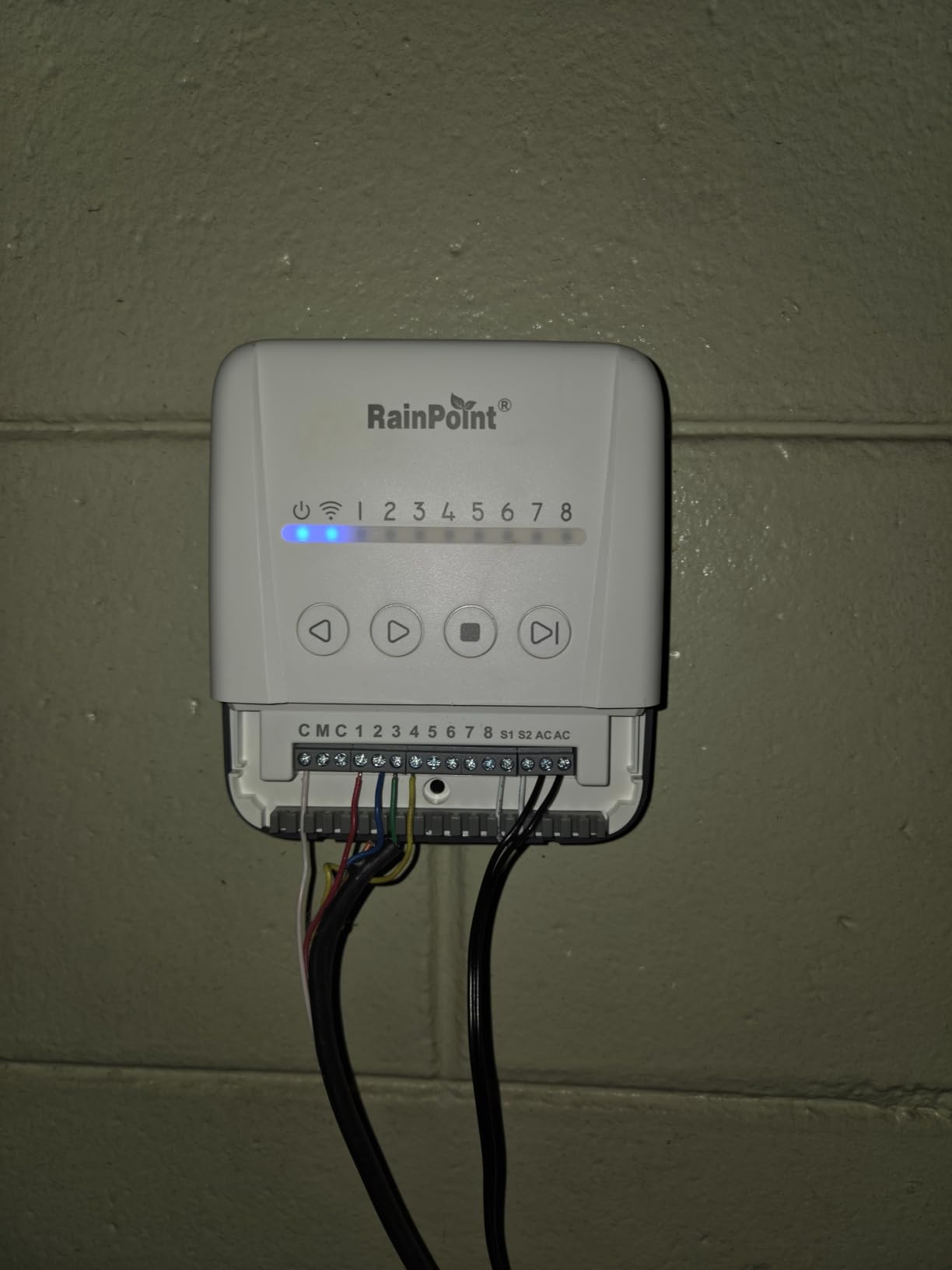
Eight zones are independently configurable for start time, run duration, and frequency, with batch watering and Quick Run supported. Physical buttons on the device let you start a zone manually without the app, and the app supports shared permissions so family members or a house sitter can have access.
Local Weather Intelligence and Rain Delay
Local weather checks pause watering during rain or freezing conditions and resume when conditions clear, and the app offers 24, 48, and 72-hour rain delay options. On a property subject to municipal watering restrictions, a manual rain delay you can set from your phone is more useful than automatic logic.
Each valve can be named and given a photo in the app, and per-valve status with the next run time is visible without opening a zone.
Where the Budget Shows
The app is the weak point. Reviewers describe it as not intuitive, with convoluted steps for watering a specific zone inside an area, and there is no shortcut creation for preset quick runs. Connectivity is 2.4GHz only, and the controller does not share one app account with other RainPoint irrigation products, which matters if you later add a hose timer or sensor from the same brand.
This unit is 4.0 across 103 reviews, the lowest average here, with 12 percent one-star ratings. That number reflects the software experience rather than the irrigation hardware, which reviewers describe as solid.
Best For Retrofits and Budget Constraints
Choose this when you are replacing an older timer on a tight budget, you want schedules that survive outages, and you are comfortable doing most adjustment in the app rather than on the device. If app quality is your top priority, spend more on one of the higher-rated units.
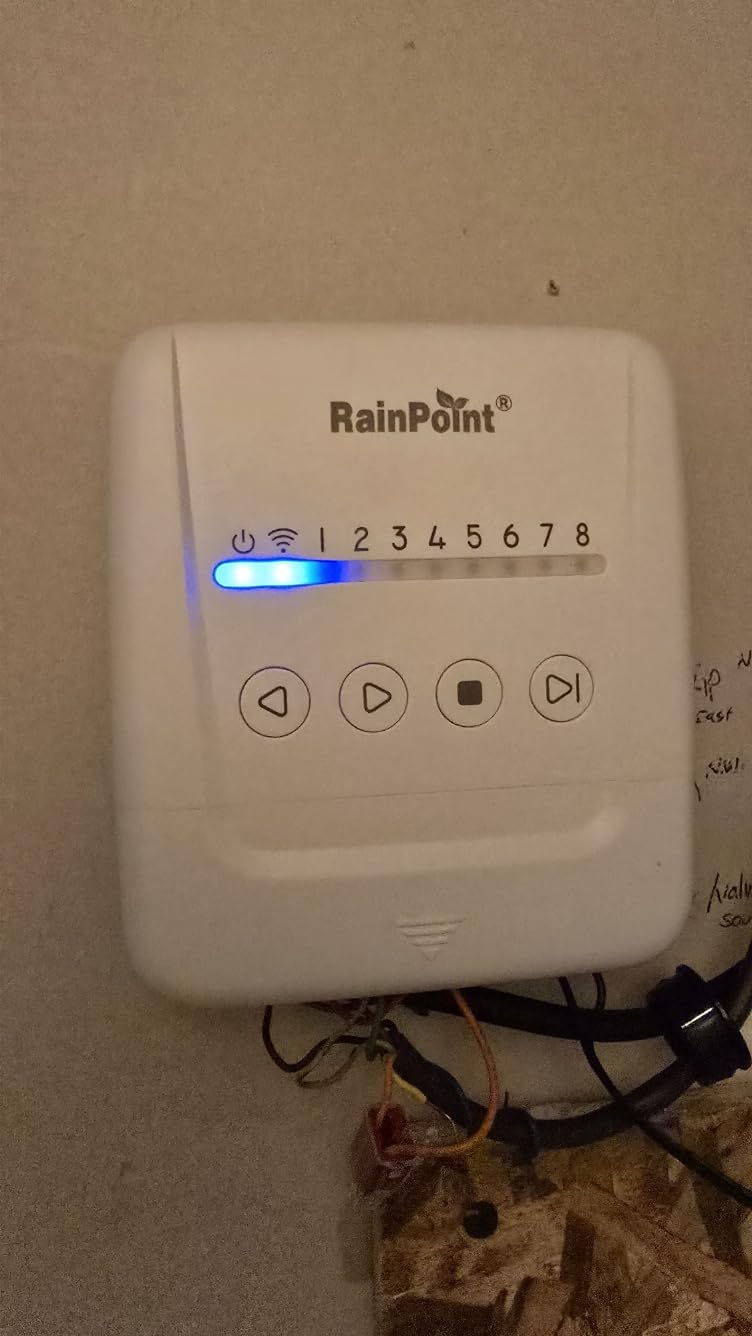
About 59 percent of reviews are five-star, with a smaller cluster of three-star ratings that tracks closely with the app usability complaints. Zone names and photos, shared access for family members, and outage-proof storage are the features owners mention most often as reasons to keep it.
How to Size a Smart Controller for a Large Property
Sizing a controller for a large yard comes down to one number, and getting it wrong is the most expensive mistake in this entire category. Count your zones before you compare features, because a beautiful app on an eight-zone controller is worthless if you have eleven valves.
Count Your Zones Before You Choose Anything
How many zones do you need for a large yard? The honest answer depends on how the property is hydrozoned, and the practical guidance is that a quarter-acre to half-acre residential lot typically needs eight to twelve zones, a full acre often needs twelve to sixteen, and an estate with extensive beds, trees, and a slope may need twenty-four or more.
To count, walk the property and identify each independently irrigated area. Turf blocks, planting beds, hedges, a slope, a vegetable garden, drip for trees, and a potted plant area should each be their own zone. If you inherited an existing system you have never seen, open the valve box and count the solenoid wires, and if the wires are unlabeled, a valve scan on a diagnostic-capable controller is the fastest way to map them.
Then buy the smallest unit that covers your count with room to grow. On a new property, an expandable controller such as the Hunter HPC-400 starts at four zones and reaches sixteen, which avoids replacing hardware as the landscape matures.
Local Schedule Execution Versus Cloud-Dependent Control
This is the reliability question that forum users care about most, and it is rarely addressed in marketing. A local-first controller stores its schedule in the unit and runs it whether or not the internet is up, while a cloud-dependent controller reaches out to a server to decide what runs. On a large property, that difference decides whether a storm-induced outage costs you a missed cycle or a full reprogram.
Reviewers across irrigation forums describe cloud-dependent controllers becoming unresponsive when the network drops, and describe controllers that keep running their schedule through an outage as the reason they recommend them to friends. Ask specifically whether a run that was missed during an outage is backfilled after service returns, because some units skip it and others make it up.
Indoor Or Outdoor Enclosure For Large Lots
A large lot often puts the controller outside, and that single fact eliminates several otherwise good options. Units rated for both indoor and outdoor installation, such as the Orbit B-hyve XR, the Hunter X2, the Hunter PRO-HC, and the Rain Bird TRU8O in its weatherproof case, can mount next to the valve manifold without a separate housing.
For units sold as indoor-only, plan on a rated enclosure, a GFCI-protected receptacle, and a surge protector on the same circuit. Two products in this group also sell a matching outdoor case separately, which is worth adding to your list before you order.
Master Valves, Well Pumps, And Long Wire Runs
Large properties frequently run a master valve or a well pump, and that wiring requirement removes more consumer controllers than most buyers expect. Look for a dedicated pump and master valve output, or a pump relay that can be wired to a relay on the panel. Without that, a well pump with too little pressure simply fails to start, and the zone looks like a dead valve.
Long wire runs are the other large-lot reality. Solenoid voltage drops over distance, and a wire run long enough to reach a far corner of an acre can leave the last valve weak or unresponsive. Milliamp or QuickCheck wire fault detection, found on the Hunter PRO-HC, Hunter X2, and Hunter HPC-400, tells you whether voltage is reaching each valve.
Pressure regulation matters for the same reason. Forum users on large lots report hoses popping off fittings where pressure is not regulated, so confirm that a pressure regulator or pressure-compensating valves are part of the system rather than assuming the controller handles it.
Flow Meters And Leak Cutoff
A flow meter measures how much water actually passes through the system, which is the only way a controller can detect a broken pipe. On a multi-acre property, an undetected line break can run for days and the bill will show it. Controllers that accept a flow meter or support wired and wireless flow sensors include the Hunter PRO-HC, the Hunter HPC-400, and the Yardian Pro.
Simpler leak protection comes from scheduling: cycle and soak, which breaks a long run into rest periods so water soaks in rather than running off, is built into the Hunter X2, the Hunter PRO-HC, and the ImoLaza ET Master.
What To Verify Before You Order
Run through this list before checkout. First, confirm your zone count against the controller’s output capacity. Second, confirm the controller will run on 24V AC solenoid valves, which is the standard for residential systems. Third, decide indoor or outdoor mounting and price the enclosure if needed. Fourth, check whether the wireless radio supports both 2.4 GHz and 5 GHz, because several units in this group are 2.4 GHz only and that is a common cause of failed setups. Fifth, check whether the smart features require a separately sold module, which applies to the Hunter X2 and the Rain Bird TRU8O. Sixth, ask about subscription fees. The ImoLaza unit ships with no monthly fee, while other brands charge for extended history and advanced flow reporting.
One last practical check: read the warranty terms. Most units here carry two years, and the Rachio 3 warranty applies only within the United States and Canada. If your property has a master valve, a well pump, or a run longer than a few hundred feet, budget for the Hunter PRO-HC or the Hunter X2 with the WAND module, because those are the two units in this group with the diagnostics and pump outputs that large lots need.
If you are still working out the general water-saving math rather than the hardware, our guide to WiFi sprinkler timers covers the simpler single-zone and timer-only options, and our picks for basic sprinkler timers are the right call if you do not need app control at all.
Frequently Asked Questions
How many zones do I need for a large yard?
A large residential yard usually needs 8 to 12 zones, a full acre often needs 12 to 16, and an estate with extensive beds, trees, and slopes may need 20 to 24. Count each independently irrigated area as its own zone, including separate turf blocks, planting beds, hedges, slopes, vegetable gardens, and tree drip, then buy the smallest controller that covers that count with room to grow.
Which smart sprinkler controller is the best?
The Rachio 3 8-Zone leads for most large residential lots because its Weather Intelligence skips runs for rain, wind, and freeze, its schedule keeps running locally through an internet outage, and it is the most-reviewed unit in this group. The Netro Sprite covers 12 zones at a lower cost, the Hunter PRO-HC handles 24 zones with flow-meter support, and the Yardian Pro adds a wired Ethernet port for weak-signal locations.
Are smart sprinkler controllers worth it?
For most large properties, yes. Weather-based skips and per-zone scheduling typically cut outdoor water use substantially, and the reduction compounds across a dozen or more zones that a single fixed timer cannot differentiate. On a lot with twenty-plus zones, the savings on an entire irrigation season usually recover the controller cost, and the leak and fault alerts protect against the expensive failure mode of an unnoticed broken line.
What are common problems with Orbit sprinkler controllers?
The most cited issues are in the software rather than the hardware. Reviews describe the smart watering algorithm running cycles on days the app calendar does not list, earlier firmware that did not reliably delay watering for freezing temperatures, and setup difficulty finding the network on dual-band routers that broadcast the same SSID on both bands. Current XR hardware supports both 2.4 GHz and 5 GHz, which resolves most of the older connectivity complaints.
Do smart sprinkler controllers need WiFi?
They need WiFi for remote control and weather data, but a good number keep running their schedule when the connection drops. Controllers that store schedules locally, such as the Rachio 3 and the RAINPOINT unit, resume normal operation without reprogramming after power or network returns. Cloud-dependent controllers such as the Hunter Hydrawise units and the Rain Bird LNK module depend on the server to act, so check that behavior before choosing one for a large property.
Why is my sprinkler zone not working but others are?
Start by testing the valve directly at the controller with a manual zone run while watching the solenoid. If the controller energizes the output and the valve does not open, the problem is at the valve or the wiring. A crushed or disconnected wire from a long run is common on large lots, and a milliamp fault detection feature on units like the Hunter PRO-HC or Hunter X2 will tell you whether voltage is reaching that valve at all.
Which Smart Sprinkler Controller Fits Your Yard
If you have eight zones on a large residential lot and want the most dependable app with weather skips that keep running through an outage, the Rachio 3 is the pick. If you have twelve zones and want the most capacity for the money with a no-fee app, the Netro Sprite is the answer, and the Netro Spark covers you at sixteen zones if you need every output in one box.
If your controller has to live outdoors or your WiFi is weak out by the valve box, pick the Orbit B-hyve XR for dual-band wireless in a weatherproof housing, or the Yardian Pro if you have a wired path and want Apple HomeKit plus flow sensors. If you need twenty-four zones, a master valve and pump output, and flow-meter leak alerts, the Hunter PRO-HC is the only unit in this group built for it, and above roughly thirty zones you should be talking to a contractor about commercial controllers.
For pure reliability with no app dependency, the Hunter X2 and the Rain Bird TRU8O both run their schedules offline, and the X2 adds cycle and soak, seasonal adjust, and wire fault detection. Whatever you choose, count your zones, confirm 24V AC compatibility, and decide indoor or outdoor mounting before you order.
We update these picks as new models land, and if you are still running an older mechanical timer, our guide to robotic lawn mowers for large yards covers the other half of the automated yard care routine.
Leave a Reply