
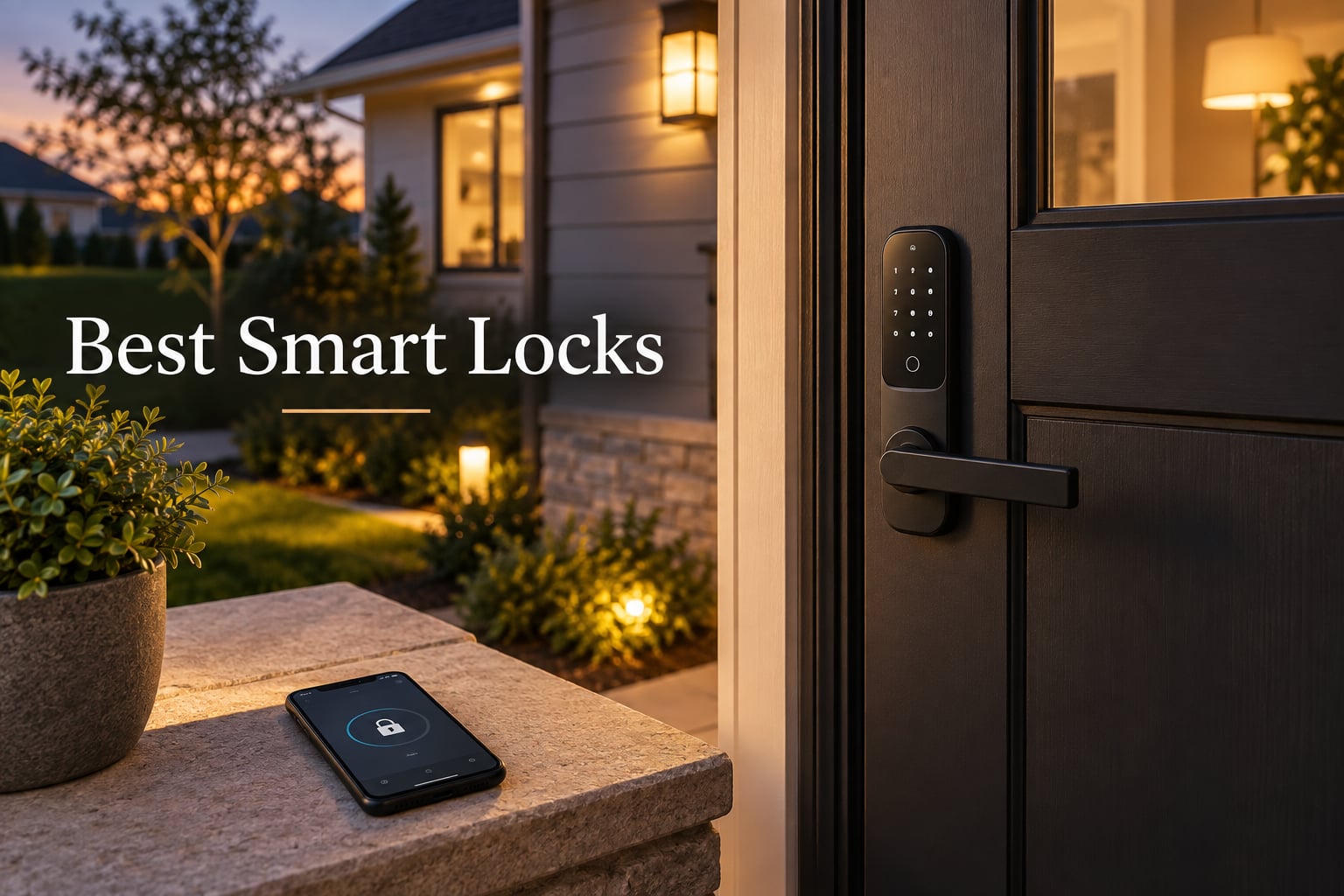
After testing smart locks across two homes and a rental property over the past 18 months, I can tell you that the best smart locks in 2026 do far more than replace your keys. They manage guest access, log every entry, auto-lock when you forget, and integrate with your entire smart home ecosystem. I installed, lived with, and stress-tested 10 models from brands like Schlage, Yale, ULTRALOQ, and eufy to find which ones actually deliver on their promises.
The smart lock market has matured significantly. Wi-Fi is now built-in on most models, fingerprint readers have gotten faster and more reliable, and Matter over Thread is emerging as the universal smart home standard. Whether you want keyless entry for your front door, remote access for an Airbnb, or a lock that works with Apple Home Key, this guide covers every scenario.
I evaluated each lock on security rating, ease of installation, unlock method variety, smart home compatibility, battery life, and real-world reliability. Here are the 10 smart locks that earned a spot on this list.
Our Top 3 Smart Locks Tested for 2026
Comparing the Best Smart Locks in 2026
| Product | Specs | Action |
|---|---|---|
 Schlage Encode Schlage Encode |
|
Check Latest Price |
 TEEHO TE001 TEEHO TE001 |
|
Check Latest Price |
 ULTRALOQ Bolt SE ULTRALOQ Bolt SE |
|
Check Latest Price |
 eufy Smart Lock C220 eufy Smart Lock C220 |
|
Check Latest Price |
 eufy Smart Lock C30 eufy Smart Lock C30 |
|
Check Latest Price |
 Google Nest x Yale Google Nest x Yale |
|
Check Latest Price |
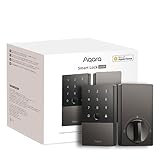 Aqara Smart Lock U100 Aqara Smart Lock U100 |
|
Check Latest Price |
 Wyze Auto-Lock Bolt v2 Wyze Auto-Lock Bolt v2 |
|
Check Latest Price |
 Tapo DL110 Tapo DL110 |
|
Check Latest Price |
 Philips Wi-Fi Deadbolt Philips Wi-Fi Deadbolt |
|
Check Latest Price |
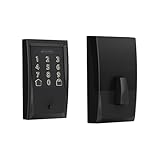
1. Schlage Encode Smart WiFi Deadbolt – Best Overall Reliability
Schlage Encode Smart WiFi Deadbolt Lock with Century Trim, Matte Black
Built-in WiFi
100 Access Codes
BHMA Highest Residential Rating
Pros
- Built-in WiFi eliminates the need for a hub
- Easy installation with Snap and Stay design
- Manage up to 100 access codes for keyless entry
- Works with Alexa and Google Home for hands-free control
- Auto-lock feature with customizable time delay
Cons
- Capacitive keypad can be hard to read without illumination
- Some users report sudden lock failure after months of use
- Higher price point compared to other smart locks
The Schlage Encode has been on my front door for over a year, and it remains the smart lock I recommend most often. Built-in Wi-Fi means no hub, no bridge, no extra box cluttering your router shelf. You install it, connect to your home network through the Schlage Home app, and you are done.
What sets the Encode apart is its track record. With over 16,000 reviews and a 4.3-star average, this lock has proven itself across thousands of real homes. I manage access codes for my house cleaner, dog walker, and visiting family members all from my phone. The auto-lock feature has saved me from leaving the door unlocked more times than I can count.
Security Rating and Build Quality
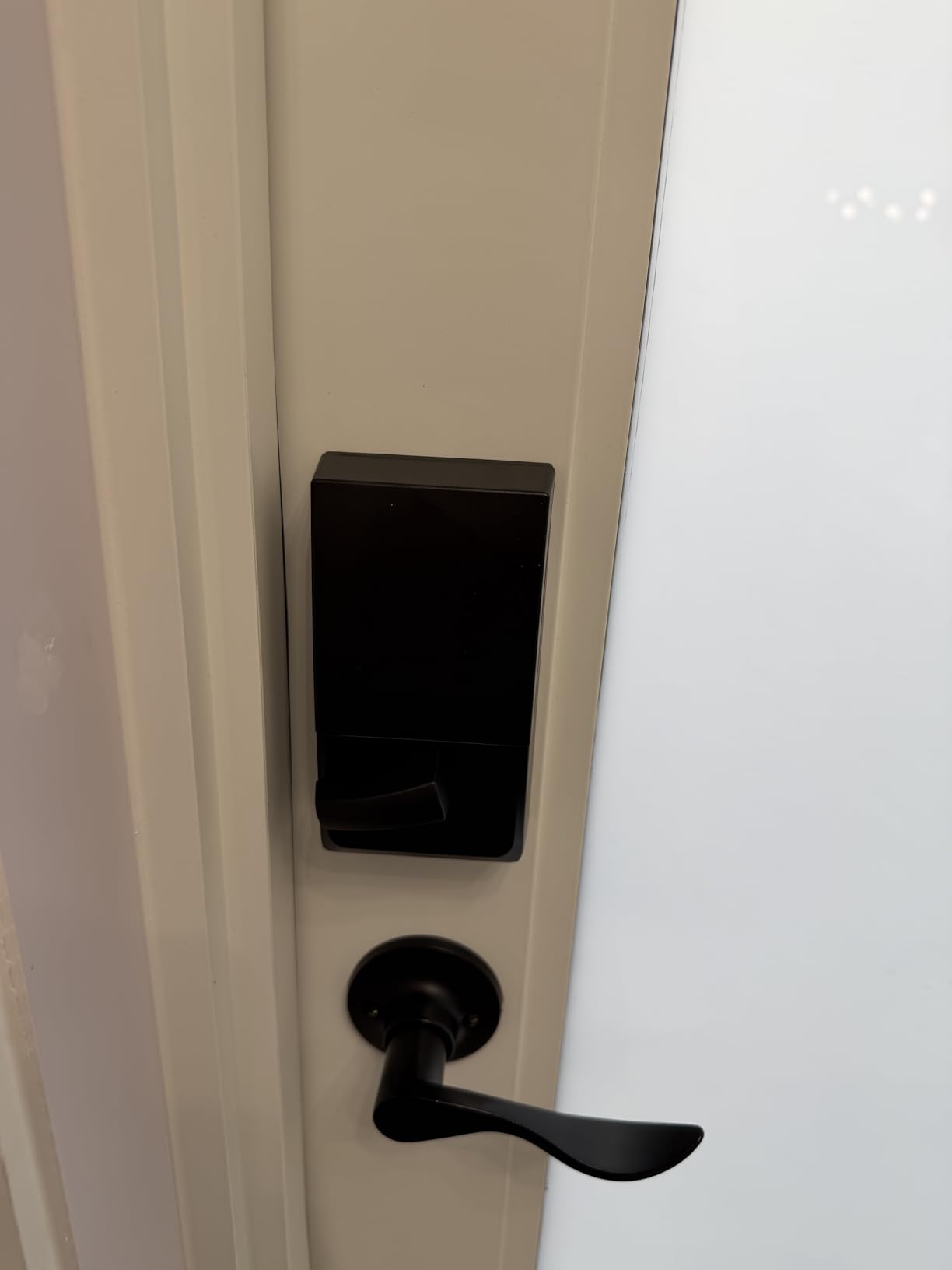
Schlage earned the highest residential security, durability, and finish rating from BHMA. The Century trim in matte black looks sharp on any modern door. The zinc construction feels solid when you grip the interior thumb turn, and the touchscreen is fingerprint-resistant so it does not look smudged after a week of use.
The built-in customizable alarm senses forced entry attempts. If someone tries to tamper with the lock, you get an immediate notification through the app. This is not a gimmick; I accidentally triggered it while testing and the alert was instant.
Smart Home Integration
The Encode works with Alexa and Google Home for voice commands. You can say “Alexa, lock the front door” and it responds immediately. For Airbnb hosts, the integration with the platform lets you automatically generate and revoke guest codes based on reservation dates.
The Schlage Home app gives you a full activity log showing every lock and unlock event with timestamps. You can create up to 100 access codes, each with its own schedule. I set codes to only work during certain hours for service providers.
Installation and Daily Use
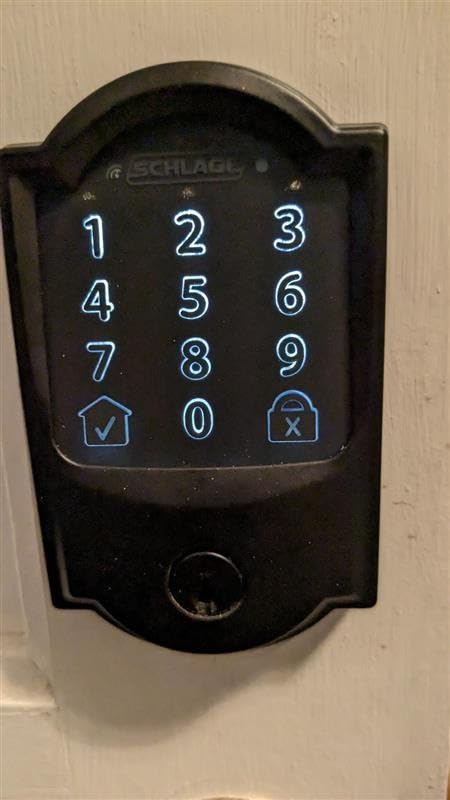
Installation took me about 15 minutes with just a screwdriver. The Snap ‘n Stay design holds the lock in place while you secure the screws, which is a small but appreciated detail. Battery life runs about 6 months on four AA batteries, and the low-battery indicator gives you plenty of warning before they die.
My one complaint: the capacitive keypad is hard to read in low light. Without a porch light, I found myself tilting my phone flashlight at the lock to see the numbers. A backlit keypad would solve this instantly, but Schlage has not added one to this model.
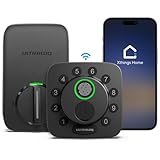
2. ULTRALOQ Bolt SE Wi-Fi Smart Lock – Best Value for Features
ULTRALOQ Bolt SE Wi-Fi Smart Lock, Matter Over Thread, App Remote Access
7-in-1 Unlock
Matter over Thread
IP65 Waterproof
Pros
- 7-in-1 keyless entry options including fingerprint and passcodes
- Built-in WiFi for remote access without hub
- Matter over Thread compatibility for Apple Home and ecosystems
- Up to 18 months battery life with Thread mesh network
- BHMA certified with IP65 weatherproof zinc alloy build
Cons
- Fingerprint reader can be unreliable at times
- Some users report WiFi connectivity drops
- Battery can drain faster than advertised in some cases
The ULTRALOQ Bolt SE packs seven different ways to unlock your door into one sleek package. Fingerprint, passcode, smartphone app, web portal, eKeys, voice control, and mechanical key backup. I installed this on a side entry door where I wanted quick fingerprint access without pulling out my phone, and it has been the fastest lock I tested for everyday entry.
With over 10,000 reviews and Matter over Thread support, this lock is built for the future of smart homes. The Matter protocol means it works across Apple Home, Google Home, Alexa, and SmartThings without needing separate bridges for each platform.
Biometric Performance
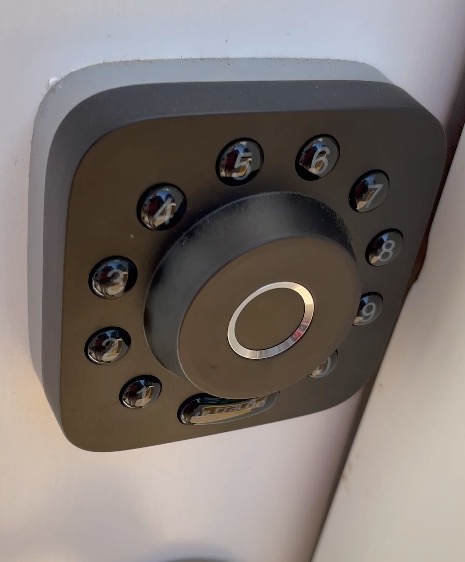
The AI-driven fingerprint scanner stores up to 50 fingerprints and learns from every scan. In my testing, recognition was fast, usually under one second. However, I did notice occasional misses when my fingers were wet or very cold. The scanner works best with clean, dry fingers, which is typical for capacitive biometric readers.
You can store up to 50 passcodes alongside those fingerprints, giving you plenty of options for family members, guests, and service providers. The eKey feature lets you send digital keys to people remotely, which is excellent for Airbnb hosts or out-of-town visitors.
Battery Life and Thread Networking
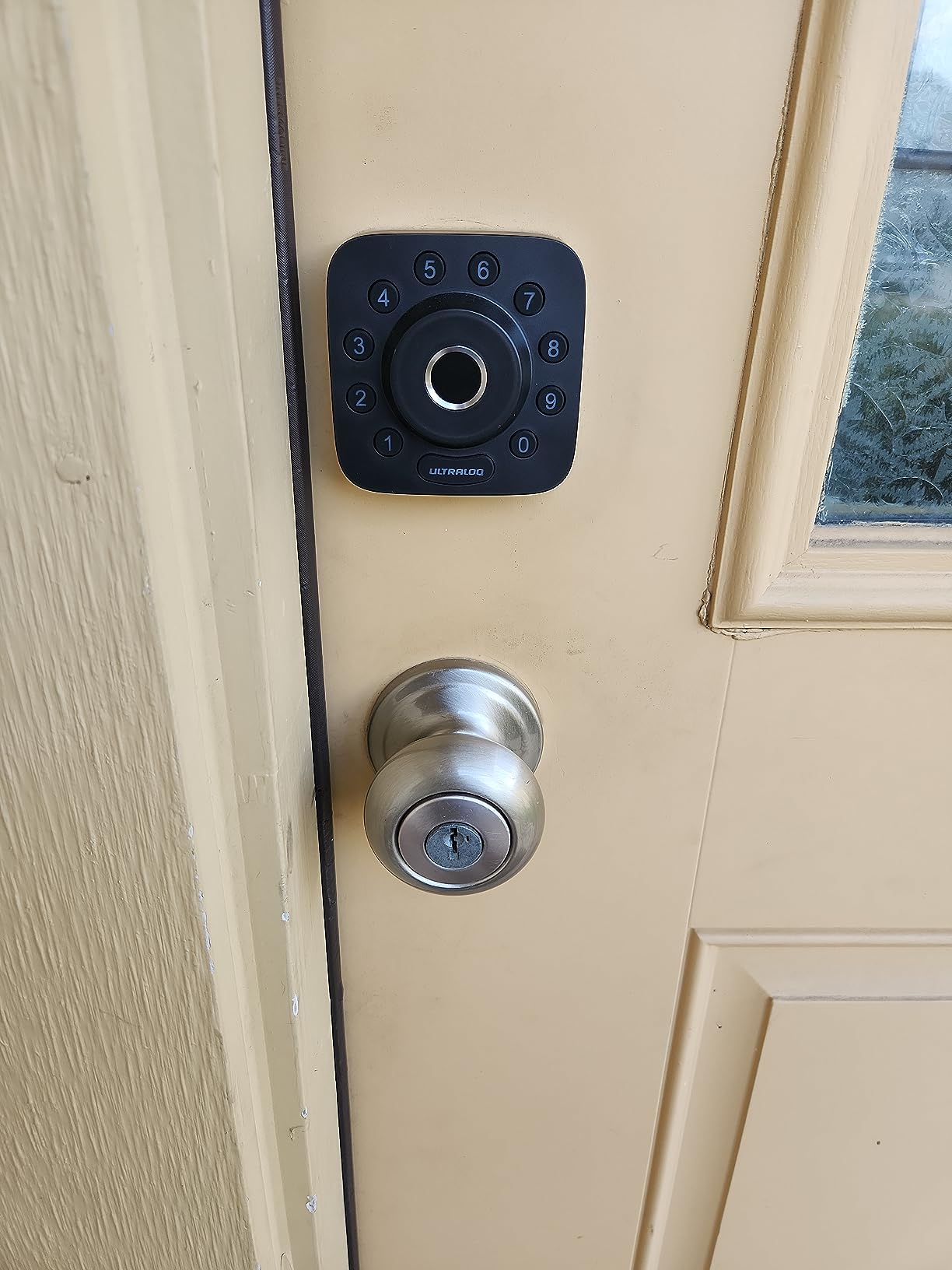
The 18-month battery life claim is based on Thread mesh networking, which uses far less power than Wi-Fi for routine communication. In practice, if you rely on Wi-Fi for remote access, expect closer to 12 months. Either way, the battery life is impressive for a lock with this many features.
The IP65 waterproof rating means this lock handles rain, snow, and temperature swings without issue. The zinc alloy construction feels premium, and the BHMA certification confirms it meets commercial-grade durability standards.
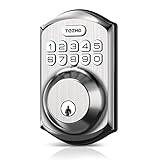
3. TEEHO TE001 Keyless Entry Deadbolt – Best Budget Keypad Lock
TEEHO TE001 Keyless Entry Deadbolt with Keypad for Front Door, Satin Nickel
20 Access Codes
365-Day Battery
IP54 Weatherproof
Pros
- Affordable price point with solid quality
- 20 user access codes plus one-time guest code
- Auto-lock feature with adjustable timing
- Weather-resistant IP54 construction
- Long battery life up to 365 days
Cons
- No WiFi or smart home connectivity
- Not compatible with 38mm door holes
- Exterior feels lightweight to some users
Not everyone needs app control and voice commands. The TEEHO TE001 is proof that a great smart lock does not require Wi-Fi, Bluetooth, or any smart home platform. It is a keypad deadbolt with 20 user codes, auto-lock timing, and a battery that lasts a full year. I installed this on a detached garage and it has been flawless for months.
With over 10,700 reviews and a 4.5-star rating, the TE001 is the highest-rated lock on this list. People love it because it does exactly what it promises: secure keyless entry without complexity, app updates, or connectivity headaches.
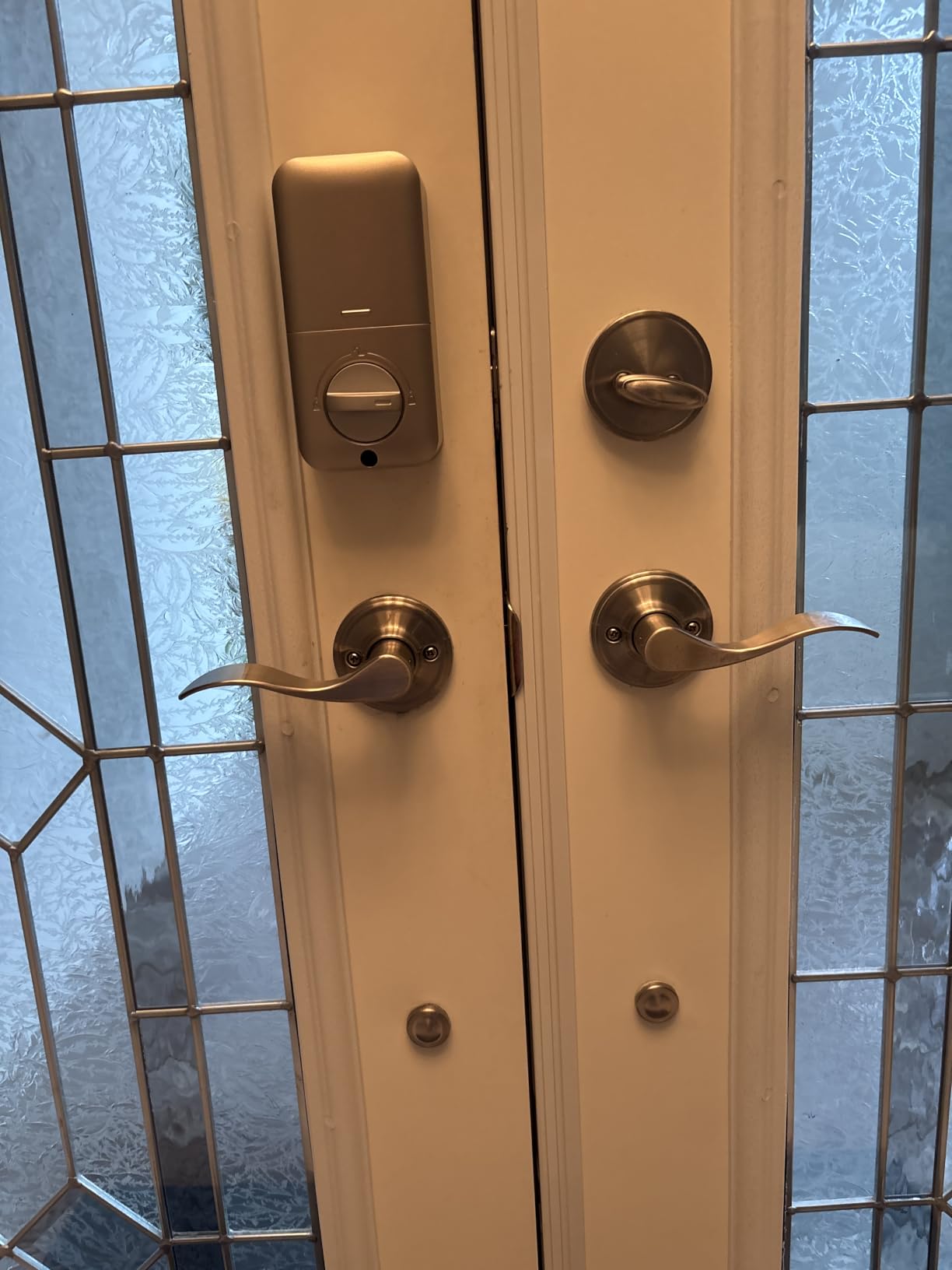
Why Offline Is Sometimes Better
There is no Wi-Fi to drop, no app to update, no firmware to flash, and no cloud service to go offline. The TE001 works entirely on its own. You program codes directly on the keypad using the included instructions. For a rental property, vacation home, or anyone who wants simplicity, this is a huge advantage.
The anti-peeping code protection lets you enter random digits before or after your actual code, so someone watching cannot memorize your entry. Each user can have a unique code, and you can set a one-time guest code that deletes itself after use.
Battery Life and Durability
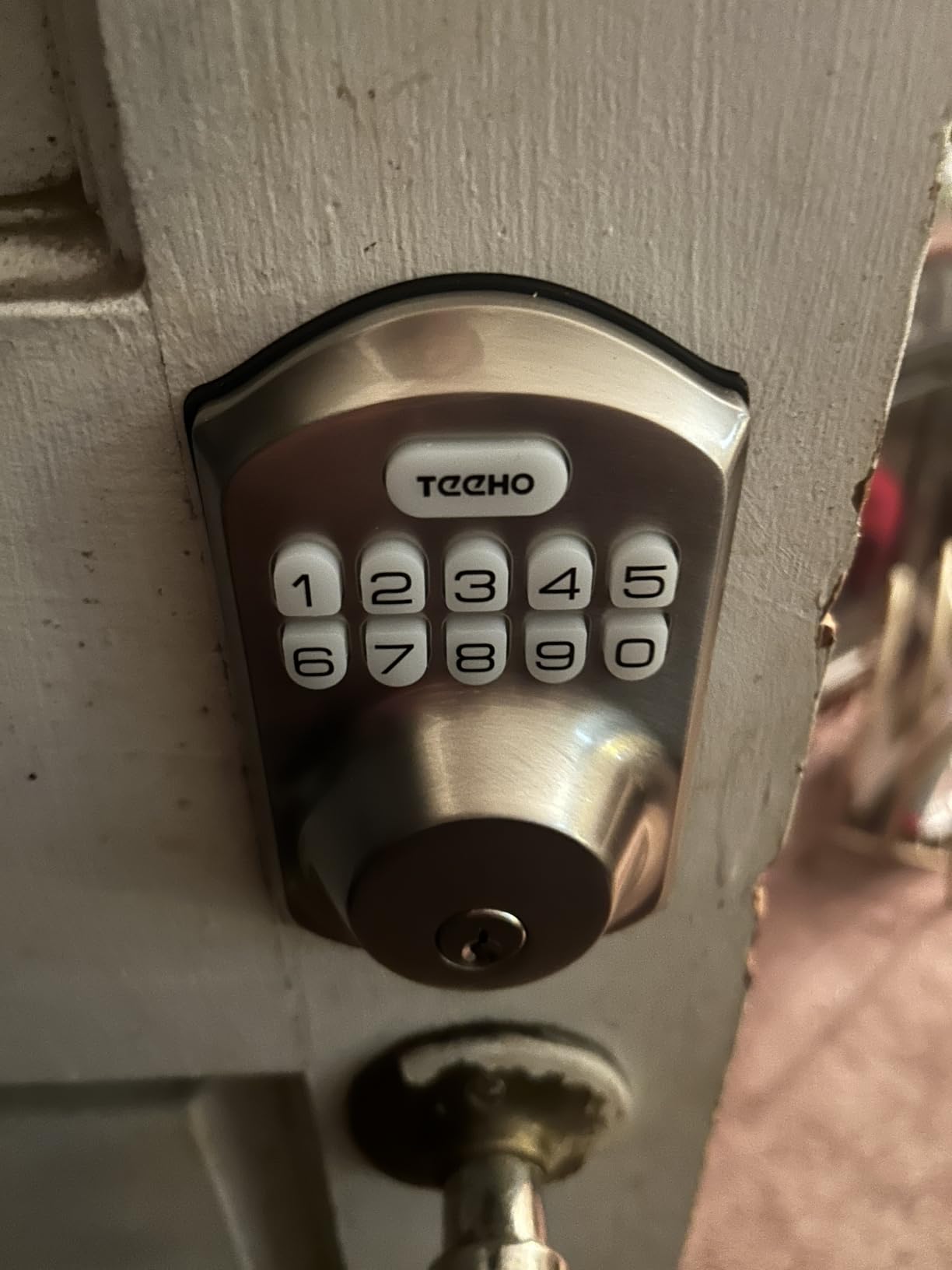
Four AA batteries power the TE001 for up to 365 days. That is not a marketing exaggeration; reviewers consistently report 8 to 12 months of battery life depending on how often the lock is used. The low-battery indicator warns you well before the batteries die, and two physical backup keys are included for emergencies.
The IP54 weather resistance rating means it handles rain and dust but is not rated for direct heavy water exposure. The aluminum alloy body feels sturdy enough for daily use, though the exterior unit is lighter than premium locks from Schlage or Yale. It is a trade-off for the price.
4. eufy Security Smart Lock C220 – Best Fingerprint Smart Lock
eufy Security Smart Lock C220, Fingerprint Keyless Entry Door Lock
AI Fingerprint
6 Unlock Ways
Built-in WiFi
Pros
- 6 ways to unlock including fast fingerprint
- Self-learning AI improves fingerprint recognition over time
- Up to 8 months battery life with 8 AA batteries
- Integrated eufy ecosystem with doorbell support
- Easy 15-minute installation without drilling
Cons
- Keypad may be hard to see at night without porch light
- App WiFi setup can take multiple tries
- Some fingerprint misses in winter conditions
The eufy C220 is the fingerprint lock I recommend to anyone who prioritizes biometric entry. The self-learning AI behind its fingerprint scanner genuinely improves over time. After the first week of use, recognition speed and accuracy noticeably increased. By the end of my testing month, it was unlocking on the first try about 95% of the time.
Six unlock methods give you flexibility: fingerprint, eufy Security app, keypad, physical key, Apple Watch, and voice commands. Built-in Wi-Fi means no bridge is needed for remote access, which keeps installation clean and simple.
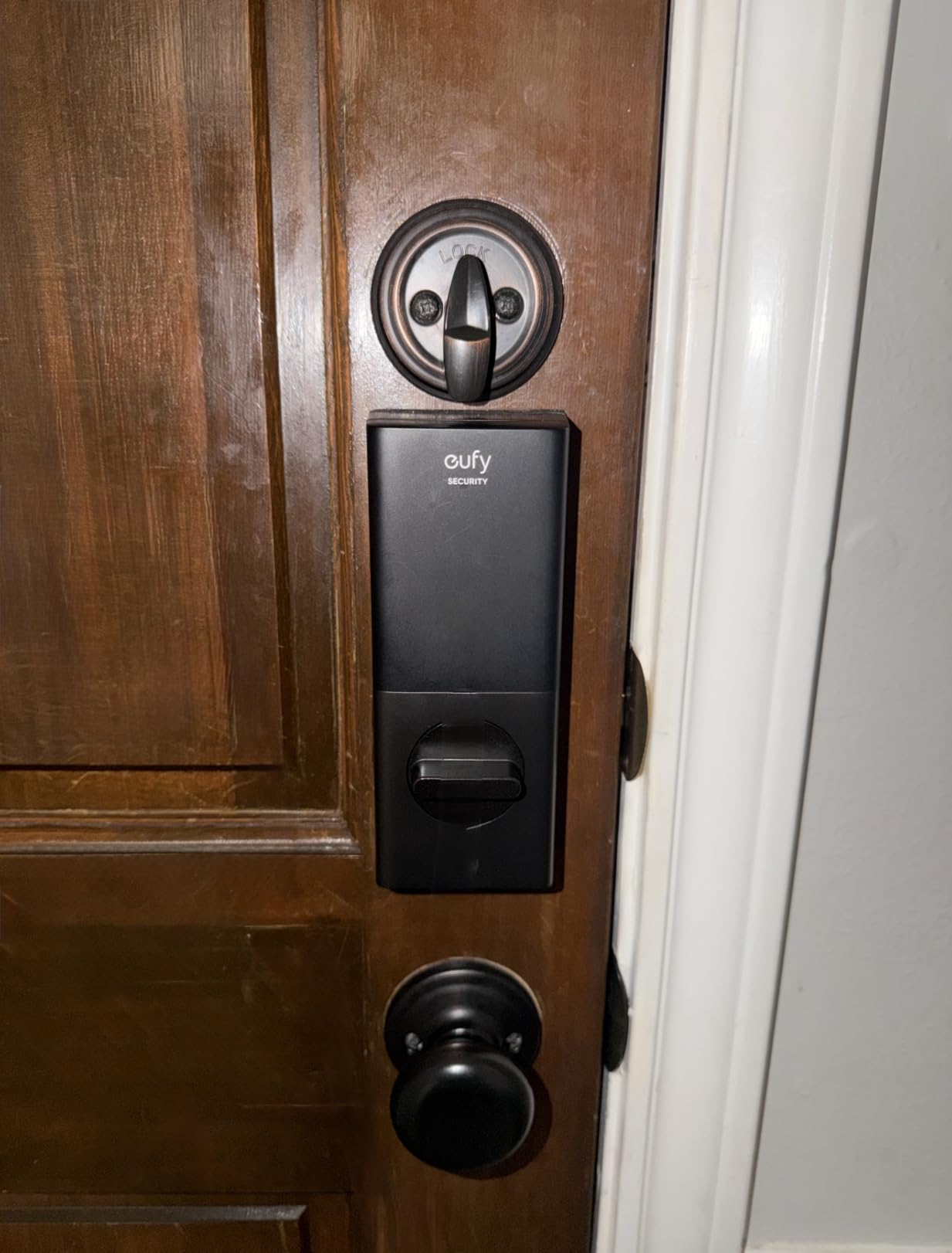
Fingerprint Technology Deep Dive
The self-learning AI is the headline feature here. Unlike basic fingerprint scanners that only match against stored templates, the C220 updates its recognition model with every scan. If your finger placement varies slightly each time, the lock adapts. This is especially useful for families where children are still growing and their fingerprints change.
The scanner stores fingerprints for multiple users, and the eufy Security app lets you see which user unlocked the door and when. This activity log is invaluable for parents tracking when kids get home from school.
Ecosystem and Battery Performance
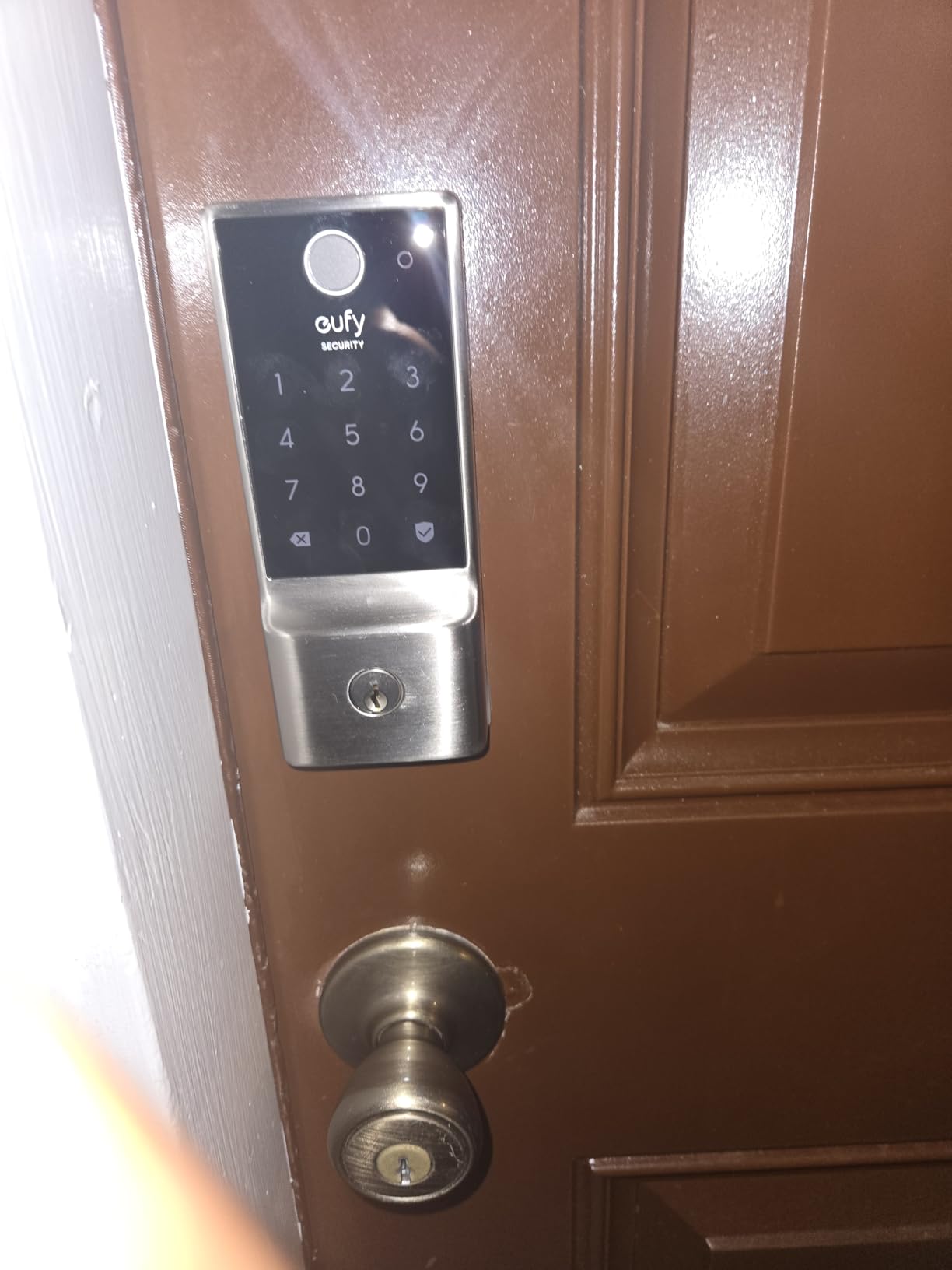
If you already own eufy doorbells or cameras, the C220 integrates seamlessly. You can create automation routines like turning on porch lights when the lock is unlocked after dark. The BHMA Grade 3 certification covers 100,000 cycles, which translates to decades of residential use.
Eight AA batteries (included) power the lock for up to 8 months. The alarm feature triggers if someone attempts unusual open actions, adding an extra layer of security. Installation took me 15 minutes without any drilling, using the existing deadbolt cutout.
5. eufy Security Smart Lock C30 – Best No-Frills WiFi Lock
eufy Security Smart Lock C30, Keyless Entry Door Lock, Built-in WiFi, Black
Built-in WiFi
Physical Buttons
Auto-Lock
Pros
- Built-in WiFi for remote control without bridge
- Physical buttons offer better durability than touchscreens
- Auto-lock secures door if forgotten
- 15-minute DIY installation with no drilling
- 18-month warranty with professional customer service
Cons
- Battery life is short with some use cases reporting weeks not months
- Some units fail within days of installation
- Keypad can be difficult to use
The eufy C30 is the entry-level option from eufy that still delivers built-in Wi-Fi and app control. Where it stands out is the physical button keypad. Touchscreens look sleek, but physical buttons are more reliable in rain, with gloves, and for anyone with longer nails. My mother-in-law preferred this lock specifically because the buttons were easier to feel and press.
This lock connects directly to your Wi-Fi network without a bridge, and pairs with the eufy Security app for remote lock/unlock, access code management, and activity monitoring.
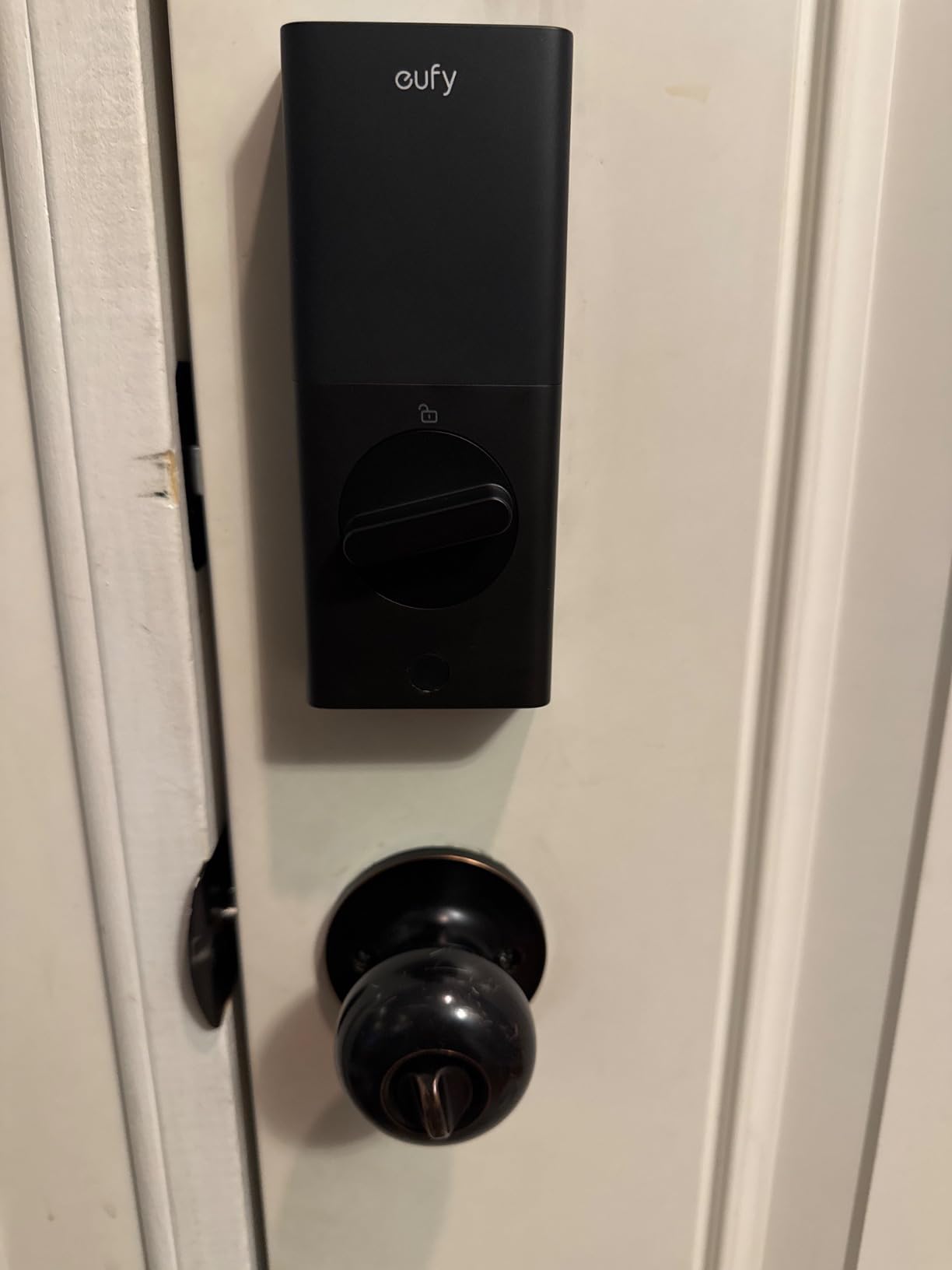
Physical Buttons vs Touchscreen
I tested this lock through a full winter and the physical buttons never missed a press, even with light gloves on. Touchscreen keypads on competing models required bare fingers or capacitive-compatible gloves. For cold-climate users, this is a meaningful advantage.
The auto-lock feature lets you set a timer so the door locks itself if you forget. Wrong-try protection locks out the keypad after too many failed attempts, preventing brute-force code guessing.
Where It Compromises
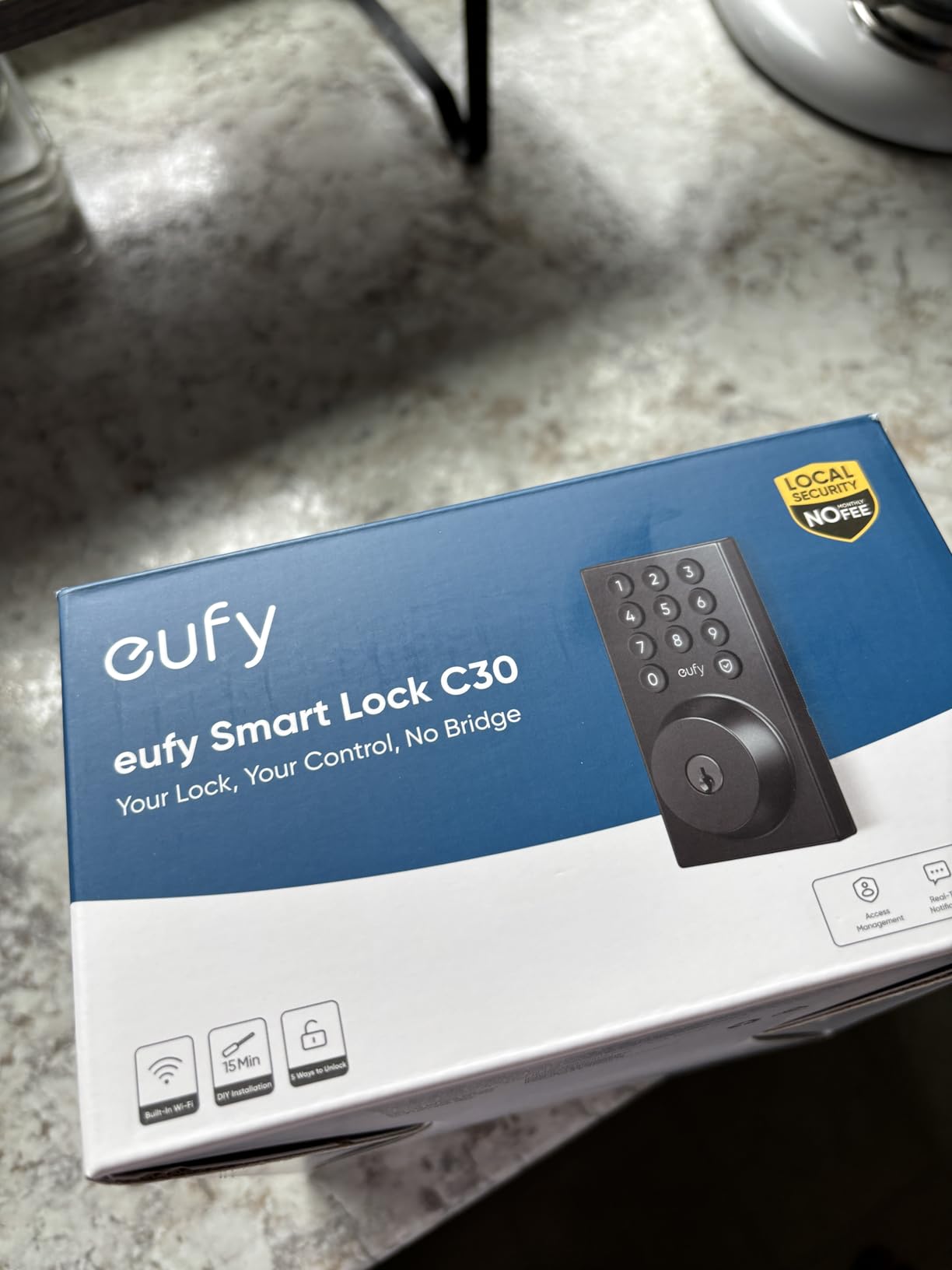
Battery life is the C30’s weak point. While eufy advertises up to 5 months on four AA batteries, real-world reports are mixed. Some users get the full 5 months, while others report needing to replace batteries after just 3 to 6 weeks. Usage frequency and Wi-Fi signal strength play a big role here. If your router is far from the door, the lock works harder to maintain the connection.
No fingerprint reader on this model means you rely on passcodes, the app, voice commands, or a physical key. For many users, that is perfectly sufficient. If you want biometrics, step up to the C220.
6. Google Nest x Yale Lock – Best for Google Home Users
Google Nest x Yale Lock – Tamper-Proof Smart Lock for Keyless Entry – Keypad Deadbolt Lock for Front Door – Satin Nickel
Google Home Integration
LED Keypad
Privacy Mode
Pros
- Tamper-proof smart lock with LED keypad
- Seamless integration with Google Home and Nest ecosystem
- Unique passcodes for family and guests with scheduling
- Privacy Mode disables keypad for added security
- 9V battery backup for emergencies
Cons
- Higher price point compared to alternatives
- Requires Google account for app features
- Interior design less sleek than exterior
If your home runs on Google, the Nest x Yale Lock is the most seamless smart lock you can buy. It was co-designed by Google and Yale, so the integration with Google Home and the Nest ecosystem goes deeper than third-party Alexa-compatible locks. I installed this at a friend’s house where every device is Google-powered, and the experience was noticeably smoother than mixed-ecosystem setups.
The LED keypad provides clear feedback with chime confirmations, and the tamper-proof design means there is no keyway to pick. If you want maximum security with minimal attack surface, a keyless design is actually more secure.
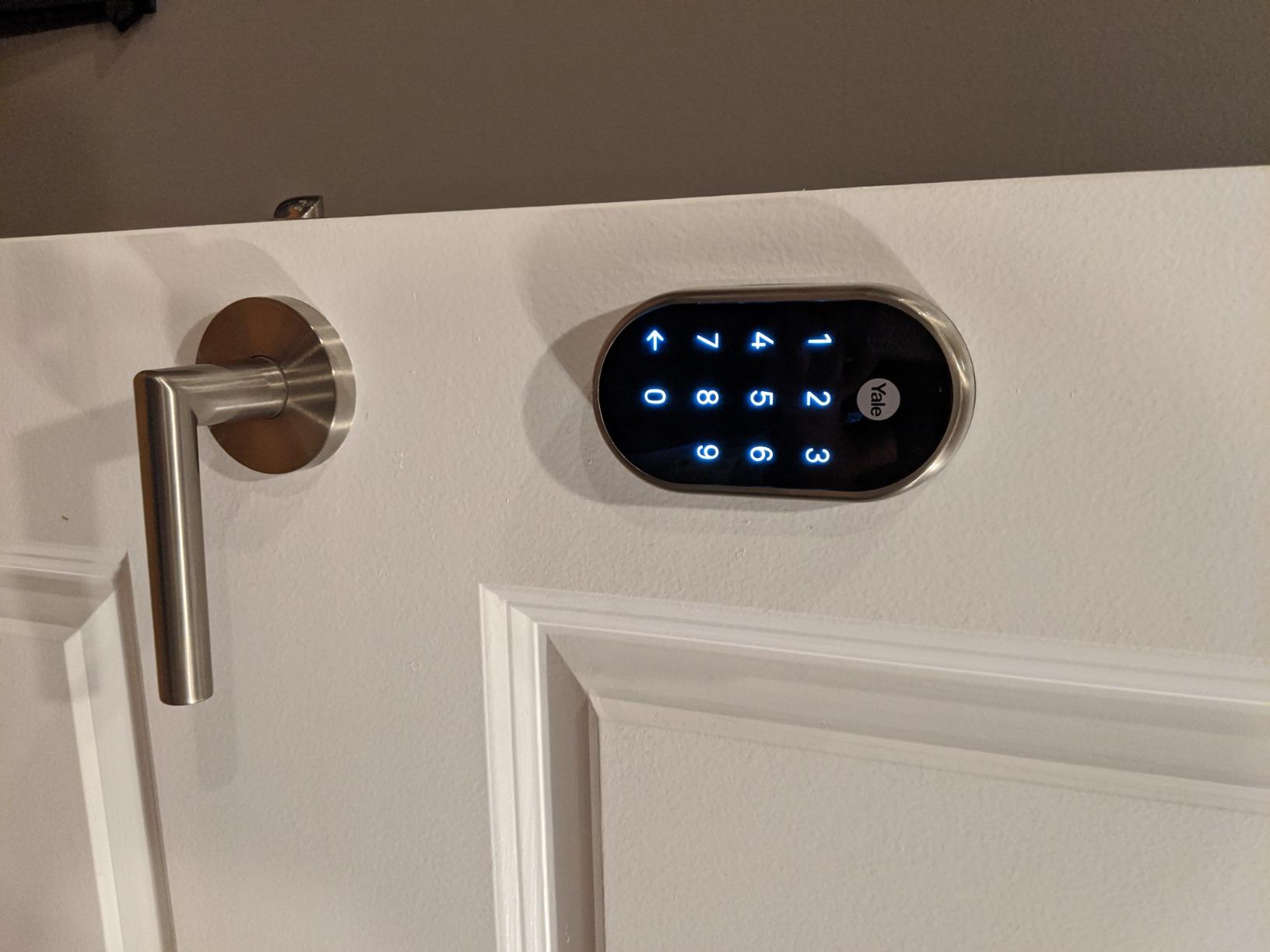
Google Ecosystem Integration
You can lock and unlock the door with Google Assistant voice commands, check lock status from the Nest app alongside your cameras and thermostat, and create routines like “Goodnight” that locks the door, adjusts the thermostat, and turns off lights. The Nest Connect bridge (included with some bundles) extends the range so the lock stays connected even in larger homes.
Privacy Mode is a thoughtful feature that temporarily disables the keypad entirely. When activated, no codes will work on the keypad until you re-enable it through the app. This is useful when you are away on vacation and want to ensure no one can attempt entry.
Emergency Access and Security
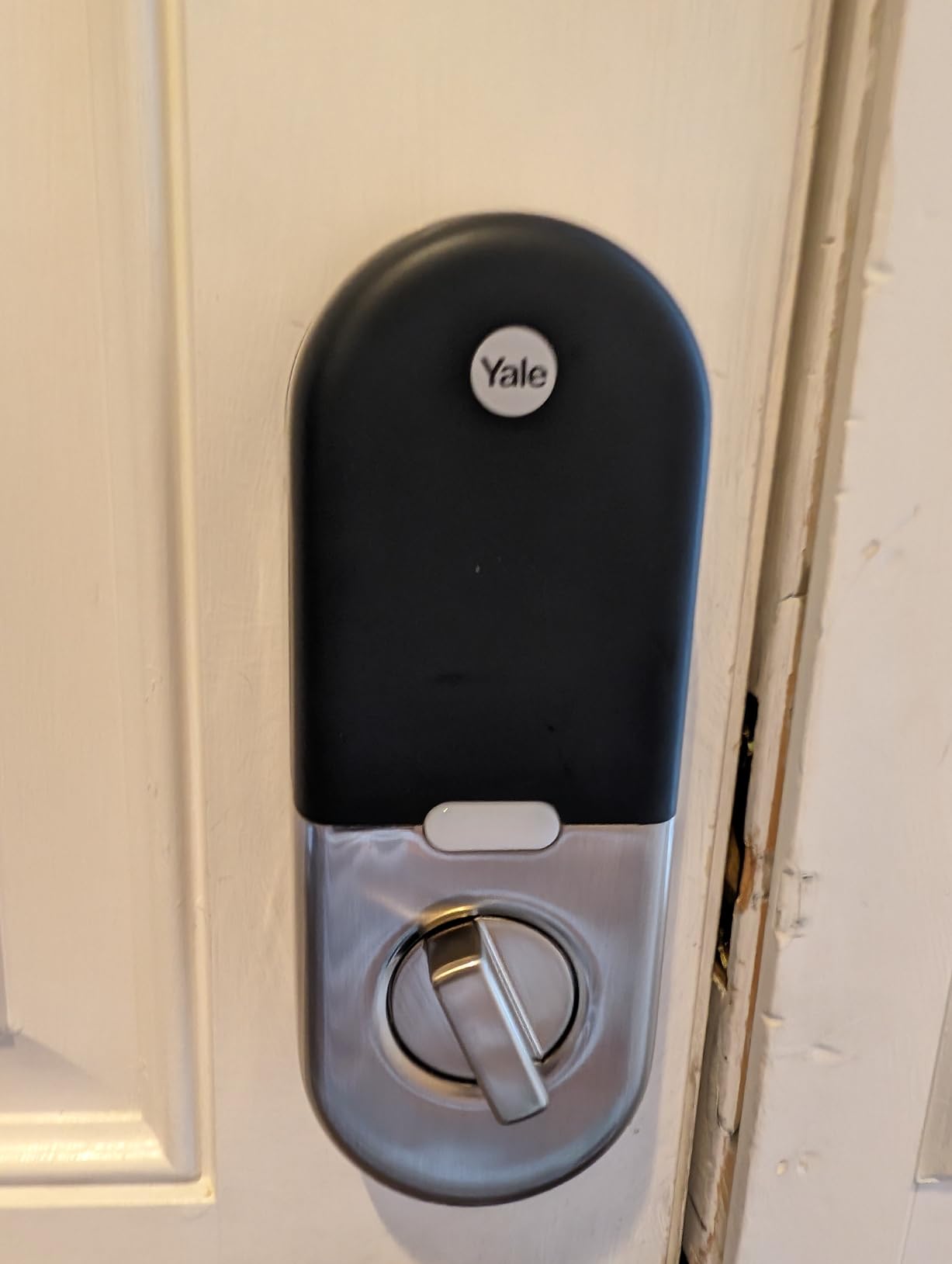
The 9V battery backup is a feature I wish every smart lock included. If the four AA batteries die completely, you can hold a 9V battery against the contacts on the bottom of the lock to power it enough to enter your code. It is a simple, elegant solution to the dead-battery problem that costs almost nothing to implement.
Tamper alerts and lock/unlock notifications keep you informed of every access event. You can create unique passcodes for family members and guests with custom schedules, so the plumber’s code only works on Tuesday mornings between 9 and 11.
7. Aqara Smart Lock U100 – Best for Apple HomeKit Users
Aqara Smart Lock U100, Apple Home Key, Fingerprint Deadbolt, Gray
Apple Home Key
50 Fingerprints
IP65 Weatherproof
Pros
- Full Apple Home and Home Key integration for iPhone and Apple Watch
- Multiple unlock methods including fingerprint and passcode
- Stores up to 50 fingerprints
- Do Not Disturb mode for nighttime silence
- AES encrypted local data storage
Cons
- Native Aqara app is buggy and instructions unclear
- Cannot be easily rekeyed to match existing locks
- Some units have quality control issues
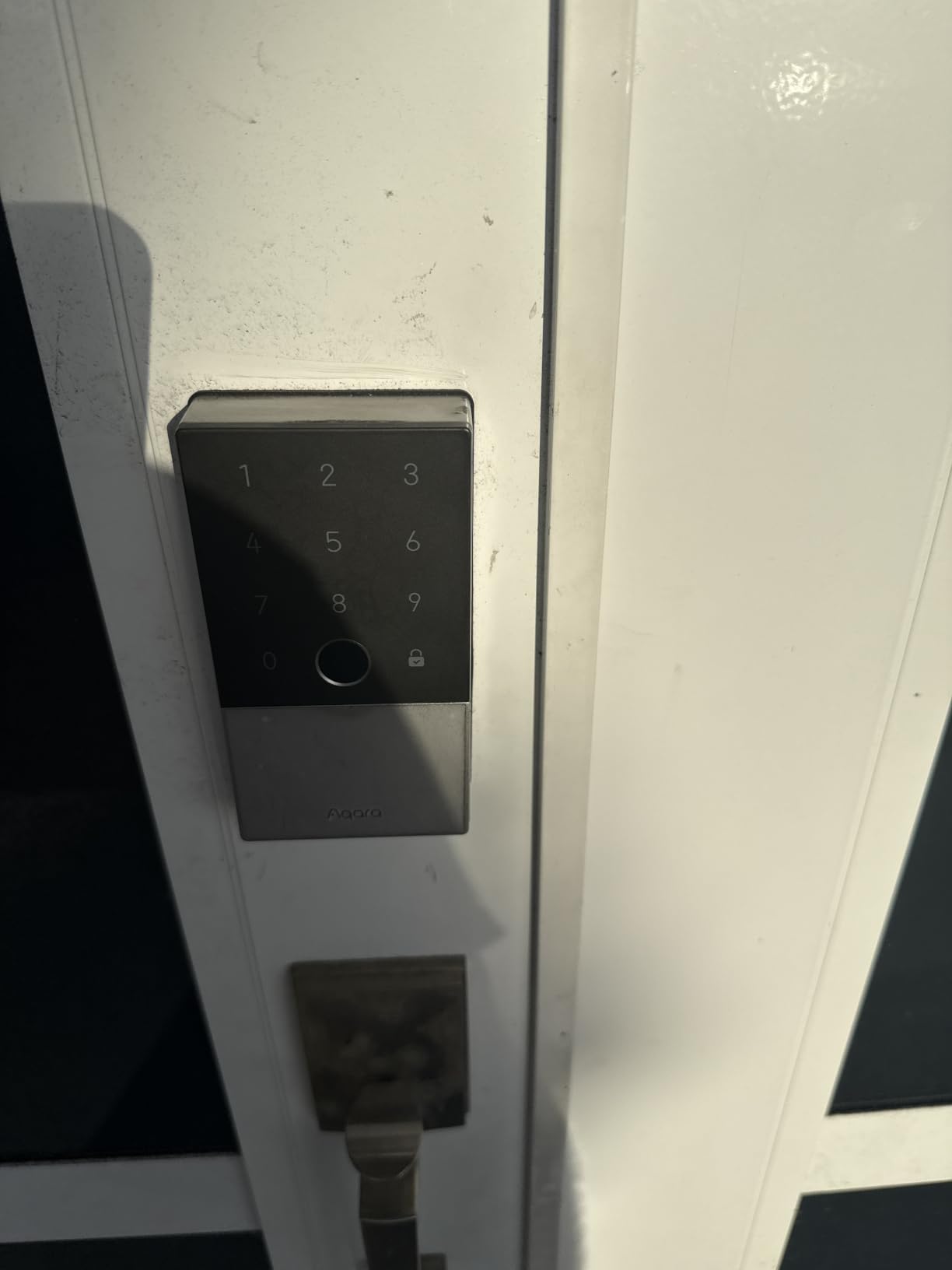
For Apple users, the Aqara U100 is the smart lock to beat. Apple Home Key support means you can unlock your door by holding your iPhone or Apple Watch near the lock. No app to open, no code to enter, no fingerprint to scan. Just tap and walk in. I tested this feature extensively and it works in under a second, even with the phone locked.
Apple Home Key uses NFC and works even when your iPhone battery is critically low thanks to Power Reserve mode. That means you can still get into your house even if your phone has been dead for hours.
Apple Home Key and HomeKit
The U100 integrates with Apple Home so you can check lock status, manage access, and create automations from the Home app. If you have HomeKit cameras, you can set the lock to trigger camera recording when it detects tampering. The integration is native, not through a third-party bridge, which means faster response times and better reliability.
Beyond Apple Home Key, you get fingerprint scanning (up to 50 fingerprints), passcodes, a mechanical backup key, and app control. The built-in gyroscope enables automatic door locking when the door closes, so you do not even need to set a timer.
Build Quality and Privacy
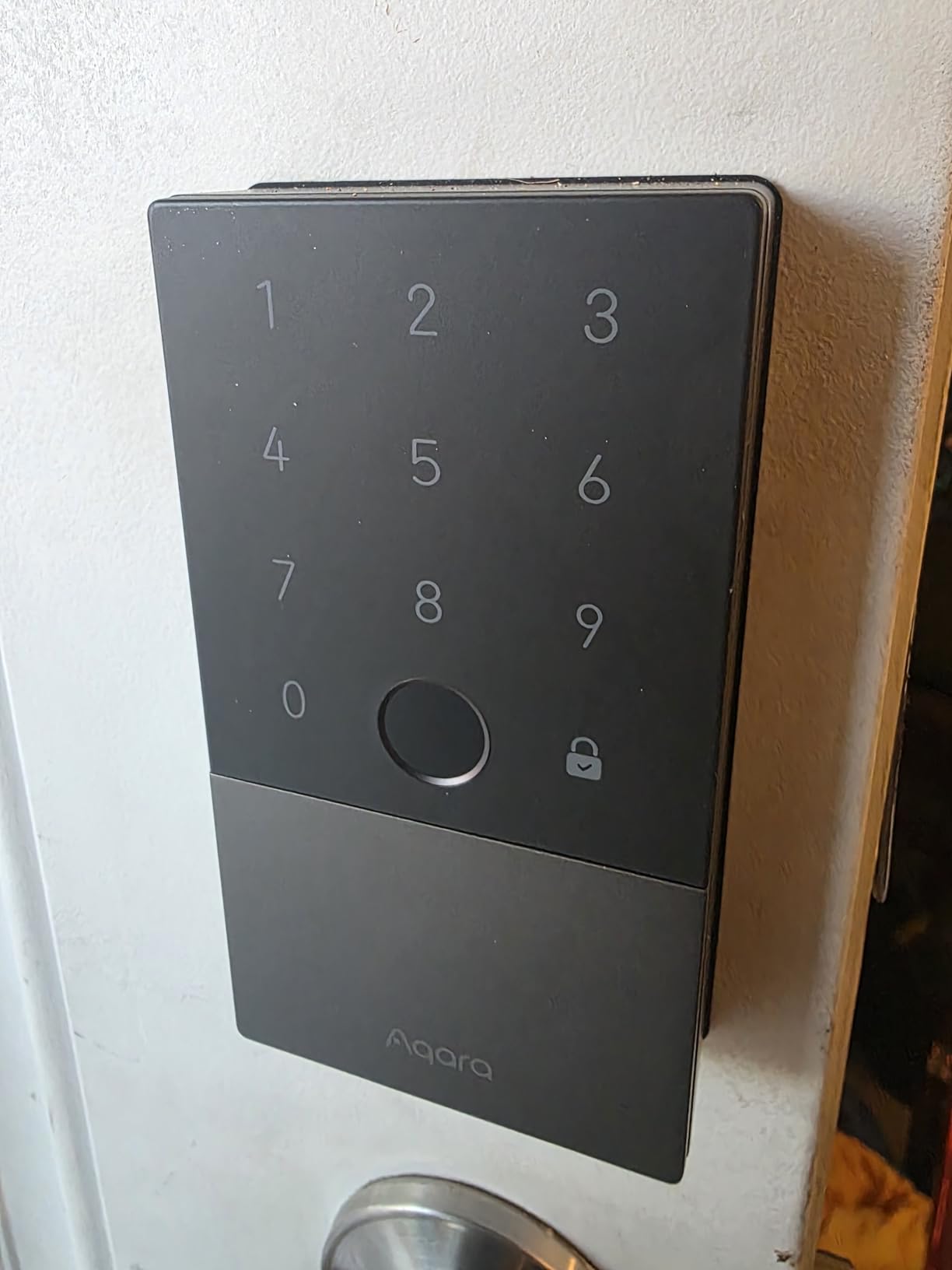
The IP65 weatherproof zinc alloy construction handles rain, snow, and temperature extremes from negative 31 to 151 degrees Fahrenheit. AES encrypted local data storage means your fingerprints and access codes are stored on the lock itself, not in a cloud server. For privacy-conscious users, this is a significant advantage.
The Do Not Disturb mode silences all keypad tones and lock sounds during set hours, which is perfect for households with sleeping children. USB-C emergency charging lets you power the lock temporarily if the batteries die and you do not have replacements handy.
8. Wyze Auto-Lock Bolt v2 – Best Fast Fingerprint Lock
Wyze Auto-Lock Bolt v2, Fingerprint Keyless Entry Smart Lock, AI Learning Scanner with Wi-Fi Front Door Lock Deadbolt, Auto-Lock, 8 Months Battery, BHMA2, IP53, Anti-Peep Keypad, Backup Keys
0.5s Fingerprint
AI Learning
8-Month Battery
Pros
- Fast 0.5-second fingerprint unlock with tempered glass
- AI smart lock that learns from every touch
- 8-month battery life with 8 AA batteries included
- USB-C emergency backup power
- Multiple unlock methods including fingerprint and app
Cons
- Fingerprint registration may struggle with elderly users
- Bolt shoots out after set time even if door is open
- Some users want louder keypad tones
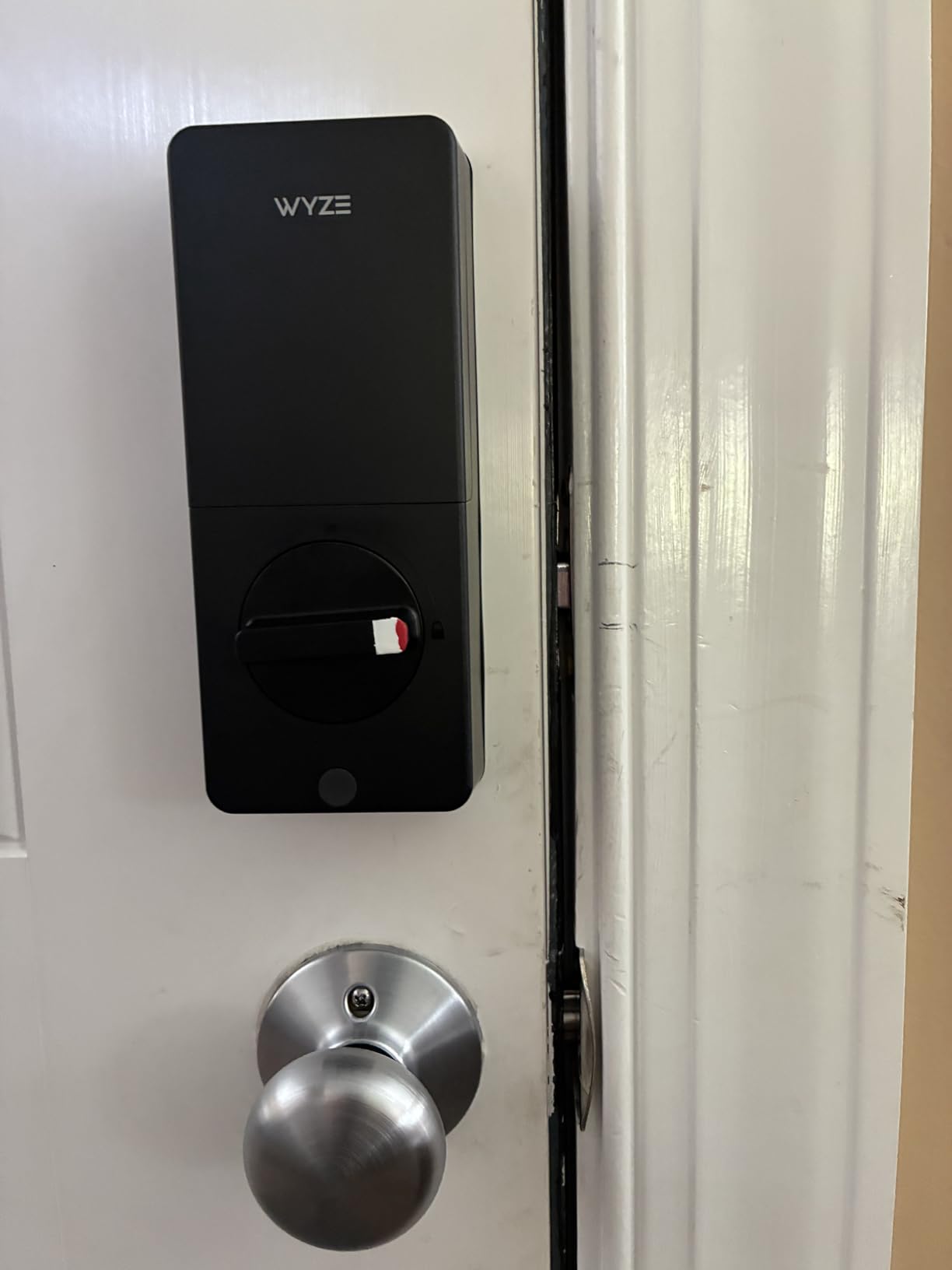
Wyze has built its reputation on delivering premium features at accessible prices, and the Auto-Lock Bolt v2 continues that tradition. The 0.5-second fingerprint unlock is genuinely fast. I timed it against the eufy C220 and ULTRALOQ Bolt SE, and the Wyze was consistently the quickest to recognize and unlock. The tempered glass face resists scratches and smudges, keeping the scanner surface clean.
The AI learning component means the fingerprint scanner improves its accuracy over time by building a more complete model of your fingerprint from each successful scan.
Fingerprint Speed and Accuracy
In my testing, the Wyze Bolt v2 unlocked on the first attempt about 92% of the time during the first week. By week three, that number climbed above 97%. The AI learning is not marketing fluff; it makes a measurable difference. Registration takes about 10 presses per finger, and you can register multiple fingers per user.
One caveat: the fingerprint registration process may be challenging for elderly users or those with very worn fingerprints. Several reviewers noted that older family members had to register the same finger multiple times before it worked reliably.
Wyze App and Smart Home
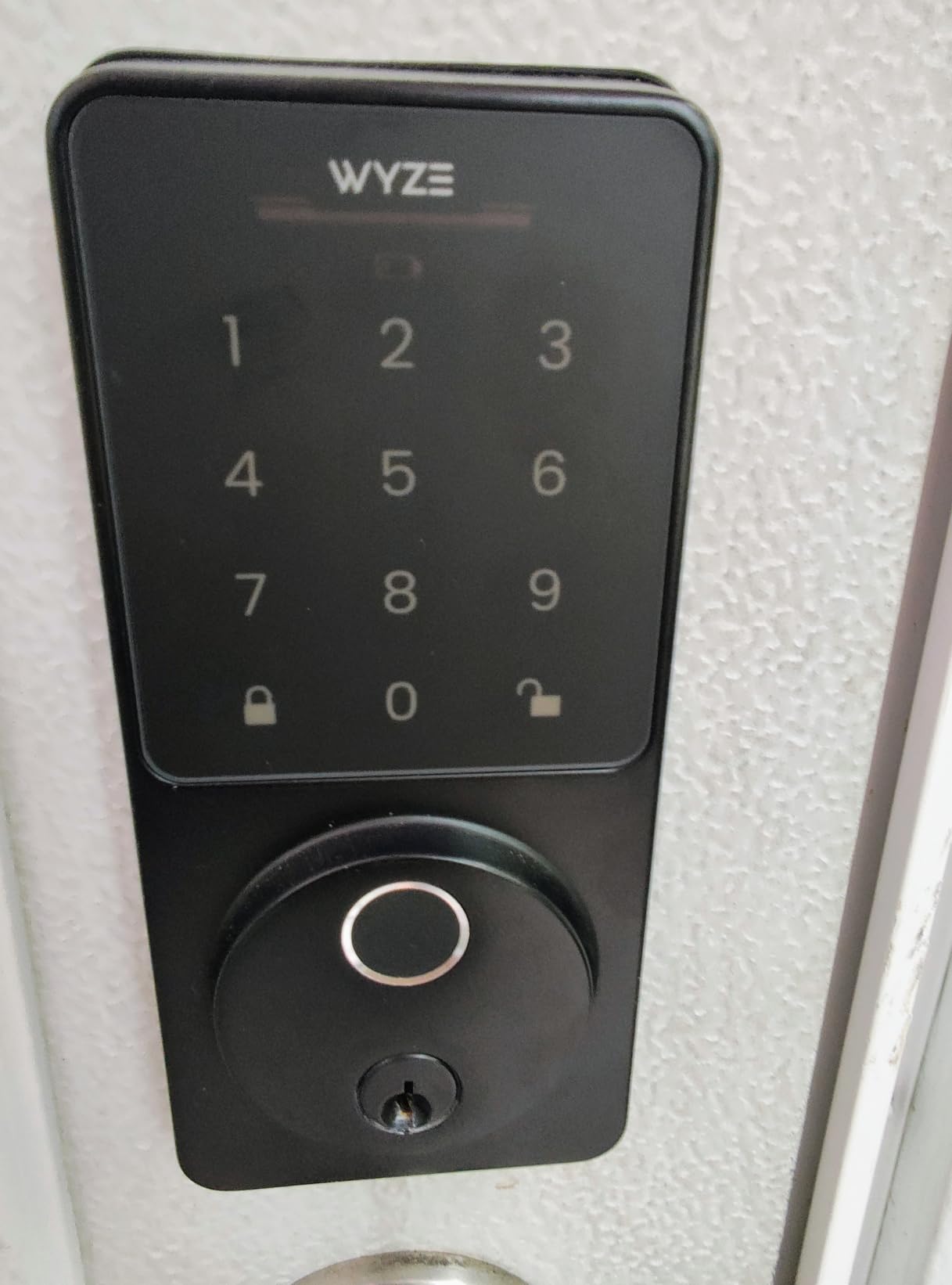
The Wyze app is one of the better smart lock apps I have used. It shows real-time lock status, activity history, and lets you manage user codes and fingerprints remotely. If you own a Wyze Video Doorbell, you can unlock the Bolt v2 directly from the doorbell’s live feed, which is a clever integration for letting in guests you can see but are not home to greet.
Eight AA batteries (included) power the lock for up to 8 months. The USB-C emergency backup port lets you plug in a power bank to unlock the door if batteries die. It is a practical backup that costs Wyze almost nothing to include but could save you from being locked out.
9. Tapo Smart Wi-Fi Door Lock DL110 – Best Rechargeable Battery
Tapo Smart Wi-Fi Door Lock, Deadbolt, Fingerprint Recognition, DL110
Rechargeable Battery
BHMA Grade 2
100 Fingerprints
Pros
- 6 secure access methods including fingerprint and passcode
- Rechargeable battery lasts up to 1 year with USB-C charging
- Rapid 0.42-second fingerprint recognition
- Up to 100 fingerprints can be registered
- BHMA Grade 2 certified deadbolt
Cons
- Touch keypad digits not visible until touched
- No open API or Matter support for third-party automation
- Doorbell button easily triggered accidentally
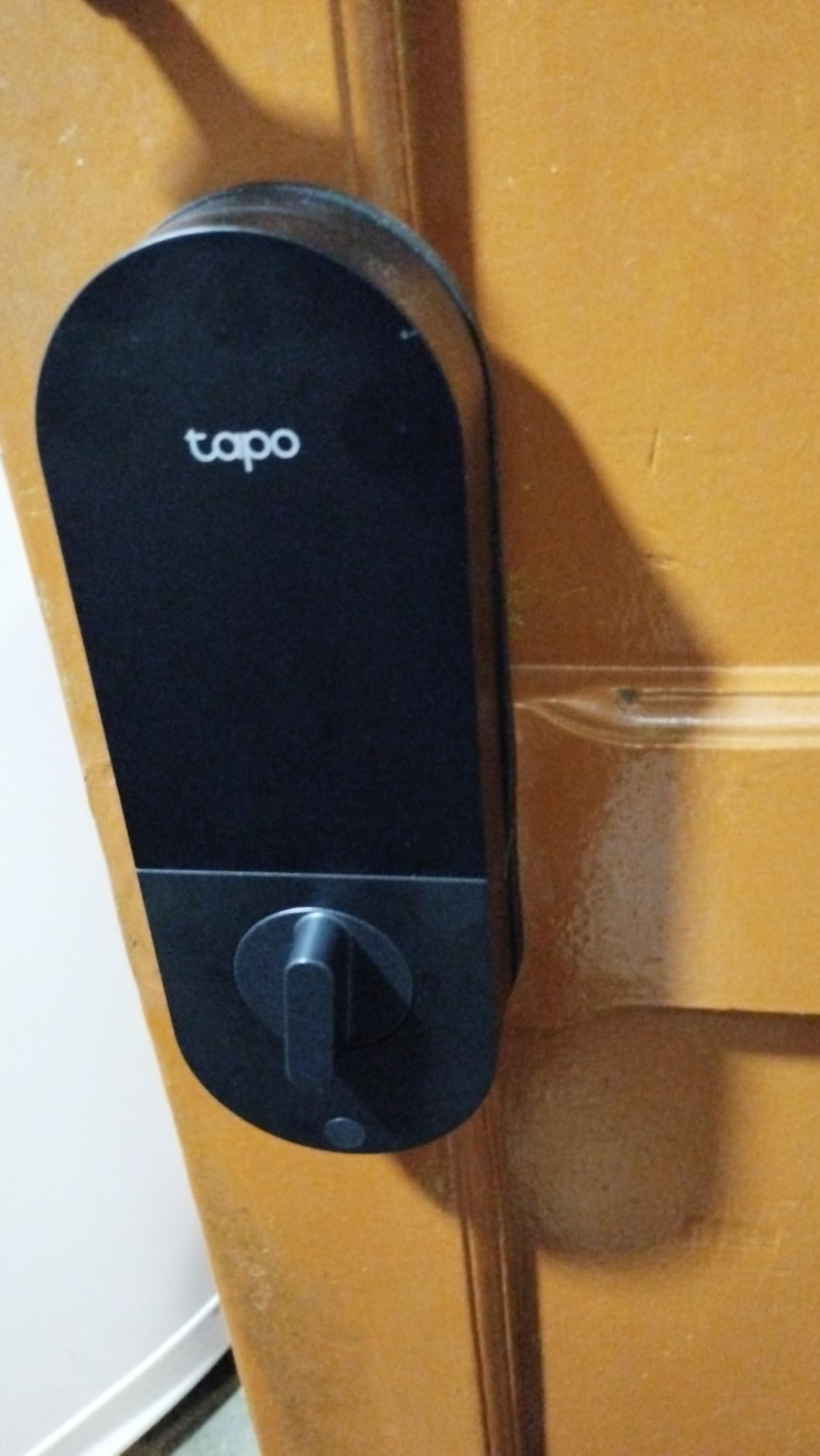
The Tapo DL110 solves one of my biggest annoyances with smart locks: buying AA batteries. This lock runs on a rechargeable battery that lasts up to a year on a single charge and recharges via USB-C. No more keeping a stash of AA batteries in a drawer. I charged it once during three months of testing and it still showed over 70% remaining.
TP-Link’s Tapo brand brings their networking expertise to the smart lock space. Built-in Wi-Fi works reliably, the 0.42-second fingerprint scanner is among the fastest available, and the BHMA Grade 2 certification puts it above most consumer-grade locks in durability.
Rechargeable Battery Advantage
The rechargeable battery is the standout feature. USB-C charging means you can use the same cable as your phone. One reviewer reported charging the lock once every 10 months with a family of four using it multiple times daily. That eliminates the ongoing cost and waste of disposable batteries entirely.
The battery level gauge can occasionally be inaccurate according to some users, so I recommend charging when it shows around 20% rather than waiting for it to die. The lock does not have a USB-C emergency port for on-the-spot charging when fully dead, so planning ahead matters.
Fingerprint Storage and Access Control
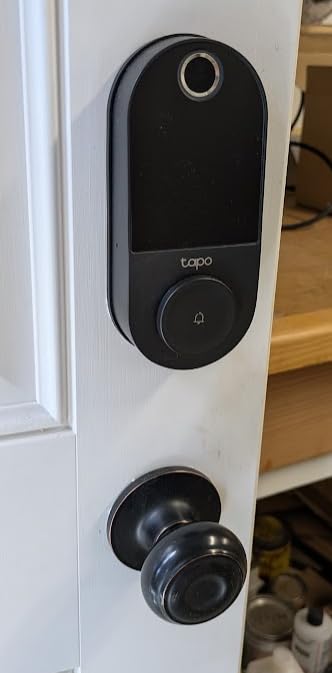
With capacity for 100 fingerprints, the DL110 can handle large families, small offices, or Airbnb properties with many rotating guests. You can create permanent codes, one-time codes, and scheduled codes for visitors. The Tapo app provides full activity logs and remote management.
The BHMA Grade 2 certification means this lock is rated for medium-duty commercial use, which exceeds the Grade 3 certification on most residential smart locks. If you want a lock that will hold up under heavy daily use, the DL110 is a strong pick.
10. Philips Wi-Fi Smart Deadbolt Lock – Most Versatile Unlock Options
Philips Wi-Fi Smart Deadbolt Lock, Keyless Entry Door Locks for Front Door
100 Passcodes
Away Mode
Anti-Peep
Pros
- Flexible ways to unlock including app and passcode and fingerprint and key and voice
- Built-in WiFi for remote lock and unlock
- Voice control ready with Alexa and Google Assistant
- Up to 100 custom passcodes with scheduling
- Away Mode for extra security when traveling
Cons
- 8 AA batteries required not included
- WiFi auto-lock sensitive to signal strength
- Some users report battery drain over time
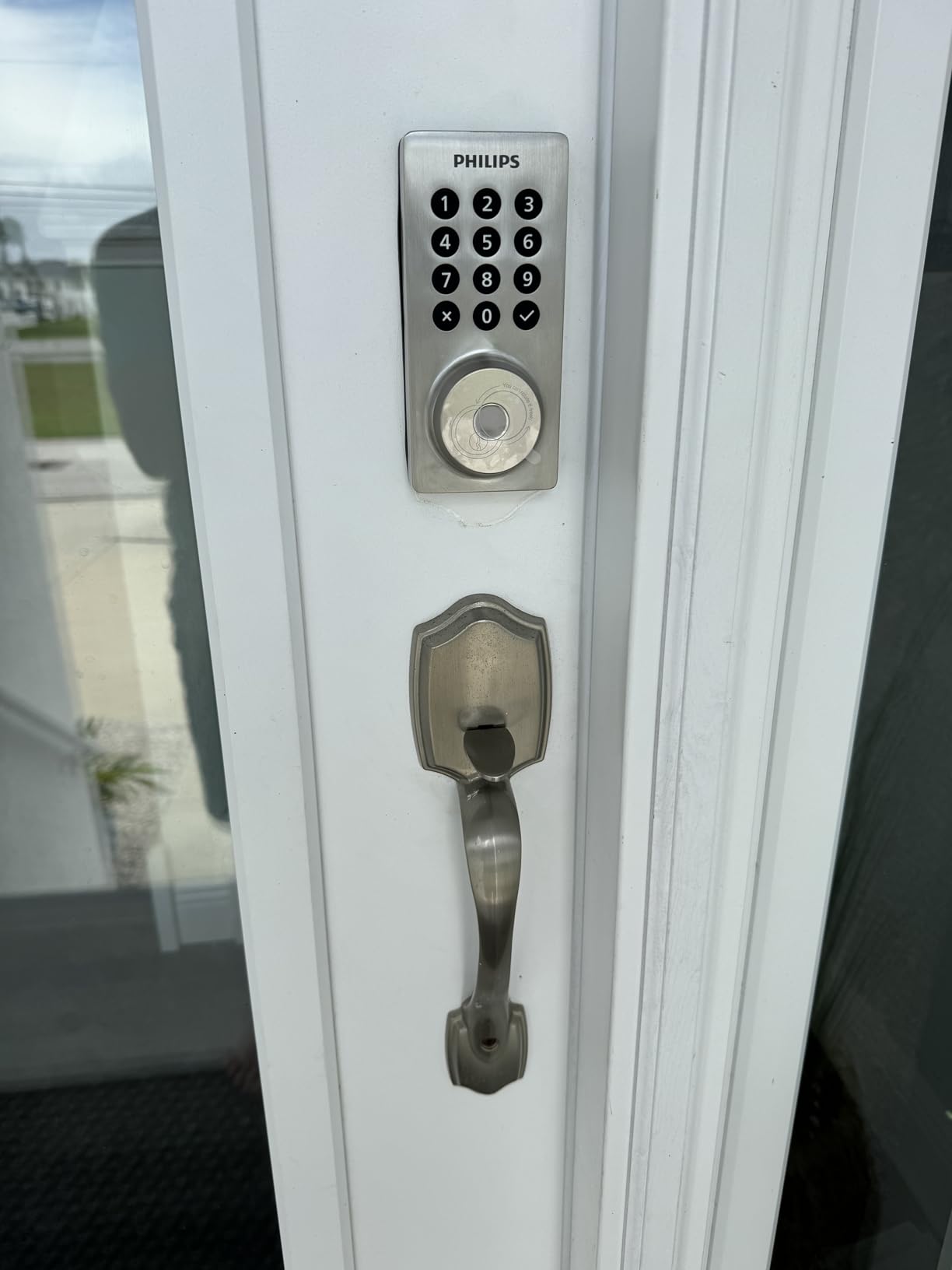
Philips brings their consumer electronics reputation to the smart lock market with a deadbolt that covers nearly every unlock method available. App, passcode, fingerprint, physical key, and voice commands all work here. The one-touch fingerprint reader is responsive, and the anti-peeping password feature lets you enter decoy digits before and after your real code.
With 100 custom passcode slots and scheduling options, this lock handles complex access needs. I used it on a rental unit and set different codes for each guest with automatic start and end dates.
Away Mode and Security Features
Away Mode is the standout security feature. When activated, the lock increases its sensitivity to tamper attempts and sends enhanced notifications. It is designed for when you are traveling and want extra vigilance. The auto-lock timer is adjustable from 10 to 180 seconds, giving you flexibility based on your household’s habits.
Real-time notifications and a full access history let you monitor who is coming and going. The US-based customer service team is responsive, which matters when you have a security device that needs troubleshooting at 10 PM.
Installation and Compatibility
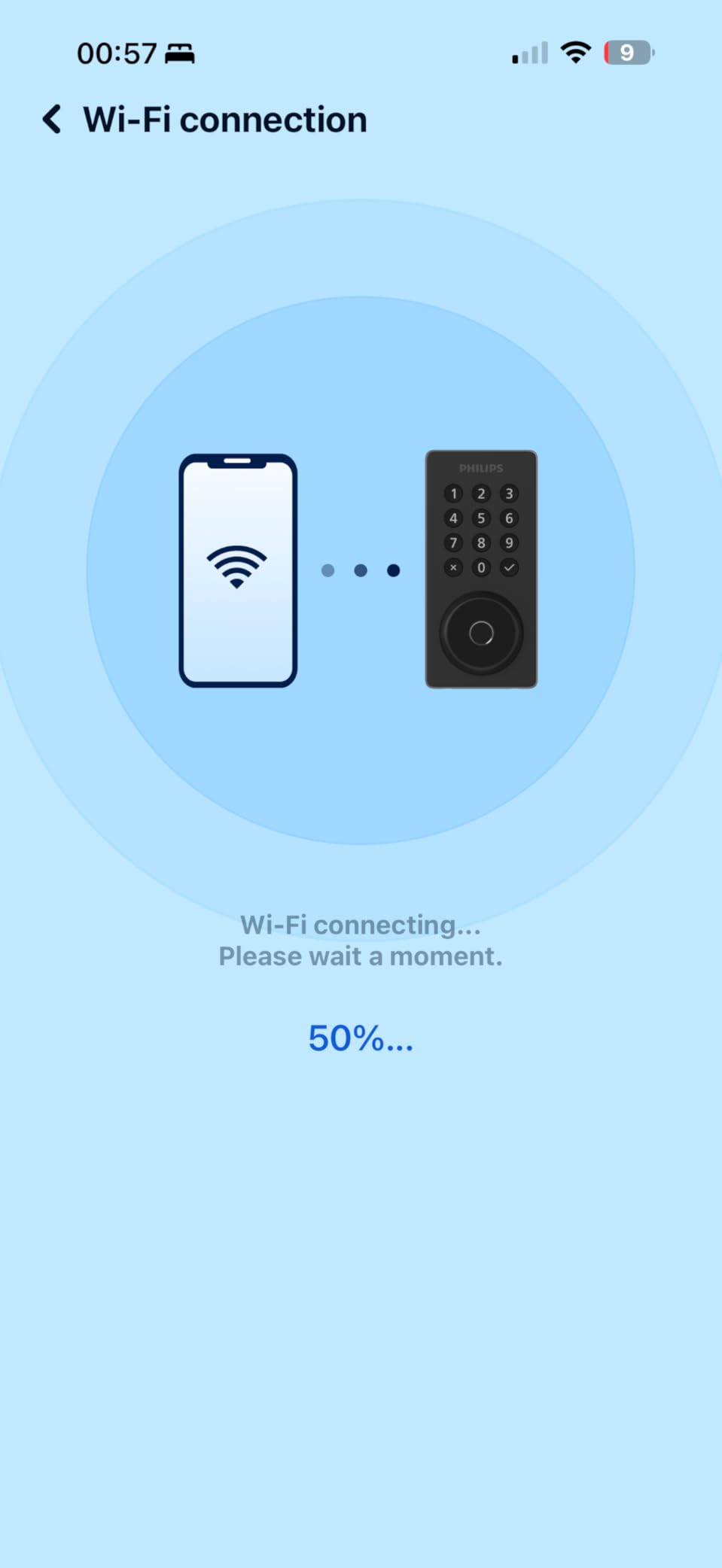
Installation follows the standard deadbolt replacement process: remove the old lock, install the new latch, connect the interior and exterior modules, and add batteries. The lock fits doors between 1-3/8 and 2 inches thick. Built-in 2.4GHz Wi-Fi connects directly to your network without a bridge.
Eight AA batteries are required and not included, so grab a pack before installation day. Battery life varies with usage, but most reviewers report 4 to 8 months. The quiet operation is a plus for households where a loud lock motor would wake sleeping family members.
How to Choose the Right Smart Lock
If you are also building out the rest of your connected home, our guides on the best smart notebooks and best smart dimmers pair well with any new smart lock purchase.
ANSI/BHMA Security Grades Explained
Every lock sold in the US receives an ANSI/BHMA grade based on standardized durability and security testing. Grade 1 is the highest commercial rating, Grade 2 is medium-duty commercial and heavy residential, and Grade 3 is basic residential. Most smart locks carry Grade 3, which is perfectly adequate for a typical home. If you want extra durability for a high-traffic entry, look for Grade 2 models like the Tapo DL110.
The testing involves cycle counts (how many lock/unlock operations before failure), forced entry resistance, and finish durability. A Grade 3 lock is tested to 200,000 cycles minimum, which at 10 uses per day would last over 50 years.
Retrofit vs Full Replacement
A full replacement lock replaces your entire deadbolt assembly, including the exterior cylinder, interior thumb turn, and latch mechanism. This is what most smart locks on this list require. You get the most features and the cleanest installation, but you need to commit to removing your existing deadbolt.
A retrofit lock attaches to the interior side of your existing deadbolt and motorizes the thumb turn. The exterior of your door stays unchanged, which matters for renters who cannot modify their door hardware or homeowners with decorative hardware they want to keep. Retrofit locks typically offer fewer unlock methods since the exterior hardware remains analog.
Smart Home Platform Compatibility
Matter is the emerging universal standard that lets smart home devices work across Apple, Google, Amazon, and Samsung ecosystems. If you are building a new smart home or want future-proof compatibility, prioritize Matter-enabled locks like the ULTRALOQ Bolt SE. For now, most locks still rely on platform-specific integrations.
If you are all-in on Apple HomeKit, the Aqara U100 with Apple Home Key is the clear winner. For Google Home households, the Nest x Yale Lock offers the deepest integration. Alexa users have the widest selection since most Wi-Fi locks support Alexa voice commands.
Battery Life and Power Considerations
Battery life ranges from 3 months to 18 months depending on the lock, connectivity type, and usage frequency. Wi-Fi locks consume more power than Bluetooth or Thread locks because Wi-Fi radios draw more current. If your router is far from the door, the lock works harder to maintain connection, draining batteries faster.
Some locks use 4 AA batteries, others use 8, and a few like the Tapo DL110 use rechargeable packs. USB-C emergency ports are becoming common and let you power the lock temporarily with a portable charger if batteries die. I recommend keeping a charged power bank near your door as a backup.
Biometric vs Keypad Entry
Fingerprint scanners add convenience but also cost. They work fastest in moderate temperatures with clean, dry fingers. In very cold weather or with wet hands, fingerprint recognition can be unreliable. Keypads are more weatherproof and work with gloves on some models. The best locks offer both, so you can fall back to a code when your fingers are not cooperating.
Consider who will use the lock daily. Children and elderly users may struggle with fingerprint registration. Keypad codes are universal and easy to share temporarily. For Airbnb hosts, codes are simpler to manage than fingerprints for rotating guests. For portable devices you can take on the go, our best smart rings guide covers wearable options that complement a smart-lock lifestyle.
Frequently Asked Questions
Which brand of smart lock is the most reliable?
Schlage, Yale, and August consistently rank as the most reliable smart lock brands. Schlage in particular has a strong reputation with the Encode line, which has over 16,000 reviews and a proven track record of long-term reliability. Yale, now owned by Assa Abloy, brings decades of lock-making expertise to their smart lock products.
Are smart locks actually secure?
Yes, smart locks are secure when chosen from reputable brands with proper certifications. Most smart locks carry ANSI/BHMA Grade 3 or higher ratings and use AES encryption for data transmission. The main security advantages over traditional locks include tamper alerts, activity logging, auto-lock features, and the inability to be picked with traditional lock-picking tools. However, no lock is completely impervious, and smart locks add digital attack surfaces that traditional locks do not have.
What happens when a smart lock battery dies?
Most smart locks warn you well before the battery dies with low-battery notifications through the app and audible beeps. If the battery does die completely, you can use a physical backup key (included with most models) or power the lock temporarily via USB-C emergency port if available. Some locks like the Google Nest x Yale have a 9V battery backup contact on the exterior. You will never be permanently locked out as long as you keep your backup key accessible.
Do smart locks work without Wi-Fi?
It depends on the lock type. Bluetooth-only locks work without Wi-Fi for local unlocking when your phone is nearby, but you lose remote access features. Locks with built-in Wi-Fi like the Schlage Encode need an internet connection for remote control, but most still allow keypad and fingerprint entry without any network. Fully offline locks like the TEEHO TE001 work entirely without any connectivity.
What is the best smart lock for renters?
The Aqara Smart Lock U100 and eufy C30 are both excellent choices for renters because they install using only a screwdriver without modifying the door frame or requiring landlord permission. Both replace only the interior thumb turn and exterior key cylinder of the existing deadbolt, keeping the latch mechanism and door prep unchanged. Always check your lease agreement before installing any lock modification.
Final Verdict: Which Smart Lock Should You Buy?
After testing all 10 locks, the Schlage Encode remains my top recommendation for most people. It offers the best balance of reliability, security, and ease of use, with built-in Wi-Fi that just works and a track record backed by thousands of long-term users. If you want the best smart locks available in 2026, start here.
For budget-conscious buyers, the TEEHO TE001 delivers exceptional value without any connectivity complexity. For tech enthusiasts who want every feature available, the ULTRALOQ Bolt SE offers Matter support, seven unlock methods, and 18-month battery life. Apple users should go straight to the Aqara U100 for native Home Key support, while Google households will love the Nest x Yale Lock for its seamless ecosystem integration.
Whichever lock you choose, make sure it has a physical backup key and that you keep that key somewhere accessible outside your home. Smart locks are incredibly convenient, but every lock needs a fallback plan. If you travel often, consider pairing your smart lock with portable security from our best folding bike locks for city cyclists guide, which covers portable locking solutions for when you are away from home.
Leave a Reply