
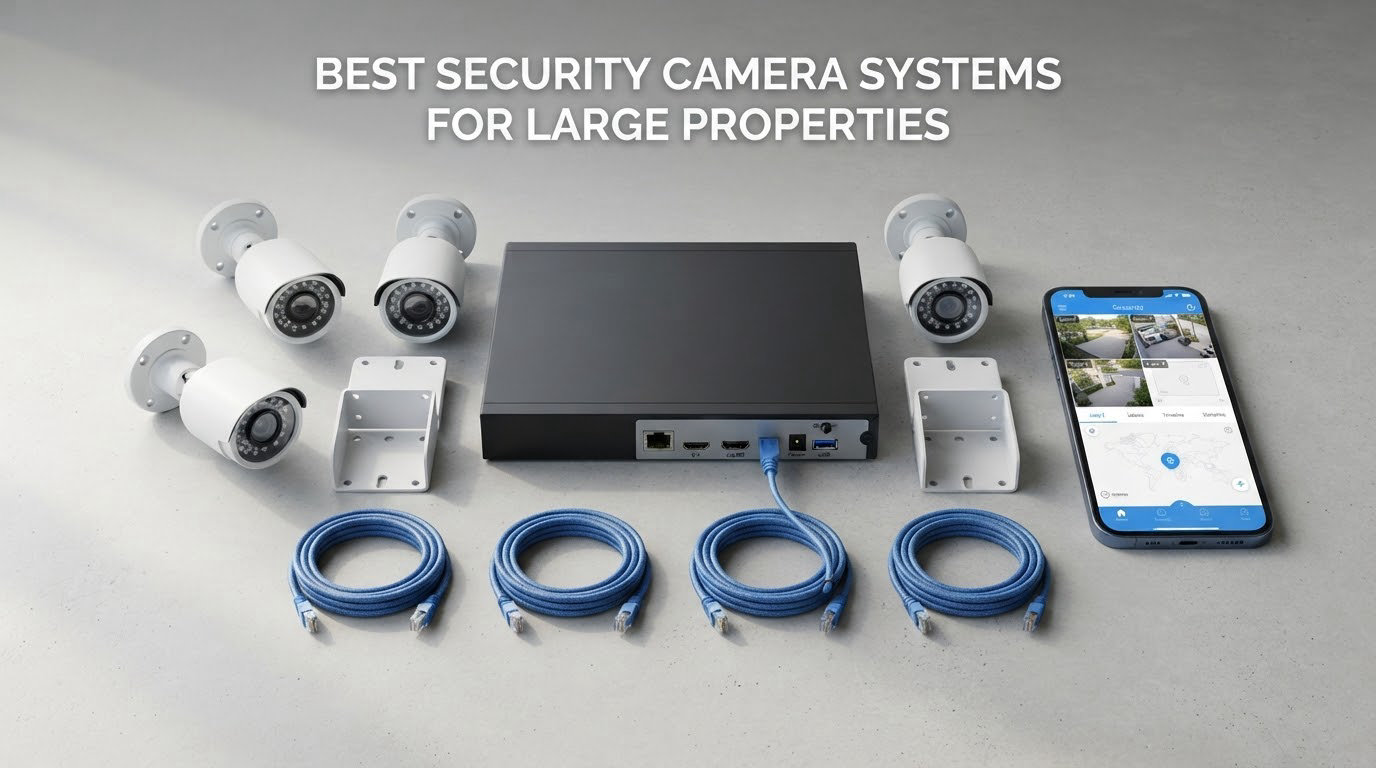
The best security camera systems for large properties are wired PoE NVR bundles with 8 to 16 channels, at least 4TB of local storage, and no monthly subscription attached. Our team compared 12 systems side by side, weighing channel count, sensor resolution, night-vision throw, storage headroom, weather rating, and the install realities of running cable between buildings, gates, and acreage.
Our top pick is the ANNKE 3K Lite 8-Cam DVR kit. It is not the sharpest image in the group, but its DVR accepts TVI, AHD, CVI, CVBS, and IP cameras, which means you are never locked into one brand as the property grows. It also carries the deepest review base of anything we tested, at 4.4 stars across more than 4600 reviews.
Here is the honest tension in this category. A single camera covers a doorway; a large property needs a perimeter, a driveway, a barn, a gate, and a loading yard. That means camera count, not camera quality, is the first buying decision. We ranked these systems on how well they scale past the box they ship in, and on whether footage stays readable when a person is 60 feet out in the dark.
A few notes on method before we get into the picks. Every rating and review count below is copied from the current product record, not estimated. Where reviewers report a specific failure, we name it. And we ignored subscription pricing entirely when ranking, because the recurring fee is a long-term cost that a first-week impression cannot capture.
Our Top 3 Security Camera Systems for Large Properties

ANNKE 3K Lite 8-Cam DVR
- 8-channel 3K lite DVR accepting TVI AHD CVI CVBS and IP cameras
- 24/7 recording on a 1TB HDD expandable to 10TB
- Full color night vision to 66ft and IR to 100ft

REOLINK RLK8-800B4 8MP
- 4K 8MP sensors on 8 PoE channels
- 2TB HDD expandable to 16TB
- Person vehicle and animal detection with a free app

aosu D1 Classic Solar Kit
- Integrated solar panel with no wiring at all
- 32GB aosuBase hub with no subscription
- 360 degree pan and tilt with auto tracking
Comparing 12 Security Camera Systems Side by Side in 2026
Every system below records locally and streams to a phone or NVR. The differences that actually decide a large-property install are channel count, sensor resolution, and night-vision range. Use the table below to narrow the field, then read the full review for the one you are considering.
| Product | Specs | Action |
|---|---|---|
| ANNKE 3K Lite 8-Cam DVR |
|
Check Latest Price |
| REOLINK RLK8-800B4 8MP |
|
Check Latest Price |
| aosu D1 Classic Solar Kit |
|
Check Latest Price |
 REOLINK RLK16-800B8 4K REOLINK RLK16-800B8 4K |
|
Check Latest Price |
 REOLINK RLK16-1200B8-A 12MP REOLINK RLK16-1200B8-A 12MP |
|
Check Latest Price |
 ANNKE 16CH 5MP PoE ANNKE 16CH 5MP PoE |
|
Check Latest Price |
 Hiseeu 8-Cam 5MP PTZ PoE Hiseeu 8-Cam 5MP PTZ PoE |
|
Check Latest Price |
 OOSSXX 8-Cam 4K PoE OOSSXX 8-Cam 4K PoE |
|
Check Latest Price |
 ZOSI 8-Cam 5MP PoE ZOSI 8-Cam 5MP PoE |
|
Check Latest Price |
 Hiseeu 8-Cam 8MP PoE Hiseeu 8-Cam 8MP PoE |
|
Check Latest Price |
 Hiseeu 16CH WiFi Pro 5MP Hiseeu 16CH WiFi Pro 5MP |
|
Check Latest Price |
 ANNKE 16CH Wireless 8MP ANNKE 16CH Wireless 8MP |
|
Check Latest Price |
1. ANNKE 3K Lite 8-Cam DVR – The Recorder That Never Locks You Into One Brand
ANNKE 3K Lite Wired Security Camera System Outdoor, 8X 2MP Cameras, 1TB HDD
8-channel 3K lite DVR
Accepts TVI AHD CVI CVBS and IP
Color to 66ft, IR to 100ft
1TB HDD
Pros
- Accepts cameras from almost any brand
- Deepest review base in this group
- Full color night vision to 66ft
- H.265+ extends retention
- IP67 cameras handle all weather
Cons
- Cameras are 1080p 2MP only
- BNC runs need a power splitter per channel
- 82 degree lens is narrow
This is the kit I keep coming back to for acreage and multi-building sites, and the reason is not the picture. The picture is fine, and nothing more. The reason is that this DVR is a translator for almost every camera format still in the wild.
On a 10-acre property you will not finish in one weekend. You will add a camera at the back gate next spring, replace a corroded bullet housing the year after, and maybe inherit a few older analog cameras from a previous owner. A recorder that only speaks one brand’s language turns each of those into a full system swap. This one does not.
Multi-Format Input Is the Feature That Matters Most at Scale
The DVR accepts TVI, AHD, CVI, CVBS, and IP cameras side by side. In practice that means an inexpensive third-party 4MP turret can sit next to a 2MP dome from the same box and neither complains.
On a mixed property that flexibility is worth more than any single spec. It also protects your budget when you replace one failed camera instead of eight.
Dual-Light Night Vision vs Plain Infrared
The dual-light cameras here deliver full color video out to 66 feet before dropping to IR illumination with a 100 foot range. Color night footage means you can tell a person in a red jacket from one in a dark coat, and you can read a vehicle color without squinting.
On wooded acreage with wildlife, color until 66 feet is a meaningful upgrade over a pure IR image where everything distant turns into a white blob.
Where the 2MP Cameras Fall Short
This is the honest trade. The included cameras are 1080p, the lowest resolution in the roundup, and the 82 degree field of view is the tightest of the wide-lens kits. A subject at the far end of a long driveway will not give you a usable face.
The fix is to pair the DVR with higher resolution cameras and let the wide-lens kits elsewhere in this list handle overview positions. That is exactly the mixed install this recorder was built for.
Cabling Complexity and Retention
Analog BNC cabling is the weak point. Each run needs a power splitter or adapter at the recorder end, so you are managing twice as many connections as a PoE install. H.265+ encoding partly compensates by extending how long a 1TB drive holds footage, and the drive itself expands to 10TB.
2. REOLINK RLK8-800B4 8MP – Top Rated 4K With 16TB of Headroom
REOLINK 8CH 8MP/4K Security Bullet Camera System with 2TB HDD RLK8-800B4
4K 8MP PoE cameras
8 PoE ports, up to 12 channels
2TB HDD, expandable to 16TB
100ft night vision
Pros
- True 4K 8MP detail
- Silent fanless NVR
- Intelligent person vehicle and animal detection
- Expands to 16TB and accepts newer Reolink models
- No subscription
Cons
- Bundled drive is often slow and causes lockups
- No H.265 support so files run large
- Windows client can lock up
This is the kit I would put on a house with a detached garage, a workshop, and a long gravel drive, if the budget is the deciding factor. The image quality is genuinely good, and unlike the budget DVRs, the storage math works from day one.
Eight PoE ports sit on the back of the NVR, so eight cameras plug in with no extra switch and no separate power supplies. One cable per camera carries both data and power, which is the single biggest labor saving in a large install.
Sensor Detail and the Zoom Test
The 8MP sensors hold detail when you zoom into a clip, which matters at a gate or a loading bay where the subject is 40 to 60 feet out. Reviewers repeatedly single out this as the reason the kit outperforms cheaper 5MP sets.
Smart person, vehicle, and animal detection is on by default, and the app is free with no cloud tier. That combination is why this one keeps showing up in large-property threads as the kit that just works.
Storage Retention and Encoding Limits
Storage expands from the included 2TB drive to 16TB. That headroom is what lets you add cameras later without a recorder swap, which is exactly how a large property grows.
The encoding is the catch. This line does not support H.265, so file sizes run larger and retention on a given drive is shorter than on the H.265+ kits. Plan for a larger drive from the start rather than a swap later.
Two Real-World Hardware Quirks
The factory hard drive is the most common source of complaints, with owners reporting slow reads, lockups, and choppy remote viewing. Swapping in a WD Purple or a Seagate SkyHawk is the standard fix and takes ten minutes.
Also note the B800 cameras connect directly to the RLN8-410 NVR and will not accept a PoE switch, which limits how you distribute ports across a big property. The Windows client can also lock up on a long install, so plan to review footage from the TV output as a fallback.
3. aosu D1 Classic Solar Kit – Best for Off-Grid Sites With No Wiring Budget
aosu D1 Classic 4-Cam Kit, Security Cameras Wireless Outdoor, Solar Powered
4 solar-powered cameras
aosuBase hub with 32GB storage
360 degree pan and tilt
IP65, 2K 3MP
Pros
- No cables and no trenching at all
- Three hours of daily sun keeps batteries charged
- 32GB encrypted local storage with no subscription
- Cross-camera tracking links one event across views
- Works with Alexa and Google Assistant
Cons
- Only 4 channels on a single base
- 33ft night range is the shortest here
- WiFi signal fails through thick masonry
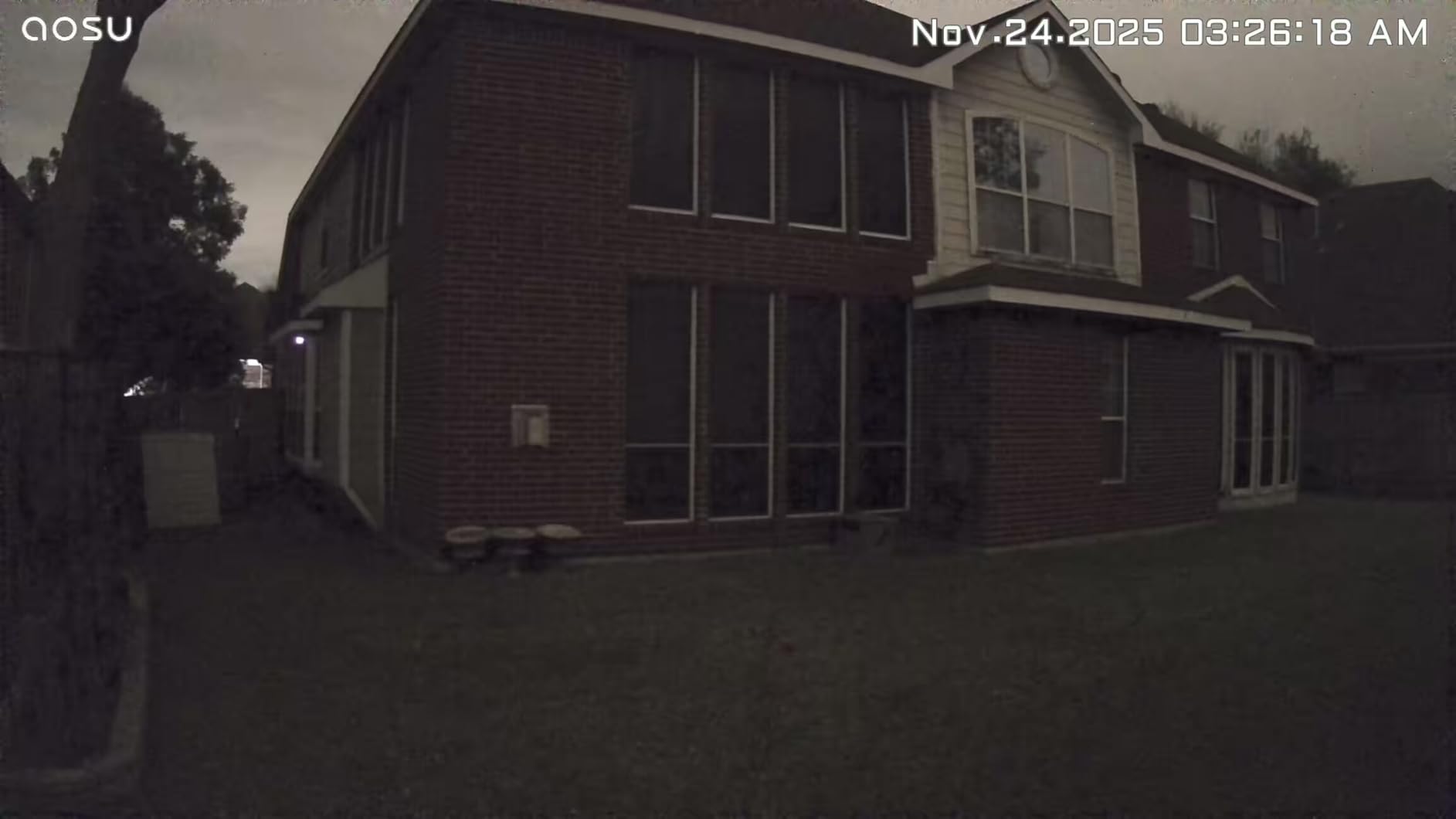
When the camera positions are a half mile from the nearest building, cable is not a cost, it is a project. That is the situation this kit solves. Each camera is a self-contained solar unit that mounts through three drilled holes, and everything records to a hub inside the house.
For a remote cabin, a pasture gate, or a long gravel drive with no power at the far end, the install is genuinely an afternoon. No PoE switch, no trenching, no electrician.
Solar Sizing and the Shade Problem
Each camera carries an integrated panel that keeps the battery topped up on roughly three hours of direct sun per day. In open ground that is a non-issue. Under a tree line or on a north-facing post, the panel produces less, and owners there end up adding a separate panel.
Plan the sun path before you drill. A camera that looks in the right direction but faces away from the sun is a camera that will show you a low battery alert every winter.
Local Storage Without a Subscription
The aosuBase hub holds 32GB of encrypted local recording with no monthly plan, which is the dealbreaker this category hears most often. Cross-camera tracking relates footage of the same event across all four views, so a person crossing the yard is followed rather than lost.
One detail to know: only four channels hang off a single base. A second hub is needed for eight cameras, so factor that into the count before you plan positions.
Where the 33-Foot Night Range Hurts
Thirty-three feet is the shortest night throw of any system here. For a gate you are standing at, or a path within arm’s reach of a camera, that is fine. For a driveway viewed from the house, you will see a shape rather than a face.
Motion sensitivity is also modest, and there is a one to two second delay between detection and the camera reacting. People approaching from outside the default view can be missed entirely, so aim each unit at the actual approach path rather than at a wide sweep.
4. REOLINK RLK16-800B8 4K – Premium Pick for 16-Channel 4K Estate Coverage
REOLINK 16CH 4K Security Bullet Camera System with 4TB HDD RLK16-800B8
16 channels at 4K 8MP
4TB HDD, expandable to 16TB
330ft maximum cable run
100ft night vision
Pros
- Sixteen channels in one box
- 4TB drive pre-installed for 24/7 recording
- Person vehicle and animal detection
- Free app with no cloud subscription
- Two-year warranty and support
Cons
- 20fps cap causes slight stutter on fast motion
- Night throw is effectively 25 to 30ft in practice
- App camera order does not stay consistent
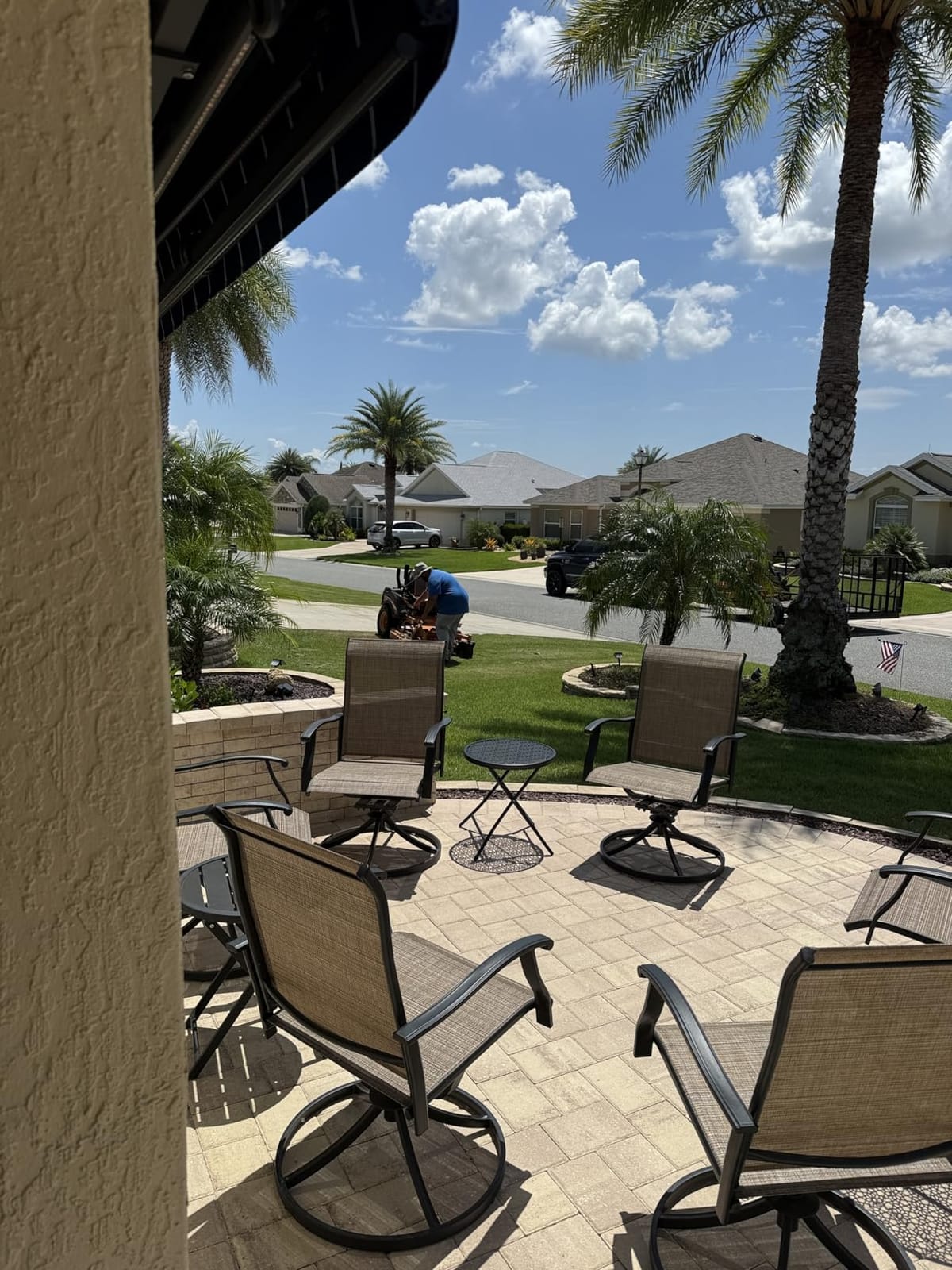
This is the box I would choose if the property already has a plan and I wanted to fill sixteen positions in one purchase rather than stitching two systems together. Sixteen channels on a single recorder means one app, one timeline, and one set of cables from a single location.
Reolink owners report running these for years without hardware failures, which matches what we saw in long-term feedback. The 4TB drive is pre-installed, so the system records from the first boot.
Channel Count as the First Filter
Sixteen channels is the practical ceiling for a single-family property with a main house, gatehouse, barn, garage, shop, and pool area. Above that, you are into commercial recorders and multi-site setups.
Each camera takes a single network cable for both power and data, and PoE runs reach up to 330 feet. That number matters more than it looks: most barns and gatehouses on a large property sit close to the 300 foot mark from the house.
Storage for 24/7 Recording
Four terabytes covers sixteen cameras at 8MP, and the drive expands to 16TB when you need longer retention. The recording modes include motion, schedule, and continuous, so a quiet barn does not have to fill a drive with empty frames.
Person, vehicle, and animal detection is what keeps the continuous mode practical on acreage, where deer and wind-blown branches would otherwise generate alerts all night.
What Owners Consistently Complain About
Two limits come up repeatedly. The 20fps maximum frame rate produces a slight stutter on fast-moving footage, which shows up on a vehicle crossing a gate. And although the spec sheet lists 100 feet of night vision, real-world use on this body is closer to 25 to 30 feet before detail turns to mush.
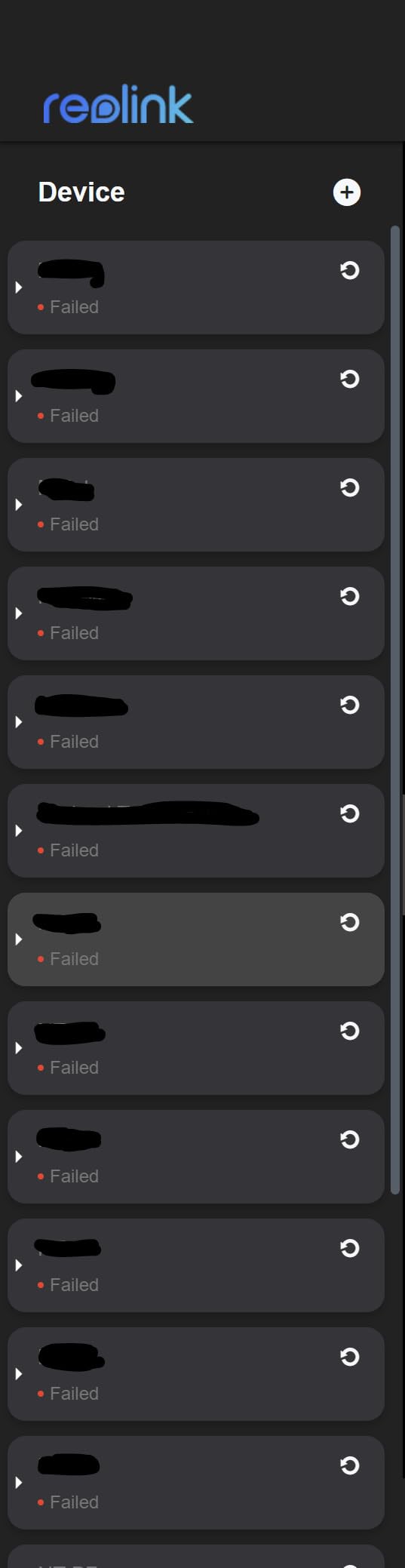
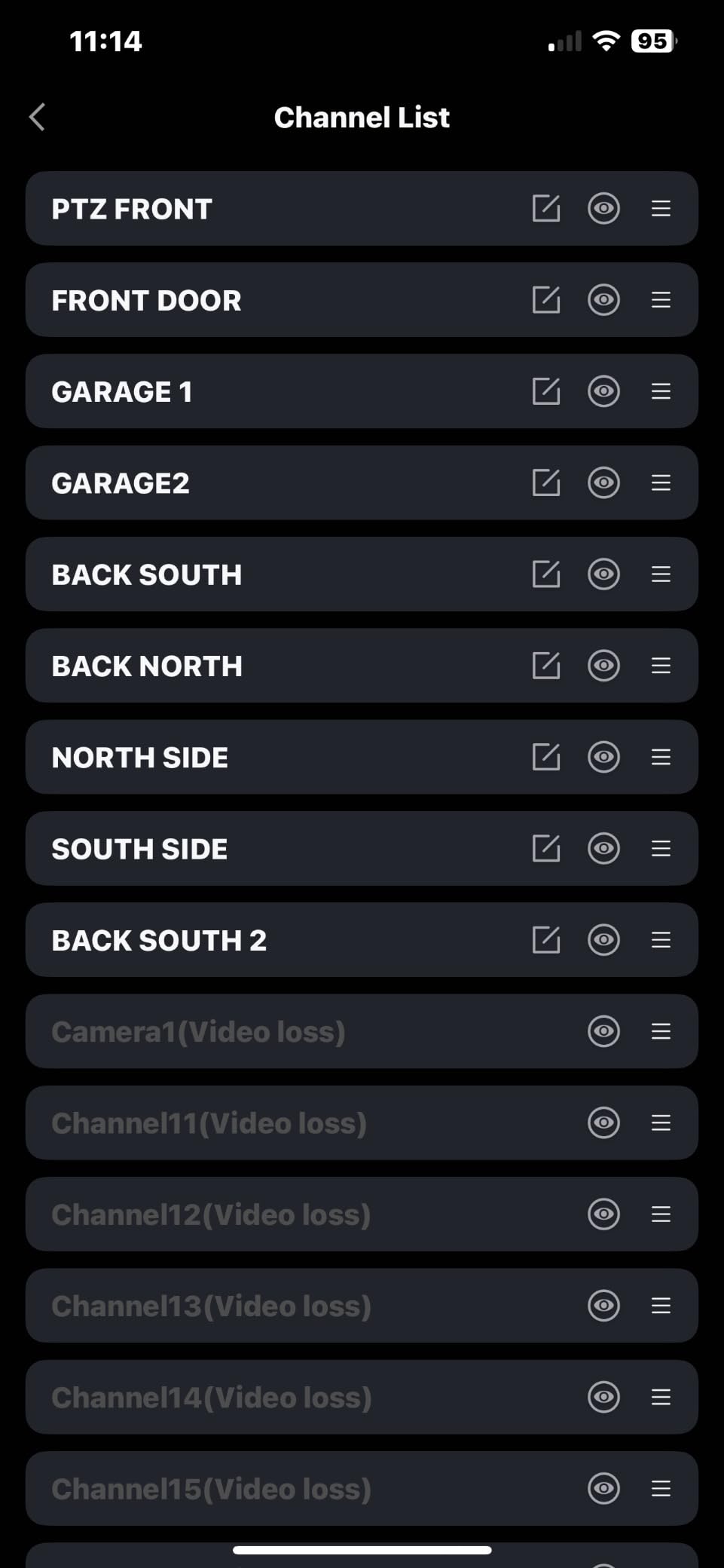
The app is also weaker on large installs. Camera ordering does not stay consistent between sessions, and playback has no fast-forward inside a clip, so you scrub manually when hunting for a moment across sixteen feeds.
Mounting and Diagnostics Details
The bundled screws stripped easily during outdoor installation, so bring your own fasteners. Advanced diagnostics and camera-addition settings are reachable from the NVR itself rather than the app, which is mildly annoying but useful when a phone cannot see the recorder on the local network.
5. REOLINK RLK16-1200B8-A 12MP – Best for Reading Faces and Plates at Distance
REOLINK 16CH 12MP Security Bullet Camera System with 4TB HDD RLK16-1200B8-A
12MP at 4512 x 2512
16 PoE ports, up to 24 channels
Spotlight color night vision
4TB HDD
Pros
- Highest resolution in the roundup at 12MP
- Full color night vision from the built-in spotlight
- Two-way talk with a loud built-in speaker
- Human vehicle and pet detection
- Cameras number sequentially on plug-in
Cons
- Desktop client becomes jerky after a few weeks
- FTP backup to a NAS was unreliable
- Needs a 4K-capable display to be useful
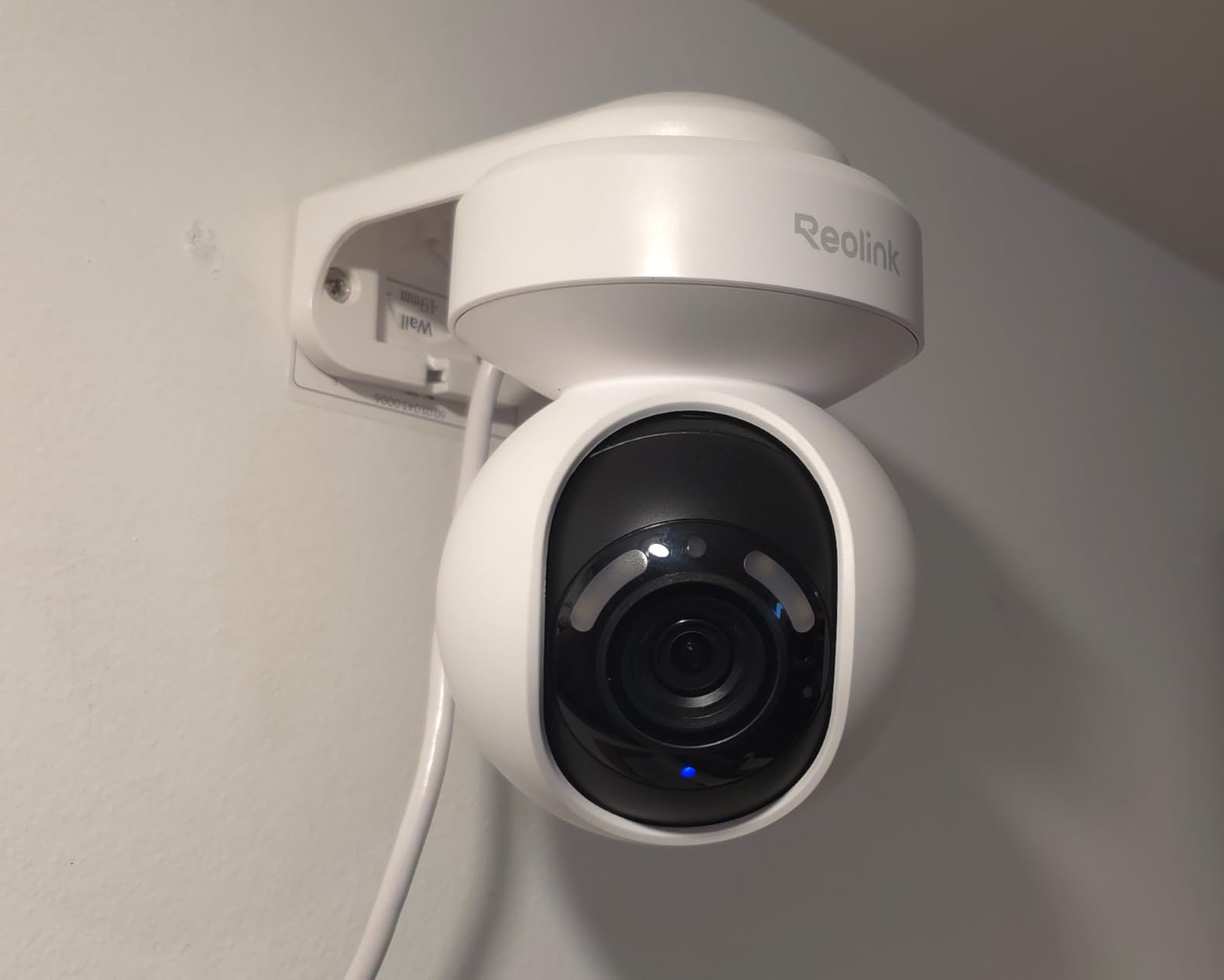
Resolution is the entire argument for this kit. At 12MP, a person at the far end of a driveway carries enough pixels to be identified rather than merely detected, which is the difference between useful evidence and a blurry silhouette.
Owners upgrading from older Lorex or Q-See systems call it a large step up, and the color night vision from the built-in spotlight is the feature they mention first. Most of the criticism lands on software behavior rather than the hardware.
What 12MP Actually Buys You
The 4512 by 2512 sensor produces roughly 50 percent more pixels per frame than a 4K 8MP camera. On a wide-open property, that extra density is the difference between a face and a colored shape at 70 feet.
The 93 degree field of view is wider than the 8MP Reolink bodies, so you cover more ground per camera while still gaining detail. If your pain point is identification rather than coverage, this is the kit.
Color Night Vision and the Spotlight
The built-in spotlight can run on a schedule or be motion-activated, and it can trigger a siren with two-way talk. That combination is a real deterrent for a delivery dock or a side gate where you want someone to know they are on camera before they reach the door.
Because the light is part of the camera rather than a separate fixture, mounting is one step instead of two.
Setup, Expansion, and Home Automation
Sixteen PoE ports on the NVR expand to 24 channels, and cameras auto-connect and number sequentially on plug-in, which removes the most tedious part of a sixteen-camera setup. A 4TB drive is pre-installed for continuous recording, with an easy second-drive upgrade.
Home Assistant integration works well and can push firmware updates to the cameras, which matters if you are not monitoring a vendor app daily.
The Software Trade-Offs
Live view and NVR playback get jerky after a few weeks on some installs, and FTP backup to a NAS proved unreliable enough that one owner kept a PC running as a workaround. You also need a 4K-capable monitor or TV to see the resolution you are paying for, and the bundled wired mouse gets replaced quickly.
Cat5 cables in the box are dated. Run Cat6 if you are pulling new cable anyway.
6. ANNKE 16-Channel 5MP PoE – Best for Covering Wide Ground on a Budget
ANNKE 16 Channel Security Camera System 5MP PoE, Two-Way Audio, 2TB HDD
3K 5MP at 3072 x 1728
123 degree field of view
16-channel PoE NVR with 2TB HDD
IP67 rated for all weather
Pros
- 123 degree lens covers more ground per camera
- 3K 5MP on a 16:9 frame suits widescreen monitors
- Custom recorded voice warning as a deterrent
- 120dB WDR handles mixed lighting
- No hidden fees in the app
Cons
- Cameras are 3K 5MP
- not true 4K
- Very wide lens causes edge distortion
- Proprietary software limits third-party use
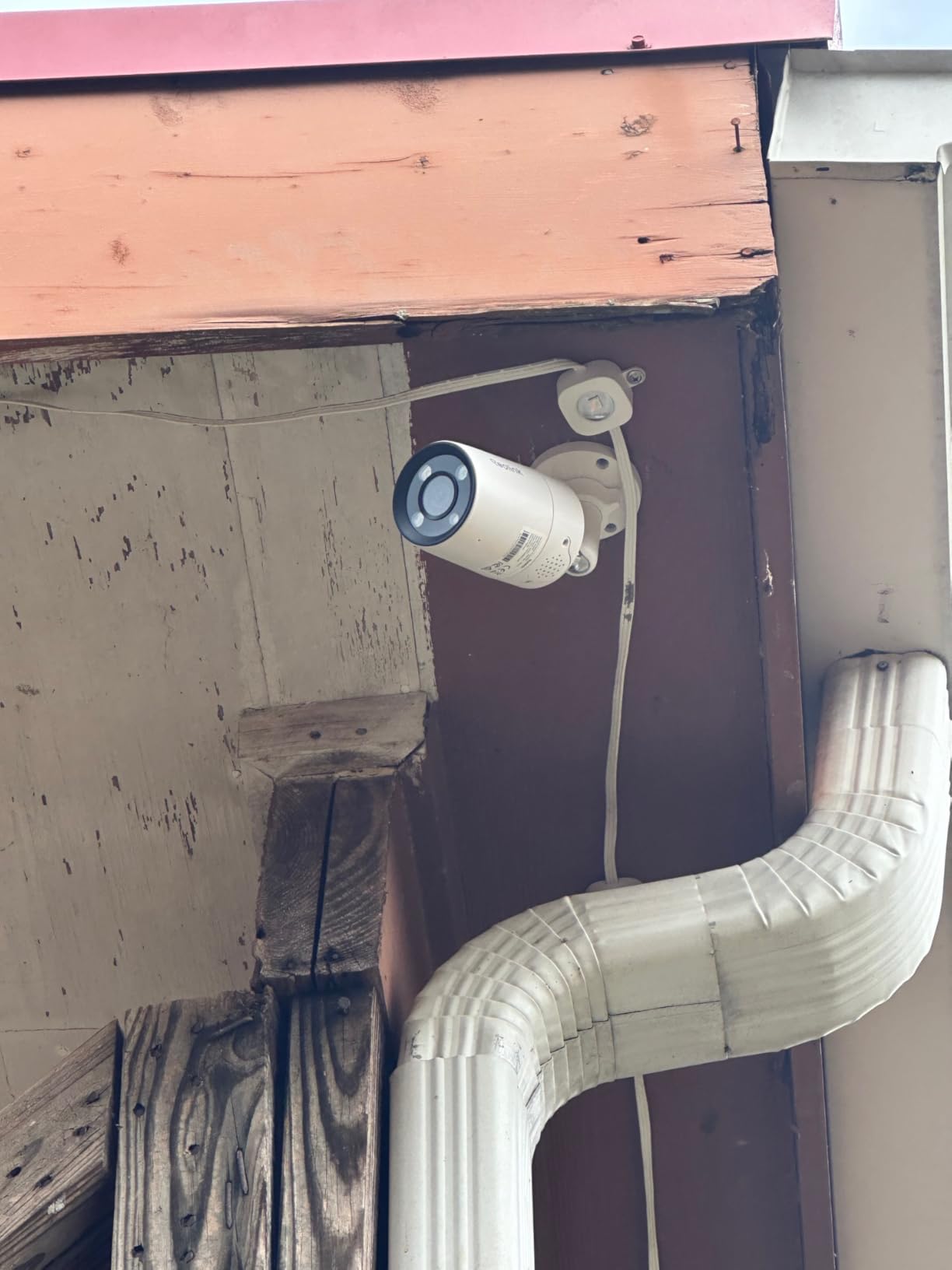
This is the coverage-per-camera answer. A 2.8mm lens with roughly a 123 degree diagonal field of view means each unit covers ground that would take two standard bullets, which changes your camera count math in a useful way on a large site.
Buyers specifically value the combination of that field of view and the custom voice warning. Recording your own message as a deterrent is a small touch that gets noticed at a gate or a loading dock.
Field of View Versus Usable Detail
A 123 degree diagonal is wide enough to take in a whole driveway apron from a single mount. The cost is edge distortion, which softens detail in the corners of the frame. The practical rule: rely on the corners for presence and movement, and put a narrower camera on anything you need to identify.
Resolution sits at 3K 5MP rather than 4K, so this is a coverage system, not an identification system. At 50 feet, a subject is recognizable but not readable.
Why 16 Channels Matters for Multi-Building Estates
Sixteen channels on a single PoE NVR with a 2TB drive is a strong fit for a main house with a guest house, a barn, and a shop. The drive records 24/7 with motion and continuous modes, and the red and blue light plus audio alarm gives you an active deterrent rather than a passive recorder.
Both 60 foot and 100 foot network cables are included, which is unusual and saves a second trip to the hardware store.
Low-Light Behavior and Detection
AI Motion Detection 2.0 handles human and vehicle classification with privacy masking, so you can exclude a neighbor’s driveway or a tree line from the alert zone. That masking is the single most effective fix for false alerts on a wide-open property.
The 120dB WDR figure is doing real work in the mixed lighting you get at a doorway at dusk, where a person is half in shadow and half in direct light. EXIR 2.0 illumination and 3D DNR handle the low-light side of that scene.
What You Give Up
Proprietary embedded software limits third-party integration options, so this is not the kit to choose if your plan is to feed the NVR into Frigate or Home Assistant. The 1 year warranty is shorter than most of the PoE kits here.
7. Hiseeu 8-Cam 5MP PTZ PoE – Best for Auto-Tracking and Fewer Mount Points
Hiseeu 4K PoE Security Camera System with 8pcs 5MP PoE PTZ Cameras
5MP PTZ cameras with 300 degree pan
8 PoE ports, up to 16 channels
3TB HDD pre-installed
IP66 housings
Pros
- 300 degree pan covers far more ground per camera
- Human auto-tracking follows a person and hands off between cameras
- Color night vision
- Expandable from 8 to 16 channels with a PoE switch
- Responsive support that replaced a faulty NVR
Cons
- 5MP will not resolve a plate at about 50ft
- App notifications can become an annoyance
- Needs tuning after initial startup
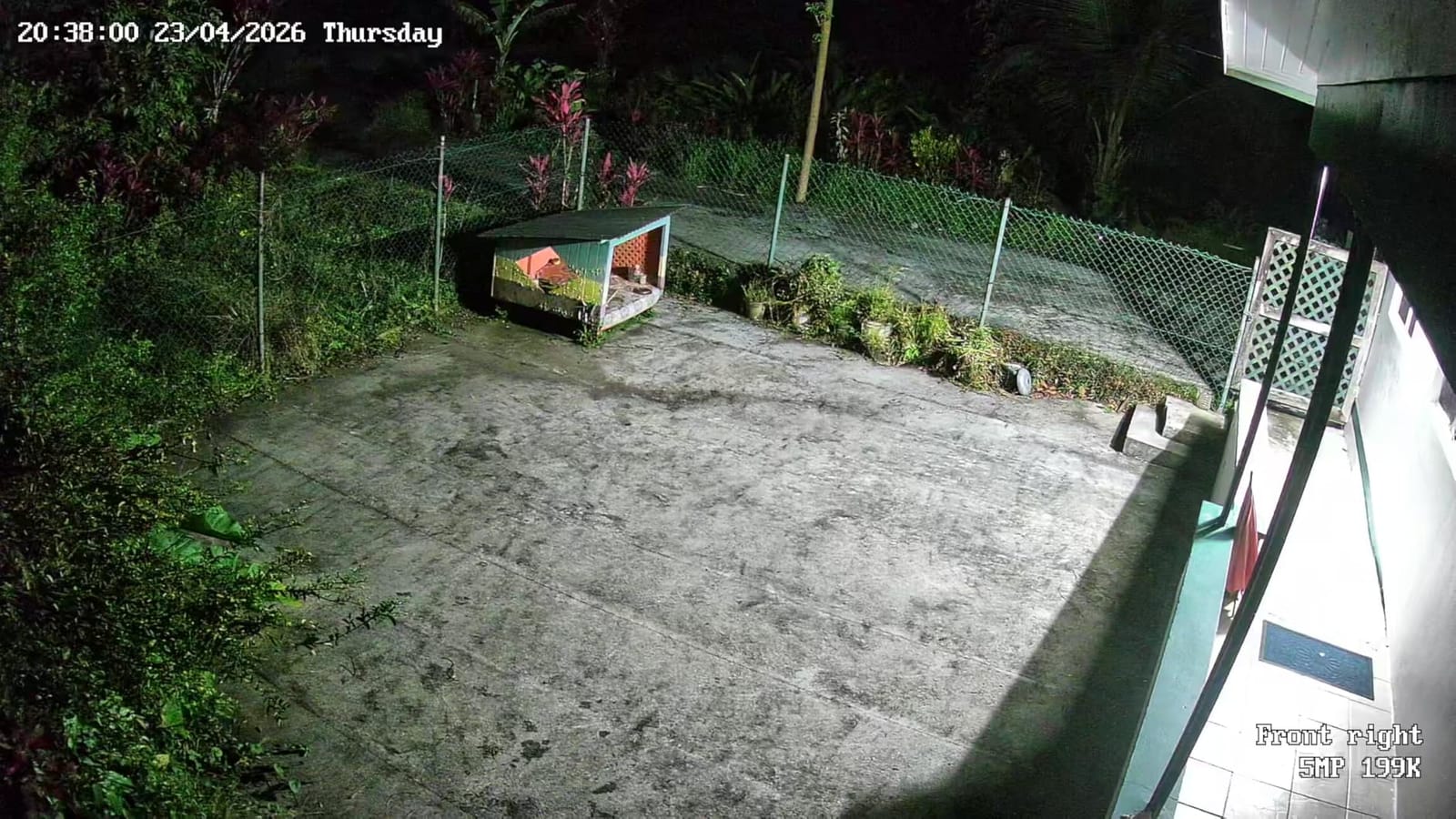
A PTZ camera covers a different job than a bullet. Instead of a fixed 90 degree slice, this one sweeps 300 degrees of pan and 90 degrees of tilt, and it tracks a person automatically once they cross the frame.
That tracking is the reason to buy this. On a large yard or a yard-and-parking-lot combination, auto-tracking with handoff between adjacent units means fewer cameras for the same coverage, and the review record confirms the feature works in practice.
PTZ Versus Fixed: Choosing by Position
Use PTZ where a person could approach from multiple directions, such as a wide open yard, a courtyard, or a back field corner. Use fixed cameras along a fence line or a straight driveway, where a narrow view is a feature because it maximizes pixels on target.
Varifocal lenses give you a middle path: set the angle at install time and leave it. That is the right answer for the perimeter positions most properties have the most of.
Auto-Tracking and Handoff Between Cameras
Human auto-tracking follows a moving subject, and adjacent units can hand off the follow so a person walking a property line stays centered rather than walking out of frame. The 5MP detail is enough to identify someone at a property entrance, which is the primary use most buyers describe.
The tradeoff is that you are relying on a motor and a tracking algorithm. Reviews are clear that both need tuning after the first startup, so budget an evening with the detection zones before you trust it unattended.
Night Performance and the 5MP Ceiling
Color night vision produces usable low-light footage, and the 2160p NVR passes through a 4K signal if you add higher resolution cameras later. Two-way audio lets you speak to someone at a gate without leaving the house.
Do not expect plate capture. At roughly 50 feet, a 5MP sensor will not resolve a license plate. If plates matter, pair this recorder with a dedicated higher resolution camera at the entry rather than stretching this one.
Reliability and the NVR Fan
Some owners report cameras or whole sets failing after several months, and the NVR fan is audible in a quiet room, which matters if the recorder lives in an office or a bedroom-adjacent closet. Support has been responsive, including a replacement NVR.
App notifications are the most-cited annoyance. Turn off push for interior channels and keep it on for gates and entries.

8. OOSSXX 8-Cam 4K PoE – Best 130-Degree Ultra-Wide Coverage on 8 Channels
OOSSXX 4K POE Wired Home Security Camera System, 8 Wired 4K Bullet Cameras
130 degree ultra wide-angle lens
4K 8MP wired cameras on 8 channels
4TB HDD, about 60 days
IP66 housings
Pros
- 130 degree lens covers a lot of ground per camera
- Night vision rated among the better results here
- H.265 with 4TB holds about 60 days
- Two-way audio works for visitors
- Support sends replacement hardware quickly
Cons
- App and desktop connectivity unreliable for some
- Default passwords must be changed per camera
- Desktop apps often fail to find footage
A 130 degree lens is the widest fixed view in this roundup, and on a big property that translates directly into fewer mount points. If your goal is to see a whole yard or a wide front approach from one camera, this is the kit to look at.
Image quality, night performance, and value draw steady praise, and the seller’s support is singled out often for sending replacement power supplies and cameras. The weak spot is software stability.
What 130 Degrees Does to Your Camera Count
A very wide lens trades pixels at the edges for coverage in the center. On a straight driveway or a narrow gate, that is the wrong trade and you should use a bullet camera instead. On an open courtyard, a fenced yard, or a long front approach, it can halve the number of cameras needed.
Plan the layout around the widest positions and fill in the narrow approaches with the 4K bullets elsewhere in this list.
H.265 Encoding and 60-Day Retention
H.265 encoding is a genuine advantage over systems that still write H.264. Combined with the pre-installed 4TB drive, it supports roughly 60 days of continuous recording across eight channels, and it cuts bandwidth when you are reviewing footage remotely over a slow connection.
That remote-viewing benefit is real on a large property, where the person checking footage is often on a phone away from the house.
Security Setup Before You Mount Anything
Cameras ship with default usernames and passwords that must be changed individually. This is the most important five minutes of the install, and it is skipped constantly.
Second, the app repeatedly promotes cloud sign-up and recorded events auto-delete after about three days on the free tier. Local playback is where your footage actually lives, so confirm the timeline works from the NVR or a monitor before you rely on the phone.
Connectivity Complaints and the 65-Foot Limit
App and desktop client connections dropping, and desktop software failing to locate footage for playback, are the recurring negative themes. The 15fps frame rate and 65 foot night range also trail the better systems in this list, so this is a daytime coverage camera more than a night identification camera.
Only the first connected camera recorded audio on some units, which suggests the two-way audio feature is less dependable at eight cameras than the spec sheet implies. The included cables also run short for larger properties, so budget for longer runs.
9. ZOSI 8-Cam 5MP PoE – Best Metal Housings for Exposed Perimeter Positions
ZOSI 4K PoE Home Security Camera System with 2TB HDD, 8pcs 5MP Weatherproof Outdoor Indoor Metal Cameras, 120ft Night Vision, Person Vehicle Detection, 8 Channel 8MP NVR Recorder for 24/7 Recording
8 x 5MP aluminum IP66 bullets
100-120ft IR night vision
8-channel NVR, up to 16
2TB HDD
Pros
- Aluminum housings feel sturdier than plastic
- Footage usable as evidence at roughly 80 to 100ft
- Genuinely plug and play PoE
- About two weeks of recording on 2TB
- Support praised for fast no-return replacements
Cons
- IR and night-mode cycling fails on some cameras
- Software and app are not intuitive
- Exported video needs the ZOSI converter tool
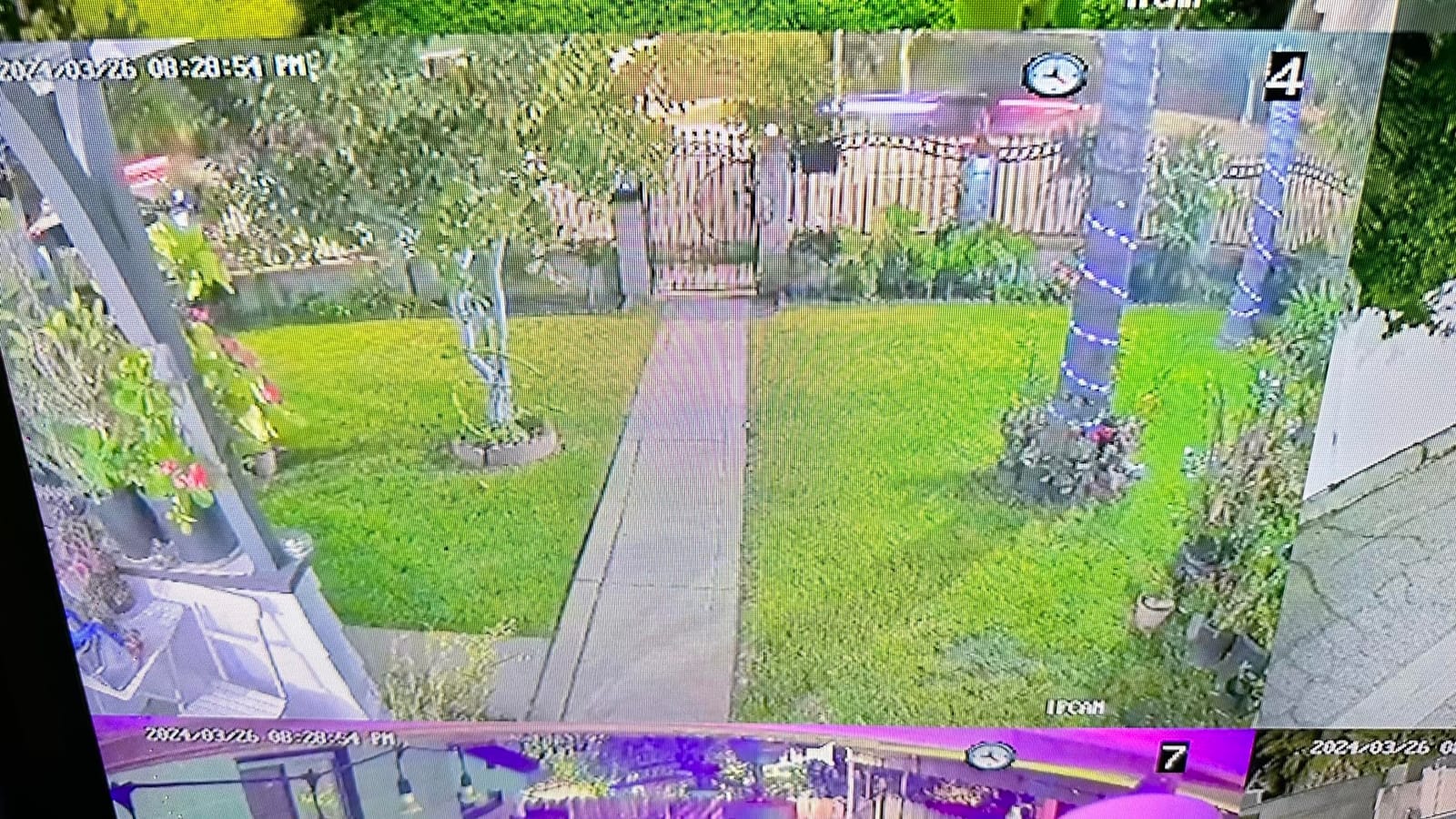
Most cameras in this category use plastic housings. These are aluminum, IP66 rated, and they hold up better on a fence post or a pole where wind, sun, and weather do their work year after year.
That is why I kept this kit in the roundup despite a middling rating. The picture is usable as evidence out to roughly 80 to 100 feet, and the IR illumination is strong for the money. The reliability record is the concern, not the hardware design.
Night Illumination Range and IR Failures
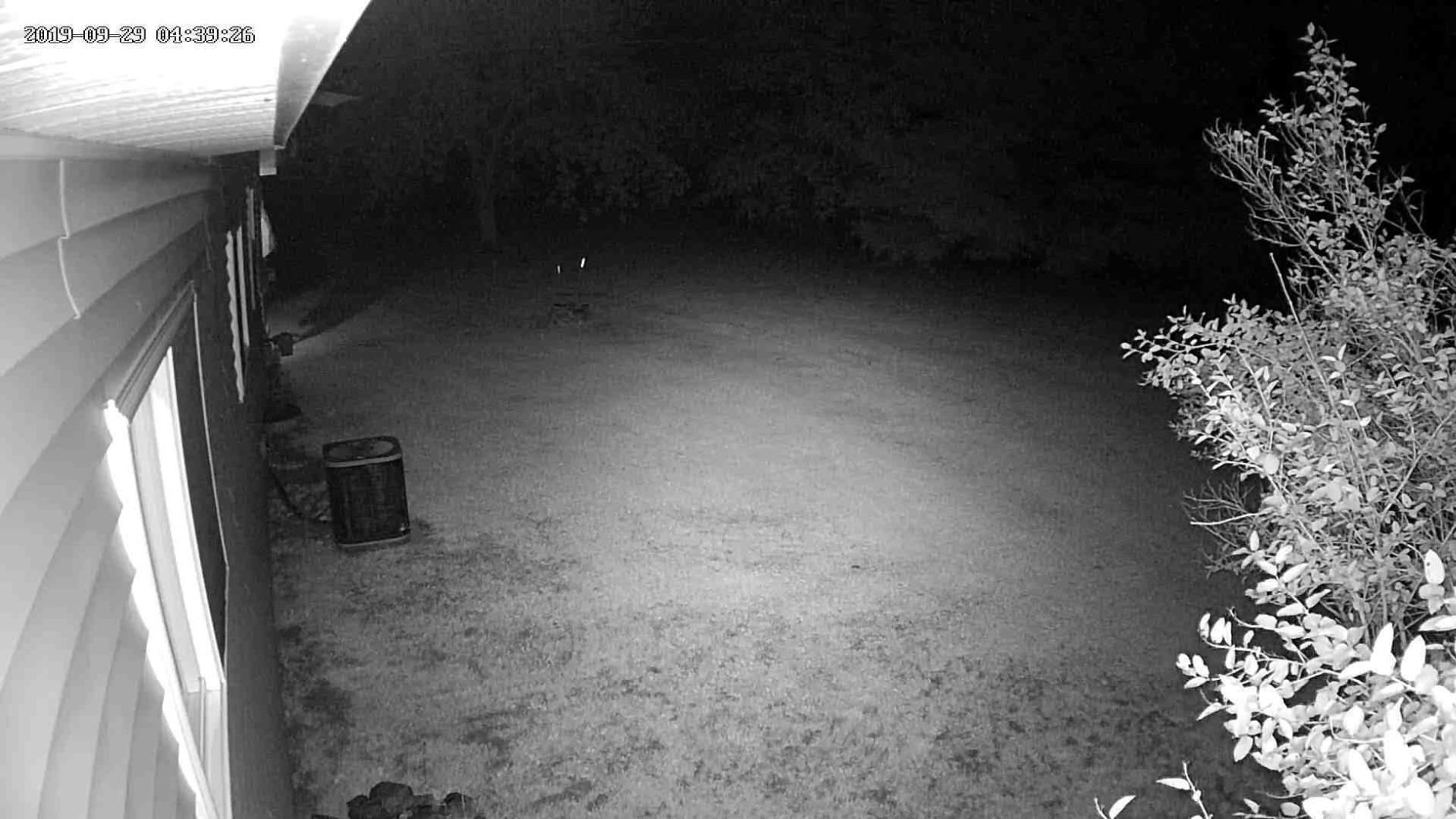
The 100 to 120 foot IR range is among the longest advertised here, and owners confirm usable footage well inside that figure. But IR and night-mode cycling is a recurring failure mode on this model, with cameras losing picture or staying stuck in day mode.
If you install these, test each camera after dark for a week before you consider the job finished.
Hardware Durability Versus Software Usability
Aluminum bodies and a two-year warranty are the strengths. The software is the opposite: the interface and mobile app are not intuitive and owners report learning it from walkthrough videos, and exported video will not play in common players without the ZOSI converter tool.
If you plan to hand footage to police or an insurer, that export friction matters more than the rating suggests.
Networking Security Out of the Box
The system is internet-exposed by default, and subnet changes and VLAN setup are described as awkward. On a large property with cameras near a public road, change the default credentials and put the recorder behind your router before you finish the install.
Two terabytes gives roughly two weeks of continuous recording, which is short for a property where an incident may be reviewed weeks later. Expansion to 4TB supported is straightforward.
Mounting and Cable Handling
The universal mount screw strips easily and is not robust, so use your own hardware. Bundled cables are wound tightly and awkward to run through attic spaces, and the footprint is compact at 10 by 8 by 5 inches, which helps in a small equipment closet.
10. Hiseeu 8-Cam 8MP PoE – Best Night Mode Flexibility on a 121-Degree Lens
Hiseeu 8MP PoE Security Camera System, 8 Pcs IP Security Cameras
8MP 4K at 3840 x 2160
121 degree 2.8mm lens
Three night vision modes
8 PoE ports, up to 16 channels
Pros
- 121 degree lens is about 1.5 times wider than standard
- Three selectable night modes including full color
- Works with or without internet for TV viewing
- Includes 20m and 30m cables for flexible placement
- Customizable AI alarm zones
Cons
- Setup is not straightforward and needs a support call
- Mobile app can be slow to load
- Some owners report failures after about a year
The feature that separates this kit is choice. Three night vision modes let you run full color where color matters, black and white where it does not, and an alarm-only light that stays dark until something triggers it. On a property with dark skies and wildlife, that third mode alone can cut a lot of false alerts.
Installers report it holding up on multi-unit buildings, and the wide lens comes with both 20 meter and 30 meter cables, which makes placement much less of a puzzle.
Three Night Modes and When to Use Each
Full color is the best choice at gates and entries where clothing and vehicle color matter. Black and white with IR is right for fence lines where you only need motion and shape. Alarm-only light keeps the camera dark and lights only on a detection event, which suits a wooded boundary.
That flexibility is more valuable than raw resolution on a rural property, and no other kit in this roundup offers the same set of choices.
Wide Lens Performance and the Zoom Ceiling
The 2.8mm lens gives a 121 degree field of view, roughly 1.5 times wider than a standard 3.6mm view, while the 8MP sensor keeps more detail than the other wide-angle kits here. Daytime and night image quality draw strong praise from owners moving up from consumer wireless systems.
Zooming far degrades the image with visible grain, so treat the wide view as a wide view and use a second camera for close identification.
Working Without an Internet Connection
These cameras work with or without internet for local TV monitoring, with 24/7 recording, sync, and motion playback modes, and a 2TB drive pre-installed. On a barn, a shop, or a cabin with no reliable connection, that is the difference between a system and a decoration.
AI human and vehicle detection with customizable alarm zones is where you should spend your setup time. On acreage, masking out a tree line or a neighbor’s drive removes more false alerts than any other setting.
Where the Setup Falls Short
Setup is not straightforward and usually needs a call to support. The mobile app can be slow to load, which undermines real-time alerting, and the NVR on-screen interface and included mouse are not responsive. Several owners report cameras and then whole sets failing after about a year.
Support is consistently good, which softens the reliability concern but does not remove it.
11. Hiseeu 16CH WiFi Pro 5MP – Best When Running Ethernet Is Not Practical
Hiseeu 100ft WiFi Pro Security Camera System, 16CH 4K NVR Kit, Wired Plug-in Powered 8Pcs 5MP CCTV Home Security Camera System for Indoor/Outdoor Use, Night Vision, IP66, Motion Detection, 3TB HDD
Dual-band 2.4 and 5GHz WiFi Pro
About 100ft installation distance
16-channel NVR with 3TB HDD
IP66 rated for harsh climates
Pros
- Roughly 100ft of dual-band reach avoids running cable
- 3TB drive with H.265+ holds about 45 days
- Corded power means no battery swaps
- 16 channels for growing coverage
- IP66 rated for harsh climates
Cons
- 65ft night range is short
- One-way audio only
- CCD sensors trail the CMOS-based kits
This is the kit for the case that breaks most large-property installs: the camera position is too far to trench but not too far for wireless. Dual-band 2.4GHz and 5GHz WiFi Pro gives roughly 100 feet of placement distance, which covers a detached garage or a shop that sits at the edge of a house’s usable range.
Corded DC power on the cameras means no battery swaps and no dropouts from a depleted pack, which is the usual failure mode of solar and battery systems on a busy property.
Dual-Band vs Single-Band Wireless
Running both 2.4GHz and 5GHz is what makes this viable at range. The 2.4GHz band reaches further and penetrates walls better, while 5GHz carries more bandwidth. A single-band camera at 100 feet will buffer; a dual-band one generally will not.
It also works locally without WiFi for on-site viewing, so you are not dependent on the cloud or on a working router to review footage inside the house.
Storage and Recording Duration
The 3TB drive with H.265+ optimization holds roughly 45 days of 24/7 recording with no cloud subscription, and the NVR expands to 16 channels. That is a solid retention figure for a wireless system, largely because H.265+ compresses more aggressively.
AI human detection separates people from pets and shadows, and IP66 housings rated for harsh climates handle the temperature swings most climates see across a year.
Where Wireless Shows Its Weakness
Three limits are real. Sixty-five feet of night vision is short next to the wired kits here. Audio is listen-only, so you cannot speak through the cameras. And the sensors are CCD rather than CMOS, which shows up as softer image quality than the CMOS-based kits.
The deeper issue is coverage gaps. Any obstruction between the camera and the NVR becomes a dead zone, and on a large property that is often the difference between covered and uncovered ground. Wireless fills a gap in a plan; it should not be the whole plan.
Expansion Path
Sixteen channels means you can add wireless cameras as coverage grows, up to the 100 foot reach of each position. Mixed wired and wireless on one recorder is a common pattern, and this one handles the wireless half without a cloud account.
12. ANNKE 16CH Wireless 8MP – Best 8MP Detail Without Video Cabling
ANNKE 16CH 4K Wireless Security Camera System with 1TB, 4 Outdoor Cameras
Wireless 2.4 and 5.8GHz WiFi Pro
8MP with 100ft IR night vision
16-channel NVR with 1TB HDD
IP66 cameras
Pros
- No video cables to run
- 8MP resolution with dual-band WiFi Pro
- 1TB drive expandable to 8TB
- Two-way audio and a siren alarm
- Patient support on setup questions
Cons
- Some units failed after about two weeks
- 70 degree lens is the narrowest here
- App and playback can be slow
This kit solves a narrower version of the same problem as the WiFi Pro system, with better resolution in exchange for a narrower lens. Four 8MP cameras, no video cabling, and a 16-channel NVR means you can start at four and grow toward sixteen without running a single trench.
Owners value the cable-free install and the 8MP clarity at this level, and installing the hard drive is straightforward even for a first-time owner.
8MP vs the 70-Degree Field of View
The resolution is a step up from most wireless kits, but the 70 degree field of view is the narrowest here. That means more cameras to cover the same area than the 121 and 130 degree kits, which partly offsets what you save on cabling.
Compute camera count both ways before buying. If the wide-angle wired kit needs six positions, a 70 degree lens may need ten, and ten mounts is ten drilling jobs.
Dual-Band Stability and 100-Foot Night Vision
Supporting both 2.4 and 5.8GHz improves stability over single-band wireless, and the 100 foot IR range is the longest of the wireless kits in this roundup, which is a real advantage for a driveway or a back field.
Two-way audio, a siren alarm, and smart playback are all included, and AI human detection sends app and email alerts with a screenshot attached, so you can triage without opening the app.
Early Hardware Failures
This is the most important thing to know. Some units were reported failing after roughly two weeks, showing only color lines on the monitor. A meaningful early failure rate changes how you should deploy the kit, and the 1 year warranty is short among the kits here.
Test every channel for a week before you run cable, mount anything permanent, or depend on it for security.
Power and Recording Setup
Wireless here means no video cable, not no power. Every camera and the NVR still need a nearby outlet, so you are running extension cords or adding outlets. Five power adapters are included.
The 1TB drive records 24/7 once you activate that mode manually, and it expands to 8TB. Recorded audio quality is low, so use the siren and the visual deterrent rather than relying on two-way talk to warn someone off.
How to Choose a Security Camera System for a Large Property
Camera count comes before brand, resolution, or lens. Get the count and the layout right, and the model choice narrows to a handful. Get it wrong and no amount of image quality saves the property.
Here is the order I would work through it in, from the decision that constrains all the others to the one you can revisit later.
1. Count Positions by Tier, Not by Acreage
Divide your property into three tiers and count each separately. The building tier covers the house, garage, shop, barn, and pool area, and needs roughly one camera per entry point plus one per building face you actually care about. The approach tier covers driveways, gates, and the first 100 feet of path, and needs one camera per approach aimed to capture a face rather than a field.
The perimeter tier covers fence lines, the far tree line, and outbuildings, and is where count gets expensive. A 5 acre property with a house, a barn, and a gate typically lands between 10 and 16 positions. Ten acres with a long drive and open ground can reach 20 or more, which is the point at which a 16-channel recorder with a PoE switch, or a second recorder, becomes the right answer.
If you also read home security and networking material, our guide to mesh systems for large homes is worth a look before you commit to wireless, since the Wi-Fi backbone is the part most large installs underestimate.
2. Pick the Architecture Before the Brand
There are four architectures, and the property usually dictates the answer at each position.
Wired PoE is the default for anything within 330 feet of the recorder. One cable carries power and data, there is no wireless drop risk, and image quality is limited only by the camera. Solar is the answer where trenching is impractical or the position is off-grid. Wireless dual-band is a compromise for positions between roughly 60 and 100 feet where a cable is inconvenient. Analog coax is the option when you already have cable or need the cheapest path to more channels.
If you want a broader look at the rest of the security picture, our picks for the best home security systems cover the alarm and monitoring side that cameras do not handle.
3. Count Channels Against Future Growth
Every recorder here has a channel ceiling, and some are lower than the port count suggests. The 8-channel kits on this list expand to 16 with an added PoE switch, and the 16-channel units are the ones that avoid a second recorder later.
One important exception: the B800 cameras on the 8-channel Reolink kit connect directly to that NVR and will not accept a PoE switch. Check that limitation before you plan a distributed install. The aosu kit is limited to four channels on a single base as well.
4. Judge Range by Identification, Not Marketing
Advertised night range and usable identification range are different numbers. The 8MP and 4K bullet kits in this roundup identify a person at roughly 50 to 60 feet in good conditions. Spec sheets claiming 100 feet are describing where IR illumination is still present, not where a face is readable.
A second, harder truth: several kits here list 100 feet but reviewers report effective throw closer to 25 to 30 feet. Read the review detail, not the spec sheet. If your plan depends on identifying someone at a gate at night, buy for identification distance, not for IR range.
5. Size Storage for 24/7 Recording
Continuous recording across eight cameras needs substantially more drive space than motion-only recording. The 4TB drive in the 8MP kits supports around 60 days of continuous capture, and the 3TB wireless drive with H.265+ supports about 45 days.
Prefer H.265 or H.265+ encoding, which compresses more and therefore extends retention on the same drive. Check the storage ceiling before you buy. A 1TB drive that tops out at 1TB is a system you will replace within a year; one that expands to 10TB or 16TB is a system you can grow into.
6. Treat IP and IK Ratings as Requirements, Not Features
For exposed perimeter positions, look for IP66 or IP67 weatherproofing and a vandal-resistant housing. The aluminum-bodied kits are worth a look specifically for fence-line and pole-mounted positions where a plastic housing cracks after a few seasons.
Also note the operating temperature ranges. One kit here is rated for a northern winter and another for milder extremes, and that difference decides whether a camera survives an exposed post through the season.
7. Plan the False-Alert Budget Before You Buy
False alerts are the most repeated complaint across the security forums, along with subscription fees. Users report checking their phones dozens of times a day for branches, deer, and headlights. The fixes are all settings, not hardware.
Use AI human and vehicle detection, set privacy masking zones around tree lines and roads, narrow the detection region per camera instead of using the full frame, and set sensitivity to the level that matches the scene. If a large portion of your property is wooded, the third night mode on the Hiseeu 8MP kit exists for exactly this reason.
8. Budget for the Install, Not Just the Box
The hardware is the small part of a large-property install. You need a PoE switch if you exceed the NVR’s built-in ports, outdoor-rated cable for any run exposed to sunlight, a weatherproof junction or conduit at every penetration, and a rack or closet that can take the recorder and its heat.
On our projects, install labor and cable runs routinely exceed the camera cost on any property with more than one building. If you are considering deals rather than planning a full system, our security camera deal roundup is a reasonable place to compare bundled pricing. For smaller, simpler setups, apartment security system picks cover the compact end of the market.
9. Decide Local Versus Cloud on Day One
Every system in this roundup records locally without a subscription, which is the reason we ranked them this way. A cloud-only plan turns a one-time purchase into a recurring line item per camera, and on a sixteen-camera property that compounds fast.
There is a hybrid pattern worth knowing about, and it is common in the self-hosting communities: run cameras from Hikvision, Dahua, Lorex, or Amcrest into third-party NVR software such as Frigate or Scrypted, and integrate that with Home Assistant. ONVIF compatibility is what makes this possible, and it is the escape hatch from an ecosystem that no longer fits.
Quick Glossary
NVR is a network video recorder that takes IP cameras. DVR is the older equivalent for analog and coax cameras. PoE means power and data on one network cable. ONVIF is the open standard that lets cameras from different brands work with the same recorder or software. WDR is wide dynamic range, which keeps a person visible when half their body is in shadow.
Bitrate is how much data per second a stream uses, and it drives both storage and remote-view quality. IR is the infrared illumination for night vision. An IP rating describes weather and dust resistance, with IP66 and IP67 being the ones that matter outdoors. An IK rating measures impact and vandal resistance. A channel is one camera input on a recorder.
Frequently Asked Questions
What is the best security camera system for a large property?
The best security camera system for a large property is a wired PoE NVR bundle with 8 to 16 channels, 4K or 8MP cameras, at least 4TB of local storage, and no monthly subscription. Our top pick is the ANNKE 3K Lite 8-Cam DVR because its recorder accepts TVI, AHD, CVI, CVBS and IP cameras, so you can mix brands as the property grows. For pure 4K image quality at scale, the REOLINK RLK16-800B8 fills 16 channels from one recorder.
How many security cameras does a 5 acre property need?
Most 5 acre properties with a house, a barn or shop, and a gate need 10 to 16 cameras. Count by tier rather than by acreage: one camera per building entry, one per driveway or gate approach, and one every 100 to 150 feet along perimeter fence lines and the far tree line. Wide-angle lenses at 121 to 130 degrees can cut the count by several cameras; narrow 70 to 87 degree lenses will push it higher.
Which security camera system works without a monthly subscription?
Every system in this roundup records locally to an NVR or hub with no subscription required, including the aosu D1 Classic with its 32GB local base and the ANNKE 3K Lite with local DVR storage. The best no-subscription security camera system for a large property is one where all eight to sixteen channels write to a local hard drive. Watch for apps that push cloud sign-up, since some delete recorded events after about three days on a free tier.
What security camera has the longest range?
Range depends on what you mean. For infrared illumination, kits here advertise 100 to 120 feet. For identifying a face, realistic limits are much shorter, generally under 60 feet with 8MP or 4K sensors. For covering distance with a camera rather than pixels, the PTZ kit sweeps 300 degrees of pan and 90 degrees of tilt with auto-tracking. The aosu solar kit reaches the farthest without cable, at about 100 feet of wireless placement distance.
Is it illegal for a neighbor to point a camera at my house?
In most US jurisdictions, it is legal for a neighbor to install a camera on their own property, even if it captures part of your home, as long as it is not in a private area like a bedroom or bathroom and is not used for harassment or stalking. Recording conversations you are part of can fall under state consent laws that vary considerably. Privacy masks that block your house and yard are the practical fix, and most apps here support zones.
Do I need PoE or wireless security cameras for a large property?
Use PoE wherever a cable run is under 330 feet, which is almost every position around a main building. It carries power and data on one run, never drops, and is limited only by camera quality. Use wireless only where trenching is impractical, and stay within roughly 100 feet with a dual-band kit. Use solar where there is no power at all. Wireless on a large property works best as a gap filler within a wired plan, not as the whole plan.
Which System Fits Your Property
If your property will keep growing and you do not want to be locked into one brand, start with the ANNKE 3K Lite 8-Cam DVR. Its multi-format input means you can add almost any camera later, and the included 2MP bodies can be swapped for higher resolution units one position at a time.
If you want 4K quality now on a mid-size property, the REOLINK RLK8-800B4 is the value pick, and swapping the included drive for a surveillance-rated drive fixes most of the stuttering complaints. If you need sixteen positions covered from one recorder, take the REOLINK RLK16-800B8. If identification at range is the whole point, the 12MP RLK16-1200B8-A is the kit where a face at 60 feet has the best chance of being readable.
If trenching is not realistic, the aosu D1 Classic covers remote positions with no cable and no subscription, and the Hiseeu WiFi Pro system fills gaps inside a 100 foot radius. For wide coverage per mount, the ANNKE 16-channel 5MP kit with a 123 degree lens and the OOSSXX 130 degree kit both cut your camera count noticeably. For auto-tracking, the Hiseeu PTZ kit follows a person and hands off between cameras.
Start with the sizing math. Count your positions by tier, decide PoE versus wireless per position, then choose the recorder with the most channel headroom. Every one of these 12 systems records locally with no monthly fee, so the decision comes down to your layout rather than a recurring bill. If you are still comparing options, our guide to solar security lights covers the lighting layer that cuts down the approaches cameras have to cover in the first place.
Leave a Reply