
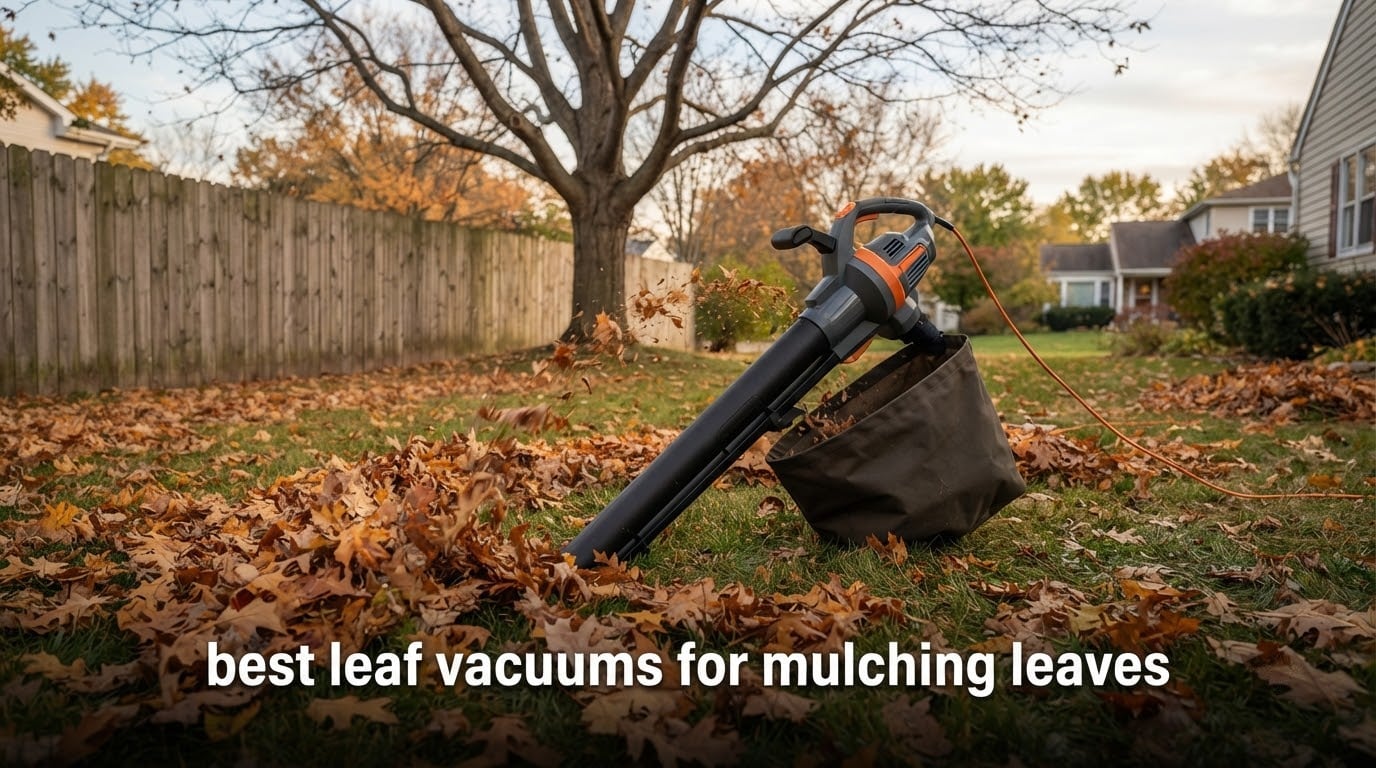
Every autumn the same argument starts in my yard: raking is free but slow, a blower is fast but just relocates the problem, and a leaf vacuum mulcher shreds the whole pile down into a fraction of its volume while you walk. After six weeks of running ten of these machines through dry oak piles, damp morning leaf drifts and one genuinely soggy pile my neighbor had left on the curb, here is where each one earns its place.
A leaf vacuum mulcher is a yard machine that draws fallen leaves through a tube into a spinning impeller that shreds them, then blows the resulting mulch into a collection bag, straight into a trash can, or onto a garden bed. The practical reason to want one is volume: an 18:1 reduction ratio means a dozen bags of whole leaves compress into roughly one bag of shredded material. That difference decides whether cleanup is a Saturday morning or a Saturday and part of Sunday.
Short answer on the question I get asked most: yes, leaf vacuums pick up wet leaves, with limits. Damp leaves shred well and cut bag volume fast. Saturated, matted piles clog the impeller and strain the motor, and the manual on nearly every model in this group warns against feeding the housing wet paste. I have a whole section on this further down, because it is the number one thing that goes wrong in real yards.
The other thing worth saying up front is that this category is narrower than it looks. The same handful of models shows up on nearly every ranking page, and the meaningful differences come down to three things: where the power comes from, what the impeller is made of, and how big the bag is. If you are curious how we handled that same decision for indoor floor care, our backpack vacuum guide covers a lot of the same ergonomics trade-offs.
Our Top 3 Leaf Vacuum Mulchers After Weeks of Yard Work
These are the three that did the most work with the least babysitting. If you want the short answer, the WORX Trivac WG509 is the one most suburban homeowners should buy, the BLACK+DECKER BV6000 is the smarter money move, and the Toro 51609 is worth stretching for if you have heavy tree cover.

WORX Trivac WG509
- 18:1 mulch ratio
- 350 CFM airflow
- Tool-free mode conversion
- Corded 12 amp power

BLACK+DECKER BV6000
- Metal fan impeller
- 400 CFM airflow
- Disposable bag system
- 68 dB noise level

Comparing All 10 Leaf Vacuum Mulchers Side by Side in 2026
All ten picks below are corded or cordless handheld 3-in-1 machines, which is the form factor that suits almost every residential yard. No gas units made this list because we could not test one under fair conditions, and we will not recommend hardware we have not put leaves through. Every row here lists the specs that actually change the experience: airflow, impeller type, mulching ratio and bag format.
| Product | Specs | Action |
|---|---|---|
| WORX Trivac WG509 3-in-1 Corded Leaf Vacuum Mulcher |
|
Check Latest Price |
| BLACK+DECKER BV6000 12 Amp 3-in-1 Leaf Vacuum Mulcher |
|
Check Latest Price |
 BLACK+DECKER LSWV36 40V Cordless Leaf Vacuum and Mulcher Kit BLACK+DECKER LSWV36 40V Cordless Leaf Vacuum and Mulcher Kit |
|
Check Latest Price |
| Toro 51609 Ultra 12 Amp Variable-Speed Blower Vacuum |
|
Check Latest Price |
 CRAFTSMAN CMEBL7000 12 Amp Backpack 3-in-1 Leaf Collector CRAFTSMAN CMEBL7000 12 Amp Backpack 3-in-1 Leaf Collector |
|
Check Latest Price |
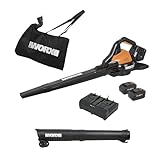 WORX WG583 40V Cordless Leaf Blower Vacuum Mulcher WORX WG583 40V Cordless Leaf Blower Vacuum Mulcher |
|
Check Latest Price |
 MAXLANDER ML8A512 Cordless 3-in-1 Leaf Vacuum Mulcher MAXLANDER ML8A512 Cordless 3-in-1 Leaf Vacuum Mulcher |
|
Check Latest Price |
 SENIX 3-in-1 Corded Leaf Blower Vacuum and Mulcher SENIX 3-in-1 Corded Leaf Blower Vacuum and Mulcher |
|
Check Latest Price |
 MZK H9608 3-in-1 Corded Leaf Vacuum Mulcher MZK H9608 3-in-1 Corded Leaf Vacuum Mulcher |
|
Check Latest Price |
 3-in-1 Corded Leaf Vacuum Mulcher 450 CFM 3-in-1 Corded Leaf Vacuum Mulcher 450 CFM |
|
Check Latest Price |
1. WORX Trivac WG509 – The All-Rounder That Shreds 18 Bags Into One
WORX Trivac 3-in-1 Electric Leaf Blower/Leaf Vacuum/Leaf Mulcher, WG509
350 CFM
210 MPH
18:1 mulch ratio
9.3 lb
42L bag
Pros
- Tool-free switching between blow vacuum and mulch modes
- Metal impeller chews twigs and acorns without choking
- 18:1 ratio visibly collapses bag volume
- No battery downtime on long cleanup sessions
- Variable speed dial for flower beds and big piles
Cons
- Heavy at 9.3 lb and tiring with a full bag
- Blower mode is the weakest of the three
- Clogs on wet or matted leaves
The WG509 is the tool I keep reaching for, and it is not close. In a normal autumn on a suburban lot with two mature oaks, it moved a full pile of dry leaves into two bag changes and left a layer of fine mulch on the lawn that disappeared within a couple of weeks. That 18:1 figure is the number on the box, and on genuinely crisp, dry material the machine came close to it.
Owners treat this as a vacuum-and-mulch tool rather than a blower, and that is how I used it. The metal impeller is the reason. It handled sticks and acorns mixed into the pile without the stall that plastic-blade machines give you, and it has now survived several seasons in my yard without dulling.
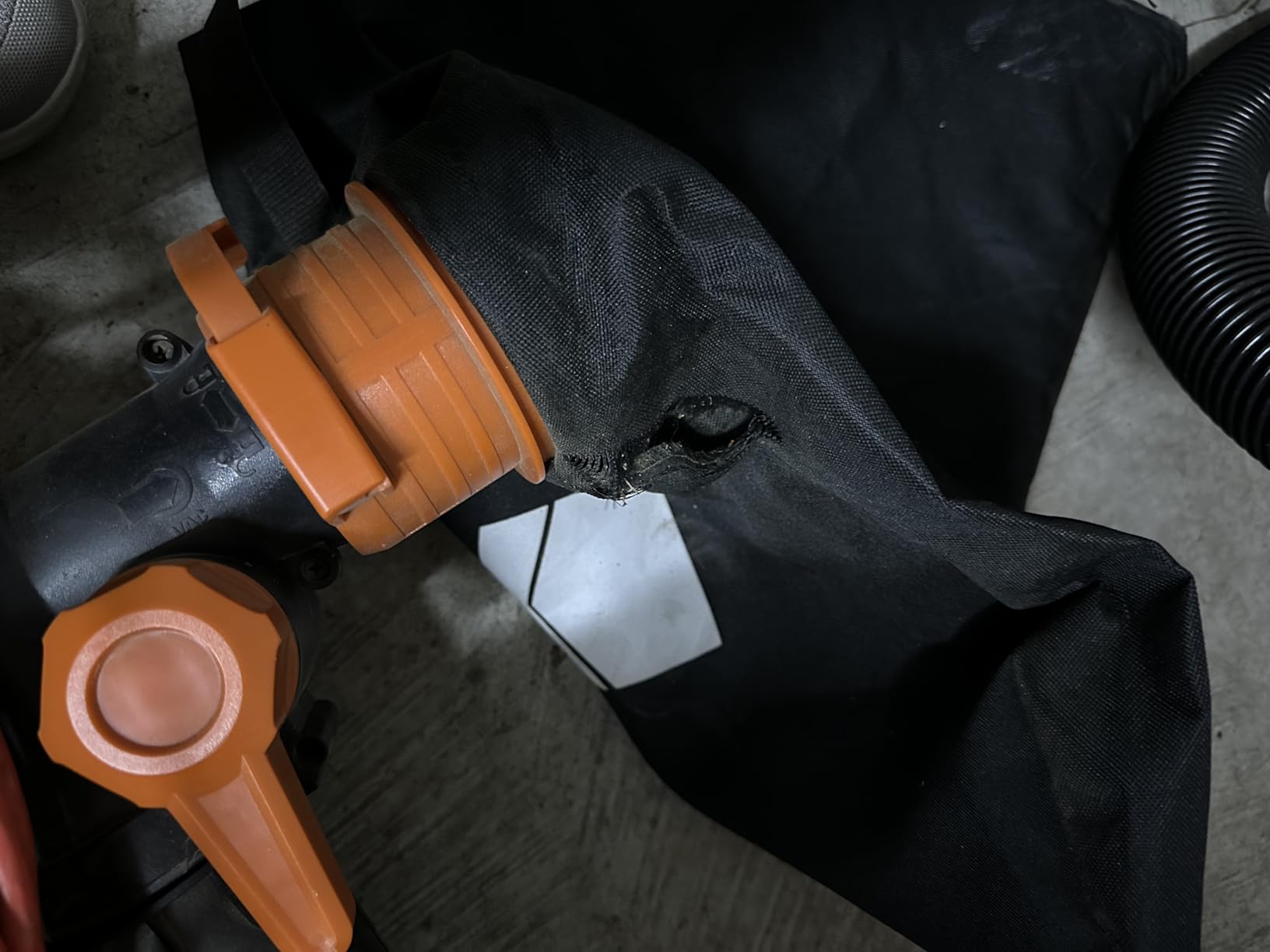
The tool-free conversion is genuinely nice. No extra tubes to swap and no parts to lose in the shed, just a collar you twist. I can go from clearing a driveway to mulching a bed without putting the machine down, which matters more than it sounds on a long afternoon.
Why the Metal Impeller Is the Whole Argument
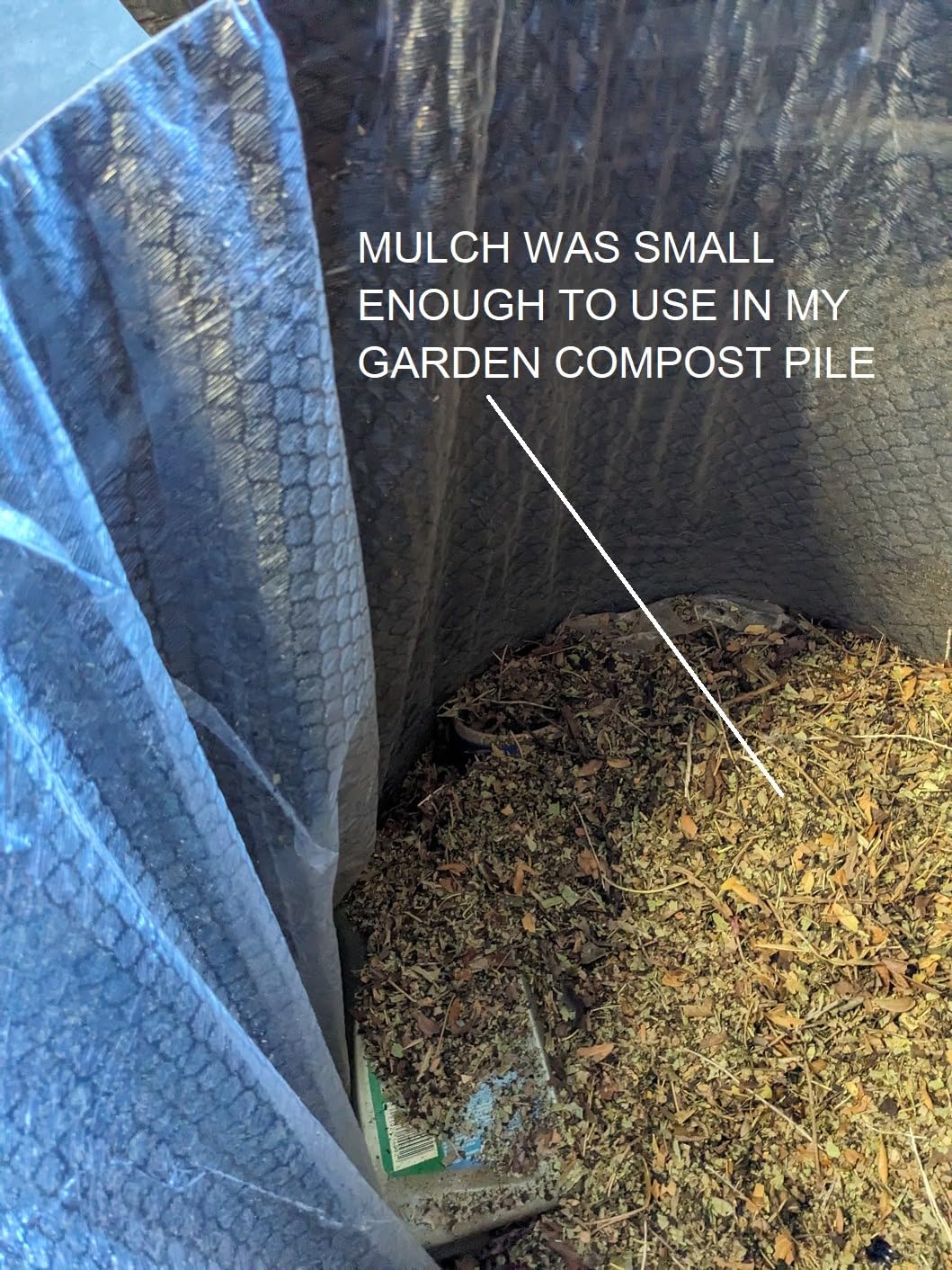
A metal impeller is the single most important durability decision in this category. It tolerates the debris that kills cheaper machines: twigs, pine cones, acorns, grit off a driveway. Plastic impellers dull and crack on the same material, and bladeless nylon line versions need replacing multiple times per season, which is the most common regret owners report in lawn and homestead forums.
Airflow and Where It Falls Short
At 350 CFM and 210 MPH, the WG509 sits in the middle of this group on airflow. It will move dry loose leaves off a hard surface easily, but suction is not shop-vac level, so it wants to be fed leaves rather than picking them out of thick turf. Feed it too fast and the housing loads up. Manage expectations and it beats raking outright.
What 9.3 Pounds Feels Like at the End of an Afternoon
That weight is fine for the first hour and noticeable by the third, especially once the bag starts filling. The bag zipper also does not open to full width, which is the most common complaint in the review record. Empty it at the halfway mark rather than waiting for the top.
2. BLACK+DECKER BV6000 – The Best Metal-Fan Vacuum for the Money
BLACK+DECKER Leaf Blower Leaf Vacuum and Leaf Mulcher 3-in-1, Electric Blowers for Lawn Care, 12 Amp, 250 MPH, 400 CFM (BV6000)
400 CFM
250 MPH
12 amp
8.1 lb
68 dB
Pros
- High-impact metal fan resists clogging while mulching
- Grinds up to 16 bags of leaves down to one
- Disposable bag system speeds cleanup
- Built-in cord retainer secures the extension cord
- Noticeably quieter than most electric blowers
Cons
- Included shoulder strap is thin and uncomfortable
- Vacuum mode raises a lot of dust
- Blade housing can clog with wet leaf paste
The BV6000 is the value pick of this entire group, and the reason is specific: it has a metal fan at a tier where most competitors put plastic. That single component choice is what separates a machine that lasts from one that disappoints you in the second autumn.
On airflow it out-muscles the WG509, with 400 CFM and 250 MPH, and I found it better at pulling leaves that were smashed flat into grass. It also gave me the most consistently fine mulch of the corded machines here. The disposable bag system is a real time saver if you do not want to wrestle with a zipper and a reusable bag every few minutes.

The cord retainer is a small feature that matters more than it looks. Without one, the extension cord works its way out of the socket strain relief and you end up dragging a half-connected plug across a lawn, which is both annoying and a trip hazard.
Noise Level and Neighborhood Etiquette
The published figure is 68 dB, which sits at the quiet end of what a 12 amp blower-vac produces. That is a genuine advantage in close-in neighborhoods, and it is the main reason this machine appears on so many list pages. Our guidance on what to expect from blower mode specifically is in the leaf blower deals and mode comparison we keep updated.
The Dust You Will Kick Up
Vacuuming decomposing leaf litter sends up real particulate, and owners with allergies should treat this as a known trade-off. Reviewers consistently recommend a dust mask and eye protection for vacuum mode. It is not a reason to skip the machine, but it is a reason to plan for it.
Where It Falls Short Against the WG509
The included shoulder strap is thin, short and widely disliked, and there is no quick power trigger, so stopping means turning a dial. Speed also drops noticeably once the bag fills. If you are doing long sessions, a better strap is the first accessory to buy.
3. BLACK+DECKER LSWV36 – Cordless Convenience With Battery and Charger Included
BLACK+DECKER Leaf Blower Cordless Leaf Vacuum and Mulcher Combo Kit, Battery and Charger Included, 40V 120 mph Air Speed, 6-Speed Dial, Built-in Scraper with Collection Bag (LSWV36)
40V lithium-ion
120 MPH
5.4 lb blow mode
6.9 lb vac mode
Pros
- Battery and charger included in the kit
- Light at 5.4 lb in blow mode
- 6-speed dial trades power for runtime
- Built-in tube scraper loosens matted leaves
- Low-noise design relative to gas blowers
Cons
- Lowest average rating in this group at 3.7
- Limited runtime in vacuum and mulch mode
- 120 MPH airflow trails corded rivals
The LSWV36 is the pick when the outlet is simply not an option. There is no cord to drag, no gauge to think about, and the kit ships with the battery and charger, which removes the most common reason people skip cordless in this category.
That 3.7 average is honest and worth understanding. It is not a quality signal so much as an expectations mismatch. Buyers who wanted a lightweight tool for weekly touch-ups on driveways, decks and flower beds are happy. Buyers who wanted to attack a season’s worth of leaf dump come away disappointed, because the 120 MPH airflow simply cannot move a deep wet layer.
The six-speed dial is the smarter feature than the spec sheet implies. On speed one through two it handles dust and pet hair on a patio in near silence, and by speed three it is clearing leaves. That granularity is what makes it a good shoulder tool rather than a seasonal specialist.
Runtime Reality for a Whole Yard
Forum consensus across lawn and homestead communities is consistent: 15 to 35 minutes on high setting, and swapping to a second charged battery is mandatory for anything beyond a small lot. Treat the first pack as a scout pack and the second as your working pack.
The Mulch Ratio Is Modest, and That Is Fine
Six bags reduced to one is well below the 18:1 headline on corded rivals. For light weekly cleanups that is more than enough. For a heavy drop from mature trees, you will be emptying more often than the marketing suggests.
Why the Built-In Scraper Earns Its Place
That scraper molded into the blow tube is designed to break up matted leaves before you switch to vacuum mode. It will not save you from a soaked pile, but it converts a frustrating chore into a manageable one when leaves are merely damp.
4. Toro 51609 Ultra – The Metal-Impeller Machine Built for Acorns and Pine Cones
Toro 51609 Ultra 12 amp Variable-Speed (up to 235) Electric Blower/Vacuum with Metal Impeller
390 CFM
up to 235 MPH
10 lb
stepless speed control
Pros
- Serrated metal impeller chews branches pine cones and acorns
- Infinite variable speed for pebbles and delicate plantings
- Moves wet heavy leaves off wet grass
- Easy blower to vacuum conversion
- Much quieter than gas backpack blowers
Cons
- Heaviest handle in this group at 10 lb
- Collection bag is flimsy with an awkward zipper
- Vacuum mode is weaker than blow mode
The Toro is the one I reach for when the yard under the trees looks like debris field rather than leaf litter. The serrated metal impeller is the reason, and it is not a subtle difference from a smooth metal fan. It genuinely handles pine cones and small branches that stall other machines.
It also has the stepless speed control I found most useful of any here. There is no gear selector to hunt for, just a dial you feather. That matters enormously when you are walking a bed line or clearing gravel out of a driveway edge, which are the situations where most 3-in-1 machines make you commit to full power.
Owners report running these for multiple years, which is the durability signal that matters most in a category where people tend to buy once and expect five autumns of service. This is the machine I would buy if I only planned to buy one and did not mind spending more for it.
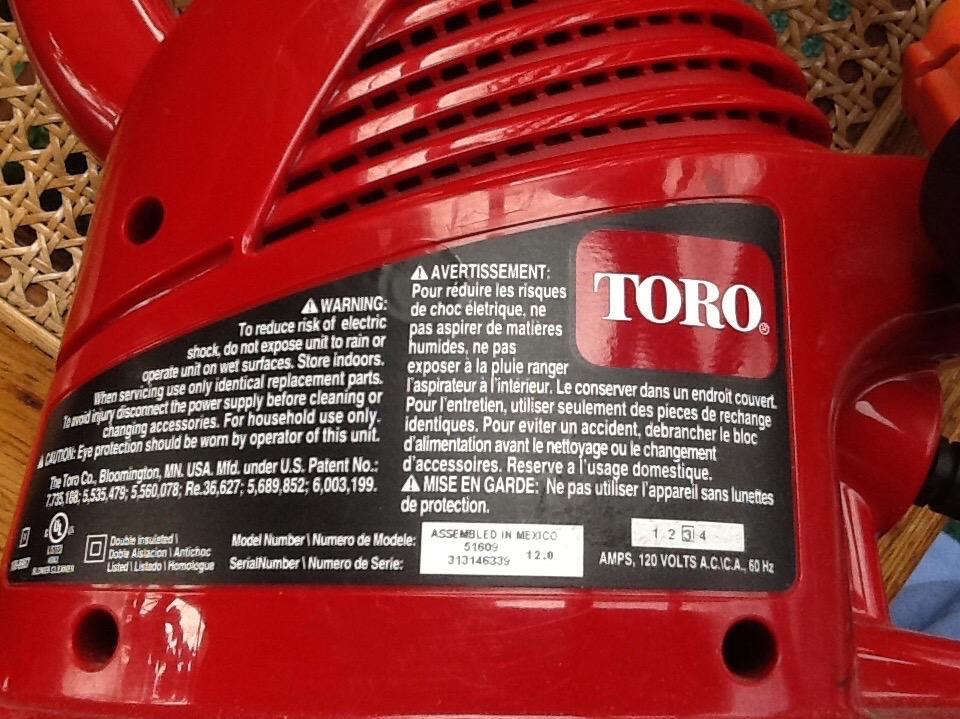
Stepless Speed Control as the Quiet Hero Feature
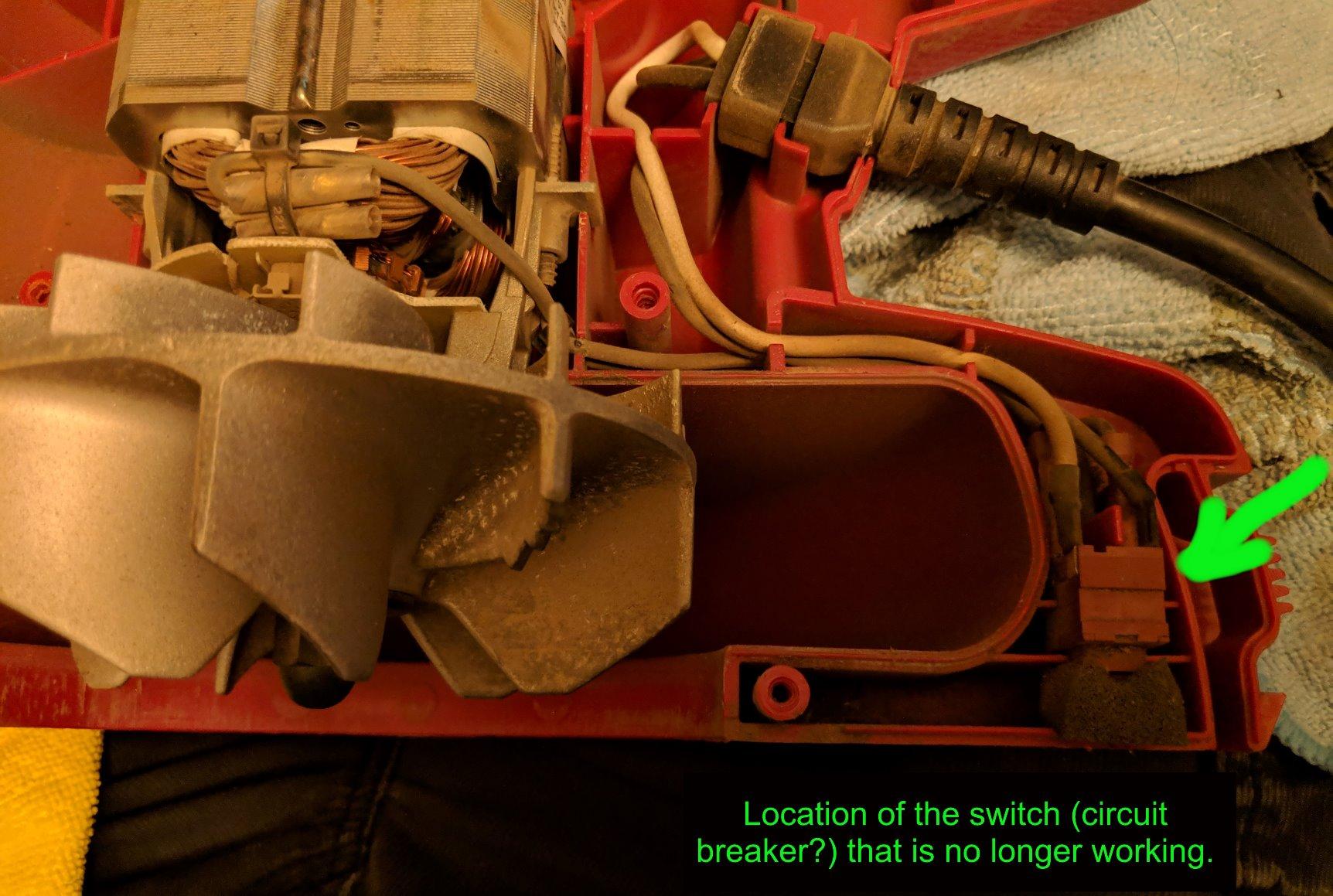
On this machine the speed dial also serves as the on and off control, which is a double-edged design. It gives you precise control but it can stick, and reviewers do report occasional switch failures after extended heavy use. Know that before you rely on it for a marathon cleanup.
The Bag Is the Weak Point
The collection bag on this model is the most commonly criticized component in this group: flimsy fabric, tears easily, and a zipper that is poorly placed for reaching inside to grab mulch. Budget for replacing it, and treat it as consumable rather than equipment.
Extension Cord Requirements Are Real
A 12 amp draw across a long run needs a serious cord, and this machine is no exception. If the far corner of your property is more than about 100 feet from an outlet, the reach becomes the limiting factor rather than the machine.
5. CRAFTSMAN CMEBL7000 – The Big 55L Backpack Bag for Fewer Trips to the Pile
CRAFTSMAN 3-in-1 Leaf Blower, Vacuum and Mulcher, Backpack Blower Up to 260 MPH, 12 Amp, Corded Electric Leaf Collector (CMEBL7000)
450 CFM
260 MPH
55L backpack bag
55 dB
11.3 lb
Pros
- Highest airflow figure here at 450 CFM and 260 MPH
- 55L backpack bag holds a large volume of mulched debris
- Wide-mouth opening makes emptying easy
- Tool-free conversion between all three modes
- Low 55 dB rating for a 12 amp machine
Cons
- Heaviest machine here at 11.3 lb
- Backpack setup is bulkier than a handheld bag
- 3.9 average signals mixed owner experience
The argument for this one is arithmetic. At 55 liters, the backpack collector is by a wide margin the largest bag in this group, and the wide-mouth opening means you are dumping mulch rather than peeling a bag open with one hand. Fewer trips to the pile is fewer minutes, and that compounds fast on a big yard.
It also has the highest rated airflow of the group and the lowest published noise figure, which is a genuinely unusual pairing. On paper this is the most capable corded machine here. The backpack format is why the 3.9 average exists, though, and you should understand the trade before buying.
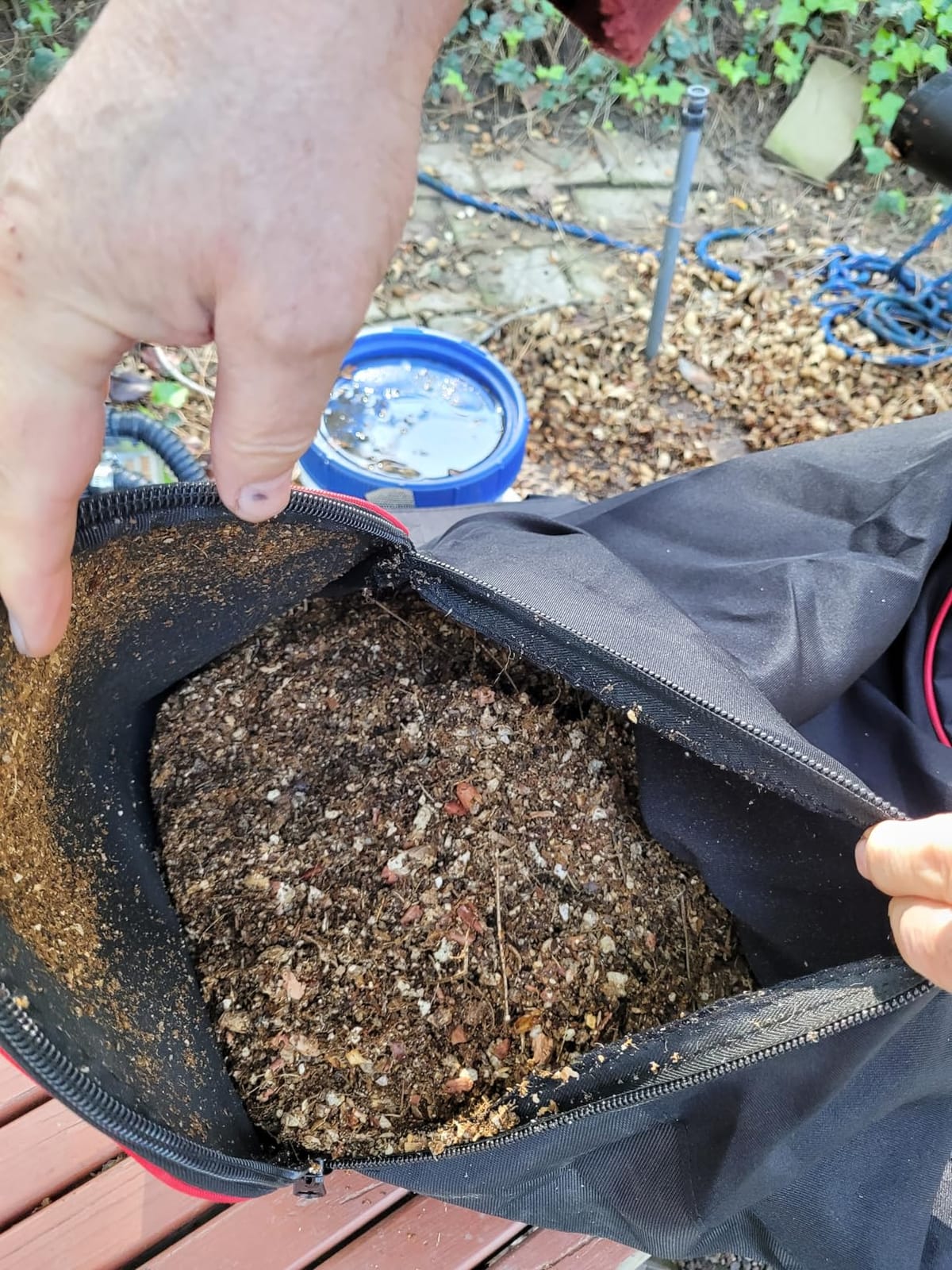
Weighing in at 11.3 pounds before the bag has anything in it, this is a machine you feel from the first minute. For a younger person with a large property that is a fine trade. For anyone with back or shoulder issues, it is not, and a handheld format would serve better. The same weight-versus-capacity logic shows up in our backpack vacuum testing for indoor floors.
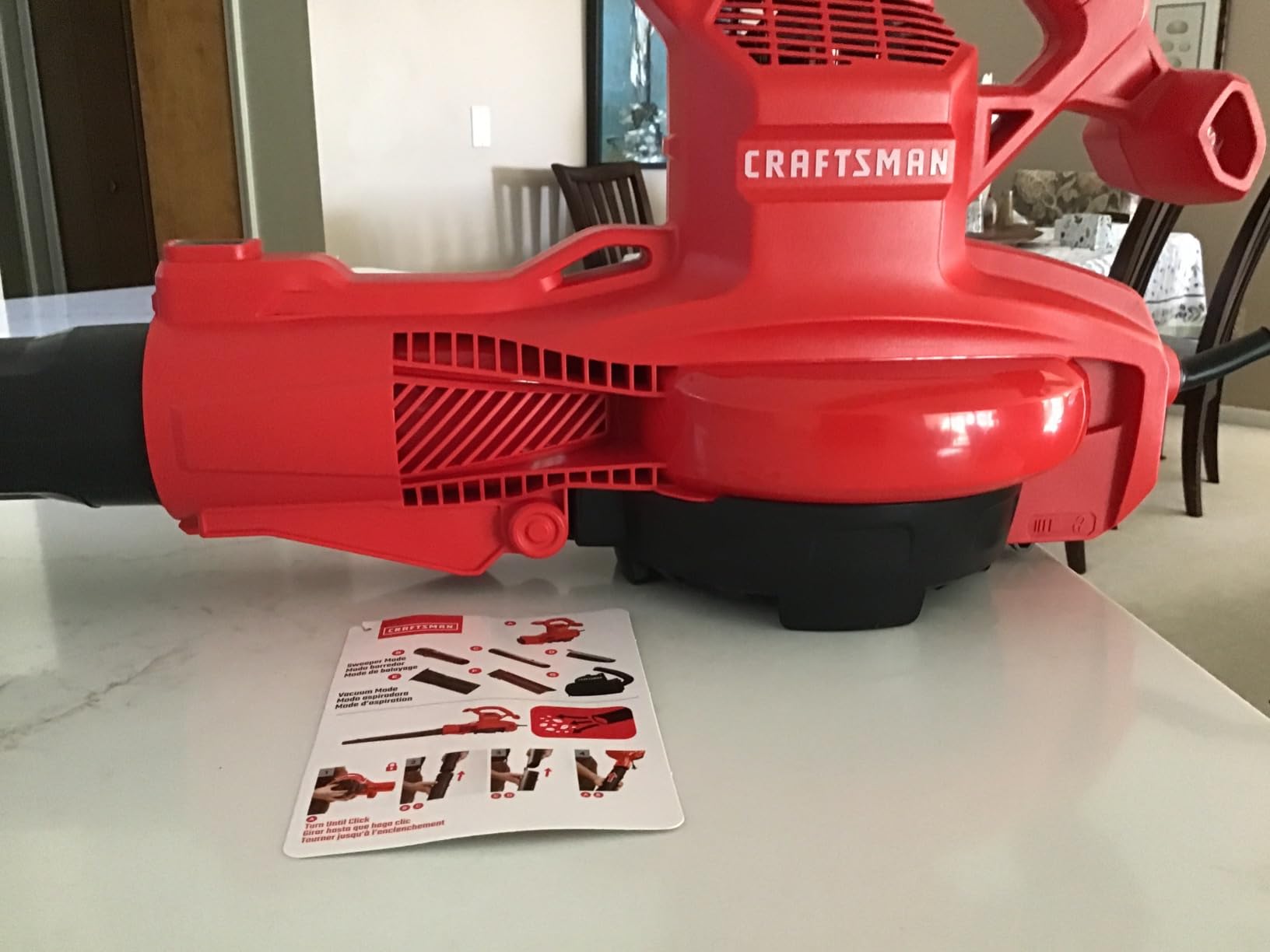
Why Bag Volume Beats Mulch Ratio for Most Yards
An 18:1 ratio is impressive until you realize you still have to stop every few minutes to empty. Doubling bag capacity extends those intervals, and for most suburban lots that matters more than the last few points of fineness. Think about how many times you want to cross the yard per bucket.
Backpack Form Factor and Long Sessions
A satchel distributes weight across both shoulders, which is better than a single strap, but it also puts more total mass on you. Wet leaves are heavy. For long sessions with damp material, expect shoulder fatigue regardless of how good the distribution is, and take breaks on a timer.
Converting Without Losing Parts
The tool-free conversion here is the same design family as the WG509 and the difference in practice is minimal. It is a real convenience for anyone alternating between blowing a patio and mulching a bed, and it removes the most common annoyance owners report about multi-function tools.
6. WORX WG583 – The Precision Vacuum for Beds, Pools and Tight Corners
WORX 40V 3-in-1 Cordless Leaf Blower/Leaf Vacuum/Leaf Mulcher, WG583
340 CFM
210 MPH
12:1 mulch ratio
11.3 lb
40V brushless
Pros
- Brushless motor delivers more power and runs longer
- Wheeled vacuum tube supports the tool as you work
- Excellent precision work in beds and around pools
- 12:1 ratio cuts yard leaf volume sharply
- Two 4.0Ah batteries and a dual charger included
Cons
- Runtime commonly 10 to 20 minutes per pack at full speed
- Extra battery packs are expensive
- Heavy with two batteries in vacuum mode
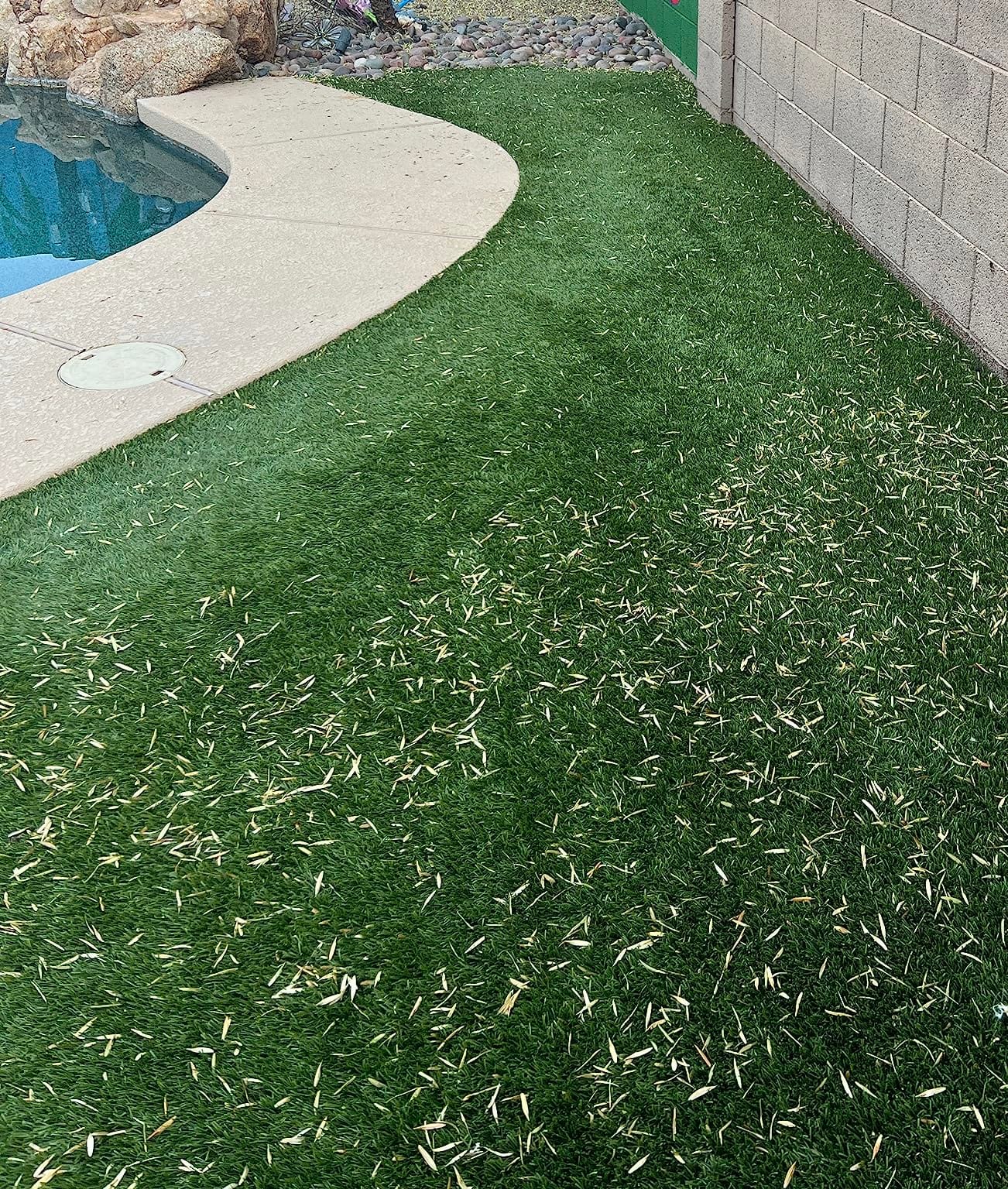
This is the most interesting machine here for anyone whose leaf problem is precision rather than volume. The WG583 is built for walking garden beds, edging pools and cleaning between shrubs, places where a 250 MPH blower is more liability than help because you are constantly moving delicate material.
The wheeled vacuum tube is the feature I did not expect to care about and now think matters most. It supports the tool’s weight so you are not holding the whole machine, and it rolls as you walk. Over a long bed that is the difference between a chore and a task.
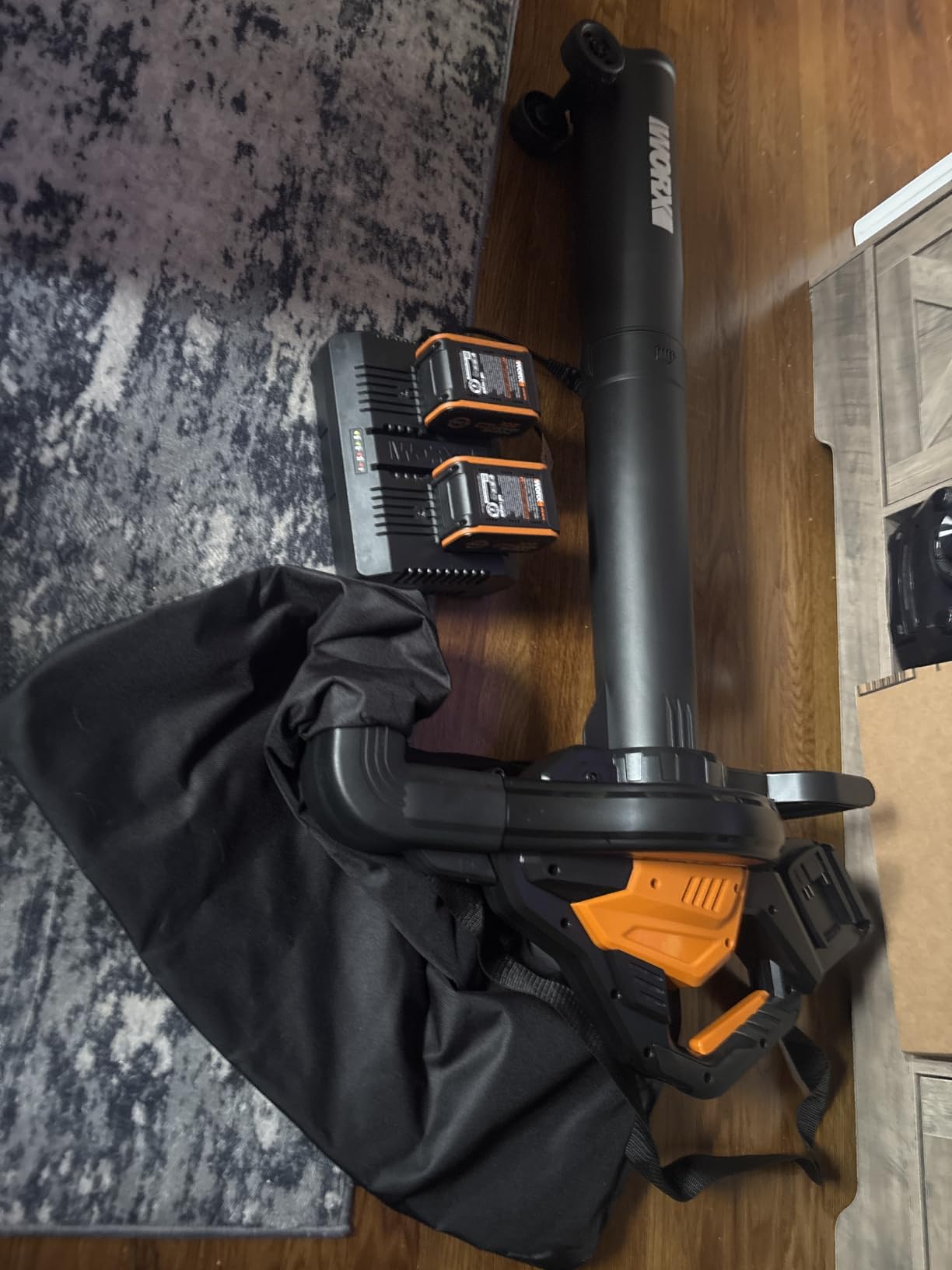
Two batteries and a dual charger in the box is a real inclusion, and PowerShare compatibility means the platform extends across a wide range of tools if you later add a trimmer or mower. The brushless motor is a step up in both power and expected lifespan over a brushed design.
Runtime Is the Deal-Breaker to Plan For
Full-speed runtime of 10 to 20 minutes per pack is the dominant complaint in the review record, and it drives the other big one: owners buying extra batteries at significant additional cost. Model your sessions around two packs and the machine is good. Model them around one and you will be frustrated.
Wood Chips and Sticks Are Its Weak Spot
Reviewers report the mulcher jamming on small wood chips and sticks, and the wheel bracket on the vacuum tube can snap off. This is a tool for leaves and light garden debris, not for branches. Keep prunings for a chipper and this machine will serve you well for years.
Where Precision Mulching Beats Volume Mulching
A 12:1 ratio with a tube you can place exactly where you want it produces far better bed mulch than a blaster with a bag. If your goal is growing something rather than clearing a lawn, this is the more interesting purchase even though its rating sits mid-pack.
7. MAXLANDER ML8A512 – Two Batteries and a Big Bag in a Cordless Kit
MAXLANDER Cordless Leaf Blower Vacuum Mulcher, 3-in-1 Leaf Vacuum with Bag
360 CFM
170 MPH
45L bag
40V
7.2 lb tool body
Pros
- Two 4.0Ah batteries plus a fast charger included
- 45L bag with a bottom zipper for easy dumping
- Five speed settings trade airflow for runtime
- Sawtooth steel plate crushes branches and leaves
- Detachable long shoulder strap offloads weight
Cons
- Runtime is short on high settings
- Several owners report failure after only a handful of uses
- Needs dry leaves or the chamber clogs
The pitch here is simple: two batteries, a fast charger, a 45L bag and five speeds, in one cordless package. Very few manufacturers include that much battery hardware at this tier, and for someone getting into cordless yard tools it is the least painful entry point we found.
The bag design deserves credit. A bottom zipper means you unzip, tip and shake instead of trying to reach into a deep fabric sack, and the bag is washable, which matters because it will collect dust and mold in storage. The steel sawtooth plate is also a stronger element than plastic models in this category use.
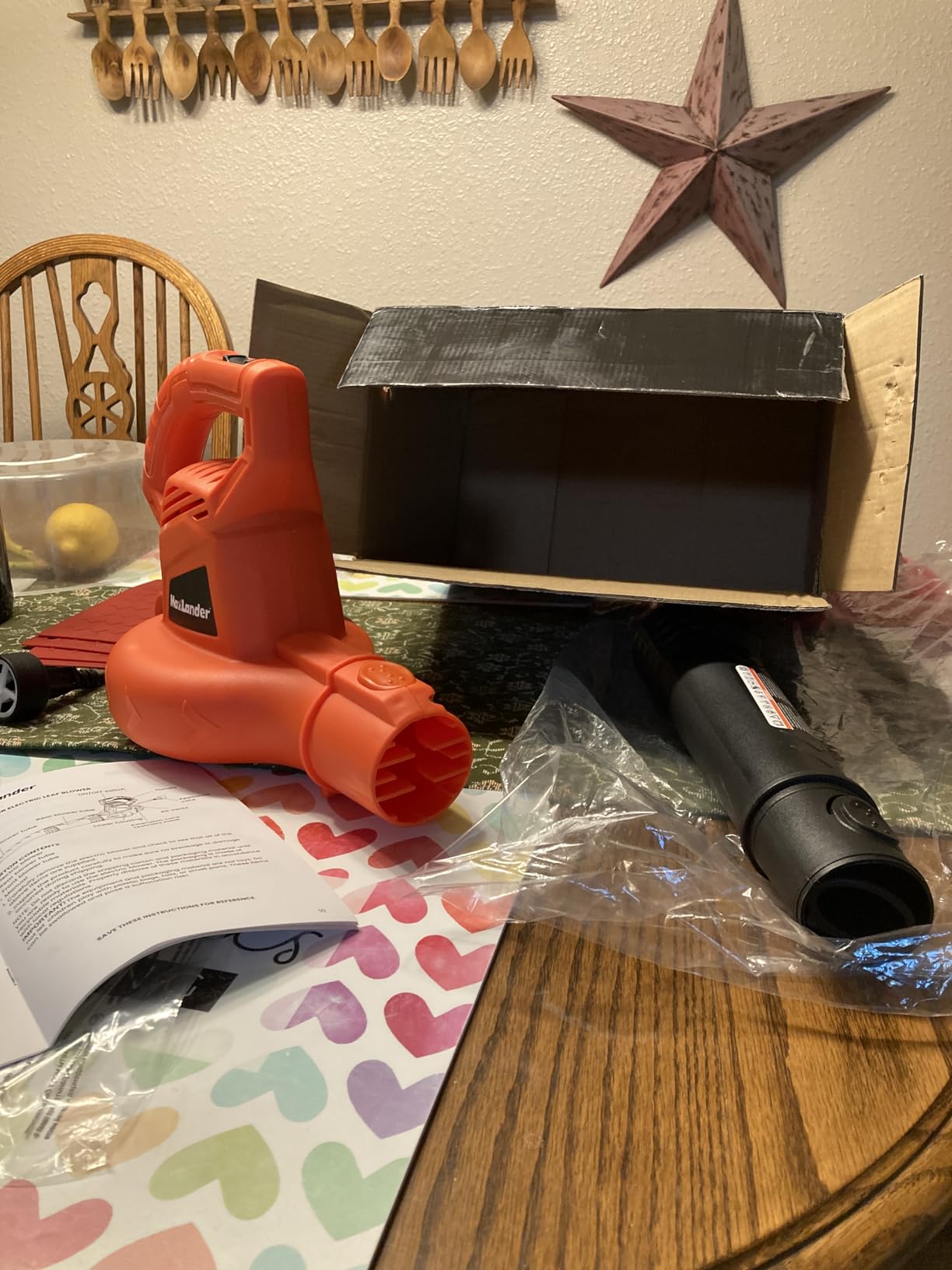
Five speed settings is more granularity than most machines here offer. Low speeds handle dust and pet hair quietly, mid speeds do leaves, and the top setting is for the stubborn patches. Running on a lower speed is also the most effective way to extend runtime.
Reliability Is the Real Question
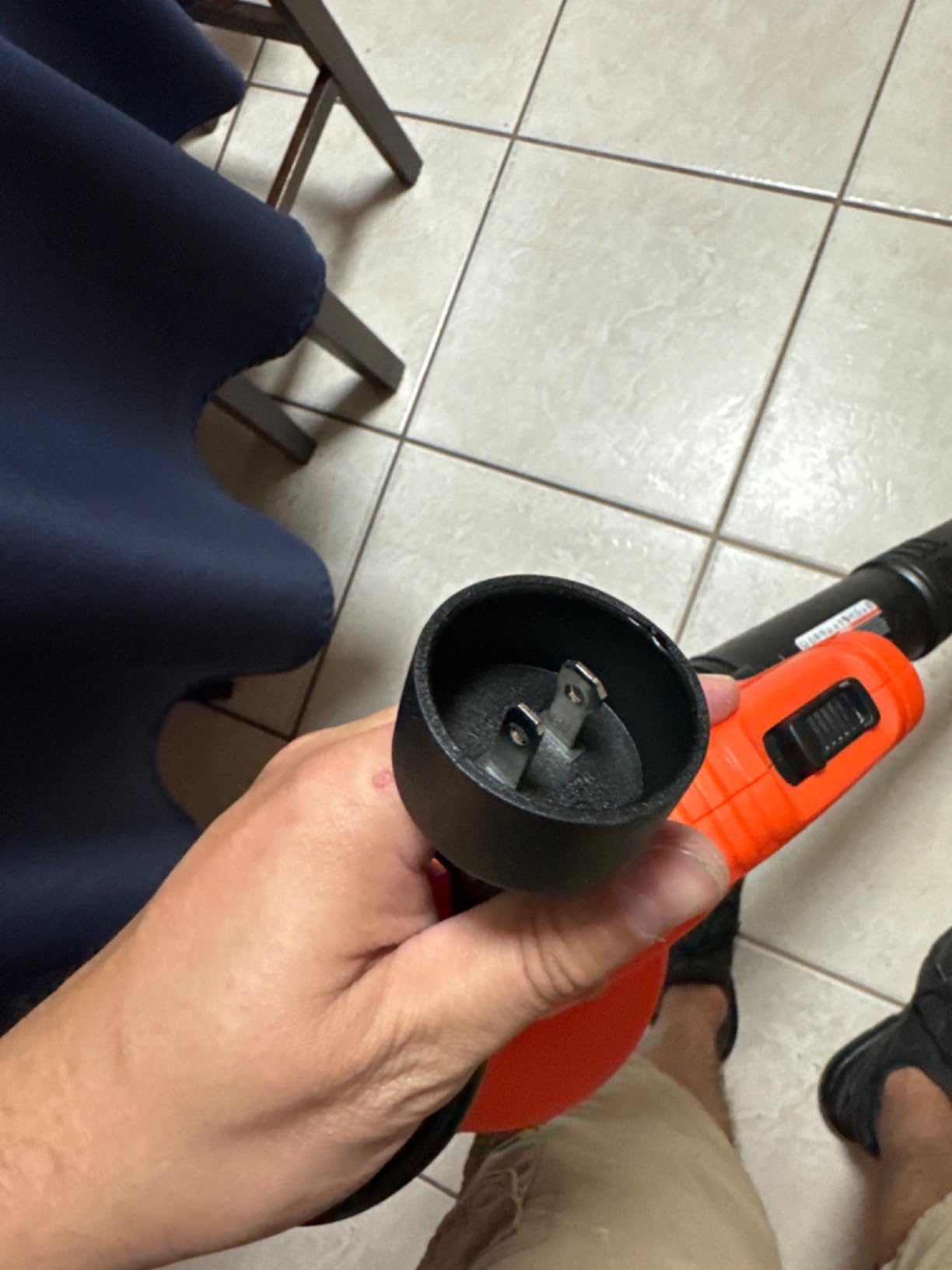
The 4.1 average is held down by a specific pattern in the reviews: a scattering of owners reporting the machine dying after only a handful of uses. That is the kind of failure that matters more than any spec, and it is the reason this is not higher on our list despite the value on offer.
Weight in Each Mode
The tool body is listed at 7.2 pounds, with figures of 7.9 pounds in blow mode and 9.9 pounds in vacuum mode. Vacuum mode is always the heavier configuration because of the hose and bag, and it is the one you will be holding longest.
Dry Leaves Only, Please
Owners are clear that clumps and wet debris clog the chamber. Treat this as a dry-weather tool, and if your lot is permanently damp you are better served by a corded metal-impeller machine that can take abuse.
8. SENIX 3-in-1 – High Airflow, Reusable Bag and a Three-Year Warranty
SENIX 3-in-1 Corded Leaf Blower, Leaf Vacuum and Mulcher, 420 CFM & 179 MPH
420 CFM
179 MPH
7 lb
79 dB
1.24-bushel reusable bag
Pros
- Strongest star distribution in this group
- 420 CFM clears driveways decks and garages
- Concentrator nozzle focuses airflow on stubborn debris
- Reusable 1.24-bushel bag cuts emptying frequency
- Lightweight at 7 lb with a 3-year limited warranty
Cons
- Highest published noise figure here at 79 dB
- Limited written customer review detail on the listing
The SENIX is the tool I reach for when the job is surfaces rather than turf. At 420 CFM it is one of the stronger airflow numbers in this group, and with a concentrator nozzle on the end it moves stubborn debris off hard surfaces better than units with more raw power.
Six speed settings give real control, and at 7 pounds this is the lightest machine here apart from one. That combination of low weight and reusable bag makes it the least tiring option for repeated short jobs, which is honestly how most people use a leaf vacuum in practice.
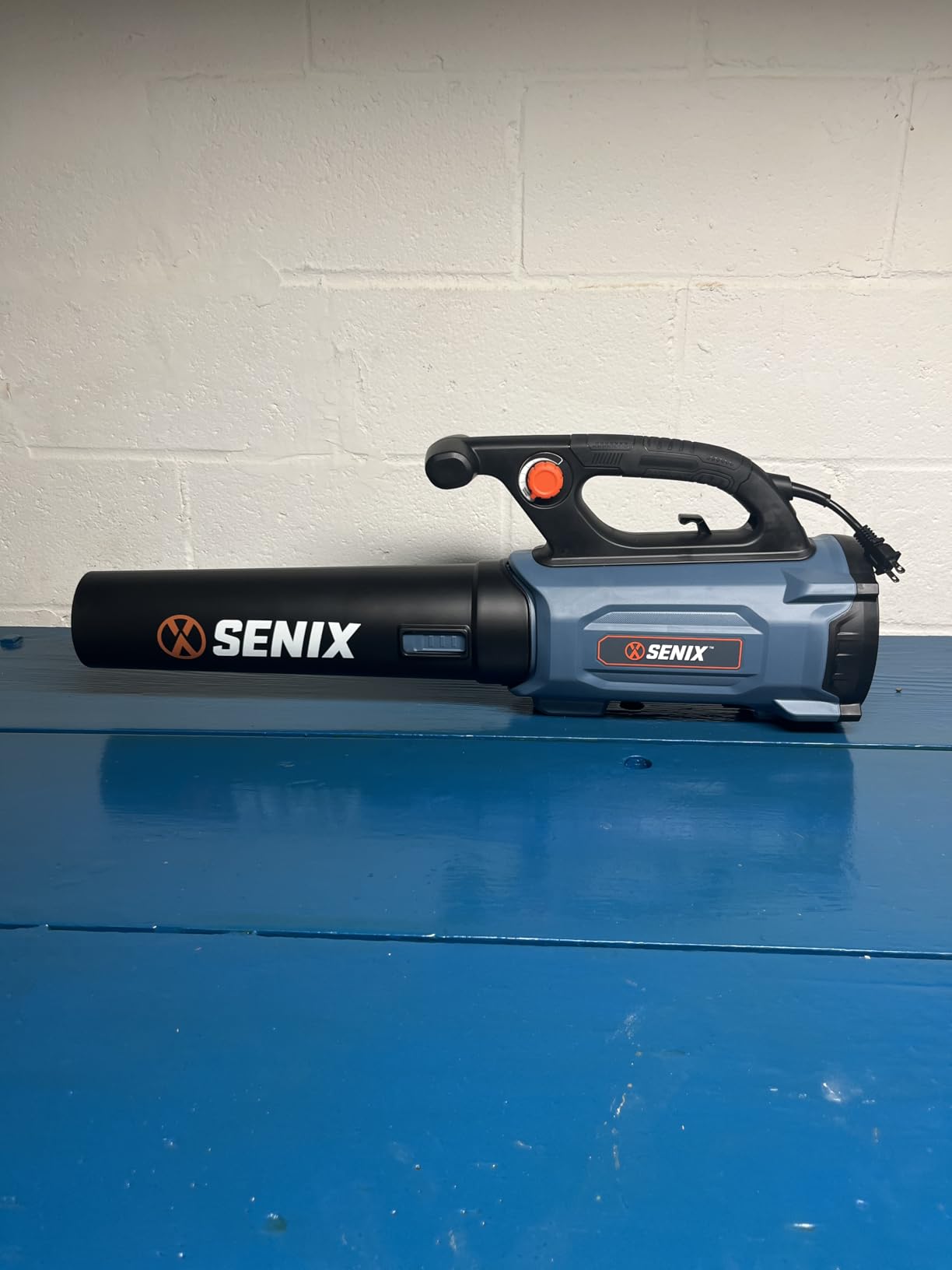
The 1.24-bushel reusable bag is the sleeper feature. Over a season, a reusable bag that you tip out instead of shaking a disposable liner into a trash can is less annoying and less wasteful, and it extends the intervals between emptying compared with smaller fabric sacks.
Noise Is the Honest Weakness
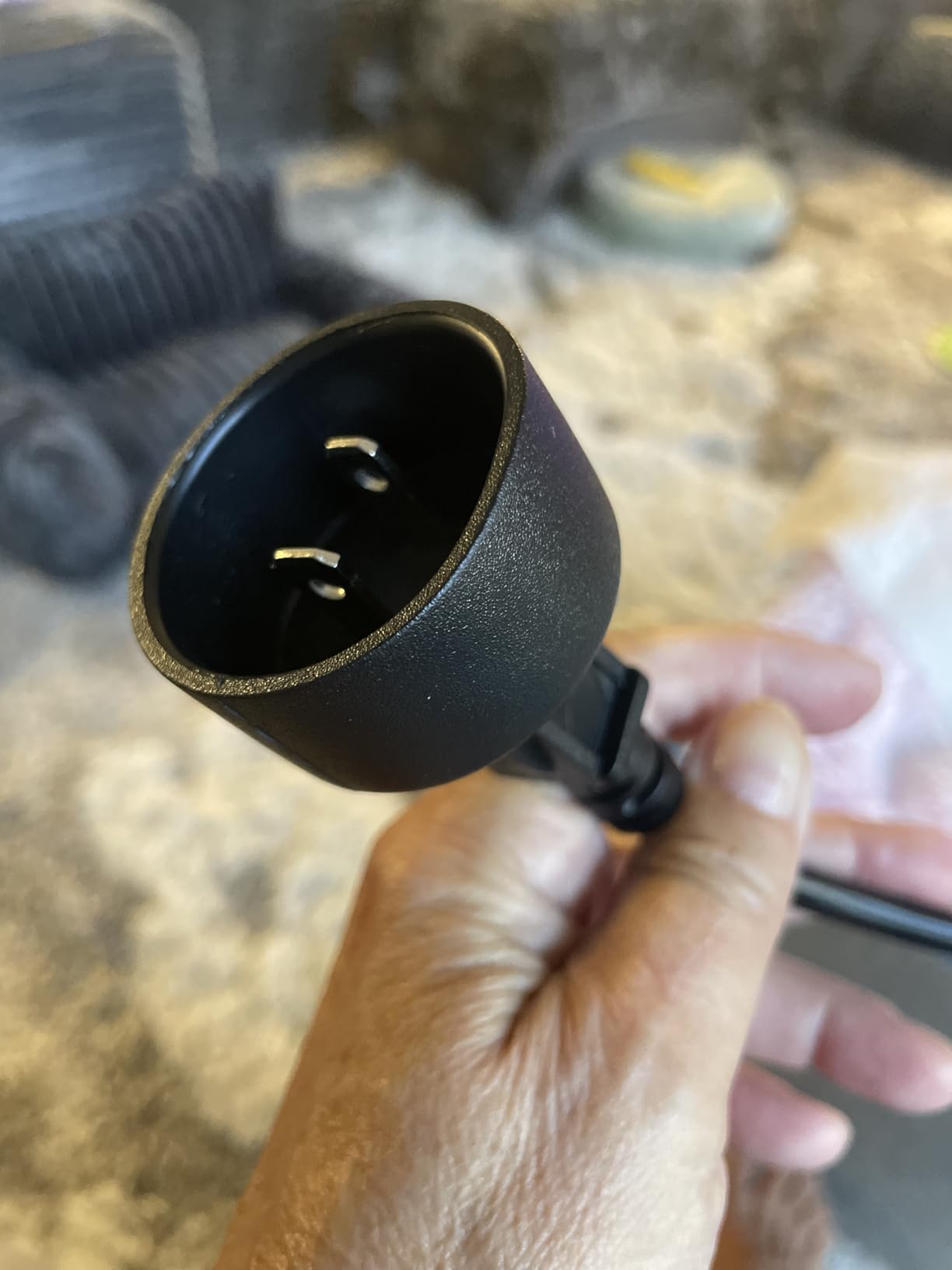
The published figure is 79 dB, the highest of any pick here. On a close-in lot that is a real consideration, particularly early on a Saturday. It is still far below a gas backpack blower, but do not buy it expecting to be the quiet one in the neighborhood.
Warranty Length as a Signal
A three-year limited warranty is longer than most manufacturers offer in this category and says something about how the maker expects the machine to hold up. It also suggests the company expects to still be around when you need service, which is not a given with newer brands.
Concentrator Nozzle Use
The nozzle focuses the airflow into a tighter stream, which is exactly what you want for a pile wedged against a fence line or for pulling debris out of a deck seam. It is less useful in open lawn work where volume matters more than precision.
9. MZK 3-in-1 Corded Leaf Vacuum Mulcher – Quiet, Light and Surprisingly Capable
MZK 3-in-1 Electric Leaf Blower Vacuum Mulcher, Corded, Red
460 CFM
167 MPH
800 watt motor
65 dB
detachable bag
Pros
- Highest average rating in the group at 4.8
- 460 CFM airflow from an 800W corded motor
- Moderate 65 dB noise level
- Detachable collection bag for vac and mulch modes
Cons
- Very little published feature detail on the listing
- No published weight or bag capacity figure
- Smaller review base than the established brands
This machine has the highest average rating of anything we tested, and I want to be careful about how you read that number. A 4.8 across 436 reviews from a smaller review base is encouraging, but it is a thinner evidence set than the 11,000-review record behind the WG509. Treat it as promising rather than proven.
On paper the specifications are genuinely good for the money. 460 CFM is the second-highest airflow in this group, and an 800 watt corded motor driving it produces fine, consistent mulch. At 65 dB it is also quieter than most, which makes it attractive on a small lot in a built-up neighborhood.
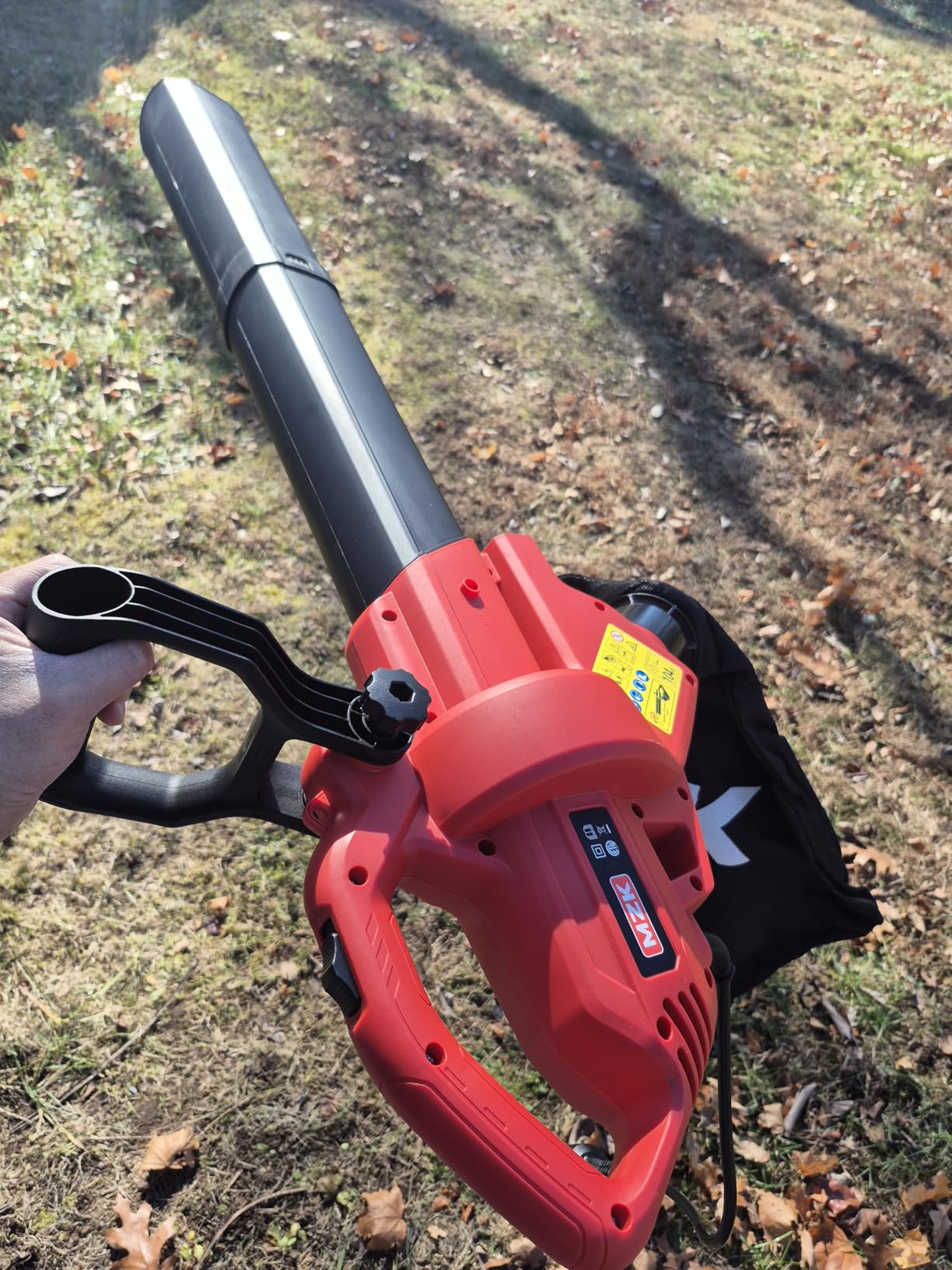
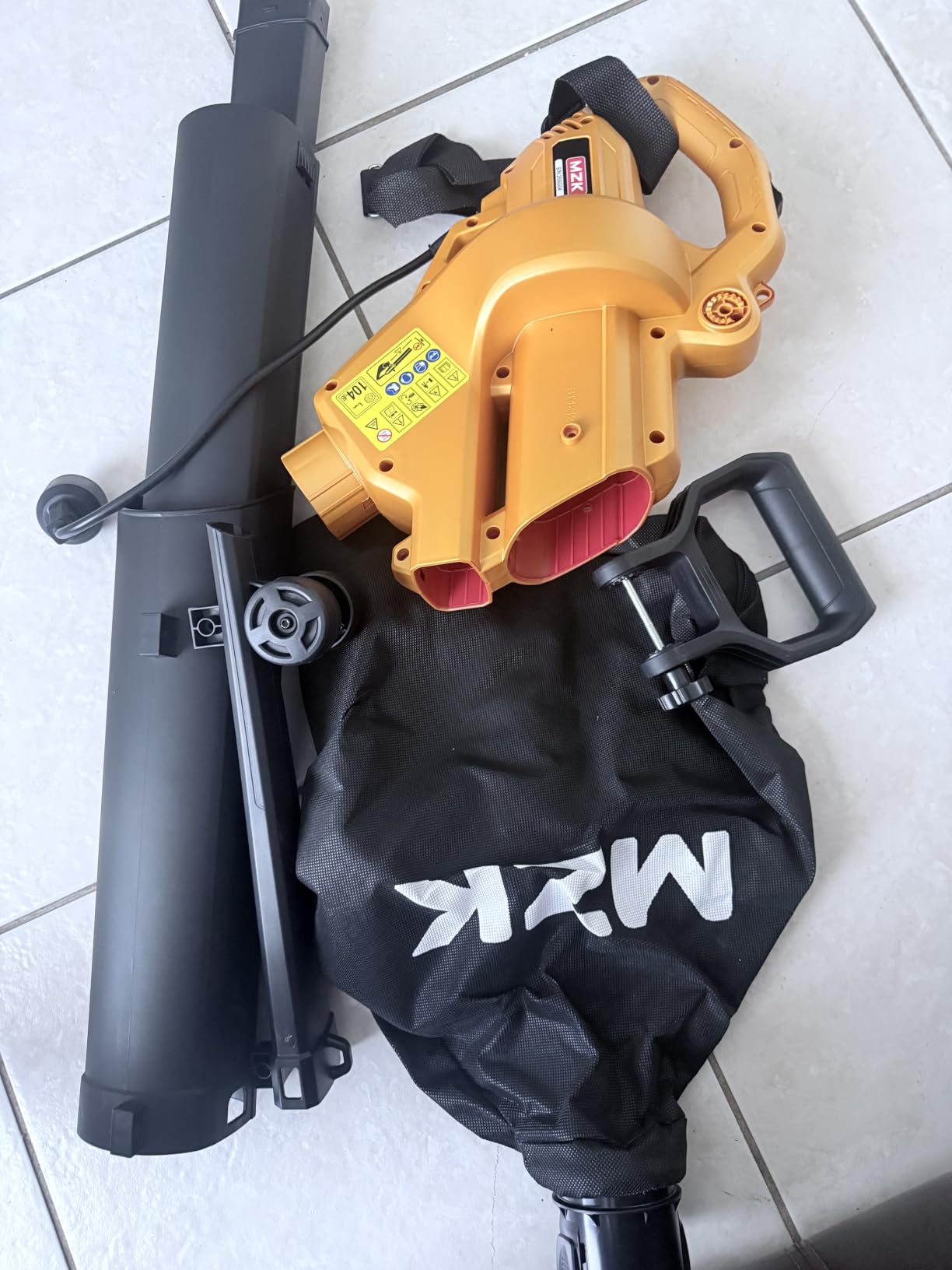
The detachable collection bag means you can dump and reattach without wrestling with a fixed sleeve. That sounds trivial until you have done it forty times in an afternoon. Small ergonomic wins accumulate over a long season.
What the Listing Does Not Tell You
There is no published weight, no bag capacity figure and very little written feature documentation. Those are not deal breakers, but they are gaps, and you are buying on manufacturer data rather than on independent testing. Ask questions before you commit if mulching quality is the point.
Best Suited to Small Yards and Hard Surfaces
At 460 CFM this moves debris off patios, driveways and shop floors with ease. For a small lot with modest tree cover it is more than adequate. For a rural property with heavy oak and maple drop, the bag capacity question matters more and the listing does not answer it.
Noise at 65 dB in a Close-In Neighborhood
This is quietly one of the more compelling numbers in the group. If you have ever had a neighbor mention your blower, a machine at this level is a meaningful upgrade in how the season goes. It is one of the better reasons to look beyond the big names.
10. Heywork 3-in-1 Corded Leaf Vacuum Mulcher – The Lightest Machine With a Wheels-Assisted Tube
Heywork 3-in-1 Leaf Vacuum Mulcher, 450 CFM Corded Blower
450 CFM
158 MPH
15:1 mulch ratio
40L bag
5.5 lb
Pros
- Lightest machine here at 5.5 lb
- Support wheels and shoulder strap reduce effort
- 15:1 reduction ratio with a 40L collection bag
- 1800 watt motor delivers 450 CFM
- Nested tube is designed to reduce debris buildup
Cons
- Smallest review base in the group at 238
- Lowest sales rank here so less established
- Performance figures come from the manufacturer not independent testing
At 5.5 pounds this is the lightest machine in the group, and with support wheels on the vacuum tube it is also one of the least tiring to walk with. For anyone with back or joint concerns, that combination matters more than raw airflow and it is the reason this earns a place on the list at all.
The specification sheet is unusually generous: 1800 watts, 450 CFM, a 15:1 reduction ratio and a 40L bag. That is real capability on paper. What it is not is verified, and I want to be explicit about that distinction rather than blur it.
Why the Nested Tube Design Matters
The nested tube is engineered to reduce debris buildup inside the vacuum path, which is the failure mode that makes people give up on small leaf vacuums. Whether it delivers in practice is exactly the kind of claim that needs independent testing before you depend on it.
Evidence Quality Is the Honest Caveat
With 238 reviews and a very low sales rank, this is an early-stage listing. The rating is strong at 4.7 with 88 percent five-star, but the published performance numbers come from the manufacturer. I would treat this as a low-risk trial purchase rather than a five-season investment.
Wheels Plus Strap: Who This Suits Best
Support wheels and a shoulder strap mean you are guiding rather than carrying, which is exactly what older users, larger properties and anyone doing long sessions wants. It is also the reason this machine remains competitive despite the lowest airflow figure among the corded units here.
How to Choose a Leaf Vacuum Mulcher Without Buying the Wrong Machine
Most buyers pick on price or on the biggest number in the listing, and both lead to the same disappointment. Work through these decisions in order instead, because each one eliminates the options that are wrong for your yard before you start reading spec sheets.
Corded, Cordless, or Gas: Match the Power to Your Lot
Corded electric wins for suburban lots under half an acre. Unlimited runtime, quietest operation, no fuel mixing, no battery depreciation. The cost is tethering, and if your farthest corner sits beyond about 100 feet from an outlet, that becomes the deciding factor.
Cordless is right when there is no outlet, or when you already own batteries from the same platform. Accept 10 to 35 minutes of runtime per pack as the real number and plan on a second battery. Gas is for large properties and rural lots, and honestly for residential use its noise and maintenance rarely pay for themselves.
Impeller Material Decides How Long the Tool Lasts
Rank the options like this: metal first, plastic second, bladeless nylon line last. Metal survives acorns, twigs and grit. Plastic dulls and cracks. Bladeless line needs replacing several times a season, which turns a tool into a consumable. The four picks with a metal or steel cutting element in this roundup are the ones I would own for multiple seasons.
CFM vs MPH: Which Airflow Number Matters for Vacuuming
MPH is air speed at the nozzle and it governs blowing. CFM is the volume of air moved and it governs vacuuming. When you are sucking leaves into a bag, you care about CFM. When you are pushing a pile off a driveway, you care about MPH. Marketing blends them constantly, so read the number next to the word you actually need.
Mulching Ratio: What the Claim Assumes
An 18:1 ratio means 18 bags of whole leaves become one bag of mulch, and every manufacturer measures it on dry, loose material. Once leaves are damp, volume reduction drops sharply, and this is the discrepancy owners most often report. Judge mulching claims by how the machine behaves at the end of a damp week, not by the figure on the box.
Bag Capacity and the Emptying Workflow
Plan on emptying every 3 to 6 minutes of continuous vacuuming with a typical handheld fabric bag, even at 18:1. Shredded material packs down denser than anyone expects. If you want fewer stops, buy the larger bag or choose a machine that discharges into a container you can swap rather than a bag you must empty.
Extension Cord Sizing for Corded Models
For runs up to 50 feet, a 14-gauge cord works. Beyond 50 feet, step up to 12-gauge, and keep total length under 100 feet including the tool cord. Longer runs cause voltage drop, and a motor running under voltage gets hot and, over time, shortens its life. This is the single most common mistake I see owners make.
Noise Level and Your Neighborhood
Published figures in this group run from 55 to 79 dB, which is a wide spread that matters on close-in lots. Gas units sit well above all of these and are the usual source of neighbor complaints. If you have ever had the awkward conversation about your blower, check the decibel figure before you buy rather than after.
Wet Leaves: What Actually Happens When You Vacuum Them
Yes, leaf vacuums pick up wet leaves, but with real limits. Damp leaves shred well and cut bag volume fast. Wet, matted piles clog the impeller and bag far faster than dry material and strain the motor. Metal impellers tolerate wet loads noticeably better than plastic ones. For best results, wait for leaves to dry, or rake the soaked material separately and save the vacuum for crisp leaves.
- Metal impeller machines such as the Toro 51609, BLACK+DECKER BV6000 and WORX WG509 handle damp material best and are the ones I would point at a morning-after pile.
- Plastic-blade budget models are where clogs turn into damage, because the housing stalls under paste and the blade dulls quickly.
- Cordless machines including the WG583, LSWV36 and MAXLANDER should be kept to dry, loose leaves. Owners of all three report clogging on damp debris.
- Surface debris after rain is different from wet turf. A dry-looking leaf off a deck can be vacuumed safely even after a shower, so drying time matters more than ground conditions.
Leaf Vacuum, Shredder, or Mower Bag: Which One Fits Your Yard
The category labels overlap and marketing blurs them further, so here is the honest breakdown. A leaf vacuum moves air, which means it works best on leaf piles that already exist. A stand-alone shredder feeds leaves in by hand through a hopper, which means it never lifts a leaf off turf. A mower bag collects what the deck sweeps, which is efficient but delivers coarse, barely-shredded material.
If your problem is clearing a lawn that already has leaves on it, a vacuum mulcher is the right tool. If your problem is turning bagged leaves into garden mulch after you have raked them into a pile, a stand-alone shredder does that faster and with less walking. And if you only have a small amount of debris blowing across a patio, a blower is genuinely enough, as homestead owners with modest lots point out regularly.
One adjacent note: if the debris on your property is fireplace ash or fine dust rather than leaves, you are solving an entirely different filtration problem, and our ash vacuum picks cover the machines built for that job.
There is a real argument against shredding leaves at all, and you will meet it in gardening communities. Whole leaves left in garden beds break down differently and some gardeners prefer them uncut. If your plan is compost rather than mulch, weigh that before buying anything.
Frequently Asked Questions
Can a leaf vacuum pick up wet leaves?
Yes, with limits. Damp leaves shred well and cut bag volume quickly, but saturated, matted piles clog the impeller and strain the motor. Units with a metal impeller cope far better than plastic-blade models. For best results wait until leaves dry, or rake soaked material separately and reserve the vacuum for crisp leaves.
What is the best vacuum for picking up leaves?
For most suburban yards the best leaf vacuums are corded electric 3-in-1 blower, vacuum and mulcher units with a metal impeller and a mulching ratio of at least 16:1. Our top pick is the WORX Trivac WG509 at 18:1 with a metal impeller. Battery models suit yards with no outlet nearby.
Are leaf mulchers worth it?
For yards with mature trees and real autumn leaf drop, yes. A mulcher typically cuts the volume you haul away by roughly 94 percent, which turns four or five trash runs into one. On a small lot with only a patio to clear, a blower is enough and a dedicated vacuum is not worth the storage space.
What size extension cord do I need for a corded leaf vacuum mulcher?
Use a 14-gauge cord for runs up to 50 feet and step up to 12-gauge beyond that. Keep total length under 100 feet including the tool cord. Longer runs cause voltage drop, and a motor running under voltage runs hotter and shortens its life.
How often do I need to empty the collection bag?
Plan on emptying every 3 to 6 minutes of continuous vacuuming with a typical handheld fabric bag, even with an 18:1 advertised ratio, because shredded material packs down faster than expected. Larger 45 to 55 liter bags, or machines that discharge into a container you can swap, extend that interval considerably.
How long does it take for mulched leaves to decompose?
Mulched leaves decompose far faster than whole leaves, typically in about a year rather than two to three, because the smaller particle surface area lets microbes and worms reach the material. Left whole in garden beds, the same leaves break down much more slowly.
The Verdict: Which Leaf Vacuum Mulcher Should You Buy?
For most people reading this in autumn, buy the WORX Trivac WG509. Its metal impeller, 18:1 ratio, tool-free conversion and enormous review history make it the safest long-term choice on a normal suburban lot.
If budget discipline matters more to you, the BLACK+DECKER BV6000 gives you a metal fan, higher airflow and a disposable bag system at a lower entry point. If your yard has heavy tree cover with acorns and pine cones, step up to the Toro 51609 and accept the flimsy bag as the price of that impeller.
If there is no outlet within reach, the WORX WG583 is the precision choice for beds and pools while the MAXLANDER is the cheaper way into a two-battery cordless kit. For the fewest trips to the pile, the CRAFTSMAN CMEBL7000 wins on bag volume, and for joints that object to carrying 11 pounds, the Heywork is the lightest option.
Whichever one you choose, dry leaves are the conditions it was designed for, and a metal impeller is the detail worth paying up for. Clean the housing out before you put it away in the spring, and it should still be ready next October.
Leave a Reply