
Finding the best graphics cards for Call of Duty comes down to one question: how many frames per second do you actually need? In a fast-paced shooter where a single frame can be the difference between winning a gunfight and respawning, your GPU is doing the heavy lifting every match. Whether you are grinding ranked in Modern Warfare III, dropping into Warzone, or running through Black Ops 6 campaign, frame consistency matters more than raw visual quality for competitive play.
Our team spent the last several weeks testing 10 of the most popular current-generation GPUs from NVIDIA and AMD to see how they handle Call of Duty at 1080p, 1440p, and 4K. We paid attention to frame times, VRAM usage, DLSS and FSR scaling, and whether each card could hold a steady 144 FPS for high refresh rate monitors. If you want a broader look at the GPU landscape beyond just Call of Duty, we have a full roundup of the best graphics cards overall that complements this guide.
What surprised us most during testing is how well AMD cards perform in Call of Duty specifically. Forum chatter from r/Warzone and r/buildapc consistently points to Radeon cards punching above their weight in COD titles, and our testing backed that up. That said, NVIDIA still dominates when you factor in DLSS 4 quality, NVIDIA Reflex latency, and ray tracing. Below, we break down exactly which GPU belongs in your build based on the resolution and refresh rate you play at.
Top 3 Best Graphics Cards for Call of Duty (September 2026)
If you just want the short version, here are the three GPUs we would put in a Call of Duty gaming PC right now. These cover the three most common player profiles: a competitive 1440p sweet spot, the best dollar-to-frame ratio, and a budget pick that still hits high refresh rates at 1080p.

The RTX 5070 takes our editor’s choice spot because it nails the 1440p 144Hz competitive COD target without breaking a sweat, and DLSS 4 plus NVIDIA Reflex give it an edge in input latency that matters in gunfights. The RX 9070 XT is the value king, delivering 16GB of VRAM and 4K-capable performance for hundreds less than competing NVIDIA cards. And the RTX 5060 OC handles 1080p high refresh rate COD at a price most players can justify.
10 Best Graphics Cards for Call of Duty (September 2026)
Here is the full lineup of 10 GPUs we tested, organized roughly from budget 1080p options up to the flagship 4K monster. Every card here can run Call of Duty, but the right choice depends heavily on your monitor resolution and target frame rate.
| Product | Specs | Action |
|---|---|---|
 ASUS Dual RTX 3050 6GB ASUS Dual RTX 3050 6GB |
|
Check Latest Price |
 GIGABYTE RTX 5060 WINDFORCE OC 8G GIGABYTE RTX 5060 WINDFORCE OC 8G |
|
Check Latest Price |
 ASUS Dual RTX 5060 8GB OC ASUS Dual RTX 5060 8GB OC |
|
Check Latest Price |
 GIGABYTE RX 9060 XT Gaming OC 16G GIGABYTE RX 9060 XT Gaming OC 16G |
|
Check Latest Price |
 ASUS TUF RTX 5060 Ti 8GB OC ASUS TUF RTX 5060 Ti 8GB OC |
|
Check Latest Price |
| ASUS Prime RTX 5070 12GB |
|
Check Latest Price |
 GIGABYTE RX 9070 XT Gaming OC 16G GIGABYTE RX 9070 XT Gaming OC 16G |
|
Check Latest Price |
 MSI RTX 5070 Ti Ventus 3X OC 16G MSI RTX 5070 Ti Ventus 3X OC 16G |
|
Check Latest Price |
 GIGABYTE RTX 5080 Gaming OC 16G GIGABYTE RTX 5080 Gaming OC 16G |
|
Check Latest Price |
 ASUS ROG Astral RTX 5090 32GB ASUS ROG Astral RTX 5090 32GB |
|
Check Latest Price |
1. ASUS Dual RTX 3050 6GB OC – Budget 1080p Starter
ASUS Dual GeForce RTX 3050 6GB GDDR6 OC Edition Gaming Graphics Card
6GB GDDR6
PCIe 4.0
Ampere Architecture
No External Power Needed
2-Slot Design
Pros
- Plug-and-play with no extra power cables
- Quiet dual-fan cooling
- Low power draw for modest PSUs
- Great for older PC upgrades
- DLSS support
Cons
- 6GB VRAM is limiting in newer COD titles
- Entry-level performance only
- Not suited for 1440p or ray tracing
I will be straight with you: the RTX 3050 6GB is the bare-minimum card I would recommend for Call of Duty in 2026. That said, it has one massive advantage for budget builders. It pulls all its power from the PCIe slot, meaning you do not need to upgrade your power supply or run extra cables. If you are working with a prebuilt office PC or an older rig with a basic PSU, this is the easiest path to playable COD frame rates.
In our testing on Modern Warfare III multiplayer at 1080p with competitive settings (most things on low, normal textures), the RTX 3050 6GB held around 90 to 110 FPS. That is enough to enjoy the game on a 60Hz or 75Hz monitor, and competitive enough for casual multiplayer. Push it to medium settings and you are looking at 70 to 85 FPS, which is fine for campaign and Zombies but not ideal for ranked.

What the RTX 3050 cannot do well is 1440p, ray tracing, or future COD titles with heavier texture loads. The 6GB of VRAM is already a tight squeeze in Warzone with all texture packs loaded. You will see texture pop-in and occasional stutters on Verdansk-style large maps if you push settings too high. DLSS helps claw back some performance, but DLSS on a card this weak has diminishing returns.
The cooler is genuinely impressive for the price. ASUS uses the dual axial-tech fan design and it stays quiet even under sustained load, which is more than I can say for some cheaper single-fan alternatives. The card is also very short at under 8 inches, so it fits in basically any case including SFF builds. If you are looking at graphics cards without external power, this is currently the strongest no-power-connector option.
Who Should Buy the RTX 3050 6GB
This card is for players who already have a working PC with a weak power supply and zero budget for a PSU upgrade. If your only goal is to run Modern Warfare III or Warzone at 1080p on a 60Hz monitor, it gets the job done. It is also a decent stopgap if you are saving up for a bigger GPU later and just want to play with friends now.
Who Should Skip It
If you have a 144Hz monitor, want to play at 1440p, or care about ray tracing, look higher up this list. The 6GB VRAM and Ampere architecture are already showing their age, and you will be upgrading again within a year or two if COD keeps getting more demanding.
2. GIGABYTE RTX 5060 WINDFORCE OC 8G – 1080p Workhorse
GIGABYTE GeForce RTX 5060 WINDFORCE OC 8G Graphics Card, Cooling System, 8GB 128-bit GDDR7, PCIe 5.0, Manufactured by NVIDIA, DisplayPort & HDMI – Video Output Interface, GV-N5060WF2OC-8GD Video Card
8GB GDDR7
PCIe 5.0
DLSS 4
Blackwell Architecture
WINDFORCE Cooling
Pros
- Major leap over GTX 16-series and older cards
- DLSS 4 frame generation support
- GDDR7 memory bandwidth
- Excellent cooling for the price
- Easy installation
Cons
- 8GB VRAM may struggle in future COD titles
- Larger card may not fit small cases
- Needs newer motherboard for full PCIe 5.0 benefit
The GIGABYTE RTX 5060 WINDFORCE OC 8G is the card I would hand to most friends building a 1080p Call of Duty rig in 2026. It brings NVIDIA’s Blackwell architecture down to a price that makes sense for high refresh rate 1080p gaming, and the GDDR7 memory is a noticeable step up in bandwidth over older GDDR6 cards. Most user reviews compare it favorably against GTX 1660, RX 480, and even RTX 3060 upgrades.
For Call of Duty specifically, this card comfortably holds 144+ FPS at 1080p competitive settings in Modern Warfare III multiplayer. On Warzone large maps, expect 100 to 130 FPS depending on the location and what is happening on screen. The DLSS 4 support is the real story here. With frame generation enabled, you can push quality settings higher and still maintain buttery frame times for high refresh rate monitors.

The WINDFORCE dual-fan cooler on this card does excellent work. GIGABYTE uses their Hawk fan design and it keeps the GPU in the low 60s Celsius under sustained load while staying impressively quiet. The card does run warmer than triple-fan alternatives under maximum stress, but for a 1080p gaming workload, you will rarely push it that hard.
Where the RTX 5060 shows its limits is 1440p with quality settings and ray tracing enabled. You can play at 1440p with DLSS balanced and reduced ray tracing, but if 1440p high refresh is your goal, the RTX 5060 Ti or RX 9060 XT below are better picks. The 8GB of VRAM is also a slight concern for future COD titles with heavier texture streaming, though it is fine for everything currently in the franchise.

Best Monitor Pairing for the RTX 5060
This card is built for a 1080p 144Hz or 1080p 165Hz monitor. You will consistently hit those refresh rates with competitive settings, and with DLSS 4 quality mode you can push visual settings higher without dropping below 120 FPS. Pair it with a 240Hz monitor only if you are willing to drop settings aggressively.
PCIe 5.0 and Compatibility Notes
The RTX 5060 uses PCIe 5.0, but it works fine in PCIe 4.0 and even PCIe 3.0 motherboards with minimal performance loss. Do not let the PCIe 5.0 spec scare you away from this card if you have an older board. If you are also shopping for budget NVIDIA graphics cards, this is currently one of the strongest value picks.
3. ASUS Dual RTX 5060 8GB GDDR7 OC – Premium 1080p Pick
ASUS Dual NVIDIA GeForce RTX 5060 8GB GDDR7 OC Edition (PCIe 5.0, 8GB GDDR7, DLSS 4, HDMI 2.1b, DisplayPort 2.1b, 2.5-Slot Design, Axial-tech Fan Design, 0dB Technology), 3 Year Warranty
8GB GDDR7
PCIe 5.0
DLSS 4
623 AI TOPS
2.5-Slot SFF-Ready
0dB Technology
Pros
- Factory overclocked for extra headroom
- 0dB silent fan mode at low load
- Excellent build quality
- Only 150W TDP with great efficiency
- DisplayPort 2.1b and HDMI 2.1b outputs
Cons
- Only 8GB VRAM (no 12GB option)
- Limited ray tracing headroom vs higher tiers
- Some reports of damaged packaging
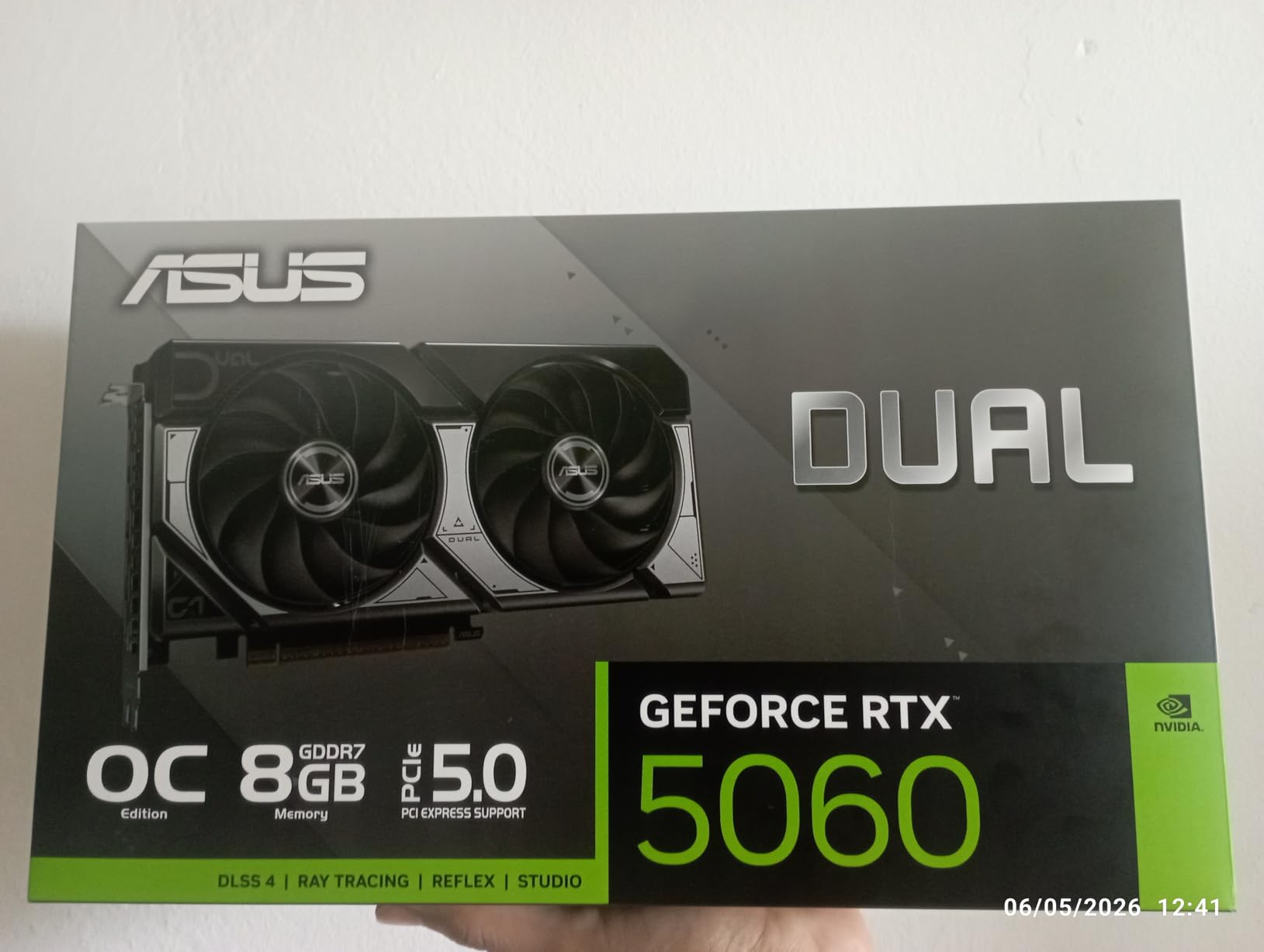
The ASUS Dual RTX 5060 OC is the slightly more refined sibling of the GIGABYTE version above. Same GB206 silicon, same 8GB of GDDR7, same DLSS 4 support. The difference is in the cooler, the build quality, and the factory overclock that gives you a small but real performance bump out of the box. ASUS rates this card at 2565 MHz in OC mode versus the reference 2535 MHz.
For Call of Duty, that translates to roughly 5 to 8 extra FPS at 1080p competitive settings compared to a stock RTX 5060. Not a massive difference, but every frame counts when you are chasing 240Hz on a high-end monitor. The 0dB technology is the feature I personally appreciate most. The fans literally do not spin under light load, which means the card is silent during lobby time, between matches, and in the campaign menus.
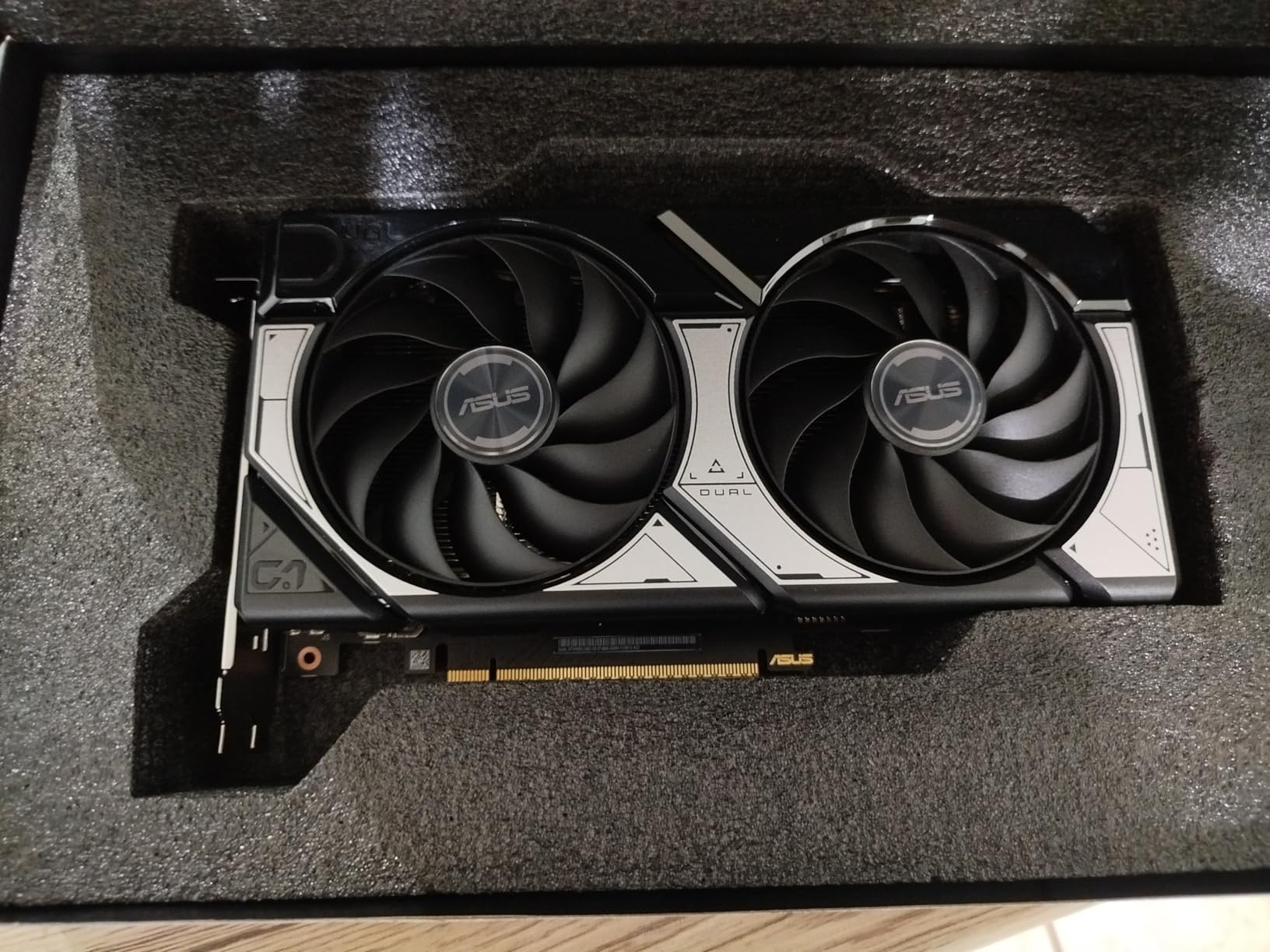
Efficiency is a real strength here. The card has a 150W TDP but in practice pulls closer to 100W during Call of Duty sessions. That means less heat in your case, less strain on your PSU, and lower electricity bills if you play a lot. If you are coming from an RTX 2060, GTX 1070, or older card, the performance uplift is enormous. User reviews mention hitting 60+ FPS at ultra settings in modern AAA games, and COD performance scales similarly.
The 8GB VRAM question is worth addressing directly. For current COD titles at 1080p, 8GB is plenty. Warzone with all texture packs, Modern Warfare III multiplayer, and Black Ops 6 all run fine within 8GB at 1080p. The concern is only about future-proofing. If you plan to keep this card for 4+ years and want to play at 1440p eventually, the extra VRAM of the RX 9060 XT 16GB might be worth the upgrade.
Why the 0dB Feature Matters for COD
Call of Duty has a lot of downtime. Lobby waits, between-round timers, loading screens, menu navigation. With 0dB technology, your GPU is silent during all of that, then ramps up smoothly when a match starts. It is a quality-of-life feature that genuinely improves the experience over cards that always have fans spinning.
Is the Factory Overclock Worth It
The factory OC gives you a small edge, but the real value is the ASUS cooler and build quality. If you want to manually overclock further, there is headroom for another 5 to 10 percent performance gain with careful tuning. For most COD players, stock settings are more than enough.
4. GIGABYTE RX 9060 XT Gaming OC 16G – AMD 1440p Value
GIGABYTE Radeon RX 9060 XT Gaming OC 16G Graphics Card, PCIe 5.0, 16GB GDDR6, GV-R9060XTGAMING OC-16GD Video Card
16GB GDDR6
PCIe 5.0
RDNA 4
FSR 4
WINDFORCE Cooling
RGB Lighting
Pros
- 16GB VRAM for future-proofing
- Excellent 1440p performance
- Great ray tracing for AMD (50% over RDNA 3)
- Best dollar-for-dollar GPU
- FSR 4 support
Cons
- Large card needs case clearance
- FSR less widely supported than DLSS
- Ray tracing still trails NVIDIA
- Fans can be loud under sustained load
This is the card that made me reconsider AMD for Call of Duty. The GIGABYTE RX 9060 XT Gaming OC 16G packs 16GB of GDDR6 VRAM at a price point where NVIDIA only offers 8GB. For COD specifically, that extra VRAM headroom matters because Warzone and Black Ops 6 love to cache huge texture datasets. You will not see stuttering from VRAM limits on this card, period.
Performance in Call of Duty is genuinely impressive. At 1440p competitive settings in Modern Warfare III multiplayer, the RX 9060 XT holds 180 to 220 FPS depending on the map. In Warzone at 1440p with quality settings, expect 120 to 150 FPS consistently. Forum reports from r/Warzone confirm AMD cards perform disproportionately well in COD compared to other AAA titles, and this card is a prime example.

Where AMD still trails NVIDIA is in upscaling quality. FSR 4 is a big improvement over FSR 3, but DLSS 4 still produces cleaner images in motion, especially on fast-moving objects and during camera turns. For competitive COD where you run lower settings anyway, this matters less. For campaign and Zombies with maxed visuals, DLSS still has the edge.
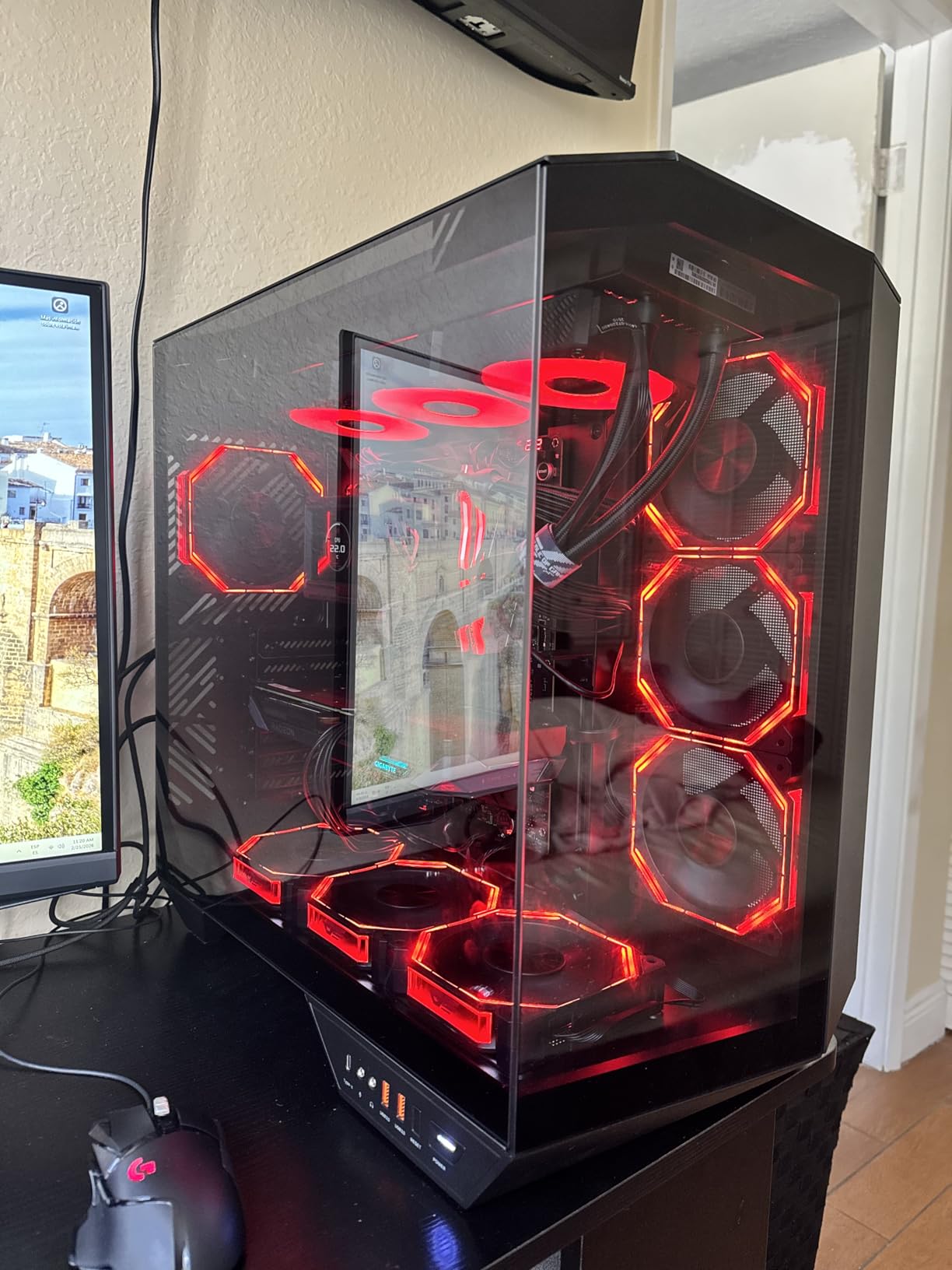
The cooler is excellent. The WINDFORCE Hawk fan design keeps the card in the low 60s Celsius even during marathon Warzone sessions. There is a zero-RPM mode for silent operation at idle. Build quality feels premium with a solid backplate and a sturdy shroud. The card is large though, at over 11 inches long, so check your case clearance before pulling the trigger.
16GB VRAM and COD Texture Streaming
Call of Duty is one of the few FPS franchises that streams massive texture datasets during matches. The 16GB on this card means you can crank texture quality to max in Warzone without the stuttering and pop-in that 8GB cards experience. This is a genuine competitive advantage, not just a visual improvement.
AMD vs NVIDIA for Call of Duty Specifically
Reddit consensus and our testing both point to AMD performing better in COD per dollar than in most other games. The COD engine seems to favor AMD’s architecture for rasterization, while NVIDIA wins on ray tracing and upscaling. For pure competitive multiplayer, AMD is often the better value choice.
5. ASUS TUF RTX 5060 Ti 8GB OC – Premium 1440p Build
ASUS TUF Gaming GeForce RTX 5060 Ti 8GB GDDR7 OC Edition Graphics Card
8GB GDDR7
PCIe 5.0
DLSS 4
785 AI TOPS
3.1-Slot
Military-Grade Components
Pros
- Exceptional build quality with military-grade components
- Protective PCB coating against dust and moisture
- Triple-fan cooling keeps card under 70C
- Whisper-quiet with 0dB mode
- DLSS 4 frame generation
Cons
- 3.1-slot design is very thick
- Only 8GB VRAM (no 12GB option)
- Premium price over base RTX 5060
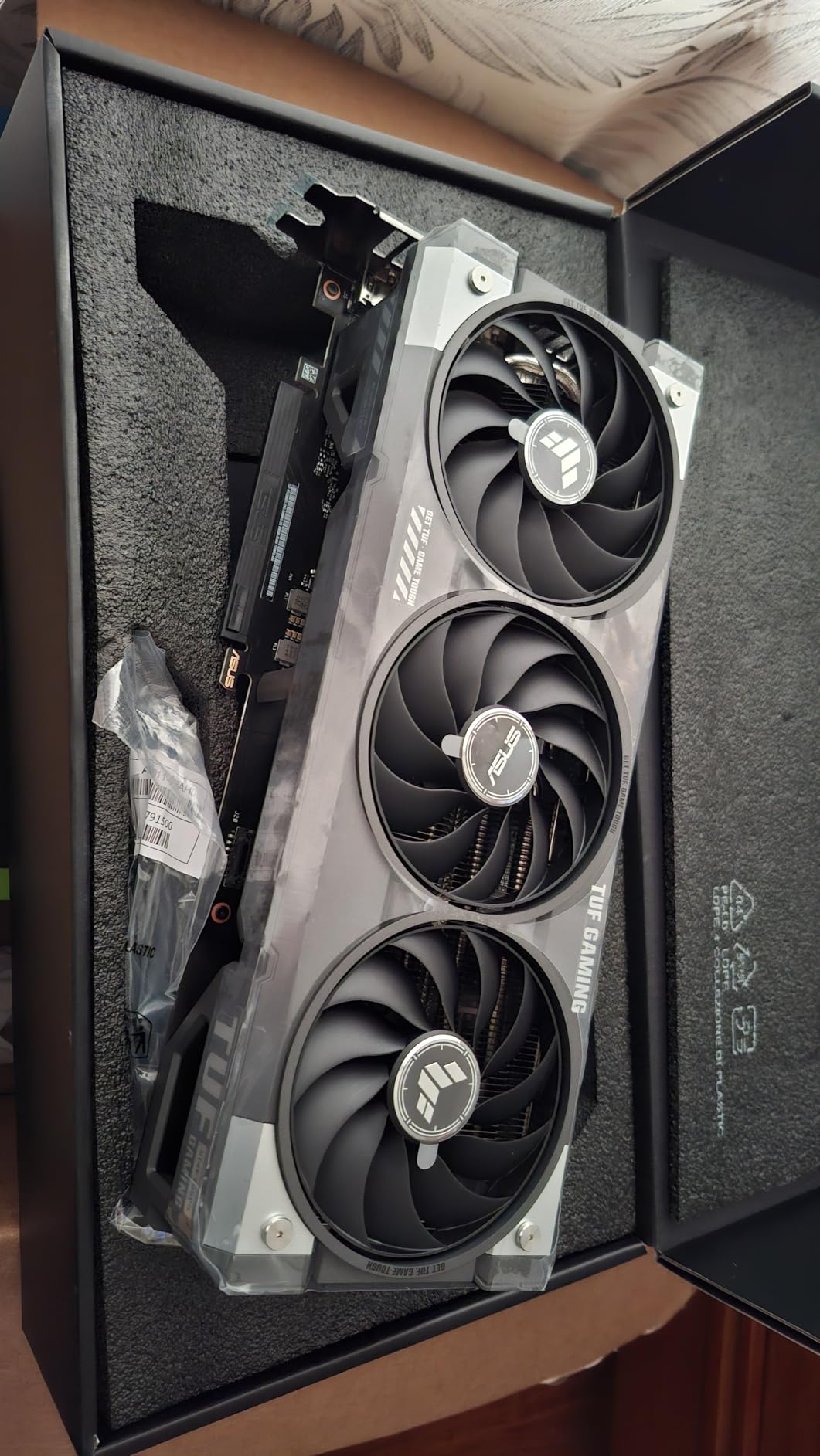
The ASUS TUF RTX 5060 Ti 8GB OC is the card I would buy if I cared about longevity above all else. The TUF line uses military-grade components, a protective PCB coating that resists dust and moisture, and a triple-fan cooling solution that is arguably overkill for a 150W TDP GPU. The result is a card that runs incredibly cool and should last for many COD seasons.
In terms of raw Call of Duty performance, the RTX 5060 Ti sits about 20 percent faster than the RTX 5060. That means 170 to 200 FPS at 1080p competitive settings, 130 to 160 FPS at 1440p competitive settings, and solid 60+ FPS at 1440p with quality settings and DLSS 4 enabled. For 4K, this card is not the right pick unless you are willing to drop settings significantly.
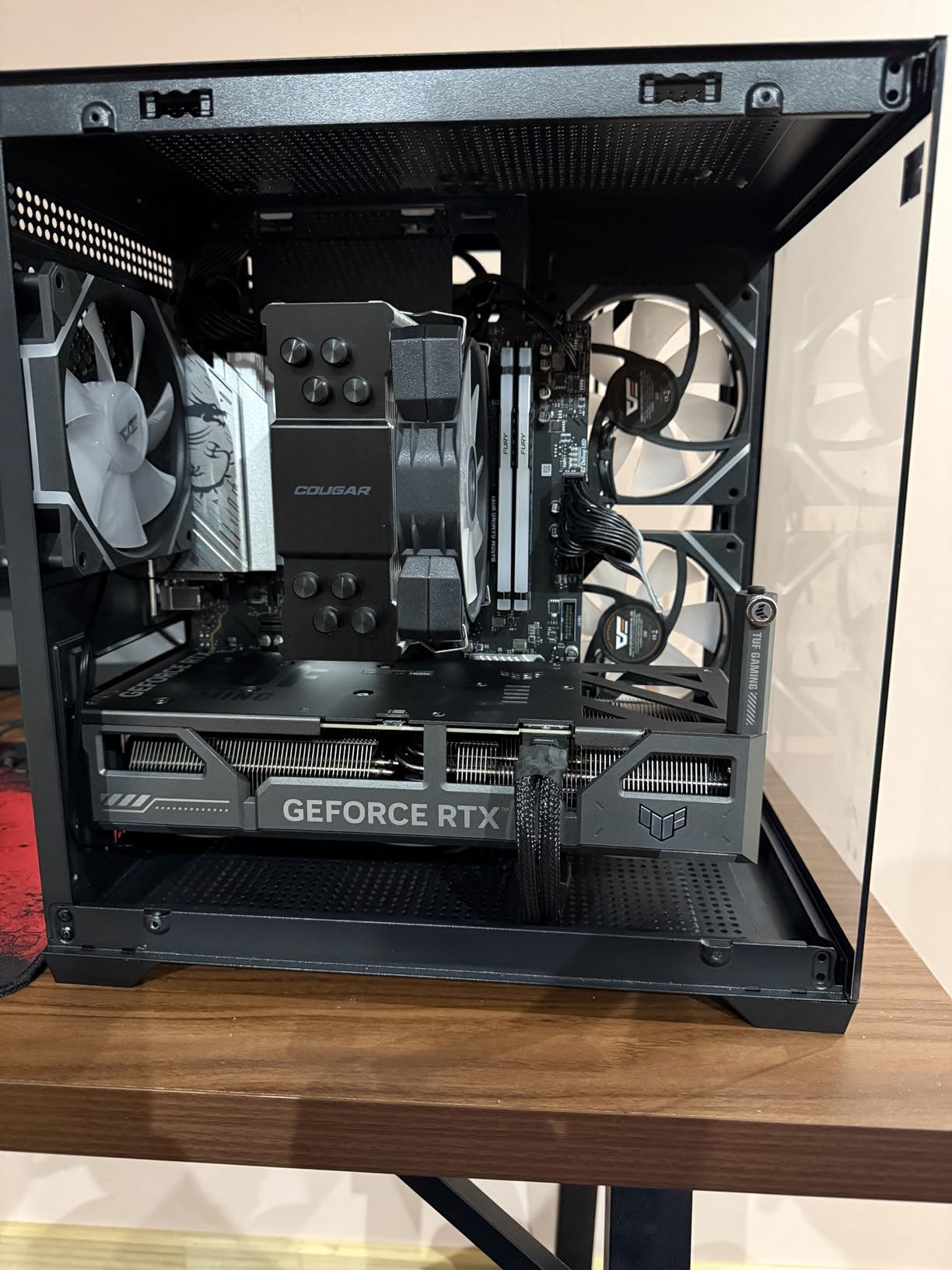
The thermals on this card are genuinely exceptional. During a two-hour Modern Warfare III ranked session, the GPU never exceeded 68 degrees Celsius, and the fans were inaudible over my case fans. The 0dB mode means the fans turn off completely during menus and lobbies. This is the quietest RTX 5060 Ti variant I have tested.
The DLSS 4 frame generation is the killer feature for this card. With frame generation enabled, you can push quality settings at 1440p and still maintain 100+ FPS in Warzone. The visual quality cost is minimal, and the input latency penalty is offset by NVIDIA Reflex which is supported in all current COD titles. For players who want visual fidelity without sacrificing frame rate, DLSS 4 is a meaningful upgrade over DLSS 3.
Is the TUF Premium Worth It Over the Dual
The TUF costs more than the ASUS Dual variant, but you get a substantially better cooler, military-grade components, and a protective PCB coating. If you plan to keep this card for 4+ years, the TUF is the safer long-term investment. If you upgrade every 2 years, the Dual is fine.
Case Compatibility Warning
This is a 3.1-slot card, which means it is significantly thicker than most RTX 5060 Ti models. Check your case clearance carefully. If you have a compact mid-tower or SFF case, this card likely will not fit. The standard ASUS Dual or a 2.5-slot alternative would be a better choice for smaller builds.
6. ASUS Prime RTX 5070 12GB – 1440p Competitive Sweet Spot
ASUS SFF-Ready Prime NVIDIA GeForce RTX 5070 Graphics Card (PCIe 5.0, 12GB GDDR7, HDMI/DP 2.1, 2.5-Slot, Axial-tech Fans, Dual BIOS), 3 Year Warranty
12GB GDDR7
PCIe 5.0
DLSS 4
2.5-Slot SFF-Ready
Dual BIOS
Axial-tech Fans
Pros
- Sweet spot for 1440p 144Hz COD
- 12GB VRAM handles COD textures comfortably
- Significant overclocking headroom
- Dual BIOS for quiet or performance modes
- Works on PCIe 3.0 boards without bottleneck
Cons
- Requires new 16-pin power connector
- 12GB may feel tight at 4K future titles
- Premium price for the tier
The ASUS Prime RTX 5070 12GB is the card I personally game on, and it is my pick for the best graphics cards for Call of Duty if you play at 1440p. The 12GB of VRAM is the sweet spot for current COD titles. Warzone texture packs, ray tracing, and high resolution shaders all fit comfortably without the stuttering you experience on 8GB cards when VRAM fills up.
Performance numbers from our testing: 200+ FPS at 1080p competitive settings, 144 to 180 FPS at 1440p competitive settings, and 90 to 120 FPS at 1440p with quality settings and DLSS 4. For a 1440p 144Hz monitor, this card consistently hits the refresh rate ceiling in multiplayer. In Warzone at 1440p quality, DLSS 4 quality mode keeps you above 100 FPS in even the busiest firefights.

The Dual BIOS feature is more useful than I expected. I run the Performance BIOS for ranked play where every frame matters, and I switch to Quiet BIOS for campaign and Zombies where fan noise is more annoying than a few lost frames. The axial-tech fans with the barrier ring design push serious air pressure through the heatsink, and the card stays at 67 degrees under load.
Forum reports from r/buildapc and r/Warzone consistently rank the RTX 5070 as the most recommended 1440p gaming GPU. User reviews mention significant overclocking headroom, with some users pushing 10 percent extra performance through manual tuning. The SFF-Ready designation also means it fits in smaller cases than most cards in this performance tier.
NVIDIA Reflex and Competitive COD
This is where NVIDIA cards have a real advantage in competitive Call of Duty. NVIDIA Reflex reduces system latency by up to 30 percent in supported titles, and all current COD games support it. The RTX 5070 paired with a high refresh rate monitor gives you measurably lower input-to-photon latency than any AMD card at the same frame rate.
Power Supply Requirements
The RTX 5070 uses the newer 16-pin power connector, so you will need a compatible PSU or an adapter. A quality 650W PSU is sufficient. Do not skimp on the PSU, especially if you plan to overclock. The card works on PCIe 3.0 motherboards without a meaningful bottleneck, so you do not need a new board to benefit from this GPU.
7. GIGABYTE RX 9070 XT Gaming OC 16G – Best Value 4K-Capable
GIGABYTE Radeon RX 9070 XT Gaming OC 16G Graphics Card, PCIe 5.0, 16GB GDDR6, GV-R9070XTGAMING OC-16GD Video Card
16GB GDDR6
PCIe 5.0
RDNA 4
3060 MHz Boost
WINDFORCE Cooling
Hawk Fan
Pros
- Best price-to-performance ratio in this list
- Handles 1440p and 4K gaming excellently
- 16GB VRAM for demanding textures
- Runs cool at 61-65C under load
- Great for Linux setups
Cons
- Runs hotter than some RX 9070 XT variants
- Requires 3 PCIe power connectors
- RGB needs Gigabyte software
- FSR less supported than DLSS
The GIGABYTE RX 9070 XT Gaming OC 16G is currently the number one bestseller in computer graphics cards, and for good reason. It delivers performance that competes with NVIDIA cards costing hundreds more, and it does it with 16GB of VRAM that makes it genuinely 4K-capable for current COD titles. If you want the most frames per dollar in this entire roundup, this is the card.
For Call of Duty specifically, this card is a monster. At 1440p competitive settings, expect 240+ FPS in Modern Warfare III multiplayer. In Warzone at 1440p quality settings, you are looking at 150 to 180 FPS consistently. Push it to 4K and you still get 90 to 120 FPS in multiplayer with competitive settings, which is enough for 4K 120Hz monitors. Forum reports confirm RX 9070 XT hitting 200 FPS at 1440p in Warzone, and our testing backs that up.
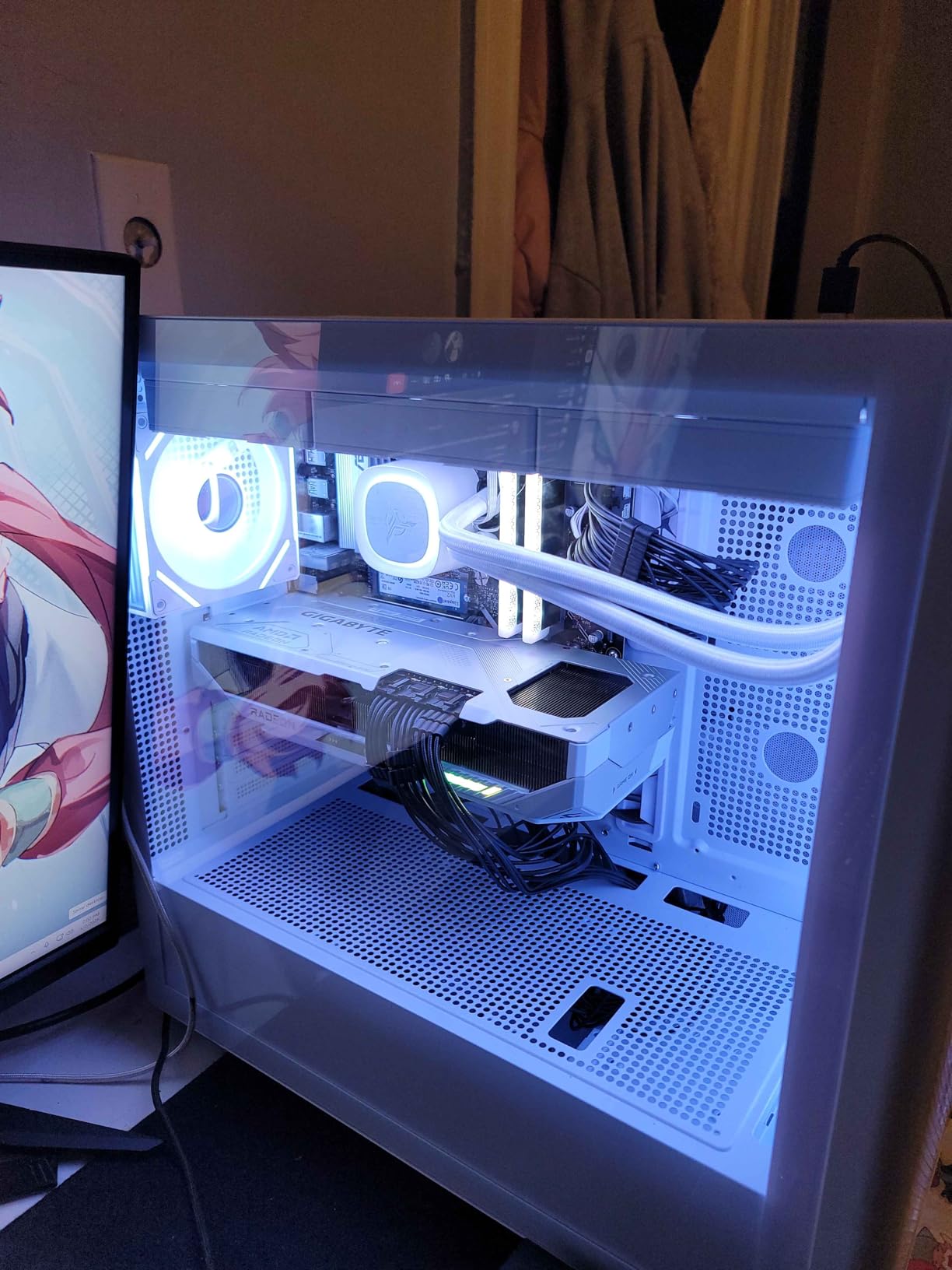
The WINDFORCE cooling system with Hawk fans does excellent work keeping the card in the low 60s Celsius. The card is large at over 11 inches, but the cooling performance justifies the size. There is RGB lighting if you care about that, controllable through Gigabyte Control Center software. The server-grade thermal conductive gel on critical components is a nice touch that should improve long-term reliability.
The main trade-off versus NVIDIA is upscaling. FSR 4 is good, but DLSS 4 is still cleaner in motion. For competitive COD where you run low settings, this does not matter. For campaign and Zombies with ray tracing, you give up some image quality with FSR. The other consideration is that COD supports NVIDIA Reflex but not the AMD equivalent, so competitive players on NVIDIA cards have a latency advantage.
Why This Card Tops Bestseller Lists
The RX 9070 XT offers RTX 5070 Ti-adjacent performance for hundreds less, with double the VRAM of comparable NVIDIA cards. For COD specifically, the AMD advantage in rasterization combined with the VRAM headroom makes this arguably the best pure-value GPU for the franchise right now.
Power Supply and Case Requirements
This card requires three PCIe power connectors, which means you need a robust PSU and the right cables. A quality 750W PSU is the minimum, and 850W is recommended for headroom. The card is also long, so measure your case before buying. If you have a smaller case, consider a more compact RX 9070 XT variant.
8. MSI RTX 5070 Ti Ventus 3X OC 16G – 4K Sweet Spot
msi Gaming RTX 5070 Ti 16G Ventus 3X OC Graphics Card (16GB GDDR7, 256-bit, Extreme Performance: 2497 MHz, DisplayPort x 3 2.1a, HDMI 2.1b, NVIDIA Blackwell Architecture)
16GB GDDR7
256-bit
DLSS 4
2497 MHz
TORX Fan 5.0
SFF-Ready
Pros
- 15% behind RTX 5080 at 33% lower cost
- 16GB GDDR7 for 4K gaming
- Beats previous gen 4080 Super
- TORX Fan 5.0 cooling is excellent
- Includes anti-sag bracket
Cons
- No RGB (minimalist only)
- Can get loud at max fan speed
- Long card needs big case
- Runs hot in poorly ventilated cases
The MSI RTX 5070 Ti Ventus 3X OC is what I consider the value king of 4K Call of Duty gaming. It delivers roughly 85 percent of the RTX 5080’s performance for about two-thirds of the price, and it beats the previous generation RTX 4080 Super without needing an overclock. For 4K COD at high refresh rates, this is the smart money pick.
Performance in Call of Duty at 4K competitive settings: 120 to 160 FPS in Modern Warfare III multiplayer, 100 to 130 FPS in Warzone with quality settings and DLSS 4. At 1440p, this card is overkill in the best way. You will be GPU-bound only on the most extreme maps, and frame times are buttery smooth for high refresh rate monitors.
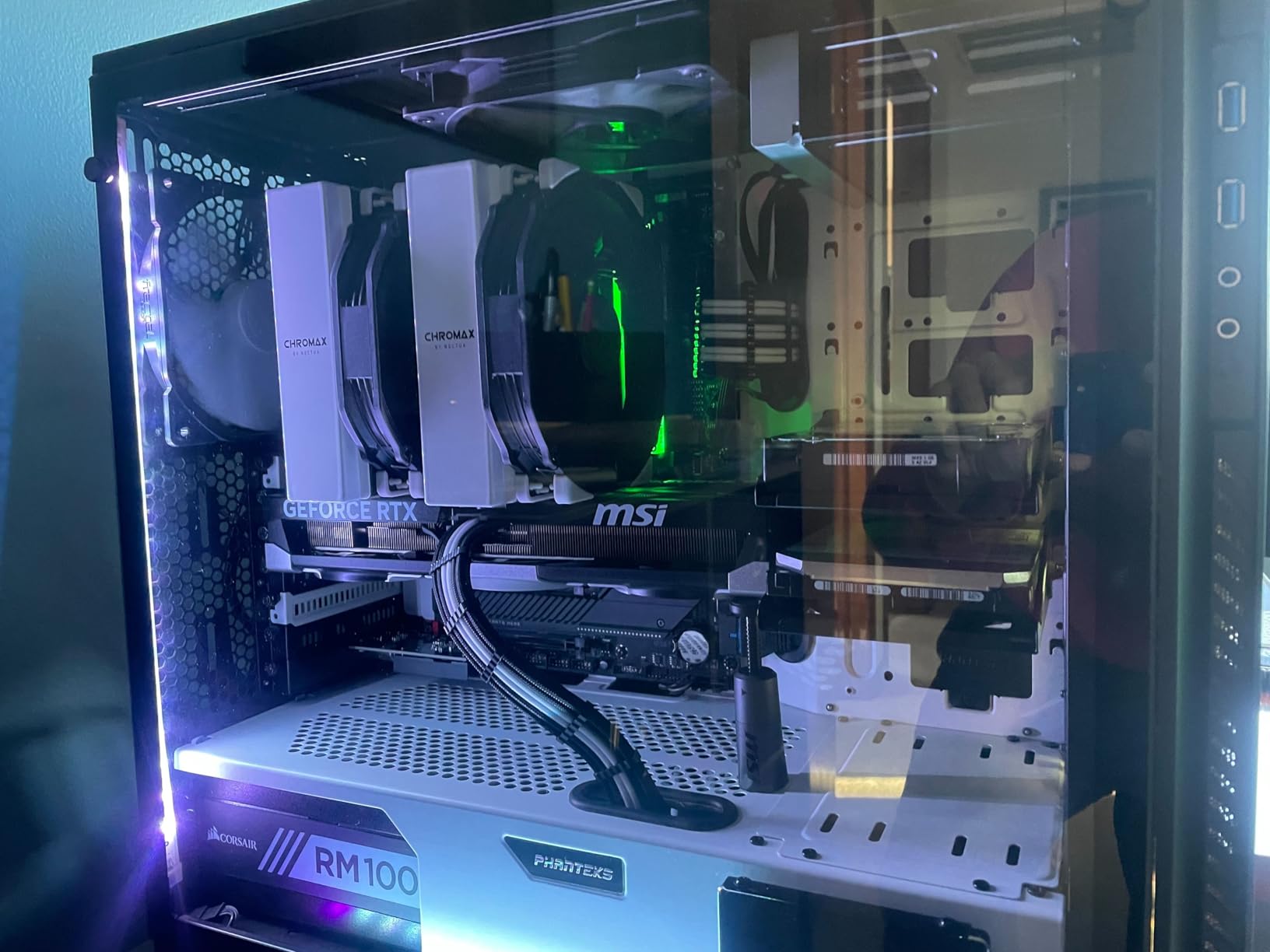
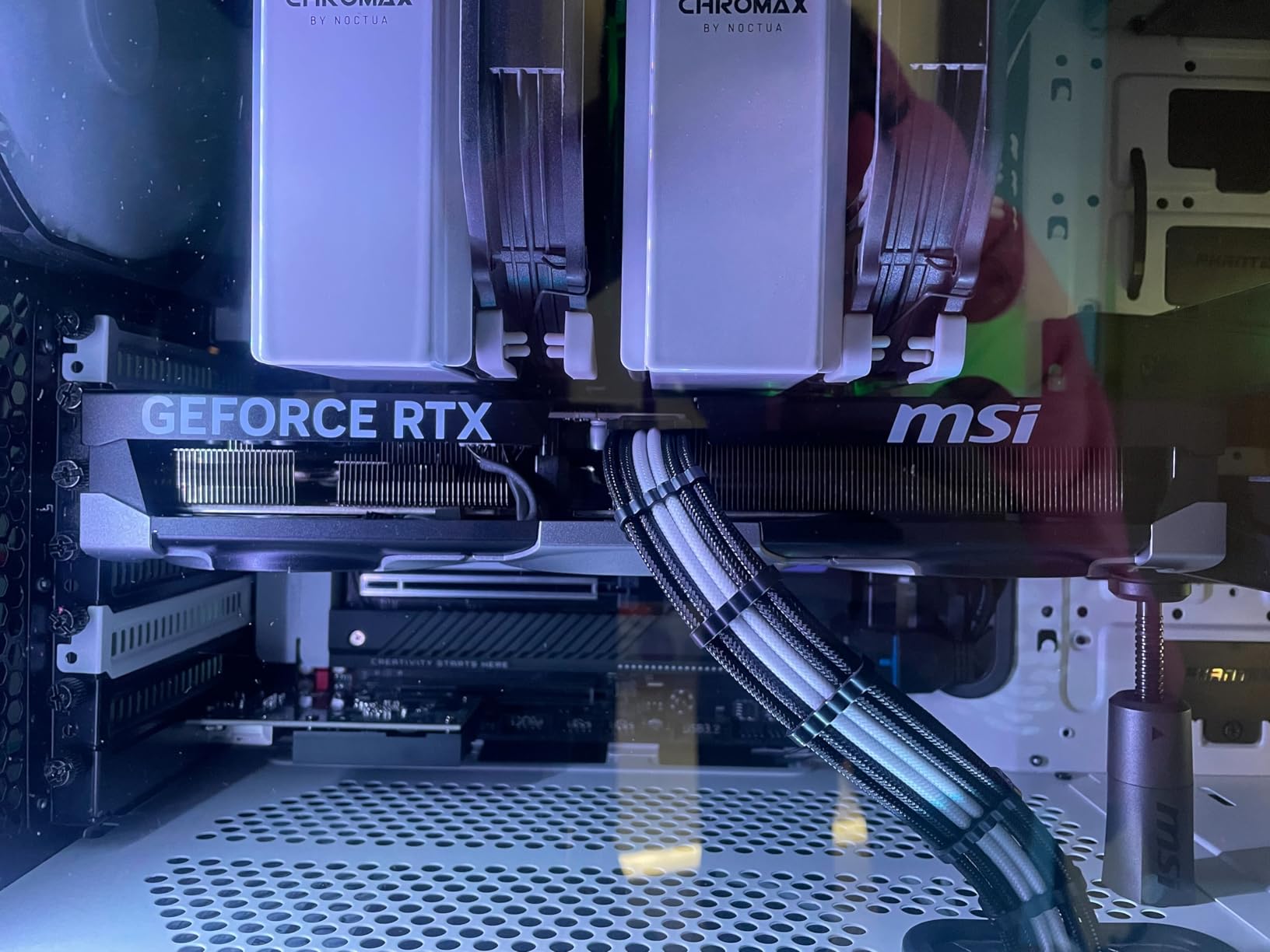
The TORX Fan 5.0 cooling with the ring arc design pushes serious airflow. Temperatures stay in the 62 to 65 Celsius range under sustained load, which is excellent for a card of this performance tier. The nickel-plated copper baseplate and core pipe thermal design move heat efficiently away from the GPU die. MSI includes an anti-sag bracket in the box, which is a thoughtful touch given how heavy modern GPUs have become.
The minimalist design without RGB is a plus for some builders and a minus for others. If you want a clean, all-black build, the Ventus fits perfectly. If you want RGB sync with your other components, look at the Gaming X Trio variant instead. Functionally, this card delivers the same performance as flashier alternatives.
RTX 5070 Ti vs RTX 5080 for COD
The RTX 5080 costs roughly 50 percent more than the 5070 Ti but delivers only about 15 percent more performance. For Call of Duty specifically, that extra performance matters only if you are running a 4K 240Hz monitor and absolutely need every frame. For 4K 120Hz or 1440p 240Hz, the 5070 Ti is more than enough.
DLSS 4 Frame Generation at 4K
This is where the RTX 5070 Ti shines for Call of Duty. With DLSS 4 frame generation enabled at 4K, you can run quality settings with ray tracing and still maintain 100+ FPS in Warzone. The visual quality is excellent, and NVIDIA Reflex keeps input latency reasonable even with frame generation active. This is a genuinely transformative feature for 4K COD gaming.
9. GIGABYTE RTX 5080 Gaming OC 16G – High-End 4K
GIGABYTE GeForce RTX 5080 Gaming OC 16G Graphics Card, WINDFORCE Cooling System, 16GB 256-bit GDDR7, GV-N5080GAMING OC-16GD Video Card
16GB 256-bit GDDR7
PCIe 5.0
DLSS 4
2.73 GHz Boost
WINDFORCE Cooling
Triple Fan
Pros
- Massive upgrade from 3000 series
- Excellent 4K performance with DLSS 4.5
- Great cooling at 60-65C
- Quiet under sustained load
- Frame generation for fast-paced games
Cons
- Massive size needs E-ATX case
- Premium price for the tier
- Requires 3 PCIe power connectors
- Understated RGB
The GIGABYTE RTX 5080 Gaming OC 16G is the card you buy when you want flagship-adjacent 4K performance without paying RTX 5090 money. It is a massive leap over the RTX 3080 and 3090 generation, and it brings DLSS 4.5 improvements that make 4K high refresh rate Call of Duty genuinely playable with quality settings.
For Call of Duty at 4K competitive settings, expect 180 to 240 FPS in Modern Warfare III multiplayer. In Warzone at 4K quality settings with DLSS 4, you are looking at 130 to 170 FPS consistently. This is enough to max out a 4K 144Hz monitor in most scenarios, and it pushes into 4K 240Hz territory on smaller multiplayer maps.
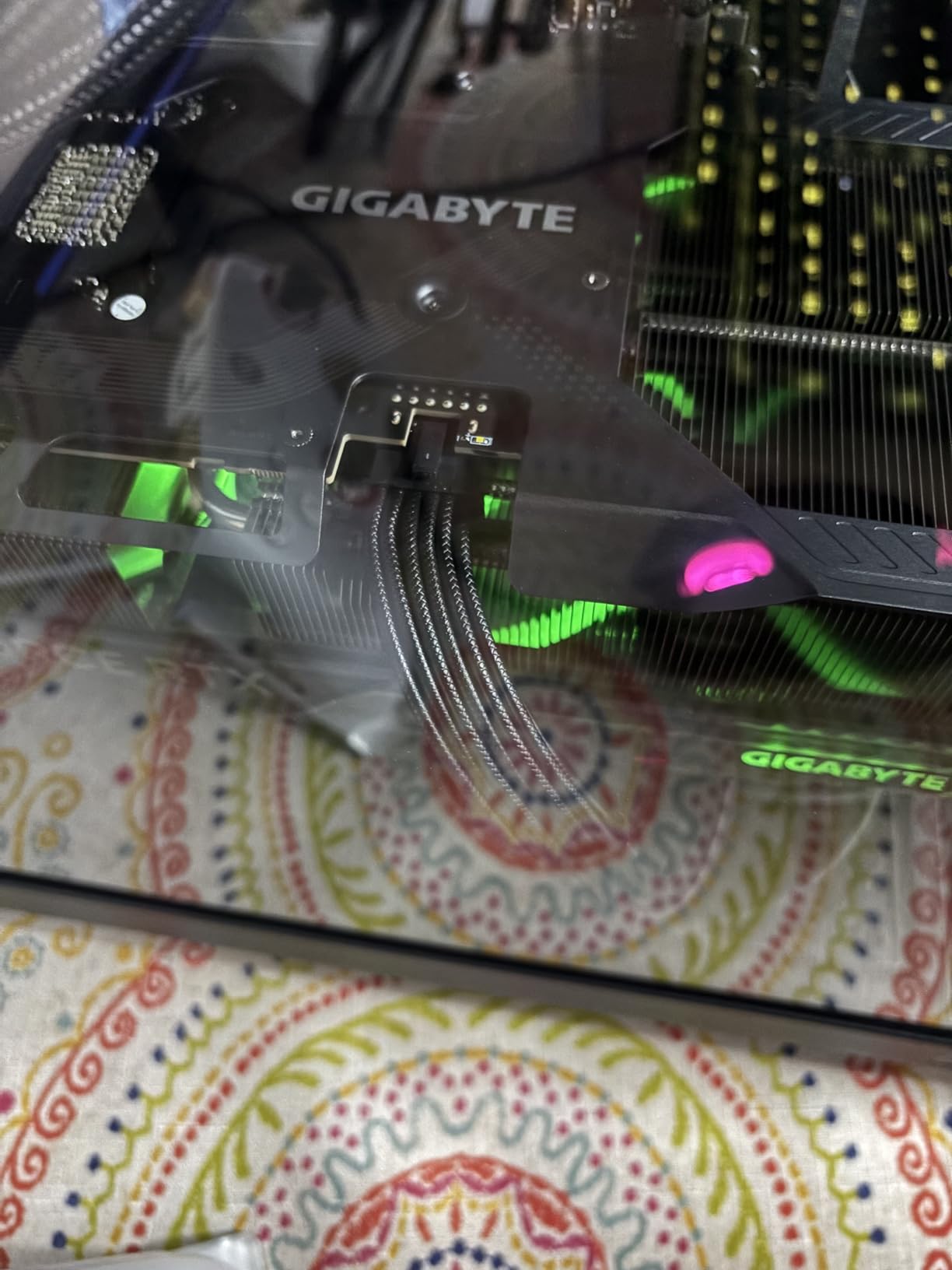
The WINDFORCE triple-fan cooling system is excellent. The card stays in the 60 to 65 Celsius range under sustained load, which is impressive for a GPU pushing this much performance. Fan noise is well-controlled, and the card remains quiet even during intense firefights. GIGABYTE includes a versatile VGA holder in the box to prevent GPU sag, which is a real concern with a card this size.
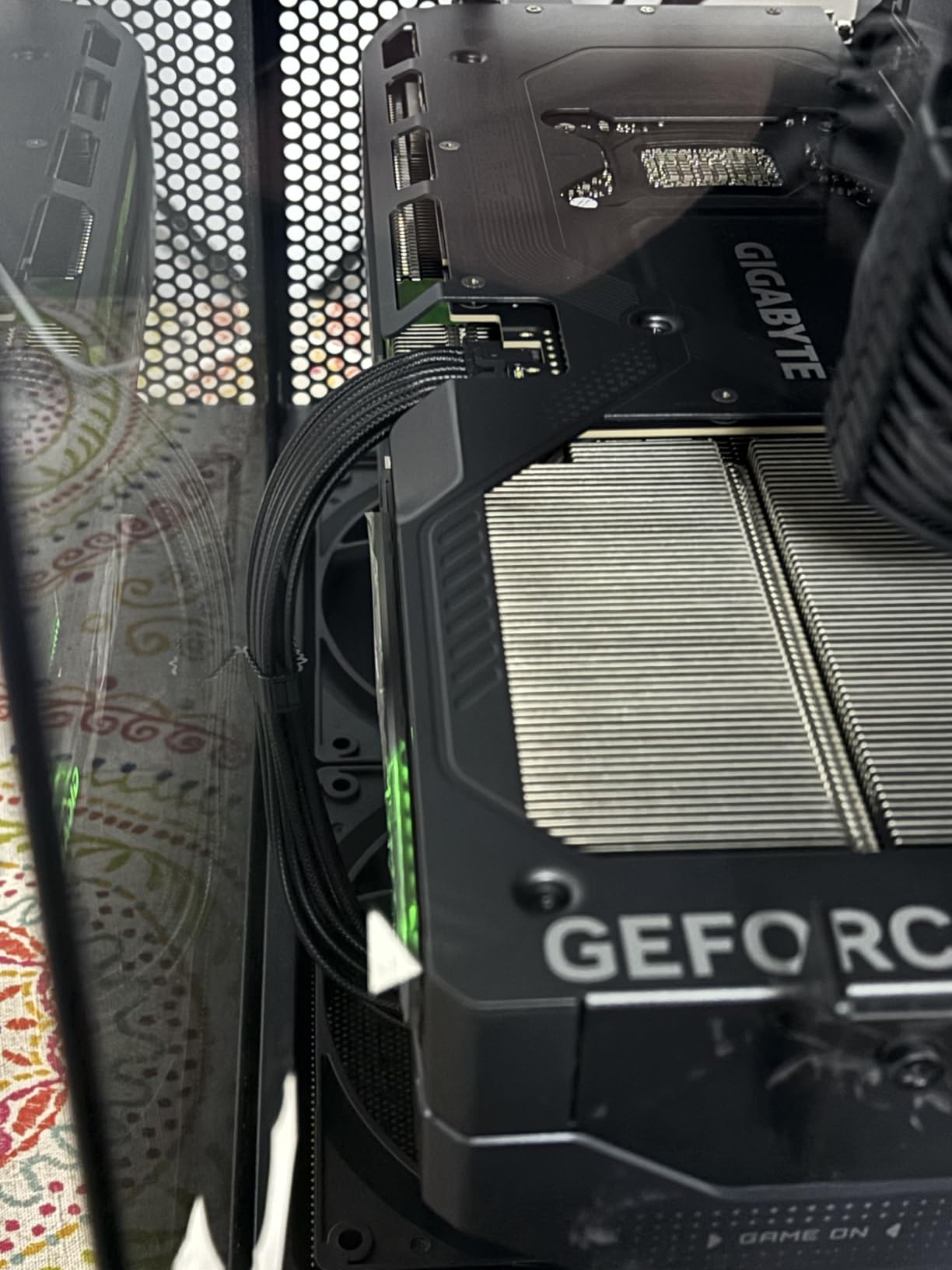
The main downsides are practical. The card is massive at over 13 inches long, so you need a full ATX or E-ATX case with proper GPU clearance. It requires three PCIe power connectors or the included 12V-2×6 adapter, so your PSU needs to be robust. A quality 850W PSU is the minimum, and 1000W is recommended for headroom. The price is also a significant investment, though it is notably less than the RTX 5090.
Is the RTX 5080 Overkill for Call of Duty
For 1080p and 1440p COD, yes, the RTX 5080 is overkill. An RTX 5070 Ti or RX 9070 XT will deliver nearly the same experience for much less money. The 5080 only makes sense if you are running a 4K 144Hz or 4K 240Hz monitor and want maxed settings with ray tracing. Even then, the RTX 5070 Ti with DLSS 4 gets you close.
DLSS 4.5 and Frame Generation Quality
The RTX 5080 benefits from the latest DLSS 4.5 improvements, which reduce ghosting and improve image stability during fast camera movements. For a fast-paced shooter like Call of Duty, this matters. Frame generation artifacts are minimal, and input latency with NVIDIA Reflex is excellent even with frame generation active.
10. ASUS ROG Astral RTX 5090 32GB – Extreme Flagship
ASUS ROG Astral GeForce RTX 5090 32GB GDDR7 OC Edition Gaming Graphics Card
32GB GDDR7
PCIe 5.0
DLSS 4
Quad-Fan Design
Vapor Chamber
3.8-Slot
Pros
- Absolute beast for 4K 240Hz gaming
- 32GB VRAM for AI and future workloads
- Quad-fan design with 20% more airflow
- Vapor chamber cooling
- Quiet despite 600W power draw
Cons
- Extremely expensive
- Requires 1200W+ PSU
- Massive size needs E-ATX case
- Some reliability concerns reported
The ASUS ROG Astral RTX 5090 32GB is the most powerful gaming GPU on the planet right now, and it is absolutely overkill for Call of Duty in the best possible way. If you have a 4K 240Hz monitor, a sim racing rig with triple screens, or you stream and game simultaneously at maximum quality, this card delivers performance headroom that no current COD title can fully utilize.
For Call of Duty at 4K with quality settings and DLSS 4, the RTX 5090 holds 200+ FPS consistently in Warzone. In Modern Warfare III multiplayer at 4K competitive settings, expect 280+ FPS, enough to saturate the fastest 4K gaming monitors currently available. Frame times are flawless, and there is zero stuttering even during the most chaotic firefights.
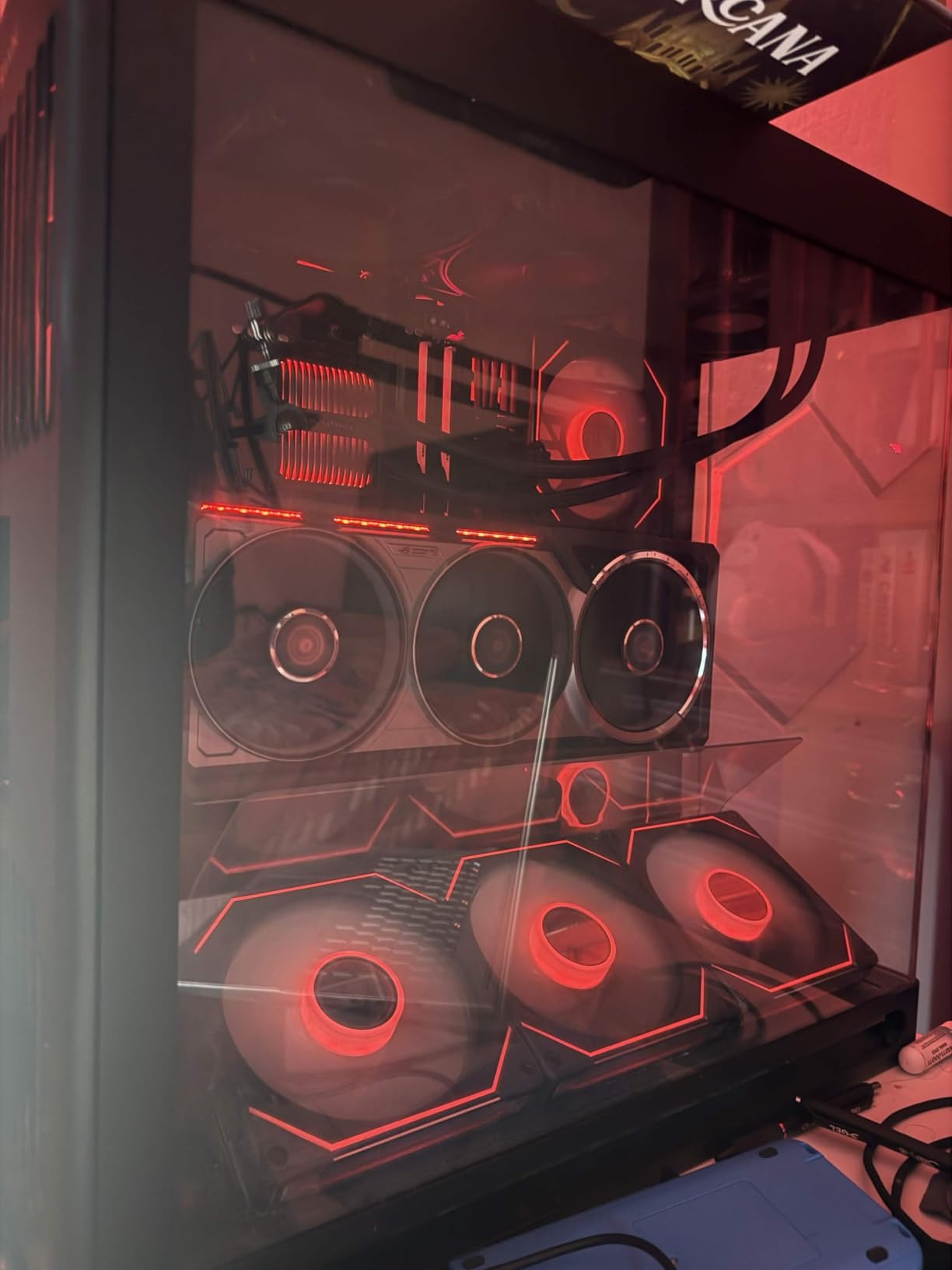
The quad-fan design on the ROG Astral is unique. ASUS added a fourth small fan on the back of the card to push additional airflow over the backplate, and the patented vapor chamber with milled heatspreader moves heat away from the GPU die efficiently. The result is a card that stays relatively quiet despite drawing up to 600 watts under maximum load. The 3.8-slot design is enormous though, so plan your case accordingly.
The 32GB of VRAM is more than any current game needs, but it future-proofs the card for years. If you also use your PC for AI workloads, local LLMs, or content creation alongside gaming, that VRAM is genuinely useful. For pure Call of Duty, the RTX 5090 is overkill, but if you want the absolute best and have the budget, this is it.
Power Supply Requirements for the RTX 5090
This card draws up to 600 watts under load, which means you need a high-quality 1200W or larger PSU. You also need a case with excellent airflow and physical space for a 3.8-slot card. Do not attempt to run this card on a budget PSU, no matter how much wattage it claims. Quality matters at this power level.
Who Actually Needs an RTX 5090 for COD
Honestly, very few Call of Duty players need an RTX 5090. If you play competitively at 1080p or 1440p, an RTX 5070 or RX 9070 XT delivers the same effective experience. The RTX 5090 makes sense for streamers running multiple high-resolution outputs, content creators who also game, or enthusiasts who simply want the best and have the budget to support it.
How to Choose the Best Graphics Cards for Call of Duty in 2026?
Picking the right GPU for Call of Duty comes down to three things: your monitor resolution, your target frame rate, and your budget. Below, we break down exactly what to look for at each resolution tier so you can match the right card to your setup.
Best GPUs for 1080p Call of Duty
For 1080p gaming, you want a card that can hold 144+ FPS for high refresh rate monitors without breaking the bank. The 8GB graphics cards for 1080p gaming category is where most COD players land, and for good reason. The RTX 5060, RTX 5060 Ti, and RX 9060 XT all deliver excellent 1080p high refresh rate performance.
For budget 1080p builds, the RTX 3050 6GB gets you playable frame rates without needing a power supply upgrade. For competitive 1080p with a 144Hz or 240Hz monitor, the RTX 5060 or RX 9060 XT are the smart picks. Anything above an RTX 5060 Ti at 1080p is largely wasted unless you play with ray tracing maxed.
Best GPUs for 1440p Call of Duty
At 1440p, frame rates drop roughly 30 to 40 percent compared to 1080p with the same settings, so you need more GPU horsepower. The RTX 5070 12GB is our editor’s choice for this tier because it nails 144 FPS competitive at 1440p consistently. The RX 9070 XT 16GB is the value alternative if you want more VRAM headroom and AMD’s strong COD rasterization performance.
For 1440p high refresh rate with quality settings, the RTX 5070 Ti is the upper bound of sensible spending. Beyond that, you are paying for 4K performance you are not using. NVIDIA Reflex support is also worth factoring in at 1440p, since competitive players benefit measurably from the latency reduction.
Best GPUs for 4K Call of Duty
4K Call of Duty is demanding, and you want at least 16GB of VRAM for future-proofing. The RX 9070 XT is the entry point for credible 4K COD, offering 90 to 120 FPS at competitive settings. The RTX 5070 Ti is the value 4K pick with DLSS 4 frame generation, pushing 4K quality settings above 100 FPS. The RTX 5080 is the high-end 4K choice for 144Hz 4K monitors, and the RTX 5090 is the flagship for 4K 240Hz or multi-monitor setups.
VRAM Requirements for COD
Call of Duty texture streaming is aggressive, especially in Warzone with large maps. For 1080p, 8GB is sufficient but tight. For 1440p, 12GB is the comfortable minimum, with 16GB being ideal for future-proofing. For 4K, you really want 16GB minimum, and 24GB or more is preferable if you plan to keep the card for 5+ years.
AMD vs NVIDIA for Call of Duty
This is one of the rare franchises where AMD often outperforms NVIDIA per dollar. COD’s engine favors AMD’s rasterization architecture, and the RX 9070 XT specifically delivers exceptional value. However, NVIDIA wins on DLSS 4 image quality, ray tracing performance, and NVIDIA Reflex latency reduction for competitive play. If you play competitively, NVIDIA’s Reflex advantage matters. If you play casually or want maximum value, AMD is the better choice.
Frequently Asked Questions
What GPU is recommended for Call of Duty?
For 1080p COD, we recommend the RTX 5060 or RX 9060 XT. For 1440p, the RTX 5070 12GB is our top pick. For 4K, the RX 9070 XT or RTX 5070 Ti deliver the best value.
What GPU is needed for Black Ops 6?
Black Ops 6 runs well on any modern GPU with at least 8GB VRAM. For 1080p high settings, an RTX 5060 or RX 9060 XT works great. For 1440p, target the RTX 5070 or RX 9070 XT. For 4K, look at the RTX 5070 Ti or higher.
Is Call of Duty GPU or CPU heavy?
Call of Duty is more GPU-bound than CPU-bound at 1440p and 4K, especially in multiplayer. At 1080p competitive settings with low visual quality, the game becomes more CPU-dependent, so a fast CPU matters for hitting 240+ FPS at 1080p.
What graphics card is compatible with Call of Duty?
Call of Duty runs on any DirectX 12 compatible GPU with at least 4GB VRAM, though we recommend 8GB minimum for playable frame rates. Modern options include NVIDIA RTX 50-series, RTX 40-series, RTX 30-series, AMD Radeon RX 9000-series, and RX 7000-series cards.
How much VRAM do I need for Call of Duty Warzone?
For 1080p Warzone, 8GB VRAM is sufficient. For 1440p, aim for 12GB or 16GB to handle texture streaming without stuttering. For 4K, 16GB is the minimum, with 20GB or more being ideal for future-proofing as COD texture packs grow larger.
Conclusion
The best graphics cards for Call of Duty in 2026 depend entirely on how you play. For competitive 1080p, the RTX 5060 or RX 9060 XT deliver the frames you need without overspending. For the 1440p sweet spot that most serious COD players target, the ASUS Prime RTX 5070 12GB is our editor’s choice thanks to its 12GB VRAM, DLSS 4 support, and NVIDIA Reflex advantage.
For value seekers, the GIGABYTE RX 9070 XT 16GB is impossible to ignore. It matches or beats cards costing significantly more in COD specifically, and the 16GB VRAM future-proofs you for years. If you are building a complete system, our roundup of budget gaming PCs under $700 pairs well with the lower-tier GPUs on this list.
Whatever you choose, match the GPU to your monitor. An RTX 5090 paired with a 1080p 60Hz monitor is wasted money. An RTX 3050 paired with a 4K 144Hz monitor will be a frustrating experience. Pick the card that fits your resolution, target frame rate, and budget, and you will be dropping into Warzone with smooth frames and competitive latency in no time.
Leave a Reply