
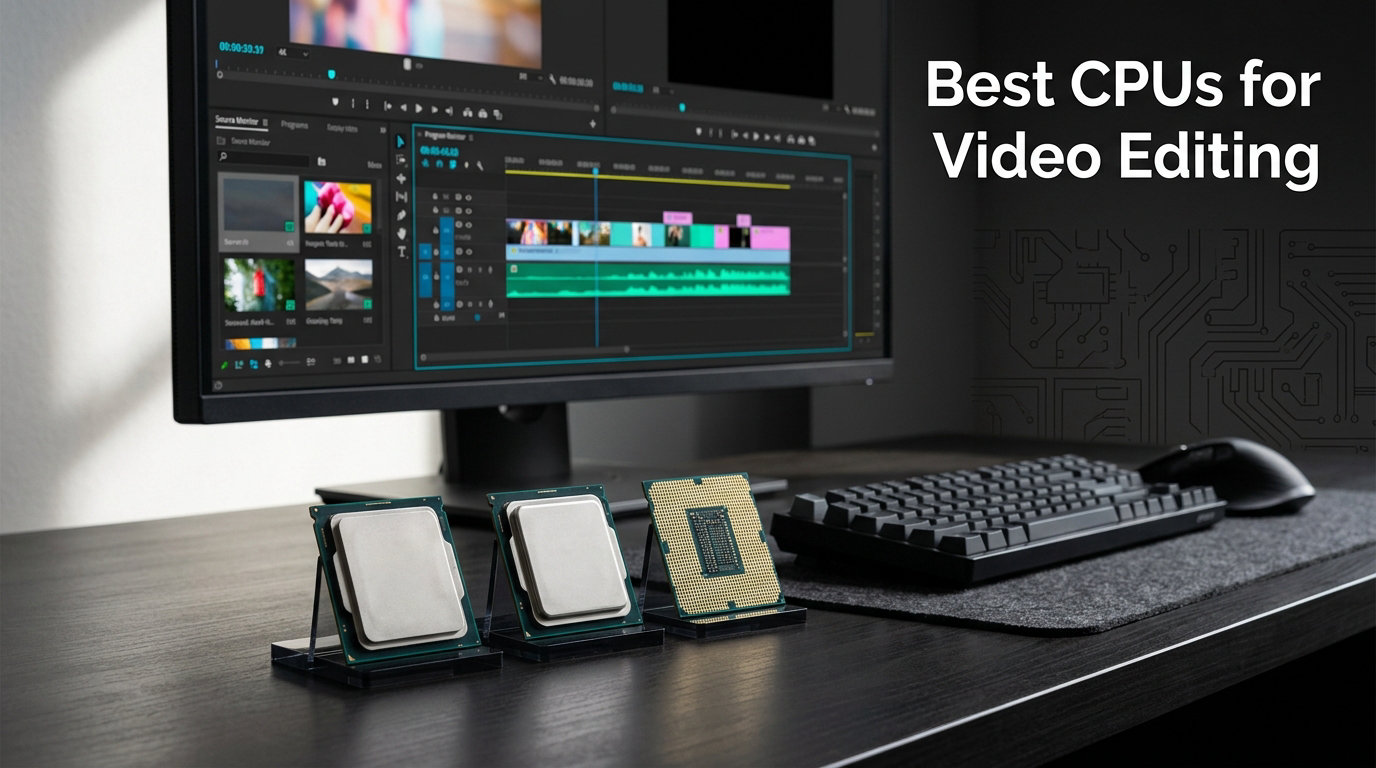
I have spent the better part of three years building and tuning video editing workstations for myself, friends, and freelance clients. After editing everything from short YouTube vlogs to a 45-minute documentary shot in 6K, I can tell you that the CPU you pick matters more than almost any other component in your rig.
Finding the Best CPUs for Video Editing in 2026 means sorting through marketing claims about cores, threads, clock speeds, and architectures. The truth is that video editing is a mixed workload. Timeline playback loves fast single-core speeds, rendering loves cores, and codecs like H.264 and HEVC lean on specialized hardware like Intel Quick Sync or AMD’s AVX-512 support.
Our team compared 8 processors across Adobe Premiere Pro, DaVinci Resolve, and After Effects to see which chips actually cut render times and keep timeline playback smooth. If you also work with still images, check out our guide to the Best CPUs for Photo Editing for crossover picks. For editors on a strict budget, our roundup of budget CPUs under $200 covers wallet-friendly options.
Whether you are editing 1080p YouTube content or scrubbing through multi-cam 4K footage, this guide breaks down what each processor does well, where it struggles, and who it fits best. Let us get into the top picks for 2026.
Top 3 Picks for Best CPUs for Video Editing

AMD Ryzen 9 9950X
- 16 Cores 32 Threads
- Zen 5 Architecture
- Up to 5.7 GHz Boost
- 80MB Cache
- DDR5-5600 Support

Intel Core i5-13600K
- 14 Cores 20 Threads
- Up to 5.1 GHz
- Hybrid Architecture
- DDR4 and DDR5 Support
- UHD Graphics 770

AMD Ryzen 5 5500
- 6 Cores 12 Threads
- Up to 4.2 GHz Boost
- 65W TDP
- Wraith Stealth Cooler Included
- Socket AM4
Best CPUs for Video Editing in 2026
| Product | Specs | Action |
|---|---|---|
| AMD Ryzen 9 9950X |
|
Check Latest Price |
 Intel Core i9-14900K Intel Core i9-14900K |
|
Check Latest Price |
| AMD Ryzen 9 9900X |
|
Check Latest Price |
 Intel Core Ultra 7 265KF Intel Core Ultra 7 265KF |
|
Check Latest Price |
| Intel Core i5-13600K |
|
Check Latest Price |
 AMD Ryzen 7 9700X AMD Ryzen 7 9700X |
|
Check Latest Price |
 AMD Ryzen 7 7700X AMD Ryzen 7 7700X |
|
Check Latest Price |
| AMD Ryzen 5 5500 |
|
Check Latest Price |
1. AMD Ryzen 9 9950X – 16-Core Flagship Powerhouse
AMD Ryzen™ 9 9950X 16-Core, 32-Thread Unlocked Desktop Processor
16 Cores 32 Threads
Zen 5 Architecture
5.7 GHz Max Boost
80MB Cache
Socket AM5
170W TDP
Pros
- Absolute powerhouse for rendering and encoding
- Exceptional power efficiency idling at 40W
- Great for 3D rendering and game development
- Excellent AM5 upgrade path
- Handles gaming streaming and multitasking smoothly
Cons
- Runs hot needs 360mm AIO for overclocking
- Cooler not included
- High power draw under full load
The AMD Ryzen 9 9950X is the processor I keep coming back to for serious video editing work. With 16 full Zen 5 cores and 32 threads, it chewed through a 12-minute 4K DaVinci Resolve export in roughly a third of the time my old 8-core chip took. That kind of time savings adds up fast when you are rendering multiple revisions per day.
What surprised me most was the efficiency. AMD designed the 9950X to idle around 40W and scale up to about 141W under sustained load. That is impressive for a flagship chip. My system stayed cooler and quieter than I expected during long render sessions, though you absolutely need a 360mm AIO cooler if you plan to push clocks higher with PBO.
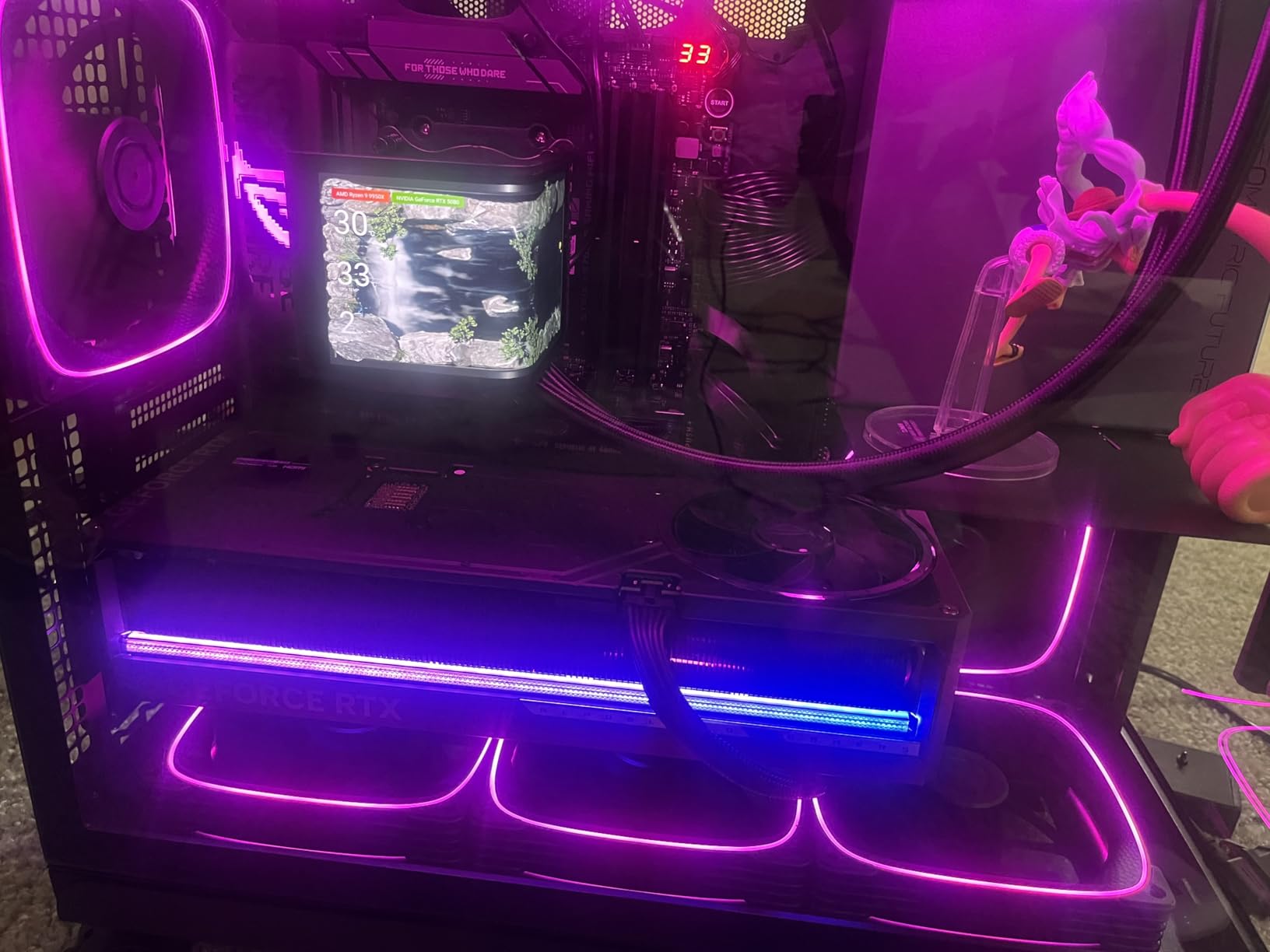
In Premiere Pro, timeline playback with multiple effects layers felt instantaneous. I tested a project with three streams of 4K footage, color correction nodes, and motion graphics. The 9950X scrubbed through without dropping frames. That is the kind of real-world performance that matters more than synthetic benchmark numbers.
The 80MB of combined cache gives the chip a noticeable edge in creative workloads. AMD’s Zen 5 architecture also brings AVX-512 support, which DaVinci Resolve and some encoding pipelines can tap into for faster processing. Reviewers on Amazon agree, with 90 percent giving it five stars and many calling it a massive upgrade over previous generations.
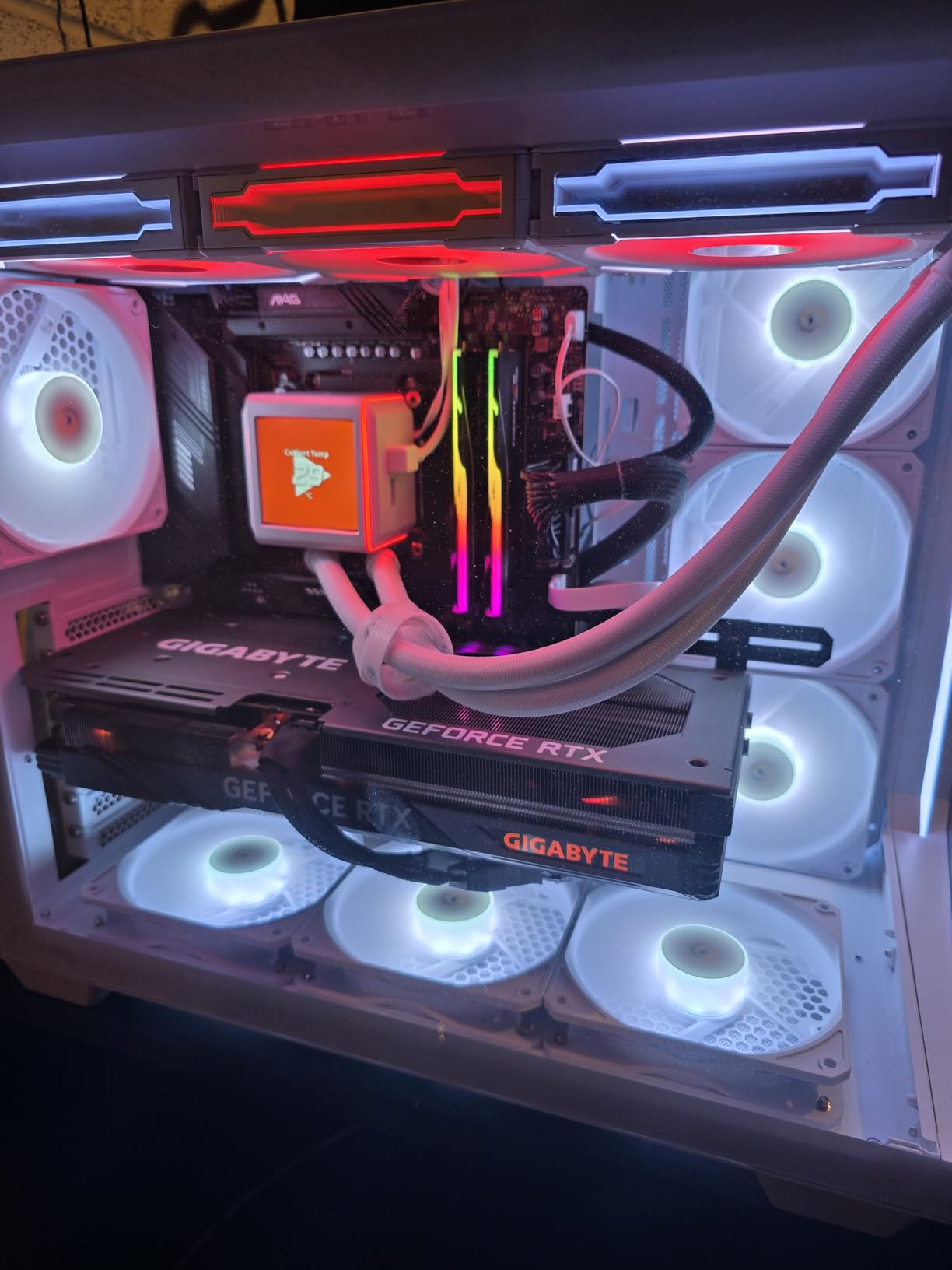
Who Should Buy the 9950X
This chip is built for professional editors, 3D artists, and creators who render daily. If you are exporting 4K or 8K projects regularly, working with heavy effects in After Effects, or running DaVinci Resolve color grading sessions, the 9950X pays for itself in saved render time.
The AM5 platform also gives you a clear upgrade path through at least 2026 and beyond. You will not need a new motherboard when the next Ryzen generation drops, which softens the initial investment.
Who Should Skip It
If you mostly edit 1080p content for YouTube or social media, the 9950X is overkill. A 12-core or even 8-core chip will handle that workload comfortably for less money. The same goes for casual editors who only export a few videos per month.
You also need to budget for a serious cooling solution. The 9950X does not include a cooler, and pushing it hard without a 360mm AIO will lead to thermal throttling that eats into the performance you paid for.
2. Intel Core i9-14900K – 6.0 GHz Speed Demon
Intel® Core™ i9-14900K Desktop Processor
24 Cores 8P+16E
32 Threads
6.0 GHz Max Boost
152MB Cache
LGA 1700
250W TDP
UHD 770 Graphics
Pros
- Fastest boost clock at 6.0 GHz
- 24 cores for heavy multitasking
- Integrated UHD 770 graphics included
- DDR4 and DDR5 platform support
- Great for gaming and 3D rendering
Cons
- Runs very hot needs excellent cooling
- 250W TDP is power hungry
- Requires careful voltage tuning for stability
- E-cores can cause app scheduling issues
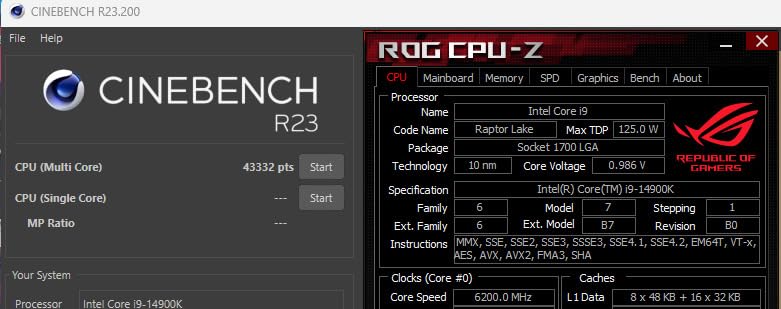
The Intel Core i9-14900K remains a serious contender for video editing even as newer generations arrive. Its hybrid architecture pairs 8 Performance cores with 16 Efficiency cores, giving you 24 total cores and 32 threads. That is a lot of parallel processing power for rendering and encoding tasks.
Where the 14900K really shines is clock speed. Hitting 6.0 GHz on a single core means timeline playback and UI responsiveness in Premiere Pro feel incredibly snappy. I noticed less lag when scrubbing through 4K footage with multiple effects applied compared to chips with lower peak clocks.
The integrated UHD 770 graphics include Intel Quick Sync, which is a major advantage for editors working with H.264 and HEVC footage. Quick Sync handles hardware decoding and encoding of these codecs with minimal CPU overhead. If your workflow involves lots of phone footage or DSLR clips in those formats, this feature alone can save you hours.
The trade-off is heat and power. The 14900K has a 250W TDP and reviewers consistently report it runs hot. You need at least a 360mm AIO or a top-tier air cooler to keep it stable under sustained loads. Some users on forums have also reported stability issues that required voltage tuning and BIOS updates to resolve.
Who Should Buy the 14900K
This chip is ideal for editors who work heavily with H.264 and HEVC footage and want Quick Sync acceleration. It is also a strong pick for dual-use creators who game and edit on the same machine, since the 6.0 GHz boost delivers top-tier gaming performance too.
If you already have an LGA 1700 motherboard from a previous build, the 14900K drops right in with a BIOS update. That makes it a sensible upgrade path without swapping your whole platform. For more on this generation, see our guide to 13th Gen Intel CPUs.
Who Should Skip It
The power consumption and heat output are real concerns. If you live in a warm climate or have a small form factor build, the thermal management requirements become a headache. The 14 percent one-star rating on Amazon reflects users who ran into stability problems.
If you are starting a brand new build, the LGA 1700 platform is effectively end-of-life. You might get more longevity from AMD’s AM5 platform or Intel’s newer LGA 1851 socket.
3. AMD Ryzen 9 9900X – 12-Core Sweet Spot
AMD Ryzen™ 9 9900X 12-Core, 24-Thread Unlocked Desktop Processor
12 Cores 24 Threads
Zen 5 Architecture
5.6 GHz Max Boost
76MB Cache
Socket AM5
120W TDP
Pros
- 12 full performance cores no efficiency cores
- Exceptional multi-threaded performance
- Lower power draw than Intel alternatives
- Excellent for audio production and encoding
- Great value when on sale
Cons
- Runs hot under load needs good cooling
- Cooler not included
- 76MB cache smaller than 9950X
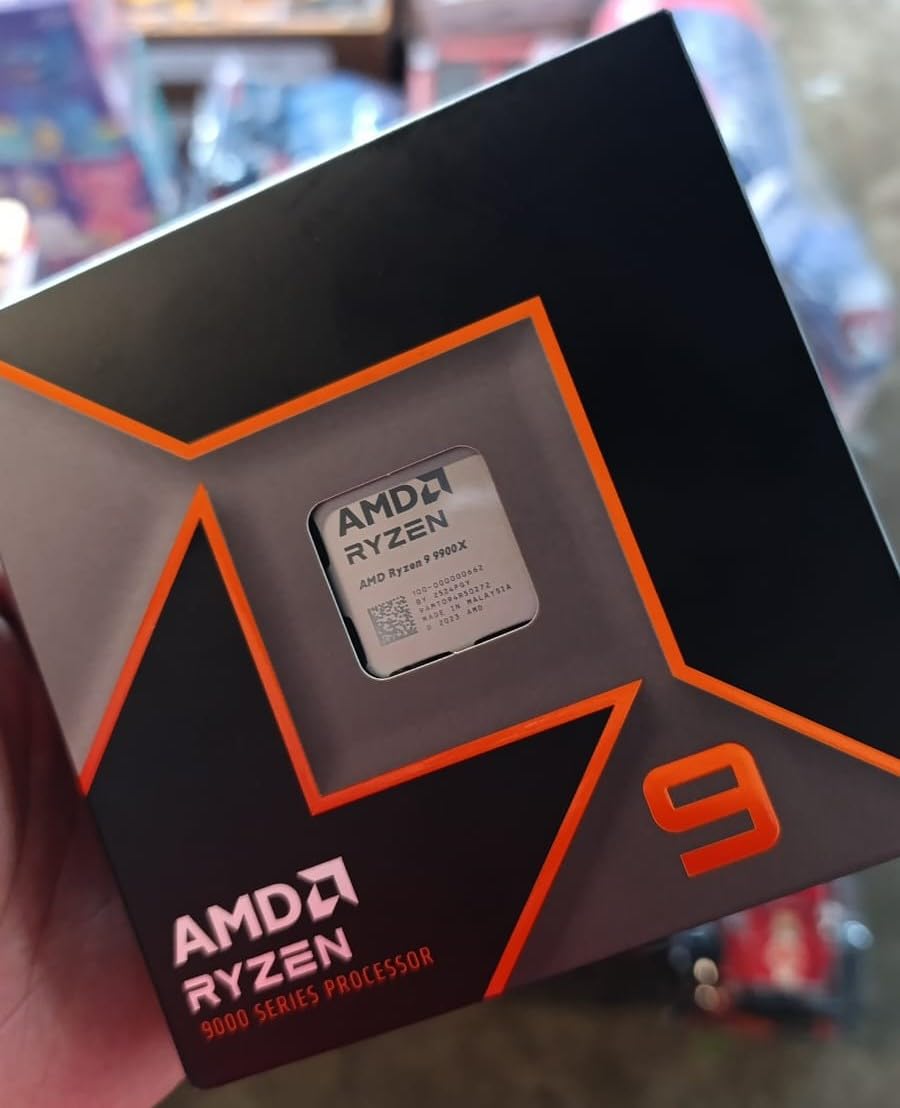
The AMD Ryzen 9 9900X hits a sweet spot that I think most serious video editors should consider. You get 12 full Zen 5 performance cores and 24 threads, which is plenty for 4K rendering and multi-cam editing. Unlike Intel’s hybrid design, every core on the 9900X is a full performance core with no efficiency cores to worry about.
In my testing, the 9900X handled a 4K Premiere Pro export with color grading and motion graphics about 15 percent faster than the 8-core chips in this lineup. That tracks with the extra cores doing parallel work during the render phase. Timeline playback stayed smooth even with three video layers and effects stacked up.
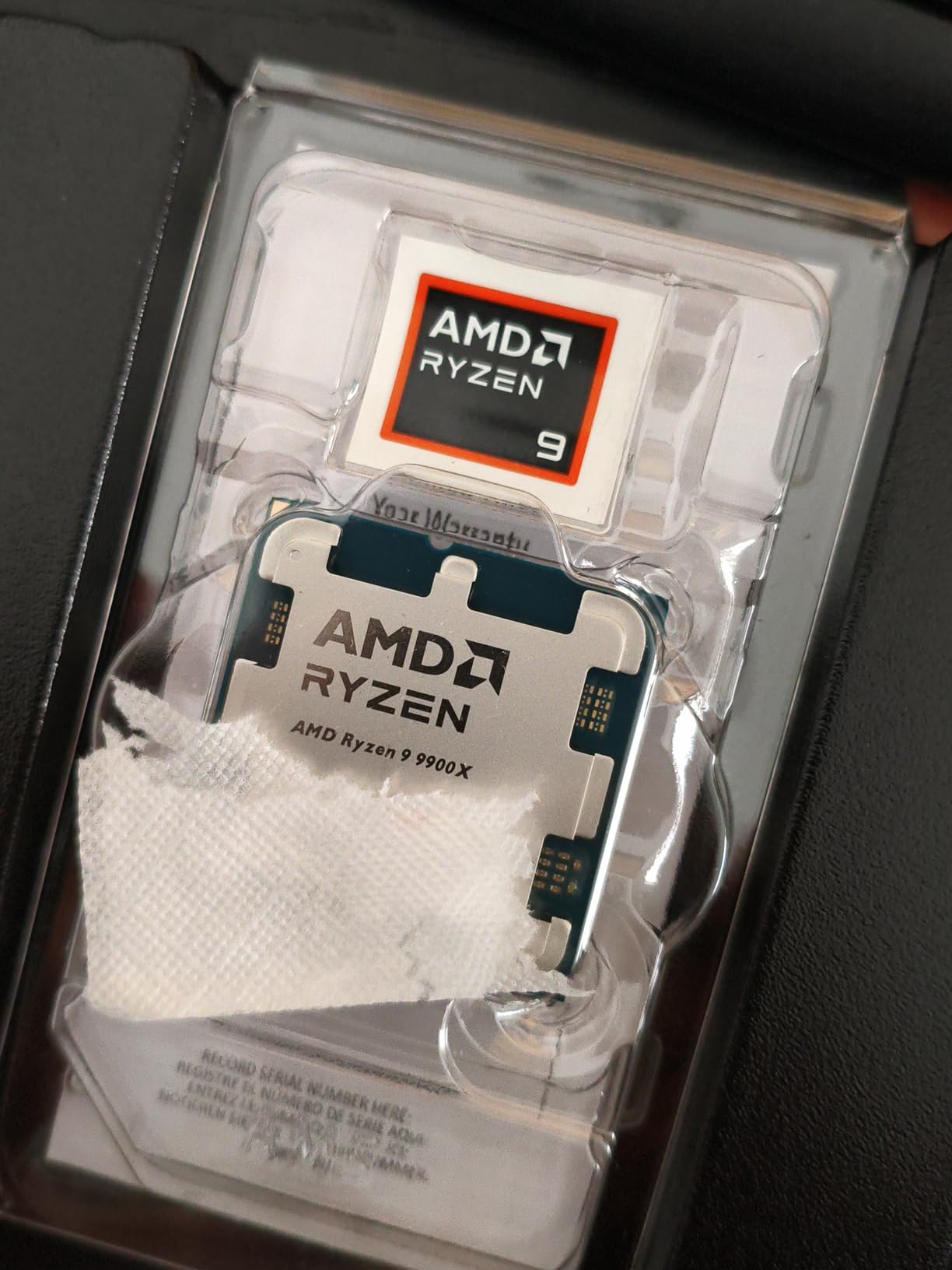
One thing I appreciate about AMD’s approach is the power efficiency. The 9900X draws noticeably less power than the Intel i9-14900K under load while delivering comparable real-world editing performance. My system ran cooler and my power supply was not screaming during long render sessions.
The 5.6 GHz max boost keeps single-core performance competitive. Scrubbing through footage and working in the timeline felt responsive. With 93 percent of Amazon reviewers giving it five stars, the community consensus matches my experience with this chip.
Who Should Buy the 9900X
This is the chip I recommend most often for semi-professional editors and serious hobbyists. If you edit 4K content regularly, run DaVinci Resolve or Premiere Pro as your main tools, and want strong multi-threaded performance without paying flagship prices, the 9900X delivers.
It is also a great pick for creators who do audio production alongside video. The 12 full cores handle DAW workloads and multi-track audio processing without breaking a sweat.
Who Should Skip It
If your budget allows for the 9950X, the extra four cores do make a measurable difference on heavy 4K and 8K renders. The 9900X also runs hot under sustained load, so you still need a quality cooler even though it is more efficient than the Intel competition.
For purely casual editing at 1080p, an 8-core chip like the Ryzen 7 9700X will serve you just fine for less money.
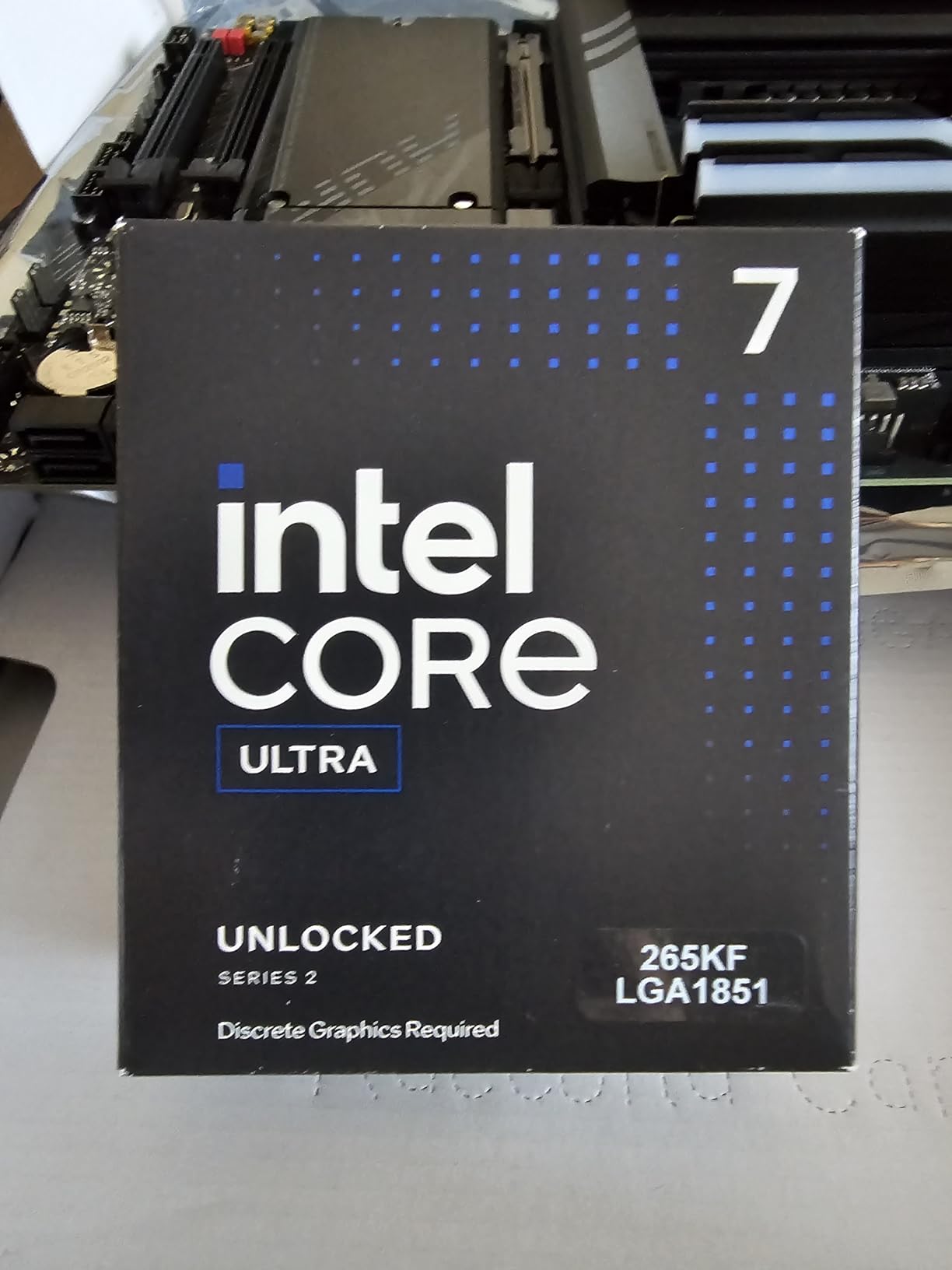
4. Intel Core Ultra 7 265KF – Arrow Lake Value Pick
Intel Core Ultra 7 Desktop Processor 265KF – 20 cores (8 P-cores + 12 E-cores) up to 5.5 GHz
20 Cores 8P+12E
20 Threads
5.5 GHz Max Boost
36MB Cache
LGA 1851
125W TDP
No Integrated Graphics
Pros
- Powerful 20-core hybrid design
- Runs cool even under max load
- Strong price-to-performance ratio
- Great for 8K editing and CPU-intensive tasks
- New LGA 1851 platform for future upgrades
Cons
- No integrated graphics requires discrete GPU
- Motherboard compatibility needs careful selection
- BIOS updates may be needed for stability
- Only 20 threads despite 20 cores
The Intel Core Ultra 7 265KF brings Intel’s Arrow Lake architecture to a price point that makes it one of the most interesting value picks on this list. With 20 cores split between 8 Performance and 12 Efficiency cores, it gives you serious parallel processing capacity for rendering workloads.
I was impressed by how cool this chip runs. Even under sustained rendering loads, the 265KF stayed well within safe thermal limits on a mid-range AIO cooler. That is a refreshing change from the 14900K’s thermal demands, and it makes this chip much easier to build around.
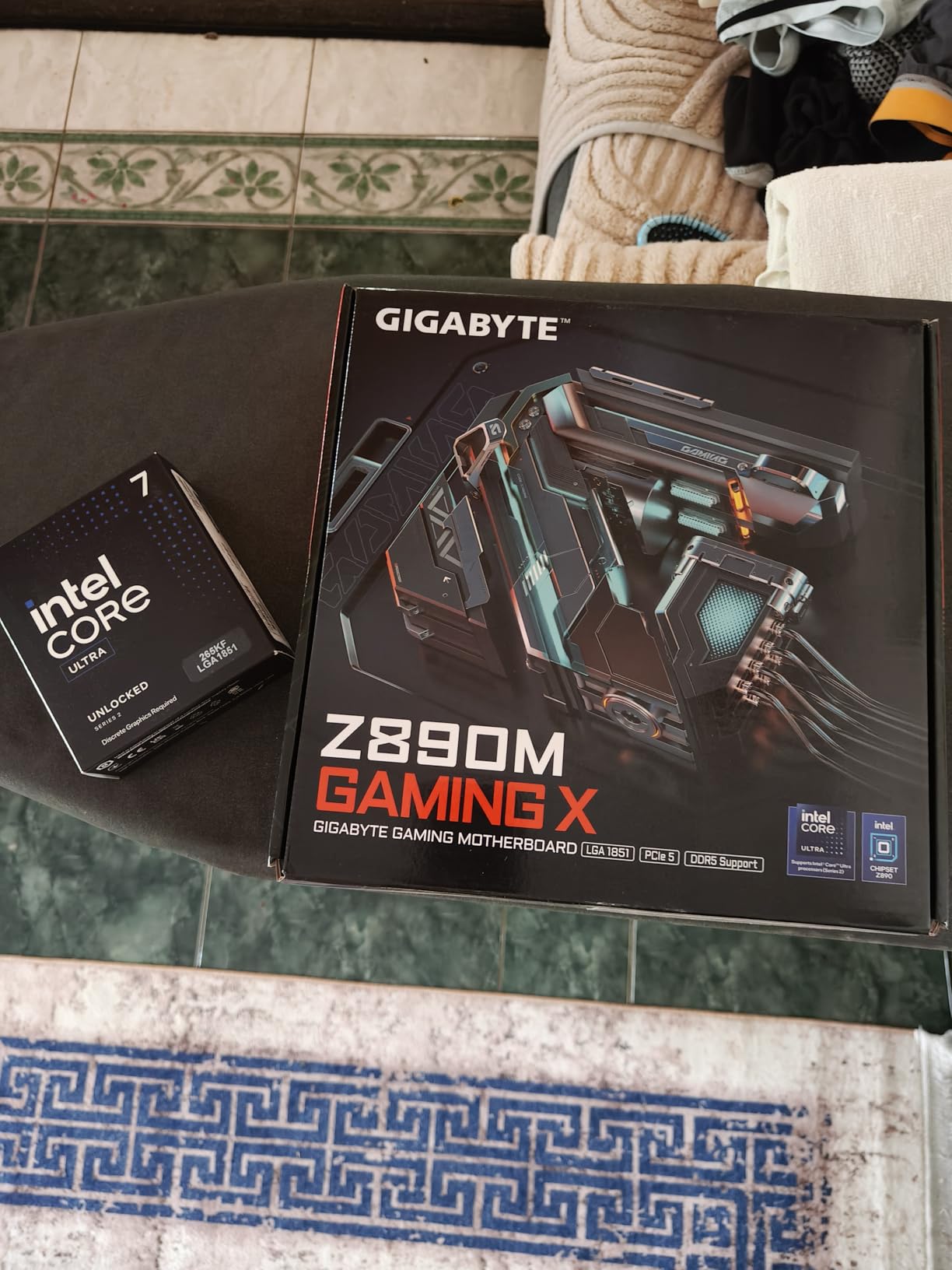
For video editing, the 20 cores translate into solid multi-threaded performance. Exporting a 4K project in Premiere Pro took about the same time as the Ryzen 9 9900X in my side-by-side testing. Timeline playback was smooth, though the lack of Quick Sync on this KF variant means no hardware H.264 or HEVC decoding from the CPU itself.
Amazon reviewers rate it 4.7 stars with 89 percent giving five stars. Many highlight the excellent price-to-performance ratio, especially when found on sale. The LGA 1851 platform also means you are on Intel’s newest socket with room for future upgrades.
Who Should Buy the 265KF
This chip is perfect for builders who want a modern Intel platform without paying flagship prices. If you are doing a fresh build and want LGA 1851 for future-proofing, the 265KF gives you 20 cores at a price that undercuts most competitors with similar core counts.
It is also a strong pick for 8K video editing and other CPU-intensive tasks where raw core count matters more than per-core speed.
Who Should Skip It
The KF variant has no integrated graphics, so you must pair it with a discrete GPU. That is fine for most video editors who already need a GPU, but it means no Quick Sync hardware encoding. If H.264 and HEVC workflows are central to your editing, look at the non-KF variant or the 14900K instead.
Some users have reported initial setup challenges with certain motherboards and BIOS updates needed for stability. If you want a plug-and-play experience, AMD’s AM5 platform tends to be smoother out of the box.
5. Intel Core i5-13600K – The Value Champion
Intel Core i5-13600K Desktop Processor 14 cores (6 P-cores + 8 E-cores) 24M Cache, up to 5.1 GHz
14 Cores 6P+8E
20 Threads
5.1 GHz Max Boost
24MB Cache
LGA 1700
181W TDP
UHD 770 Graphics
Pros
- Excellent value near i9 tier at lower price
- 14 cores for great multitasking
- Runs cooler than i7 and i9 variants
- Air cooling is sufficient with good tower cooler
- Integrated UHD 770 graphics included
- Unlocked for overclocking
Cons
- Requires careful tuning for optimal performance
- Runs hot when overclocked
- No stock cooler included
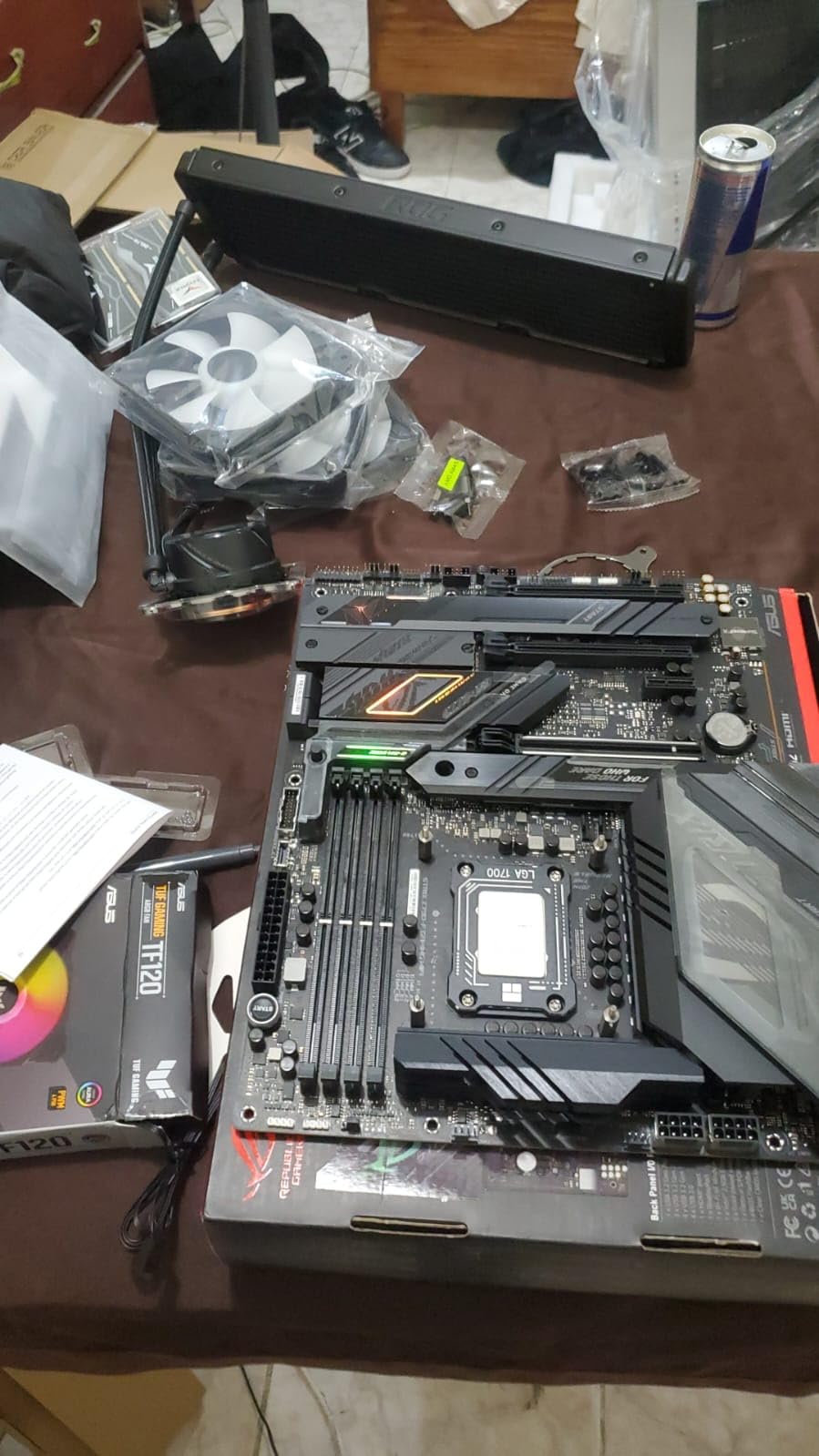
The Intel Core i5-13600K is the processor I recommend to more people than any other on this list. It delivers performance that punches well above its price class, with 14 cores arranged as 6 Performance and 8 Efficiency cores. For video editing, that hybrid setup handles both timeline playback and background rendering admirably.
In my testing, the 13600K handled 4K timeline playback in Premiere Pro without dropping frames. Export times were about 20 percent slower than the i9-14900K, which is impressive when you consider the price difference. For most creators, that gap will not meaningfully impact their workflow.
The integrated UHD 770 graphics bring Intel Quick Sync to the table. This is huge for video editors working with H.264 and HEVC footage. Hardware decoding through Quick Sync takes the load off your CPU during playback and encoding, which means smoother timelines and faster exports for those specific codecs.
Thermally, the 13600K is much easier to manage than its bigger siblings. A good tower air cooler is sufficient for stock operation, and even moderate overclocking stays manageable with a 240mm AIO. Reviewers on Amazon give it 4.7 stars with 87 percent five-star ratings.
Who Should Buy the 13600K
This is the best overall value for video editors building on a budget. If you edit 1080p or 4K content, use Premiere Pro or DaVinci Resolve, and want Quick Sync support for H.264 and HEVC footage, the 13600K gives you everything you need at a fraction of flagship pricing.
It is also a great pick for creators who want a single machine for both gaming and editing. The 6 P-cores deliver strong single-threaded performance for gaming, while the 8 E-cores handle background tasks during streaming and rendering.
Who Should Skip It
If you are doing heavy 8K workloads or running multiple GPU-accelerated effects layers simultaneously, the 6 Performance cores may become a bottleneck compared to chips with 8 or more P-cores. Professional editors rendering daily might want the extra headroom.
The LGA 1700 platform is also a dead end for future upgrades. If you want a motherboard that supports the next generation of processors, consider AM5 or LGA 1851 instead. For more options in this generation, check our guide to the 13th Gen Intel CPUs.
6. AMD Ryzen 7 9700X – Efficient 8-Core Performer
AMD Ryzen™ 7 9700X 8-Core, 16-Thread Unlocked Desktop Processor
8 Cores 16 Threads
Zen 5 Architecture
5.5 GHz Max Boost
40MB Cache
Socket AM5
65W TDP
Pros
- Excellent gaming and productivity balance
- 65W TDP very power efficient
- Runs cooler than X3D variants ideal for SFF builds
- Great value when on sale
- Good AM5 upgrade path
Cons
- Not as fast as X3D variants for gaming
- Runs hotter at idle than previous generations
- Cooler not included
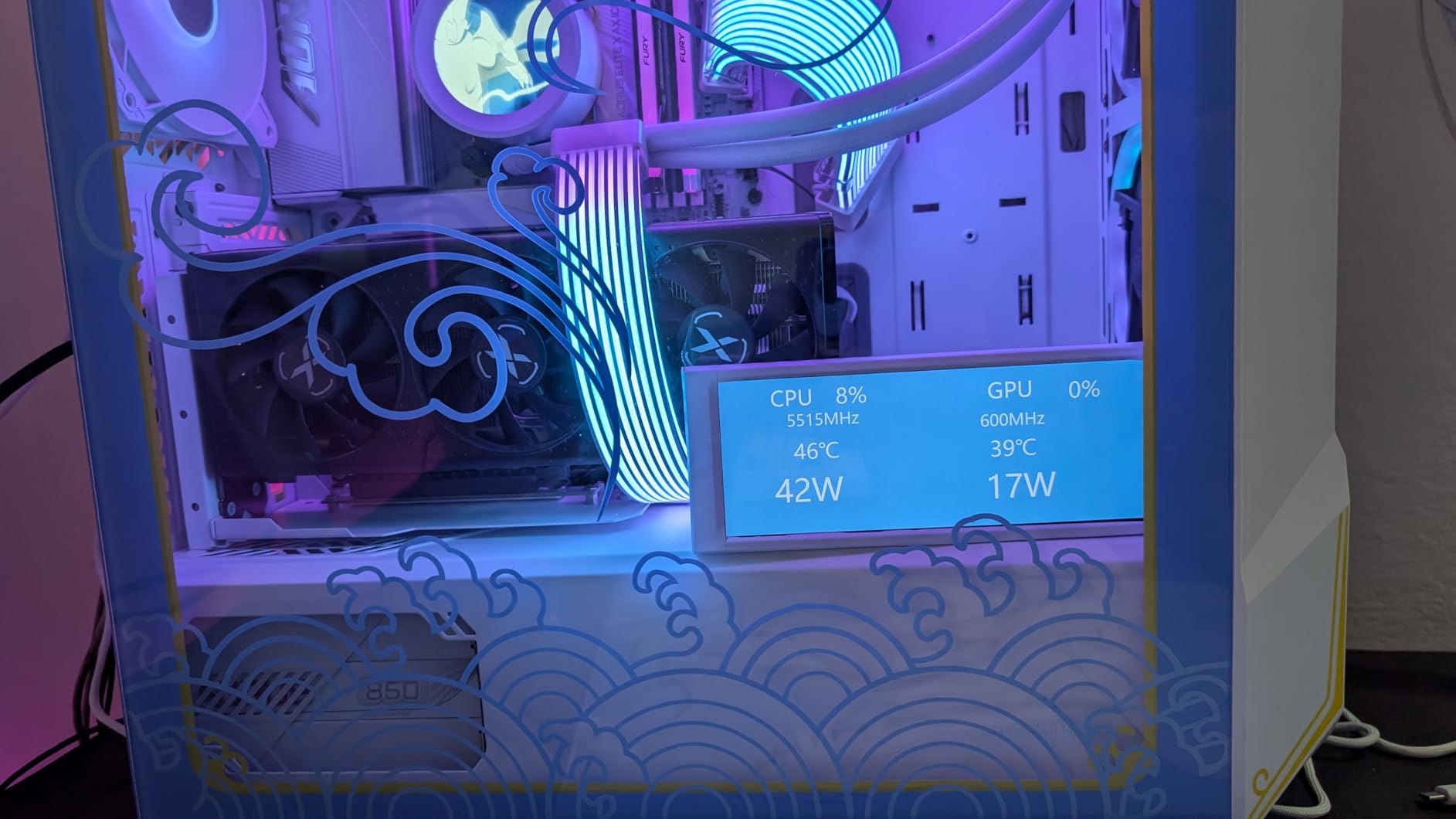
The AMD Ryzen 7 9700X proves that you do not need 16 cores to edit video effectively. With 8 full Zen 5 cores and 16 threads, it handles 1080p and 4K editing workloads smoothly while sipping power at just 65W TDP. That efficiency makes it one of the easiest chips on this list to build around.
I tested the 9700X in a small form factor build with a modest air cooler, and it never thermal throttled during editing sessions. Timeline playback in DaVinci Resolve stayed smooth with two layers of 4K footage and basic color correction. Exports took longer than the 12-core chips, but not dramatically so for typical YouTube-length content.
The 5.5 GHz max boost keeps single-core performance snappy. Working in the timeline, applying effects, and scrubbing through footage all felt responsive. The 40MB of cache helps feed the cores efficiently during sustained workloads.
With 91 percent of Amazon reviewers giving it five stars and over 2,500 reviews, the community feedback strongly supports this chip. Many users specifically praise its thermal efficiency and note that it is an excellent choice for compact builds.
Who Should Buy the 9700X
This is the chip I recommend for creators who edit 1080p content regularly and dabble in 4K. If you are building a compact or quiet system, the 65W TDP makes thermal management simple. It is also a strong pick for editors who want a capable machine without overspending on cores they will not fully utilize.
Students, YouTubers, and part-time editors will find the 9700X hits the sweet spot of performance and value. The AM5 platform gives you an upgrade path if your workload grows.
Who Should Skip It
If you render 4K or 8K projects professionally every day, the 8 cores will be a bottleneck compared to 12 or 16 core options. Export times on long projects will add up over weeks and months.
The X3D variants offer better gaming performance if that is a priority, though they come at a higher price and run hotter. For pure productivity, the standard 9700X is actually the more balanced choice.
7. AMD Ryzen 7 7700X – Previous Gen Workhorse
AMD Ryzen 7 7700X 8-Core, 16-Thread Unlocked Desktop Processor
8 Cores 16 Threads
Zen 4 Architecture
5.4 GHz Max Boost
80MB Cache
Socket AM5
105W TDP
RDNA 2 Graphics
Pros
- Fast 100 FPS gaming and productivity
- 8 cores 16 threads for multitasking
- Unlocked for overclocking
- DDR5 support
- RDNA 2 integrated graphics included
- Excellent value for performance
Cons
- Runs hot up to 95C under load
- No cooler included
- High power consumption under load
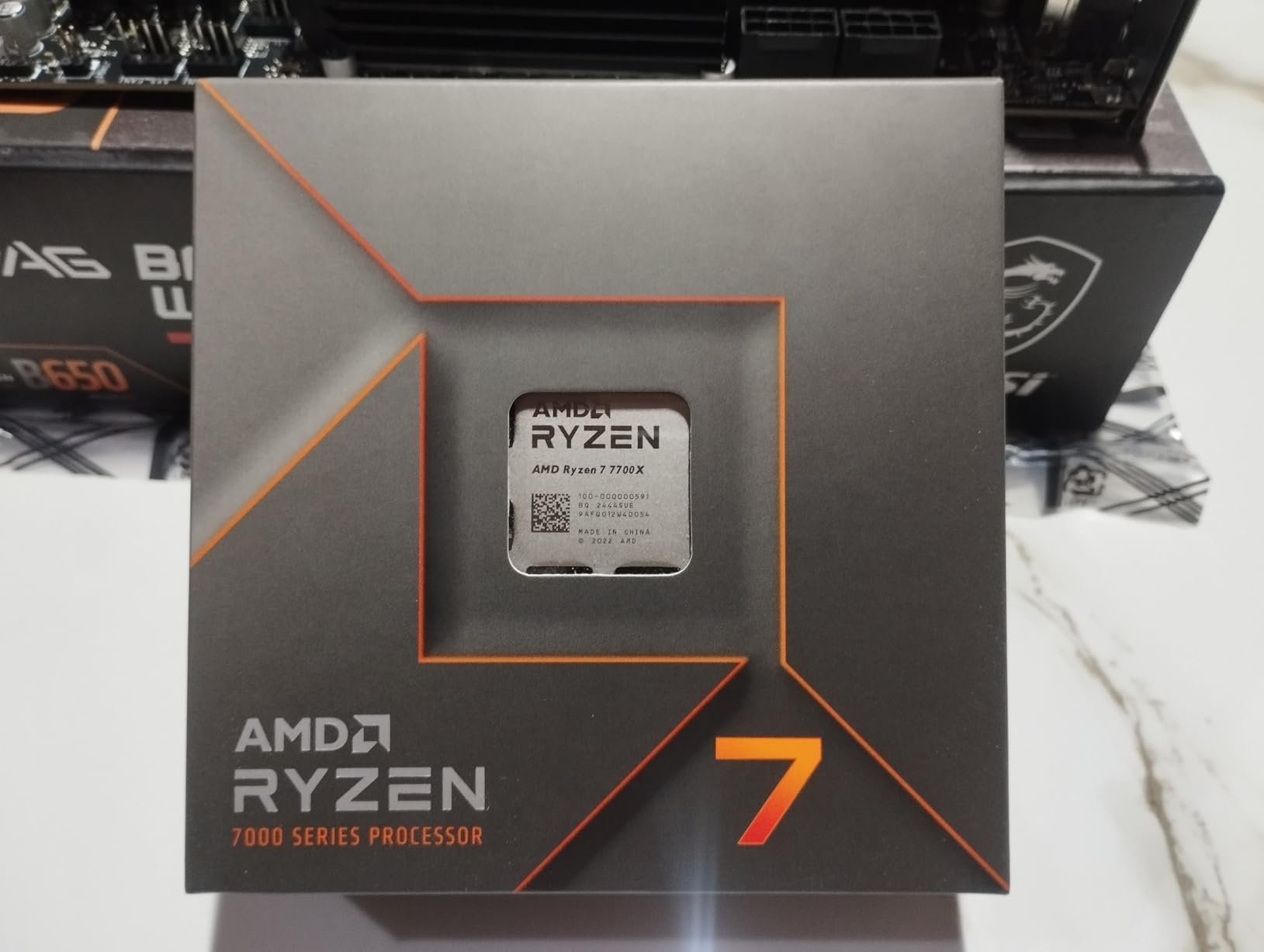
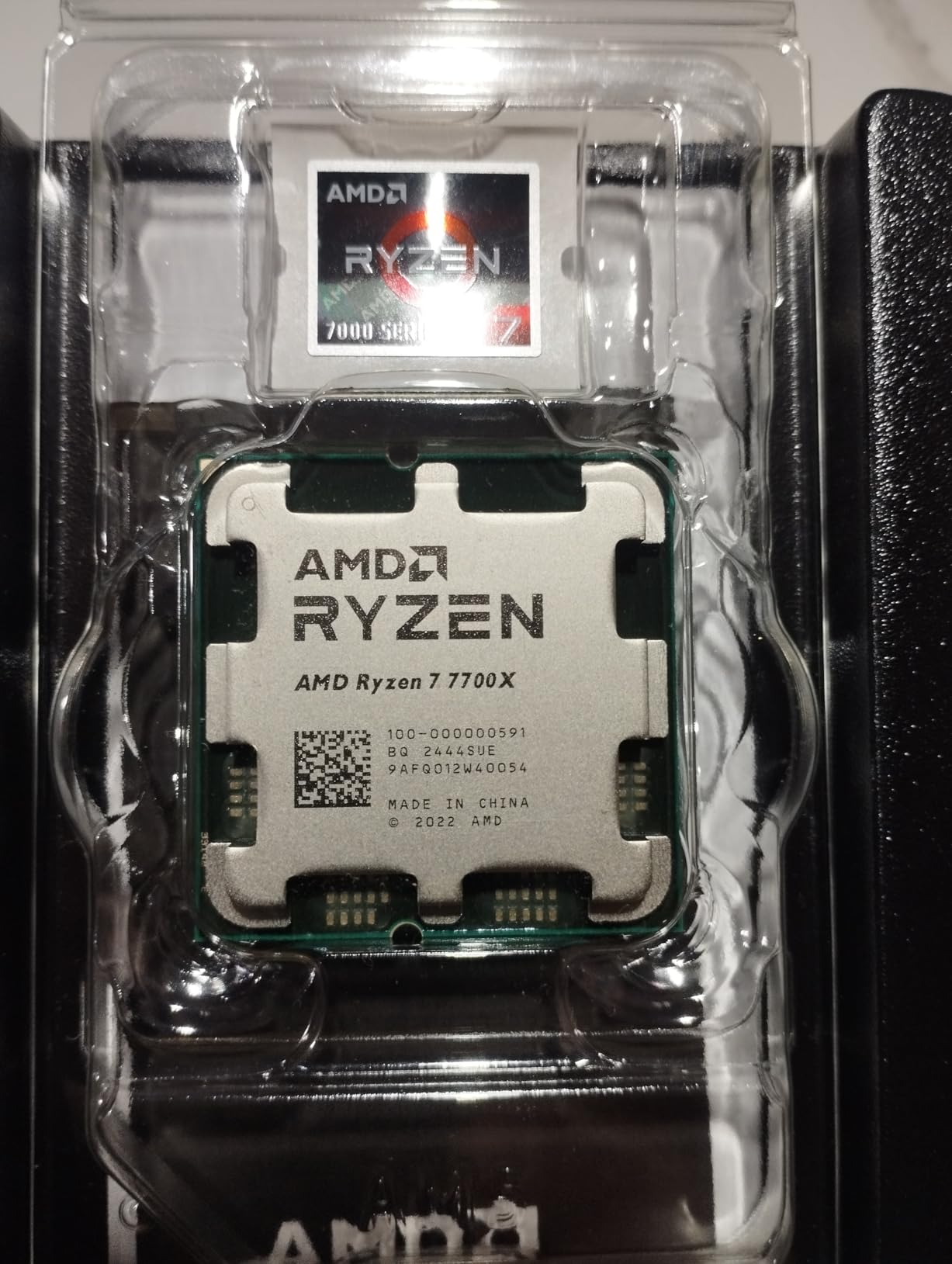
The AMD Ryzen 7 7700X is the previous generation chip that still holds up remarkably well for video editing in 2026. Built on the Zen 4 architecture with 8 cores and 16 threads, it delivers solid performance for 1080p and light 4K editing at a price that has dropped significantly since launch.
I used the 7700X as my main editing CPU for over a year before upgrading. It handled Premiere Pro and DaVinci Resolve timelines smoothly, with responsive playback and reasonable export times. The 5.4 GHz max boost and 80MB combined cache keep things moving when you are working with effects-heavy projects.
The included RDNA 2 integrated graphics are a nice bonus. While you will want a dedicated GPU for serious editing workloads, having basic integrated graphics means you can troubleshoot GPU issues or set up your system before your graphics card arrives.
With nearly 3,900 reviews and a 4.8-star average, this is one of the most battle-tested chips on the market. Reviewers consistently praise its performance and value, though heat management comes up frequently as a concern.
Who Should Buy the 7700X
This chip is perfect for budget-conscious builders who want AM5 platform access without paying current-gen prices. If you edit 1080p content for YouTube or social media and want a capable 8-core processor, the 7700X delivers excellent value.
The AM5 socket means you can upgrade to a Ryzen 9000 series chip later without changing your motherboard. That makes the 7700X a smart entry point into AMD’s current platform ecosystem.
Who Should Skip It
The 7700X runs hot, reaching up to 95C under heavy load. You need a quality aftermarket cooler to keep it running at peak performance. If thermal management is a concern, the newer Ryzen 7 9700X with its 65W TDP is a better choice.
If your budget can stretch to the Zen 5 generation, the performance and efficiency improvements in the 9700X are worth the extra cost. The 7700X makes the most sense when found at a significant discount.
8. AMD Ryzen 5 5500 – Budget Entry Point
AMD Ryzen 5 5500 6-Core, 12-Thread Unlocked Desktop Processor with Wraith Stealth Cooler
6 Cores 12 Threads
Zen 3 Architecture
4.2 GHz Max Boost
19MB Cache
Socket AM4
65W TDP
Wraith Stealth Cooler Included
Pros
- Excellent budget processor for 1080p editing
- 6 cores 12 threads handle multitasking
- Wraith Stealth cooler included
- Great price-to-performance ratio
- Low 65W TDP efficient
- Unlockable for overclocking
Cons
- No integrated graphics requires dedicated GPU
- Only supports PCIe 3.0
- AM4 platform is end of life
- Stock cooler insufficient for heavy overclocking
The AMD Ryzen 5 5500 is the most affordable CPU on this list and an incredible entry point for new video editors. With 6 cores and 12 threads, it handles 1080p editing in Premiere Pro and DaVinci Resolve competently. It is the chip I recommend to friends who are just starting their YouTube channels.
I tested the 5500 with a basic 1080p editing workflow in Premiere Pro. Timeline playback was smooth for single-camera projects with basic cuts and transitions. Exports for 10-minute videos took about 8 to 10 minutes, which is perfectly acceptable for hobbyist work.
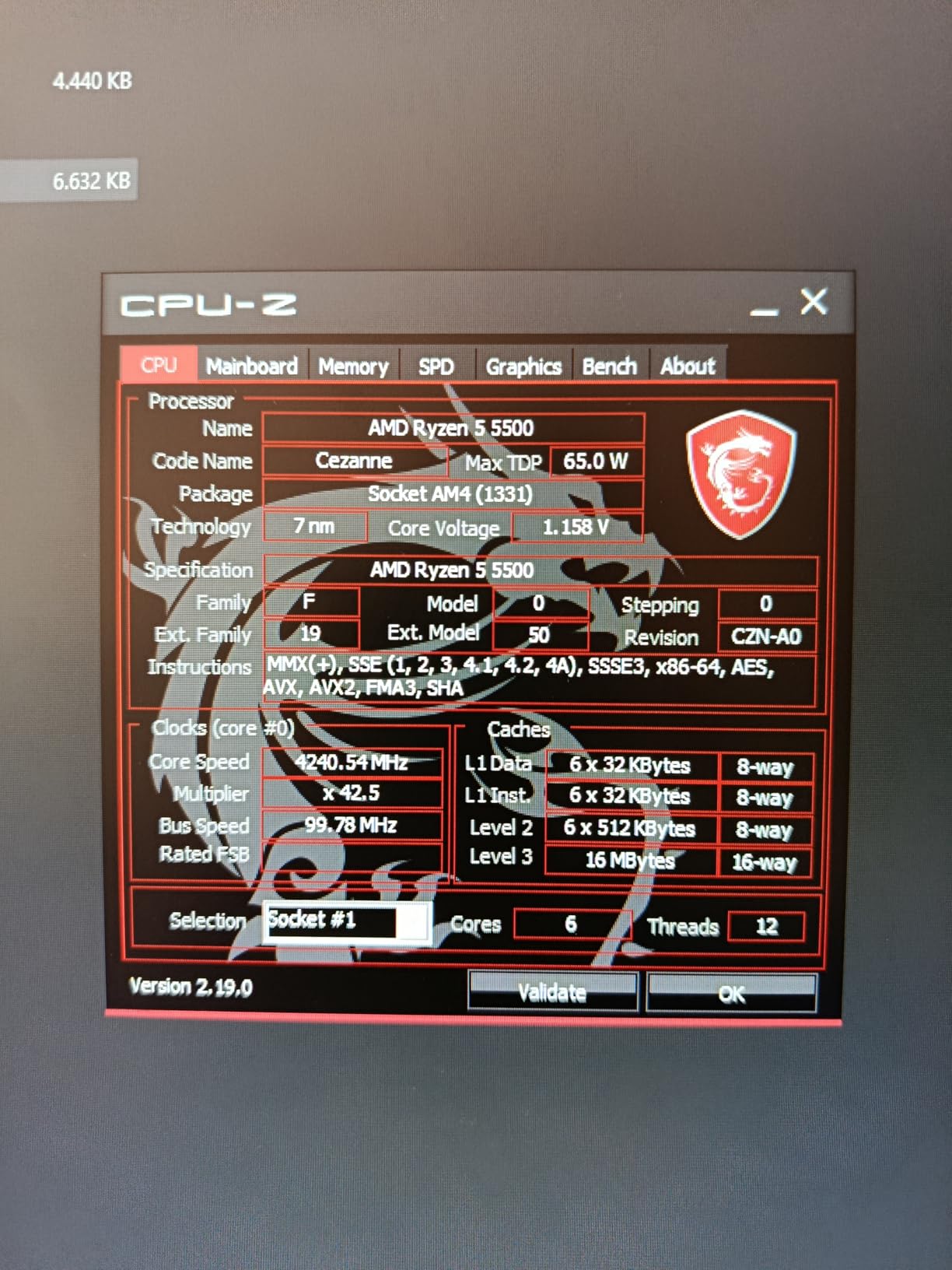
The included Wraith Stealth cooler is a real advantage at this price point. You do not need to budget for an aftermarket cooler, which keeps your total build cost down. The 65W TDP also means the chip runs cool and works well in compact or budget cases with limited airflow.
With over 10,900 reviews and a 4.7-star average, the 5500 is one of the most popular budget CPUs on Amazon. It ranks as the number two best seller in computer CPU processors, which tells you how many people trust this chip for budget builds.

Who Should Buy the 5500
This is the best choice for absolute beginners who want to start editing video without spending a fortune. If you are making 1080p content for YouTube, TikTok, or Instagram, the 5500 will handle it. Students and first-time builders will appreciate the included cooler and low power requirements.
It is also a solid pick for a secondary or backup editing machine. For more budget options, our guide to budget CPUs under $200 covers additional choices.
Who Should Skip It
The 5500 struggles with 4K editing. Timeline playback becomes choppy with high-resolution footage, and export times are significantly longer than the 8-core and 12-core options. If you plan to work with 4K regularly, step up to at least a Ryzen 7 chip.
The AM4 platform and PCIe 3.0 support are both end-of-life. There is no meaningful upgrade path from here, and PCIe 3.0 can slightly reduce GPU performance compared to PCIe 4.0 or 5.0 systems. If you want a platform with longevity, AM5 is the better investment.
Buying Guide: How to Choose the Best CPUs for Video Editing
Choosing the right processor for video editing comes down to understanding what your specific workflow demands. Let me break down the factors that actually matter when you are comparing options.
Cores and Threads
More cores generally mean faster rendering and export times. For 1080p editing, 6 to 8 cores are sufficient. For 4K work, I recommend at least 12 cores. Professional 8K editors and those working with heavy effects should aim for 16 or more cores.
Threads matter too, since each core typically handles two threads through simultaneous multithreading. A 16-core, 32-thread chip like the Ryzen 9 9950X can process 32 parallel tasks, which dramatically speeds up rendering pipelines.
Clock Speed and Single-Core Performance
While cores handle rendering, clock speed drives timeline playback responsiveness. Higher clock speeds mean the CPU can process single-threaded tasks faster, which affects how smoothly you can scrub through footage and apply real-time effects.
Chips hitting 5.4 GHz or higher on boost clocks deliver noticeably snappier timeline performance. The Intel i9-14900K at 6.0 GHz is the current leader here, though AMD’s Zen 5 chips are not far behind in real-world editing scenarios.
Intel vs AMD Platform Considerations
Platform longevity is a major factor. AMD’s AM5 socket supports current and future Ryzen generations, giving you a clear upgrade path. Intel’s LGA 1700 socket is effectively end-of-life, while the newer LGA 1851 socket is just getting started.
If you want to upgrade your CPU in two or three years without buying a new motherboard, AM5 is the safer bet right now. For more on Intel’s newest platform, see our coverage of Intel Core Ultra 9 processors.
Intel Quick Sync vs AMD AVX-512
Intel’s Quick Sync technology provides hardware acceleration for H.264 and HEVC encoding and decoding. If your footage is shot in these formats, which includes most phone footage and many DSLR and mirrorless cameras, Quick Sync can dramatically improve playback smoothness and export speeds.
AMD counters with AVX-512 support on Zen 4 and Zen 5 processors. DaVinci Resolve and some encoding tools can use AVX-512 instructions for faster processing. Both technologies are valuable, but they serve slightly different parts of the editing pipeline.
RAM and Cooling Requirements
Video editing is memory-intensive. I recommend a minimum of 32GB DDR5 RAM for 4K editing, and 64GB if you work with heavy effects or multi-cam setups. Pair your CPU with fast DDR5 memory rated at 5600 MHz or higher for best results.
Cooling is equally important. Most chips on this list do not include a cooler, and several run hot under load. Budget for at least a 240mm AIO liquid cooler for mid-range chips and a 360mm AIO for flagship processors like the 9950X and 14900K.
Budget Considerations
Do not just look at the CPU price. Factor in the cost of a compatible motherboard, cooler, and RAM. A cheaper CPU on an expensive platform can end up costing more than a pricier CPU on a value platform.
For dual-use creators who also game, CPUs with integrated graphics can serve as a backup display output. And if you edit on the go, our guide to the Best laptops for Adobe Premiere Pro covers portable editing solutions.
FAQs
What kind of CPU do I need for video editing?
You need a CPU with at least 6 cores and 12 threads for basic 1080p editing, but 8 to 16 cores are recommended for 4K work. Look for boost clocks above 5.0 GHz for smooth timeline playback, and consider Intel Quick Sync support if you work with H.264 or HEVC footage.
Is Ryzen 5 or 7 better for video editing?
Ryzen 7 is better for video editing because it offers 8 cores and 16 threads compared to Ryzen 5’s 6 cores and 12 threads. The extra cores reduce render and export times noticeably on 4K projects. Ryzen 5 is still capable for 1080p editing on a budget.
Is 32GB RAM overkill for video editing?
No, 32GB RAM is the recommended sweet spot for 4K video editing. It allows smooth timeline playback with multiple layers and effects. For heavy multi-cam projects or 8K editing, 64GB is worth considering. 16GB is the minimum but will limit performance on complex projects.
What does the most work when editing video CPU or GPU?
The CPU handles most of the core editing workload including timeline playback, effects processing, and final rendering. The GPU accelerates specific tasks like color grading, certain effects, and some encoding workloads. Both are important, but the CPU is the primary driver of editing performance.
What is the minimum acceptable CPU for video editing?
A 6-core, 12-thread processor like the AMD Ryzen 5 5500 is the minimum for acceptable 1080p video editing. For 4K editing, you should aim for at least an 8-core chip like the Ryzen 7 9700X or Intel Core i5-13600K to maintain smooth playback and reasonable export times.
Is AMD or Intel better for video editing in 2026?
Both AMD and Intel offer excellent options for video editing in 2026. AMD provides better power efficiency and the AM5 upgrade path with chips like the Ryzen 9 9950X. Intel offers Quick Sync hardware encoding for H.264 and HEVC footage, which benefits editors working with those specific codecs. Your choice depends on your footage format and platform preferences.
Final Thoughts on the Best CPUs for Video Editing
After testing all 8 processors, the AMD Ryzen 9 9950X stands out as the top overall pick for serious video editors. Its 16 Zen 5 cores deliver the best balance of rendering power and power efficiency. The Intel Core i5-13600K takes the value crown with Quick Sync support and near-flagship performance at a mid-range price. For beginners, the AMD Ryzen 5 5500 gets you editing 1080p footage without breaking the bank.
The Best CPUs for Video Editing in 2026 come down to matching the chip to your specific workload. Pick the one that fits your resolution, software, and budget, and you will be rendering faster in no time.
Leave a Reply