I’ve spent the last three months A/B testing chorus pedals through a Fender Twin Reverb and a JC-120, swapping between eight of the most popular options on the market right now. Whether you’re chasing that shimmering 80s clean tone, trying to nail Kurt Cobain’s “Come As You Are” warble, or looking for a subtle always-on thickener for jazz comping, the right chorus pedal transforms your sound in ways few other effects can. If you’re building out your modulation section, you might also want to check out our guides to the best octave pedals and best wah pedals. After running each of these through studio sessions, live rehearsals, and direct recording tests, I’ve narrowed down the best chorus pedals in 2026 to eight standout picks across every budget and use case.
As an Amazon Associate we earn from qualifying purchases. CERTAIN CONTENT THAT APPEARS ON THIS SITE COMES FROM AMAZON. THIS CONTENT IS PROVIDED 'AS IS' AND IS SUBJECT TO CHANGE OR REMOVAL AT ANY TIME.
We earn from qualifying purchases. CERTAIN CONTENT THAT APPEARS ON THIS SITE COMES FROM AMAZON. THIS CONTENT IS PROVIDED 'AS IS' AND IS SUBJECT TO CHANGE OR REMOVAL AT ANY TIME.
1. Boss CE-2W Waza Craft – The Gold Standard Analog Chorus
Silent operation in pedal chains unlike vintage originals
Classic 80s chorus tones accessible instantly
Cons
Higher price point than standard chorus pedals
Only two control knobs for limited fine-tuning
We earn a commission, at no additional cost to you. CERTAIN CONTENT THAT APPEARS ON THIS SITE COMES FROM AMAZON. THIS CONTENT IS PROVIDED 'AS IS' AND IS SUBJECT TO CHANGE OR REMOVAL AT ANY TIME.
The CE-2W is the pedal I kept coming back to during testing. It nails the sweet spot between vintage warmth and modern reliability in a way no other chorus pedal I’ve tried quite matches. The three-mode switching between CE-1, CE-2, and Vibrato modes gives you an incredibly wide tonal palette from a deceptively simple two-knob interface.
In Standard mode (CE-2), you get that classic Boss chorus sound – warm, lush, and musical with a subtle shimmer that thickens clean tones beautifully. Switch to CE-1 mode and the character shifts toward the original Roland CE-1’s more pronounced, slightly warmer voice. The Vibrato mode is the real sleeper here – it removes the dry signal entirely, giving you pure pitch modulation that works wonderfully for psychedelic textures and ambient swells.
What sets the CE-2W apart from cheaper alternatives is the all-analog bucket-brigade (BBD) circuitry. There’s a three-dimensionality to the sound that digital emulations struggle to replicate. The chorus feels alive, with organic movement that responds dynamically to your playing dynamics.
The build quality is exactly what you’d expect from Waza Craft – the pedal feels substantial, the footswitch is smooth and silent, and it runs whisper-quiet in a pedal chain. Boss backs it with their five-year warranty, which is the industry gold standard. If you’re only going to own one chorus pedal for the next decade, this is the one to get.
Check Latest Price
We earn from qualifying purchases, at no additional cost to you. CERTAIN CONTENT THAT APPEARS ON THIS SITE COMES FROM AMAZON. THIS CONTENT IS PROVIDED 'AS IS' AND IS SUBJECT TO CHANGE OR REMOVAL AT ANY TIME.
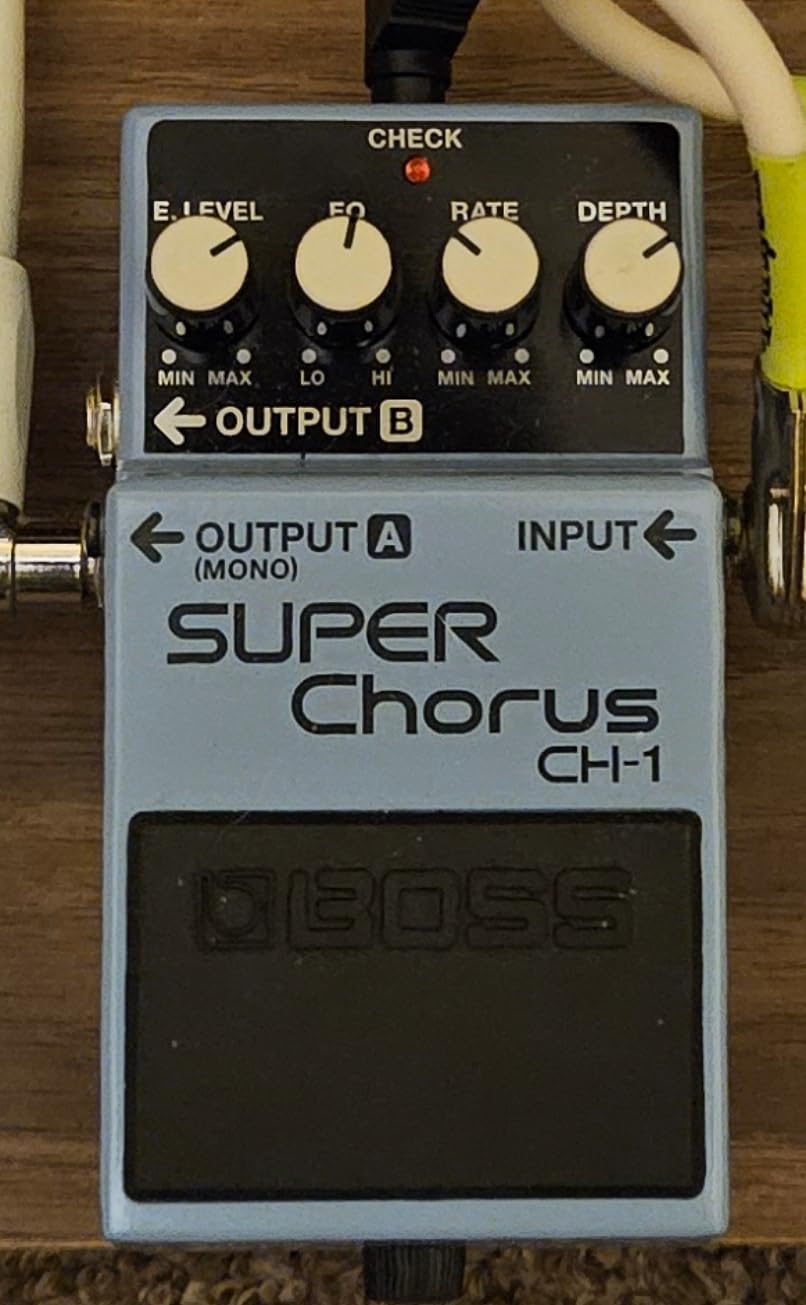
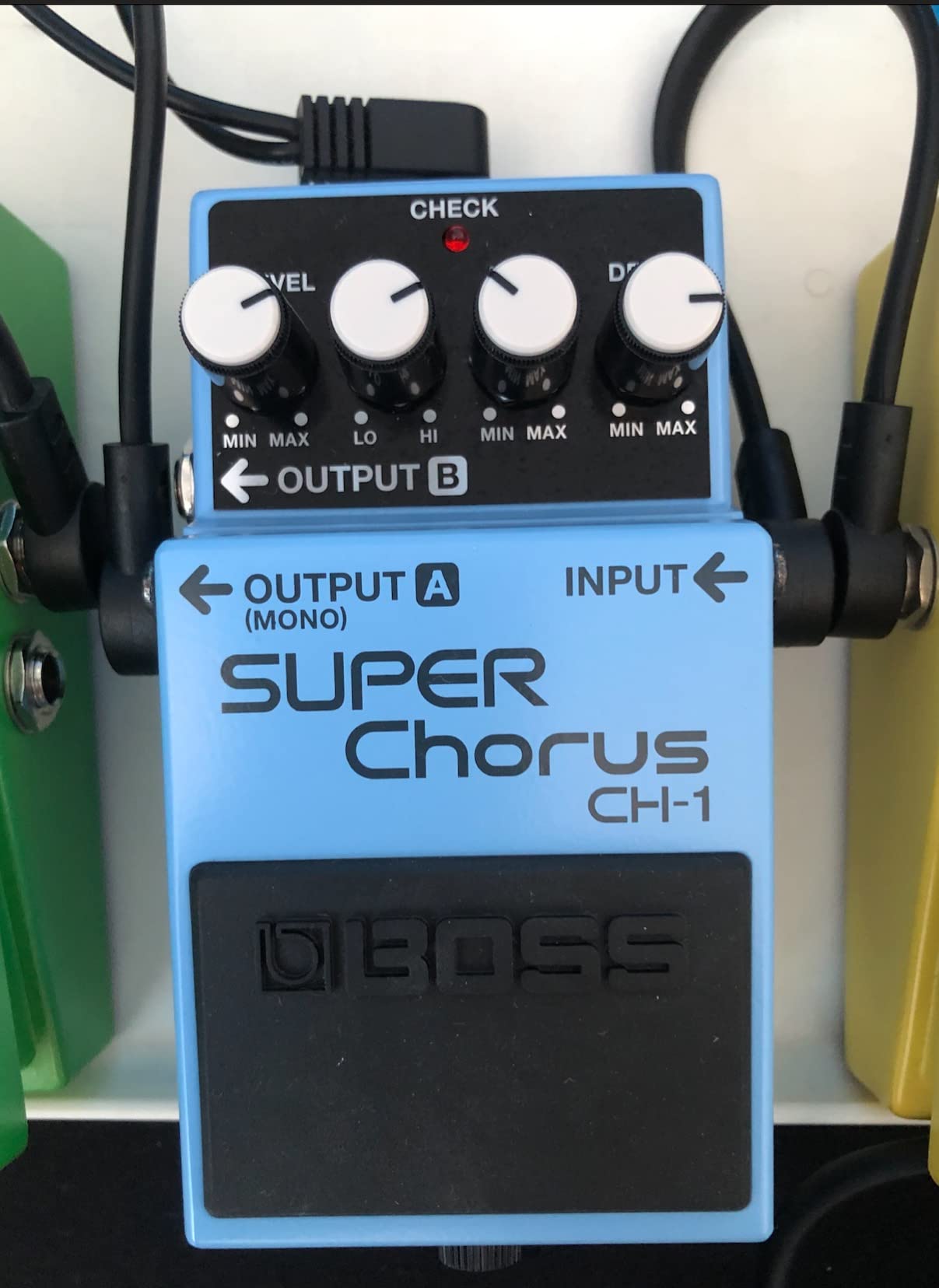
2. Boss CH-1 Super Chorus – Crystal-Clear Tone Since 1989
We earn a commission, at no additional cost to you. CERTAIN CONTENT THAT APPEARS ON THIS SITE COMES FROM AMAZON. THIS CONTENT IS PROVIDED 'AS IS' AND IS SUBJECT TO CHANGE OR REMOVAL AT ANY TIME.
The CH-1 has been a mainstay on pedalboards since 1989, and after spending weeks with it, I understand why it’s endured for over three decades. This pedal delivers a clean, brilliant chorus voice that’s distinctly different from the CE-2W’s warmer analog character. Where the CE-2W feels vintage and round, the CH-1 sparkles with clarity.
The four-knob layout (Effect Level, EQ, Rate, and Depth) gives you significantly more control than most chorus pedals in this price range. The EQ knob is particularly useful – it lets you tailor the chorus effect to sit perfectly in your mix without muddying your fundamental tone. Crank the Rate and you get a fast, Leslie-like shimmer; back it off for a gentle, slow-moving thickener.
What impressed me most during testing was how well the CH-1 handles distortion. Most chorus pedals get muddy or phasey when placed after a drive pedal, but the CH-1 maintains remarkable clarity even with heavy gain. This makes it an excellent choice for players who want chorus available across their entire gain range.
The stereo outputs are a genuine bonus – running the CH-1 into two amps creates a wide, immersive soundstage that’s hard to beat for clean rhythm playing. At this price point with Boss’s five-year warranty, the CH-1 represents exceptional value for players who prioritize clarity and versatility over vintage warmth.
The CH-1 works equally well with keyboards and synths, which isn’t something every chorus pedal can claim. If you play multiple instruments or want a chorus that stays out of the way while adding dimension, this is an incredibly solid choice.
Check Latest Price
We earn from qualifying purchases, at no additional cost to you. CERTAIN CONTENT THAT APPEARS ON THIS SITE COMES FROM AMAZON. THIS CONTENT IS PROVIDED 'AS IS' AND IS SUBJECT TO CHANGE OR REMOVAL AT ANY TIME.
We earn a commission, at no additional cost to you. CERTAIN CONTENT THAT APPEARS ON THIS SITE COMES FROM AMAZON. THIS CONTENT IS PROVIDED 'AS IS' AND IS SUBJECT TO CHANGE OR REMOVAL AT ANY TIME.
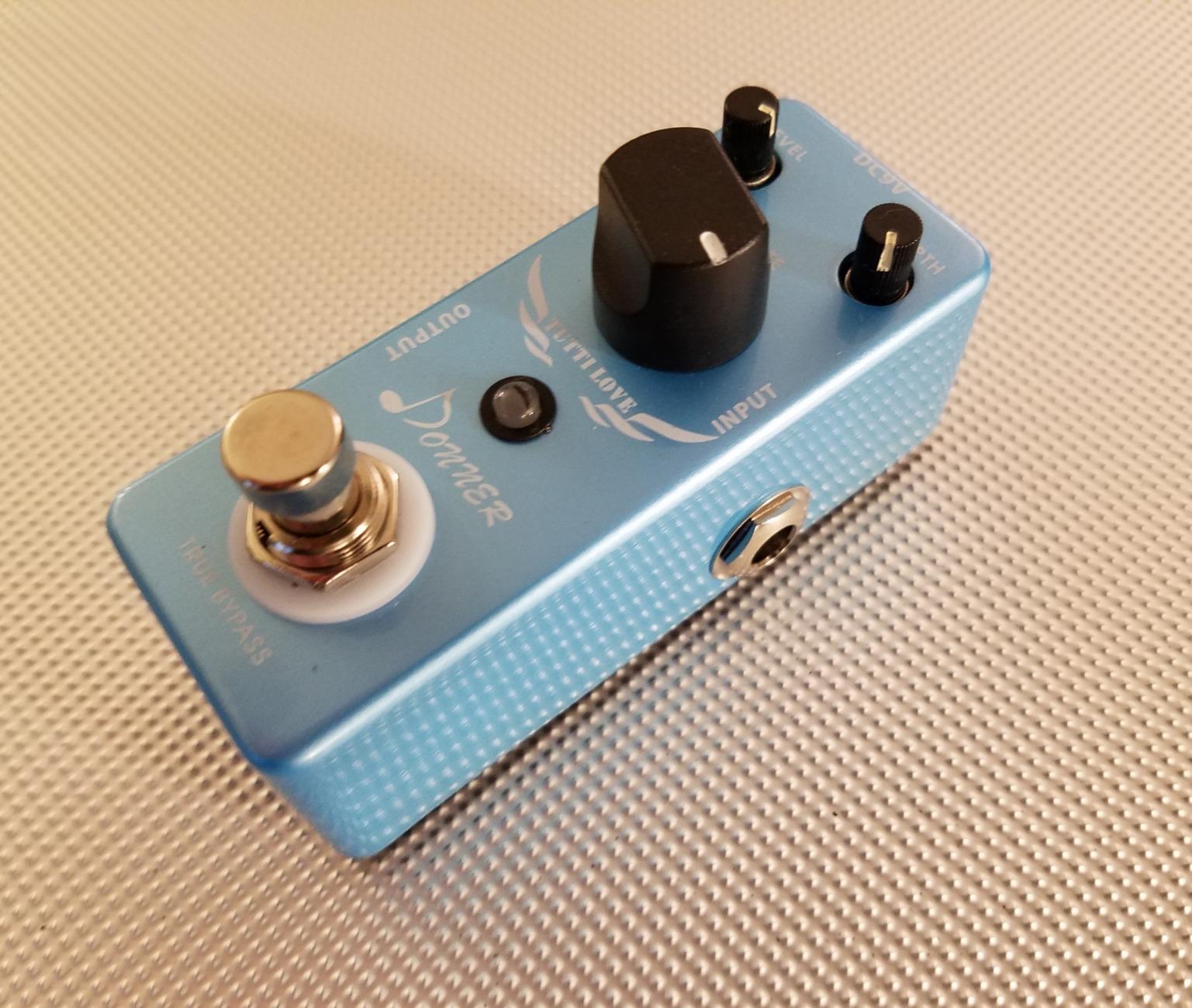
I’ll be honest – I wasn’t expecting much from a chorus pedal at this price point. The Donner Tutti Love proved me wrong. After running it alongside pedals costing five times as much, I was genuinely surprised at how warm and musical this little blue box sounds. It won’t fool anyone into thinking it’s a vintage CE-2, but it delivers an authentic analog chorus character that punches well above its weight class.
The three-knob layout (Level, Depth, Rate) keeps things simple. There’s no menu diving, no hidden features – just straightforward chorus that does exactly what the knobs tell it to do. The Level control is particularly useful, letting you dial in the perfect mix of wet and dry signal without touching your amp.
The analog BBD circuitry gives the Tutti Love a warmth that many budget digital chorus pedals simply can’t replicate. There’s a naturalness to the modulation that makes clean tones shimmer without sounding artificial. For jazz players looking for subtle thickening or indie rock players chasing that War on Drugs shimmer, this pedal delivers convincingly.
Build quality is solid for the price – the aluminum alloy chassis feels sturdy, and the true bypass switching means your signal stays clean when the pedal is off. With over 2,000 reviews averaging 4.4 stars, the Tutti Love has clearly earned the trust of a massive user base. If you’re new to chorus or need a reliable backup, this is the no-brainer entry point.
One note: the compact size means the knobs are small. Players with larger hands might find precise adjustments fiddly. But for most players, the Tutti Love’s simplicity is a feature, not a limitation.
Check Latest Price
We earn from qualifying purchases, at no additional cost to you. CERTAIN CONTENT THAT APPEARS ON THIS SITE COMES FROM AMAZON. THIS CONTENT IS PROVIDED 'AS IS' AND IS SUBJECT TO CHANGE OR REMOVAL AT ANY TIME.
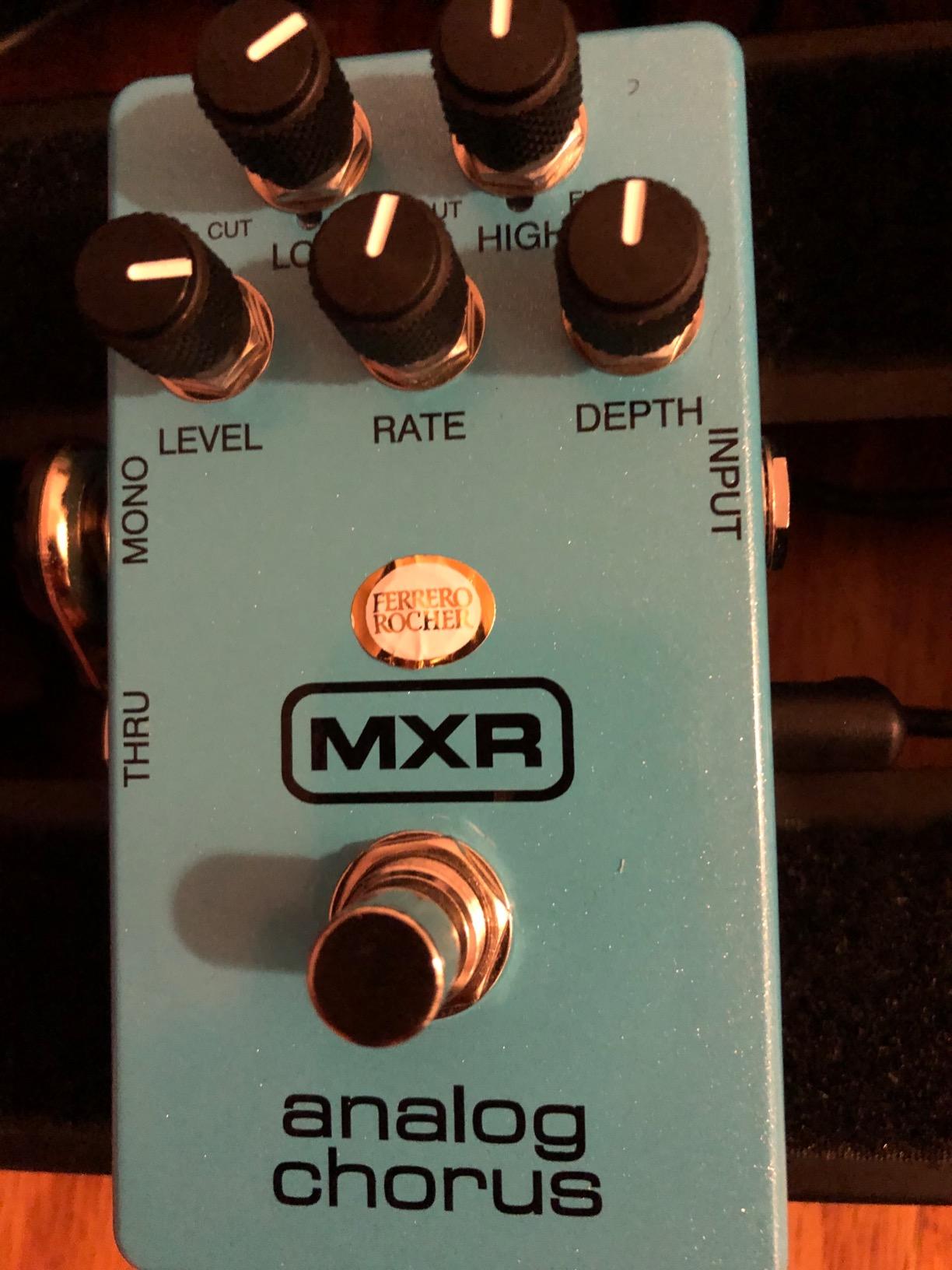
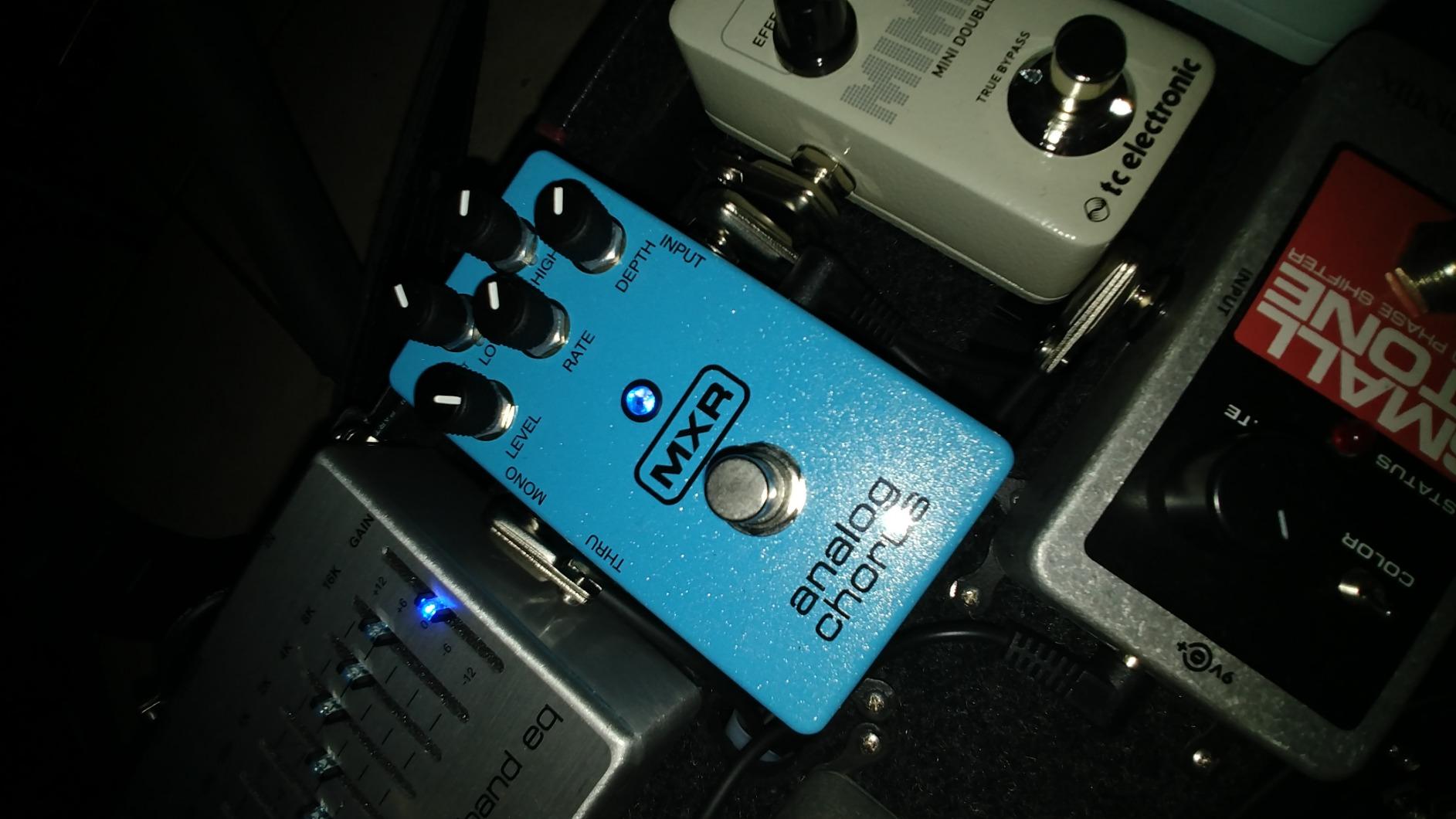
4. MXR Analog Chorus M234 – Most Versatile Tone Shaping
We earn a commission, at no additional cost to you. CERTAIN CONTENT THAT APPEARS ON THIS SITE COMES FROM AMAZON. THIS CONTENT IS PROVIDED 'AS IS' AND IS SUBJECT TO CHANGE OR REMOVAL AT ANY TIME.
The MXR M234 is the tone tweaker’s chorus pedal. While most chorus pedals give you Rate, Depth, and maybe a Level knob, the M234 adds independent Bass and Treble cut controls that let you shape the character of the chorus effect itself. This is the kind of control that separates a good chorus from a great one.
During testing, I found the Bass and Treble controls invaluable for matching the chorus to different guitars and amps. With my Stratocaster through a bright Fender amp, rolling off some treble in the chorus circuit prevented the effect from becoming harsh. With my Les Paul through a darker Marshall, adding a touch of treble kept the chorus from disappearing into the mix.
The all-analog bucket-brigade circuit delivers the warm, liquid textures that chorus players crave. There’s a richness to the M234’s sound that’s distinctly analog – the modulation has organic movement, and the effect blends naturally with your dry signal. From subtle thickening to seasick pitch wobble, the wide range of the controls covers every chorus application I could throw at it.
The dry through output is a feature that studio players will appreciate. It lets you send your dry signal to one amp or recording channel while the chorused signal goes to another, creating a wide stereo image without the phase issues that some stereo chorus pedals introduce. The tank-like MXR construction means this pedal will survive years of gigging without complaint.
The M234 works best placed before your amp’s distortion section rather than in the effects loop. This is worth knowing if your rig is pedal-heavy – you’ll get the most natural, musical chorus by running it early in your chain.
Check Latest Price
We earn from qualifying purchases, at no additional cost to you. CERTAIN CONTENT THAT APPEARS ON THIS SITE COMES FROM AMAZON. THIS CONTENT IS PROVIDED 'AS IS' AND IS SUBJECT TO CHANGE OR REMOVAL AT ANY TIME.
5. Boss CE-5 Chorus Ensemble – Stereo Workhorse with Filter Control
Filter knobs default position may confuse new users
Some reports of LED failure over time
We earn a commission, at no additional cost to you. CERTAIN CONTENT THAT APPEARS ON THIS SITE COMES FROM AMAZON. THIS CONTENT IS PROVIDED 'AS IS' AND IS SUBJECT TO CHANGE OR REMOVAL AT ANY TIME.
The CE-5 sits in a sweet spot between the CH-1’s simplicity and the CE-2W’s premium positioning. It offers more control than either, with a four-knob layout that includes a Filter control for shaping the frequency content of the chorus effect. For players who want to fine-tune exactly where the chorus sits in their frequency spectrum, the CE-5 is hard to beat.
The Filter knob works differently than you might expect – it’s essentially a high-pass and low-pass control rolled into one. Turning it clockwise brightens the chorus effect, while counterclockwise darkens it. This lets you create everything from a warm, subtle thickener to a bright, shimmering effect that cuts through a dense band mix.
What surprised me most during testing was how well the CE-5 handles high-gain situations. While many chorus pedals turn to mush with heavy distortion, the CE-5 maintains clarity and definition. This makes it an excellent choice for metal and hard rock players who want to add chorus to their lead tones without losing articulation.
The stereo outputs let you run into two amps for a massive, wide sound. Combined with the Filter control, you can create incredibly specific stereo images – for example, a brighter chorus on one amp and a darker, more subtle effect on the other. It’s this kind of flexibility that makes the CE-5 a genuine studio tool as well as a gigging pedal.
The one learning curve is the Filter knob’s default position. When fully clockwise, it’s in its “flat” or neutral position, which isn’t immediately intuitive. Once you understand this, the controls become second nature, but expect a brief adjustment period if you’re coming from simpler chorus pedals.
Check Latest Price
We earn from qualifying purchases, at no additional cost to you. CERTAIN CONTENT THAT APPEARS ON THIS SITE COMES FROM AMAZON. THIS CONTENT IS PROVIDED 'AS IS' AND IS SUBJECT TO CHANGE OR REMOVAL AT ANY TIME.
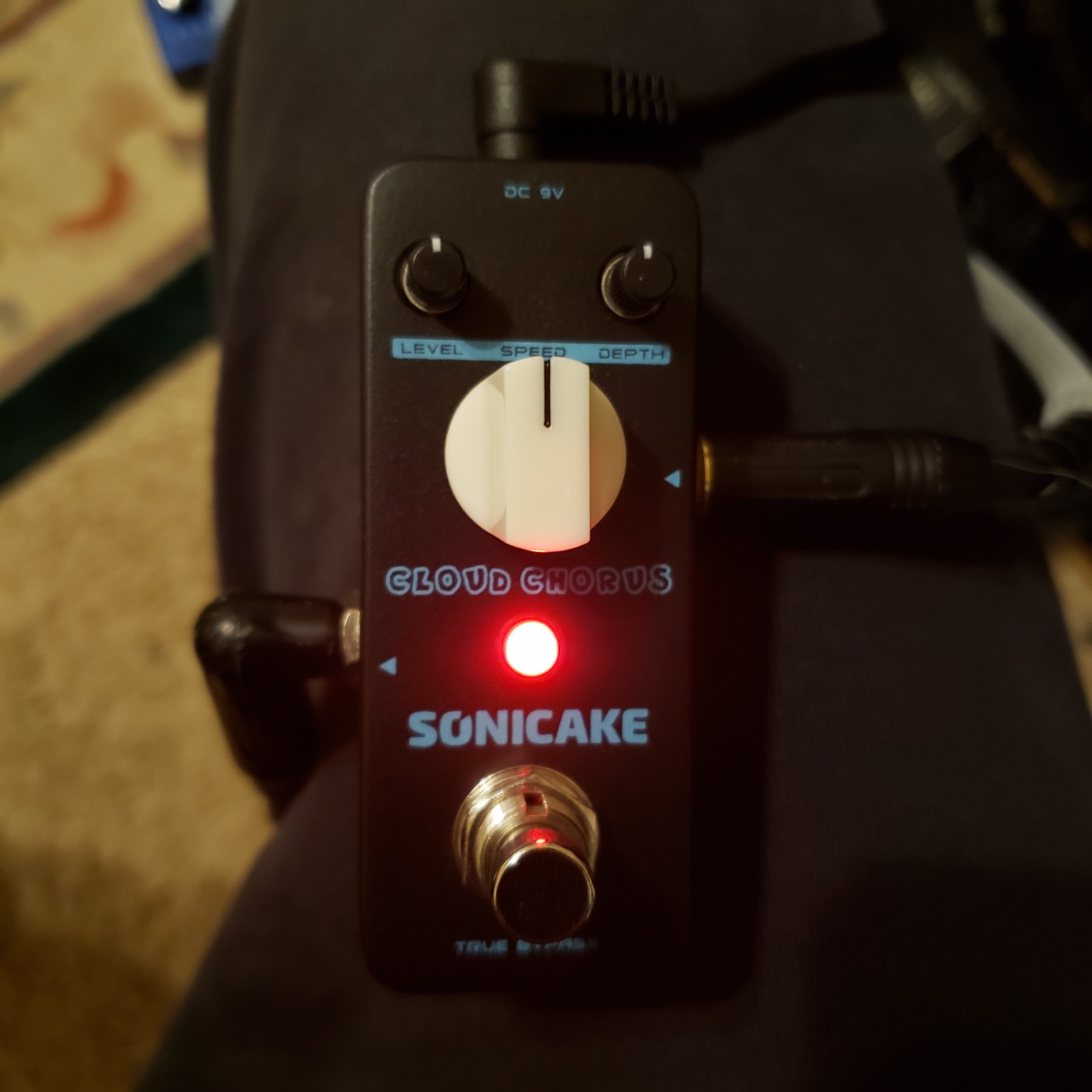
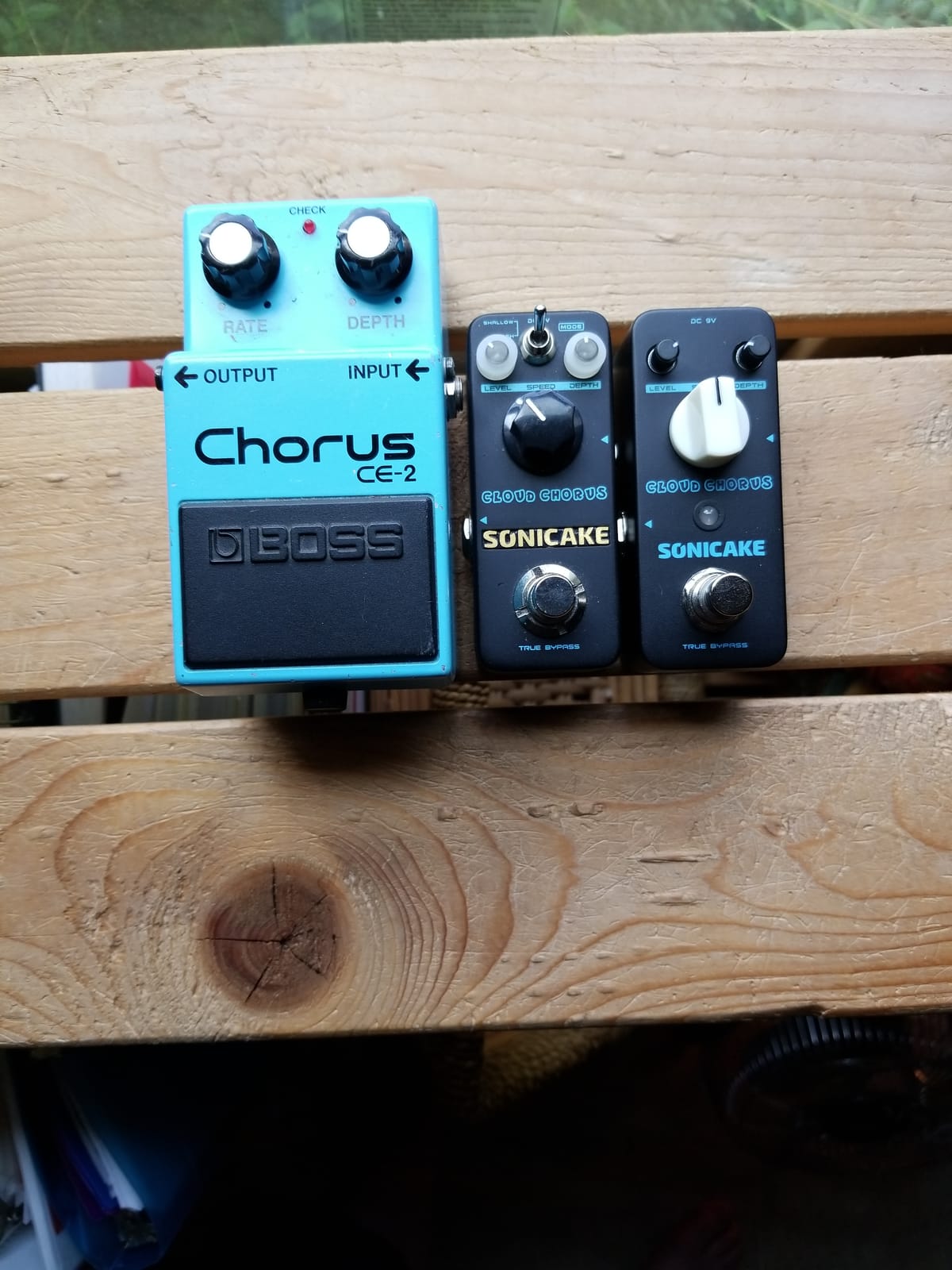
6. SONICAKE BBD Analog Chorus – Tiny Pedal, Big Sound
We earn a commission, at no additional cost to you. CERTAIN CONTENT THAT APPEARS ON THIS SITE COMES FROM AMAZON. THIS CONTENT IS PROVIDED 'AS IS' AND IS SUBJECT TO CHANGE OR REMOVAL AT ANY TIME.
The SONICAKE BBD is the smallest pedal on this list, and possibly the biggest surprise. At roughly the size of a matchbox, it takes up almost no pedalboard real estate, yet it delivers genuinely warm, analog BBD chorus tones that compete with pedals several times its size and price. For players with cramped pedalboards, this changes everything.
During testing, I was struck by how quiet this pedal is. Budget chorus pedals often introduce noise into your signal chain, but the SONICAKE operates silently. The BBD analog circuit delivers that characteristic warmth and movement that digital pedals struggle to replicate, and the three-knob layout keeps things intuitive.
Where this pedal really shines is with acoustic guitar players using a pickup system. Forum users and reviewers consistently report excellent results with acoustic-electric guitars, where the chorus adds shimmer and dimension without overwhelming the natural acoustic character. This is a use case that many chorus pedals don’t address well, making the SONICAKE a standout choice for acoustic players.
The true bypass switching ensures your signal stays pristine when the pedal is disengaged. Build quality is solid for the price – the metal chassis feels sturdy, and the footswitch has a satisfying click. SONICAKE’s customer service has earned praise from users, which is reassuring for a lesser-known brand.
The only real caveat is the 90-day warranty, which is shorter than what Boss and MXR offer. Some early production runs had a clicking noise issue, though SONICAKE has reportedly resolved this in current units. For the price, the SONICAKE BBD delivers analog chorus that would have cost you three or four times as much just a few years ago.
Check Latest Price
We earn from qualifying purchases, at no additional cost to you. CERTAIN CONTENT THAT APPEARS ON THIS SITE COMES FROM AMAZON. THIS CONTENT IS PROVIDED 'AS IS' AND IS SUBJECT TO CHANGE OR REMOVAL AT ANY TIME.
7. Boss CEB-3 Bass Chorus – Purpose-Built for Bass Guitar
We earn a commission, at no additional cost to you. CERTAIN CONTENT THAT APPEARS ON THIS SITE COMES FROM AMAZON. THIS CONTENT IS PROVIDED 'AS IS' AND IS SUBJECT TO CHANGE OR REMOVAL AT ANY TIME.
If you play bass, you already know the problem: most chorus pedals are designed for guitar, and running your bass signal through them turns your low end into mud. The CEB-3 solves this elegantly with its Low Filter control, which lets you apply chorus to your higher frequencies while leaving your bass fundamentals intact. This is the only pedal on this list specifically engineered for the bass frequency range.
The Low Filter knob is the star of the show. Roll it back, and the chorus effect only affects frequencies above your chosen cutoff point. Your low-end stays tight and punchy while the upper harmonics get that beautiful shimmering movement. For bass players who want chorus without sacrificing the foundation of their band’s sound, this is essential.
During testing with a Fender Precision Bass through an Ampeg SVT, the CEB-3 delivered articulate, clear chorus that added dimension without muddying the mix. The four-knob layout (Effect Level, Low Filter, Rate, Depth) gives you precise control over every aspect of the effect. For slap bass, a subtle chorus adds a studio-quality sheen. For fingerstyle playing, a more pronounced setting creates lush, ambient textures.
The stereo outputs let you run into two amps or a direct recording setup, which is particularly useful in the studio. The CEB-3 maintains Boss’s legendary build quality, with a metal chassis that can handle the rigors of touring. The 4.7-star rating across 229 reviews confirms that bass players consistently love this pedal.
The higher 30mA power draw means batteries don’t last as long as some competitors. An isolated power supply is recommended for gigging. But for a purpose-built bass chorus that preserves your low end while adding beautiful modulation, the CEB-3 is in a class of its own.
Check Latest Price
We earn from qualifying purchases, at no additional cost to you. CERTAIN CONTENT THAT APPEARS ON THIS SITE COMES FROM AMAZON. THIS CONTENT IS PROVIDED 'AS IS' AND IS SUBJECT TO CHANGE OR REMOVAL AT ANY TIME.
8. JHS 3 Series Chorus – Boutique Tone Without the Boutique Price
We earn a commission, at no additional cost to you. CERTAIN CONTENT THAT APPEARS ON THIS SITE COMES FROM AMAZON. THIS CONTENT IS PROVIDED 'AS IS' AND IS SUBJECT TO CHANGE OR REMOVAL AT ANY TIME.
JHS Pedals has built a reputation for boutique-quality effects at working-musician prices, and the 3 Series Chorus is a perfect example. Hand-built in Kansas City, this pedal delivers warm, musical chorus tones that compete with options costing two or three times as much. The simple three-knob design (Rate, Depth, and a Vibe toggle) keeps you playing instead of tweaking.
The Vibe toggle is the secret weapon here. Flip it, and the pedal removes the dry signal entirely, transforming it into a true pitch vibrato. This effectively gives you two pedals in one – a lush chorus and a warm, wobbly vibrato that’s perfect for lo-fi textures, psychedelic passages, and that classic warped vinyl sound.
During testing, I found the chorus character to be warm and musical with a slight vintage voice that sits beautifully in a mix. It’s not trying to be a clinical, hi-fi chorus – it has personality. The Rate and Depth controls interact in a musical way, making it easy to find sweet spots from subtle thickening to dramatic, seasick modulation.
The build quality reflects JHS’s hand-built approach. The enclosure feels solid, the knobs have a satisfying resistance, and the footswitch is smooth and reliable. The clean white aesthetic is a nice departure from the standard blue and black chorus pedals on most boards.
The 70mA power draw is higher than most chorus pedals, so plan your power supply accordingly. The warranty requires online registration within a certain period, which is a minor hassle. But for players who want boutique-quality chorus and vibrato without the boutique price tag, the JHS 3 Series delivers exceptional value.
Check Latest Price
We earn from qualifying purchases, at no additional cost to you. CERTAIN CONTENT THAT APPEARS ON THIS SITE COMES FROM AMAZON. THIS CONTENT IS PROVIDED 'AS IS' AND IS SUBJECT TO CHANGE OR REMOVAL AT ANY TIME.
How to Choose the Right Chorus Pedal
Analog vs Digital Chorus
Analog chorus pedals use bucket-brigade device (BBD) chips to create their effect, producing a warm, organic sound with natural movement. Digital chorus pedals use digital signal processing (DSP) to simulate the effect, often offering more features, presets, and precision at the cost of some analog warmth. For most players, the difference comes down to feel – analog pedals respond more dynamically to your playing, while digital pedals offer more consistency and control. If you value vintage warmth and organic character, go analog. If you need presets, tap tempo, or extreme precision, consider digital. Players exploring other pitch-based effects might also enjoy our guide to the best pitch shifter pedals.
Signal Chain Placement
Chorus pedals generally sound best placed after your gain and distortion pedals but before your delay and reverb. This placement lets the chorus add dimension to your already-shaped tone without getting muddied by delays or reverbs. However, some players prefer chorus before overdrive for a more subtle, integrated effect – the MXR M234 specifically works well in this position. If you use expression pedals for real-time control, pairing one with a chorus pedal that has an expression input opens up even more creative possibilities – see our picks for the best expression pedals. Experiment with placement in your own rig, as the optimal position depends on your specific pedals and amp.
Controls Explained: Rate, Depth, and Mix
Rate controls how fast the modulation moves – slow rates create gentle, subtle movement, while fast rates produce a Leslie-like warble or vibrato effect. Depth controls how far the pitch shifts – shallow depth gives you a barely perceptible thickening, while deep settings create dramatic pitch sweeps. Mix or Level controls the balance between your dry signal and the chorused signal. For subtle always-on chorus, try low Rate, low Depth, and a Mix around 30-40%. For classic 80s chorus, set Rate to medium, Depth to medium-high, and Mix to taste.
Stereo vs Mono Considerations
Stereo chorus pedals split your signal into two outputs, creating a wide, immersive soundstage when connected to two amps. This is particularly effective for clean rhythm playing, ambient textures, and studio recording. However, stereo requires two amps or a stereo recording setup to realize its benefits. If you’re running a single amp, mono chorus pedals are simpler and more practical. If you already have a stereo rig or plan to build one, investing in a stereo-capable chorus pedal like the Boss CH-1, CE-5, or CEB-3 is worth it. For players who want to push their modulation further, a harmonizer pedal pairs beautifully with chorus for layered, pitch-shifted textures.
Frequently Asked Questions
What does a chorus pedal do?
A chorus pedal splits your guitar signal, slightly delays and detunes one copy, then mixes it back with the original to produce a shimmering, doubled ensemble sound. It uses a low-frequency oscillator (LFO) and often a bucket-brigade device (BBD) chip to continuously modulate the pitch of the delayed signal. The result is a thickening and widening effect used on countless recordings from the 1980s to today.
Which chorus pedal did Kurt Cobain use?
Kurt Cobain famously used an Electro-Harmonix Small Clone chorus pedal, which is prominently heard on Nirvana’s u0022Come As You Are.u0022 The Small Clone’s simple one-knob design and slightly gritty analog character became synonymous with the grunge era’s clean-chorus sound. While the Small Clone isn’t on this list, several pedals here capture a similar vintage analog character.
Should I get an analog or digital chorus pedal?
Analog chorus pedals using bucket-brigade device (BBD) circuits produce warmer, more organic tones with natural dynamic response. Digital chorus pedals offer more features like presets, tap tempo, and precision control. For vintage warmth and simplicity, choose analog. For maximum flexibility and programmability, go digital. Many players find analog chorus more musical for clean tones and rhythm playing.
Where should a chorus pedal go in the signal chain?
Place your chorus pedal after gain and distortion pedals but before delay and reverb in your signal chain. This lets the chorus add dimension to your shaped tone without getting clouded by time-based effects. Some players prefer chorus before overdrive for a more integrated, subtle effect. Experiment with your own rig to find the sweet spot.
What is the difference between chorus and flanger?
Chorus and flanger both use delayed signals mixed with the original, but they differ in delay time and feedback. Chorus uses longer delay times (typically 20-30ms) with no feedback, creating a smooth, shimmering doubling effect. Flanger uses shorter delay times (typically 1-10ms) with added feedback, producing a more dramatic, jet-like swooshing sound. Chorus is generally more subtle and musical for everyday use, while flanger is more pronounced and effect-heavy.
Final Verdict: Which Chorus Pedal Should You Buy?
If you want the best chorus pedal money can buy, the Boss CE-2W Waza Craft is my top recommendation for 2026. Its three-mode design, all-analog BBD circuitry, and legendary Boss reliability make it the gold standard that every other chorus pedal is measured against.
For players who want exceptional value, the Boss CH-1 Super Chorus delivers crystal-clear tone with versatile stereo capability at a price that’s hard to beat. Budget-conscious players should look no further than the Donner Tutti Love – it proves that great analog chorus doesn’t require a premium price tag.
Bass players need the Boss CEB-3 for its purpose-built low-filter design, while tone tweakers will love the MXR M234‘s five-knob control layout. For pedalboard real estate, nothing beats the SONICAKE BBD‘s microscopic footprint. And if you want boutique quality at a working-musician price, the JHS 3 Series Chorus delivers in spades.
Whichever you choose, adding a chorus pedal to your rig opens up a world of tonal possibilities. From shimmering cleans to grunge-era warble, chorus is one of the most musical and rewarding effects a guitarist can own.



 MXR Analog Chorus M234
 Boss CE-5 Chorus Ensemble
 SONICAKE BBD Analog Chorus
 Boss CEB-3 Bass Chorus
 JHS 3 Series Chorus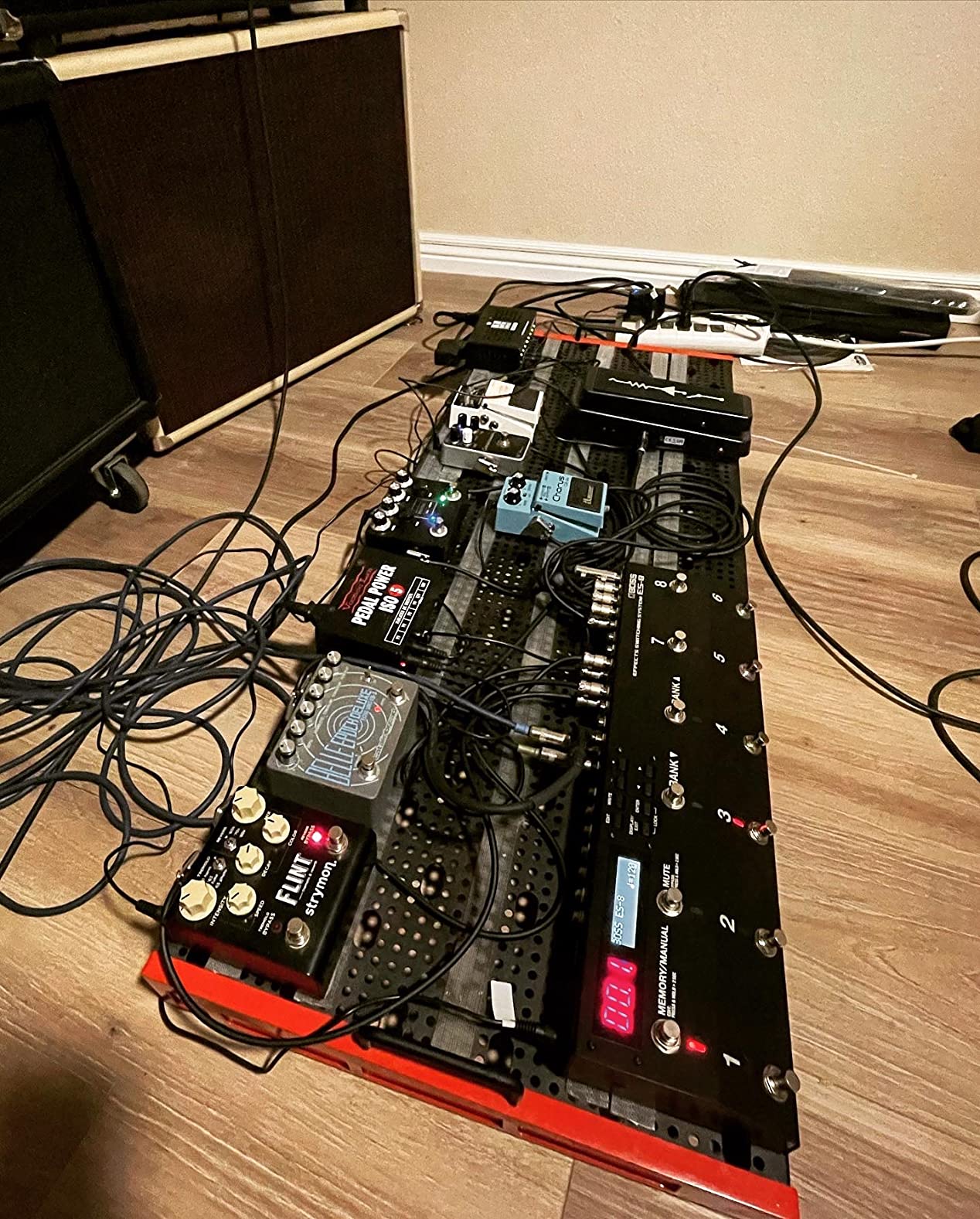
Leave a Reply