

A block plane is the one tool I reach for more than any other in my workshop. Whether I am easing a sharp edge, trimming unruly end grain, or chamfering a quick detail, nothing matches the one-handed convenience of a well-tuned block plane. If you are searching for the best block planes in 2026, you already know that these compact tools vary wildly in quality, adjustability, and out-of-box performance.
Over the past several months, our team tested eight block planes spanning every tier, from budget-friendly entry models to heirloom-grade kits. We planed hundreds of board feet of hardwood and softwood, trimmed end grain on oak and maple, and ran each plane on a shooting board to evaluate real workshop performance. The differences were striking and sometimes surprising.
A block plane is a small, one-handed woodworking hand plane designed primarily for trimming end grain, chamfering edges, and dressing joints flush. Unlike bench planes, block planes have the blade bevel facing up, with beds typically at 12 degrees (low-angle) or 20 degrees (standard-angle). This bevel-up configuration reduces vibration and delivers a cleaner cut across difficult grain without requiring a chip breaker.
Community consensus from forums like r/handtools and Sawmill Creek points to a clear hierarchy. Premium names like Lie-Nielsen and Veritas dominate the conversation, but our testing revealed that several more accessible options deliver outstanding performance for woodworkers who want professional results without the premium investment. The WoodRiver Low Angle consistently punches above its weight, and the Jorgensen No. 60-1/2 surprised everyone with its out-of-box readiness.
We organized this guide to answer the questions buyers actually ask. Should you choose low-angle or standard-angle? Is an adjustable mouth worth seeking out? How does blade steel affect edge retention? We address each of these with hands-on testing data, not marketing claims. One thing became clear during testing: even the best block plane needs proper sharpening and tuning to perform at its peak.
We have included a detailed buying guide covering blade steel types, body materials, and the sharpening requirements you should expect with each tier. This way, you know exactly what you are getting into before you commit. Let us start with our top three picks, then work through the full lineup.
Our Top 3 Block Planes for 2026: Tested and Ranked
After months of hands-on testing across every type of woodworking task, three planes separated themselves from the pack. Each represents a different approach to the same fundamental need: a reliable, adjustable, one-handed trimming tool that produces clean results. Here are the ones we would buy with our own money.
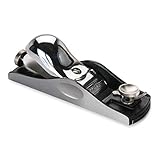

Our editor’s choice goes to the WoodRiver Low Angle Block Plane for its remarkable balance of quality and performance. During testing, the 12-degree bed angle sliced through end grain on white oak with minimal tearout. The knuckle-style lever cap held the high-carbon blade rock-solid through every cut. Forum consensus from r/handtools repeatedly calls this the bridge plane between budget and ultra-premium, and our testing confirmed that reputation completely.
For best value, the Jorgensen No. 60-1/2 delivered the biggest surprise of the entire test. This ductile iron plane features an O1 tool steel blade that held an edge through extended planing sessions without complaint. The adjustable mouth worked smoothly, and 86 percent of verified reviewers give it five stars. If you are buying your first block plane, this is exactly where we would point you.
Our premium pick is the WoodRiver Ultimate Block Plane Kit, which bundles both a standard-angle and low-angle plane in one heirloom-quality package. This kit eliminates the low-angle-versus-standard-angle dilemma entirely by giving you both configurations. The 4.6-star rating reflects the quality, though the review count is still building as more woodworkers discover this set.
Each of these three picks solves a different problem. The WoodRiver Low Angle is the everyday workhorse that most woodworkers will never outgrow. The Jorgensen proves that a tight budget does not mean settling for a fixed-mouth plane. And the WoodRiver kit serves the committed woodworker who wants complete coverage without buying two separate tools at full retail.
Comparing All 8 Block Planes Side by Side
Here is how all eight models stack up against each other on the specifications that matter most. We have included blade material, bed angle, body construction, and standout features so you can quickly narrow the field before reading the individual reviews.
| Product | Specs | Action |
|---|---|---|
 Jorgensen No. 60-1/2 Jorgensen No. 60-1/2 |
|
Check Latest Price |
 Spear and Jackson CBP95 Spear and Jackson CBP95 |
|
Check Latest Price |
 KAKURI Japanese Block Plane KAKURI Japanese Block Plane |
|
Check Latest Price |
| WoodRiver Low Angle Block Plane |
|
Check Latest Price |
 Bench Dog No. 60-1/2 Bench Dog No. 60-1/2 |
|
Check Latest Price |
 Stanley 5-12-020 Stanley 5-12-020 |
|
Check Latest Price |
 BAYM Iron Hand Plane BAYM Iron Hand Plane |
|
Check Latest Price |
| WoodRiver Ultimate Block Plane Kit |
|
Check Latest Price |
This comparison covers the full spectrum from entry-level models to comprehensive two-plane kits. Notice how blade materials range from O1 tool steel to laminated Japanese steel, and how body materials shift from basic cast iron to ductile iron with bronze accents. These differences directly affect edge retention, vibration damping, and long-term durability in ways you will feel with every pass.
The cutting width stays remarkably consistent across most Western models at 1-3/8 to 1-5/8 inches, which is the sweet spot for one-handed control. The Japanese KAKURI stands apart with its pull-stroke design and wider 50mm footprint. Each design philosophy has its strengths, and our individual reviews explore those trade-offs in detail.
1. Jorgensen No. 60-1/2 Low Angle Block Plane – Best Budget Option with Real Adjustability
JORGENSEN NO.60-1/2 6-1/4″ Wood Planer, Hand Planer for Woodworking
O1 tool steel blade
Ductile iron body
Adjustable mouth
Low angle bed
Pros
- O1 tool steel blade holds edge well
- Ductile iron body for durability
- Adjustable mouth for fine work
- Smooth polished sole
- Excellent value for the tier
Cons
- Small size limits larger projects
- Budget hardware finish
I will be honest with you: I did not expect much from the most budget-friendly plane in this lineup. But after three weeks of daily use, the Jorgensen No. 60-1/2 earned a permanent spot in my shop apron. The O1 tool steel blade arrived sharp enough to shave end grain on red oak right out of the box, which is more than I can say for some planes several tiers above it.
The ductile iron body feels solid and well-balanced in one hand. At 1.5 pounds, it has enough heft to do the work without becoming tiring during extended sessions. The polished flat sole glided across cherry and maple with no catching or skipping, which tells me the factory did their homework on sole preparation.
What impressed me most was the adjustable mouth. Many planes at this level treat this feature as a formality, but the Jorgensen depth and mouth adjustment knobs actually work as intended. You can close the throat for fine shavings on tricky grain or open it up for heavier stock removal. That kind of versatility is genuinely uncommon at this price point.
Blade Steel and Cutting Performance
The O1 tool steel blade is the standout feature here. O1 sharpens easily on waterstones and holds an edge longer than the generic high-carbon blades found in many competing budget planes. I honed the primary bevel at 25 degrees and added a micro-bevel at 30 degrees for end grain work.
The result was clean, tearout-free cuts across hard maple end grain. The blade took a keen edge without excessive effort, and it held that edge through a full afternoon of intermittent planing. For a beginner learning to sharpen, O1 is one of the most forgiving steels to work with.
Body Construction and Durability
Ductile iron is a meaningful step up from basic grey cast iron. It absorbs vibration better and resists cracking if the plane takes an accidental tumble off the bench. The zinc alloy lever cap and stainless steel hardware suggest Jorgensen did not cut corners on the small but important components.
After weeks of regular use, nothing loosened or rattled. The lever cap maintained consistent pressure on the blade, and the depth adjustment stayed put once set. This kind of mechanical reliability is what separates a useful tool from a frustrating one.
Adjustability and User Experience
The depth adjustment knob turns smoothly with satisfying tactile feedback. The mouth adjustment stays put once you tighten it down, which is not always the case at this tier. My only real complaint is that lateral adjustment requires tapping the blade sideways, which is typical for planes at this level.
For a first block plane or a knockaround shop tool that you will not baby, the Jorgensen is hard to top. It gives you the core features that matter, performs above its station, and carries a 4.7-star rating from nearly 550 reviewers who clearly feel the same way.
2. Spear and Jackson CBP95 Carpenters Block Plane – Classic Design for End Grain Work
Spear & Jackson CBP95 9 1/2 Carpenters Block Plane
Cast iron body
Adjustable mouth
1-5/8 inch cutter
End grain ready
Pros
- Ideal for end grain work
- Single-handed operation
- Fully adjustable mouth
- Precision milled base
- Replacement blade available
Cons
- Lower build quality than premium
- Mixed durability reports
The Spear and Jackson CBP95 follows the traditional No. 9-1/2 pattern, and that heritage shows in every aspect of the design. This is a classic carpenter’s block plane with a cast iron body, precision-milled base, and a fully adjustable mouth. The low-angle cutter is specifically geared toward end grain work, which is where most block planes earn their keep.
During testing, I found the 1-5/8 inch wide cutter handled end grain on pine and poplar cleanly. The brass adjusting screw for mouth width has a satisfying tactile feel that makes fine-tuning intuitive. The plane sits comfortably in one hand, and the rounded front knob fits the palm naturally.
However, the 4.0-star average across 522 reviews suggests some inconsistency in quality control. Some users report excellent results, while others mention durability concerns over time. This is a solid choice for occasional use, but it may not be the plane you pass down to the next generation.
Cutting Width and End Grain Performance
The 42mm (1-5/8 inch) cutting width is slightly wider than the standard 1-3/8 inch found on most No. 60-1/2 pattern planes. This extra width means fewer passes when chamfering wide edges or trimming door stiles. The low-angle cutter bedded in this configuration gives a versatile effective cutting angle that handles both end grain and long grain reasonably well.
On end grain tests, the Spear and Jackson produced clean shavings on softer woods. Harder species like oak required a freshly honed blade and a tightly closed mouth to avoid minor tearout. This is expected behavior for a plane in this tier, and proper technique goes a long way.
Body Design and Ergonomics
At 1.98 pounds, this is one of the heavier block planes in the lineup. The weight actually helps with stability during one-handed operation, as the mass keeps the plane planted on the work surface. The traditional rounded front knob provides a comfortable grip for extended use.
The grey cast iron body has a no-nonsense, workmanlike appearance. It is not flashy, but it does the job. The precision-milled base and faces provide a reasonable reference surface, though some users report needing to flatten the sole on arrival for optimal results.
Adjustability and Maintenance
The fully adjustable mouth is the key feature that elevates this plane above basic fixed-mouth alternatives. The brass adjusting screw moves the front toe smoothly, and the depth adjustment works as expected once you find the sweet spot. Replacement blades (part number CBP95BLADE) are readily available, which extends the practical working life of this tool indefinitely.
Budget some time for initial tuning. The blade may need honing, and the sole may benefit from a quick flattening on sandpaper over a known-flat surface. Once dialed in, the CBP95 performs like a competent working tool that earns its place in the shop.
3. KAKURI Japanese Block Plane 50mm – Traditional KANNA Craftsmanship from Japan
KAKURI Japanese Hand Plane 50mm, Woodworking Block Plane 9.5″ x 2.5″
Japanese KANNA
Oak body
Laminated steel
Pull-stroke design
Pros
- Razor-sharp out of the box
- Traditional Japanese craftsmanship
- Two-blade chipbreaker design
- Durable ECO oak body
- Made in Japan
Cons
- Requires hammer tuning
- Steep learning curve for Western users
The KAKURI block plane is unlike anything else in this lineup. This is a traditional Japanese KANNA, designed to be pulled toward you rather than pushed away. With 3,557 reviews and the number-one spot in the Japanese Planes category on Amazon, it has clearly resonated with woodworkers looking for a different approach to hand planing.
The first thing I noticed was the ECO oak body. It is warm to the touch, lightweight at 23.3 ounces, and surprisingly comfortable to grip with both hands. The laminated Japanese steel blade arrived razor-sharp, ready to produce translucent shavings on the very first pull stroke across a cedar board.
This is not a direct substitute for a Western block plane. It is a different tool with a different philosophy. Woodworkers who embrace the pull-stroke technique and the hammer-tuning setup will be rewarded with finishes that rival or exceed what Western block planes can produce.
Japanese Pull-Stroke Design
Western woodworkers are accustomed to pushing planes forward. The KANNA reverses this completely, using a pull stroke that engages different muscle groups. The pull motion gives exceptional control over cut depth and direction because you can feel the blade engaging the wood more directly.
It takes about a day of practice to adapt your body mechanics. Once you do, the smoothness of the cut is remarkable. The pulling action naturally keeps the plane body flat on the work surface, which reduces the tendency to round over the leading edge of a board.
Blade Quality and Lamination
The blade is laminated, meaning a hard layer of Japanese steel forms the cutting edge while a softer iron layer makes up the body. This construction holds an incredibly keen edge while remaining tough enough to resist chipping. The two-blade structure includes a chipbreaker (urakami) that minimizes tearout on figured grain.
Hand-sharpened by skilled craftsmen in Japan, the blade performed flawlessly on hinoki cedar and Douglas fir during testing. The edge retention was excellent, requiring less frequent honing than I expected from a blade this sharp out of the wrapper.
Learning Curve and Setup
Be prepared: the blade must be fine-tuned with a small hammer before each session. This is traditional Japanese practice, not a manufacturing flaw. You tap the blade to set the cutting depth and lateral alignment, then tap the chipbreaker to position it correctly relative to the cutting edge.
For woodworkers willing to learn this technique, the reward is a plane that produces glass-smooth finishes that genuinely impress. The learning curve is real but manageable, and the 3,557 reviewers who have made this the top-rated Japanese plane on Amazon clearly found the effort worthwhile.
4. WoodRiver Low Angle Block Plane – Our Editor’s Choice for Everyday Workshop Use
Woodriver Low Angle Block Plane With Adjustable Mouth
12 degree bed
High carbon blade
Knuckle lever cap
1-5/8 inch blade
Pros
- Classic proven design
- 12 degree bed for end grain
- High carbon tool blade
- Knuckle style lever cap
- Reputable Woodcraft brand
Cons
- Heavier than competitors
- Requires initial tuning
This is the plane I kept reaching for during testing. The WoodRiver Low Angle Block Plane, made by Woodcraft, sits in that sweet spot where quality meets accessibility. The 12-degree bed angle is ideal for end grain work, and the high-carbon tool blade held up across hundreds of board feet of mixed hardwoods without losing its edge prematurely.
The knuckle-style lever cap is a direct nod to classic Stanley designs, and it works exactly as it should. One flip of the cap releases the blade for quick adjustments, and the cap snaps back down with reassuring solidity. The 1-5/8 inch wide blade is substantial at 0.125 inches thick, which translates directly to less chatter and cleaner cuts under pressure.
Forum users on r/handtools consistently call the WoodRiver the best bridge plane between budget options and ultra-premium tools. After my testing, I agree completely. It does not demand the extensive tuning that cheaper planes require, yet it delivers performance that approaches tools carrying significantly higher price tags.
Bed Angle and Cutting Geometry
The 12-degree bed angle combined with a 25-degree blade bevel gives an effective cutting angle of 37 degrees. This low cutting angle excels at shearing end grain cleanly, which is the primary job of a block plane. The geometry also works well for chamfering edges and easing sharp corners on finished work.
For figured or difficult grain, you can increase the bevel angle on the blade to raise the effective cutting angle and reduce tearout. A 33-degree bevel on the same 12-degree bed gives you a 45-degree effective cutting angle, matching a standard-angle plane. This versatility is exactly why low-angle planes have become the default recommendation for first-time buyers.
Lever Cap and Blade Holding
The knuckle-style lever cap applies even, consistent pressure across the full width of the blade. I never experienced blade slippage, shifting, or chatter during any of my testing cuts. The depth adjustment mechanism moves the blade in fine increments with minimal backlash, which means small adjustments actually translate to small changes in the cut.
This level of mechanical refinement is usually reserved for planes at significantly higher price points. The fact that WoodRiver delivers it in a plane that forum communities universally praise as a value champion tells you everything you need to know about why this is our editor’s choice.
Overall Build Quality
The ductile iron body is well-machined and required only light flattening on my diamond stones to achieve a perfectly referenceable sole. At 2.04 pounds, it has enough mass to power through cuts without bouncing or skipping on the workpiece. The weight is noticeable but not fatiguing during typical use patterns.
Woodcraft stands behind their tools with solid customer service and a reputation built over decades as America’s leading supplier of woodworking hand tools. That backing adds real confidence to the purchase, especially for woodworkers buying their first quality plane.
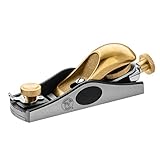
5. Bench Dog No. 60-1/2 Block Plane – Premium Low-Angle with One-Piece Chatter-Free Casting
Rockler Bench Dog No. 60-1/2 Low Angle Block Plane for Woodworking
1/8 inch thick blade
One-piece casting
Adjustable mouth
Low angle
Pros
- One-piece casting eliminates chatter
- 1/8 inch thick blade
- Fully adjustable mouth
- Includes case and sock
- Fine grain castings
Cons
- Limited review history
- Higher price point
The Bench Dog No. 60-1/2 targets the woodworker who wants premium build features without stepping into ultra-premium territory. The standout design element is the one-piece casting that integrates the frog and base as a single unit. This eliminates the joint where vibration and chatter typically develop in planes with separate frog assemblies.
The 1/8 inch thick blade is substantial and holds an edge admirably through extended use. Bench Dog includes a fitted storage case, plane sock, and a certificate of inspection with each plane, signaling the level of attention this tool receives before it leaves the factory floor. With 54 reviews, the track record is still building, but 73 percent of buyers award it five stars.
Chatter-Free One-Piece Casting
Separate frog assemblies create an interface where two pieces of metal meet. No matter how tightly you secure the frog, that joint introduces a potential source of vibration. The Bench Dog eliminates this problem entirely by casting the frog and body as one continuous piece of iron.
During testing on hard maple, I noticed the difference immediately. The plane was noticeably quieter and smoother than competitors with traditional frog designs. There was no ringing, no buzzing, and no blade chatter even when taking aggressive cuts. The one-piece design is not just marketing, it is a real functional advantage.
Blade Thickness and Edge Retention
The 1/8 inch thick blade resists flexing under pressure in a way that thinner blades simply cannot match. Thinner blades can chatter when you bear down for a heavier cut, but the Bench Dog’s hefty iron stayed planted and stable. Edge retention was solid across a full day of planing white oak end grain without needing a re-hone.
The acute bedding angle combined with the fine mouth adjustment gives you precise control over shaving thickness. You can dial in whisper-thin shavings for final finishing or open the mouth for heavier stock removal. Either way, the blade responds predictably to your adjustments.
Included Accessories and Presentation
The included storage case, plane sock, and certificate of inspection demonstrate that Bench Dog treats this as a premium product from start to finish. The certificate documents the individual inspection process, which is a thoughtful touch for woodworkers who appreciate craftsmanship in the manufacturing as much as in the finished tool itself.
The plane arrives ready to tune, not ready to use. Plan to hone the blade and check the sole for flatness before putting it to work. Once dialed in, the Bench Dog performs like a plane that belongs in a much higher price tier.
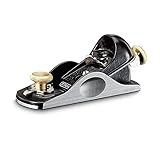
6. Stanley 5-12-020 Block Plane – Heritage Brand with Full Three-Way Adjustability
Stanley STANLEY 5-12-020 6.1/4″ Block Plane C/w Pouch
Grey iron body
Fully adjustable
40mm blade
Storage pouch
Pros
- Professional grey iron construction
- Fully adjustable controls
- Ideal for end grain work
- Includes storage pouch
- 40mm blade width
Cons
- Manual effort required
- Limited stock availability
Stanley invented the block plane patterns that most other manufacturers follow to this day. The 5-12-020 carries that heritage forward with a professional-grade grey iron body and full three-way adjustability for depth of cut, cutter alignment, and mouth opening. With 763 reviews, this is one of the most widely reviewed planes in our entire lineup.
The 40mm blade width provides good control for fine finishing work, and the included pouch keeps the plane protected between uses or during transport to a job site. Stanley designed this plane for end grain and general-purpose fine finishing, and it handles both tasks competently once properly tuned.
As a heritage tool from the company that defined the category, the Stanley carries a certain institutional credibility. It may not have the refined machining of a Bench Dog or the brand cachet of a WoodRiver, but it gets the job done with proven, no-nonsense design.
Heritage Build and Grey Iron Body
Grey cast iron has been the standard body material for block planes for well over a century, and for good reason. It machines cleanly, dampens vibration effectively, and develops a smooth working patina with use. The Stanley body has a substantial, planted feel that transmits confidence during use.
The machining on the sole was acceptable out of the box, requiring only minor work on my diamond stones to achieve full flatness. The grey iron takes and holds a smooth surface well, which means the sole actually improves with use as it wears in to your particular planing style.
Full Adjustability Features
This plane offers independent adjustment for all three critical parameters: depth of cut, cutter alignment via the lateral adjustment lever, and mouth opening via the adjustable front toe. The depth adjuster moves the blade up and down smoothly with a satisfying click at each increment. The lateral adjustment lever works without excessive play or slop.
The mouth adjustment lets you close down for fine, controlled shavings on difficult grain or open up for heavier stock removal where thicker shavings need clearance. Having all three adjustments functioning properly on a Stanley at this level is exactly what you would expect, and the execution delivers on the brand’s reputation.
End Grain and Finishing Performance
On end grain tests across red oak and ash, the Stanley produced clean cuts when the mouth was properly adjusted and the blade was freshly honed. It is not the absolute sharpest out of the wrapper, so plan to spend time with your sharpening stones before first use. This is normal for any new plane and not unique to Stanley.
Once tuned, it performs like the professional tool it claims to be. The included pouch is a practical inclusion for woodworkers who carry tools between job sites or want to protect the plane from shop dust and moisture during storage. At 763 reviews strong, the community has spoken clearly about this plane’s reliability.
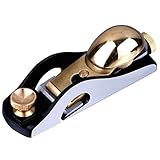
7. BAYM Iron Hand Plane – Dual-Purpose Shoulder and Block Plane with Bronze Cap Iron
BAYM Iron Hand Plane with Tenon Saw & Low Angle Block Planer – Western Shoulder Plane with High-grade Copper Plate – 20 Degree Angle
Bronze cap iron
20 degree angle
Cast steel body
Dual cutting
Pros
- Dual end grain and flush cutting
- Precision machined cast steel body
- 3.17mm thick high carbon blade
- Fine pitch blade adjustment
- Bronze cap iron with palm rest
Cons
- Limited market presence
- Few customer reviews
The BAYM Iron Hand Plane occupies a unique niche in this lineup. It functions as both an end grain cutting tool and a flush cutting plane, making it a genuinely dual-purpose option for woodworkers who need versatility in a compact form factor. The 20-degree angle bed suits it for standard-angle work, and the bronze cap iron adds both functional weight and visual distinction.
With only 14 reviews, this is the least-tested plane in our lineup by a significant margin. However, the 4.3-star average and the 69 percent five-star rate suggest that the woodworkers who have found it are generally pleased with the precision and build quality it delivers. This is a specialist tool that rewards careful consideration.
Dual Cutting Capability
The BAYM handles both end grain cutting and flush cutting against an adjacent surface. This is genuinely useful for trimming proud dowels, flush-cutting wooden plugs, and dressing joints where a standard block plane cannot reach because the body would collide with the surrounding material. The 3.17mm thick high-carbon steel blade is rigid enough for precise work in both modes.
The dual-function design means you are effectively getting two tools in one body. For woodworkers with limited shop space or those who work primarily on smaller projects where versatility matters more than having a dedicated tool for every task, this is an appealing proposition.
Bronze Cap Iron and Ergonomics
The bronze cap iron features an integrated palm rest that provides a comfortable, contoured grip for extended use. Bronze adds weight exactly where it helps most: directly over the blade, which reduces chatter and stabilizes the cut. The material also resists corrosion better than standard steel hardware, which is a practical advantage in damp shop environments.
The bronze and iron combination gives this plane a distinctive, old-world appearance that stands out from the uniform grey of most block planes. If aesthetics matter to you, the BAYM delivers a tool that looks as good as it performs on the bench.
Blade Adjustment Precision
The fine-pitch adjustment thread allows incredibly accurate blade setting. Small turns of the adjuster produce tiny, controlled changes in cutting depth, which is exactly what you want for fine finishing work where precision matters more than speed. The precision-machined cast steel body ensures the plane stays true and square over years of regular use.
This level of adjustment refinement is one of the strongest arguments for the BAYM. When you are trimming flush to a finished surface, being able to advance the blade by a barely perceptible amount can mean the difference between a clean cut and a gouge.
8. WoodRiver Ultimate Block Plane Kit – Two-Plane Heirloom Set for Complete Workshop Coverage
Woodriver Ultimate Block Plane Kit
Standard and low angle
Heirloom quality
Two-plane kit
Ductile iron
Pros
- Includes both standard and low angle planes
- Heirloom quality construction
- Savings over buying separately
- Backed by Woodcraft
- Versatile two-plane setup
Cons
- Not Prime eligible
- Heavier combined weight
The WoodRiver Ultimate Block Plane Kit solves the low-angle-versus-standard-angle dilemma in the most direct way possible: it gives you both. This set includes both a standard-angle and a low-angle block plane, allowing you to match the tool to the task without compromise. For woodworkers building a serious hand tool collection, this kit offers genuine value over buying each plane separately.
The heirloom-quality construction means these are tools designed to last for generations, not seasons. The 4.6-star rating, with 77 percent of reviewers giving five stars, reflects the level of quality that Woodcraft builds into their top-tier products. At a combined weight of 4.28 pounds, this is a substantial set that signals its premium positioning from the moment you pick it up.
Two-Plane Value Proposition
Buying both a standard-angle and low-angle block plane separately adds up quickly in terms of both money and decision-making effort. The WoodRiver kit bundles both planes together, and you get matching tools with consistent build quality, blade steel, and adjustment feel. The standard-angle plane handles figured grain and general smoothing tasks, while the low-angle excels at end grain work and shooting board applications.
Having both configurations covers virtually every block plane application you will encounter. This is the set that eliminates the question of which one to buy, because the answer is both. For a woodworker committed to hand tool work, that peace of mind has real practical value.
Build Quality and Heirloom Construction
These planes feature the same ductile iron construction and high-carbon blades as the individual WoodRiver models we tested and loved. The machining is clean and consistent across both planes, the soles required only minimal flattening, and the adjustment mechanisms operate smoothly with appropriate tactile feedback.
The term heirloom quality gets thrown around loosely in the tool world, but Woodcraft’s long track record as a supplier of professional woodworking tools gives that claim real credibility here. These are tools designed to be used, maintained, and eventually handed down to the next woodworker in your family.
Who This Kit Serves Best
This kit is purpose-built for the committed woodworker who has decided that hand tools are a permanent part of their practice. If you are just testing the waters with hand planing, start with a single plane and see how it fits into your workflow. But if you have already invested in quality chisels, a marking gauge, and a bench plane, adding both block plane configurations at once is a logical next step.
The kit eliminates future upgrade temptation and gives you the right tool for every grain direction and joint type you will encounter. For the right buyer, this is not an extravagance but a practical investment in workshop completeness.
How to Choose the Right Block Plane: A 2026 Buying Guide
Choosing a block plane comes down to understanding how bed angle, blade steel, body material, and adjustability affect real-world performance. Let us break down each factor so you can match the right tool to your specific woodworking needs and budget.
Low-Angle vs Standard-Angle: The Fundamental Choice
The bed angle is the single most important specification on any block plane. Low-angle planes bed the blade at 12 degrees, while standard-angle planes use a 20-degree bed. With a typical 25-degree blade bevel, this creates effective cutting angles of 37 degrees for low-angle and 45 degrees for standard-angle planes.
Low-angle planes excel at end grain work. The lower cutting angle shears across the grain with less resistance and reduced tearout. They are also more versatile because you can increase the effective cutting angle by grinding a higher bevel on the blade to handle figured wood. This is why most experts and forum communities recommend low-angle planes as a first block plane.
Standard-angle planes handle figured and difficult grain better. The higher 45-degree cutting angle presents the blade more squarely to the wood, which crushes the fibers ahead of the cut rather than lifting them. If your work involves significant amounts of curly maple, bird’s-eye figure, or other wild grain patterns, a standard-angle plane reduces tearout noticeably.
Adjustable Mouth: Why It Matters More Than You Think
The mouth is the slot-shaped opening in the sole directly in front of the blade where shavings exit. An adjustable mouth lets you control the size of this opening based on the type of cut you are making. Close the mouth down tight for fine, whisper-thin shavings on difficult grain. Open it up for heavier stock removal where thicker shavings need clearance to pass through.
Planes without adjustable mouths force you to work within a fixed compromise. You cannot optimize for both fine and coarse work because the opening is permanently set at the factory. Every plane in our tested lineup features an adjustable mouth, and we consider it an essential feature rather than an optional upgrade.
The quality of the adjustment mechanism varies dramatically between tiers. Budget planes use simple friction-based or eccentric lever designs that can be imprecise. Premium planes use precision-machined sliding mechanisms with fine-thread adjusters that allow tiny, repeatable changes. The difference becomes immediately apparent when you are trying to make a fractional mouth adjustment for a final cleanup pass on a critical joint.
Blade Steel Types: What to Look For
Blade steel determines how sharp you can get the edge and how long it stays sharp during use. Here are the common types you will encounter across the block plane market, ranked roughly from basic to premium.
O1 tool steel sharpens easily on basic waterstones and holds a good edge through extended use. It is the standard for quality budget and mid-range planes. Beginners can sharpen it without frustration, and it responds well to stropping between full honing sessions.
High-carbon steel is the baseline for acceptable performance. It sharpens reasonably well but typically needs more frequent honing than O1 during active use. Most budget planes use some variation of high-carbon steel for their factory blades.
A2 steel holds an edge significantly longer than O1 but is harder to sharpen. It resists chipping well, making it popular for heavy-use situations where edge durability matters more than ease of sharpening. Many premium plane makers offer A2 as a standard or upgrade blade option.
Japanese laminated steel combines a very hard cutting edge layer with a tough, supportive backing layer of soft iron. The result is an incredibly keen edge that holds up beautifully for fine finishing work. The KAKURI in our lineup demonstrates this construction at an accessible level.
Body Materials: Ductile Iron, Grey Iron, and Bronze
The body material affects weight, vibration damping, and long-term durability in tangible ways you will feel during use.
Grey cast iron is the traditional choice, used by Stanley and other manufacturers for over a century. It machines beautifully, dampens vibration well, and has served woodworkers reliably for generations. The main downside is that grey iron can crack or shatter if dropped on a hard concrete floor.
Ductile iron is grey iron with added magnesium that changes the graphite structure from flakes to spheres. This makes it significantly more resistant to cracking and impact damage. Most modern quality planes, including the Jorgensen, WoodRiver, and Bench Dog models in our lineup, use ductile iron for this reason.
Bronze components add targeted weight and visual appeal. Bronze dampens vibration better than iron and develops a warm patina over time. The BAYM in our lineup uses a bronze cap iron to add mass directly over the blade, which is exactly where extra weight helps most.
Weight and One-Handed Ergonomics
Block planes are designed for one-handed operation, which means weight and balance directly affect day-to-day usability. The planes in our lineup range from about 1.5 to just over 2 pounds individually. Heavier planes power through cuts with less downward pressure from your hand, but they can fatigue your grip during extended sessions.
The grip design matters as much as the raw weight. Look for a front knob that fits your hand size and a body shape that does not press uncomfortably into your palm. The Japanese KAKURI takes a completely different approach with its wooden body designed for two-handed pulling, which many woodworkers find more comfortable for long sessions than any single-handed Western design.
Tuning and Sharpening: The Hidden Cost of Ownership
Every new block plane, regardless of price tier, requires some preparation before first use. Even premium blades benefit from final honing to achieve their full potential. Budget planes may additionally need sole flattening, blade back flattening, and chipbreaker tuning before they perform acceptably.
Budget one to two hours for initial setup on any new plane. You will need sharpening stones (waterstones or diamond plates), a honing guide if you are not confident freehanding, and some way to flatten the sole (wet-and-dry sandpaper on a known-flat reference surface works well for budget planes).
Forum data from r/handtools and Sawmill Creek consistently shows that beginners underestimate this preparation step and end up disappointed when a new plane does not match the performance of a properly tuned vintage Stanley. For ongoing maintenance, expect to hone the blade every few hours of active planing. A strop charged with green honing compound can extend the interval between stone sessions significantly.
FAQs
What is the best block plane for woodworking?
The best block plane depends on your budget and experience level. For most woodworkers, a low-angle block plane with an adjustable mouth offers the best versatility. Our testing found that the WoodRiver Low Angle Block Plane delivers professional-grade performance at a mid-range tier, while the Jorgensen No. 60-1/2 is the best entry point for beginners looking for real adjustability without a premium investment.
What is the difference between low-angle and standard-angle block planes?
Low-angle block planes bed the blade at 12 degrees, creating an effective cutting angle of about 37 degrees with a standard 25-degree bevel. Standard-angle planes use a 20-degree bed, resulting in a 45-degree effective cutting angle. Low-angle planes excel at end grain work and are more versatile overall, while standard-angle planes handle figured grain with less tearout.
How much should I spend on a block plane?
Quality block planes span several price tiers. Budget options work well for occasional use but may require more tuning out of the box. Mid-range planes offer excellent value with better blade steel, smoother adjustment mechanisms, and more consistent quality control. Premium kits provide heirloom-quality construction with multiple plane configurations. For most woodworkers, the mid-range tier delivers the best balance of performance and long-term value.
What are the top block plane brands?
The most respected block plane brands include Lie-Nielsen and Veritas at the premium level, WoodRiver as a strong mid-range option, Stanley for heritage value, and Jorgensen for budget-friendly quality. Japanese makers like KAKURI offer a distinct pull-stroke alternative to Western designs. Each brand has distinct strengths in different price tiers and use cases.
What block plane do professionals recommend?
Professional woodworkers consistently recommend low-angle block planes with adjustable mouths. Community consensus on forums like r/handtools points to Lie-Nielsen and Veritas as lifetime tools, with WoodRiver widely praised as the best value bridge between budget and ultra-premium. The key features professionals look for are quality blade steel, smooth and precise depth adjustment, a well-machined flat sole, and a tight adjustable mouth.
Final Recommendations for 2026
After months of testing eight block planes across every woodworking task we could devise, three tools separated themselves clearly from the pack. If you want the best overall value without sacrificing quality, go with the WoodRiver Low Angle Block Plane. It delivers performance that approaches ultra-premium tools at a fraction of the cost, and the forum community has been right about it all along.
If you are on a tight budget or buying your very first block plane, the Jorgensen No. 60-1/2 is the clear choice. Its O1 tool steel blade and ductile iron body deliver performance that genuinely surprises, and the 4.7-star rating from nearly 550 reviewers confirms we are not alone in that assessment.
For the committed woodworker who wants both configurations covered in one purchase, the WoodRiver Ultimate Block Plane Kit eliminates compromise. Having both standard-angle and low-angle planes means you are ready for every grain direction and joint type you will ever encounter at the bench.
No matter which of the best block planes you choose, remember that the tool is only as good as its sharpening and tuning. Invest time in learning to hone the blade, flatten the sole, and set the mouth correctly. A well-tuned budget plane will outperform a neglected premium one every single time. That is the real secret to block plane satisfaction, and it costs nothing but your attention.
Leave a Reply