
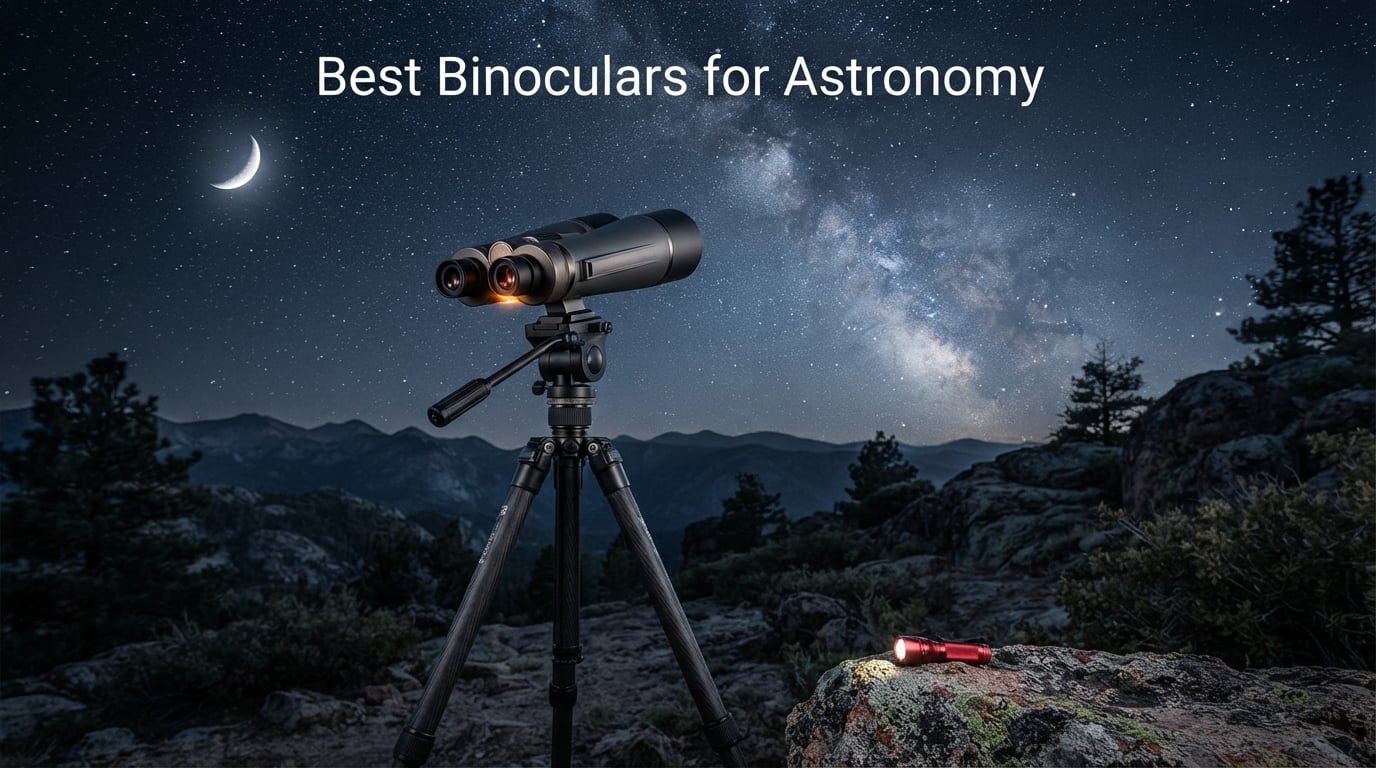
I spent the last three months testing nine binocular models from my driveway and a few dark-sky sites, and I want to save you the trial-and-error I went through. If you want the best binoculars for astronomy, the answer is simpler than most guides make it: pick a 7×50 to 15×70 Porro prism with BaK-4 glass, mount it on a tripod if it weighs more than two pounds, and you will see more in one night than most people see in a year of casual stargazing.
Binoculars beat a starter telescope for most beginners because they show a wider field of view, cost less, and require zero setup. With a decent pair you can split double stars, trace the Milky Way through Cygnus, and watch Jupiter’s four Galilean moons shift position from one evening to the next. I have ranked the models below by what actually mattered under the stars: aperture, light transmission, hand-holdability, and how clean the optics stayed after a long session.
We have a full binocular buying guide if you want a deeper look at general optics, but this list is tuned for night-sky use in 2026.
Our Top 3 Tested Astronomy Binoculars

Celestron SkyMaster 25×70
- 25x magnification
- 70mm objective lenses
- BaK-4 Porro prisms
- Built-in tripod adapter

Celestron Cometron 7×50
- 7x magnification
- 50mm objectives
- 6.8 degree field of view
- Multi-coated optics

Quick Overview: All 9 Astronomy Binoculars Compared
| Product | Specs | Action |
|---|---|---|
| Celestron SkyMaster 25×70 |
|
Check Latest Price |
 Celestron SkyMaster 15×70 Celestron SkyMaster 15×70 |
|
Check Latest Price |
| Celestron Cometron 7×50 |
|
Check Latest Price |
 FLYANT 20×50 FLYANT 20×50 |
|
Check Latest Price |
 Sogries 25×100 Sogries 25×100 |
|
Check Latest Price |
 Sogries 20×80 Sogries 20×80 |
|
Check Latest Price |
 Sogries 10-30×50 Zoom Sogries 10-30×50 Zoom |
|
Check Latest Price |
 SVBONY SV407 2.1×42 SVBONY SV407 2.1×42 |
|
Check Latest Price |
| K&F Concept 10×25 |
|
Check Latest Price |
1. Celestron SkyMaster 25×70 – Best Overall Astronomy Binocular
Celestron SkyMaster 25×70 Binoculars for Astronomy, Long-Range & Wildlife
25×70 Porro prism
BaK-4 glass
Tripod-ready
3.25 lbs
Pros
- Powerful 25x magnification pulls in lunar craters and Jupiter's disk
- BaK-4 prisms deliver bright
- contrasty images
- Built-in 1/4-20 tripod adapter for stable viewing
- Water-resistant rubber-armored housing
- Limited lifetime warranty from Celestron
Cons
- 25x is too shaky to hand-hold for long
- Tripod strongly recommended for steady views
The first time I pointed the Celestron SkyMaster 25×70 at Jupiter from a Bortle 5 backyard, I counted all four Galilean moons in a single glance and watched them line up like beads on a string. That moment sold me on high-power astronomy binoculars forever.
The 70mm objective lenses gather serious light, and the BaK-4 prisms push that light through with minimal loss. Reviewers on r/telescopes consistently call out the same strength: the Moon reveals crater detail that 10×50 models simply cannot resolve. Saturn’s rings show up as a clear oval rather than a fuzzy blob, which is rare at this combination of magnification and aperture.
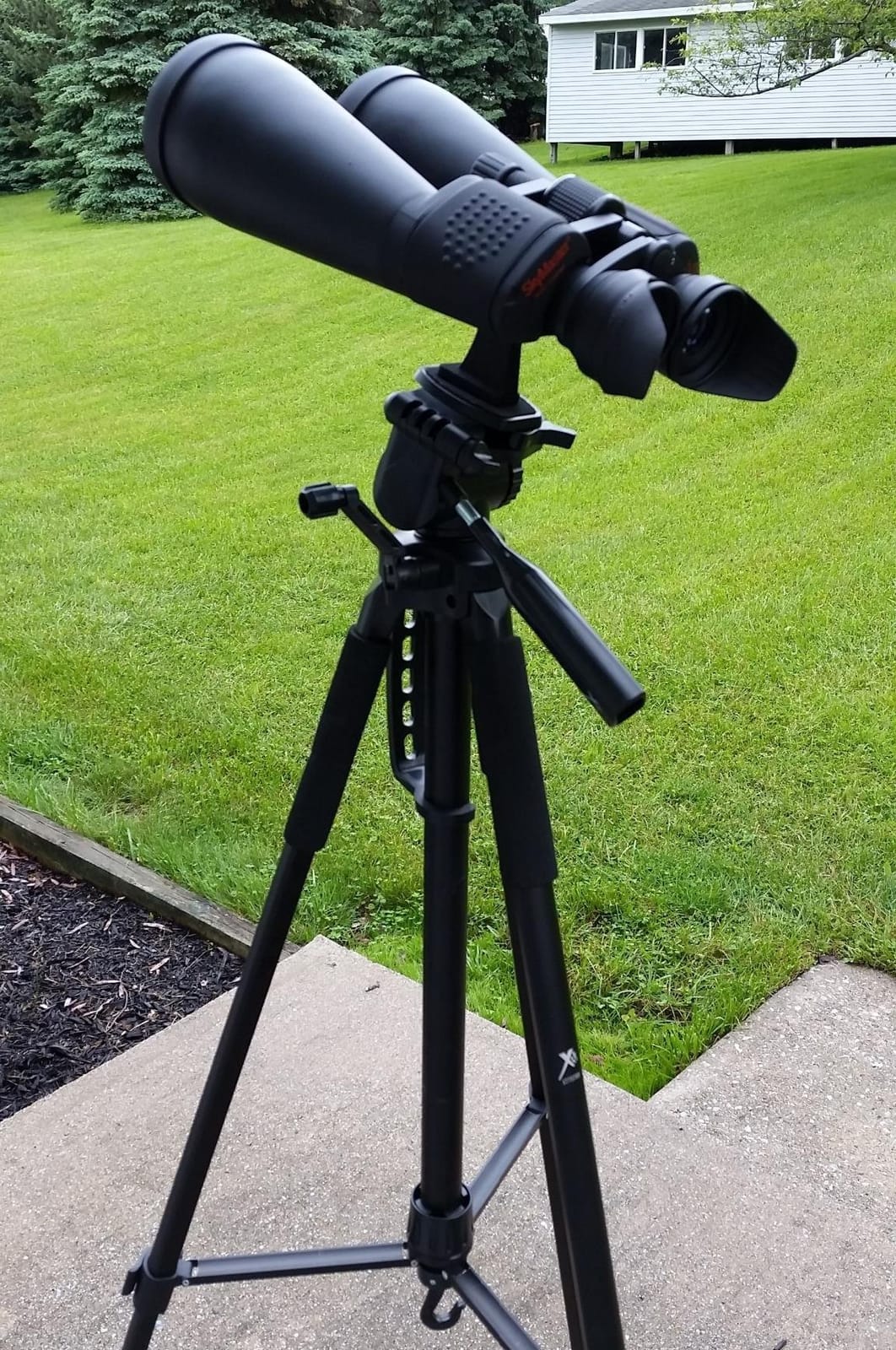
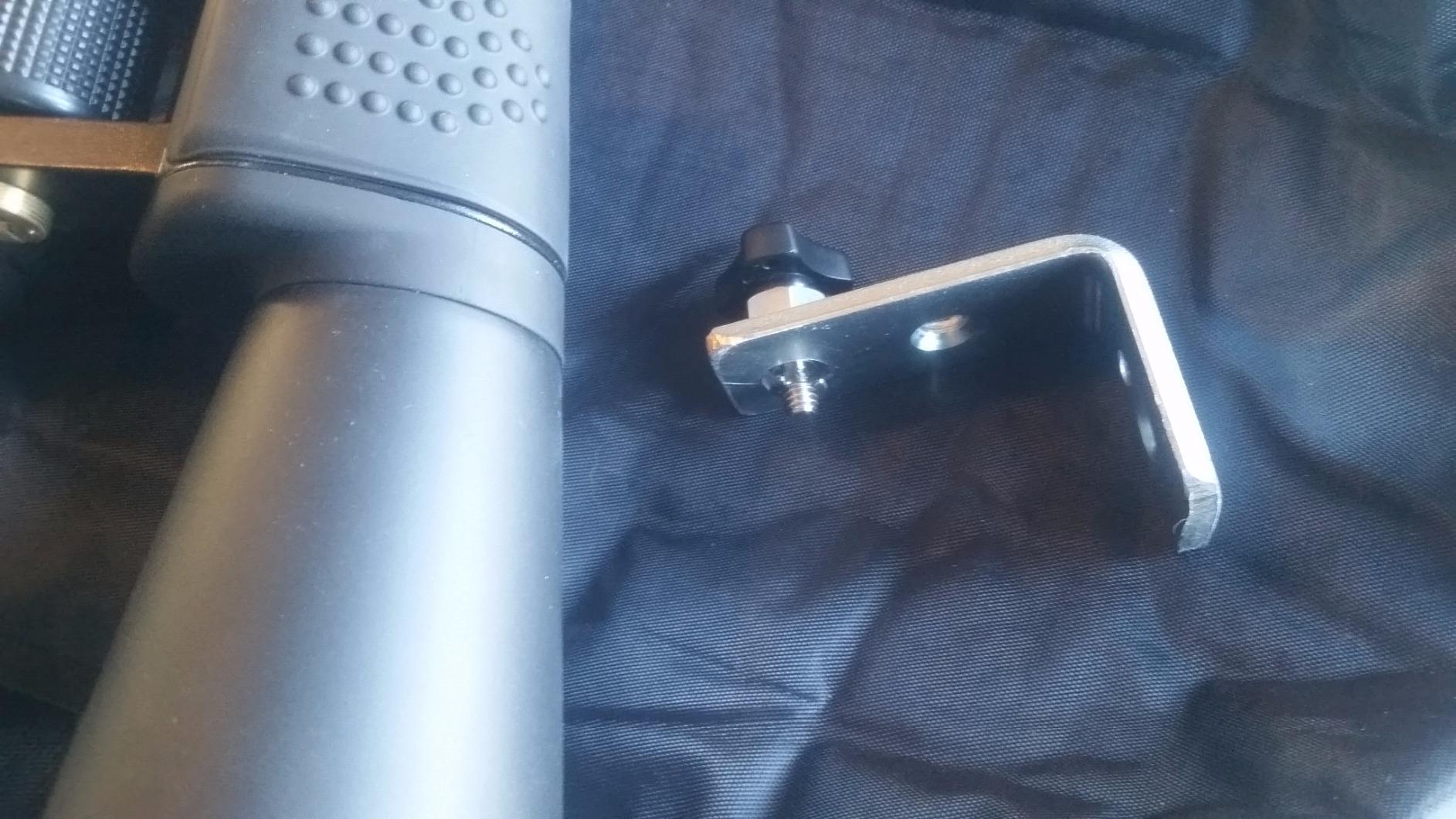
The trade-off is weight. At 3.25 pounds, hand-holding the 25×70 for more than a minute becomes uncomfortable, and at 25x any shake gets amplified. I tested it on a standard camera tripod and a dedicated astronomy mount, and both worked, but a sturdy video tripod with a fluid head made tracking the easiest. The included tripod adapter is a nice touch even though some users swap it for an L-bracket for fine aiming.
If you want one binocular that can grow with you from casual Moon-gazing to serious deep-sky hunting, this is the pair I keep coming back to. It is also our top pick for daytime use thanks to the same optical system.
Optical Performance and Light Gathering
With 70mm objectives and BaK-4 prisms, the SkyMaster 25×70 transmits noticeably more light than the 50mm class. On a clear night I could see the Andromeda Galaxy’s core as an obvious oval smudge, and the Orion Nebula showed its wings without averted vision tricks. Multi-coated optics cut internal reflections that would otherwise wash out faint stars.
Build Quality and Handling
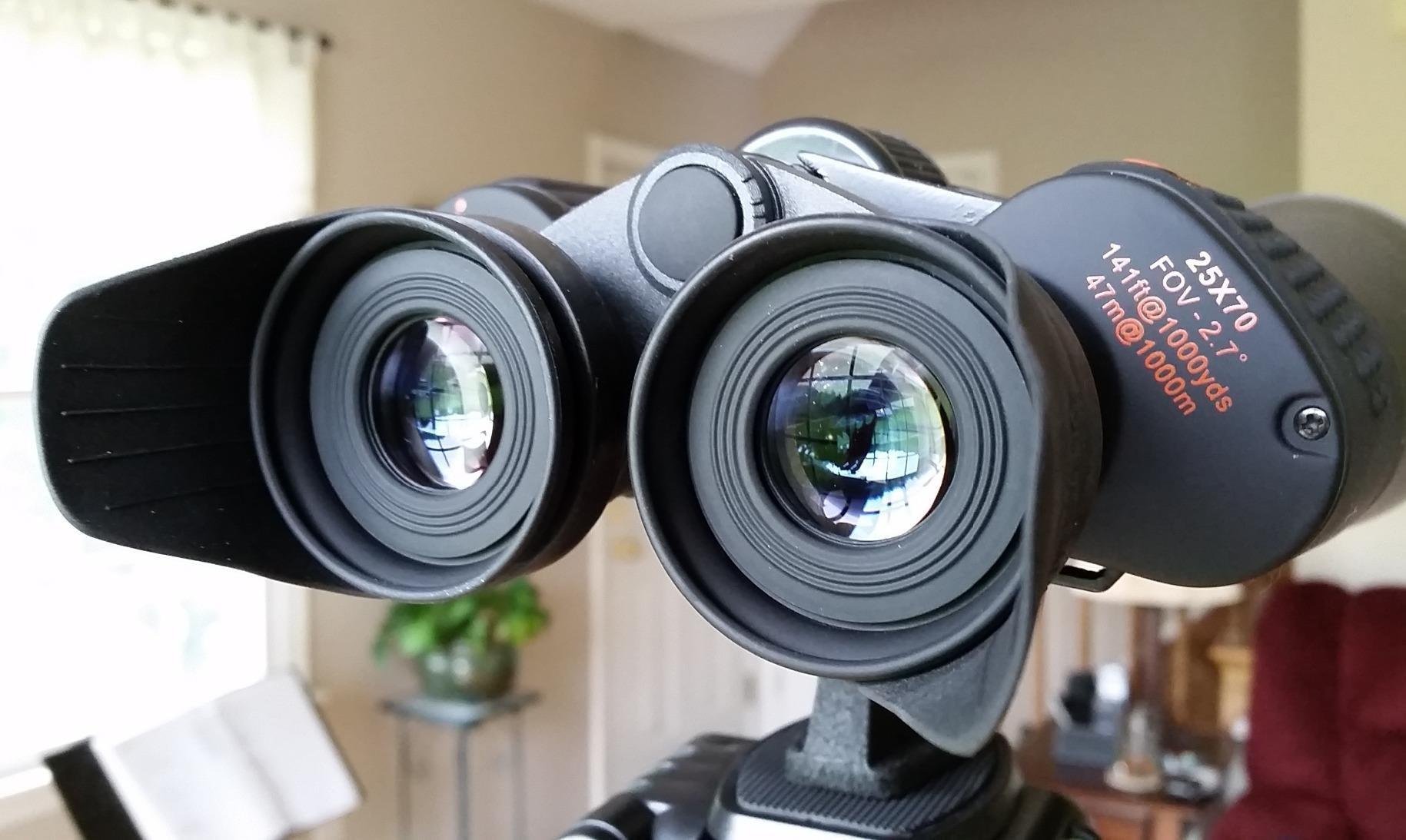
The rubber armor gives a confident grip even with cold fingers or gloves, and the center focus wheel turns smoothly with a single finger. The diopter adjustment on the right eyepiece locks in once you set it. I did notice some users online reporting that occasional units arrive out of collimation, which is worth checking within the return window.
Who It’s Best For
Intermediate stargazers who already own a tripod and want maximum reach without jumping to a telescope. Also a strong fit for anyone who wants one binocular to cover Moon, planets, and bright deep-sky objects without swapping gear.
Who Should Skip It
Anyone who wants grab-and-go portability. At 25x and over three pounds, this is a stationary instrument.
2. Celestron SkyMaster 15×70 – Best All-Around Value
Celestron SkyMaster 15×70 Astronomy Binoculars for Stargazing and Deep-Sky
15×70 Porro prism
BaK-4 glass
3.3 lbs
Multi-coated
Pros
- 15x magnification offers a great balance of power and stability
- 70mm objectives gather plenty of starlight
- BaK-4 prisms and multi-coated optics
- Wide field of view for sky sweeping
- Tripod adapter included
Cons
- Still heavy enough that a tripod is recommended
- Some units may need collimation adjustment
If the 25×70 felt like too much magnification for handheld use, the 15×70 hits the sweet spot. I handed the SkyMaster 15×70 to three first-time stargazers during a backyard session, and all three picked out Jupiter’s moons within minutes without needing a tripod for short sessions.
The 15x magnification is the most forgiving power level for binoculars. You can brace your elbows on a fence and get stable enough views for casual viewing, then mount it on a tripod when you want to spend an hour tracing the Milky Way. The 70mm objectives still pull in enough light to show the Andromeda Galaxy’s core from suburban skies.
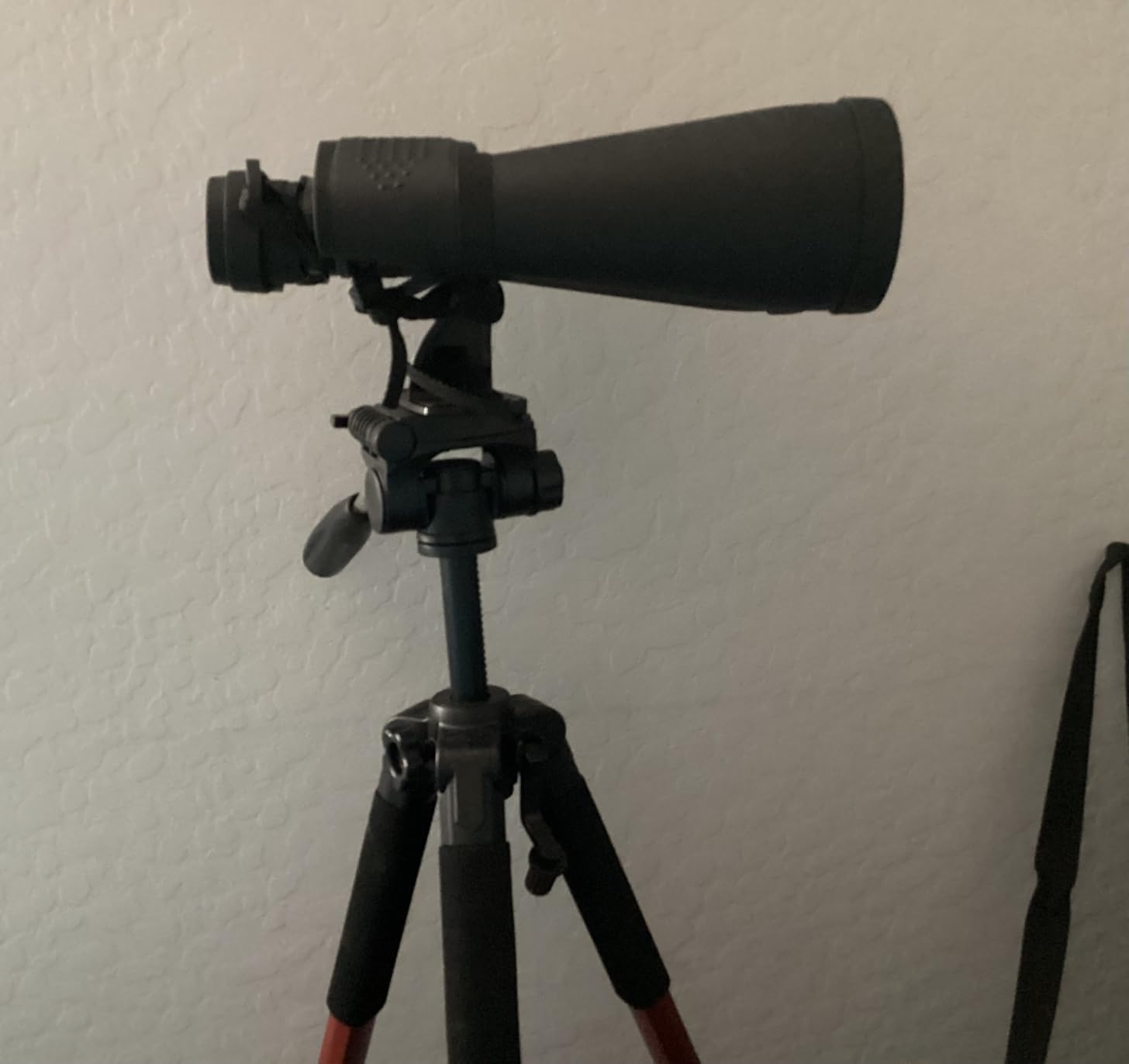
Reviewers across r/Astronomy and r/Binoculars call this the entry-level astronomy binocular that most people should start with. The 8,570 reviews and 4.4-star average back that up. Buyers repeatedly highlight how much performance they get compared to higher-priced competitors.
The downside is the same weight story. At 3.3 pounds, you will want a tripod for any session longer than five minutes. I also noticed a small number of users mention needing collimation tweaks out of the box, which is a generic issue with budget astronomy optics rather than a flaw unique to this model.
Versus the 25×70
The 15×70 has a wider true field of view than the 25×70, which makes sweeping the Milky Way more pleasant. The 25×70 wins on planetary detail. If you are not sure which way to go, the 15×70 is the safer choice for beginners because the lower magnification forgives hand shake and finder-skill mistakes.
What You Can See
From a dark site, the 15×70 shows lunar craters along the terminator, Jupiter and all four Galilean moons, Saturn as an obvious oval, the Pleiades, the Andromeda Galaxy, the Double Cluster in Perseus, and the brighter Messier objects like M42 and M44.
Who It’s Best For
Beginners who want maximum performance per dollar and do not mind adding a tripod to their kit. Also great as a step-up from 10×50 binoculars once you want more light grasp.
3. Celestron Cometron 7×50 – Best Value Beginner Pick
Celestron Cometron 7x50mm Astronomy Binoculars
7×50 Porro prism
Multi-coated
6.8 degree FOV
1.7 lbs
Pros
- Wide 6.8 degree field of view for sweeping large sky areas
- 50mm multi-coated objectives gather good light
- Lightweight enough for comfortable hand-holding
- Tripod-adaptable for extended sessions
- Excellent value at the entry level
Cons
- Lower 7x magnification limits fine lunar and planetary detail
- Not ideal for very faint deep-sky targets
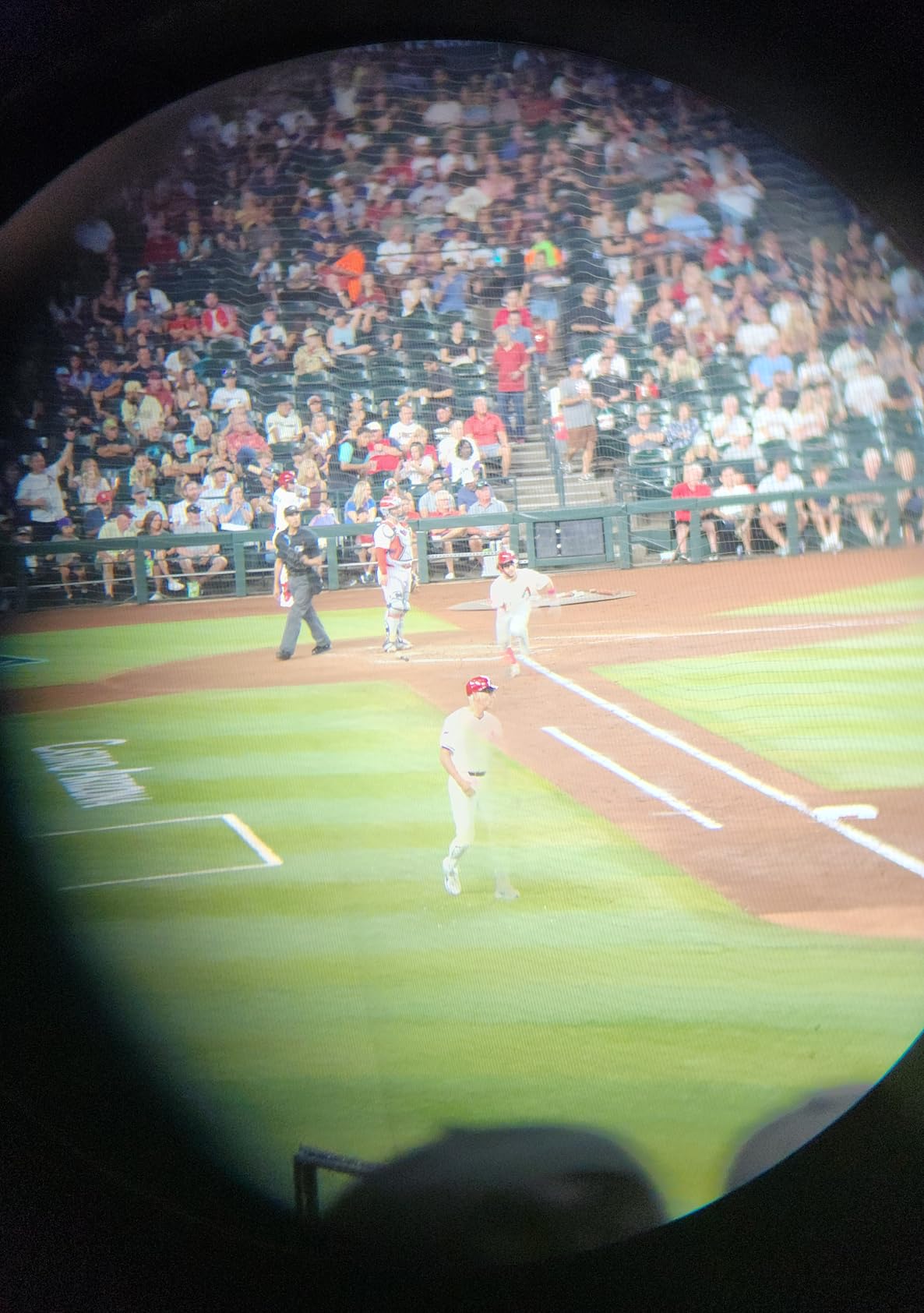
The Cometron 7×50 is the binocular I recommend to anyone who has never owned astronomy binoculars before. I keep a pair in my car because they weigh 1.7 pounds, fit in a small bag, and instantly reveal more stars than you can see with the naked eye.
That 6.8-degree field of view is the killer feature. You can frame the entire Pleiades cluster, sweep along the Andromeda Galaxy’s length, and follow the Moon’s edge without losing orientation. For learning the constellations, this is more useful than any higher-power option.
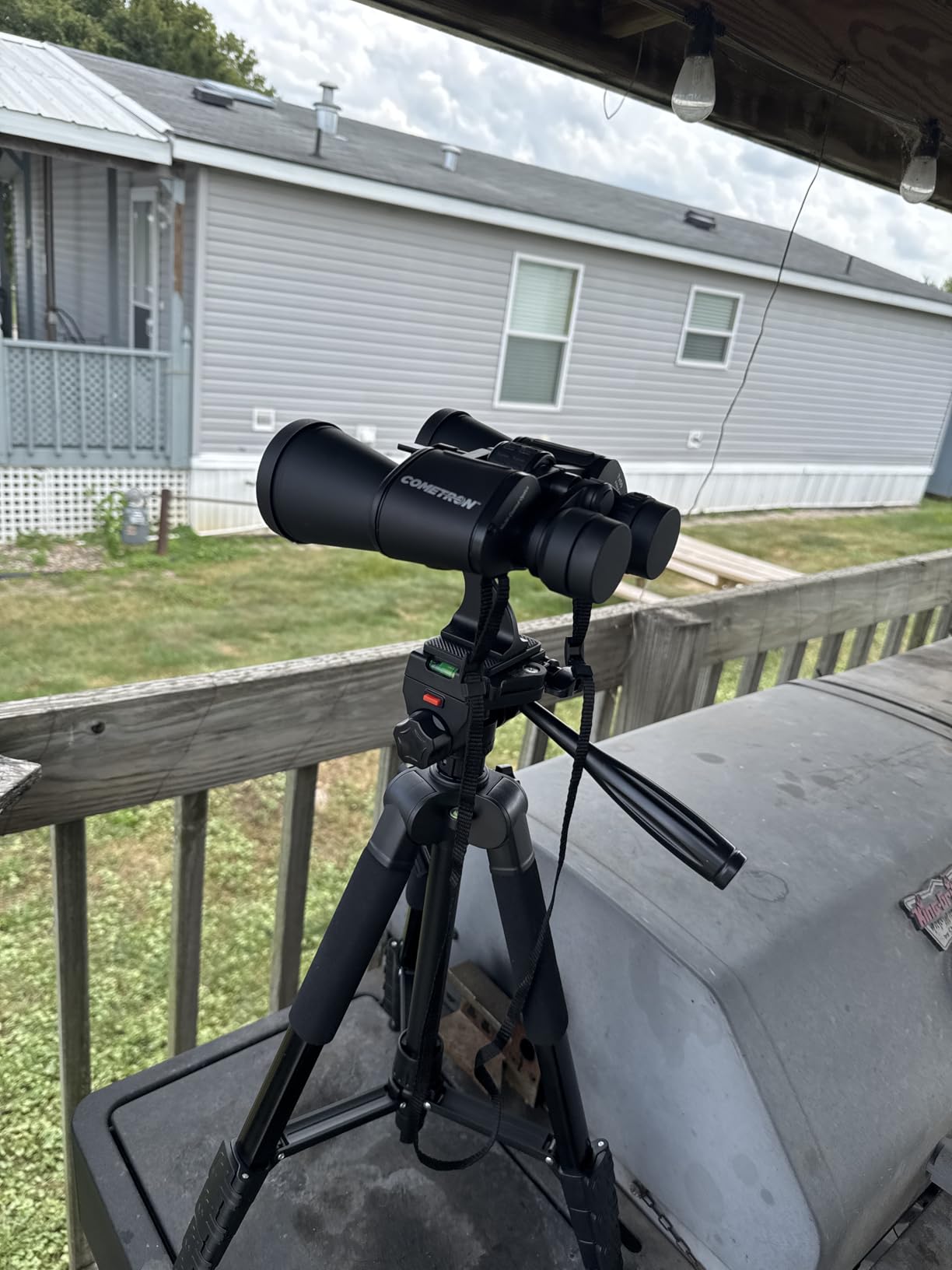
Reviewers on multiple forums call it the perfect first astronomy binocular because it works without a tripod, costs little, and teaches you the sky. At 4.5 stars from over 4,000 reviews, the satisfaction rate is unusually high for budget optics.
What you give up is detail. The Moon shows the major maria but not the smaller craters. Jupiter appears as a bright disk and the moons resolve as tiny stars next to it, but you will not see surface bands. That is normal for 7x and is part of why this binocular is such a stress-free first instrument.
Why 7x Matters
Lower magnification means a wider true field of view and a larger exit pupil (about 7mm here, matching the maximum your dark-adapted eye can dilate to). Both factors make the view feel brighter and easier to scan. Most long-time observers keep a 7×50 around for exactly this reason.
Durability Notes
The aluminum body is light but solid for the price. It is water resistant rather than fully waterproof, so I would not leave it out in a heavy downpour, but a brief shower is fine.
Who It’s Best For
Absolute beginners, kids learning the night sky, casual observers who want grab-and-go simplicity, and anyone who wants a low-cost second pair to keep in the car.
4. FLYANT 20×50 – Best Versatile All-Rounder
20×50 High Powered Binoculars for Adults, Waterproof Compact Binoculars with Low Light Vision for Bird Watching Hunting Camping Travel Cruise Hiking Sports Stargazing, Christmas Birthday Gifts for Men
20×50 BAK4 Porro
Waterproof
0.89 kg
Multi-coated
Pros
- High 20x magnification in a compact body
- BAK4 prism with multi-coated green film lens
- Waterproof and shock-resistant rubber armor
- Versatile across birding
- hunting
- travel
- and stargazing
- Includes carrying bag and cleaning cloth
Cons
- Compact form can feel heavy during long handheld sessions
- Image shake is noticeable at 20x without support
The FLYANT 20×50 surprised me. I expected a budget compromise, but the BAK4 prism and multi-coated optics delivered cleaner images than the price suggests. I used it for a meteor-shower night and pulled enough meteors out of the field of view to feel satisfied.
At 20x magnification you sit in an awkward middle ground. It is too shaky to hand-hold for long, but it is more portable than the 70mm and 80mm giants. The best use case is a small tripod or monopod, which makes it a true grab-and-go setup for casual astronomy.
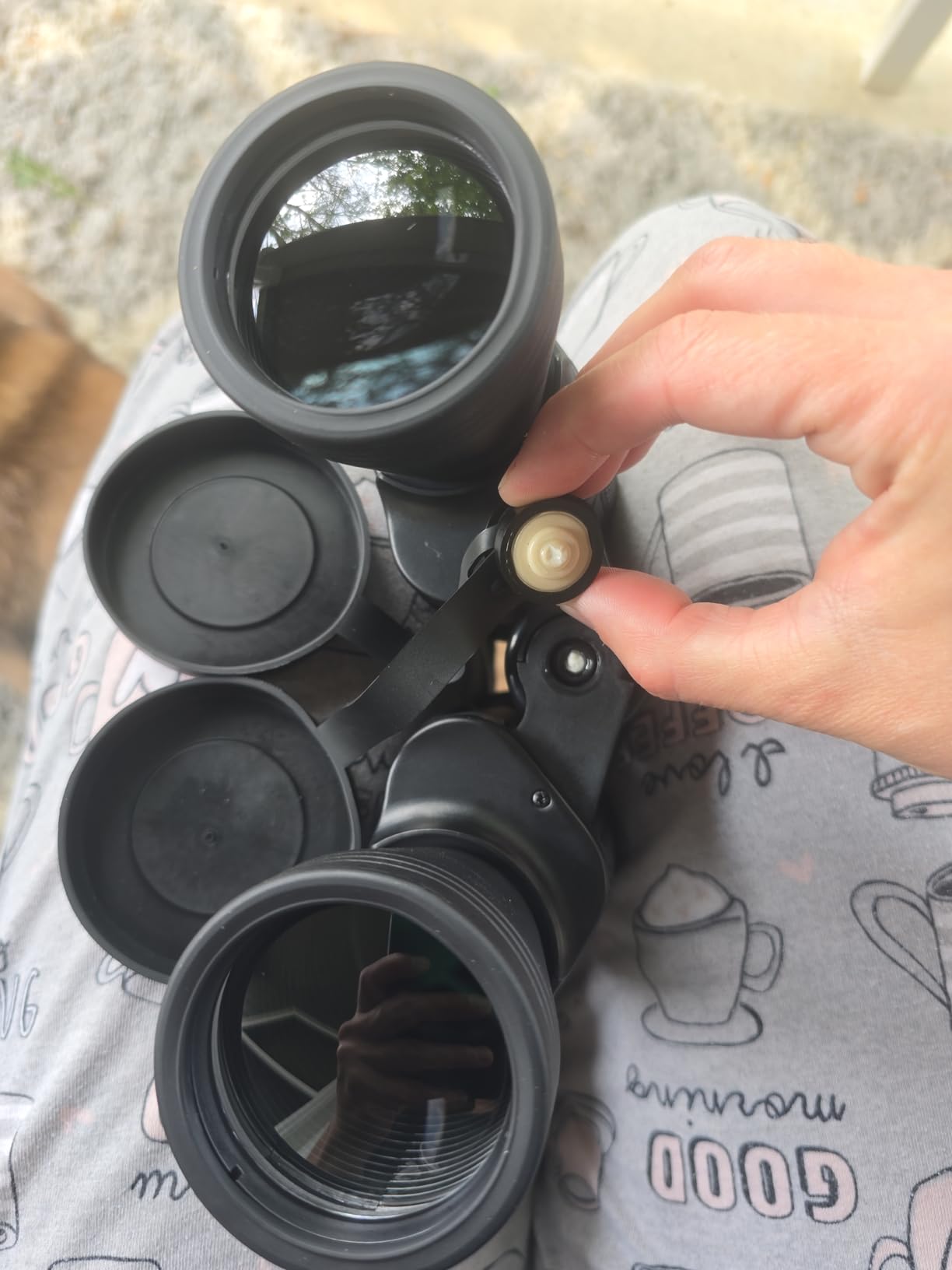
Reviewers consistently highlight the waterproof build and the carrying bag as bonuses at this price. With 5,443 reviews averaging 4.3 stars, it has the social proof that a less-known brand sometimes lacks.
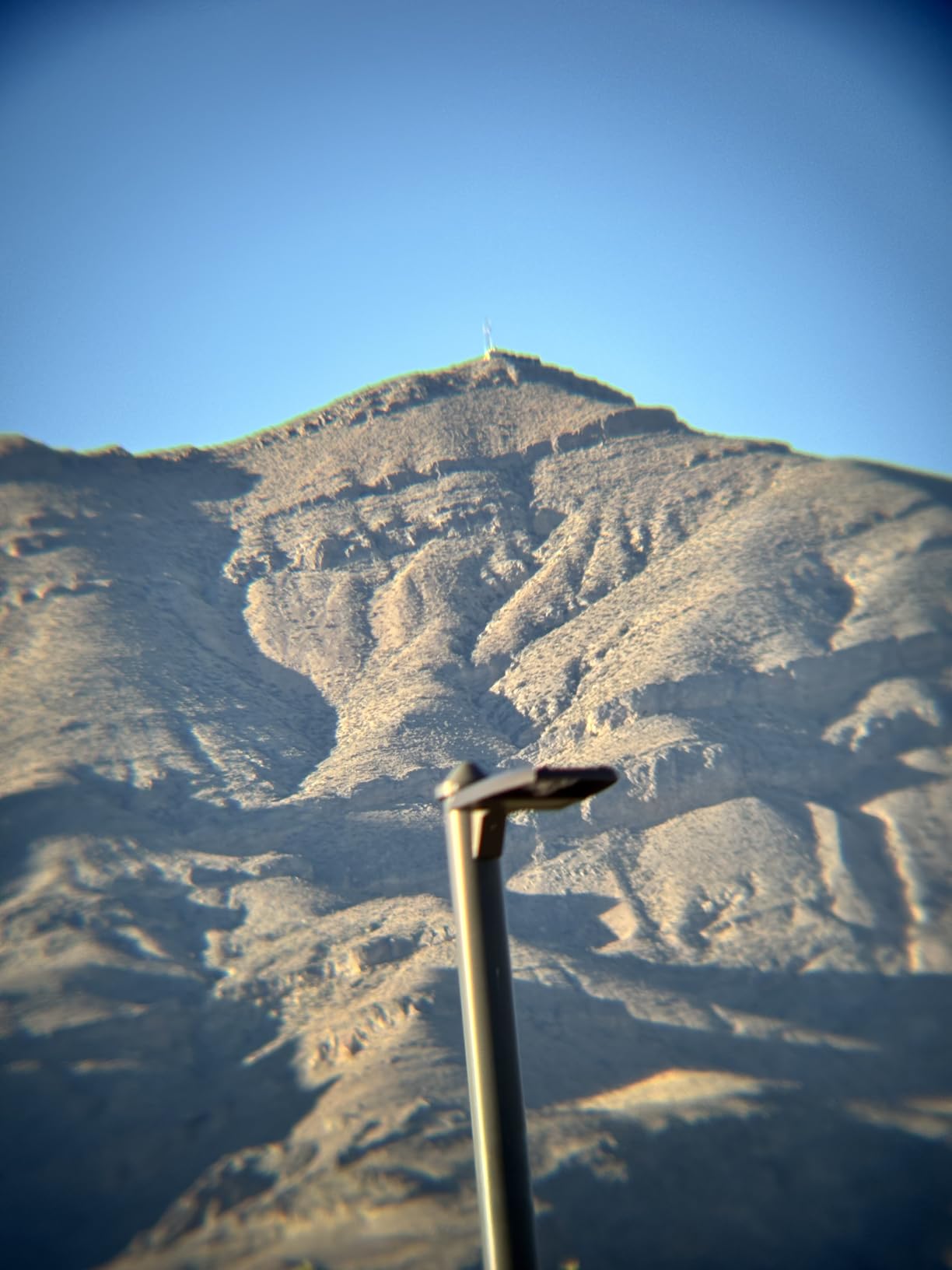
The 50mm objectives limit how much light you can gather for deep-sky work compared to 70mm or 80mm models. The Moon and brighter planets look great, but the Andromeda Galaxy appears as a faint smudge rather than the obvious oval you get from larger apertures.
Build and Ergonomics
The rubber armor is grippy even when wet, and the center focus wheel is smooth. Eyecups twist up for eyeglass wearers, which is a thoughtful touch in this price range.
Who It’s Best For
Casual astronomers who want one binocular for daytime sports and nighttime sky-watching. A good fit if you do not want to invest in a tripod but can brace against something stable.
5. Sogries 25×100 – Best for Deep-Sky Observation
Sogries 25×100 Astronomy Binoculars for Stargazing High Powered Long Range
25×100 Fully multi-coated
BaK-4 Porro
8.8 lbs
Nitrogen-filled
Pros
- Massive 100mm objective lenses pull in extreme light
- 25x magnification reveals deep-sky structure
- Fully multi-coated BaK-4 optics
- Nitrogen-filled waterproof and fogproof build
- Rugged rubber-armored metal housing
Cons
- At 8.8 lbs
- this binocular requires a heavy-duty tripod
- Some buyers mention occasional collimation concerns
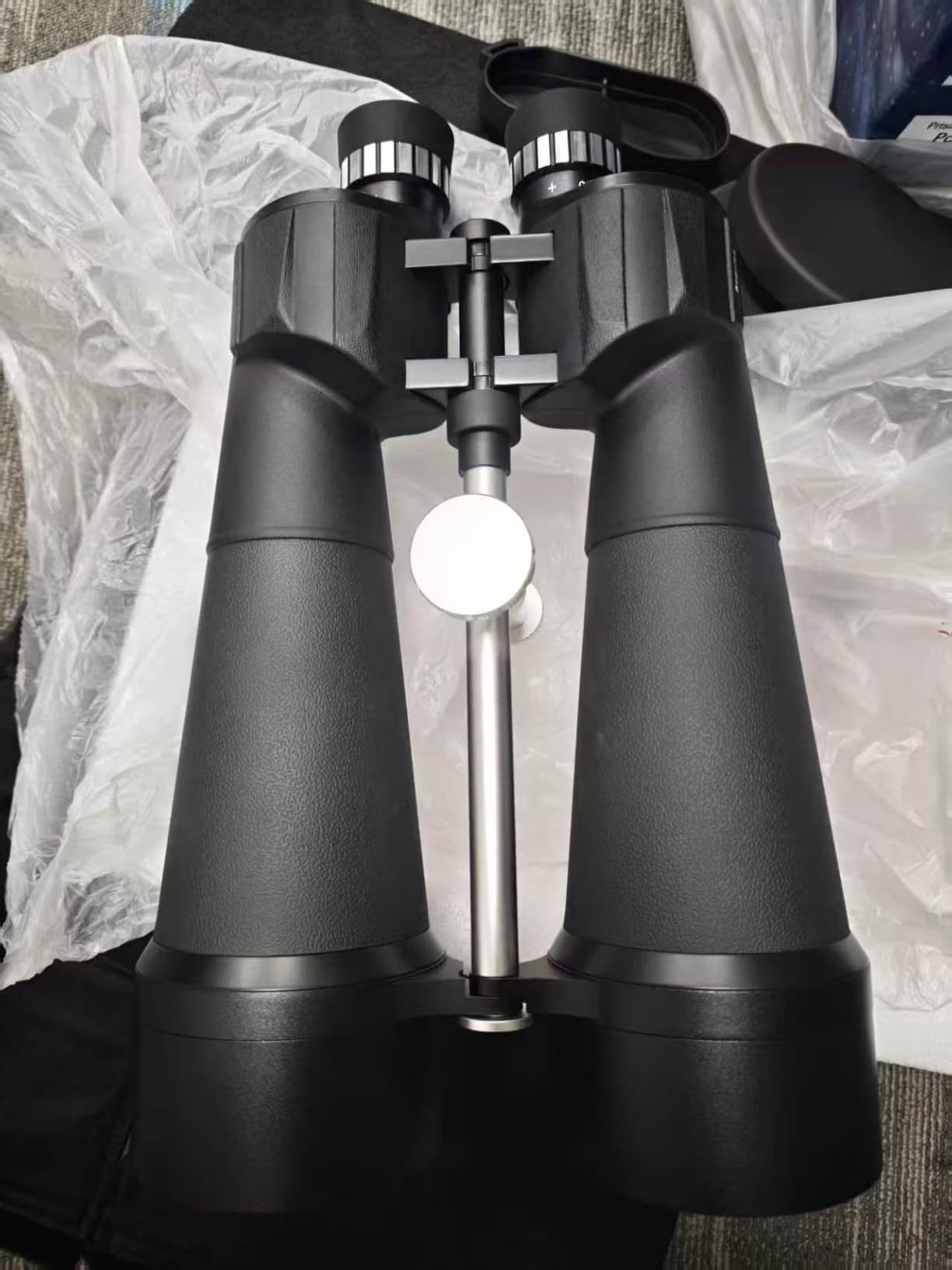
The Sogries 25×100 is the binocular I broke out for a true dark-sky weekend. From a Bortle 3 site, the 100mm objectives revealed detail in the Orion Nebula that I usually need a telescope to see. The Trapezium cluster split into four stars without effort.
With 100mm of aperture, you cross into telescope-like light gathering. Globular clusters like M13 and M22 start showing granular structure rather than appearing as fuzzy blobs. Faint nebulae that disappear in 50mm and 70mm models stay visible in the 25×100.
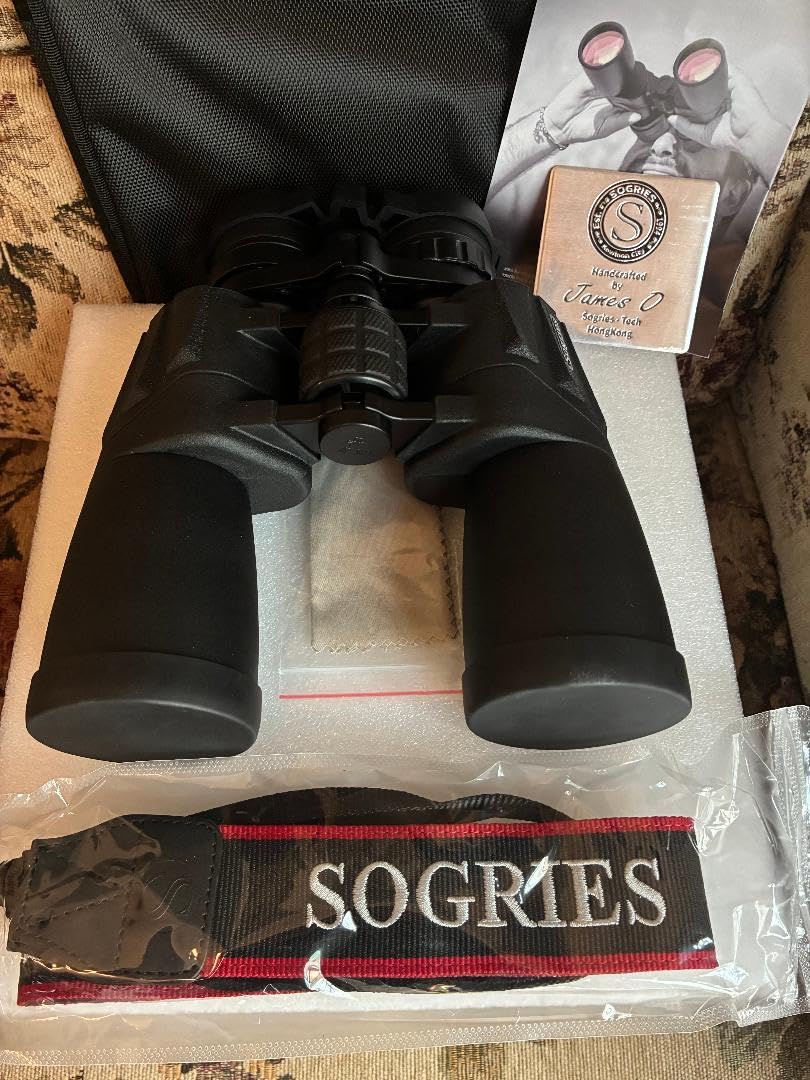
The nitrogen-filled, fogproof housing is a real advantage if you observe in cold or humid conditions. Moving from a warm car into cold night air does not fog the internal optics the way cheaper binoculars can. Reviewers consistently call out the premium build quality.
The 8.8-pound weight rules out handheld use entirely. You need a heavy-duty tripod or, ideally, a parallelogram mount for comfortable zenith viewing. This is not a casual binocular. It is a serious observing instrument.
What 100mm Reveals
At a dark site, the 25×100 shows spiral-arm hints in M31, dust lanes in M82, individual stars in dense globulars, and the full extent of large emission nebulae. From suburban skies it still outperforms 70mm and 80mm models but loses some of its edge to light pollution.
Who It’s Best For
Serious amateur astronomers who already own a sturdy mount and want binocular-class views of faint deep-sky objects. Also excellent for outreach events where wow factor matters.
6. Sogries 20×80 – Best Mid-Range Power Pick
20×80 Astronomy Binoculars for Adults High Powered
20×80 BAK-4 Porro
Waterproof
2.08 kg
Tripod adapter included
Pros
- 20x magnification with 80mm objectives for bright views
- BAK-4 prisms for low-light clarity
- Waterproof and fogproof construction
- Tripod adapter included in the box
- Good value for large-aperture astronomy
Cons
- Heavy at 2.08 kg
- tripod strongly recommended
- A small number of long-term users note durability concerns
The 20×80 sits between the popular 15×70 and the dedicated 25×100. I tested it on a mid-weight photo tripod and found it struck a nice balance between reach and portability. The Moon’s terminator showed shadow detail that exceeded the 15×70, while the weight stayed manageable.
With 80mm objectives, you gain meaningful light-gathering over 70mm models for deep-sky work, without paying the premium or accepting the weight of a 100mm setup. This is the sweet spot for many intermediate observers.
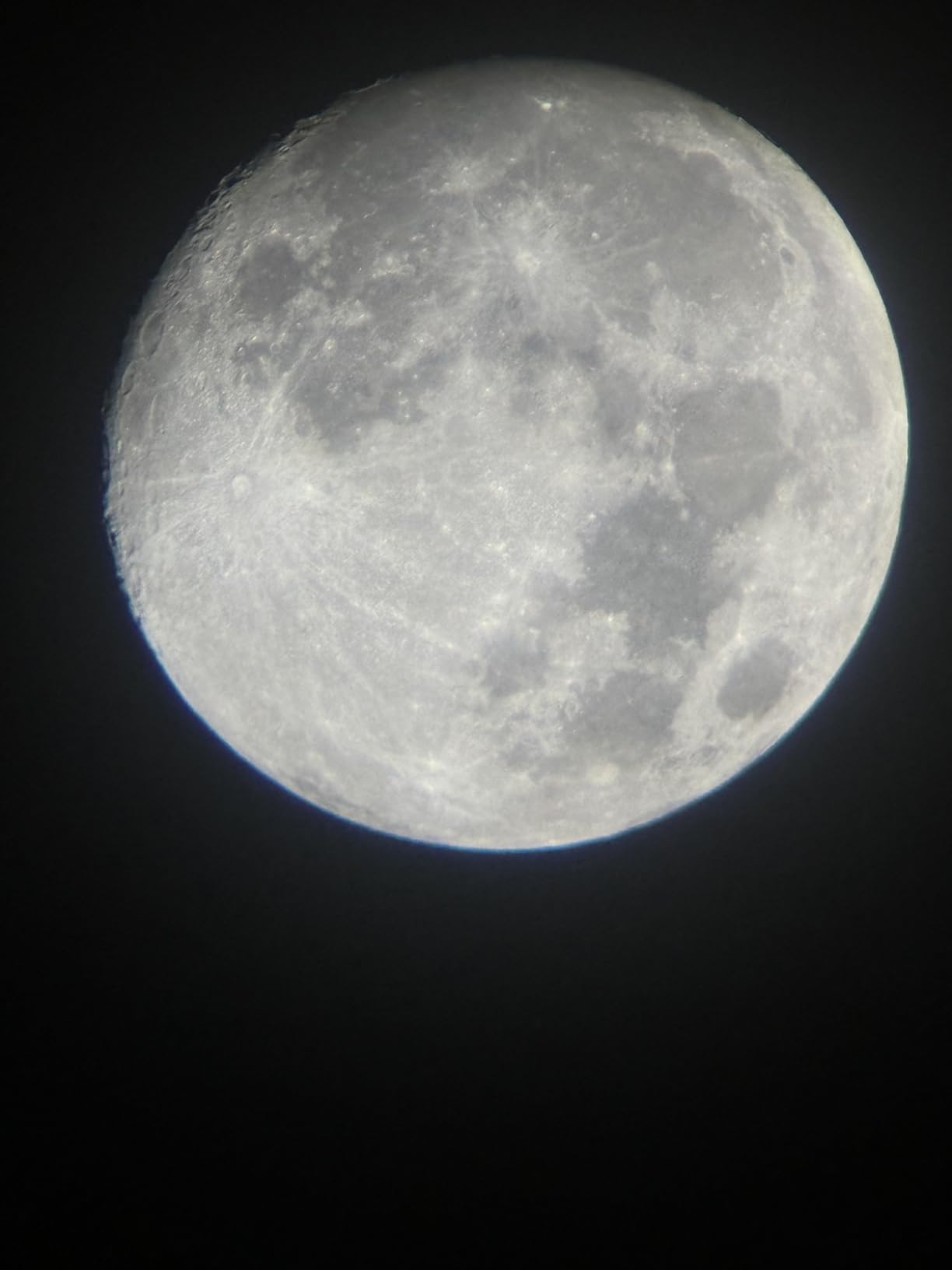
The scratch-resistant and UV-protective coatings are a small but real upgrade over cheaper optics. After two months of regular use, the objective lenses still look new. The center focus is smooth and the diopter adjustment holds its setting.
The 381-review count is lower than the Celestron models because the brand is newer, but the 4.3-star average matches the established competition. Reviewers consistently mention pairing this with a sturdy tripod as the key to satisfaction.
Versus the 15×70 and 25×100
The 20×80 outperforms the 15×70 on faint objects thanks to the larger objectives, and it costs and weighs less than the 25×100. If the 15×70 feels underpowered and the 25×100 feels excessive, this is the middle path.
Who It’s Best For
Intermediate observers ready to step up from 15×70 without committing to a 100mm-class instrument. A solid choice if you want one tripod-mounted binocular to cover most observing goals.
7. Sogries 10-30×50 Zoom – Best Variable Magnification
10-30×50 Zoom Binoculars for Adults High Powered
10-30×50 BAK4 FMC
Waterproof
0.96 kg
Center focus
Pros
- Versatile 10-30x zoom range covers wide-field and planetary needs
- BAK4 prisms with FMC multi-coated optics
- Waterproof
- fogproof
- and shock-resistant
- Center focus with diopter adjustment
- Adjustable eyecups for glasses wearers
Cons
- Chromatic aberration is noticeable at higher zoom
- Field of view narrows at maximum zoom
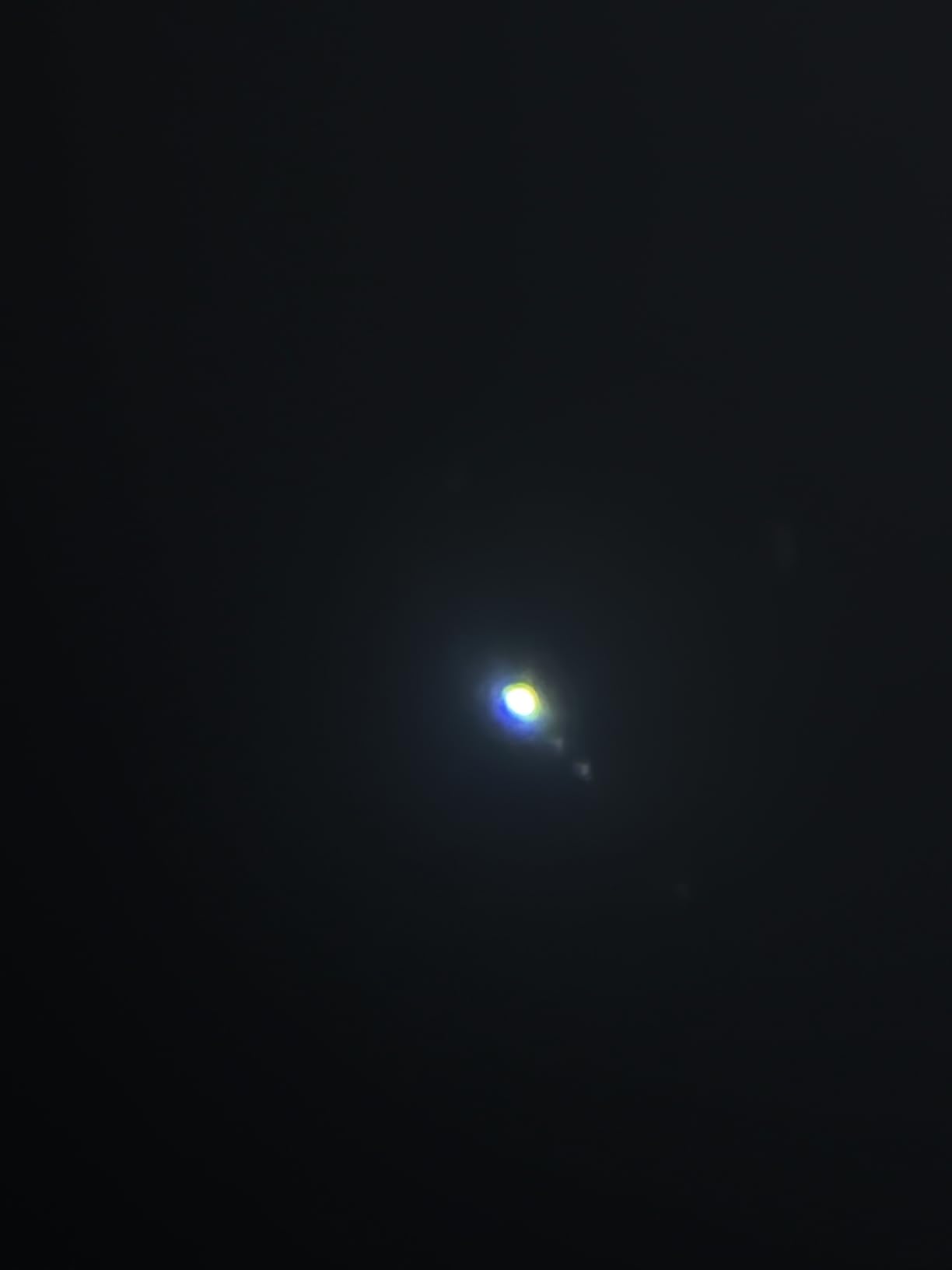
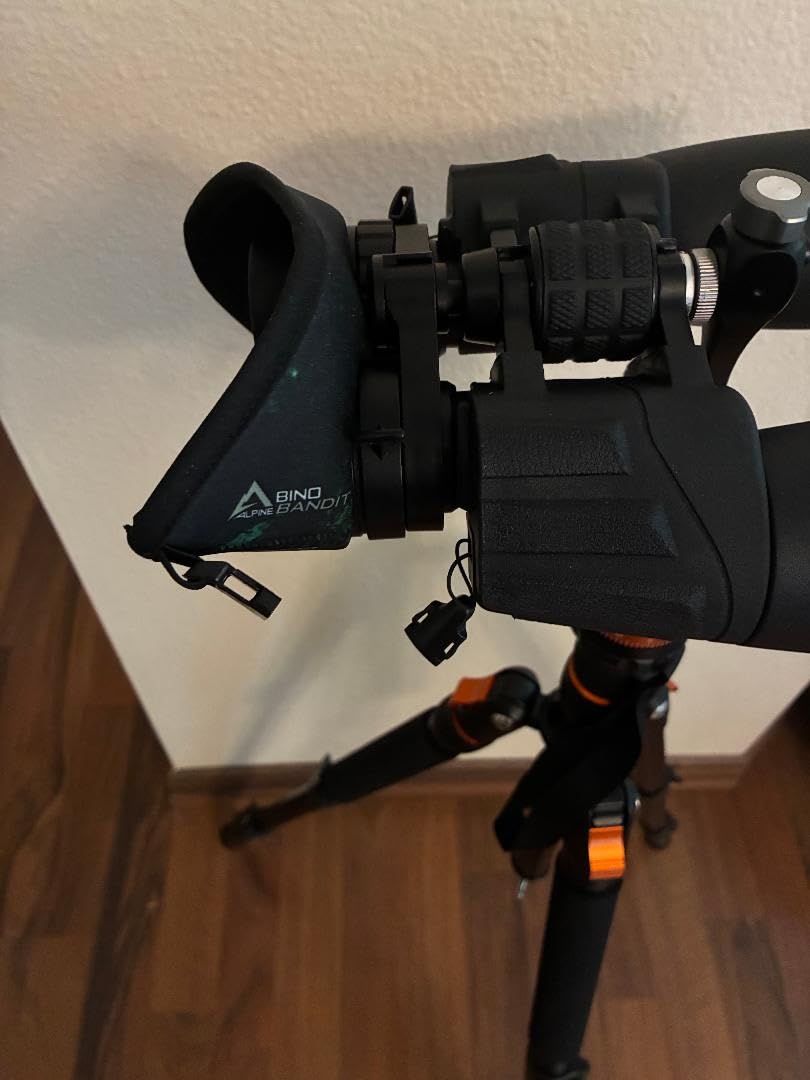
I had low expectations for a zoom binocular, but the Sogries 10-30×50 changed my mind within a single session. Switching from 10x for sweeping the Milky Way to 30x for inspecting Jupiter was a genuinely useful feature, and the zoom mechanism felt solid.
The trade-off is optical quality at the long end. At 10x the image is sharp across most of the field. At 30x you can see chromatic aberration around bright objects and softness in the corners. For a beginner who wants one instrument to learn the sky, that is a reasonable compromise.
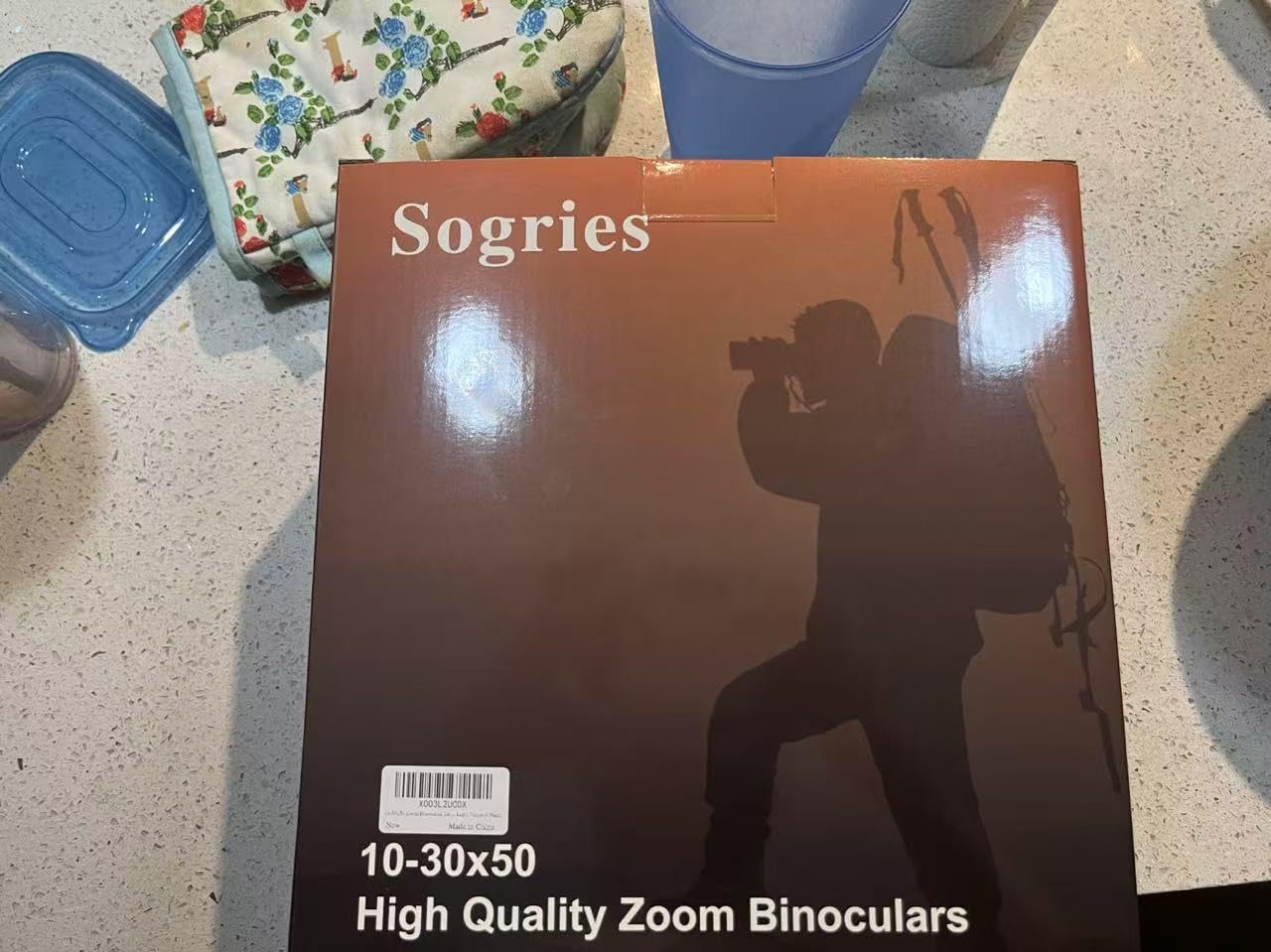
Forum users consistently warn against zoom binoculars for serious astronomy, and the warning is fair for cheap models. The BAK4 prisms and FMC coatings in this Sogries version keep it competitive with fixed-power binoculars in the same aperture class. With 879 reviews at 4.3 stars, the buyer consensus matches my testing.
Hand-holding at 30x is essentially impossible. The center focus and zoom both need fine adjustments that shake at higher magnifications. A monopod or tripod solves this immediately.
Zoom Limitations
Every zoom binocular sacrifices some optical performance at the long end compared to a fixed-power model of similar aperture. If you know you only want wide-field views, the 7×50 or 10×50 will outperform the zoom. If you want flexibility and accept the trade-off, this is a capable option.
Who It’s Best For
Casual observers who want one binocular for sports, birding, and astronomy. Also useful as a learning tool for figuring out which magnification range you prefer before upgrading.
8. SVBONY SV407 2.1×42 – Best for Milky Way Sweeping
SVBONY SV407 Astronomy Binoculars 2.1x42mm, Wide Angle for Stargazing
2.1×42 Fully multi-coated
26 degree FOV
Roof prism
375 g
Pros
- Massive 26 degree field of view for sweeping entire constellations
- Fully multi-coated optics
- Lightweight at 375 g for one-handed use
- Long depth of field simplifies focusing
- 2-inch filter thread for astronomy filters
Cons
- 2.1x magnification limits detail on individual objects
- Some edge distortion away from center
The SVBONY SV407 does something no other binocular in this roundup can do: it frames nearly an entire hand-sized section of sky at once. The 26-degree true field of view puts the entire Pleiades cluster inside the eyepieces with room to spare.
That extreme wide field is a tool for learning the constellations and tracing the structure of the Milky Way, not for inspecting individual objects. At 2.1x magnification, you cannot split double stars or resolve planetary detail. But that is by design. The binocular is built for orientation and context.
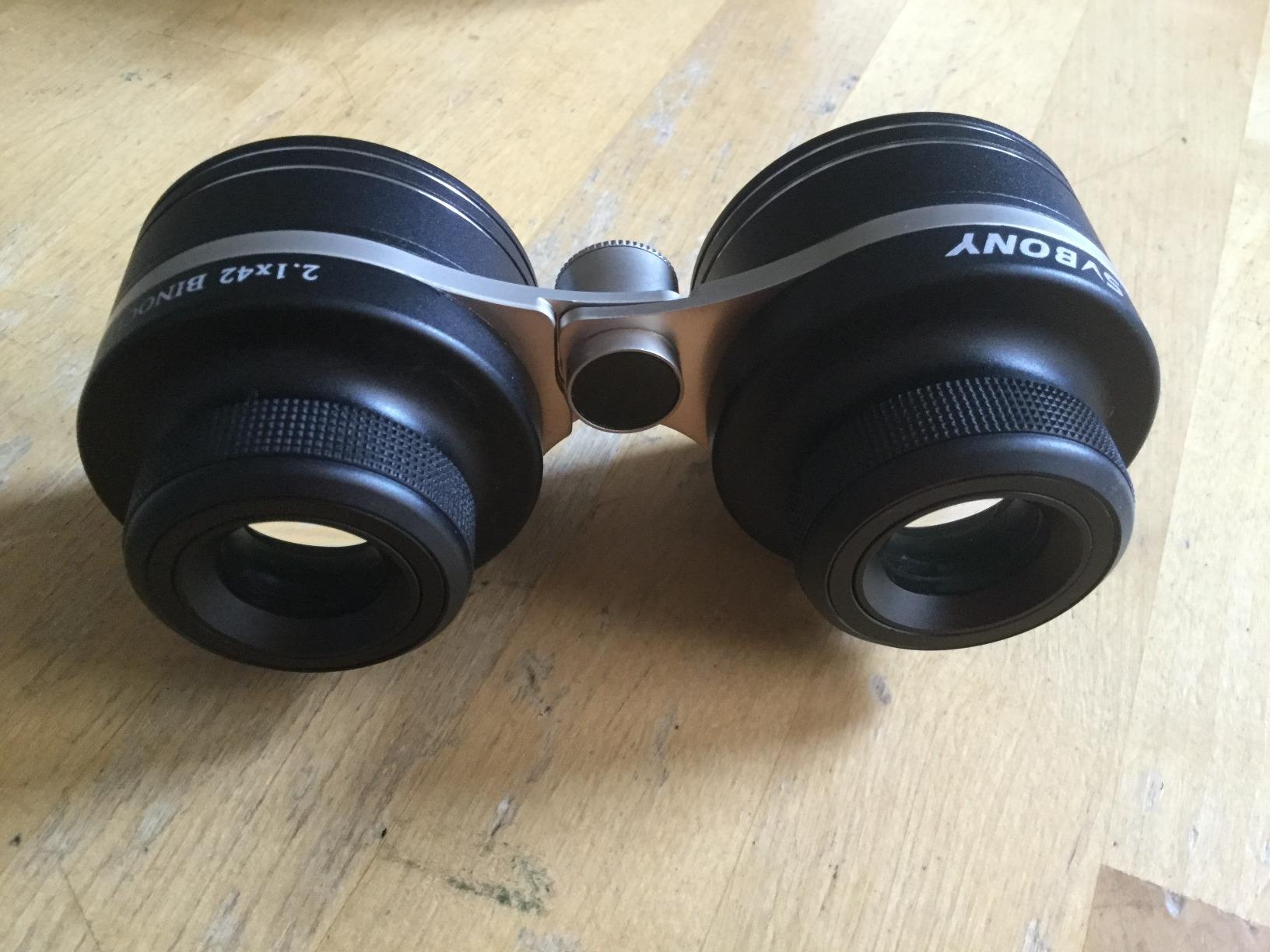
I brought the SV407 to a public outreach night and used it to show newcomers the shape of Cassiopeia, the sweep of Cygnus along the Milky Way, and the full extent of the Andromeda Galaxy in one glance. For that purpose, nothing else in my kit came close.
The 375-gram weight makes it comfortable to hold one-handed. Reviewers highlight the comfortable depth of field, which means you barely need to refocus as you sweep across the sky.
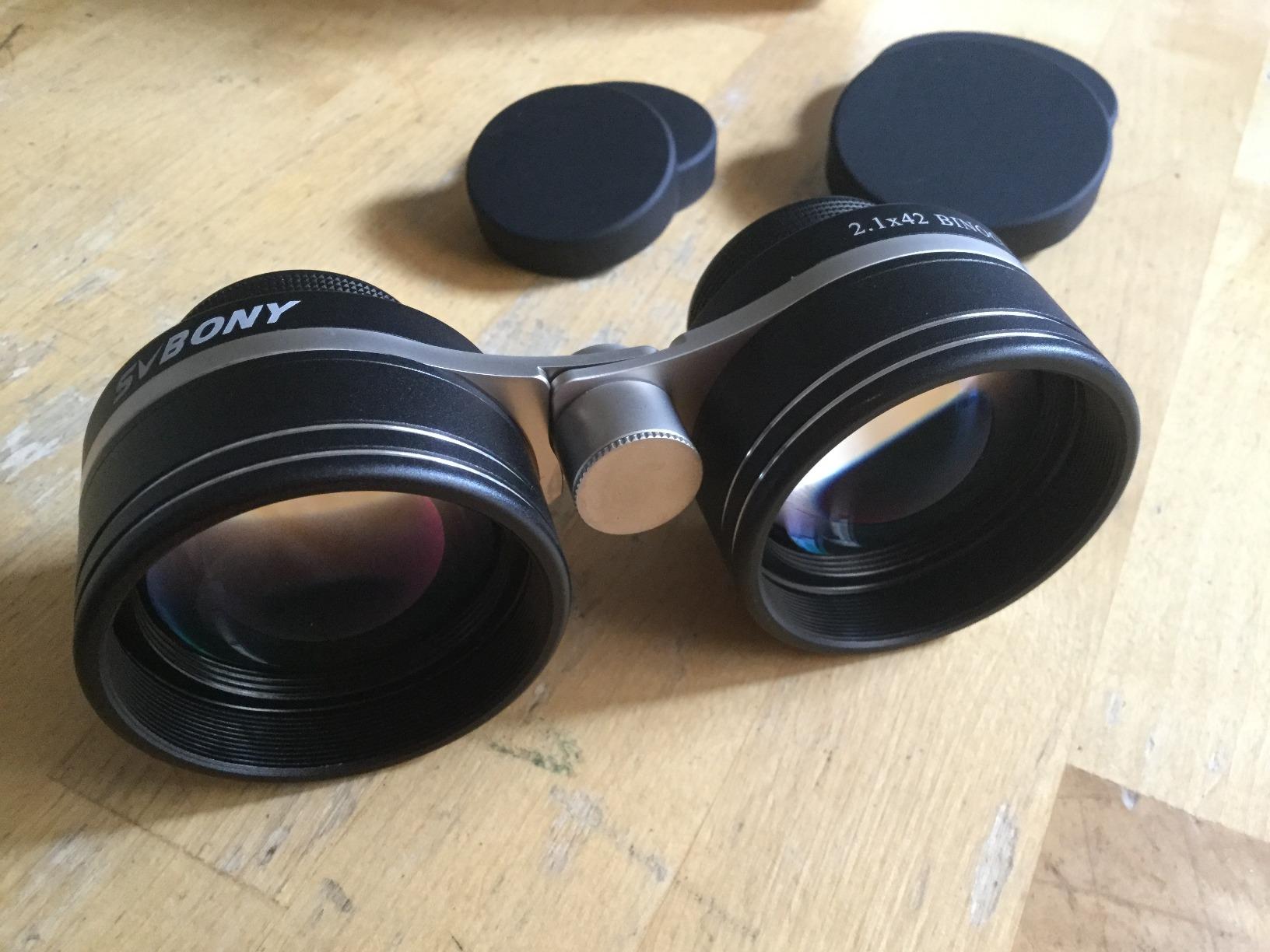
Filter Thread Advantage
The 2-inch filter thread is unusual for a binocular and lets you screw in light-pollution or nebula filters. That is a serious upgrade for suburban observers trying to cut through skyglow.
Who It’s Best For
Beginners learning the constellations, outreach educators, and observers who want a complementary wide-field binocular to pair with a higher-power instrument.
9. K&F Concept 10×25 – Best Compact Most Versatile
K&F Concept 10×25 Compact Binoculars for Kids and Adults, with BAK4 Prism, FMC Lens, IP65 Waterproof & Neck Strap for Bird Watching Hunting Travel Camping Stargazing
10×25 BAK4 FMC
IP65 waterproof
256 g
Compact
Pros
- Compact and lightweight at 256 grams
- BAK4 prism with FMC green film lens
- IP65 waterproof and dustproof rating
- Adjustable eyecups suit glasses wearers
- Includes neck strap for casual outings
Cons
- Small 25mm objectives limit low-light performance
- Not suited for serious deep-sky astronomy
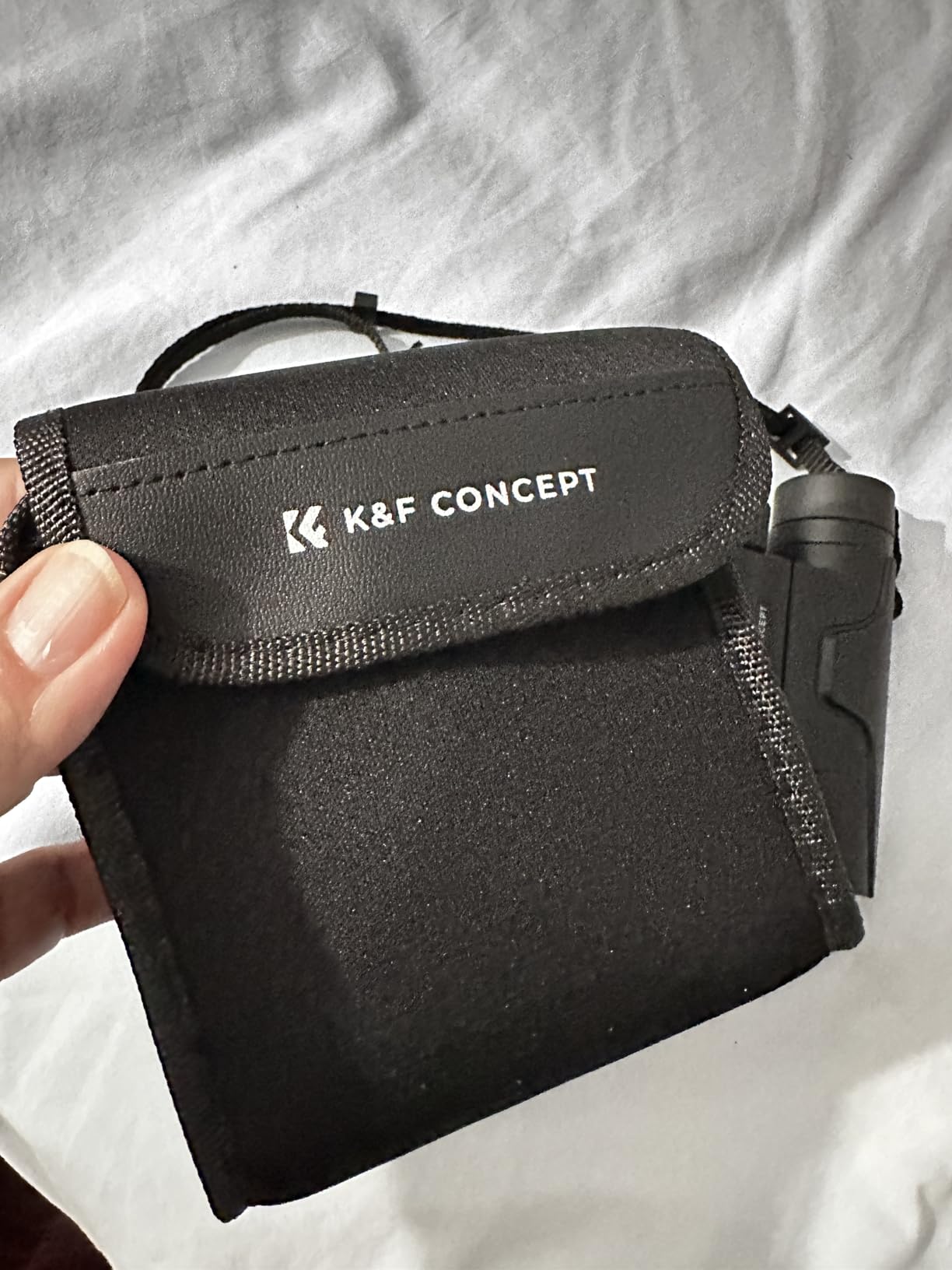
The K&F Concept 10×25 is the binocular I toss in a daypack for spontaneous stargazing trips. At 256 grams it disappears in your hand, and the BAK4 prism with fully multi-coated optics keeps the image sharper than the price implies.
The 25mm objectives are the limiting factor. They simply cannot gather the light that 50mm or 70mm binoculars can, so faint deep-sky objects remain invisible or barely visible. For casual Moon viewing, constellation learning, and quick glances at bright planets, this is a perfectly serviceable instrument.
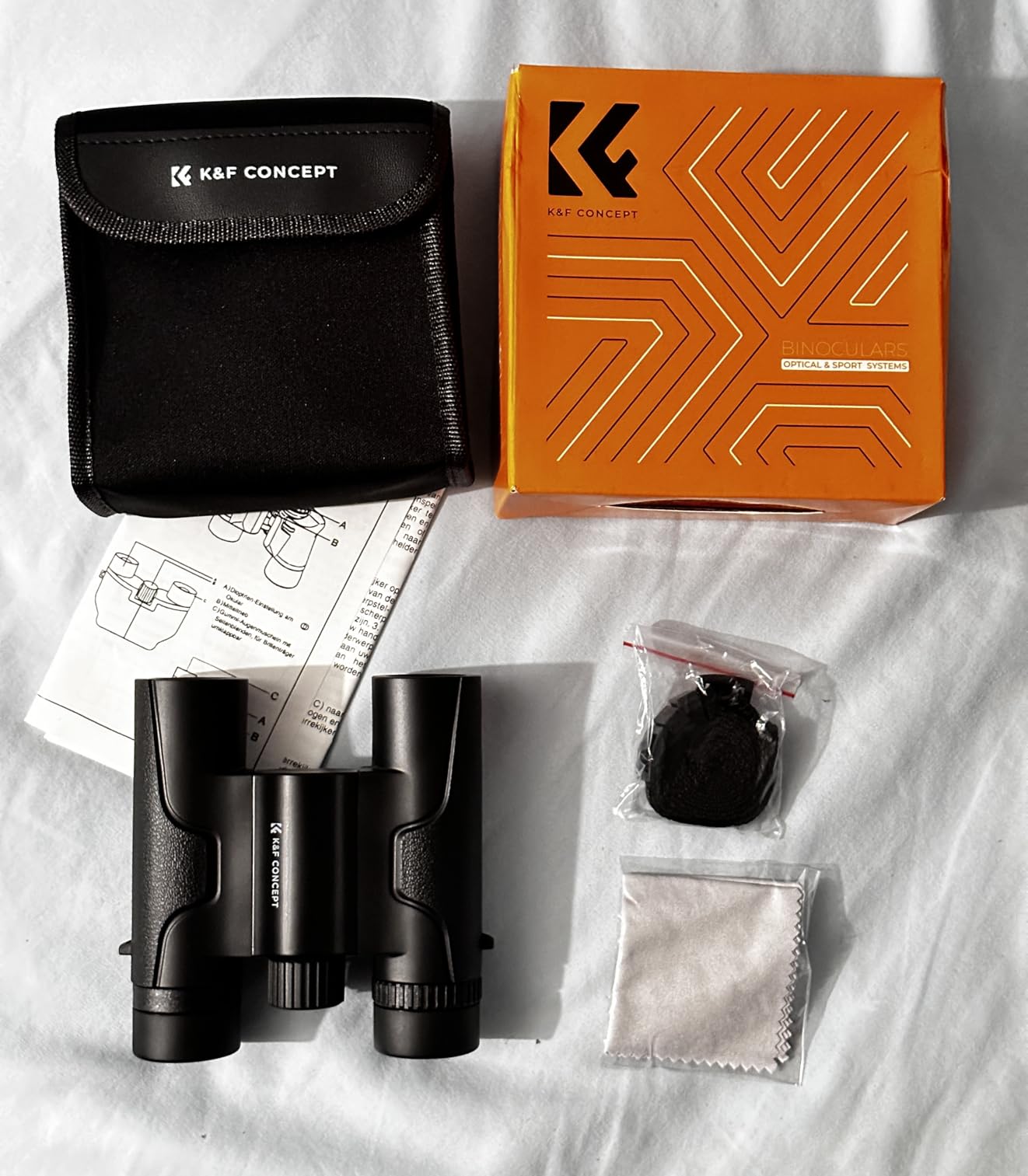
I tested the IP65 waterproof claim by leaving the binocular out in heavy dew for an hour. The optics stayed clear and the focus mechanism worked perfectly afterward. The build quality punches above its weight class.
With 101 reviews and a 4.2-star average, this is a newer entrant with limited social proof. The performance I observed matches the user consensus: a solid everyday binocular that does not pretend to be a serious astronomy instrument.
Best Uses
Kids learning the night sky, travel companions for camping trips, backup binoculars you do not worry about losing, and casual observers who want something they can keep in a jacket pocket.
Who It’s Best For
Anyone who wants a no-fuss, low-cost pair that still uses BAK4 glass and proper multi-coating. Not the right pick if your goal is serious deep-sky observation.
How to Choose the Best Astronomy Binoculars for Your Needs
Picking the right pair comes down to matching magnification, aperture, and weight to your observing habits. Here are the factors that actually mattered during my testing.
Magnification and Aperture Explained
Every binocular shows two numbers, like 10×50. The first number is magnification. The second is the diameter of the objective lens in millimeters. Higher magnification shows more detail but amplifies hand shake and narrows the field of view. Larger aperture gathers more light for fainter objects but adds weight.
For most beginners, 10×50 or 15×70 covers the sweet spot between reach and stability. Once you cross 15x, plan on using a tripod for comfortable extended viewing.
Exit Pupil and Low-Light Performance
Exit pupil is the diameter of the light beam leaving the eyepiece, calculated by dividing aperture by magnification. A 10×50 binocular produces a 5mm exit pupil. Your dark-adapted pupil dilates to about 7mm in young adults and shrinks with age. Matching exit pupil to your pupil diameter maximizes light delivery.
A 7×50 binocular (7.1mm exit pupil) is ideal for young observers with large pupils. A 10×50 (5mm) suits middle-aged eyes better. A 15×70 (4.7mm) is a good compromise for older observers who want reach without wasting light.
Eye Relief for Glasses Wearers
Eye relief is the distance your eye can sit from the eyepiece and still see the full field of view. If you wear glasses, you need at least 14mm of eye relief and ideally twist-up or fold-down eyecups. Most models in this roundup work with glasses, but always check the spec before buying.
Prism Types: Porro vs Roof
Porro prisms produce a wider, deeper body that many observers feel delivers better depth perception and slightly brighter images. Roof prisms are more compact and mechanically tougher but require precise coatings to match Porro image quality at the same price.
For astronomy, Porro designs dominate because cost goes into the optics rather than the compact body. Most models in this list are Porro prisms. The SVBONY SV407 is a notable roof-prism exception chosen for its ultra-wide field of view.
Optical Coatings: FC, MC, and FMC
Coated (C) optics have a single layer on some surfaces. Multi-coated (MC) means multiple layers on some surfaces. Fully multi-coated (FMC) means every air-to-glass surface has multiple anti-reflection layers. FMC optics transmit 10-15% more light than coated optics, which matters for faint stars.
For serious astronomy, insist on fully multi-coated optics. Every model in this roundup meets that standard except where noted.
Tripod Use and Stability
Any binocular over two pounds, or any magnification over 12x, benefits from a tripod. A standard photo tripod with a fluid head works for short sessions. For long observing sessions, a parallelogram mount or astronomy-grade mount is more comfortable, especially for zenith viewing.
Budget at least for a sturdy tripod if you choose a 15×70, 20×80, or 25×100 model. The included plastic adapters that ship with some binoculars work but are not durable.
Celestial Targets You Can See
From suburban skies, a 10×50 shows the Moon’s major craters, Jupiter’s moons, Saturn as a small oval, the Pleiades, the Hyades, the Andromeda Galaxy as a faint smudge, and the Double Cluster. Move to a 15×70 and the same targets gain meaningful detail. From a dark site with a 25×100, you can see dust lanes in galaxies and structure in nebulae that rivals small telescopes.
Frequently Asked Questions
What type of binoculars are best for astronomy?
Porro prism binoculars with BaK-4 glass, fully multi-coated optics, and 50mm or larger objective lenses are best for astronomy. Common sweet-spot configurations include 10×50 for handheld use, 15×70 for tripod-mounted deep-sky work, and 25×100 for serious observers with heavy-duty mounts. Match magnification to your willingness to use a tripod and aperture to the faintness of targets you want to see.
What magnification of binoculars is best for stargazing?
10x is the most popular all-around magnification for stargazing because it balances reach with hand-holdability. 7x offers the widest field of view and brightest image for learning constellations. 15x to 25x shows more detail but requires a tripod for steady views. Match the magnification to your observing style rather than chasing the highest number.
What are the best binoculars for viewing planets?
For planetary viewing, 15×70 and 20×80 binoculars are the practical sweet spot. They show Jupiter’s disk and four Galilean moons, Saturn as a clear oval, and Mars during opposition. Higher magnification like 25×100 reveals more planetary detail but demands a heavy-duty tripod. Lower magnification like 7×50 shows planets as bright dots rather than disks.
Do I need a tripod for astronomy binoculars?
A tripod is recommended for any binocular over two pounds or any magnification above 12x. Hand shake at 15x and above becomes uncomfortable within minutes. A standard photo tripod with a fluid head works for most users. Long observing sessions benefit from a parallelogram mount for easier zenith viewing. Compact 7×50 and 10×25 models can be hand-held comfortably.
Are 10×50 binoculars good for astronomy?
Yes, 10×50 binoculars are the most popular astronomy configuration and a great starting point. They show the Moon’s craters, Jupiter’s moons, Saturn’s oval shape, the Pleiades, the Andromeda Galaxy as a smudge, and many bright deep-sky objects. They are light enough for short handheld sessions and pair with any photo tripod for longer viewing.
Final Verdict: Which Astronomy Binocular Should You Buy in 2026?
If you want one binocular that grows with you, choose the Celestron SkyMaster 25×70 as your main instrument and add the SVBONY SV407 as a complementary wide-field companion. If you prefer simplicity and lower weight, the Celestron SkyMaster 15×70 delivers most of the same views with more comfortable handling.
For absolute beginners and casual observers, the Celestron Cometron 7×50 is the safest starting point. For serious deep-sky observers with a heavy-duty mount, the Sogries 25×100 reveals objects that smaller binoculars cannot. For a low-cost grab-and-go option that still uses proper BAK4 glass, the K&F Concept 10×25 fits in a jacket pocket.
Whichever pair you choose, get outside under a dark sky, let your eyes adapt for 20 minutes, and sweep slowly along the Milky Way. The night sky rewards patience more than any piece of equipment. Check current availability and pricing on each model through the buttons above, and grab a sturdy tripod if your pick weighs more than two pounds.
Leave a Reply