
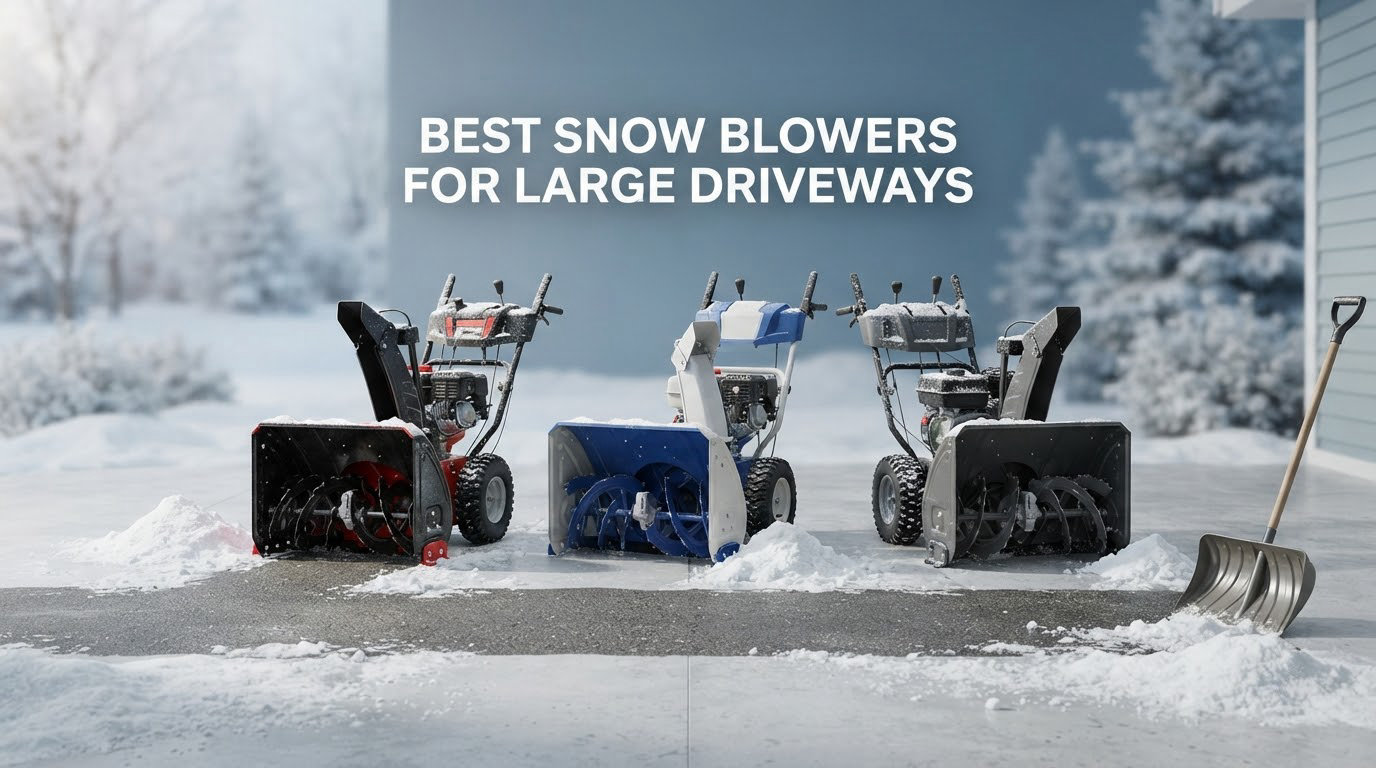
The best snow blowers for large driveways are self-propelled two-stage machines with a clearing path of at least 24 inches, an intake height of 20 inches or more, and enough engine displacement to keep moving through wet snow. My top pick is the EGO Power+ SNT2405, a 24-inch cordless two-stage that pairs two 56V batteries with a 20-inch intake height and a 50-foot throw.
I spent weeks reading owner reviews on snowblowerforum.com and in r/Snowblowers, comparing clearing widths, intake heights, throw distances, and drive systems across every machine in this roundup. What stood out immediately is how much the right answer depends on driveway geometry rather than engine size alone.
Owners on snowblowerforum.com repeatedly describe the same frustration: a machine that feels powerful on a short paved drive still forces extra passes on a 300-foot gravel run. That is why I stopped ranking purely on engine displacement and started mapping every pick to a driveway size, a snow load, and a slope.
The other lesson from those threads is that under-buying is far more common than over-buying. A 21-inch single-stage gets overwhelmed by a single heavy wet storm, and the owner ends up wishing they had spent more up front. If your driveway is long, sloped, unpaved, or all three, the picks below are ordered so you can stop reading as soon as you hit your situation.
One quick note before we get into the machines. If you are still deciding between power sources, our battery-powered snow blower guide covers the cordless category in more detail than any single review can.
Our Top 3 Snow Blowers for Large Driveway Jobs
These three cover the most common large-driveway situations: a quiet all-electric machine that needs no fuel handling, a gas machine with a trusted Briggs engine, and an entry-level gas unit for buyers who want a wide path without a premium engine.

EGO SNT2405 24 inch Cordless Kit
- 24 inch path
- 20 inch intake
- 50 ft throw
- 2 batteries included

How the Ten Picks Compare Side by Side
The table below is the fast version of this guide. Every row lists the specs that actually change how long a big driveway takes to clear, so you can match a machine to your drive without reading ten reviews.
| Product | Specs | Action |
|---|---|---|
| EGO Power+ SNT2405 24 Inch Cordless Kit |
|
Check Latest Price |
| PowerSmart 26 Inch 208cc Briggs Two-Stage |
|
Check Latest Price |
 EGO Power+ SNT2410 24 Inch Cordless EGO Power+ SNT2410 24 Inch Cordless |
|
Check Latest Price |
 Ariens ST28DLE 28 Inch 306cc Two-Stage Ariens ST28DLE 28 Inch 306cc Two-Stage |
|
Check Latest Price |
 PowerSmart DB72024PA 24 Inch 212cc Two-Stage PowerSmart DB72024PA 24 Inch 212cc Two-Stage |
|
Check Latest Price |
 EGO Power+ SNT2800 28 Inch Cordless EGO Power+ SNT2800 28 Inch Cordless |
|
Check Latest Price |
 AMERISUN 24 Inch 212cc Two-Stage AMERISUN 24 Inch 212cc Two-Stage |
|
Check Latest Price |
 WEN SB209E 24 Inch 209cc Two-Stage WEN SB209E 24 Inch 209cc Two-Stage |
|
Check Latest Price |
 Honda HSS928 28 Inch 270cc Two-Stage Honda HSS928 28 Inch 270cc Two-Stage |
|
Check Latest Price |
 Honda HSS1332 31.9 Inch 389cc Two-Stage Honda HSS1332 31.9 Inch 389cc Two-Stage |
|
Check Latest Price |
1. EGO Power+ SNT2405 24 Inch Cordless Kit – The Best Overall Snow Blower for Large Driveways
EGO SNT2405 24″ Cordless Snow Blower Kit, Self Propelled, w/ 2 7.5Ah Batteries
24 inch clearing width
20 inch intake height
50 ft throw
2x 7.5Ah batteries
Pros
- Clears an 18-car driveway with 8 inches of snow on one charge
- Push-button start with no priming or pull cord
- Peak Power output using two ARC Lithium batteries
- Quiet with no fumes and no fuel mess
- Variable speed self propelled drive with four bright LEDs
Cons
- Runtime falls short on very deep or wet snow events
- Extra batteries add to the total ownership cost
- Charge level matters on long uninterrupted pushes
This is the machine I keep coming back to for the widest range of large-driveway situations. Two 7.5Ah ARC Lithium batteries feed a Peak Power drive that pushes snow 50 feet, and the manufacturer rates it at clearing an 18-car driveway holding 8 inches of snow before it needs a charge.
What makes it unusual in this group is the combination of a 20-inch intake height with cordless power. Battery machines are often dismissed as light-duty, and many smaller single-battery blowers genuinely are. Owners in r/Snowblowers report running this kit through wet, heavy snow that lighter machines choked on, which is exactly the scenario where most of the gas competition earns its keep.
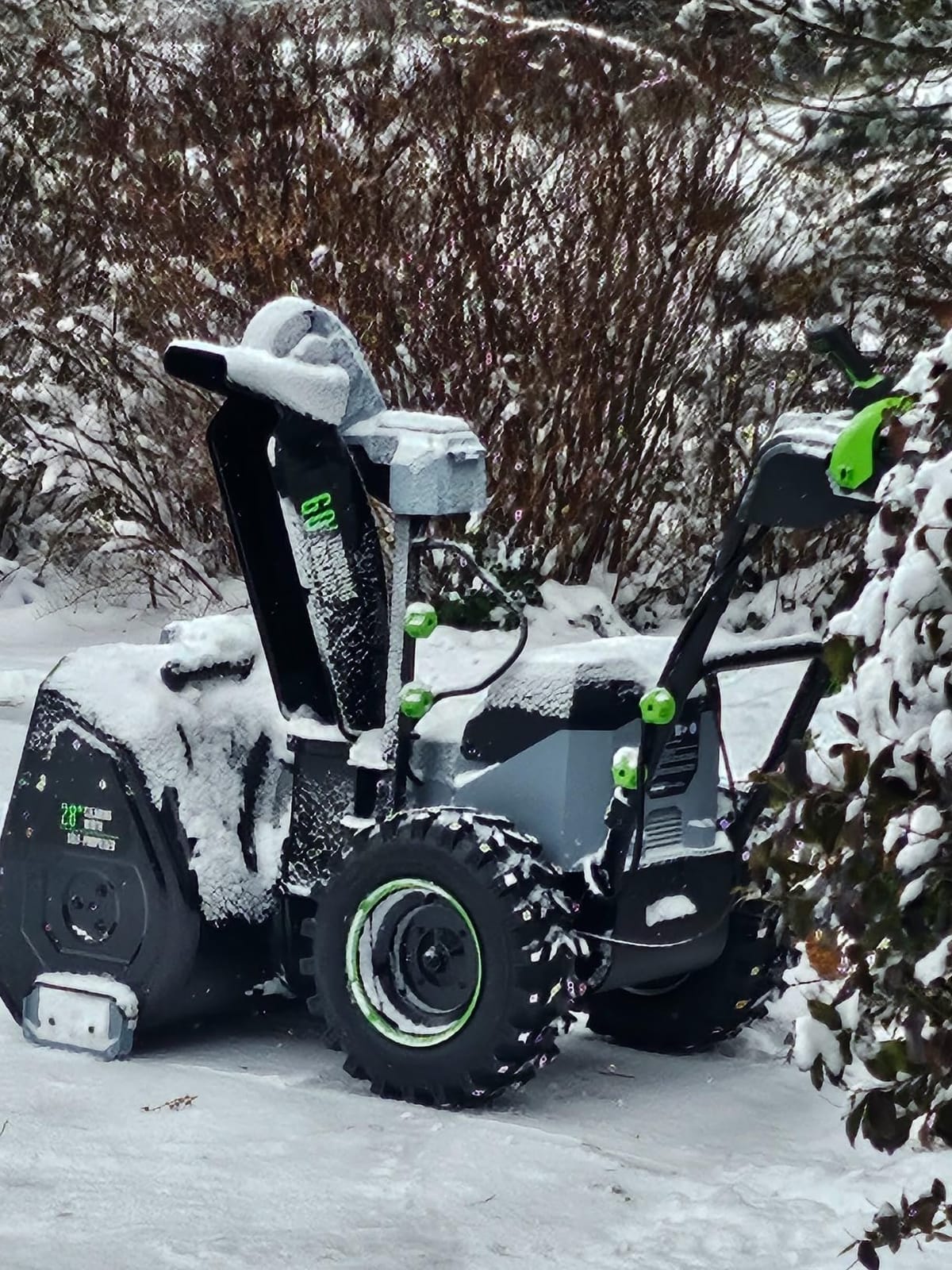
The self-propelled drive is variable speed with forward and reverse, and there are four bright LEDs for pre-dawn clearing. At 210 pounds it is not a lightweight machine, but the drive handles the steering for you on long passes.
Battery Life and Peak Power on Real Storms
The single-charge claim is the number worth understanding. An 18-car driveway with 8 inches of snow is a meaningful amount of work, and clearing it without a mid-job charge is the difference between finishing before breakfast and finishing after lunch.
The tradeoff is depth. Rated coverage assumes 8 inches. Push into 12 to 14 inches of wet, compacted snow and the same charge will not stretch as far, which is why I would pair this with a plan for clearing in stages rather than waiting for the full depth to accumulate.
Why Two Batteries Change the Machine
One battery powers a smaller blower. Two batteries in this kit are what unlock the 50-foot throw. If you already own EGO 56V ARC Lithium packs, the whole platform becomes cheaper to justify, and the bare-tool version of this blower covers the same ground without new batteries.
Warranty is 5 years on the tool and 3 years on the batteries, which is a meaningful signal on a machine that lives outside in sub-zero weather.
Handling, Storage, and Who Should Buy It
At 26 by 49 by 45 inches, it fits a normal single garage bay without a dedicated corner. The 15-inch wheels roll over packed snow without bogging.
Best for households that clear a two-and-a-half-car-wide drive, want zero fuel handling, and dislike the smell and storage of gas. If you also maintain a roof or need chains for a slope, our roof snow guard guide covers the other half of winter property upkeep.
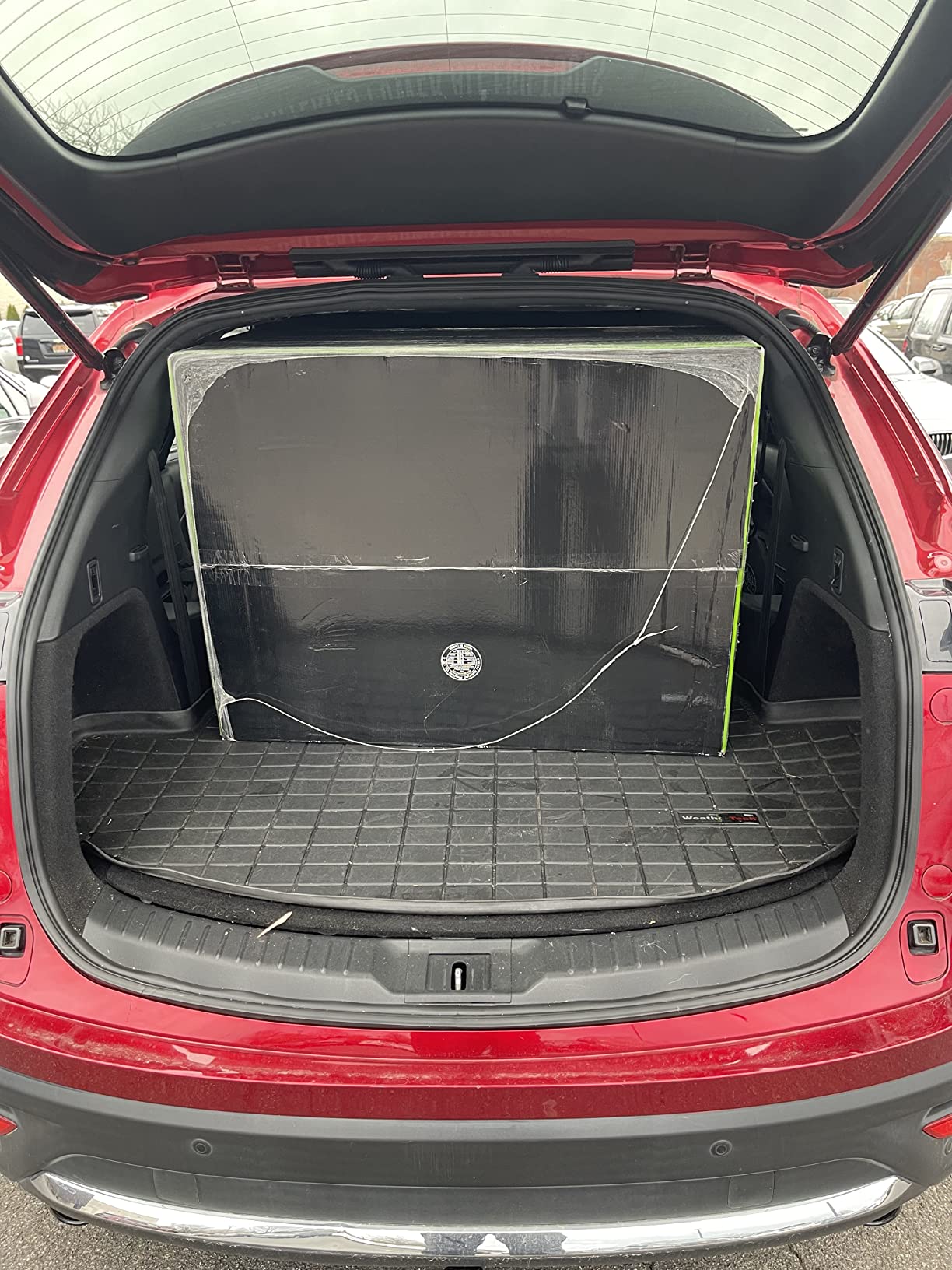
2. PowerSmart 26 Inch 208cc Briggs Two-Stage – Best Value Gas Machine With a Trusted Engine
PowerSmart 26-Inch Self-Propelled Gas Snow Blower, Powered by B&S 208cc Engine, Electric Start, 13-Inch Snow Tires, Handle Warmer, Two-Stage Snow Blowers with LED Lights
26 inch clearing width
20 inch intake height
208cc Briggs
2680 lbs/min
Pros
- Briggs and Stratton 208cc engine starts reliably in cold weather
- Throws snow 30 to 50 feet and cleans down to pavement
- Easy to assemble and lighter than most 26 inch machines
- Heated grips and LED light for night clearing
- Six forward and two reverse speeds
Cons
- Chute height and rotation controls are stiff to adjust while moving
- Chute reported as flimsy by some owners
- Heated grips do not warm gloved hands
- Recoil backup start is slow to pull
With 705 reviews behind it, this is the most thoroughly owner-tested machine in the roundup, and the consensus is straightforward: the Briggs and Stratton 208cc four-cycle engine does the heavy lifting and the rest of the package is serviceable but plain.
That engine choice matters more than the brand badge. Reviewers judge these machines on displacement and whether the motor is OHV or EFI long before they care about the nameplate, and a Briggs engine carries a parts network most value brands cannot match.
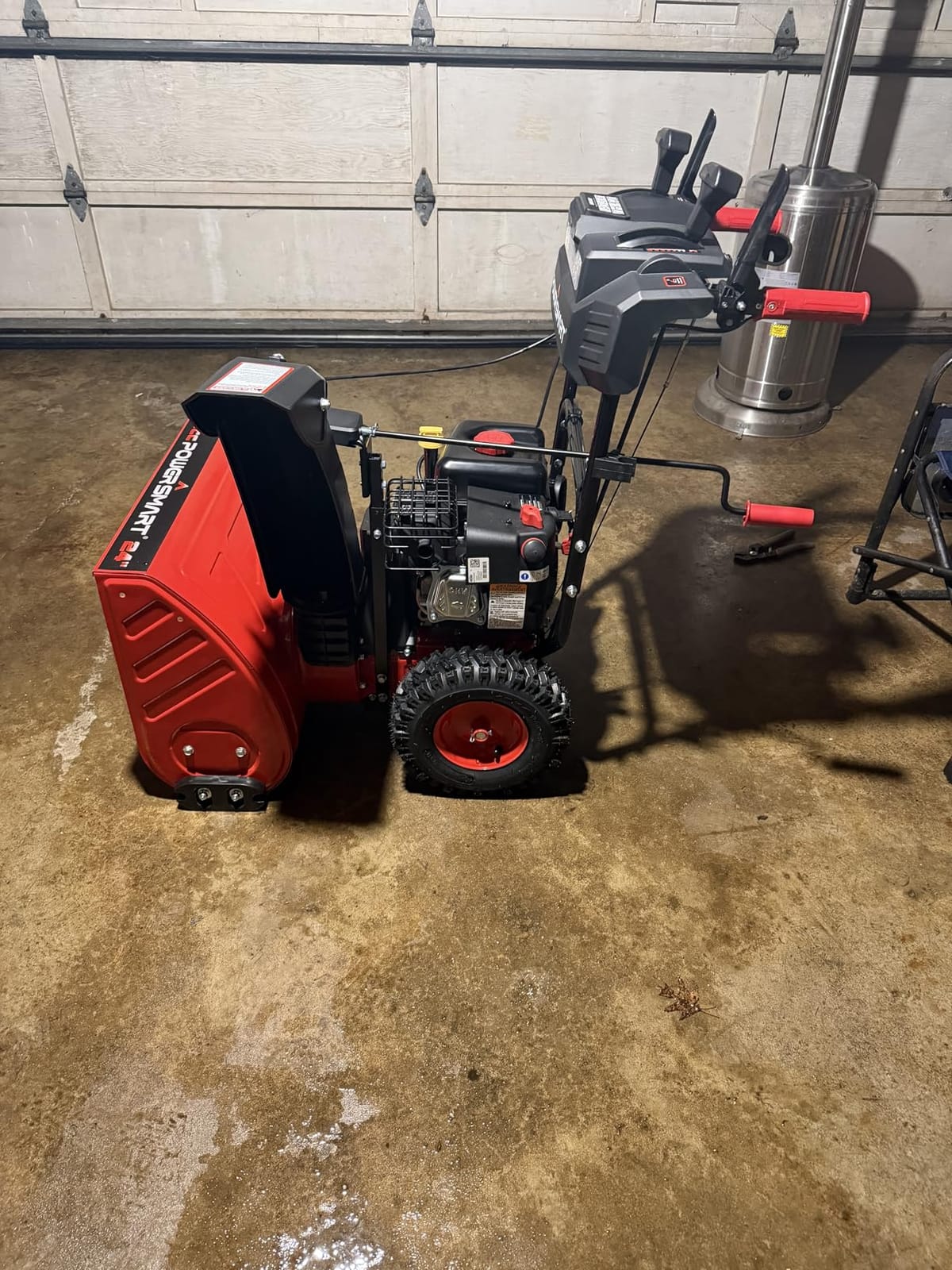
At 2680 pounds of snow per minute it out-muscles most of the 212cc machines here, and 6 forward plus 2 reverse speeds give genuinely fine control on a long drive. It also weighs 147 pounds, which is light for a 26-inch two-stage and makes the turn at the end of a pass far less of a fight.
Clearing Width Versus Intake Height
The 26-inch path is the widest gas machine in this group apart from the two Hondas, and it saves real time. A 20-foot-wide drive takes one pass here and two with a 20-inch blower.
But intake height is 20 inches, and that is the spec that decides whether it copes with a heavy wet storm or bogs. Owners report cleaning down to pavement in typical storms, which is the outcome you want.
Electric Start and Cold Weather
A 120V electric start with recoil backup is a genuine advantage in sub-zero mornings, and reviewers call out reliable cold starts as a consistent strength. Keep the machine on a standard outlet and a key turn is all it takes.
One caution: the recoil backup is reported as slow and heavy to pull. If the electric start fails in a storm, that is the moment you notice.
Controls and Build Quality Weak Spots
The most common complaint is not about performance at all. Chute height and rotation controls are stiff to adjust on the fly, and the chute itself is described as flimsy by a portion of owners. For a large drive you will redirect the chute often, so this is worth knowing before you buy.
Heated grips are a nice idea that reviewers say does little for gloved hands, and there is a 14% one-star group focused on durability. At 705 reviews, that group is large enough to take seriously.
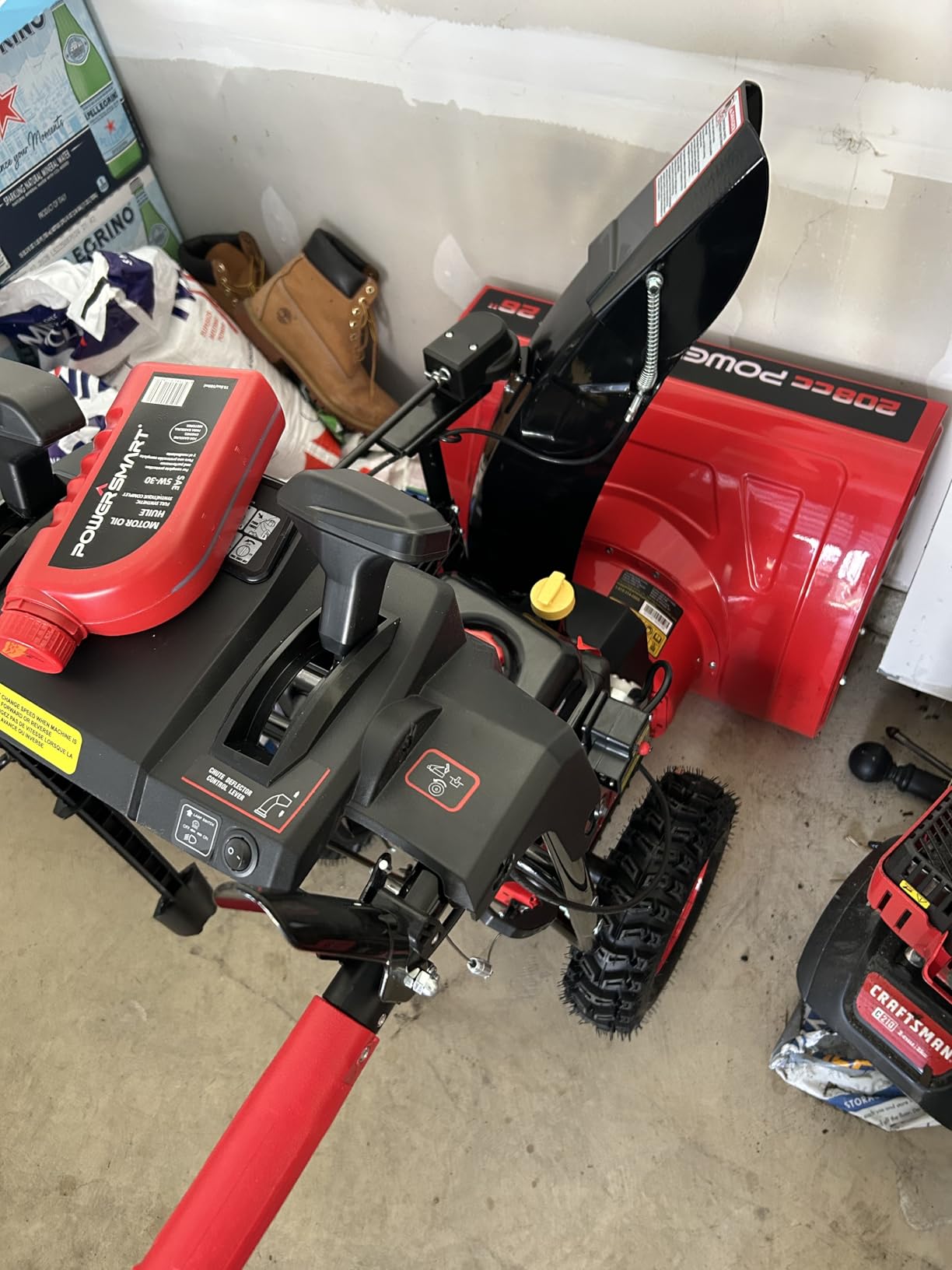
3. EGO Power+ SNT2410 24 Inch Cordless – Best Pick If You Already Own EGO Batteries
EGO Power+ 24″ Electric Snow Blower, Cordless Self-Propelled 2-Stage XP, Battery and Charger Not Included – SNT2410
24 inch clearing width
20 inch intake height
50 ft throw
batteries sold separately
Pros
- Covers up to a 24-car driveway with 8 inches of snow per charge
- Trigger controlled steering assist makes long pushes easier
- Heated grips and 200-degree chute lever
- Quiet operation with no fumes or pull cords
- Works on any EGO 56V ARC Lithium battery
Cons
- Battery and charger are not included
- Smaller review base than the battery-included kit
- Charge limited range versus gas on long storms
If you have already bought into the EGO 56V ARC Lithium platform for tools, this blower is the cheapest way to add snow removal without buying a second battery ecosystem. For a growing group of homeowners who own EGO packs already, that marginal cost is a decisive advantage.
The machine itself is a 24-inch cordless two-stage with a 20-inch intake height, 50-foot throw, and a variable-speed self-propelled drive. Rated coverage is up to a 24-car driveway with 8 inches of snow on two 10.0Ah batteries.
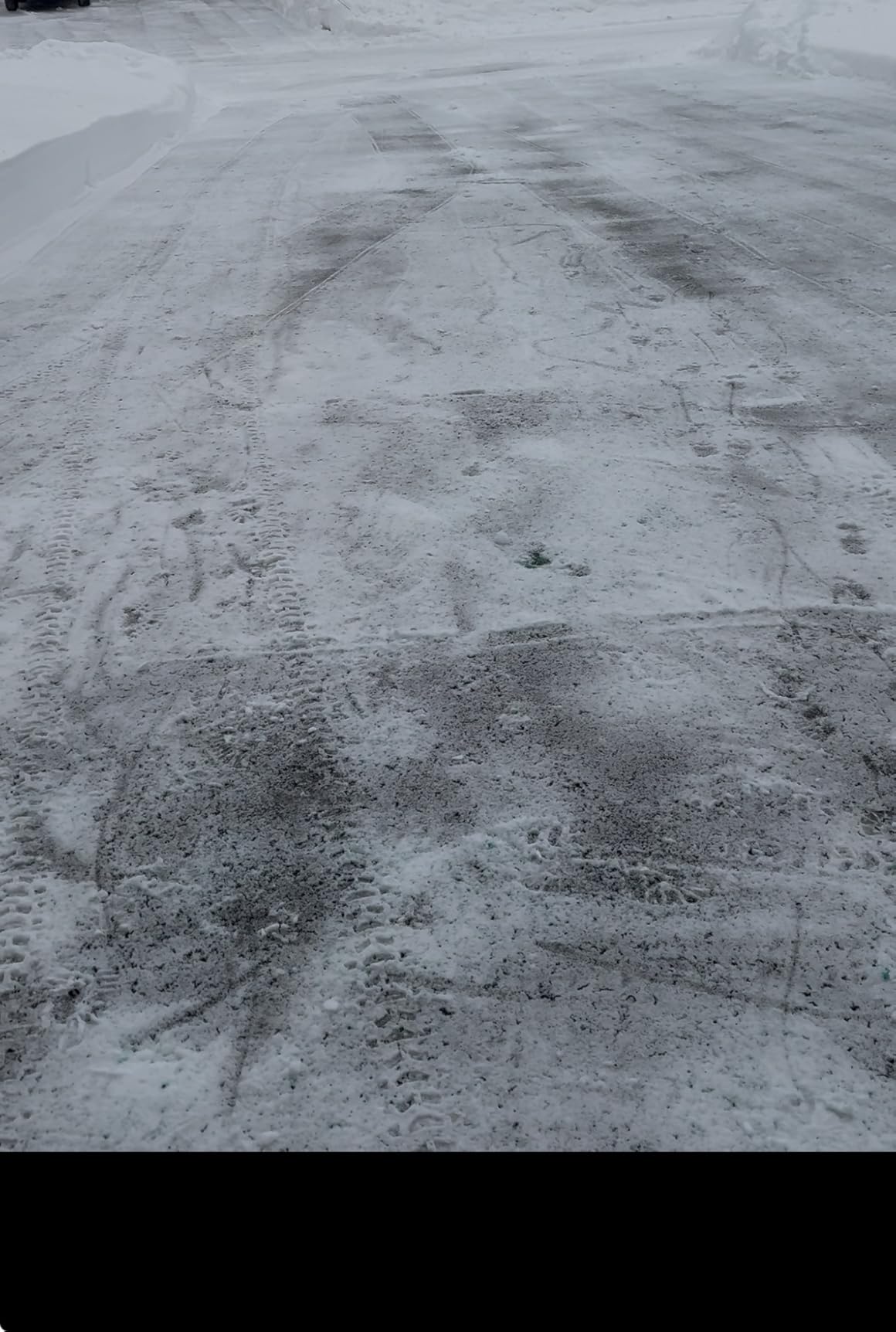
The trigger-controlled steering is the feature I notice most in owner feedback. It takes some of the work out of turning at the end of a long pass, which is where walk-behind machines usually wear an operator out.
Battery Platform Math Before You Commit
Because the batteries and charger are sold separately, the real entry cost depends entirely on what you already own. Starting from zero means budgeting for the platform first, and owners are candid that this raises the effective price considerably.
For a household with EGO packs in the garage, the marginal cost is the tool alone, and this becomes the best-value cordless large-driveway machine available.
Clearing Performance and Intake Depth
A 24-inch path and 20-inch intake is the same core geometry as the battery-included kit. For a 20-foot drive that is one pass, and the 20-inch intake means you are not scraping leftover ridges at the edges of the driveway.
The 50-foot throw is enough to clear a curb line or a parked car zone without the snow landing back on your path, which is a common complaint on shorter-throw machines.
Where It Falls Short
Only 31 reviews, so the long-term reliability picture is still forming. Owners who do comment rate it at 4.4 stars with 70% five-star ratings and point to performance, heated grips, and assisted steering.
Charge-limited range during long storms is the standing limitation, and the bare-tool packaging is a real cost that reviewers mention every time.
4. Ariens ST28DLE 28 Inch 306cc Two-Stage – Best for Heavy Wet Snow
Ariens ST28DLE Deluxe SHO 28 in. Two-Stage Electric Start Gas Snow Blower
28 inch clearing width
306cc SHO engine
55 ft throw
6 speeds
Pros
- 306cc SHO engine moves heavy wet and slushy snow
- Throws farther than most machines owners have owned
- Easy-turn feature is a real improvement over older models
- Starts easily and runs quietly
- Long term parts availability from Ariens
Cons
- Plastic recoil starter can crack within months
- Throttle and choke knobs freeze together in sub-zero weather
- Starter coil failures reported on new units
- Local warranty service can involve long waits
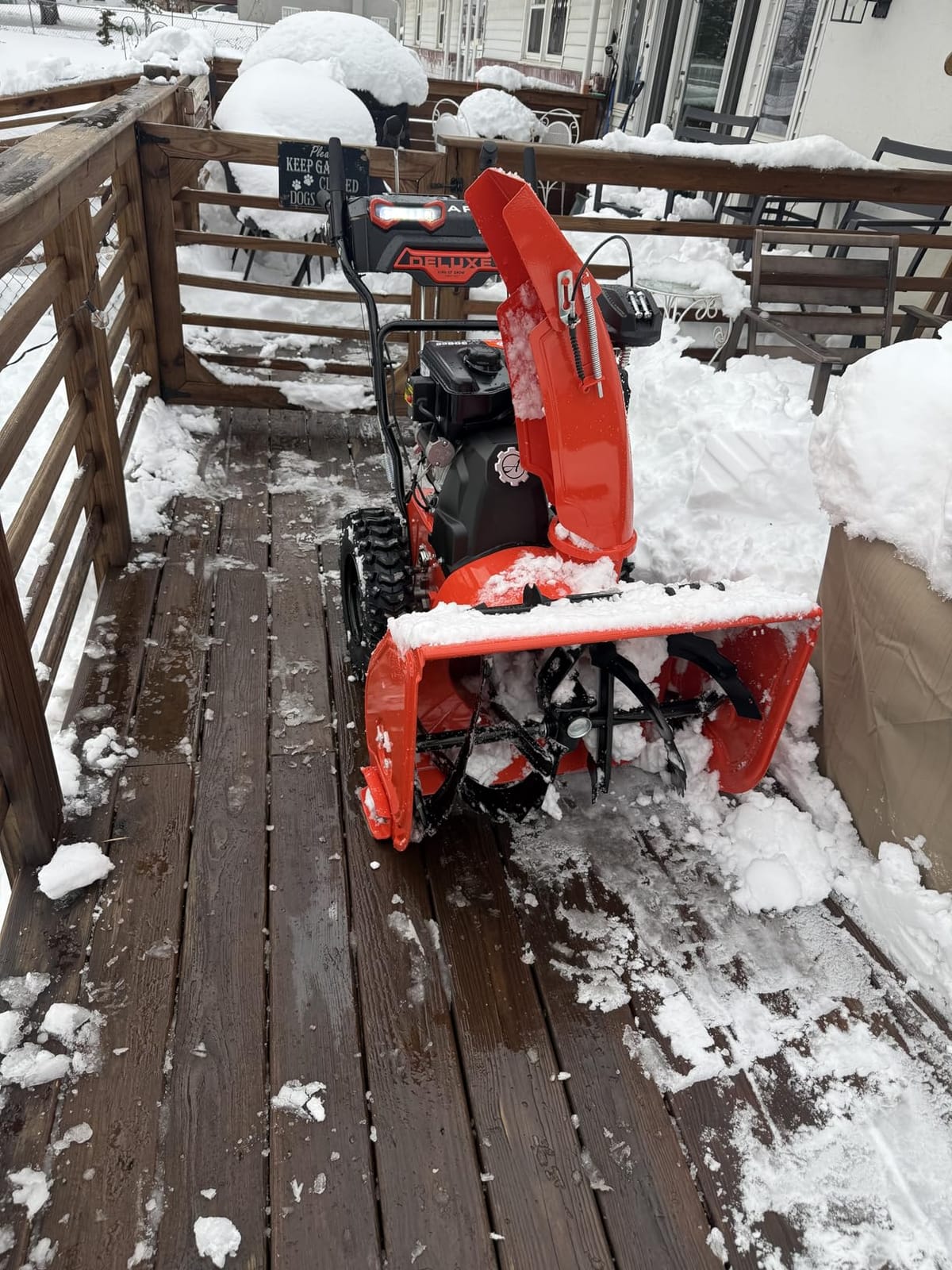
Engine displacement is the whole argument for this machine. At 306cc it is the largest gas engine in the roundup short of the Honda 389cc, and owners describe it chewing through 20 inches of wet heavy snow without complaint.
That is a different job than clearing powder. Dry snow at 8 inches is easy for almost anything on this list. Packed, wet, refrozen snow at 18 to 20 inches is where a smaller engine stalls and where the 306cc SHO keeps pulling.
The 28-inch path means a 28-foot drive clears in a single pass, and the 55-foot throw is the second longest here. Six speeds with 16-inch wheels give the drive good pace on flat, wide runs.
SHO Engine and What the Displacement Buys You
Reviewers consistently single out the engine when explaining why they stay with Ariens. Several describe returning to the brand after 15 to 20 years, and the long-term parts availability is a genuine asset when a machine this size will sit outside for a decade.
The catch is that the machine itself is not engineered to match the engine. Several owners report the plastic recoil starter cracking and the throttle and choke knobs freezing together in sub-zero weather, which is a strange failure on a machine sold for cold climates.
Throwing Distance and Clearing a Wide Drive
A 55-foot throw clears a roadside or a parking pad in one direction, which matters on a large property where the discharge zone is limited. Snow that lands 20 feet away ends up back on your path and you walk it again.
There is no stated snow-clearing capacity figure in the spec sheet, but owners fill in the gap with heavy storm results.
Handling Weight and Garage Fit
At 267.5 pounds, this is a machine you plan around rather than lift. The easy-turn feature helps, and the folded footprint of 45 by 30 by 58 inches clears most residential garage doors, but check your door height before committing.
Best for someone whose snowfall is wet and heavy and whose driveway is wide. If your storms are mostly dry powder on a short drive, this is more machine than you need.
5. Honda HSS1332 31.9 Inch 389cc Two-Stage – Best for the Longest Drive in the Country
Honda HSS1332 31.9-Inch Two Stage Snow Blower (HSS1332AATD)
31.9 inch clearing width
389cc GX390 engine
56 ft throw
dual track drive
Pros
- Commercial grade GX390 engine handles deep snow
- Widest clearing path in the lineup at nearly 32 inches
- Clears up to 2750 pounds of snow per minute
- Dual track drive holds traction on inclines and ice
- Hydrostatic transmission gives continuous speed control
- Ready to use out of the box with no assembly required
Cons
- Highest price tier among 30 inch plus machines
- Track drive and housing need more storage room
- Gas engine means fuel and oil maintenance
This is the machine I would choose for a half-mile rural drive, and it is the least substitutable one here. Nobody else in the roundup combines a nearly 32-inch path, a 389cc commercial-grade engine, and a dual track hydrostatic drive.
Owners rate it at 82% five-star with a 4.4 average, and the credit goes to the GX390 for deep snow and the tracks for slopes and ice. The hydrostatic transmission is the quiet luxury: stepless speed control with no shifting, which matters when you are three hours into a long clearing session.
Why 31.9 Inches Changes the Math
Clearing width compounds on a long drive. A 300-foot run in a 24-inch machine is roughly 150 feet of travel per 2-foot strip; in a 32-inch machine the same run needs about 56 percent fewer feet of walking. On the longest drives in this guide, that difference is the difference between a chore and a morning.
The 56-foot throw also means you can discharge well clear of the drive without a second pass to move the windrow.
Track Drive, Traction, and Slope Handling
Dual tracks spread weight over a larger contact patch than tires, and owners credit them specifically for stability on inclines and ice. The auger height control lever with variable positions lets you set how much snow the housing takes in, which is the difference between chewing a solid wall and skimming the top layer.
This is the answer to the steep driveway question for anyone who wants traction solved permanently rather than with chains.
What You Give Up for That Capability
Storage footprint is the real cost. The track drive and auger housing need more room than any wheeled machine here, and the price tier above 30 inches is meaningfully higher than the rest of the list.
The engine is also commercial-grade, which means fuel and oil service rather than a small engine swap. That suits a rural property owner doing several storms a season and a person clearing multiple properties.
6. Honda HSS928 28 Inch 270cc Two-Stage – Best for Steep Driveways With a Smaller Footprint
Honda HSS928 28-Inch Two Stage Snow Blower (HSS928AATD)
28 inch clearing width
21.7 inch intake height
52 ft throw
dual track drive
Pros
- GX270 commercial engine starts easily in cold weather
- 21.7 inch intake handles very deep accumulations
- 52 ft throw clears 1900 pounds per minute
- Dual tracks hold traction and balance on inclines and ice
- Hydrostatic drive gives continuous speed control
- Three year residential warranty
Cons
- Very heavy at 358 pounds
- Highest price point in the roundup
- Gasoline engine requires fuel storage and seasonal maintenance
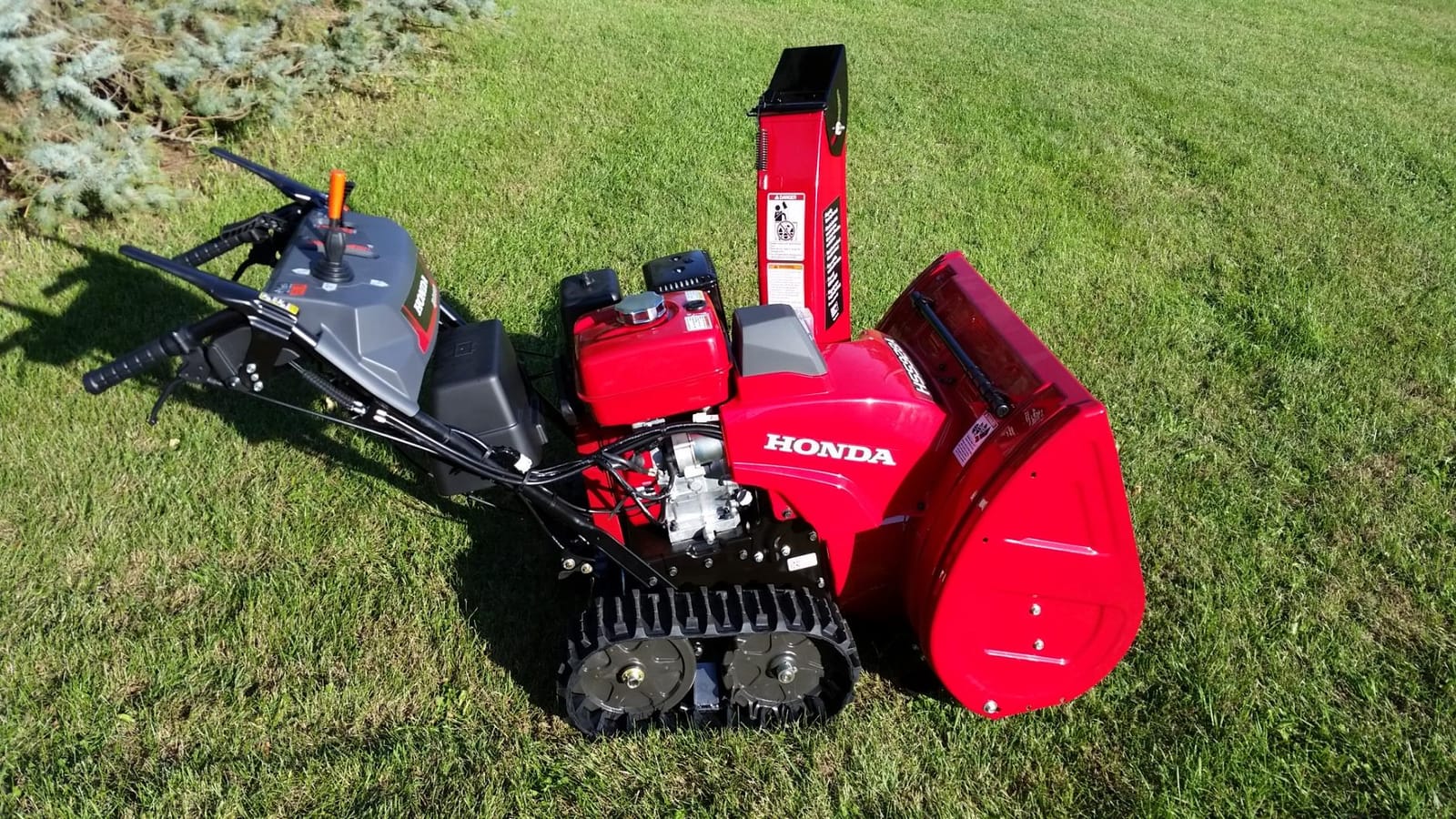
This machine carries the highest rating in the roundup at 4.6 stars, and while 28 reviews is a small base, the feedback is unusually specific. Owners point to cold-weather starting from the GX270, a 21.7-inch intake height, and track stability on sloped or icy driveways.
It is the same dual track hydrostatic platform as the 32-inch Honda in a smaller engine package. For a driveway that is steep but not enormously long, that combination is the more balanced choice.
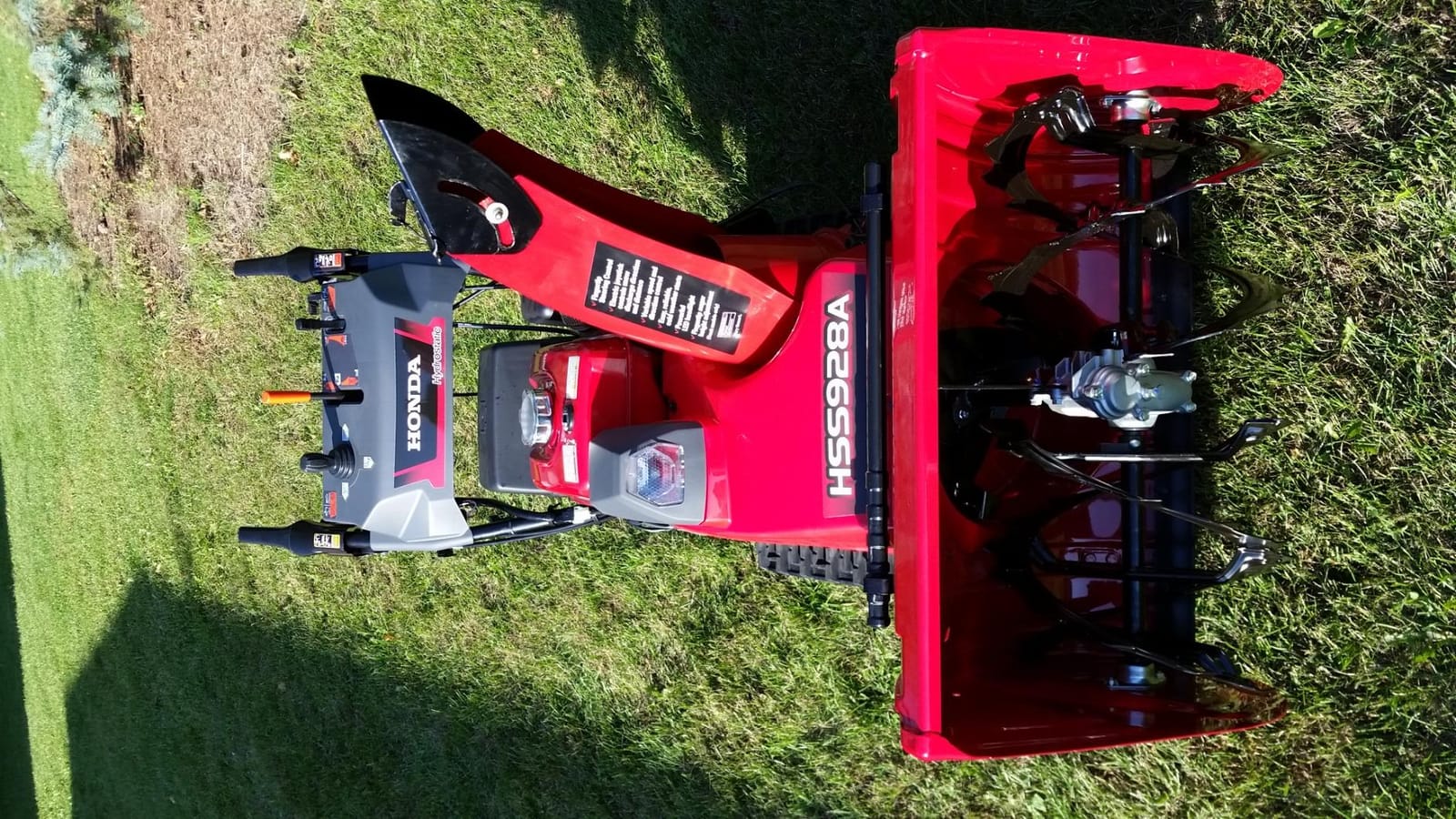
The 21.7-inch intake height is the deepest of any machine in this group and is the spec to pay attention to on a long winter. Deep snow needs intake height more than it needs clearing width, because the housing simply cannot take in a wall taller than its opening.
Intake Height Is the Spec That Matters in Deep Snow
Owners report handling very deep accumulations where 20-inch machines leave a ridge they have to come back for. If your area gets 18 inches in a single storm and that snow then freezes, the extra inch and a half of intake is a real reduction in rework.
Clearing capacity is 1900 pounds per minute, which is lower than the 32-inch Honda despite the smaller engine, but the throw distance of 52 feet is more than long enough to get snow off the drive.
Track Drive on Slopes and Ice
The community consensus over at snowblowerforum.com is that self-propelled wheel drive starts losing grip somewhere around 15 degrees of slope. Tracks are the permanent fix, and this machine has them along with a hydrostatic drive that lets you creep down a hill at a controlled speed instead of gathering momentum.
Auger height control on a track machine lets you slow the feed rate, which is how you avoid the classic track problem of the auger overloading and stalling on a hard-packed surface.
Weight and Storage Reality
358 pounds is the heaviest machine here and reviewers flag it as the main drawback. Transporting it up a ramp or into a shed alone is genuinely difficult, and plan the storage location before delivery.
The three-year residential warranty and no-assembly setup soften the experience. Best for a steep property where traction and intake depth outrank weight and price.
7. EGO Power+ SNT2800 28 Inch Cordless – Best Widest Cordless Clearing Path
EGO Power+ 28″ Electric Snow Blower, Cordless Self-Propelled 2-Stage, Battery and Charger Not Included – SNT2800
28 inch clearing width
21 inch intake height
60 ft throw
16 inch tires
Pros
- Widest cordless clearing width at 28 inches with 21 inch intake
- 60 ft throw is the longest reach in the roundup
- Clears up to a 32-car driveway per charge on two 12.0Ah batteries
- 16 by 5 inch snow tires add traction in deep snow
- Trigger controlled steering assists turning
- Heated grips and a two-in-one joystick chute control
Cons
- Battery and charger sold separately
- Single charge rating assumes 8 inches of snow
- Largest cordless storage footprint here
This is the spec-sheet winner of the group, and it is worth understanding exactly how rare that combination is. A 28-inch path, 21-inch intake height, and a 60-foot throw with no engine, no fuel, and no pull cord does not exist anywhere else at this size.
The 60-foot throw is the longest of any machine in the roundup, cordless or gas. On a large property that reach means you can clear a parking pad or a roadside without the discharge landing back on your path.
Cordless at 28 Inches: Where the Limits Are
The honest boundary is depth, not width. A single charge is rated for up to a 32-car driveway with 8 inches of snow using two 12.0Ah batteries. Push past that and you are swapping batteries mid-drive, which is manageable with a spare pack and frustrating without one.
The 21-inch intake height means it can physically accept a deep bank when the batteries allow. The constraint is energy, not geometry.
Joystick Chute Control and Steering
The two-in-one joystick gives 200 degrees of chute rotation and deflection from one hand, and the trigger-controlled steering assist helps during turns at the end of a pass. Four bright LEDs and heated handle grips round out a feature set built for long dark sessions.
Reviewers consistently name the 28-inch width, 60-foot throw, and 16-inch traction tires as the reasons this beats smaller cordless blowers.
Battery Cost and Storage Planning
Batteries and charger are not included, and with only 26 reviews the long-term picture is still thin. The 4.0 average reflects owners who like the machine and are nonplussed by the entry cost.
At 60 by 31 by 46 inches this is the largest cordless footprint here, so measure the bay before it arrives. Our large outdoor storage and planter guide covers the shed and yard layout questions that come with a machine this size.
8. PowerSmart DB72024PA 24 Inch 212cc Two-Stage – Best for Medium-to-Large Drives on a Tight Budget
PowerSmart Self-Propelled 2-Stage Gas Snow Blower 24-inch 212cc Engine with Electric Start, Reinforced Steel Housing
24 inch clearing width
21 inch intake height
45 ft throw
212cc OHV
Pros
- 212cc OHV engine clears 2500 pounds per minute
- Steel auger and impeller handle up to 12 inches of snow
- Eight speeds make tight turns easy
- 180 degree chute throws up to 45 feet
- Reinforced steel housing
Cons
- Chute control can bind and needs lubrication
- Drive cable and wheel engagement failures reported
- Chute drifts out of position from vibration
- Oil drip from the drain extension tube on new units
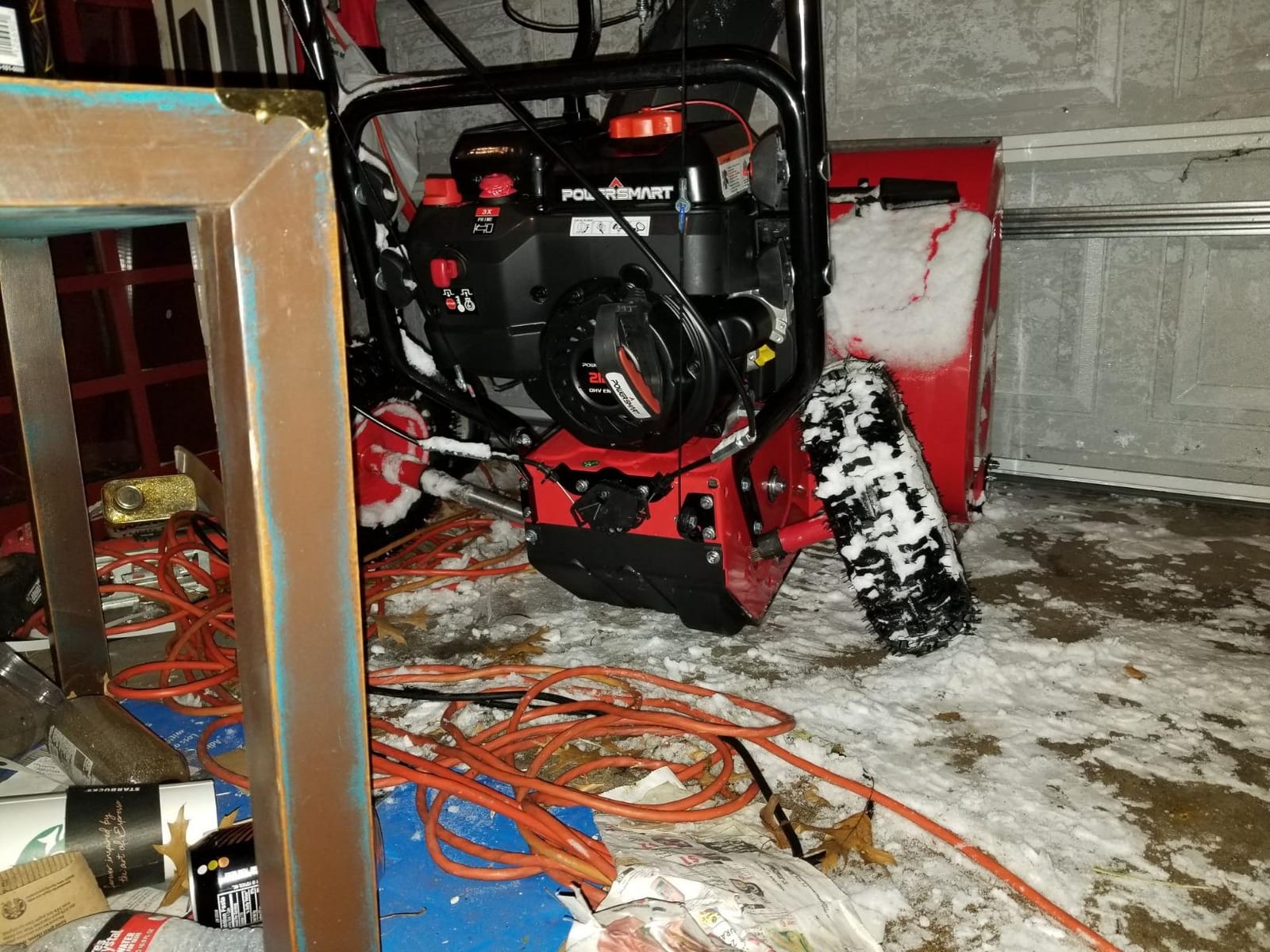
This is the value answer for a driveway that is larger than a city lot but not a rural half-mile. A 212cc four-cycle engine, a 21-inch intake height, and 2500 pounds per minute of clearing capacity cover most large-driveway jobs without a premium engine.
Owners call it a beast after 10 to 20 inch storms, and assembly plus first-pull starting are widely reported as straightforward, which is more than can be said for many machines in this category.
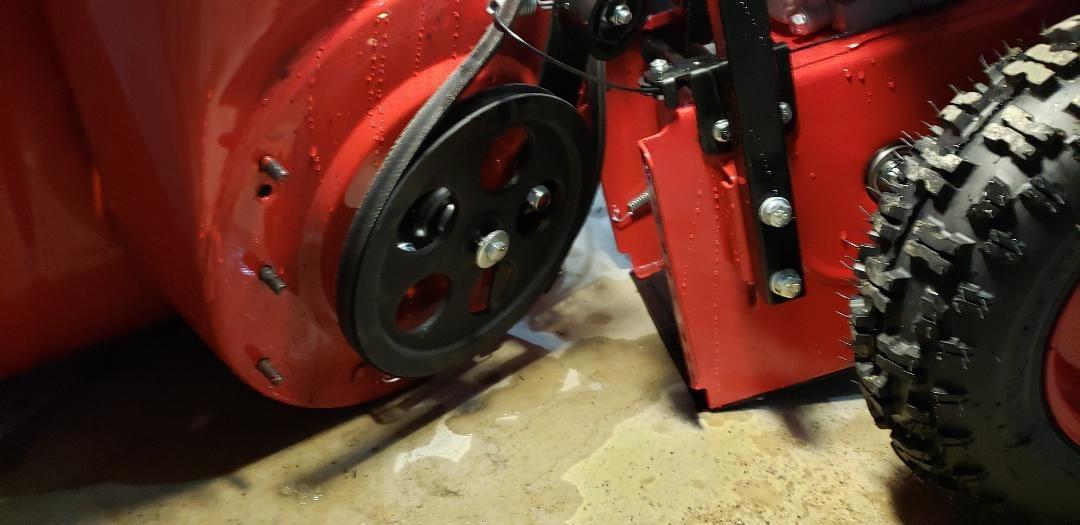
Eight speeds, 6 forward and 2 reverse, on 13-inch tires make tight turns easy, and at 187 pounds it is heavy enough to feel planted without being unmanageable at the end of a pass.
Two-Stage Mechanics and the 21-Inch Intake
In a two-stage machine the auger gathers snow and feeds it to an impeller that does the throwing, and both run above the ground on adjustable skid shoes. The steel auger and impeller here are rated for up to 12 inches of snow depth, which is a realistic working ceiling for most winters.
The 21-inch intake height is a genuine strength and matches the larger Honda machines, which is unusual at this engine size.
Where the Complaints Cluster
The negatives are mechanical rather than performance related. Chute control can bind and may need lubrication or a bolt tightening, and vibration can drift the chute out of position mid-pass, which on a large drive is more than a minor annoyance.
Drive cable and wheel engagement failures are reported after limited use, and a few owners found an oil drip from the drain extension tube on new units. Loose chute assembly screws and tire bolts are another recurring complaint, so give the machine a thorough check on arrival.
Gravel Driveway Behavior
The reinforced steel housing and adjustable skid shoes make this workable on gravel if you set the shoes high. Owners following a base-layer approach on unpaved drives report fewer problems than running the housing down to the surface.
Rating sits at 4.0 with 61% five-star and 13% one-star, so expect a machine that performs well and needs occasional adjustment.
9. AMERISUN 24 Inch 212cc Two-Stage – Best for Deep Snow Loads on an Unpaved Drive
AMERISUN 24-Inch Gas Snow Blower with 212cc 4-Cycle OHV Engine, Recoil Start, 40Ft Snow Throwing for Decks, Driveways, and Sidewalks
24 inch clearing width
212cc 7HP engine
45 ft throw
self propelled
Pros
- 212cc engine powers through major storms with easy starting
- Quick to assemble
- often under 45 minutes
- Self propelled drive reduces effort on long driveways
- 13 inch snow tires give traction on slippery surfaces
- Light enough at 142 pounds to maneuver easily
Cons
- LED headlight runs on AAA batteries and barely illuminates
- Square profile tires make the machine harder to steer
- Plastic chute and detent parts feel cheap and can crack
- Skid plates fully up leave a thin snow layer on pavement
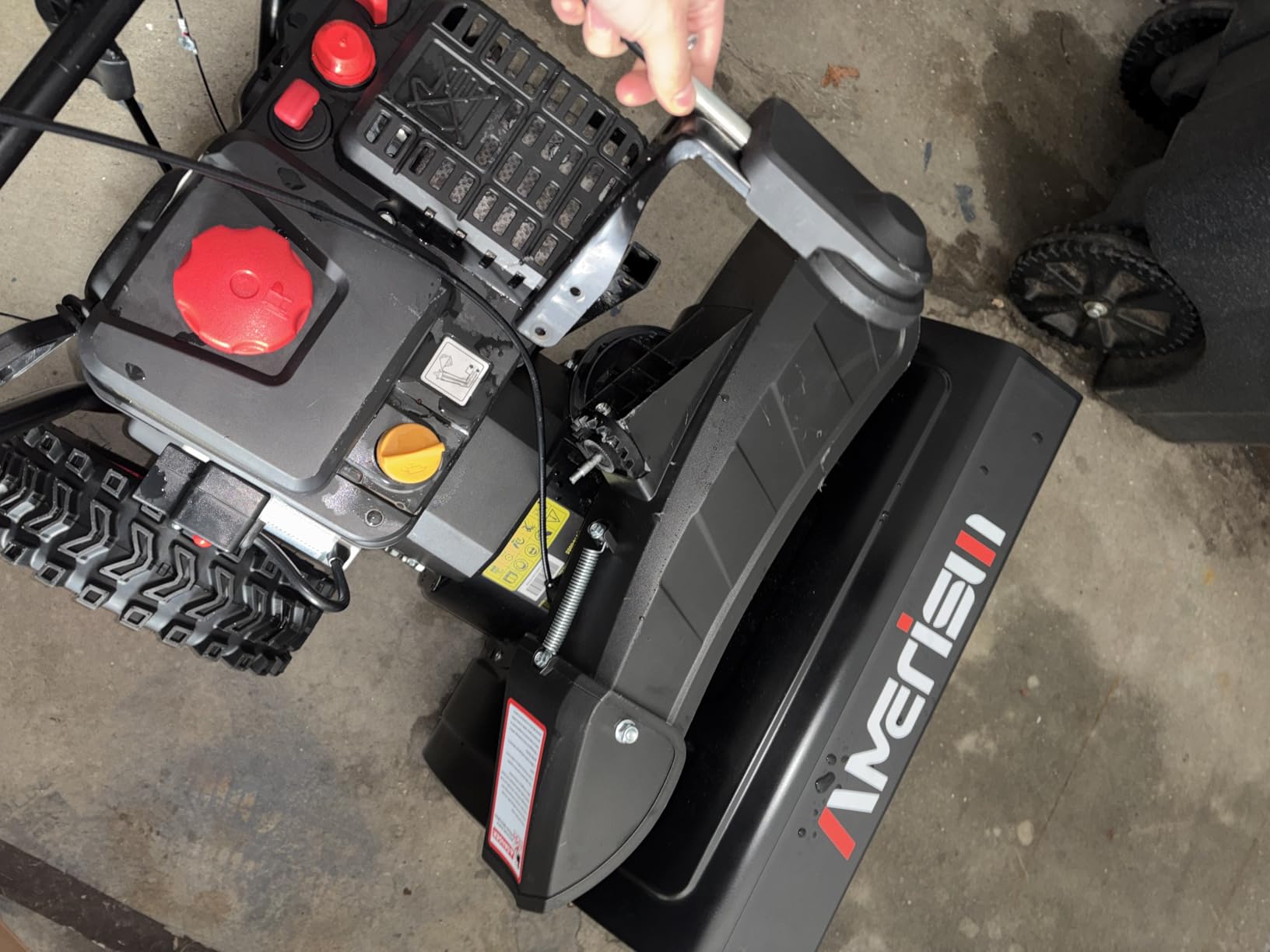
The spec sheet here does not match the physical machine, and buyers need to know that going in. The listing states an ideal snow depth of 20 inches, which would make this a deep-snow machine, and owners do report it clearing heavy accumulations on a 212cc seven-horsepower engine.
At 142 pounds it is also the lightest self-propelled two-stage in the roundup, and that turns out to be a real advantage on a long drive for anyone who does not want to fight 200-plus pounds at the end of every pass.
Self-Propelled Drive and Maneuverability
The self-propelled drive is the reason this machine is worth considering for a large driveway, since it removes the pushing effort on the longest runs. The light weight and 13-inch snow tires help on slippery and uneven surfaces, which is exactly the condition on an unpaved drive.
The tradeoff is steering. Owners describe the square-profile tires as making the machine harder to steer, and on a curved driveway that is a recurring irritation.
Skid Shoes on Gravel Versus Paved
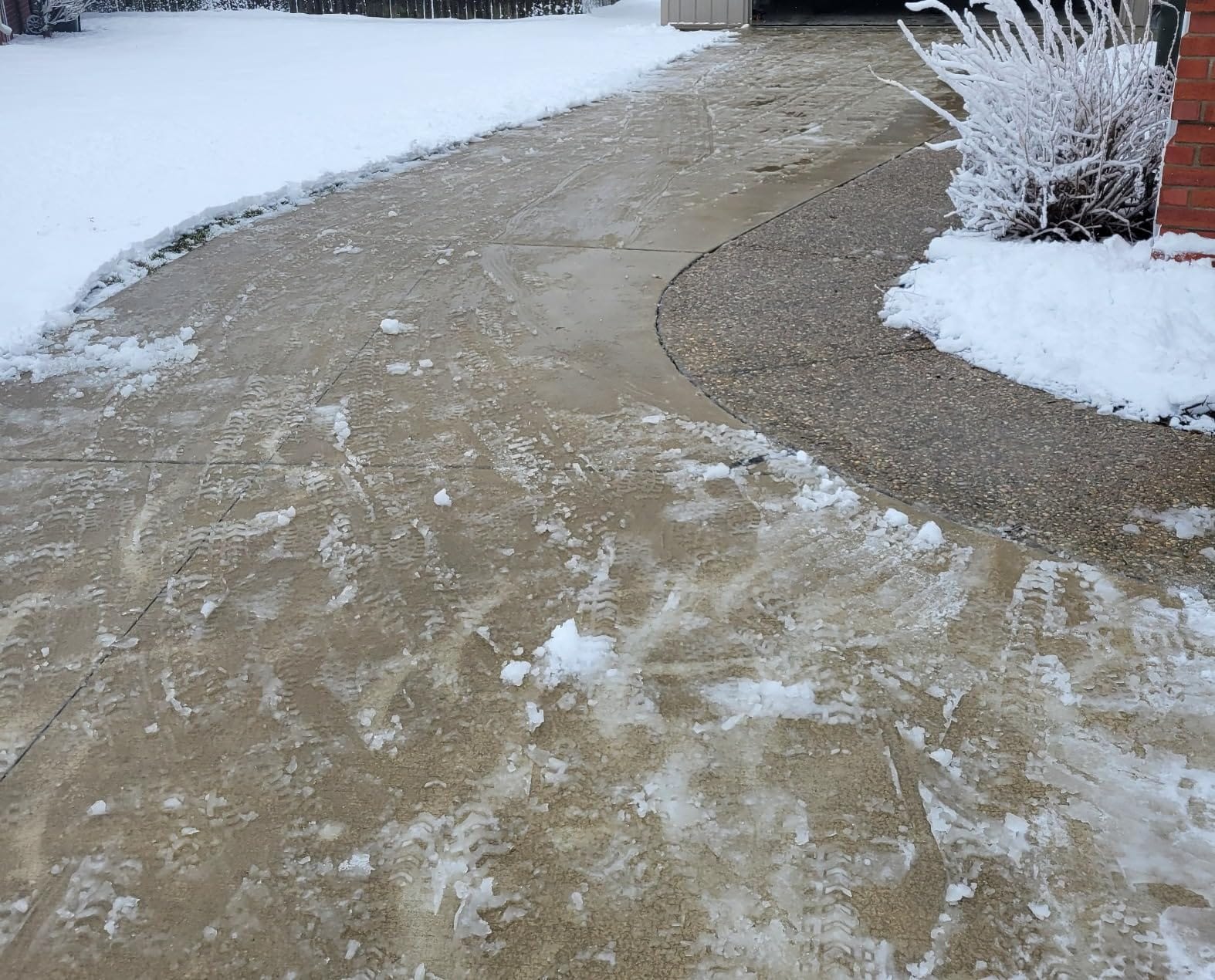
Adjustable skid shoes let you trade pavement contact for gravel safety, and the manual work involved in that decision is on you. Owners note that running the skid plates fully up leaves a thin layer of snow behind on smooth pavement, while running them down on gravel risks throwing stones.
For an unpaved drive, the sensible setting is the same one gravel owners use everywhere else: high enough to keep the auger off the ground.
Build Quality and Lighting
This is where the low-cost components show. The LED headlight runs on AAA batteries and provides almost no illumination, which matters more here than usual because there is no engine to stop or noise to drown it out.
Plastic chute and chute-angle detent parts are described as cheap and crack-prone, and the instructions use small diagrams with vague steps, so allow a full afternoon for assembly. There is also no kill switch; shutdown requires pulling a plastic key.
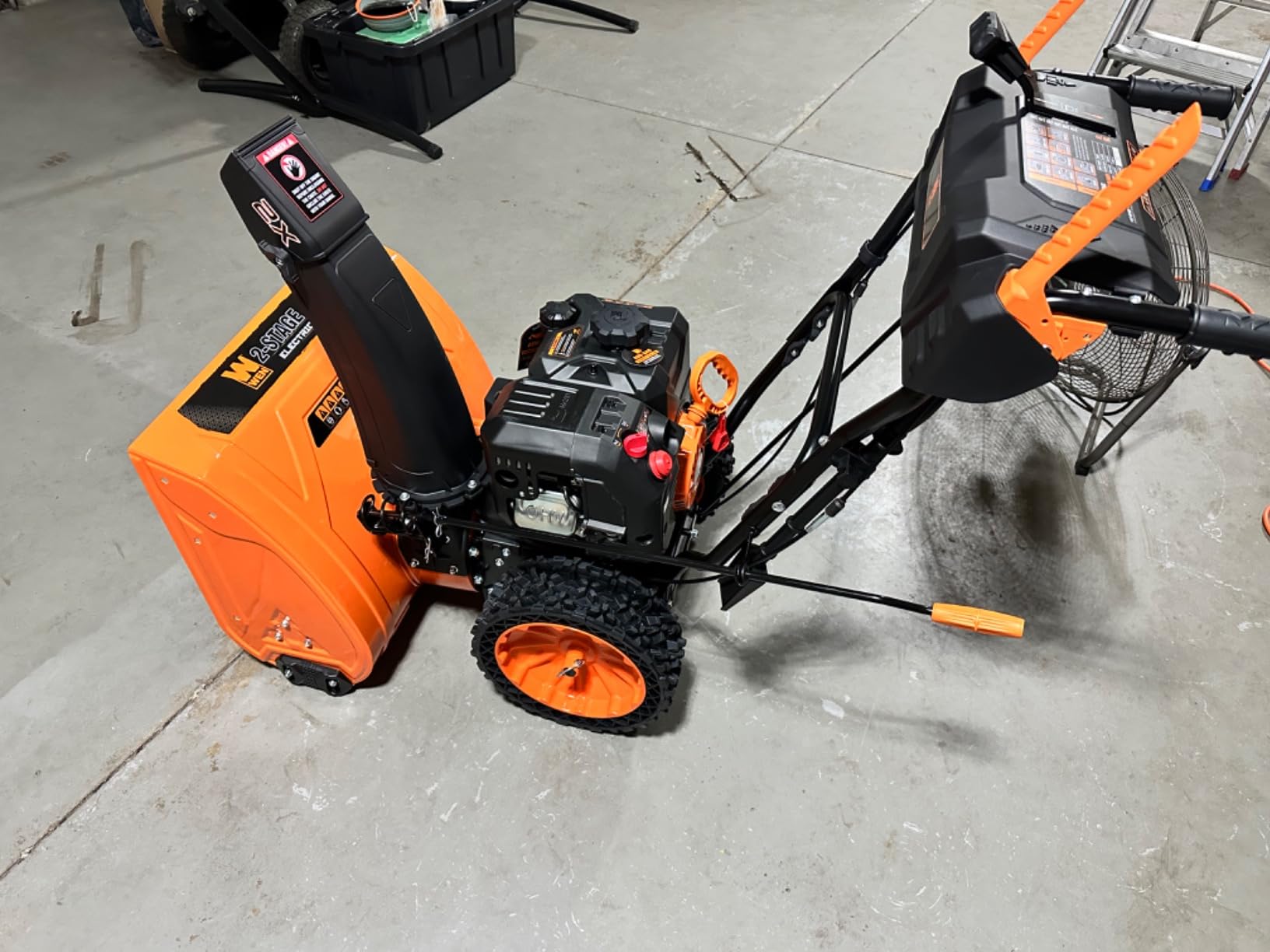
10. WEN SB209E 24 Inch 209cc Two-Stage – Best Budget Machine for a Wide Driveway
WEN 24-inch 209cc Two-Stage Self-Propelled Gas-Powered Snow Blower with Electric Start (SB209E)
24 inch clearing width
20 inch intake height
2000 lbs/min
8 speeds
Pros
- Clears over 2000 pounds of snow per minute
- Notched four-blade steel auger cuts through ice and packed snow
- Six forward and two reverse self propelled speeds
- Push button electric start with recoil backup
- Two year warranty and chute clearing tool included
Cons
- 30 foot throw distance is shorter than most machines in this class
- Chute rotation limited to 190 degrees
- Small 209cc engine strains in deep wet snow
Among the least expensive machines in this guide, the WEN SB209E does the one thing a large driveway buyer cannot compromise on: it clears a wide path in a single self-propelled pass. A 24 by 20 inch path at more than 2000 pounds per minute covers a 20-foot drive in one run.
Owners describe it as straightforward and capable, with 66% five-star ratings. The notched four-blade steel auger is a deliberate choice for cutting through ice and packed snow rather than slicing only powder.
Clearing Capacity Versus Engine Displacement
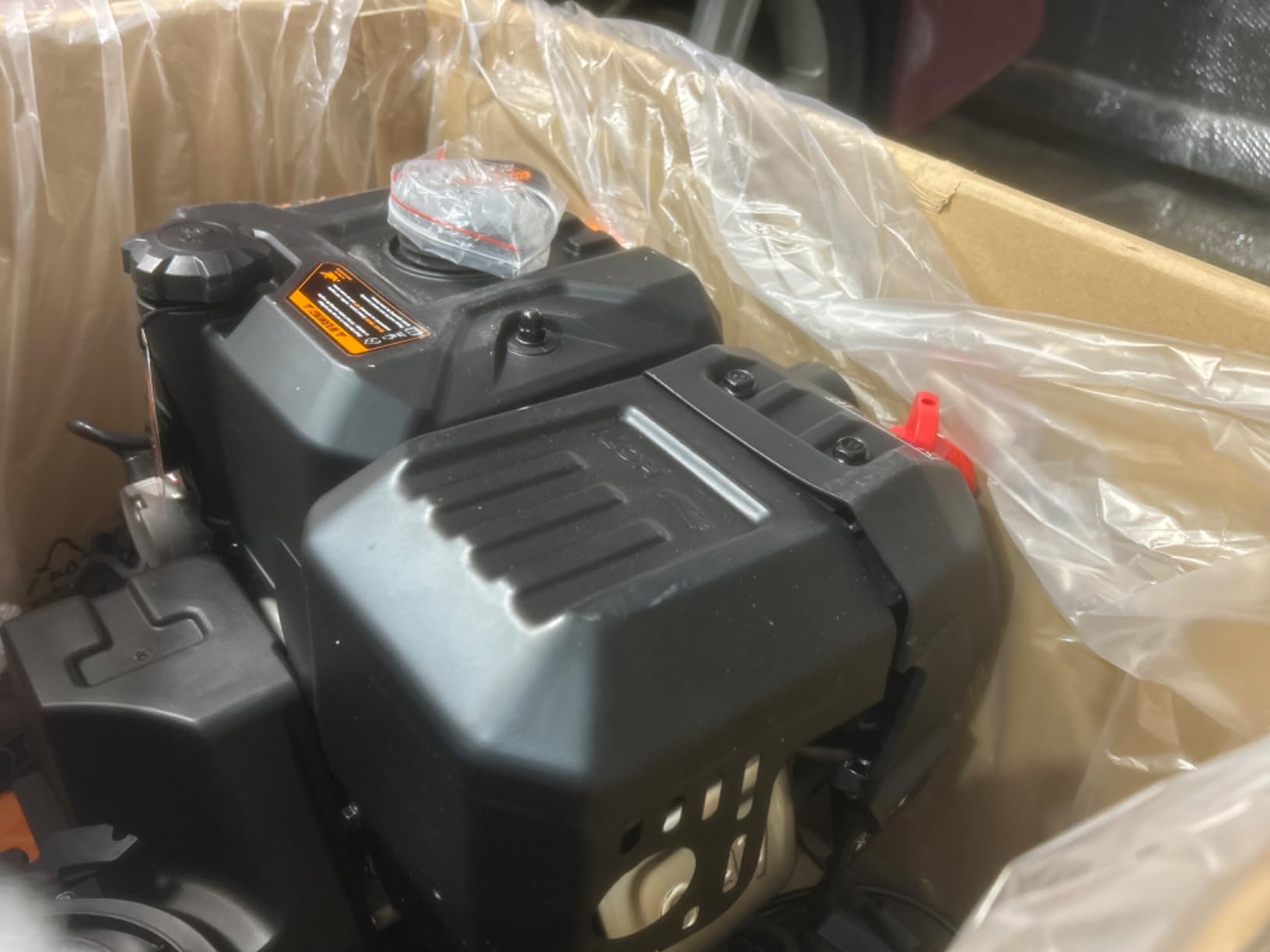
At 209cc this has the smallest engine in the roundup, and that is exactly the limitation reviewers raise. The 2000 pounds per minute rating is real, but output drops off in very deep or wet accumulations where the 306cc Ariens and the 389cc Honda keep pulling.
For light-to-moderate snowfall on a wide paved drive, it is entirely adequate. For a region that gets frequent wet storms, it is the wrong pick at any price.
Throw Distance and the Repeat-Pass Problem
Thirty feet is the shortest throw in the group, and on a large driveway that is the spec that will annoy you. Snow discharged at close range piles along the edge of your cleared path or lands back on the drive.
Chute rotation is limited to 190 degrees, so redirecting around a parked car is slightly less flexible than the 200-degree machines here. On a driveway with a fixed obstacle at one end, plan your pass direction before you start.
Best Fit and Who Should Skip It
At 30.3 by 24.6 by 24.6 inches it stores easily and fits through most garage doors, which is a real advantage over the 30-inch-plus machines. Push button electric start with a recoil backup keeps mornings simple, and a two-year warranty is included.
Best for a wide, gently sloped, paved driveway in a moderate snowfall area. If you have deep wet snow or a steep drive, spend up and move to the Ariens or a track-driven Honda.
How Big a Snow Blower Do You Actually Need?
Match the machine to the driveway, not the other way around. The clearest way to think about it is drive width first, then depth, then slope, because each one eliminates options quickly.
A two-and-a-half-car drive is about 22 to 25 feet wide, a three-car drive is around 30 feet, and a four-car parking pad or court reaches 40 feet or more. Anything under 20 feet wide is a small-driveway machine and does not need a large-driveway snow blower at all.
Driveway Size to Machine Class
Drive length matters more than most buyers expect. On a 300-foot run, the difference between a 24-inch and a 32-inch path is roughly 56 percent less travel, and travel is what turns clearing into an evening project.
Two-to-three-car drive, under 150 feet: a 24-inch two-stage covers this in one pass and keeps your spend proportionate. Three-car drive, 150 to 300 feet: 26 to 28 inches is the sweet spot, since wider means fewer passes without a weight penalty. Four-car pad or anything over 300 feet: 28 to 32 inches, and above that you should weigh a plow or a contractor.
Owners with drives in the quarter-mile range drift toward plows or commercial contractors, citing how long walk-behind clearing takes. That is not a defeat, it is the correct crossover point.
Intake Height Beats Clearing Width in Deep Snow
Clearing width determines how many passes you make. Intake height determines whether you have to make a second round for the ridge the housing could not take in.
Most machines here sit at 20 to 21 inches of intake, which covers the majority of storms. The 21.7-inch Honda intakes handle deeper banks, and the listed 12-inch ideal depth on several gas machines is a working rating rather than a limit. If your area reliably gets 18-plus inches of wet snow, filter for intake height first and width second.
The Time-to-Clear Math
Here is the calculation that makes the width decision concrete. Divide drive width by clearing width to get passes, then multiply passes by drive length to get total travel.
On a 300-foot by 25-foot drive, a 24-inch path means 13 passes and roughly 3,900 feet of walking. A 32-inch path means 8 passes and about 2,400 feet. At a working ground speed on a self-propelled machine, that is a meaningful block of your morning returned to you, and it is the clearest reason to step up in width on a long drive.
Gravel Versus Paved Driveways
On gravel, skid shoes are the setting that matters most. Owners who run the housing close to the ground on unpaved drives report throwing stones and wearing the auger, and the fix is the same everywhere: raise the skid shoes so the auger floats clear, accept a thin residual layer, and let it compact into a protective base.
Many gravel owners deliberately leave one to two inches on the first storm of the season so it packs down. Early and late season gravel is looser and riskier than mid-winter packed snow, so this is not optional for them.
On pavement, run the shoes down and the scraper tight. The WEN and PowerSmart machines both leave a thin layer when the skid plates sit high, which is the correct setting for gravel and the wrong one for a blacktop drive.
Cold Starts, Fuel, and Storage
Every gas machine here has electric start except the AMERISUN recoil unit, and in sub-zero weather that difference decides whether you clear at six in the morning. Carbureted engines are the ones that will not start cold; fuel stabilizer between seasons matters more than owners expect.
Storage is the constraint nobody warns you about. The 31.9-inch Honda and the 28-inch cordless units are the largest footprints in this guide, and a machine that will not fit through the garage door ends up living on the driveway. Measure door height and the turn into the bay before you commit to a machine.
Who Should Not Buy a Large Two-Stage
If your drive is under 20 feet wide and under 150 feet long, a 24-inch machine is already more than the job needs. If you cannot comfortably steer 200 pounds, self-propelled does not make the machine lighter; the Honda at 358 pounds is a genuine problem for anyone with back or joint issues.
And if your snowfall is light and your drive is short, the extra capability is dead weight in the garage and in the purchase. Match the machine to the drive, and the drive is always right.
Single-Stage vs Two-Stage vs Three-Stage for Big Drives
Two-stage snow blowers are the right answer for large driveways, and three-stage is the upgrade worth it only for extreme loads. A single-stage is the wrong tool here.
Single-stage machines combine the auger and impeller in one housing, which means the housing rides on the ground and any pebble becomes a projectile. They are lighter, cheaper, and gentler on adjacent grass, and several owners note a single-stage can run its scraper higher where the drive edge meets lawn.
Two-stage separates the auger from the impeller. The auger gathers snow and feeds it to the impeller, which does the throwing, and both float above the ground on adjustable skid shoes. That is why two-stage machines handle wet, compacted snow without stalling and why they are the standard for gravel and unpaved surfaces. Every one of the ten machines in this roundup is a two-stage, and that is deliberate.
Three-stage adds an accelerator stage that speeds the snow up before it leaves the impeller, extending throw distance. It is worth it when you are clearing deep accumulations on very wide drives repeatedly, and it is overkill if your driveway is wide but your snow is moderate. Owners with 2.5-car-wide long drives and 30 years of trouble-free track-machine use suggest longevity matters as much as raw output.
Steep Driveway Traction: Tracks, Chains, or Wiper Fluid
Wheel-drive self-propelled machines start losing grip at roughly 15 degrees of slope, which is the most repeated complaint in owner discussions. Four strategies fix it, ranked from most to least permanent.
First, upgrade to track drive. Dual tracks spread the machine’s weight across a much larger contact patch than tires, and owners with the Honda HSS1332 and HSS928 credit the tracks specifically for stability on slopes and ice. It is the only option that needs nothing added, nothing maintained seasonally, and nothing forgotten in a storm.
Second, add tire chains. Chains bite into packed snow and ice and are far cheaper than a track conversion, but they must be fitted before the storm, not during it. If you go this route, our snow chain guide covers sizing and fit.
Third, put wiper fluid in the tires. It is a temporary, freeze-dependent trick that softens the rubber and improves bite in a cold morning. Owners describe it as helpful, never as a substitute for real traction hardware.
Fourth, reduce ground speed. Traveling slower on the climb reduces the torque demand on the drive and the lateral force the tires have to resist. On a moderate slope with good tires, simply slowing down is often enough.
One more rule from the forums worth keeping: never turn across a slope, and never stop pointing uphill on a drive you cannot restart. A walk-behind that rolls backward takes you with it.
Gas vs Cordless for a Long Driveway
Cordless snow blowers are good for large driveways up to about 10 inches of snow, and a gas machine is the safer choice for deep wet accumulations or very long drives. That is the honest split.
The EGO machines in this roundup prove the cordless case well. The SNT2405 covers an 18-car driveway on one charge, the SNT2410 covers 24 cars, and the SNT2800 covers 32 cars with a 28-inch path. Each rating assumes 8 inches of snow, and that assumption is where the limit lives.
Gas wins on depth and duration. The Ariens 306cc and the Honda 389cc do not run out of anything mid-drive, and they do not care whether the storm dropped 8 inches or 20.
Cordless wins on everything about the experience: push-button start, no pull cord, no fuel storage, no exhaust, and quiet operation. Owners with a two-and-a-half-car-wide long drive describe loving the machine and framing it as sufficient for their drive rather than for a half-acre lot. If you already own EGO ARC Lithium batteries, that math tips hard toward cordless.
Frequently Asked Questions
What is the best snow blower for large driveways?
The best snow blowers for large driveways are self-propelled two-stage machines with a 24 to 32 inch clearing path, a 20 inch or greater intake height, and enough engine displacement to avoid stalling. Our top pick is the EGO Power+ SNT2405, a 24 inch cordless two-stage with a 20 inch intake and 50 foot throw. For heavy wet snow, the Ariens ST28DLE at 306cc is harder to slow down, and for long rural drives the Honda HSS1332 at nearly 32 inches covers the most ground per pass.
Can a snowblower handle 20 inches of snow?
Yes, but only with the right machine. Two-stage machines with a 20 inch or greater intake height can take in a 20 inch bank, and the Honda HSS928 at 21.7 inches is deepest in this group. Engine displacement decides whether it keeps moving once the snow is wet and packed. A 300cc or larger engine handles 20 inches of heavy snow, while a 209cc machine will bog down well before that.
What type of snow blower is best for a gravel driveway?
A two-stage gas snow blower with adjustable skid shoes is the right choice for a gravel driveway. The two-stage housing floats on the skid shoes so the auger never touches the ground, which prevents thrown stones and auger wear. Set the shoes high enough to leave a thin layer, then let that layer pack into a protective base. Running the housing down on gravel is the fastest way to damage the machine and the drive.
What type of snow blower is best for a steep driveway?
A track drive two-stage is the best answer for a steep driveway. Dual tracks spread weight over a larger contact patch than tires, and owner discussions place the traction limit for wheel drive self-propelled machines at roughly 15 degrees of slope. If you will not buy a track machine, tire chains fitted before the storm are the next best option. Slower ground speed on the climb helps, and never stop pointing uphill.
Are two-stage snow blowers good for large driveways?
Yes, two-stage snow blowers are the standard for large driveways. Separating the auger from the impeller lets both float above the ground on adjustable skid shoes, so the machine chews through wet and compacted snow without stalling and avoids throwing gravel. Long-term owners consistently say the same thing: they have owned both types, and two-stage takes whatever you throw at it while single-stage has limits.
Is a three-stage snow blower worth it?
Only for extreme loads on very wide drives. A third accelerator stage speeds the snow up before it leaves the impeller, extending throw distance, which helps when you are clearing deep accumulations across 30 to 40 feet of pavement repeatedly. For most large driveways, a two-stage at 300cc or more does the same work for less money and less weight. If your snow is moderate and your drive is wide, a two-stage is the better spend.
How long does it take to clear a large driveway?
It depends almost entirely on clearing width and drive length. On a 300-foot by 25-foot drive, a 24 inch path takes about 13 passes and 3,900 feet of travel, while a 32 inch path takes about 8 passes and 2,400 feet. The wider machine is roughly 56 percent less walking. Add time for depth, slope, refrozen snow, and windrow cleanup, which is why owners of quarter-mile drives move to plows or contractors.
Are cordless snow blowers good for large driveways?
Cordless snow blowers are good for large driveways up to about 10 inches of snow, and gas remains safer for deeper wet accumulations. The EGO SNT2800 clears up to a 32-car driveway on one charge with two 12.0Ah batteries, but every one of those ratings assumes 8 inches. Cordless wins on start-up, noise, and zero fuel handling. Gas wins on depth and duration, since a full tank never runs out mid-drive.
Which Snow Blower Should You Buy?
If you want one machine that handles the widest range of large-driveway situations, buy the EGO Power+ SNT2405. Two included batteries, a 20-inch intake, a 50-foot throw, and no fuel handling make it the best snow blower for large driveways for most households in 2026.
For heavy wet snow and a wide paved drive, the Ariens ST28DLE at 306cc is the pick. Know about the plastic recoil starter and the throttle and choke knobs that can freeze before you need them to work.
For a long rural drive, the Honda HSS1332 covers the most ground per pass and its dual tracks solve traction permanently. For a steep drive on a smaller budget, the Honda HSS928 gives you the same track platform with a 21.7-inch intake, at 358 pounds.
For the widest cordless path, the EGO SNT2800 at 28 inches and a 60-foot throw is unmatched, though budget for batteries separately. For a wide drive in moderate snow, the WEN SB209E is the value answer, and the PowerSmart 26-inch Briggs is the gas value pick if you prefer a traditional engine.
Whichever you choose, measure your garage door and your driveway before it arrives, and start clearing before the storm finishes. That last habit does more for a large driveway than any spec on this list.
Leave a Reply