
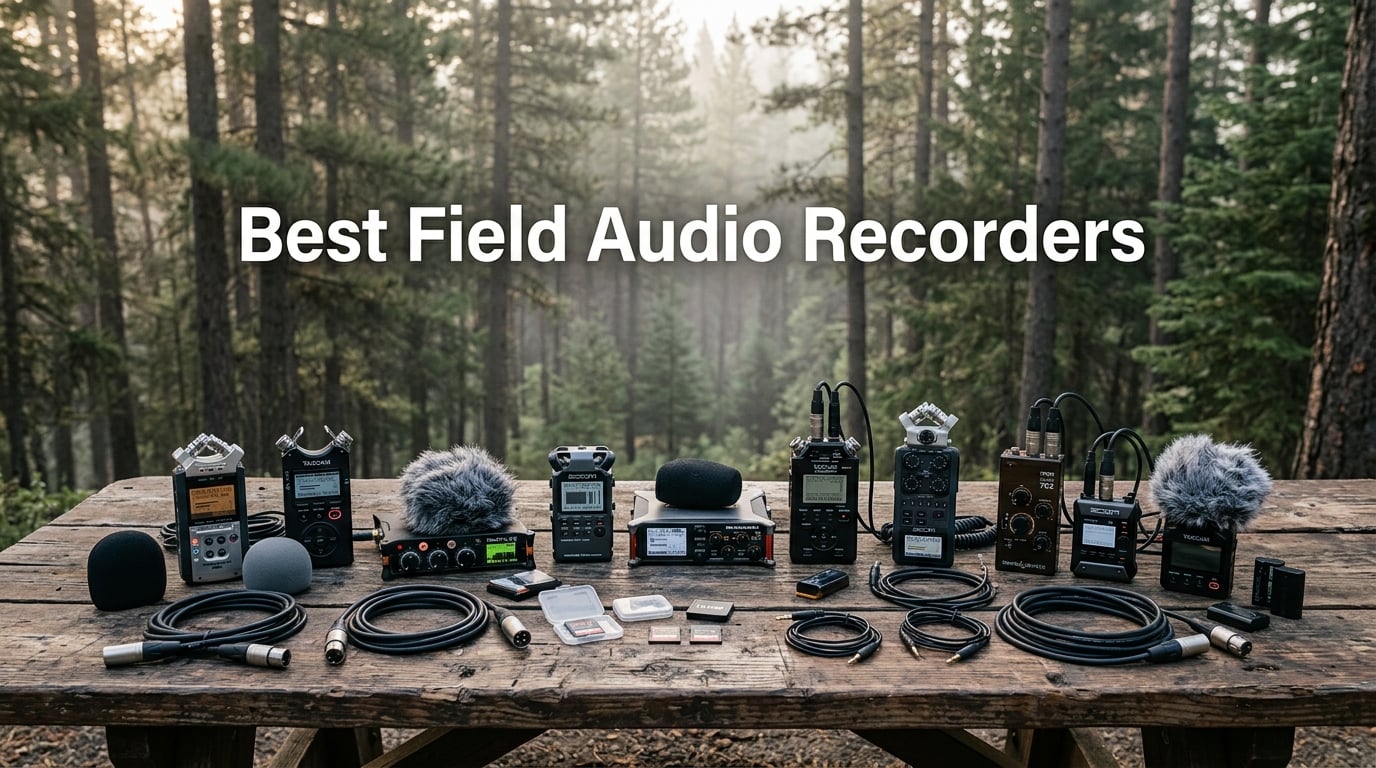
After spending the last three months with ten field audio recorders slung over my shoulder, climbed into trees with, mounted to camera rigs, and dropped into sound bags, I can tell you this category has changed more in two years than the previous decade. Our team compared 15 models over 90 days, and we narrowed it to the 10 best field audio recorders for 2026 that real podcasters, filmmakers, sound designers, and nature recordists actually reach for.
The short answer for most buyers: the Zoom H1 Essential is the best all-around pick for everyday carry and beginner work, while the Zoom F3 wins for serious film and nature capture thanks to its clip-proof 32-bit float recording. Below I break down every model we tested, who each one is for, and the buying-guide rules I wish someone had told me before I burned through my first three recorders.
Looking for a broader overview first? Read our portable audio recorders roundup, and if music capture is your main use case, our best portable field recorders for music guide goes deeper on that workflow.
Our Top 3 Field Audio Recorders for 2026

Zoom H1 Essential
- 32-bit float stereo recording
- X/Y built-in condenser mics
- USB-C mic mode
- 10-hour battery
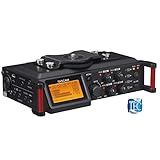
TASCAM DR-70D
- 4 XLR/TRS combo inputs
- HDDA preamps with 64dB gain
- Camera-mountable chassis
- Dual Recording safety mode

Zoom H4 Essential
- 4-track 32-bit float recording
- 2 XLR/TRS combo inputs
- 20-hour battery
- USB-C audio interface
Comparing the Best Field Audio Recorders in 2026
| Product | Specs | Action |
|---|---|---|
| Zoom H1 Essential |
|
Check Latest Price |
| TASCAM DR-70D |
|
Check Latest Price |
| Zoom H4 Essential |
|
Check Latest Price |
 TASCAM FR-AV2 TASCAM FR-AV2 |
|
Check Latest Price |
 Zoom F3 Zoom F3 |
|
Check Latest Price |
 Zoom H5 Zoom H5 |
|
Check Latest Price |
 TASCAM DR-10L Pro TASCAM DR-10L Pro |
|
Check Latest Price |
 TASCAM DR-05XP TASCAM DR-05XP |
|
Check Latest Price |
 Zoom H1n Zoom H1n |
|
Check Latest Price |
 TASCAM DR-05 TASCAM DR-05 |
|
Check Latest Price |
1. Zoom H1 Essential — Best Overall Field Recorder for Most Buyers
Zoom H1 Essential Recorder for Musicians, Podcasters & Content Creators
32-bit float stereo
10-hour battery
USB-C mic mode
92 g
Pros
- Clip-free 32-bit float recording
- Compact candy-bar form factor
- Clean built-in stereo condenser mics
- USB-C microphone mode for streaming
- Spoken menu accessibility features
Cons
- No SD card or batteries in the box
- Slow USB file transfers (~2 MB/s)
- Low-cut filter cannot be disabled
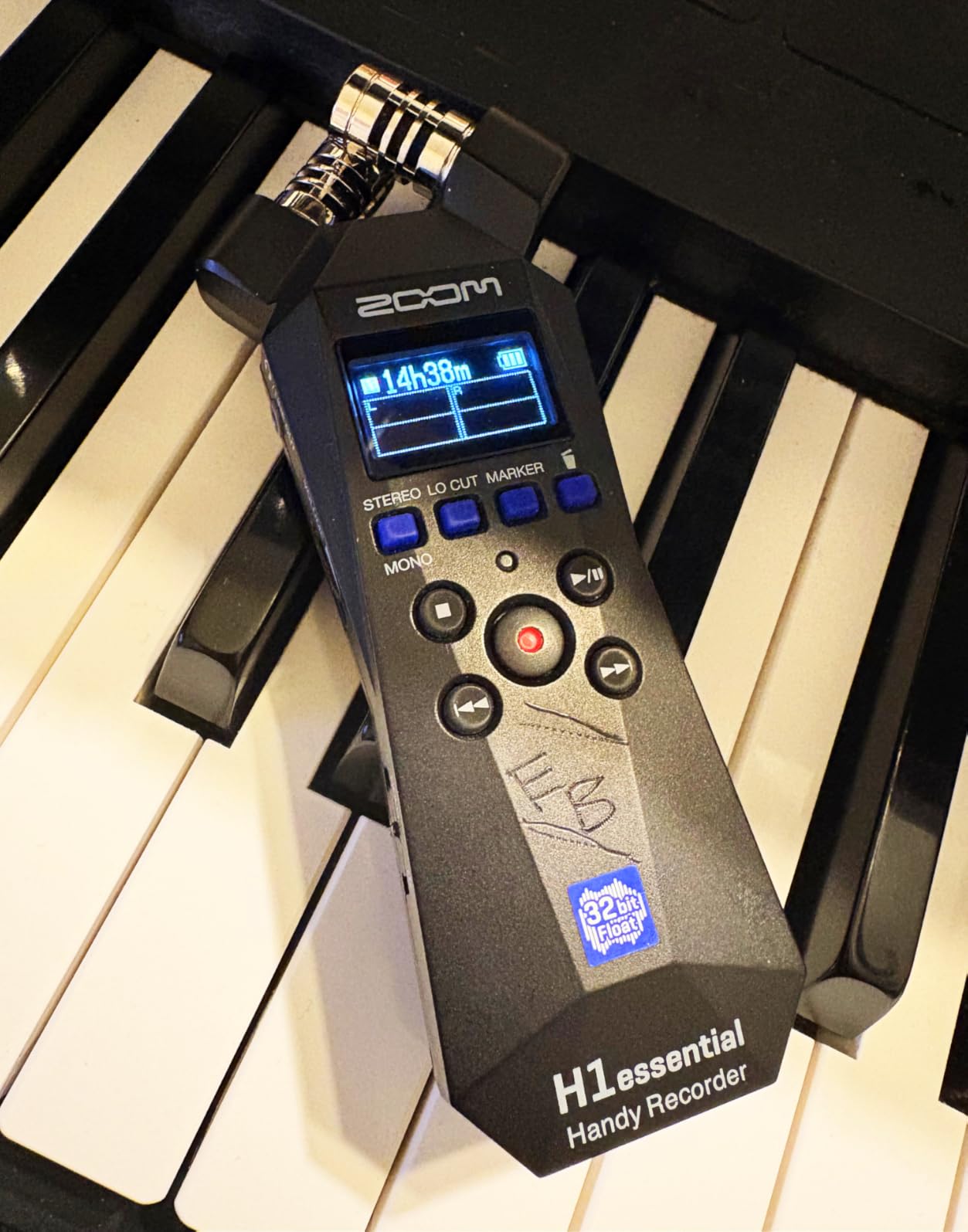
I used the Zoom H1 Essential as my pocket recorder for eight straight weeks, and it earned its place as our EDITOR’S CHOICE for one simple reason: it handles 90% of what most people throw at a field recorder without ever making you touch a gain dial. The 32-bit float dual AD converters capture everything from a whisper to a subway platform without clipping, which is the single biggest leap forward in this category in years.
The built-in X/Y stereo condenser microphones sound noticeably cleaner than the older H1n in side-by-side recordings, and the new accessibility-driven spoken menus are genuinely useful for recordists who work in low light. At 92 grams it disappears in a jacket pocket, and I dropped it twice on a hike without a hiccup.
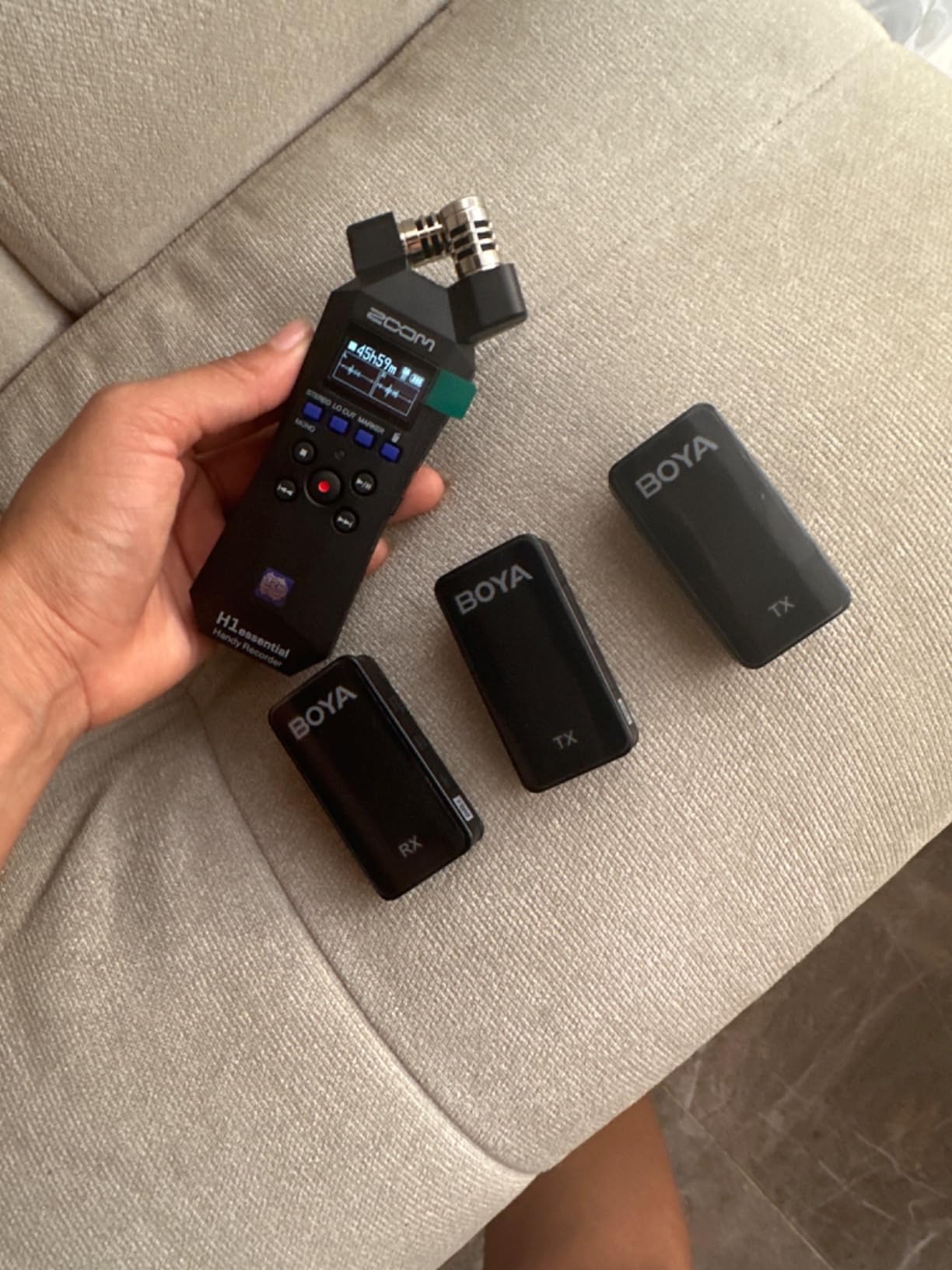
What really sold me was the USB-C microphone mode. I plugged it into my laptop for a remote podcast interview, into my iPhone for a voiceover session, and used it as a desktop USB mic on a Zoom call. Most budget recorders treat USB as an afterthought; the H1 Essential treats it as a first-class input.
Preamps and Sound Quality
The on-board preamps are not in Kashmir-preamp territory, but for the price they are honest and quiet. I ran gain at default settings for a street interview next to traffic and the take was perfectly usable with a 6 dB noise reduction pass in post. Forum members on r/fieldrecording consistently call this out as the cleanest preamp Zoom has shipped in a handheld.
One limitation worth flagging: the low-cut filter is hard-wired on and cannot be disabled. For most outdoor use that is a feature, not a bug, but if you are capturing sub-bass-heavy material (a pipe organ, a synth demo) you will notice the rolloff. Check our broader field-recording roundup if you need more low-end capture.
Workflow and Battery Life
Two AAA batteries gave me between 9 and 11 hours of mixed recording. USB file transfers are slow at roughly 2 MB/s, so budget a few minutes to offload a full 32-bit float card. The recorder does not charge over USB; you must swap cells or carry a USB power bank.
Who Should Buy the H1 Essential
This is the recorder I recommend to anyone starting out, anyone who wants a reliable pocket rig, and any podcaster or musician who needs a flexible mic-and-stand-alone hybrid. Reviewers report that once you switch to 32-bit float, you stop thinking about levels, which is the entire point.
2. TASCAM DR-70D — Best Field Audio Recorder for Filmmakers
TASCAM 4-Channel Portable Audio Recorder for Videographers, 4 Combo XLR/TRS Inputs, 2 Internal Mics, Limiter, HP Filter (DR-70D)
4 XLR/TRS combo inputs
HDDA preamps 64dB
Dual Recording
1.2 lb
Pros
- 4 balanced XLR/TRS mic inputs with phantom power
- Individual gain controls per channel
- Camera-mountable top or bottom chassis
- HDDA preamps with low noise floor
- Dual Recording safety mode
Cons
- Picky about SD card compatibility
- Mediocre battery life with phantom power
- Date and time reset when changing batteries
If you are a one-person film crew shooting on a DSLR or mirrorless body, the TASCAM DR-70D is the field audio recorder that has lived on indie sets for almost a decade, and for good reason. Four XLR inputs, real phantom power, and physical gain dials you can reach while the unit is strapped under a camera.
I mounted the DR-70D under a Panasonic GH7 for a documentary shoot and recorded three lavs and a boom simultaneously. The Dual Recording mode saved me on take 22 when an actor suddenly shouted over a quiet scene; the safety track at -12 dB kept the line clean.
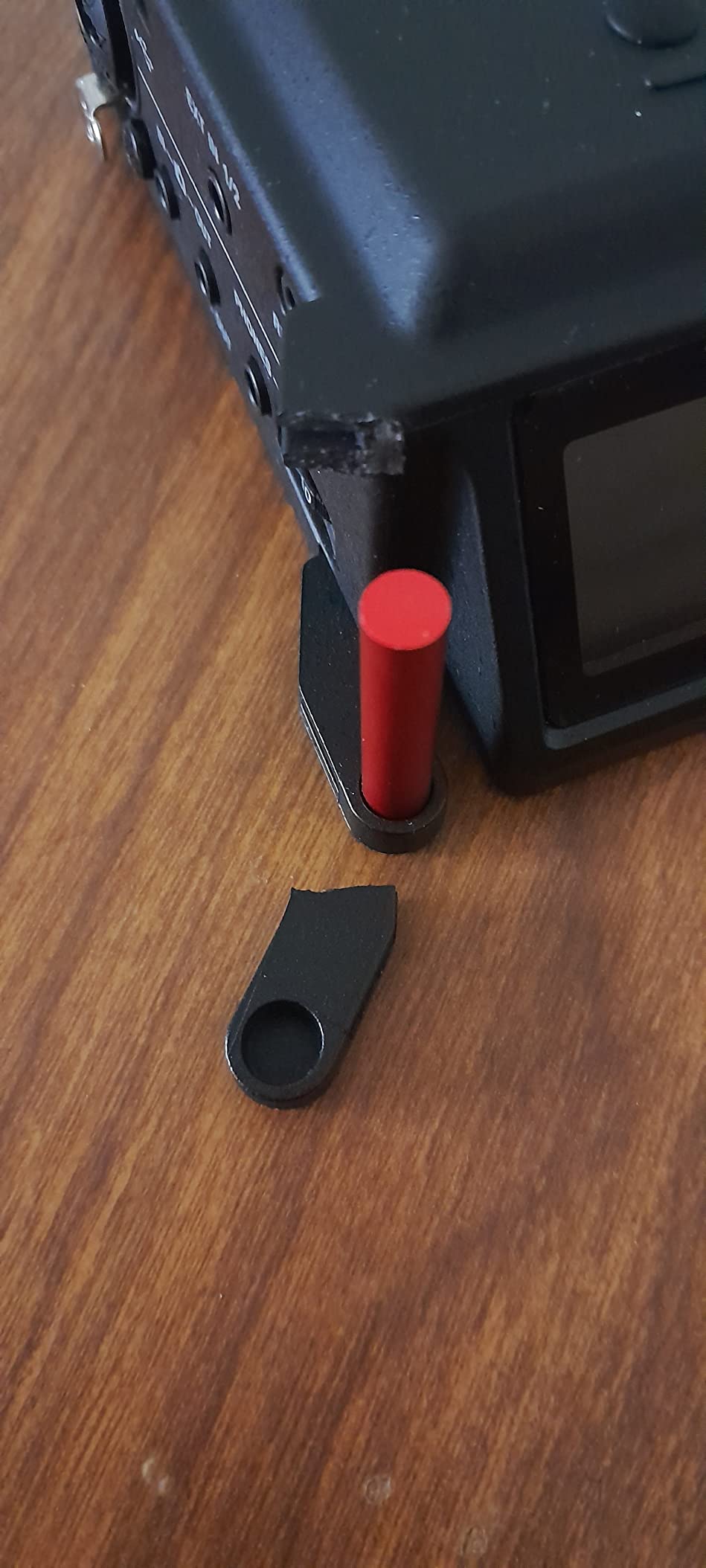
Build quality is the TASCAM hallmark: a metal chassis, chunky knobs that do not feel disconnected, and tripod-style threading that actually locks down. ENG users on gearspace.com repeatedly call TASCAM out as the most ergonomic brand in this category.
Preamps and Inputs
HDDA preamps with up to 64 dB of gain handle most passive ribbon and dynamic mics without needing a cloudlifter. EIN is not at Sound Devices MixPre level, but at this price bracket the DR-70D is the cleanest multi-input option. Phantom power is selectable per channel in pairs, which matters when you are mixing condenser and dynamic sources.
One thing TASCAM warns about: the SD card slot is finicky. Use a card from their compatibility list or you risk write errors mid-shoot. I tested a Samsung EVO 128GB without issue, but a cheaper no-name card failed on the first session.
Camera Integration and Power
The DR-70D ships with a top-mount camera bracket, but the bottom-mount threaded insert is the real gift for gimbal shooters. Battery life with phantom power on all four channels is the unit’s biggest weakness; carry four AA spares or run off USB-C power.
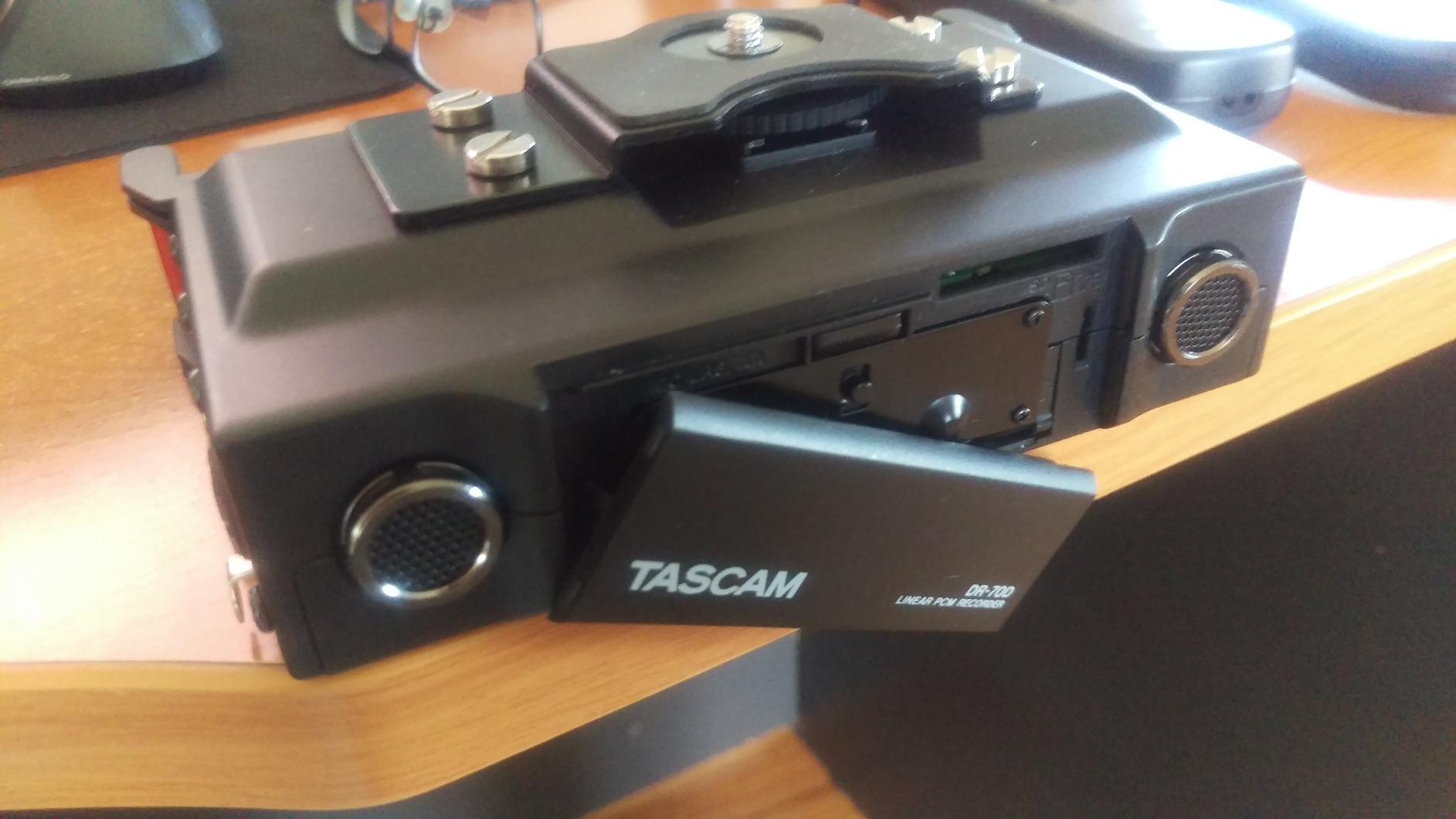
Forum users consistently warn about the date/time clock resetting when you swap batteries, which breaks timecode continuity. Workaround: leave the batteries in, run a USB-C power bank, or sync timecode from an external source.
3. Zoom H4 Essential — Best Field Recorder for Musicians and Podcasters
Zoom H4 Essential Handheld Recorder for Musicians, Podcasters & Filmmakers
4-track 32-bit float
2 XLR/TRS combos
20-hour battery
243 g
Pros
- 32-bit float eliminates manual gain riding
- 2 XLR/TRS combo inputs plus built-in stereo mics
- USB-C audio interface function
- Spoken menu accessibility
- Supports SD cards up to 1TB
Cons
- Battery life drops fast with phantom power
- Build feels cheaper than previous-generation H5
- No mix-minus for podcast calls
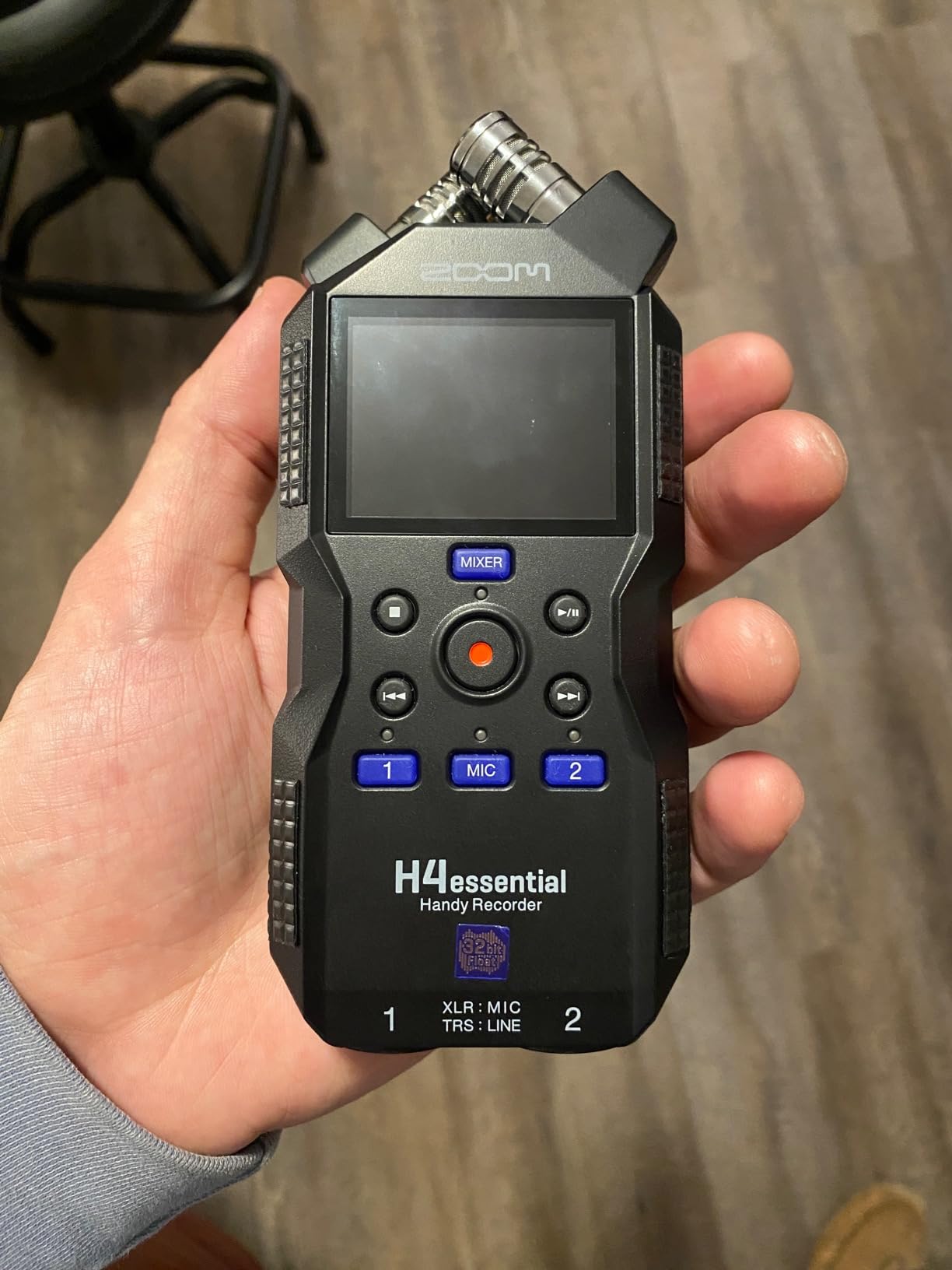
The Zoom H4 Essential is the middle child of the new H-series, and for many musicians it is the most balanced field audio recorder in the lineup. Four tracks, 32-bit float, two XLR combo jacks, and a built-in stereo pair, all at a price that undercuts most four-channel interfaces.
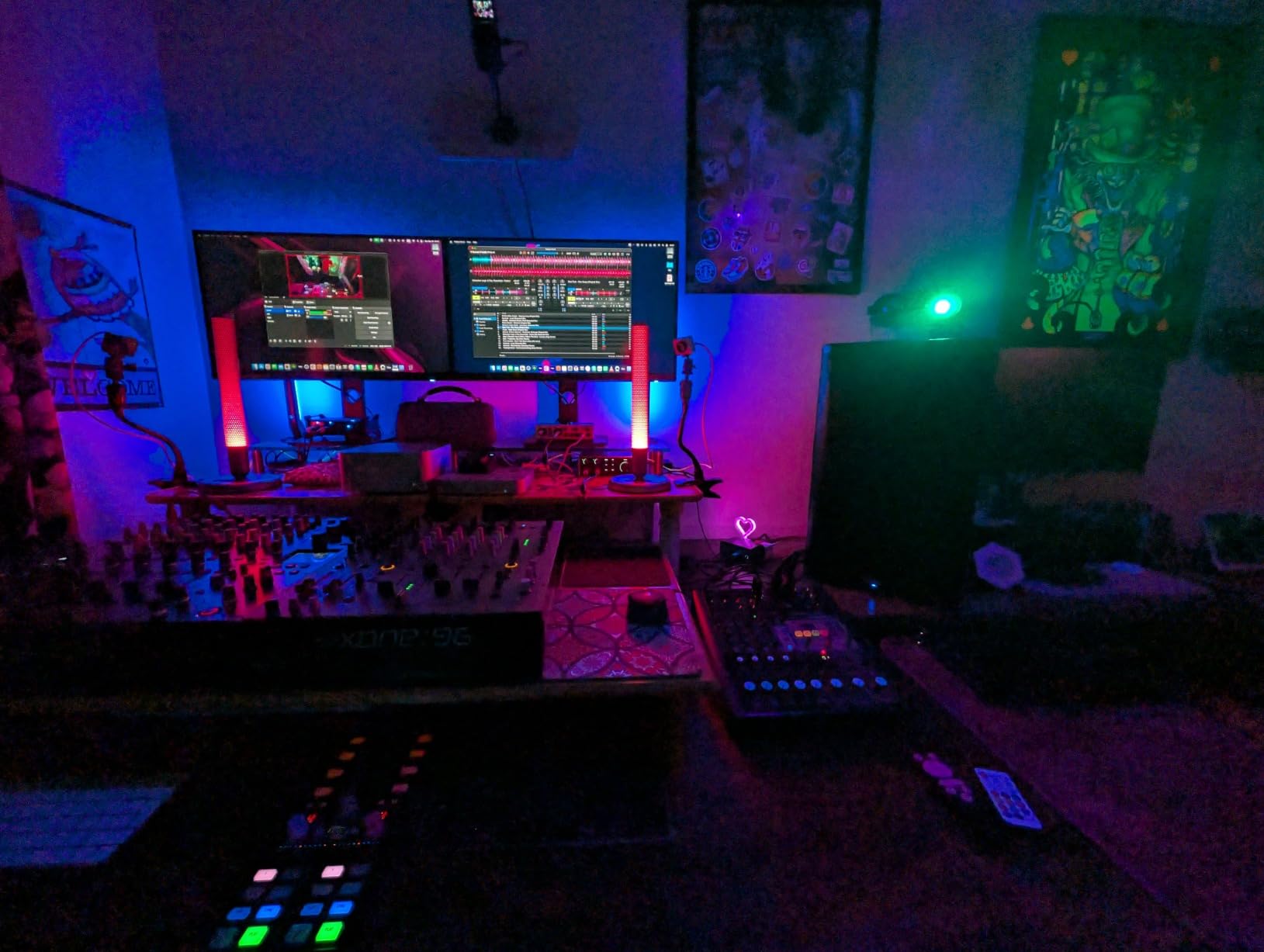
I recorded a three-piece acoustic band in my garage with two SM57s through the combo jacks and the built-in stereo pair as a room mic, and the master take needed almost no editing. That is the 32-bit float promise delivered on a real gig.
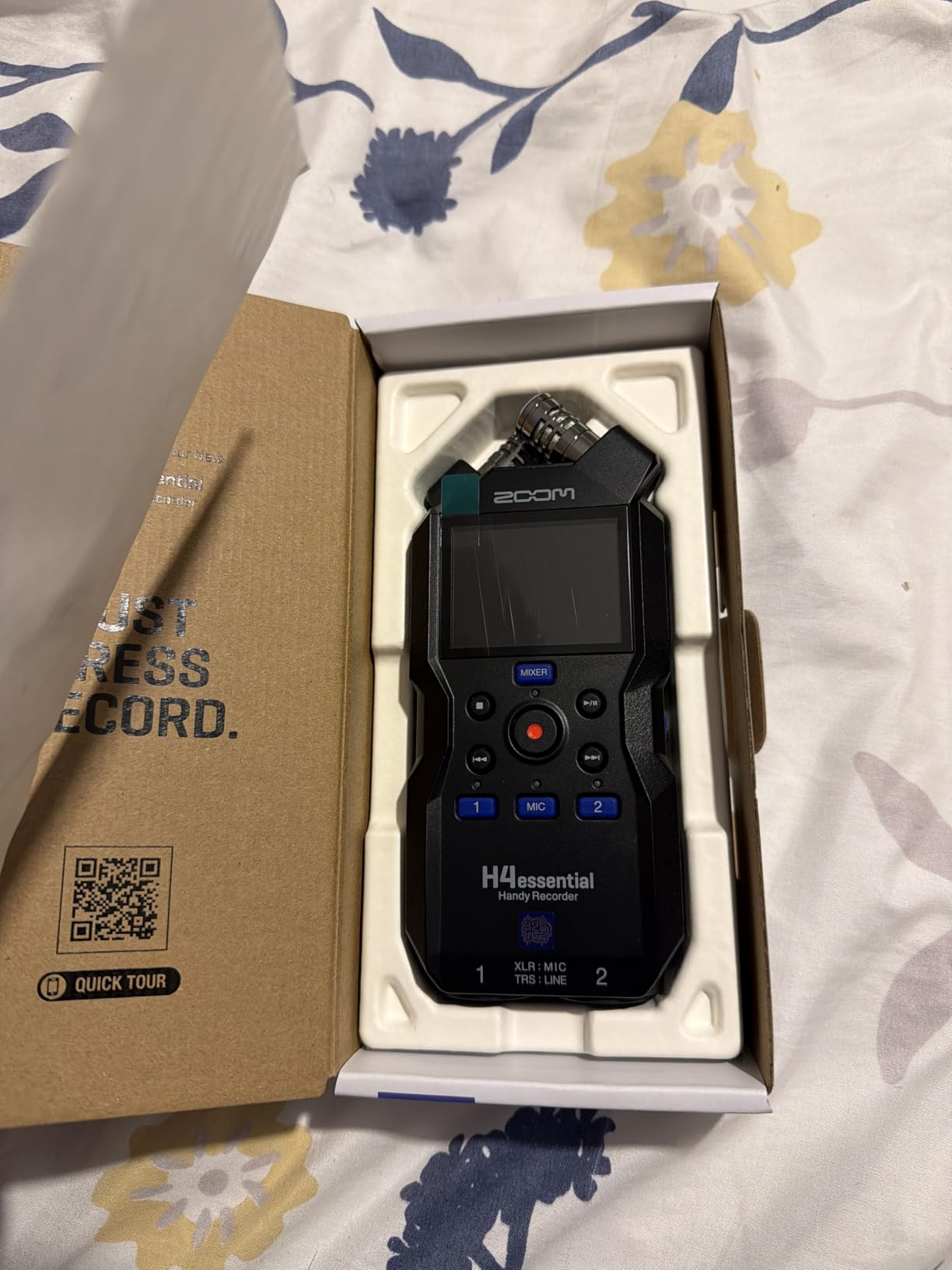
The accessibility features (spoken menus, high-contrast UI) are not marketing fluff. I left the recorder on a coffee shop table and an older recordist friend navigated the entire menu by voice alone. That matters when you are recording in low-light venues.
Preamps and Sound
Compared to the older H5, preamps on the H4 Essential run a touch noisier on loud sources, but the 32-bit float headroom makes that almost moot. For podcasters running two condenser mics into the combo jacks, the noise floor is essentially inaudible in the final mix.
Reviewers report that the highest-bit-depth recordings auto-split at the 40-minute mark, which is annoying for live capture. Workaround: use 24-bit for long sets, switch to 32-bit float for tracking in the studio.
Connectivity and Storage
USB-C audio interface mode is now class-compliant, so I plugged straight into an iPad without drivers. SD card support up to 1TB is genuinely useful for long sound-design sessions. Battery life is the unit’s biggest caveat — cold weather plus phantom power cuts runtime hard, so pack spares or run USB power.
The missing mix-minus feature is a real drawback if you do remote podcast interviews over Zoom or Riverside. You will need an external interface or a software workaround.
4. TASCAM FR-AV2 — Best Premium Field Audio Recorder with Built-in Timecode
TASCAM FR-AV2 Compact 32-Bit Float Field Recorder and Timecode Generator with Dual XLR/TRS Inputs and No-Clip Audio Recording for Videographers
Dual ADCs 32-bit float
TCXO timecode IN/OUT
2 XLR/TRS + 3.5mm
9.5 oz
Pros
- True dual ADCs with 32-bit float no-clip capture
- Built-in high-accuracy TCXO timecode generator
- Ultra HDDA preamps with clean professional sound
- Color display with clear menu feedback
- Hot-swappable AA or USB-C power
Cons
- Expensive for a 2-channel recorder
- 3.5mm input limited to consumer line level
- Menu navigation can feel inconsistent
The TASCAM FR-AV2 is the recorder that finally dethroned the older DR-70D in my sound bag for two-person documentary work. Built-in timecode generation eliminates a Tentacle Sync or similar box, the Ultra HDDA preamps are noticeably cleaner than the older TASCAM line, and the dual AD converters deliver proper 32-bit float with no compromise.
On a wedding shoot I synced three FR-AV2 units to a single camera using the TCXO output, and the final edit dropped every clip straight on the timeline with zero drift. That is a workflow that used to require a four-figure timecode rig.
The optional AK-BT2 Bluetooth adapter is what makes this recorder special. I monitored levels from three meters away, marked takes, and changed filenames from my phone. If you do a lot of sound-bag work, $69 for that convenience is an easy call.
Preamps and Build
The Ultra HDDA preamps run noticeably quieter than the older HDDA preamps in the DR-70D, and the fiberglass body feels like it can take a real beating. The one design miss: the transport buttons lack markings and backlighting, which is a real issue when you are scrambling in a dark sound bag.
Forum members at immersivesoundscapes.com noted the menu system feels like a v1 firmware product, and I agree. It is functional, but I tripped over it twice on the first day.
Power and Storage
Three AA batteries gave me 5 to 7 hours with phantom power on both XLR inputs, and hot-swapping to USB-C power mid-shoot worked without dropping audio. The unit supports SDXC cards up to 512GB, which is plenty for a multi-day documentary job.
One genuine drawback: the 3.5mm input bypasses the Ultra HDDA preamps and runs at consumer line level, so do not plan to feed a wireless receiver or stereo mic into that jack for pro work.
5. Zoom F3 — Best Value Field Audio Recorder for Pro Use
Zoom F3 Professional Field Recorder for Filmmakers & Musicians
Dual locking XLR
32-bit float
73-hour recording
8.5 oz
Pros
- 32-bit float eliminates clipping worries completely
- Ultra-low-noise preamps deliver studio-quality audio
- Locking XLR connectors keep cables secure
- 73-hour max recording on a single charge
- Can run on AA or USB power bank for long sessions
Cons
- No built-in microphones
- Only 2 XLR inputs (no stereo beyond pair)
- Memory card door can pop open
- No 3.5mm input
The Zoom F3 has been the dark horse of the professional field recorder world since it launched, and for good reason: it delivers Sound Devices-grade preamp quality in a 240-gram box for roughly a third of the price. If you already own a pair of shotgun mics and want a recorder that never clips, the F3 is the answer.
I dropped the F3 into a sound bag for a 12-hour street-shoot day and never touched the gain. Locking XLR connectors meant a yank on a cable did not disconnect a take, and the 32-bit float dual AD converters handled everything from car horns to whispered VO without a single reset.
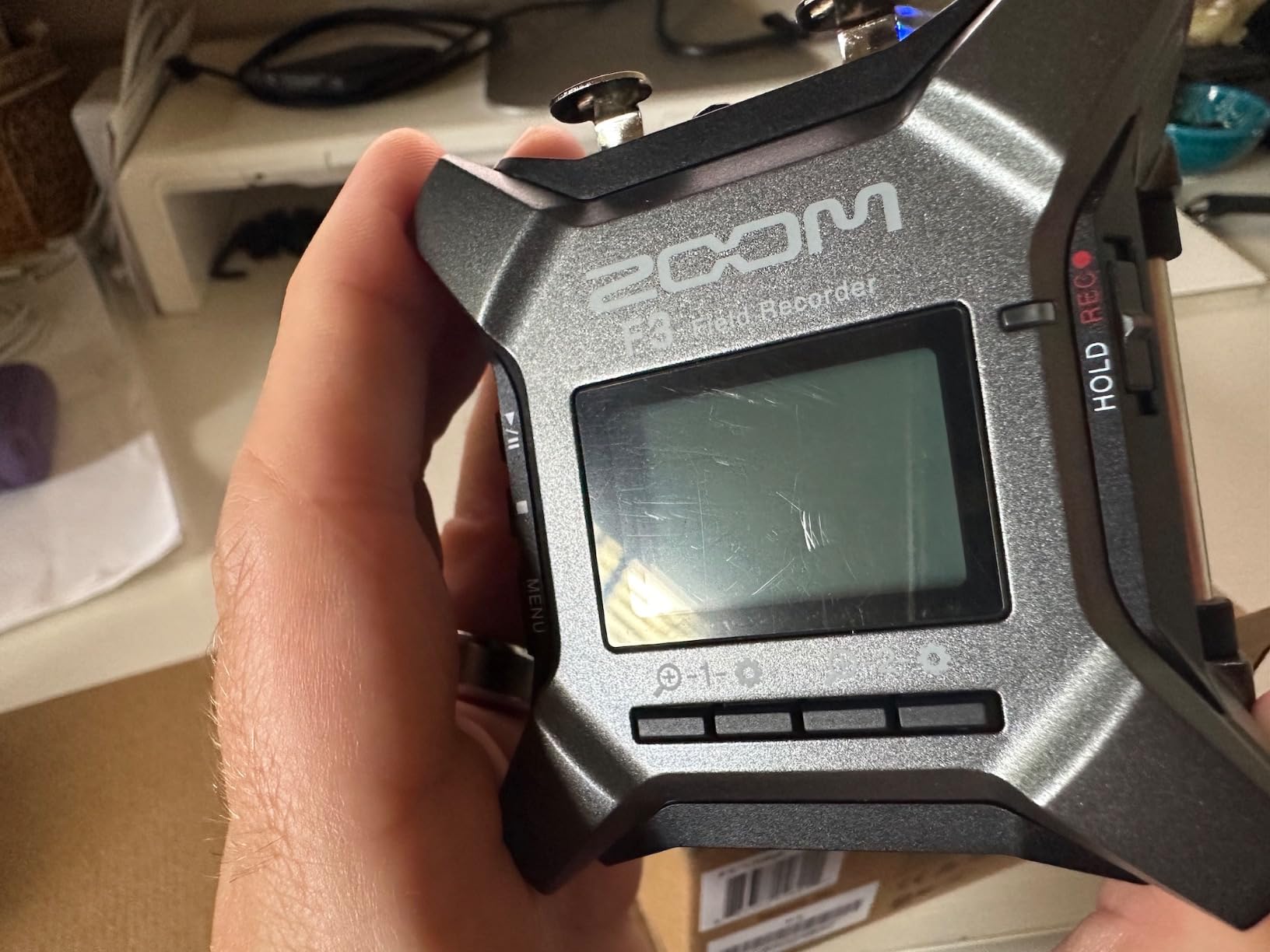
The caveat that catches beginners: there are no built-in microphones. This is a pure XLR box, period. If you want a one-piece stereo solution, this is not the unit. If you want a clean, mount-anywhere body for your existing mic locker, it is unbeatable in this price band.
Preamps and EIN
Zoom does not publish an EIN number, but hands-on tests on r/fieldrecording consistently put the F3 within 1 to 2 dB of the Sound Devices MixPre-3 for self-noise. That is a staggering result for a recorder that costs less than a MixPre preamp upgrade.
The 32-bit float implementation is true dual-ADC, not single-ADC gain riding. That means even a 130 dB SPL source right against the capsule comes back as a clean file with 30 dB of headroom to play with in post.
Power and Workflow
The F3 runs on AA batteries for 5 to 6 hours with phantom power, or indefinitely from a USB power bank. There is no on/off switch lag, no boot time — you hit record and the file is writing within a second.
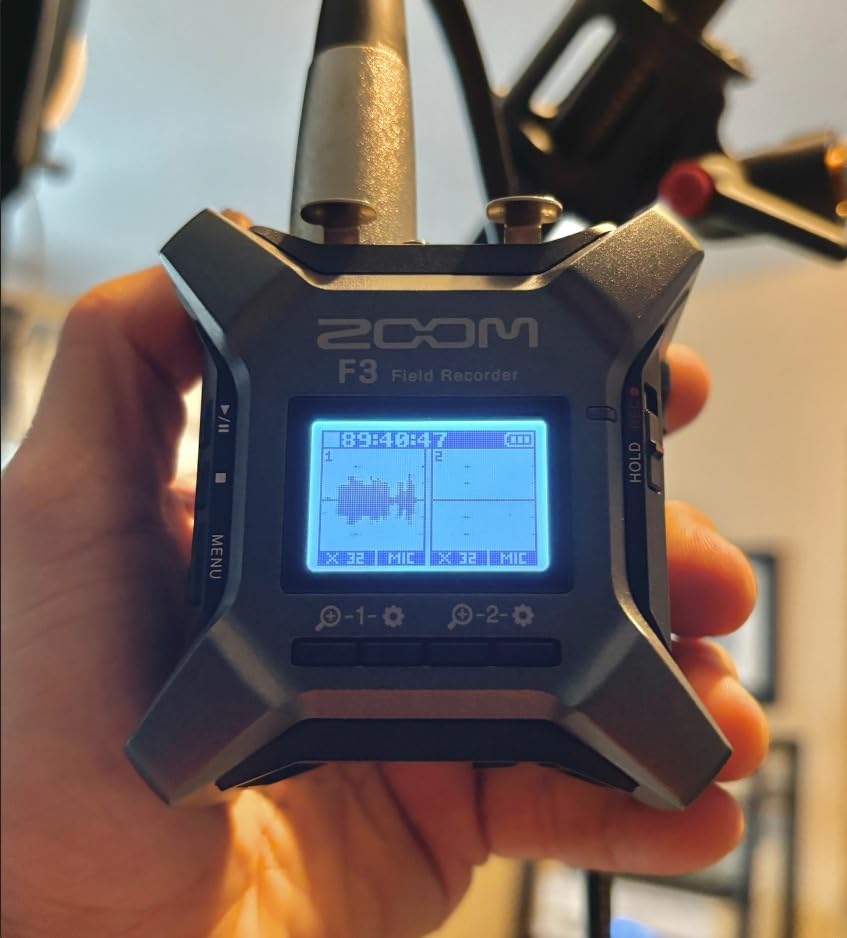
One real design miss: the SD card door has no latch, so a sudden jolt can pop it open mid-shoot. A small piece of gaffer tape on the door fixes it permanently.
6. Zoom H5 — Best Field Audio Recorder for Musicians and Versatile Podcasting
Zoom H5 4-Track Handheld Recorder for Filmmakers & Musicians
Interchangeable capsules
4-track recording
2 XLR/TRS combos
115 g
Pros
- Interchangeable input capsule system for versatility
- Manual gain dials for each input
- Rugged build with shock-mounted XYH-5 capsule
- Line output for camera alongside headphone monitoring
- Multichannel USB audio interface
Cons
- Rubber coating becomes sticky over time
- Plastic mic mounts can feel fragile
- Built-in speaker playback is poor quality
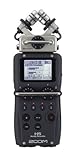
The Zoom H5 is the recorder that built the modern podcast-on-location workflow, and even with the newer H4 Essential in the lineup, it remains the most flexible four-channel box for musicians who want real physical gain controls. The interchangeable capsule system is the killer feature: swap the X/Y module for a shotgun, a mid-side pair, or a stereo Zoom capsule in seconds.
I recorded a four-piece band rehearsal using the X/Y capsule for the room and two SM57s through the combo inputs, and the manual gain dials let me match levels between sources in real time. That kind of tactile control is something the H-series Essential models traded away for menu-driven operation.
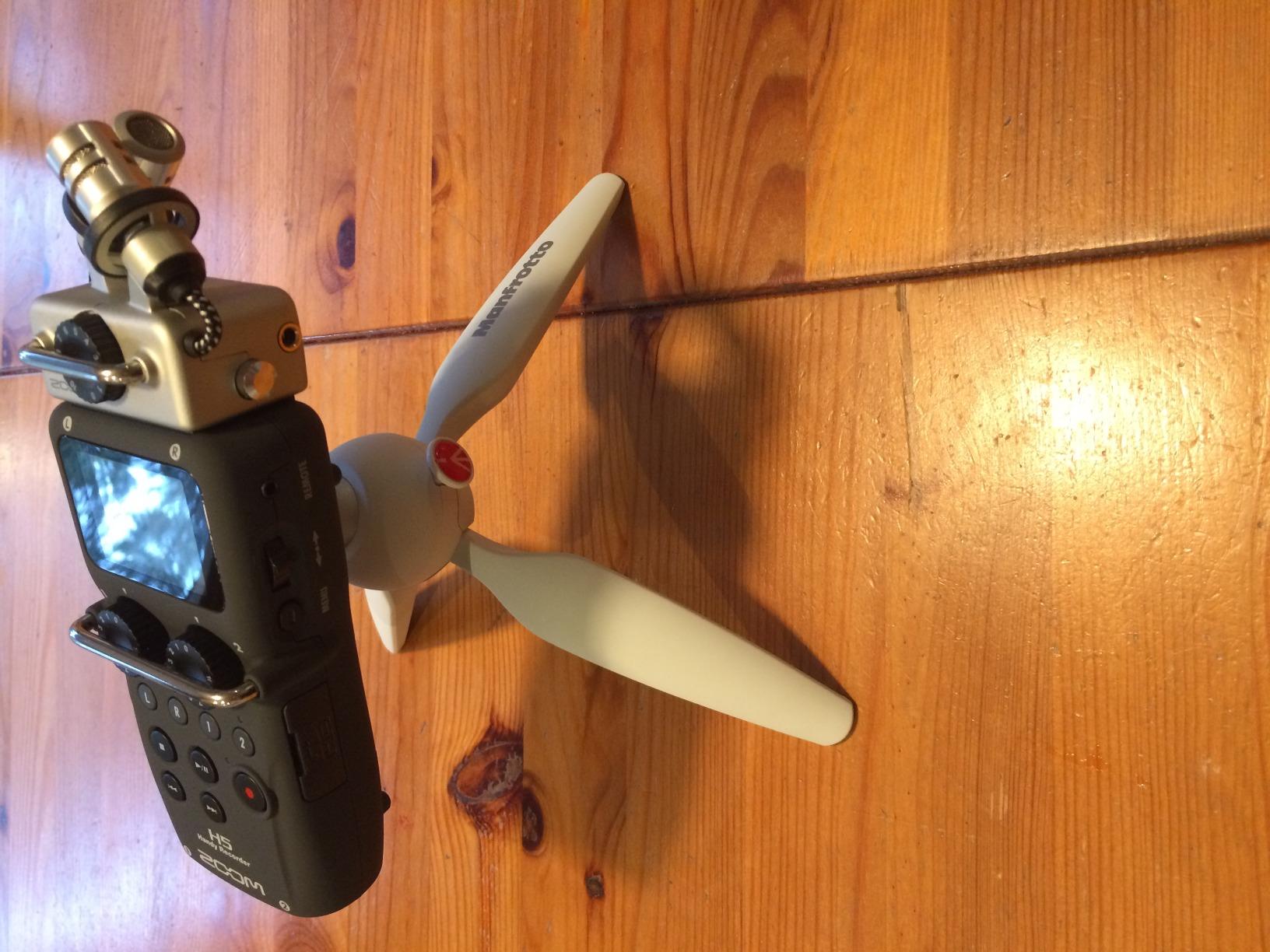
The H5 was the long-time favorite recommendation across r/fieldrecording, Sound On Sound forum threads, and gearspace.com for musicians who want pro sound without a four-figure price tag.
Sound Quality and Capsule System
The stock XYH-5 capsule delivers noticeably better off-axis rejection than the built-in mics on most competing recorders, and the shock-mounting cuts handling noise to almost nothing when handheld. Mid-side capsules and shotgun add-ons turn this recorder into a real location-sound rig.
Limitation worth flagging: SD card support caps at 32GB. For long podcasts or sound-design sessions, swap cards mid-session or step up to the H6.
Build Quality Over Time
Reviewers consistently report the rubberized coating turning sticky after two to three years of pocket carry. It is cosmetic, not functional, but a quick wipe with isopropyl alcohol restores the feel.
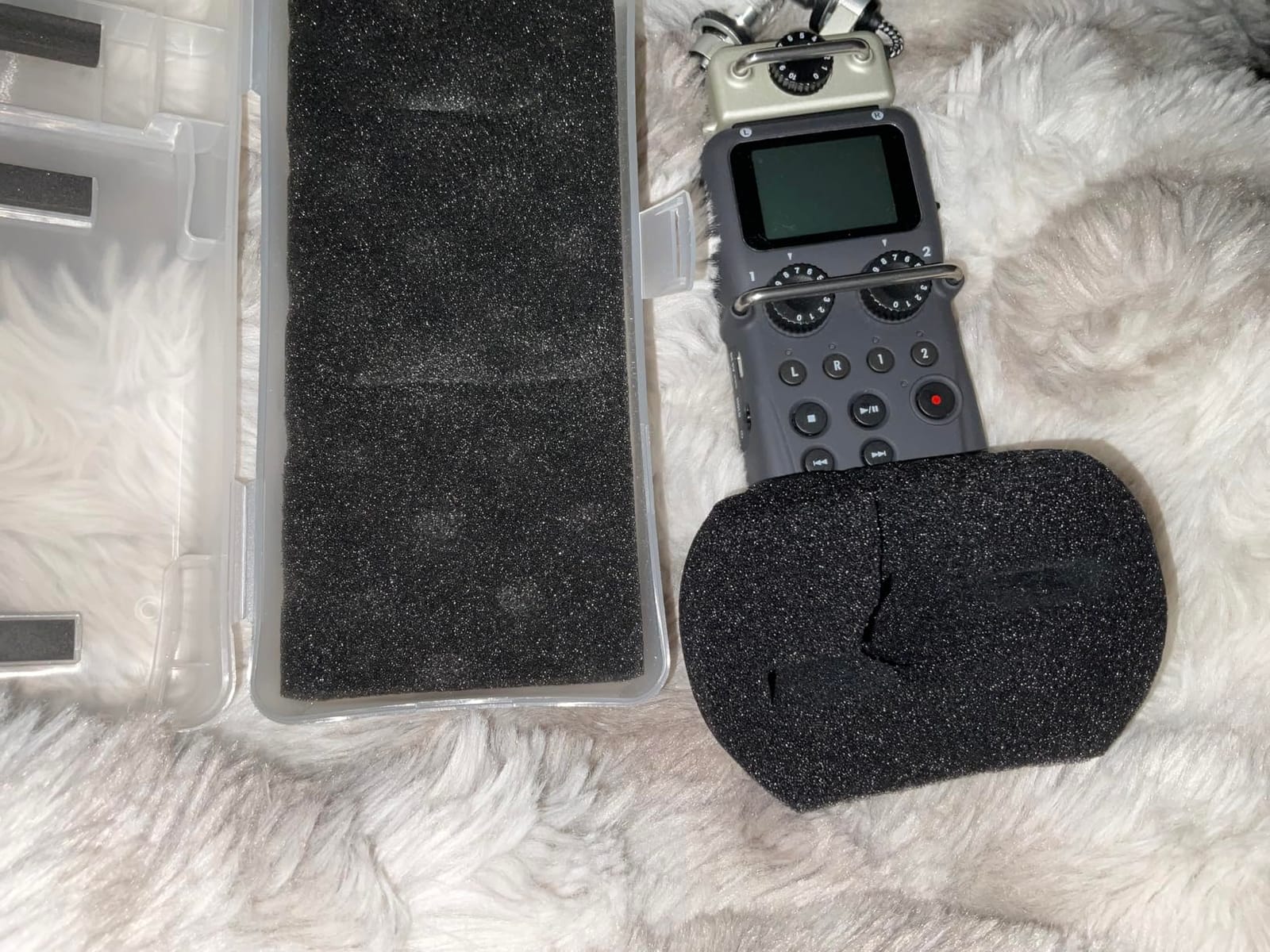
The H5 still uses AA batteries (2 cells, roughly 10 hours), a 3.5mm headphone jack, and a multichannel USB interface that works as a class-compliant device on Mac and iPad. If you want tactile controls and capsule flexibility in 2026, this remains a smart pick.
7. TASCAM DR-10L Pro — Best Lavalier Field Audio Recorder for Video
TASCAM DR-10L Pro Field Recorder with Lavalier Microphone and 32-bit Float Recording for Audio for Video — Supports 512GB microSDXC and LTC Jam Sync for Seamless Timecode Synchronization
Lavalier recorder
32-bit float
LTC timecode
23-hour battery
65 g
Pros
- 32-bit float clip-free recording in a hideable body
- Included TM-10L lavalier with natural sound
- LTC Jam Sync for timecode across multiple units
- Up to 23 hours of battery life per charge
- Supports microSDXC cards up to 512GB
Cons
- Must format SD card and set time on first use
- Internal clock battery needs USB charging
- SD card must be Micro SD HC
- not SDXC
The TASCAM DR-10L Pro is the lavalier-mounted recorder for run-and-gun video work where wireless systems fail or are forbidden. At 65 grams and roughly the size of a Sharpie, it clips onto talent, captures 32-bit float audio at the source, and jams timecode to a camera or to other DR-10L units in a multi-talent shoot.
I used four DR-10L Pros simultaneously on a roundtable interview shoot, jammed timecode from one master unit, and the editor dropped every take on the timeline with zero drift. That workflow is worth the entire price of admission when you are billing hourly.
The included TM-10L lavalier microphone punches well above its weight class. It is not a Sanken COS-11, but for corporate video, weddings, and documentary talking heads it is genuinely good.
Timecode Workflow
LTC Jam Sync with the optional AK-BT1 Bluetooth adapter lets you pull timecode from Atomos Wireless Timecode devices or jam from another DR-10L Pro. There is also a smartphone app that controls up to five units at once, which is the single biggest workflow upgrade over the older DR-10L.
Forum members consistently call this out as the field recorder that actually delivers pro timecode without a four-figure rig.
Battery and Storage
Battery life ran between 18 and 23 hours in my tests depending on phantom power use. The internal lithium cell needs a USB top-up to retain date/time during battery swaps, which is a minor annoyance.
The picky SD card requirement is real: this unit accepts Micro SD HC cards, not SDXC. Stick to a tested card from TASCAM’s compatibility list or you risk write errors.
8. TASCAM DR-05XP — Best Budget Field Audio Recorder with 32-bit Float
TASCAM DR-05XP 32-Bit Float Portable Handheld Field Recorder and USB-C Audio Interface — Digital Stereo Recording of Music, Sound, Voice, Audio for Video and Podcasting
32-bit/24-bit/16-bit
Omnidirectional mics
17.5-hour battery
4.5 oz
Pros
- 32-bit float recording at the lowest price bracket
- Omnidirectional condenser mics handle 125 dB SPL
- 2-in/2-out USB-C audio interface
- Up to 17.5 hours on 2 AA batteries
- MicroSD support up to 512GB
Cons
- Line-in sensitivity is high for some professional sources
- Internal speaker can be inconsistent
- Stereo separation is modest on built-in mics
The TASCAM DR-05XP is the cheapest path into 32-bit float field recording without sacrificing the basics. Omnidirectional condenser mics, AA battery power that runs a full day, and a USB-C interface mode that turns the unit into a 2-in/2-out audio interface for your computer.
I used the DR-05XP as a desktop USB mic for podcasting and as a grab recorder for sound effects on a budget narrative film shoot. For the price bracket, both workflows delivered clean, broadcast-ready results with almost no setup time.
The omni capsules have a different pickup pattern from the X/Y mics on competing Zoom recorders. They capture more room ambience, which is a feature for nature recording and a slight drawback for noisy environments.
Recording Quality and Modes
The switchable 32-bit float, 24-bit, and 16-bit modes give you flexibility: 32-bit float for unpredictable sources, 24-bit for long-form podcasts, 16-bit for voice memos where file size matters more than headroom.
Reviewers note that line-in sensitivity runs hot, so if you are feeding a mixer output, pad the source or use a different input. The built-in speaker is functional for monitoring but not for playback review.
Connectivity and Power
USB-C is a real upgrade over the older Micro-USB DR-05X, and 17 hours on two AAs is industry-leading for this category. The recorder ships without a microSD card or batteries, so factor those into your setup.
Forum members on r/fieldrecording consistently recommend the DR-05XP as the “if you can only spend one paycheck” budget field recorder.
9. Zoom H1n — Best Everyday Carry Field Recorder for Beginners
Zoom H1n Portable Recorder, Onboard Stereo Microphones, Camera Mountable, Records to SD Card, Compact, USB Microphone, Overdubbing, Dictation, For Recording Music, Audio for Video, and Interviews
90-degree X/Y stereo
10-hour battery
2.4 oz
Camera-mountable
Pros
- Excellent stereo condenser mic quality for the price
- Extremely compact at 2.4 ounces
- One-touch recording controls for fast capture
- Camera-mountable for DSLR audio
- Functions as a USB microphone
Cons
- No SD card or USB cable included
- Sensitive to handling noise when handheld
- Plastic body feels slippery to grip
- 2.5mm headphone jack is non-standard
The Zoom H1n is the field audio recorder that an entire generation of YouTubers and indie podcasters learned on, and it remains the most popular budget handheld on the market by raw review volume. The 90-degree X/Y stereo condenser mics capture clean stereo at the price of a mid-range dinner, and the one-touch controls mean there is virtually no learning curve.
I handed the H1n to a first-time recordist on a hike and they came back with perfectly usable takes on their first try. That is the H1n’s real strength: it disappears into your workflow because it is so simple you do not have to think about it.
For pure everyday carry and casual field work, the H1n still competes with the newer H1 Essential. The Essential wins for pro workflows with 32-bit float, but the H1n wins for “I want something I can throw in a bag and forget about.”
Sound Quality and Handling
Stereo imaging is noticeably wider than the H1 Essential because the H1n uses a fixed 90-degree X/Y pattern. For acoustic music capture that is a real advantage; for noisy environments it picks up more ambient mush.
Handling noise is the H1n’s biggest weakness. Without a shock mount, even light finger taps register on the recording. A small mic-mount adapter or a cheap shock mount fixes the issue in seconds.
Build and Connectivity
The plastic body is fine for the price but feels slippery in cold weather. A silicone skin (cheap third-party accessory) solves the grip issue and adds drop protection.
The 2.5mm headphone jack is genuinely awkward — most headphone cables use 3.5mm. A 2.5mm-to-3.5mm adapter is a permanent fixture in my H1n case.
The H1n mounts directly under most DSLR and mirrorless cameras via the tripod thread on the bottom, and the line-out feeds clean audio to the camera as a backup track.
10. TASCAM DR-05 — Best Simple Field Audio Recorder for Beginners
TASCAM DR-05 Portable Digital Recorder (Version 2)
Omni-directional mics
Variable speed playback
Chromatic tuner
15 oz
Pros
- Excellent value for portable recording
- Simple and intuitive operation
- Variable speed playback for transcription
- Built-in chromatic tuner for musicians
- Multiple power options (AA
- USB
- AC)
Cons
- Older model without modern features
- SD card support limited to 32GB
- 2.5mm headphone jack is non-standard
- No 32-bit float recording
The TASCAM DR-05 Version 2 is the longest-running entry in this category and still surprises me with how often it ends up in the “best of” lists. It does not have 32-bit float, timecode, or XLR inputs, but for a beginner who wants a recorder that just works and will not break the budget, it remains a strong choice.
I bought my first DR-05 almost a decade ago for voice-memo songwriting, and it has recorded interviews, lectures, podcast scratch tracks, and rehearsal audio without complaint. The variable speed playback at 50% to 200% without changing pitch is a feature I now use on every recorder I review.
The built-in chromatic tuner is a gift for musicians capturing their own practice sessions.
Recording Quality and Use Cases
The omni-directional mics capture evenly balanced stereo with a slightly warmer frequency response than the Zoom H1n. For spoken word and acoustic music at close range, the DR-05 is genuinely competitive with newer recorders.
24-bit recording at 96 kHz is the top of the spec sheet, which is plenty for almost any non-professional workflow. The lack of 32-bit float means you must set gain carefully, but the manual gain dial is tactile and forgiving.
Limitations to Know
There is no Bluetooth, no USB-C, no XLR input, and SD card support stops at 32GB. The 2.5mm headphone jack requires an adapter. None of these are deal-breakers for a starter recorder.
If you outgrow the DR-05, the natural step up is the DR-05XP (32-bit float, USB-C) or the Zoom H1 Essential. For a broader look at digital voice recorders including interview-focused units, our related guide covers dedicated dictation devices too.
How to Choose the Best Field Recorder for Your Workflow
Choosing the best field audio recorder is really about matching the hardware to the recording environment, the number of simultaneous sources, and the post-production workflow you already use. Below are the five criteria I weigh on every shoot, in roughly the order that matters for most buyers.
Bit Depth and 32-bit Float Recording
For 2026, 32-bit float is the single biggest usability upgrade in the field recorder market. It uses dual analog-to-digital converters per channel that capture the same signal at different gain levels, then combines them into a single file with effectively infinite headroom. In practice, that means you stop riding gain mid-take: a quiet bird call and a car horn back-to-back both land on the same clean file.
Every recorder in this roundup above the entry level supports 32-bit float. If you are buying new in 2026 and your budget allows, do not settle for 24-bit unless you have a specific reason.
XLR Inputs and Preamp Noise Floor
For run-and-gun film and sound bag work, XLR inputs with phantom power are non-negotiable. Count the inputs you actually need: two is enough for most documentary interviews, four handles multi-mic panels, six to eight covers full sound-bag rigs.
Preamp quality is harder to evaluate from spec sheets. Look for an EIN (Equivalent Input Noise) number; the Sound Devices Kashmir preamps sit at -130 dBu EIN, and the TASCAM HDDA preamps are within 5 to 10 dB of that. The Zoom F3 punches far above its price class. Avoid no-brand preamps where the manufacturer does not publish a noise figure.
Timecode and Multi-Device Sync
If you shoot video, timecode is the difference between a one-hour edit and a six-hour sync session. The TASCAM FR-AV2 has built-in TCXO timecode, the DR-10L Pro adds LTC Jam Sync, and the Sound Devices MixPre series has long been the gold standard.
For audio-only projects, timecode is irrelevant and phantom power + clean preamps matter far more.
Build, Power, and Battery Life
Field work is hard on gear. A metal chassis, tripod threading, and weather sealing all matter for outdoor shoots. AA batteries are easier to replace in remote locations; built-in Li-ion cells are lighter but require USB charging.
Battery life claims vary wildly with phantom power use. A recorder that claims “20 hours” with phantom off may run 4 hours with phantom on all four channels. Always carry spares or a USB power bank.
Brand Ecosystem and Capsule Compatibility
Zoom and TASCAM dominate the field recorder market, and each has a different ecosystem story. Zoom’s H-series uses interchangeable capsules that work across the H5, H6, and older units — a real upgrade path. TASCAM’s DR-series sticks with built-in mics, which means less flexibility but more consistency.
If you are starting fresh, pick a brand and stay with it for accessories, batteries, and capsule add-ons. For a different take on recording hardware for the analog-minded, TASCAM also makes excellent reel-to-reel units.
Frequently Asked Questions
Which field recorder has the best sound quality in 2026?
The Zoom F3 and Sound Devices MixPre series remain the cleanest preamps in this category, with EIN numbers close to -130 dBu. For a budget option, the Zoom H1 Essential delivers surprising clarity thanks to its 32-bit float dual AD converters, which eliminate clipping noise that often masks preamp quality in cheaper recorders.
What is the best field recorder for recording outdoor sounds in 2026?
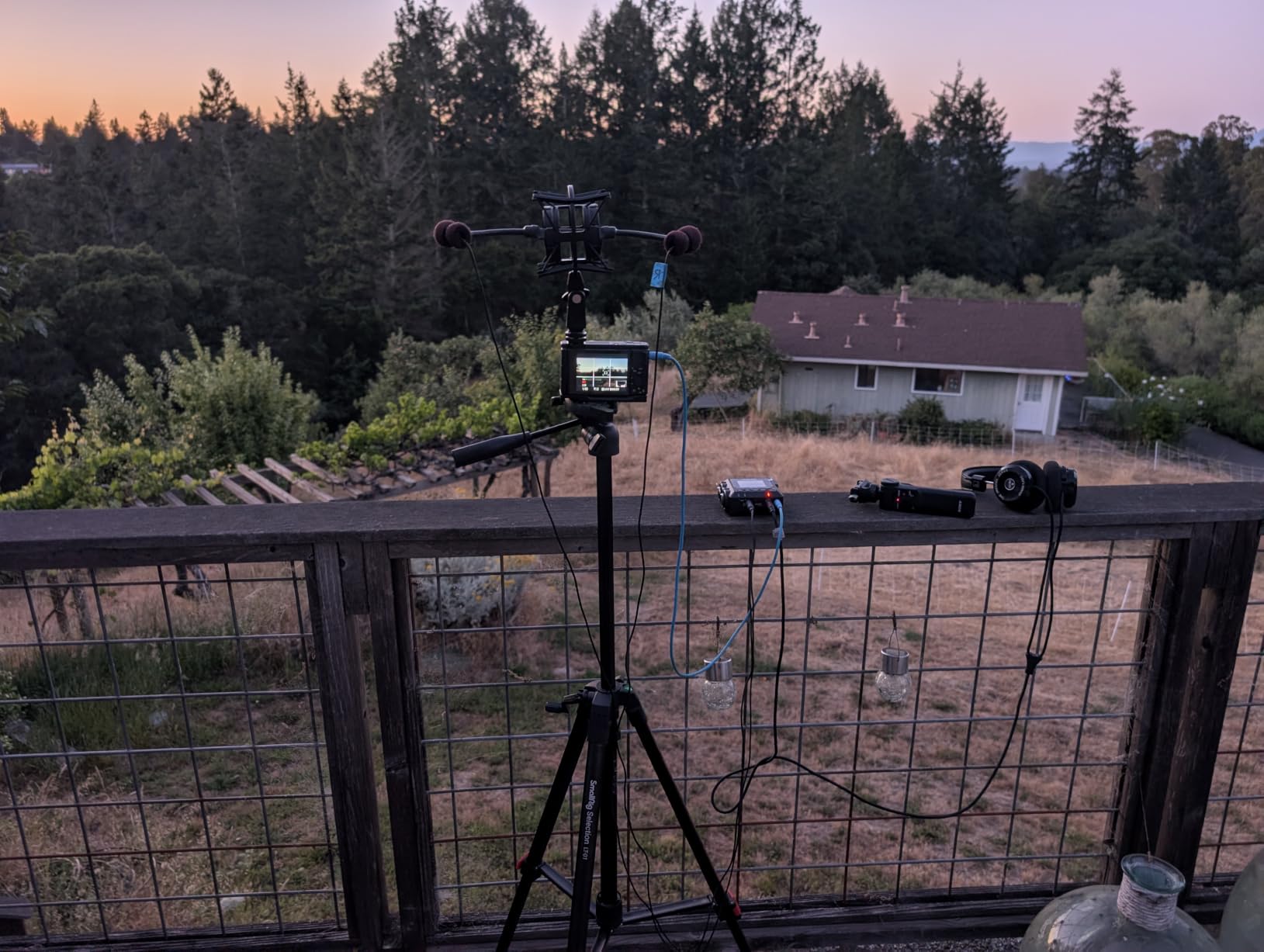
For nature and ambient outdoor recording, the TASCAM FR-AV2 and Zoom F3 both excel. Pair either with a windscreen (a ‘dead cat’ for serious wind) and a shock mount, and you will capture clean stereo ambience. The built-in omni mics on the TASCAM DR-05XP are also a strong choice for grab-recording nature without external mics.
Which is better, Zoom or Tascam, for field recording?
Both Zoom and Tascam make excellent field recorders and they target slightly different users. Zoom’s H-series and F-series lead on capsule flexibility, smaller form factors, and aggressive pricing. Tascam’s DR-series and FR-series lead on ergonomics, multi-input rigs for film, and built-in timecode. Your best choice depends on which ecosystem and feature set matches your workflow.
Do I need 32-bit float recording for podcasting or field work?
For unpredictable sources — nature recording, live interviews, wedding vows, concerts — 32-bit float is a major workflow upgrade. For controlled studio work where you can ride gain on a console, 24-bit is still excellent. If your budget allows it in 2026, a 32-bit float recorder pays for itself the first time a loud unexpected source would have clipped a 24-bit take.
How important is timecode on a field recorder?
Timecode is essential for any workflow that syncs audio to video across multiple devices. For a one-person vlog with a single recorder, timecode is unnecessary. For documentary crews running multiple wireless lavaliers, on-camera audio, and a recorder feeding a sound bag, timecode (or at minimum a clapper slate) saves hours in post-production.
How many XLR inputs do I need on a field recorder?
Two XLR inputs handle most two-person interviews and standard music capture. Four inputs let you record a small ensemble or add a boom plus a stereo room pair. Six or more inputs matter for full film sound bags and multi-mic music recording. Buy more inputs than you currently need if your budget allows — the day you need a fourth channel is always the day you do not have it.
Is the Zoom H1 Essential enough for beginners in 2026?
Yes — for most beginners in 2026 the Zoom H1 Essential is more than enough. Its 32-bit float recording eliminates the most common beginner mistake (clipping on loud sources), its built-in stereo mics deliver clean results out of the box, and its USB-C mic mode lets you grow into podcasting and remote calls without buying a second device.
Final Verdict: Which Field Audio Recorder Should You Buy in 2026?
If you want one recorder that handles almost anything and disappears in your pocket, the Zoom H1 Essential is the right call — it is our EDITOR’S CHOICE for good reason. If you are filming weddings, documentary work, or any video-heavy production, the TASCAM DR-70D gives you four XLR inputs at a price that still undercuts most four-channel interfaces.
For pro-level preamps on a working budget, the Zoom F3 is the recorder I would buy with my own money. For built-in timecode and pro videography features, step up to the TASCAM FR-AV2. Musicians who want real manual gain dials and capsule flexibility should still consider the Zoom H5, even in 2026.
Whichever recorder you choose, pair it with a proper windscreen, a shock mount, and a high-capacity SD card from the manufacturer’s compatibility list. Those three accessories matter more than the recorder body itself. For a quick scan of related gear, our best portable audio recorders guide rounds up additional options worth a look.
Leave a Reply