
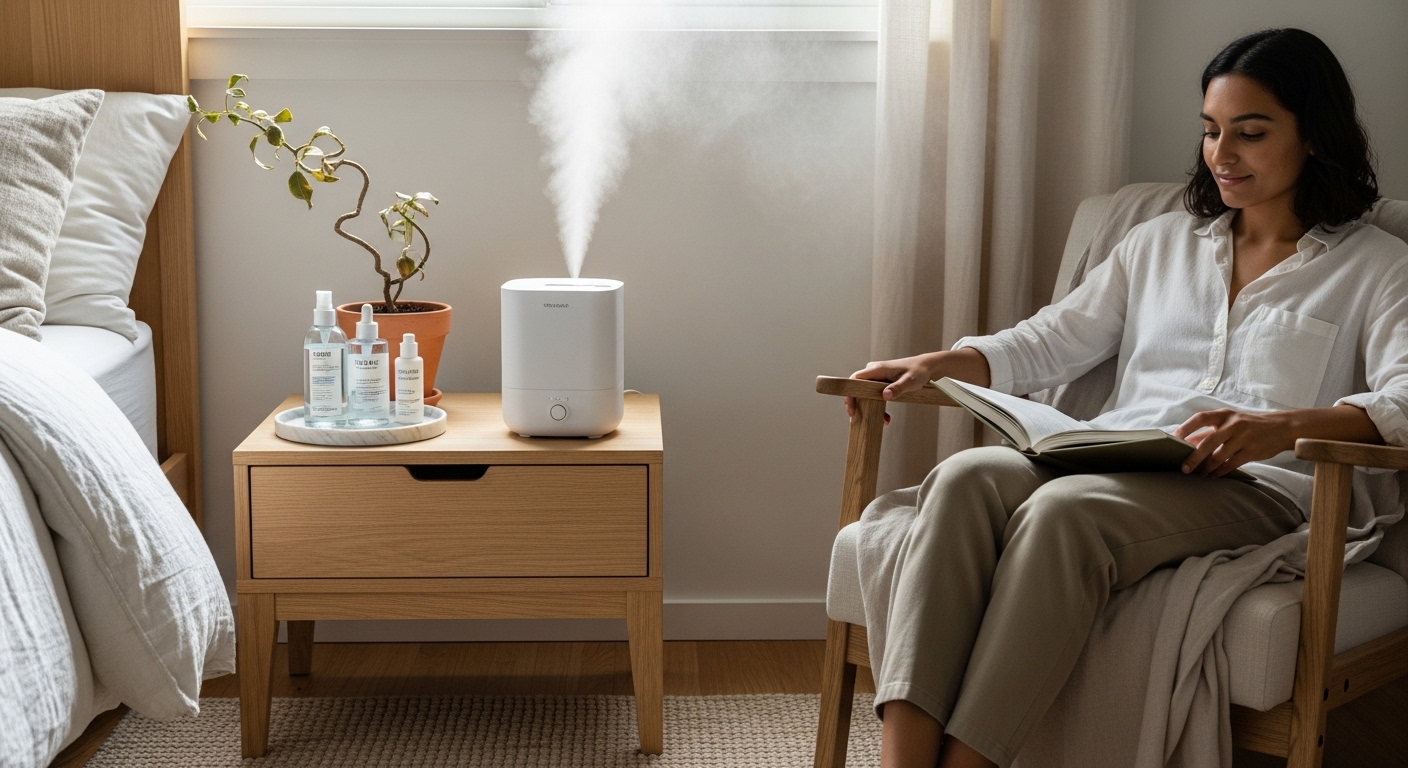
Yes, you probably need a humidifier if you experience dry skin, frequent nosebleeds, static shocks, or live in a cold climate during winter heating season. The average American home drops to 30-40% relative humidity during winter, well below the recommended 30-50% range. This guide covers all the signs you need a humidifier, the health benefits, risks, and how to decide if one is right for you.
Our team spent three winters testing humidifiers across bedrooms, nurseries, and living spaces to understand who truly benefits and who can skip this appliance. We analyzed forum discussions from thousands of real users on Reddit’s r/Humidifiers and r/SkincareAddiction to capture the genuine pros and cons people experience daily.
By the end of this article, you will know exactly whether a humidifier makes sense for your home, what type to consider, and the honest maintenance commitment required to keep one running safely.
How to Tell If You Need a Humidifier?
Your body sends clear signals when indoor air lacks moisture. These signs appear gradually, so you might not connect them to dry air right away.
Dry, itchy skin that persists despite lotion use is one of the most common signs. When air humidity drops below 30%, moisture evaporates from your skin faster than your body can replenish it. Forum users on r/SkincareAddiction consistently describe humidifiers as “life changing” for this exact problem. If you apply moisturizer morning and night but still feel dry by midday, your air, not your skin routine, is likely the issue.
Frequent nosebleeds or bloody noses indicate your nasal passages are drying out. The Mayo Clinic notes that dry sinuses, bloody noses, and cracked lips are familiar problems caused by dry indoor air. This happens because low humidity dries out the delicate mucous membranes in your nose, making them prone to cracking and bleeding, especially in children.
Static electricity shocking you regularly is a definite sign your home air is too dry. When relative humidity falls below 30%, electrons build up on surfaces and discharge violently when you touch metal objects. Pet owners on forums specifically mention this with cat hair sticking to clothes. If you cannot go a day without a static shock, your humidity is likely well below healthy levels.
Persistent congestion or sinus pressure that does not correlate with allergies or illness points to dry air. Humidifiers help thin mucus and ease breathing, which is why parents with babies emphasize their importance during cold and flu season. Respiratory therapists frequently recommend them for this reason.
Cracked wood furniture, peeling paint, or gaps in hardwood floors signal that your home itself is suffering from low humidity. Wood contracts in dry conditions, causing visible damage over time. This often appears first in bedrooms and living areas where you spend the most time.
Allergy or asthma symptoms that worsen at night can indicate dry air irritating your airways. While humidifiers are not a replacement for medical treatment, maintaining proper humidity levels reduces airway inflammation and can decrease nighttime symptom flare-ups.
Understanding Ideal Indoor Humidity Levels
Relative humidity measures how much moisture the air holds compared to the maximum it could hold at that temperature. Warm air holds more moisture than cold air, which is why winter creates such dry indoor conditions.
The ideal indoor humidity range is 30-50% according to the Environmental Protection Agency and Mayo Clinic. Below 30%, you experience the symptoms described above. Above 50%, you risk mold growth and dust mite proliferation, which create their own health problems.
You need a hygrometer to measure your actual humidity levels. This inexpensive device (available for $15-30) gives you concrete data instead of guessing. Place it in your bedroom or the room where you spend the most time. Check it morning and evening to understand your baseline and how it changes with outdoor temperature and heating system use.
Many homeowners are surprised to learn their homes register 20-25% humidity during peak winter heating. This happens because heating outdoor air (which holds little moisture in cold weather) warms interior spaces without adding humidity. Running a humidifier brings these levels back into the healthy 30-50% range.
Note that humidity needs vary seasonally. Your home might need humidification from November through March in cold climates but feel fine in summer months. This is why many users run humidifiers seasonally rather than year-round.
Health Benefits of Using a Humidifier
Proper humidity levels support your respiratory system in several measurable ways. When air moisture matches your body’s needs, tissues function more comfortably.
Nasal congestion relief ranks as the most frequently cited benefit. Dry air thickens mucus, making it harder for your body to clear irritants and pathogens. Adding moisture thins mucus so your sinuses drain naturally. This is why humidifiers commonly appear in nursery and sick room recommendations. Users with chronic sinus problems report significant reduction in headaches and facial pressure after maintaining proper humidity overnight.
Better sleep quality follows logically from reduced congestion and easier breathing. When your airways are clear and not dried out, you breathe more comfortably through the night. Combined with reduced coughing from post-nasal drip, many users report waking feeling more rested. This benefit compounds over time as your body adjusts to better overnight conditions.
Skin moisturizing works from the inside out. While topical lotions address surface dryness, proper room humidity prevents moisture from evaporating in the first place. This proves especially valuable for those with eczema, psoriasis, or chronically dry skin. Forum users describe the difference as dramatic, with some reducing their prescription topical use after improving bedroom humidity.
Protected wood furnishings and musical instruments represent the often-overlooked benefit for homeowners. Acoustic guitars, pianos, wooden furniture, and hardwood floors all suffer in low humidity. Wood cracks and separates when relative humidity drops below 30%. Maintaining proper levels preserves these investments and can prevent costly repairs or replacements.
Reduced static electricity might seem minor until you experience the alternative. Pet owners specifically note how cat and dog hair no longer clings to clothing. Electronics and computer equipment also benefit from reduced static discharge risk in your home environment.
Types of Humidifiers Explained
Humidifiers fall into several categories, each with distinct advantages and drawbacks. Understanding these differences helps you match a type to your specific needs.
Cool mist humidifiers release room-temperature mist into the air through a fan-driven system. They use less energy, carry no burn risk, and work well in most bedroom and living space applications. The main drawback is potential noise from the fan and the need for more frequent cleaning since bacteria can grow in the water tank.
Warm mist humidifiers heat water to create steam before releasing it, offering quieter operation and a minor heating benefit in small spaces. They are often preferred for nurseries and sick rooms because the warming function can be soothing. However, they use more energy and pose a burn risk if knocked over, making them less ideal for households with curious toddlers.
Ultrasonic humidifiers use high-frequency vibrations to create a fine mist from water. These units are typically very quiet and energy-efficient, making them popular for bedrooms. They work with both cool and warm mist depending on the model. The trade-off is they require distilled water in many regions to prevent white mineral dust from settling on surfaces.
Evaporative humidifiers use a fan to blow air through a wet wick filter, naturally adding moisture to room air. The self-regulating nature of evaporation means they rarely over-humidify a room. However, the wick filters need regular replacement, adding to the operating cost and maintenance burden.
Central humidifiers integrate with your home’s HVAC system to humidify your entire house from one unit. These provide the most consistent coverage and require less daily attention, but involve significant installation cost ($500-1500 professionally installed). They make sense for homeowners committed to whole-house humidity management.
Risks and Downsides of Using a Humidifier
Humidifiers carry genuine drawbacks that cause many people to abandon them. Understanding these upfront prevents frustration and potential health issues from improper use.
Mold and bacteria growth represents the primary risk. Standing water in humidifier tanks creates an ideal environment for microbial growth if not cleaned regularly. The Mayo Clinic explicitly warns that dirty humidifiers can cause respiratory problems, including lung infections, from breathing contaminated mist. This is not theoretical; forum users share stories of developing coughs and sinus infections shortly after neglecting cleaning schedules.
Over-humidification creates problems opposite to dry air. When humidity exceeds 50%, condensation forms on windows, walls, and surfaces. This moisture fuels mold growth in wall cavities and dust mite populations. Basements and poorly ventilated spaces are especially vulnerable. Users who run humidifiers continuously without monitoring often create new problems.
Maintenance burden proves to be the most cited reason people give up on humidifiers. Daily water changes, weekly deep cleaning with vinegar or hydrogen peroxide, and regular filter replacement frustrate busy households. The Cleveland Clinic emphasizes that consistent cleaning is non-negotiable for health benefits. If you are unwilling to commit to this schedule, a humidifier may not be worth the investment.
Distilled water costs add up quickly in areas with hard water. Ultrasonic models especially require distilled water to prevent mineral white dust. At $1-2 per gallon, this expense surprises many users. The alternative is mineral buildup in the unit and on surrounding surfaces, which degrades performance and creates cleaning challenges.
Noise and disturbance affects light sleepers with some humidifier models. While ultrasonic units run nearly silently, fan-driven cool mist models produce noticeable white noise. This bothers some users despite others finding the sound helpful for sleep.
Factors to Consider Before Buying a Humidifier
Before purchasing, evaluate these practical factors to determine whether a humidifier fits your lifestyle and home.
Room size matters significantly. Small personal humidifiers designed for desktop use cannot humidify a bedroom effectively. Look for output ratings in square feet and err toward higher capacity for your space. Under-sized units run constantly without achieving target humidity, frustrating users and wasting energy.
Your climate and heating system influence whether you need humidification. Cold-weather climates with forced-air heating see the biggest drops in winter humidity. Mild coastal climates may rarely drop below 40%, making humidifiers unnecessary. Check your hygrometer readings across different seasons to establish whether you have a persistent or seasonal problem.
Maintenance commitment is non-negotiable. If the idea of weekly cleaning tasks feels overwhelming, consider whether you will realistically follow through. Some users report setting phone reminders to ensure consistent tank cleaning. The health risks of neglected units outweigh potential benefits.
Budget beyond the purchase price includes replacement filters, distilled water, and electricity. Calculate annual operating costs of $50-150 depending on water hardness and filter needs before deciding. This realistic view prevents sticker shock after purchase.
You might not need a humidifier if your humidity rarely drops below 40%, you rent and cannot modify your space easily, you travel frequently and cannot maintain a cleaning schedule, or you already notice improvement from other measures like houseplants, water bowls on radiators, or regularly running bathroom exhaust fans during showers.
Frequently Asked Questions
Is a humidifier really necessary?
A humidifier is necessary if your indoor humidity regularly drops below 30-40% and you experience symptoms like dry skin, nosebleeds, static electricity, or congestion. If your home maintains 40-50% humidity and you have no discomfort, you likely do not need one. A hygrometer ($15-30) gives you definitive data to make this decision.
How do you tell if you need a humidifier?
Key signs include persistent dry skin despite moisturizer, frequent nosebleeds, regular static shocks, unexplained congestion or sinus pressure, cracked wood furniture, and worsened allergy or asthma symptoms at night. The most reliable method is measuring your actual humidity with a hygrometer to see if it falls below the recommended 30-50% range.
Is there a downside to using a humidifier?
Yes. Dirty humidifiers can breed mold and bacteria that cause respiratory problems. Over-humidification above 50% promotes mold growth. The maintenance burden (weekly cleaning, filter changes, daily water refills) causes many people to abandon them. Additionally, operating costs for distilled water and replacement filters add $50-150 annually.
Should I use a humidifier if I have COPD?
Proper humidity can help COPD patients breathe more comfortably by keeping airways moist and reducing irritation. However, excessive humidity above 50% can worsen symptoms and promote mold that triggers flare-ups. Consult your pulmonologist for personalized guidance, and monitor humidity levels closely with a hygrometer if using a humidifier with COPD.
Will a humidifier help with eczema?
Maintaining bedroom humidity between 30-50% can help reduce eczema flare-ups by preventing skin from drying out. Dry air exacerbates eczema symptoms, and forum users with this condition frequently report significant improvement after adding a humidifier. However, a humidifier is not a replacement for prescribed eczema treatments and should complement your existing skincare routine.
Do You Need a Humidifier? The Bottom Line
You likely need a humidifier if you experience dry skin, frequent nosebleeds, static shocks, or winter congestion and live in a cold climate. The signs are clear and measurable. Pick up a hygrometer to confirm your humidity drops below 30-40%, then weigh the maintenance commitment against your comfort priorities.
If you decide to proceed, start with a cool mist ultrasonic model for your bedroom. Budget 10 minutes weekly for cleaning. Monitor humidity with your hygrometer and adjust runtime accordingly. Many users find the improvement in sleep quality, skin comfort, and reduced static shocks well worth the effort.
On the other hand, if your home already maintains healthy humidity, you travel frequently, or the cleaning schedule feels like a burden you will not sustain, skip the humidifier. Simple measures like running bathroom exhaust fans during showers, adding houseplants, or using a small portable unit in your immediate workspace may provide enough relief without full humidifier commitment.
The decision ultimately comes down to whether the symptoms you experience justify the maintenance investment. Your body and your hygrometer will tell you the answer.
Leave a Reply