
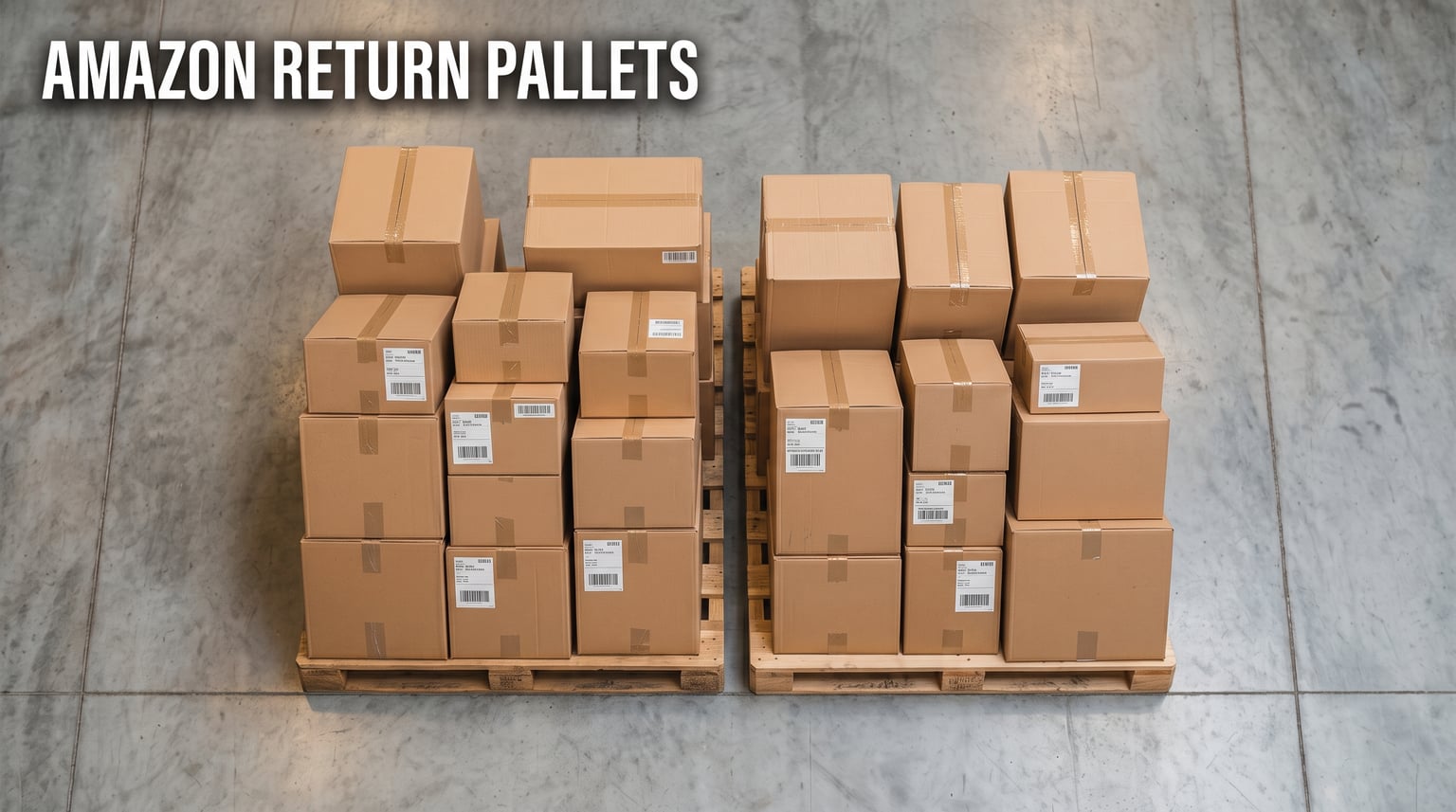
Every hour, Amazon ships roughly 66,000 orders across the globe. Industry data places the platform’s average return rate near 16.5 percent, which means millions of products flow back into Amazon’s warehouses every single day. Those returned items do not just disappear. They get sorted, palletized, and resold in bulk to liquidation buyers who flip them for profit. If you have been researching side hustles or wholesale sourcing in 2026, you have probably encountered the term Amazon Return Pallets and wondered whether the opportunity is real or just another internet myth.
After talking with active resellers, reading dozens of forum threads on Reddit’s r/Flipping and r/reselling communities, and comparing the top-ranking guides on the topic, I put together this updated resource to walk through the full lifecycle of buying and reselling return pallets. The goal is to give you an honest, practical, and current picture of how the market actually works in 2026 rather than recycling outdated advice from a few years ago.
What you will gain from this guide:
- A clear definition of what Amazon return pallets are and where they come from
- Realistic pricing breakdowns including pallet cost, freight shipping, and hidden fees
- A step-by-step walkthrough of how to read a pallet manifest and decode condition codes
- A dedicated section on scam red flags so you do not lose money to fraudulent sellers
- Profiles of every major liquidation platform including B-Stock, BULQ, 888Lots, and Liquidation.com
- Realistic profit math showing what kind of margin you can actually expect
- Post-purchase reselling strategies covering eBay, Facebook Marketplace, FBA, and bin stores
- An expanded FAQ answering the questions buyers ask most often
Understanding Amazon Return Pallets
Amazon return pallets are bulk lots of customer returns, overstock inventory, and shelf pulls that Amazon sells to third-party liquidation companies at a steep discount. Rather than inspecting, repackaging, and relisting each individual returned item, Amazon consolidates thousands of returned products onto wooden or plastic pallets and auctions them off in volume. The buyers are typically liquidation marketplaces, which then resell those pallets to smaller resellers, bin store operators, and side hustle entrepreneurs.
Amazon’s logistics network is enormous, and understanding how returns move through it helps explain why pallet quality varies so much. When a customer initiates a return, the item travels back to an Amazon fulfillment center where it gets sorted by category and condition. Some products go back into sellable inventory, but the rest get pushed into the liquidation pipeline. For more context on how Amazon’s delivery and returns infrastructure operates, our guide on Amazon delivery timing and shipping logistics breaks down the broader fulfillment network.
The items inside a typical pallet can range from electronics and apparel to kitchen goods, toys, and home decor. Some are brand new and never opened. Others have damaged packaging, missing parts, or cosmetic defects. A small percentage may be completely broken or unsellable. This mix is what makes return pallets both exciting and risky. You are essentially buying a box of unknowns, and your profit depends entirely on how many of those items you can resell at a workable margin.
What are Amazon Return Pallets?
To be precise, Amazon return pallets are not the same thing as overstock pallets or mystery boxes. Return pallets specifically contain products that customers purchased and then sent back. Overstock inventory consists of brand-new items that never sold and sat in a warehouse too long. Shelf pulls are products removed from retail store shelves because the packaging got damaged or the season ended. Mystery boxes are completely uninspected lots where you have no manifest and no idea what is inside.
Each type carries a different risk profile. Overstock and shelf pulls tend to be in better condition but cost more. Return pallets are cheaper but carry higher risk of damaged or defective items. Mystery boxes are the cheapest of all but also the most unpredictable. Knowing the difference matters because some sellers use these terms interchangeably to make their listings sound more appealing than they actually are.
Why Would You Want to Buy Amazon Return Pallets?
The main appeal comes down to acquiring inventory at a fraction of retail value. A pallet with a manifest showing $5,000 in retail value might sell for $400 to $700 depending on the platform and condition mix. If you can resell even 40 percent of that retail value, you are looking at a solid return on investment.
Beyond pure profit, buying return pallets also has an environmental angle. Every year, retailers send billions of pounds of returned merchandise to landfills. By purchasing and reselling those items, you are extending the life cycle of products that would otherwise be destroyed. Many resellers I have spoken with cite sustainability as a secondary reason they got into liquidation reselling.
There is also the variety factor. A single pallet might contain electronics, clothing, tools, and home goods all at once. That diversity keeps the work interesting and gives you exposure to multiple product categories without having to source each one separately. For someone running a bin store or an eBay store with broad inventory, that variety is a genuine advantage.
Purchasing Amazon Return Pallets
Buying Amazon return pallets is not as simple as clicking add to cart on a website. The process involves registration, document verification, auction bidding or fixed-price purchasing, manifest review, freight shipping arrangements, and a fair amount of risk assessment. In my experience researching this space, the buyers who succeed are the ones who treat it like a business from day one rather than a casual gamble.
How Much Do They Cost?
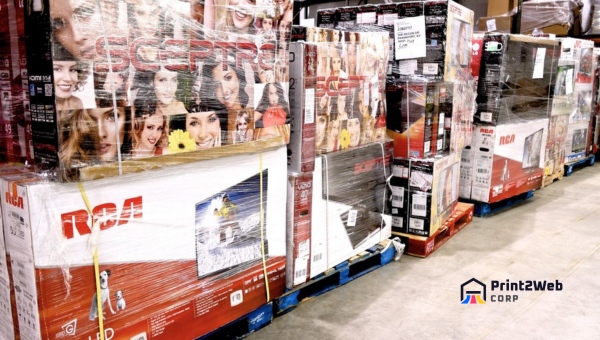
Standard Amazon return pallets typically sell for $300 to $700 per pallet depending on the category, condition mix, and platform you are buying from. Electronics-heavy pallets can run $800 to $1,500 or more because the retail value per item is higher. Smaller lots and mystery boxes start around $50 to $150, but those come with significantly more risk since the contents are uninspected.
What many first-time buyers fail to account for is freight shipping. Pallets are heavy and bulky, which means they ship via LTL freight rather than standard ground shipping. Typical freight costs run $150 to $300 per pallet depending on distance from the warehouse to your location. In some cases, shipping can exceed the cost of the pallet itself. I have read forum posts from buyers who paid $400 for a pallet and $350 to have it shipped. That is why you should always calculate freight cost before placing a bid.
Some platforms also charge buyer premiums, transaction fees, or membership fees. B-Stock and Liquidation.com typically add a buyer premium of 5 to 10 percent on top of the winning bid. BULQ includes shipping in their fixed price but their pallet prices reflect that markup. The point is that the sticker price on a pallet is never your true investment cost. Always factor in shipping, fees, and a buffer for unsellable items.
What Do You Need To Know Beforehand?
Before you buy your first pallet, make sure you understand the following fundamentals. These are the things that catch beginners off guard and eat into profit margins faster than anything else.
- Condition codes matter: Items are graded as New, Like New, Open Box, Used, or Damaged. Each grade affects resale value dramatically. A pallet heavy on Damaged or Salvage grade items will produce far less revenue than one dominated by New and Open Box condition items.
- Cherry picking is real: Some liquidation companies sort through pallets and pull out high-value items before selling the remaining lots. This practice, known as cherry picking, means the best merchandise may never reach the pallets available to small buyers.
- Reselling legalities apply: Certain brands restrict who can resell their products. If you plan to sell on Amazon as an FBA seller, you may need brand approval or risk having your listings removed.
- Dead stock is inevitable: Not every item will sell. Some products will sit in your inventory for months. You need a plan for dealing with dead stock, whether that means donating it, bundling it, or selling it at a loss.
- Space and time are hidden costs: Storing pallets requires garage, warehouse, or storage unit space. Sorting, testing, photographing, and listing hundreds of individual items is genuinely time-consuming work.
The Process to Purchase Return Pallets Online
Now that you understand the costs and risks, let us walk through the actual step-by-step process of buying your first Amazon return pallet. Each step builds on the previous one, so do not skip ahead even if you think you already know the basics.
1. Procuring a Valid Resale Certificate
Most legitimate liquidation platforms require a resale certificate or seller’s permit before they will let you register. This document proves you are buying goods for resale purposes and exempts you from paying sales tax on those purchases. That tax exemption directly improves your profit margin, so it is worth the paperwork.
The process varies by state. Some states issue resale certificates quickly through an online application, while others require a registered business entity first. A few states do not require one at all. Check your local Department of Revenue website for specific requirements. If you plan to sell on Amazon as well, make sure your seller account is properly configured. Our guide to fixing payment revision issues on Amazon can help if you run into account problems during setup.
2. Scouting for Trustworthy Liquidation Companies
Not all liquidation platforms are created equal. The trustworthy ones share several characteristics: they have been operating for years, they provide detailed manifests, they have physical warehouse addresses rather than PO boxes, and they accept standard payment methods rather than demanding wire transfers or cryptocurrency. B-Stock is Amazon’s official liquidation partner and is widely considered the most reliable primary source. BULQ, Direct Liquidation, 888Lots, and Liquidation.com are also well-established platforms with strong reputations.
Beyond the major platforms, many resellers source from local liquidation warehouses and bin stores. These offer the advantage of in-person inspection before you buy. You can also find pallet sellers on Facebook Marketplace and eBay, though peer-to-peer sales carry higher scam risk. Always verify the seller’s reputation before sending money to anyone on a peer-to-peer platform.
3. Scrutinizing Listings and Item Conditions
Once you find a platform, the next skill you need is manifest analysis. A manifest is the document that lists every item in a pallet along with its description, condition code, quantity, and retail value. Learning to read a manifest is the single most important skill separating successful resellers from those who lose money. We cover this in detail in the dedicated manifest reading section below.
For now, the key principle is this: never buy a pallet without reviewing its manifest first. Unmanifested pallets and mystery boxes are tempting because they are cheap, but they are also where beginners lose money. Without a manifest, you have no way to estimate sell-through rate or project your profit margin. You are gambling, not investing.
4. Carefully Gauge Shipping Expenses
Freight shipping is the number one hidden cost in the liquidation business. A $400 pallet can cost $250 to ship, and if you did not calculate that beforehand, your profit margin just evaporated. Most platforms provide a shipping cost calculator on their website. Use it before placing any bid.
If you live near a liquidation warehouse, local pickup is almost always the better option. You save on freight and you can inspect the pallet in person before committing. Some platforms waive pickup fees entirely, while others charge a small handling fee. Either way, local pickup typically saves $150 to $300 per pallet compared to freight shipping.
For buyers who need freight shipping, look for platforms with multiple warehouse locations. The closer the warehouse, the lower your freight cost will be. Also pay attention to whether the platform offers freight consolidation, which lets you combine multiple pallets into a single shipment to save on per-pallet shipping charges.
How to Read a Pallet Manifest
A pallet manifest is your window into what you are actually buying. It is the document that separates informed purchasing from blind gambling. Every reputable liquidation platform provides a manifest for each pallet they sell. If a seller cannot or will not provide one, that is an immediate red flag.
A typical manifest includes the following columns for each item: product description, UPC or ASIN, quantity, condition code, and estimated retail value. Some manifests also include Best Seller Rank, or BSR, which tells you how popular the product is on Amazon. A lower BSR number means the item sells faster. Items with a BSR under 10,000 in their category tend to move quickly, while items above 100,000 may sit for weeks or months.
When you review a manifest, start by calculating the total retail value of all items listed. Then estimate your expected sell-through rate based on condition codes. A pallet dominated by New and Open Box items might have a sell-through rate of 60 to 70 percent. A pallet with mostly Used and Damaged items might only yield 20 to 30 percent sellable inventory. Multiply the total retail value by your estimated sell-through rate, then by your expected discount rate, to project realistic revenue.
Condition Codes Explained
Understanding condition codes is essential for evaluating pallet quality. Most platforms use a grading system similar to the following:
- New: Brand new, unopened, in original factory packaging. These items carry the highest resale value and are the easiest to flip.
- Like New: Opened but barely used or never used. Packaging may be damaged but the product itself is in excellent condition.
- Open Box: The box has been opened and the item may have been tested or briefly used. Original accessories may or may not be included.
- Used: The item shows visible signs of wear and tear. It may be fully functional but will sell at a significant discount compared to retail.
- Damaged or Salvage Grade: The item is broken, missing major components, or cosmetically defective. Salvage grade items are typically only viable for parts, repair projects, or bulk recycling.
A good pallet will have a healthy mix weighted toward New, Like New, and Open Box conditions. If the manifest shows 60 percent or more of items in Used or Damaged condition, the pallet is likely a low-quality lot that has already been picked through. Walk away from those unless the price is low enough to make even salvage-grade items profitable.
Using Best Seller Rank to Evaluate Items
Best Seller Rank, or BSR, is Amazon’s internal ranking system that shows how well a product sells relative to others in its category. A BSR of 1 means the product is the top seller in its category. A BSR of 500,000 means it barely moves. When a manifest includes BSR data, use it to estimate how quickly you can sell each item.
As a general rule, items with a BSR under 5,000 in their primary category are fast movers that should sell within days of listing. Items between 5,000 and 50,000 are steady sellers. Anything above 100,000 is slow inventory that may take weeks or months to sell. If a manifest is dominated by high-BSR products, you will be sitting on dead stock for a long time before recovering your investment.
Scam Red Flags and How to Avoid Them
The liquidation space has its share of scammers. The Reddit thread on Amazon return pallets is one of the top organic results for this topic precisely because buyers want to know whether the deals they see online are legitimate. Based on forum reports and reseller community warnings, here are the most common scam red flags to watch for.
- Unrealistically low prices: If someone is advertising an $85 Amazon return pallet with thousands of dollars in retail value, it is almost certainly a scam. Real pallets start around $300 and shipping alone costs $150 or more.
- No manifest provided: Legitimate platforms always provide a manifest. If the seller refuses to share one or claims the pallet is a surprise, they are hiding something.
- Wire transfer or cryptocurrency only: Reputable platforms accept credit cards, ACH transfers, and standard payment methods. If the only payment option is wire transfer or crypto, your money will be gone with no recourse.
- No physical address: Real liquidation companies have warehouses with actual street addresses. PO boxes and unverified locations are a warning sign.
- Pressure to buy immediately: Scammers create false urgency to prevent you from doing research. A legitimate platform will still have inventory tomorrow.
- No online reviews or presence: Search for the company name on Reddit, the Better Business Bureau, and reseller forums. If no one has heard of them, proceed with extreme caution.
- Stock photos only: If the seller uses generic warehouse photos instead of actual pallet images, the pallet you receive may look nothing like the listing.
- Brand new website: Check the domain registration date. Scam sites are often less than six months old.
The safest approach is to stick with established platforms like B-Stock, BULQ, Direct Liquidation, 888Lots, and Liquidation.com. These companies have been operating for years, have verifiable warehouse addresses, and are discussed extensively in reseller communities. If you decide to buy from a smaller or unknown seller, do your due diligence first. Check their BBB rating, read independent reviews, and start with a small purchase before committing to larger orders.
Where to Buy Amazon Return Pallets
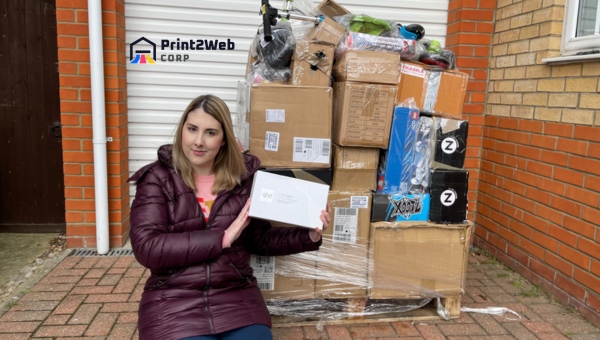
There are more sourcing options today than ever before. Below is a breakdown of every major platform where you can buy Amazon return pallets, along with honest pros and cons for each based on what resellers are reporting in 2026.
B-Stock (Amazon Liquidation Auctions)
B-Stock operates Amazon Liquidation Auctions, which is Amazon’s official secondary market platform. This is the most direct way to buy Amazon return pallets because the inventory comes straight from Amazon’s own fulfillment centers. B-Stock runs auction-style sales where you bid against other buyers, and lots range from single pallets to full truckloads.
The main advantage of B-Stock is source authenticity. You know the inventory is genuinely from Amazon and has not been resorted by a middleman. The platform requires a resale certificate for registration, which filters out casual buyers and keeps the buyer pool professional. Categories include electronics, home and garden, apparel, toys, and mixed merchandise.
- Pros: Direct from Amazon, transparent auction bidding, large volume of inventory available daily, requires resale certificate which signals legitimacy.
- Cons: Auction format means prices can escalate during bidding wars, buyer premiums add 5 to 10 percent to winning bids, minimum purchase quantities may be too large for beginners.
BULQ
BULQ is one of the most popular liquidation platforms for small to mid-sized resellers. Unlike auction-based platforms, BULQ uses a fixed-price model. You know exactly what you are paying before you buy, with no bidding wars to worry about. Each lot comes with a detailed manifest that lists every item, its condition code, and estimated retail value.
BULQ sources inventory from major retailers including Amazon, Target, and Walmart. The product range spans electronics, apparel, home essentials, tools, and more. Lots are available in case quantities, pallets, and truckloads depending on your budget and storage capacity. Shipping is typically included in the listed price, which makes cost calculation simpler than on auction platforms where freight is calculated separately.
- Pros: Fixed pricing eliminates auction unpredictability, detailed manifests provide transparency, shipping included in price, wide category selection.
- Cons: Prices tend to be higher than auction platforms because of the fixed-price convenience, limited room for negotiation, popular lots sell out quickly.
Direct Liquidation
Direct Liquidation operates in both the United States and Canada, making it one of the few platforms serving international buyers. They partner with top-tier retailers including Amazon, Walmart, and Target, which means a consistent supply of inventory across categories. Lots range from single pallets to truckloads and include both auction-style and fixed-price listings.
One thing that sets Direct Liquidation apart is the mix of condition grades available. Some lots are heavy on refurbish-ready items, which appeals to buyers who have the skills to repair electronics or small appliances before reselling them. If you can fix things, salvage grade lots from Direct Liquidation can be extremely profitable.
- Pros: Serves US and Canadian buyers, consistent supply from major retailers, good selection of refurbish-ready inventory, auction and fixed-price options.
- Cons: Mixed condition lots carry higher risk, shipping rates can be steep depending on your location, some lots require significant repair work to be profitable.
888Lots
888Lots is a New Jersey-based liquidation platform that specializes in smaller lots, making it a strong choice for beginners who are not ready to commit to full pallets or truckloads. They offer case lots, pallets, and single-item purchases across categories like electronics, clothing, toys, and home goods.
What makes 888Lots appealing is the ability to buy in smaller quantities while still accessing Amazon and major retailer inventory. The platform provides manifests for each lot, and their warehouse in New Jersey offers local pickup for buyers in the Northeast. For resellers testing the waters or looking to fill specific inventory gaps, 888Lots is a practical starting point.
- Pros: Smaller lot sizes suitable for beginners, manifests provided, local pickup available in New Jersey, wide category range.
- Cons: Single warehouse location means higher freight costs for distant buyers, inventory rotates quickly so popular lots may not be available for long.
Liquidation.com
Liquidation.com is one of the oldest and largest liquidation marketplaces in the United States. It aggregates inventory from a wide range of retailers and manufacturers, not just Amazon. The platform operates on an auction model and offers everything from single pallets to full truckloads of returned and overstock merchandise.
The breadth of inventory on Liquidation.com is impressive, but it also means quality varies widely. Because sellers range from major retailers to individual liquidators, you need to pay close attention to seller ratings and manifest detail. Stick with sellers who have high ratings and provide complete manifests for every lot.
- Pros: Massive inventory selection, auction pricing can yield deals, established platform with long track record, wide range of categories beyond Amazon.
- Cons: Quality varies by seller, requires careful vetting of individual sellers, buyer premiums and shipping add to total cost.
Quicklotz
Quicklotz is known for its mystery box and uninspected returns category. These are pallets that have not been sorted or screened before listing, which means the potential for hidden gems is higher but so is the risk. Prices are generally lower than fully manifested pallets, which appeals to buyers looking for a gamble.
The mystery box concept is popular on YouTube, where unboxing videos generate significant views. However, the reality is that mystery boxes carry the highest risk of any liquidation purchase. You have no manifest, no condition codes, and no way to estimate sell-through rate before buying. Approach mystery boxes as entertainment first and investment second.
- Pros: Lower prices than manifested pallets, potential for surprising high-value finds, exciting unboxing experience.
- Cons: No manifest means no way to project profit, higher percentage of damaged and unsellable items, not recommended for serious resellers.
Via Trading
Via Trading is a California-based liquidation company that offers overstock items and customer returns across numerous product categories. They provide an extensive selection of lots in various sizes, from small cases to full pallets, catering to resellers of all sizes.
A standout feature of Via Trading is their bilingual customer service, with assistance available in Spanish. This makes them a strong option for Spanish-speaking resellers who may find language barriers on other platforms. The trade-off is that ordering from Via Trading involves more manual coordination. You typically need to call or email their sales team to verify availability and complete your purchase rather than checking out entirely online.
- Pros: Spanish-language support available, wide category selection, flexible lot sizes, personalized customer service.
- Cons: Manual ordering process requires phone or email coordination, less streamlined than self-service platforms.
Local Warehouses and Bin Stores
Beyond the major online platforms, many resellers source pallets from local liquidation warehouses and bin stores. These are physical locations where you can walk in, inspect pallets in person, and sometimes negotiate prices directly. Local pickup eliminates freight shipping costs entirely, which can save $150 to $300 per pallet.
Bin stores are retail shops that sell liquidation items directly to consumers at progressively discounted prices. A bin store might sell everything for $10 on day one, $7 on day two, $5 on day three, and so on until remaining stock is cleared. Many bin store operators buy Amazon return pallets as their primary inventory source. If you want to see what kind of merchandise actually comes in these pallets before buying one yourself, visiting a local bin store is a great way to get a feel for the quality and condition mix.
To find local warehouses and bin stores near you, search for terms like liquidation warehouse near me or bin store near me on Google Maps. You can also check Facebook Marketplace and Craigslist for local pallet sellers. Just remember that peer-to-peer sales carry higher scam risk, so apply the red flag checklist from the scam section above.
Platform Comparison at a Glance
Here is a quick comparison of the major platforms to help you decide where to start. Each one has distinct strengths depending on your experience level, budget, and reselling model.
- B-Stock: Best for direct-from-Amazon authenticity. Auction format. Requires resale certificate. Ideal for experienced buyers who want volume.
- BULQ: Best for fixed-price convenience. Shipping included. Detailed manifests. Great for buyers who want predictable costs.
- Direct Liquidation: Best for refurbish-ready inventory. US and Canada. Auction and fixed-price options. Good for buyers with repair skills.
- 888Lots: Best for beginners. Smaller lot sizes. New Jersey warehouse with local pickup. Manifests provided.
- Liquidation.com: Best for variety. Largest inventory pool. Requires careful seller vetting. Auction format.
- Quicklotz: Best for thrill-seekers. Mystery boxes and uninspected returns. Highest risk, lowest prices.
- Via Trading: Best for personalized service. Bilingual support. Manual ordering process. California-based.
- Local warehouses: Best for in-person inspection. No freight costs. Variable quality. Search locally on Google Maps.
Realistic Profit Math
This is the section every new buyer looks for and the one where most guides get overly optimistic. Let us walk through a realistic profit calculation based on data from experienced resellers on Reddit and in liquidation forums.
Here is a typical scenario for a standard $500 manifested pallet with $5,000 in listed retail value. After freight shipping at $200, your total investment is $700. Now factor in condition reality. Based on typical manifests, roughly 30 percent of items will be New or Like New, 30 percent Open Box, 25 percent Used, and 15 percent Damaged or unsellable.
You will likely sell New and Like New items at 50 to 60 percent of retail value, Open Box items at 35 to 45 percent, and Used items at 20 to 30 percent. Damaged items may be sold for parts at 5 to 10 percent of retail or simply written off as dead stock. After accounting for selling fees, which typically run 10 to 15 percent on eBay and Amazon, your net revenue from that $5,000 pallet might land between $1,200 and $1,800.
Subtract your $700 investment and you are looking at a profit of $500 to $1,100 per pallet, which is a profit margin of roughly 40 to 60 percent on your investment. That is solid, but it assumes you actually sell everything. In reality, some items will become dead stock. Factor in 10 to 20 percent unsold inventory and your realistic profit drops to $350 to $850 per pallet.
Experienced resellers on Reddit report that pallet resales yield a 5 to 20 percent return on retail value even on the best pallets. That is a more conservative metric than profit margin on investment. The takeaway is that this business works, but it is not a get-rich-quick scheme. Consistent profit requires disciplined sourcing, efficient listing, and a plan for handling unsold inventory.
Reselling Strategies After Purchase
Buying the pallet is only half the battle. How you sell the items determines whether you actually make money. Below are the core strategies that experienced resellers use to maximize sell-through rate and minimize dead stock.
Sorting and Grading
When your pallet arrives, the first step is sorting everything by condition and category. Test every electronic item to confirm it works. Check clothing for stains, tears, and missing tags. Inspect packaged goods for damage. Sort items into four piles: ready to sell as-is, needs minor cleaning or repackaging, needs repair or refurbishing, and salvage or disposal.
This sorting process takes time, but it is what separates profitable resellers from those who lose money. Skipping this step leads to returns, negative reviews, and wasted listing effort on items that should have been graded as salvage.
Choosing Your Selling Platform
Different items perform better on different platforms. Electronics and branded goods tend to sell well on eBay and Amazon. Clothing moves quickly on Poshmark and Mercari. Home goods and tools do well on Facebook Marketplace. High-value items with broad appeal are good candidates for Amazon FBA if you have the seller account and brand approval. Our guide to Amazon FBA and shipping logistics covers how to use Fulfillment by Amazon for reselling inventory efficiently.
For items that are harder to sell individually, consider bundling. Grouping similar items together, like three kitchen gadgets in one listing, can move inventory faster than listing each piece separately. Bundling is especially effective for lower-value items where individual listing effort is not worth the potential return.
Handling Dead Stock
Dead stock is the inventory that never sells regardless of how low you price it. Every pallet produces some dead stock, and you need a plan for it rather than letting it pile up in your garage. Options include donating to thrift stores for a tax deduction, selling in bulk to other resellers at a deep discount, listing on clearance platforms, or recycling electronic waste responsibly.
The goal is to keep your storage space clear for new inventory that actually sells. Holding onto dead stock in the hope that it will eventually move is one of the most common mistakes new resellers make. If an item has not sold in 60 to 90 days, cut your losses and move it out.
Benefits and Drawbacks of Selling Your Acquired Products
Like any business venture, reselling items from Amazon return pallets comes with real upsides and real downsides. Understanding both sides helps you decide whether this model fits your goals, your budget, and your tolerance for risk.
Upsides to Selling These Items
- Potential for high profit margins: Buying at a fraction of retail value allows for significant markups while still offering customers discounted prices. Experienced resellers report 30 to 50 percent margins on well-sourced pallets.
- Diverse product range: A single pallet might contain electronics, apparel, home goods, and toys. This variety gives you exposure to multiple customer segments without needing multiple sourcing channels.
- Environmental sustainability: By reselling returned merchandise, you are keeping functional products out of landfills and extending their useful life cycle. This sustainability angle resonates with many modern consumers.
- Low barrier to entry: Compared to traditional wholesale sourcing, return pallets require less upfront capital per unit. A beginner can start with a single $300 to $500 pallet and scale from there.
- Scalable as a side hustle: You can start small and grow at your own pace. Many successful eBay and Amazon sellers began with a single pallet and expanded into full-time businesses.
Downsides of This Business Venture
- No guarantees on condition: Pallets are sold as-is. You may receive damaged goods, missing components, or items that are completely unsellable. This uncertainty is the core risk of the business.
- Initial capital required: While cheaper than wholesale, a single pallet plus shipping still requires $500 to $1,000 in upfront investment. Beginners need to be prepared for the possibility of losing money on their first few pallets.
- Time-intensive process: Sorting, testing, photographing, and listing hundreds of individual items is genuinely labor-intensive. This is not passive income. Expect to spend significant hours on fulfillment.
- Storage space needed: Pallets are large and heavy. You need dedicated space in a garage, spare room, or storage unit to receive, sort, and store inventory until it sells.
- Shipping costs can surprise you: Freight shipping on pallets is expensive, and first-time buyers frequently underestimate it by 200 to 300 percent based on forum reports.
- Cherry-picking risk: Some liquidation companies remove high-value items before selling pallets. This practice reduces the average quality of lots available to smaller buyers.
Both the rewards and risks are real. The resellers who succeed are the ones who go in with clear expectations, disciplined sourcing habits, and a willingness to learn from each pallet they buy.
Amazon Return Pallets FAQs
Can I buy return pallets directly from Amazon?
Amazon does not sell return pallets directly to individual consumers. Instead, the company partners with third-party liquidation platforms like B-Stock, BULQ, and Liquidation.com to auction off returned and overstock merchandise in bulk. You need a resale certificate to register on most of these platforms.
How much does a pallet of Amazon returns cost?
Standard Amazon return pallets typically cost between $300 and $700 depending on category and condition. Electronics-heavy pallets can exceed $1,000. Freight shipping adds another $150 to $300 per pallet. Smaller mystery boxes start around $50 to $150 but carry higher risk since the contents are uninspected.
Is buying liquidation pallets worth it?
Buying liquidation pallets can be profitable if you approach it as a business. Experienced resellers report 30 to 50 percent profit margins on well-sourced pallets after accounting for all costs. However, success requires reading manifests carefully, understanding condition codes, and having a clear reselling strategy. Beginners should start with a single pallet and learn before scaling up.
How do I read a pallet manifest?
A pallet manifest lists every item in the lot along with its description, condition code, quantity, and estimated retail value. To evaluate a manifest, calculate the total retail value, estimate your sell-through rate based on condition grades, and project your expected revenue after selling fees. Look for pallets weighted toward New and Open Box conditions rather than Used and Damaged grades.
Are Amazon return pallets a scam?
Legitimate Amazon return pallets are not a scam, but the secondary market does attract fraudulent sellers. Common scam red flags include unrealistically low prices like $85 pallets, no manifest provided, wire transfer or cryptocurrency payment only, no physical warehouse address, and brand new websites with no reviews. Stick with established platforms like B-Stock, BULQ, and Direct Liquidation to avoid scams.
Do I need a business license to buy return pallets?
Most legitimate liquidation platforms require a resale certificate or seller’s permit to register. This document exempts you from paying sales tax on inventory purchases. Requirements vary by state, so check with your local Department of Revenue. Some states issue resale certificates quickly through an online application, while others require a registered business entity first.
What is the difference between Amazon return pallets and mystery boxes?
Amazon return pallets come with a manifest listing every item, its condition code, and retail value. Mystery boxes are uninspected lots with no manifest, meaning you have no way to estimate contents or profit before buying. Mystery boxes are cheaper but carry significantly higher risk and are generally not recommended for serious resellers.
What categories are most profitable in Amazon return pallets?
Electronics tend to have the highest per-item profit margins but also carry the most risk of damage. Clothing and apparel are generally safer bets because returns are often due to sizing rather than defects. Home goods, kitchen items, and toys are steady sellers with moderate margins. The most profitable pallets are usually mixed-category lots where you can diversify across multiple selling channels.
How much profit can you make from a single return pallet?
Based on data from experienced resellers, a typical $500 manifested pallet with $5,000 in listed retail value yields a net profit of $350 to $850 after accounting for shipping, selling fees, and unsellable inventory. This translates to a profit margin of roughly 40 to 60 percent on your total investment. Results vary based on sourcing quality, condition mix, and your selling efficiency.
Is buying Amazon return pallets a good side hustle?
Buying and reselling return pallets can work as a side hustle, but it is not passive income. The work involves sourcing, sorting, testing, photographing, listing, and shipping hundreds of items. Successful resellers treat it like a part-time business and dedicate consistent hours each week. Start small with one pallet, learn the process, and scale only if the numbers make sense for your situation.
Conclusion
Amazon return pallets represent a legitimate sourcing opportunity for resellers willing to put in the work. The math works when you read manifests carefully, stick with reputable platforms like B-Stock and BULQ, understand condition codes, and build a disciplined reselling process. It is not a get-rich-quick scheme, and anyone promising $85 pallets with guaranteed thousands in profit is not telling you the truth.
If you are looking for a low-cost entry into the world of retail arbitrage and inventory reselling, this is one of the most accessible paths available in 2026. Start with one pallet from a trusted platform, track every cost and sale meticulously, and use the data from that first experience to decide whether to scale up. For those who want to explore other Amazon-related opportunities, our resources on the broader Amazon ecosystem cover additional ways to engage with the platform.
The resellers who succeed in this business are the ones who treat it like a business. They read the manifest before they bid. They calculate freight before they commit. They have a plan for dead stock before it piles up. Follow those same principles and Amazon return pallets can become a reliable piece of your reselling income in 2026 and beyond.
Leave a Reply