
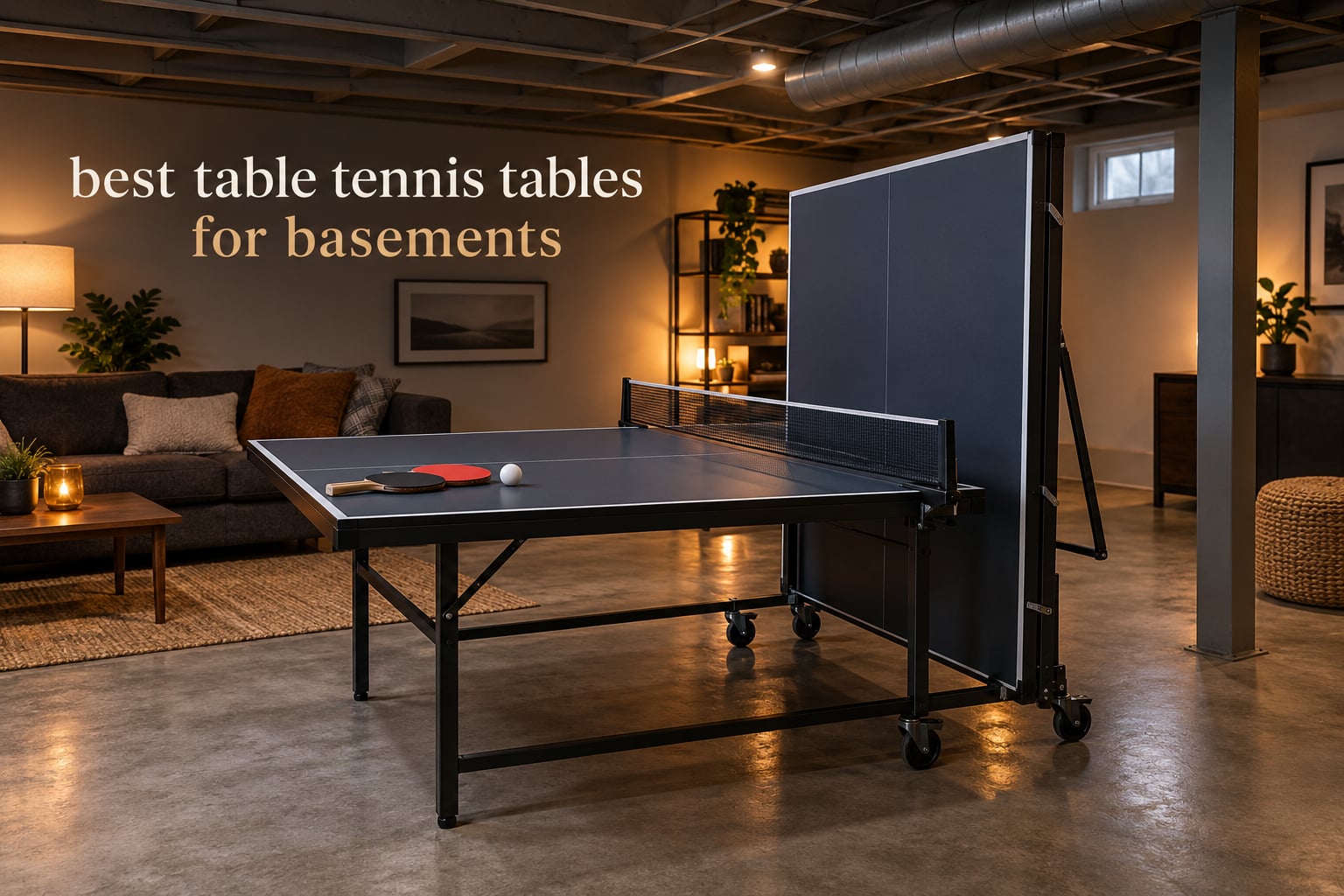
A table tennis table for a basement is not a table tennis table. Anyone who has tried to drop a regulation 9-foot slate-topped table into a finished rec room learns that quickly. Finished basement ceilings usually sit around seven feet, floor area gets eaten by ducts, columns and a water heater, and the swing of the air handler in July is the opposite of what a plywood playing surface wants.
I have spent the last few months working through ten of the most-reviewed folding and roll-away tables on the market, measuring frames, tops and folded footprints against real basement geometry rather than spec sheets. We compared 10 models across surface thickness, folded size, caster quality and how much of the playing envelope survives a low ceiling.
Here is the short version before we get into the details:
- Best overall: the JOOLA Inside Professional, a full 9-foot regulation table that folds in about 30 seconds and rolls away on lockable casters. It is also the heaviest option at roughly 165 lbs, so plan on a two-person move.
- Best for tight basements: the STIGA Space Saver at 71 by 40.5 inches needs no assembly at all and separates into two halves that double as serving tables.
- Cheapest way to get regulation dimensions without a second footprint: the EastPoint foldable topper, which converts a pool or dining table you already own into a full 9 by 5 foot surface.
The rest of this guide covers the ten picks in detail, the clearance math that decides whether any of them fit, and the humidity and frame issues that decide whether they survive a winter down there.
Our Top 3 Table Tennis Tables for Basement Rec Rooms

JOOLA Inside Professional
- 15mm MDF regulation surface
- Folds in about 30 seconds
- Lockable casters
- Single-player playback mode

STIGA Advantage Series
- 13mm tabletop with steel apron
- Halves roll on 2 inch lockable wheels
- 95 percent pre-assembled
- Playback mode
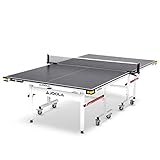
JOOLA Rally TL Professional
- 18mm MDF tournament surface
- Four corner ball holders
- Anti-tilt locks on folding halves
- Leg levelers for uneven floors
Comparing the Best Table Tennis Tables for Basements in 2026
| Product | Specs | Action |
|---|---|---|
| JOOLA Inside Professional MDF Indoor Ping Pong Table |
|
Check Latest Price |
| STIGA Advantage Series Indoor Ping Pong Table |
|
Check Latest Price |
| JOOLA Rally TL Professional MDF Indoor Ping Pong Table |
|
Check Latest Price |
 STIGA Space Saver Compact Ping Pong Table STIGA Space Saver Compact Ping Pong Table |
|
Check Latest Price |
 GoSports Mid-Size Table Tennis Game Set GoSports Mid-Size Table Tennis Game Set |
|
Check Latest Price |
 JOOLA Indoor 15mm Ping Pong Table Quadri JOOLA Indoor 15mm Ping Pong Table Quadri |
|
Check Latest Price |
 Hathaway Spartan 6 Ft Pool Table with Ping Pong Top Hathaway Spartan 6 Ft Pool Table with Ping Pong Top |
|
Check Latest Price |
 MD Sports Foldable Table Tennis Table MD Sports Foldable Table Tennis Table |
|
Check Latest Price |
 EastPoint Foldable Ping Pong Table Topper EastPoint Foldable Ping Pong Table Topper |
|
Check Latest Price |
 SereneLife Full Size 4-in-1 Game Table SereneLife Full Size 4-in-1 Game Table |
|
Check Latest Price |
Basement Clearance: What to Measure Before You Buy
Most published room-size guides for table tennis give you a rectangle. Basements are not a rectangle. The clearance numbers below are the floor, and you still have to subtract everything that eats into it.
Ceiling height is the first filter
Every table here plays at 30 inches high, so the table itself is never the constraint. The constraint is a standing adult plus paddle swing, which wants about 6 feet of headroom above the surface.
That puts your practical floor at a 7-foot finished ceiling. Below that, you can still play, but players will duck on deep shots and lobs will feel cramped. If your joists drop to 6 feet 6 inches in spots, keep the table out from under them rather than trying to play around them.
Floor footprint and run-off math
Allow about 3 feet of run-off behind each end for players to swing a paddle and step back from the table. Add a couple of feet at each side so nobody walks into an edge mid-rally.
For a regulation 9-foot table that is 108 inches long, the room needs roughly 15 feet of length and 10 feet of width to play properly. A 7-foot class table at 84 inches needs closer to 13 by 9 feet. The ultra-compact designs drop the requirement to about 10 by 8 feet, which is where most basements start to fit.
Ducts, columns, soffits and the stair path
Measure the floor you actually have, not the floor the listing assumes. A finished basement with a support column in the middle of the room can lose you a full 2 feet of table length.
Then measure your stair path before you order. The heaviest table in this group weighs 214 lbs, and it arrives as a carton that has to clear a door swing and a turn. Two-person carries down a basement stair are routine; a three-person carry in a narrow stairwell is not.
Concrete floors and seasonal humidity
Concrete is a fine playing floor. Club players use sealed and stained concrete regularly without complaints, and it is flat, cool and easy to sweep under a table on casters. Footwear matters more on a hard surface than most beginners expect, because the lateral stops a table tennis player makes are far more punishing on hardwood than on carpet; our tennis shoes roundup covers what to look for in a shoe with real lateral stability.
The real issue is humidity, not concrete. Seasonal moisture swings are the main cause of MDF tops cupping and frames twisting, and cheap folding tables are the first casualties. If your basement runs damp, run a dehumidifier in the same room, aim for more surface thickness rather than less, and keep the table folded or covered when nobody is using it for weeks at a time.
1. JOOLA Inside Professional MDF Indoor Ping Pong Table – The Best Overall Basement Table
JOOLA Inside Professional MDF Indoor Ping Pong Table with Quick Clamp Table Tennis Net and Post Set – 10 Minute Easy Assembly – Tournament Quality – Foldable with Single Player Playback Mode, Blue
Regulation 9ft x 5ft
15mm MDF surface
Folds in 30 seconds
About 165 lbs
10 minute assembly
Pros
- Competition-grade 15mm MDF surface with consistent bounce
- Folds and rolls away on lockable casters in under a minute
- Two separate halves enable solo playback practice
- Clamp-style net attaches in seconds
- Olympic-equivalent brand pedigree
Cons
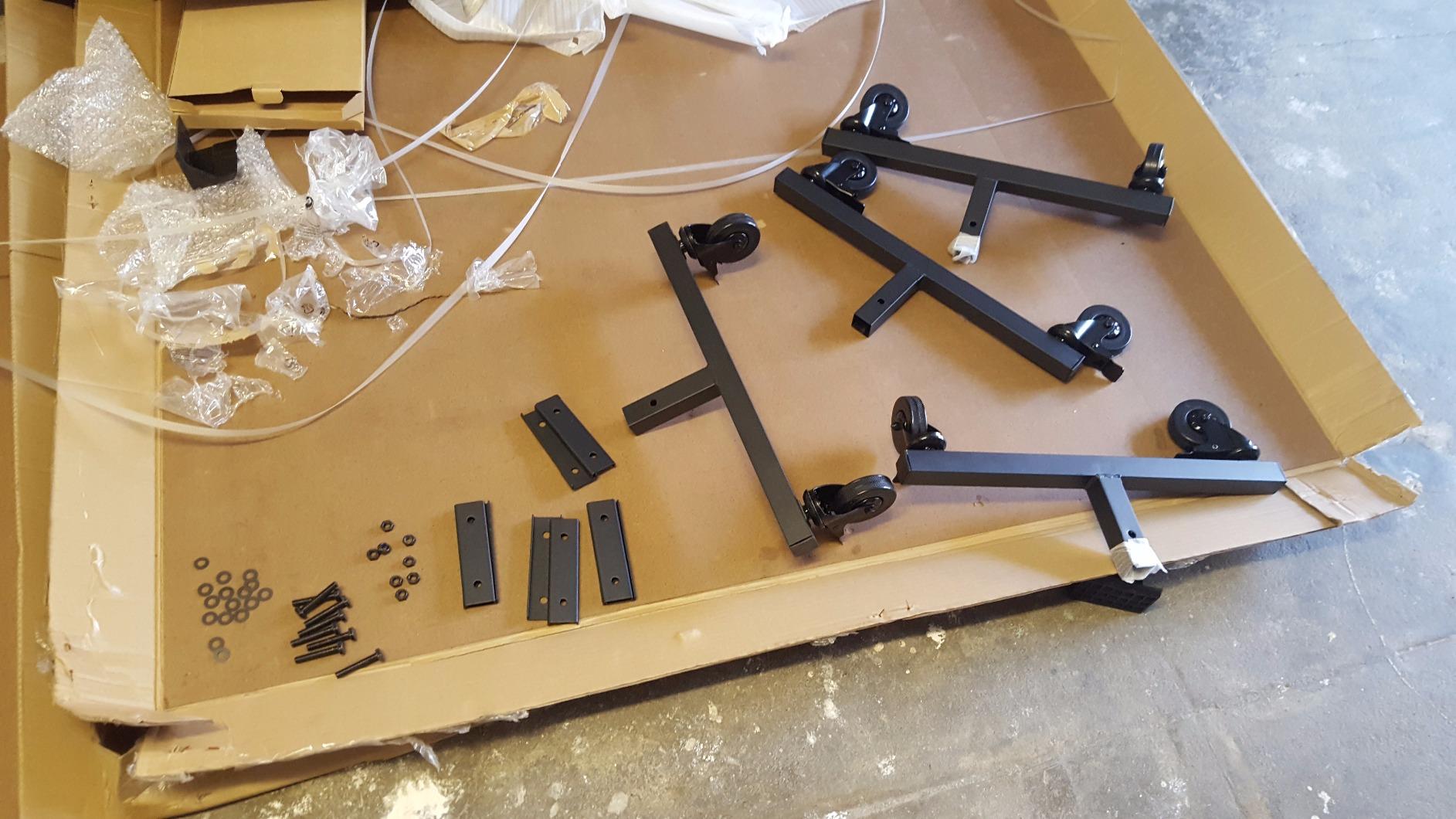
- Heavy at roughly 165 lbs so two people are needed to move it
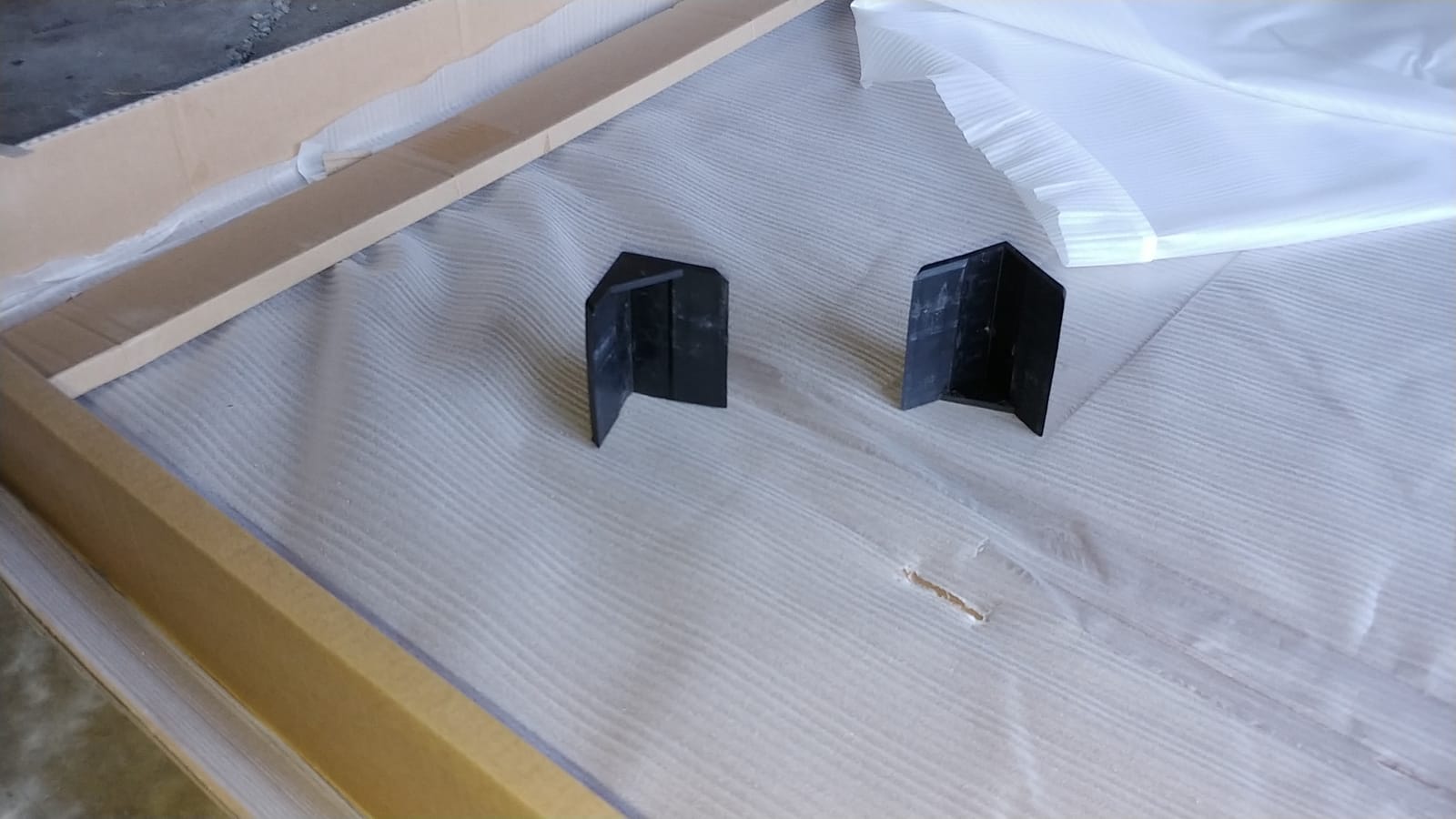
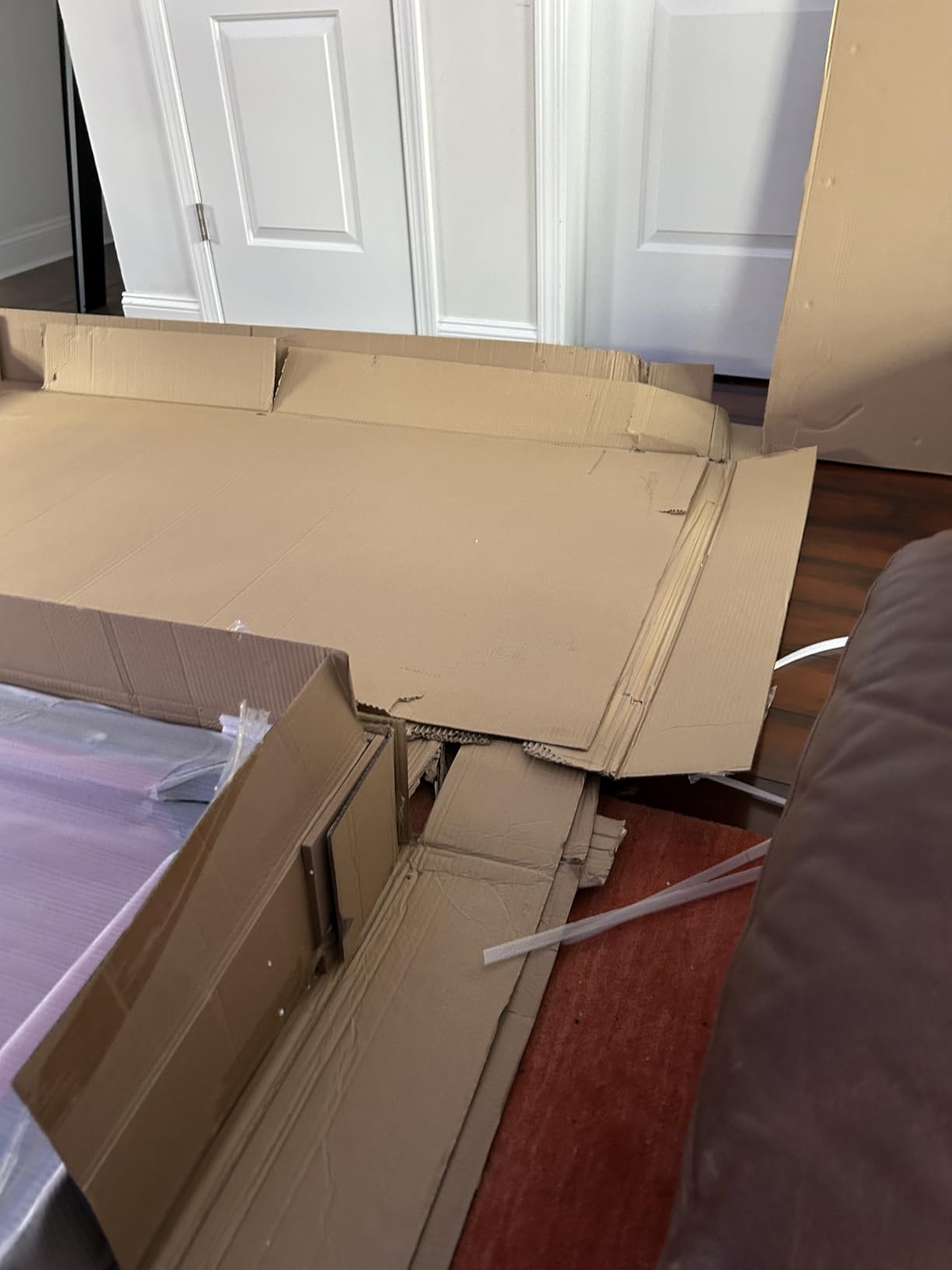
- Occasional freight damage to frame components on the heavy carton
- Paddles and balls not included
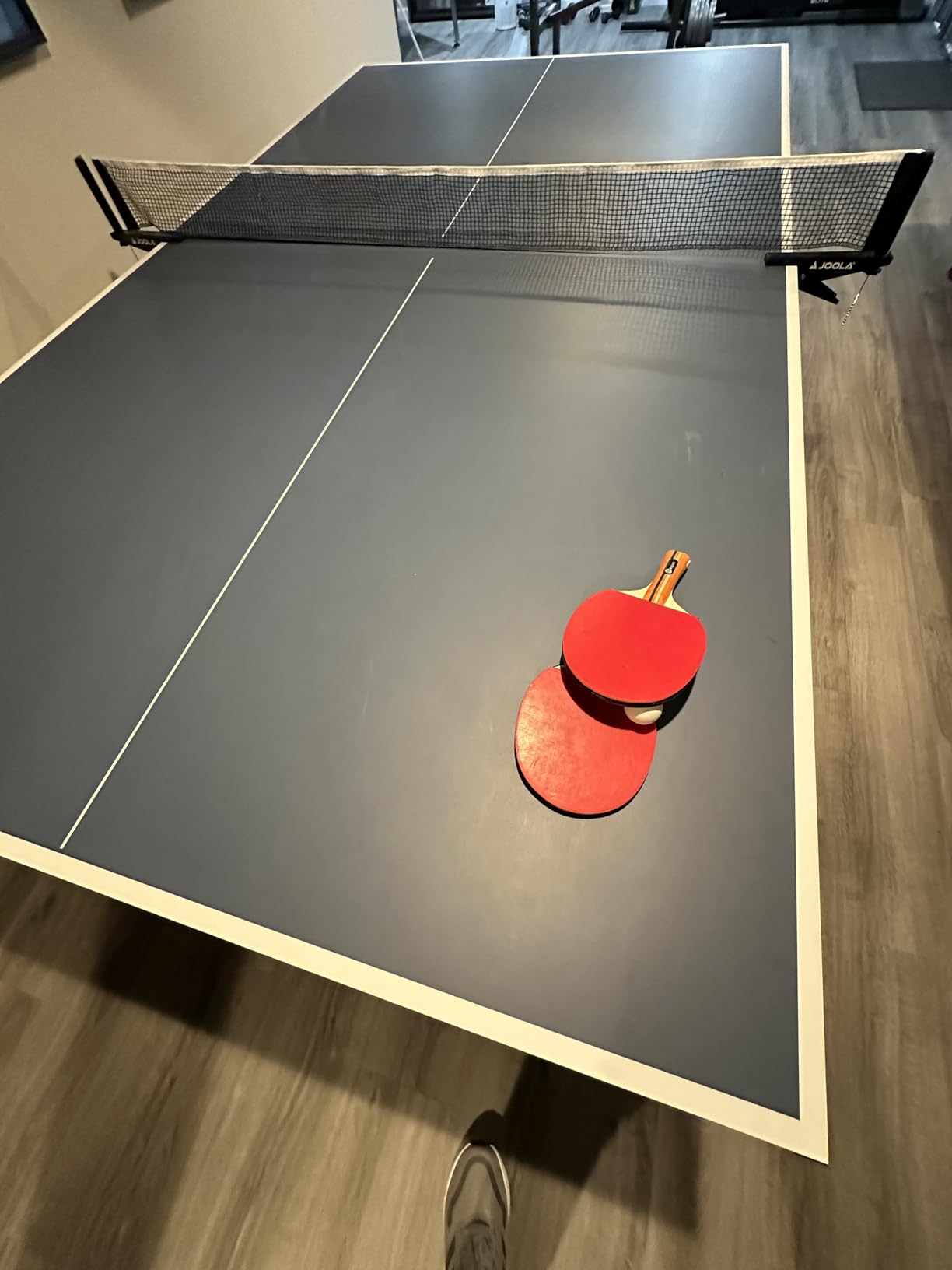
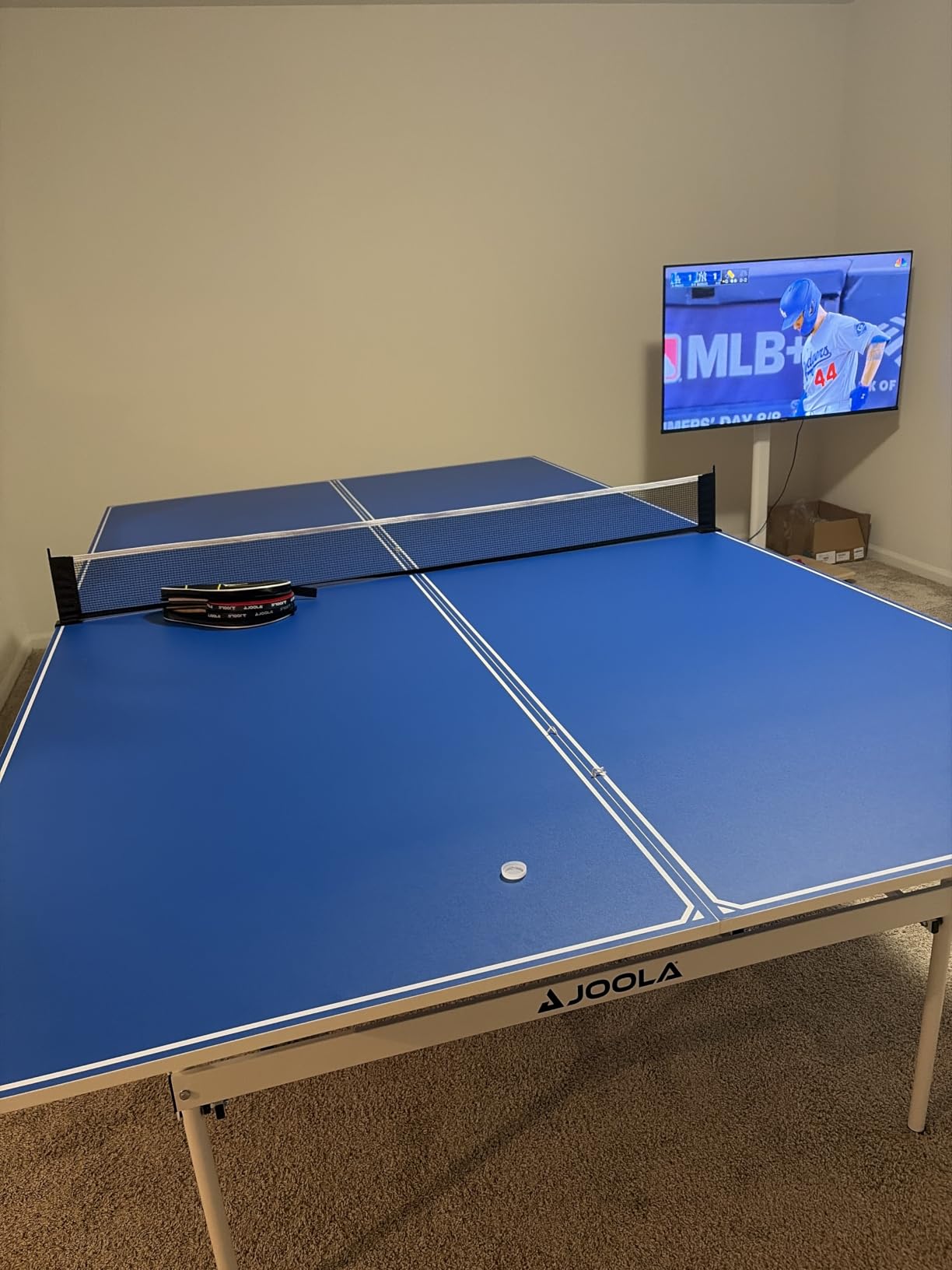
This is the table I keep coming back to for rec rooms. The playing surface is 15mm MDF at full regulation dimensions, and owners consistently describe the bounce as club-like rather than rec-room-like, which is a meaningful difference once players start developing a proper rally rhythm.
What sells it for basement duty is the storage motion. The top splits into two halves, each on 3-inch lockable casters, and folds in about 30 seconds. In a room that has to work as an office on a Tuesday and a game room on a Friday, that is the difference between owning a table and owning a piece of furniture you resent.
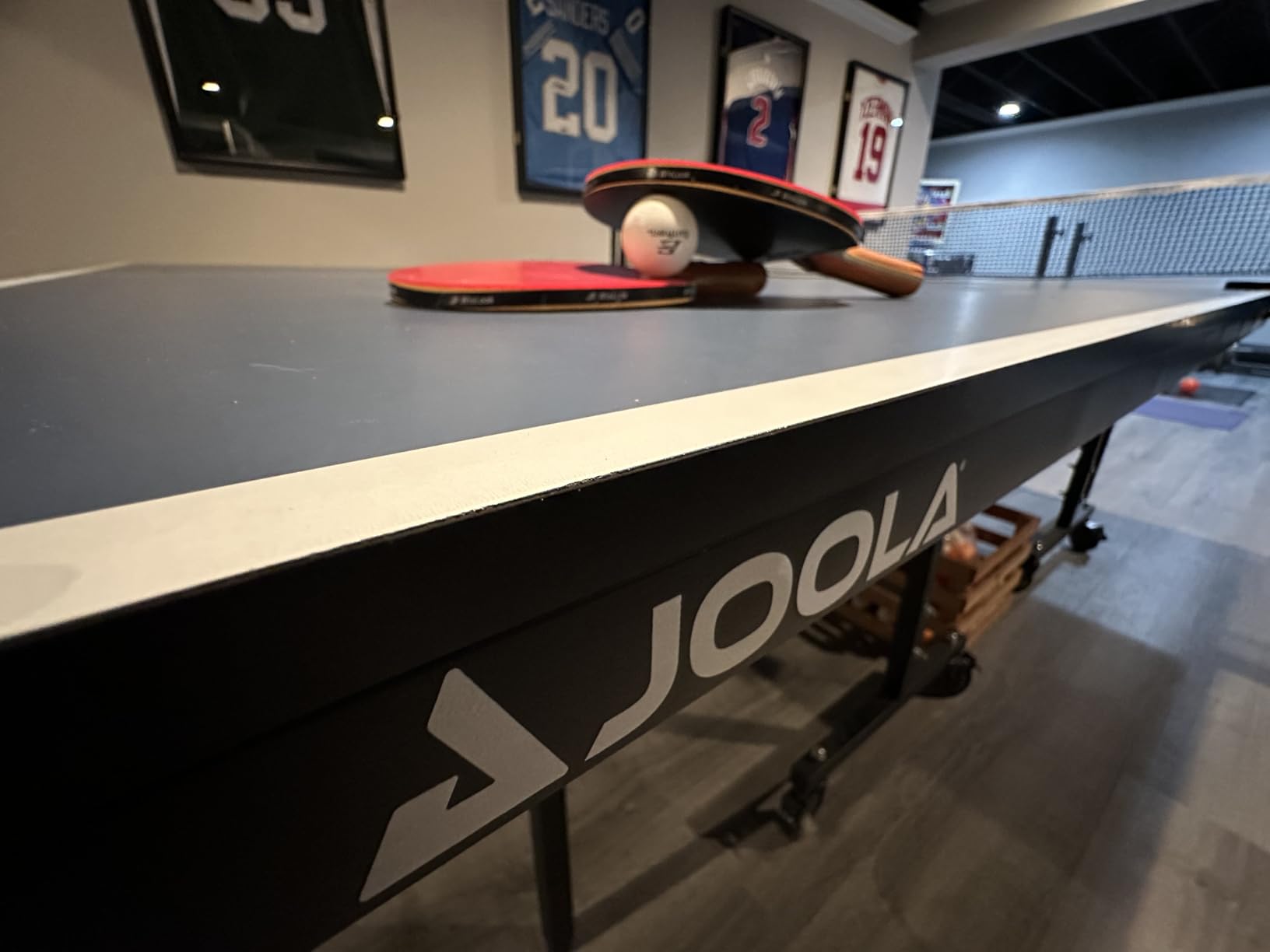
Assembly took our team about ten minutes, which matches the claim, and the halves arrive largely pre-assembled. The clamp-style net and post set is included. You will need to buy paddles and balls separately, which is normal at this level but worth budgeting for.
Surface and bounce quality
Fifteen millimeters is the practical minimum for a basement and the thickness most serious home tables use. Below that, the surface deflects more noticeably on hard shots and the consistency you feel at the net is really the frame holding the top rigid.
Reviewers across thousands of ratings single out the same thing: no dead zones and no complaints about unevenness after months of use. That consistency, not the thickness number on the box, is what separates this from the budget folding tables.
Weight, casters and moving it up the stairs
At roughly 165 lbs, this is a two-person job every time. The casters roll well on concrete and on LVP once you get past the initial inertia, but the table does not move with one person no matter how good the wheels are.
Plan your stair strategy before delivery day. If the carton clears your basement door and turns, the heaviest part of the job is over. If it does not, no amount of caster quality saves you.
Storage and solo practice
The folded halves stand upright on their own casters, which means they occupy roughly a third of the footprint against a wall. That vertical resting position is exactly what a basement with unused vertical air and no spare floor needs.
Who should buy it and who should not
Buy it if you want regulation dimensions, play regularly with other people and have a helper to move it. It suits a family with teenagers who will actually use the rally length.
Skip it if you are a solo beginner in a very small room or if nobody else can help carry it down the stairs. The next pick covers the lighter end of that gap.
2. STIGA Advantage Series Indoor Ping Pong Table – Best Value for a Family Rec Room
STIGA Advantage Series Indoor Ping Pong Table, 13,15,18, and 25mm Tabletops
13mm wood tabletop
About 141 lbs
Halves roll independently
72 inch clamp net included
90 day warranty
Pros
- Lightweight enough to move without a second person
- Arrives 95 percent pre-assembled
- Halves roll on 2 inch lockable wheels for wall storage
- Steel tube apron reinforcement supports a reliable bounce
- Playback mode for solo drills
Cons
- 13mm top is the thinnest in this lineup
- 90-day warranty is shorter than most rivals
- Basic clamp-style net rather than a tensioned set
This is the table most families end up with, and the reasons are practical rather than romantic. It weighs 141 lbs, it comes out of the box 95 percent assembled, and each half rolls on its own 2-inch lockable wheels.
For a basement, the wheels matter more than any other single feature. You can roll this table to the wall after a game in under a minute, which keeps the floor clear for a home gym setup or a folding table of some other kind.
The 13mm tradeoff, honestly
Thirteen millimeters is thinner than the rest of this group and it shows in the bounce. It is more forgiving and slightly slower, which some beginners prefer because rallies last longer and the ball does not skid off the surface as hard.
If you are coaching younger kids learning control shots, that forgiveness is a feature. If you are an experienced player working on spin and placement, you will notice the difference against an 18mm table.
Build quality and the steel apron
The playfield is reinforced with a 0.75-inch steel tube apron, and that reinforcement is why buyers report a reliable bounce on a thinner top. The alloy steel base is the piece that keeps the surface from feeling spongy over time.
This is the same lesson that shows up across this whole category: the frame and hinges decide longevity, the thickness number decides feel. A well-braced 13mm table outlives a poorly braced thicker one.
Assembly, warranty and storage
Quickplay assembly means about ten minutes with a minimal tool set. The 90-day warranty is the weakest in this roundup and worth factoring in, though quality complaints are uncommon on this model.
Folded, each half measures about 62.6 by 56 by 3.5 inches. Two of those standing against a basement wall take up very little usable floor.
Who should buy it and who should not
Buy it for a family basement that doubles as other things, for kids learning the game, and for anyone who wants a real table without a two-person move every time.
Skip it if you are a competitive player chasing tournament-grade response, or if a 90-day warranty makes you nervous about a long-term basement purchase.
3. JOOLA Rally TL Professional MDF Ping Pong Table – Best Surface in the Group
JOOLA Rally TL Professional MDF Indoor Ping Pong Table w/Quick Clamp Table Tennis Net & Post Set – 10 Minute Easy Assembly – Corner Ball Holders – Tournament Quality – Includes Playback Mode
Regulation 9ft x 5ft
18mm MDF surface
214 lbs
Four corner ball holders
Two magnetic scorers
Pros
- 18mm multi-layer MDF surface with tournament-grade response
- Halves ride on 4-wheel trolley systems with anti-tilt locks
- Four corner ball holders hold twelve balls within reach
- Leg levelers compensate for uneven basement floors
- Protective packaging survives rough freight handling
Cons
- Heaviest table here at 214 lbs and needs two people
- Table edges are fairly sharp around younger children
- Corner ball holders feel less sturdy than the rest of the build
- Basic written instructions
Eighteen millimeters is the thickest top in this group, and it plays like it. Long-term owners describe a bounce that stays consistent years later, which is the opposite of what we hear about budget folding tables on the same subject.
This is the one to buy if the basement has serious players on it and you have help moving heavy things. The anti-tilt locks on the folding halves are a detail that only shows up on tables built at this level.
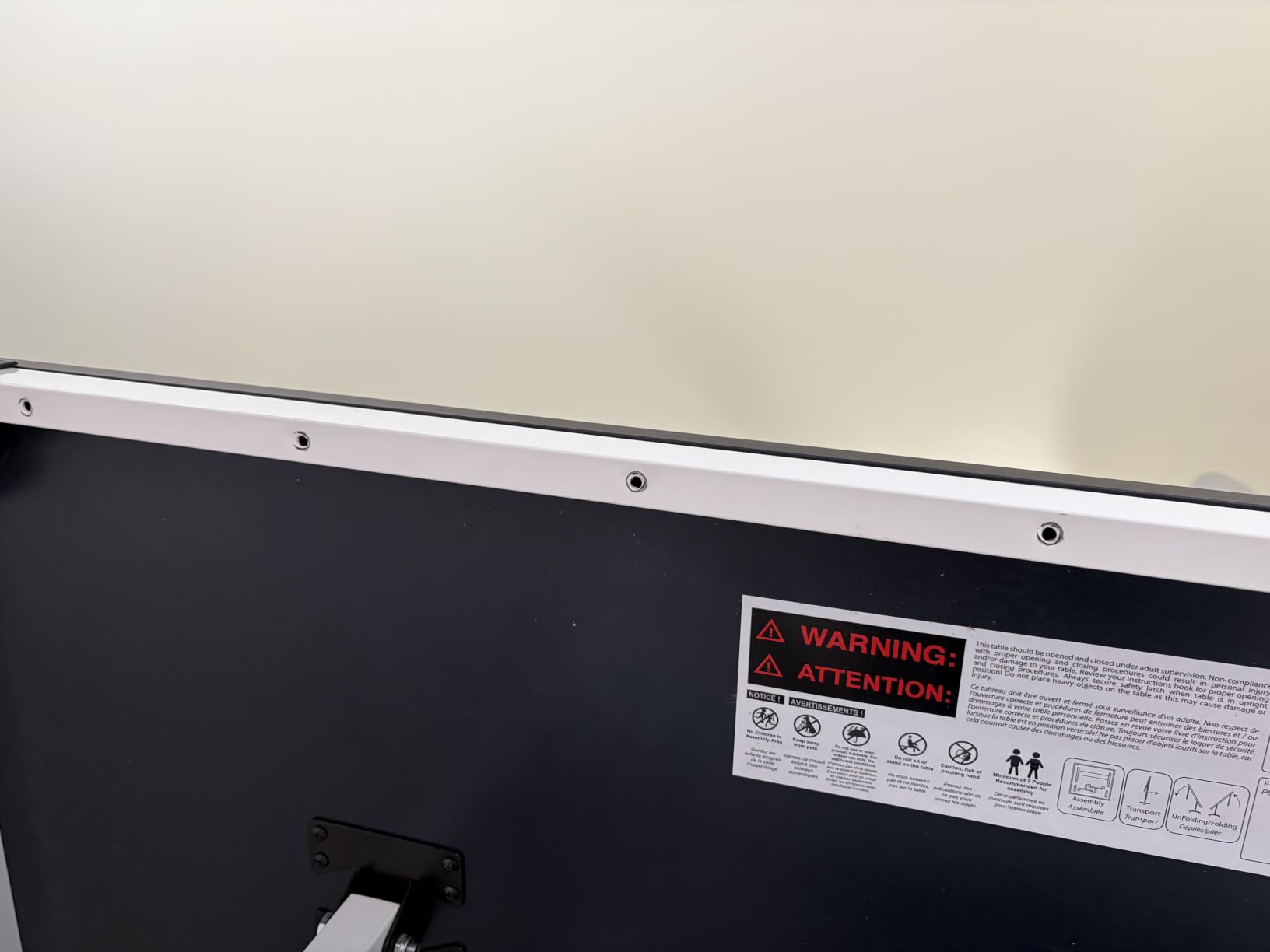
Why 18mm changes the game
The difference between 15mm and 18mm is roughly the difference between a table that feels solid and one that feels like furniture with a net on it. More material means less deflection on a hard smash and a more predictable rebound off the back edge.
The surface is multi-layer painted MDF, not raw particle board. Paint and multi-layer construction are what keep an MDF top from absorbing basement moisture as fast as unfinished board.
Leveling feet and uneven basement floors
Individual leg levelers matter more in a basement than in a bedroom. Concrete floors settle, and a table with fixed feet will rock and eventually twist the frame at the joins.
Levelers let you compensate for a slight slope in seconds with the table already in position, which is faster and far more reliable than shimming.
Ball holders, scorers and assembly
Four corner ball holders take three balls each, so a group of four players never has to hunt for a spare. Two magnetic abacus scorers are included, which sounds trivial until you have tried keeping score on a phone mid-rally.
Assembly needs only about eight bolts on otherwise pre-assembled halves. The written instructions are basic, but the build quality makes up for the documentation.
Who should buy it and who should not
Buy it for competitive home players, club-adjacent practice and anyone who will leave the table set up rather than folding it after every session.
Skip it for a small basement. At 214 lbs with a 9-foot footprint, this table needs room and a helper, and the sharp edges deserve a careful look if small kids use the space.
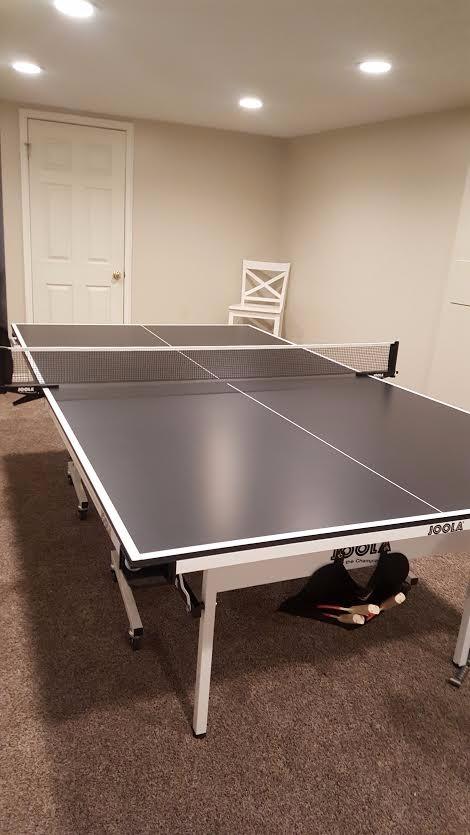
4. STIGA Space Saver Compact Ping Pong Table – Best Fit for Tight Basements
STIGA Space Saver Ping Pong Table – Woodgrain
71 by 40.5 by 30 inches
83 lbs
No assembly
Net and post included
30 day warranty
Pros
- Genuinely compact 71 by 40.5 inch footprint
- No assembly at all beyond unfolding and attaching the net
- Splits into two woodgrain halves for cards or food
- Regulation 30 inch playing height
- Light enough at 83 lbs to carry between rooms
Cons
- Compact playfield is short for competitive rallies
- Only a 30-day warranty
- Not a regulation 9ft by 5ft surface
At 71 by 40.5 inches, this is the smallest real table in the group, and it carries the highest average rating here at 4.6 stars. It solves a problem none of the other nine solve: a basement with genuinely almost no floor to spare.
You unfold it and clip on the included net. That is the entire setup. No bolts, no tools, no half-finished assembly on a Saturday afternoon.
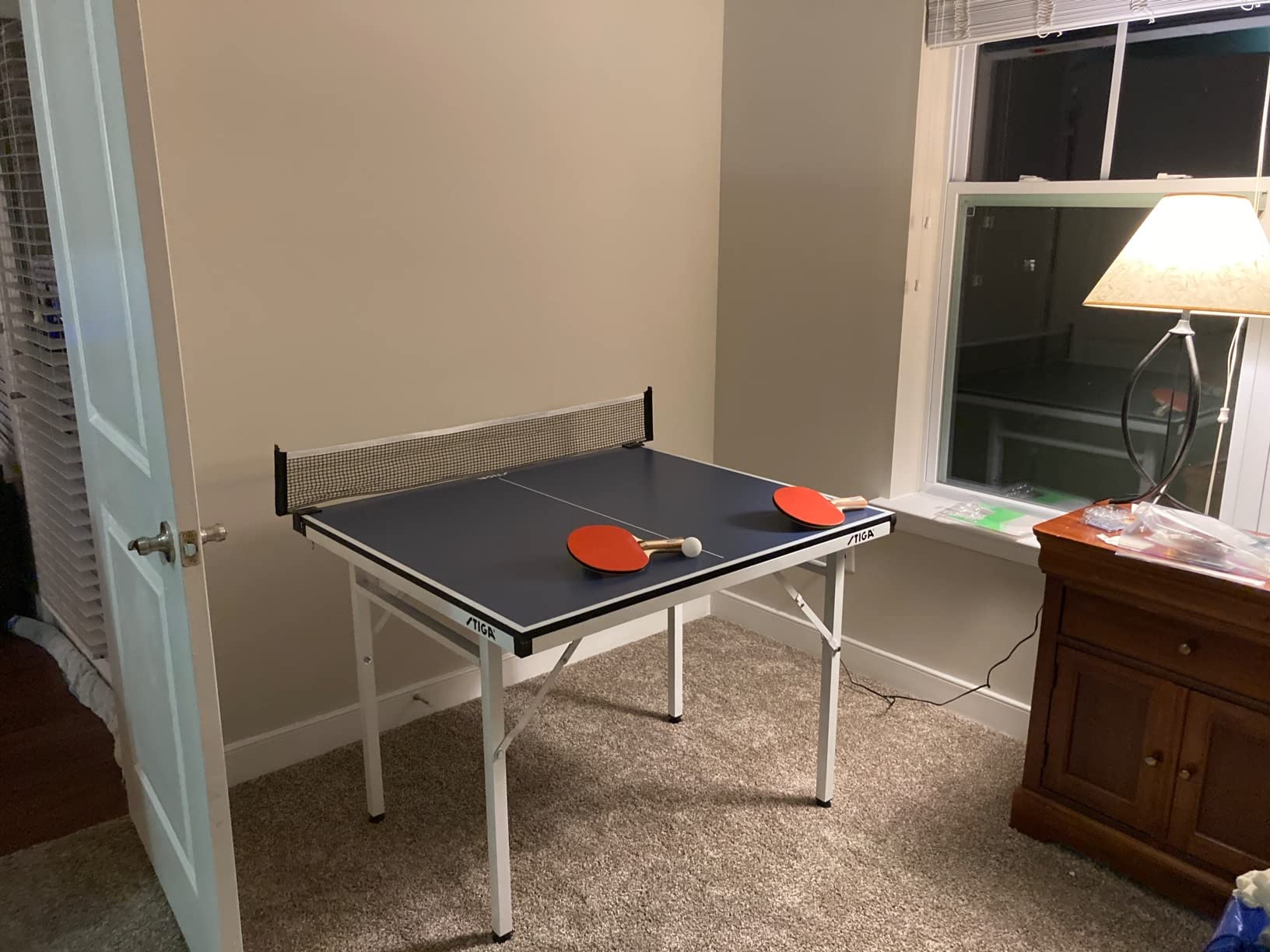
What you give up for the footprint
The trade is rally length. A 71-inch playfield means points end faster because the table is simply smaller, and you cannot develop the long exchange patterns that an 8-foot or 9-foot table allows.
What you keep is the feel of a proper table at regulation height with a real playing surface. For kids learning footwork and for adults playing doubles in a rec room, that trade is usually worth making.
Two halves, two jobs
The halves separate and the woodgrain surfaces work as multi-purpose tables. In a basement that hosts snacks, crafts or board games, having two flat surfaces that nest against the wall is a genuine second use.
Who should buy it and who should not
Buy it for a finished basement under about 200 square feet of usable floor, a dorm room, or a family that wants table tennis to exist without giving up the room.
Skip it if you are training toward club play and need to develop sustained rallies, or if a 30-day warranty is a dealbreaker for you.
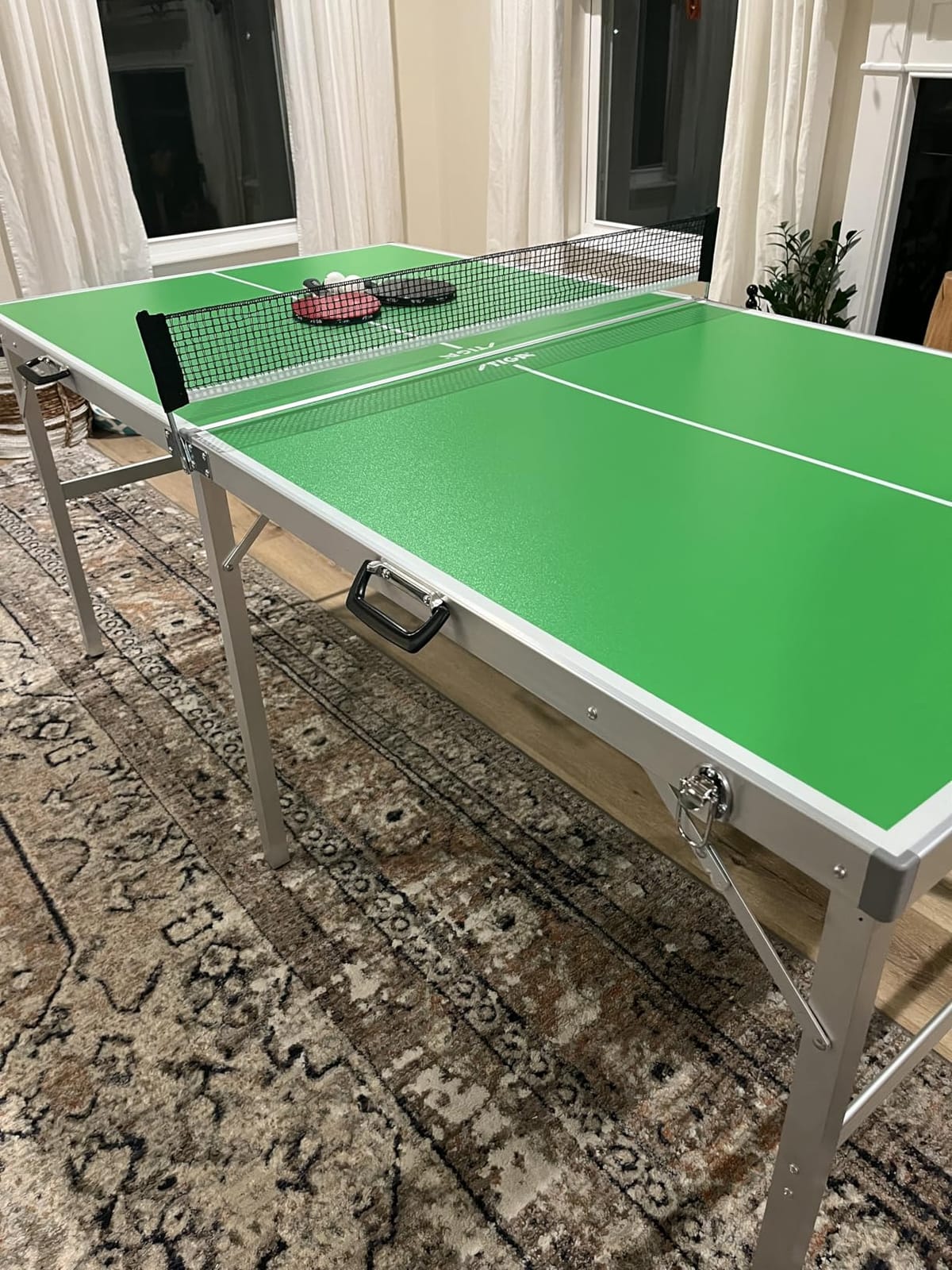
5. GoSports Mid-Size Table Tennis Game Set – Best for Moving It Up the Stairs Alone
GoSports 6 ft x 3 ft Mid-Size Table Tennis Game Set – Indoor/Outdoor Portable Table Tennis Game with Net, 2 Table Tennis Paddles and 4 Balls
72 by 36 by 30 inches
30 lbs
Aluminum frame
Net, 2 paddles and 4 balls included
Pros
- Only 30 lbs so one person can deploy and store it
- Folds and opens in seconds with no tools
- Aluminum frame stays light while holding its shape
- Smooth surface holds a consistent bounce in long rallies
- Complete starter set in one box
Cons
- 6ft by 3ft play surface is not regulation size
- Aluminum lacks the spin response of MDF or steel
- Not suitable for tournament play
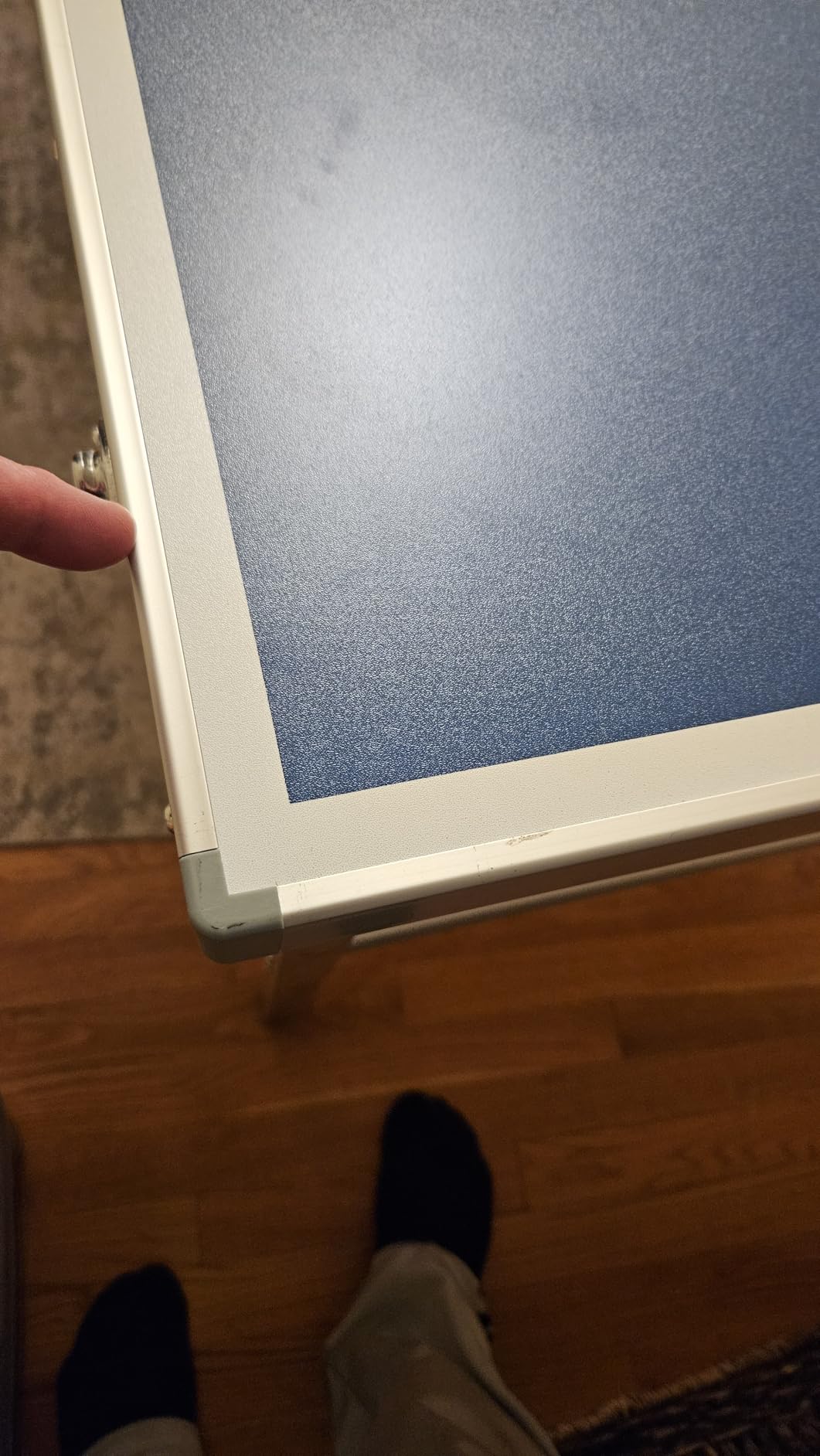
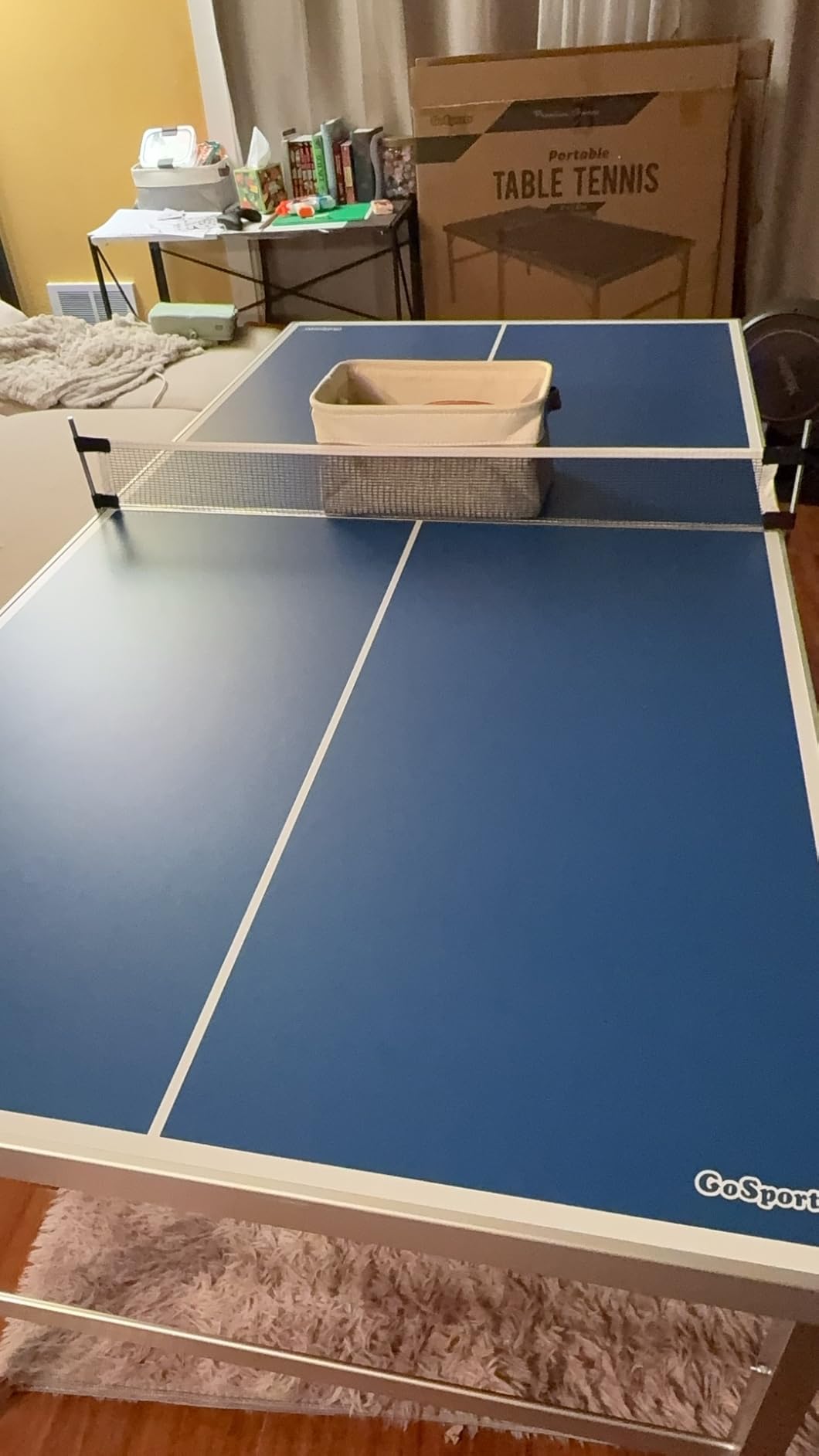
Thirty pounds is the headline number here. This is the only table in the roundup one person can genuinely carry down a basement stair without planning the day around it, and for some houses that is the whole decision.
It also arrives as a complete set. Net, two paddles and four balls are in the box, so there is nothing else to buy before the first game.
What 30 pounds buys and what it costs
The aluminum frame is why this weighs so little, and aluminum is also why the surface response differs from a wood table. Spin bites less and the ball comes off slower, which makes rallies easy to sustain but removes some of the control available on an MDF top.
A 72 by 36 inch playfield is mid-size, not regulation. It suits casual family play and doubles; it will not simulate a competitive surface.
Indoor and outdoor flexibility
Built-in carrying handles and the fold-flat design mean this table genuinely moves between the basement, a garage and a patio without a dolly. For a family that only plays in nice weather, that flexibility is worth more than a heavier indoor-only table.
Who should buy it and who should not
Buy it for apartments, garages, patios, and any home where getting a heavy carton down a stair is a genuine obstacle.
Skip it if your goal is skill development. Nothing here is wrong, but it is built for access and convenience rather than for how the ball behaves.
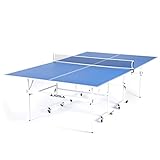
6. JOOLA Indoor 15mm Ping Pong Table Quadri – Best for Wall Storage
JOOLA 15mm Indoor Ping Pong Table with Quick Clamp Table Tennis Net Set – Single Player Playback Mode – Regulation Size Compact Storage Set
Regulation 108 by 60 by 30 inches
15mm surface
129 lbs
Four nested pieces on trolleys
One year warranty
Pros
- Regulation 9ft by 5ft footprint
- Four-piece nesting design stores compactly against a wall
- 15mm surface gives a reliable recreational bounce
- Trolley systems let one person roll pieces out for daily play
Cons
- Pre-drilled holes frequently misaligned and need re-drilling
- Center seam groove can deflect the ball
- No leg levelers so uneven floors need shims
- Weak gravity latch can let a folded piece drop
- Plastic edge trims and office-grade casters
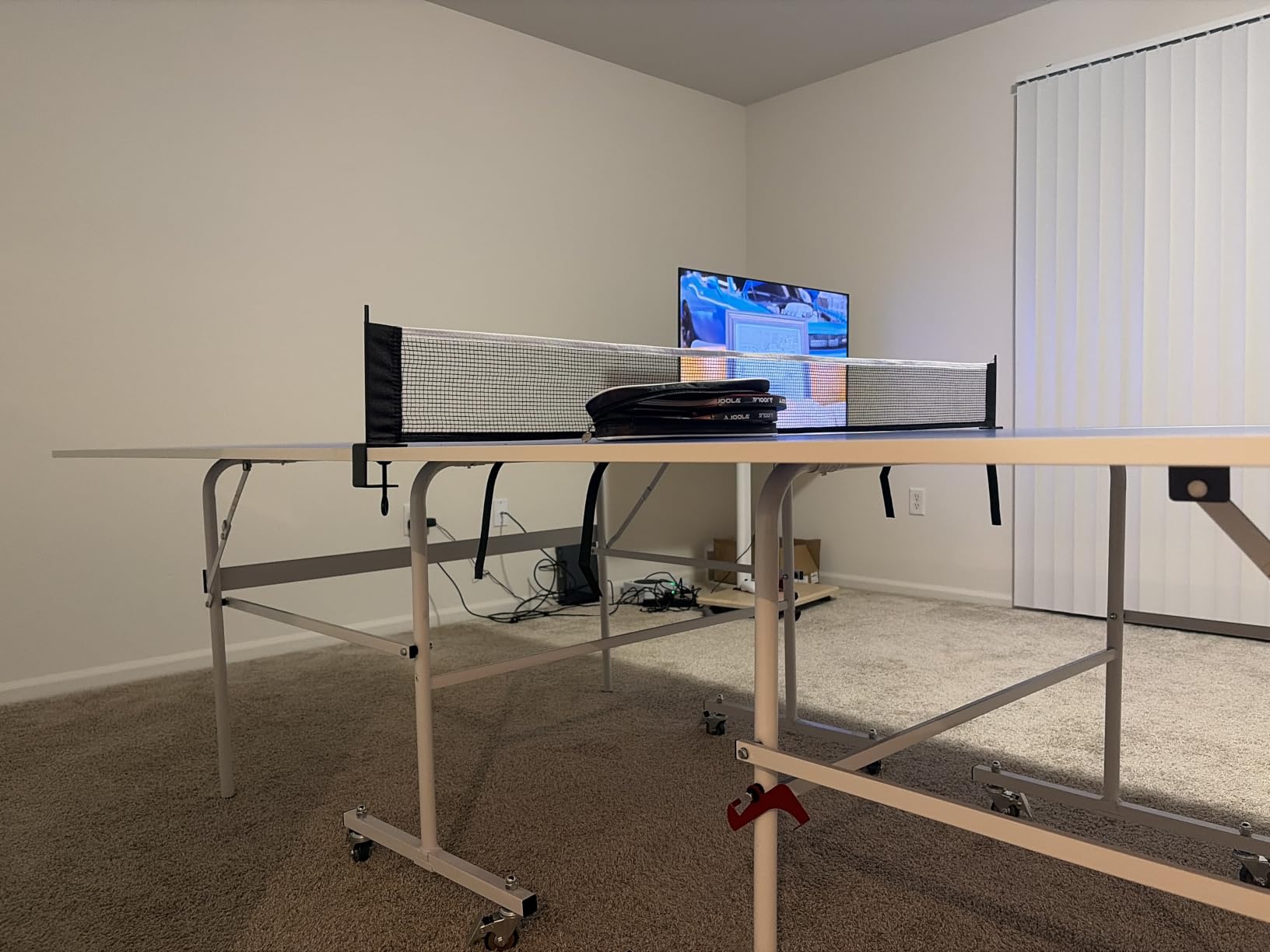
The quadri design is the interesting part. Instead of two halves, this table breaks into four nested pieces, each on its own 4-wheel trolley, and those pieces stand against a wall in a much tighter footprint than a two-piece fold.
At 129 lbs it is also meaningfully lighter than the other JOOLA tables here, which matters if the basement stairs are steep.
Assembly is the weak point
Owners report misaligned pre-drilled holes often enough that you should expect to re-drill at least a few. Budget an evening, not an afternoon, and have a drill on hand.
The other recurring complaint is the center seam. A four-piece split means two seams, and the groove where they meet can change the ball’s path on a low shot. It is noticeable to experienced players and mostly irrelevant to beginners.
No levelers, so mind the floor
There are no height adjusters on the legs. On a level finished floor that is fine; on a basement slab with a slope you will need shims, and a rocking table is exactly what warps a top over time.
Check the floor slope before you assemble, and shim first if you need to.
Who should buy it and who should not
Buy it if vertical storage is your binding constraint and you want regulation dimensions on a lighter frame. The 4.0 average reflects assembly friction rather than play quality.
Skip it if you dislike fiddly setup or if you play at a level where a soft center seam would bother you. The two JOOLA tables above it are sturdier and better braced.
7. Hathaway Spartan 6 Ft Pool Table with Ping Pong Top – Best for Two Games in One Footprint
Hathaway Spartan 6 ft Pool Table & Ping Pong Top Combo, 2-in-1 Game Table
72 by 38 by 31 inches
100 lbs
Pool plus table tennis top
Full accessory kit
180-day warranty
Pros
- Pool and table tennis share one 72 inch footprint
- 6-foot size moves up stairs unlike a slate table
- Removable top converts in seconds
- Red wool felt and chrome corners look sharp
- Full kit of cues
- balls
- brush
- paddles and net included
Cons
- Wool felt is slow compared with slate
- Included cues and paddles are low quality
- Table tennis top is not regulation size
- Heavy and awkward to move
- Occasional transit damage to corners
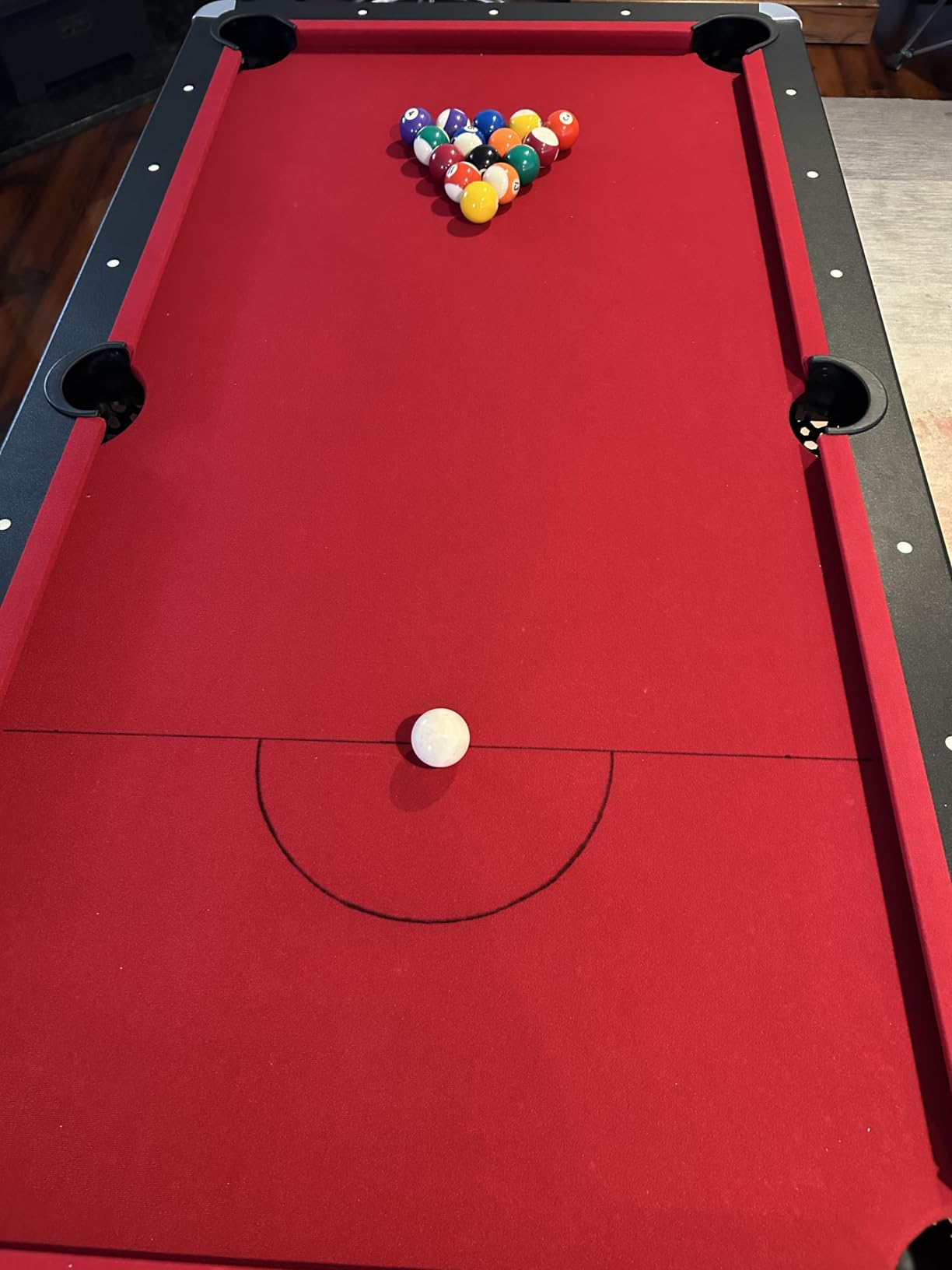
If your basement needs to be both a game room and a sitting room, a combo table solves the footprint problem in a way no single-purpose table can. The removable top converts the surface from pool to table tennis in seconds.
At 6 feet it is also far easier to get down a basement stair than any slate table would be, and 100 lbs is a manageable two-person carry.
Where pool performance falls short
The red wool felt is the right look for a rec room and the wrong material for serious play. It runs slower than slate and holds less, so it is fine for casual eight-ball and frustrating for anyone who cares about cue ball control.
The accessories in the box, which include two cues, billiard balls, a triangle, chalk and a brush, are functional rather than good. Budget for replacements if players get serious about pool.
Table tennis mode, honestly assessed
The ping pong top is not regulation size, and the net hardware is basic. It is a genuine second game rather than a substitute for a real table, which is how buyers describe it.
That framing matters. If you want one serious table tennis table, buy a table tennis table. If you want two games in a 72-inch footprint, this is the answer.
Who should buy it and who should not
Buy it for a basement that needs versatile family entertainment and where neither game will be played at a high level.
Skip it if either game matters competitively. You would be compromising on both to get the combination.
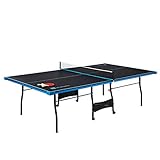
8. MD Sports Foldable Table Tennis Table – Best Steel Frame Stability
MD Sports Table Tennis Set, Regulation Ping Pong Table with Net, Paddles and Balls (8 Pieces) – Black & Light Blue
108 by 60 by 30 inches
Folds to 73 by 60 by 16 inches
15mm playfield
114.6 lbs
Paddles and balls included
Pros
- Official 108 by 60 inch regulation footprint
- 15mm playfield reinforced for consistent bounce
- Reinforced steel leg frames hold up under family play
- Folds to a 73 by 60 inch wall footprint
- Includes two paddles
- two balls
- net and posts
Cons
- Rated for indoor use only so damp basements affect the surface
- Assembly required with 3D app instructions
- 16 inch folded depth is bulkier than hinged two-piece designs
This is the table you buy when the deciding factor is the steel under the top. Reinforced steel leg frames are the reason this one holds its shape under daily family play, and frame rigidity is the single biggest predictor of how long a table stays true.
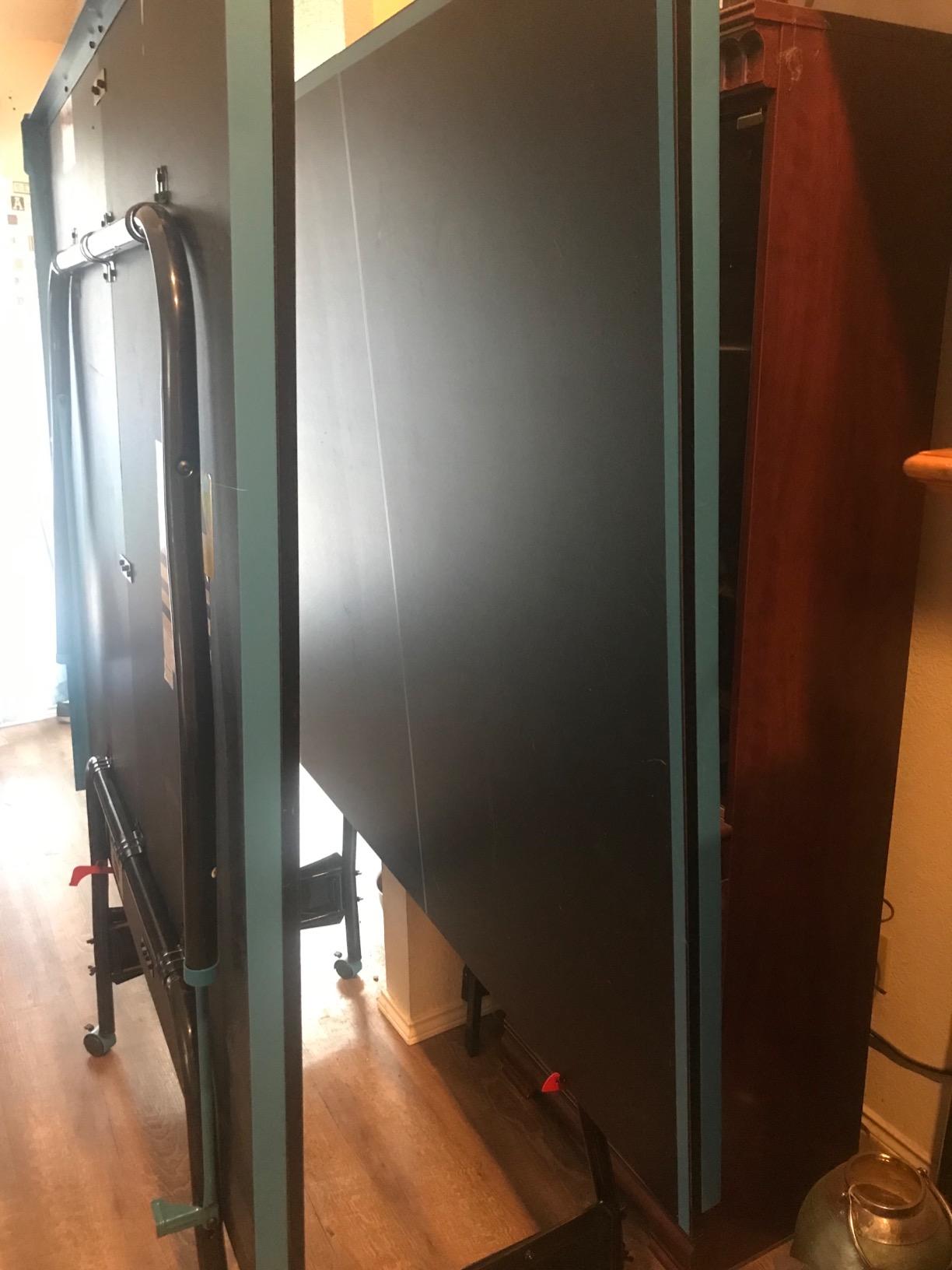
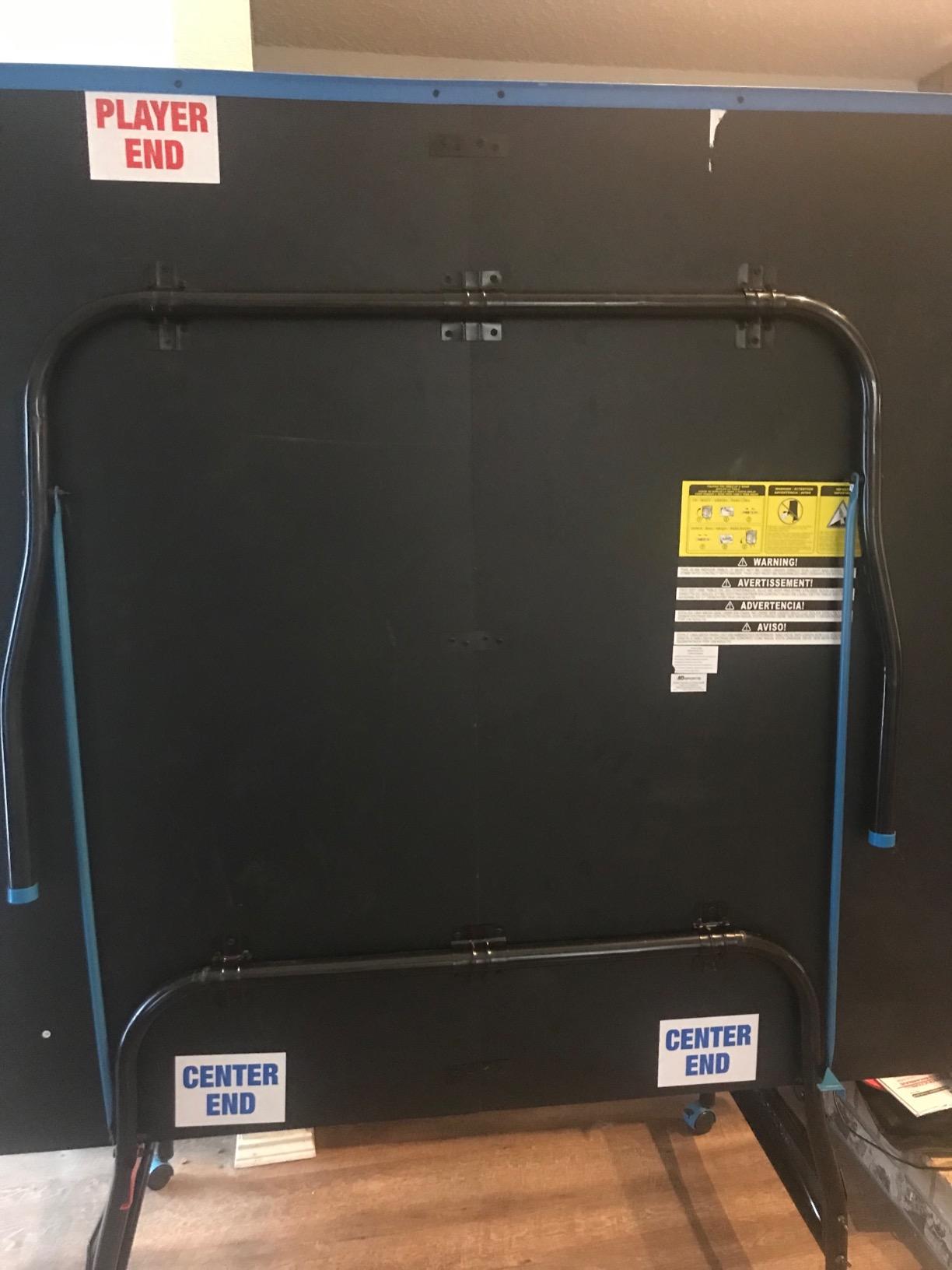
It folds down to 73 by 60 by 16 inches, which is a deep folded profile but a narrow one. Against a wall it takes a modest slice of basement floor.
Indoor-only and what that means downstairs
Indoor-only is not a formality for a basement. It means the surface is not sealed against moisture the way an outdoor-rated table would be, so a damp room will affect it faster.
Pair it with a dehumidifier and keep the table covered or folded during long stretches of disuse. The 15mm playfield and reinforced frame give you more margin here than a thin folding table would.
Assembly with a phone in your hand
Instructions come through the BILT app as 3D interactive steps rather than a paper diagram. It works well if you have a phone and a clear floor, and poorly if you are trying to assemble it in a cramped basement corner.
Two paddles, two balls, a net and a post set are in the box, so it is ready to play once built.
Who should buy it and who should not
Buy it for a regulation-size play surface on a stiff frame, for households with kids who lean on tables, and for basements where you can control humidity.
Skip it if you need a shallow folded profile, since 16 inches of depth is deeper than a hinged two-piece design, or if you want zero assembly.
9. EastPoint Foldable Ping Pong Table Topper – Best for Converting a Table You Already Own
EastPoint Foldable Ping Pong Table Topper, Table Tennis, 9 ft x 5 ft, Blue
108 by 60 inch conversion top
83.1 lbs
Zero assembly
Steel net and post included
90-day warranty
Pros
- Turns an existing pool or dining table into a full 9ft by 5ft surface
- Zero assembly
- folds flat and plays immediately
- Folds flat for basement or closet storage
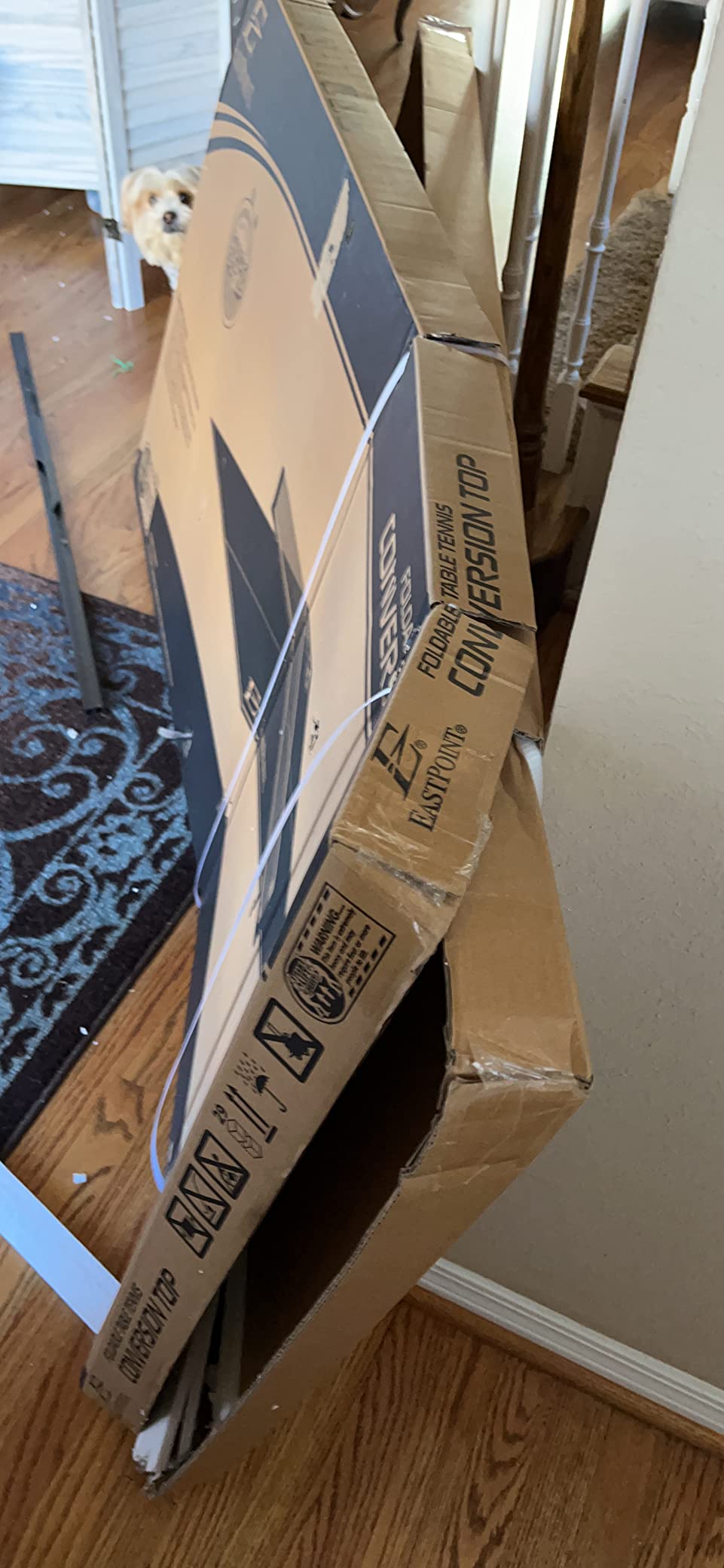
- Excellent packaging with a box inside a padded outer box
- Engraved wood surface with predictable bounce
Cons
- Needs a large
- well-supported table underneath
- Center hinge can feel soft and let the ball drift
- Included foam pads are small and need repositioning
- Only a 90-day warranty with occasional delamination
- Takes two to three people to unfold
If your basement already has a pool table or a large dining table, this is the cheapest path to genuine 9-foot by 5-foot dimensions. Unfold it, clip on the included steel net and post system, and play.
It weighs 83 lbs and folds flat, which means it can live in a closet between games rather than occupying a permanent table footprint.
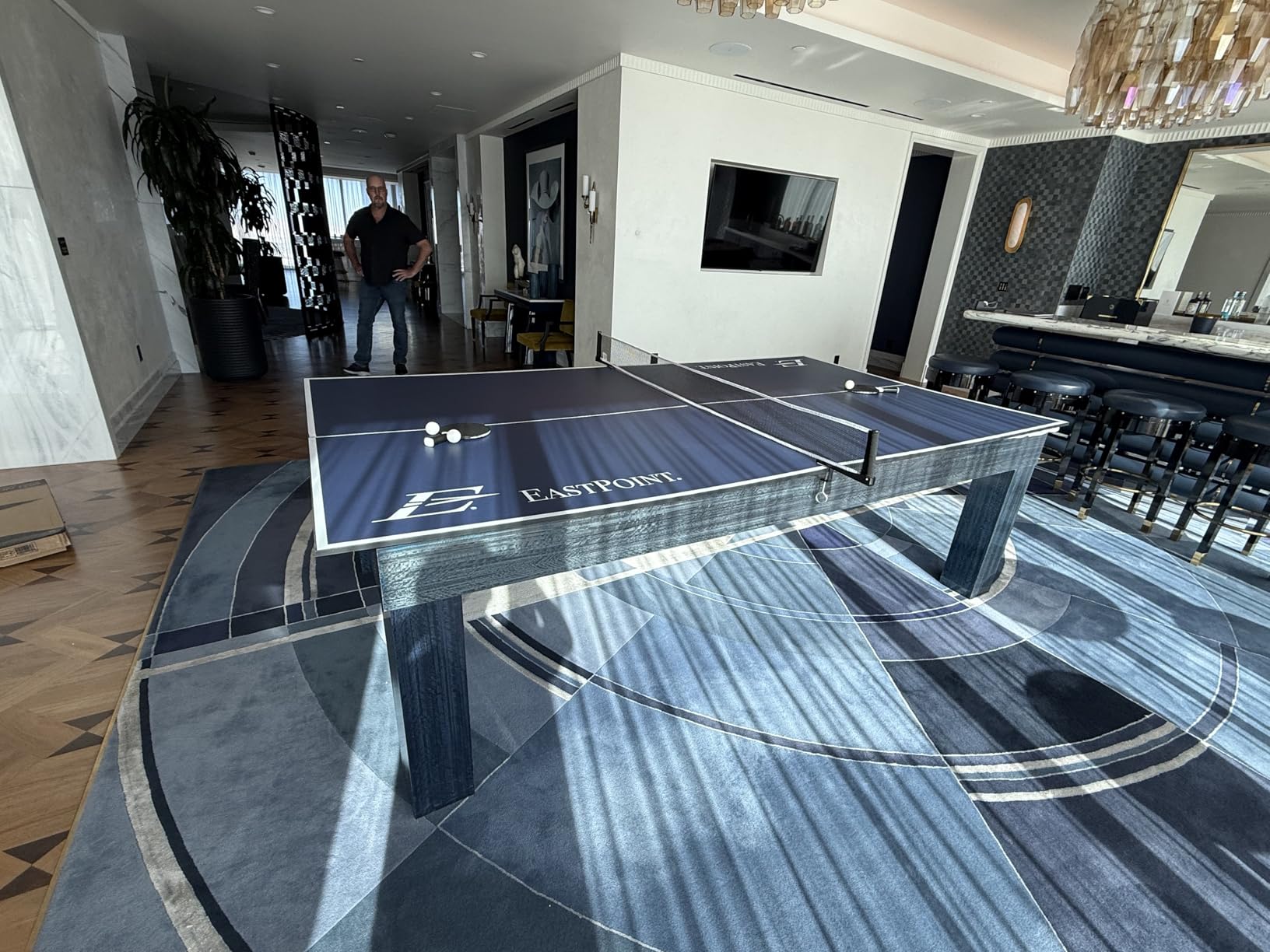
The support problem nobody mentions
This top is a full 9 feet long and 5 feet wide. If the table underneath is the same size, the edges have nothing under them and can sag without added bracing. That sag is what turns into a dead spot at the corners.
Check the dimensions of the table you are converting before you buy, and expect to add support under the overhangs if it is close.
The center hinge
The hinge running down the middle can dip slightly, and on a slow ball you can feel the table pull sideways. Owners with a flat, well-supported surface underneath report far fewer of these complaints, which suggests the underlying table does most of the work.
The foam pads included keep the top from sliding and cushion the hinge, but they are small and need repositioning away from the hinge line.
Who should buy it and who should not
Buy it if you already own a suitably sized flat table and want regulation play without a permanent dedicated table. The packaging is among the best we saw in this group.
Skip it if you do not own a table already, if the surface underneath wobbles, or if a soft center hinge would bother you. Buy a dedicated table instead.
10. SereneLife Full Size 4-in-1 Game Table – Best for Kids and Multi-Game Rooms
SereneLife Full Size Ping Pong Table, 9’ x 5’ Regulation Fold-Flat Table Tennis Table, Hinged Panels for SUV Transport and Easy Storage, Portable Space-Saving Design, Net & Post Set Included
47 by 24 inch play surface
54.7 lbs
Four games in one
Hinged fold-flat panels
One year warranty
Pros
- Four games share one 47 inch table
- ideal for a small basement game room
- Hinged panels fold flat and fit in an SUV
- Light at 54.7 lbs so one person can move it
- Switching games only means changing the top board
- Long accessory list included in the box
Cons
- 48 inch play area is far smaller than a dedicated table
- Air hockey
- pool and foosball surfaces are all basic
- Playing surface is thin compared with purpose-built tables
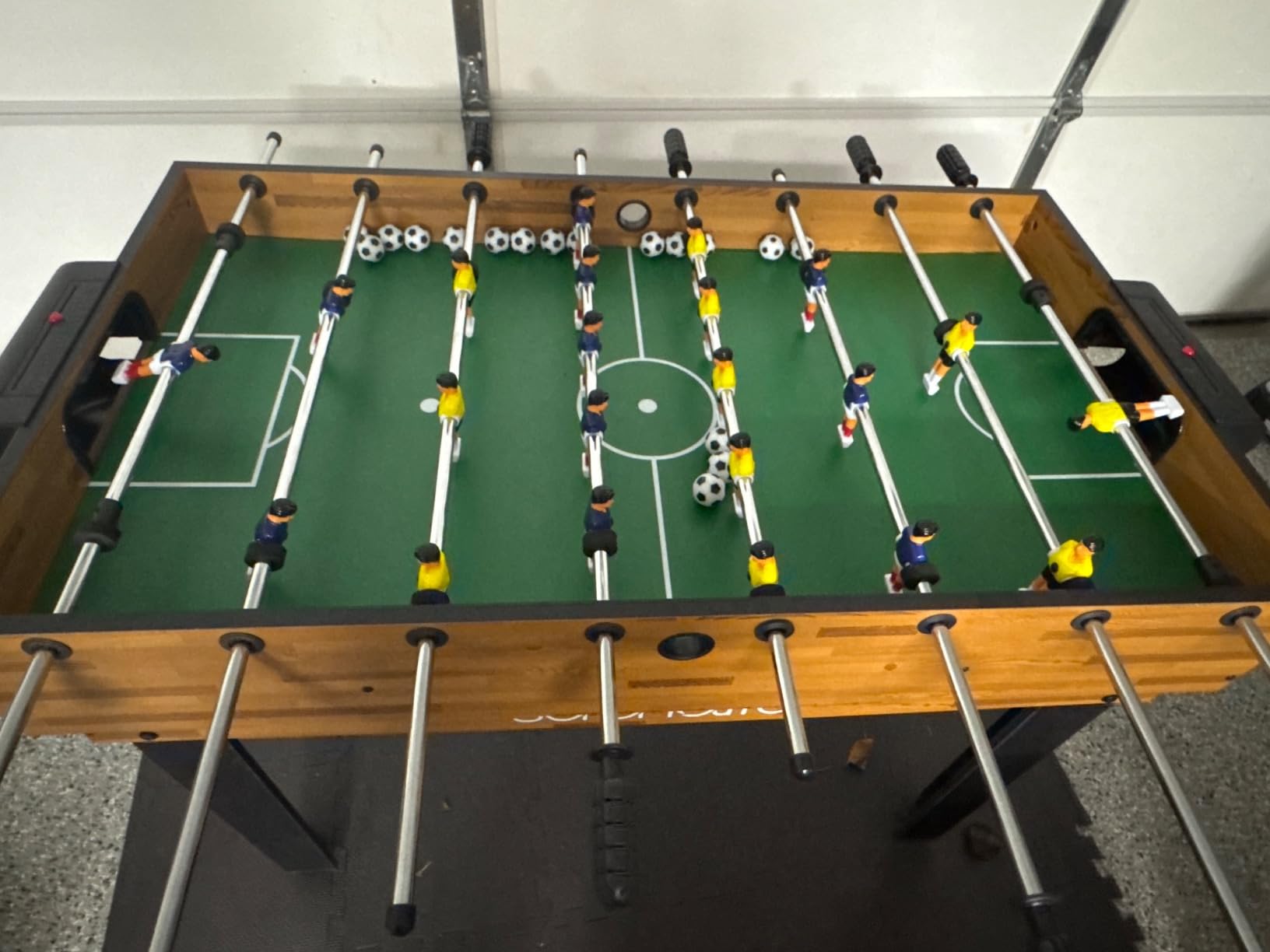
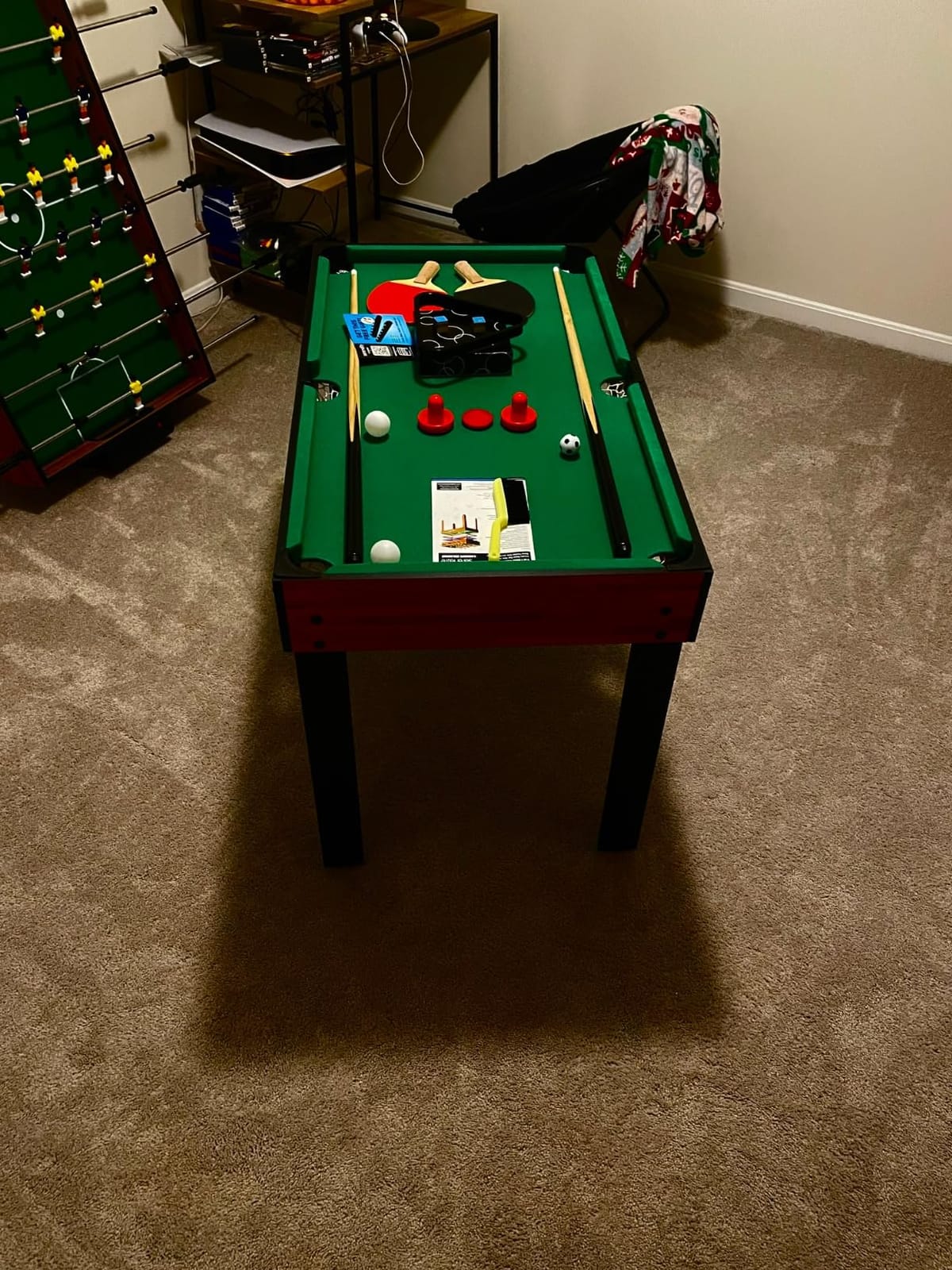
This is the odd one out, and it earns its place for a specific reason. It switches between table tennis, air hockey, pool billiards and soccer foosball on a single 47-inch frame, which is the densest use of basement floor space in this roundup.
At 54.7 lbs it moves with one person, and the hinged panels fold flat enough to load into an SUV if you want it in another room.
Four games, one small surface
Every game here works, and every game here is basic. The play area is 48 inches, so table tennis on it is novelty-level and the air hockey, foosball and pool surfaces are all built to the same compact scale.
What that means in practice is a table that keeps four kids busy for an hour rather than a table that trains anybody.
Height adjustability and accessories
The frame is height adjustable so it works for both kids and adults, which extends its usefulness in a family rec room considerably.
The accessory list in the box is unusually long for this category: two soccer balls, two cue chalks, two cue sticks, a brush, a triangle, pool balls, two pushers, two pucks, two paddles, two balls and the net and post set.
Who should buy it and who should not
Buy it for a basement game room serving mixed ages, a playroom, or a family that wants variety more than table tennis specifically.
Skip it if table tennis is the reason you are shopping. There is a dedicated table in this roundup for every budget above the very smallest.
How to Choose a Table Tennis Table for a Basement
Pick the size class that matches your floor
Size classes are the first real decision. A 9-foot regulation table at 108 by 60 inches gives you full rally length and needs roughly a 15 by 10 foot space to play properly. An 8-foot mid-size table is the standard basement compromise. A 7-foot table at 84 by 44 inches trades rally length for about two feet of room.
Below that, mini and topper formats exist. They are legitimate choices for very small rooms, but they change the character of the game rather than just the size of it.
Surface thickness is the floor, the frame is the building
Fifteen millimeters is the practical minimum for a basement. Eighteen millimeters and above is better in humid spaces because more material resists cupping as moisture moves through the board.
Frame rigidity matters more long-term than thickness. Tables with weak frames twist at the folding hinge, and a twisted frame is what produces the warped, uneven surface buyers complain about after six to eight months. Steel reinforcement around the apron and undercarriage is the tell.
Foldability, casters and where the table sleeps
If the basement has to work as anything else, foldability is not a luxury feature. Look for two-piece folding halves on lockable casters, and check the folded depth against your wall clearance.
Homeowners who run out of floor space have built ceiling-mounted systems that lower a table panel when it is not in use. That is a real workaround for basements with abundant vertical air and no spare floor.
Low ceilings, lighting and long-term humidity
A 30-inch table under a 7-foot ceiling works. Under a 6-foot-6-inch ceiling in spots, players will duck on deep shots. Measure the lowest point of your ceiling rather than the average.
Basements also need task lighting for play. A windowless rec room with a single ceiling fixture means you are playing in your own shadow at the table ends. Overhead directional lighting above the table surface is the fix, and our guide to table lamps covers the ambient side of that setup.
Finally, treat humidity as a maintenance item. Run a dehumidifier in the room, keep the table covered when it sits unused through a humid stretch, and re-tighten folding hardware every few months if kids lean on the table.
Frequently Asked Questions
What is the minimum room size for a ping pong table?
For a regulation 9-foot table that is 108 by 60 inches, allow roughly 15 feet of room length and 10 feet of width, which includes about 3 feet of run-off behind each end for players to swing. An 8-foot mid-size table needs about 14 by 9 feet, and a compact 7-foot table fits in roughly 13 by 9 feet. Ultra-compact designs under 6 feet can play in a 10 by 8 foot space.
How much clearance do you need behind a table tennis table?
Plan for about 3 feet of clearance behind each end of the table and 2 to 3 feet along each side. That run-off space lets players step back to reach a wide ball and swing a paddle without clipping the table edge. Basements are tighter than published guides suggest, so subtract any ducts, support columns or soffits that intrude into the playing area.
What ceiling height do you need for a table tennis table?
Every table plays at 30 inches high, and a standing adult with a paddle swing needs about 6 feet of headroom above the surface, which puts the practical minimum at a 7-foot finished ceiling. Below that you can still play, but players will duck on deep shots. Measure the lowest point of your joists rather than the average ceiling height.
What is the best ping pong table for small spaces?
For genuinely tight rooms, the STIGA Space Saver at 71 by 40.5 inches needs no assembly and separates into two halves that nest against a wall. If you already own a pool or dining table, a foldable conversion topper gives you full 9 by 5 foot dimensions with zero assembly and folds flat for storage. Lightweight aluminum models can be carried by one person but have a much smaller play surface.
Are concrete basement floors good for a ping pong table?
Yes. Sealed and stained concrete is used for regular club play without complaint, and it is flat, cool and easy to sweep under a table on casters. The bigger concern in a basement is humidity rather than the floor itself. Seasonal moisture swings are the main cause of MDF tops cupping and frames twisting, so run a dehumidifier in the same room and keep the table covered during long unused stretches.
Which Table Tennis Table Belongs in Your Basement?
If you have a full-size finished basement and a second person to help carry things, the JOOLA Inside Professional is the one to buy. Regulation dimensions, a 15mm surface and a 30-second fold is the complete package, and it will serve anyone from a first-time player to a regular club night.
If floor space is tight, the STIGA Space Saver wins on footprint and setup speed. If the stairs are the problem rather than the room, the GoSports set at 30 lbs is the only one you will move alone without planning around it.
If you already own a pool or dining table, the EastPoint topper gets you regulation dimensions without a second piece of furniture. And if the basement needs to host more than one game, the Hathaway combo or the SereneLife 4-in-1 keeps everything in one footprint.
Whatever you pick, measure the lowest ceiling point, the real floor area after ducts and columns, and the stair path before the box arrives. Those three numbers decide more than any spec on the product page. For the rackets and gear to go with it, we round up the best options in our tennis racket guide.
This roundup reflects what we found reviewing these ten tables for 2026, and the clearance numbers hold regardless of which one you choose.
Leave a Reply