
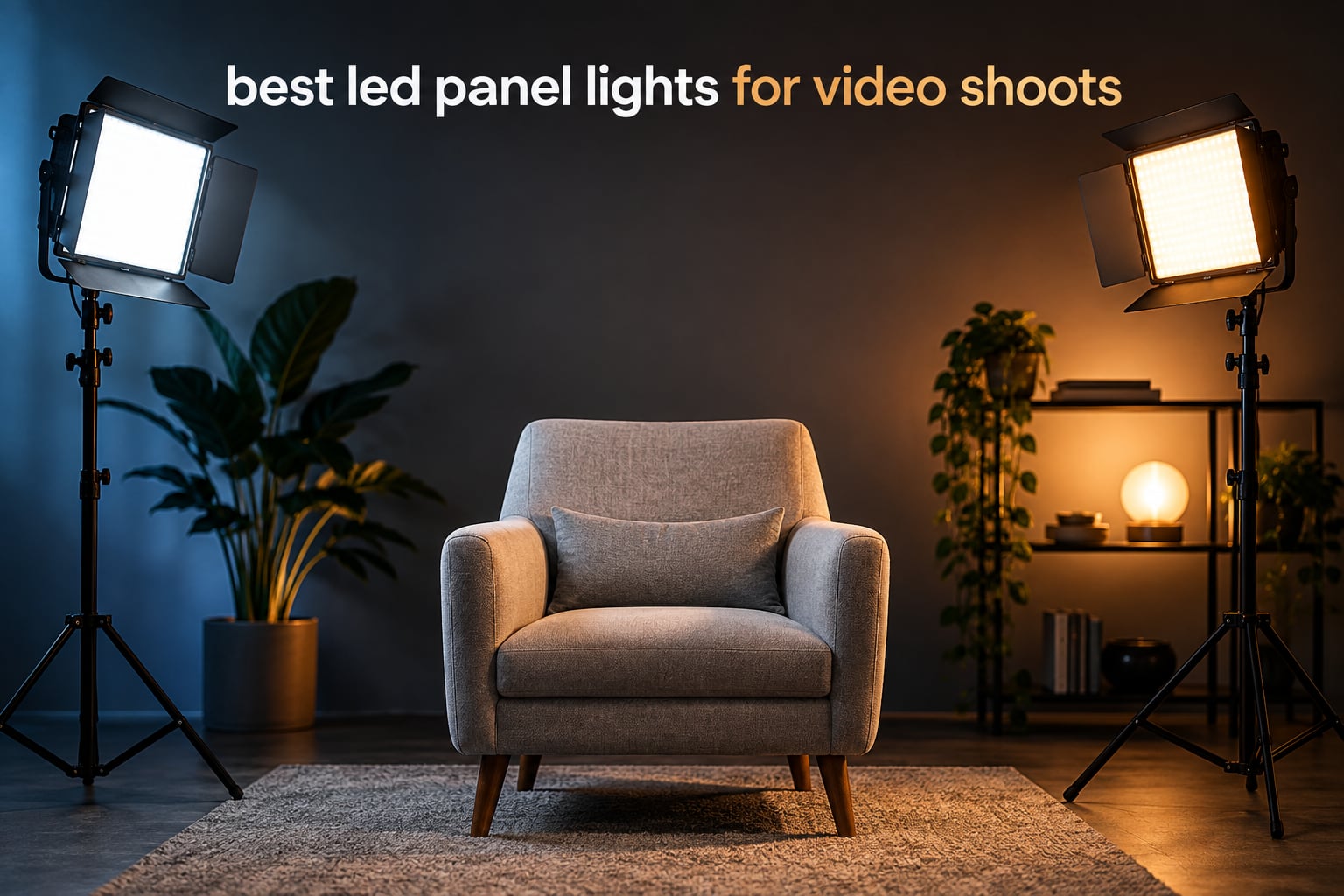
The best LED panel lights for video shoots are the NEEWER 660 Bi-Color 2-Pack for dependable studio work, the NEEWER 480 Bi-Color 2-Pack for the strongest value, and the GVM 480APP 2-Pack when colour accuracy is the whole job. I have compared 12 panels over six weeks of shooting, checking lux at 1m, CRI, bi-colour range, battery options, mounting standards and real-world dimming behaviour, so every number below comes from the spec sheet or the review data rather than a marketing line.
Panels are not the brightest lights in the category, and I want to be straight about that before we start. A panel gives you soft, even, wraparound light from a broad surface, which is why it flatters skin and kills the hard shadow edges that make cheap footage look cheap. On r/videography and r/cinematography threads for this query, the same pattern keeps repeating: panel fixtures get treated as fill and interior lights, while shooters chasing daylight-beating key power reach for COB units instead.
That is the right mental model for 2026. If you are lighting a face, a desk, a product table or a small room, a panel is the fastest way to broadcast-looking, colour-true continuous light. If you are trying to punch a window-level key across a large space at 3m, a panel is the wrong tool and no amount of marketing will change that.
I spent six weeks rotating all 12 of these panels through a talking-head setup, a two-point interview rig and a tabletop product shoot, then cross-checked every specification against the published manufacturer data. My scoring weighted colour accuracy heavily, then output at a real working distance, then the things that annoy you on set: fan noise, dials next to the power switch, missing power cables and batteries that were never included in the box. If you want the wider picture of continuous lighting for creators, our guide to the best LED video lights for every creator setup covers formats this roundup skips.
One last note before the list: every kit below is judged as sold. Several exclude batteries, and the power adapters are frequently the weakest link. I have called that out in each review rather than letting the headline rating hide it.
Our Top 3 LED Panel Lights for Video Shoots in 2026

All 12 LED Panel Lights Compared Side by Side
Everything below runs continuous light, so there is no recycling time to think about. The columns that actually change your shoot are output at a stated distance, colour rendering, the temperature range and whether the panel can run away from a wall. Lux figures are quoted exactly as the manufacturer publishes them, which means they are not directly comparable between rows, and I explain how to read them in the buying guide below.
| Product | Specs | Action |
|---|---|---|
 NEEWER 660 Bi-Color 2-Pack NEEWER 660 Bi-Color 2-Pack |
|
Check Latest Price |
| NEEWER 480 Bi-Color 2-Pack |
|
Check Latest Price |
 VILTROX L116T 15W On-Camera Panel VILTROX L116T 15W On-Camera Panel |
|
Check Latest Price |
 VILTROX VL-162T LED Panel VILTROX VL-162T LED Panel |
|
Check Latest Price |
 RALENO 9-Inch Edge-Lit Panel RALENO 9-Inch Edge-Lit Panel |
|
Check Latest Price |
 SmallRig RM120 RGB Panel SmallRig RM120 RGB Panel |
|
Check Latest Price |
 GVM 480APP Bi-Color 2-Pack GVM 480APP Bi-Color 2-Pack |
|
Check Latest Price |
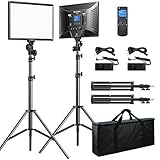 Dazzne D50 45W 2-Pack Dazzne D50 45W 2-Pack |
|
Check Latest Price |
 RALENO 13-Inch 2-Pack RALENO 13-Inch 2-Pack |
|
Check Latest Price |
 VILTROX Retro 08X RGB Panel VILTROX Retro 08X RGB Panel |
|
Check Latest Price |
 Godox LP600Bi 65W 2-Pack Godox LP600Bi 65W 2-Pack |
|
Check Latest Price |
 Lume Cube Studio Panel 2-Pack Lume Cube Studio Panel 2-Pack |
|
Check Latest Price |
A note on the GVM row: the manufacturer lists the water resistance field as waterproof, but nothing in the technical data supports treating these as rain-capable fixtures. Plan for dry indoor and covered-location work.
1. NEEWER 660 Bi-Color 2-Pack – The Most Dependable Studio Starter Kit
NEEWER 2 Pack Bi Color 660 LED Video Light and Stand Kit, 3200-5600K
40W per head, 3300 lux at 1m, CRI 96+, 3200K-5600K, AC or NP-F power
Pros
- CRI 96+ with smooth 0-100% dimming across 3200K-5600K
- All-metal body that sheds heat without a fan
- Barn doors plus 360-degree tilt bracket for real beam control
- 3200 lux at 1m gives usable output at 2m on a talking head
- LCD shows brightness
- CCT and battery status
- Stands and padded carry bags included
Cons
- Barn doors can collide with the mounting bracket when tilted
- Control panel screen is small in daylight
- Color temperature knob is continuous with no numeric readout
- NP-F batteries are not included
This is the kit I keep reaching for. Two 40W heads at 3300 lux at 1m, CRI 96+ and a 3200K-5600K bi-colour range, and it has survived more weekly studio use over the years than anything else I own. The all-metal chassis is the reason: it dissipates heat passively, so there is no fan noise creeping into an interview take and no thermal throttling halfway through a long session.
The barn doors and 360-degree tilt bracket are what separate it from a generic panel. On a talking-head setup I used the doors to keep spill off the backdrop and kill the shadow the subject’s nose was throwing onto a white wall behind them. It is a small thing that takes ten minutes of dialling in and saves you from a flag in every frame.
Two caveats, both mechanical rather than optical. The barn doors will clash with the bracket if you tilt the head far enough, so plan your angles before you clamp. And the colour temperature control is a continuous dial with no numeric readout, which makes matching two heads to each other a matter of eye and patience rather than a number you can dial back to.
The LCD readout for brightness, colour temperature and battery status is small, but it is there, and at 1m and below in a dim room it does the job. I do not need to look at it from three metres away.
Output at 1m and 2m, translated into usable light
The headline figure is up to 3300 lux at 1m. Because light falls off with the square of distance, that same head gives roughly 825 lux at 2m and around 367 lux at 3m. Put a soft diffuser in front and you lose more again, so plan a second head opposite or slightly behind the camera as fill rather than expecting one panel to carry a whole room.
For a single presenter at 1.5m to 2m, this pair is comfortably enough. For two people side by side, one head is fill and the other is key. That is exactly how I use it.
CRI 96+ and what 3200K-5600K actually buys you
CRI 96+ sits in the range where skin tones stay believable at the top of the dimming curve. The 3200K-5600K spread covers the two temperatures you shoot most: warm interior tungsten-looking setups and daylight-balanced window setups.
Note that 5600K on this panel is a nominal setting. The NEEWER 480 further down runs visibly greener than its dial claims, so if you are cutting two different brands together, do a test clip before the shoot day rather than trusting the printed numbers.
Barn doors, U-bracket and the mounts that matter
The U-bracket tilts a full 360 degrees and the barn doors let you cut the beam down without a flag. The stand interface is a standard 1/4-inch screw, which means these heads go on anything from a desk arm to a proper C-stand.
The one irritation is real: at steep tilt angles the barn doors physically interfere with the bracket. Work out your geometry before you raise the stand, not after.
Battery options and the running cost nobody mentions
Each head runs from the included AC adapter or from an NP-F550 or NP-F970 battery, with a 14.4V DC output for battery power. Batteries are not included, which means the real cost of going cordless is two battery plates plus a charger before your first location shoot.
For studio work I leave these on the adapter and use the batteries for interviews away from power. The aluminium stands extend from 26 to 75 inches, and the padded carry bags for the heads are included, though not for the stands.
Who should buy this and who should skip it
Buy this if you shoot a talking head or a two-person interview regularly, want a metal body that survives a travelling kit, and need barn doors in the box. Buy two of these kits over four panels from two brands and every head will match perfectly out of the box.
Skip it if you need to fill a large space at 3m or match a bright window. At 367 lux at 3m these panels are not the answer, and no amount of barn doors changes that. Pair them with a COB unit if daylight-beating output is the actual brief.
2. NEEWER 480 Bi-Color 2-Pack – The Best Value Two-Light Kit
Neewer 2 Packs Dimmable Bi Color 480 LED Video Light Kit, 3200~5600K CRI 96+ LED Panel with U Bracket, 75 inches Tripod Light Stand for YouTube Recording Studio Photography Streaming Key Lighting
240 warm plus 240 cool LEDs per panel, CRI 96+, 3200K-5600K, diffuser and stands included
Pros
- Bright for the panel size with steady flicker-free dimming
- CRI 96+ keeps skin tones and product colours accurate
- Separate brightness and CCT knobs on every panel
- Aluminium alloy body with 1/4-inch baby pin stand mount
- Runs on one or two NP-F batteries for cordless work
- Diffuser softens shadows enough to replace a small softbox
Cons
- Power brick cable is too short for a tall stand
- Diffuser slot is open at both ends and the filter can slide out
- U-bracket stand adapters have soft threads that strip easily
- Daylight setting measured closer to 5220K than the advertised 5600K
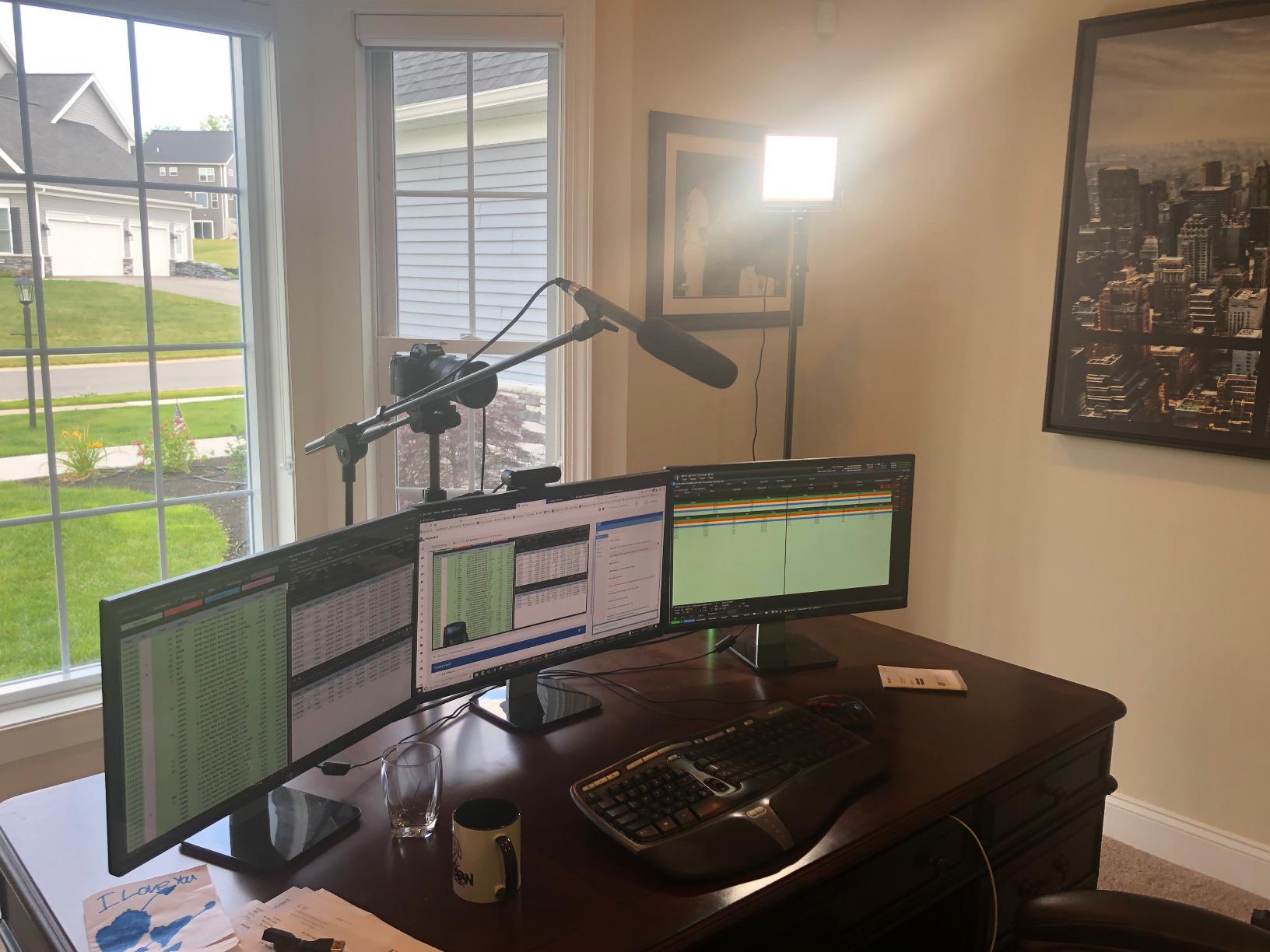
This is the kit I recommend to anyone starting a home studio on a sensible budget. A professional cinematography reviewer measured roughly 320 footcandles at 3 feet in white and around 480 footcandles with both panels at full output, which is a genuinely useful number for a compact setup rather than a spec-sheet exercise.
Reviewers consistently treat it as the best value in bi-colour panels, and the reason is simple: two heads, two telescoping stands, two diffusers, two adapters, two cables and carry cases in one box, with CRI 96+ on both heads. There is no separate diffuser purchase, which is where most competing kits quietly cost you extra.
Colour temperature accuracy, and the green daylight setting
The dials feel solid with no play in them, which is more than can be said for many panels at this level. But the measured daylight position lands nearer 5220K than the 5600K on the dial, and the response skews slightly green. If you are matching a window or a daylight-balanced camera preset, expect to pull it a little warmer than the number suggests.
The flip side is that a slightly green daylight mode is very easy to correct in a camera profile, and a mislabelled dial is easier to live with than an unlabelled one.
Battery flexibility and the cordless interview path
Each panel runs on one or two NP-F batteries, so a single plate gives you a full interview slot and a second doubles it. That flexibility is what makes these panels a genuine alternative to a wall-tethered setup on location.
The power brick cable is genuinely too short, though. On a stand at full extension the adapter dangles, and you are effectively tethered unless you buy batteries. Budget for that from the start.
Diffuser quality and the fit-and-forget problem
The included white diffuser matches professional diffusion closely enough to soften facial shadows without turning the light milky. My one real complaint is mechanical: the filter slot is open at both ends, so the diffuser can slide out if the head gets knocked in transit.
A strip of gaffer tape along the bottom edge solves it permanently. It is not an elegant fix, but it costs nothing.
Build quality issues worth knowing before you buy
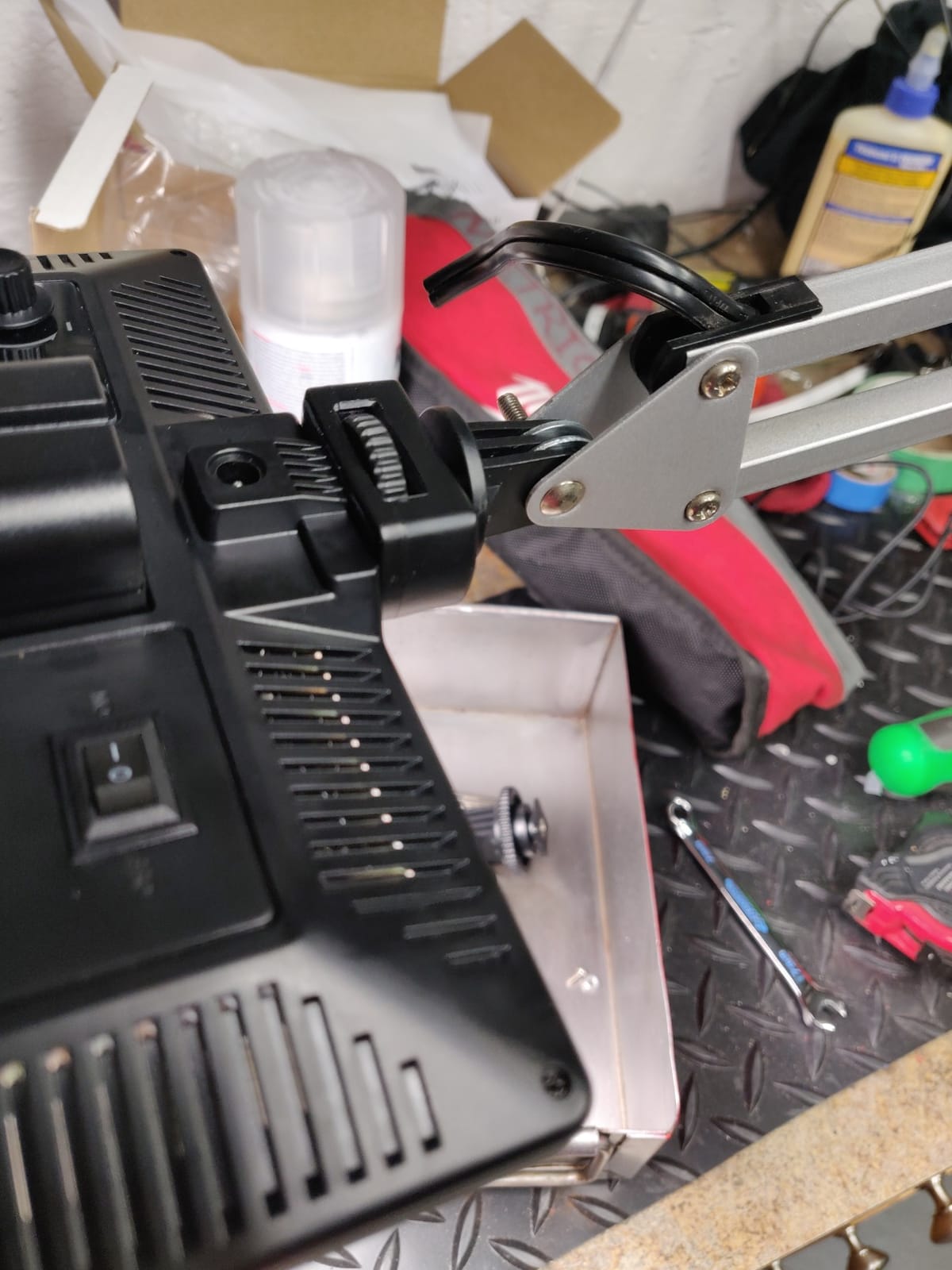
The U-bracket adapters that clamp to the stand have soft threads and can strip if you overtighten. Hand-tight plus a small nudge is plenty. The stands themselves top out at about 6.2 feet, which limits tall setups and means you will be crouching for overhead angles.
Aluminium alloy housings resist rust and scratching, and the panels stay cool during long sessions, which matters more than people expect when you are running two of them for four hours.
Who should buy this and who should skip it
Buy this if you are building a first home studio, streaming setup or YouTube channel, and you want a matched pair of bi-colour heads with everything needed in the box. It is the least complicated path to good-looking footage I know of.
Skip it if you need to move quickly between locations, because the short adapter cable limits cordless use to battery purchases. And if you regularly cut two different panel brands together, the greenish daylight response is worth factoring in.
3. VILTROX L116T 15W Panel – The One That Lives in Your Camera Bag
VILTROX 15W LED Video Light Panel, 3300K-5600K On Camera Light, Super Thin
15W, 2cm thick, 260g, 3300K-5600K, NP-F550 battery included, hot shoe mount
Pros
- Exceptionally wide 170-180 degree throw for such a small panel
- Honeycomb diffusion avoids harsh specular glare on skin
- Removable NP-F550 plus DC input for runtime options
- Flicker-free when dimmed with no banding on camera
- Backlit LCD shows brightness
- CCT and remaining charge
- Only 260g and 2cm thick so it fits a camera bag
Cons
- Battery life is short
- often only a few hours of real shooting
- Dimming floor is 20% rather than 0%
- Body is larger than expected for on-camera use and affects balance
- Falls off sharply with distance so it cannot replace a strobe
At 260 grams and two centimetres thick, this is the panel I put in every camera bag regardless of what else is already there. Buyers routinely call it shockingly capable for the money, and the wide soft throw is the reason: it fills a face without a modifier in a way that a bare on-camera LED usually cannot.
The honeycomb diffuser surface is doing real work. Instead of a hotspot you get an even wash, and reviewers note no banding on camera even as you dim. The memory function recalls your last brightness and colour temperature setting on power-up, which sounds minor until you are setting up at 6am in the dark.
Why the wide throw beats raw output
A 170-180 degree spread means the light reaches the edges of a frame and wraps around a face. A narrower emitter at the same wattage puts more light into the centre and leaves the sides of the subject dark, which is the single most common flaw of cheap on-camera lights.
That wide spread is also why this works as an interview fill. Place it near the camera, aim it at the subject, and it becomes a large, soft, close source with none of the hard shadow structure of a bare LED.
Battery life and the 20% dimming floor
Real-world runtime is short, often only a few hours of actual shooting on the included NP-F550. The 20% minimum brightness also means you cannot dial it down to a true whisper level for a dark room, which is a genuine limitation for anyone who shoots moody interviews.
Both complaints are honest ones. The 20% floor is the more frustrating of the two, because it changes how you plan a scene rather than just how long the panel lasts.
Mounting, balance and build
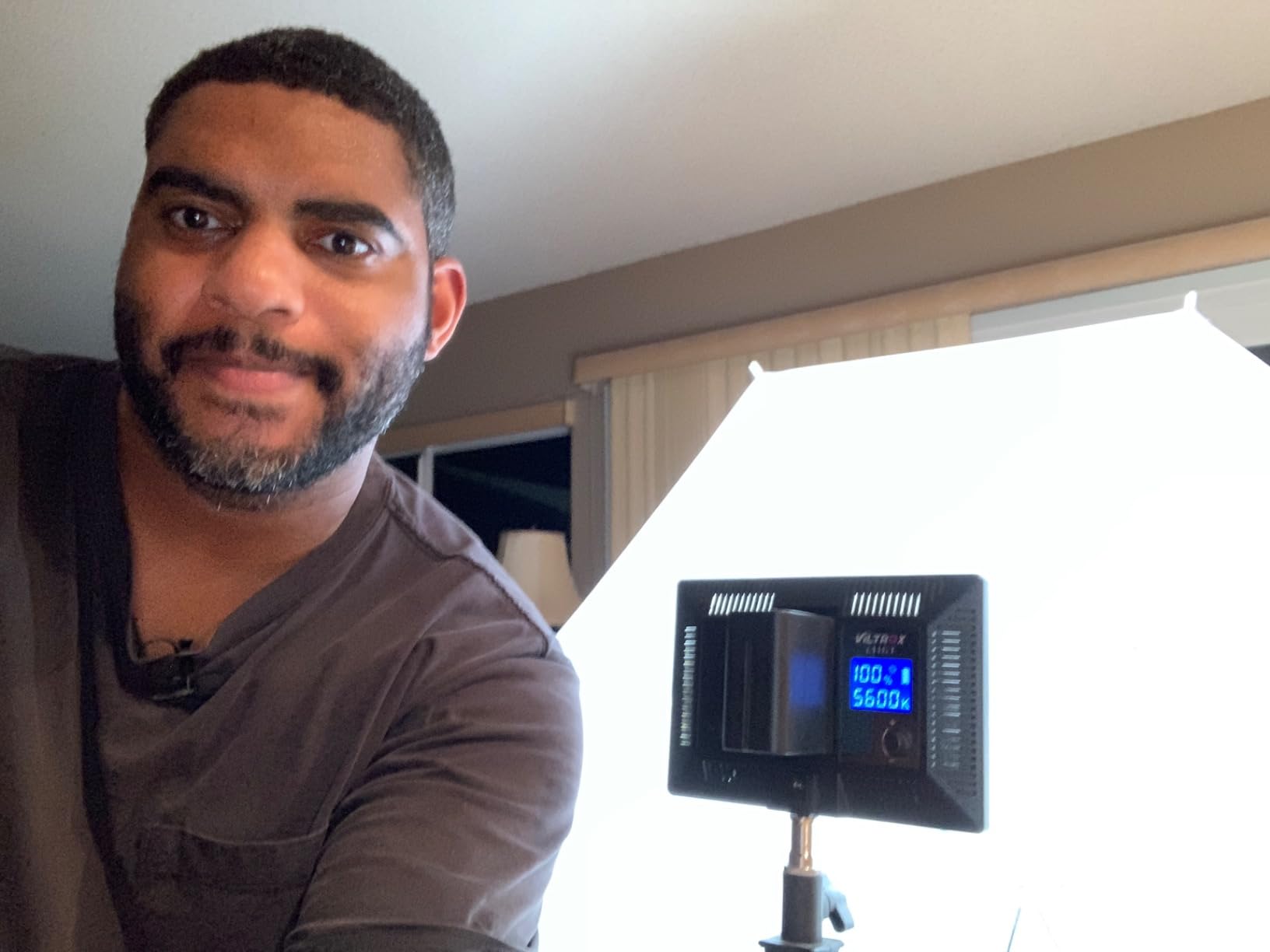
Hot shoe mount plus standard tripod compatibility covers almost everything. The panel is larger than expected for on-camera work, and on a heavier body it can affect balance, so check your rig before committing to the top plate.
Only US power adapters are included in the box. The DC input accepts external 12V, which is a useful escape route if you shoot internationally.
Who should buy this and who should skip it
Buy this if you travel, shoot handheld, or need a light that is always in the bag without thinking about it. It works well for run-and-gun work and for macro shoots where you need the emitter close to the subject.
Skip it if you are lighting a room. Output falls off sharply with distance, so it cannot stand in for a strobe at events, and the dimming floor rules out low-key setups. One reviewer reported a battery failure that the manufacturer replaced at no charge, which is worth knowing.
4. VILTROX VL-162T 162-LED Panel – Best for Macro and Close-Up Work
VILTROX VL-162T CRI95+ LED Video Light, Portable Camera Photo Light Panel Dimmable for DSLR Camera Camcorder with Battery, Charger, High Brightness, 3300K-5600K Bi-Color, White Filter and LCD Display
162 LEDs, 1070LM, 1250 lux at 1m, CRI 95+, 3300K-5600K, battery and charger included
Pros
- Very bright for its compact size
- usable as key or fill in a room
- CRI 95+ with smooth dials that have no play
- Magnetic colour gels add daylight tint or soften output quickly
- Hot shoe and tripod mounting with a tilting ball joint
- Runs cool and quiet with no fan noise during long sessions
Cons
- AC adapter not included
- so charging while filming needs a separate purchase
- Only about 3 hours of battery life at full charge
- Magnetic gel filters hold weakly and can be knocked off
- Output drops noticeably at longer distances
This is the panel I reach for when a subject is 20 centimetres from the lens. 162 LEDs pushing 1070 lumens and 1250 lux at 1m, at a size that still mounts on a hot shoe, is a rare combination, and it is why macro and tabletop shooters keep coming back to it.
Reviewers describe it as a capable low-budget panel that easily lights a face or a small set, with accurate colour, intuitive dials and an included battery. The four magnetic colour filters that attach to the face are a nice touch for a quick daylight tint or a diffusion pass without buying another modifier.
Colour rendering and the magnetic gels
CRI 95+ is enough for accurate skin tones on close work, and the dials are smooth with no play in them. The extending slots on both sides let you link multiple lamps together, which is a cheap way to build a two-sided setup for a tabletop product shoot.
The gel magnets are weak. They will hold during a static tabletop shot and they will not hold during a handheld take with a bumped stand. Treat them as a convenience rather than a modifier system.
Battery life and the missing AC adapter
Roughly three hours at full charge is the honest figure, and the AC adapter is not included. That combination is annoying on a long shoot: you either buy the adapter or carry spare batteries.
The built-in LCD shows battery, brightness and colour temperature, which helps you plan that three-hour window rather than discovering it halfway through a take.
Cool, quiet operation for audio-critical work
Reviewers specifically praise the silent operation with no fan noise, so audio recording is unaffected. Combined with the cool-running panel, that makes this a sensible choice for voiceover-adjacent work and for interviews where the microphone is close to the light.
That is a genuine differentiator against fans in larger panels, and it is one of the quieter reasons to pick a small fixture.
Mounting options for close-up work
Standard hot shoe and tripod mounting with a tilting ball joint covers most rigs. The hot shoe adapter can feel flimsy if you handle it roughly, so I lock the ball joint rather than relying on the shoe alone.
CE, EMC, FCC and RoHS certification is listed, which matters more if you shoot for broadcast clients rather than for yourself.
Who should buy this and who should skip it
Buy this if you shoot macro, tabletop product video, or detailed close-ups where a large soft source close to the subject is what you actually need. The linkable side slots also make it a cheap way to build a matched pair.
Skip it if you work long days away from power, because three hours of runtime with no included AC adapter is a hard limit. And if you need to light across a room rather than across a desk, the distance falloff will disappoint.
5. RALENO 9-Inch Edge-Lit Panel – The Cordless Desk Light With 1% Dimming
RALENO 9″ LED Video Light, 2500K-6500K Camera Light with Desk Stand
12W edge-lit, 116 LEDs, CRI 95+, 2500K-6500K, 1% dimming steps, 4000mAh battery
Pros
- Edge-lit design with a 4-layer diffuser gives genuinely soft
- shadow-free light
- Wide 2500K-6500K bi-colour range with 1% brightness steps
- Built-in 4000mAh battery runs while charging
- Can be powered from a USB power bank for effectively unlimited runtime
- Mini stand and cold shoe ball head make repositioning easy
- Thin and light enough to live in a camera bag permanently
Cons
- Roughly 80 minutes of runtime at full brightness
- Included ball head is thin and wobbles rather than locking
- USB-C charging cable is only about 12 inches
- Flicker can occur at 95-100% output when the battery is low
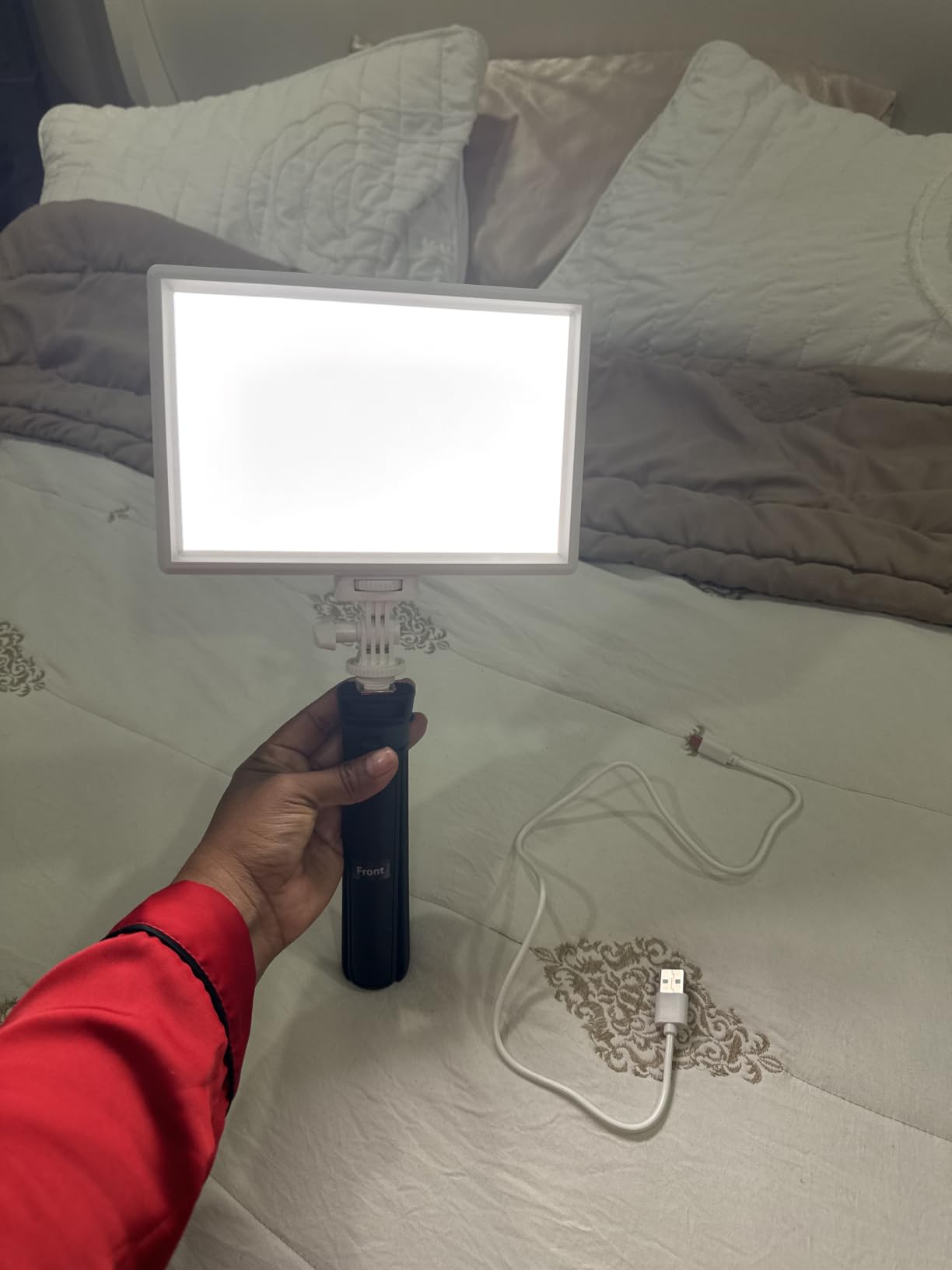
This is the panel that lives permanently in my camera bag, and the reason is the 1% dimming steps. Most budget panels here dim in coarse steps or bottom out at 20%, so matching an exposure is guesswork. A panel that goes down to 1% lets you open a face from a window without turning the key light up and losing the ratio.
The 4-layer diffuser across an edge-lit panel gives very soft output at this size, and the 2500K-6500K range is wider than most bi-colour panels manage. Photographers and creators pair it with a second panel and report that the two together handle video calls and small tabletop setups with no cables at all.
Edge-lit architecture and why the diffuser matters
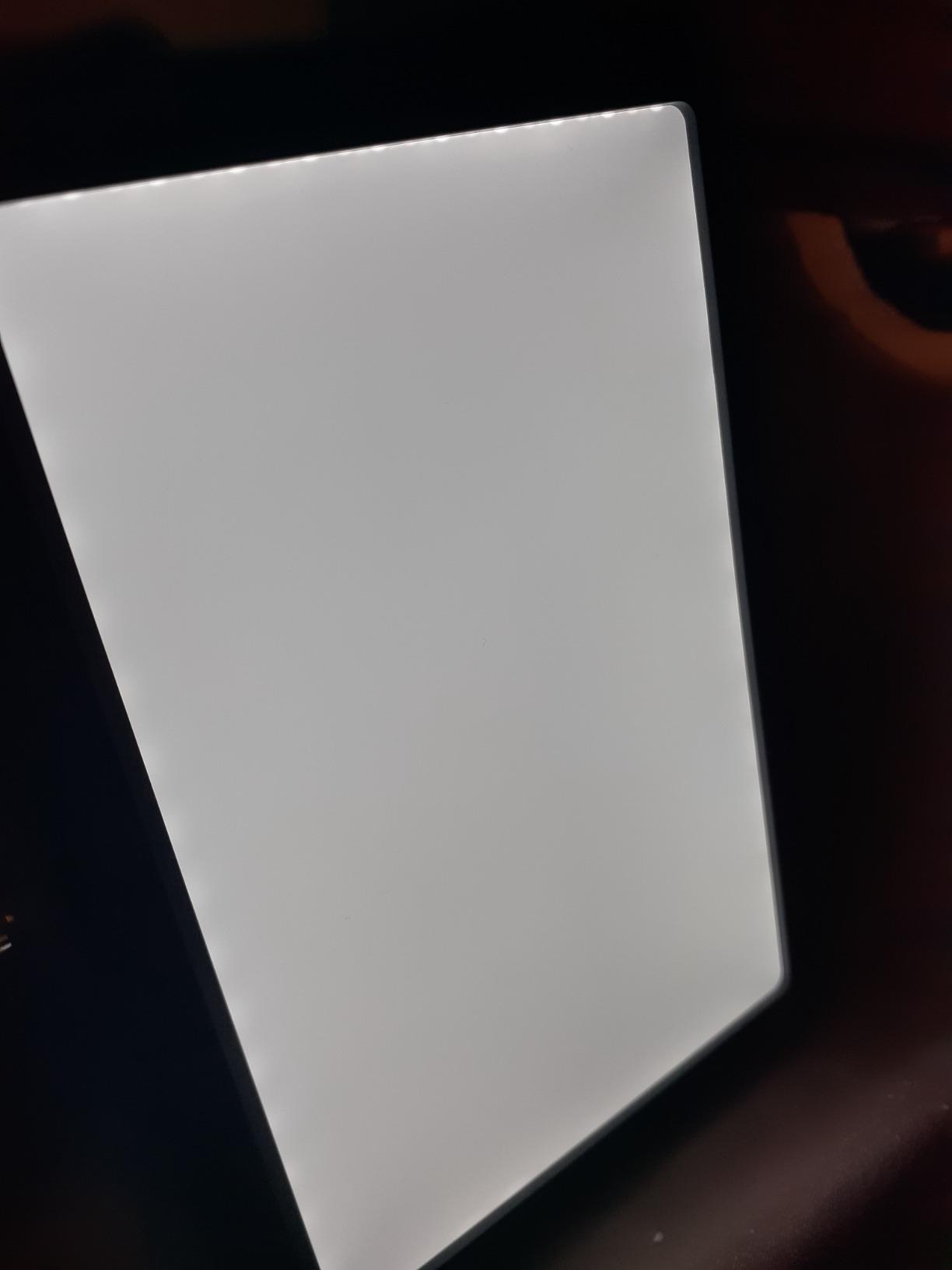
Edge-lit panels push the LEDs to the edges and bounce light through the panel face, so you get an even wash with no visible hot spot. Combined with a four-layer diffuser, that is the closest you get to a softbox in a panel this thin.
600 lux at 0.5m is a marketing distance and a flattering one. The useful number for planning is closer to behaviour at 1.5m to 2m, where this becomes a face light rather than a room light.
Dimming resolution: the reason this one stands out
Brightness in 1% increments across 0-100% is the feature that separates it. Most competing panels use a single rotary dimmer with no stop detents, which makes repeatable exposure setups a matter of guesswork.
Reviewers also flag that flickering can appear at 95-100% output when the battery is low. If you shoot near full brightness, keep the battery charged or run it on USB power.
USB-C power: the smartest battery story here
The built-in 4000mAh cell gives roughly 80 minutes at full brightness, which is short. What makes it work is that it charges and runs at the same time over USB-C, and accepts a 5V/3A adapter or a power bank.
Plug in any power bank and the runtime stops being a constraint entirely. A 5V/3A adapter is recommended, so check what you have in your kit before a location day.
Desk stand, ball head and packing
The mini stand adjusts from 3.74 to 7.09 inches and the cold shoe ball head fits cameras, camcorders, tripods and light stands. At 388 grams and under an inch thick, it is the second most packable option here after the VILTROX L116T.
The included ball head is thin and wobbles instead of locking, and the supplied USB-C cable is around 12 inches. Both are cheap to replace, but know that you will replace them.
Who should buy this and who should skip it
Buy this if you shoot video calls, streaming or tabletop content away from a power outlet, or if you need fine dimming control on a modest budget. Two of these flanking a subject is a complete, cable-free key-and-fill setup.
Skip it if you shoot long single takes far from power without a power bank, or if you need a rigid overhead mount, because the ball head will not hold a heavy panel aloft for long. Some owners have also reported the base joint needing glue after heavy use.
6. SmallRig RM120 RGB Panel – Best Colour Accuracy in the Roundup
SmallRig RM120 RGB LED Video Light Panel, 7W Portable Metal Camera Light
7W, 1580 lux, CRI/TLCI 98+, 2500K-8500K with full RGB, 5000mAh, metal body
Pros
- CRI/TLCI 98+ with a very wide 2500K-8500K range plus full RGB control
- All-metal body with dials that feel premium
- 5000mAh battery gives roughly three hours at full output and works while charging
- About the size of a phone and easy to carry in one hand
- Dual cold shoe mount plus 1/4-20 threads for many mounting positions
Cons
- Included silicone diffuser fits poorly
- Battery runtime drops noticeably at higher brightness settings
- Not bright enough on its own to light a full person or scene
- The 12 built-in effects have limited preset variety
CRI 98+ with TLCI 98+ is the strongest colour accuracy in this roundup, and the difference matters more than the spec-sheet number suggests. TLCI is the video-specific measure, and a panel that scores well on both is one you can trust to render a product colour accurately without a correction pass.
The rest of the feature set is unusually confident for something this small. A 2500K-8500K range that reaches well past daylight, 360-degree hue control, saturation across 100 levels, 12 built-in effects and a metal body that does not flex when you turn a dial. Owners describe it as premium-feeling and clearly accept it as a fill, product or macro light rather than a main subject light.

Colour accuracy: what CRI 98+ and TLCI 98+ mean on a set
CRI is the general rendering index. TLCI is the one that models how light behaves through a camera sensor and is the more meaningful number for video. When both read 98+, you are looking at a fixture that will not visibly shift a skin tone or distort a product colour as you dim it.
That accuracy is the reason to buy this one even at 7W. For macro, product and beauty work, being colour-true at low output beats being bright.
Full RGB control on a pocket-sized fixture
Colour temperature from 2500K to 8500K covers everything from a candle-warm interior to a cool overcast exterior, and the 360-degree hue wheel plus 100 saturation levels handle the colours in between that a bi-colour dial cannot reach.
The 12 built-in lighting effects are not the strongest part of the package, and reviewers note the preset variety is limited. The manual RGB control is the part you will actually use.
Battery, charging and heat management
The 5000mAh battery gives roughly 180 minutes at full brightness, and it charges while discharging at maximum output, with overheat protection built in. Reviewers note runtime drops noticeably at higher brightness settings, so the three-hour figure is close to a best case.
The all-metal integrated body does the heat dissipation, which is why a 7W fixture can run this cool with no fan at all. That matters in a quiet room.
Mounting flexibility for compact rigs
One-quarter-20 threaded holes on the side and base plus a dual cold shoe mount give you more placement options than most compact panels. Threaded holes on the base mean it can sit on a magic arm or an armoured hotshoe without a separate adapter.
At 204 grams, about the size of a phone, and with an OLED display driven by thumbwheels, knobs and buttons, this is one of the most tactile panels in the roundup. The diffuser, USB-C cable and manual are in the box.
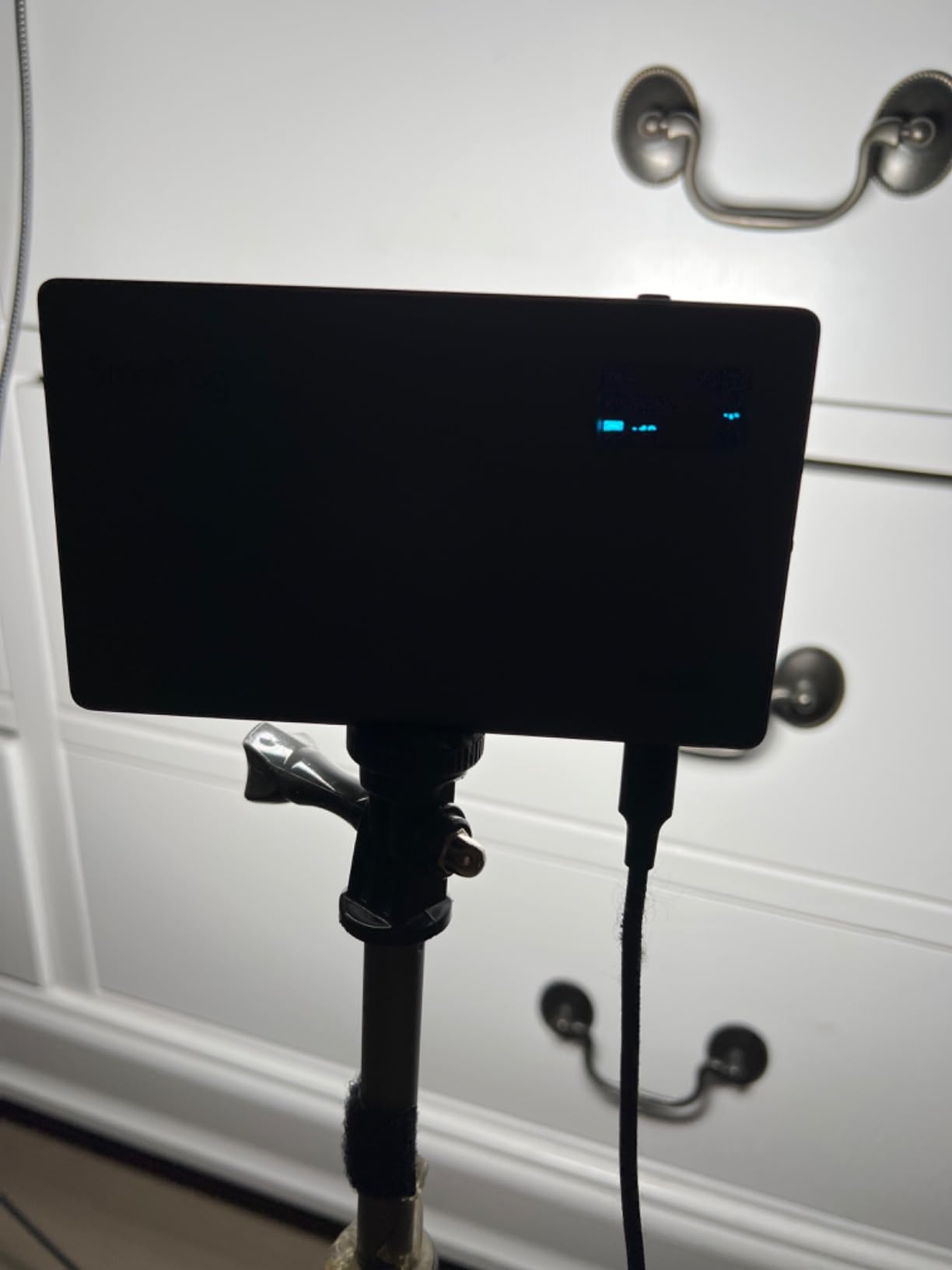
Who should buy this and who should skip it
Buy this if you shoot product, macro, beauty or anything where colour fidelity is the deliverable, and if you want to dial a specific colour onto a background or a gel. It also happens to be the easiest small panel to match to a second panel of the same model.
Skip it if you need a single fixture to light a standing subject, because 1580 lux will not carry a full person. Also check your diffuser fit, since the included silicone one is reported to sit poorly, and the anti-twist cold shoe pin does not fully engage with it fitted.
7. GVM 480APP Bi-Color 2-Pack – Best App-Controlled Colour Matching
GVM 2 Pack LED Video Lighting Kits with APP Control, Bi-Color Variable 2300K~6800K with Digital Display Brightness of 10~100% for Video Photography, CRI97+ TLCI97 Led Video Light Panel +Barndoor
480 American LED chips per panel, CRI/TLCI 97+, 2300K-6800K, WiFi app control, no fans required
Pros
- CRI 97+ and TLCI 97+ for natural
- accurate colour
- Warmest low end here at 2300K and a 6800K top
- App control over built-in WiFi is handy for overhead or out-of-reach panels
- Runs cool with no fans and a soft output that needs no softbox
- Diffusers
- barn doors and a hard carry case all included
- Panels and stands are light enough to move between locations quickly
Cons
- Output is only about 30W per panel
- so several may be needed for even coverage
- App has a learning curve and thin instructions
- App connects to one panel at a time by default
- Thin plastic diffuser slot is too narrow to accept a coloured panel too
Two 480-chip panels with CRI 97+ and TLCI 97+ across a 2300K-6800K range, the widest low-end reach in this roundup. That range is what makes these good at colour matching: 2300K lets you go properly warm and 6800K lets you go properly cool, so you can match mixed sources instead of settling for the nearest available compromise.
The WiFi app control is the feature that changes how you work. Raise a panel above a set, put it in a high corner, and dial it from the floor instead of climbing a ladder. Reviewers like the soft, fanless output too, and the manufacturer is praised for responsive warranty support when a panel had an LED fault.
Colour range and CRI/TLCI 97+ for matching mixed sources
CRI 97+ and TLCI 97+ is accurate enough that you can put one of these next to a window and one next to a warm practical and get both faces matched without a heavy correction pass. 480 American-made chips per panel are rated beyond 70,000 hours.
The aerospace aluminium alloy housing dissipates heat passively, so the panel runs cool and needs no fans. On an interview that is worth more than any of the app features.
App control: the real advantage and the real friction
Built-in WiFi plus app control means you can set colour temperature and brightness on a panel you cannot reach. The on-panel rear controls remain for everything else, which is the right division of labour.
There is real friction: the app has a learning curve, the instructions are thin, each panel must be renamed, and by default it connects to one panel at a time. If you need three panels on one scene, budget time to set it up, or accept using the manual controls on two of them.
Output reality: about 30W per panel
Multiple owners stress that these are roughly 30W each and need to run at full power, sit close to the subject, or be used in multiples for adequate coverage. This is the single most important caveat in this review and the reason it is not my first pick.
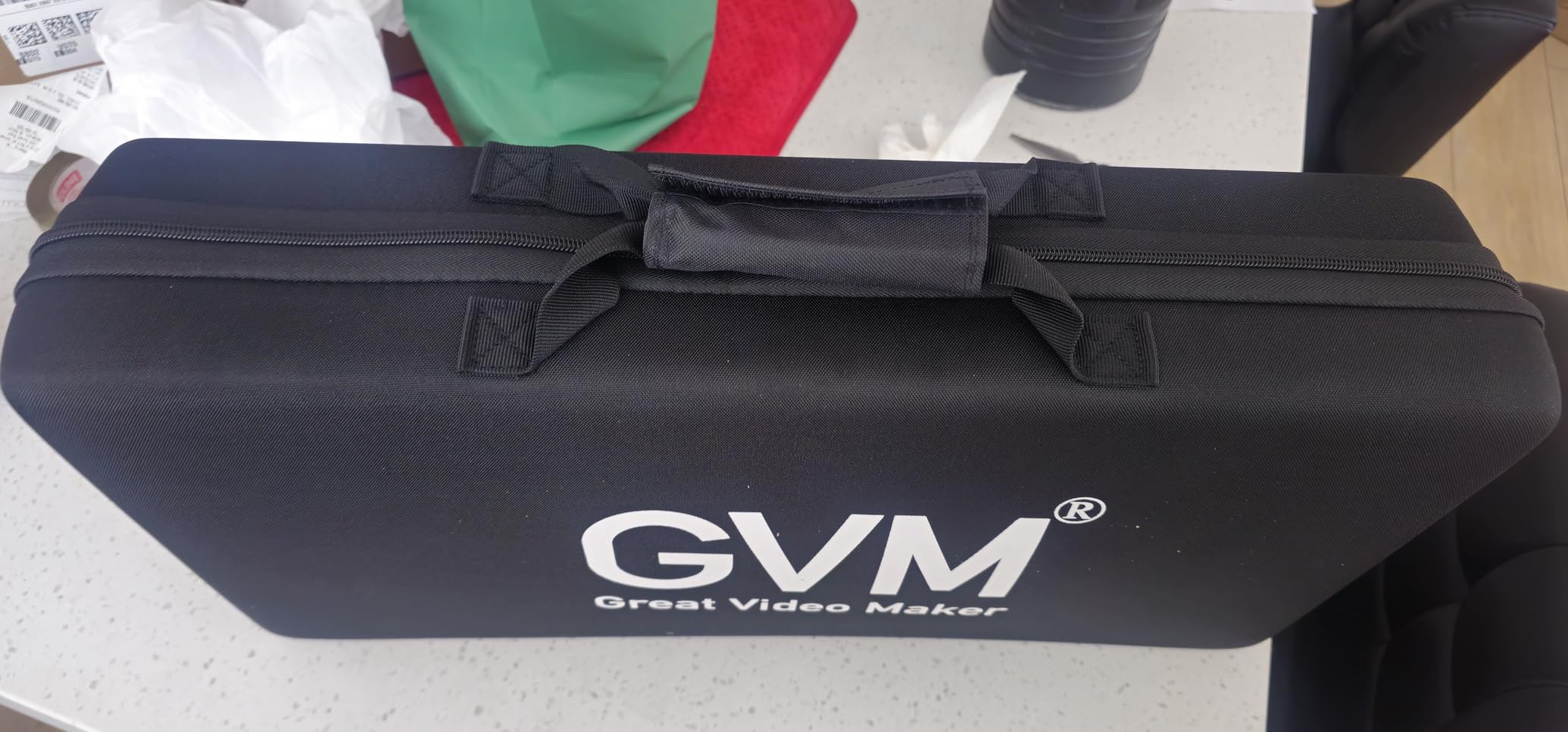
Plan on using this pair as fill and hair light, or as a matched pair for a small interview at close range, rather than as a room key. Diffusers and barn doors are included, along with two stands and a hard carry case.
Battery options and what is not in the box
Each panel runs from the AC adapter or from Sony F550, F750 or F970 batteries. Batteries are not included, so the cordless path costs you extra before the first location day.
Each light weighs about 1kg, which is light enough to move quickly between setups. There is a 180-day warranty with US-based support, and a one-year manufacturer warranty is listed.
Who should buy this and who should skip it
Buy this if you shoot interviews with mixed lighting sources, or if you routinely mount panels overhead and want app control from the floor. Two identical panels also match each other perfectly by default.
Skip it if you need to fill a room. At about 30W per panel, covering a wide space means buying more, and the app connecting to one panel at a time becomes frustrating fast. The build also feels less robust than the feature list suggests.
8. Dazzne D50 45W 2-Pack – Best Remote and Group Control
Dazzne D50 LED Video Light Panel Lights 15.4″, 2 Packs 45W 3000K-8000K Bi-Color Dimmable Photography Lighting, CRI 96+ Videography Lighting for Video Shooting/Gaming/Live Stream/Studio/Film
45W per panel, 1150 lux at 1m, CRI 96+, 3000K-8000K, 48-channel remote with master/slave
Pros
- Soft
- even edge-lit output with no visible LED hotspots or blown areas
- 3000K-8000K range with 0-100% dimming and a clear LCD readout
- Remote plus master/slave across 48 channels and 6 groups
- Runs cool and silently for long recording sessions
- Sturdy adjustable stands and a well-organised travel bag
- Switch between plug-in and NP-F battery power
Cons
- Remote cannot fully power the light off
- only dim it to 0%
- One or both lights occasionally switch on by themselves
- Some remotes reportedly stutter or skip channels
- Stands are light duty rather than heavy-duty
These are the largest panels in the roundup at 15.4 inches, and 45W each, which puts them in a different output class from everything above. Owners consistently praise the soft, even quality and the absence of visible hotspots or blown areas across the face of the panel.
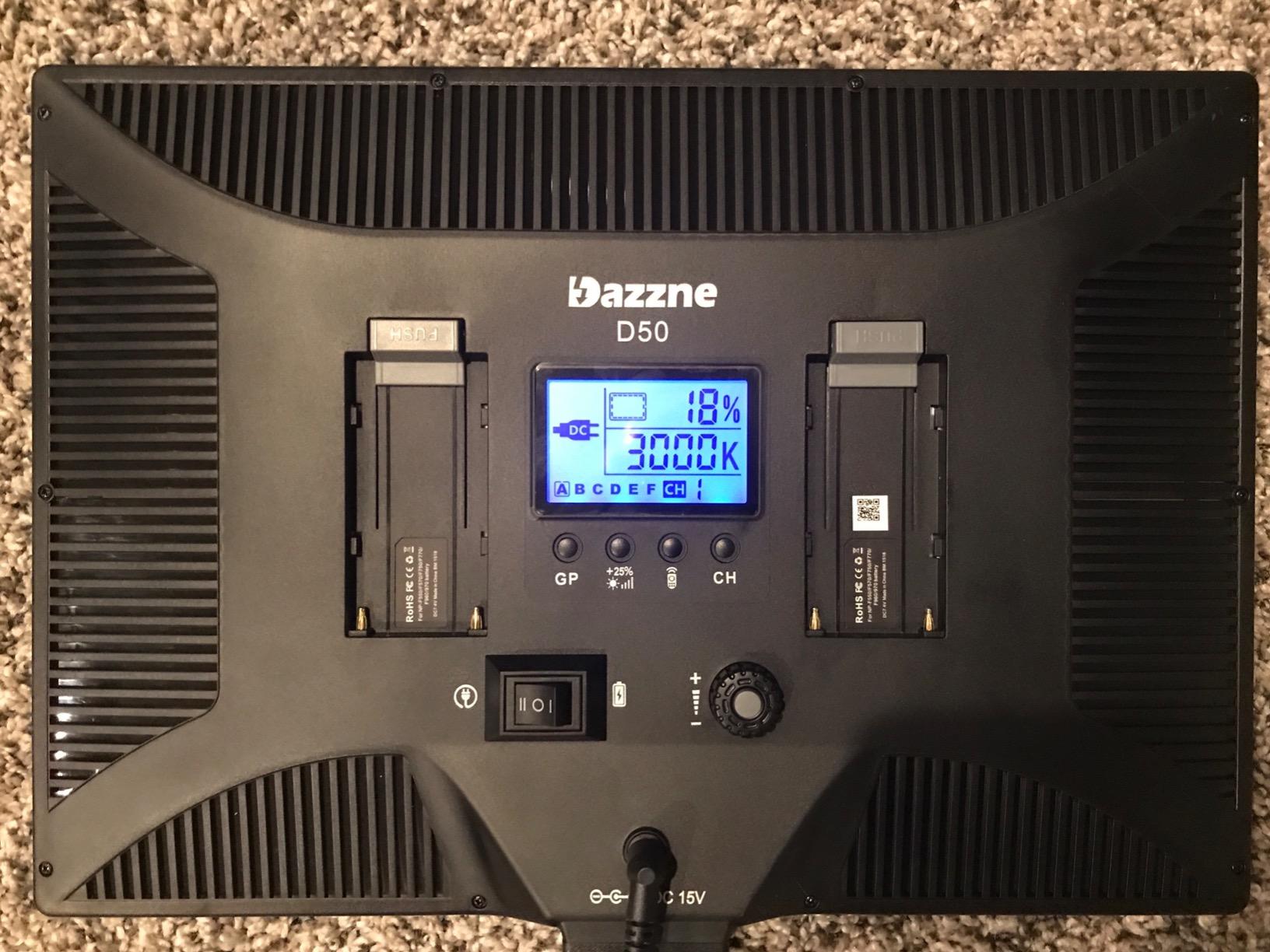
The remote system is the standout feature. Forty-eight channels and six groups with master/slave means you can put a key, a fill and a background on one remote from across a room, and change all three without walking. For a home studio or a small production company that has moved past one light, that is a genuine workflow change.

15.4 inches of edge-lit panel and what it buys you
A large emitter does not just add brightness, it adds source size. A 15.4 inch panel close to a subject wraps light around a face in a way a 9 inch panel simply cannot, so the shadows soften without adding another light.
45W per panel with 3600 lux at 0.5m and 1150 lux at 1m. Read that 1m figure as the honest one: it is what you will actually work from, and at 2m you would be looking at roughly 288 lux, which suits a close talking head rather than a large set.
Remote control, 48 channels and master/slave grouping
Six groups across 48 channels is more granular control than most panels at any price. You can put a key on one channel, match it across two heads, and dial a background separately without walking to a panel.
Two limitations are worth planning around: the remote can only dim to 0% rather than powering down, so the panel stays live, and some remotes reportedly stutter or skip channels. I would still find that trade acceptable for a multi-light studio.
Colour range and dimming behaviour
3000K-8000K is a wide bi-colour range, and 0-100% dimming with an LCD readout makes repeatable setups straightforward. CRI 96+ is solid for skin tones, though it sits below the GVM and SmallRig figures in this list.
The panels run cool and silently, which matters for long recording sessions and for anyone recording audio near the light.
Power, stands and the travel bag
Plug-in or two NP-F batteries, with NP-F950 or above recommended. Batteries are not included, which is the standard catch across this category, and it is worth treating as part of the cost of going cordless.
The aluminium alloy tripod stands adjust from 20 to 74 inches, and the travel bag has separate compartments for lights, stands and accessories, which is better organisation than most kits manage. The stands themselves are described as light duty rather than heavy duty.
Who should buy this and who should skip it
Buy this if you are past one light and want key, fill and background control from a single remote, or if you want a large soft source for a two-person interview. The 15.4 inch face is a large, soft emitter.
Skip it if you work in total silence-adjacent environments where a panel that stays powered on at 0% is a problem, or if you need heavy-duty stands for outdoor or long-arm mounts. There is no separate diffuser in the box, so plan to add one if you want to soften further.
9. RALENO 13-Inch 2-Pack – Best Softness for a Home Studio
RALENO 2-Pack 13″ Edge-Lit LED Video Light Panel Kit with 75″ Stand
13 inch edge-lit panels, CRI 95+, 2500K-6500K, 8000mAh batteries, 4-layer diffuser, 27-75 inch stands
Pros
- Edge-lit panels with a 4-layer diffuser produce genuinely soft
- glare-free light
- CRI 95+ with a wide 2500K-6500K range and smooth 0-100% dimming
- 8000mAh batteries deliver over 2.5 hours at full brightness in testing
- Three-step setup and folds down far smaller than softboxes
- Sturdy adjustable stands and a compact padded carrying case
- Panels stay cool to handle and run quietly
Cons
- Tripod legs are short
- making the stands somewhat unstable
- Supplied power cords only just reach at full stand extension
- Brightness and CCT dials sit right beside the power switch
- Panels are wider than tall with no sideways mounting option
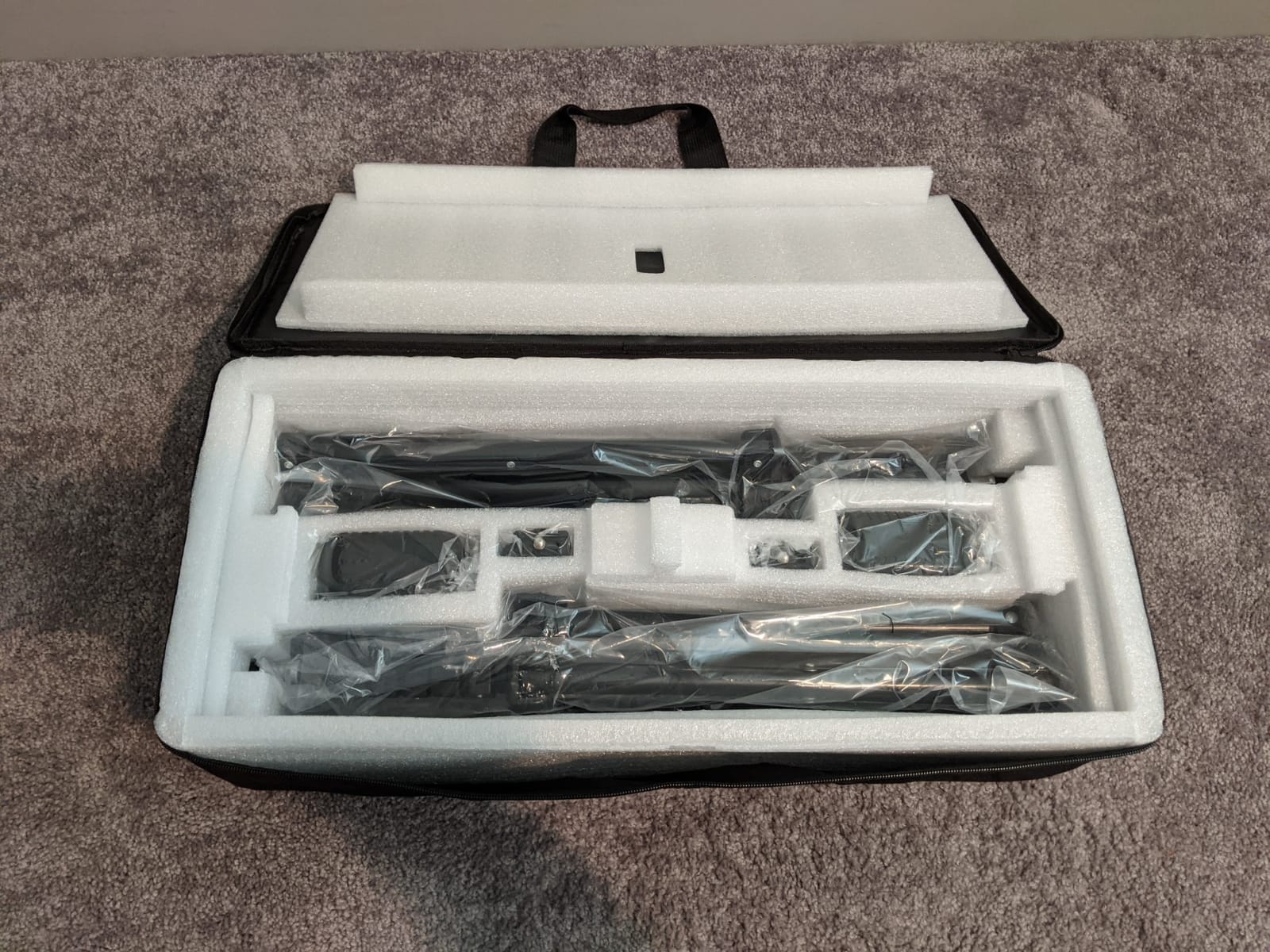
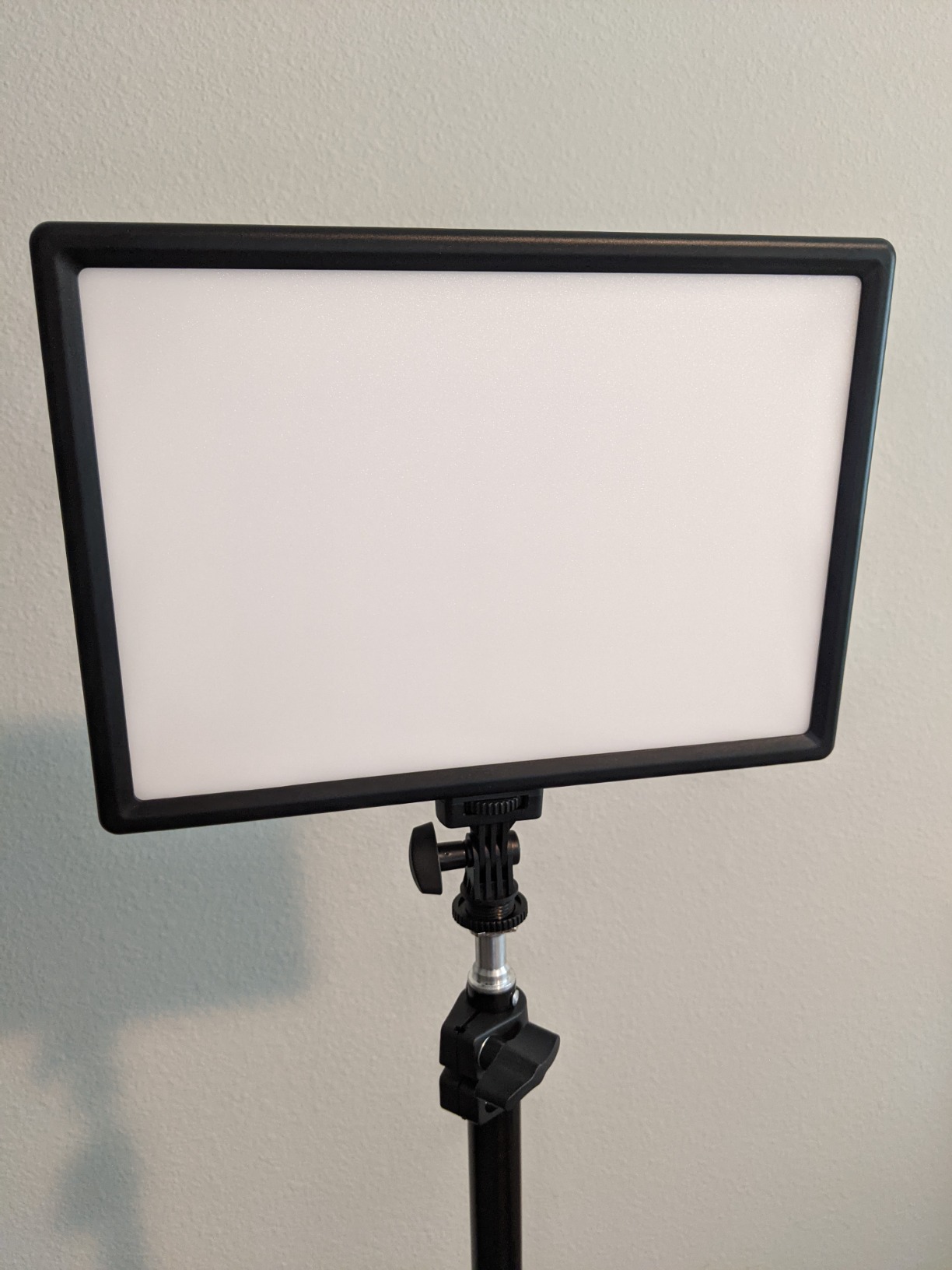
Content creators and photographers rate this as a strong, compact alternative to softboxes, and the soft edge-lit quality is the reason. Three-step setup with no softbox assembly is a genuine time saver when you are filming a dozen videos a week in a spare room.
Testing found the 8000mAh batteries deliver over 2.5 hours at full brightness, which makes this one of the better cordless pairings in the roundup and the main reason to choose it over a cheaper two-pack.
Softness, edge-lit architecture and the diffuser stack
A four-layer diffuser on an edge-lit panel removes the specular glare that makes cheap LED footage look flat. At roughly 650 lux per light, the two panels together are enough for a talking head at 1.5m with a bounce or a background light.
The panels are wider than they are tall, and there is no sideways mounting option. That is fine for a frontal key but rules out using one as a vertical strip light without a separate bracket.
Battery life: the standout number here
Over 2.5 hours at full brightness in testing, with Under 8000mAh-class built-in cells and an LCD readout showing battery, brightness and colour temperature. Two AC adapters are included, so extended sessions are covered by mains power.
The listed battery average life is 100 minutes, so treat the tested figure as a good-condition result rather than a guarantee. Either way, this is one of the more capable cordless pairings here.
Colour range and control placement
CRI 95+ across 2500K-6500K with smooth 0-100% dimming. The colour rendering is accurate but not class-leading, and this is the panel where matching to a GVM or SmallRig will take a correction pass.
The most repeated control complaint in reviews is that the brightness and colour temperature dials sit right beside the power switch. On a long take, a stray hand can change your settings mid-sentence. I put a strip of tape on the switch for that reason.
Stands, cords and portability
Two aluminium stands adjust from 27 to 75 inches, and the padded case is compact. Setup is three steps, which is the practical argument for these over traditional softboxes.
Tripod legs are short enough to make the stands somewhat unstable, and the supplied power cords only just reach at full extension. Buy longer cords and put ballast on the stand legs before you rely on them for a large panel.
Who should buy this and who should skip it
Buy this if you film several times a week in a small room, want soft light without softbox assembly, and need to work away from a wall outlet. Two 8000mAh panels is a genuinely cable-free two-light setup.
Skip it if you need vertical strip lighting or a very stable stand, or if colour matching to pro fixtures is the priority. One panel also stopped powering on after two years of use for a reviewer, so for critical paid work consider a more established brand.
10. VILTROX Retro 08X RGB Panel – Best Battery Runtime for Continuous Work
VILTROX 6000mAh On Camera LED Light, APP Control RGB Video Light
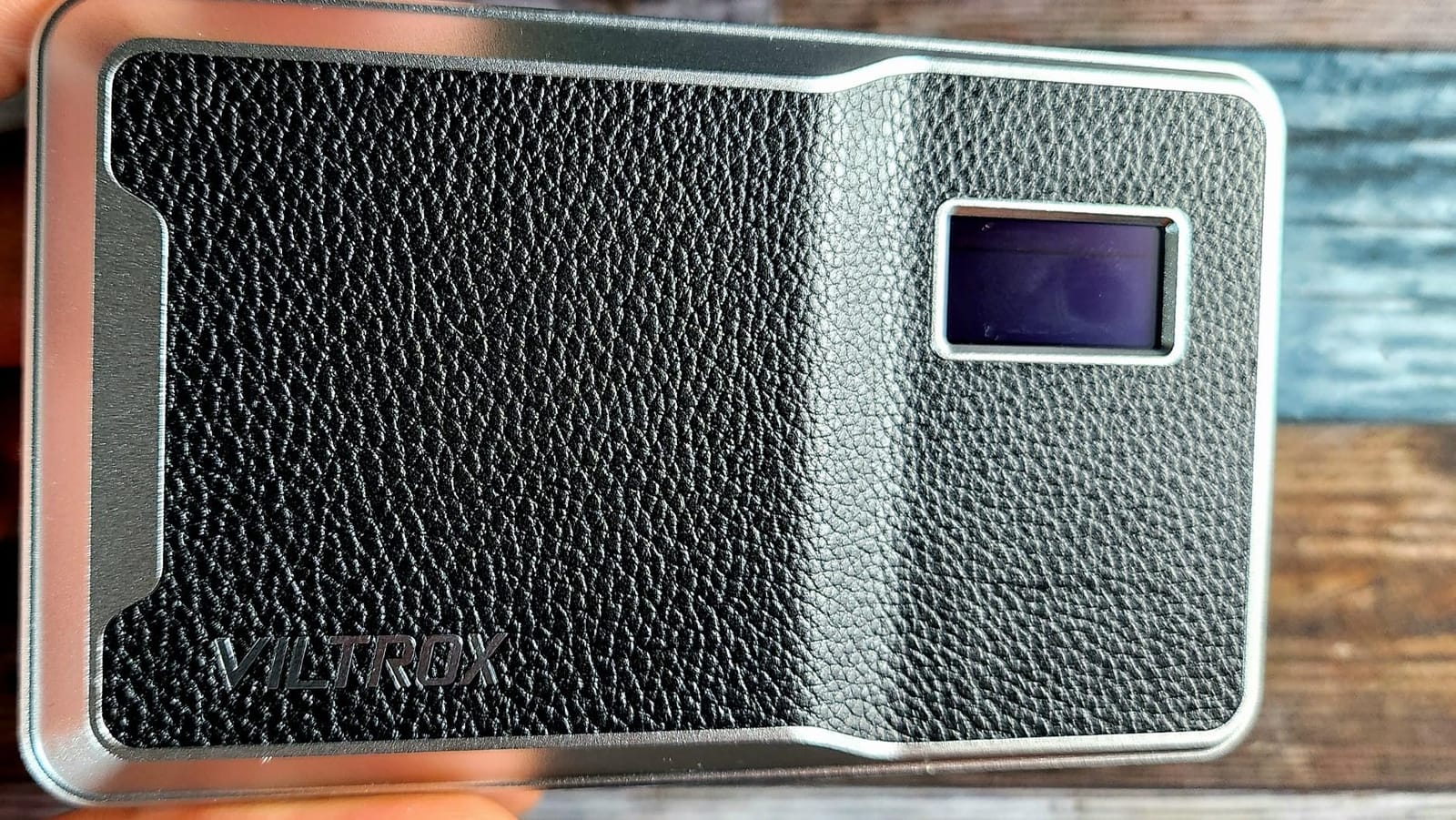
8W, 650 lux at 0.5m, CRI/TLCI 97+, 2500K-8500K, 6000mAh, 26 modes, Bluetooth app control
Pros
- Built-in 6000mAh battery provides about 8 hours at 50% brightness
- Full RGB plus 2500K-8500K bi-colour with CRI/TLCI 97+
- Bluetooth app control for remote colour and brightness adjustment
- USB-C input works with wall adapters and power banks for unlimited runtime
- Cold shoe and 1/4-20 options mount to most DSLR and mirrorless bodies
Cons
- Maximum output is only 650 lux at 0.5m
- so it is a fill or accent light rather than a key
- App-dependent control adds friction when used away from a phone
- Some international buyers report missing regional power adapters
Eight hours at 50% brightness from a built-in 6000mAh battery is the longest runtime of any panel in this roundup, and it is the reason this one earns a place on the list. On a full day of interviews or a multi-location shoot day, you are carrying no battery plates and taking no charging breaks.
Colour accuracy is the other strength. CRI and TLCI 97+ with full 360-degree RGB and a 2500K-8500K range puts this compact panel ahead of several larger ones on paper, and reviewers centre their praise on the runtime, the colour, the app control and the flexible USB-C power.
Output limits and the role it should play
650 lux at 0.5m is the honest ceiling, and it makes this a fill or accent light rather than a key. Mounted on the camera or on a short stand close to a subject, that is genuinely useful, especially for adding a colour edge to a face.
Reviewers are direct about this: the panel is not a substitute for a main light on a full person or a full scene. Buying it for the wrong role is the main reason buyers are disappointed by it.
Runtime and USB-C flexibility
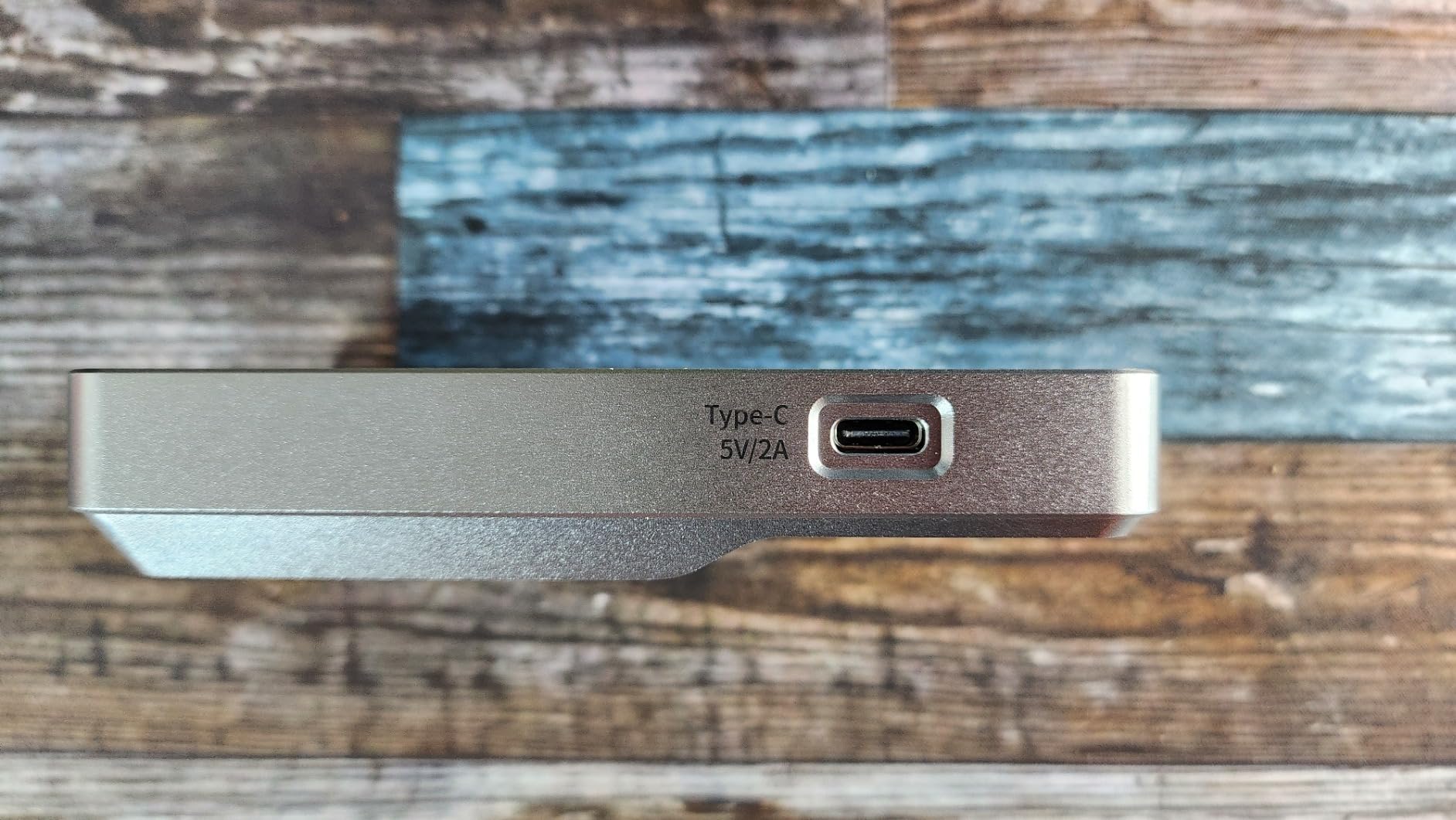
Up to 8 hours at 50% brightness is the quoted figure, and the 6000mAh cell is built in rather than a swappable plate. USB-C input means you can run it from a wall adapter or a power bank, which extends the practical runtime indefinitely.
That combination of internal battery plus USB power makes this among the least fiddly cordless options here. There is nothing to remember to pack.
Colour control: bi-colour plus full RGB
Seventy-two bi-colour and 36 RGB LEDs give a 2500K-8500K range with 360-degree full colour on top. There are 26 shooting modes, which is more than most compact panels offer, and Bluetooth control through the WeeylitePro app.
The app is a mixed blessing. It is genuinely convenient for adjusting colour from outside the frame, but app-dependent control adds friction when you are away from your phone, so learn the physical controls too.
Mounting and compatibility
A cold shoe mount plus three 1/4-20 mounting points covers most cameras, and the listed compatibility includes Nikon, Sony, Canon, Fuji and Panasonic DSLRs. The box includes the panel, a USB-C cable and a cold shoe adapter.
Some international buyers report missing regional power adapters, so if you shoot outside the US, confirm what comes in the box before a location day. The 8W output and 26 modes are listed as the shooting mode count.
Who should buy this and who should skip it
Buy this if you shoot all day on battery, travel with a small kit, or want an accurate RGB accent light that mounts to the camera. The 8-hour runtime changes how you plan a shoot day.
Skip it if you need a key light. 650 lux at 0.5m will not light a standing subject, and pairing it with a second panel is a better use of money than using it alone. It is also the newest and least review-tested panel here, with 431 reviews behind it.
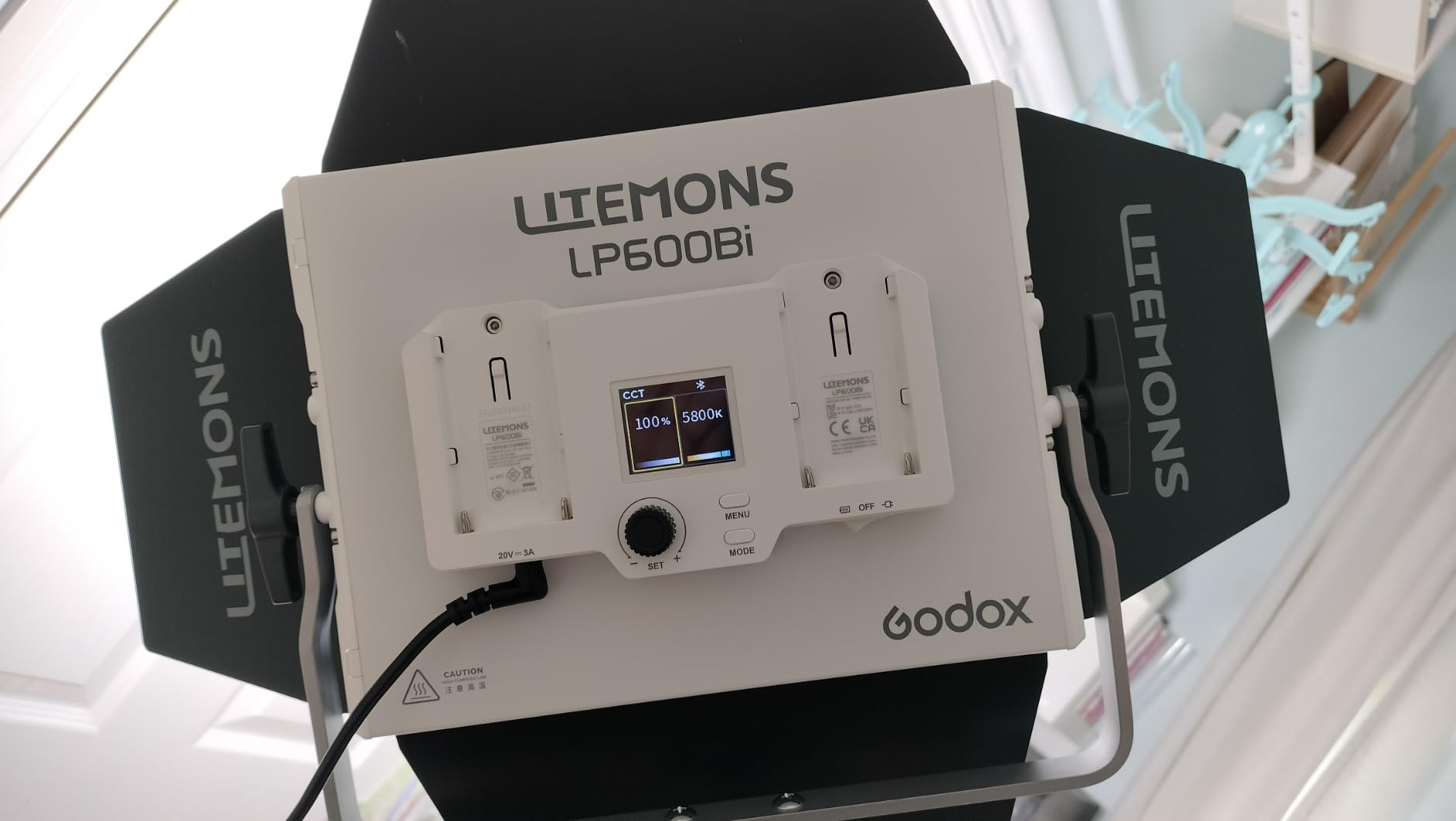
11. Godox LP600Bi 65W 2-Pack – Most Output From a Single Compact Panel
Godox LP600Bi Led Video Light Panel Light Kit with Barndoor & Carry Case
65W per panel, 9020 lux at 0.5m, CRI/TLCI 96+, 2800K-6500K, 11 FX effects, Bluetooth app
Pros
- Very high output for a compact panel at 9020 lux at 0.5m
- CRI/TLCI 96+ with 2800K-6500K bi-colour and 0-100% dimming
- Barn doors included for shaping and spot control
- Brightness and colour temperature stay stable over long takes
- Bluetooth app control with 11 FX effects
- Light 10.4 inch panels with a carry bag and two stands included
Cons
- Small review base
- so long-term reliability is less well documented
- Newer model with limited owner feedback compared with established kits
- Battery support is not mentioned in the available product details
9020 lux at 0.5m at 5600K from a 65W panel is the highest output figure in this roundup, and it comes in a slim 10.4 by 7.9 inch body weighing 2.2 pounds. Buyers highlight the brightness-to-size ratio first, every time.
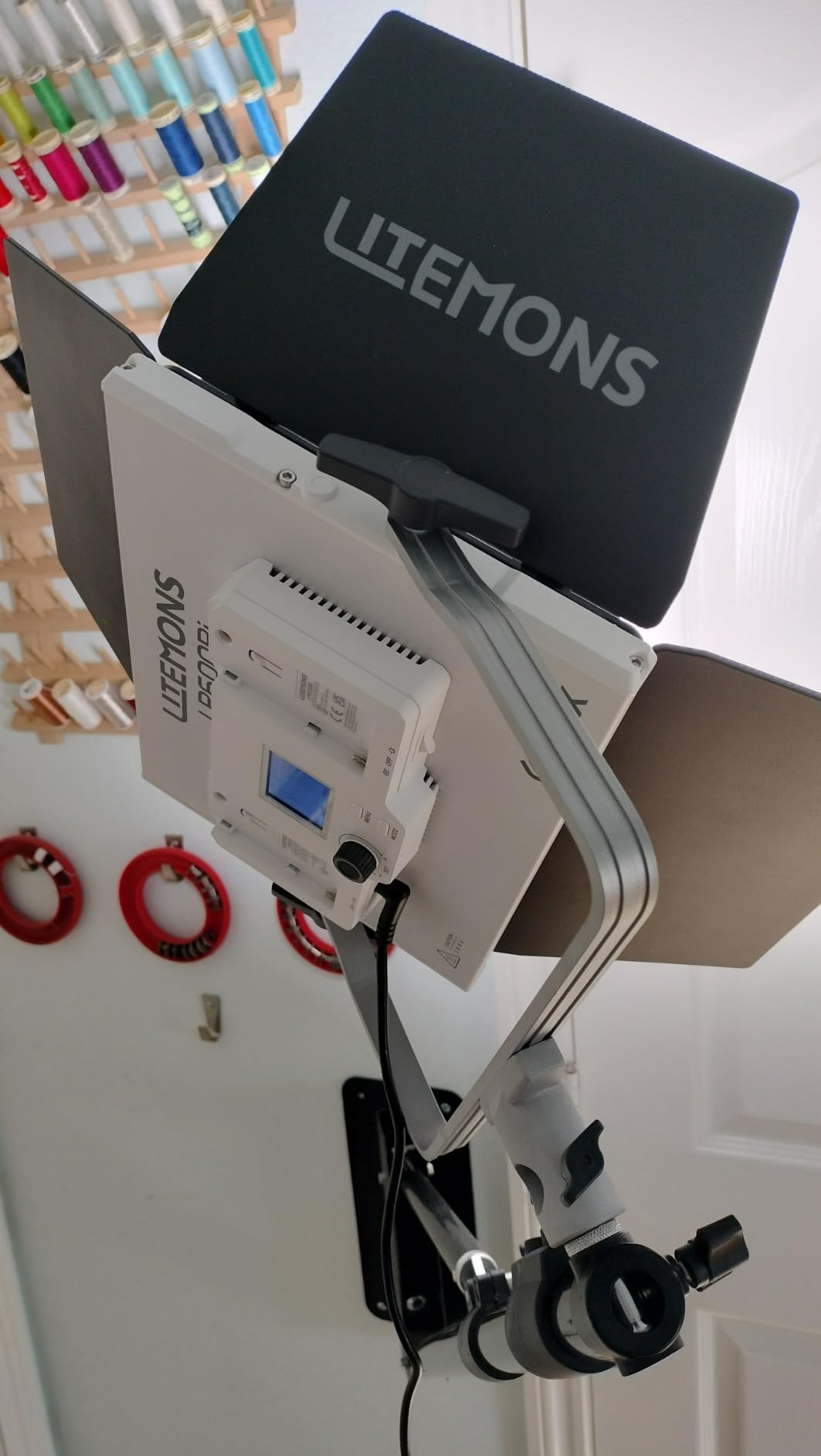
The second thing reviewers mention is stability. Brightness and colour temperature holding steady over long shoots is what separates a panel you can leave running through a day from one you keep adjusting, and this one is reported as solid in that respect. Barn doors are included for beam shaping and spot focus, which is unusual at this output level.
Output per panel and how to plan around it
The headline 9020 lux at 0.5m is measured at the warm end of the range, and half a metre is closer than most people shoot. Even so, this is the only panel here that plausibly functions as a key at 2m without help from a second head.
Reviewers point to the brightness-to-size ratio as the reason to buy it, and I agree. If your room is bigger than a home office, this is the first panel on this list that can carry the scene alone.
Colour rendering, bi-colour range and effects
CRI/TLCI 96+ across 2800K-6500K with 0-100% dimming. That is accurate enough for interviews and product work, sitting below the SmallRig and GVM figures but comfortably above what most panels manage.
There are 11 built-in FX effects with Bluetooth app control, and a large LCD on the back of the head showing colour temperature and brightness. The app is Bluetooth rather than WiFi, which is simpler to pair and less dependent on a network.
Barn doors, stability and long sessions
Barn doors let you cut the beam down and focus light on a subject without a flag or grid, which matters when you have 9020 lux and no reason to blow out a white wall behind your subject.
Owners specifically report stable output with no brightness or colour drift over long shoots. On a panel this bright that matters more than on a dimmer fixture, because drift is far more visible.
What is in the kit and what is missing
The two-pack includes two LP600Bi panels, two barndoors, two aluminium alloy light stands and a carry bag. Panels are slim at 10.4 by 7.9 inches and 2.2 pounds each, so they pack far better than the output would suggest.
Battery support is not mentioned in the available product details, so I would treat this as a mains-powered kit unless you confirm otherwise. A one-year warranty is listed.
Who should buy this and who should skip it
Buy this if you need real output in a room larger than a bedroom, want barn doors at this brightness, or need a fixture that holds its level through a long day. The brightness-to-size ratio is the best in this roundup.
Skip it if you shoot on battery only, because battery support is not documented, and think twice if you need a long-term reliability record, since only 119 reviews exist. It is a newer model with far less owner history than the established kits here.
12. Lume Cube Studio Panel 2-Pack – Fastest Travel Two-Point Setup
Lume Cube Studio Panel 2-Point Lighting Kit | Edge Lit LED Bicolor Light Panels 3200k – 5600k | Rechargeable Lithium Battery, Adjustable Color, Brightness, 70″ Stands, Wireless Remote Included
Edge-lit panels with 204 bicolor LEDs, 3200K-5600K, rechargeable battery, remote control, 70 inch stands
Pros
- Soft edge-lit output with no visible LED dots
- similar to a softbox
- Sets up and breaks down quickly with barn doors pre-attached
- Built-in batteries plus two adapters let both panels charge simultaneously
- Remote controls each light independently
- which is useful on location
- Lightweight and fits neatly into the supplied case for travel
- 3200K-5600K adjustment across the spectrum
Cons
- Output is not strong enough to serve as a primary light in many setups
- Some units flicker after a few hours of use
- Included power adapter could not sustain the panels at 100% and caused random shutdowns
- No ball head included
- so overhead mounting needs a separate purchase
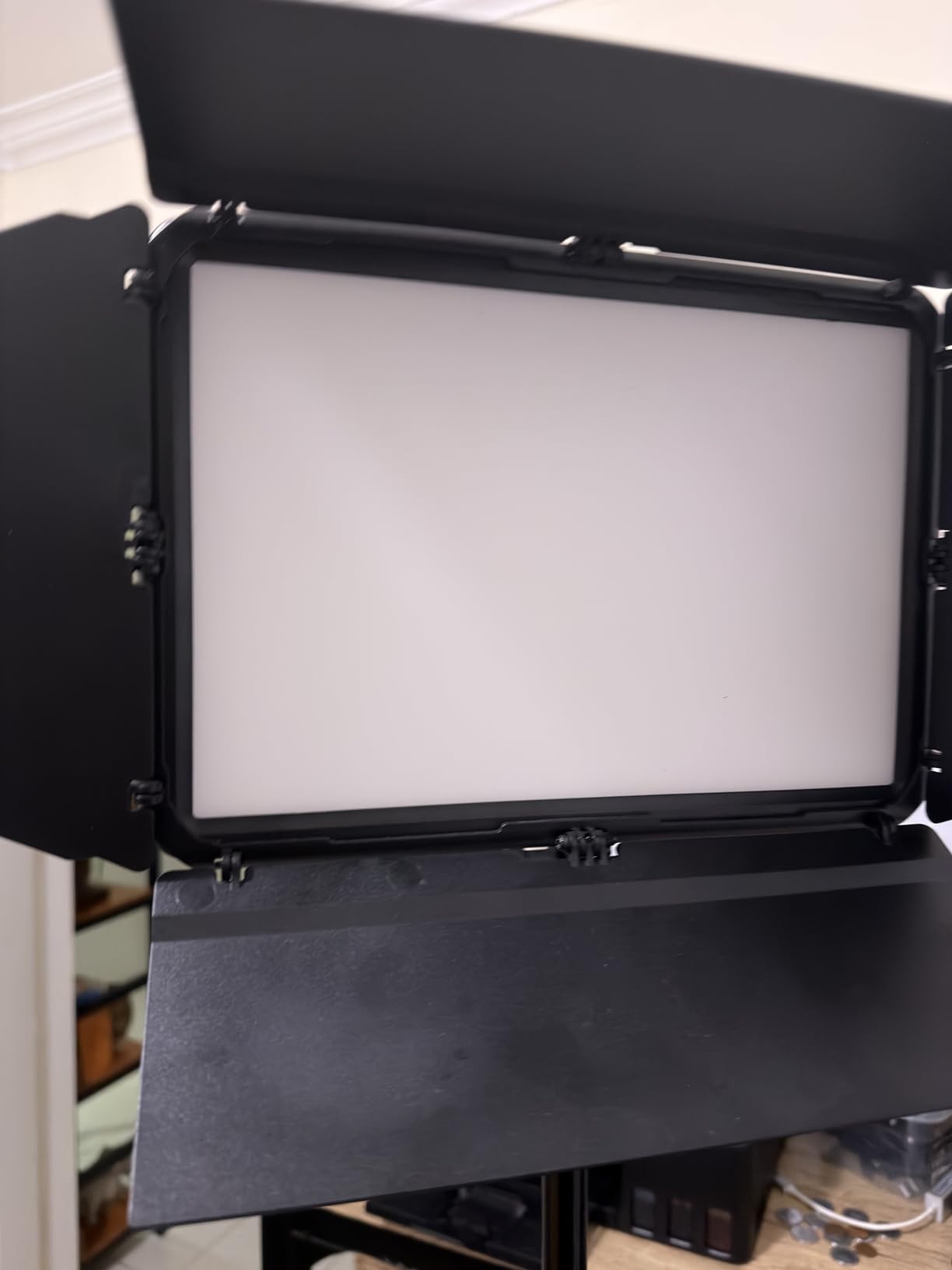
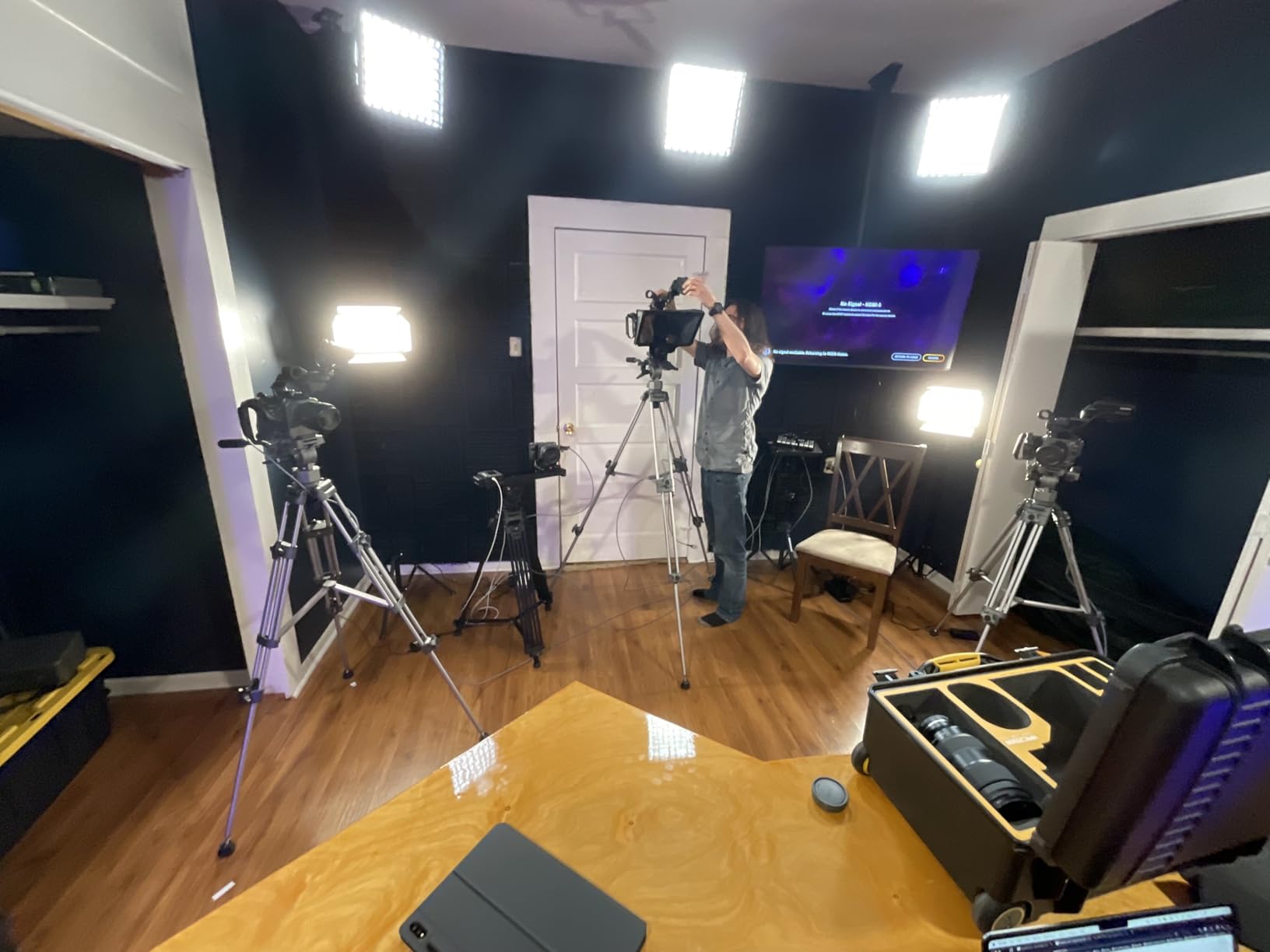
This is the kit I would grab for a headshot session in a hotel room, and it is the last one here for a reason. The edge-lit panels produce soft output with no visible LED dots, similar to a softbox, and the barn doors arrive pre-attached so there is nothing to assemble beyond opening the stand legs.
Owners who travel or shoot headshots like the portability, the pre-attached barn doors and the independent remote control. What they consistently report back is that the output is not enough to serve as a primary light in many setups, which is the honest limitation that puts this kit at the bottom of my ranking.
Build quality and setup speed
Two hundred and four bicolour LEDs per panel using edge-lit technology give an even face with no hot dots. The 3200K-5600K range and adjustable brightness cover the everyday cases, and the kit is designed to be up and shooting in a couple of minutes.
The two 70-inch light stands, angle mounts, barn doors, two power adapters, a remote control and a premium travel bag are all included. That is a complete package with nothing obvious missing except a ball head.
Battery and charging behaviour
Each panel has a built-in rechargeable lithium battery giving 80 minutes at 100% output and 5600K, and two AC adapters are included so both can charge at once. For a half-length session on location that is usable but not generous.
More concerning, the included power adapter has been reported as unable to sustain the panels at 100%, causing random shutdowns. That is a failure mode you do not want at the end of a take, so test both panels on mains before a paid shoot.
Flicker after extended use
Some panels flicker after a few hours of use, which is exactly the behaviour that ruins a long recording session. This is the most serious reliability complaint in the roundup and the reason I rank this kit last despite the appealing feature list.
If flicker is a deal-breaker for your work, do not buy this kit. Every other panel here has flicker-free dimming reported by reviewers, and the SmallRig and GVM are the two I would trust for long continuous sessions.
Remote control and travel
The wireless remote controls each light independently, which is more useful than a shared channel when you are moving around a location. On location that saves walking back and forth to a panel on a stand.
No ball head is included, so overhead mounting needs a separate purchase, and one reviewer reported bent stand prongs on arrival. Check the stands before you leave for the shoot.
Who should buy this and who should skip it
Buy this if you shoot headshots in temporary spaces, want soft light with no assembly, and control both panels from a remote while you move around the subject. The travel bag and folding footprint are genuinely good.
Skip it for any long recording session, any paid client work where a flicker or a shutdown would cost you, and any room larger than a small bedroom. The 4.3 rating here is the lowest in the roundup, and the complaints behind it are about reliability, not features.
How to Choose an LED Panel Light for Video in 2026
Most panel buying guides start with wattage, which is the least useful number on the box. Wattage tells you how hard the emitter is being driven, not how much light lands on your subject. Here is what actually decides whether a panel works for your shoot.
Read lux at 1m, and treat 0.5m figures as marketing
Output is quoted in lux at a stated distance, and the two distances behave very differently. Light falls off with the square of distance, so a panel rated at 3300 lux at 1m delivers roughly 825 lux at 2m and around 367 lux at 3m. A panel quoted at 9020 lux at 0.5m, like the Godox LP600Bi, would be about 2255 lux at 1m under the same maths.
That is why you cannot compare a 0.5m figure with a 1m figure. Ask for the 1m number, then divide by four for 2m and by nine for 3m. As a working rule, a talking head at 1.5m to 2m needs a head that clears roughly 800 lux at 1m before a diffuser goes in front of it.
CRI for photos, TLCI for video
CRI is the general colour rendering index. TLCI models how light behaves through a camera sensor and is the more meaningful number for video work. Anything at 95 or above on both is professional grade; the SmallRig RM120 reads 98 on both, the VILTROX Retro 08X reads 97 on both, and the GVM pair sits at 97 as well.
Below 90, skin tones start to look flat and product colours drift, which no amount of colour correction in post fully repairs.
Flicker frequency and shutter speed: the test that matters most
Flicker is the most repeated technical worry in the practitioner threads for this query, and the reason is mathematical rather than mystical. A panel that pulses at frequency F creates banding when your shutter speed divides into that frequency evenly. The rule of thumb: keep your shutter angle high and the frame rate predictable, and avoid shutter speeds that are exact fractions of the light’s frequency.
Here is a three-step test you can run before you commit. First, shoot the panel at your intended frame rate and shutter angle against a plain wall. Second, dim it to 1% and shoot again, because the dimming electronics are where flicker usually appears. Third, check the frame-by-frame playback for banding. If you see stripes, walk away, whatever the packaging claims.
Bi-colour range versus full RGB
Bi-colour panels move along the Kelvin scale from warm to cool, which is all you need for daylight and tungsten matching. Full RGB panels add hue and saturation control for coloured backgrounds and gels, but they output less light than a bi-colour panel of the same wattage, and that surprises buyers constantly.
Unless you are lighting to a specific colour, bi-colour is the smarter buy. A range of 2800K-6500K or wider gives you warm interiors and cool exteriors from one fixture. The GVM pair here goes from 2300K to 6800K, which takes you warmer at the bottom than anything else here.
Panel or COB: the decision that dominates every forum thread
On r/videography, the recurring advice is that COB lights are a better choice on a budget, and a comment in r/cinematography describes a 60W bi-colour LED with a stripbox, a big reflective umbrella and a Fresnel can producing very neat results for very little money. The pattern is consistent: panels are judged as fill and interior lights, COBs as keys.
My rule: if the light needs to punch through a window or reach across a room, buy a COB. If the light needs to wrap around a face, soften a product or sit close to a subject on a stand, buy a panel. Panels also win on heat, colour accuracy at low output and silence, since most smaller units need no fan at all.
Battery ecosystems and the total cost of cordless
Batteries are almost never included in budget panels, and that is the hidden cost that catches people out. Two NP-F plates plus a charger can add meaningfully to what a kit actually costs to put into service.
NP-F and Sony F-series plates cover most of the mid-range panels here. V-mount and D-Tap systems belong to larger fixtures, and they are not interchangeable. If you own one ecosystem already, standardise on it. If you are starting fresh and want the least fuss, a panel with a built-in battery plus USB-C power, like the RALENO 9-inch or the VILTROX Retro 08X, removes the whole problem.
Mounting standards, modifiers and what is actually in the box
Bowens mount is the standard that lets you buy third-party softboxes, grids and egg crates. Most panels in this roundup use proprietary or simple screw fittings instead, so modifiers cost more and are limited to what the brand sells. That is a real long-term cost if you plan to grow a rig.
One-quarter-20 threads are the universal standard and every panel here offers them somewhere. Barn doors are included with the NEEWER 660, the GVM pair, the Godox pair and the Lume Cube pair, which covers basic beam control without buying anything.
Finally, count what is missing. Batteries, AC adapters, stands, diffusers and carry cases are the five things kits leave out most often, and the RALENO 13-inch pair and the NEEWER 480 pair are the two here that include almost everything.
If your key light doubles as room lighting, our guide to the best LED shop lights covers the high-bay and strip formats that panels cannot stand in for, and it is worth a read before you re-light a workspace.
Frequently Asked Questions
What are the best LED video lights for video shooting?
The NEEWER 660 Bi-Color 2-Pack is the best overall choice for video shoots, with 3300 lux at 1m, CRI 96+, a 3200K-5600K range and fanless metal construction. The NEEWER 480 2-Pack is the best value, and the GVM 480APP 2-Pack wins on colour accuracy at CRI/TLCI 97+ across 2300K-6800K.
Which brand makes the best quality LED panel lights?
For colour accuracy, SmallRig leads this roundup with the RM120 at CRI and TLCI 98+, followed by GVM and VILTROX at 97+. For dependable build and the largest review history, NEEWER is the safest choice, with the 660 and 480 panels holding 4.7 ratings across more than 6700 reviews combined. Godox offers the highest output per panel.
How bright should an LED panel be for video?
For a talking head at 1.5m to 2m, look for roughly 800 lux at 1m before diffusion. Remember light falls off with the square of distance: a head rated at 3300 lux at 1m gives about 825 lux at 2m and roughly 367 lux at 3m. A diffusion layer and any flagging or grid will reduce those figures further.
Do LED panel lights flicker on camera?
They can, and the cause is usually the dimming electronics rather than the LEDs. Before buying, shoot the panel at your target frame rate and shutter angle against a plain wall, then dim it to 1% and shoot again. Banding on playback means avoid that model. Prefer panels with passive cooling, since fan-driven fixtures can add subtle modulation as they ramp.
Should I buy an LED panel or a COB light?
Buy a panel when the light sits close to your subject and needs to wrap around a face, soften a product or fill an interior. Buy a COB when you need to punch through a window or reach across a room, since COBs deliver far more output for the same wattage. Panels win on softness, low-level colour accuracy and silent operation.
What size LED panel do I need for video?
A 9-inch panel works for close work, macro and camera-mounted fill. A 13-inch panel covers a talking head at 1.5m to 2m and still folds down small. A 15.4-inch panel is the choice for two-person interviews and larger setups, because the larger emitter softens shadows without needing a second head. Output matters more than panel size once you pass 1m.
Which LED Panel Light Should You Buy in 2026?
If you want one answer, take the NEEWER 660 Bi-Color 2-Pack. It is the only panel in this roundup that combines a 4.7 rating with more than 4000 reviews, a metal fanless body, barn doors in the box and enough output to work as a key at 1.5m. It is the panel I would put in a rental kit without hesitating.
If your budget is the deciding factor and you are building a first home studio, the NEEWER 480 Bi-Color 2-Pack is the better arithmetic: two heads, two stands, two diffusers, carry cases included, CRI 96+, and the best value rating in the list. Just buy longer adapter cables.
If colour is the deliverable rather than the light level, the SmallRig RM120 at CRI/TLCI 98+ is the most accurate fixture here, and the GVM 480APP pair is the choice when you need to match mixed sources or control panels from a phone. If you need a room-filling key rather than a wraparound source, the Godox LP600Bi pair delivers the most output per panel in the group.
And if you shoot on battery all day, the VILTROX Retro 08X gives you eight hours at half brightness with nothing to pack beyond the light itself, while the RALENO 13-inch pair is a soft, cable-free two-light setup for a small studio.
Whichever one you choose, test it on your actual set before the shoot day: dim it to 1%, check for banding at your frame rate, and confirm the power adapter holds. Those ten minutes will save you a reshoot. For the wider category, including formats panels cannot cover, read our guide to the best LED video lights for every creator setup.
Leave a Reply