
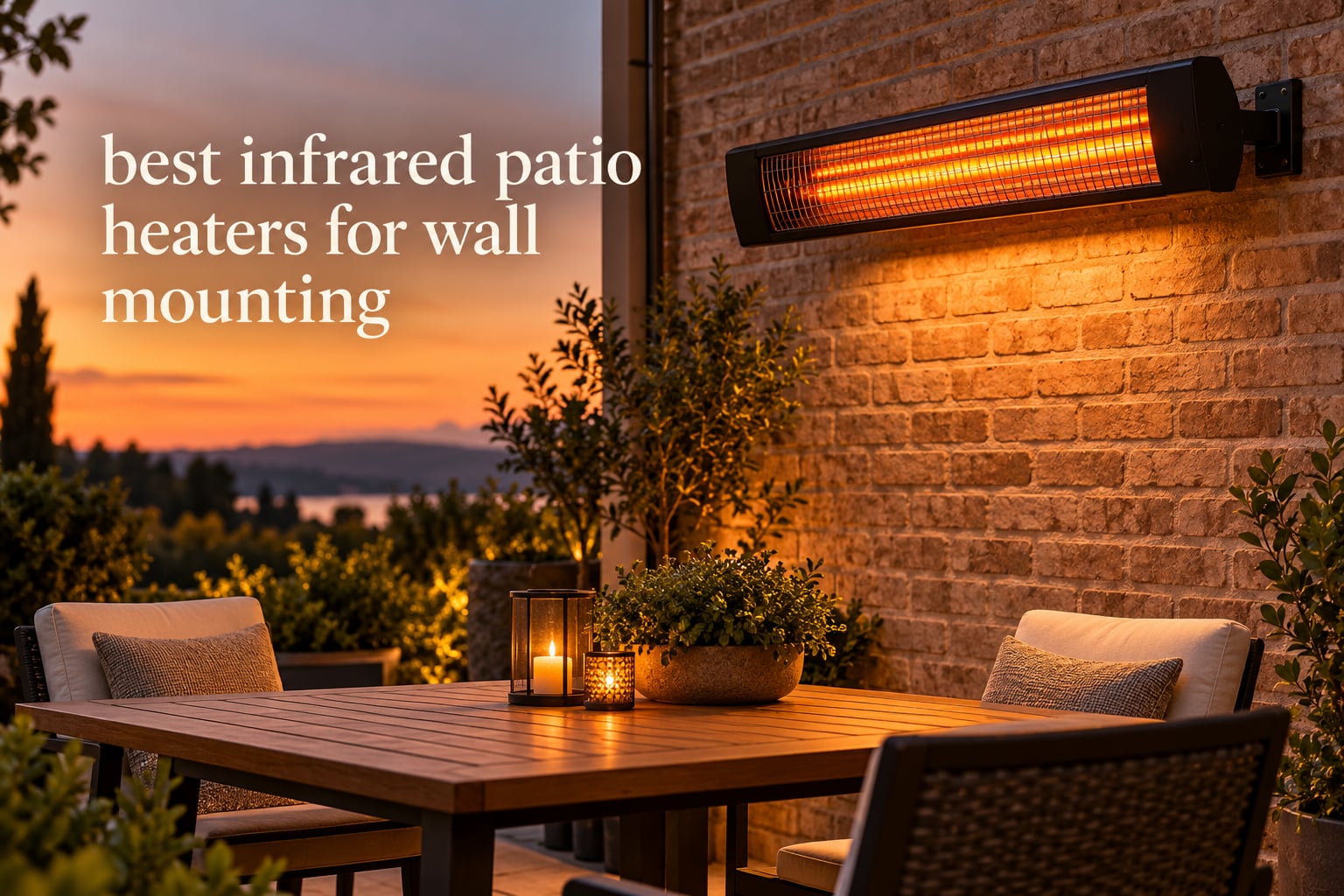
Most people who search for the best infrared patio heaters for wall mounting do not want another boxy propane tower taking up a chunk of the deck. They want heat they can aim at a table, a bench, or a bar, without a tank, without a loud fan, and without a cord snaking across the walkway. Wall mounted infrared heaters deliver exactly that, and after weeks of comparing spec sheets, owner feedback and installation realities, I narrowed the field to ten models I would actually put on a wall.
The search itself is less simple than it looks. Two heaters can both claim 1500 watts, both claim IP65 weather resistance, and both look nearly identical in a product photo, yet one of them will keep a four-person table comfortable for three hours while the other makes a bright patch two feet wide. The difference comes down to element type, cone angle, mounting height, and how honestly the manufacturer states the coverage area.
My approach was practical. I compared the electrical load of each unit against a real outlet, checked clearance requirements against typical patio geometry, and worked through owner feedback to separate what holds up from what merely sounds good in a listing. If you want the physics behind why these units warm people instead of rooms, our guide on how infrared heaters work covers the mechanics in detail.
Two things came up again and again in the owner discussions. First, mounting height matters more than wattage. A 1500 watt unit hung too high feels like nothing, while the same unit at seated head height feels powerful. Second, the honest answer to coverage is that radiant heat falls off fast, so you are sizing for a seating zone, not for the whole patio footprint. I kept both ideas in mind while ranking everything below.
For context on the wider category, our general patio heater roundup covers the freestanding gas models too, so you can compare a wall mount against the tower you may already own. This guide stays focused on electric wall mounted units, updated for 2026.
Our Top 3 Wall Mounted Infrared Patio Heaters for 2026
The short version: the Heat Storm wins on smart control and proven long-term reliability, the Briza wins on versatility, and the SereneLife covers a small seating spot at a modest draw. Details on all three sit in the review sections further down.

Heat Storm HS-1500-PHX-WIFI
- 1500W and 5200 BTU
- Wi-Fi
- remote and touch control
- 150 sq ft primary zone
- 110V plug-in
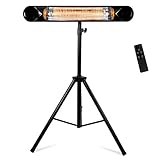
Briza Infrared Patio Heater
- 1500W across 3 heat levels
- IP55 weather protection
- Wall
- ceiling or tripod mount
- 9-hour remote timer

SereneLife Wall Mount Heater
- 1500W carbon fiber element at 88 percent efficiency
- IP65 rated
- ETL certified
- 18 sq ft coverage
Comparing the Best Wall Mounted Infrared Patio Heaters in 2026
All ten models below are wall mounted electric infrared heaters. Read the voltage, amperage and coverage details together, because the compact units and the 6000 watt commercial model differ mainly in how much electrical work they demand.
| Product | Specs | Action |
|---|---|---|
| Heat Storm HS-1500-PHX-WIFI Infrared Wall Heater |
|
Check Latest Price |
| Briza Infrared Electric Patio Heater |
|
Check Latest Price |
| SereneLife Wall-Mounted Infrared Patio Heater |
|
Check Latest Price |
 VAGKRI Outdoor Infrared Patio Heater VAGKRI Outdoor Infrared Patio Heater |
|
Check Latest Price |
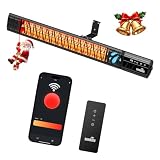 Sundate WiFi Wall-Mounted Infrared Heater Sundate WiFi Wall-Mounted Infrared Heater |
|
Check Latest Price |
 Nfccra 34 Inch Motion Sensor Patio Heater Nfccra 34 Inch Motion Sensor Patio Heater |
|
Check Latest Price |
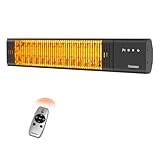 PowerScale 1500W IP65 Patio Heater PowerScale 1500W IP65 Patio Heater |
|
Check Latest Price |
 blessny 1500W Wall Mounted Electric Heater blessny 1500W Wall Mounted Electric Heater |
|
Check Latest Price |
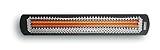 Bromic Tungsten Smart Heat 6000W Bromic Tungsten Smart Heat 6000W |
|
Check Latest Price |
 Paraheeter Hanging Wall Mount Patio Heater Paraheeter Hanging Wall Mount Patio Heater |
|
Check Latest Price |
1. Heat Storm HS-1500-PHX-WIFI – Smart Control and the Deepest Review Pool
Heat Storm HS-1500-PHX-WIFI Infrared Heater, Wifi Wall Mounted
1500W and 5200 BTU
Wi-Fi, remote and touch panel
150 sq ft primary zone
110V, 12.5A
9 lb wall mount
Pros
- Wi-Fi app control from a phone
- Remote plus touchscreen digital thermostat
- Wall mount frees the deck floor
- Cool-to-touch cabinet and safe-touch grill
- Tip-over safety shut off
Cons
- Listed for indoor use rather than exposed weather
- Feet not included with the wall-mounted version
- Digital control panel less durable than simple knobs
The Heat Storm is the unit I kept coming back to while assembling this list. It is not the most powerful heater here, but it is the one with the largest body of owner feedback by a wide margin, and that changes how confidently you can buy it. More than 13000 ratings gives you a realistic picture of the failure modes, and the failure modes here are minor: a few owners wish for a simpler dial, a few mounted it outside where the listing does not really support it.
In use, it behaves like a normal convection-plus-radiant cabinet heater that happens to hang on a wall. The 1500 watt element and 5200 BTU rating cover 150 square feet as a primary zone, with the manufacturer claiming up to 750 square feet of supplemental influence in an open area. Warm-up is immediate, the fan is quiet, and the cabinet stays cool enough to brush past.
For my purposes the deciding factor was the Wi-Fi. I set a schedule from my phone on a cold evening so the patio was already warm when we walked out, and the remote works just as well from the sofa. Reviewers consistently name app control as the feature that makes a wall heater usable without stepping outside first.
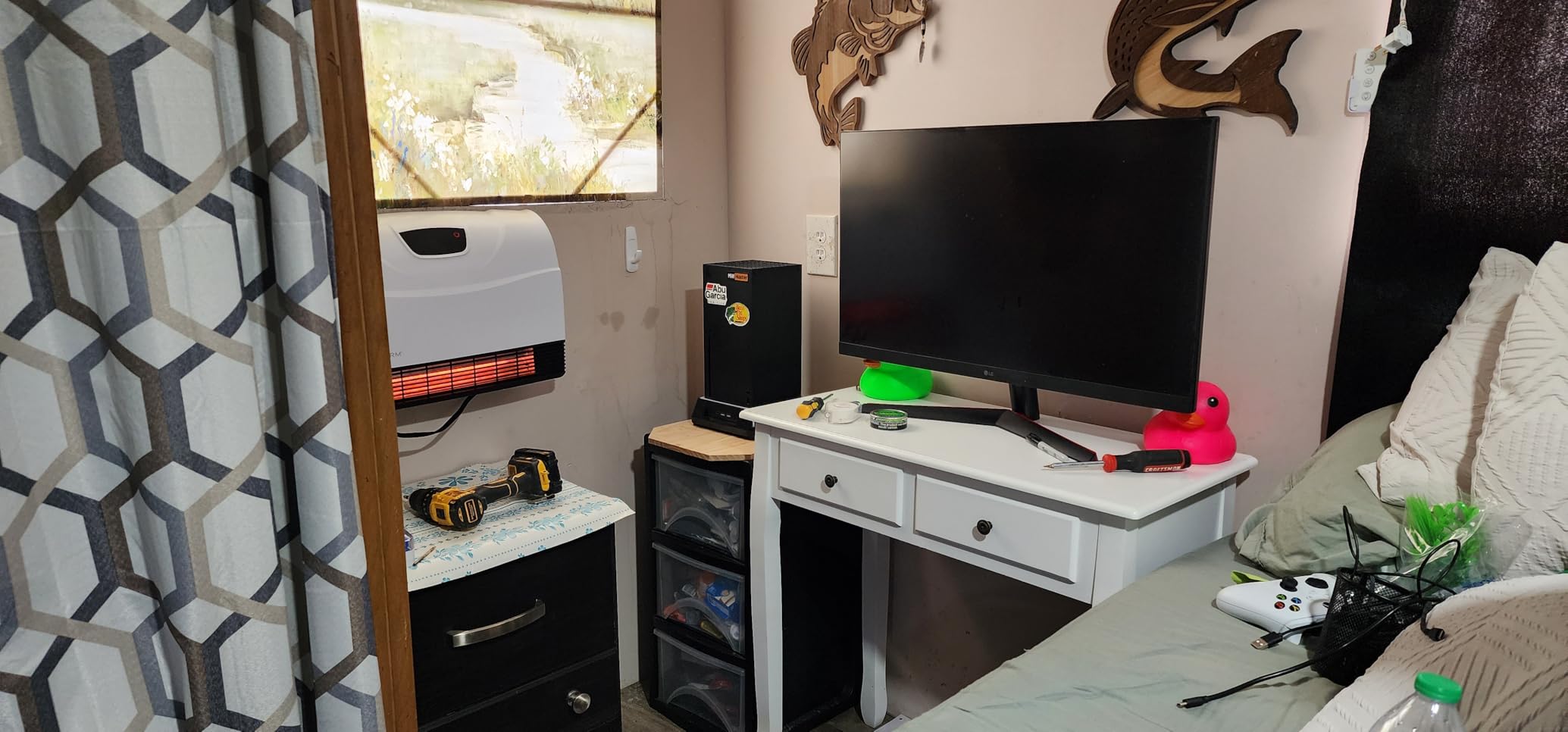
The cord management detail is worth a mention because it is the thing that separates a tidy install from a messy one. Installed directly over an outlet, the cord routes inside the cabinet and nothing is visible from the patio. That single design choice removes the ugliest part of a wall mounted heater.
Coverage Area and What 5200 BTU Really Delivers
Buyers often compare BTU figures against propane patio heaters and conclude that a 1500 watt electric unit is undersized. That comparison does not work, because electric radiant heat is not trying to warm the entire air volume of a patio. It is trying to deliver warmth to bodies and surfaces inside a cone.
In practice, 150 square feet of primary coverage means a table with four to six chairs around it, or a sofa conversation area. Sit within eight to ten feet and you feel it immediately. Move to twenty feet and the sensation drops away quickly. Our general infrared heater guide explains why radiant heat falls off faster than convection heat as distance grows.
Smart Control, Remote and the Touchscreen Thermostat
Three control paths are offered: the Wi-Fi app, the included remote, and the on-unit touch panel with a digital thermostat. The thermostat is the part that matters most, because it is the difference between modulating output and running flat out. The panel sets a target temperature up to 99 degrees Fahrenheit.
The app setup is straightforward but it is a one-time step, and the remote works regardless. If you are not interested in phone control, the heater is fully functional without ever pairing it.
Installation, Clearance and the 110V Circuit Load
At 110 volts and 12.5 amps, this is a heavy draw for a household circuit. On a 15 amp line that leaves very little headroom for anything else, so keep it on a circuit of its own.
Because it is a cabinet-style heater with a fan, mount it where air can enter and exit the front and back freely. A tight alcove will shorten its reach even if the wall space is generous.
Where the Heat Storm Falls Short
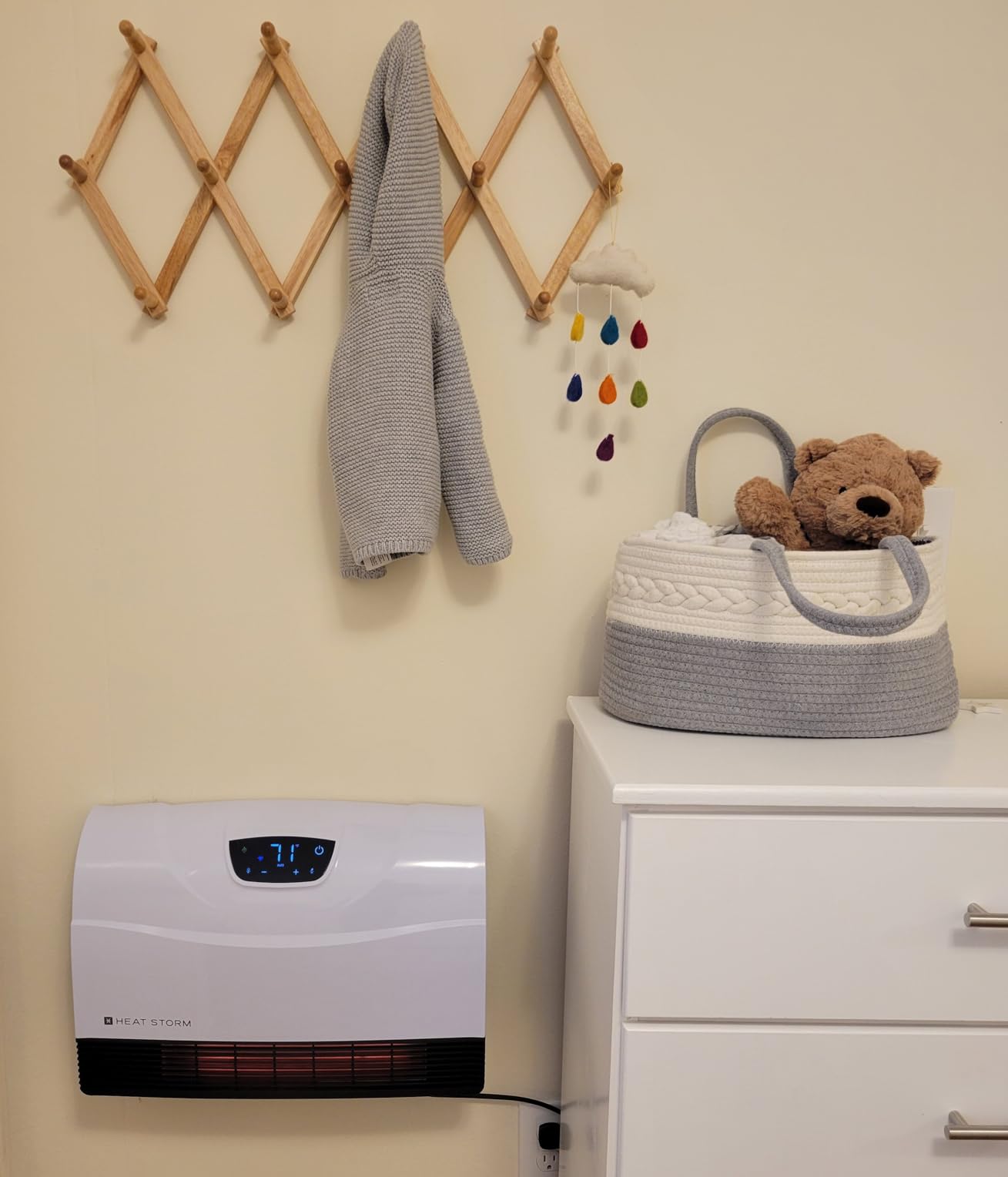
The honest limitation is the indoor listing. The manufacturer describes this model for indoor and semi-protected use, and while the cabinet is safe to touch, mounting it on an uncovered exterior wall exposes it to conditions it was not certified for. If your patio is open to the sky, pick one of the IP65 units below instead.
Second, the digital panel. Owners running it daily for months note that a mechanical thermostat tends to outlive a membrane keypad. That is a long-horizon concern rather than a deal breaker, but it is worth factoring in if you plan to run the heater every evening through the season.
Overall this is the heater I would put on my own covered patio. The combination of proven reliability, phone control and clean installation is hard to beat at 1500 watts.
2. Briza Infrared Electric Patio Heater – The Most Flexible Mounting Setup
Briza Infrared Electric Patio Heater – Indoor/Outdoor Heater – Portable Wall/Garage Heater – 1500W – use with Stand – Mount to Ceiling/Wall)
1500W, 120V at 12.5A
IP55 weather protection
Wall, ceiling or tripod mount
3 heat levels, 9h timer
Pros
- Wall and ceiling hardware plus tripod stand included
- IP55 rated for four-season use
- Three heat levels at 900W 1200W and 1500W
- Silent operation with no blowing hot air
- Quick tool-light assembly
Cons
- Heats people within a few feet rather than the whole space
- Heavy 12.5A draw on a shared circuit
- Tripod extends to 6 feet which is tall for seated use
Briza is the one in this group that includes every mounting option in the box. You get the wall hardware, the ceiling hardware and a telescoping tripod stand, so the same heater covers a covered patio, a gazebo, a garage and an outdoor event tent. That combination is unusual in this category, and it is why I tagged it best value rather than a straight wattage winner.
The build is a slim tower, 35.5 inches deep but only 4 inches wide, so it sits flat against a wall without eating into the walkway. The remote handles power, heat level and a 1-9 hour countdown timer, and there is a built-in tilt sensor that shuts the unit down if it gets knocked.
Owners consistently describe the heat as immediate and personal rather than ambient. Someone working at a bench in a garage finds it excellent. Someone trying to raise the temperature of the whole garage will be disappointed, and one reviewer noted the ambient temperature in an unheated garage only rose a few degrees.
IP55 Protection and Four-Season Use
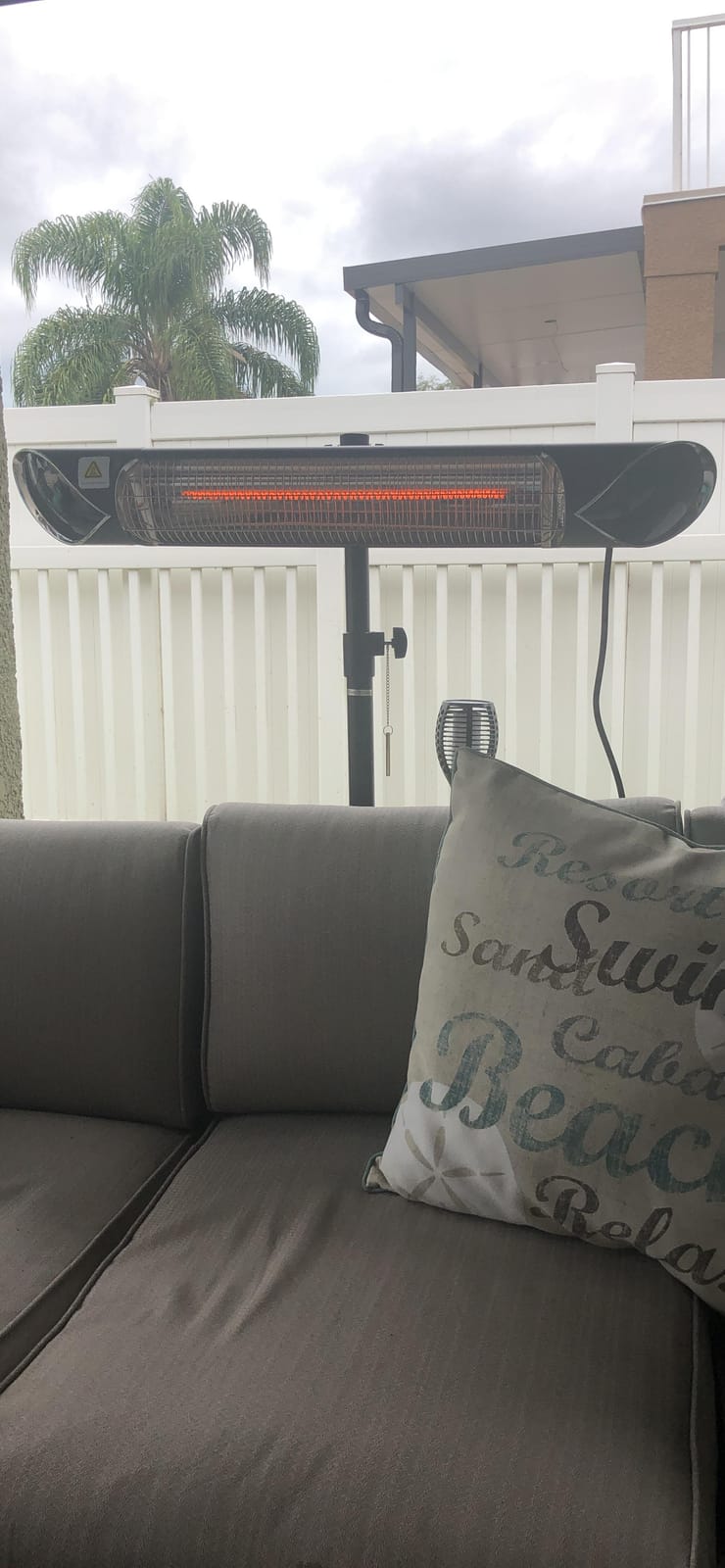
IP55 is the middle ground in this group. It means the unit resists dust and water jets from any direction, which covers rain, snow and blowing dust on a covered patio. It is a step below IP65, which adds full dust-tight sealing, but for most residential installs the practical difference is small.
My advice is to treat IP55 as weather resistant rather than weatherproof. Mount it under an eave or a pergola roof if you can, and it will last many seasons. Leaving it fully exposed to horizontal rain year after year is a different test.
Three Heat Levels and the Remote Timer
The 900W, 1200W and 1500W steps are genuinely useful rather than cosmetic. A 900W setting is enough to keep a seated person comfortable on a mild evening, and dropping from 1500W to 900W is the fastest way to cut your electricity use without changing your setup.
The 1-9 hour timer on the remote is a countdown rather than a clock schedule, so you set how long it runs from the moment you press the button. That is fine for a party, less useful for a nightly routine, which is where a memory function would help.
Mounting on the Wall, Ceiling or Tripod
Adjusting the angle after mounting is the part most people care about. The bracket lets you tilt the unit down toward a seating area, which is the single biggest factor in whether radiant heat feels effective. Aim it at chest height and you will notice the difference within a minute of switching on.
The tripod extends up to 6 feet, which is taller than ideal for seated patio use because the radiant cone ends up above head level. For standing tasks like a workbench it is ideal, and for an event tent or a patio bar it is genuinely useful.
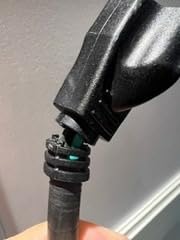
Where the Briza Falls Short
The 4.1 average rating is the lowest of the five most-reviewed models here, and the reason is consistent: people expect room heating and get body heating. That is a category misunderstanding more than a defect, but it is exactly the disappointment that drives returns.
The 12.5 amp draw is also near the top of the 120 volt heaters in this group. If your outlet is shared with a refrigerator, a TV or an outdoor kitchen circuit, expect nuisance trips. The 84 inch cord is generous, which helps, but it does not change the circuit requirement.
For a covered patio where you want flexibility between fixed and freestanding use, this remains the most versatile heater in the group. Our electric wall heater guide covers the fixed-install alternatives if you will never use the stand.
3. SereneLife Wall-Mounted Infrared Patio Heater – Best for a Single Seating Spot
SereneLife Infrared Patio Heater, Wall-Mounted Electric Heater with Remote Control, 1500W, IP65 Approved, Odorless, Indoor/Outdoor for Patio, Restaurant, Backyard, Garage, Decks
1500W carbon fiber element
IP65 rated aluminum frame
18 sq ft coverage
ETL certified
5.7 lb
Pros
- ETL certified carbon fiber element at 88 percent efficiency
- IP65 rating with corrosion resistant aluminum frame
- Fast odorless radiant heat with no gas
- Mesh safety guard over the element
- Remote control included
Cons
- Modest 18 sq ft effective footprint
- Limited heat level adjustment in some setups
- Wall mounting requires drilling into a solid surface
This is the one I recommend for a small balcony, a two-person bistro table or a corner nook where a 1500 watt beam of heat is genuinely all you need. At 5.7 pounds and 25.6 inches long, it is also one of the lighter IP65 models to mount on a small wall or the side of a pergola post.
It is a pure radiant unit with no fan at all, which means silence and no moving parts to wear out. The 1500 watt carbon fiber element is ETL certified and rated at 88 percent efficiency, and the aluminum alloy frame gives it a corrosion-resistant shell that suits coastal air better than a painted steel cabinet.
The trade is coverage. The stated footprint is 18 square feet of coverage, but owners are candid that the useful warm zone is much tighter, closer to a single chair grouping than an open patio. Buy it for a defined spot, not for a 400 square foot deck.
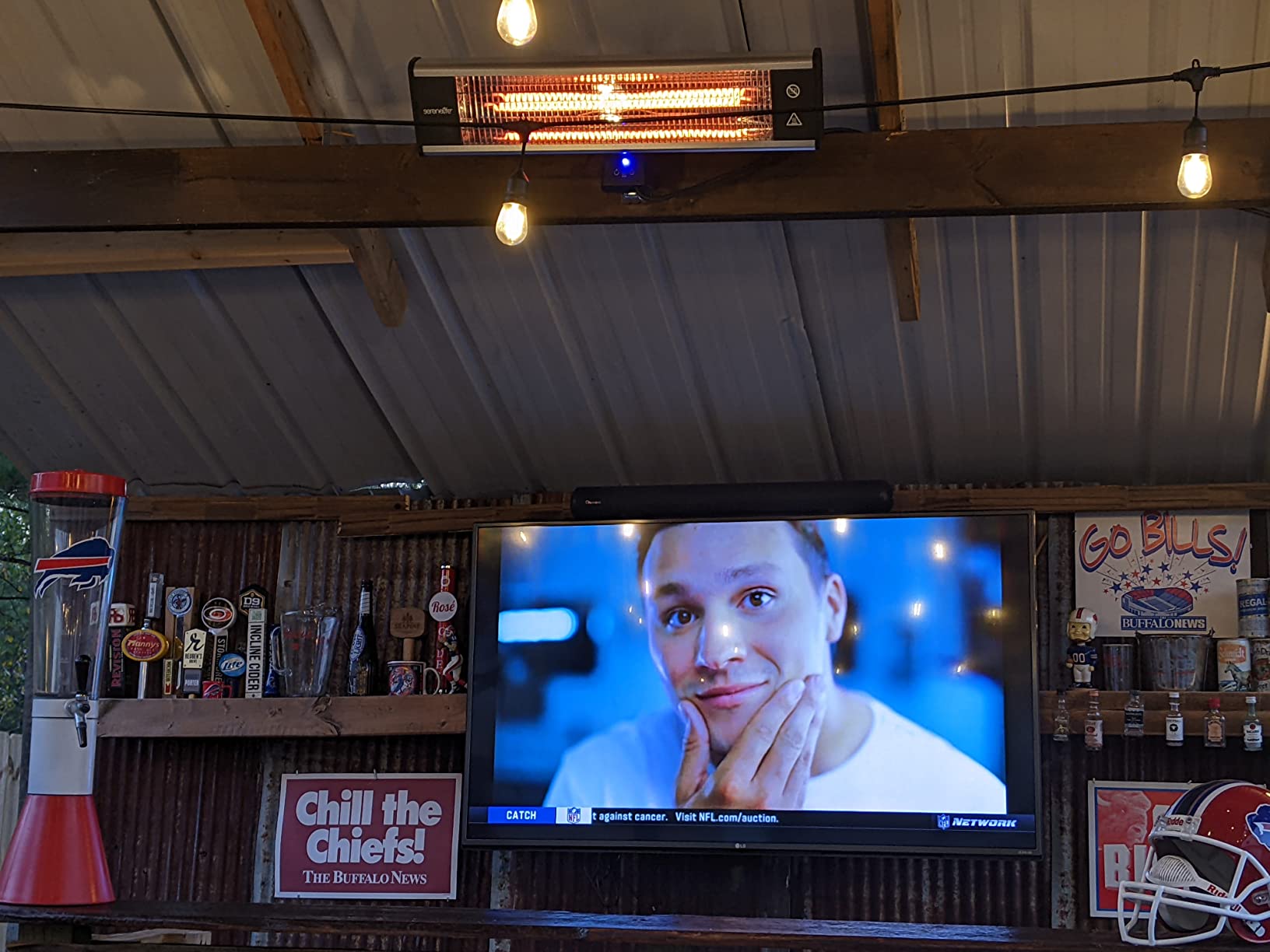
Carbon Fiber Element and 88 Percent Efficiency
The carbon fiber element is the reason this heater feels comfortable at close range. Carbon fiber radiates in the deeper infrared range, which many people find less harsh than the visible orange glow of a quartz or halogen tube. It also does not produce the intense bright spot you get looking straight into a quartz element.
There is no fan, so the only moving part in the unit is the element itself. In an enclosed or semi-enclosed space that means no noise at all, which matters if you are working or on a call nearby.
IP65 Rating, Aluminum Frame and Coastal Installations
IP65 means full dust tightness plus protection against water jets, and the aluminum alloy frame does not rust the way painted steel does. For a house a mile from salt water, or a deck that takes wind-driven rain from one side, that combination is the sensible pick.
The tradeoff of aluminum is that it can dent more easily than stainless, and cosmetic marking after a few seasons is normal on a unit mounted in salt air. Structurally it is more than adequate for a 1500 watt heater.
Where to Mount It and What Clearance It Needs
Because the heat is directional, the mounting location is the decision that matters. Put it on the wall closest to the seating, roughly 6 to 8 feet up, and angle it down about 45 degrees toward the chairs. Mounted on the far side of the patio aiming across open air, you will feel almost nothing.
The mesh guard in front of the element does a good job of preventing accidental contact, and the remote handles on/off and temperature adjustment from across the seating area.
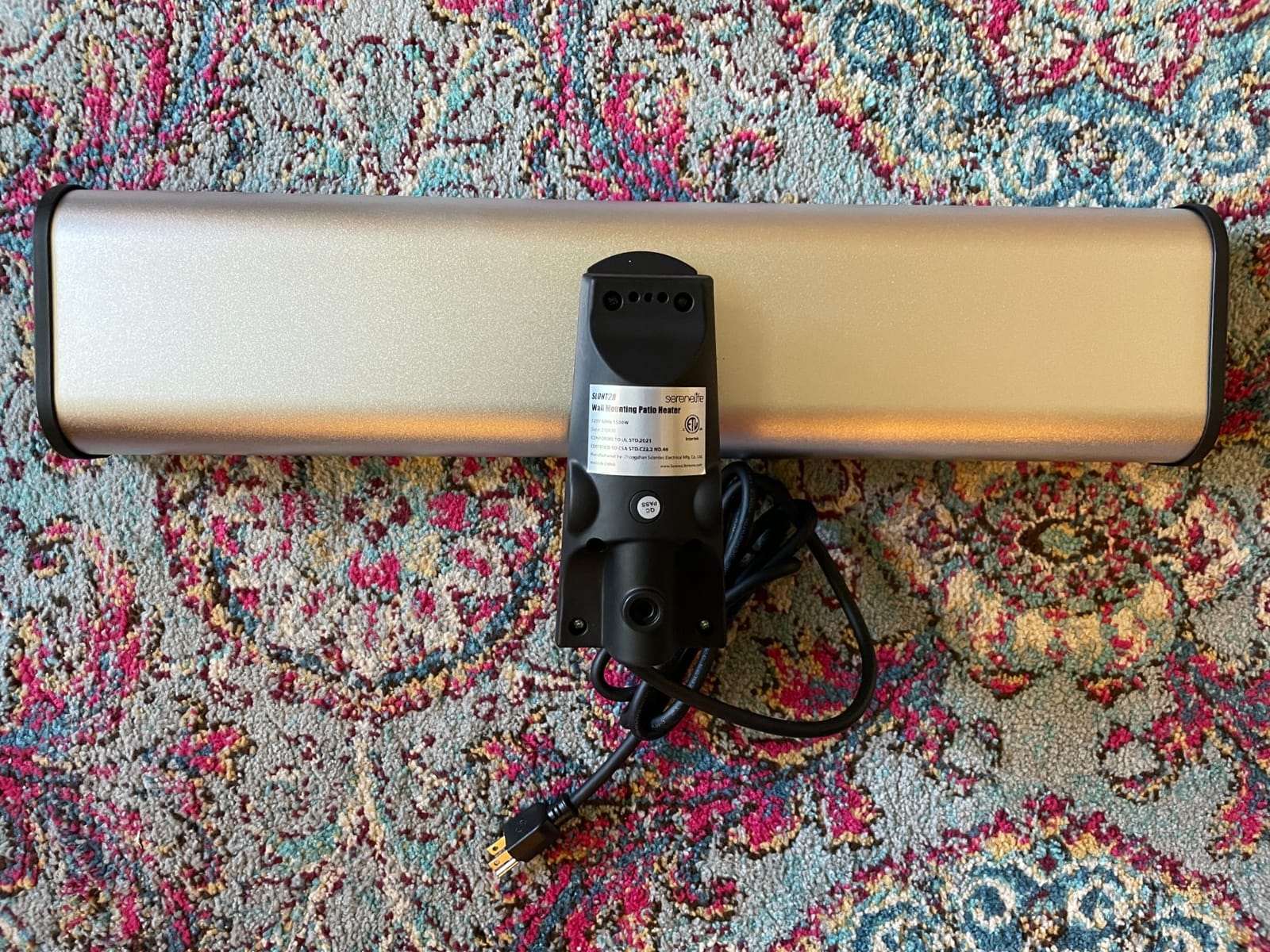
Where the SereneLife Falls Short
Coverage is the honest limitation. If your goal is to make a large covered patio usable in cold weather, this will not do it, and no 1500 watt plug-in unit will. Step up to a 240 volt hardwired model for that.
Some configurations offer only a single heat setting, which limits fine control compared with the three-level and nine-level units in this list. And because it is a plug-in design, you need an outdoor-rated outlet close to the mounting point with no extension cord run across the patio.
For a balcony or a compact seating area it is a clean, quiet, corrosion-resistant solution at 5.7 pounds. Our patio heater comparison has larger propane options if your seating area is bigger than about 60 square feet.
4. VAGKRI Outdoor Infrared Patio Heater – Best for Rental-Friendly and No-Drill Setups
VAGKRI Outdoor Heaters, Electric Infrared Patio Heater with Remote and 12H Timer, IP65 Waterproof, 3 Heat Levels, Wall Mount or Tripod Stand for Home, Office, Patio, Garage
1500W with 3 heat levels
Wall bracket or 33-77 inch tripod
IP65 waterproof
12-hour timer
7 ft cord
Pros
- Dual mounting with wall brackets or adjustable tripod
- Three heat levels at 700W 1000W and 1500W
- 12-hour programmable timer plus remote
- Heats within about a second
- Silent with no dry air effect
Cons
- Heating element is not user replaceable
- Effective radius roughly 3 feet or less
- Short 7 foot cord often needs an extension
- Remote batteries not included
VAGKRI solves a problem none of the other wall units address cleanly: what to do when you cannot drill into the wall. The tripod adjusts from 33 to 77 inches and has a wide, heavy base, so it stands on a deck without anchors. Renters, pergola owners and anyone mounting to pressure-treated posts that should not be drilled get a workable answer here.
The heater itself is a slim 32-inch horizontal unit rated IP65, with a 12-hour programmable timer and three heat levels. Warm-up is effectively instant, and it runs silently with no fan-induced dry air.
What gives me pause is durability. Reviewers report the element cracking after wind tips the unit, and the element is not sold as a replaceable part. That complaint appears repeatedly enough that I would not mount this permanently on an exposed wall in a windy location.
Why the Non-Replaceable Element Matters
Several of the heaters in this roundup use a sealed element. When it fails, the common path is replacement of the whole unit rather than a ten dollar part swap. That changes the long-term ownership calculus significantly, because you are betting on the element outlasting your patience.
Two remedies help. First, keep the tripod base weighted so wind does not tip the unit. Second, if you are wall mounting in a windy spot, check before you drill whether the manufacturer sells a replacement element, because some of the better-built models in this list do.
Wall Bracket Versus Tripod: Which One to Use
The wall bracket is a straightforward two-point mount and puts the element at roughly head height above a seated person, which is the ideal position. The tripod is more flexible in location but forces you to compensate for height, and at 77 inches the cone centre is well above seated head height.
For a patio bar or a standing counter, the tripod is genuinely better because people are upright. For a dining table, wall mount wins.
Timer, Heat Levels and Cord Length
Three levels at 700W, 1000W and 1500W give real control, and the 12-hour timer can be set so the heater shuts down on its own. The remote and the on-unit panel both work, and the remote is responsive from a few feet away.
The 7 foot cord is the practical weak point. Outdoor-rated extension cords exist, but permanently running one across a walkway is where trips and weather damage start. If the outlet is more than 7 feet from the mounting point, this is not the model for the job.
Where the VAGKRI Falls Short
The tight effective radius is the main limitation. Owners place usable heat at roughly 3 feet or less, which makes this a task heater rather than a gathering heater. If you want four people at a table to feel warmth, size up.
Beyond that, the sealed element, the short cord and the missing remote batteries add up to a unit that gives you a lot of mounting flexibility and less certainty on longevity. If you own the wall, a fixed-mount model with a replaceable element is the better long-term buy.
5. Sundate WiFi Wall-Mounted Infrared Heater – Nine Heat Levels and App Control
Sundate Electric Outdoor Heater Wall-Mounted Wifi Control Wall-Mounted Hanging Patio 1500W Infrared 9 Heat Levels, 24H Timers, Carbon Fiber Tube Heating Wall Heater for Gazebo, Balcony
1500W carbon fiber tube
9 adjustable heat levels
Wi-Fi, remote and touch panel
24-hour timer
waterproof
Pros
- Carbon fiber tube rated at 95 percent thermal efficiency
- Nine heat levels for fine adjustment
- Triple control through app remote and touch panel
- 24-hour automatic shutoff timer
- Slim hanging design with a sturdy bracket
Cons
- Lowest average rating in the group at 4.0
- Requires a bracket and drilling to install
- App setup needed before remote-only use
Sundate offers one of the deepest control sets in this group. Nine discrete heat levels, a 24-hour timer and three separate control paths give you more adjustment than most 1500 watt wall heaters offer.
The 32.9 inch body is only 3.9 inches wide, which makes it a slim option on a wall or under a pergola roof. The carbon fiber tube element is rated at 95 percent thermal efficiency, the highest figure any manufacturer in this roundup publishes.
It also earned the lowest average rating here, at 4.0 stars, with a visibly higher share of three-star reviews than the group average. Owners like the feature set while noting the heat remains directional and that the extra controls do not compensate for a more modest overall experience.
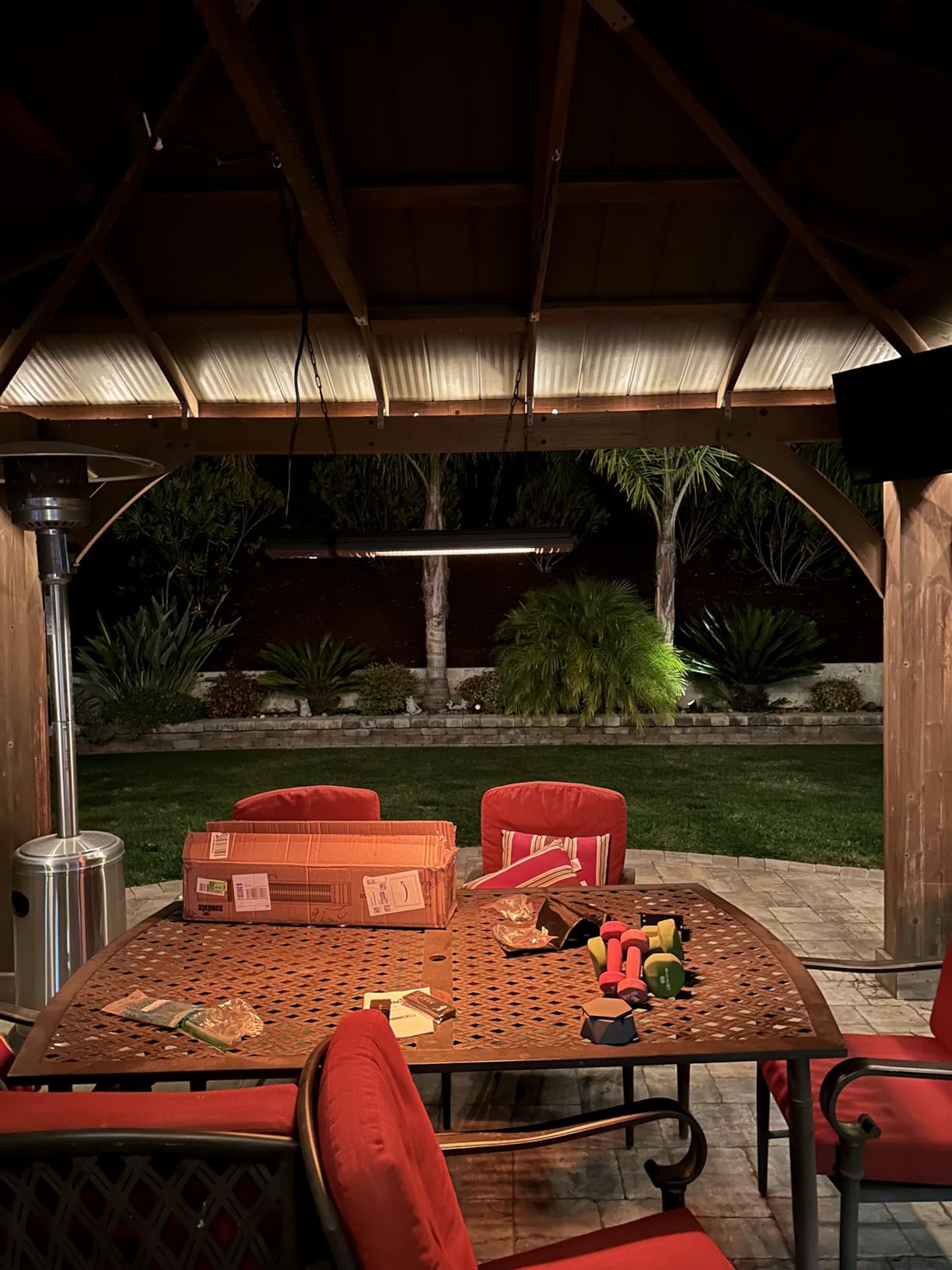
Nine Heat Levels and What They Actually Do
Most 1500 watt heaters in this group give you three levels or a thermostat. Nine levels means you can hold a table at a comfortable warmth without overshooting into the zone where you start pulling your chair back. In practice that translates to less on-off cycling, which is the main comfort complaint people have with radiant heaters.
If you like being able to dial the output down to a low maintenance setting on a mild evening, this is the model built for it.
Wi-Fi, App and Remote: Three Ways In
The app is the deepest option here, with scheduling and remote on-off. Pairing needs a phone before the remote becomes usable, which is a real consideration if you planned to hand the remote to a guest without setting anything up first.
Reviewers mention the usual pairing confusion with blinking LEDs, and the practical advice is to finish setup at the wall rather than from another room. Once paired, the schedule feature means the patio is warm when you walk out rather than when you remember to turn it on.
Mounting and Weatherproof Construction
Installation needs a bracket and drilling into a sound surface, and the slim body means the mounting footprint is small. The unit is described as weatherproof for rain, snow and dust, and the carbon fiber element has no glass tube to crack from thermal shock.
For a gazebo or a balcony ceiling edge, the low profile is the winning detail. It sits flat enough to stay out of headroom over a walkway.
Where the Sundate Falls Short
The 4.0 average is the honest headline. A large share of owners who expected room-scale warmth found a directional beam instead, which is a category expectation problem, and the review distribution shows it. The control set does not rescue that gap.
There is also no mention of a replaceable element or a meaningful warranty length, so I would treat this as a seasonal purchase rather than a long-term install. Our guide to infrared heater elements covers why element longevity is worth asking about before you buy.
6. Nfccra 34 Inch Motion Sensor Patio Heater – Best for Garages, Shops and Workshops
Wall-Mounted Electric Patio Heater, 34″ 1500W Infrared Heater With Motion Sensor, IPX5 Waterproof, 9 Heat Level & 9H Timer, Indoor & Outdoor Heaters for Patio, Backyard, Garage, and Decks
1500W vertical 34 inch body
IPX5 waterproof
ECO motion sensor
9 levels and 9-hour timer
3-year warranty
Pros
- Motion sensor powers on with people nearby and shuts off after 5 minutes
- Nine heat levels with a 9-hour timer
- Vertical body is more stable than horizontal designs
- UL certified cord with overheat protection
- Mounting template and built-in level gauge
Cons
- Reports of units failing after a few weeks
- Mounting bolts are not stainless and can rust
- Rust and tip risk in breezy locations
- IPX5 is a step below IP65
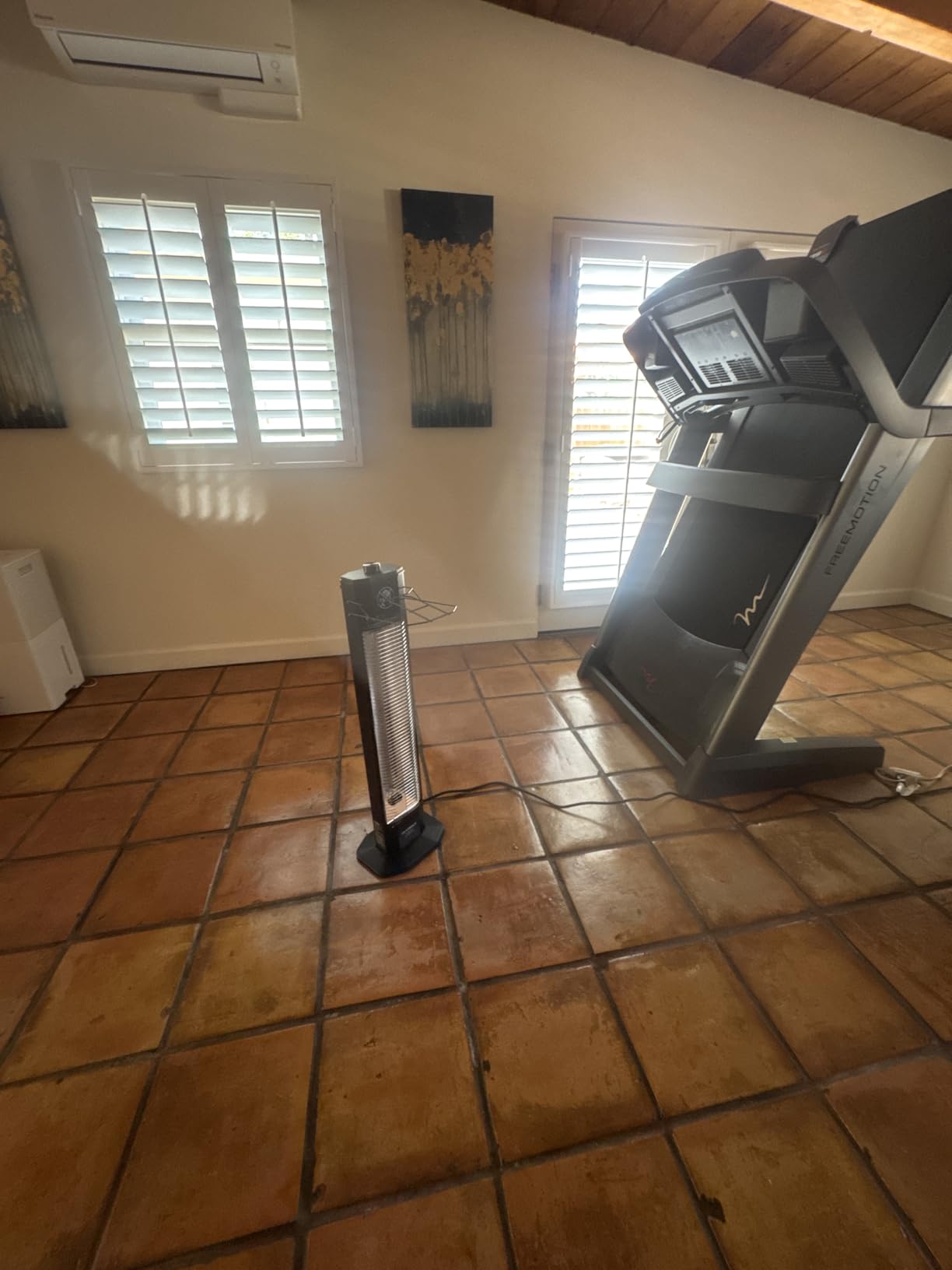
The Nfccra is the only unit in this roundup with a working motion sensor, and for a garage, a potting shed or a covered work area that is not occupied every evening, the ECO mode pays for itself quickly. It powers on when someone enters the sensing range and shuts off after 5 minutes of no movement.
The 34 inch vertical orientation is the other design decision I like. A tall narrow body has far less leverage than a horizontal unit, so a gust or an accidental knock is far less likely to swing it off the wall. That matters more than it sounds in exposed locations.
Durability is the open question. Owners report immediate, strong heat in garages, basements and greenhouses, but also a recurring set of reports of units failing within weeks or a month, and of the supplied bolts rusting within months. The 3-year replacement-only warranty helps, provided you keep the receipt.
How the ECO Motion Sensor Changes Running Costs
In a space that is used for an hour a day, the sensor can eliminate most of the wasted runtime that inflates your electricity bill. A heater left on from morning to evening in a garage burns through the full wattage for hours nobody is there.
The 5-minute delay is long enough that you can walk to the bench, set down a box and start working without the unit cutting out. Set it shorter if you move constantly, because frequent cycling is harder on the element than longer runs.
Vertical Design, Mounting Template and Level Gauge
The included cardboard template solves the misalignment problem that owners complain about with cheaper units, where you drill four holes and discover two of them are off. The built-in level gauge gets the horizontal alignment right before you tighten anything, which matters on a long 34 inch body.
Six point eight pounds is light enough for standard lag bolts or appropriate masonry anchors, and the vertical footprint leaves the wall around it free.
IPX5, Overheat Protection and the Cord
IPX5 covers water jets from any direction, which handles rain on a covered deck. It is a step below IP65, so for a fully exposed wall or a salt-water location I would choose one of the IP65 models in this list instead.
Overheat protection and a UL certified 6.6 foot flame-retardant cord are both good signs, and the nine levels plus 9-hour timer give you the same fine control as the Sundate without the app.
Where the Nfccra Falls Short
The failure reports are consistent enough that I would not hang this over a dining table where you depend on it every evening. For intermittent spaces like a garage, where the motion sensor already limits runtime, the risk is much easier to absorb.
The bolts are the fixable part. Owners who swapped in stainless hardware and sealed the mounting holes reported far better results in damp environments. If you install this, replace the supplied fasteners before you hang it. Our wall heater installation guide covers the anchoring options.
7. PowerScale 1500W IP65 Patio Heater – Best for Balconies with Memory Function
Powerscale 1500W Electric Patio Heater, IP65 Waterproof, Remote, Fast Heating, 4 Heat Levels, 24H Timer & Memory Function, Wall Mounted Indoor/Outdoor Heater for Patio, Garage, Backyard, Black
1500W with 2.5 second warm-up
IP65 waterproof
4 heat levels and 24-hour timer
Memory function
wall or ceiling
Pros
- Warms in roughly 2.5 seconds
- IP65 waterproofing for year-round use
- Mounts on walls ceilings or gazebos
- Memory function restores settings after an outage
- Remote plus touchscreen with digital display
Cons
- Output gentler than expected at distance
- Short cord length is a common complaint
- Some units failed within a week or two
- App-based control adds setup complexity
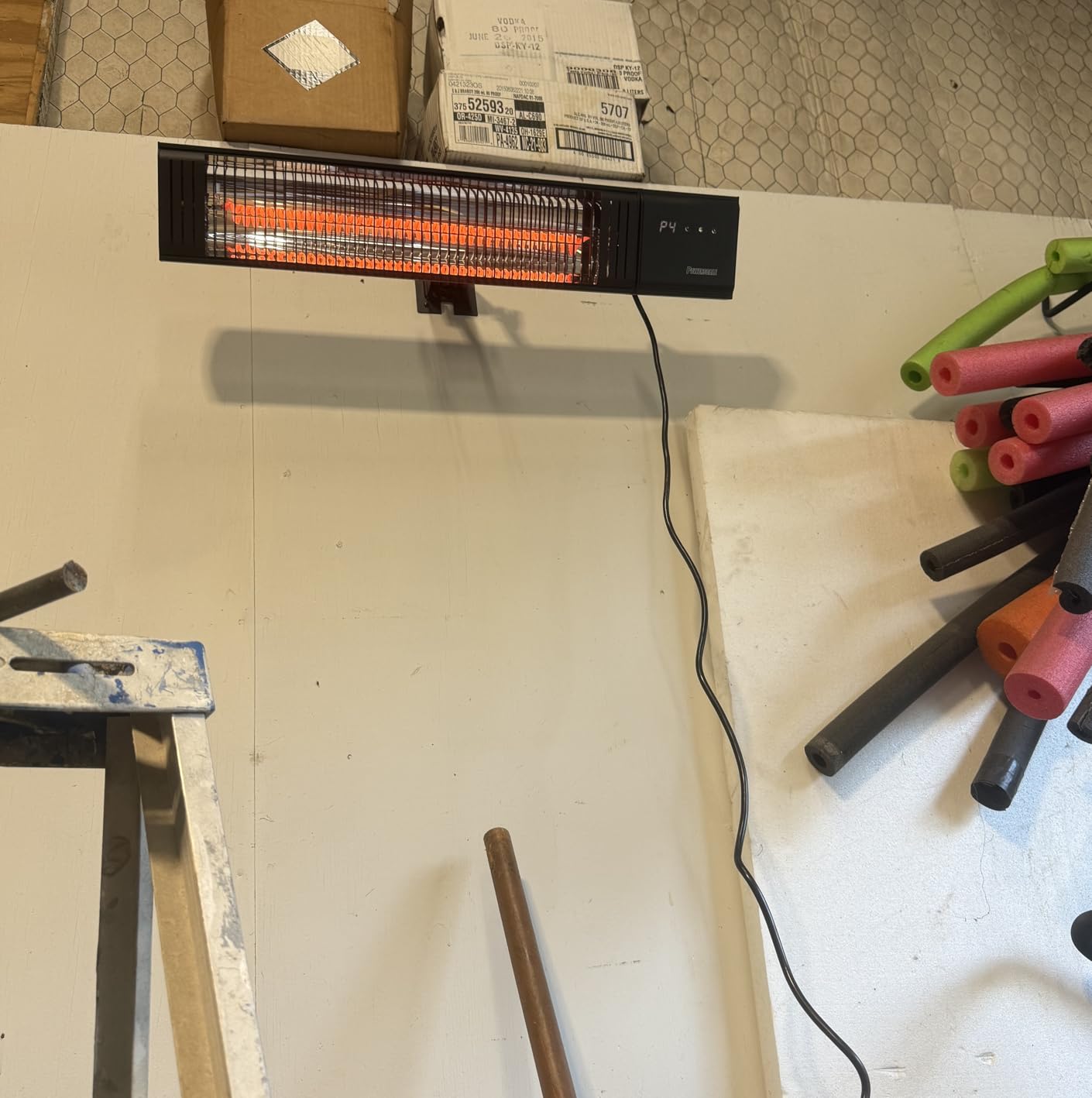
PowerScale is the unit I would consider for an apartment balcony, and the reason is the memory function. When the power comes back after an outage or a breaker reset, it returns to the setting it was on. For a space you cannot easily reach once you are indoors, that removes a real annoyance.
It warms in roughly 2.5 seconds, mounts on a wall, a ceiling or a gazebo frame, and carries an IP65 rating. Four heat levels with a 24-hour timer cover most nightly routines, and the touchscreen display plus remote give you both local and distant control.
Two caveats from owners. The output feels gentler than the 1500 watt figure suggests at any real distance, so you end up sitting closer than planned. And a small number of units failed within a week or two, with unhelpful replacement support, so check the warranty terms before you install.
Memory Function and Why It Matters on a Balcony
The memory function stores your last setting and restores it on power return. It sounds minor until you have had a heater in a covered outdoor space cut out by a tripped breaker you cannot reach from inside.
Owners consistently cite this as the feature they value most, more than the app. If you control your heater by phone anyway, the memory function matters less. If you use a timer and a remote, it is the one that saves you a walk outside.
IP65 Rating and the 110V, 14 Amp Load
IP65 makes this one of the better-protected units here, and it is a meaningful step up from IPX5. For a balcony with wind-driven rain or a deck near the coast, the sealed housing is the right call.
At 14 amps on 110 volts, this is the highest draw among the 120 volt heaters here. It needs a dedicated 15 amp circuit with nothing else on it. Sharing with a balcony light string or an outdoor fan is a reliable route to nuisance trips, which is the failure pattern electricians describe most often with 1500 watt patio heaters.
Heating Character and the Real Output Question
The element is a carbon fiber lamp type with a listed maximum of 500 degrees Celsius, and the warm-up is among the fastest here. But the most common owner note is that the heat is gentler than expected, so you need to sit within a few feet.
That is radiant physics rather than a defect, and it means the mounting position matters more than the wattage. Mount it on the wall nearest the seating, angle it down, and the output feels strong. Mount it across the balcony aiming at empty air and it will feel weak no matter what the spec sheet says.
Where the PowerScale Falls Short
The short cord is the complaint that comes up most often. Like several others here, it uses a length that rarely reaches from a wall to a nearby outlet, and owners end up using an extension cord outdoors, which is exactly what safety guidance discourages.
The early failure reports are a smaller number of cases but a serious one when they happen, particularly with unhelpful support. Confirm the return window with the seller and keep the packaging until you have run it for a full season.
8. blessny 1500W Wall Mounted Electric Heater – Best for Workshops and Greenhouses
blessny 1500W Wall Mounted Electric Heater for Outdoor Patio & Garage
1500W carbon fiber tube
IP65 waterproof
0 dB silent
3 levels and 24-hour timer
34.3 inch unit
Pros
- Heats within about 3 seconds
- Oxidized sprayed aluminum shell with carbon fiber tube
- IP65 waterproofed for long-term outdoor use
- Completely silent at 0 dB
- Adjustable bracket makes angled mounting easy
Cons
- No built-in thermostat with 3 fixed levels
- Timer is a countdown rather than a schedule
- Remote batteries not included
- Heat noticeable mainly within a couple of feet
blessny is a straightforward, well-built wall heater with the kind of finish you notice when it goes up. The oxidised sprayed aluminum shell and carbon fiber tube element give it the look of a properly made product rather than a sheet metal box, and owners consistently mention build quality as the standout.
It is dead silent, rated 0 dB, which is the correct number for a fanless radiant unit. If you are working at a bench, on a call, or sleeping nearby, that silence is worth more than another heat level.
The limitation owners raise most is the absence of a thermostat. You get three fixed power levels and a 24-hour countdown timer, so you are choosing a level and walking back to change it. For a workshop where the ambient temperature swings all day, that is less convenient than it sounds.
Build Quality, Shell and Element Choice
There is a visible difference between a sprayed aluminium housing and a painted steel box. Aluminium will not show the orange bloom of rust that starts on steel fasteners and brackets within a few seasons, and it dissipates the residual heat better.
The carbon fiber tube element avoids the glass envelope that makes quartz and halogen tubes vulnerable to thermal shock and impact cracking. That is a real advantage in a garage or a greenhouse where the unit may be knocked with tools.
Silent Operation and Workshop Use Cases
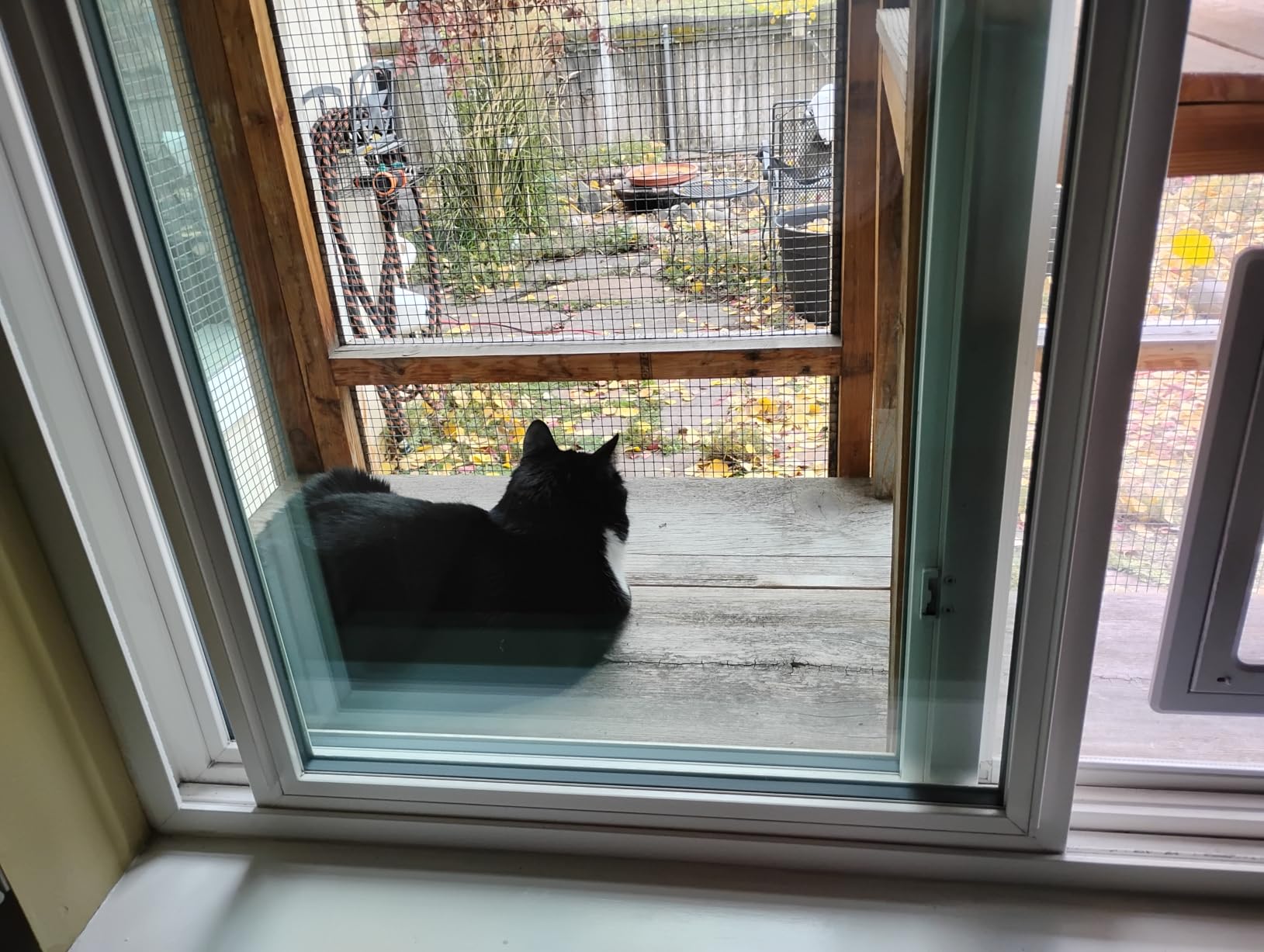
Owners use this unit in garages, workshops, greenhouses, sheds, chicken coops and even a catio, and the 0 dB rating reflects a genuinely fanless design. Nothing in the unit moves except the heat.
For task heating at a bench, the tight warm zone is an advantage rather than a limitation. You sit or stand within a couple of feet and the heat arrives immediately, with no warm-up curve.
Timer, Levels and Small Ergonomic Gaps
The 24-hour timer is a countdown from when you press the button, not a clock-based schedule, so you cannot set it to switch on at 6 pm automatically. The touch panel and remote both work, and there are three heat levels.
Two small gaps: the remote takes two AAA batteries that are not included and not documented in the manual, and the instructions only describe horizontal wall mounting, with nothing about ceiling installation even though the design would allow it.
Where the blessny Falls Short
No thermostat is the headline limitation. Without temperature feedback the unit runs at the level you selected until you change it, so on a sunny-to-cloudy afternoon you either freeze or overheat.
It also falls well short of warming a large shaded patio, as one owner documented. Treat it as a zone heater for a defined work or seating spot. If you need to heat a whole covered area, a 240 volt hardwired model is the right class of equipment.
9. Bromic Tungsten Smart Heat 6000W – Best for Large Covered Patios
Bromic Tungsten Smart Heat 6000W Electric Patio Heater – Dual Element Infrared, 220V-240V, Black Finish – BH0420033
6000W dual quartz element
160 sq ft coverage
240V hardwired at 25A
IPX4 rated
wall ceiling or recessed
Pros
- Highest average rating in the group at 4.5
- 6000W dual element covering 160 sq ft
- Premium stainless steel with corrosion-resistant finish
- Wall ceiling or recessed mounting with adjustable bracket
- IPX4 rating with high temperature quartz elements
Cons
- Needs a dedicated 240V circuit at about 25A
- Minimum clearances of 72 inch wall and 96 inch ceiling
- Remote and smart controls sold separately
- Very high draw compared with 1500W plug-in units
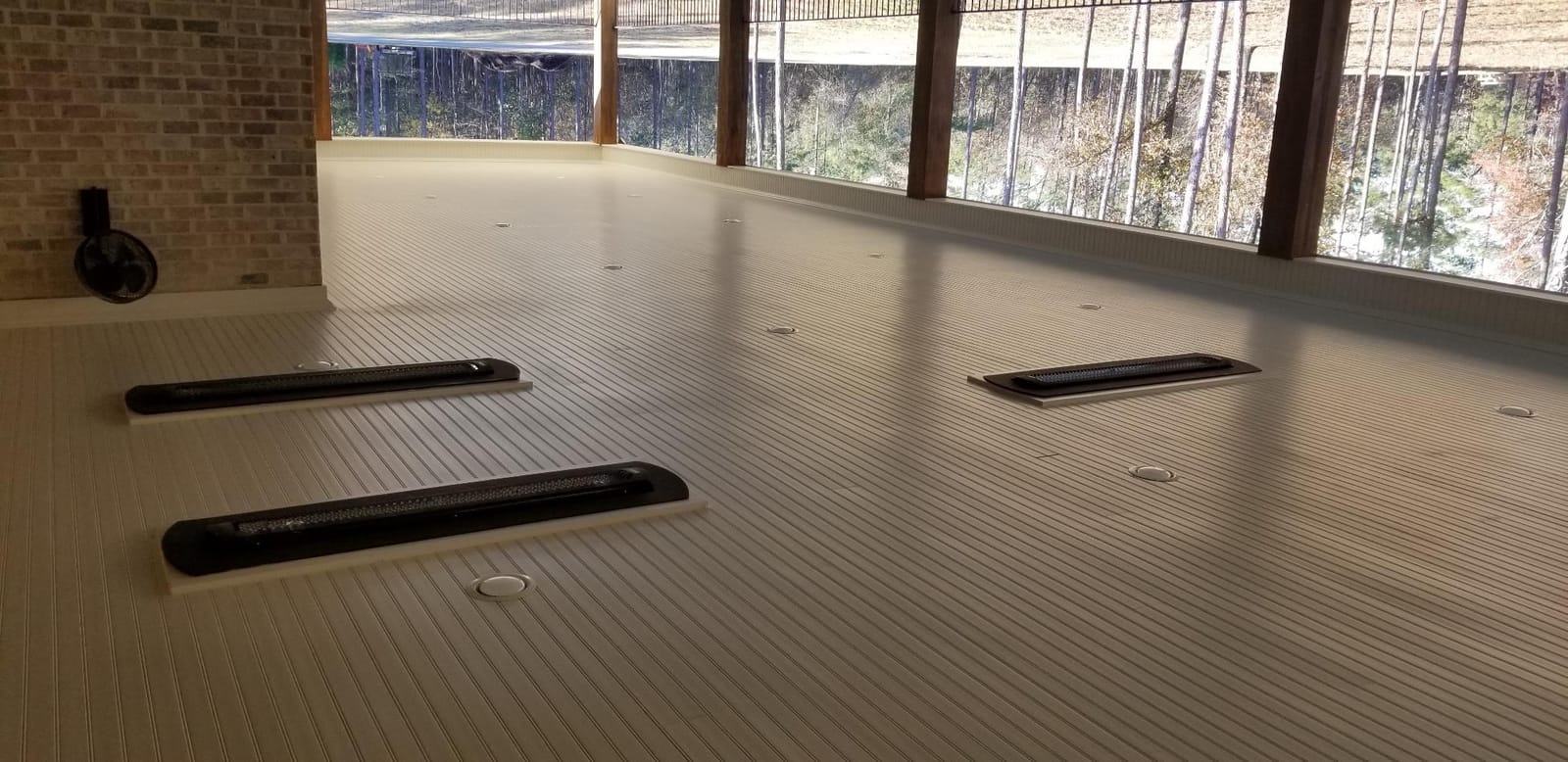
Everything else in this roundup is a 1500 watt plug-in heater. The Bromic is not, and that is the entire point. At 6000 watts on a 240 volt circuit it is the only heater here that can genuinely make a large covered patio or commercial outdoor dining area usable, and it holds the highest average rating in the group at 4.5.
The dual quartz element spreads heat across a stated 160 square feet, which is a genuinely different order of magnitude from the 18 to 150 square foot zones of the plug-in units. The stainless steel housing carries a high-temperature, corrosion-resistant finish, and the bracket is adjustable for directional aiming.
It also mounts three ways: on a wall, on a ceiling, or recessed with an optional kit. Restaurants and hotel terraces use this class of equipment for exactly that reason.
Why 6000 Watts Changes the Problem
Radiant heat intensity scales with wattage and with the area of the emitting element. A 6000 watt dual-element tube spreads a broad, even field across a covered space, so people at the far end of a table feel it too. That is the failure mode of every 1500 watt model in this list.
The 160 square foot coverage figure is the useful number for planning. For a covered patio with seating beyond that, you are either adding a second heater or accepting that the outer seats stay cold.
The Electrical Requirement and What It Costs You in Effort
This unit runs on 220-240 volts at roughly 25 amps. That means a dedicated circuit, a properly sized breaker, and in most cases a licensed electrician. Electricians describe this as routine work, but it is not a plug-in installation and it is not something to improvise.
Check your panel capacity before you commit. Adding a 25 amp 240 volt circuit to a panel that is already near its limit can mean a subpanel, and that is where projects get expensive. Our wall heater buying guide covers the sizing questions to ask before you order.
Clearance, Mounting Options and Controls
Clearance requirements are strict and non-negotiable: 72 inches minimum for a wall mount and 96 inches for a ceiling mount. Those numbers exist because the element runs hot enough to ignite nearby material, and ignoring them is the most dangerous mistake in this entire category.
Smart control compatibility is offered, which means remote on/off and dimming through a separate controller. The controller is not included, so factor that into your planning if you want remote operation from inside the house.
Where the Bromic Falls Short
Installation complexity is the main barrier, and it is a real one for a homeowner. A 25 amp 240 volt circuit plus panel work is a different project from hanging a bracket on a stud.
Warranty length is also uneven: one year for residential use and 90 days for commercial and non-residential applications, which matters if you are mounting it at a restaurant. And the energy draw is high, so it belongs on a space that is genuinely worth heating rather than a small balcony.
10. Paraheeter Hanging Wall Mount Patio Heater – Best for Ceiling Hanging Installations
Hanging Patio Heater, Outdoor Electric Heater, Wall Mounted & Ceiling Infrared Garage Heater for Outdoor/Indoor Use, 1500W, Remote Control, Black
1500W carbon infrared tubes
IP65 rated
wall mount or chain hang
3 levels with remote
child lock
Pros
- Two in one wall and ceiling mounting with adjustable chain
- IP65 rating with 10000-hour carbon fiber tubes
- Direct radiant heat that wind does not blow away
- Three heat levels with remote and child lock
- Protective grille and tip-over auto shutoff
Cons
- Smallest review pool in the group at 49 ratings
- 20 percent of ratings are 3-star
- Clearance above seating must be planned carefully
The Paraheeter has the smallest sample of owner feedback in this group, at 49 ratings. That does not make it a bad choice, but it does mean you are buying with less historical data behind you than any other model here.
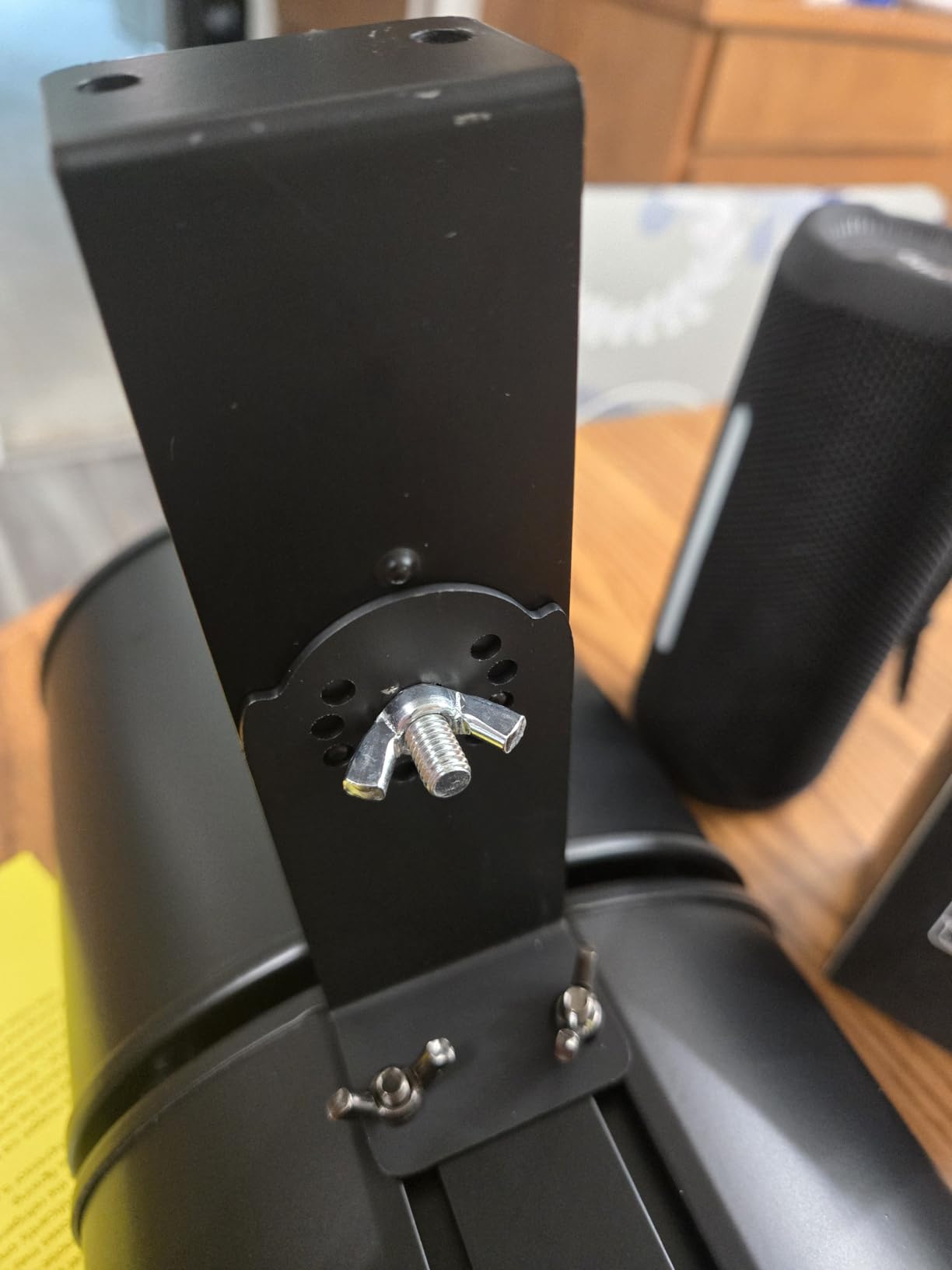
What it does offer is a genuine two-in-one install. It comes with wall mounting accessories and an adjustable chain, so you can hang it under a pergola beam or a covered patio roof and drop it to the right height, or fix it flat to a wall. That flexibility is the reason it made this list.
It is IP65 rated and uses carbon fiber tubes rated for a 10,000 hour lifespan, one of the few explicit lifespan figures any manufacturer in this roundup publishes. The remote offers three heat levels with adjustable temperature and a child lock, and there is a protective grille, grounded plug and tip-over shutoff.
Carbon Fiber Tubes and the 10000-Hour Rating
A stated 10,000 hour element lifespan translates to several seasons of typical evening use, and it is a useful number to compare against units that publish nothing. Carbon fiber tubes also run cooler at the surface than quartz elements, which matters in a covered space where the ceiling is low.
Wind is the other point owners raise. Radiant heat travels as infrared radiation rather than as moving air, so a breeze does not carry the warmth away the way it disperses a convection heater. That makes this class of heater better suited to breezy decks than a fan-based unit.
Hanging Height, Chain Adjustment and Clearance Planning
The adjustable chain is the reason to pick this model, but it also creates the one safety planning task you must not rush. Hanging it over a seating area means the clearance above heads has to be generous, and the whole reason people install heaters at a comfortable head height rather than overhead is the burn risk.
My guidance is to hang it forward of the table rather than directly above it, angled down at the seats. You keep the radiant cone where it needs to be without putting a hot element over anyone’s head.
Safety Features and What the Small Review Pool Means
Child lock, protective grille, grounded plug and tip-over auto shutoff cover the basics well, and the one-year warranty matches the common term in this group.
With 49 ratings, roughly 20 percent of which are three-star, the feedback is more mixed than the average of 4.2 suggests. Expect a good product, and expect heat reach to be modest. If you want the same two-in-one mounting with far more owner data behind it, the Briza in this roundup covers the same ground.
Where the Paraheeter Falls Short
Limited long-term data is the honest limitation. Nothing in the reviews points to a defect, but you simply do not know yet how these units behave after three seasons, and that is exactly when a heater failure is most inconvenient.
It is a compact 1500 watt unit at 31.3 inches long, so it covers a smaller area than the 34 inch models in this roundup. Fine for a bistro table, limited for anything larger.
How to Choose a Wall Mounted Infrared Patio Heater
Every heater on this list will work if you install it in the right place at the right height. The wrong place at the wrong height is where most disappointment comes from, so here is how I would approach the decision, in the order I would approach it.
Size the Zone, Not the Patio
Radiant heat warms people and objects, not air. That means you size to a seating zone rather than to the patio footprint, and a rough rule of thumb is that each person needs roughly 100 to 150 watts of radiant output within about 8 feet.
Using that rule: a two-person bistro table needs about 300 watts of usable coverage, a four-person dining table around 500 to 600 watts, and a full covered patio with a sofa and a second seating group pushes past 1000 watts. Because a single plug-in unit delivers 1500 watts in a tight beam, one unit is plenty for one group and marginal for two.
Ignore any coverage figure you cannot reconcile with the zone. A stated 150 square feet of primary coverage on a cabinet heater is a fair number. A stated 18 square foot footprint on a compact unit is honest. Where the two conflict, the smaller number is closer to the truth.
Understand 120V Plug-In vs 240V Hardwired
Every heater in this roundup runs at 120 or 110 volts and draws between 12.5 and 14 amps. That is the majority of a standard 15 amp household circuit, which is the most common complaint electricians hear about patio heaters.
The rule we follow: one 1500 watt heater per circuit, with nothing else sharing it. Not the grill, not the outdoor lighting, not a pump. A dedicated 15 amp circuit for a single plug-in unit is the safe baseline, and a 20 amp circuit gives you headroom.
Above roughly 3000 watts you move into 240 volt territory, which means a dedicated breaker, appropriate wire gauge, GFCI protection and typically a licensed electrician. The Bromic at 6000 watts and 25 amps sits firmly in that class. Check your panel capacity before ordering, not after.
Read IP Ratings as a Ladder, Not a Label
IP ratings in this category are worth reading in order. IPX2 resists occasional splashing only, which is not enough for an exterior wall. IP54 resists dust and splashing from any direction. IPX5 handles water jets and is the practical minimum for an exposed outdoor wall. IP65 adds full dust-tight sealing and is the right choice for coastal air and wind-driven rain.
Five of the ten models here carry IP65, and two sit at IP55 and IPX5. The difference matters most within about a mile of salt water, where chloride in the air attacks fasteners and steel housings long before it would inland. Stainless mounting hardware is the cheapest upgrade available to you regardless of which heater you pick.
Carbon Fiber Versus Quartz and Halogen Elements
Three element types appear in this roundup. Carbon fiber is the majority choice among the 1500 watt units and is what most of the value in this category now sits in. It radiates in the deeper infrared range, feels less harsh, runs cooler at the surface, and has no glass envelope to crack.
Quartz tubes, used in the Bromic, push higher intensity and broader coverage at higher wattage, which is why they appear in commercial-grade equipment. They also run hotter, which is why clearance requirements are strict. Halogen appears mostly in older tower heaters and is not represented here.
Ask about element replacement before you buy. A sealed element means a whole-unit replacement when it fails, and that is a meaningful difference in five-year ownership cost. A stated lifespan figure, like the 10,000 hour rating on the Paraheeter, is worth more than silence.
Mounting Height, Clearance and Angle
Mount height is the highest-leverage decision and it is not on any spec sheet. The general rule for a wall mount over a dining table is between 6 and 8 feet to the bottom of the unit, on the wall closest to the seating, tilted down about 45 degrees toward head height.
Mount too high and the radiant cone passes over everyone. Mount too low and you have a hot element at face level. Leave too little clearance above and you are running a surface that can ignite dry material, which is the reason the 240 volt unit specifies 72 inches minimum for a wall mount and 96 inches for a ceiling mount.
For overhead hanging, mount forward of the table rather than above it, and hang it high enough that it cannot be touched from a chair. Adjustable brackets and chains exist for this reason, and every wall heater in this roundup has one.
Controls: Remotes, Apps, Timers and Motion Sensors
Every heater here includes a remote. Beyond that, the useful distinctions are scheduling and occupancy sensing. Radiant elements do not cool the air when you drop a level, they simply reduce the intensity of the beam, so on a 70 degree evening a low setting is genuinely enough for someone sitting still with a drink.
Timers come in two forms. A countdown timer runs the heater for a set number of hours from the moment you press the button, which suits a party but not a routine. A programmable or 24-hour timer can be set to a fixed schedule, which is what you want for nightly use. A few of the models here, including the PowerScale and the blessny, describe a 24-hour timer without stating clearly which of the two it is.
Wi-Fi control, found on the Heat Storm and the Sundate, is the only option that lets you turn the patio on from inside before you walk out. It is a genuine convenience but it is not essential. The Nfccra is the only heater here with a motion sensor, and that is the feature that pays for itself in a garage or an intermittent space.
Certifications, Warranty and Longevity Signals
Look for ETL, UL or CSA certification. It tells you a third party has tested the unit, and several jurisdictions require it for hardwired work. The SereneLife carries ETL certification, the Nfccra is UL certified with a flame-retardant cord, and the blessny is ETL listed with overheat protection.
On warranty, longer is not automatically better. The Nfccra offers three years on a replacement-only basis, which is the strongest term in the group, while the PowerScale is a newer model with less warranty history behind it. The Bromic is one year residential but only 90 days for commercial use, which is worth checking if you are buying for a business.
Review volume is the last signal. The Heat Storm has more than 13000 ratings, which means its failure modes are well documented and its strengths are proven over many seasons. Units with fewer than 100 ratings are newer, and you should expect less long-term data regardless of how good the listing looks.
Frequently Asked Questions
Which brand of infrared patio heater is best?
For most covered patios, the Heat Storm HS-1500-PHX-WIFI is the strongest all-round pick, with the deepest review history in the group, Wi-Fi and remote control, and 150 square feet of primary coverage. The Briza is the most flexible because it includes wall, ceiling and tripod hardware in one box. For a large covered space where a plug-in unit is not enough, the Bromic Tungsten Smart Heat 6000W is the only model here that can heat 160 square feet.
How high should a wall mounted infrared patio heater be mounted?
Mount a wall mounted infrared heater between 6 and 8 feet above the ground, on the wall closest to the seating, and tilt it down about 45 degrees toward head height. Overhead ceiling units need more clearance, and hardwired commercial models typically specify 72 inches minimum for a wall mount and 96 inches for a ceiling mount.
Are infrared patio heaters worth it?
Yes, for extending the usable season on a covered patio, balcony, deck or gazebo. Infrared heaters warm people and surfaces directly rather than heating the surrounding air, so they feel effective in cold outdoor air where a convection heater struggles. They need no gas line or tank, mount out of the walkway, and owners commonly report operating costs around one tenth of propane per hour of use.
What are the downsides of wall mounted infrared heaters?
The main drawbacks are limited coverage, electrical load and installation. Heat falls off quickly with distance, so one 1500 watt unit realistically warms one seating group rather than a whole patio. A 1500 watt heater draws 12.5 to 14 amps, which is most of a 15 amp circuit and should be installed on a dedicated line. Heat output is not affected by wind, but that also means the warmth does not spread beyond the radiant cone, and mounting too high makes the heater feel ineffective.
Can a wall mounted infrared patio heater be used in the rain?
It depends on the IP rating. Models rated IPX5 or IP65, including the SereneLife, PowerScale, blessny, VAGKRI and Paraheeter in this roundup, are built for outdoor use and handle rain and snow. The Heat Storm HS-1500-PHX-WIFI is listed for indoor use, so it belongs on a covered or enclosed patio. Even with a high rating, mounting under an eave or pergola roof extends element and fastener life.
Final Verdict: Which Wall Mounted Patio Heater Fits Your Space
If you want one answer, take the Heat Storm HS-1500-PHX-WIFI. Its review history is deep enough to show you what breaks and what does not, and the Wi-Fi plus remote control combination lets you warm the patio before you walk out to it. Its 150 square feet of primary coverage suits a covered patio with one main seating group.
If you would rather not drill, or you want one heater that moves between a wall, a ceiling and a tripod, the Briza is the smarter buy. The IP55 rating handles covered outdoor use, and the three heat levels let you drop to 900W on a mild evening and cut your electricity use without changing anything.
If your space is a balcony or a small bistro table, the SereneLife does the job quietly and with no fan, and its aluminium frame and IP65 rating suit a coastal location. If you need to heat a garage without paying to heat empty space, the Nfccra and its motion sensor are the answer, provided you swap the supplied bolts for stainless hardware.
And if your patio is large enough that a 1500 watt beam only warms one corner, stop trying to make a plug-in unit do the work of commercial equipment. The Bromic Tungsten Smart Heat 6000W is the right class of product for a big covered area, and the 240 volt circuit is a project to plan for properly, with a check on your panel capacity before you order.
Whatever you choose, mount it low enough to feel, angle it at the seats, put it on a dedicated circuit, and use stainless fasteners. Those four details decide whether the heater is a purchase you keep for years. For the wider category including gas towers and portable infrared options, read our best patio heater guide, updated for 2026.
Leave a Reply