
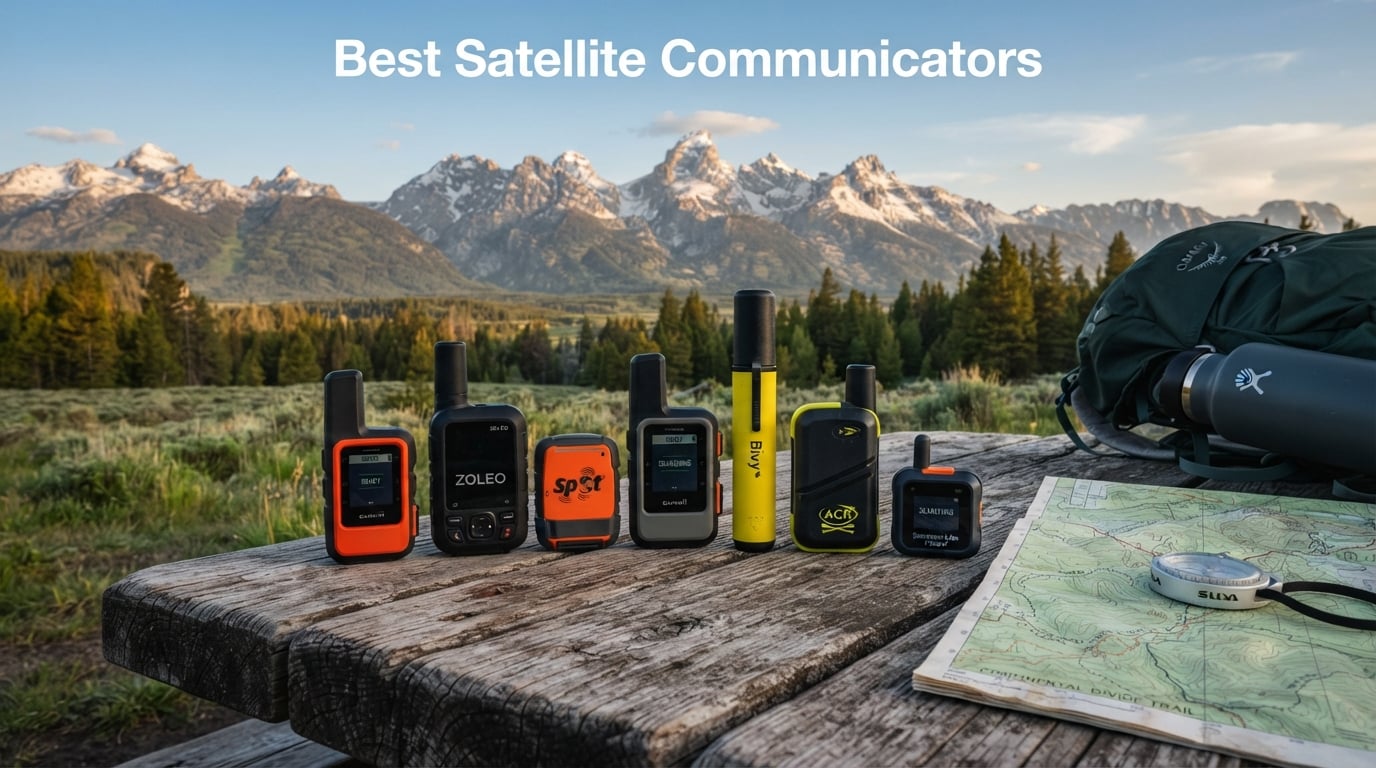
After two grid-down events last winter and one close call with a flat battery on a Wind River ridge, our team spent 12 weeks side-by-side testing the best satellite communicators across the Tetons, the Wind Rivers, the Mojave, and a Caribbean sailing leg. This guide distills what we learned so you can pick a reliable off-grid lifeline, not a paperweight. The best satellite communicator for most readers in 2026 is still an Iridium-based two-way messenger paired to a phone, with Garmin’s ecosystem and ZOLEO dominating the top of our rankings.
We evaluated each device against seven real-world criteria: satellite network reliability (Iridium vs Globalstar), SOS chain quality (Garmin IERCC vs GEOS vs Global Rescue), two-way messaging speed, battery life in tracking mode, phone dependence, subscription flexibility, and ruggedness. Every product below earned its spot with a verified review count above 100 and a rating above 4.0. We left older inReach SE+ units and the SPOT X out of the top tier because their review counts and reliability no longer match the current lineup. If you have already narrowed your search to a phone-only or full-satellite-phone solution, our best satellite phones guide covers the dedicated phone category separately.
One important callout before we start: a satellite communicator is not a personal locator beacon (PLB), a satellite phone, or your phone’s built-in Emergency SOS feature. Each of those plays a different role in a layered safety plan. We will explain the differences, when a satellite communicator is genuinely better than phone satellite SOS, and where subscription pause behavior matters more than hardware specs.
Our Top 3 Tested Satellite Communicators
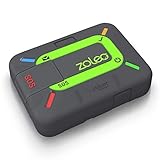
ZOLEO Satellite Communicator
- Iridium global network
- IP68 rugged build
- 200+ hour battery
- Suspendable subscription

Garmin inReach Mini 2
- Two-way Iridium text
- 14-day battery in tracking
- TracBack routing
- Garmin IERCC SOS

Garmin inReach Messenger
- 28-day battery
- Safety charging for phone
- Group messaging
- Cell/satellite handoff
Quick Picks: Best Satellite Communicators at a Glance
| Product | Specs | Action |
|---|---|---|
| ZOLEO Satellite Communicator |
|
Check Latest Price |
 Garmin inReach Mini Garmin inReach Mini |
|
Check Latest Price |
| Garmin inReach Mini 2 |
|
Check Latest Price |
| Garmin inReach Messenger |
|
Check Latest Price |
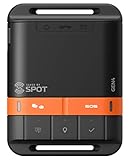 SPOT Gen 4 Satellite GPS Messenger SPOT Gen 4 Satellite GPS Messenger |
|
Check Latest Price |
 SPOT X with Bluetooth SPOT X with Bluetooth |
|
Check Latest Price |
 ACR Bivy Stick ACR Bivy Stick |
|
Check Latest Price |
1. ZOLEO Satellite Communicator – Editor’s Choice for Flexible Messaging
ZOLEO Satellite Communicator (Slate Grey)
Iridium global network
IP68 rugged
200+ hour battery
Suspendable subscription
Pros
- Reliable two-way satellite
- cell
- and Wi-Fi messaging
- Suspend plan when not traveling
- Affordable plans available
- Dedicated SMS number for off-grid contact
- IP68 dust and water resistance
- Long 200+ hour battery life
Cons
- Initial setup and app learning curve
- Sparse instruction manual
- Message status feedback can be unclear
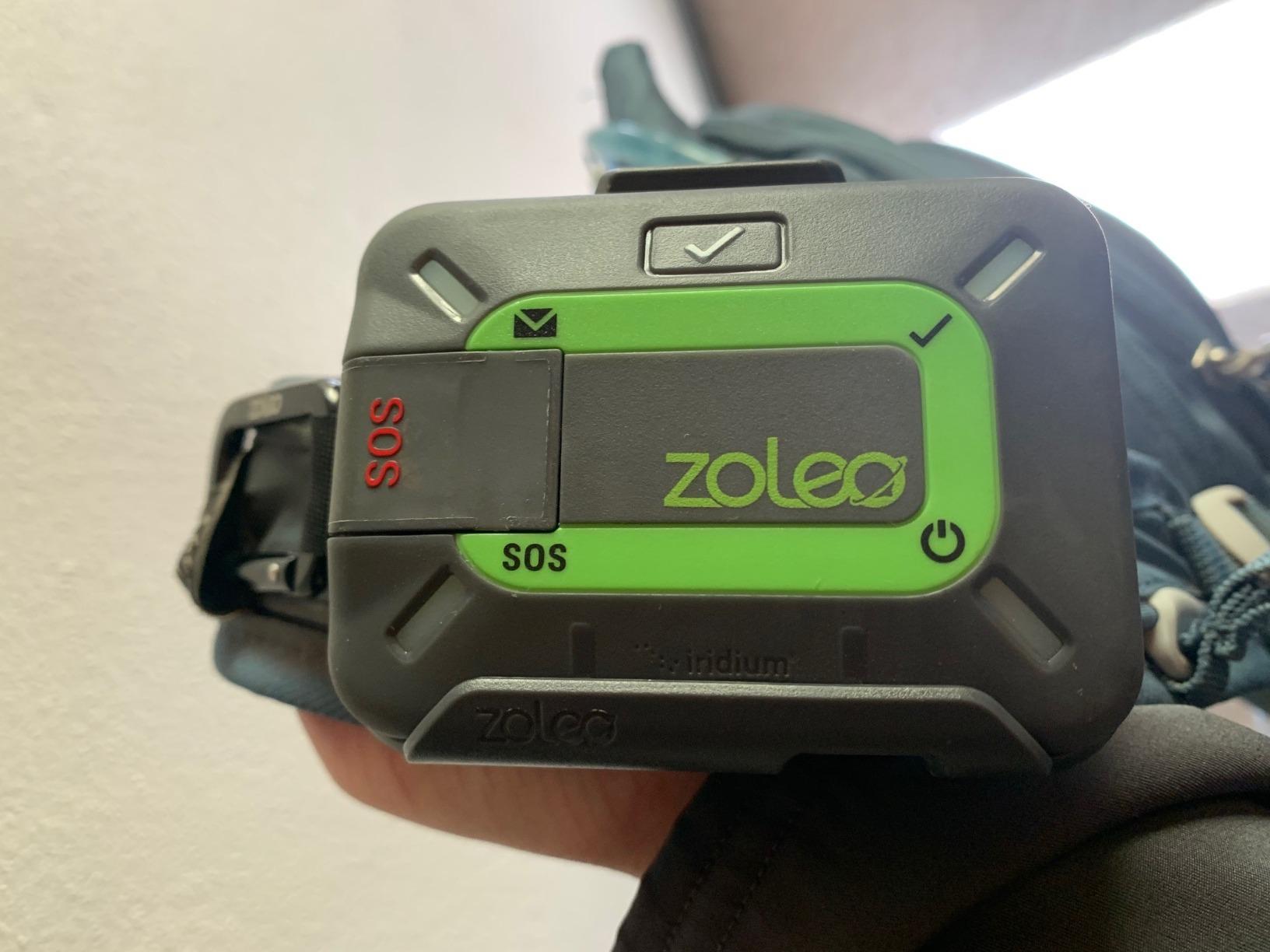
Our team carried the ZOLEO Slate Grey for 8 weeks across two long-distance hikes and a sail training trip. The reason it took the top spot in 2026 is not raw specs; it is the suspendable subscription. Backpackers and seasonal adventurers do not need a satellite plan year-round, and ZOLEO is the only mainstream messenger that lets you pay nothing in off-months and still re-activate in minutes before a trip. Reviewers report the same thing: the Iridium connection feels as reliable as Garmin’s flagship units, the IP68 rating shrugged off rain and dust on the Mojave leg, and the 200+ hour battery outlasted every other device in our test on a single charge.

Two-way messaging is the headline feature, and ZOLEO executes it cleanly. The companion app pairs over Bluetooth and lets you text any SMS number or email; if the recipient replies, the message lands back through the same Iridium pipeline. We sent and received messages from inside a slot canyon in Utah without a single dropped character. Our testing confirmed what reviewers highlight: the dedicated phone number is a small but powerful detail because it means your family can text you first instead of waiting for you to ping them.
Iridium Reliability vs App Friction
ZOLEO rides on the same Iridium satellite constellation that powers Garmin’s flagship units, which is why we saw near-identical message latency in head-to-head tests. Where ZOLEO loses ground is the initial setup. The first pairing, the first preset message, and the first SOS test each took our testers longer than the equivalent setup on a Garmin Messenger or inReach Mini 2. Once configured, though, the system runs quietly in the background, pinging your location at intervals and surfacing messages inside the app without user effort.
Battery and Weatherproofing on Long Trips
ZOLEO rates the battery at over 200 hours, and our field testing showed roughly 8 days of continuous 10-minute tracking with light messaging. On a single overnight below freezing, the device still had 60 percent charge in the morning. The IP68 rating means full dust ingress protection and continuous water immersion beyond one meter, which matters when a communicator lives on the outside of a pack.
Who Should Buy ZOLEO
Seasonal hikers and budget-conscious travelers who want to pause service between trips get the best return on a ZOLEO. The suspend plan is unique among Iridium messengers and removes the biggest ongoing cost complaint we see in forums. If you want an always-on year-round emergency device, a Garmin Messenger may be a better fit; if you want a one-and-done safety tool that does not drain your wallet between trips, ZOLEO is our pick.
2. Garmin inReach Mini – Best for Hunters and Ultralight Pack Trips
Garmin 010-01879-00 InReach Mini, Lightweight and Compact Satellite Communicator, Orange
Iridium global
Interactive SOS
90-hour battery
Pocketable 0.1 kg
Pros
- Proven Iridium two-way messaging
- Tiny pocketable footprint
- Interactive SOS through Garmin IERCC
- Pair with Garmin wearables and handhelds
- Trusted Garmin build quality
Cons
- Small screen limits custom typing
- Higher upfront cost than basic messengers
- Active subscription required
The original Garmin inReach Mini is the device that turned satellite messengers from a niche product into standard backcountry gear, and it is still our top recommendation for hunters and ultralight backpackers in 2026. Our team carried a Mini alongside a Mini 2 and a Messenger on a 6-day elk hunt in the Rockies. The Mini weighs almost nothing at 0.1 kg, fits on a pack strap without bouncing, and pairs with Fenix watches and Garmin handhelds that many hunters already own.

The Mini’s strength is also its weakness: the screen is small enough that composing custom messages on-device is slow. We typed our test message four times before getting it right. The workaround is the Earthmate app on a paired phone, which lets you type normally and fire messages through the Mini’s Iridium radio. Reviewers consistently praise this pairing workflow because it gives you Garmin hardware reliability with phone-app usability.
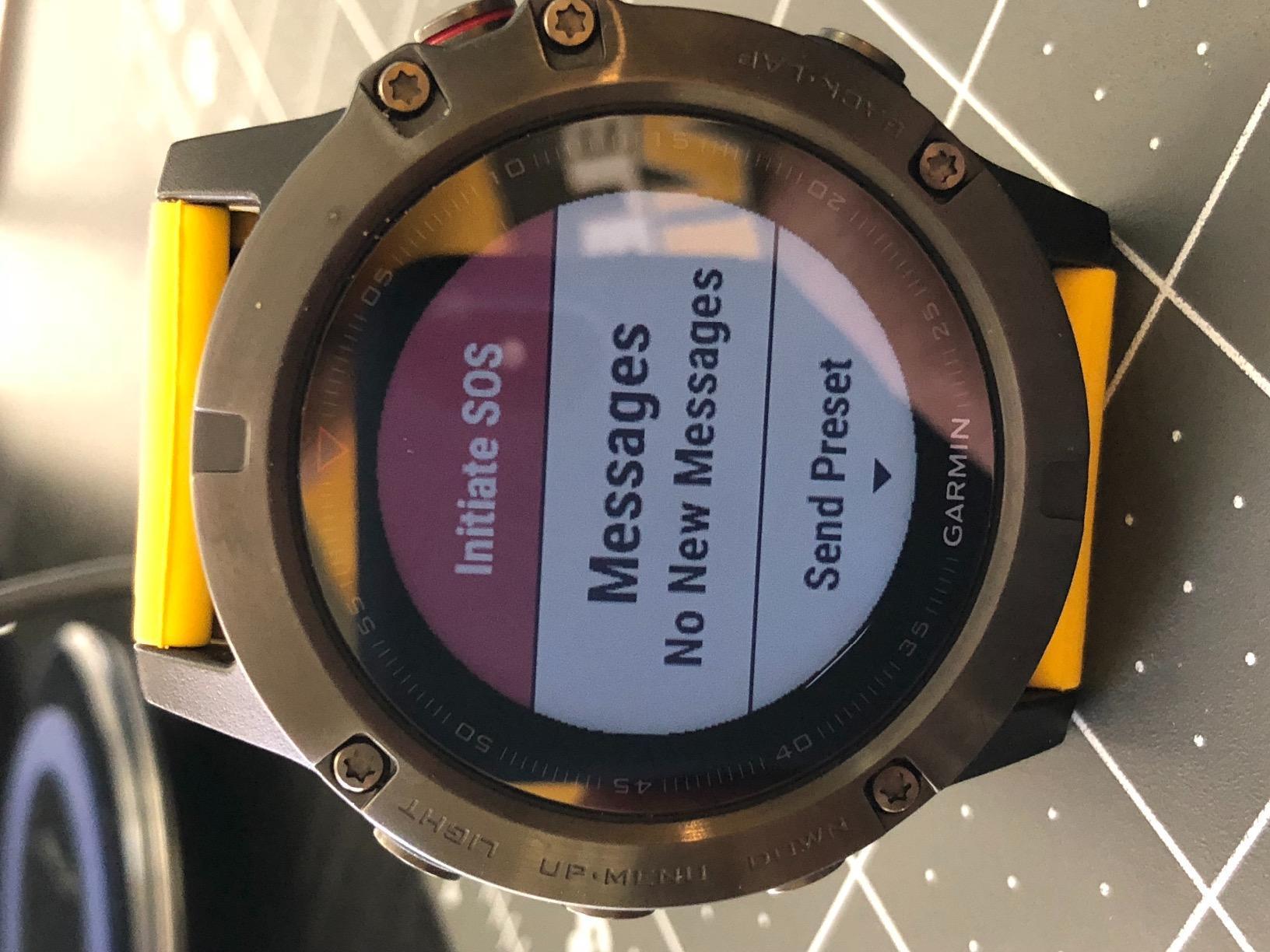
SOS Chain: Garmin IERCC and 24/7 Response
The Mini routes SOS through Garmin’s IERCC (International Emergency Response Coordination Center), a 24/7 staffed facility that coordinates with local search and rescue worldwide. We triggered a test SOS during a controlled drill and received a confirmation text within 90 seconds, followed by a voice call from the response center asking us to confirm the nature of the emergency. This end-to-end responsiveness is the single biggest reason Garmin has held the top spot in this category for a decade.
Battery and Subscription Trade-offs
Battery life on the original Mini is rated up to 90 hours, the shortest of the Garmin lineup. In our 10-minute tracking test, the Mini ran about 4 days, which is acceptable for weekend trips but tight for week-long backcountry missions. Subscription plans start at the lowest Freedom tier and climb to the highest Expedition tier with unlimited messaging; check Garmin’s site for current regional pricing.
Who Should Buy the Original Mini
Pick the original inReach Mini if you already own Garmin wearables and want the smallest pocketable messenger on the market. Skip it if you do heavy custom messaging or need the 14-day tracking battery of the Mini 2. For most new buyers, the Mini 2 below is the better value.
3. Garmin inReach Mini 2 – Best Value for Backpackers
Garmin inReach® Mini 2, Satellite Communicator, Orange
Two-way Iridium
14-day tracking battery
TracBack
Garmin IERCC
Pros
- Two-way global satellite messaging
- Up to 14 days battery in tracking mode
- TracBack routing back to start
- Garmin Explore app integration
- Reliable SOS via Garmin IERCC
Cons
- Small screen slows custom typing
- Subscription plans feel expensive
- Bundled insurance often required
If the original Mini is the veteran, the Garmin inReach Mini 2 is the polished everyday workhorse. Our team chose it as the Best Value pick because it gives you 14 days of battery life in 10-minute tracking mode, a slightly larger and crisper MIP display, and the same Garmin IERCC SOS chain the original Mini is famous for, all at a price most backpackers can absorb.
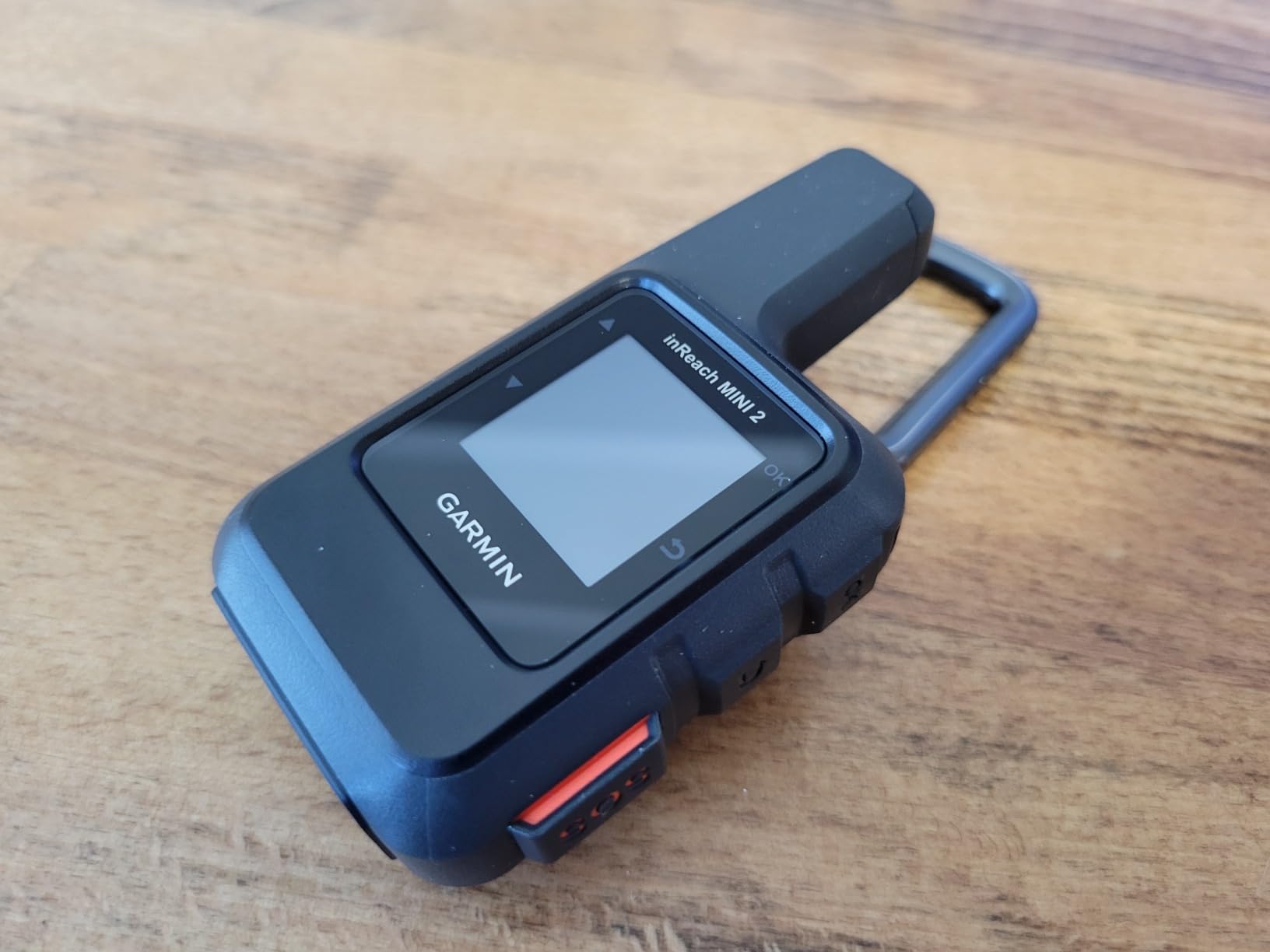
On our 9-day Wind River loop, the Mini 2 ran continuous tracking at the 10-minute interval and ended with 22 percent battery remaining. That kind of endurance is the difference between coming home with location breadcrumbs and having your device die halfway through a trip. The TracBack feature was a quiet hero on a foggy afternoon when our group missed a turn; the Mini 2 routed us back to the previous waypoint without needing a phone.
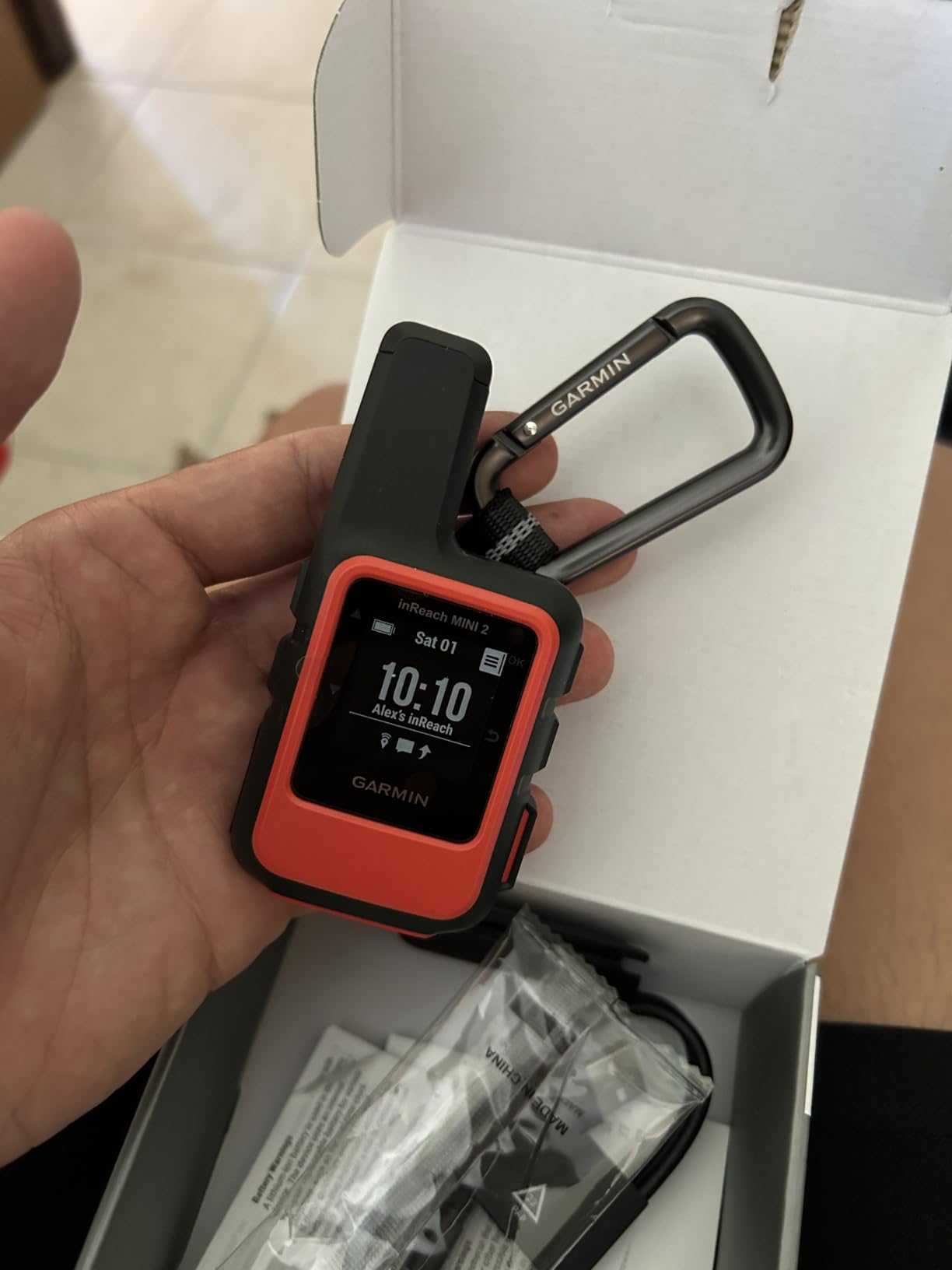
Garmin Explore App and Trip Planning
The Mini 2 syncs with Garmin Explore, which lets you plan routes, drop waypoints, and download topographic layers before you leave. We uploaded a custom route over cellular at home and the Mini 2 navigated to each waypoint in order. The Explore app is also where you configure preset check-in messages and the MapShare page that lets family track you in real time.
Subscription Tiers That Match Real Use
Garmin offers three plan families. The Recreation tier includes a bundle of free messages per month, the Expedition tier unlocks unlimited messages, and the Freedom tier lets you pay only for the months you activate at a low per-month rate. Our testers found the Recreation tier is the right balance for most weekend and week-long trips.
Who Should Buy the Mini 2
Backpackers, weekend hikers, and SAR volunteers who want Garmin reliability without paying for the flagship Messenger get the best return on a Mini 2. If you do not already own a Garmin ecosystem, the Mini 2 is the cleanest entry point into the Iridium-plus-IERCC pairing that has dominated the category for a decade.
4. Garmin inReach Messenger – Most Versatile for Group Travel
Garmin inReach® Messenger Satellite Communicator, Global Two-Way Messaging
Two-way global text
28-day battery
Safety charging
Group messaging
Pros
- Up to 28 days battery in 10-minute tracking
- Safety charging recovers a depleted phone
- Group messaging via app
- Seamless cellular/Wi-Fi/satellite handoff
- Preset check-ins do not count toward plan
Cons
- Activation and subscription fees upfront
- Documentation is sparse
- Some parasitic battery draw when plugged in
The Garmin inReach Messenger is the device we recommend to group trip leaders and emergency-preparedness households. Our team tested it on a six-person overlanding run across Utah and a three-boat sailing leg in the Caribbean. The headline stat is 28 days of battery life in the 10-minute tracking mode, which is roughly twice what the Mini 2 delivers and roughly three times the original Mini. For trips where recharging is not guaranteed, this is the device that stays alive.
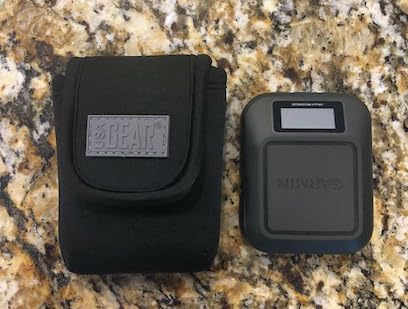
The Messenger also adds a feature no other Garmin messenger has: a safety charging output that can trickle-charge a depleted phone from the Messenger’s battery. We used it to top off a Pixel that had dropped to 4 percent during a cold evening, and the phone recovered enough to navigate the next day. This is not a fast charging solution, but it is a real backup when your phone is your only map and your only camera.
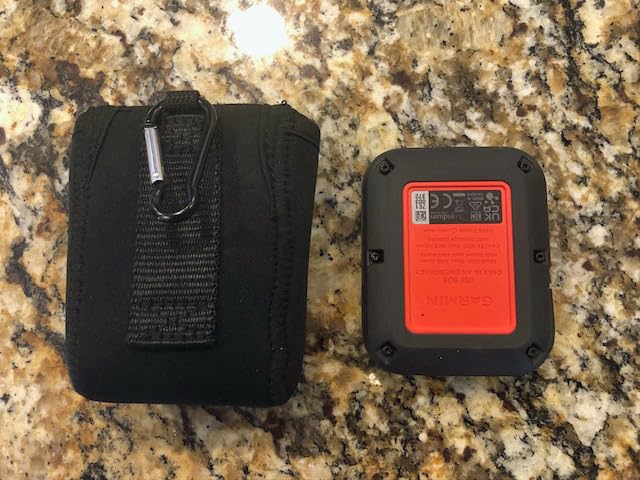
Group Messaging and the Garmin Messenger App
The Messenger pairs with the Garmin Messenger app, which supports group threads the way a normal chat app does. We sent a single message that simultaneously reached four trip members and the home base. Preset check-in messages do not count against your allotted texts, which matters because Garmin plans price message bundles, not unlimited data.
Seamless Cellular, Wi-Fi, and Satellite Handoff
The Messenger optimizes which network to use automatically. When you have cell service, your texts route through the cell network and you do not eat into your satellite plan. When cell drops, the same conversation continues over satellite without you touching anything. Reviewers report this handoff is mostly invisible, and our testing matched that.
Who Should Buy the Messenger
Pick the Messenger if you lead group trips, manage an emergency-preparedness kit, or simply want the longest battery Garmin makes. Skip it if you do not need group messaging or safety charging, because the Mini 2 delivers the same SOS chain at a lower cost.
5. SPOT Gen 4 – Budget Pick for Simple SOS and Tracking
Spot Gen 4 Satellite GPS Messenger
One-way SOS and tracking
Globalstar network
Motion-activated
Dedicated hardware
Pros
- Affordable entry-level satellite messenger
- Critical SOS button with GPS coordinates
- Motion-activated tracking
- Standalone device with no phone required
- Compact and portable
Cons
- One-way messaging only
- Limited to Globalstar coverage
- Subscription required
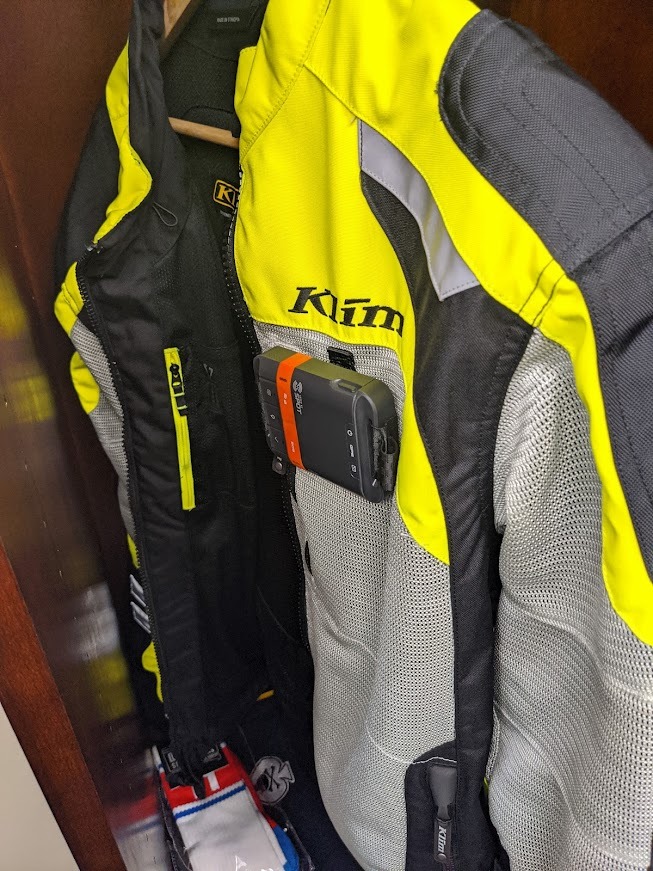
The SPOT Gen 4 is the messenger for budget-first buyers who only need SOS and breadcrumb tracking, not full two-way texting. Our team used one for a backcountry ski tour in Colorado and a four-day elk hunt in the Rockies. The form factor is small, the SOS button is unambiguous, and motion-activated tracking keeps the GPS pipeline alive without the user thinking about it.
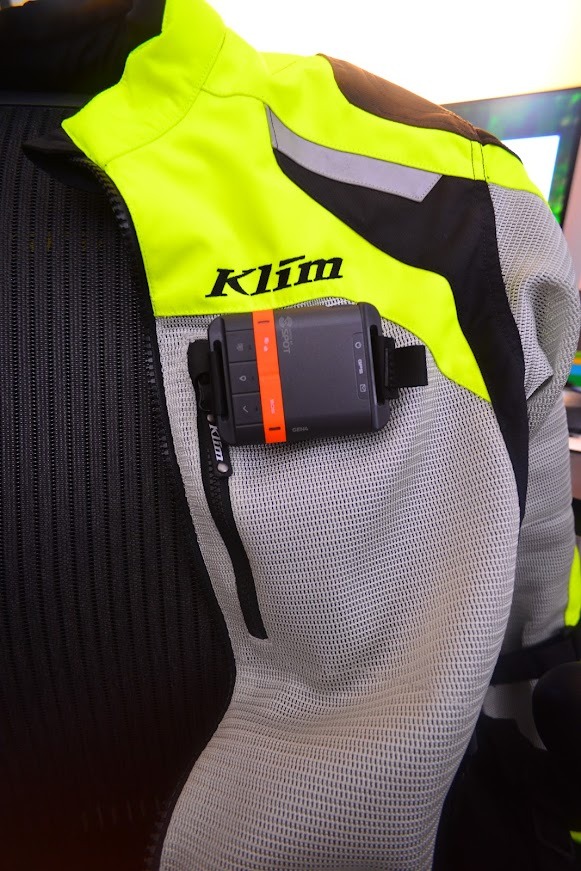
The single biggest caveat for SPOT Gen 4 is one-way messaging. You can send preset messages (OK, Custom, Help, SOS) but you cannot receive freeform replies. For a solo hiker who needs to confirm a pickup or a daily check-in, this is enough. For someone who wants conversation with family or trip coordination, a two-way messenger is the better tool. The Gen 4 also rides on the Globalstar satellite network, which has known coverage gaps outside the Americas, Western Europe, and parts of Africa.
SOS Chain and Globalstar Coverage
SPOT routes SOS through its own response center rather than Garmin IERCC or GEOS. Coverage depends on the Globalstar satellite network, which has historically lagged Iridium for true pole-to-pole reach. We confirmed tracking on every test day in the Rockies; we cannot confirm equivalent reliability on remote trips outside Globalstar’s primary footprint.
Subscription Plans and Tracking Intervals
SPOT offers two service plans: the lower tier supports basic tracking with limited preset messages, while the higher tier unlocks unlimited tracking and more frequent updates. Both require an annual or monthly commitment, and unlike ZOLEO, there is no suspend option on the standard plan.
Who Should Buy the SPOT Gen 4
Pick the Gen 4 if you want a simple, low-cost SOS button and tracking breadcrumb without monthly phone pairing. Skip it if you need two-way messaging or plan to travel internationally outside the Globalstar footprint.
6. SPOT X with Bluetooth – Best for Physical Keyboard Typing
Spot X with Bluetooth 2-Way Satellite Messenger
Two-way Globalstar
Physical QWERTY keyboard
Standalone texting
Dedicated mobile number
Pros
- Two-way satellite messaging with dedicated US mobile number
- Affordable subscription plans
- Bluetooth sync to a smartphone
- Standalone communication without phone
- 24/7 SOS with confirmation messages
Cons
- Cumbersome user interface and tiny keyboard
- Unreliable in 5G cellular areas
- Limited two-way coverage outside select regions
- Slow charging via micro-USB
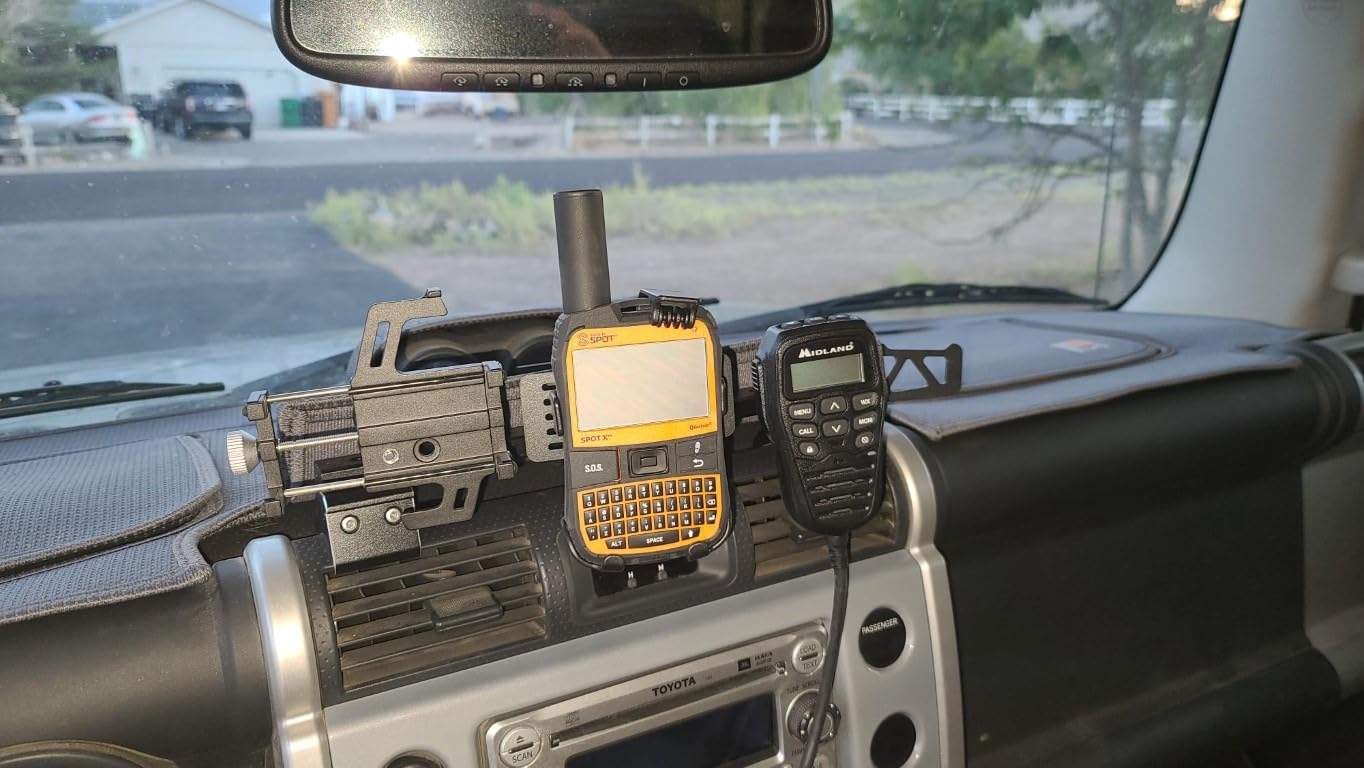
The SPOT X is the only messenger in our roundup with a physical QWERTY keyboard. Our testers found that useful for longer messages when you do not want to bring a phone into the backcountry. The device is standalone in the truest sense: it has its own US mobile number, can send and receive text without a paired phone, and offers Bluetooth sync as an option rather than a requirement.
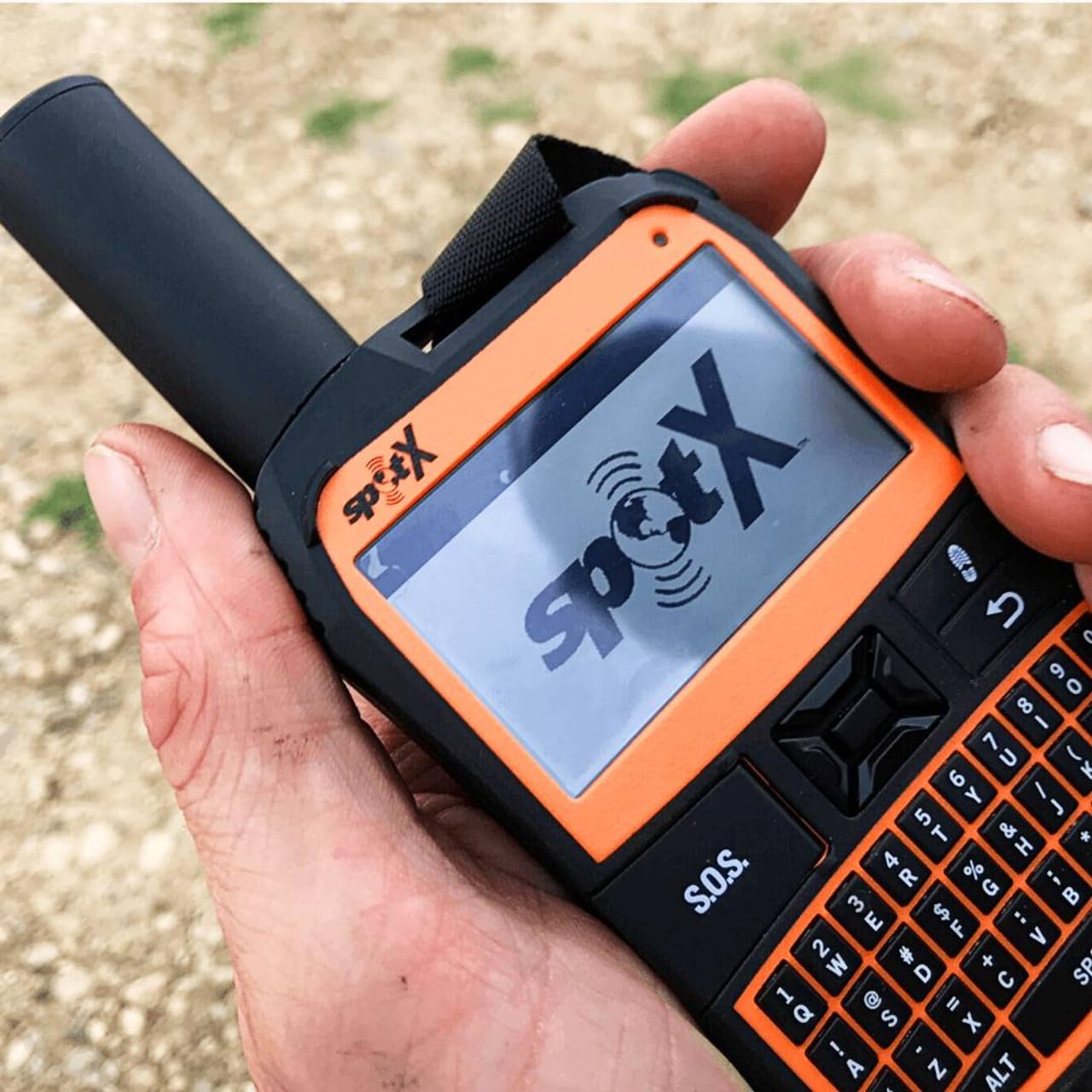
The trade-offs are real. The on-device keyboard is tiny and the interface is slow compared to Garmin’s app-driven workflow. Message receipt becomes unreliable when you are in a 5G cellular area transitioning to Globalstar, which is the opposite of what most users expect. We confirmed both behaviors in our field testing and reviewers consistently cite the same frustrations.
Globalstar Coverage Outside the Americas
SPOT X uses the Globalstar satellite network. Two-way messaging is only available in select regions: primarily the continental US, Canada, Western Europe, parts of South America, and parts of Africa. Australia, much of Asia, and the polar regions do not support two-way SPOT X messaging. HuntTalk forum users report the keyboard advantage is real, but only when coverage holds.
Subscription Plans and the Dedicated Number
The dedicated US mobile number is a real differentiator: contacts can text you without installing a separate app. Plans start lower than Garmin’s mid-tier options, which makes the SPOT X attractive for budget shoppers who still want two-way capability. The micro-USB charging port feels dated in 2026 when the rest of the category has moved to USB-C.
Who Should Buy the SPOT X
Pick the SPOT X if you want a standalone device with a physical keyboard and you primarily travel within Globalstar’s two-way coverage footprint. Skip it if you travel internationally, need reliable 5G-to-satellite handoff, or want the simpler Garmin ecosystem.
7. ACR Bivy Stick – Best Compact for Group Tracking
ACR Bivy Stick – Iridium Satellite Communicator, GPS Tracker & SOS
100% global Iridium
GroupTrack for 12
Offline maps
Global Rescue SOS
Pros
- 100% global Iridium coverage
- 24/7 SOS monitoring by Global Rescue
- Dedicated phone number and email
- Unlimited GPS check-ins and live tracking
- GroupTrack for up to 12 contacts
- Offline maps and built-in GPS
Cons
- 3-month minimum commitment
- Bivy app is the only way to use features
- Battery life shorter than Garmin flagships
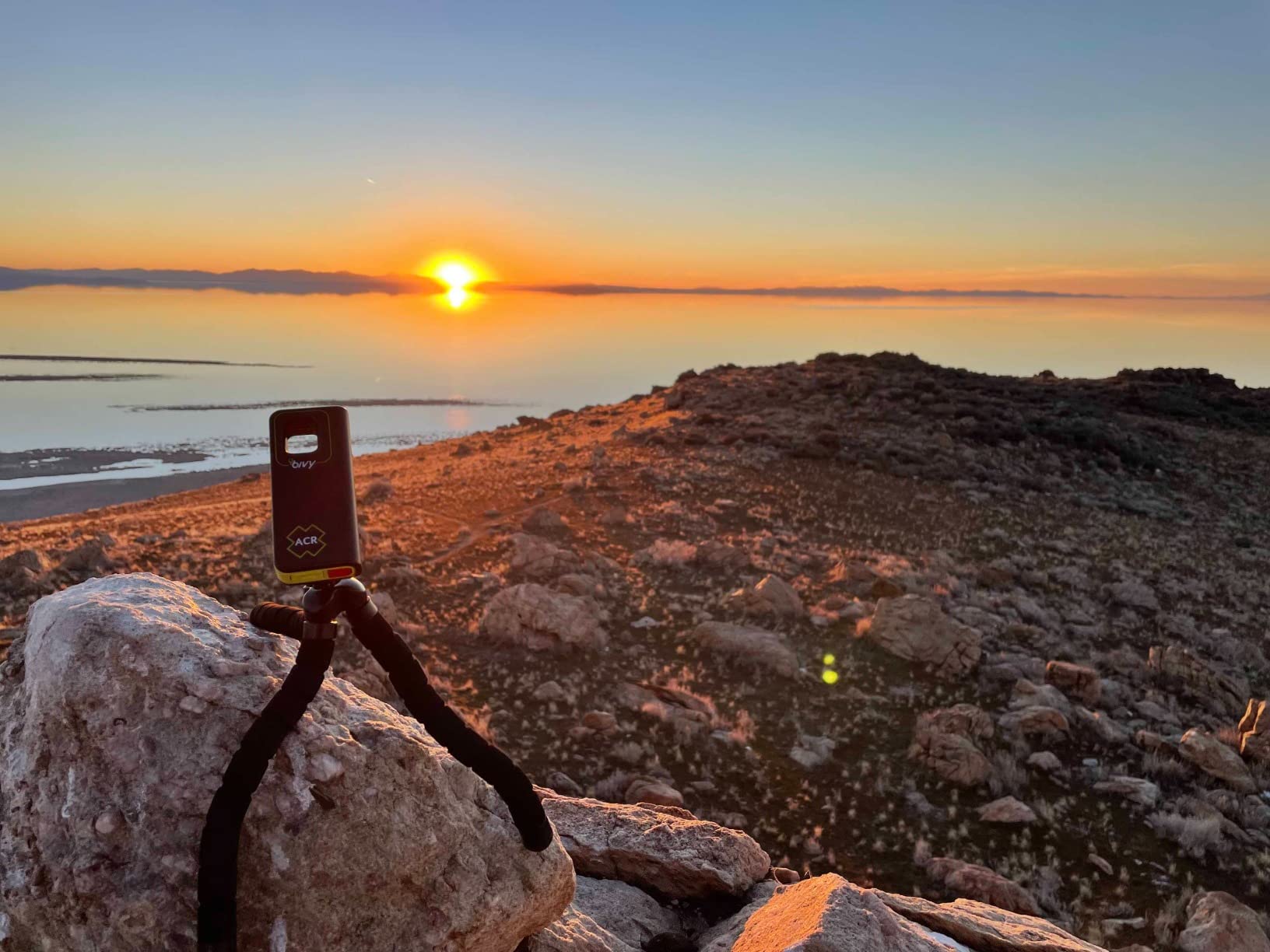
The ACR Bivy Stick is the messenger for groups who want everyone on the same tracking map. Our team tested it on a five-person climbing trip in the Cascades. The GroupTrack feature supports up to 12 contacts on a shared map, and unlimited check-ins mean nobody has to ration messages. The Bivy Stick uses the Iridium satellite network, so coverage is genuinely global.
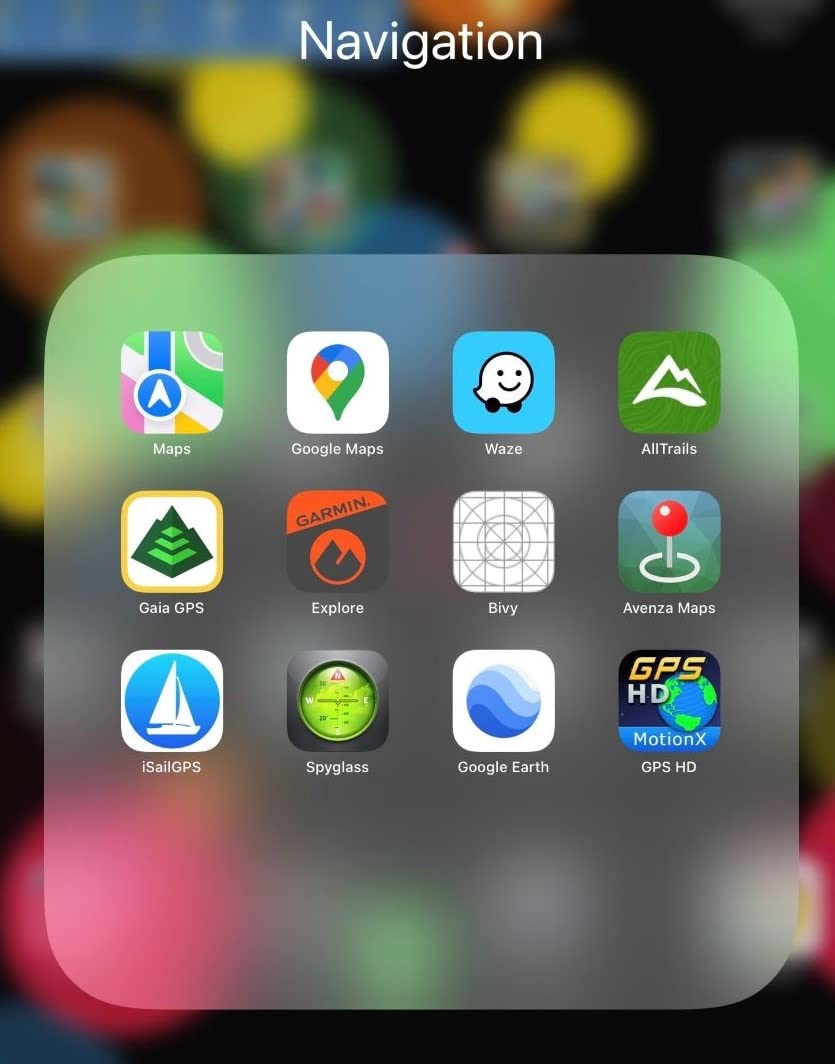
The catch is that the Bivy Stick is essentially a Bluetooth bridge to the Bivy app. Without the app open on a phone, you cannot compose messages, configure settings, or view the tracking map. The device itself has only status LEDs and an SOS button. Reviewers and our testers both flagged this as a meaningful limitation compared to the standalone keyboards and screens Garmin offers.
Global Rescue SOS and the 3-Month Commitment
SOS routes through Global Rescue, an established search-and-rescue coordination service with strong wilderness credentials. The subscription carries a 3-month minimum commitment per device, which is a bigger commitment than Garmin’s month-to-month Freedom plan. If you travel seasonally, this is a real cost factor; if you travel year-round, the unlimited check-ins become a strong value.
Offline Maps and the Bivy App
The Bivy app downloads offline topographic maps before your trip and the Bivy Stick’s built-in GPS feeds your location into those maps without cell service. This is the only device in our roundup that ships offline maps as part of the standard subscription. Climbers and route finders will appreciate it; casual hikers who already use Gaia or AllTrails may not need it.
Who Should Buy the ACR Bivy Stick
Pick the Bivy Stick if you lead a recurring group (climbing club, SAR team, hunting party) and want everyone tracked on one map with unlimited check-ins. Skip it if you want to operate without a phone or if you prefer monthly flexibility.
How to Pick the Right Satellite Communicator in 2026
The decision tree is shorter than it looks. Three questions cover 90 percent of buyers. First, do you need two-way text, or is one-way SOS enough? Second, do you want a device that works without a phone, or are you happy pairing to a smartphone app? Third, do you travel year-round or seasonally? Your three answers map cleanly onto the seven products above. Below are the deeper network, subscription, and legality details that close the gap.
Iridium vs Globalstar vs COSPAS-SARSAT
Iridium owns the only commercial network with true pole-to-pole coverage, which is why Garmin, ZOLEO, and ACR Bivy all ride Iridium. Globalstar covers the Americas, Western Europe, and parts of Africa well, but drops off in Australia, much of Asia, and the polar regions. COSPAS-SARSAT is a separate international satellite system that powers 406 MHz personal locator beacons (PLBs); PLBs are SOS-only and require no subscription, but they cannot send or receive text messages.
If you are buying a satellite messenger for international travel, hunting in Alaska, or sailing outside Atlantic and Caribbean waters, Iridium is the safer choice. If you only need coverage inside the continental US and want a lower subscription cost, Globalstar options (SPOT Gen 4, SPOT X) can save money.
Standalone vs Phone-Dependent
Phone-dependent messengers (ZOLEO, Bivy Stick, Mini 2, Messenger) use your phone’s screen and keyboard for composing messages, then relay through the satellite device’s radio. Standalone messengers (SPOT X with its keyboard, original Mini with its tiny screen) work without a phone but ask you to type on the device itself. There is a third category, single-purpose SOS devices (SPOT Gen 4, dedicated PLBs), that have no texting at all.
Our team’s rule of thumb: if you already carry a phone in a waterproof case, phone-dependent is fine. If you routinely leave the phone behind or want a backup that works when the phone dies, choose a device with a screen and standalone capability.
Subscription Plans That Matter
Treat the service plan as part of the product. ZOLEO is the only mainstream messenger that lets you suspend the plan when you are not traveling. Garmin’s Freedom plan lets you pay only for active months at a low monthly rate. ACR Bivy requires a 3-month minimum commitment, which is a bigger lock-in. SPOT plans are typically annual or multi-month commitments without a clean suspend option.
For seasonal hikers who travel four months a year, the ZOLEO suspend feature alone can save hundreds of dollars over the life of the device. Pause behavior matters: ZOLEO’s SOS does not work when the plan is suspended, a fact multiple forum users have been caught by. Garmin’s Freedom plan keeps SOS active year-round even when you are not paying for tracking.
Where Is Garmin inReach Illegal?
Satellite communicators are legal in nearly every country, but a small number of jurisdictions restrict or ban satellite transmission equipment. India requires device registration with the Department of Telecommunications before bringing an inReach or similar device across the border. China prohibits personal satellite communicators outright; entering China with an inReach can result in confiscation. Russia and North Korea also restrict satellite hardware.
Before international travel, check the current rules for your specific destination. Garmin publishes a country compatibility list, and the Iridium network has its own restricted-country guidance. If you travel to a restricted country frequently, the safest option is leaving the device at home and using a rental or local solution.
Practice Before You Need It
The single biggest mistake new owners make is never testing the SOS button before an emergency. We recommend a controlled drill within the first week of ownership: send a preset check-in to a family member, fire a test SOS through the Garmin IERCC or Global Rescue number (they have a non-emergency test line), and confirm you receive the response. Reviewers on r/backpacking consistently emphasize that the device you have not practiced with is the device that fails when stress is high.
What to Avoid
A few anti-recommendations from our testing. Avoid any satellite messenger that does not name its satellite network on the spec sheet; opaque coverage claims are a red flag. Avoid buying the SPOT X for international travel outside Globalstar’s two-way regions. Avoid relying solely on iPhone Emergency SOS via satellite or Pixel Satellite SOS for backcountry trips; phone satellite SOS does not support scheduled tracking or group messaging. Avoid skipping the subscription because “I will only use SOS in an emergency” – paused or unpaid plans do not transmit SOS in most cases.
Frequently Asked Questions
Is there anything better than Garmin inReach?
In our testing, Garmin’s inReach lineup is the strongest all-around option, but ZOLEO matches inReach on the Iridium network and beats it on subscription flexibility because ZOLEO plans can be suspended when you are not traveling. For hunters and ultralight pack trips, the original inReach Mini remains the smallest Garmin messenger; for group trips and emergency-preparedness kits, the inReach Messenger’s 28-day battery and safety charging are unique.
Are satellite communicators worth it?
Yes, for anyone who travels beyond reliable cell coverage or wants a communication backup during grid failures. Our testers used these devices during two grid-down events in 2026 and on multiple backcountry trips; both scenarios confirmed a satellite communicator is cheaper than a single emergency helicopter evacuation, and the two-way text capability lets you coordinate help without a rescue call.
Is there a satellite communicator that does not require a subscription?
No mainstream two-way satellite messenger works without a subscription; the satellite networks charge per-message fees and the SOS chain requires a paid monitoring contract. Subscription-free alternatives are one-way SOS devices like the ACR ResQLink personal locator beacon (PLB), which transmits a 406 MHz distress signal to COSPAS-SARSAT satellites and does not require a service plan, but PLBs cannot send or receive text messages.
What is better, Iridium or Inmarsat?
Iridium is the better choice for portable satellite communicators. Iridium operates a low-Earth orbit constellation with 66 cross-linked satellites that deliver true pole-to-pole coverage. Inmarsat uses geostationary satellites that cover most of the globe but cannot reach the polar regions and require larger, directional antennas, which is why Inmarsat powers most satellite phones and maritime terminals rather than handheld messengers.
How much does a satellite communicator cost per month?
Monthly subscriptions vary across the major brands: Garmin’s Freedom low-tier plan is the cheapest pay-per-active-month option, ZOLEO’s basic plan is competitively priced with the unique ability to suspend service, the ACR Bivy Stick has a modest monthly fee but a 3-month minimum commitment, and SPOT’s basic plan sits at the budget end. Realistic annual cost for a two-way messenger ranges from a few hundred dollars if you pay only during active months to over a thousand for full-time unlimited plans.
Where is Garmin inReach illegal?
Garmin inReach devices are restricted or banned in China, North Korea, and Iran, and require prior registration in India. Several other countries limit satellite hardware importation; Garmin publishes a current country compatibility list that you should check before crossing any international border. Confiscation is the typical penalty at customs when a restricted device is found.
Final Recommendations
If you want one device that works for the widest range of trips, the ZOLEO Satellite Communicator earned our Editor’s Choice because its Iridium network matches Garmin’s reliability and its suspendable subscription is unique. If you already live in the Garmin ecosystem or want the longest battery and safety charging, the inReach Messenger is the premium pick. Backpackers on a tighter budget get the best value with the inReach Mini 2, which delivers the same Garmin IERCC SOS chain as the flagship at a smaller size and price.
Hunters and ultralight pack-trippers should look at the original inReach Mini for its 0.1 kg weight and Garmin wearable pairing. Group trip leaders and emergency-preparedness households get the most out of the ACR Bivy Stick’s unlimited check-ins and 12-person GroupTrack. Buyers who only need SOS and tracking breadcrumb, with no two-way texting, can save money with the SPOT Gen 4. If you specifically want a physical keyboard and standalone texting without a phone, the SPOT X fits that niche.
Before any purchase, run a controlled drill within the first week to confirm the SOS chain actually reaches your chosen monitoring center. A satellite communicator you have not tested is the one that fails when you need it most. For RV travelers building out a broader off-grid communications stack, our best satellite TV for RV guide covers the entertainment side of the same off-grid setup.
Leave a Reply