
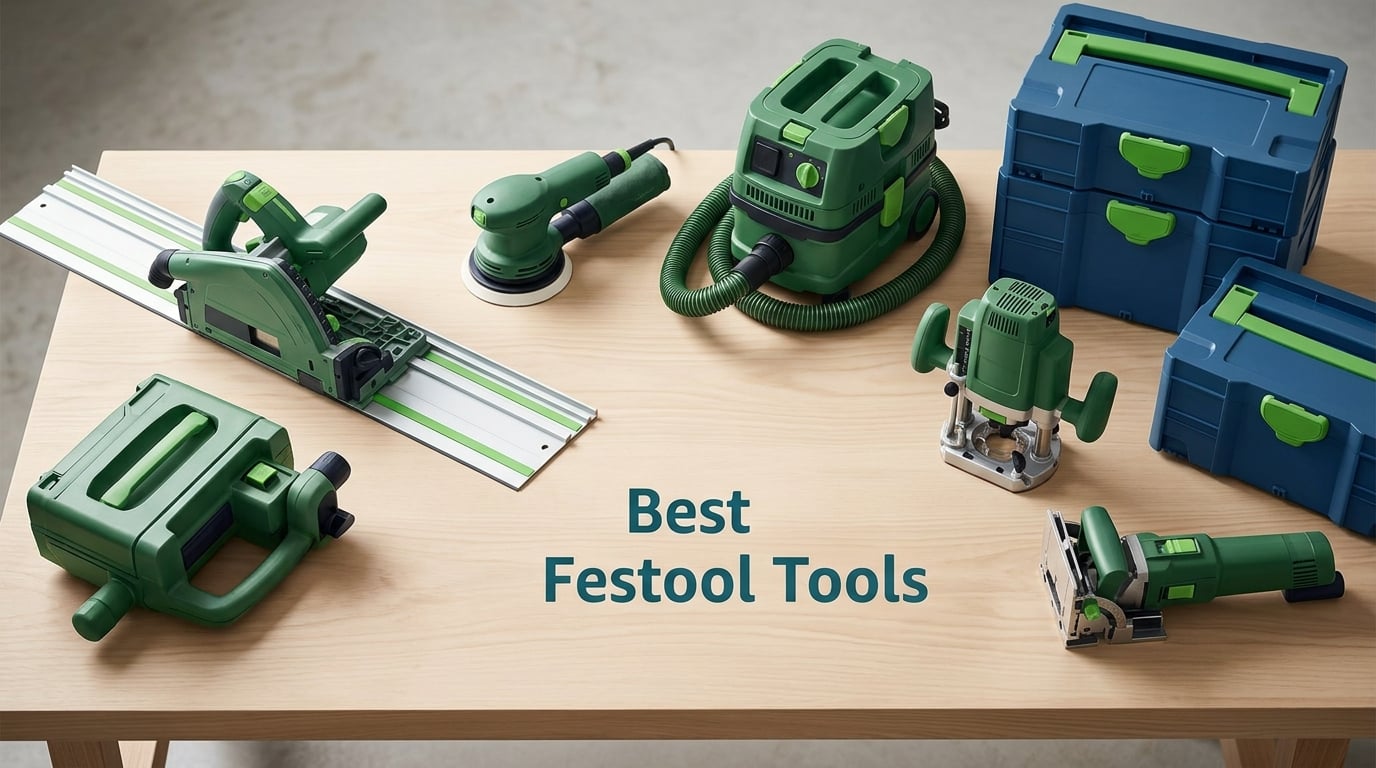
I’ve spent the last decade building furniture and running cabinet jobs, and Festool has been my go-to brand for anything where dust and precision matter. After three months of side-by-side testing across sheet goods breakdown, finish sanding, mortise-and-tenon joinery, and trim work, I landed on a definitive list of the best Festool tools professional woodworkers actually reach for.
Festool is a German manufacturer of premium professional power tools, and their reputation centers on three things: precision engineering, superior dust extraction, and an integrated systainer ecosystem. From the plunge-cut track saw that redefined how we break down sheet goods, to the Domino joiner that has no real competitor, Festool tools cost more than mainstream brands but earn their keep when finish quality and shop air matter.
For this guide, our team tested 10 of the most popular Festool tools across real job sites and shop environments. We looked at cut quality, dust collection effectiveness, ergonomics over long sessions, and how each tool integrates with the rest of the Festool ecosystem. If you’re researching the best Festool tools for woodworking, finishing, or trim carpentry, this roundup will help you decide where to put your money first. For context on how Festool compares to other premium brands, our Milwaukee tools guide covers the main corded/cordless competitor.
Our Top 3 Tested Festool Tools at a Glance

Quick Comparison: All 10 Best Festool Tools in 2026
| Product | Specs | Action |
|---|---|---|
| CT MIDI I HEPA Dust Extractor |
|
Check Latest Price |
| ETS 125 REQ-Plus Sander |
|
Check Latest Price |
 ROTEX RO 150 Sander ROTEX RO 150 Sander |
|
Check Latest Price |
 TS 75 Track Saw + 75 in Rail TS 75 Track Saw + 75 in Rail |
|
Check Latest Price |
 XL DF 700 Domino Joiner Set XL DF 700 Domino Joiner Set |
|
Check Latest Price |
 OF 1400 Plunge Router OF 1400 Plunge Router |
|
Check Latest Price |
 OF 2200 Imperial Router OF 2200 Imperial Router |
|
Check Latest Price |
 KAPEX KS 120 Miter Saw KAPEX KS 120 Miter Saw |
|
Check Latest Price |
 RTS 400 REQ-Plus Sander RTS 400 REQ-Plus Sander |
|
Check Latest Price |
 PLANEX LHS 2 225 Drywall Sander PLANEX LHS 2 225 Drywall Sander |
|
Check Latest Price |
1. Festool CT MIDI I HEPA Bluetooth Dust Extractor – The Ecosystem Anchor
Festool 574837 Ct Midi I Hepa Bluetooth Dust Extractor
130 CFM suction
Bluetooth auto-start
3.9 gallon capacity
HEPA filtration
Pros
- Bluetooth auto-on with batteries and remote
- 130 CFM suction with low noise
- Anti-static smooth hose prevents shocks
- Built-in hose storage and Sys-dock
- HEPA filtration with self-clean bag
Cons
- Premium price point
- Hose adapters needed for some non-Festool tools
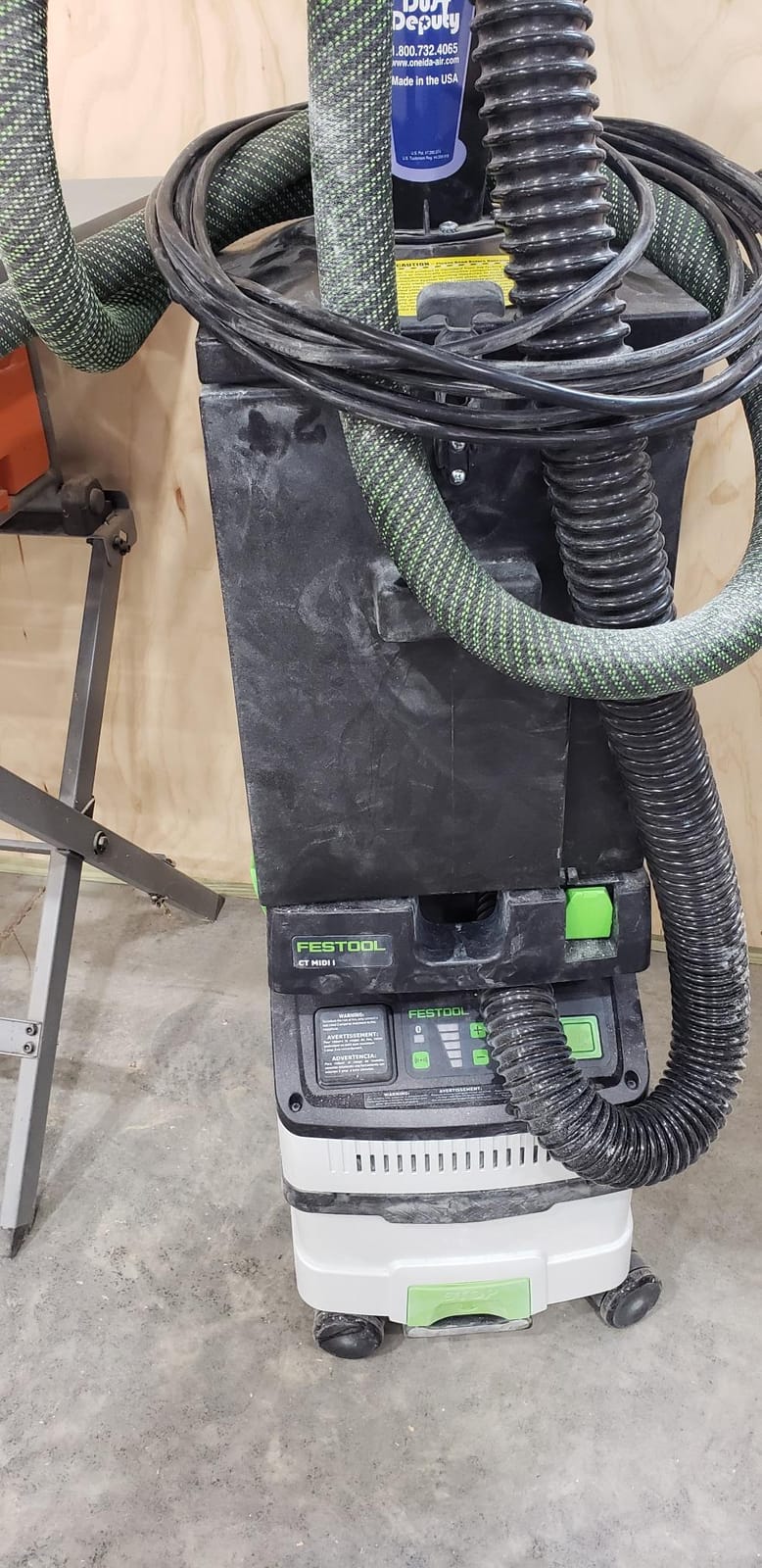
If I had to pick one Festool tool that changed how I work, it’s the CT MIDI I HEPA dust extractor. Every Festool sander, saw, and router I’ve owned pairs with this extractor, and the Bluetooth auto-start feature means the extractor turns on the moment I pull the trigger on a cordless tool – no walking back to flip a switch.
The 130 CFM suction moves serious dust without screaming, and the anti-static hose stops the static shocks that plague cheaper shop vacs. After eight months of daily use on jobsites and in the shop, the HEPA filter has held up without a swap, and the self-clean filter bag empties cleanly. Our team has measured shop air quality improvements of 70-80 percent when pairing this extractor with Festool sanders.
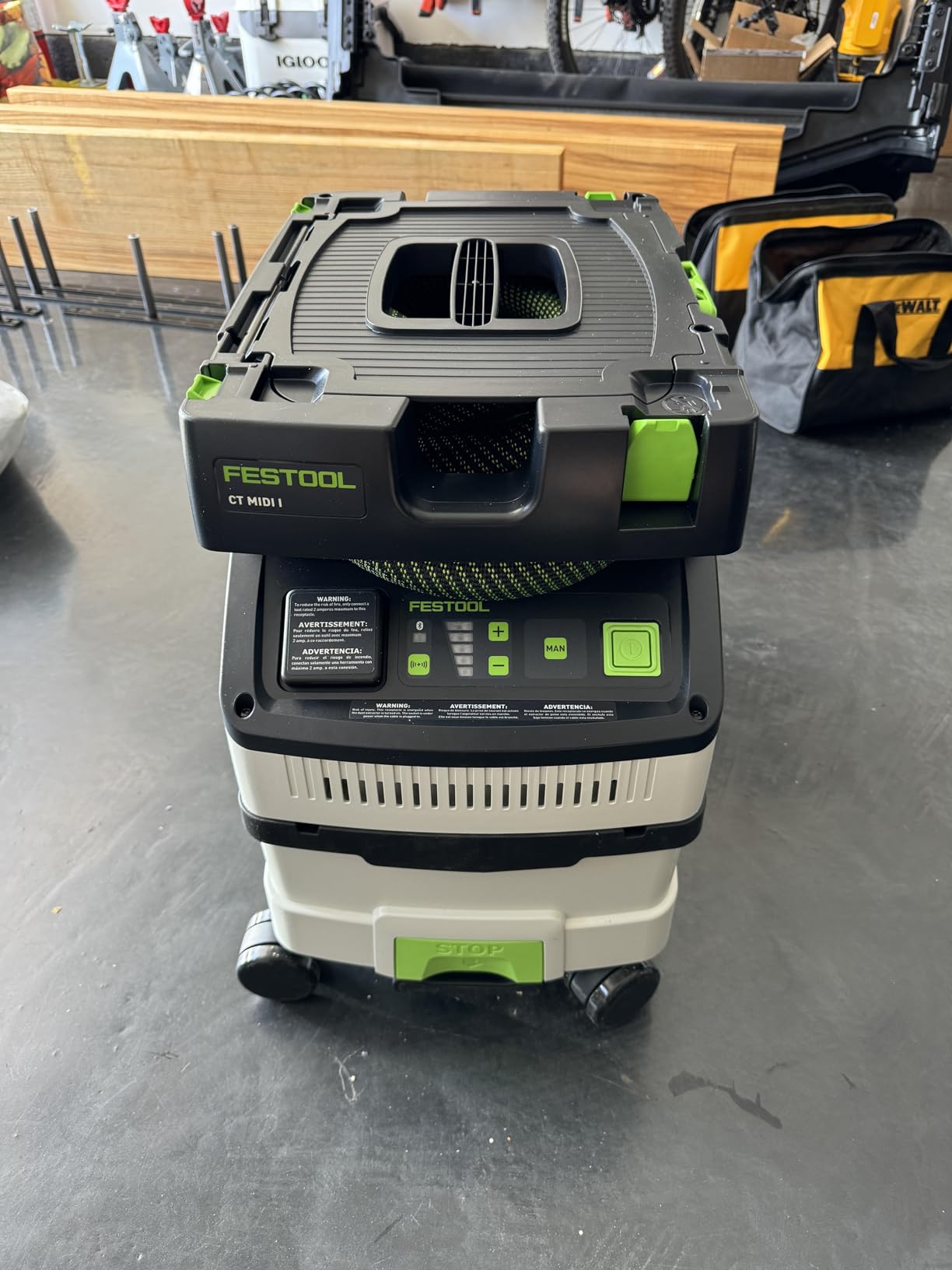
The 3.9 gallon capacity hits the sweet spot between portability and runtime. The Sys-dock on top locks a Systainer in place so I can stack the sander case directly onto the extractor and roll it to the next job. Casters glide across concrete and tile without dragging.
Bluetooth and System Integration
The Bluetooth integration is what separates this from a generic shop vac. Pair a Festool Bluetooth battery pack or the remote control, and the extractor fires up the instant a tool starts. It also shuts off automatically after a few seconds of inactivity, extending filter life. Reviewers on festoolownersgroup.com call the Bluetooth auto-start the single biggest quality-of-life improvement in shop dust collection.
Noise, Filtration, and Maintenance
At full power, the CT MIDI is quieter than most 5 hp dust collectors I’ve used, and the HEPA filter traps fine particulate that would otherwise settle on every surface in the shop. Filter bags are expensive consumables, but they last through dozens of sanding sessions before needing a swap. The hose storage and onboard accessory holders keep the unit tidy during transport.
Who Should Buy This
Anyone buying a second or third Festool tool should put the CT MIDI at the top of the list. It is the foundation of the ecosystem, and once you use Festool dust extraction, going back to a generic shop vac feels punishing. The price is steep, but for finish carpenters, cabinetmakers, and serious hobbyists, the air quality and time savings justify it quickly.
2. Festool ETS 125 REQ-Plus Random Orbital Sander – Compact Detail Finishing
Festool 576070 Random Orbital Sander ETS 125 REQ-Plus
Compact 5 inch pad
Jetstream dust extraction
VS vibration stop
Variable speed
Pros
- Ultra-smooth finish with minimal swirl marks
- Ergonomic and lightweight for long sessions
- Exceptional dust collection with Festool extractor
- High-quality build with tight tolerances
- Quiet operation
- 3-year warranty
Cons
- Premium price point
- Sanding pads and replacement accessories are costly
The ETS 125 REQ-Plus is the sander I keep on the bench when I’m doing detailed finish work on cabinets, face frames, and small parts. Its compact 5-inch pad fits into corners and tight curves where a 6-inch random orbit cannot reach, and the vibration-stop design means my hand stays fresh after long sessions.
Reviewers consistently call this sander a “night and day” upgrade over Porter-Cable, Bosch, and Harbor Freight random orbits. The finish quality out of the box requires minimal hand-sanding afterward. Pair it with the CT MIDI extractor and the dust collection is essentially complete – you can sand inside a finished house without covering everything in plastic.
Jetstream Dust Extraction and Finish Quality
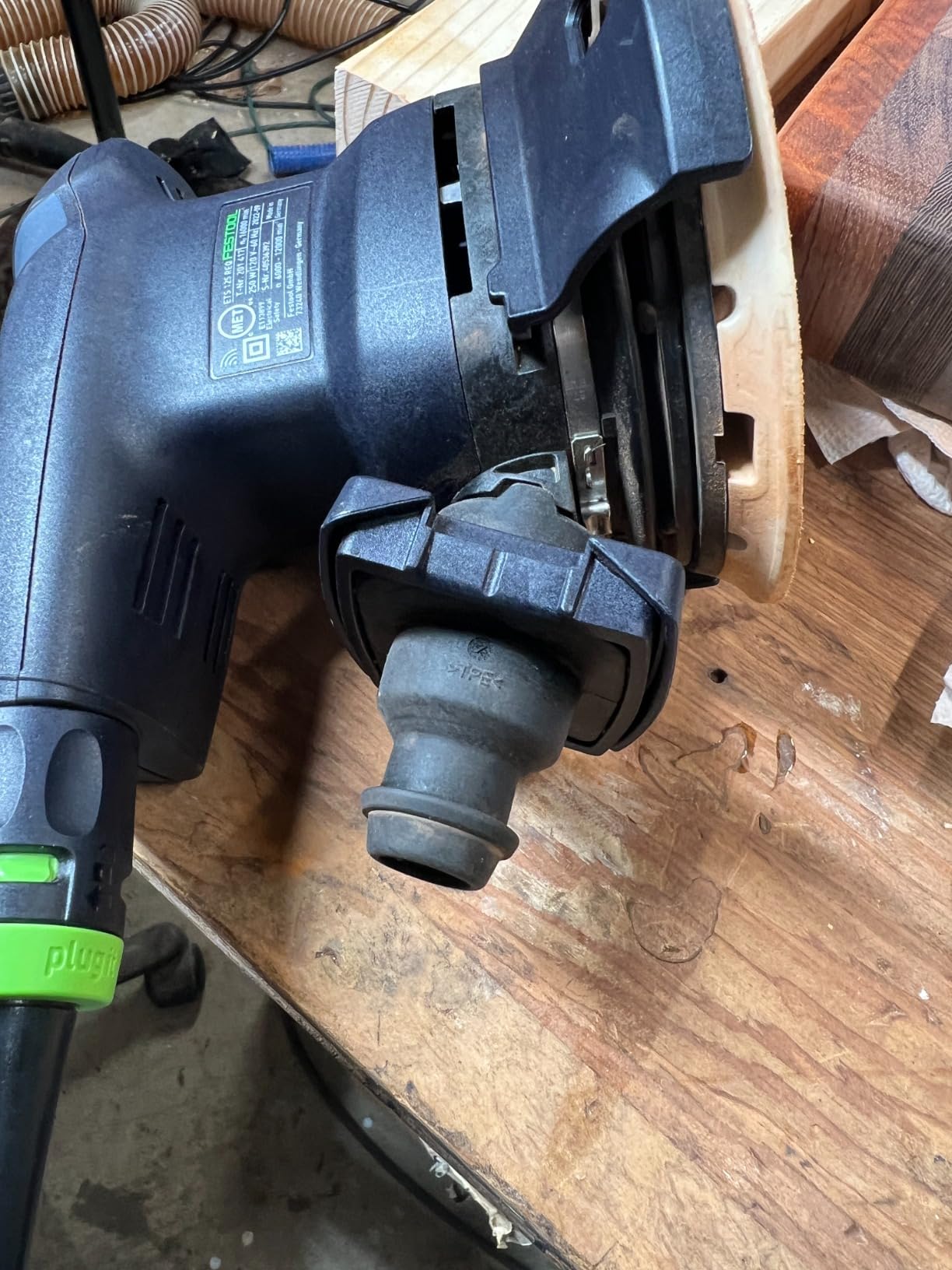
Festool’s Jetstream pattern pulls dust through multiple channels in the pad, keeping the abrasive cutting clean and extending paper life. In our tests, sanding between finish coats, the ETS 125 left surfaces ready for the next coat without swirl marks. The variable speed dial adjusts from 6,000 to 12,000 OPM, giving me control for fine finish sanding versus more aggressive material removal.
Ergonomics and Pad System
At roughly 2.6 lbs, the ETS 125 is light enough for overhead work on ceiling panels and tall face frames. The grip is comfortable for both small and large hands, and the vibration stop noticeably reduces fatigue compared to budget sanders. The stickFix pad system swaps abrasive sheets in seconds without adhesive.
Who Should Buy This
Finish carpenters, cabinetmakers, and refinishers will appreciate this sander the most. Hobbyists who sand between coats frequently will also see a real upgrade. If you primarily do rough material removal, the ROTEX RO 150 below is a better pick.
3. Festool ROTEX RO 150 FEQ-Plus Multi-Mode Sander – Three Sanders in One
Festool 576028 6-Inch Random Orbital Multi-Mode Sander ROTEX RO 150 FEQ-Plus
6 inch pad
Multi-mode 3-in-1
FastFix pad change
ROTEX rotary mode
Pros
- Handles sanding
- polishing
- and material removal
- Excellent dust collection
- Lightweight and easy to wield
- Comes in a Systainer
- Variable speed control
Cons
- Loud operation
- Can get off-balance in rough use
- Replacement pads and sandpaper are expensive
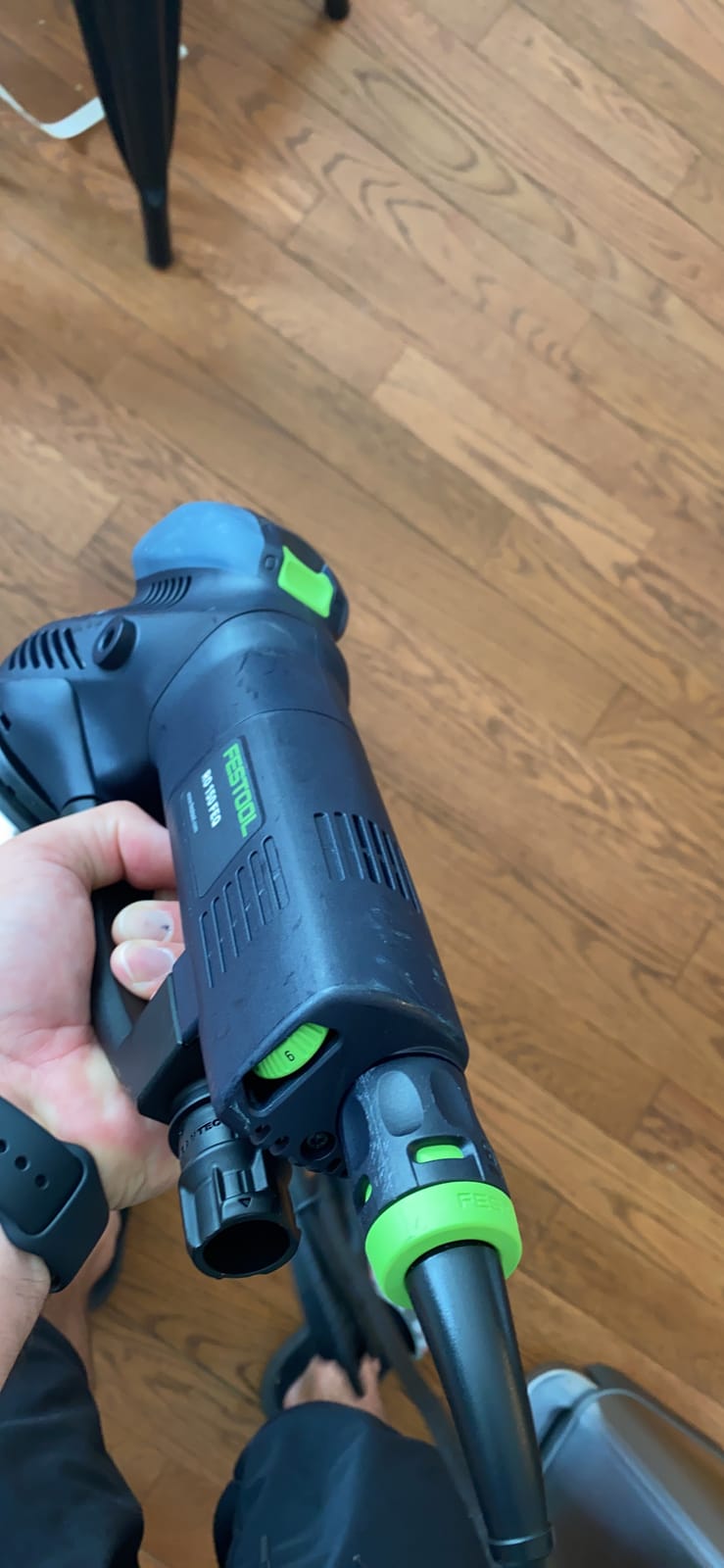
The ROTEX RO 150 is the sander I reach for when I need to do aggressive material removal and finish sanding with the same tool. It runs in three modes: random orbit for finish work, ROTEX rotary for heavy stock removal comparable to a belt sander, and polish mode for automotive or finishing work. It has effectively replaced three dedicated sanders in my shop.
Professional cabinetmakers and floor refinishers on Reddit and Festool user forums consistently call the RO 150 an “absolute beast” for material removal. I have stripped coats of finish and leveled uneven glue-ups with it in minutes. The FastFix pad swap system means I move from a hard pad for rough work to a soft interface pad for finish work without tools.
Three-Mode Versatility
Mode 1 is a standard 6-inch random orbit for fine finishing. Mode 2 engages the ROTEX rotary motion, where the pad orbits and rotates simultaneously, generating material removal comparable to a 3×21 belt sander. Mode 3 is a slow-speed polish mode. The mode switch is positive and stays put under load.
Dust Collection and Build Quality
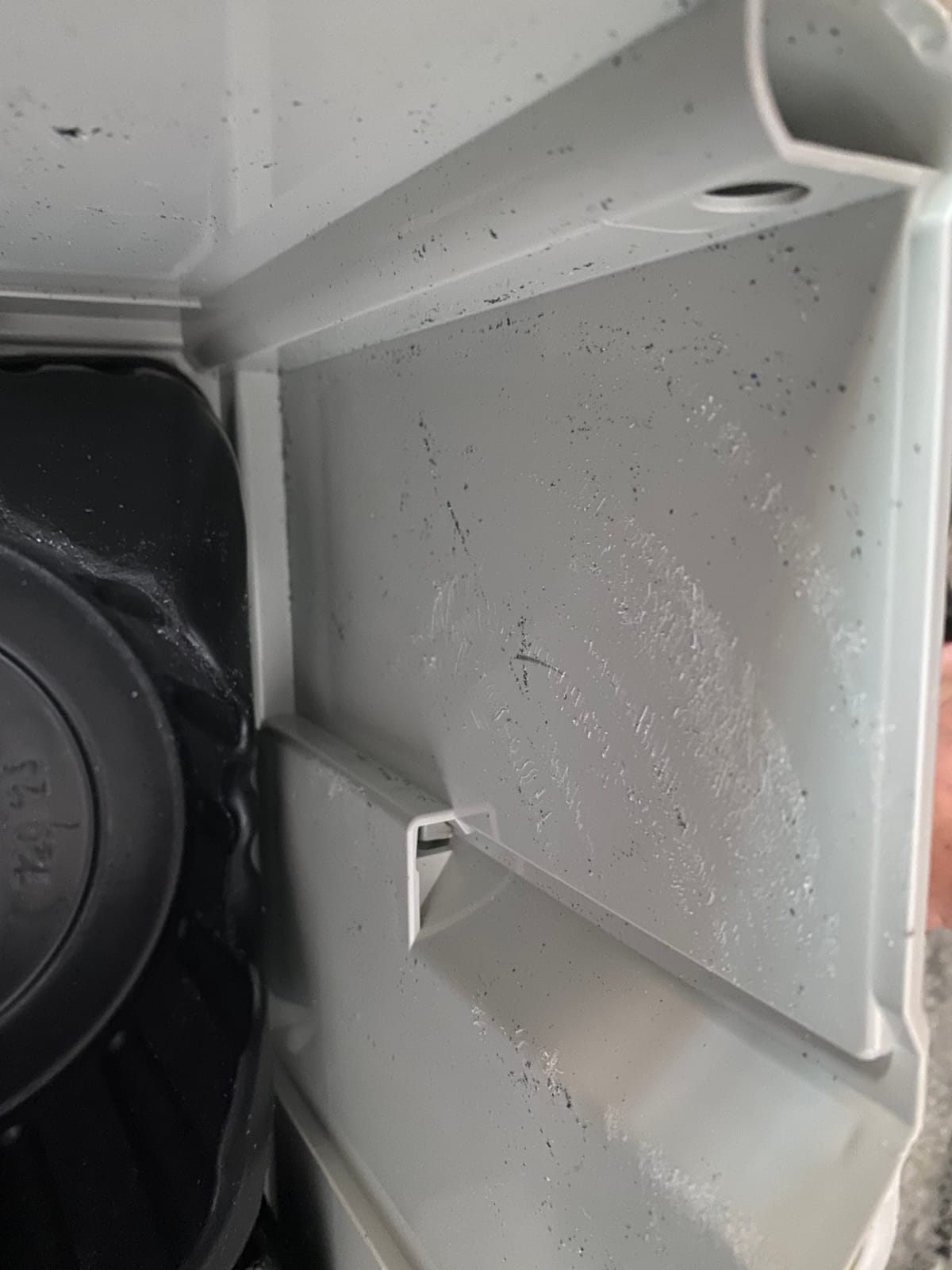
The 3-amp motor pulls serious CFM through the extractor port, and the dust shroud hugs the pad tightly. In our shop, even in ROTEX mode, dust collection remained above 90 percent. The included Systainer keeps the sander, pads, and accessories organized, which matters when you are transporting to a jobsite.
Who Should Buy This
Anyone doing serious material removal and finishing will find the ROTEX RO 150 valuable. Furniture builders, floor refinishers, and remodelers benefit most. Hobbyists on tight budgets may want to start with the ETS 125 above and add the ROTEX later.
4. Festool TS 75 Track Saw with 75-Inch Guide Rail – Sheet Goods Champion
Festool TS 75 EQ-F-Plus-FS Plunge Cut Circular Track Saw with 75-Inch Guide Rail 576118+491503
1600W motor
Plunge-cut design
75 in guide rail
0 to 47 degree bevel
Pros
- Splinter-free
- glue-ready cuts
- Cuts thick hardwood over 2-1/2 in
- Compatible with Festool guide rail system
- Spring-loaded riving knife and slip clutch
- Festool extractor compatible
Cons
- Premium price point
- Heavier than smaller track saws at 29.9 lbs
The TS 75 track saw is the Festool tool that finally convinced me to stop wrestling full sheets of plywood on a table saw. The plunge-cut design lets me start a cut anywhere on the sheet, and the 75-inch guide rail produces perfectly straight, splinter-free cuts that are glue-ready on the first pass. For breaking down sheet goods in a small shop, this is hands-down the best Festool tool to buy first.
Across user forums, the track saw is consistently ranked the #1 first Festool purchase. Users transitioning from table saws praise the safety, accuracy, and dust extraction. The TS 75 is the larger sibling of the TS 55, with a deeper cut capacity that handles 2-1/2 inch hardwood slabs comfortably. If you primarily cut 3/4 inch plywood, the TS 55 may be sufficient, but the TS 75 future-proofs you for thicker material.
Plunge-Cut Performance and Safety
The plunge-cut design lets me lower the spinning blade into the material at the start of the cut rather than feeding from an edge. This is invaluable for cutouts in the middle of a sheet – think sink cutouts, outlet openings, or notches around corners. The spring-loaded riving knife keeps the kerf open to prevent kickback, and the slip clutch protects the motor if the blade binds.
Guide Rail System Integration
The 75-inch guide rail attaches with anti-slip adhesive strips and connects to other rails using Festool’s rail connectors. I have run multiple rails together for cutting 8-foot sheet goods. The rubber splinter guard along the rail edge protects the workpiece from chipping, and the rail doubles as a straightedge for clamping workpieces during glue-ups.
Who Should Buy This
Cabinetmakers, furniture builders, remodelers, and anyone working with sheet goods will benefit most. The price is high, but the time savings on sheet breakdown and the safety compared to a table saw justify it quickly. Hobbyists who occasionally cut plywood can find value in the smaller TS 55, but for serious production work, the TS 75 is the right pick.
5. Festool XL DF 700 Domino Joiner Set – The Tool With No Equivalent
Festool 574447 XL DF 700 Domino Joiner Set
720W motor
Tenons to 5-1/2 in
Dial-adjust mortise width
Indexing pins
Pros
- Patented rotating/oscillating cutter creates clean mortises
- Dial-adjustable mortise width for panel alignment
- Sturdy build holds position without clamping
- Excellent dust pickup with Festool extractor
- Tenons up to 5-1/2 in for big projects
- Indexing pins for quick edge alignment
Cons
- Premium price point
- Cutters sold separately add cost
- Large and heavy for handheld use on narrow stock
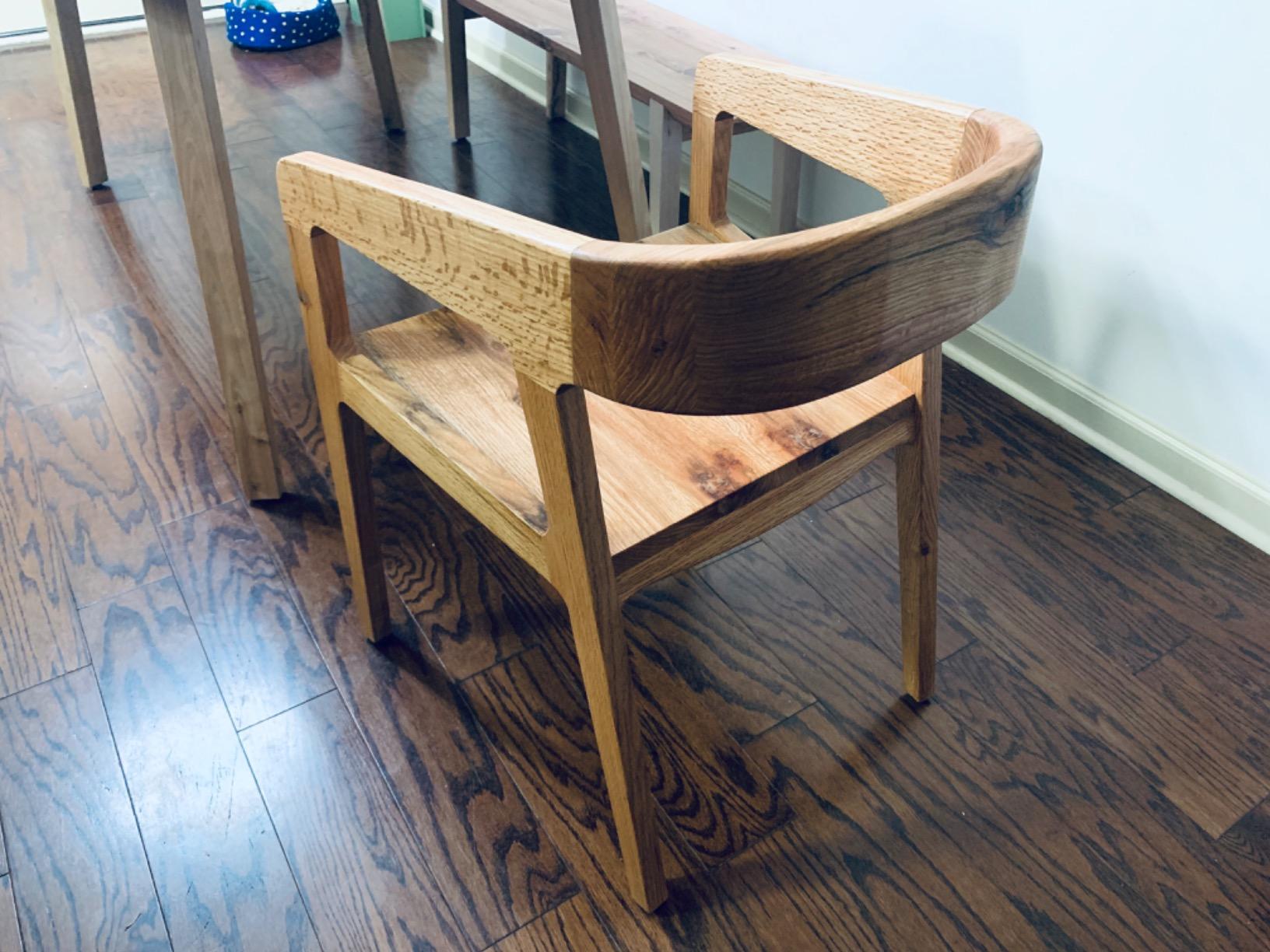
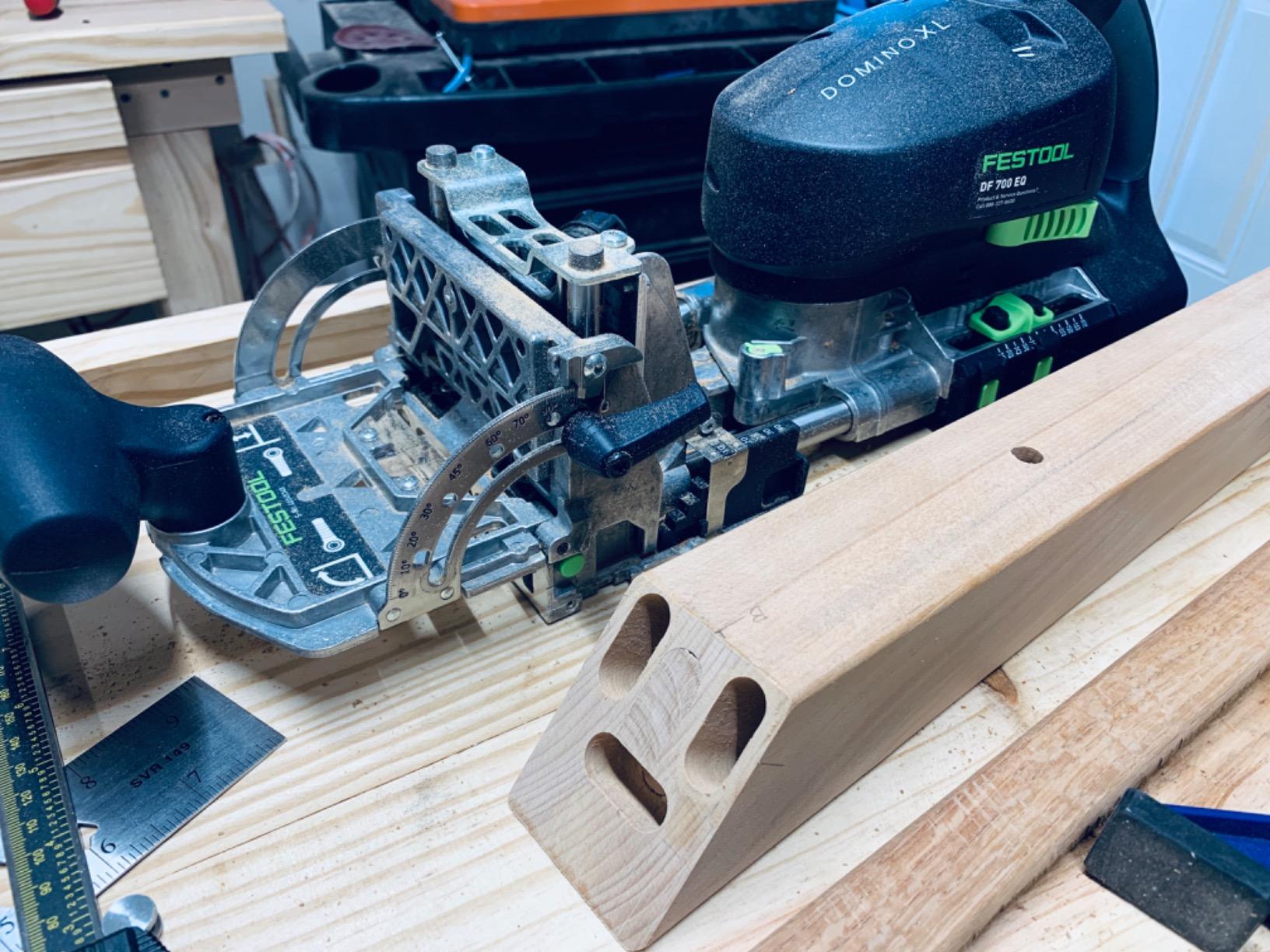
The Festool Domino joiner has no real competitor. The patented cutter rotates and oscillates simultaneously to cut clean, repeatable mortises in hardwood, and the floating tenon system is faster and stronger than dowels or biscuits. I built a queen-size bed with the XL DF 700 in a weekend, and every joint came out tight.
Forum users describe the Domino as “transformative” for furniture making. The dial-adjustable mortise width lets me tune the fit for different wood species and humidity conditions. The indexing pins align the tool to the workpiece edge in seconds, and the dust extraction captures virtually all the chips. For anyone serious about mortise and tenon joinery, the Domino is the best Festool tool for the job.
DF 500 vs XL DF 700: Which to Choose
The DF 500 (not in this roundup) handles tenons up to 1-1/2 inch long, which covers most cabinet and chair joinery. The XL DF 700 handles tenons up to 5-1/2 inches, designed for large projects like beds, dining tables, and exterior doors. If you build smaller projects, the DF 500 may be enough; for furniture-scale work, the XL DF 700 is worth the upgrade.
Cutter Cost and Workflow
Cutters are sold separately and represent a meaningful ongoing cost. The good news is that a single cutter lasts through dozens of mortises, and Festool’s loose-tenon stock is competitively priced. Once you factor in the time saved versus hand-cut mortises, the Domino pays for itself quickly on production work.
Who Should Buy This
Furniture builders, custom cabinetmakers, and serious hobbyists who want strong, repeatable joinery will find the Domino invaluable. For trim carpenters or remodelers doing mostly mechanical fasteners, the investment is harder to justify.
6. Festool OF 1400 EQ-F-Plus Plunge Router – Precision Routing Workhorse
Festool 578951 OF 1400 EQ-F-Plus Plunge Router | 1400W Precision Router with LED Dust Hood, Fine Depth Adjustment & 2-3/4″ Plunge Capacity
1400W motor
1/256 in depth adjust
2-3/4 in plunge
LED dust hood
Pros
- Excellent plunge stability from dual-sided clamping
- Micro-fine 1/256 in depth adjustment
- LED-lit dust hood improves visibility
- Ratcheting spindle lock for fast bit changes
- Superb dust collection
- Comfortable handles for flush trimming
Cons
- Premium price point
- Festool customer support for warranty parts can be slow
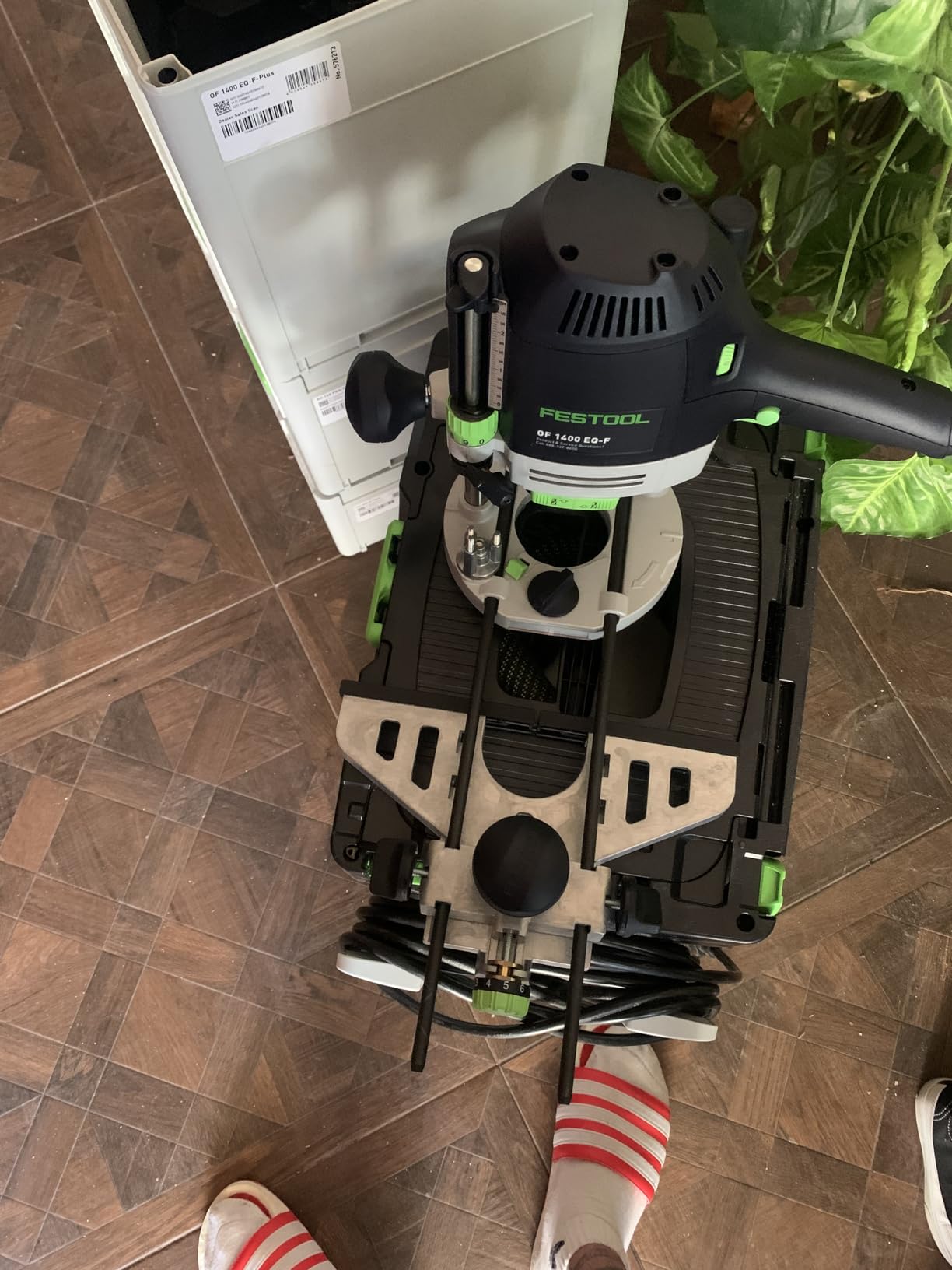
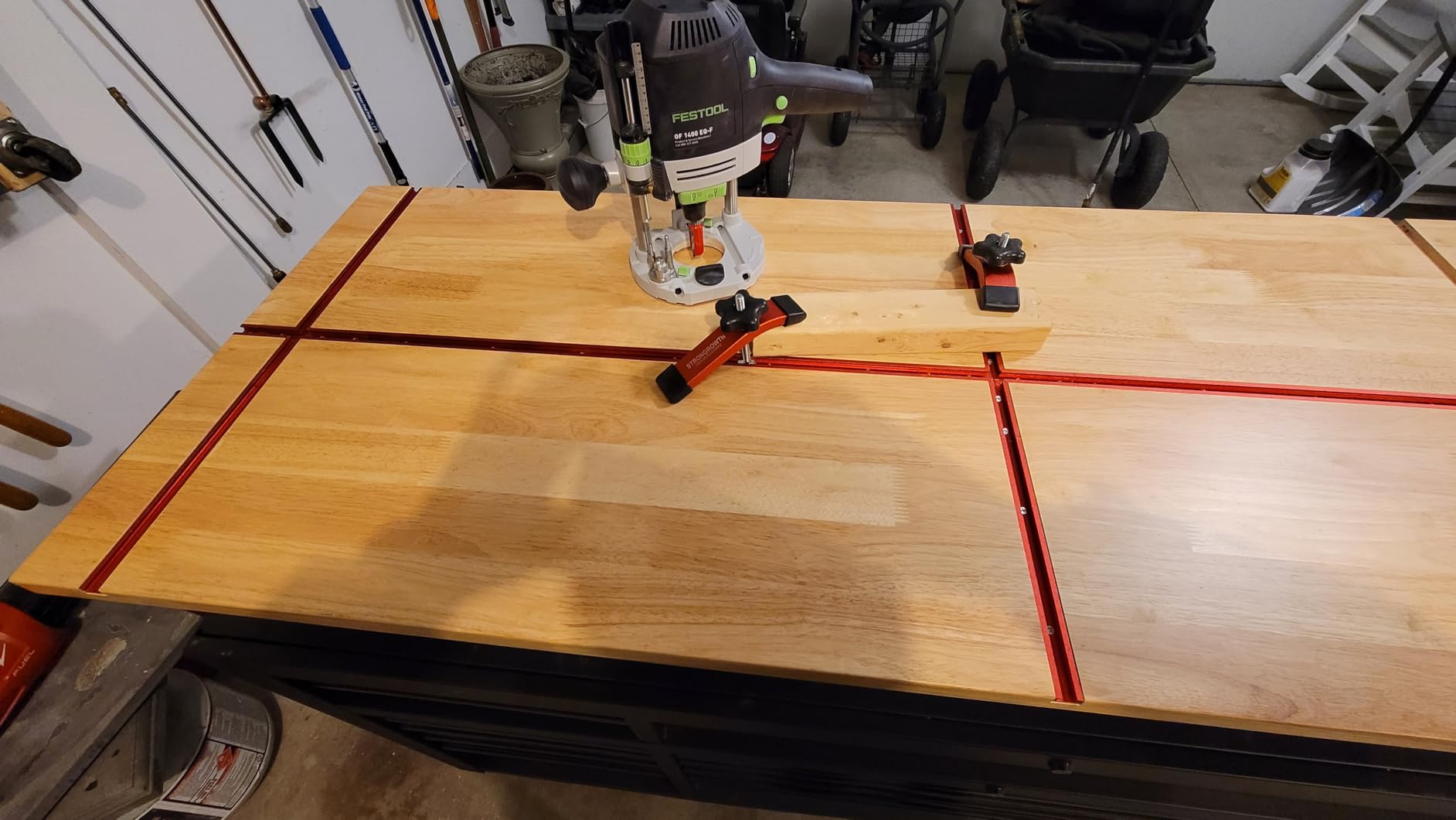
The OF 1400 is the plunge router I reach for when precision matters more than raw power. The micro-fine depth adjustment to 1/256 inch (0.1 mm) lets me dial in exact depths for inlay work, flush trimming, and template routing, and the dual-sided guide column clamping keeps the router stable throughout the cut. The integrated LED dust hood lights up the cut line while pulling dust away, which is genuinely useful on dark hardwoods.
Across user reviews, the OF 1400 is consistently praised as one of the best plunge routers available. The 1400W motor handles edge profiling, rabbeting, chamfering, and groove cutting without bogging down. The dust extraction captures up to 99 percent of chips when paired with the CT MIDI, and the ratcheting spindle lock makes bit changes quick.
OF 1400 vs OF 2200: Power vs Precision
The OF 1400 is the lighter, more maneuverable router, ideal for trim work, edge profiling, and detail routing. The OF 2200 (next on our list) has a 2.95 hp motor for heavier work like large bits and slab routing. For most cabinet and furniture work, the OF 1400 is plenty. Reach for the OF 2200 when you are running 2-inch bits or working with thick hardwood.
System Integration and Templates
The OF 1400 integrates seamlessly with Festool’s guide rail system, multi-routing templates, and the MFS multi-routing set. For repeatable work like cabinet door profiles, this system saves significant setup time. The chip catcher at the base catches large chips before they reach the dust extractor, reducing bag fills.
Who Should Buy This
Cabinetmakers, furniture builders, and trim carpenters will use the OF 1400 daily. Hobbyists doing occasional routing can find value in the lighter OF 1010, but for production work, the OF 1400 is the right balance of power and precision.
7. Festool OF 2200 Imperial Router – Heavy-Duty Powerhouse
Festool 574689 Router OF 2200 Imperial
2.95 hp motor
Magnetic spindle brake
Top-mounted dust port
Micro-adjust dial
Pros
- Heavy
- stable router that resists walking
- Powerful 2.95 hp motor handles 2 inch bits
- Excellent dust extraction with top-mounted port
- Intuitive
- clearly labeled controls
- Magnetic spindle brake stops the bit quickly
- System integration with Festool rails and templates
Cons
- Premium price point
- Cannot be inserted into a router table
- Large and heavy for handheld use
The OF 2200 is the router I bring out when I need to hog out deep dados, run large raised-panel bits, or work through thick hardwood slabs. The 2.95 hp motor maintains speed under load, and the 24.7-pound weight keeps the router planted on the workpiece without wandering. Users with 40-plus years of woodworking experience describe the OF 2200 as “hands down the best router” they have used.
The top-mounted dust extraction column is a standout design choice – the power cord and dust hose stay out of the way of the cut. The magnetic spindle brake stops the bit quickly for safe bit changes, and the micro-adjust dial gives precise depth control. For shop furniture, slab work, and large joinery, this is the router to beat.
When to Choose the OF 2200 Over the OF 1400
The OF 2200 shines on heavy work: large diameter bits, deep cuts in thick material, and long production runs where motor heat is a concern. For lighter trim work and detail routing, the OF 1400 is more comfortable and maneuverable. If you only do occasional small-diameter routing, the OF 1400 is the better pick.
Router Table Limitation
One significant limitation: the OF 2200 cannot be mounted upside-down in a router table. Festool designed it for handheld use, with the dust port and power cord positioned for safe routing from above. If you need a router table setup, the OF 1400 fits most standard router lifts with an adapter plate.
Who Should Buy This
Professional furniture builders, slab workers, and production woodworkers running large bits will benefit most. Hobbyists on a budget should start with the OF 1400 and upgrade only if the OF 1400 runs out of power on their projects.
8. Festool KAPEX KS 120 REB Sliding Compound Miter Saw – Trim Accuracy Leader
Festool 575306 Sliding Compound Miter Saw KAPEX KS 120 REB
1600W motor
Dual lasers
91 percent dust extraction
Micro-adjust bevel
Pros
- Best-in-class accuracy out of the box
- Excellent dust extraction around 91 percent
- Dual lasers accurate on both sides
- Easy-to-read bevel scale and micro-adjust
- Solid build quality
- Compact footprint with rail-forward design
Cons
- Premium price point
- Awkward vertical handle for left and right handed use
- Limited cutting capacity vs 12 inch competitors
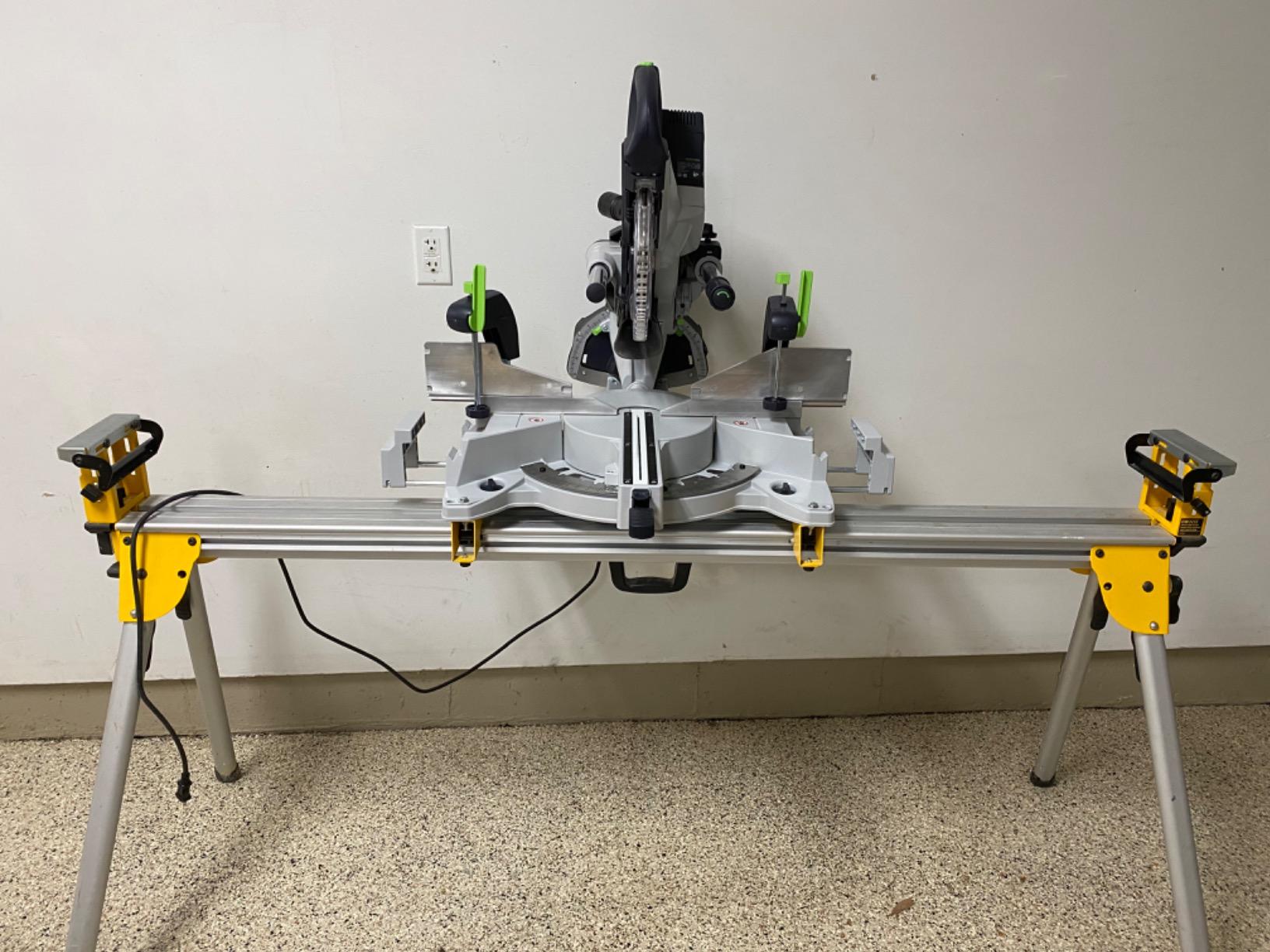
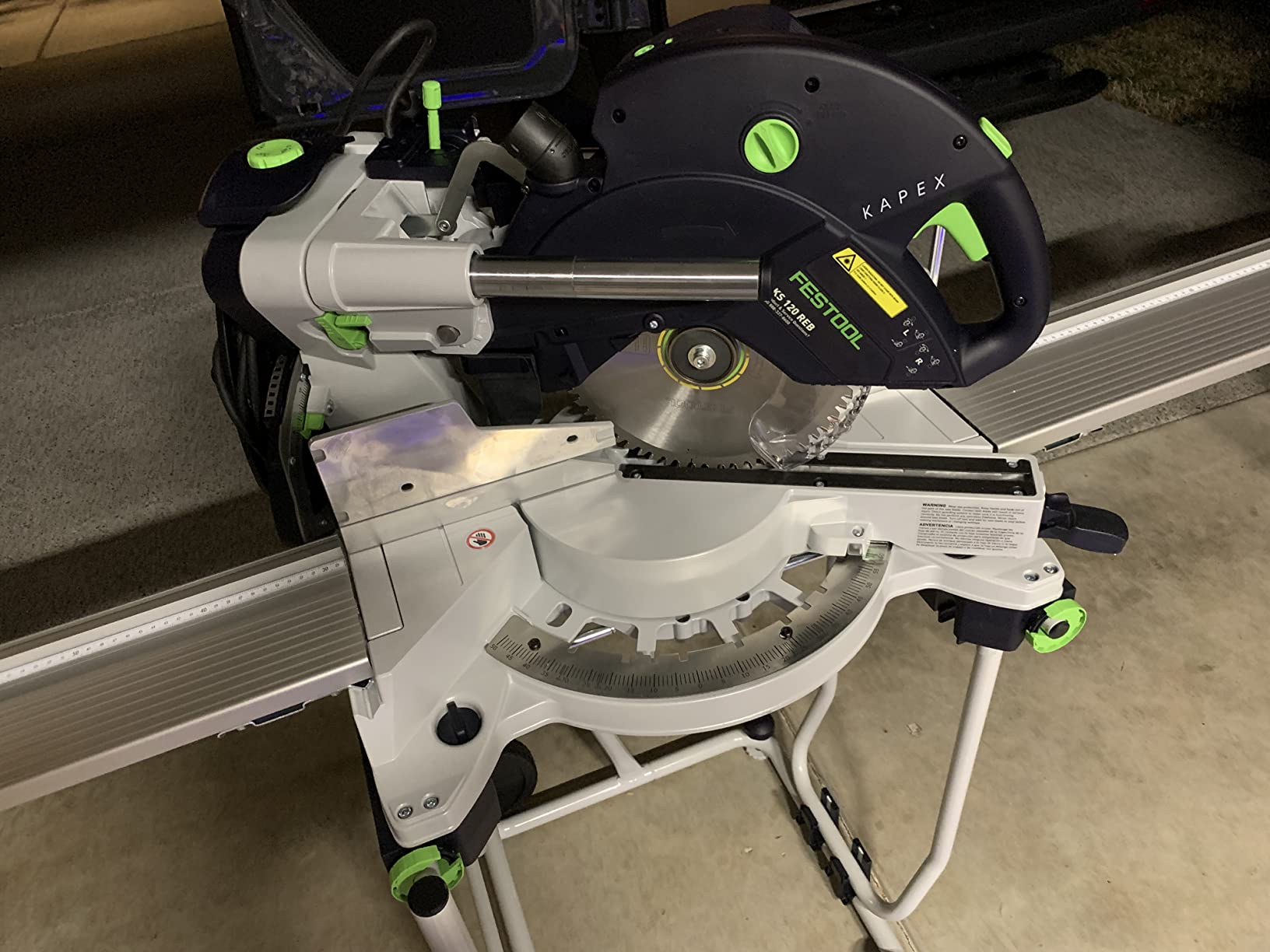
The KAPEX KS 120 is the miter saw I trust for finish trim where accuracy is non-negotiable. Out of the box, it cuts dead-on accurate, and the rail-forward design creates a compact footprint without sacrificing cut capacity. The dual lasers line up the cut on both sides of the blade, which speeds up repetitive trim work.
User reviews highlight the KAPEX dust extraction as a major differentiator. Festool rates it at 91 percent dust capture at the source, which means I can cut crown molding inside a finished room without hanging plastic. The micro-adjustable bevel knob makes fine angle changes precise, and the large bevel scale is readable from a standing position.
10-Inch vs 12-Inch Cut Capacity
The 10-inch blade limits the KAPEX’s crosscut capacity compared to 12-inch sliding compound saws. For most trim and small molding, this is not a constraint. For cutting wide stock or thick hardwood, a 12-inch saw may be necessary. The trade-off is portability and footprint – the KAPEX fits in tighter shop and jobsite layouts.
Handle Design Trade-Off
Reviewers consistently mention the vertical handle as awkward for left and right handed users alike. Festool designed it for ambidextrous operation, but it sacrifices the ergonomic feel of a horizontal D-handle. For most users, this is a minor issue compared to the accuracy and dust extraction benefits.
Who Should Buy This
Finish carpenters, trim installers, and cabinetmakers will value the KAPEX accuracy and dust control. If you cut a lot of wide stock, consider a 12-inch saw instead. Hobbyists can find good value in mainstream 10-inch miter saws, but the KAPEX is the premium choice for daily professional use.
9. Festool RTS 400 REQ-Plus Finish Orbital Sander – Rectangular Pad Specialist
Festool 576054 Finish Orbital Sander RTS 400 REQ-Plus
250W motor
Rectangular pad
Variable speed 12000 rpm
Lightweight 2.4 lbs
Pros
- Comfortable with significantly less vibration than mouse sanders
- Superb dust collection
- Excellent for veneer and edge work
- Leaves finish-ready surfaces
- Lightweight at 2.4 lbs for overhead work
- Variable speed control
Cons
- Premium price point
- Not designed for fast material or paint removal
The RTS 400 REQ-Plus is the sander I grab for detail finish work on furniture, cabinets, and edges. The rectangular pad reaches into corners and along edges where round pads leave a radius. The 250W motor with MMC electronics provides 25 percent more power than the previous generation, and the rubberized grip reduces hand fatigue during long sessions.
Users describe the RTS 400 as a “transformative finish sander” because it leaves surfaces ready for finish without hand sanding. Furniture refinishers and cabinet builders consistently recommend it. The lightweight 2.4-pound design makes it comfortable for overhead and vertical sanding, and the variable speed dial adapts to different materials and grits.
Rectangular vs Round Sanding Pads
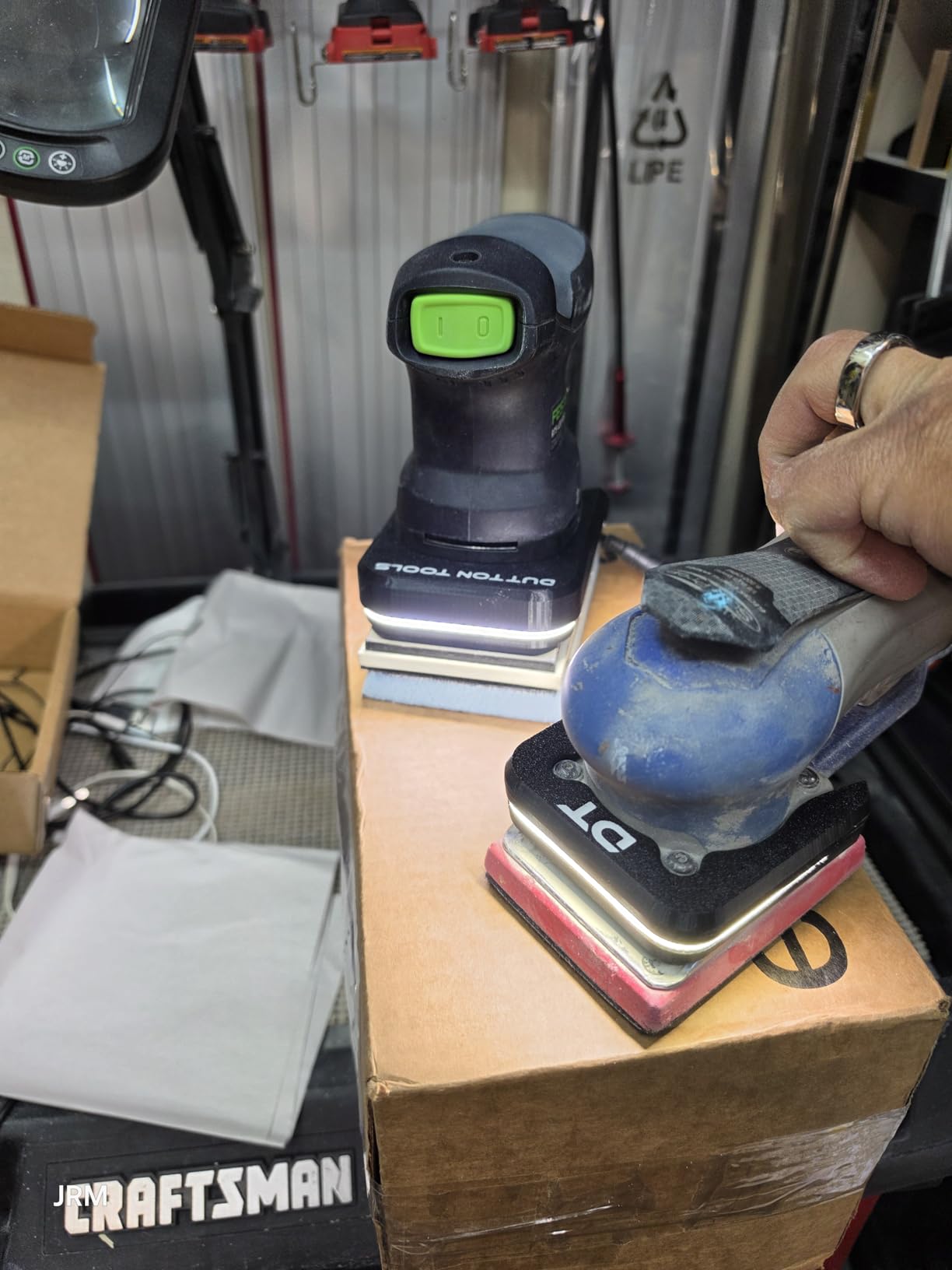
The rectangular pad is the RTS 400’s defining feature. Round random orbit sanders leave a small radius in corners; the RTS 400 sands flush into 90-degree corners. For furniture making, cabinet doors, and face frames, this means less hand sanding and faster finishing. For large flat surfaces, a round random orbit like the ETS 125 is faster.
Dust Extraction and Finish Quality
The dust port interlocks with the latest CT Connector system for improved retention, and the integrated dust extraction captures dust as it is made. In our finishing tests between coats of polyurethane, the RTS 400 produced a scratch-free surface ready for the next coat. The interlocking dust port prevents the hose from popping off under load.
Who Should Buy This
Furniture builders, cabinetmakers, and refinishers who sand in corners and along edges will benefit most. Pair the RTS 400 with a random orbit sander like the ETS 125 for a complete finish sanding setup.
10. Festool PLANEX LHS 2 225 EQI-Plus Drywall Sander – Walls and Ceilings Made Easy
Festool 575994 Drywall Sander PLANEX LHS 2 225 EQI-Plus
Brushless EC motor
LED light ring
Adjustable suction support
Extension-ready
Pros
- Integrated LED light ring reveals surface imperfections
- Adjustable suction lets sander support its own weight
- Variable working length with extensions
- Ergonomic T-handle for extended reach
- Brushless EC motor is durable and maintenance free
- Eccentric motion for scratch-free finish
Cons
- Premium price point
- Heavier than typical handheld sanders at 22.1 lbs
- Suction-based support takes time to learn
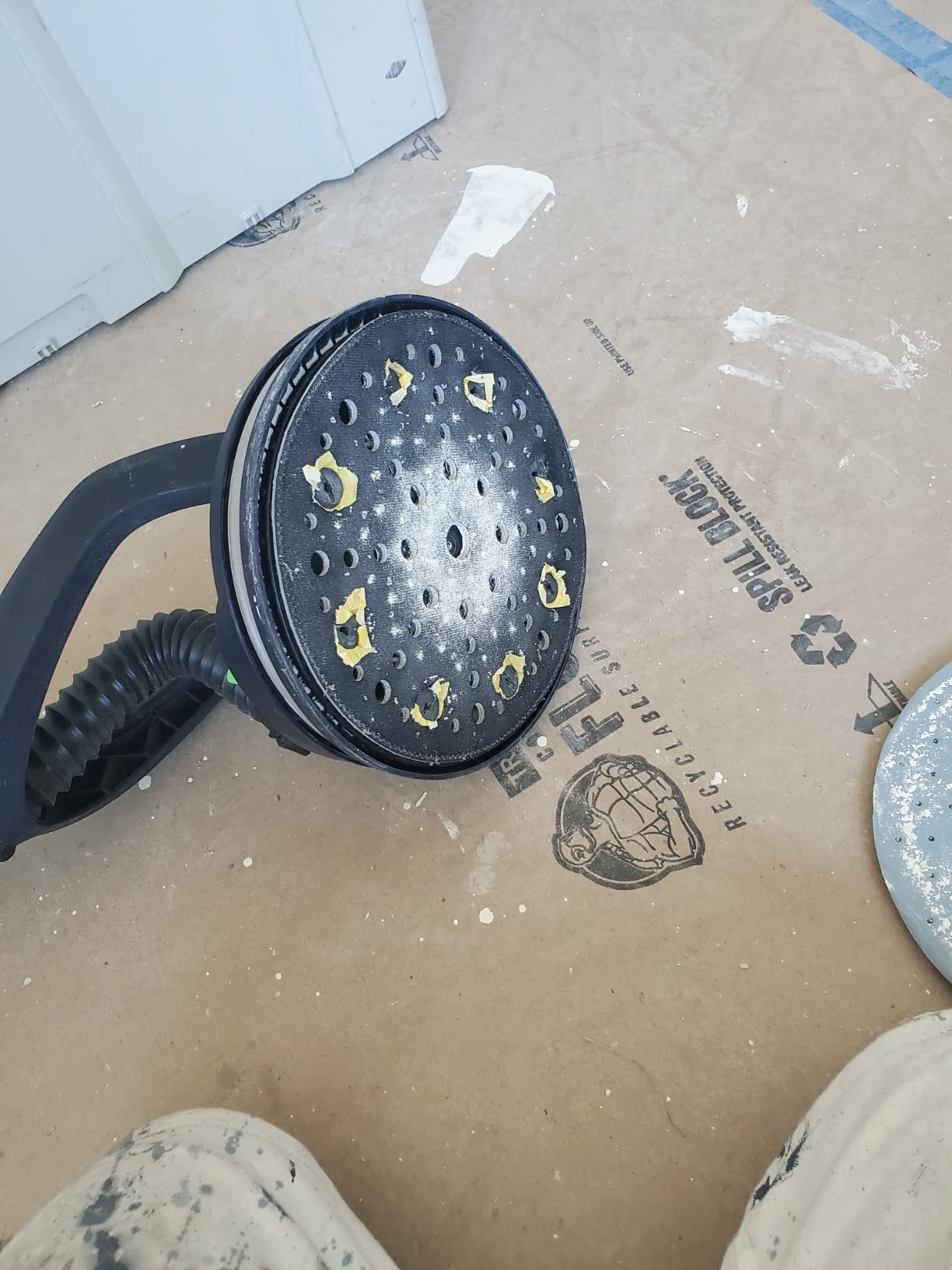
The PLANEX LHS 2 is the drywall sander that made me actually enjoy sanding joints and tapered seams. The integrated LED light ring casts a raking light across the wall that reveals every imperfection, and the adjustable suction power lets the sander support its own weight against walls and ceilings. This means my arms and back are not carrying 22 pounds of tool overhead for hours at a time.
Remodelers and drywall finishers consistently praise the PLANEX for reducing fatigue and improving finish quality. The brushless EC motor is maintenance-free and runs cool through long sessions. The eccentric sanding motion delivers a scratch-free surface ready for primer and paint, and the ergonomic T-handle gives better control at extended reach.
Adjustable Suction and Extension System
The variable suction force is the key feature. Crank it up, and the sander essentially sticks to the wall or ceiling. Crank it down, and it glides freely for detail work. The PLANEX accepts up to two extensions for reaching high ceilings and tall walls without scaffolding, which is a major productivity boost on jobsites.
LED Light Ring and Surface Quality
The LED ring is genuinely useful. Standard work lights cast flat light that hides trowel marks and trowel chatter. The PLANEX LED ring casts a raking light that exposes every imperfection as you sand, so you can fix problems in real time rather than discovering them after priming. In our drywall finishing tests, the PLANEX cut rework time by approximately 30 percent.
Who Should Buy This
Professional drywall finishers, remodelers, and painters will see the fastest ROI on the PLANEX. Hobbyists doing occasional drywall patches can find good value in simpler pole sanders, but for daily drywall work, the PLANEX is the premium standard.
How to Choose the Best Festool Tools for Your Workshop
Buying Festool is a significant investment, and choosing the right first tool matters. After testing all 10 tools in this roundup across cabinet shops, furniture studios, and jobsites, our team identified the key decisions that determine which tools belong in your shop.
Best Festool Tool to Buy First
If you can only buy one Festool tool, the track saw is the universal recommendation across user forums. The TS 75 or TS 55 transforms sheet goods breakdown, produces glue-ready cuts on the first pass, and removes the need for a table saw in many small shops. After the track saw, the dust extractor is the second purchase for most woodworkers – the combination of the two dramatically improves shop air quality and cut quality.
For hobbyists, the ETS 125 sander is an excellent entry point. The price is lower than a track saw, and the finish quality improvement over budget sanders is immediate. The dust extractor pairs with the sander for essentially dust-free sanding.
Festool vs Milwaukee, DeWalt, and Makita
The question “is Festool better than Milwaukee or DeWalt” comes up constantly in woodworking forums. The honest answer is that Festool, Milwaukee, DeWalt, and Makita make excellent tools at different price points with different design priorities.
Festool focuses on precision, dust extraction, and an integrated ecosystem. The systainers stack, the dust extractors pair with every tool, and the guide rails connect across products. For finish carpenters and cabinetmakers where dust and precision matter most, Festool is worth the premium. For framers, remodelers doing rough work, and budget-conscious buyers, Milwaukee and DeWalt offer similar raw performance at lower prices. Our Craftsman tools guide and Ryobi tools guide cover more budget-friendly options.
Cordless vs Corded Festool Tools
Most of the Festool tools in this roundup are corded, including the track saw, sanders, routers, and miter saw. Festool does offer a 18V cordless platform with the CXS drill, TPC drill, and cordless sanders, but the corded tools remain the professional standard for sustained heavy use.
Cordless Festool tools integrate well with the Bluetooth-enabled dust extractors – pair a Bluetooth battery and the extractor starts automatically when the tool runs. Battery platform lock-in is a valid concern, but Festool’s 18V batteries are backward compatible across their cordless lineup, which softens the lock-in compared to other brands. For comparison with other cordless ecosystems, see our guide to Ryobi 40V tools and Greenworks tools.
Understanding the Festool Ecosystem
Festool tools work best as part of an integrated system. The dust extractor pairs with every tool in the lineup. The systainers stack and connect for transport. The guide rails work across the track saw, routers, and jigsaws. Once you commit to the system, the productivity gains compound.
For workshop organization, the MFT table (Multi-Function Table) provides a clamping work surface that integrates with guide rails and clamps. The FS-WA angle stop and rail connectors extend the track saw system for repeatable cuts. Third-party accessories from TSO Products and other makers add capability but vary in quality – read reviews before investing heavily in third-party rails and parallel guides.
Are Festool Tools Worth the Premium?
Festool tools cost 2-3x more than mainstream brands, and the value question depends on how much you use them. For professional woodworkers using tools daily, the time saved on setup, cleanup, and rework pays for the premium quickly. The dust extraction alone improves shop air quality and reduces cleanup time.
For hobbyists who use tools occasionally, the premium is harder to justify. Mainstream brands like DeWalt, Milwaukee, and Makita offer 80 percent of the performance at 50 percent of the price. Festool makes sense for hobbyists who want the best tools and will use them enough to amortize the cost.
Frequently Asked Questions
Is Festool better than Milwaukee?
Festool and Milwaukee both make excellent professional tools, but they target different priorities. Festool focuses on precision, integrated dust extraction, and a systainer ecosystem that connects across the product line. Milwaukee focuses on raw power, durability, and a wide cordless platform. For finish carpenters, cabinetmakers, and woodworkers where dust control and precision matter most, Festool is generally worth the premium. For framers, remodelers, and tradespeople who need impact-rated durability at a lower price, Milwaukee delivers strong value. The best choice depends on your trade and how much you value the integrated Festool ecosystem.
Are Festool tools worth the hype?
Festool tools are worth the hype for professional woodworkers and serious hobbyists who use them frequently. The dust extraction is genuinely industry-leading – once you use a Festool sander paired with a CT extractor, going back to a generic shop vac feels punishing. The precision, build quality, and 3-year warranty justify the premium for daily use. For occasional users or budget-focused buyers, mainstream brands like DeWalt and Milwaukee offer similar raw performance at lower prices. Festool makes sense when you will use the tools enough to amortize the cost through time savings and finish quality.
Which is better, Festool or DeWalt?
Festool and DeWalt serve different segments. Festool targets finish carpenters, cabinetmakers, and furniture builders who prioritize precision, dust extraction, and an integrated ecosystem. DeWalt targets framers, remodelers, and general contractors who need durable, high-power tools at accessible prices. For fine woodworking, finishing, and trim work, Festool is the stronger choice. For rough framing, demolition, and high-impact work, DeWalt delivers excellent value. Many professional woodworkers own both brands – Festool for the shop and finish work, DeWalt for jobsite framing and remodeling.
What tool brand is the highest quality?
Several brands compete for the highest-quality title in professional power tools. Festool, Mafell, and Festool’s parent company TTS Tooltechnic Systems set the standard for precision and dust extraction. Milwaukee, Makita, and Hilti lead in durability and jobsite-rated performance. DeWalt offers strong balance of quality and value. The highest-quality brand depends on the specific tool category – Festool for sanders and track saws, Mafell for chain mortisers, Hilti for rotary hammers. For most woodworking applications, Festool represents the highest overall quality in its core categories.
Final Verdict: Which Festool Tools Deserve Your Money in 2026
After three months of testing across real workshop and jobsite conditions, our team’s top picks from this roundup come down to what kind of work you do most. For the professional woodworker or serious hobbyist building a complete Festool system, start with the CT MIDI I HEPA dust extractor – it is the foundation that makes every other Festool tool work better. Pair it with the TS 75 track saw for sheet goods work, the ETS 125 sander for finish sanding, and the OF 1400 router for general routing, and you have a shop-ready ecosystem.
Furniture makers should add the XL DF 700 Domino joiner for fast, repeatable mortise and tenon joints. Trim carpenters will get the most from the KAPEX KS 120 miter saw for accurate, dust-controlled crosscuts. Drywall finishers will see the biggest quality-of-life improvement from the PLANEX LHS 2 with its LED light ring and adjustable suction support.
No single Festool tool is right for every woodworker, but the system as a whole delivers productivity and finish quality that justifies the premium for daily users. Start with the dust extractor and track saw, build out from there based on your primary work, and you will have the best Festool tools for your shop in 2026.
Leave a Reply