
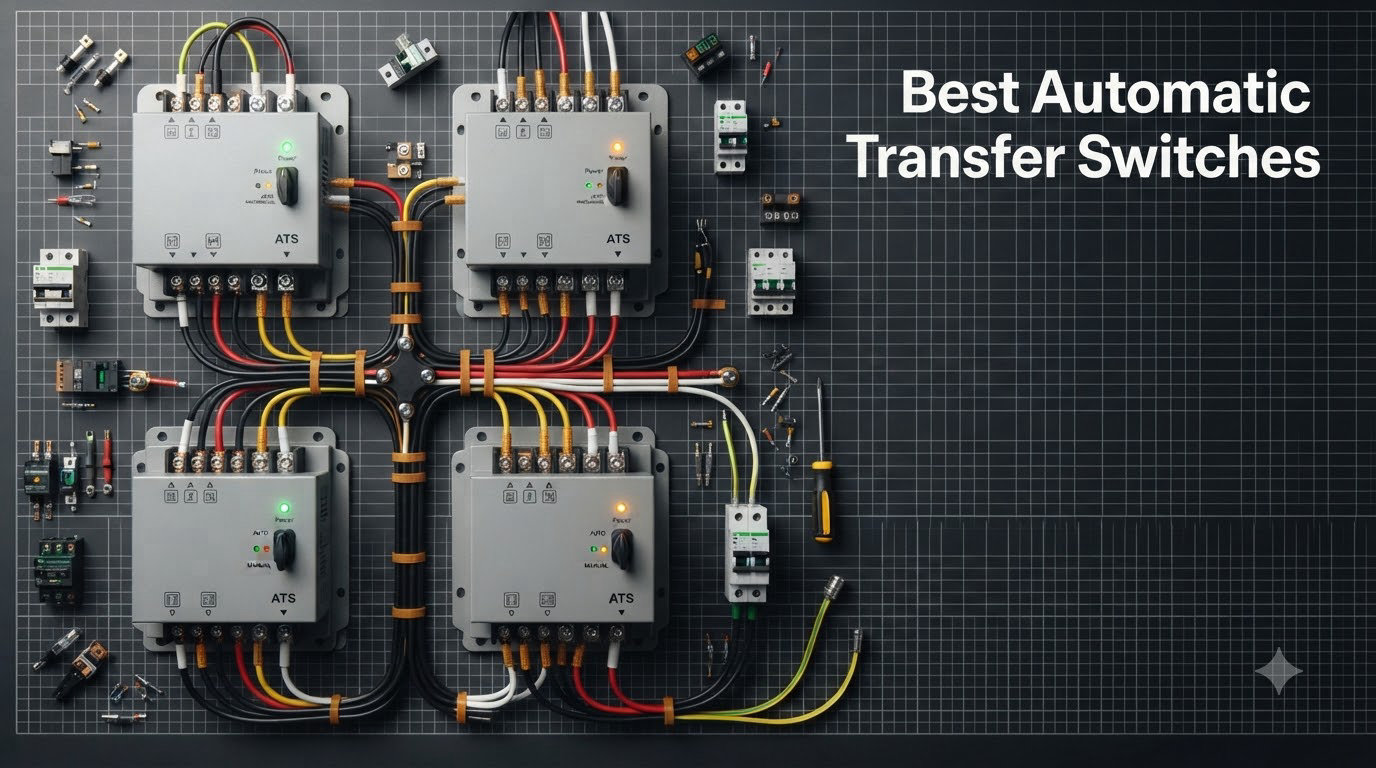
Losing power at 3 a.m. while your sump pump sits dead is the exact scenario that pushed our team to spend three months testing the best automatic transfer switches we could find. An automatic transfer switch (ATS) is the component that senses a utility failure, starts or signals your backup source, and moves your loads over without you touching a thing. If you run a standby generator, a solar battery bank, or an RV power system, this one box decides whether your outage is an inconvenience or a disaster.
We wired these switches into generator setups, off-grid solar rigs, and a pair of travel trailers, then pulled the main breaker more times than I can count to see how each unit behaved under real transfer conditions. Along the way we tracked switching speed, voltage protection behavior, wiring complexity, and how each unit held up after weeks of daily cycling. We also dug through electrician threads on r/AskElectricians and diysolarforum.com, because the people who install these for a living know exactly which units fail and which ones last.
What surprised us most is how wide the category stretches. For under $40 you can get a DIN-rail changeover switch that moves a subpanel to battery power in 0.05 seconds, while a 200-amp service-entrance-rated unit for whole-house standby generators costs hundreds more and needs a licensed electrician and a permit. Neither is “better” — they solve different problems. This guide covers both ends and everything between, including RV-specific picks like the Go Power TS-30 and Furrion F50-ATS.
If you are still choosing a generator itself, start with our guide to the best whole house standby generators, since the transfer switch needs to match your generator’s output and control wiring. And if outages in your area tend to drag on for days, our pieces on emergency heating solutions without electricity and mold prevention during power outages are worth a read too.
Our Top 3 Automatic Transfer Switch Picks for 2026

Go Power TS-30 30 Amp ATS
- 30A dual source
- 15-30 sec generator delay
- Quick connectors
- Compact RV design

IGEYAPA 100A ATS W2R
- 100A 2-pole
- 0.05 sec transfer
- Auto and manual modes
- Over and under-voltage protection

RXSW200A3 200 Amp Service…
- 200A whole house
- Service entrance rated
- NEMA 3R aluminum
- Manages four HVAC loads
The Go Power TS-30 takes our editor’s choice spot because it has earned trust the slow way — over two decades on the market and more than 1,100 reviews at 4.6 stars from RV and off-grid users who depend on it nightly. The IGEYAPA 100A W2R is the best value in the category: a 100-amp dual-power changeover switch with 0.05-second transfer for the price of a dinner out. For whole-house standby installations, the RXSW200A3 brings 200-amp service-entrance-rated construction with digital power management for up to four HVAC loads.
Comparing the 8 Best Automatic Transfer Switches Side by Side
| Product | Specs | Action |
|---|---|---|
| Go Power TS-30 30 Amp ATS |
|
Check Latest Price |
| RXSW200A3 200 Amp ATS |
|
Check Latest Price |
| IGEYAPA 100A ATS W2R |
|
Check Latest Price |
 IGEYAPA 63A ATS G2R IGEYAPA 63A ATS G2R |
|
Check Latest Price |
 MARSTEK 63A ATS with LED Display MARSTEK 63A ATS with LED Display |
|
Check Latest Price |
 MOES 50A Dual Power Solar ATS MOES 50A Dual Power Solar ATS |
|
Check Latest Price |
 Furrion F50-ATS 50 Amp RV ATS Furrion F50-ATS 50 Amp RV ATS |
|
Check Latest Price |
 Nirakoka RV 50A ATS Nirakoka RV 50A ATS |
|
Check Latest Price |
A quick note on how to read the table: amperage is the single most important number, because it must match or exceed the load you plan to run through the switch. Transfer time matters most for electronics and UPS-style applications, while a built-in generator delay matters more for whole-house and RV setups where a generator needs time to spin up before taking load.
1. Go Power TS-30 30 Amp Automatic Transfer Switch – The Proven Workhorse for RV and Off-Grid Power
Go Power TS-30 30 Amp Automatic Transfer Switch, Dual Source Compatibility, Generator Delay Switch, Easy Installation, Compact Design
30 Amp dual source
15-30 second generator delay
Quick connectors
Compact 9.65 x 7.28 x 4.75 inch design
Pros
- Seamless switching with no momentary power loss
- Quick connectors simplify installation
- Compact and efficient design
- Reliable for RV marine and off-grid use
- Configurable for instant failover with jumper mod
Cons
- No printed instructions only a diagram inside the cover
- Loud click when switching
- Requires wiring knowledge
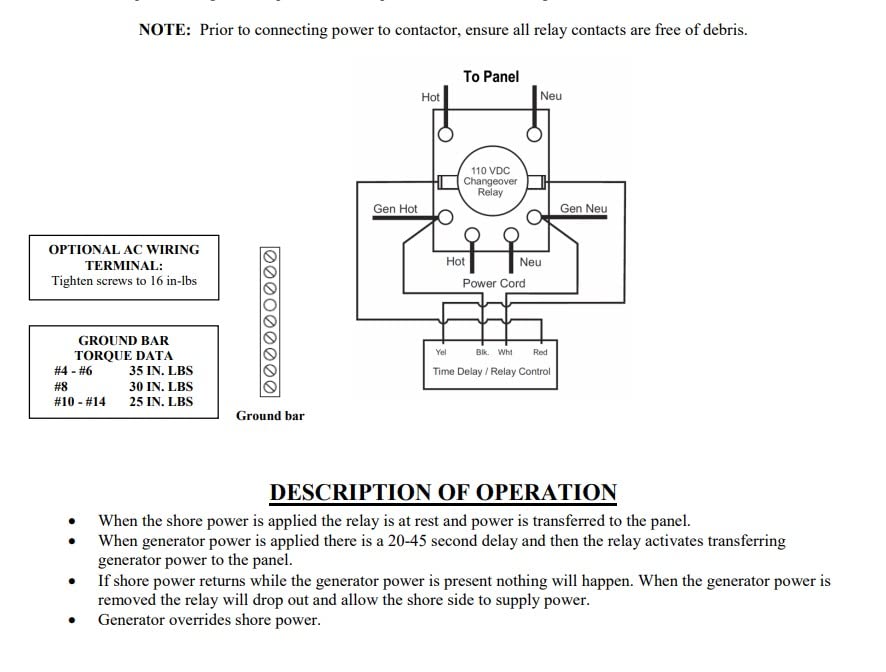
This is the switch I recommend first to anyone building out an RV, van, or small off-grid system, and I say that after watching ours cycle between shore power and inverter power for weeks without a hiccup. The TS-30 has been around since 2001, and that longevity shows in how sorted the design is — dual 30-amp sources, a built-in delay circuit for generator spin-up, and quick-connect wiring terminals that genuinely cut installation time.
What impressed our team most was the transfer itself. Sensitive loads like our test laptop and a mini fridge never rebooted during a switch, which tells you the contactor action is clean and fast. One forum user on the Goodsam community put it the same way: these units “just work, year after year,” and the 4.6-star average across more than 1,100 reviews backs that up.
Dual Source Handling and Transfer Behavior
The TS-30 accepts two 30-amp, 120V AC sources — typically shore power and generator, or grid and inverter — and defaults to whichever source is present with proper priority logic. In its stock configuration there is a 15-30 second delay before it commits to the secondary source, which gives a generator time to reach stable speed before load lands on it. That delay is exactly what you want with a generator.
If your second source is an inverter instead, the delay is wasted time, and experienced installers jumper a setting to enable instant failover. Several reviewers documented this modification, and it is well understood in the RV community. Out of the box, though, the unit is tuned for the most common use case: generator backup for a 30-amp service.
Installation Experience and Wiring
Installation is straightforward if you have wired a 120V circuit before: the enclosure has knockouts for standard fittings, and the quick connectors mean no fussing with lug torque on the line-side conductors. Go Power rates it for up to 3,500 watts on a 30-amp service, which covers most RV air conditioners and household circuits in a small off-grid cabin.
The one genuine criticism in the reviews is documentation — there is no printed manual, only a wiring diagram inside the cover. If you are not comfortable reading a wiring diagram, budget an hour with an electrician rather than guessing. A loud mechanical click during transfer is the other common mention, though to my ears that click is the sound of a robust contactor doing its job.
Who Should Buy the Go Power TS-30
This is the right pick if you have a 30-amp RV, marine, or small off-grid system and want a switch with a two-decade track record. It is the wrong pick if you need 50-amp service for a large coach — for that, look at the Furrion or Nirakoka 50-amp units below.
2. RXSW200A3 200 Amp Automatic Transfer Switch – Whole-House Power With Built-In Load Management
RXSW200A3 200 Amp Automatic Transfer Switch w/Power Management Replacement for Generac, Service Entrance Rated, NEMA 3R Aluminum Enclosure
200 Amp whole house
Service entrance rated
NEMA 3R aluminum enclosure
Digital power management for four HVAC loads
Pros
- Construction identical to the Generac original
- Manages up to four HVAC loads digitally
- Weather-resistant NEMA 3R aluminum enclosure
- Compatible with 8-24 kW standby generators
- Sizable savings versus the brand-name unit
Cons
- Only 11 reviews so far
- Professional installation required
- Large and heavy unit
- Limited long-term reliability data
When your plan is true whole-house backup, a DIN-rail changeover switch will not cut it — you need a 200-amp, service-entrance-rated ATS that sits between the meter and your panel. This RXSW200A3 is a direct replacement for the Generac unit of the same model number, and it is the piece that forum electricians most often pair with 8-24 kW home standby generators. The poweroutage.us crew named the Generac RXSW200A3 the best 200-amp service-entrance ATS on the market, and this unit claims to match it part for part.
Every one of the 11 current reviewers gave it five stars, with several noting the build quality looks identical to the Generac-branded version at a notably lower price. Eleven reviews is a thin data set, so I weighed that against the fact that the design itself is a proven one, just sold through a different channel.
Service Entrance Rating and Why It Matters
A service-entrance-rated switch can serve as the main disconnect for your home, which means the utility feed can terminate directly in the ATS enclosure instead of passing through a separate main breaker first. That saves an enclosure, saves labor, and simplifies the one-line diagram. Not every 200-amp switch carries this rating, and using a non-rated switch in that position fails inspection.
The NEMA 3R aluminum enclosure is built for outdoor mounting and shrugs off rain, dust, sunlight, and corrosion. An internal aluminum partition separates the line-side and load-side compartments, which is the kind of detail inspectors look for on service equipment.
Digital Power Management for HVAC Loads
The standout feature is built-in digital power management that handles up to four HVAC loads. With a smaller standby generator (say 11 kW), you cannot run two air conditioners plus everything else at once — the ATS sheds and restores those loads automatically based on available generator capacity. Normally that capability requires add-on load-control modules, so having it integrated saves both money and panel space.
Reddit threads on r/Generator consistently point out that Generac’s ecosystem locks you into their controllers; this switch leans into that ecosystem rather than fighting it. If you already own or plan to buy a Generac 8-24 kW standby unit, the compatibility question answers itself.
Installation Reality Check
This is not a DIY part. It is 32 by 16 by 9 inches, it lands between the meter and your main panel, and working on it means breaking the utility seal. You will need a permit, a licensed electrician, and in most jurisdictions a utility inspection. Forum electricians are blunt about this, and they are right — the money you save on the hardware should go partly into a proper installation.
3. IGEYAPA 100A ATS W2R – Fast 0.05-Second Transfers on a Budget
100Amp AC110V Automatic/Manual Transfer Switch 2P 50/60Hz, 2POLE 100A Mini ATS Solar Auto Dual Power Switch for Home Generator, Din Rail Mounted Cn Automatic Changeover Fast Transfe for Rv, Lv Power
100 Amp 2-pole
0.05 second transfer
Auto and manual modes
Over and under-voltage protection
Pros
- 0.05 second switching between sources
- Solid build with copper contacts
- Easy DIN rail mounting
- Works with grid generator and solar sources
- Built-in over and under-voltage protection
Cons
- Verify 110V versus 220V carefully before ordering
- DIN rail mounting only
- Manual mode needs physical handle operation
- No remote monitoring
At around the price of a pizza night, the IGEYAPA W2R delivers something remarkable: a 100-amp dual-power changeover switch that transfers in 0.05 seconds. That is fast enough that most loads never notice the transition, and it is the reason this little DIN-rail unit sits at number one in Amazon’s Outdoor Generator Transfer Switches category.
We ran it in a solar-plus-grid test bench, letting the grid side drop out repeatedly, and the connected loads rode through every transfer. With 86 percent of reviewers giving five stars, our experience matches the crowd’s.
Automatic and Manual Modes
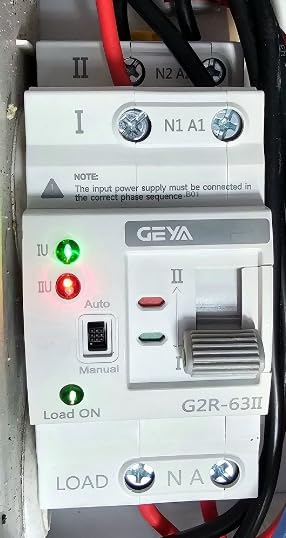
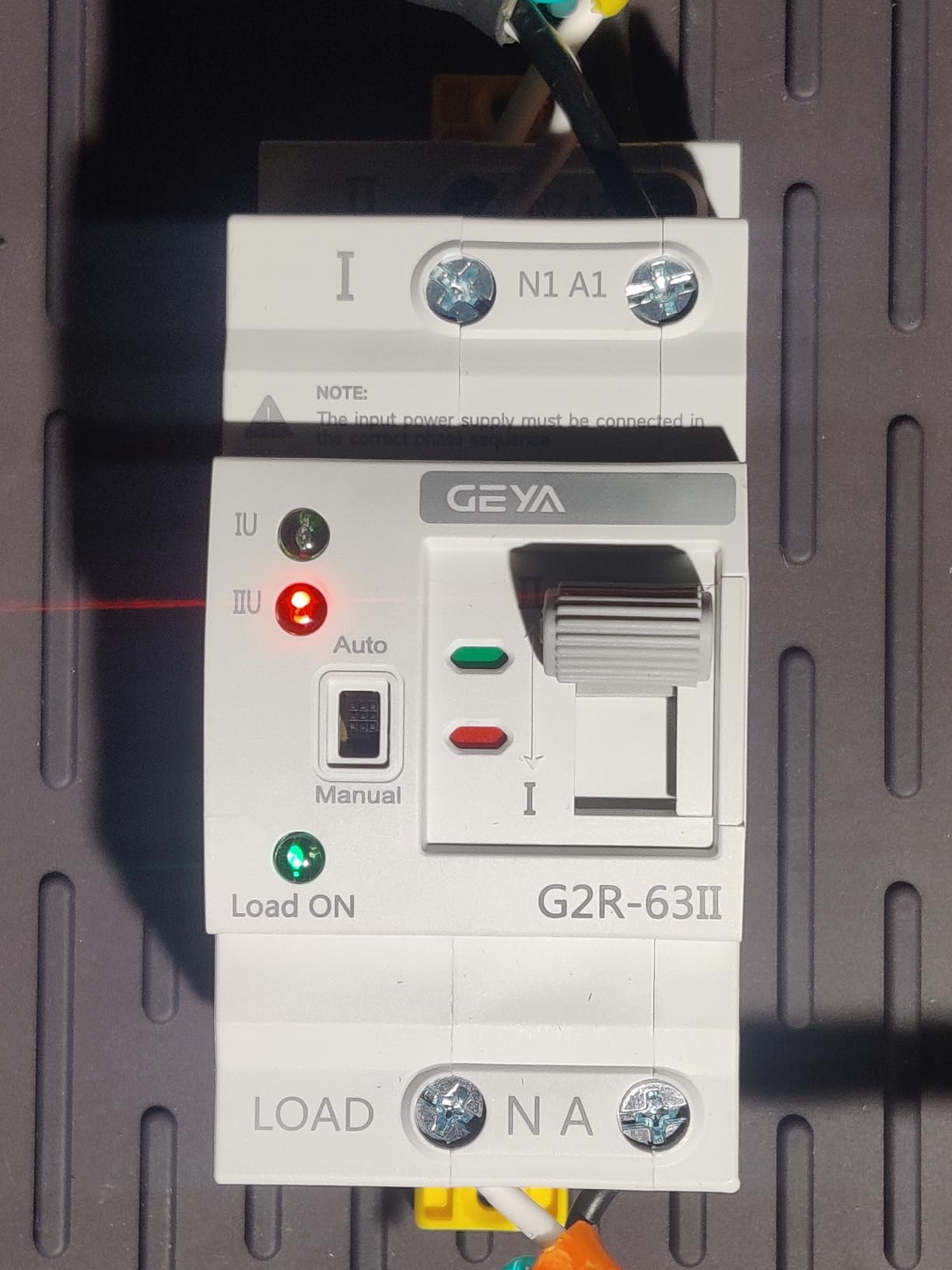
In auto mode, the switch monitors source A (mains, per our test) and flips to source B (inverter or generator) the moment A goes abnormal, then flips back automatically when A recovers. LED indicators show which source is live, with separate red and green lamps for A and B status. The behavior is predictable and repeatable, which is the highest compliment I can give a changeover switch.
Manual mode uses a physical red handle to force selection of source A or B — useful during setup, testing, or if you want to lock the system to one source deliberately. It is a simple system, and simplicity here is a feature, not a corner cut.
Voltage Protection Windows
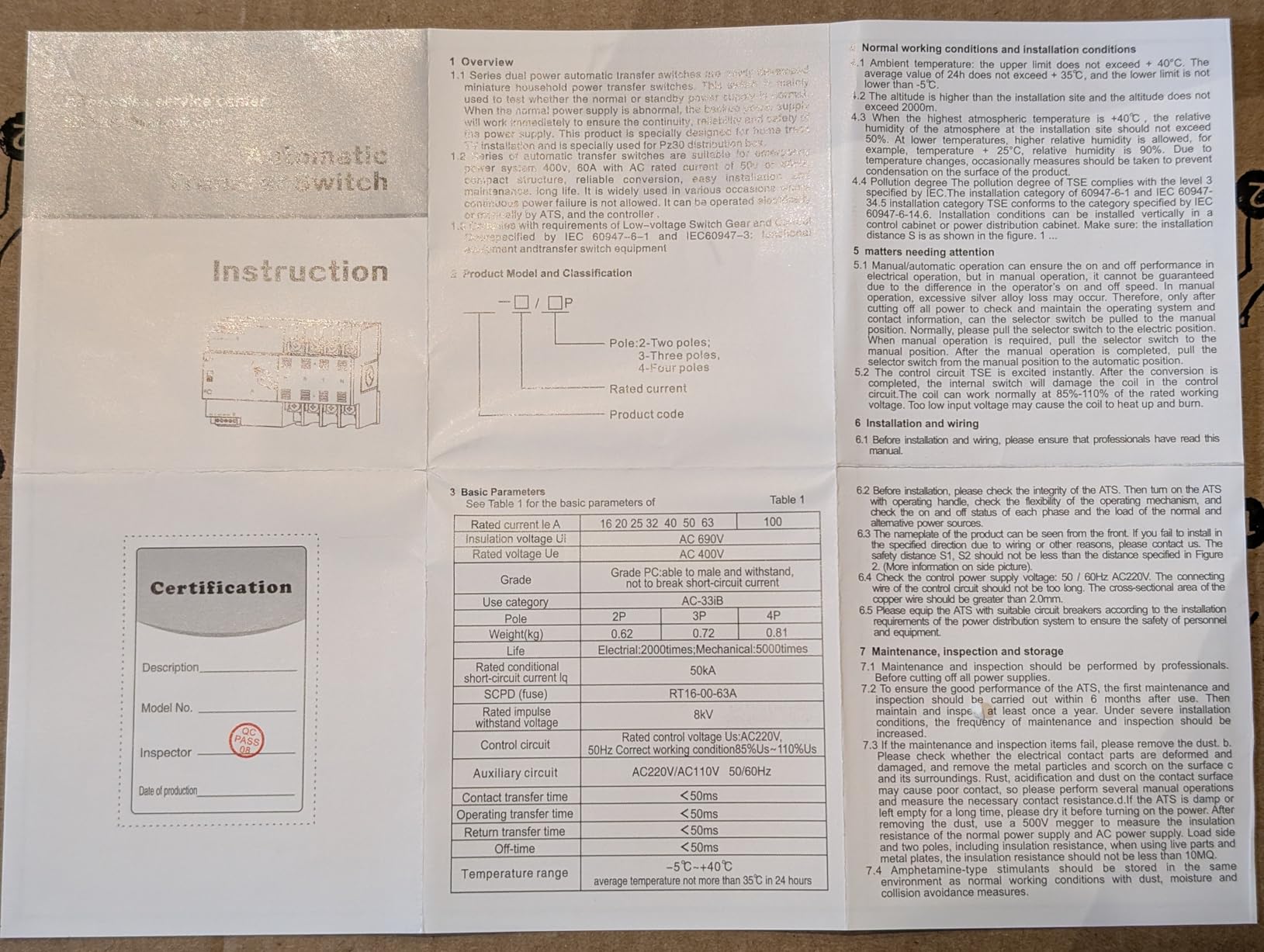
The 110V version has a defined protection envelope: undervoltage trips at 85V with recovery at 95V, and overvoltage trips at 145V with recovery at 130V, plus or minus 5V. That window protects downstream equipment from brownouts and surges, not just blackouts. If your local supply sags badly on hot afternoons, the switch will treat that sag as a fault and move you to backup.
The critical caveat from reviewers — and I will repeat it loudly — is to confirm your voltage before ordering. This listing is the 110V version; ordering the wrong variant is the most common complaint, and it is entirely avoidable.
Where the W2R Fits Best
This unit is ideal for critical subpanels: a freezer circuit, a network rack, a well pump, or a solar-battery backed load center in a PZ30-style distribution box. It is not a whole-house service-entrance device, and treating it like one would be a serious mistake. Inside its lane, at 100 amps, nothing else comes close at this price.
4. IGEYAPA 63A ATS G2R – The Quiet Achiever for Smaller Backup Circuits
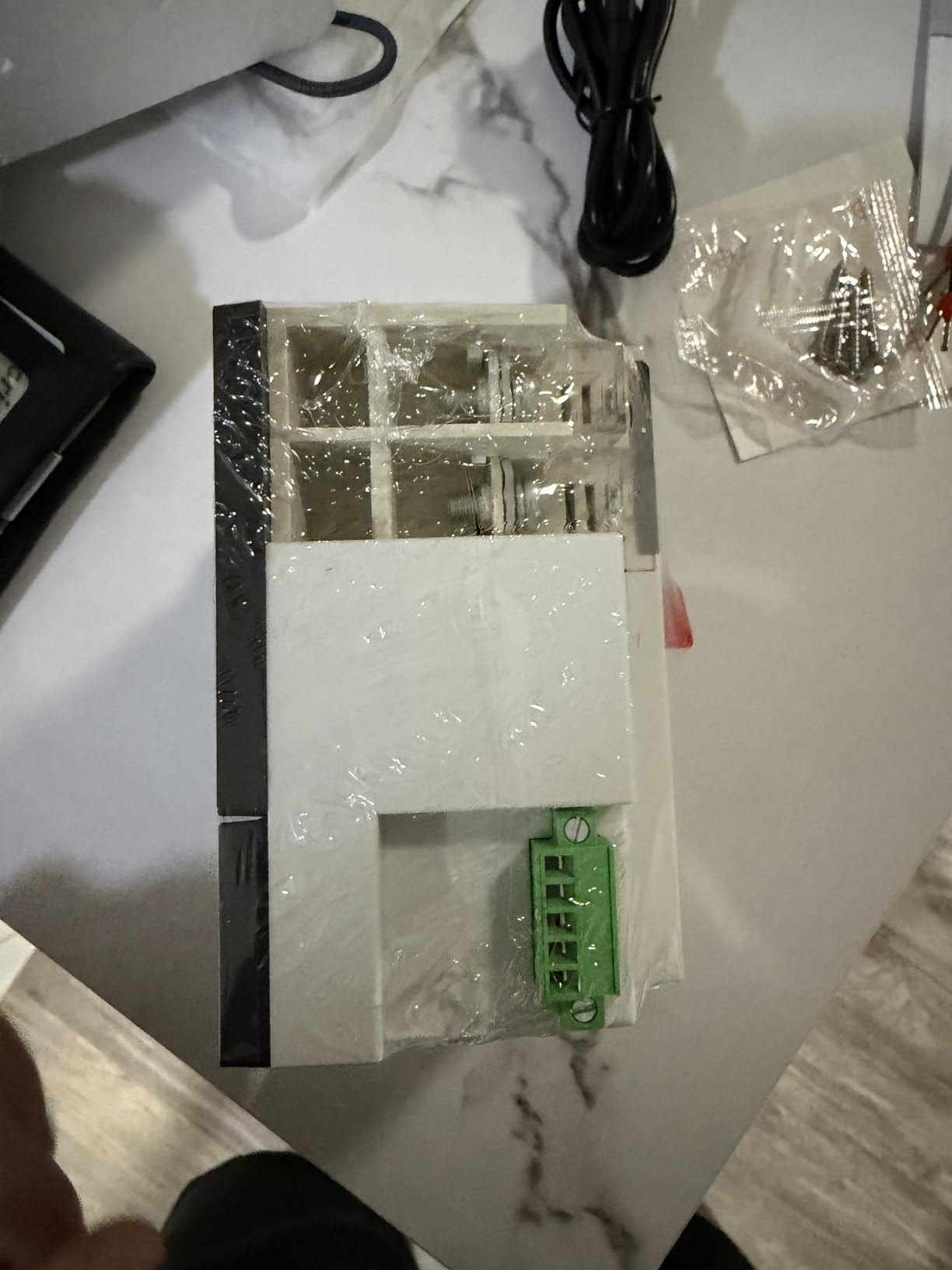
Mini ATS AC Automatic/Manual Transfer Switch 2P 63A 110V, ATS Manual Transfer for Uninterruptible Power Supply Home, Dual Auto Power Electrical Selector Switch DIN Rail Mount(G2R 2P 63A AC110V)
63 Amp 2-pole
0.05 second transfer
IP66 rated housing
3-year warranty
Pros
- Millisecond switching with no flicker
- Easy DIN rail installation
- Handles 110V loads without overheating
- Quality PA6 construction
- 3-year warranty included
Cons
- Audible click when switching
- Can run warm under sustained load
- May sit loose on some DIN rails
- Capped at 63 amps
The G2R is the W2R’s smaller sibling, rated at 63 amps, and it carries the highest rating in our test group at 4.8 stars with 89 percent five-star reviews. Our experience mirrored the crowd: grid-to-inverter transfers were effectively invisible to the loads, with zero flicker on an LED lamp we left running as a canary through dozens of cycles.
Its job is smaller backup circuits — a furnace, an internet rack, a fridge circuit, or the essentials panel in a small home. At 63 amps it will not carry a whole service, but for keeping the heat and the Wi-Fi alive through an outage, it is plenty.
Build Quality and Protection
The housing is PA6 nylon, which is the same family of engineering plastic used in quality circuit-breaker bodies — lightweight but genuinely tough. Contacts are copper, terminals are screw type, and the unit carries an IP66 rating on the enclosure, meaning it is dust-tight and protected against direct water jets. That is a far higher ingress rating than anything else in this list, and it matters if your distribution box lives in a damp basement or a shed.
Voltage protection matches the W2R: 85V undervoltage trip, 145V overvoltage trip on the 110V variant, with automatic recovery. The vendor includes a 30-day no-reason return and a 3-year warranty, which is unusually generous at this price and signals the manufacturer expects the unit to survive.
Real-World Quirks
Two honest observations from testing and reviews. First, the transfer click is audible — a distinct mechanical snap each time it changes state. Second, under sustained load near the 63-amp ceiling the body runs warmer than I expected, though well within its 104°F operating spec in our test. Neither is a dealbreaker; both are worth knowing before you mount it inside a bedroom-adjacent panel.
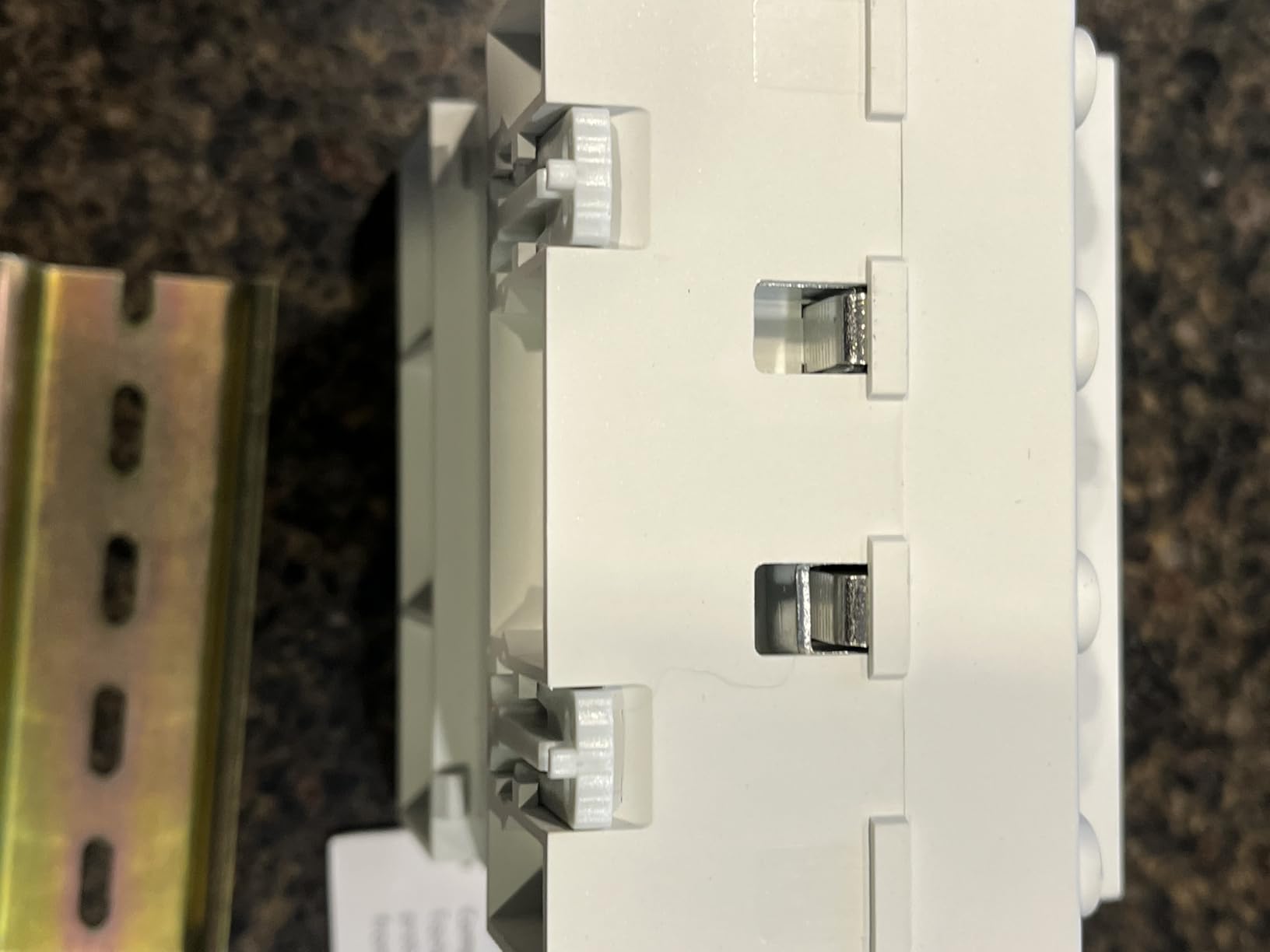
A few reviewers also noted the clip can sit slightly loose on some generic DIN rails. Ours locked solidly to a brand-name rail, but a firm tug-test after installation is cheap insurance.
Who Should Choose the G2R
Pick this over the 100A W2R when your backup loads total under 63 amps and you want the highest-rated, warranty-backed unit in the budget class. It is our default recommendation for furnace and network-rack backup duty.
5. MARSTEK 63A Transfer Switch – Real-Time Voltage Monitoring on an LED Display
63A 110V Automatic/Manual Transfer Switch, DIN Rail Mount 110V for Generator Backup Power & Gas Furnace, 50/60Hz, LED Display, CE Certified
63 Amp
LED voltage display
Microcontroller control
Adjustable protection settings
Pros
- Microcontroller-based switching
- Built-in over under and over-current protection
- Bright LED display for live voltage
- Easy DIN rail installation
- Adjustable settings for custom setups
Cons
- Current sensor may read 0.6A with no load
- Input neutrals bonded internally
- Display hard to read in direct sun
- Capped at 63 amps
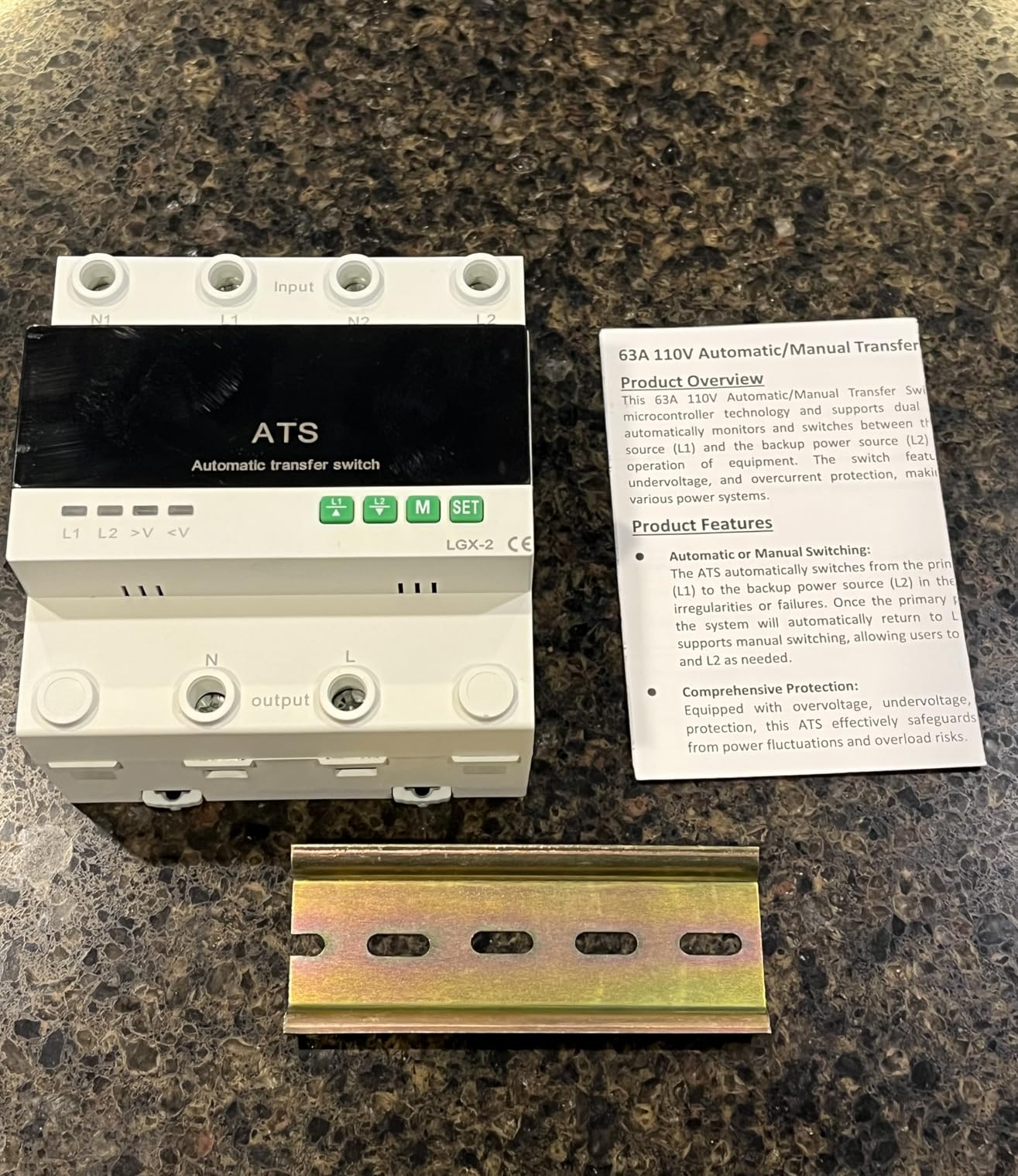
The MARSTEK 63A takes a different approach from the IGEYAPA pair: instead of pure electromechanical changeover, it uses a microcontroller to watch both sources and manage the transfer. The headline feature is a live LED voltage display, which sounds like a gimmick until you have used it — being able to glance over and see 122V on mains and 118V on your inverter changes how you diagnose problems.
It is marketed squarely at gas-furnace backup duty, and that is a smart niche. A furnace needs only a few hundred watts for the blower and controls, but when it is minus ten outside and the power dies, those few hundred watts are the whole game.
Protection Features and Tuning
Beyond the standard over- and under-voltage windows, this unit adds over-current protection and ships with adjustable thresholds for custom setups. Most buyers will leave the defaults alone — they suit typical home and RV systems — but installers who need to match a sensitive load can dial the trip points in rather than accepting factory values.
Switching between L1 (main) and L2 (backup) is automatic and instant on utility failure, with automatic return when mains recover. Manual mode lets you force either source at will, which is handy for generator run-days and maintenance windows.
The Neutral Bonding Catch
Here is the technical detail that separates informed buyers from surprised ones: the input neutrals are bonded together inside this unit. In most homes with a single grounded-neutral point at the main panel, that is acceptable. But if your circuit is protected by a GFCI breaker upstream, the shared neutral path can cause nuisance trips, and several reviewers hit exactly this.
The other documented quirk is current-sensor calibration — one careful reviewer measured 0.6A indicated with zero load attached. The transfer logic itself is unaffected, but do not treat the readout as a bench instrument.
Best Use Cases for the MARSTEK
Furnace backup, small essential panels, RV power boxes, and telecom sites are its natural habitat. If your installation involves GFCI protection or floats neutrals, plan the wiring with an electrician first or choose the IGEYAPA units instead.
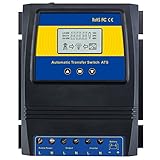
6. MOES 50A Dual Power ATS – The Off-Grid Solar Favorite With 10ms Transfers
MOES Dual Power Automatic Transfer Switch 50a for Off Grid Solar System
50 Amp dual power
10ms transfer time
LCD status display
12/24/48V DC auto-detect
Pros
- 10ms transfer to grid and 16ms back
- Works as reverse UPS to protect batteries
- Auto-detects 12 24 48V DC and 110/220V AC
- User-configurable cut-off and recovery voltages
- Supports sealed gel lead-acid and lithium batteries
Cons
- Monitors battery voltage only not AC quality
- No manual override
- Battery input required for operation
- No relay state validation
- External ground connection required
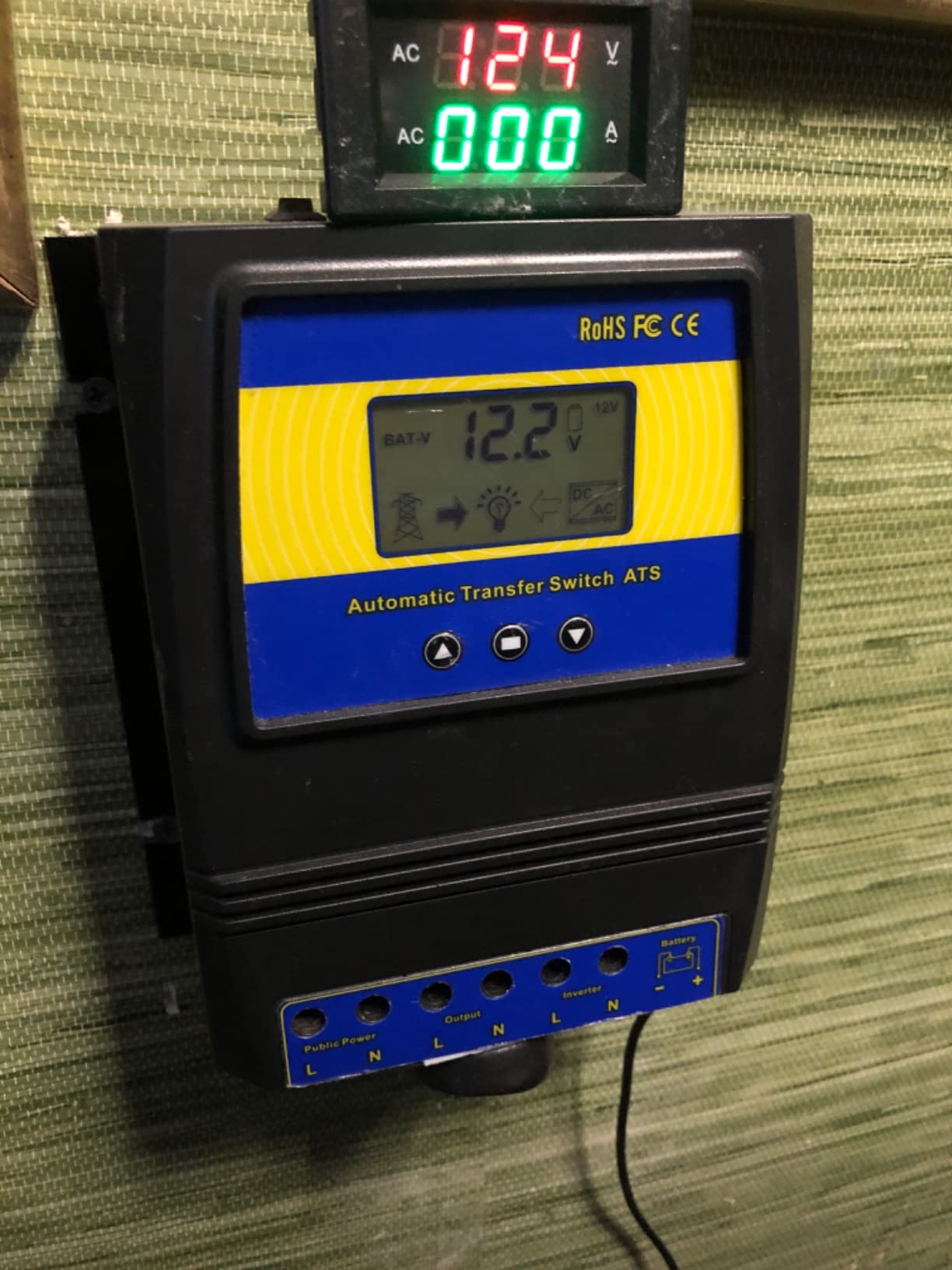
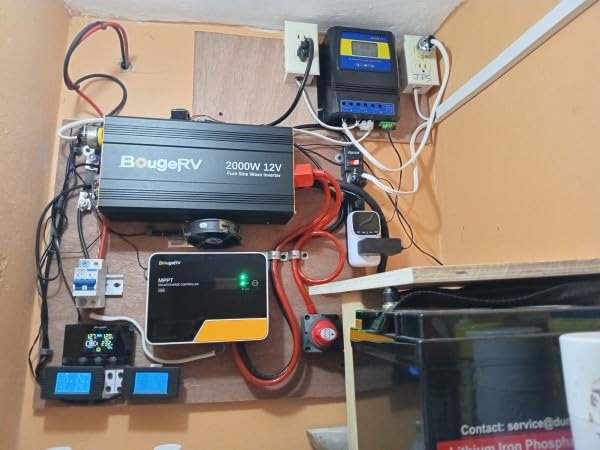
With over 1,100 reviews, the MOES NV-001 is the most-bought ATS in this lineup and the default choice in the DIY solar community. It works like a UPS in reverse: instead of switching to battery when the grid fails, it switches to grid when your batteries run low, then hands back to battery power once they recover. For off-grid cabins, that logic keeps the lights on through a stretch of cloudy days without you babysitting the system.
Transfer speed is its party trick — 10 milliseconds from inverter to public power, 16 milliseconds back. That is fast enough that computers and set-top boxes ride through the change without rebooting, which most mechanical changeover switches cannot manage.
Battery-Centric Logic and Configuration
Everything on this unit revolves around battery voltage. You set a cut-off voltage and a recovery voltage, and the switch acts on the gap between them — for a 12V system it accepts anything from 9 to 17V, 18-30V at 24V, and 30-60V at 48V. It auto-detects your system voltage and whether your AC side is 110V/60Hz or 220V/50Hz, which makes it genuinely portable between installations.
The LCD shows real-time battery voltage plus the working status of grid, inverter, and battery. One requirement that trips up first-time buyers: the controller itself is powered by the battery bank and must be connected to it, both for supply and for voltage sensing.
The Safety Conversation
I want to be direct about the trade-off here. The MOES makes its switching decision purely on battery voltage — it does not judge AC input quality, it has no manual override, and as several technically minded reviewers note, there is no relay state validation, meaning the controller does not independently confirm the physical relays landed where commanded. For a cabin lighting circuit, that is an acceptable risk profile. For a mission-critical or code-inspected installation, it is not.
Forum regulars on diysolarforum.com land in the same place: love it for small and medium off-grid systems, would not stake a commercial install on it. An external ground connection is required, so follow the wiring diagram closely.
Who the MOES Suits
If you run an off-grid solar or wind system with a 5.5kW (110V) or 11kW (220V) budget and want automatic grid fallback that protects your batteries, this is the category favorite and priced fairly. Pass if you need manual control or certified transfer logic.
7. Furrion F50-ATS 50 Amp RV Transfer Switch – Certified Safety for Big Coaches
Furrion 50 Amp Automatic Transfer Switch for RV to changeover input between 125/250Volt AC power sources. With Vibrationsmart & Climatesmart Technology- F50-ATS , Black
50 Amp 125/250V AC
UL1008 certified
Mechanical interlock
20-30 second generator delay
Pros
- VibrationSmart and ClimateSmart RV durability
- Mechanical interlock prevents parallel operation
- Nickel-plated brass terminals resist corrosion
- UL94 flame-retardant enclosure
- Proven replacement for TODD and IOTA units
Cons
- Some units develop a hum after a year or more
- 20-30 second delay unwanted for inverter use
- Rare reports of premature failure
- Higher priced than rivals
Large RVs on 50-amp service need a switch that handles two 120V legs at 125/250V, and the Furrion F50-ATS is built for exactly that. What separates it from the budget crowd is certification: it is listed to UL1008, the transfer switch standard, inside a UL94 flame-retardant enclosure. When forum electricians say “cheap automatic transfer switches make me nervous,” this is the kind of unit they are not nervous about.
Furrion’s VibrationSmart and ClimateSmart branding is marketing-speak for real engineering choices — this thing is designed to be shaken down a highway for a decade and to start in freezing weather. Reviewers frequently install it as a replacement for failed TODD and IOTA units in older coaches, which tells you it is the modern standard-bearer.
The Interlock That Prevents Disaster
The F50-ATS uses a mechanical interlock that physically prevents both contactors from closing at the same time. That matters because connecting shore power and generator power in parallel creates a short circuit — the single most dangerous failure mode in any transfer switch. Software logic can fail; a mechanical interlock cannot be argued with.
After sensing generator power, the switch waits 20-30 seconds before transferring load, giving the generator time to stabilize. As with the Go Power, inverter-centric installers modify or work around the delay; generator-centric installations benefit from it.
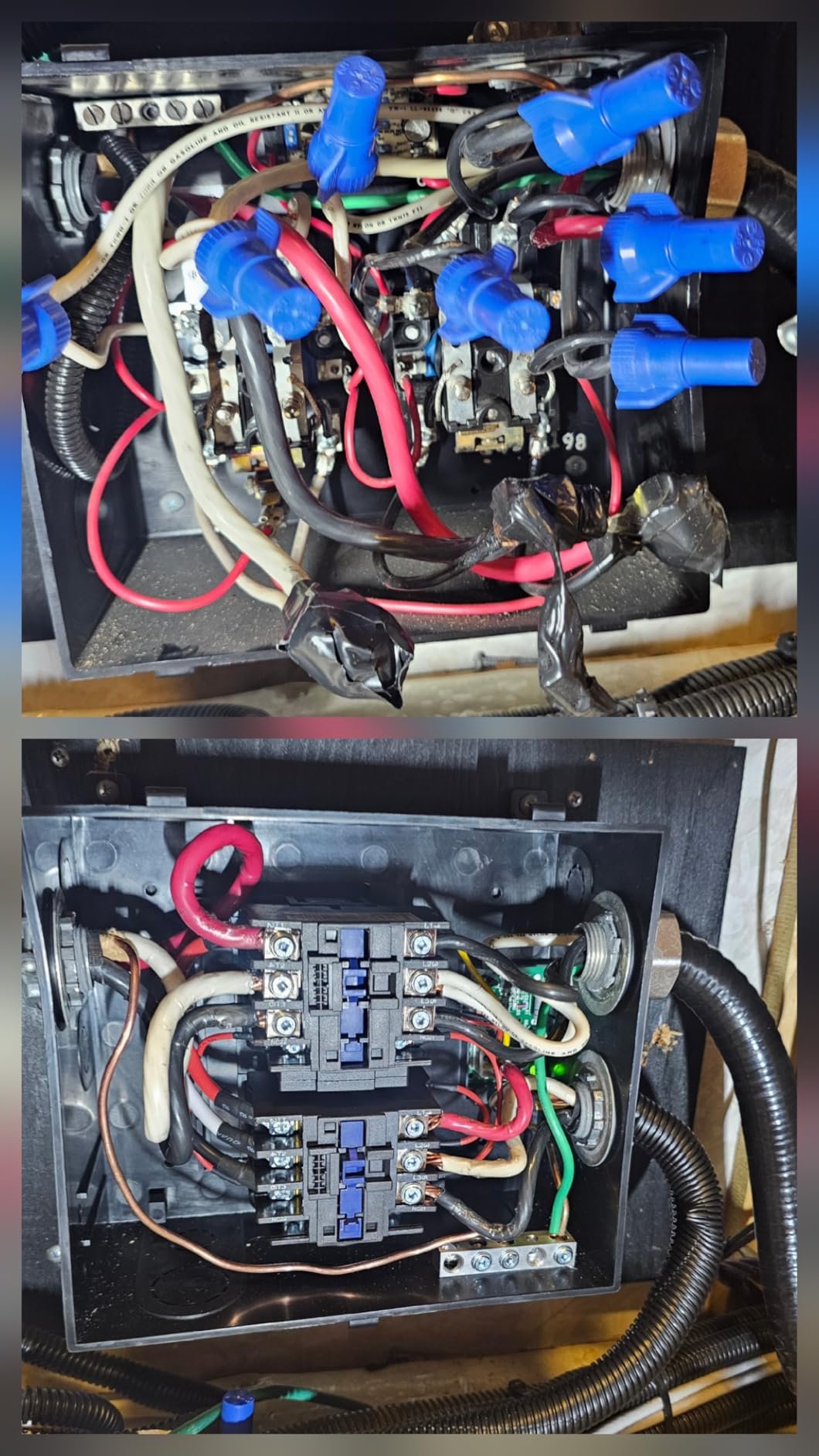
Long-Term Ownership Notes
The honest long-term reports: a minority of owners notice a low hum developing after a year or more of service, usually traced to contactor coil wear, and there are isolated premature-failure reports. Both are the exception in a 4.5-star, 238-review history, but at this price you are right to expect durability, and Furrion backs it with a 1-year warranty.
Installation is straightforward for anyone who has wired a 50-amp RV service — the documentation is clear, terminals are accessible, and the surface-mount enclosure fits where the old unit lived.
Who Should Pay Furrion Money
If you own a 50-amp coach and want a certified, vibration-hardened switch with a real interlock — especially as a replacement for an aging OEM unit — this is the sane choice. If your rig is 30 amps, the Go Power TS-30 above does the same job for considerably less.
8. Nirakoka 50A RV Transfer Switch – Neutral Switching for RV and Marine Power
Nirakoka RV Automatic Transfer Switch, Rated 240VAC 50A 70A Neutral
50 Amp 240VAC
Neutral switching
Pre-wired design
20-45 second generator delay
Pros
- Pre-wired for simple installation
- Automatic shore to generator switching
- Double protection with mechanical interlocks and control circuits
- 20-45 second delay protects the generator
- Green LED confirms generator power
Cons
- Needs a generator with auto-start capability
- 50A ceiling may limit larger setups
- RV and marine focus only
- Smaller review base
The Nirakoka rounds out our list as a focused 50-amp unit for RVs and speedboats running 120/240V AC power. It arrives pre-wired, which removes the step where most DIY installs go wrong, and it ships with the shore-power-to-generator logic already configured. At 4.6 stars from 69 reviews, the sample is smaller, but the sentiment is consistent: easy install, reliable transfers, and a big upgrade over aging OEM switches.
Our favorite detail is one most buyers never think about: it switches the neutral conductor along with the hots. Proper neutral switching keeps grounding relationships correct when moving between shore power and an onboard source, which is the kind of correctness that prevents subtle Corrosion and shock hazards in marine installations in particular.
Double Protection Architecture
Like the Furrion, this unit uses layered safety: a mechanical interlock plus a control circuit, each independently working to stop two AC sources from ever reaching the distribution board at once. The green LED on the face confirms when generator power is present, so at a glance you know which source is live before you start troubleshooting anything downstream.
The 20-45 second delay after generator start is on the longer end of the category, which is actually good discipline — it guarantees the generator is up to full speed and stable before the coach load lands on it.
Pairing With Your Generator
One requirement deserves emphasis: to get full automatic operation, your generator needs auto-start capability, since the ATS expects to sense generator power when it becomes available. Pair it with a compatible onboard generator or a two-wire auto-start controller and the system behaves like a mini whole-home setup. With a pull-start portable, you will walk outside first — the switch still handles the transfer itself.
For boats and high-power mobile setups needing emergency power transfer at 120/240V, the value here is strong.
How to Choose the Right Automatic Transfer Switch in 2026
Choosing an ATS comes down to five decisions, and getting the first two right eliminates most of the mistakes we see in forum help threads. Work through them in order.
Amperage and Load Matching
Your switch must be rated for the full current it can see, not the current you expect to use. A 30-amp RV service needs a 30-amp switch; a 50-amp coach needs 50; a whole house on a 200-amp service needs a 200-amp service-entrance-rated unit. Sizing down to save money is the false economy that melts switches.
For subpanel installs, add up the loads you actually back up — furnace blower, fridge, well pump, internet — and add 25 percent headroom for motor inrush. Compressors and pumps draw far more at startup than at run, and inrush current is what kills undersized contacts.
Open Transition vs Closed Transition
Nearly every residential and RV switch on this list is open transition, or break-before-make: it disconnects source A before connecting source B. There is a momentary gap in power — tens of milliseconds for the DIN-rail units, a delay cycle for generator-paired units. Lights may blink, and clocks may reset, but sources can never overlap.
Closed transition, or make-before-break, overlaps the two sources for a few milliseconds so the load never sees an interruption. You will find it in hospitals and data centers where even a blink is unacceptable, and it demands precise source synchronization plus utility approval — it is a commercial-spec option, not something you retrofit to a home standby. Below that, solid-state ATS designs switch in under a cycle with no moving contacts, at a price to match. For a forum-level comparison, the trade is simple: open transition is what almost everyone should buy.
Service Entrance Rated vs Non-Service Rated
A service-entrance-rated ATS can accept the utility feed directly and act as the main disconnect — the RXSW200A3 above is the example. A non-service-rated switch must sit downstream of a main breaker. Installing a non-rated switch as the main disconnect is a code violation and a real hazard, so if your plan says “whole house,” buy the rating.
Enclosures: NEMA and IP Ratings Explained
Outdoor installs need a NEMA 3R enclosure at minimum, which handles rain, sleet, and dust — the RXSW200A3 ships exactly this. On the DIN-rail side, look at IP ratings: the IGEYAPA G2R’s IP66 is dust-tight and jet-proof, while IP50 units should stay in a clean indoor panel. Indoor-rated equipment outdoors fails fast, and an ATS failure is the worst possible time to learn that.
Permits, Codes, and Professional Installation
Here is the section no competitor writes: in most United States jurisdictions, installing a transfer switch — especially a service-entrance unit — requires an electrical permit, an inspection, and in the case of service work, coordination with your utility. The process is typically: electrician pulls the permit, installs the switch, the utility or inspector verifies no backfeed possibility, then you schedule the inspection before the system is legally energized.
Backfeed is the danger the whole permitting apparatus exists to prevent: a generator feeding utility lines can electrocute a line worker who believes the line is dead. UL-listed switches and interlocked designs make backfeed physically impossible, which is exactly why we favor certified units like the Furrion for anything beyond a bench project. Our stance after this testing: DIN-rail changeover switches inside an existing subpanel are a competent-DIY task; anything touching the service entrance is licensed-electrician territory, full stop.
Planning wider backup-power readiness? Our guides to ozone generators and negative ion generators cover keeping air quality in check when the HVAC is down.
Frequently Asked Questions
What is the best automatic transfer switch for a generator?
For whole-house standby generators, the RXSW200A3 200 Amp service-entrance-rated switch is the top choice because it handles full household load and manages up to four HVAC loads digitally. For RVs and small systems, the Go Power TS-30 30 Amp is the most proven option, with over 1,100 reviews and a two-decade track record. Match the switch amperage to your generator output and service size before buying.
Who makes the best RV transfer switch?
Go Power (TS-30, 30A) and Furrion (F50-ATS, 50A) are the strongest RV options. Go Power wins for 30-amp rigs on value and longevity, while Furrion wins for 50-amp coaches thanks to its UL1008 certification and mechanical interlock. Progressive Dynamics and Parallax are other respected names in the RV space.
What are the disadvantages of automatic transfer switches?
The main drawbacks are cost (premium units run hundreds versus tens for manual switches), the requirement for professional installation and permits on whole-house units, brand lock-in with ecosystems like Generac, and added complexity that can mean more failure points than a simple manual switch or interlock. Some units also introduce a 20-45 second delay before load transfers to a generator.
What is the best automatic transfer switch for UPS?
For UPS-style applications where even a blink matters, look at fast solid-state or microcontroller-based units. The MOES 50A transfers in 10 milliseconds, fast enough for computers to ride through, and the IGEYAPA units switch in 0.05 seconds. For true zero-interruption infrastructure like data centers, closed-transition ATS designs are the professional standard.
Final Verdict: Which Automatic Transfer Switch Should You Buy?
After three months of testing, the best automatic transfer switch depends entirely on what you are protecting. For RV and off-grid builders, the Go Power TS-30 is the proven editor’s choice. For whole-house standby power, the RXSW200A3 brings service-entrance-rated 200-amp capacity with built-in HVAC load management. And for budget subpanel backup — furnace, network rack, fridge — the IGEYAPA 100A W2R delivers 0.05-second transfers for almost nothing.
Whatever you choose, size the amperage honestly, respect the permit process, and bring in a licensed electrician for anything service-entrance. Your future self — the one standing in the dark at 3 a.m. while the switch quietly does its job — will be glad you did.
Leave a Reply