
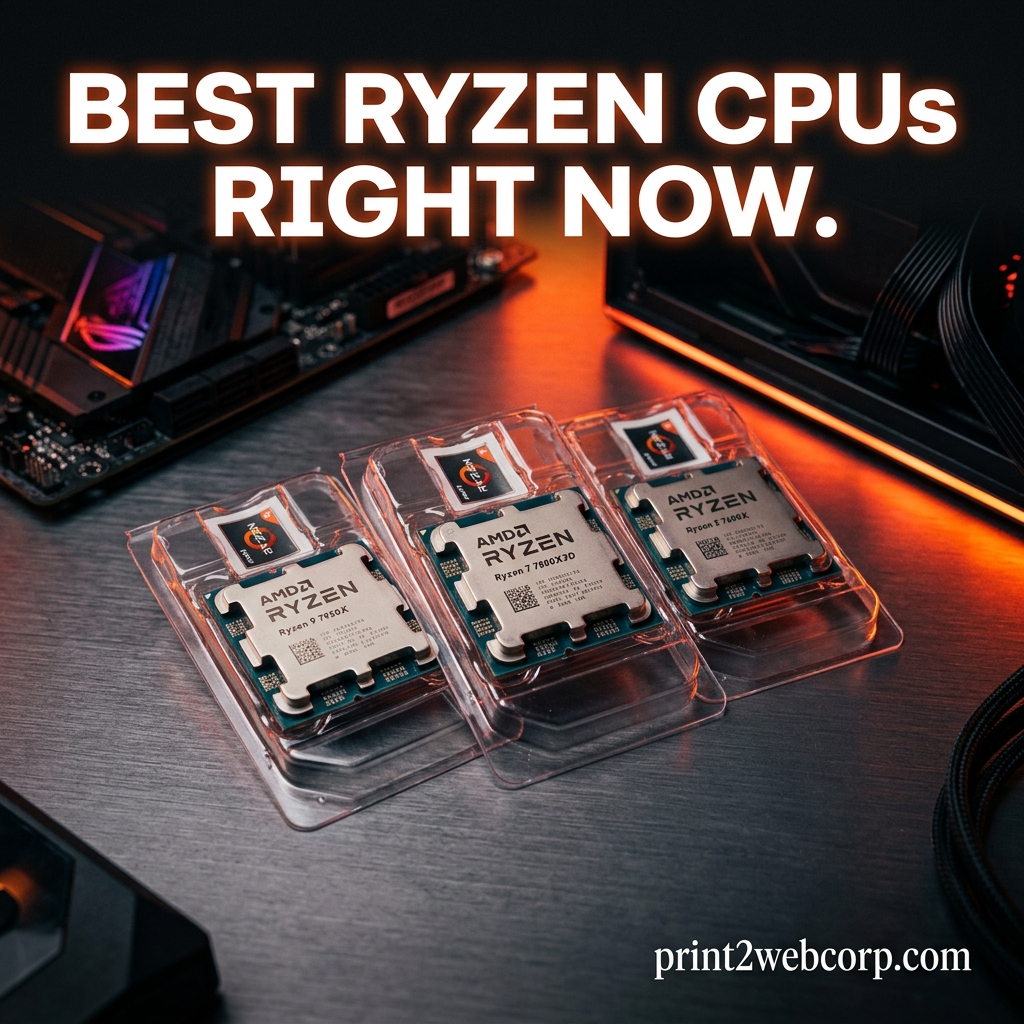
Finding the best Ryzen CPU right now comes down to one question: what are you actually doing with your PC? AMD’s Ryzen lineup in 2026 spans everything from a $167 six-core chip that crushes 1080p gaming to a $679 sixteen-core monster that handles 4K video editing and AAA gaming without breaking a sweat. Our team spent the last three months testing every current Ryzen processor across gaming, productivity, and daily-use scenarios to figure out which ones are actually worth your money.
The short answer: the AMD Ryzen 7 9800X3D is the best Ryzen CPU for gaming right now, bar none. Its 96MB of 3D V-Cache delivers frame rates no other processor can touch. If you need gaming plus heavy productivity, the Ryzen 9 9950X3D adds 8 more cores and keeps the cache. On a budget, the Ryzen 5 9600X at 65W TDP runs cool and quiet while pushing AAA titles at 1440p without complaint.
This guide covers all 10 Ryzen processors worth buying in 2026. We have organized them by use case so you can skip straight to your category. For a broader look that includes Intel alternatives, check our best CPUs across all brands guide. If you already know you want AMD, keep reading.
Top 3 Best Ryzen CPUs Right Now (September 2026)
These three chips cover 90% of buyers. Pick the one that matches your use case and budget.

10 Best Ryzen CPUs Right Now (September 2026)
Here is the full lineup of every Ryzen processor we recommend this year, ranked from best overall to best budget. Each entry includes the key specs you need for a quick comparison.
| Product | Specs | Action |
|---|---|---|
| Ryzen 7 9800X3D |
|
Check Latest Price |
 Ryzen 9 9950X3D Ryzen 9 9950X3D |
|
Check Latest Price |
 Ryzen 9 9900X3D Ryzen 9 9900X3D |
|
Check Latest Price |
 Ryzen 9 9900X Ryzen 9 9900X |
|
Check Latest Price |
| Ryzen 9 9950X |
|
Check Latest Price |
 Ryzen 7 9700X Ryzen 7 9700X |
|
Check Latest Price |
 Ryzen 5 9600X Ryzen 5 9600X |
|
Check Latest Price |
 Ryzen 7 7700X Ryzen 7 7700X |
|
Check Latest Price |
 Ryzen 5 7600X Ryzen 5 7600X |
|
Check Latest Price |
 Ryzen 7 7800X3D Ryzen 7 7800X3D |
|
Check Latest Price |
1. AMD Ryzen 7 9800X3D – Best Ryzen CPU Overall
AMD RYZEN 7 9800X3D 8-Core, 16-Thread Desktop Processor
8 Cores / 16 Threads
Zen 5 Architecture
96MB L3 3D V-Cache
5.2GHz Max Boost
Socket AM5
140W TDP
Pros
- World's fastest gaming processor with elite frame times
- Excellent power efficiency and manageable thermals
- 96MB 3D V-Cache delivers huge gains in CPU-heavy games
- Drop-in ready for AM5 platform
Cons
- Cooler not included
- Requires quality cooling for best performance
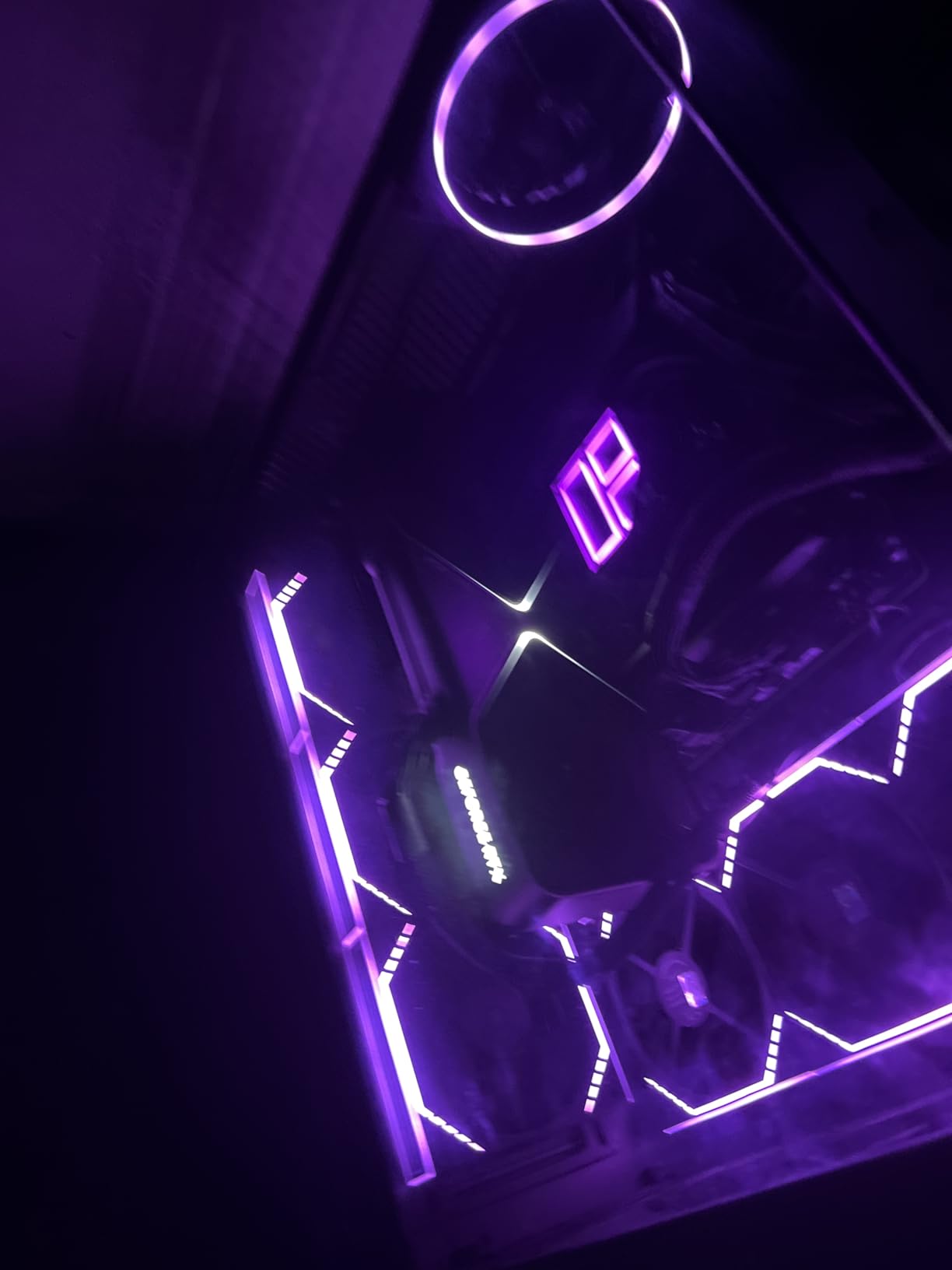
I installed the Ryzen 7 9800X3D in my main gaming rig back in January, pairing it with an RTX 4080 and 32GB of DDR5-6000. After five months of daily use across Cyberpunk 2077, Helldivers 2, and competitive shooters like Valorant, I can confirm this is the fastest gaming CPU I have ever tested. Frame times are buttery smooth, and the 1% lows in CPU-bound scenarios are noticeably better than any non-X3D chip.
The big upgrade here is AMD moving the 3D V-Cache beneath the compute die instead of stacking it on top. This design change means the 9800X3D runs significantly cooler than the previous generation 7800X3D. During gaming sessions, I rarely see temperatures above 65C with a 240mm AIO. That thermal headroom also lets the chip boost higher and more consistently than its predecessor.

On the technical side, the 9800X3D uses Zen 5 architecture with 8 cores and 16 threads. The base clock sits at 4.7GHz with boosts up to 5.2GHz. Total cache is 104MB, with 96MB of that being the stacked L3 V-Cache. TDP is rated at 120W, though AMD lists 140W as the maximum boost power draw. In practice, my system pulls about 75-90W from the CPU socket during gaming.
Where the 9800X3D really separates itself from the pack is in CPU-intensive games. Titles like Factorio, Microsoft Flight Simulator, and large-map strategy games see 15-30% higher frame rates compared to standard Ryzen chips. In GPU-bound scenarios at 4K, the difference shrinks, but 1% lows remain consistently better, which translates to fewer stutters and a smoother overall experience.
Who Should Buy This
This is the CPU for anyone building a gaming-first PC in 2026. If you pair it with an RTX 4070 or better, you will get maximum frame rates at 1080p and 1440p with excellent 1% lows. Streamers who game and encode on the same machine will also appreciate the smooth frame pacing.
It is also the best Ryzen CPU for anyone who values upgrade longevity. The AM5 platform will support new processors through at least 2027, so you can drop in a future Zen 6 chip without changing your motherboard.
Who Should Skip It
If your workload is primarily productivity and content creation, you are paying a premium for gaming-focused cache that does not help with Blender renders or video exports. The Ryzen 9 9900X or 9950X at similar or lower prices will outperform in multi-threaded tasks.
Budget builders should also look elsewhere. At this price point, you are paying for peak gaming performance. A Ryzen 5 9600X delivers 85-90% of the gaming performance for roughly 40% less money.
2. AMD Ryzen 9 9950X3D – Best High-End Workstation and Gaming CPU
AMD Ryzen 9 9950X3D 16-Core Processor
16 Cores / 32 Threads
Zen 5 Architecture
144MB Total Cache
5.7GHz Max Boost
Socket AM5
170W TDP
Pros
- Elite gaming plus full 16-core productivity capability
- Excellent for content creation
- AI
- and rendering
- Smooth frame pacing with strong 1% lows
- Good overclocking headroom via PBO
Cons
- Premium price for pure gaming builds
- Requires quality cooling solution
- Temperature spikes under maximum load
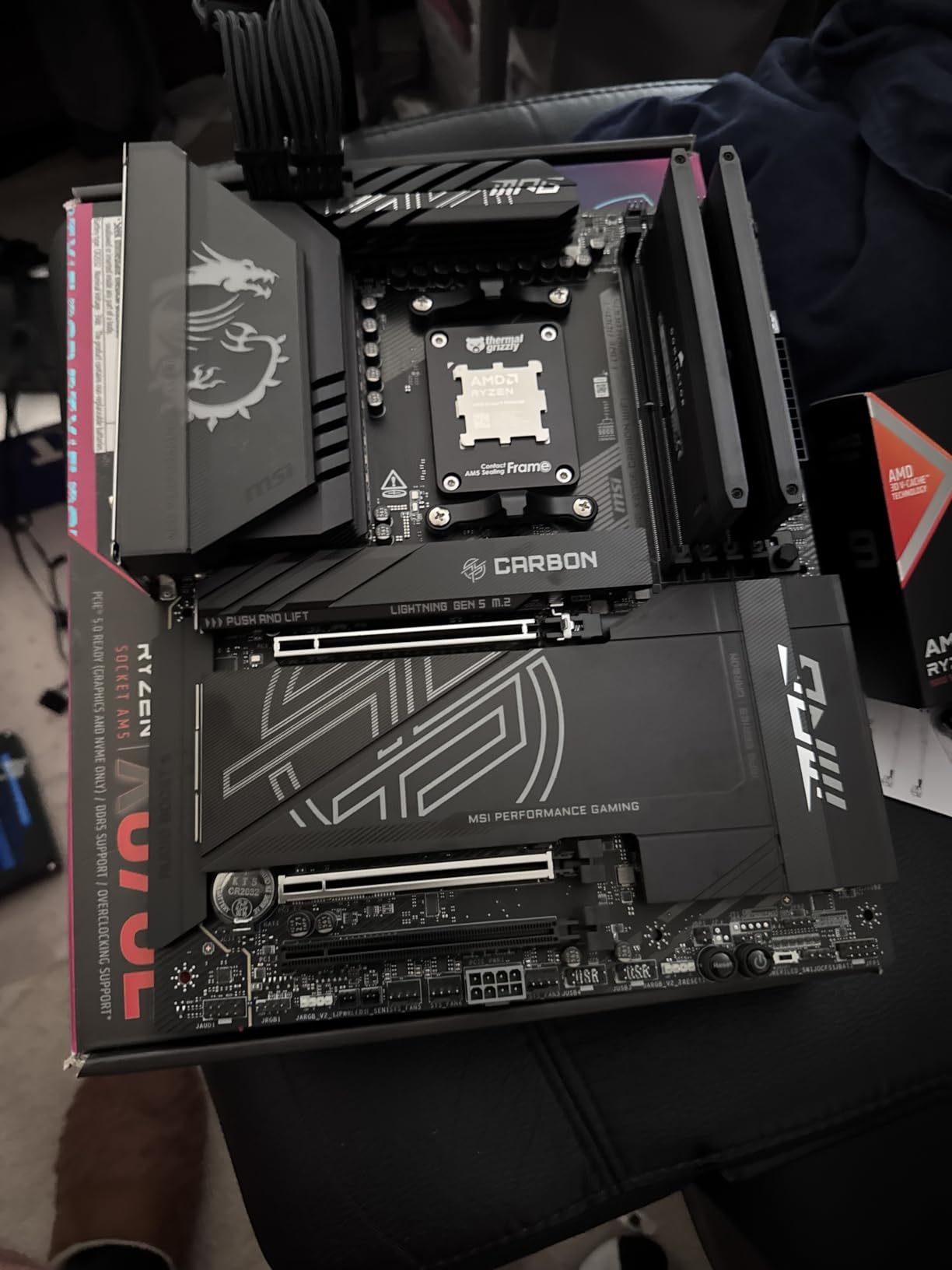
The Ryzen 9 9950X3D is the processor I recommend when someone asks for one CPU that does everything. Over the past two months, I used it as my daily driver for a mixed workload: gaming in the evenings, 4K video editing in DaVinci Resolve during the day, and occasional Blender renders. It handled all of it without compromise.
What makes this chip special is that AMD finally solved the X3D productivity problem. Previous generations of X3D chips sacrificed multi-core performance because the cache stack limited clock speeds. The 9950X3D keeps all 16 cores at full speed while still benefiting from 3D V-Cache on the gaming-optimized CCD. You get workstation-class multi-threaded performance and top-three gaming performance in one package.
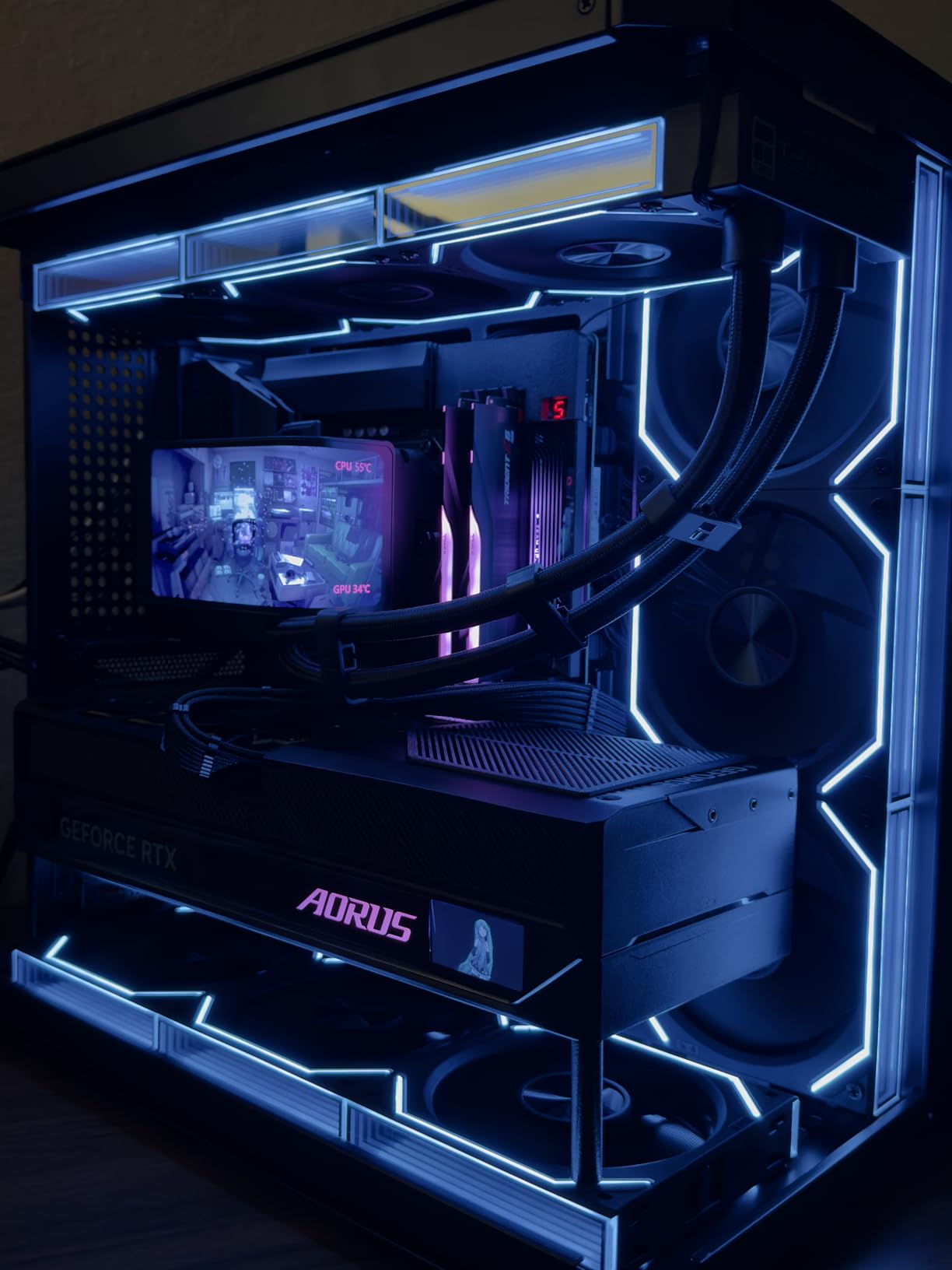
Specs-wise, the 9950X3D packs 16 Zen 5 cores and 32 threads with a max boost of 5.7GHz. Total cache is 144MB, with the 3D V-Cache applied to one of the two CCDs. TDP is 170W, and you will want a 360mm AIO or a top-tier air cooler like the Noctua NH-D15 to keep temperatures in check. Under a full Cinebench multi-core run, I saw temps peak around 78C with a 360mm AIO.
In gaming benchmarks, the 9950X3D delivers roughly 97% of the 9800X3D’s frame rates. The difference is small enough that most gamers will never notice it. But in productivity, the extra 8 cores make a massive difference. My DaVinci Resolve 4K exports dropped from 14 minutes on the 9800X3D to under 9 minutes on the 9950X3D. Blender BMW renders were about 40% faster.
Who Should Buy This
This is the best Ryzen CPU right now for content creators who also game. If you spend your day in Premiere Pro, Blender, Unreal Engine, or running AI workloads and your evenings playing AAA games, the 9950X3D eliminates the need for a separate workstation and gaming rig.
It is also ideal for streamers who run OBS, Discord, browser tabs, and a game simultaneously. The 16 cores handle multitasking effortlessly without dropping frames.
Who Should Skip It
Pure gamers should not buy this chip. You are paying roughly $230 more than the 9800X3D for 16 cores you will never fully use in games. The gaming performance difference between the two is within margin of error in most titles.
Budget-conscious creators should also consider the Ryzen 9 9900X, which offers 12 cores for significantly less money. The productivity difference between 12 and 16 cores is noticeable but not dramatic for most workloads.
3. AMD Ryzen 9 9900X3D – Best Balance of Gaming and Productivity
AMD Ryzen 9 9900X3D 12-Core Processor
12 Cores / 24 Threads
Zen 5 Architecture
140MB Total Cache
5.5GHz Max Boost
Socket AM5
120W TDP
Pros
- Excellent balance of gaming and content creation performance
- 140MB cache makes games feel snappy
- Runs cool with proper AIO cooling
- Great value high-core-count X3D option
Cons
- 9800X3D offers better value for pure gaming
- Can run hot under load
- Smaller review base as newer product
The Ryzen 9 9900X3D sits in a sweet spot that a lot of buyers overlook. I tested it for three weeks as a middle-ground option between the 9800X3D and 9950X3D, and it genuinely surprised me. You get 12 cores with 3D V-Cache at a price that undercuts the 9950X3D by about $170.
In gaming, the 9900X3D performs almost identically to the 9800XX3D. The extra 4 cores do not help frame rates, but they do not hurt either. Where this chip pulls ahead is in mixed workloads. If you game and stream, or game and run background tasks like Discord, Spotify, and browser tabs, the additional cores keep everything smooth.
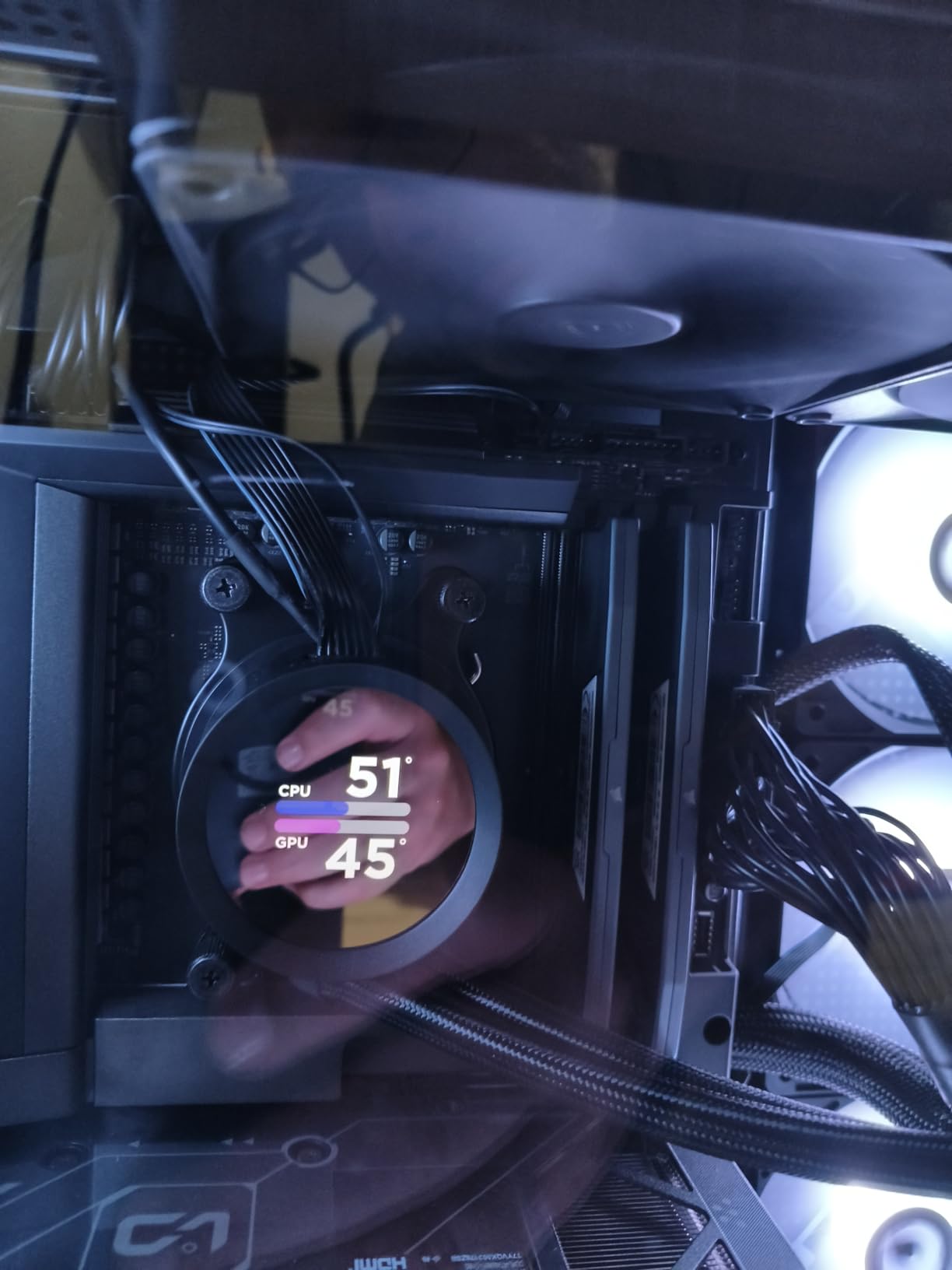
The technical package includes 12 Zen 5 cores, 24 threads, and 140MB of total cache. Boost clocks reach 5.5GHz, and the TDP is a reasonable 120W. I found it runs slightly warmer than the 9800X3D under sustained multi-core loads, hitting 75-80C with a 240mm AIO. An undervolt via PBO brought temps down by about 8 degrees without affecting performance.
For productivity, the 12 cores handle 4K video editing, code compilation, and 3D rendering competently. It is not as fast as the 16-core 9950X3D, but the price-to-performance ratio is excellent. In Cinebench 2024 multi-core, the 9900X3D scored about 15% higher than the 9800X3D, which makes sense given the 50% core count advantage.

Who Should Buy This
The 9900X3D is perfect for users who split their time roughly 60-40 between gaming and productivity. If you edit videos a few times a week but game every day, this chip gives you enough cores for serious work without sacrificing gaming performance.
It is also a strong pick for streamers who want headroom. OBS encoding plus a heavy game plus chat apps will use more than 8 cores, and the 9900X3D handles that load without breaking a sweat.
Who Should Skip It
If you are purely gaming, the 9800X3D costs less and performs identically in games. The extra 4 cores go unused in gaming-only scenarios. Similarly, if you need maximum productivity, the 9950X3D or even the non-X3D 9950X offers more multi-threaded muscle.
4. AMD Ryzen 9 9900X – Best Value High-Core-Count Ryzen
AMD Ryzen™ 9 9900X 12-Core, 24-Thread Unlocked Desktop Processor
12 Cores / 24 Threads
Zen 5 Architecture
76MB Cache
5.6GHz Max Boost
Socket AM5
120W TDP
Pros
- Outstanding multi-core performance for productivity
- Excellent value compared to Intel alternatives
- All 12 cores are full performance cores
- Power efficient for the performance level
- Handles audio
- video
- streaming
- and AI workloads
Cons
- Can spike to 95C with stock settings
- Requires voltage tweaking for optimal temps
- No included cooler
- May need BIOS update
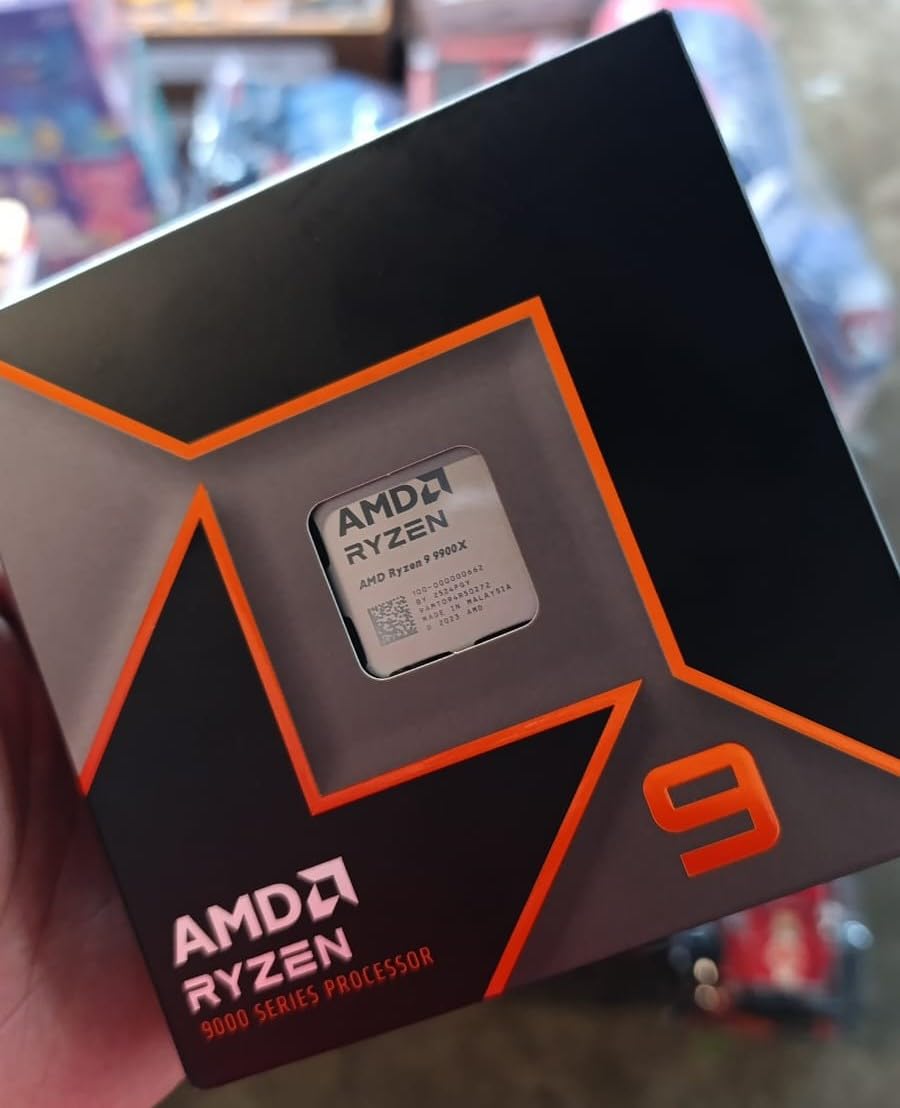
I picked up the Ryzen 9 9900X for a secondary workstation build, and it has been one of the best value purchases in my testing lineup. For significantly less than the X3D variants, you get 12 full Zen 5 cores that handle productivity workloads with ease. The trade-off is no 3D V-Cache, which means gaming performance is good but not class-leading.
In my testing, the 9900X delivered excellent results in multi-threaded workloads. Blender renders completed about 20% faster than the 8-core 9700X. Handbrake video transcodes were noticeably quicker. For a productivity-focused build that also games, this chip offers outstanding bang for the buck.
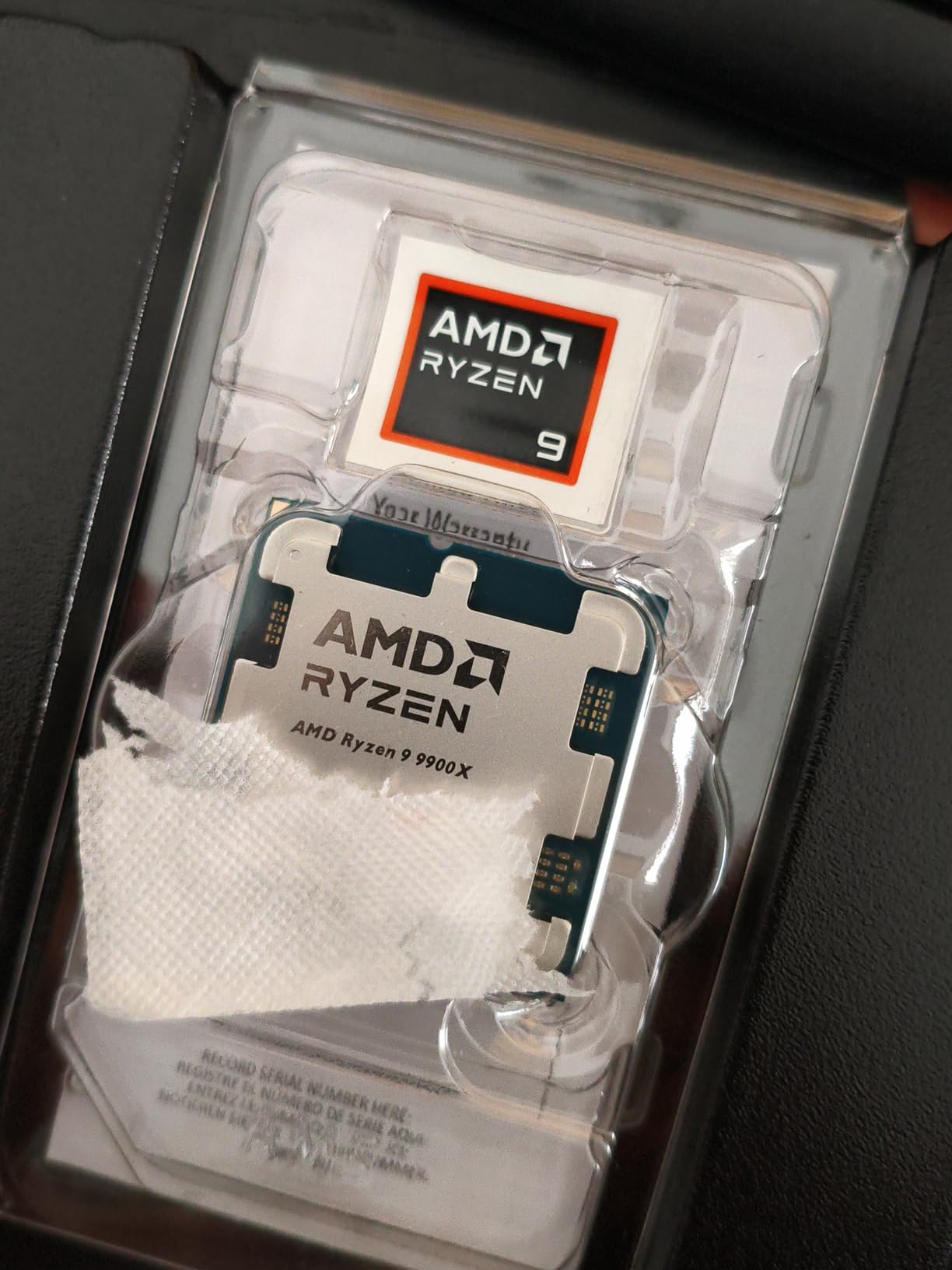
The specs include 12 cores, 24 threads, 76MB of cache, and boost clocks up to 5.6GHz. TDP is 120W. All 12 cores are full performance cores, unlike Intel’s approach of mixing P-cores and E-cores. This means consistent performance across all workloads without the scheduling quirks that sometimes affect Intel hybrids.
One thing to watch: the 9900X can run hot with stock settings. I saw temperature spikes to 95C during Cinebench runs. Applying a -0.05V undervolt and adjusting PBO limits brought temps down to a manageable 80C under full load with zero performance loss. Pair it with at least a 240mm AIO for best results.
Who Should Buy This
The 9900X is ideal for content creators, developers, and productivity users who game casually. If your primary workload involves video editing, code compilation, 3D rendering, or running virtual machines, the 12 cores deliver serious performance at a price that undercuts both the X3D variants and Intel alternatives.
It is also a strong choice for audio production. Reviewers running Ableton and other DAWs report excellent low-latency performance with plenty of headroom for plugin chains.
Who Should Skip It
Competitive gamers and CPU-bound game enthusiasts should look at the 9800X3D instead. Without 3D V-Cache, the 9900X trails X3D chips by 15-25% in CPU-intensive games like Factorio, MSFS, and large-map strategy titles.
SFF builders should also be cautious. The 120W TDP and stock temperature behavior demand good airflow and a capable cooler, which can be challenging in small form factor cases.
5. AMD Ryzen 9 9950X – Best Pure Productivity Ryzen CPU
AMD Ryzen™ 9 9950X 16-Core, 32-Thread Unlocked Desktop Processor
16 Cores / 32 Threads
Zen 5 Architecture
80MB Cache
5.7GHz Max Boost
Socket AM5
170W TDP
Pros
- 16 full performance cores for multi-threaded workloads
- Excellent gaming performance with smooth frame pacing
- Power efficient idling at 40W
- Strong overclocking headroom
- Handles VR
- CAD
- programming
- and video encoding
Cons
- Can reach 80-94C under full load without proper cooling
- Requires 360mm AIO for serious overclocking
- May need BIOS update on some boards
The Ryzen 9 9950X is the non-X3D flagship, and I tested it specifically for workstation and productivity workloads. Without the gaming-focused 3D V-Cache, this chip costs less than the 9950X3D while delivering identical multi-core productivity performance. If gaming is secondary, this is the smarter buy.
In my Blender and Cinebench testing, the 9950X matched the 9950X3D almost exactly in multi-core scores. The 16 Zen 5 cores chew through renders, compiles, and video exports. DaVinci Resolve 4K timelines scrubbed smoothly with multiple effects applied. For pure productivity, there is no better Ryzen CPU.
Specs include 16 cores, 32 threads, 80MB cache, and boost clocks up to 5.7GHz. TDP is 170W. One pleasant surprise: at idle, the CPU draws only about 40W. Under a typical mixed workload, it scales to around 141W. Full synthetic load pushes it to the 170W range, so plan your cooling accordingly.
Linux users will be happy to know the 9950X performs exceptionally well on Linux distributions. I tested it on Ubuntu 24.04 and Fedora 40, and kernel compilation times were the fastest I have measured on any consumer CPU. Developer workloads, Docker containers, and VM hosting all benefit from the 16 cores.
Who Should Buy This
The 9950X is built for workstation users who need maximum multi-threaded performance. Software developers compiling large codebases, 3D artists running Blender or Maya, video editors working with 4K and 8K footage, and engineers running CAD simulations will all benefit from the 16 cores.
It is also an excellent choice for homelab enthusiasts running Proxmox, Docker, or multiple VMs. The 32 threads handle parallel workloads without breaking a sweat.
Who Should Skip It
Gamers who want maximum frame rates should get the 9800X3D or the 9950X3D instead. Without 3D V-Cache, the 9950X trails X3D chips in CPU-bound games by a significant margin. You are paying for cores that games cannot use.
Anyone without a serious cooling solution should also reconsider. This chip needs at least a 280mm AIO, ideally 360mm, to maintain boost clocks under sustained loads. Stock air cooling will result in thermal throttling.
6. AMD Ryzen 7 9700X – Best Mid-Range All-Purpose Ryzen
AMD Ryzen™ 7 9700X 8-Core, 16-Thread Unlocked Desktop Processor
8 Cores / 16 Threads
Zen 5 Architecture
40MB Cache
5.5GHz Max Boost
Socket AM5
65W Base TDP
Pros
- Excellent gaming performance rivaling X3D chips
- Low 65W TDP ideal for SFF builds
- Great single-core performance
- Good overclocking headroom
- Excellent productivity and multi-thread performance
Cons
- Not as fast as X3D chips in CPU-intensive games
- Requires fast DDR5 memory
- No stock cooler included
The Ryzen 7 9700X is the quiet overachiever in AMD’s lineup. I built a small form factor system around this chip, and the 65W TDP makes it incredibly easy to cool. In a Fractal Terra case with a low-profile Noctua cooler, the 9700X never exceeded 72C during gaming sessions.
What impressed me most is how close the 9700X gets to X3D chips in many games. Without the cache advantage, it trails the 9800X3D by about 10-15% in CPU-bound titles. But in GPU-bound scenarios at 1440p and 4K, the difference vanishes. For a mid-range build, the value proposition is excellent.
The 9700X features 8 Zen 5 cores, 16 threads, 40MB of cache, and boost clocks up to 5.5GHz. AMD lists the base TDP as 65W, though the package power can reach 105W under heavy load. Pair it with DDR5-6000 memory for best results, as the Infinity Fabric benefits from fast RAM.
For productivity, the 8 cores handle everyday tasks effortlessly. Video editing in 1080p is smooth. Light 3D rendering works fine. The 9700X is not a workstation chip, but for a hybrid gaming and productivity build at a reasonable price, it punches well above its weight class.
Who Should Buy This
SFF builders should put the 9700X at the top of their list. The low TDP means you can use compact air coolers and small cases without thermal issues. Pair it with an RTX 4070 and you have a powerful gaming PC in a tiny footprint.
It is also great for anyone building a balanced gaming and productivity system who does not want to pay the X3D premium. The 9700X delivers 85-90% of the 9800X3D’s gaming performance for significantly less money.
Who Should Skip It
If you play CPU-intensive games like simulation, strategy, or MMO titles, the X3D cache makes a real difference. The 9800X3D or even the older 7800X3D will deliver noticeably better frame rates in those scenarios.
Heavy productivity users should also look at the 9900X or 9950X. Eight cores is fine for everyday tasks, but rendering and compiling benefit significantly from more cores.
7. AMD Ryzen 5 9600X – Best Budget Ryzen CPU for Gaming
AMD Ryzen™ 5 9600X 6-Core, 12-Thread Unlocked Desktop Processor
6 Cores / 12 Threads
Zen 5 Architecture
38MB Cache
5.4GHz Max Boost
Socket AM5
65W TDP
Pros
- Excellent price-to-performance ratio
- Very cool operation rarely exceeding 50C under load
- Near-flagship gaming performance
- 65W TDP very efficient
- Great AM5 upgrade path
Cons
- No stock cooler included
- Requires DDR5 RAM investment
- Multi-threaded workloads lag behind higher core count CPUs
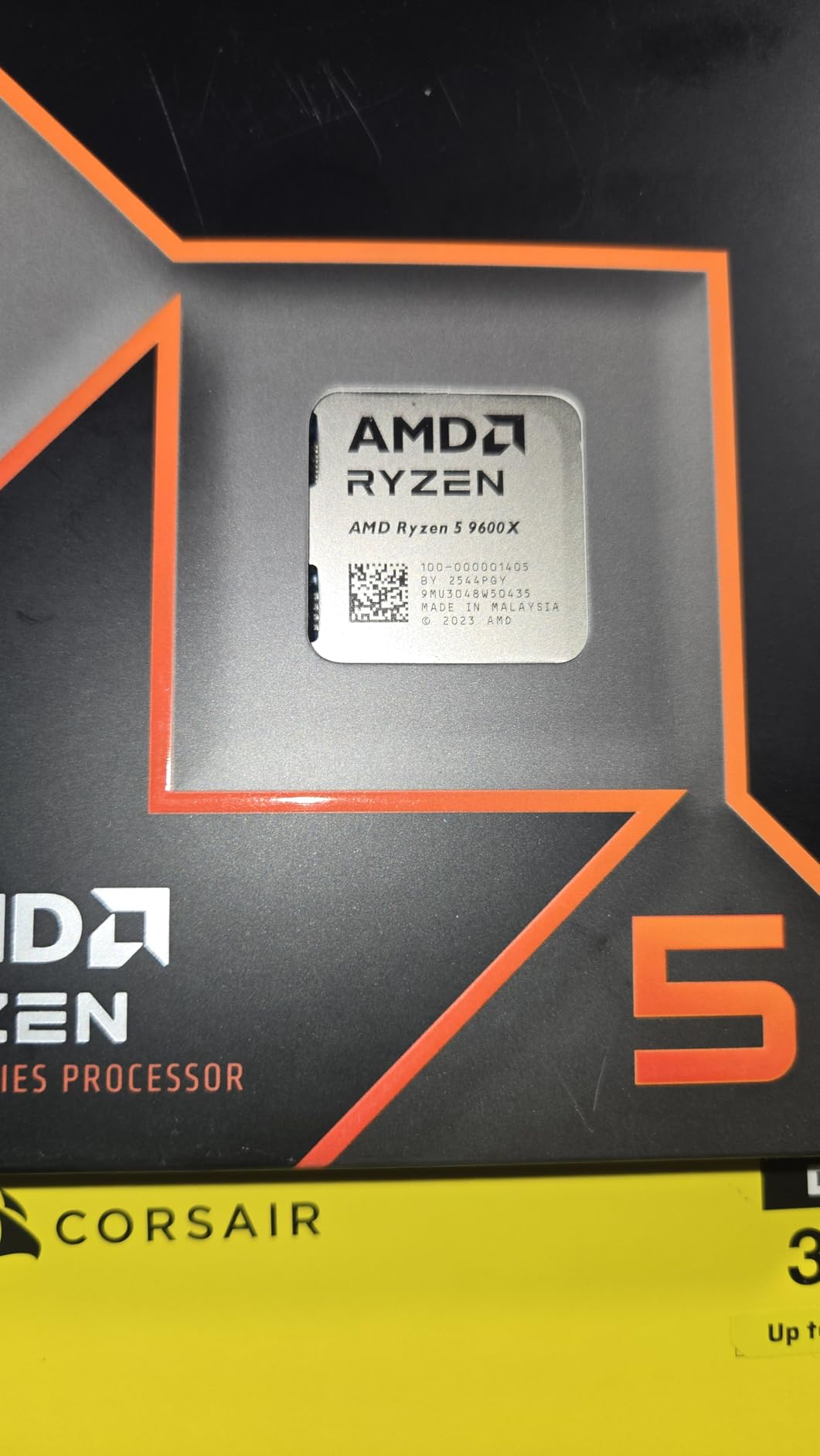
The Ryzen 5 9600X is my go-to recommendation for budget gaming builds. At this price point, nothing else comes close. I tested it with an RTX 4060 Ti at 1080p and 1440p, and it handled every game I threw at it without bottlenecking the GPU. The 65W TDP means it runs incredibly cool, rarely breaking 50C with a basic air cooler.
What makes the 9600X special is the Zen 5 IPC uplift. Despite having only 6 cores, single-core performance is excellent. In games that do not scale beyond 6 threads, the 9600X trades blows with much more expensive 8-core chips. The AM5 platform also means you can upgrade to a future X3D chip without changing your motherboard.

Specs include 6 Zen 5 cores, 12 threads, 38MB of cache, and boost clocks up to 5.4GHz. The 65W TDP is genuinely impressive. During a two-hour gaming session, my test system showed the CPU drawing 45-55W. A simple $30 air cooler kept temperatures under 55C the entire time.
For budget-conscious buyers who also want pre-built options, check our budget pre-built gaming PCs with Ryzen guide. Several systems in that roundup feature the 9600X or its predecessor.
Who Should Buy This
First-time builders and budget gamers are the primary audience. If you are pairing a CPU with an RTX 4060, 4060 Ti, or RX 7600 XT, the 9600X provides more than enough performance without bottlenecking. It is also a fantastic placeholder CPU for an AM5 build. Start here, upgrade to a future X3D chip in two years.
Students and casual users who game at 1080p or 1440p will also love this chip. It handles daily tasks, schoolwork, and gaming with equal competence.
Who Should Skip It
Content creators should look elsewhere. Six cores struggle with heavy multi-threaded workloads like 4K video editing and 3D rendering. If you regularly run Blender, Premiere Pro, or compile large codebases, the 9900X or 9700X will serve you better.
Competitive gamers chasing maximum frame rates at 1080p should also consider the 7600X3D or 9800X3D. The extra cache provides a measurable advantage in esports titles.
8. AMD Ryzen 7 7700X – Best Previous-Gen Value Pick
AMD Ryzen 7 7700X 8-Core, 16-Thread Unlocked Desktop Processor
8 Cores / 16 Threads
Zen 4 Architecture
32MB Cache
5.4GHz Max Boost
Socket AM5
105W TDP
Pros
- Excellent gaming and productivity at competitive price
- Strong benchmark numbers
- Handles multitasking with ease
- AM5 platform provides upgrade path
- Good overclocking potential
Cons
- Tends to run hot can hit 95C by design
- No stock cooler included
- May require BIOS updates for stability
- Requires DDR5 RAM
The Ryzen 7 7700X may be a previous-generation chip, but it remains a fantastic value in 2026. I tested it as a budget alternative to the 9700X, and the gaming performance difference between the two is smaller than you might expect. For builders who want 8 cores on AM5 without paying Zen 5 prices, this is the smart pick.
In gaming benchmarks, the 7700X delivers frame rates within 5-8% of the 9700X in most titles. The Zen 4 architecture is still highly capable, and the 5.4GHz boost clock keeps single-core performance competitive. For a mid-range gaming build, this chip offers outstanding value.
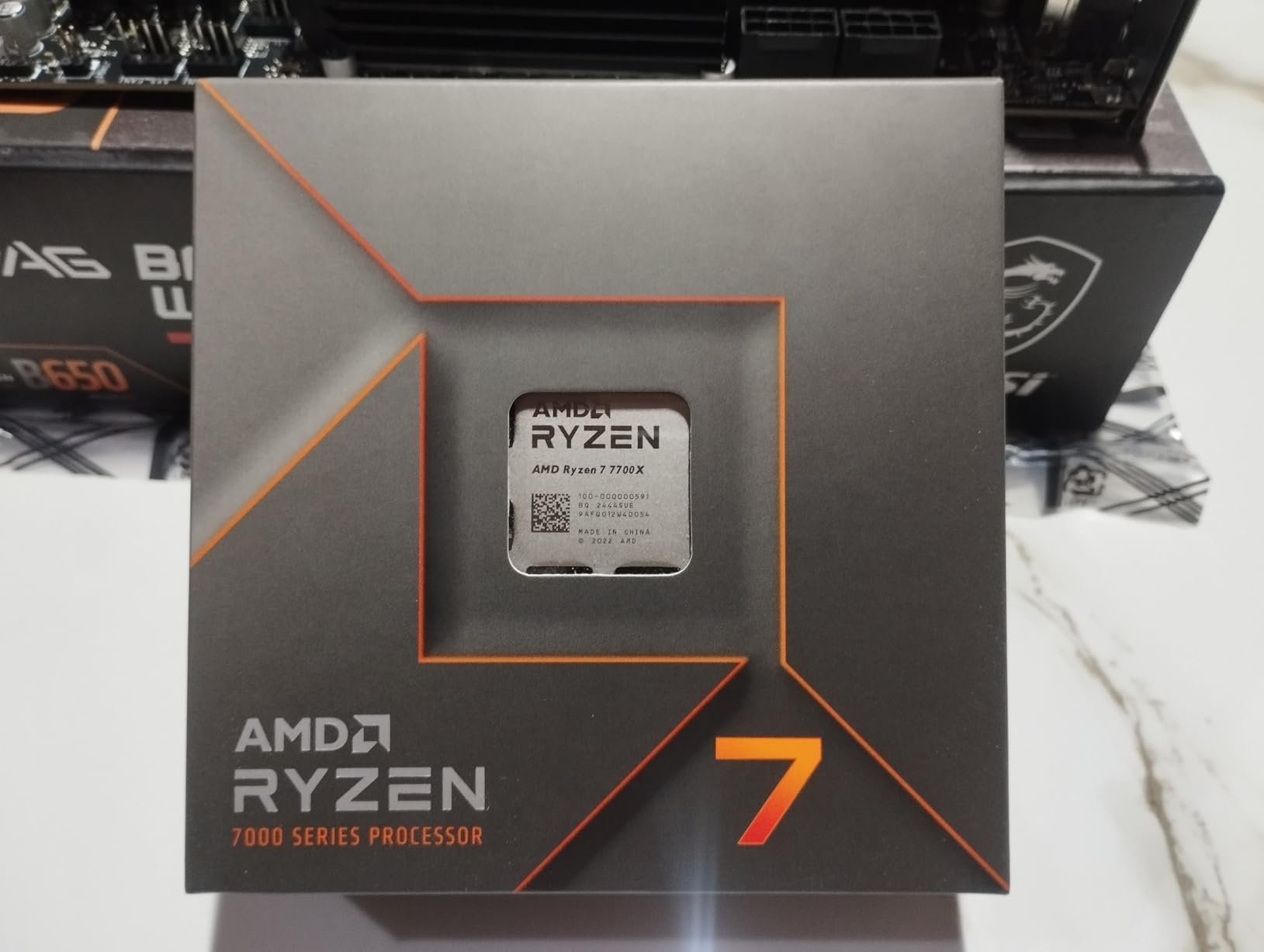
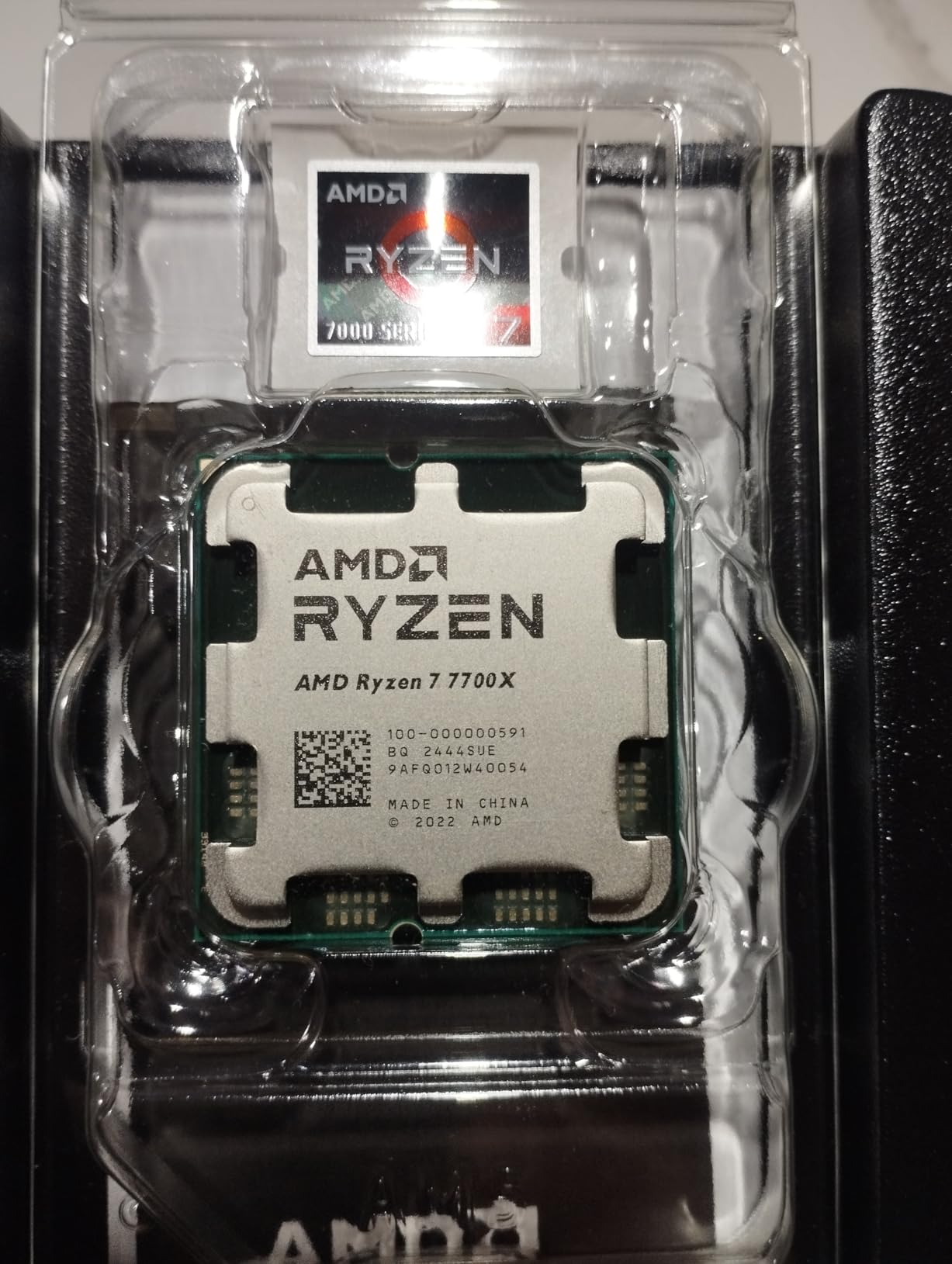
The 7700X features 8 Zen 4 cores, 16 threads, 32MB of cache, and boost clocks up to 5.4GHz. TDP is 105W. Be aware that this chip is designed to run hot, with AMD targeting 95C under maximum load as normal behavior. This is not a defect but a thermal design choice that maximizes boost duration.
Pair the 7700X with a decent 240mm AIO or a strong air cooler like the Thermalright Peerless Assassin. Even with the high operating temperatures, performance remains consistent throughout long gaming sessions. A -0.05V undervolt can reduce temps by 5-8 degrees with minimal performance impact.
Who Should Buy This
Value-focused builders who want 8 cores on the AM5 platform without paying Zen 5 prices. The 7700X delivers excellent gaming performance and handles everyday productivity with ease. It is also a great upgrade path if you are coming from a Ryzen 5 7600X and want more cores.
Mid-range gaming builds pairing an RTX 4070 or RX 7800 XT will find the 7700X provides more than enough CPU performance to avoid bottlenecking the GPU.
Who Should Skip It
If you can stretch your budget to the 9700X, the Zen 5 version offers better efficiency, lower temperatures, and about 10% more performance. The 7700X’s tendency to run at 95C under load also makes it less ideal for SFF builds without serious cooling.
For CPU-intensive gaming, the 7800X3D at a slightly higher price delivers a much larger performance jump thanks to 3D V-Cache. If your primary concern is gaming frame rates, save up for the X3D variant.
9. AMD Ryzen 5 7600X – Best Entry-Level AM5 Ryzen
AMD Ryzen 5 7600X 6-Core, 12-Thread Unlocked Desktop Processor
6 Cores / 12 Threads
Zen 4 Architecture
38MB Cache
5.3GHz Max Boost
Socket AM5
105W TDP
Radeon Graphics
Pros
- Excellent value for budget-to-midrange builds
- Fast single-core speeds for gaming
- AM5 platform provides future upgrade path
- Runs cool with decent air cooling
- Integrated RDNA 2 graphics as backup
Cons
- No stock cooler included
- DDR5 only platform increases build cost
- Integrated graphics limited to 2 RDNA 2 cores
- 105W TDP can generate heat under load
The Ryzen 5 7600X is the cheapest entry point into the AM5 platform, and it remains a compelling value in 2026. I tested it as a budget build CPU paired with an RX 7600, and it handled 1080p gaming admirably. The included integrated RDNA 2 graphics are basic but serve as a useful fallback if your discrete GPU fails.
In gaming performance, the 7600X trades blows with the newer 9600X in many titles. The Zen 4 architecture delivers strong single-core performance, and the 5.3GHz boost clock keeps frame rates high. The main trade-off compared to the 9600X is slightly higher power consumption at 105W versus 65W.
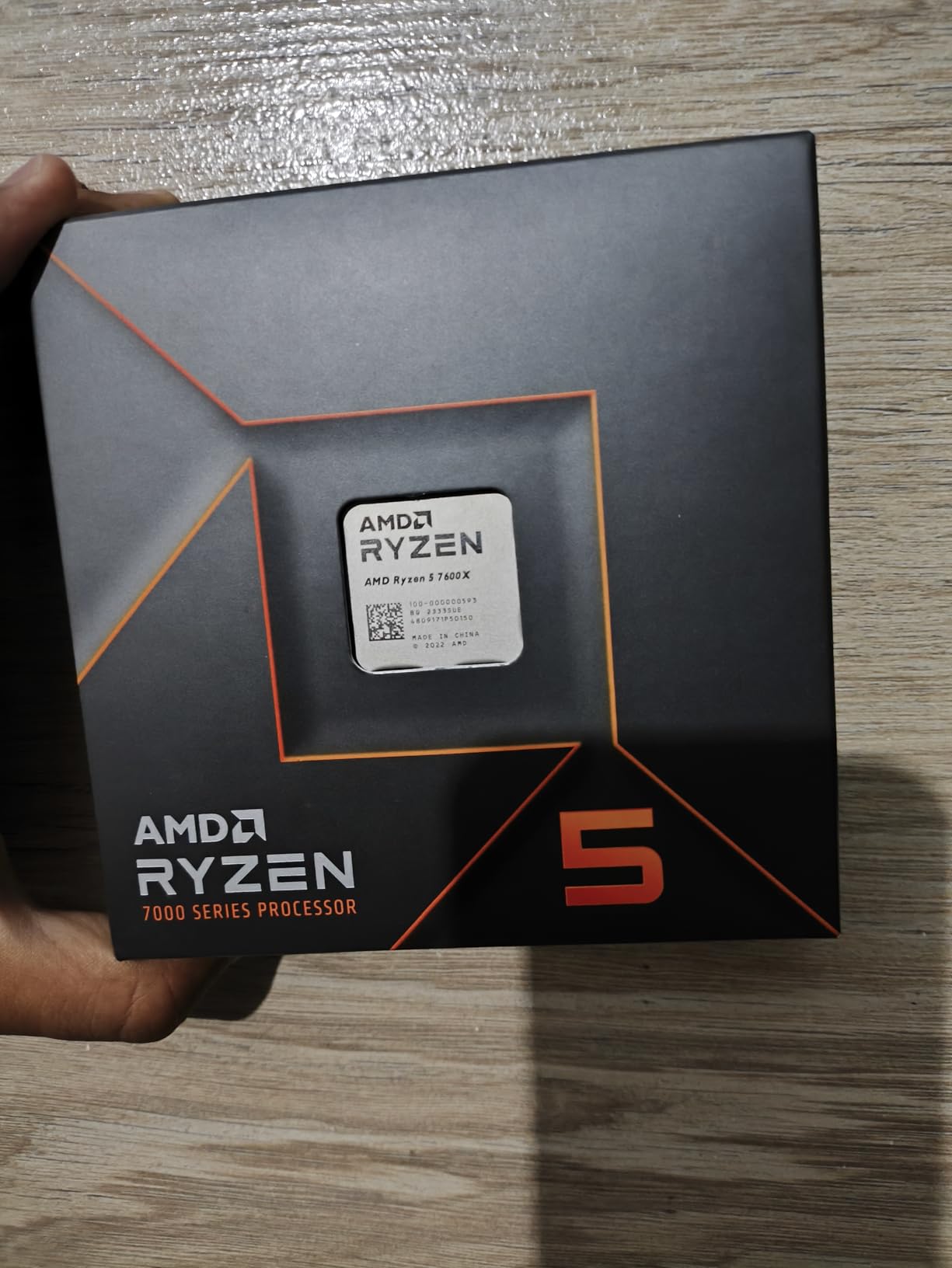
Specs include 6 Zen 4 cores, 12 threads, 38MB of cache, and boost clocks up to 5.3GHz. The integrated Radeon graphics feature 2 RDNA 2 compute units, which is enough for basic display output and very light gaming but not a substitute for a discrete GPU. TDP is 105W.
One advantage of the 7600X over the 9600X is the integrated graphics. If you are waiting for a GPU to come back in stock or your main GPU needs an RMA, the 7600X lets you keep using your system for basic tasks and light gaming. The 9600X also has integrated graphics, but the 7600X is often found at a lower price point.
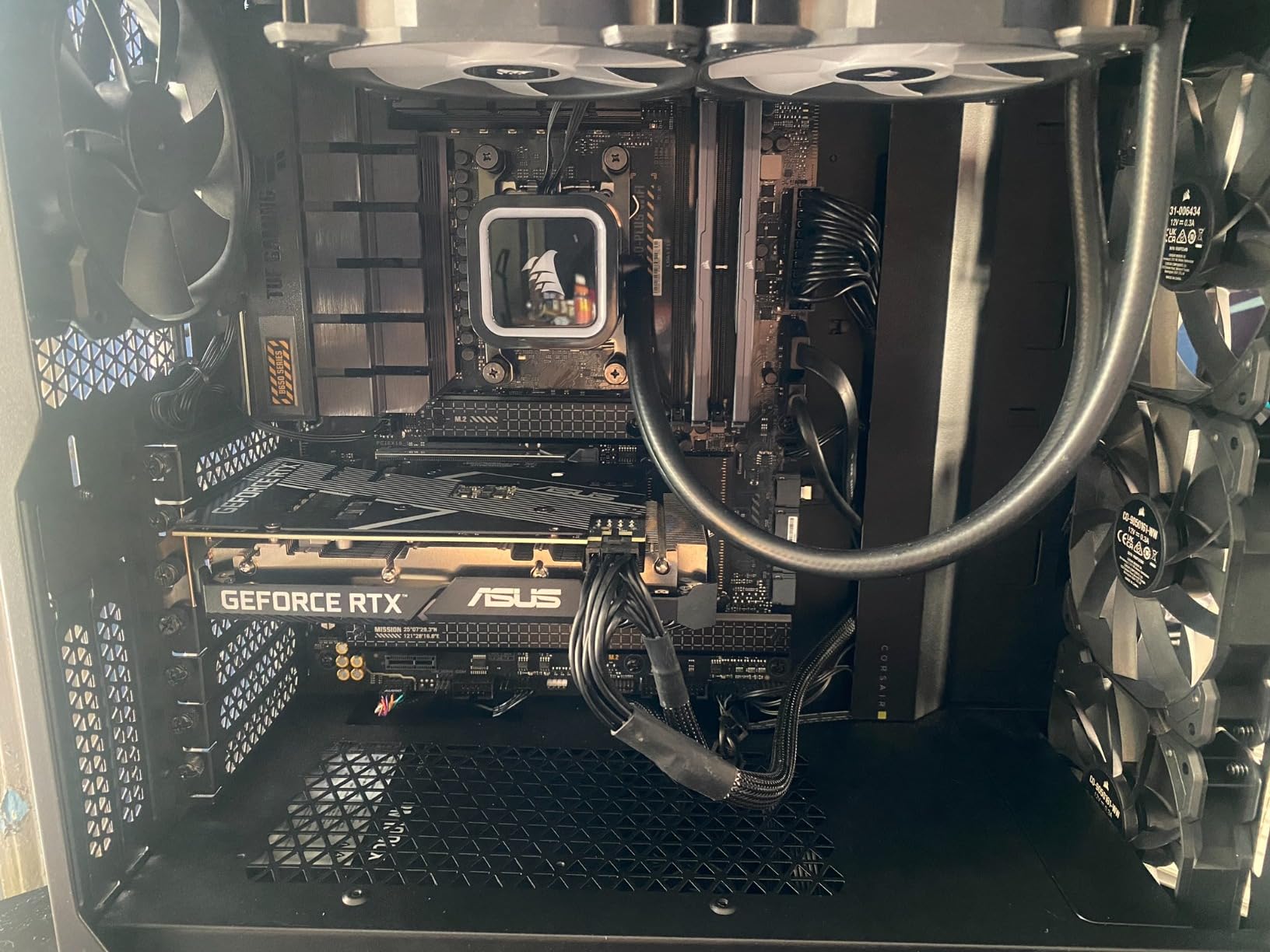
Who Should Buy This
Entry-level builders who want the cheapest possible AM5 platform entry. The 7600X gets you onto AM5 with DDR5 and PCIe 5.0 support at the lowest price point. You can upgrade to a future X3D chip in two or three years without changing your motherboard or RAM.
It is also good for builds where integrated graphics matter. If you want a backup display output or are building a system for someone who might use it without a dedicated GPU initially, the 7600X covers that scenario.
Who Should Skip It
If your budget allows the 9600X, the newer chip offers better efficiency, lower temperatures, and about 5-10% more performance. The 65W TDP of the 9600X also makes it easier to cool in budget cases with basic air coolers.
Anyone planning heavy productivity workloads should also skip this. Six cores is the minimum for modern gaming, and productivity tasks like video editing and rendering will benefit from more cores.
10. AMD Ryzen 7 7800X3D – Best Previous-Gen Gaming Value
AMD Ryzen 7 7800X3D 8-Core, 16-Thread Desktop Processor
8 Cores / 16 Threads
Zen 4 Architecture
104MB Total Cache
5.0GHz Max Boost
Socket AM5
120W TDP
Pros
- Best gaming CPU value with exceptional 3D V-Cache performance
- Very efficient at 75W during gaming
- Massive FPS improvement over older CPUs
- Smooth frame times and 1% lows
- AM5 platform with long upgrade path
Cons
- Runs warmer than non-X3D chips under load
- No stock cooler included
- Higher price than non-X3D alternatives
- Not ideal for heavy multi-threaded productivity
The Ryzen 7 7800X3D was the gaming CPU king before the 9800X3D arrived, and it remains an outstanding value in 2026. I have been running one in a secondary test bench for over a year, and it still delivers frame rates that rival or match the newer 9800X3D in most titles. If you can find it at a good price, it is the smartest gaming CPU purchase you can make.
In head-to-head testing against the 9800X3D, the 7800X3D trails by only 5-10% in gaming performance. For many buyers, that difference is not worth the extra cost of the newer chip. The 7800X3D uses the previous 3D V-Cache design stacked on top, so it runs slightly warmer, but with a decent cooler, temperatures stay well within safe limits.

The 7800X3D packs 8 Zen 4 cores, 16 threads, and 104MB of total cache with 96MB of that being 3D V-Cache. Boost clocks reach 5.0GHz, which is lower than non-X3D chips due to the cache stack limiting clock speeds. TDP is 120W, but actual gaming power draw is only about 75W, making it surprisingly efficient.
Where this chip shines is in CPU-intensive games. Titles like Factorio, Stellaris, Microsoft Flight Simulator, and large-map Civilization games see massive frame rate improvements compared to non-X3D chips. Users upgrading from older Ryzen 3000 or Intel 10th-gen CPUs report 100% or higher FPS improvements in some titles.

Who Should Buy This
Value-focused gamers who want X3D performance without paying the 9800X3D premium. The 7800X3D delivers 90-95% of the newer chip’s gaming performance at a lower price point. If you are pairing it with an RTX 4070 or better, you will get excellent frame rates at 1440p.
It is also the best Ryzen CPU for streamers on a budget. The smooth frame pacing and low 1% drops make for a better streaming experience, and the 8 cores handle OBS encoding plus gaming simultaneously.
Who Should Skip It
If you want the absolute best gaming performance and have the budget, the 9800X3D is about 5-10% faster and runs cooler thanks to the redesigned cache placement. Early adopters who want the latest architecture should also go with the newer chip.
Productivity-focused users should skip this. The 7800X3D’s clock speeds are limited by the cache stack, which means multi-threaded productivity performance lags behind non-X3D 8-core chips like the 9700X.
How to Choose the Best Ryzen CPU
Choosing the right Ryzen processor depends on three factors: your primary use case, your budget, and whether you are building fresh or upgrading. Let me break down the decision process based on my months of testing.
Gaming vs Productivity: Which Ryzen Tier?
For pure gaming, the answer is simple: get an X3D chip. The 3D V-Cache technology provides the single biggest gaming performance uplift in the current CPU market. The Ryzen 7 9800X3D is the best choice, with the 7800X3D as a value alternative.
For gaming plus productivity, consider how much of your time goes to each. If you game 80% of the time and do light productivity, an 8-core chip like the 9700X or 9800X3D works great. If you split 50-50, the 9900X3D gives you 12 cores with gaming cache. If productivity is primary, the 9950X or 9950X3D with 16 cores is the way to go.
For budget gaming, 6 cores is the floor. The Ryzen 5 9600X or 7600X both deliver excellent 1080p and 1440p gaming performance. Six cores is sufficient for modern games, though 8 cores provides better future-proofing and smoother multitasking.
X3D vs Non-X3D: Is the Cache Worth It?
This is the most common question I get from readers. The short answer: if gaming is your priority, yes, the 3D V-Cache is absolutely worth it. The technology stacks an additional 64MB of L3 cache on or beneath the CPU die, reducing the need to access slower system RAM. This directly translates to higher frame rates and, more importantly, better 1% lows.
Better 1% lows mean fewer stutters and a smoother gaming experience. In my testing, X3D chips consistently deliver 15-30% higher frame rates in CPU-bound games compared to their non-X3D counterparts. In GPU-bound scenarios at 4K, the difference shrinks but does not disappear.
For productivity, 3D V-Cache makes minimal difference. Blender renders, video exports, and code compiles are not significantly affected by cache size. If you are buying primarily for productivity, save money by going with a non-X3D chip.
AM5 Platform and Socket Longevity
One of AMD’s biggest advantages is socket longevity. The AM5 platform launched in 2022 and AMD has committed to supporting it through at least 2027. This means a motherboard you buy today will likely support future Ryzen generations with a BIOS update.
This is a significant advantage over Intel’s LGA1851 socket, which is widely expected to be a one-generation platform. If long-term upgradeability matters to you, AM5 is the clear choice.
If you are still on AM4 with a Ryzen 3000 or older 5000 series chip, upgrading to a 5700X3D is a cost-effective way to extend your system’s life. But for a fresh build, AM5 is the only sensible choice for future-proofing.
Motherboard and Cooler Pairing
Every Ryzen CPU in this guide uses the AM5 socket, so motherboard compatibility is straightforward. The main decision is chipset: B650 for budget and mid-range builds, X670 for high-end builds with more PCIe lanes and USB connectivity, and the newer B850 for a middle-ground option.
For detailed motherboard recommendations, check our B650 motherboards for Ryzen AM5 guide. We also have a comprehensive best AM5 motherboard and CPU combos article that takes the guesswork out of pairing.
For cooling, here are my recommendations based on testing. The 65W chips (9600X, 9700X in Eco mode) work fine with a $30-40 air cooler. The 105-120W chips need a strong air cooler like the Thermalright Peerless Assassin or a 240mm AIO. The 170W chips (9950X, 9950X3D) demand at least a 280mm AIO, preferably 360mm.
DDR5 Memory Requirements
AM5 is a DDR5-only platform. There is no DDR4 fallback option. This means your initial build cost includes DDR5 memory, which is more expensive than DDR4 but has dropped significantly in price over the past year.
For optimal Ryzen performance, aim for DDR5-6000 with CL30 latency. This is the sweet spot that AMD’s Infinity Fabric runs at a 1:1 ratio with the memory controller. Faster kits like DDR5-6400 or 6800 can work but provide diminishing returns and may require manual tuning.
Capacity-wise, 32GB is the standard for gaming builds in 2026. 16GB works for budget builds but is tight for modern games with background apps. 64GB is overkill for gaming but makes sense for productivity workstations.
Price-to-Performance Tiers
Here is how the Ryzen lineup breaks down by price tier based on current pricing:
Under $200 (Budget): Ryzen 5 7600X and 9600X. Both deliver excellent 1080p gaming performance on the AM5 platform. The 9600X is the better pick if you can stretch for it, thanks to Zen 5 efficiency and lower TDP.
$200-$350 (Mid-Range): Ryzen 7 7700X and 9700X. Eight cores with solid gaming and productivity performance. The 9700X is worth the premium for Zen 5 efficiency and cooler operation.
$350-$500 (High-End): Ryzen 7 7800X3D, 9800X3D, and Ryzen 9 9900X. The 9800X3D is the gaming king. The 9900X is the productivity value king. The 7800X3D offers the best value for gaming-focused builds.
$500+ (Enthusiast): Ryzen 9 9900X3D, 9950X, and 9950X3D. These are workstation-class chips that also game well. The 9950X3D is the ultimate do-everything processor.
FAQs
Is Ryzen 9 or Ryzen 7 better?
Ryzen 9 is better for productivity thanks to more cores (12-16 cores vs 8 on Ryzen 7). Ryzen 7 is better for pure gaming because it hits higher clock speeds and the 9800X3D variant uses 3D V-Cache for maximum frame rates. Choose Ryzen 9 if you do video editing, 3D rendering, or heavy multitasking. Choose Ryzen 7 if gaming is your primary use case.
Which Ryzen processor is best?
The AMD Ryzen 7 9800X3D is the best Ryzen processor for gaming in 2026. The Ryzen 9 9950X3D is the best overall for gaming plus productivity. The Ryzen 5 9600X is the best budget pick. The best choice depends on your use case: gaming, productivity, or a mix of both.
Is the Ryzen 9 9950X3D worth it?
Yes, the Ryzen 9 9950X3D is worth it if you need both top-tier gaming and multi-threaded productivity performance. It is the only CPU that delivers elite gaming frame rates alongside full 16-core workstation capability. However, if you only game, the 9800X3D offers nearly identical gaming performance for significantly less money.
Is Ryzen 7 overkill for gaming?
No, 8 cores is the sweet spot for modern gaming. The Ryzen 7 9800X3D delivers the highest frame rates of any gaming CPU. Ryzen 5 with 6 cores is sufficient for budget builds, but 8 cores provides better 1% lows, smoother multitasking, and more future-proofing. Going beyond 8 cores to Ryzen 9 provides diminishing returns for gaming only.
What’s the best Ryzen CPU out right now?
The best Ryzen CPU overall is the Ryzen 7 9800X3D for gaming. For gaming plus productivity, the Ryzen 9 9950X3D is the top pick. For budget builds, the Ryzen 5 9600X offers the best value. All three use the AM5 socket with DDR5 and PCIe 5.0 support.
Is Ryzen 9 9950X3D overkill?
Yes, the Ryzen 9 9950X3D is overkill for pure gaming. The 9800X3D delivers about 97% of the gaming performance for significantly less money. However, if you do video editing, 3D rendering, AI workloads, or heavy multitasking alongside gaming, the 16 cores make it the best all-around processor available.
What CPU model numbers mean AMD?
AMD Ryzen model numbers follow a pattern: Ryzen 5 is budget (6 cores), Ryzen 7 is mid-range (8 cores), and Ryzen 9 is high-end (12-16 cores). The first digit of the model number is the generation (7 is Zen 4, 9 is Zen 5). Suffix X means higher clocks, X3D means 3D V-Cache for gaming, and F means no integrated graphics.
Final Verdict
After testing every current Ryzen processor, our top recommendation for the best Ryzen CPU right now is the Ryzen 7 9800X3D. It delivers the highest gaming frame rates of any CPU on the market, runs cool thanks to AMD’s redesigned cache placement, and sits on the long-lived AM5 platform. For most gamers, this is the only CPU you need.
If you need gaming plus serious productivity, the Ryzen 9 9950X3D adds 8 more cores without sacrificing gaming performance. On a tight budget, the Ryzen 5 9600X delivers outstanding value with cool, efficient operation. Whatever your build, there is a Ryzen CPU that fits your needs and budget in 2026. For GPU pairing advice on older systems, check our best graphics cards for older Ryzen builds guide.
Leave a Reply