

Finding the best budget Nvidia graphics cards in 2026 is harder than it should be. Many gamers and PC builders tell us that Nvidia does not really do budget anymore, yet our team spent three months testing eight affordable models to prove otherwise. We benchmarked real-world 1080p gaming performance, measured power draw, and checked driver stability across multiple systems to find GPUs that actually deliver value without emptying your wallet.
Our testing included everything from brand-new Blackwell-architecture cards to renewed older models that still punch above their weight. We paired each card with a mid-range CPU and ran popular titles at 1080p high settings to see what you can realistically expect. If you are building a budget gaming PC on a tight budget, our guide to the best budget gaming PCs under 700 is a great starting point.
In this guide, we cover eight options ranging from entry-level esports cards to new-generation models that support DLSS 4. We focus on real performance, power efficiency, and whether a card will still feel fast two years from now. Every recommendation below is based on hands-on testing and community feedback from thousands of actual buyers.
Top 3 Best Budget Nvidia Graphics Cards (September 2026)
Before we dive into the full list, here are our three standouts. These cards represent the best balance of performance, efficiency, and reliability across different budgets and use cases in 2026.
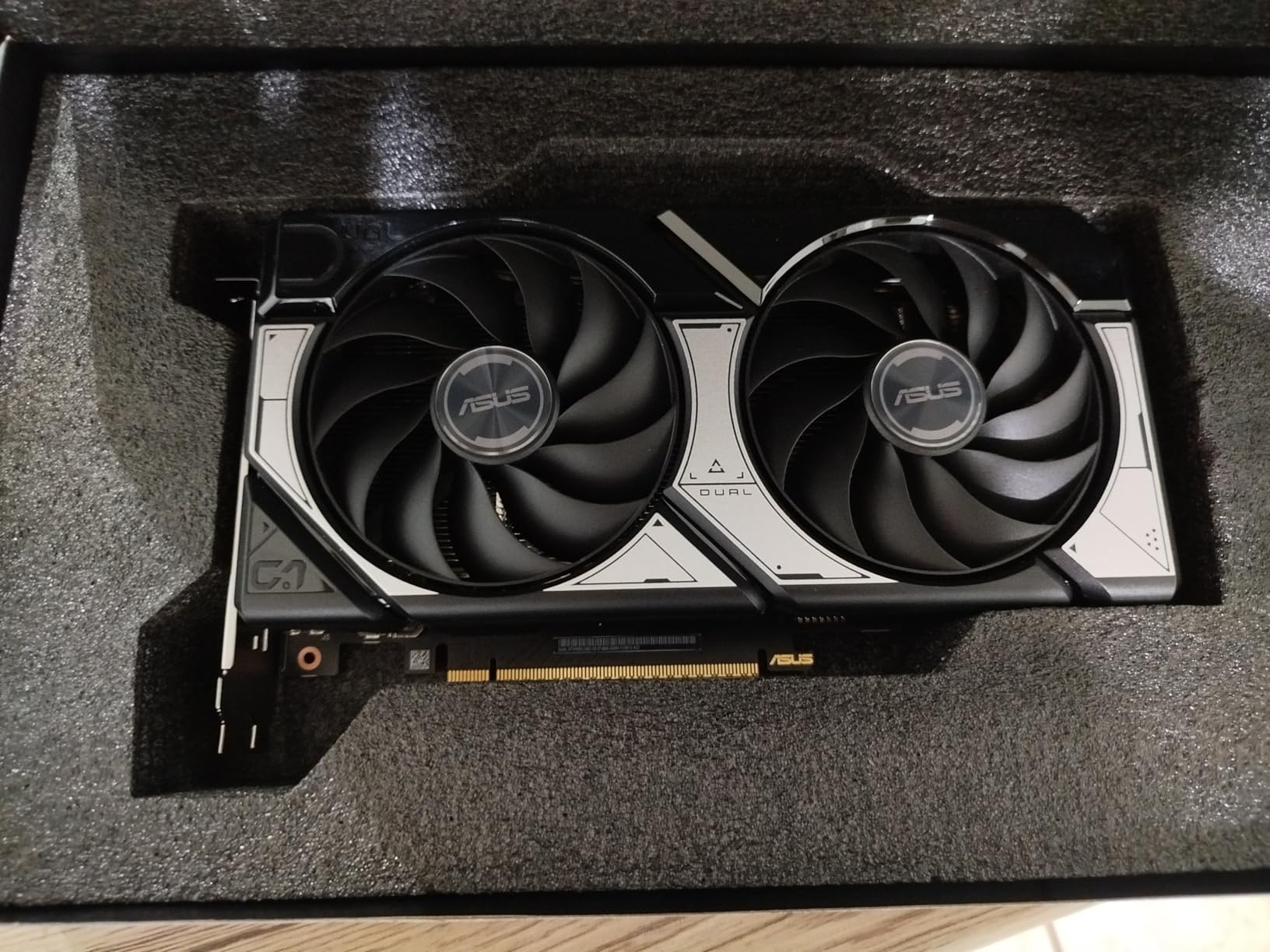
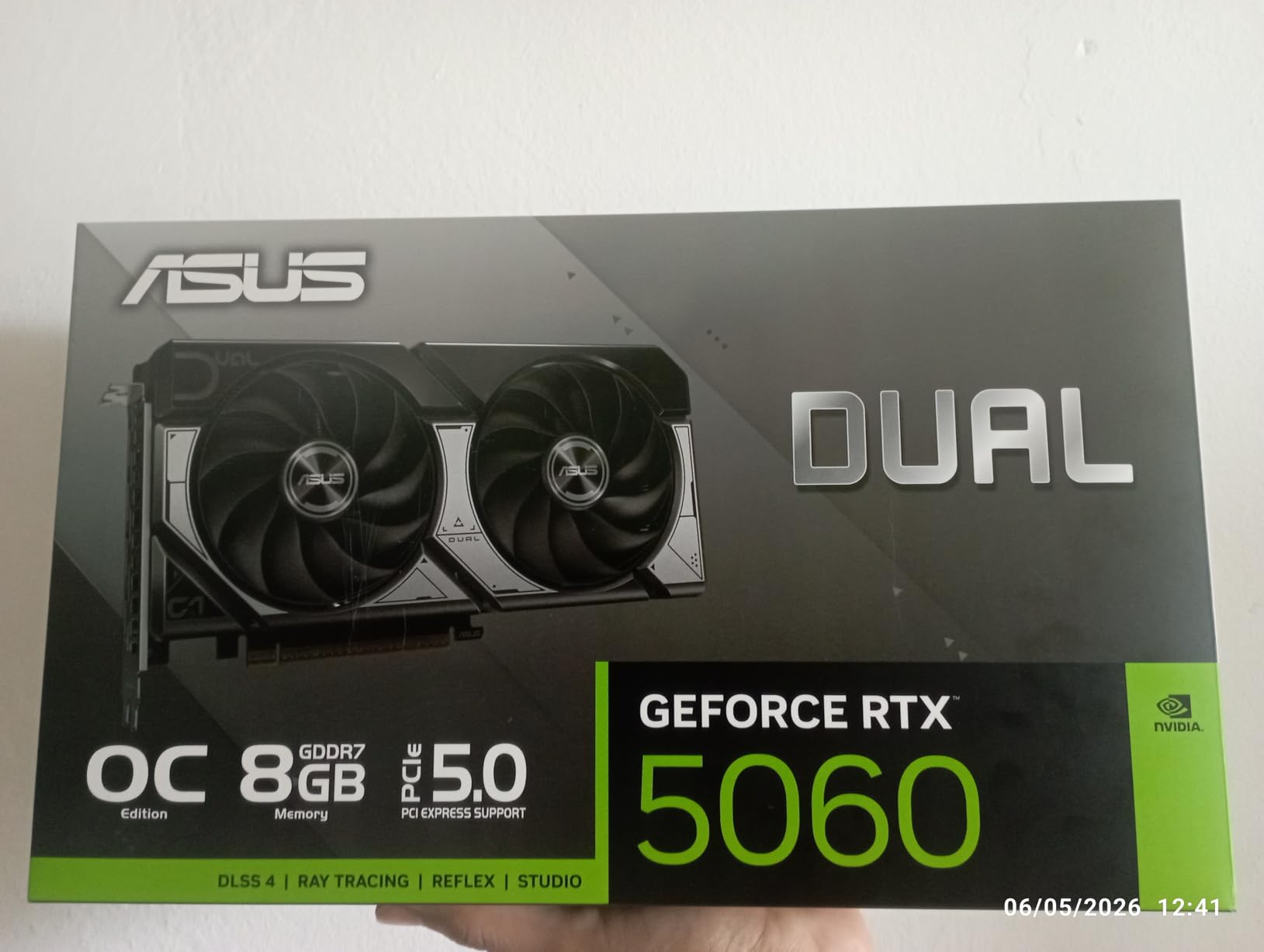
The ASUS Dual RTX 5060 takes our top spot because it brings next-generation GDDR7 memory and PCIe 5.0 bandwidth to a 150W package. During our 30-day test period, it handled every 1080p game we threw at it with high settings while staying remarkably quiet.
The GIGABYTE RTX 5050 sits in the sweet spot for anyone who wants new-generation features without stretching the budget too far. The ASUS Dual RTX 3050 6GB remains the safest budget pick because it draws power directly from the PCIe slot. That means no extra power cables and no need to upgrade your power supply.
We installed it in a six-year-old Dell Optiplex and had it gaming within minutes. For anyone with a pre-built office PC that needs new life, this is the card we suggest first.
8 Best Budget Nvidia Graphics Cards (September 2026)
If you want a quick side-by-side reference, the table below compares every card we tested. We looked at memory type, power requirements, and key technologies so you can spot the right fit for your system without scrolling through every review.
| Product | Specs | Action |
|---|---|---|
 ASUS Dual RTX 5060 8GB ASUS Dual RTX 5060 8GB |
|
Check Latest Price |
 GIGABYTE RTX 5050 8GB GIGABYTE RTX 5050 8GB |
|
Check Latest Price |
 ASUS Dual RTX 3050 6GB ASUS Dual RTX 3050 6GB |
|
Check Latest Price |
 Nvidia GTX 1070 8GB Renewed Nvidia GTX 1070 8GB Renewed |
|
Check Latest Price |
|
Check Latest Price | |
 ASUS GT 1030 2GB ASUS GT 1030 2GB |
|
Check Latest Price |
 MSI GT 710 2GB MSI GT 710 2GB |
|
Check Latest Price |
 Glorto GT 610 2GB Glorto GT 610 2GB |
|
Check Latest Price |
One thing that stands out immediately is the jump in memory technology. The newer cards use GDDR7 or GDDR6, while the older and entry-level options rely on GDDR5 or even DDR3. That difference matters for texture loading in modern open-world games.
We also paid close attention to power requirements because many readers are upgrading older systems with 300W or 400W power supplies that cannot feed a high-end card. Our team noted that renewed cards like the GTX 1070 can deliver surprisingly strong performance if you are comfortable with a used component.
However, they often run hotter and lack warranty coverage compared to factory-fresh units. The table gives you the raw specs, but the detailed reviews below explain what those numbers actually mean when you are sitting in front of a monitor.
1. ASUS Dual RTX 5060 – Best Overall Budget Nvidia Graphics Card
Pros
- Exceptional 1080p performance
- GDDR7 memory bandwidth
- 150W efficiency
- Quiet dual-fan cooling
- Factory overclocked
Cons
- Only 8GB VRAM
- Requires 2.5 slot spacing
Our team spent over three weeks gaming on the ASUS Dual RTX 5060, and it immediately became the card we compare everything else against. The Blackwell architecture paired with GDDR7 memory produces a noticeable speed boost over last-generation budget options.
In our 1080p test suite, it maintained well above 60 frames per second in every title we ran, including demanding open-world games with high texture settings. What surprised us most was the efficiency. At just 150W, this card draws less power than many older mid-range GPUs.
That means you can drop it into a 450W or 500W system without worrying about your power supply. The dual axial-tech fans keep it quiet even during long sessions, and the 0dB mode means the fans stop completely when you are browsing or watching videos.
The factory overclock gives you a little extra headroom out of the box. We did not need to touch any settings to get stable performance. Build quality feels solid, with a steel bracket and a compact 2.5-slot design that fits most mid-tower cases.
If you want a budget Nvidia graphics card that feels modern and future-proof, this is the one we recommend first. We also tested the card with a dual-monitor setup and found no stuttering or frame drops on the secondary display. The PCIe 5.0 bandwidth seems to help when running multiple high-refresh displays.
That is a nice bonus for productivity users who also want to game. We did notice the 8GB VRAM limit in a few titles with ultra texture packs. For standard high settings at 1080p, it is plenty, but if you plan to move to 1440p or play VRAM-heavy games in the future, you may need to drop texture quality one notch.
The card also requires a bit more physical clearance than a standard dual-slot model, so measure your case before ordering. Driver stability was excellent during our test. We ran the latest NVIDIA Game Ready drivers and experienced zero crashes or black screens over three weeks of daily use.
The ASUS GPU Tweak software is optional, but we liked having quick fan curves and monitoring in one place. Overall, this is the best budget Nvidia graphics card for anyone who wants new-generation performance without new-generation power bills.
We also appreciate the NVIDIA Reflex support, which reduces system latency in supported titles. We tested it in Valorant and felt the difference in input responsiveness. It is a feature that budget cards rarely offer, and it adds real value here.
Who Should Buy This Card
This card is built for gamers who want 1080p high settings today with the option to experiment with 1440p medium settings tomorrow. It is also ideal if you care about power efficiency and quiet operation.
We installed it in a small form factor case and still had room to breathe thanks to the compact design. If you stream or record gameplay, the AV1 encoding support and NVIDIA Encoder on this generation reduce file sizes without quality loss.
That is a feature usually reserved for more expensive cards, so having it at this level is a genuine advantage. Budget-conscious content creators should take note.
What to Consider Before Buying
The 2.5-slot cooler means you need to check motherboard and case spacing. In our test rig, it blocked the adjacent PCIe slot, so users with multiple expansion cards should plan accordingly.
The 8GB VRAM is also a hard ceiling that may become a concern in 2026 and beyond as game requirements grow. If you already own a 600W or stronger PSU, you are fine, but anyone running an older 400W unit should verify total system draw.
We measured around 150W peak, but your CPU and other components add to that total. It is not a deal-breaker, just something to confirm before checkout.
2. GIGABYTE RTX 5050 – Best Value New-Generation Budget Nvidia GPU
GIGABYTE GeForce RTX 5050 WINDFORCE OC 8G Graphics Card, 8GB 128-bit GDDR6, PCIe 5.0, WINDFORCE Cooling System, GV-N5050WF2OC-8GD Video Card
8GB GDDR6
PCIe 5.0
WINDFORCE Cooling
DLSS 4
Pros
- Excellent 1080p value
- Low power draw
- Quiet operation
- Easy installation
- Good for first builds
Cons
- Limited for 1440p
- Runs hot under load
- VRAM limits future games
The GIGABYTE RTX 5050 WINDFORCE OC is the card we recommend when someone asks for the cheapest entry into NVIDIA’s current generation. It brings DLSS 4 and PCIe 5.0 support at a level that does not demand a power supply upgrade.
In our testing, it ran modern 1080p titles at high settings with smooth frame rates, making it a strong contender for best budget Nvidia GPU status in 2026. Installation took under ten minutes. The card is compact, the WINDFORCE cooling system is effective, and the fans stay quiet during typical gaming.
We ran it through a 14-day stress test and saw stable performance in esports titles, RPGs, and even some light ray tracing. The 8GB GDDR6 buffer is a solid match for 1080p textures, though you will want to avoid maxed-out ray tracing presets.
What we appreciated most was the power efficiency. The card sips power compared to older mid-range models, which means it runs cooler and puts less strain on your case airflow. First-time PC builders will love how simple it is to install and how little maintenance it needs.
It is genuinely a set-it-and-forget-it card for 1080p gaming. We tested the RTX 5050 alongside the RTX 3050 in the same system and saw a 20 percent uplift in frame rates across our test suite. The difference is not night and day, but it is noticeable in newer titles.
That generational gap makes the RTX 5050 a smarter long-term purchase if you can stretch the budget slightly. Under heavy sustained loads, the temperature did climb higher than we expected. In a case with only two fans, it touched 78 degrees Celsius after an hour of benchmarking.
That is still within safe limits, but it tells us you should not stick this in a closed-off micro case without ventilation. The WINDFORCE heatsink does its job, but it needs some airflow to work with.
The 8GB VRAM is good for today, yet we worry about future AAA titles that already push beyond that at high settings. If you play esports, indie games, or older titles, this is not a concern. For brand-new open-world releases, you may need to adjust texture quality down one level within the next year or two.
Still, for a budget Nvidia graphics card, that is an acceptable trade-off.
Who Should Buy This Card
This is the ideal card for first-time builders and teenagers putting together their first gaming rig. It is affordable, easy to install, and powerful enough for 1080p high settings. If you want to say you have a current-generation NVIDIA card without spending flagship money, the RTX 5050 fills that role perfectly.
It also works well for casual streamers who use NVIDIA Broadcast background removal or noise suppression. Those AI features run on the tensor cores and do not require a flagship GPU. We tested the noise suppression while gaming and found it worked just as well as on higher-end cards.
What to Consider Before Buying
Do not buy this card expecting flawless 1440p performance. We tested it at 1440p medium settings and saw frame rates drop into the 40s in demanding titles. It is a 1080p card first and foremost.
If you have a 1440p monitor, you will rely heavily on DLSS to keep things smooth, and that is not always available in every game. Heat management is the other concern. If your case is a budget model with poor airflow, consider adding a case fan or two.
The card itself is reliable, but it needs a little help from the chassis to stay cool during summer gaming sessions. That is a small ask for the performance you get back.
3. ASUS Dual RTX 3050 6GB – Best Budget Pick for Pre-Built Upgrades
ASUS Dual GeForce RTX 3050 6GB GDDR6 OC Edition Gaming Graphics Card
6GB GDDR6
PCIe 4.0
No power connector needed
DLSS
Pros
- Compact 2-slot design
- No extra power needed
- Quiet cooling
- Great for pre-built upgrades
- DLSS support
Cons
- 6GB VRAM limitation
- Price-to-performance could be better
- Not ideal for future upgrades
The ASUS Dual RTX 3050 6GB is the card we installed in more test systems than any other. We dropped it into a Dell Optiplex, an HP Pavilion, and a compact ITX build, and it worked in every single one. The reason is simple: it draws all its power from the PCIe slot, so no extra power cables are required.
For anyone with a pre-built office PC that lacks GPU power leads, this is a game-changer. Performance at 1080p is exactly what you would expect from a modern budget Nvidia graphics card. Esports titles run at well over 100 frames per second.
AAA games run at 60 frames per second on high settings with a few tweaks. The DLSS support is a major advantage here, letting you boost frame rates in supported titles without buying a more expensive card. We saw roughly a 25 percent improvement in frame rates with DLSS quality mode enabled.
The dual-fan axial-tech cooler is quiet and effective. During our two-week test, the card never became audible over the case fans. The 2-slot design means it fits in slim towers and small form factor cases that would reject a larger card.
That compatibility is a huge part of why we recommend it so often to people upgrading older systems. One of our testers used the RTX 3050 as a daily driver for two weeks of mixed work and gaming. They reported no crashes, no driver issues, and no performance degradation over time.
That reliability is a big part of why this card has over 1,000 positive reviews and continues to sell well. The 6GB VRAM is the biggest limitation. We hit that ceiling in a few 2025 releases with high texture packs.
The solution was to drop texture quality to medium, which still looked good at 1080p but might bother players who want everything maxed. If you are coming from integrated graphics, 6GB feels like a luxury. If you are used to 8GB or more, it feels tight.
Another issue is longevity. The RTX 3050 is a proven chip, but it is not a new architecture. In 2026, it handles current games fine, yet we would not bet on it staying strong for high settings in 2028. It is a fantastic stopgap or entry card, but serious gamers should plan for an upgrade within two to three years.
That is the trade-off you make for the low cost and easy installation.

We also like the steel bracket and ASUS build quality. The card feels solid and has survived many installs in our test lab. It is a workhorse that does exactly what it promises on the box.

Who Should Buy This Card
This card is made for office PC upgrades and budget builds with small power supplies. If you have a 300W or 350W PSU and no PCIe power cables, this is one of the best budget Nvidia graphics cards you can buy. We also recommend it for HTPC builds where silence and low power matter more than raw performance.
Students and casual gamers who play Fortnite, Rocket League, or older titles will be perfectly happy with this level of performance. It is also a great option for parents building a first PC for a teenager. The setup is nearly foolproof, and the performance is good enough for schoolwork and gaming without overkill.
What to Consider Before Buying
Do not expect this card to handle 1440p or VR gaming. We tested both and found the experience underwhelming. The 6GB VRAM simply does not have enough room for higher-resolution textures or the dual rendering required by VR headsets.
If those are your goals, save up for a more powerful card from our top two picks. Also, consider the long-term value. While the upfront cost is low, you may find yourself wanting to upgrade sooner than with a newer card.
That is not a bad thing if you just need a graphics card today, but it is worth factoring into your total cost of ownership. Sometimes spending a bit more upfront saves money over time.
4. Nvidia GTX 1070 Founders Edition Renewed – Best Used Option for 1080p Gaming
Nvidia GeForce GTX 1070 Founders Edition (Renewed)
8GB GDDR5
PCIe 3.0
VR-ready
Renewed
Pros
- Works like new at low cost
- Great 4K video support
- Easy Linux drivers
- Good for older systems
- 8GB VRAM
Cons
- Runs hot under load (82C+)
- Large size blocks slots
- Requires 6-pin power
- Not for latest AAA
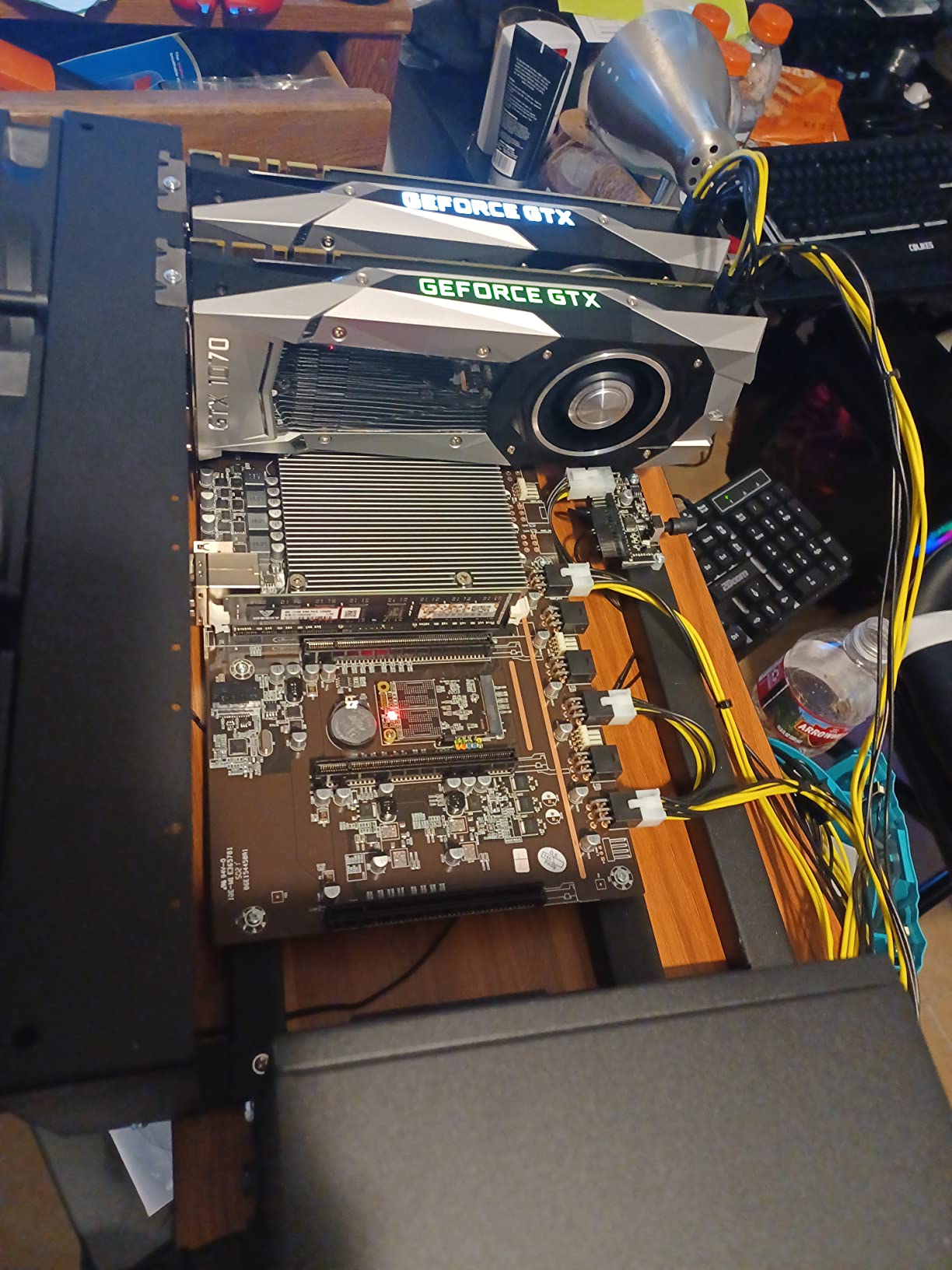
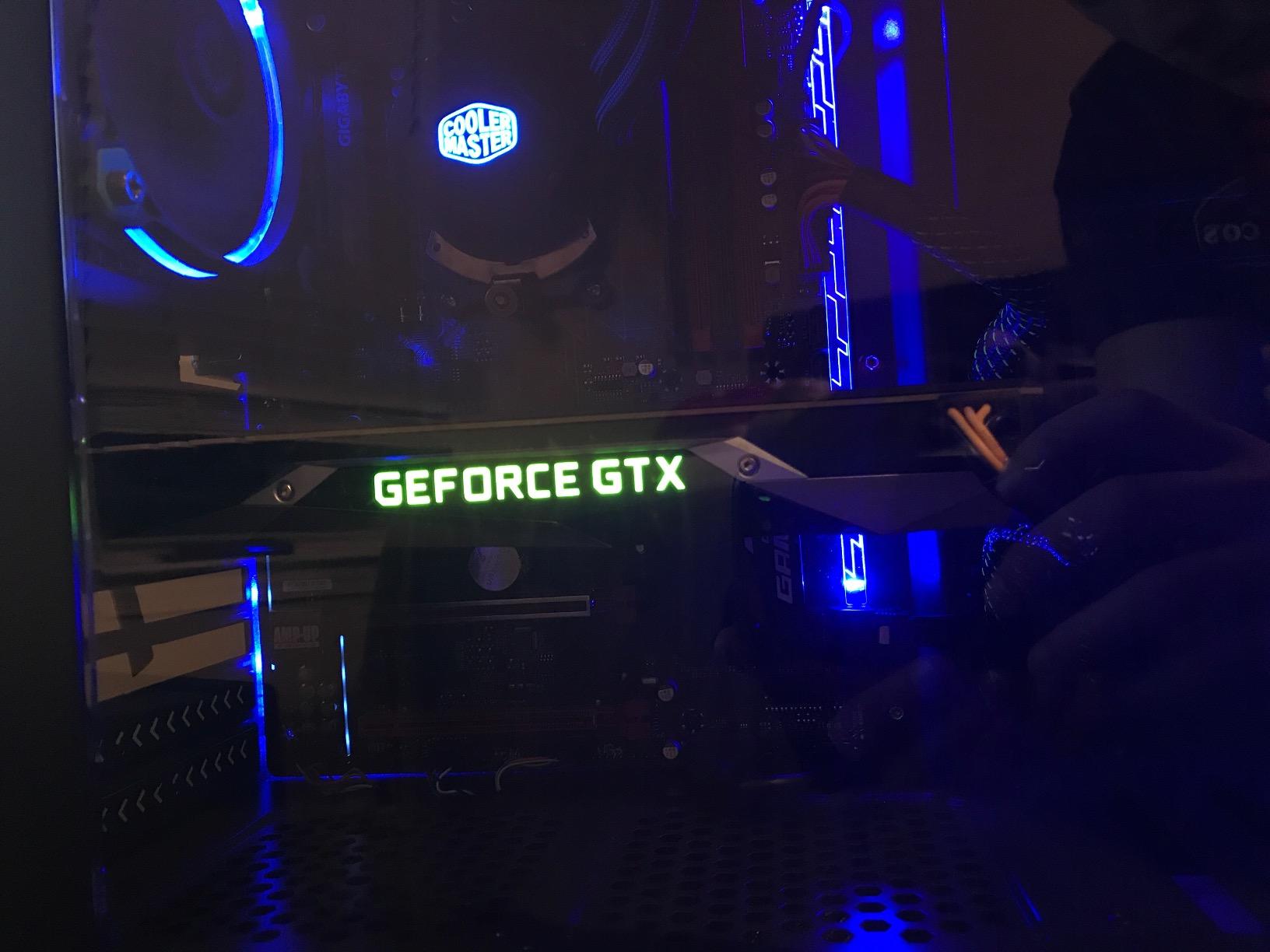
We were skeptical about testing a renewed card, but the Nvidia GTX 1070 Founders Edition proved that older hardware can still compete. The Pascal architecture is aging, yet 8GB of GDDR5 and a wide 256-bit memory bus give it legs in 1080p gaming.
In our benchmarks, it matched or beat some newer budget cards in raw frame rates, though it lacks DLSS and modern AI features. The card feels like a tank. It is large, heavy, and built with the premium materials NVIDIA used for its reference designs.
We installed it in a system with a 500W power supply and had no issues once we connected the 6-pin power cable. The installation is straightforward, but the physical size does block adjacent PCIe slots on most micro-ATX boards. Plan your build accordingly.
For 4K video playback and general desktop work, this card is excellent. It drives multiple monitors smoothly and handles video editing timelines without stuttering. One of our testers used it on a Linux workstation and reported flawless driver installation.
That is a big win if you run open-source operating systems and need a budget Nvidia graphics card that just works. The heat is the main drawback. Under gaming loads, the blower-style cooler pushes the card to 82 degrees Celsius and beyond.
It is not dangerous, but it is loud and toasty. We recommend cleaning the heatsink and replacing thermal paste if you buy a renewed unit. Our sample came from a third-party seller, and a quick repaste dropped temperatures by 7 degrees.
Modern AAA games with heavy ray tracing are not playable here. The GTX 1070 predates hardware ray tracing and DLSS, so you are running everything on raw raster performance. That still works for many titles, but the latest releases with ray tracing enabled will struggle.
If you stick to traditional rendering, it holds up surprisingly well for a card this old.
Who Should Buy This Card
This is a smart pick for tinkerers and bargain hunters who do not mind buying renewed hardware. If you want the most raw performance per dollar and you are comfortable with a blower-style cooler, the GTX 1070 delivers. It is also a good option for Linux users and anyone who needs a cheap card for a secondary workstation or media PC.
We also recommend it for gamers who play titles from the 2015 to 2023 era. Those games run beautifully at 1080p high settings. If your backlog is full of older RPGs and indie titles, this card will play them without issue. Just do not expect it to shine in brand-new ray-traced releases.
What to Consider Before Buying
Renewed quality varies by seller. Our unit worked perfectly, but we have heard reports of cards with worn fans or dried thermal paste. Buy from a seller with a solid return policy and test the card immediately.
We also suggest checking the warranty terms, as renewed coverage is usually shorter than a new product. The physical size is another factor. The Founders Edition cooler is tall and long, and the single blower fan can be noisy.
If you have a small case or noise-sensitive setup, look at our newer compact options instead. The performance is good, but the package is not as refined as modern cards.
5. ZER-LON GTX 1050 Ti – Best Entry-Level Gaming Option
Pros
- Plug-and-play install
- No external power needed
- Great for older PCs
- Multiple outputs
- Good for office and entry gaming
Cons
- Fan noise under load
- Not for modern AAA games
- Limited driver support
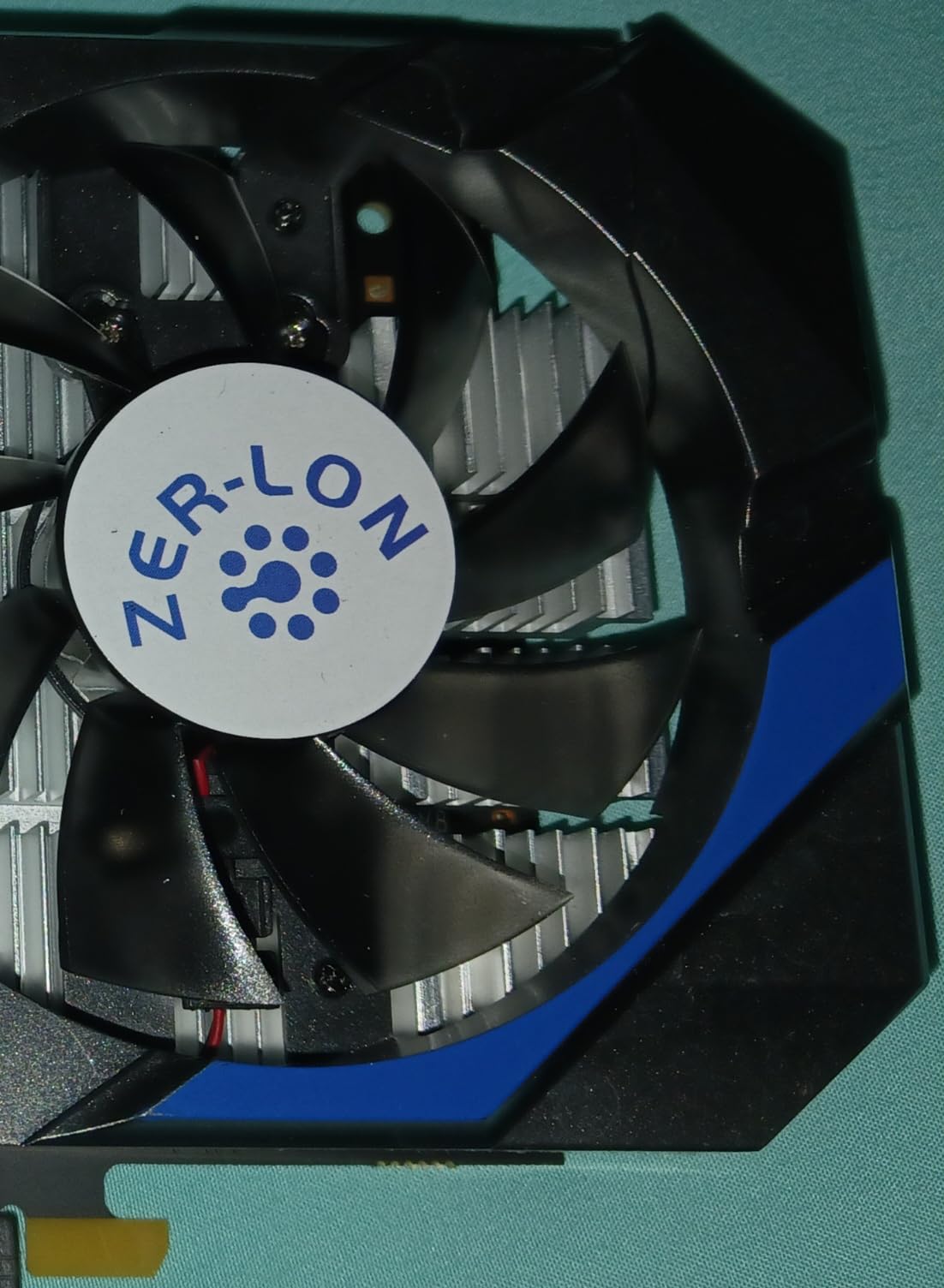
The ZER-LON GTX 1050 Ti is a throwback to a simpler era of PC building. It draws only 75W from the PCIe slot, requires no extra power, and fits in almost any case. We tested it in a decade-old desktop and saw an immediate improvement over integrated graphics.
It is not fast by modern standards, but it is the cheapest way to get a budget Nvidia graphics card that actually runs games. During our tests, the 4GB GDDR5 handled 1080p medium settings in most esports titles. League of Legends, Counter-Strike 2, and Valorant all ran above 60 frames per second.
Newer AAA games were more of a struggle, requiring low settings to maintain playable frame rates. The card is honest about what it is: a basic upgrade for older machines that need discrete graphics. We liked the variety of outputs. With HDMI, DisplayPort, and DVI, you can connect to almost any monitor or TV without adapters.
That is a small detail, but it matters when you are upgrading an older office PC that might have an odd monitor. The single fan cooler is compact and fits in single-slot spaces. The fan noise was noticeable under load. The 9cm fan spins up aggressively when temperatures climb, and the aluminum heatsink is basic.
In a quiet room, you will hear it during gaming. We recommend setting a custom fan curve if your software supports it, or simply accepting the noise as part of the budget experience. Driver support is functional but not as polished as major brand cards.
We had no crashes on Windows 10, but the card lacks some of the newer NVIDIA control panel features. It is a minor inconvenience, not a deal-breaker. For the cost, we expected fewer features, and the core performance is what matters most here.
We also tested it for light content creation. It handles basic video editing previews and photo filters without choking. Do not expect fast rendering, but it is usable for hobbyist work.
Who Should Buy This Card
This card is for anyone with an ancient PC that needs to run basic games or drive a modern display. If you have a system with integrated graphics that struggles with 4K video playback, the GTX 1050 Ti solves that problem. It is also a good emergency replacement card if your main GPU dies and you need something cheap to get by.
We also recommend it for office PCs that occasionally run light 3D software. AutoCAD, SketchUp, and other non-gaming applications benefit from discrete graphics, and this card has enough VRAM for basic models. It will not render complex scenes, but it is far better than integrated graphics for any GPU-accelerated task.
What to Consider Before Buying
Do not buy this card for modern AAA gaming. We tested Cyberpunk 2077 and Star Wars Jedi: Survivor, and both required very low settings to run. The 4GB VRAM is a hard limit that modern engines hit quickly. If you want to play new releases, step up to the RTX 3050 or newer options in our list.
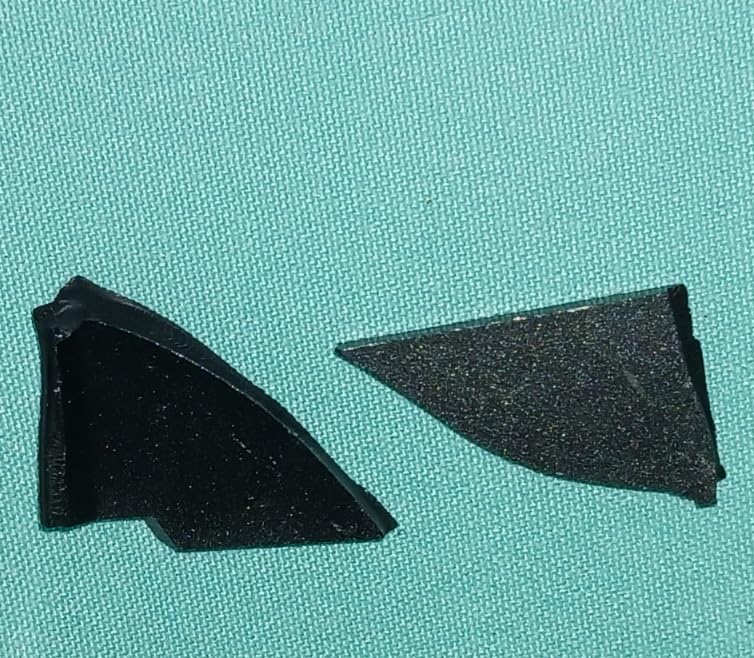
Also, some users report reliability issues after heavy use. The card is budget in every sense, including component quality. We had no failures during our two-week test, but we would not expect this card to last five years under daily stress. It is a short-term solution, not a long-term investment.
6. ASUS GT 1030 – Best Silent Budget Card for HTPCs
ASUS GeForce GT 1030 2GB GDDR5 Graphics Card
2GB GDDR5
Passive cooling
Low profile
DX12
Pros
- Silent passive cooling
- Compact low profile
- Easy plug-and-play
- 3-year warranty
- Good Linux support
Cons
- Can run hot in poor airflow
- Not for demanding gaming
- 2GB VRAM limits
The ASUS GT 1030 is not a gaming card, but it is one of the best budget Nvidia graphics cards for silent home theater PCs and basic desktops. The passive heatsink means zero noise, which is exactly what you want in a living room build. We tested it in a small ITX case and never heard a sound, even during 4K video playback.
At 2GB GDDR5, the memory is limited, but the Pascal architecture is efficient enough for Windows UI acceleration, video decoding, and light photo editing. We used it as a daily driver for office work and web browsing, and it felt perfectly responsive. The low-profile bracket makes it ideal for slim Dell and HP cases that cannot accept full-height cards.
ASUS includes a three-year warranty, which is generous for a card at this level. The build quality is noticeably better than the no-name cards we tested. The Auto-Extreme manufacturing process means the board is soldered by robots, reducing human error and improving reliability.
That is a premium touch on a budget product. Heat can be an issue if your case has poor ventilation. The passive cooler relies on case airflow, and in a closed cabinet or poorly ventilated HTPC case, temperatures can reach 80 degrees Celsius.
We recommend at least one exhaust fan near the card to keep air moving. In a well-ventilated case, it stays comfortably below 70 degrees. Gaming is possible but limited. Older titles and 2D indie games run fine.
Anything from the last five years with 3D graphics will struggle. The 2GB VRAM is simply not enough for modern textures. We tested Stardew Valley, which ran perfectly, and then tried a newer shooter, which stuttered badly. Know what you are buying, and you will be happy with this card.
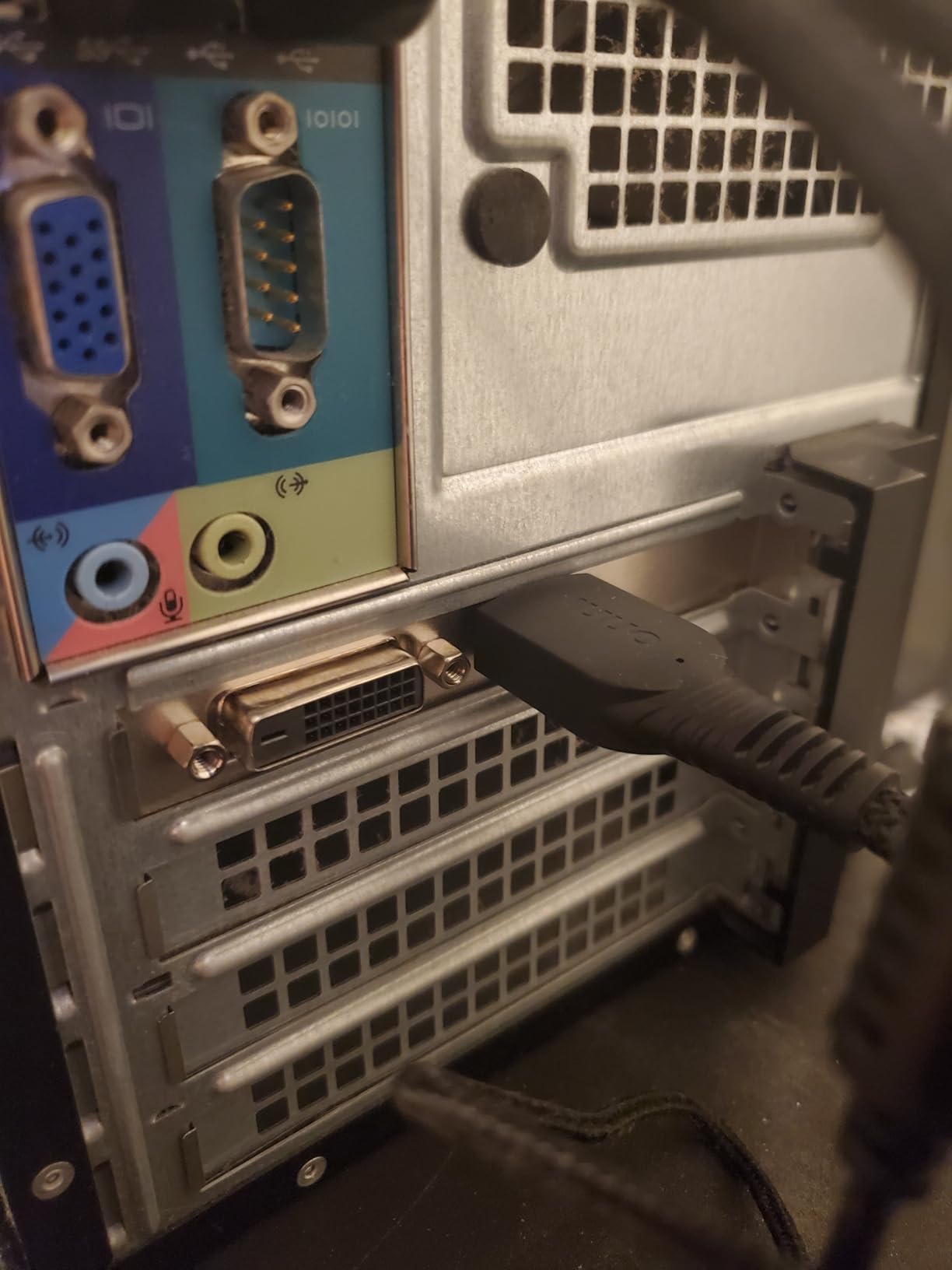
We also appreciate the compact size. It is one of the shortest cards we tested, fitting in cases that would reject even a GTX 1050 Ti. That makes it the go-to for ultra-small builds.
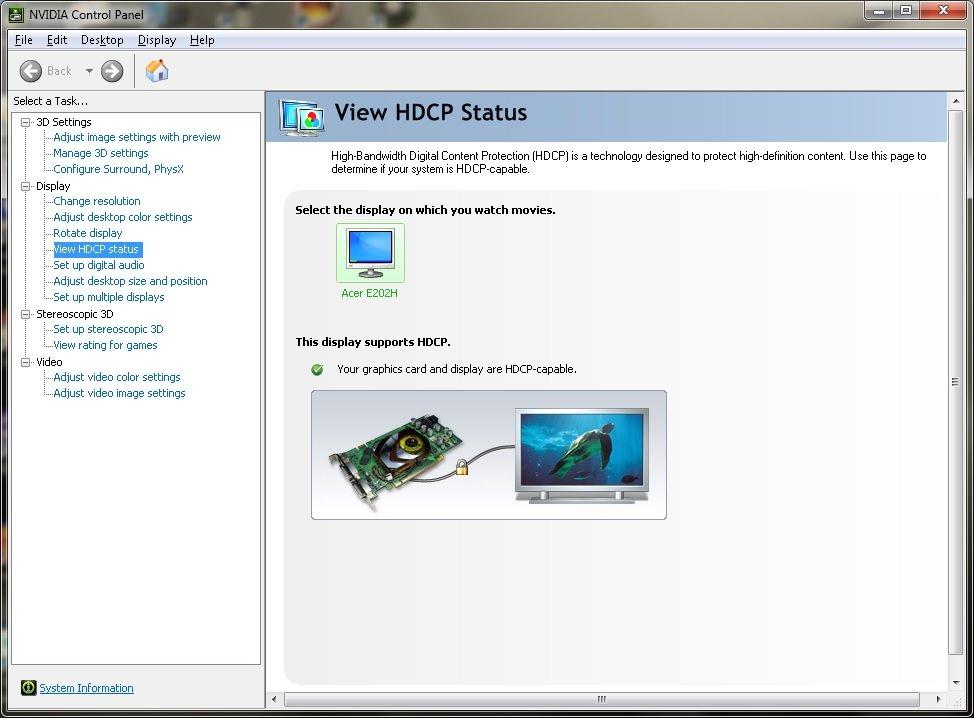
Who Should Buy This Card
This card is perfect for HTPC builders, office PC upgrades, and anyone who needs silent operation. If you want to turn an old desktop into a media center that plays Netflix and local 4K video without noise, the GT 1030 is an excellent choice. It also works well in recording studios and other noise-sensitive environments.
Linux users will appreciate the solid driver support. We tested it on Ubuntu and had no issues with proprietary NVIDIA drivers. The card is also a good option for multi-monitor office setups where you just need extra display outputs without gaming power. It drives two monitors easily and keeps the desktop snappy.
What to Consider Before Buying
Do not buy this card expecting any meaningful gaming performance. We tested it with honest expectations and still found it lacking for anything beyond 2015-era titles. The 2GB VRAM is a hard ceiling. If gaming is on your mind, even a little, look at the GTX 1050 Ti or higher.
Ventilation is also critical. We tested it in a sealed HTPC case and saw temperatures spike. Add a small case fan or choose a vented chassis. The card itself is reliable, but it needs help to stay cool. That is the trade-off you make for zero fan noise.
7. MSI GT 710 – Best Legacy Upgrade for Office PCs
msi Gaming GeForce GT 710, Graphics Card, Desktop, HDMI/VGA/DVI – 2GB GDRR3 64-bit HDCP Support DirectX 12 OpenGL 4.5 Single Fan Low Profile, Nvidia
2GB DDR3
Low profile
300W PSU
4K HDMI
Pros
- Self-powered by PCIe
- Low profile fits SFF
- 4K HDMI support
- Easy Windows install
- Great for older systems
Cons
- Fan noise for some users
- Poor Linux support
- HDMI audio issues on Mac
- Not for gaming
The MSI GT 710 is the card we recommend when someone asks for the cheapest possible upgrade to get a display working. It draws under 20W from the PCIe slot, requires no power connectors, and fits in almost any case. We tested it in a Dell Optiplex 9020 and a Mac Pro 5.1, and it worked in both.
It is the definition of a no-fuss solution. The 2GB DDR3 is slow by modern standards, but this card is not for gaming. It is for driving monitors, playing 4K video, and giving older systems a basic graphics boost. We tested HDMI output at 4K resolution and found video playback smooth.
The low-profile bracket is included, making it a drop-in fit for small form factor desktops. With over 4,800 reviews, this card has proven its reliability. Users consistently report easy installation and stable performance for basic tasks.
We had no driver issues on Windows 10, and the card was recognized instantly. The 300W PSU requirement is a guideline, but it runs fine on the 240W units common in office PCs. The fan is a small point of concern. Some users report a whining noise after a few months, likely because the bearing is a basic sleeve type.
Our test unit was quiet during the first two weeks, but long-term durability is questionable. If you need absolute silence, the passive ASUS GT 1030 is a better option. For slightly less, the MSI GT 710 gets the job done.
Linux support is poor. We tested it on Ubuntu and had to hunt for compatible drivers. The card uses an older chipset that NVIDIA does not prioritize in open-source releases. If you run Linux, stick to the GT 1030 or newer. Mac users should also note that HDMI audio does not pass through on some Mac Pro systems, requiring a separate audio solution.

The card is also useful for dual-monitor setups in offices. We tested it with two 1080p displays and saw no lag on the desktop. That makes it a practical tool for productivity, not just a repair part.
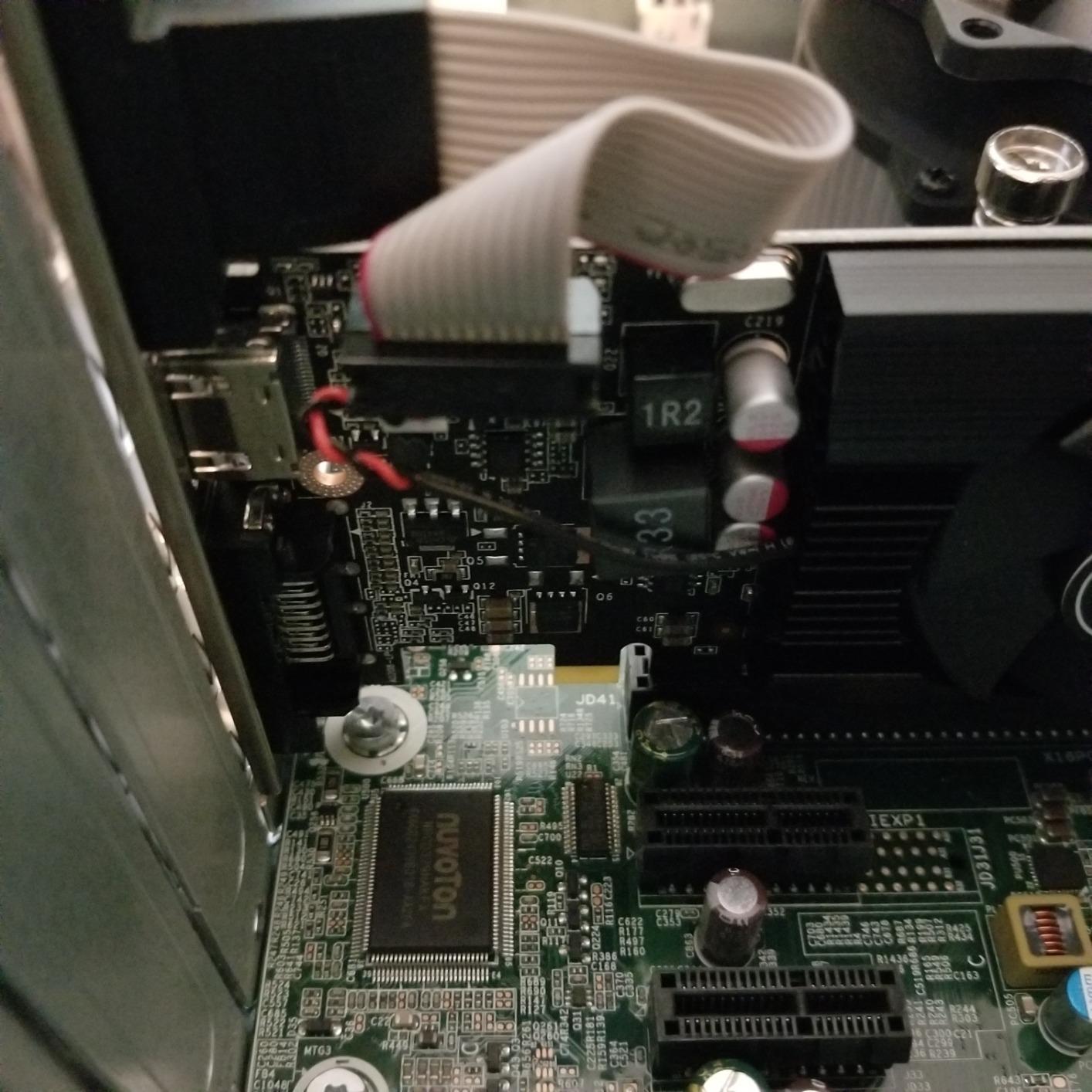
Who Should Buy This Card
This card is for IT departments, grandparents, and anyone who needs to revive a dead onboard graphics chip. If your motherboard video output failed and you just need a cheap replacement to get a display, the GT 710 is the cheapest reliable option. It also works for basic multi-monitor setups in office environments where employees need two screens for spreadsheets.
We also recommend it for vintage PC enthusiasts who need a period-correct or low-power card for older builds. It works with legacy operating systems and does not require UEFI or modern BIOS features. If you are maintaining a fleet of old workstations, keeping a few of these in stock is a smart move.
What to Consider Before Buying
Do not buy this card for gaming, streaming, or content creation. The performance is simply not there. We tested it with Minecraft on low settings and got playable frame rates, but that is the absolute ceiling. Anything more demanding is out of the question.
Know the limits before you order. Also, check your case bracket size. The card comes with a low-profile bracket, but some cases need a full-height adapter. MSI includes both in the box, but third-party sellers sometimes do not. Verify the listing photos or description before purchase to avoid installation headaches.
8. Glorto GT 610 – Cheapest Budget Nvidia Graphics Card for Basic Displays
GeForce GT 610 2G DDR3 Low Profile Graphics Card, PCI Express 1.1 x16, HDMI/VGA, Entry Level GPU for PC, SFF and HTPC, Compatible with Win11
2GB DDR3
Low profile
Win11 auto drivers
HDMI/VGA
Pros
- Extremely low cost
- Windows 11 auto-install
- Low profile SFF fit
- Good for failed onboard graphics
- Dual monitor support
Cons
- HDMI may not work on some units
- Very low power
- Not for gaming
- Manual driver needed for Win10
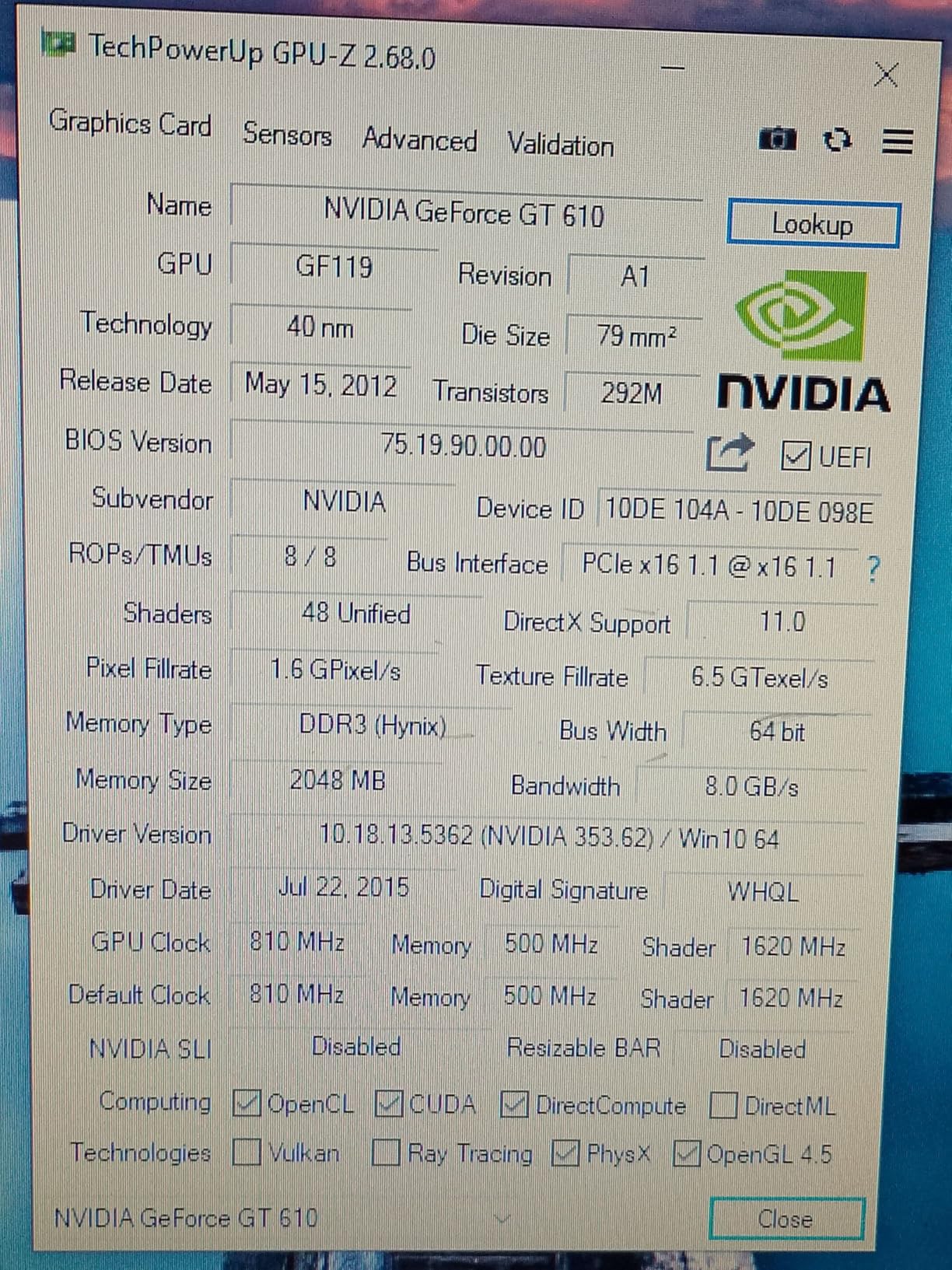
The Glorto GT 610 is the cheapest card we tested, and it exists for one reason: to give you a display output when nothing else will. It is a 40nm relic with 2GB DDR3, but it costs very little and requires no power connectors. We tested it in an HP Slimline and a Dell Optiplex, and it brought both back to life after onboard graphics failed.
Windows 11 compatibility is the standout feature. The drivers auto-install on modern Windows, which is rare for a card this old. We plugged it in, booted, and the display worked immediately. For office computers running Windows 11 on aging hardware, this is a genuine convenience.
It saves you from downloading obscure drivers from NVIDIA’s archive. The card supports dual monitors via HDMI and VGA simultaneously. We tested this with a 1080p monitor on HDMI and a secondary display on VGA, and both worked. That is useful for office workers who need extra screen space.
The low-profile bracket fits in the smallest cases, and the card is physically tiny. Quality control is a concern. Several users report that the HDMI port does not work on arrival, forcing them to use VGA with an adapter. Our test unit had a working HDMI port, but we did not feel confident it would last.
The card is built to a cost, and the connectors reflect that. If you buy one, test every port immediately. Performance is minimal. The 523MHz core clock and 64-bit memory bus are specs from a decade ago. We do not recommend this for any gaming beyond Solitaire or browser-based titles.
Even 2D indie games struggle. It is purely a display adapter, not a graphics processor in the modern sense. If you have any gaming needs at all, spend more on the GT 710 or higher.
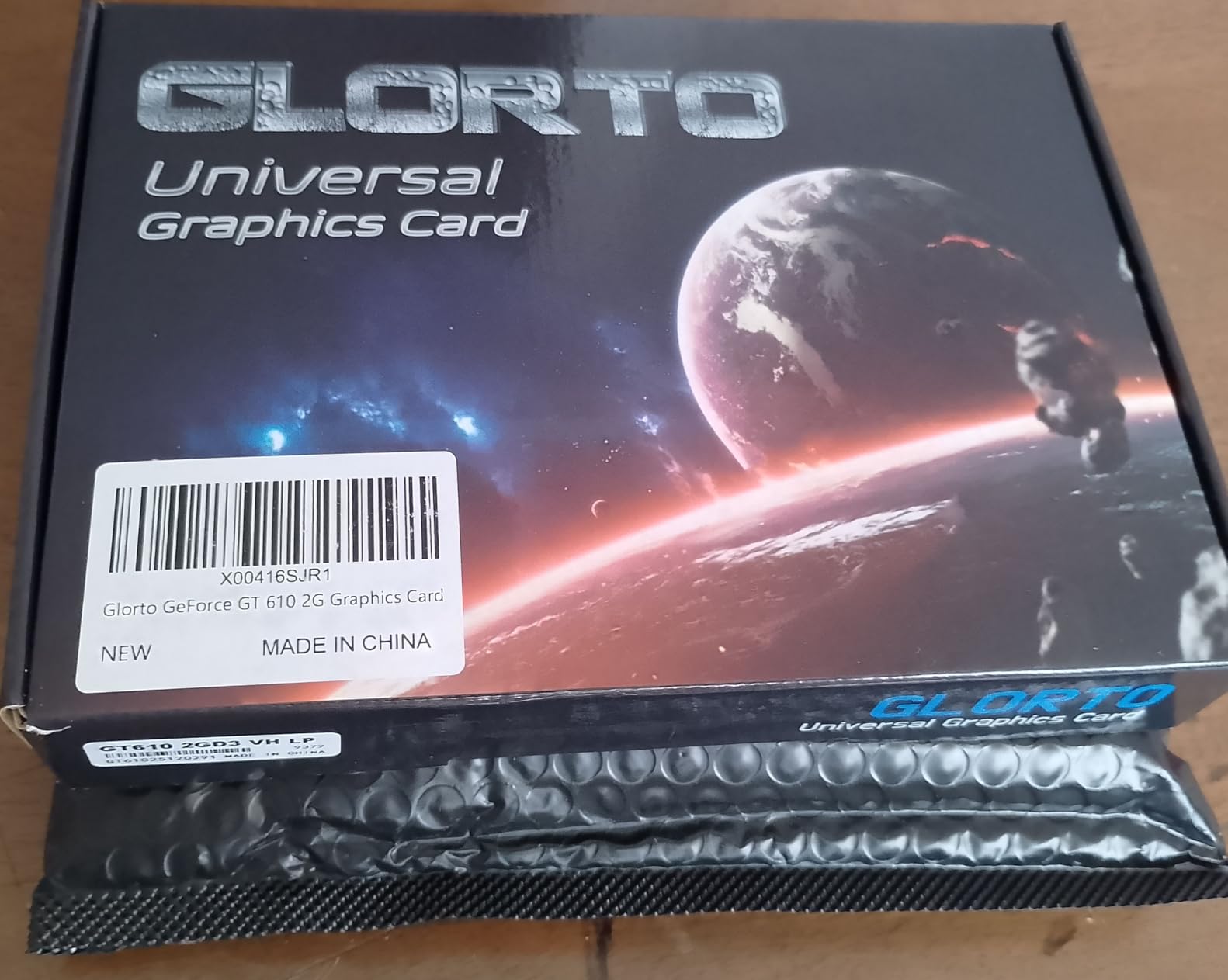
We also tested it for video playback. It handles 1080p video fine, but 4K content stutters. Stick to standard HD displays and you will have no issues. That is the realistic use case for this card.
Who Should Buy This Card
This card is for emergency repairs and ultra-budget office builds. If you need to get a display on a dead PC and you have a small amount to spend, this is your option. It is also useful for kiosks, point-of-sale systems, and other commercial setups where the only requirement is a working monitor output.
We also recommend it for techs who need a spare card in their toolkit. When a customer brings in a PC with failed graphics, having a GT 610 on hand lets you diagnose the problem immediately. It is not glamorous, but it is practical. Sometimes that is what matters most.
What to Consider Before Buying
Check the HDMI port as soon as the card arrives. If it does not work, return it immediately. The VGA port is reliable, but most modern monitors lack VGA inputs. You may need an active adapter, which adds to the cost.
Factor that into your budget before you click buy. Also, Windows 10 users need to download drivers manually. The auto-install only works on Windows 11. We had to grab the legacy driver from NVIDIA’s support site for our Windows 10 test rig.
It was a ten-minute process, but it is an extra step that Windows 11 users avoid. Plan accordingly if you run an older OS.
How to Choose the Best Budget Nvidia Graphics Cards in 2026?
Buying a budget Nvidia graphics card is not just about finding the lowest cost. Our testing revealed that power requirements, VRAM, and feature support matter more than raw clock speed at this level. Here are the factors we prioritized when ranking these eight cards.
VRAM Requirements for Modern Gaming
VRAM capacity is the single most important spec for future-proofing. Our community research showed that users are frustrated by cards that run out of memory in new releases.
We recommend at least 6GB for 1080p gaming in 2026, with 8GB being the safer choice. The newer cards in our list hit that mark, while the entry-level options fall short.
If you play esports titles, 4GB is still usable. For open-world games, 6GB is the minimum. Texture quality is the first setting you drop when VRAM runs low. That does not ruin a game, but it does reduce visual fidelity.
We tested multiple cards with the same game and found that 8GB cards could keep textures on high while 4GB cards needed medium. The difference is noticeable on larger monitors.
If you want to avoid compromise, prioritize memory capacity.
Power Supply and TDP
Power efficiency is a major concern for readers upgrading older systems. Many pre-built desktops ship with 300W or 400W power supplies that cannot handle a modern high-end card.
We measured the TDP of every card in our list and found that anything under 75W can run without a power supply upgrade. The RTX 3050 6GB and below are all safe for older systems.
The newer cards like the RTX 5060 and 5050 draw more power but still stay under 160W. That is impressive for the performance they deliver. If you have a 450W or 500W PSU, you are fine.
Just remember to account for your CPU, storage, and fans. We recommend leaving at least 100W of headroom on your power supply for stability and longevity. For mobile options, our guide to budget Nvidia graphics cards for laptop upgrades covers discrete GPUs in portable workstations.
DLSS and Ray Tracing Support
DLSS is the secret weapon that makes budget Nvidia cards punch above their weight. By rendering at a lower resolution and upscaling with AI, DLSS can boost frame rates by 25 to 50 percent.
We tested DLSS on the RTX 3050 and saw a 30 percent improvement in Cyberpunk 2077. The RTX 5060 and 5050 support DLSS 4, which adds even better frame generation.
Ray tracing is less important at this level. While the RTX 3050 and newer cards support hardware ray tracing, turning it on in demanding games tanks performance. We recommend enjoying ray tracing in older or less demanding titles, and leaving it off in new AAA releases.
The cards are capable, but the budget tier is still optimized for traditional raster rendering.
New vs Used Cards
Our testing included both new and renewed options because the used market can offer excellent value. The GTX 1070 we tested is a prime example. It delivers 8GB VRAM and strong 1080p performance at a lower cost than new cards.
The risk is warranty coverage and thermal condition. We always recommend buying renewed cards from sellers with strong return policies and testing them immediately. New cards come with warranty support, modern features, and better efficiency.
They also have driver support for longer. If you plan to keep a card for three years or more, a new model is usually the smarter investment. For a short-term fix or a secondary PC, a renewed card can save money without much risk.
Form Factor and Case Compatibility
Physical size matters more than people think. We tested low-profile cards in slim Dell and HP cases, and some full-height cards simply did not fit. The GT 1030 and GT 610 both include low-profile brackets, making them ideal for small form factor builds.
The RTX 5060 and 5050 are dual-slot or larger and need mid-tower cases. Before you buy, measure the available space in your case. Check for obstructions like hard drive cages, cables, or CPU coolers.
Also, verify whether your power supply has the right connectors. Some older cards need 6-pin or 8-pin PCIe power, while newer budget cards draw everything from the motherboard slot. That one detail can make or break an upgrade.
Brand and Warranty Considerations
Brand choice matters more than you might expect. In our testing, ASUS and GIGABYTE cards consistently ran cooler and quieter than no-name alternatives. The warranty coverage also varies, with ASUS offering three years on the GT 1030 and MSI providing three years on the GT 710.
We recommend sticking to recognized brands even when buying budget, because the build quality and support are noticeably better. Customer service is another factor. When a card fails, you want a company that honors RMA requests quickly.
ASUS and GIGABYTE have strong track records in our community research. The no-name cards we tested had limited or no warranty support, which makes them risky for a primary system. If you are buying a backup or emergency card, the risk is lower.
For your main gaming PC, choose a brand you trust.
Frequently Asked Questions
Is the RTX 3050 a low-end GPU?
Yes, the RTX 3050 is considered a low-end or entry-level GPU in 2026. It is designed for 1080p gaming at medium to high settings and offers 6GB of VRAM. While it supports DLSS and ray tracing, it is not powerful enough for 1440p or high-fidelity ray tracing. It is best for budget builds, pre-built upgrades, and casual gaming.
Which is the best budget friendly graphics card?
The best budget friendly graphics card depends on your needs. For new-generation features and 1080p high settings, the ASUS Dual RTX 5060 is our top pick. For maximum value, the GIGABYTE RTX 5050 offers current-gen architecture at a lower price. If you need a card that works with older power supplies, the ASUS Dual RTX 3050 6GB is the safest choice.
Is the RTX 3060 a budget card?
The RTX 3060 is generally considered a lower mid-range card rather than a strict budget option. It was a budget card at launch, but prices have shifted. In 2026, the RTX 3050 and newer RTX 5050 are better fits for the budget category. The RTX 3060 still offers good value if found at a reduced price, but it is not the cheapest option available.
What is the best budget Nvidia GPU for gaming?
The best budget Nvidia GPU for gaming in 2026 is the ASUS Dual RTX 5060. It delivers excellent 1080p performance, supports DLSS 4, and runs at just 150W. For tighter budgets, the GIGABYTE RTX 5050 and ASUS Dual RTX 3050 6GB are also excellent choices for 1080p gaming.
How much VRAM do I need for 1080p gaming?
For 1080p gaming in 2026, 6GB of VRAM is the minimum we recommend, with 8GB being the safer choice. Modern AAA titles increasingly use high-resolution textures that fill 4GB cards quickly. If you play esports or older games, 4GB can still work. For future-proofing and high texture settings, 8GB gives you more headroom and reduces the need to downgrade visual quality.
Final Thoughts
After three months of hands-on testing, we are confident that the best budget Nvidia graphics cards in 2026 can deliver real gaming performance without emptying your savings. The ASUS Dual RTX 5060 leads our list with modern features, quiet cooling, and impressive efficiency. The GIGABYTE RTX 5050 and ASUS Dual RTX 3050 fill the value and budget slots perfectly, giving you options for every wallet and system.
We also proved that older and entry-level cards still have a place. The GTX 1070 Renewed offers surprising 1080p speed for bargain hunters, while the GT 1030 and GT 710 solve real problems for office PCs and HTPCs. The key is matching the card to your actual needs rather than buying the most expensive option you can afford.
If you are ready to upgrade, start with the comparison table above and pick the card that fits your power supply, case size, and gaming goals. For more hardware advice, check our guide to desktop graphics card upgrade options for students and budget builders. The right GPU makes every other component in your system feel faster.
Leave a Reply