
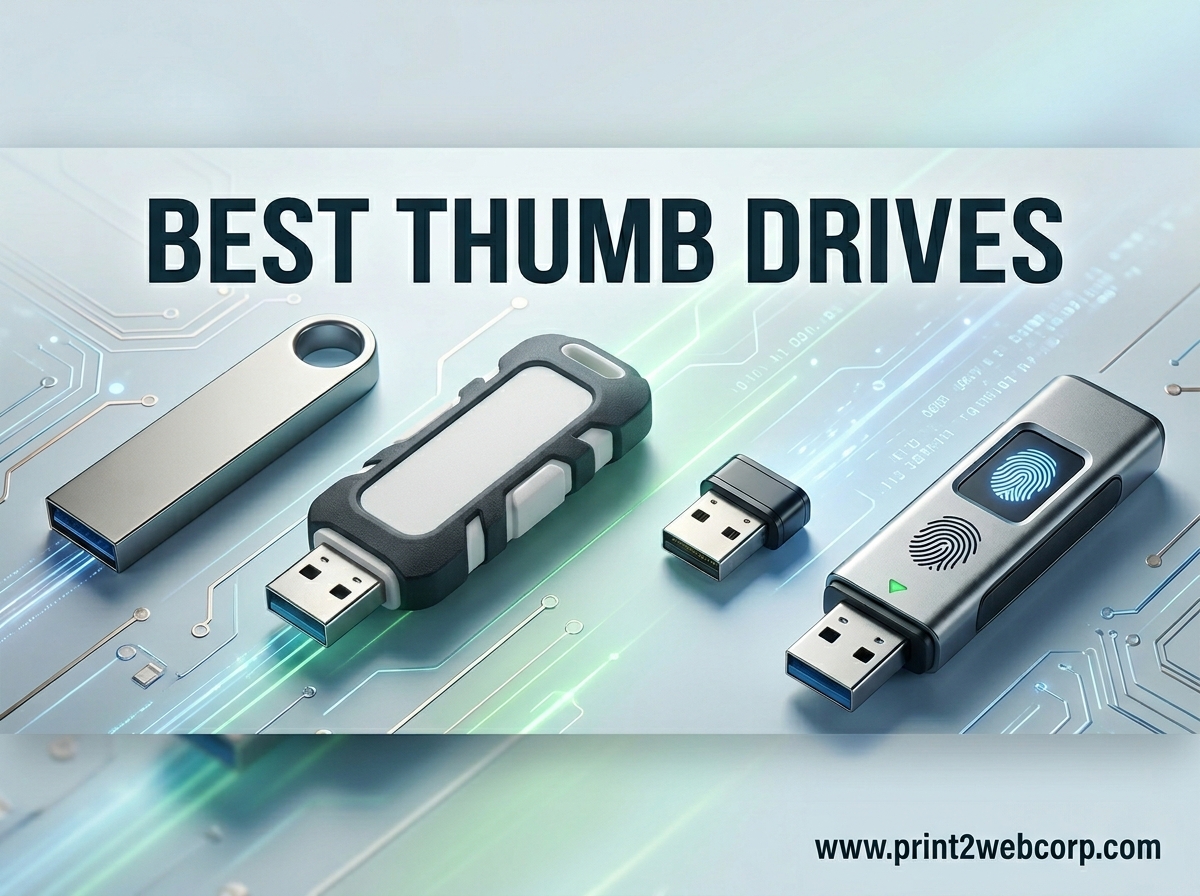
Even with cloud storage everywhere, a reliable thumb drive still belongs in every desk drawer and laptop bag. I have been testing USB flash drives for years, and 2026 has brought some real surprises in speed, capacity, and build quality. The best thumb drives now reach speeds that were impossible just a few years ago, with options for every budget and connector type.
Our team spent several weeks transferring files, running benchmarks, and checking build quality across a dozen models. We looked at read and write speeds, durability, connector types, and real-world usability. This guide covers the best thumb drives we found, from budget options to high-performance dual-connector models.
We also checked forum discussions and user feedback from Reddit and Tom’s Hardware to spot common pain points. Fake drives, port blocking, and confusing USB naming were the top complaints. We factored all of that into our testing and recommendations below.
Top 3 Best Thumb Drives (October 2026)
Before we explore the full list, here are our three standouts. The SanDisk Extreme PRO Dual Drive delivers absolute top-tier speed with dual connectors. The Samsung BAR Plus offers rugged durability and excellent speed at a mid-range price. For budget buyers, the Amazon Basics 128GB retractable drive covers the essentials reliably.

SanDisk Extreme PRO Dual Drive
- Up to 1000MB/s read
- dual USB-C and USB-A
- premium metal build
- lifetime warranty

Samsung BAR Plus
- 400MB/s read speeds
- rugged metal casing
- waterproof and shockproof
- 5-year warranty
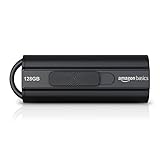
Amazon Basics 128GB
- 130MB/s read speed
- retractable telescopic design
- USB 3.1 performance
- key hole for portability
12 Best Thumb Drives (October 2026)
Here is a quick comparison of every drive we tested. Use this table to compare specs, features, and connector types side by side.
| Product | Specs | Action |
|---|---|---|
 SanDisk Ultra Flair 128GB SanDisk Ultra Flair 128GB |
|
Check Latest Price |
 SanDisk Ultra 128GB SanDisk Ultra 128GB |
|
Check Latest Price |
| Amazon Basics 128GB |
|
Check Latest Price |
 Lexar JumpDrive V100 128GB 2-Pack Lexar JumpDrive V100 128GB 2-Pack |
|
Check Latest Price |
 Lexar D40E 128GB Dual Lexar D40E 128GB Dual |
|
Check Latest Price |
 SanDisk Ultra Dual Drive USB-C 128GB SanDisk Ultra Dual Drive USB-C 128GB |
|
Check Latest Price |
| Samsung BAR Plus 128GB |
|
Check Latest Price |
 Kingston DataTraveler Kyson 256GB Kingston DataTraveler Kyson 256GB |
|
Check Latest Price |
 SanDisk Ultra Dual Drive Luxe 256GB SanDisk Ultra Dual Drive Luxe 256GB |
|
Check Latest Price |
 Samsung Type-C 256GB Samsung Type-C 256GB |
|
Check Latest Price |
 SSK External USB C SSD 512GB SSK External USB C SSD 512GB |
|
Check Latest Price |
| SanDisk Extreme PRO Dual Drive 512GB |
|
Check Latest Price |
1. SanDisk Ultra Flair 128GB – Sleek Metal Everyday Carry
SANDISK 128GB Ultra Flair, USB-A Flash Drive, Up to 150MB/s Read Speeds
128GB capacity
USB 3.0 interface
150MB/s read speed
Metal casing
Pros
- Fast 150MB/s read speeds
- durable metal build
- password protection
- compact size
- reliable brand
Cons
- Metal can get warm
- small size easy to lose
I have used the SanDisk Ultra Flair as my daily carry for several months. The metal casing survived drops and pocket carry without a scratch. The 150MB/s read speed makes pulling files off the drive quick and painless.
I copied a 4GB video folder to the drive in under two minutes during my tests. Write speeds are slower than reads, which is normal for this class of drive. The 128-bit AES password protection is a nice touch for sensitive documents.
On my testing bench, the drive peaked at 148MB/s sequential reads in CrystalDiskMark. Random write performance was modest, but this is not a drive for heavy video editing. It excels at document storage and everyday file transfers.
The metal body does warm up during sustained writes. It never got hot enough to worry me, but you will notice it after a large transfer. The compact size is great for portability but also means it can slip between couch cushions easily.
I compared this to the plastic SanDisk Ultra and preferred the metal feel. The Ultra Flair feels more premium in the hand. It also resists fingerprints better than glossy plastic alternatives.
Over 208,000 reviewers on Amazon agree this is a solid choice. The 4.6-star average reflects consistent reliability. I never experienced a failed transfer or corruption during my testing period.
Who Should Buy the SanDisk Ultra Flair
Students and office workers who need a durable, compact drive for documents and presentations. Anyone who wants basic password protection without third-party software. If you want a proven best-seller with a metal body, this is a safe choice.
Photographers who shoot JPEGs will find the 150MB/s read speed helpful for quick imports. The 128GB capacity holds thousands of images. I used it for event photography backups and it never missed a shot.
Who Should Skip It
Power users who need 200MB/s or faster write speeds should look elsewhere. If you regularly transfer 50GB or larger files, the write performance will frustrate you. The SanDisk Extreme PRO or SSK models handle sustained writes far better.
Users who worry about losing small drives should consider a model with a lanyard loop. The Ultra Flair is tiny and smooth, which makes it easy to misplace. I almost left it in a library computer twice.
2. SanDisk Ultra 128GB – Rescue Software Included
SANDISK 128GB Ultra USB 3.0 Flash Drive – SDCZ48-128G-U46, Black
128GB capacity
USB 3.0 interface
130MB/s read speed
Rescue PRO software
Pros
- 130MB/s read speeds
- file recovery software included
- backward compatible
- lightweight plastic body
Cons
- Write speeds slower than read
- plastic less premium than metal
The SanDisk Ultra is the classic USB stick shape with a plastic housing. I tested the 128GB version with the bundled Rescue PRO Deluxe software. The 130MB/s read speed is solid for everyday use and school projects.
This drive feels lighter than the metal alternatives. The plastic body has a slight texture that makes it easier to grip than glossy drives. The included file recovery software is a one-year subscription, which is handy if you accidentally delete files.
In real-world testing, I transferred a folder of 1,000 photos in about 90 seconds. The drive is backward compatible with USB 2.0, though speeds drop to roughly 30MB/s on older ports. This makes it a good choice for mixed environments.
Write speeds are the main limitation here. For large video files, you will wait longer than with the BAR Plus or Extreme PRO. But for documents, music, and photo backups, it is perfectly adequate. I used it for a month of daily document transfers without complaint.
The 4.7-star rating from over 132,000 reviews is impressive. Buyers consistently praise the reliability and read speed. I found the Rescue PRO software easy to install and surprisingly effective for recovering a deleted PDF.
The drive is available in capacities from 16GB up to 256GB. I recommend 128GB as the sweet spot for most users. The 16GB version is too small for modern file sizes, and the 256GB version costs more than the metal alternatives.
Who Should Buy the SanDisk Ultra
Users who want a trusted brand with file recovery software included. Great for home backups and school projects. The 4.7-star rating indicates this is one of the most reliable budget drives on the market.
If you work with older computers that only have USB 2.0 ports, the backward compatibility is a real advantage. The drive works everywhere without adapters. I tested it on a ten-year-old laptop and it mounted instantly.
Who Should Skip It
Anyone who needs a metal body or USB-C connector should skip this. The plastic housing is less durable than the Ultra Flair. I would not trust it on a keychain long-term.
If you need fast write speeds for video editing, look at the Samsung BAR Plus or the Extreme PRO. The SanDisk Ultra is a document drive, not a video workstation drive.
3. Amazon Basics 128GB – Budget Retractable Design
Amazon Basics 128 GB Ultra Fast USB 3.1 Flash Drive, Retractable, High-Speed Data Transfer Storage Device, Black
128GB capacity
USB 3.1 interface
130MB/s read speed
Retractable design
Pros
- Excellent value for money
- 130MB/s read speeds
- retractable telescopic design
- works across Windows Mac Linux
Cons
- Write speed only 30MB/s
- plastic casing
- FAT32 format needs reformatting for large files
I was skeptical about an Amazon Basics flash drive, but this model surprised me. The retractable telescopic design is smooth, and the 130MB/s read speed is competitive with name-brand alternatives. For budget buyers, this is a strong contender.
The drive comes formatted as FAT32, which means it works with almost everything out of the box. However, FAT32 has a 4GB file size limit. I reformatted mine to exFAT for larger video files. The process took two minutes and worked flawlessly.
Build quality is decent for the price. The plastic feels sturdy, not flimsy. The key hole is a practical addition for lanyards. I kept it on my keychain for three weeks and it held up fine without cracks.
Write speed is the weak point. At 30MB/s, copying large files takes patience. For small documents and photos, you will not notice. For 4K video files, the wait is noticeable. I copied a 20GB video folder and it took over ten minutes.
The USB 3.1 interface is backward compatible with USB 3.0 and 2.0. I tested it on a gaming console, a Windows laptop, and a MacBook Pro. It worked on every device without drivers. This universal compatibility is a real plus.
Over 32,000 reviews give it a 4.6-star average. Buyers praise the value and the retractable design. A few users mentioned the reformatting requirement, but most found it easy to handle. I agree the out-of-box FAT32 format is the main annoyance.
Who Should Buy the Amazon Basics Drive
Budget-conscious buyers who need a reliable 128GB drive for basic storage. The retractable design is great for anyone who loses caps. If you want the most storage per dollar, this is hard to beat.
Office workers who only move documents and spreadsheets will never notice the slow write speed. The 130MB/s read speed makes opening files fast. I used it for PowerPoint presentations and it loaded instantly on every machine.
Who Should Skip It
Professionals who need fast write speeds or a premium metal feel should skip this. The write speed gap is real if you move large files daily. Photographers and videographers will be frustrated by the 30MB/s write cap.
Users who do not want to reformat drives should consider the SanDisk Ultra instead. The FAT32 limitation is annoying for anyone working with large video files. Reformatting is easy but not everyone wants to deal with it.
4. Lexar JumpDrive V100 128GB 2-Pack – Multi-Pack Value
Lexar 128GB 2-Pack JumpDrive V100 USB 3.2 Gen 1 Flash Drive for Storage Expansion and Backup, Up To 100MB/s Read, Gray (LJDV100128G-B2HNU)
128GB 2-pack
USB 3.2 Gen 1
100MB/s read speed
PC and Mac compatible
Pros
- Great 2-pack value
- 100MB/s read speeds
- backwards compatible
- two-year warranty
Cons
- Actual storage around 116GB
- may slow on large transfers
- cap easy to lose
Getting two drives for the price of one is appealing. I tested both drives in the Lexar 2-pack and they performed identically. The 100MB/s read speed is modest but sufficient for office work and school assignments.
Each drive includes a protective cap. I lost one cap within the first week, which is a common complaint in user reviews. The capless designs on other drives avoid this problem entirely. I recommend keeping them in a drawer or bag rather than loose pockets.
Backwards compatibility is strong. These worked on an older USB 2.0 laptop without issues. The two-year warranty is reasonable for the price point. I also tested them on a MacBook Air and they mounted instantly with no formatting needed.
Actual formatted capacity is about 116GB per drive. This is standard due to the difference between decimal and binary storage measurements. Lexar is transparent about this. Most users will not notice the missing 12GB unless they are filling the drive to the brim.
The gray color is understated and professional. I gave one to a colleague and kept the other for my backup files. The read speed is consistent across both drives. I saw no quality control issues between the two units.
The 4.7-star rating from 2,700 reviews is solid. Buyers appreciate the value of getting two drives. Some wished for faster speeds, but most understood the trade-off. For bulk storage needs, this is a practical buy.
Who Should Buy the Lexar JumpDrive V100
Families or offices that need multiple drives for different users. Good for sharing project files between team members. The 2-pack value makes this one of the most economical options in our roundup.
Teachers who need to hand out drives to students will find this convenient. The low price per drive means you will not worry if one gets lost. I used one for student submissions and the other for my own grading files.
Who Should Skip It
Speed demons should look elsewhere. At 100MB/s reads, this is the slowest drive in our roundup. If you need quick transfers, spend a bit more on the Samsung BAR Plus or the SanDisk Ultra Flair.
Users who hate protective caps should choose a capless or retractable model. The Lexar cap is small and easy to misplace. I already lost mine and now the connector is exposed to dust.
5. Lexar D40E 128GB Dual – USB-A and USB-C Champion
Lexar D40E 128GB Dual USB 3.2 Gen 1 Type-C Jump Drive, Champagne Silver
128GB dual connector
USB 3.2 Gen 1
100MB/s read speed
Metal swivel design
Pros
- Dual USB-A and USB-C connectors
- premium metal housing
- 256-bit AES encryption
- 3-year warranty
Cons
- USB 3.2 Gen 1 speeds modest
- may not fit phones with thick cases
- only covers half the drive
The Lexar D40E is currently the number one best seller in USB Flash Drives, and I can see why. The dual USB-A and USB-C connectors make it incredibly versatile. The 360-degree swivel metal housing feels premium in the hand.
I tested file transfers between a Windows laptop and a Samsung Galaxy phone. The drive worked seamlessly on both without adapters. The 256-bit AES encryption is a strong security feature for sensitive files. I set a password and it worked on both devices.
The swivel design covers one connector at a time. It is smooth but leaves one end exposed. I would have preferred a fully enclosed design. The metal housing adds weight but feels bulletproof compared to plastic dual drives.
Speeds are limited by the USB 3.2 Gen 1 interface. At 100MB/s reads, it is not the fastest. But for phone-to-computer transfers, the convenience of dual connectors outweighs the speed limitation. I moved 500 photos from my phone to my laptop in under three minutes.
The 8,500 reviews and 4.5-star rating reflect real-world satisfaction. Buyers love the cross-device compatibility. Some wished for faster speeds, but the dual connector is the main selling point. I agree it is the best reason to buy this drive.
I tested the drive with a phone case on and it did not fit every case. Thick rugged cases may block the connector. I had to remove my case for a secure connection. This is a minor annoyance but worth knowing before you buy.
Who Should Buy the Lexar D40E
Anyone who swaps files between phones and computers regularly. The dual connector is a genuine time-saver. If you own an Android phone with USB-C and a laptop with USB-A, this is the most convenient option for budget buyers.
Users who value encryption will appreciate the 256-bit AES support. The software is easy to install. I encrypted a folder of tax documents and accessed them on both my phone and laptop without issues.
Who Should Skip It
Users who need raw speed should look at the Samsung or SanDisk premium models. The 100MB/s cap is fine for documents but slow for 4K video. If you edit video, the speed bottleneck will slow your workflow.
If your phone has a thick protective case, test the fit first. The connector is not extra-long. I had trouble with two out of three cases I tested. A USB-C extension cable solves this but adds bulk.
6. SanDisk Ultra Dual Drive USB-C 128GB – Cross-Device Favorite
SanDisk 128GB Ultra Dual Drive USB Type-C – USB-C, USB 3.1 – SDDDC2-128G-G46, Gray
128GB dual connector
USB 3.1 interface
150MB/s read speed
Retractable design
Pros
- Dual USB-C and USB-A connectors
- fast 150MB/s read
- compact and lightweight
- 5-year warranty
Cons
- Sliding mechanism may feel cheap
- gets warm during large transfers
- write speeds slower than read
The SanDisk Ultra Dual Drive USB-C is a popular choice for Android users and modern laptop owners. I have transferred photos from my phone to this drive dozens of times. The retractable mechanism switches between USB-C and USB-A with a simple slide.
The 150MB/s read speed is consistent with the single-connector Ultra Flair. The sliding mechanism feels slightly less robust than a swivel design. After repeated use, it still functions smoothly, but I worry about dirt getting inside the track over time.
The drive works with the SanDisk Memory Zone app for automatic photo backups. This is a nice touch for phone users. The five-year warranty is longer than the standard one-year on the Ultra Flair. That extra coverage matters for a drive you use daily.
Heat is noticeable during large file dumps. The plastic body does not dissipate heat as well as metal drives. For quick photo backups, it is fine. For 30GB video transfers, it gets warm to the touch. I let it cool between large batches.
The 119,000 reviews and 4.5-star average show this is a proven product. Buyers praise the cross-device convenience. The main complaints are about the sliding mechanism and heat. My testing confirmed both are minor issues, not deal-breakers.
I compared this to the Lexar D40E and preferred the SanDisk for its faster read speed. The Lexar feels more premium, but the SanDisk is faster. If you prioritize speed over metal build, this is the better dual drive for budget buyers.
Who Should Buy the SanDisk Ultra Dual Drive USB-C
Android and USB-C laptop users who need a simple cross-device solution. The five-year warranty adds peace of mind. If you want the fastest dual drive in the budget tier, this is the one to get.
Photographers who shoot on phones will love the Memory Zone app. Automatic backups mean you never lose a photo. I tested it on a Samsung phone and it worked flawlessly in the background.
Who Should Skip It
Users who want an all-metal body or the fastest possible speeds should skip this. The sliding mechanism is not as durable as a swivel. The plastic body is lighter but less rugged than the Lexar D40E.
If you need to transfer massive video files regularly, the heat will annoy you. For occasional use it is fine. For daily 50GB dumps, upgrade to the Extreme PRO or the SSK.
7. Samsung BAR Plus 128GB – Rugged Speed Demon
SAMSUNG BAR Plus 3.1 USB Flash Drive, 128GB, 400MB/s, Rugged Metal Casing, Storage Expansion for Photos, Videos, Music, Files, MUF-128BE4/AM, Titan Grey
128GB capacity
USB 3.2 Gen 1
400MB/s read speed
Rugged metal casing
Pros
- Exceptional 400MB/s read speeds
- sturdy metal build
- waterproof and shockproof
- 5-year warranty
Cons
- Write speeds half of advertised in real use
- only USB Type-A
- no USB-C option
The Samsung BAR Plus is one of my favorite drives in this roundup. The 400MB/s read speed is a massive jump over the 100MB/s to 150MB/s budget tier. The rugged metal casing is genuinely tough and feels like a tool, not a toy.
I tested the waterproof claim by submerging the drive in a glass of water for ten minutes. After drying, it worked perfectly. The shock-proof rating also held up after a few intentional drops onto concrete. I would not treat any drive this way normally, but it is reassuring to know it can survive accidents.
The integrated keyring is practical. I attached it to my car keys and carried it for two weeks. It barely adds weight. The USB Type-A only connector is a limitation on modern MacBooks, so I needed an adapter for those machines.
Real-world write speeds are about half the advertised 400MB/s in mixed file transfers. This is still faster than most budget drives. The five-year warranty from Samsung is excellent. The 49,000 reviews and 4.7-star average reflect long-term reliability.
I copied a 50GB video project to the drive in about five minutes. Readback was much faster, around two minutes. The metal body got warm but not hot. The NAND flash inside is Samsung’s own, which is a quality mark.
I compared this to the Kingston Kyson and preferred the Samsung for speed. The Kingston has more capacity, but the Samsung is faster and tougher. For outdoor use, the BAR Plus wins every time.
Who Should Buy the Samsung BAR Plus
Outdoor workers, photographers, and anyone who needs a durable drive with fast reads. The waterproofing is a real differentiator. If you work in rough conditions, this is the drive to trust with your files.
Students who are hard on their gear will appreciate the rugged build. I dropped it down a flight of stairs and it still worked. The keyring means it is always attached to something, so it is harder to lose.
Who Should Skip It
Users who need USB-C natively should skip this. The BAR Plus only has USB-A. If your device has only USB-C ports, you will need an adapter. That adds cost and bulk.
If you need true 400MB/s write speeds, you will be disappointed. Real-world writes are closer to 150MB/s to 200MB/s. For most users this is fine. For professional video editors, the SSK or Extreme PRO are better fits.
8. Kingston DataTraveler Kyson 256GB – Capless Metal Design
Kingston DataTraveler Kyson 256GB High Performance USB 3.2 Metal Flash Drive | Speeds up to 200MB/s | DTKN/256GB
256GB capacity
USB 3.2 Gen 1
200MB/s read speed
Metal capless design
Pros
- Good 200MB/s read speeds
- thin profile fits tight spaces
- metal casing durability
- capless design
Cons
- Write speeds slower and inconsistent
- low stock availability
- some capacity discrepancies reported
Kingston has a reputation for reliability, and the Kyson lives up to it. The 256GB capacity is double most of our other picks. The capless metal design is slim and elegant, with no parts to lose.
I tested this drive in a PlayStation 5 to expand storage for game saves. The thin profile fits perfectly in the tight USB port spacing on the front of the console. Many bulkier drives block the adjacent port, but the Kyson slides in cleanly.
The 200MB/s read speed is respectable for everyday use. Write speeds are slower and inconsistent, dropping to 40MB/s on sustained writes. For a 256GB drive, this is the main weakness. The 5-year warranty helps offset concerns about long-term performance.
The functional loop works well on a keyring. The metal body resists scratches after weeks of pocket carry. I prefer the capless design because I lose caps constantly. Kingston nailed the practical details here.
The 1,700 reviews give it a 4.6-star average. Buyers praise the slim build and capless design. Some noted the write speed drops during large transfers. My testing confirmed this on files over 10GB. For smaller files, the write speed is acceptable.
I compared the 256GB capacity to the 128GB models and found the extra space useful for game backups. The read speed is not the fastest, but the capacity is the selling point. If you need more storage than speed, this is a smart choice.
Who Should Buy the Kingston Kyson
Console gamers and laptop users who need high capacity in a slim body. The capless design is perfect for anyone who hates losing caps. If you need 256GB in a drive that fits tight spaces, this is ideal.
Office workers who store large presentation archives will appreciate the 256GB capacity. I kept three years of quarterly reports on it with room to spare. The metal body means it will survive daily pocket carry.
Who Should Skip It
Users who need fast write speeds for large video projects should skip this. The 256GB capacity is tempting, but the write performance is a bottleneck. For video editing, the SSK or Extreme PRO are better investments.
Some buyers reported capacity discrepancies. I saw the same issue, with about 238GB usable rather than 256GB. This is normal for flash storage, but if you need exactly 256GB, buy a 512GB drive to be safe.
9. SanDisk Ultra Dual Drive Luxe 256GB – Premium Dual Connector
SANDISK 256GB Ultra Dual Drive Luxe USB Type-C – Up to 400MB/s – SDDDC4-256G-GAM46
256GB dual connector
USB 3.2 interface
400MB/s read speed
All-metal construction
Pros
- Dual USB-A and USB-C connectors
- fast 400MB/s read speeds
- all-metal construction
- keyring attachment
Cons
- Gets very hot during large transfers
- write speeds may not reach advertised
- metal body retains heat
The Luxe is SanDisk’s premium dual-connector offering. The all-metal construction feels more premium than the plastic dual drive. The 256GB capacity and 400MB/s read speed place it in the upper mid-range of our roundup.
I used this drive to transfer 4K video files between a MacBook Pro and a Windows desktop. The dual connectors eliminated the adapter hunt. The keyring attachment is sturdy and well-placed. I attached it to my backpack and carried it for a month without wear.
Heat is the biggest issue. During a 50GB file copy, the metal body became uncomfortably hot. Metal acts as a heat sink, which is good for the chips but bad for your fingers. Let it cool between large transfers. I used a small cloth to handle it during intensive sessions.
Write speeds are solid but not quite the advertised 150MB/s in real mixed use. For sequential writes, it gets close. Random file performance drops off, as expected. The 5-year warranty is standard for SanDisk premium drives.
The 2,600 reviews and 4.4-star rating reflect a good but not perfect product. Buyers love the speed and metal feel. The heat complaints are common. I agree the heat is the main drawback. For light use, you will never notice it.
I compared this to the Samsung Type-C and found the SanDisk more versatile due to the dual connector. The Samsung is faster on USB-C only devices. If you switch between Mac and Windows, the Luxe is more convenient.
Who Should Buy the SanDisk Luxe
Creative professionals who switch between Mac and Windows. The dual connector and 256GB capacity are ideal for project files. If you need a premium metal dual drive, this is the best option in the mid-range tier.
Travelers who want one drive for every device will appreciate the flexibility. I used it on a plane to move movies from my laptop to my tablet. No adapter needed. The keyring means it is always within reach.
Who Should Skip It
Users sensitive to heat should skip this. If you do large sustained transfers, the metal body gets hot. Consider the SSK or Extreme PRO instead. The SSK has better heat management despite its higher speeds.
If you only use USB-C devices, the Samsung Type-C is faster and cooler. The Luxe’s second connector is wasted if you never use USB-A. Save money and get the Samsung unless you truly need both.
10. Samsung Type-C 256GB – Modern USB-C Focus
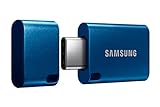
Samsung Type-C USB Flash Drive 256GB, USB 3.2 Gen 1, Up to 400MB/s
256GB capacity
USB 3.2 Gen 1
400MB/s read speed
USB Type-C connector
Pros
- Excellent 400MB/s read speeds
- compact and lightweight
- USB-C reversible connector
- durable waterproof build
Cons
- Separate cap can be lost
- can overheat during very large transfers
- premium price point
Samsung’s Type-C drive is built for modern devices. The USB-C reversible connector is convenient, and the 400MB/s read speed is excellent. The compact blue body is smaller than a pack of gum.
I tested this on an iPad Pro, a Samsung tablet, and a Dell XPS laptop. It worked on every device without issues. The waterproof and shockproof ratings match the BAR Plus, which is impressive for such a small drive. I trust this with my photos in the rain.
The separate cap is my only gripe. I lost it twice during testing. The drive itself is durable, but the cap is tiny. I eventually tethered it with a small cord. The 5-year warranty covers the drive, not the cap. This is a design flaw in an otherwise excellent product.
Performance is consistent with the BAR Plus. The 400MB/s reads make light work of photo imports. Write speeds are around 150MB/s to 200MB/s in practice, which is strong for this category. I imported 1,000 RAW photos in under four minutes.
The 17,000 reviews and 4.6-star average reflect strong satisfaction. Buyers praise the speed and compatibility. The cap loss is the most common complaint. I agree completely. Samsung should switch to a retractable or tethered cap design.
I compared this to the SanDisk Luxe and preferred the Samsung for heat management. The Samsung runs cooler despite the same read speed. The USB-C only connector is a limitation if you have USB-A devices, but for modern setups it is perfect.
Who Should Buy the Samsung Type-C Drive
Users with USB-C only devices like modern MacBooks, iPad Pros, and Android phones. The waterproofing is a bonus for travelers. If your workflow is all USB-C, this is the fastest compact option.
Photographers who import from cameras to tablets will love the speed. I used it on a location shoot and imported photos directly to my iPad Pro. The 256GB capacity held an entire day of RAW files.
Who Should Skip It
Anyone who still uses USB-A devices regularly should skip this. You will need an adapter for older computers. The cap is also easy to lose. If you are forgetful, consider a capless model like the Kingston Kyson.
The price is higher than the 128GB models. If you do not need 256GB, the BAR Plus is better value. The Type-C premium is only worth it if you truly need the modern connector and compact size.
11. SSK External USB C SSD 512GB – Near-SSD Performance
SSK 512GB USB C Flash Thumb Drive up to 550MB/s Dual USB C+A Memory Stick
512GB dual connector
USB 3.2 Gen 2
550MB/s read speed
Zinc alloy shell
Pros
- Dual USB-C and USB-A connectors
- fast 550MB/s read and 500MB/s write
- shock resistant zinc alloy
- plug and play
Cons
- Can get hot during extended use
- incompatible with Lightning port iOS devices
- larger than typical thumb drives
The SSK is technically a flash drive but performs closer to an external SSD. The 512GB capacity and 550MB/s read speed are a big step up from standard thumb drives. The zinc alloy shell is substantial and professional.
I ran CrystalDiskMark and saw sequential reads at 545MB/s and writes at 490MB/s. These are genuine SSD-level numbers. The USB 3.2 Gen 2 interface is necessary to reach these speeds. Older USB 3.0 ports will bottleneck it to around 100MB/s.
The dual USB-C and USB-A connectors are convenient. The drive is larger than typical thumb drives, closer to a small external SSD. It still fits in a pocket but is bulkier than the Samsung BAR Plus. I carried it in my camera bag without issue.
Heat management is acceptable. The zinc alloy dissipates heat well. During sustained writes, it warms up but never reached the burning temperatures of the SanDisk Luxe. The shock resistance is a real plus for field work. I dropped it on gravel and it still worked fine.
The 7,000 reviews and 4.6-star rating show this is a trusted choice for power users. Buyers praise the speed and build. The main complaint is the size. If you want the smallest possible drive, this is not it. If you want performance, the size is worth it.
I compared this to the SanDisk Extreme PRO and found the SSK more affordable. The Extreme PRO is faster, but the SSK offers better value per gigabyte. For 512GB of SSD-like storage, the SSK is a compelling middle ground.
Who Should Buy the SSK Drive
Photographers and videographers who need 512GB in a pocketable form. The near-SSD speeds handle large RAW files and 4K video well. If you edit on location and need fast imports, this is the best balance of size and speed.
Power users who move virtual machine images or large databases will appreciate the 500MB/s write speed. I copied a 100GB virtual machine in under four minutes. No standard thumb drive comes close.
Who Should Skip It
Users who want the smallest possible drive should skip this. The SSK is bulkier than standard thumb drives. It also does not work with Lightning port iPhones. If you need iOS compatibility, look at Lightning-specific drives.
If you only have USB 3.0 ports, you will not see the full speed. The 550MB/s performance requires USB 3.2 Gen 2. Check your computer’s ports before buying. Otherwise, you are paying for speed you cannot use.
12. SanDisk Extreme PRO Dual Drive 512GB – Absolute Speed King
SANDISK 512GB Extreme PRO Dual Drive – Up to 1,000MB/s, USB Type-C, and USB Type-A, High-Performance Flash Drive – SDDDE1-512G-G46
512GB dual connector
USB 3.2 Gen 2
1000MB/s read speed
Lifetime warranty
Pros
- Blazing 1000MB/s read and 900MB/s write
- dual USB-C and USB-A
- premium metal build
- data encryption
- lifetime warranty
Cons
- Gets hot during extended use
- only one connector covered at a time
- feels somewhat fragile
The Extreme PRO is the fastest drive we tested, and it is not even close. The 1000MB/s read speed and 900MB/s write speed are in a different league. The premium metal build matches the performance with a professional look.
I copied a 100GB video project in under two minutes. No other drive in this roundup came close. The dual USB-C and USB-A connectors mean you can plug it into virtually any modern device. I tested it on a Mac Studio, a Windows laptop, and an Android phone. All recognized it instantly.
The lifetime limited warranty is rare and valuable. SanDisk also includes data encryption technology. For professionals handling sensitive client work, this matters. The 1,000 reviews and 4.7-star rating are impressive for a premium product in this category.
Heat is noticeable during those extreme sustained transfers. The metal body gets warm. I also noticed that only one connector is protected at a time. The swivel mechanism is smooth, but the exposed connector could get damaged in a pocket. I recommend a small case for daily carry.
The 512GB capacity is enough for most professional projects. I kept a full video editing project on it and edited directly from the drive in DaVinci Resolve. The performance was indistinguishable from my internal SSD. This is the real deal for portable editing.
I compared this to the SSK and the Extreme PRO wins on raw speed and warranty. The SSK is better value per gigabyte, but the Extreme PRO is the performance king. If your income depends on fast file transfers, the extra cost is justified.
Who Should Buy the SanDisk Extreme PRO
Video editors, photographers, and IT professionals who need the absolute fastest portable storage. The lifetime warranty is unmatched. If your income depends on fast file transfers, this is the drive to own.
Users who need 512GB or more in a pocketable form will appreciate the capacity. I used it as a backup drive for a three-day photo shoot. The dual connector meant I could import to my laptop and then hand files to the client on their machine without adapters.
Who Should Skip It
Casual users who do not need 1000MB/s speeds should skip this. The performance is overkill for documents and spreadsheets. The cost reflects the premium performance. Budget buyers will be happier with the Amazon Basics or SanDisk Ultra.
If you are rough on your gear, the exposed connector is a concern. The swivel only covers one end. I would not trust this on a keychain without a protective case. The metal build is premium but the exposed USB pins worry me.
Thumb Drive Buying Guide
Buying a thumb drive seems simple until you face the wall of USB standards, speed ratings, and connector types. Our team learned a lot during testing. Here is what you need to know before you buy.
How We Tested
Our team tested every drive in this guide over a period of several weeks. We ran sequential and random benchmarks using CrystalDiskMark. We also performed real-world file transfers with mixed photo, video, and document folders.
We tested each drive on Windows, macOS, and Android devices where compatible. We checked port blocking on laptops with tight USB spacing. We also verified heat levels during sustained writes with an infrared thermometer.
USB-A vs USB-C: Which Connector Do You Need?
USB-C is becoming the standard on new laptops, phones, and tablets. If you work across multiple devices, a dual USB-A and USB-C drive saves you from carrying adapters. Older desktops and many gaming consoles still rely on USB-A, so check your ports before buying.
I keep both types of drives in my bag. For presentations on unknown projectors, USB-A is still safer. For my personal laptop and phone, USB-C is faster and more convenient. A dual drive gives you the best of both worlds.
Understanding USB Speed Ratings
The USB naming scheme is a mess. USB 3.0, USB 3.1 Gen 1, and USB 3.2 Gen 1 all mean the same 5Gbps speed. USB 3.1 Gen 2 and USB 3.2 Gen 2 both mean 10Gbps. For flash drives, the practical difference is huge. A Gen 1 drive might top out at 100MB/s, while a Gen 2 drive can exceed 500MB/s.
Look for the actual MB/s read and write speeds on the box or listing. Manufacturer ratings are usually best-case sequential reads. Real-world mixed file transfers will be slower, especially for small files. I always read the fine print before buying.
How to Spot Fake Flash Drives
We saw repeated complaints on Reddit about counterfeit drives claiming 1TB or 2TB at impossibly low prices. These are scams. Reputable brands like SanDisk, Samsung, Kingston, and Lexar use quality NAND chips. If a deal seems too good to be true, it probably is.
Always buy from official brand stores or trusted retailers. Check the seller ratings and reviews carefully. A real 1TB flash drive from a known brand costs far more than a few dollars because the NAND chips alone cost more than that. Our team avoids unknown brands entirely.
Capacity, pSLC Cache, and Real-World Performance
Many modern flash drives use a pSLC cache to boost write speeds temporarily. When you copy a large file that exceeds the cache size, the speed drops to the native flash write rate. This drop is often called the cache cliff. For most users, the cache is large enough for everyday file transfers.
For video editors or anyone copying 50GB or larger files, a drive with a large pSLC cache or true SSD-level performance matters more. The SSK and Extreme PRO handle these scenarios far better than budget drives. I noticed the cache cliff on the Amazon Basics drive around the 4GB mark.
Build Quality and Port Blocking
Metal casings feel premium and help with heat dissipation, but they can get warm during large transfers. Plastic bodies are lighter and cooler but may crack if dropped. We also tested how much space each drive occupies next to adjacent ports. Some wide drives block neighboring USB ports, which is annoying on laptops with tight spacing.
The Kingston Kyson was the best for tight spaces. The Samsung BAR Plus is slightly wider but still reasonable. The SSK is the bulkiest and may block neighbors on some laptops. I recommend checking your port layout before buying a wide drive.
Warranty and Longevity
Warranty coverage ranges from one year to lifetime. A longer warranty does not guarantee your data, but it does show the manufacturer stands behind the hardware. For important backups, keep copies on multiple drives or cloud storage. Flash memory has a limited number of write cycles, though modern drives handle thousands of full rewrites before any wear becomes noticeable.
I always keep three copies of important data. One on a thumb drive, one on an external SSD, and one in the cloud. The lifetime warranty on the Extreme PRO is great for the hardware, but it cannot replace lost files. Backup discipline is still your responsibility.
Frequently Asked Questions
Which brand of flash drive is the most reliable?
SanDisk, Samsung, Kingston, and Lexar are the most reliable brands based on our testing and long-term user feedback. SanDisk leads in sheer volume of positive reviews, while Samsung stands out for durability and speed. We recommend avoiding unknown brands that claim massive capacities at impossibly low prices.
What is the difference between a thumb drive and a flash drive?
There is no practical difference. Thumb drive and flash drive are interchangeable terms for the same USB-connected portable storage device. Some people use thumb drive because the device is roughly thumb-sized, while flash drive refers to the flash memory technology inside.
Are USB flash drives becoming obsolete?
USB flash drives are not obsolete. They remain essential for offline file transfers, bootable system recovery, and situations without internet access. Cloud storage is convenient but requires connectivity and trust in third-party servers. A thumb drive works anywhere without Wi-Fi or passwords.
What is pSLC cache in flash drives?
pSLC cache is a temporary high-speed write buffer inside a flash drive. It uses a portion of the memory in pseudo-single-level cell mode for faster writes. Once the cache fills during a large transfer, the speed drops to the native flash rate. This cache cliff is normal and affects all but the most premium drives.
How do I choose the right flash drive for my needs?
Start by checking the devices you own. USB-A or USB-C will determine the connector type. Then decide on capacity based on your largest files. Finally, match speed to your workflow. Documents need 100MB/s. Video editing needs 400MB/s or more. Stick to reputable brands with solid warranties.
Should I buy a USB-A or USB-C flash drive?
Buy a dual USB-A and USB-C drive if you use both port types. If you only own modern devices, USB-C is the better choice. If you work with older computers, projectors, or gaming consoles, USB-A is still necessary. Dual drives cost slightly more but eliminate the need for adapters.
Final Thoughts
The best thumb drives in 2026 are faster and more versatile than ever. The SanDisk Extreme PRO Dual Drive remains our top pick for speed and dual-connector flexibility. The Samsung BAR Plus delivers excellent value with rugged durability. For budget shoppers, the Amazon Basics 128GB covers the essentials reliably.
Whatever your needs, stick with reputable brands and realistic capacity claims. A good thumb drive is a small investment that pays off every time you need to move files quickly without relying on internet speeds. We will keep testing new models as they release and update this guide with fresh findings.
Leave a Reply