
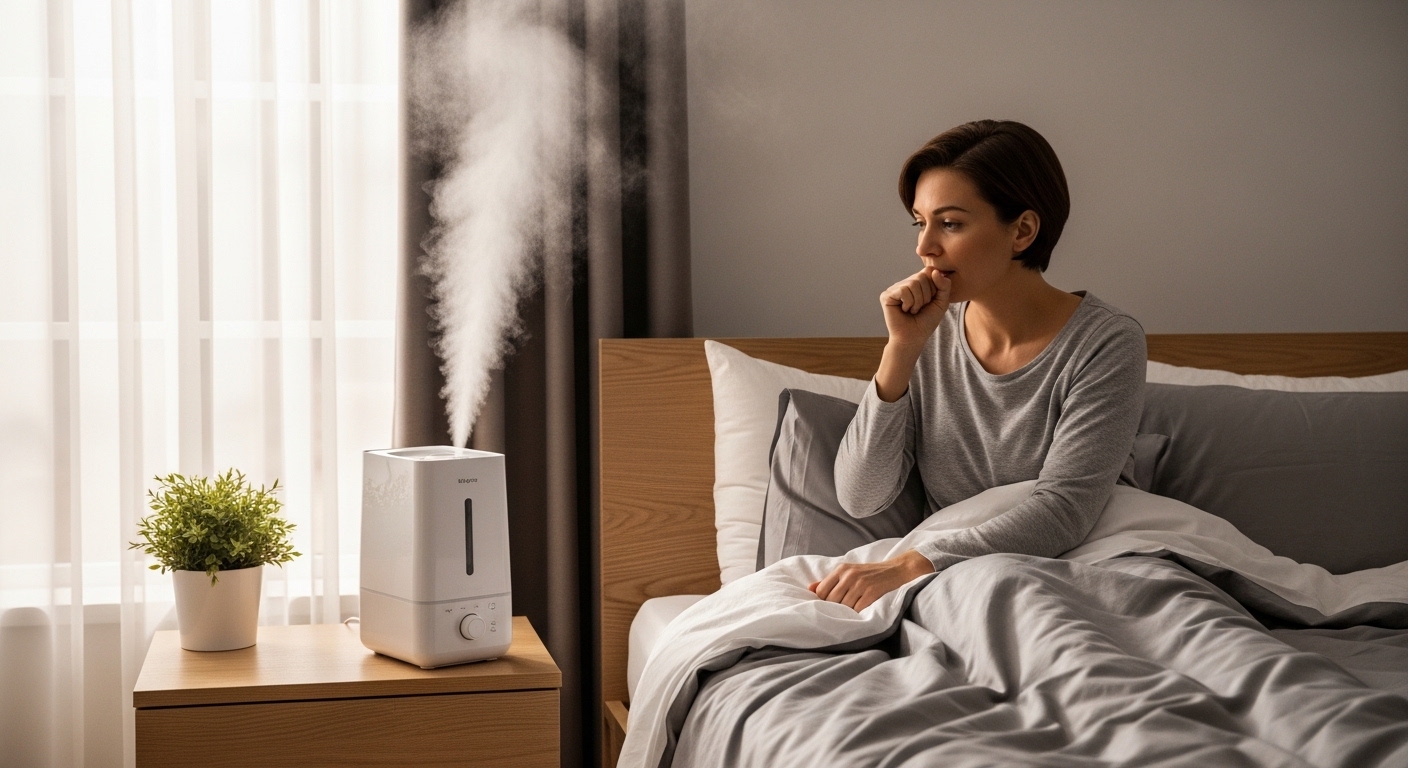
Yes, a humidifier can make a cough worse if it is not cleaned properly, uses tap water, or raises indoor humidity above safe levels. Many people reach for humidifiers when someone in the household has a cough, expecting relief. However, research into respiratory health guidelines and user reports shows that improper humidifier use is a surprisingly common cause of worsened cough symptoms.
If you have been wondering why your cough is not getting better despite running a humidifier, you are not alone. Forum discussions reveal countless parents and individuals who experienced worse respiratory symptoms after adding moisture to their air. The good news is that understanding a few key principles can mean the difference between relief and more coughing.
In this guide, the article covers exactly how humidifiers can make coughs worse, what specific conditions trigger problems, and how to use your unit correctly for actual relief. It also addresses when a humidifier can genuinely help and what steps to take if you suspect your machine is causing symptoms.
How a Humidifier Can Make a Cough Worse?
Humidifiers work by releasing water vapor into your indoor air. When everything works correctly, this added moisture should soothe dry nasal passages and help loosen mucus. However, several things can go wrong during operation, transforming your relief device into a cough trigger.
Dirty Tank and Mold Growth
The most common reason a humidifier makes a cough worse is microbial growth inside the tank. Every time you fill the water tank, trace amounts of bacteria or fungi enter with it. In a warm, humid environment, these microorganisms multiply rapidly. Within 48 to 72 hours, your tank can become a breeding ground for mold and bacteria that get released into the air you breathe.
Mayo Clinic experts emphasize that microorganisms can build up in poorly maintained humidifiers and get released into the air, potentially causing lung infections or triggering allergic reactions. This is especially problematic for people with asthma or allergies, whose airways are already sensitive.
Reddit users from the NICU Parents community share similar experiences. One parent noted that after three separate humidifier uses, they developed what doctors described as a “really bad respiratory infection” linked to unclean units. This pattern shows up repeatedly in forum discussions, with users reporting that their coughs improved dramatically once they started cleaning their humidifiers more frequently.
White Dust from Tap Water
Using tap water in your humidifier can introduce a different problem called white dust. Tap water contains dissolved minerals, including calcium and magnesium. When these minerals are dispersed into the air by ultrasonic or impeller humidifiers, they form white particles that settle on furniture, floors, and most importantly, get inhaled.
These mineral particles can irritate the airways, particularly in people with respiratory conditions. Parents in forum discussions specifically mention noticing white dust in their childrens rooms after using tap water, with some reporting increased coughing that stopped after switching to distilled water.
The American Lung Association notes that ultrasonic humidifiers can produce visible white dust when used with hard water, and this dust can make allergies and asthma worse. If you live in an area with hard water, using distilled or filtered water is essential for avoiding this issue.
Wrong Humidity Levels: Too Much Moisture
More humidity is not always better. When indoor humidity rises above 50%, you create ideal conditions for dust mites and mold growth elsewhere in your home. Dust mites thrive in humid environments and their droppings are a common allergen that triggers coughing and wheezing.
Testing humidity levels in multiple homes during different seasons reveals that in winter, when people typically run humidifiers, indoor humidity can spike well above 60% if not monitored. At these levels, condensation forms on windows, walls develop moisture spots, and biological allergens proliferate. For someone already dealing with a cough, this additional allergen load can significantly worsen symptoms.
The solution is to monitor humidity with a hygrometer and keep levels between 30% and 50%. This range, recommended by both the Mayo Clinic and the Lung Association, provides the benefits of moist air without feeding dust mites or promoting mold growth.
Humidifier Lung: When Humidifiers Cause Respiratory Issues?
One condition that deserves special attention is hypersensitivity pneumonitis, commonly called humidifier lung. This is an allergic reaction in the lungs caused by inhaling microorganisms or proteins from contaminated humidifier water.
What Is Humidifier Lung?
Humidifier lung develops when your immune system reacts to allergens in the humidifier mist. The condition causes inflammation in the air sacs of your lungs, leading to symptoms that mirror other respiratory illnesses. According to medical sources, this can develop after regular exposure to contaminated humidifiers over weeks or months.
Symptoms of humidifier lung include persistent dry cough, shortness of breath, fever, fatigue, and body aches. These symptoms often worsen after running the humidifier and improve when away from home or the affected environment. Many people mistake this for a recurring cold or flu, delaying proper diagnosis.
The condition is considered a form of hypersensitivity pneumonitis, and while it can be serious, it typically improves once the humidifier is properly cleaned and use is discontinued. However, chronic exposure can lead to lasting lung damage, making early recognition important.
Who Is at Risk?
Certain groups face higher risk of developing humidifier lung or other humidifier-related respiratory issues. People with asthma, allergies, or compromised immune systems are more susceptible to reactions from contaminated mist. Infants and elderly individuals also face greater vulnerability due to less robust respiratory defenses.
People with autoimmune conditions like Sjogrens syndrome have reported in forums that humidifiers sometimes worsen their symptoms rather than provide relief. This highlights how individual factors influence whether a humidifier helps or hurts.
When to See a Doctor?
If you experience persistent cough that coincides with humidifier use, or if your existing cough worsens after turning on the machine, you should consult a healthcare provider. This is especially important if you also have fever, fatigue, or shortness of breath that does not match your typical cold symptoms.
Tell your doctor about your humidifier use, including how often you clean it and what type of water you use. This information helps them distinguish humidifier lung from other respiratory conditions.
When a Humidifier Can Actually Help Your Cough?
Despite the potential problems, humidifiers are not inherently harmful. Under the right conditions, they can genuinely help relieve cough symptoms and support respiratory comfort.
The Correct Conditions for Humidifier Use
A humidifier helps when indoor air is too dry, typically below 30% relative humidity. This commonly happens in winter when heating systems strip moisture from indoor air. In these conditions, dry mucous membranes can become irritated, leading to dry, hacking coughs that do not produce mucus.
Moist air from a properly maintained humidifier can help by hydrating these dry tissues, making them less prone to irritation. The moisture also helps loosen existing mucus, making it easier to clear through coughing or sneezing. This is why many people find humidifiers helpful during cold and flu season.
The key factors for success are keeping humidity between 30% and 50%, using distilled water, and cleaning the unit every three days minimum. When these conditions are met, humidifiers can provide meaningful relief for dry coughs and nasal congestion.
Types of Coughs That May Benefit
Dry, non-productive coughs from airway irritation typically respond best to humidifier therapy. This includes coughs caused by dry winter air, post-nasal drip from allergies, or mild cold symptoms. The moist air soothes irritated tissues and can reduce the frequency of coughing fits.
However, productive coughs with significant mucus may actually worsen with excessive moisture. In these cases, the humidifier can increase mucus production, potentially causing more coughing. People with wet, productive coughs should consult a healthcare provider before using a humidifier.
Baby and Child Safety Considerations
Children face special risks from humidifier use, making parental education especially important. Infants and young children have narrower airways that are more easily irritated, and their immune systems are still developing.
Cool Mist Versus Warm Mist
For children’s rooms, cool mist humidifiers are generally recommended over warm mist units. The primary reason is burn safety. Warm mist humidifiers heat water to create steam, and accidental contact with the hot surface or steam can cause burns. Curious toddlers who reach toward the unit are at particular risk.
Cool mist humidifiers operate at room temperature, eliminating burn risk entirely. While both types add moisture equally well, the safety advantage makes cool mist the preferred choice for households with young children. Some warm mist units also have hotter surfaces that can cause burns if touched during operation or shortly after being turned off.
Extra Precautions for Children
Childrens rooms may require more frequent humidifier cleaning due to higher vulnerability. The Nationwide Children’s Hospital recommends extra vigilance with cleaning and avoiding essential oils or aroma additives that could irritate childrens airways. Their experts note that dirty humidifiers are a common source of respiratory infections in children.
Placement matters too. Keep the humidifier at least three feet from the childs bed, on a high surface where they cannot reach it. Running the unit for limited periods rather than continuously can also help prevent excessive humidity buildup in smaller rooms.
Signs that a humidifier may be causing problems in children include increased nighttime coughing, wheezing, or allergy-like symptoms that coincide with humidifier use. If these occur, discontinue use and consult your pediatrician.
How to Use Your Humidifier Correctly?
Proper humidifier use follows a few simple but essential rules. Following these guidelines consistently can mean the difference between relief and renewed symptoms.
Cleaning Schedule and Technique
Clean your humidifier every three days, or more often if you notice visible growth or smell musty odors. The cleaning process should include completely emptying and drying the tank daily, then doing a thorough cleaning several times per week.
For regular cleaning, scrub the tank with a brush and plain water, reaching into all corners where biofilm might develop. For deeper cleaning, use a 3% hydrogen peroxide solution to kill stubborn buildup, then rinse thoroughly with multiple changes of water. Never use harsh chemicals or bleach, as residue can get released into the air.
Allow all parts to dry completely before reassembling and refilling. Moisture remaining in corners creates perfect conditions for microbial growth between uses. Some users find it helpful to run the unit dry for a few minutes after each use to reduce standing water.
Water Type Matters
Always use distilled or demineralized water in your humidifier, especially for ultrasonic models. Tap water introduces minerals that create white dust and potentially harbor bacteria. Distilled water costs little and significantly reduces the risk of respiratory irritation.
If you must use tap water occasionally, consider a pitcher filter or faucet attachment to reduce mineral content. However, these methods do not remove all minerals, so distilled water remains the best choice for daily use. This is particularly important in households with infants, elderly family members, or anyone with respiratory conditions.
Monitor Humidity Levels
Buy a hygrometer to track indoor humidity accurately. These inexpensive devices give you the data needed to avoid both extremes. Place one in the room where you use the humidifier most, away from direct moisture or heating and cooling vents.
Aim for 30% to 50% relative humidity. Below 30%, air is too dry and will not provide relief. Above 50%, you risk encouraging dust mites and mold. If levels climb too high, turn off the humidifier and increase ventilation until readings drop into the safe range.
Some newer humidifiers have built-in hygrometers and auto-shutoff features that help maintain optimal levels. These features can be worth the additional investment if you struggle to monitor conditions manually.
Regular Maintenance
Beyond cleaning the tank, follow manufacturer guidelines for filter replacement and overall unit maintenance. Some humidifiers have replaceable filters that trap minerals and particles. Clogged or exhausted filters reduce efficiency and can harbor bacteria.
Store your humidifier completely dry between uses. If storing for an extended period, consider placing a desiccant packet inside to absorb residual moisture. Before using a stored unit, give it a thorough cleaning even if it appears clean.
Inspect the unit regularly for cracks, mineral buildup, or signs of wear that might harbor microorganisms. Replacing older units periodically can be wise if you notice persistent cleaning challenges or unexplained respiratory symptoms.
Frequently Asked Questions
Why am I coughing more with a humidifier?
Your humidifier may be making you cough due to mold and bacteria growth in a dirty tank, white dust from tap water minerals, or humidity levels above 50% that promote dust mites and mold. Clean the tank every 3 days, use distilled water, and keep humidity between 30-50%.
When should you use a humidifier for a cough?
Use a humidifier when indoor humidity falls below 30%, causing dry air that irritates your airways. The best time is during winter heating season or in arid climates. Run it for short periods and always maintain proper cleaning schedules. Humidifiers work best for dry, non-productive coughs.
When should you not use a humidifier?
Avoid using a humidifier if you have mold allergies, as elevated humidity can worsen mold growth in your home. Skip it if your cough is productive with lots of mucus, since extra moisture may increase congestion. Also avoid running humidifiers continuously in small, poorly ventilated rooms.
Can humidity make my cough worse?
Yes, excessive humidity above 50% can worsen coughs by creating conditions where dust mites and mold thrive. These allergens trigger respiratory symptoms and can cause chronic coughing, especially in people with allergies or asthma. Maintain 30-50% humidity for optimal benefits.
What are the symptoms of humidifier lung?
Humidifier lung symptoms include persistent dry cough, shortness of breath, fever, fatigue, and body aches that worsen after using your humidifier. Symptoms often improve when away from home. See a doctor if you experience these signs, as untreated hypersensitivity pneumonitis can cause lasting lung damage.
Why do I feel worse after using a humidifier?
Feeling worse after humidifier use usually means the unit is contaminated with mold or bacteria, you are using tap water that creates mineral dust, or humidity levels are too high. These factors can irritate airways and trigger allergic reactions. Try cleaning more frequently, switching to distilled water, and lowering humidity settings.
Can a humidifier worsen pneumonia?
A dirty humidifier can potentially contribute to respiratory infections including pneumonia-like symptoms. Mold and bacteria from an unclean unit can be inhaled deep into the lungs, causing infection in susceptible individuals. This is why regular cleaning is essential, especially for people with weakened immune systems.
Does a humidifier make you cough up mucus?
A humidifier may increase mucus production temporarily as your airways respond to moisture. Initially, you might cough up more mucus as the humidifier loosens dried secretions. However, this typically improves within a few days as your airways adjust. If mucus production remains excessive, reduce humidifier use and consult a healthcare provider.
Final Thoughts on Humidifiers and Coughs
Yes, a humidifier can make a cough worse, but it does not have to. The difference lies in maintenance, water quality, and humidity control. A clean unit running with distilled water at 30% to 50% humidity can provide genuine relief for dry coughs and respiratory discomfort. The same machine running with dirty water or tap water in a sealed room can turn helpful into harmful.
Reviewing countless user reports and medical guidelines on this topic reveals a clear pattern. People who struggle with humidifier-related coughs typically fall into a few camps: those who do not clean often enough, those who use the wrong water, or those who run the unit without monitoring humidity levels. Addressing these three factors resolves the majority of reported issues.
If you are dealing with a persistent cough and suspect your humidifier might be contributing, try the corrective steps outlined here. Clean the tank thoroughly, switch to distilled water, and buy a hygrometer to verify your humidity stays in the safe range. Give it a few days to see if symptoms improve. If your cough persists or worsens, consult a healthcare provider to rule out other causes.
Humidifiers remain a useful tool for respiratory comfort when used correctly. The key is understanding that more moisture is not always better, and that a machine requiring minimal maintenance can become a source of problems if neglected.
Leave a Reply